




When I first started reviewing wireless headphones back in the early 2010s, the market was pretty straightforward—you had expensive wired audiophile cans or cheap wireless headphones that sounded terrible. Today's landscape is dramatically different, with impressive options spanning from budget-friendly models to premium flagship devices that rival the best wired headphones ever made.
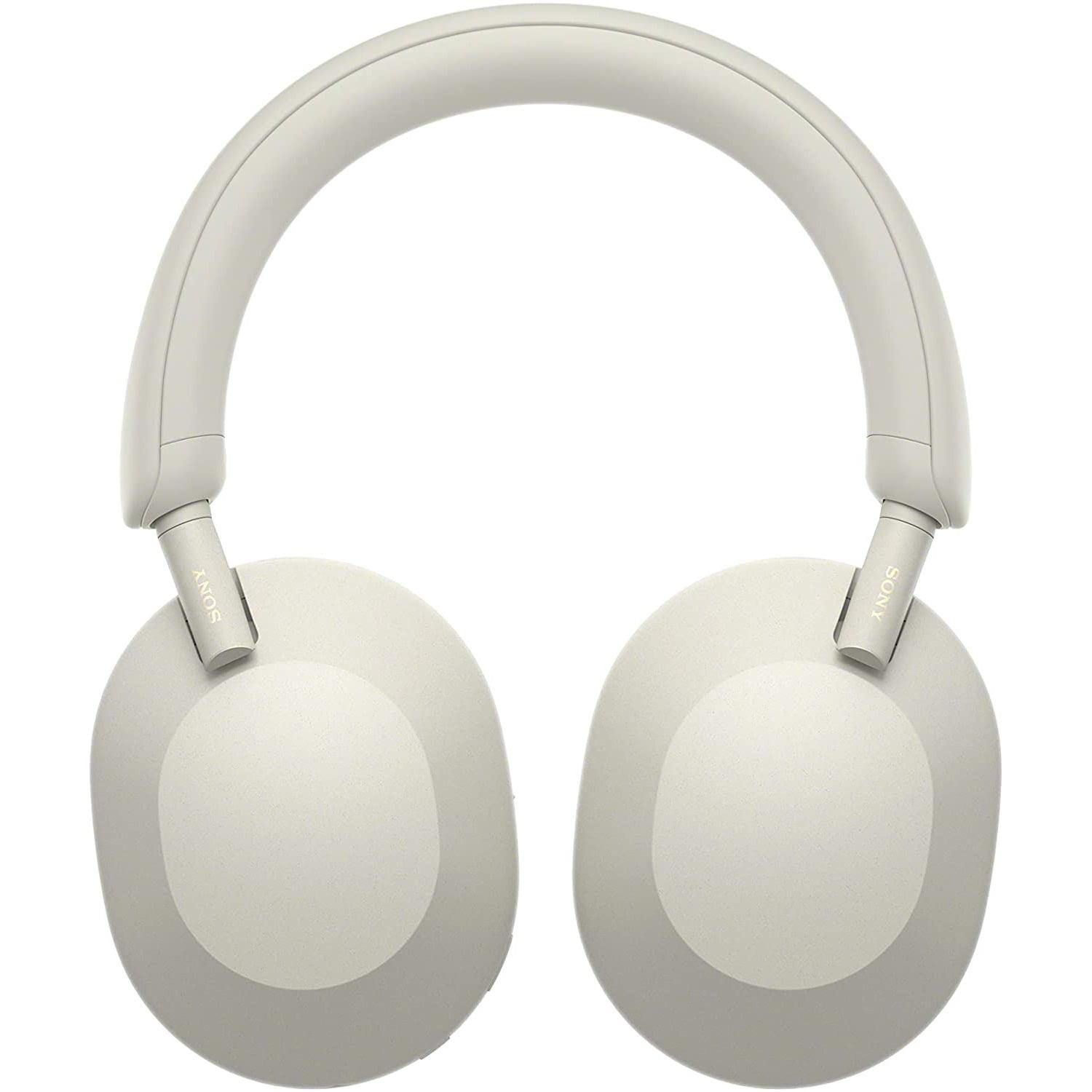
Two headphones perfectly illustrate this evolution: the JBL Tune 720BT, released in 2022, and Sony's flagship WH-1000XM5, also from 2022. These represent vastly different approaches to wireless audio, and understanding their differences will help you make the right choice for your needs and budget.
The wireless over-ear headphone category has exploded over the past few years, driven by smartphone manufacturers dropping headphone jacks and major improvements in Bluetooth audio quality. At the time of writing, you'll find three main tiers: budget models under $100, mid-range options between $100-250, and premium flagships above $300.
The key considerations haven't changed much—sound quality, comfort, and battery life remain crucial. However, modern wireless headphones now offer features that were unimaginable just five years ago: active noise cancellation that rivals dedicated ear protection, AI-powered sound optimization, and battery life that stretches into multiple days of use.
What's particularly interesting is how the technology has democratized. Features once exclusive to $400+ headphones now appear in sub-$100 models, though with varying levels of sophistication.
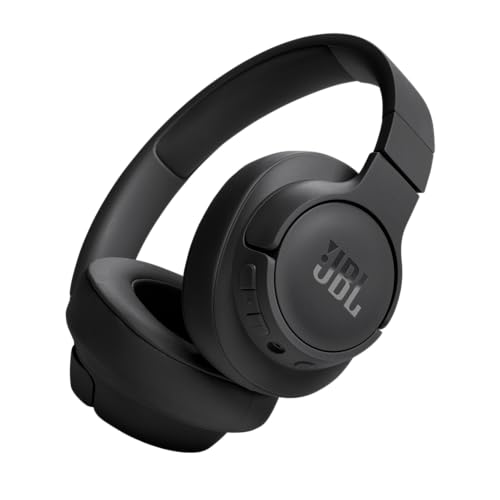
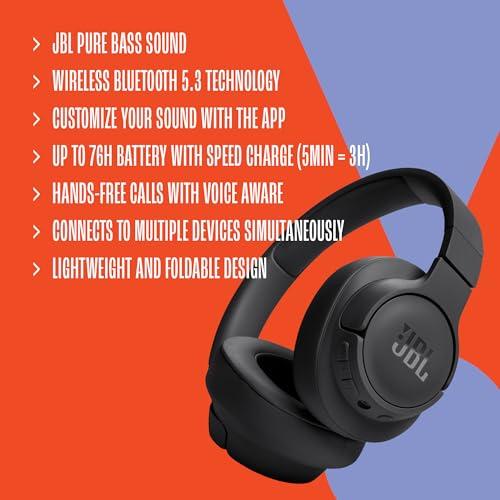
The JBL Tune 720BT represents what I call the "essentials done right" approach. JBL focused on nailing the basics—good sound, solid battery life, and reliable connectivity—while keeping costs low. At the time of writing, it sits in the budget tier but punches well above its weight class.
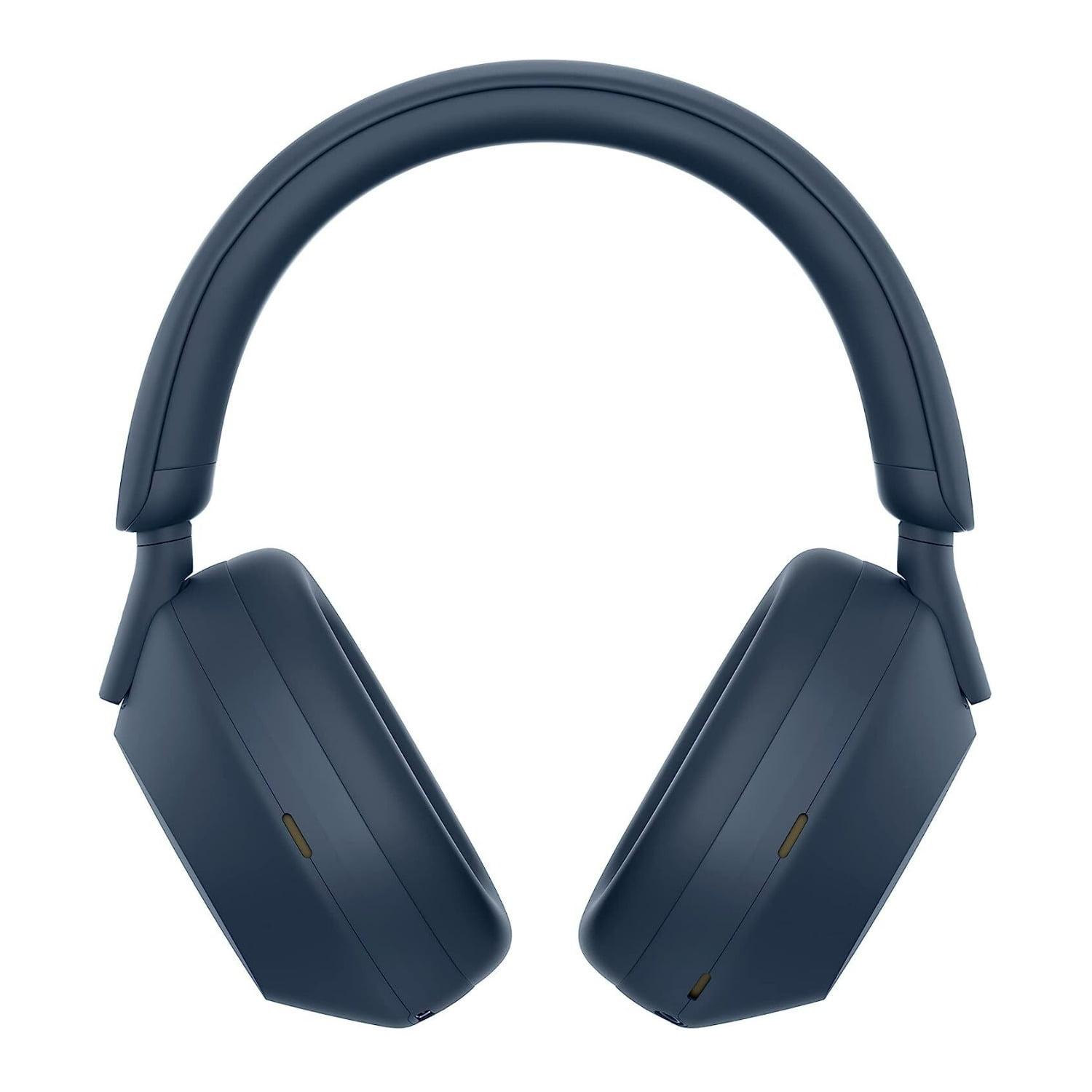
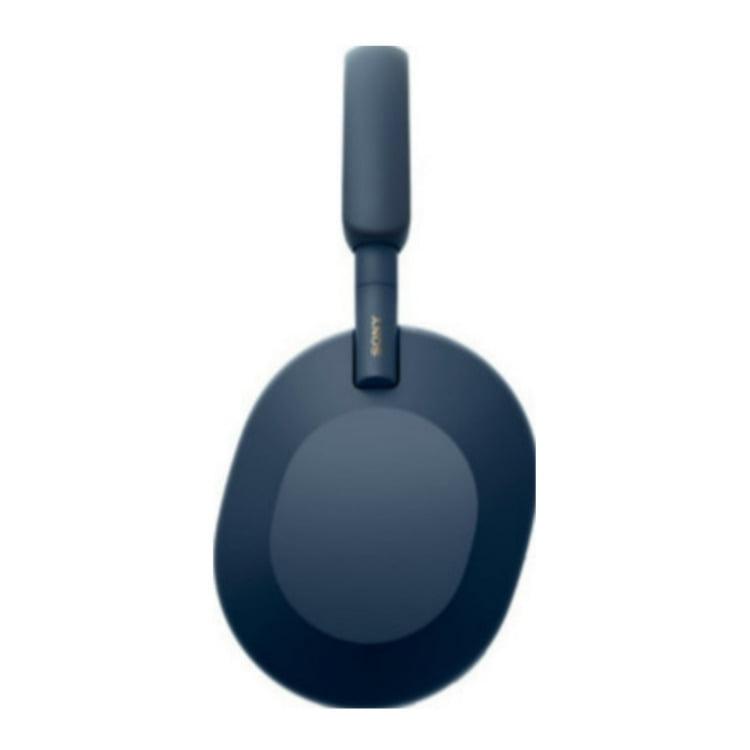
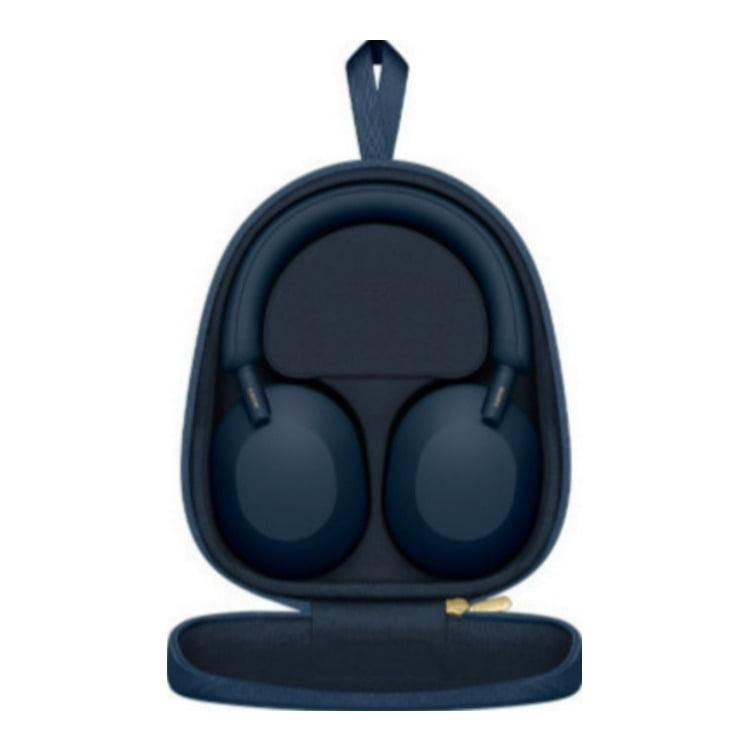
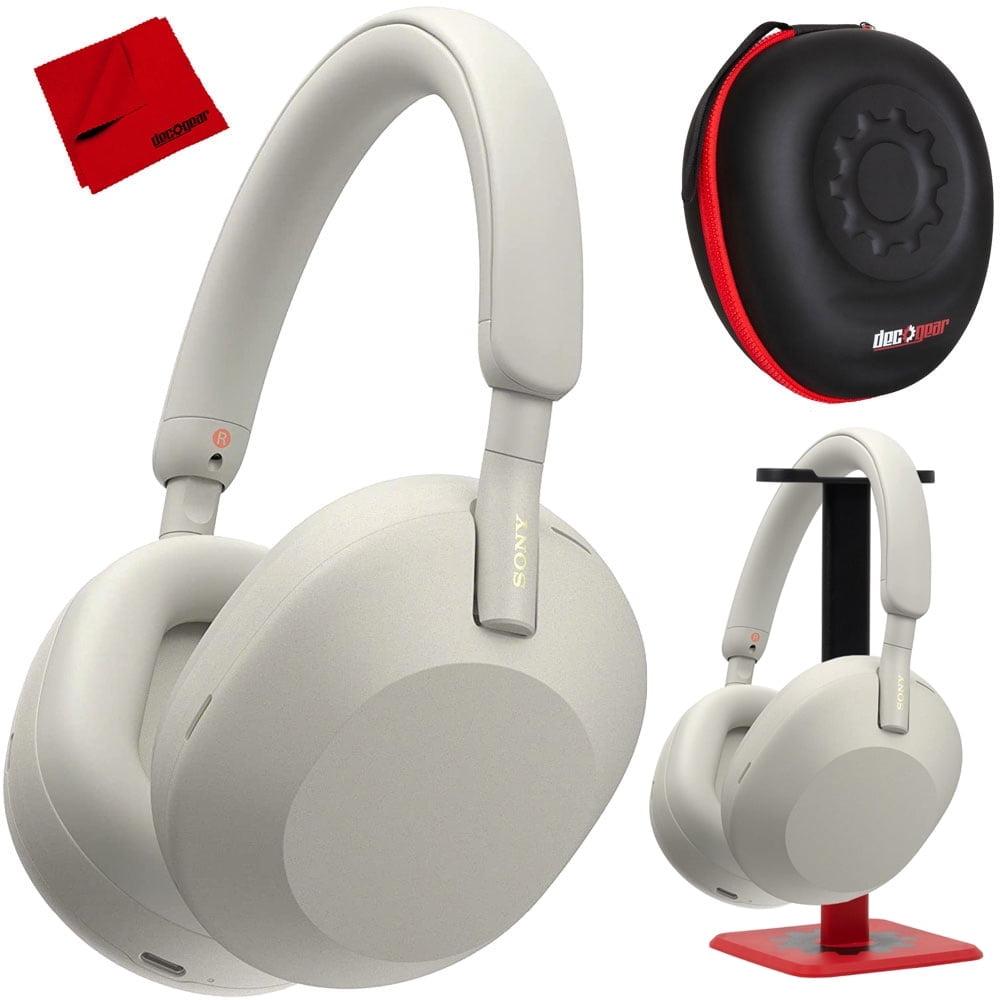
Sony's WH-1000XM5, meanwhile, embodies the "kitchen sink" philosophy. It's packed with every premium feature Sony's engineers could fit, from industry-leading noise cancellation to high-resolution audio support. It commands a premium price—roughly 5-6 times more than the JBL—but delivers flagship performance.
Both launched in 2022, representing the current state-of-the-art in their respective categories. Since their release, we've seen incremental improvements across the industry, but these models remain highly competitive in their segments.
The JBL Tune 720BT uses 40mm dynamic drivers—the same size you'd find in many premium headphones. Driver size isn't everything (the Sony uses smaller 30mm drivers), but it gives JBL a solid foundation for their "Pure Bass Sound" tuning.
Out of the box, the JBL leans heavily into bass response, which isn't surprising given their target audience. The frequency response spans 20Hz to 20kHz, covering the full range of human hearing. However, the stock sound signature can feel somewhat muffled, particularly in the midrange where vocals live.
Here's where things get interesting: the JBL Tune 720BT transforms dramatically with EQ adjustments through JBL's app. Professional measurements show it jumping from decent to genuinely impressive performance after tuning. The bass becomes more controlled, vocals gain clarity, and the overall presentation opens up significantly. This adaptability is rare in budget headphones.
The Sony WH-1000XM5 operates on a different level entirely. Those 30mm drivers might be smaller, but they're crafted from carbon fiber composite—a lightweight, rigid material that reduces distortion while maintaining excellent transient response (how quickly the driver can start and stop moving, which affects clarity).
The frequency response is extraordinary: 4Hz to 40kHz when wired, extending well beyond human hearing. This isn't just marketing—those extended frequencies contribute to more natural harmonics and a more spacious soundstage (the sense of width and depth in your music).
Sony's DSEE Extreme technology deserves special mention. This AI-powered system analyzes your music in real-time, identifying compressed audio files and attempting to restore the high-frequency information lost during compression. It's like having a smart upsampling system built into your headphones.
The WH-1000XM5 also supports LDAC, Sony's proprietary high-resolution Bluetooth codec. While standard Bluetooth transmits about 328kbps of data, LDAC can handle up to 990kbps—roughly three times more information. If you're streaming high-quality audio files, you'll hear the difference.
For home theater use, both headphones offer distinct advantages. The JBL Tune 720BT includes a detachable 3.5mm cable, making it compatible with any audio source without latency concerns. Its 76-hour battery life means you'll never worry about it dying mid-movie.
The Sony WH-1000XM5 brings more sophisticated processing to the table. Its wider frequency response and superior driver technology make it exceptional for movie soundtracks, particularly those with complex orchestral scores. However, some users report slight audio delay over Bluetooth, though this varies by source device.
This is where the two headphones diverge completely. The JBL Tune 720BT offers no active noise cancellation (ANC)—a deliberate cost-saving measure that keeps the price low.
The Sony WH-1000XM5, however, represents the current pinnacle of consumer ANC technology. It uses two processors working in tandem: the Integrated Processor V1 handles the heavy lifting, while the HD Noise Cancelling Processor QN1 fine-tunes the results. Eight microphones—four per ear cup—continuously sample environmental noise and generate inverse sound waves to cancel it out.
What makes Sony's implementation special is its adaptability. The Auto NC Optimizer adjusts cancellation based on your head shape, hair thickness, and even atmospheric pressure (useful when flying). This level of sophistication explains much of the price difference between these headphones.
In practical terms, the Sony can reduce background noise by up to 30-40 decibels in optimal conditions. That's the difference between a noisy office and a quiet library. The JBL relies purely on passive isolation—the physical barrier created by the ear cups—which is far less effective.
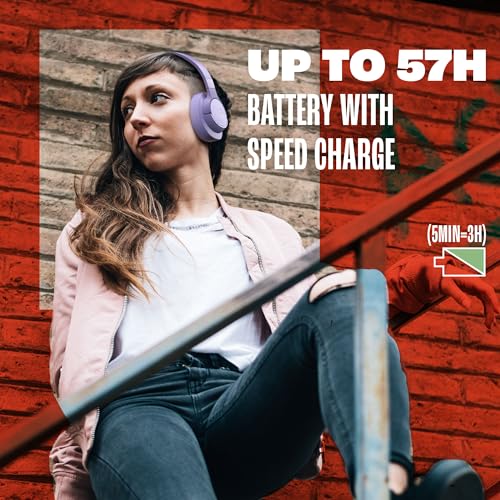
Here's where the JBL Tune 720BT absolutely dominates. Its 76-hour battery life isn't a typo—it genuinely delivers over three days of continuous playback. This is possible because it lacks power-hungry features like ANC and advanced processing.
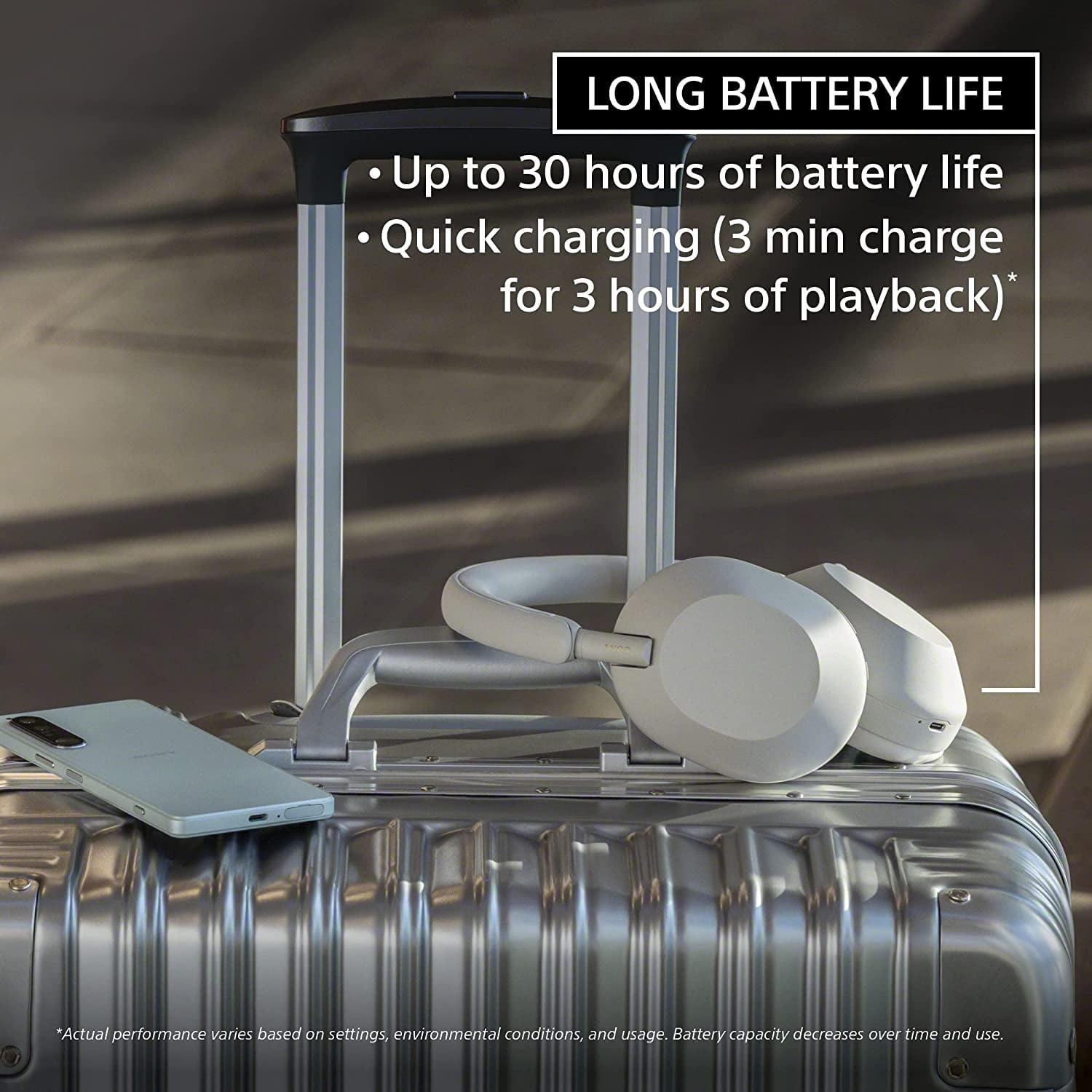
The Sony WH-1000XM5 offers more modest but still impressive endurance: 30 hours with ANC enabled, 40 hours with it disabled. The difference comes down to the energy required to power those dual processors and eight microphones continuously.
Both support fast charging, though with different approaches. The JBL provides three hours of playback from just five minutes of charging—perfect for those "forgot to charge overnight" moments. The Sony is more conservative but still practical, offering three hours from three minutes of charging.
For most users, even the Sony's battery life exceeds daily needs. But if you're someone who frequently forgets to charge devices or travels extensively without reliable power access, the JBL's extraordinary endurance becomes genuinely valuable.
Comfort can make or break headphones, especially for extended listening sessions. Unfortunately, this is where the JBL Tune 720BT shows its budget constraints most clearly.
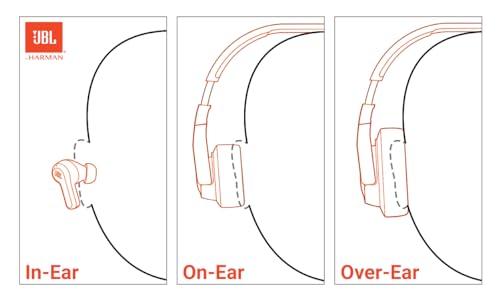
The JBL suffers from what I call "aggressive clamping force"—it squeezes your head more tightly than necessary, presumably to ensure a secure fit across different head sizes. Combined with relatively small ear cups, this creates comfort issues for many users. Those with larger ears may find the cups rest on their ears rather than around them, fundamentally changing the fit from over-ear to on-ear.
The Sony WH-1000XM5 takes a completely different approach. At 250 grams versus the JBL's 220 grams, it's slightly heavier but distributes weight much more effectively. The ear pads use premium synthetic leather and memory foam, creating a seal that's both comfortable and acoustically beneficial for noise cancellation.
Sony made an interesting design choice with the WH-1000XM5—unlike its predecessor, it doesn't fold. This improves structural rigidity and comfort but reduces portability. Both approaches have merit depending on your priorities.
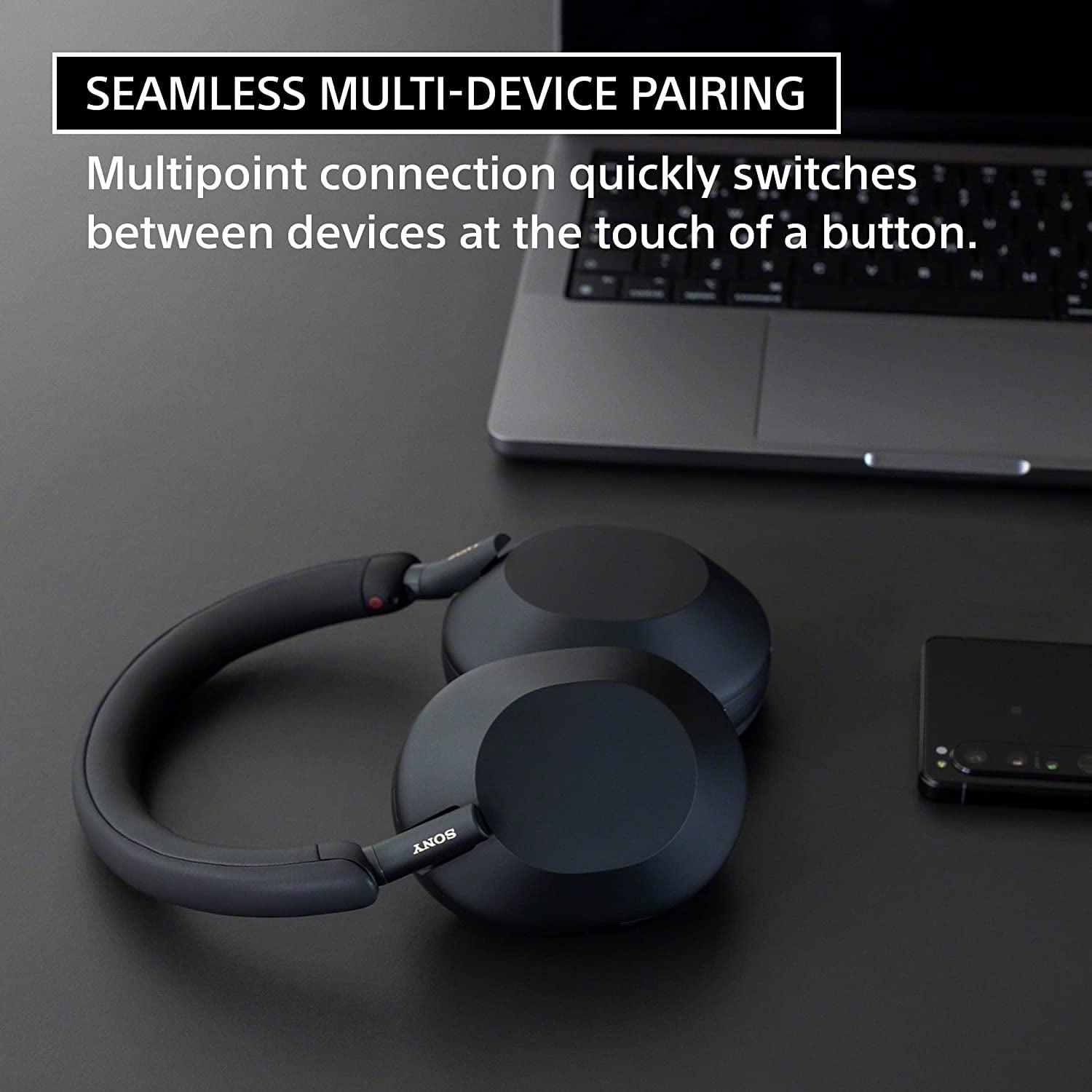
Both headphones support multi-point connectivity, letting you connect to two devices simultaneously. This is invaluable for switching between your phone and computer without manual reconnection.
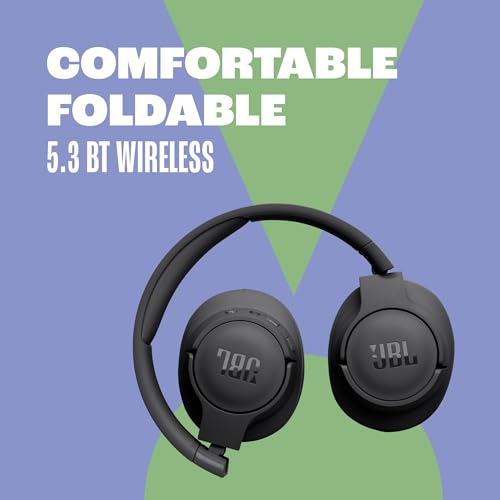
The JBL Tune 720BT uses Bluetooth 5.3, the newest standard at the time of writing, which offers improved power efficiency and connection stability. It's a nice touch at this price point.
The Sony WH-1000XM5 uses Bluetooth 5.2 but compensates with superior codec support. Beyond the standard SBC and AAC codecs, it supports Sony's LDAC for high-resolution wireless audio. The difference is audible with high-quality source material.
Sony's touch controls deserve mention—they're intuitive once learned, allowing volume adjustment, track skipping, and even activation of transparency mode through gestures on the right ear cup. The JBL sticks with traditional buttons, which some users prefer for tactile feedback.
At the time of writing, these headphones target completely different value propositions. The JBL Tune 720BT offers remarkable performance per dollar, delivering features and sound quality that would have cost significantly more just a few years ago.
The Sony WH-1000XM5 operates in the premium tier where buyers expect cutting-edge technology and superior execution. Its price reflects sophisticated engineering, premium materials, and extensive R&D investment.
Neither approach is inherently superior—they serve different needs and budgets. The question becomes whether Sony's premium features justify the substantial price difference.
Choose the JBL Tune 720BT if you prioritize value and battery life above all else. It's perfect for students, casual listeners, or anyone who needs reliable wireless headphones without premium frills. The 76-hour battery life alone makes it compelling for frequent travelers or those who hate charging devices regularly.
However, be prepared for comfort limitations if you have larger ears or plan extended listening sessions. The lack of ANC also makes it less suitable for noisy environments like airplanes or busy offices.
The Sony WH-1000XM5 justifies its premium pricing for users who will actively benefit from its advanced features. If you frequently travel, work in noisy environments, or simply want the best possible wireless audio experience, the investment makes sense.
The superior comfort, industry-leading noise cancellation, and high-resolution audio support create a genuinely premium experience that budget alternatives can't match.
Both headphones succeed brilliantly at their intended missions. The JBL Tune 720BT proves that excellent wireless audio doesn't require a massive investment, while the Sony WH-1000XM5 demonstrates what's possible when engineering resources meet premium pricing.
Your choice ultimately depends on whether you need Sony's advanced features enough to justify the significant price premium. For most casual users, the JBL offers compelling value. For those who demand the best or require specific features like world-class noise cancellation, the Sony delivers premium performance that justifies its cost.
The wireless headphone market has never offered better options at every price point. Whether you choose the budget champion or premium powerhouse, you'll get a far better product than was available at any price just a decade ago.
| JBL Tune 720BT | Sony WH-1000XM5 |
|---|---|
| Battery Life - Critical for travel and daily use without frequent charging | |
| 76 hours (exceptional endurance, 2+ days continuous use) | 30 hours with ANC, 40 hours without (still excellent for most users) |
| Active Noise Cancellation - Essential for flights, commutes, and noisy environments | |
| None (passive isolation only through ear cup seal) | Industry-leading dual-processor ANC with 8-microphone array |
| Audio Quality & Frequency Response - Determines sound detail and music reproduction | |
| 20Hz-20kHz, 40mm drivers, bass-heavy but improves significantly with EQ | 4Hz-40kHz, 30mm carbon fiber drivers, high-res audio with LDAC codec |
| Weight & Comfort - Crucial for extended listening sessions | |
| 220g but excessive clamping force, small ear cups may not fit larger ears | 250g with superior weight distribution, premium materials, much better long-term comfort |
| Connectivity & Codecs - Affects audio quality and device compatibility | |
| Bluetooth 5.3, SBC/AAC codecs, multi-point connection | Bluetooth 5.2, SBC/AAC/LDAC codecs, advanced multi-device switching |
| Build Quality & Design - Impacts durability and portability | |
| Lightweight plastic construction, foldable, detachable 3.5mm cable included | Premium materials, non-folding design, sophisticated touch controls |
| App Features & Customization - Enhances user experience and sound tuning | |
| JBL Headphones App with basic EQ (essential for optimal sound) | Sony Headphones Connect with advanced EQ, ANC settings, and AI features |
| Fast Charging - Convenience for quick power-ups | |
| 5 minutes = 3 hours playback, 2-hour full charge | 3 minutes = 3 hours playback, 3.5-hour full charge |
| Voice Assistant & Call Quality - Important for hands-free use | |
| Basic microphone with voice assistant support | Advanced beamforming mics, Speak-to-Chat, superior call quality |
| Value Proposition - Performance per dollar considerations | |
| Exceptional value for budget-conscious users, 76-hour battery standout feature | Premium pricing justified by flagship ANC and advanced features |
The Sony WH-1000XM5 delivers superior sound quality with its extended 4Hz-40kHz frequency response, carbon fiber drivers, and high-resolution audio support with LDAC codec. The JBL Tune 720BT offers good sound that improves significantly with EQ adjustments through the app, but lacks the technical sophistication of the Sony WH-1000XM5.
No, only the Sony WH-1000XM5 features active noise cancellation with its industry-leading dual-processor system and 8-microphone array. The JBL Tune 720BT relies solely on passive noise isolation through its ear cup design, which is far less effective at blocking ambient noise.
The JBL Tune 720BT has exceptional battery life with up to 76 hours of playback, while the Sony WH-1000XM5 offers 30 hours with noise cancellation enabled or 40 hours with it disabled. For users who rarely charge their devices, the JBL Tune 720BT is clearly superior.
The Sony WH-1000XM5 is significantly more comfortable with premium materials, better weight distribution, and properly sized ear cups. The JBL Tune 720BT has comfort issues including excessive clamping force and small ear cups that may not accommodate larger ears properly.
The Sony WH-1000XM5 excels for travel thanks to its industry-leading noise cancellation that blocks airplane and traffic noise effectively. While the JBL Tune 720BT has superior 76-hour battery life for long trips, it lacks the noise isolation needed for comfortable travel in noisy environments.
Yes, the JBL Tune 720BT includes a detachable 3.5mm audio cable for wired listening when the battery dies. The Sony WH-1000XM5 also supports wired connection but uses its internal processing even in wired mode, so you can't bypass its digital signal processing.
This depends on your budget and needs. The JBL Tune 720BT offers exceptional value in the budget category with 76-hour battery life and decent sound quality after EQ. The Sony WH-1000XM5 provides premium value for users who need advanced features like noise cancellation and high-resolution audio support.
The Sony WH-1000XM5 has superior call quality with dedicated beamforming microphones and advanced voice pickup technology that isolates your voice from background noise. The JBL Tune 720BT provides adequate call quality for basic use but lacks the sophisticated microphone array of the Sony WH-1000XM5.
For gaming, the JBL Tune 720BT may be preferable due to its wired connection option that eliminates audio latency. The Sony WH-1000XM5 offers superior sound quality for movies and games but may have slight Bluetooth delay. Both work well for home theater, with the Sony WH-1000XM5 providing more detailed audio reproduction.
The Sony WH-1000XM5 has more comprehensive app support with the Sony Headphones Connect app offering advanced EQ, noise cancellation settings, and AI-powered features. The JBL Tune 720BT includes the JBL Headphones App with basic but effective EQ customization that significantly improves sound quality.
The Sony WH-1000XM5 features premium materials and sophisticated engineering but uses a non-folding design that may be less portable. The JBL Tune 720BT has basic plastic construction appropriate for its price point, with a foldable design for better portability, though build quality is more basic than the Sony WH-1000XM5.
If budget is your primary concern, the JBL Tune 720BT is the clear choice, offering solid wireless performance, exceptional battery life, and decent sound quality that improves with EQ adjustments. However, if you can stretch your budget and need noise cancellation or premium comfort, the Sony WH-1000XM5 justifies its higher cost with flagship features.
We've done our best to create useful and informative comparisons to help you decide what product to buy. Our research uses advanced automated methods to create this comparison and perfection is not possible - please contact us for corrections or questions. These are the sites we've researched in the creation of this article: audio46.com - e-catalog.com - headphonedungeon.com - e-catalog.com - recordingnow.com - versus.com - youtube.com - versus.com - consumerreports.org - youtube.com - ca.jbl.com - jblstore.co.id - jbl.com.tw - th.jbl.com - jblonlinestore.com - onward.ph - youtube.com - jbl.com - ro.harmanaudio.com - device.report - en.jblthailand.com - rtings.com - audiosciencereview.com - techradar.com - audio46.com - recordingnow.com - electronics.sony.com - theabsolutesound.com - soundguys.com - soundguys.com - headphonesaddict.com - sony.com - sony.com - sony-mea.com - fullspecs.net - bhphotovideo.com - sony.com - helpguide.sony.net - headphones.com - androidpolice.com - sony.co.id - moon-audio.com - sony.com - bestbuy.com - sonylatvija.com

Privacy Policy
Terms and Conditions - Affiliate Policy
Home Security
© Copyright 2008-2026.
11816 Inwood Rd #1211, Dallas, TX 75244