

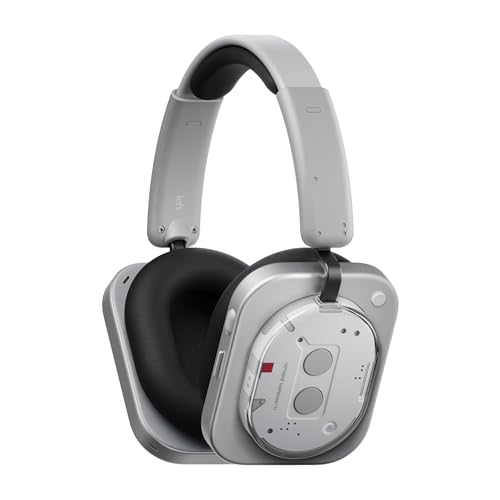



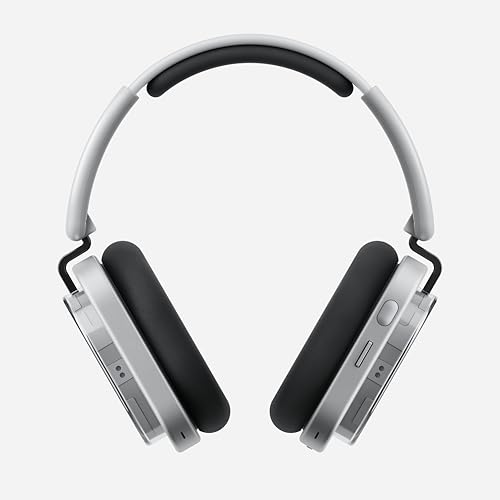

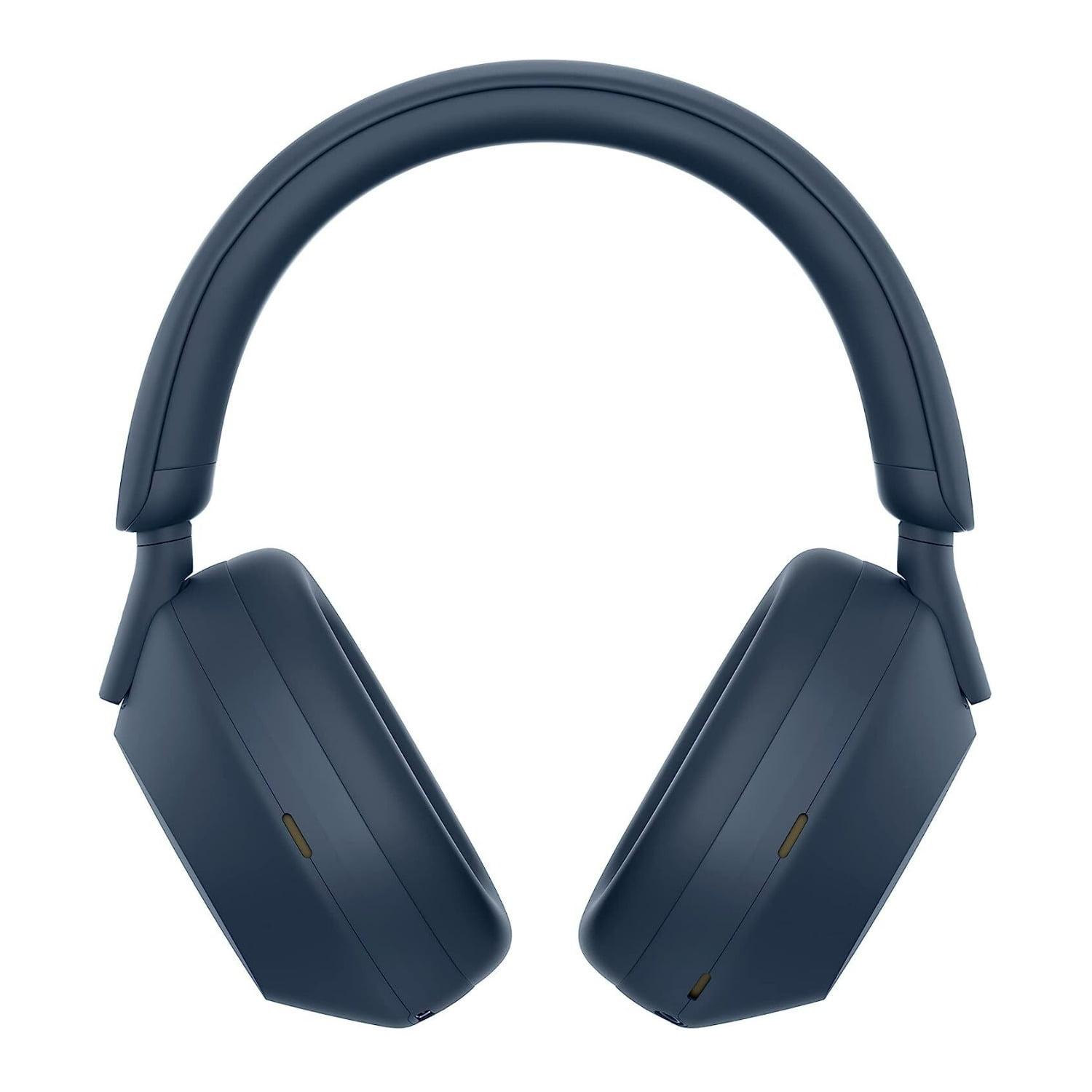
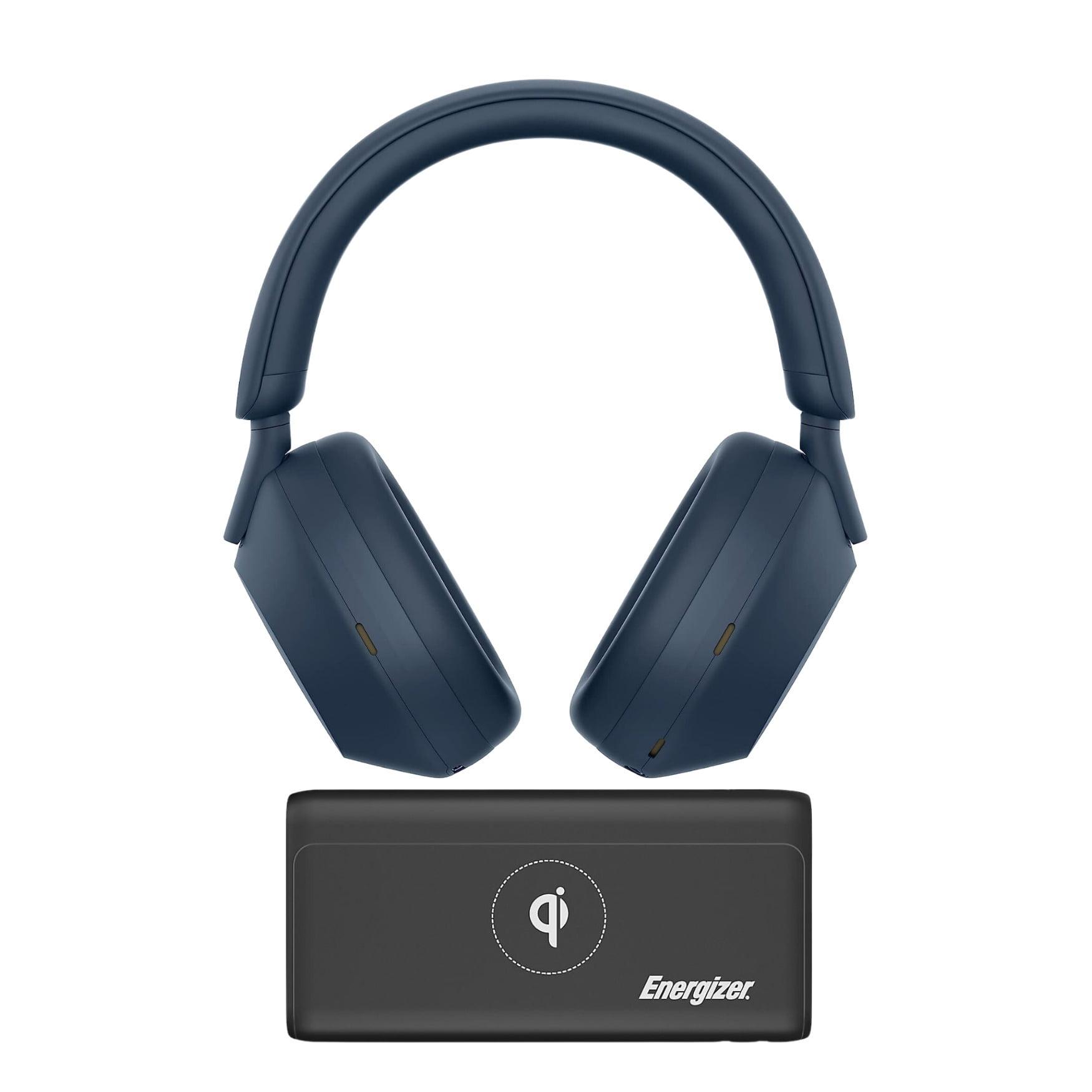

Shopping for premium wireless headphones can feel overwhelming with so many options claiming to be the best. Today, we're comparing two standout models that take completely different approaches to delivering premium audio: the innovative Nothing Headphone (1) and the established Sony WH-1000XM5. Both aim to justify their premium pricing, but they get there through very different philosophies.
Before diving into the specifics, it's worth understanding what you're actually paying for in this category. Premium over-ear wireless headphones typically cost between $250-$400 and promise several key benefits over cheaper alternatives.
First, there's active noise cancellation (ANC) - a technology that uses microphones to detect ambient noise and generates opposing sound waves to cancel it out. Think of it like noise-canceling for your ears. The more sophisticated the system, the quieter your world becomes.
Then there's sound quality itself. Premium headphones use larger, more sophisticated drivers (the mini speakers inside each ear cup) and advanced digital signal processing (DSP) - essentially computer algorithms that fine-tune the audio before it reaches your ears. This translates to clearer vocals, more detailed instruments, and better overall balance across all frequencies.
Comfort becomes crucial when you're spending $300+ on headphones you might wear for hours. Premium models invest heavily in weight distribution, padding materials, and ergonomic design. Battery life, build quality, and advanced features like spatial audio and customizable sound profiles round out the premium experience.
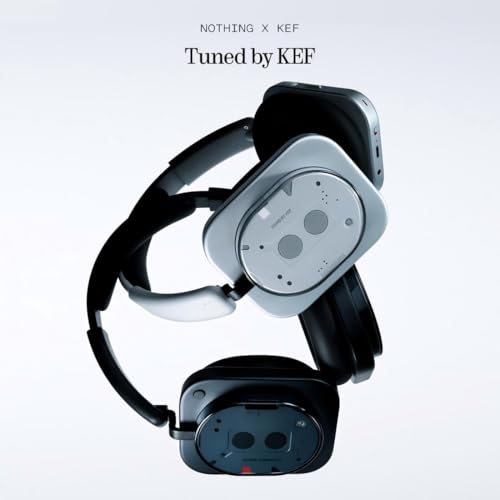
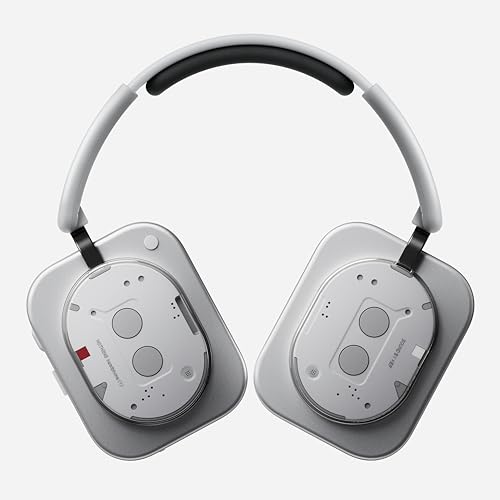
The Nothing Headphone (1) launched in 2024 as the company's first venture into over-ear headphones, bringing their signature transparent aesthetic to a new product category. Nothing collaborated with KEF, the renowned British audio company, to tune the sound signature. At the time of writing, these headphones typically cost around $100 less than Sony's flagship model.
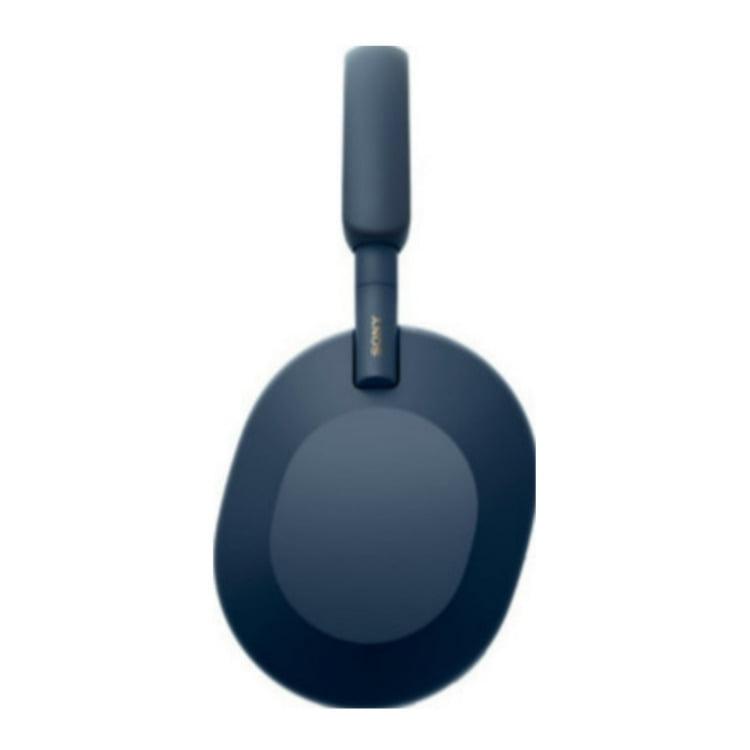
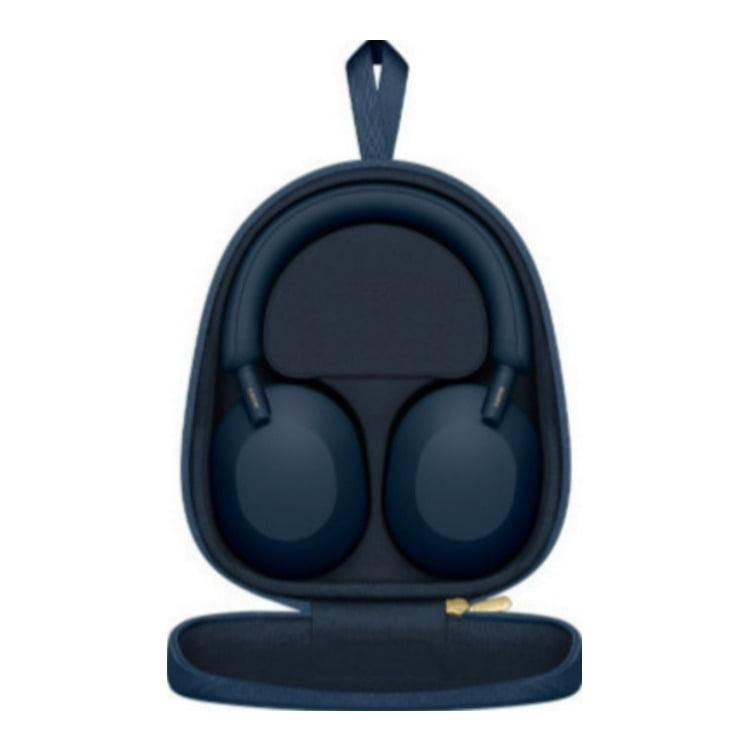
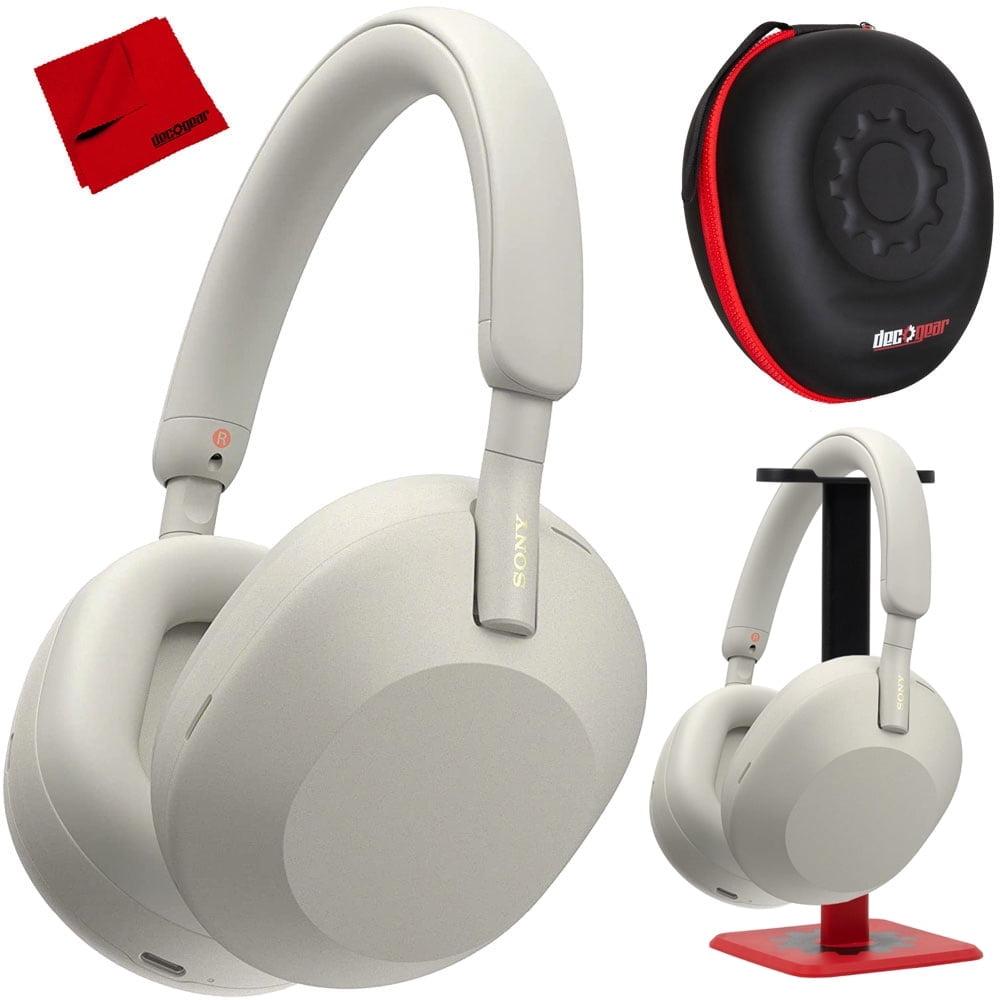
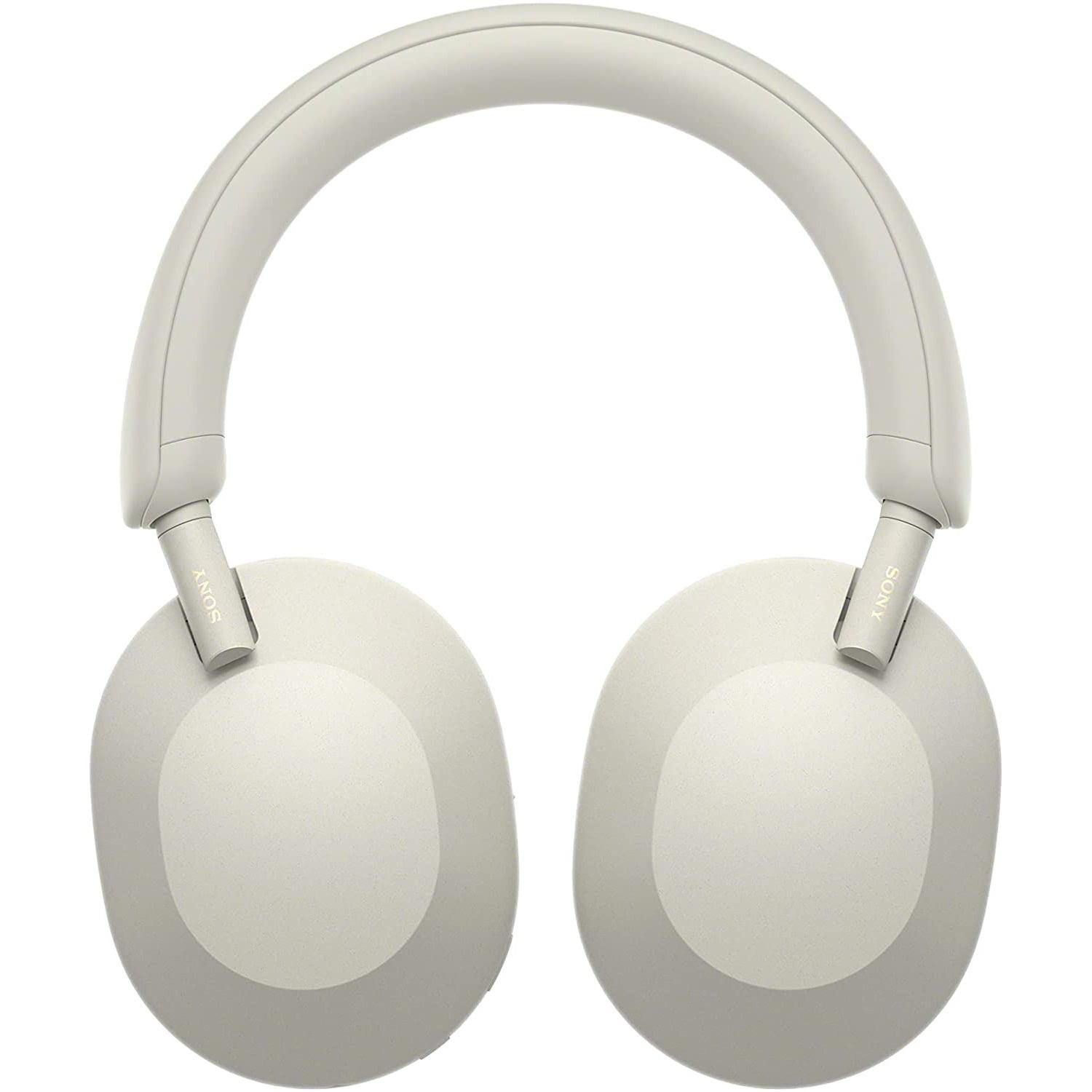
The Sony WH-1000XM5, released in 2022, represents the fifth generation of Sony's acclaimed 1000X series. This model refined the formula that made its predecessors industry favorites, featuring a complete redesign with new drivers and an upgraded noise cancellation system.
What's fascinating is how these two products tackle the same goal - delivering premium wireless audio - through completely different philosophies.
Here's where the philosophical differences become crystal clear. The Sony WH-1000XM5 follows the "sounds great out of the box" approach that has made it popular with both casual listeners and audio enthusiasts. Sony spent years refining what they call a "consumer-friendly" sound signature - warm and engaging with slightly emphasized bass and treble, but maintaining clarity in the crucial midrange where vocals live.
When you first put on the Sony headphones, music immediately sounds spacious and well-balanced. Instruments occupy distinct positions in the soundstage (imagine a invisible stage where different instruments are positioned left, right, and center), and there's an overall sense of refinement that justifies the premium price tag.
The Nothing Headphone (1), despite KEF's involvement in tuning, takes a different approach. The default sound signature is notably darker, with what audio reviewers describe as "dominating lower mids." This means the frequency range where male vocals and fundamental tones of many instruments live can overshadow other frequencies, making music feel somewhat flat or muffled initially.
However - and this is crucial - the Nothing headphones shine when you dive into their companion app. The parametric EQ (equalizer) allows you to adjust not just volume levels at different frequencies, but also the Q factor - essentially how wide or narrow each adjustment affects surrounding frequencies. This level of control is typically found in professional audio software.
I've spent considerable time with both headphones, and the difference is striking. While the Sony WH-1000XM5 sounds immediately impressive, the Nothing Headphone (1) requires patience. But once properly tuned to your preferences, it can deliver surprisingly engaging sound that rivals much more expensive audiophile headphones.
For home theater use, both headphones support spatial audio - technology that creates a sense of three-dimensional sound placement. The Sony model handles this more naturally out of the box, making movie dialogue clearer and action sequences more immersive. The Nothing headphones can achieve similar results but require more setup work.
This is perhaps the most decisive performance difference between these models. The Sony WH-1000XM5 uses what Sony calls "Industry-leading noise cancellation" with good reason. The system employs eight microphones - four on each ear cup - feeding data to two dedicated processors: the Integrated Processor V1 and the HD Noise Cancelling Processor QN1.
What makes Sony's ANC so effective is its sophistication in handling different types of noise. Low-frequency rumbles like airplane engines or air conditioners get dramatically reduced - we're talking about making a noisy flight feel library-quiet. But Sony also excels at mid-frequency noise cancellation, which means human voices and office chatter become much less intrusive.
The Auto NC Optimizer continuously adjusts performance based on factors like how the headphones sit on your head, atmospheric pressure changes (useful when flying), and ambient noise characteristics. In practice, this means the ANC performance stays optimized without any input from you.
The Nothing Headphone (1) uses a six-microphone system with what Nothing calls "Adaptive Active Noise Cancellation." It's effective - certainly better than budget alternatives - but it doesn't reach Sony's level of sophistication. The difference becomes most apparent in challenging environments like windy outdoor conditions, where the Nothing headphones can struggle with wind noise interference.
However, the Nothing model does offer something the Sony doesn't: multiple selectable ANC levels (low, medium, high, and adaptive) through easily accessible physical controls. Some users prefer this hands-on approach to Sony's more automatic system.
For transparency mode - when you want to hear your surroundings while keeping music playing - the Sony WH-1000XM5 again takes the lead with more natural-sounding ambient pass-through.
Comfort becomes crucial when you're wearing headphones for hours, and this is where the Sony WH-1000XM5 demonstrates the benefit of five generations of refinement. Weighing in at just 8.8 ounces, these headphones feel remarkably light for their size. Sony completely redesigned the headband and hinge system for this generation, creating better weight distribution that reduces pressure points during extended listening.
The ear pads use soft synthetic leather with just the right amount of cushioning - firm enough to maintain a good seal for ANC, but soft enough for all-day comfort. The clamping force (how tightly the headphones grip your head) strikes an excellent balance between secure fit and comfort.
The Nothing Headphone (1) weighs 11 ounces - about 25% heavier than the Sony model. While this might not sound significant, it becomes noticeable during longer listening sessions. The weight difference comes partly from Nothing's unique transparent design philosophy, which requires different materials and construction methods.
However, Nothing's design brings its own advantages. The transparent aesthetic isn't just for show - it represents a different approach to product design that some users find refreshing in a market dominated by similar-looking black and silver headphones. The build quality feels premium, with sturdy materials throughout.
This is where the Nothing Headphone (1) absolutely shines. With up to 80 hours of playback time (with ANC disabled), these headphones offer genuinely impressive longevity. Even with ANC enabled, you're looking at around 35 hours of use. For frequent travelers or users who forget to charge regularly, this is a game-changing advantage.
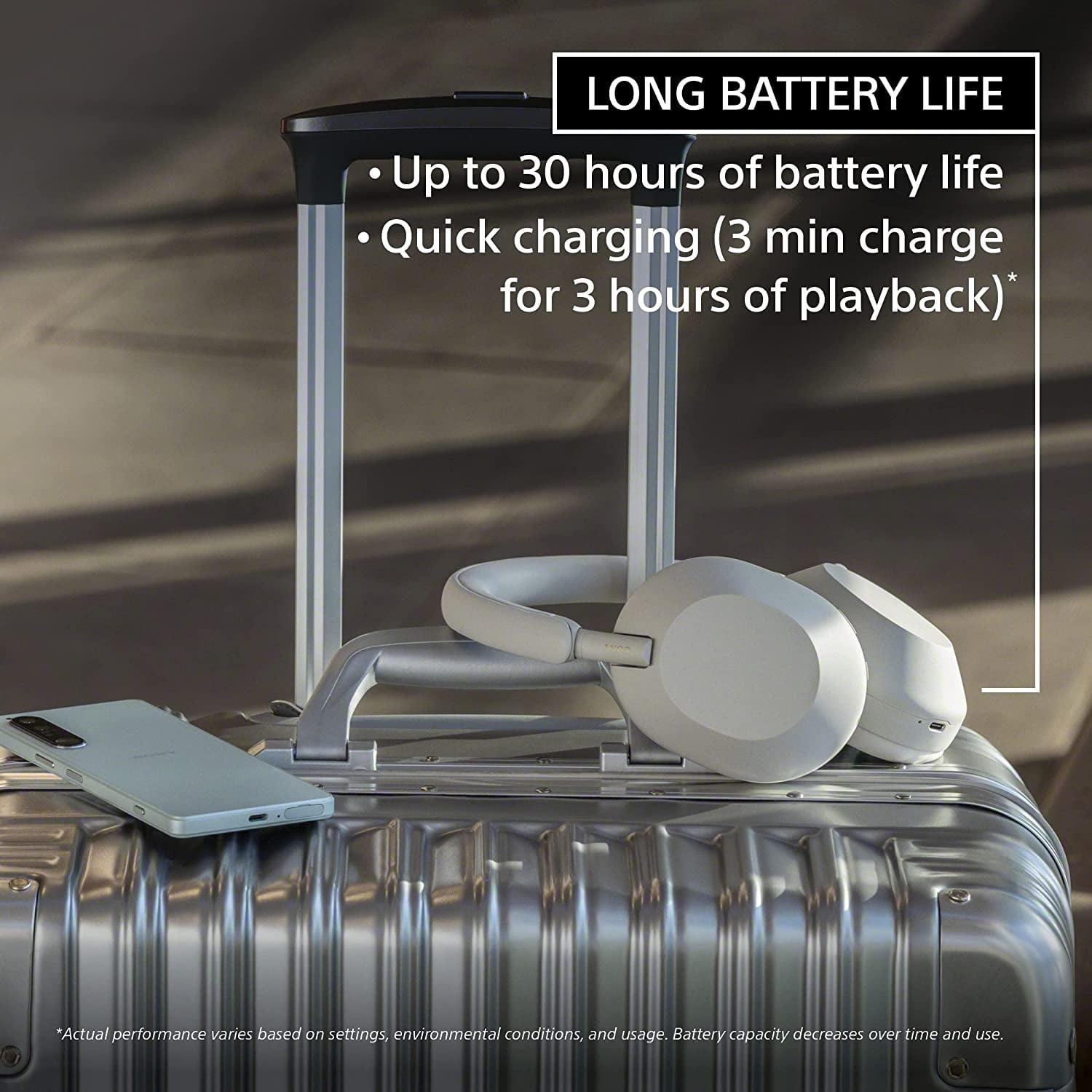
The Sony WH-1000XM5 offers 40 hours with ANC disabled and 30 hours with ANC enabled - still excellent by industry standards, but exactly half the Nothing model's capability. Both headphones support fast charging, giving you several hours of playback from just a few minutes of charging.
In practical terms, the Nothing headphones might last an entire work week of heavy use on a single charge, while the Sony model would require charging every few days. For most users, both are more than adequate, but the Nothing's battery advantage provides genuine peace of mind.
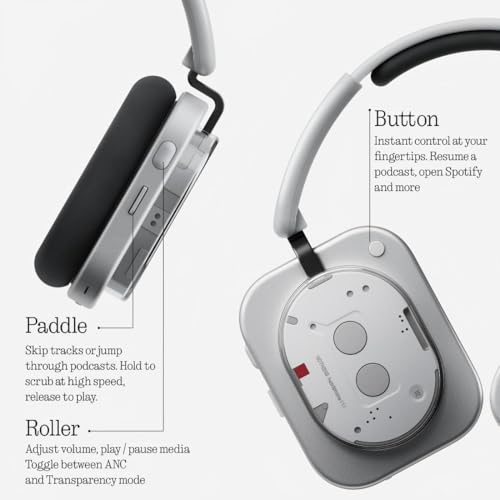
Here's another area where philosophy differences shine through. The Nothing Headphone (1) uses physical controls exclusively - buttons, a paddle switch, and a volume roller. This might seem old-fashioned, but it eliminates the frustration many users experience with touch-sensitive controls. You can adjust volume, skip tracks, or toggle ANC without worrying about accidental activation or unresponsive gestures.
The Sony WH-1000XM5 uses touch controls on the right ear cup. When they work correctly, they feel modern and intuitive - swipe up for volume, forward for next track, tap for play/pause. However, touch controls can be finicky in cold weather, with gloves, or when you're simply adjusting the headphones' position.
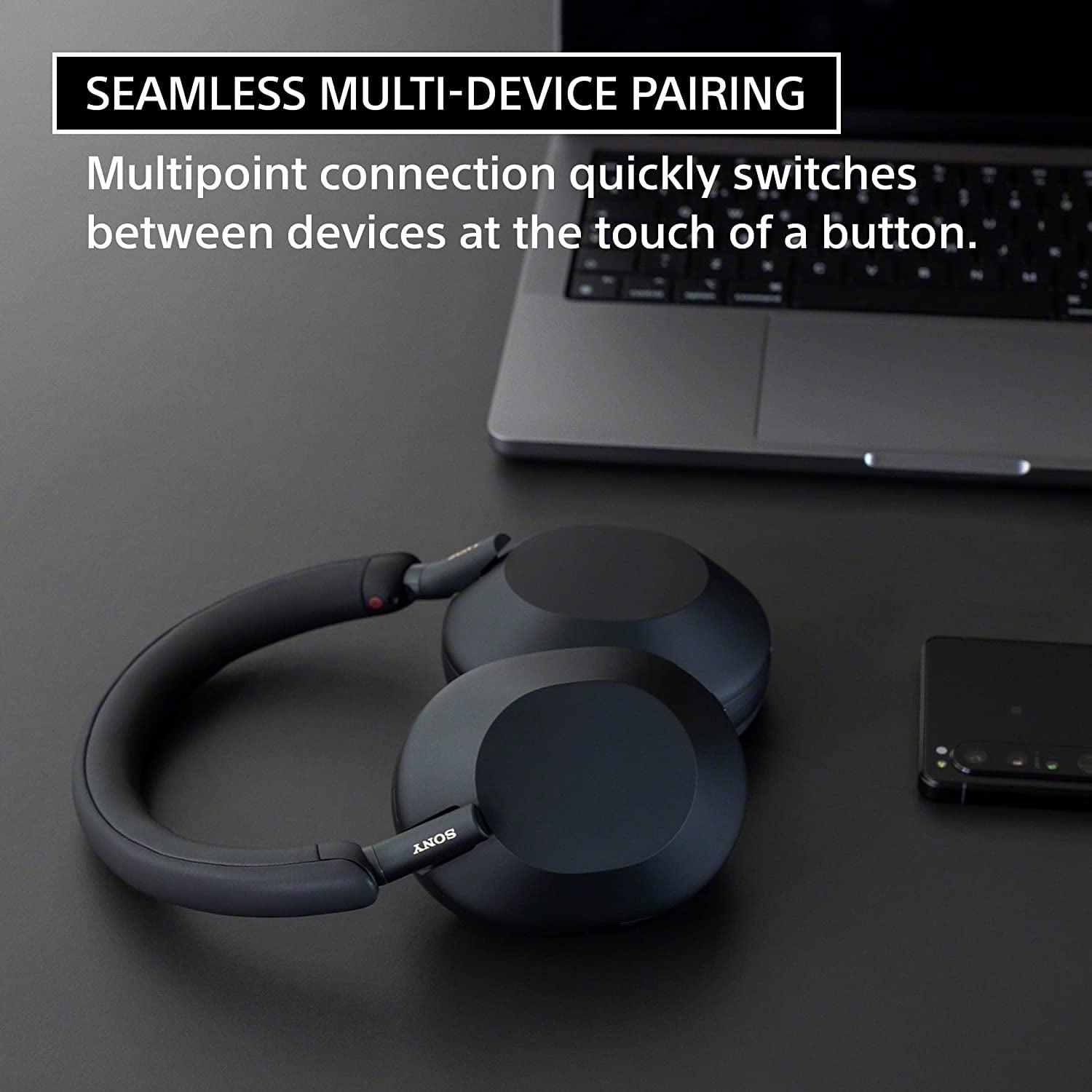
Both headphones offer excellent voice assistant integration and multipoint connectivity, meaning you can connect to two devices simultaneously and switch between them seamlessly.
The Nothing Headphone (1) includes IP52 water resistance, making them suitable for outdoor use in light rain or during workouts - something the Sony model lacks entirely. This seemingly small feature significantly expands where and how you can use the headphones.
Sony counters with more mature software ecosystem. The WH-1000XM5's companion app offers features like Speak-to-Chat (automatically pauses music when you start talking), Quick Attention (covering the right ear cup with your hand temporarily reduces volume and activates transparency mode), and Adaptive Sound Control that adjusts ANC based on your activity and location.
For home theater applications, both headphones support low-latency modes to reduce audio delay when watching videos. The Sony model handles this more seamlessly, while the Nothing headphones may require manual mode switching through the app.
At the time of writing, the pricing difference between these models is significant - roughly $100 separates them, with the Nothing Headphone (1) positioned as the more affordable option. This price difference represents different value philosophies.
The Sony WH-1000XM5 justifies its premium with immediate satisfaction, industry-leading ANC, superior comfort, and proven reliability. You're paying for a refined experience that works excellently right out of the box. This is the "iPhone approach" to headphones - everything just works, and works well.
The Nothing Headphone (1) offers a different value proposition: 80% of the performance at 75% of the price, with unique design elements and exceptional battery life. However, reaching that performance level requires time investment in customization and EQ adjustment.
Choose the Nothing Headphone (1) if you're excited by the prospect of customizing your audio experience, need exceptional battery life for travel or forgetful charging habits, prefer physical controls, want something visually distinctive, or need water resistance for outdoor activities. These headphones reward users who enjoy tweaking settings and don't mind a learning curve in exchange for unique features and cost savings.
The Sony WH-1000XM5 makes sense if you want the best possible noise cancellation, prefer immediate audio satisfaction without tweaking, prioritize long-session comfort, frequently encounter varied noisy environments, or simply want the established benchmark in premium wireless headphones. You're paying extra for refinement and the confidence that comes with a proven track record.
Both represent solid choices in the premium headphone market, but they'll appeal to different types of users based on priorities, patience for customization, and budget considerations. The "best" choice ultimately depends on which philosophy aligns better with how you plan to use and enjoy your headphones.
| Nothing Headphone (1) | Sony WH-1000XM5 |
|---|---|
| Weight - Critical for extended listening comfort | |
| 11 oz (heavier, may cause fatigue during long sessions) | 8.8 oz (25% lighter, excellent for all-day wear) |
| Battery Life - How long before you need to recharge | |
| 80 hours (ANC off), 35 hours (ANC on) - exceptional longevity | 40 hours (ANC off), 30 hours (ANC on) - industry standard |
| Active Noise Cancellation - Blocking out distractions | |
| 6 microphones, good performance but struggles with wind | 8 microphones, industry-leading performance across all noise types |
| Sound Quality Out of Box - Ready-to-use audio experience | |
| Requires EQ adjustment, darker default tuning | Excellent immediately, balanced consumer-friendly signature |
| Controls - How you interact with the headphones | |
| Physical buttons and volume roller (reliable, no accidental touches) | Touch controls on ear cup (modern but prone to accidental activation) |
| Water Resistance - Protection for outdoor/active use | |
| IP52 rated (protected against dust and light water splashes) | None (indoor use only, no weather protection) |
| Driver Size - Affects sound quality and bass response | |
| 40mm dynamic drivers with nickel-coated diaphragm | 30mm drivers with carbon fiber composite (smaller but refined) |
| Bluetooth Version - Connection stability and range | |
| Bluetooth 5.3 (latest standard, better connectivity) | Bluetooth 5.2 (proven, stable performance) |
| Audio Codecs - Wireless sound quality capabilities | |
| SBC, AAC, LDAC (high-resolution wireless audio support) | SBC, AAC, LDAC (identical high-quality codec support) |
| Transparency Mode - Hearing surroundings while listening | |
| Adequate ambient pass-through | Superior natural-sounding transparency mode |
| App Customization - Personalizing your audio experience | |
| Parametric EQ with advanced controls (Nothing X app) | Comprehensive but complex feature set (Sony Headphones Connect) |
| Unique Features - What sets each model apart | |
| Transparent design, KEF audio tuning, exceptional battery | Industry-leading ANC, immediate satisfaction, proven reliability |
The Sony WH-1000XM5 delivers superior sound quality immediately without any adjustments. They feature a balanced, consumer-friendly audio signature that sounds excellent for most music genres. The Nothing Headphone (1) has a darker default tuning that requires EQ adjustments through the app to reach its full potential, but can sound excellent once properly customized.
The Sony WH-1000XM5 offers industry-leading active noise cancellation with 8 microphones and advanced processors, effectively blocking airplane engines, office chatter, and most ambient noise. The Nothing Headphone (1) provides good noise cancellation with 6 microphones but doesn't match Sony's performance, especially in windy conditions or complex noise environments.
The Sony WH-1000XM5 is significantly more comfortable for extended wear, weighing 8.8 ounces compared to the Nothing Headphone (1)'s 11 ounces. Sony's lighter weight and refined ergonomics make them better suited for all-day use, while the heavier Nothing headphones may cause fatigue during longer sessions.
The Nothing Headphone (1) offers exceptional battery life with up to 80 hours of playback (ANC off) and 35 hours (ANC on). The Sony WH-1000XM5 provides 40 hours (ANC off) and 30 hours (ANC on), which is still excellent but exactly half the Nothing's capability. Both support fast charging for quick top-ups.
The Nothing Headphone (1) uses physical buttons, paddle switches, and a volume roller that eliminate accidental activation and work reliably in all conditions. The Sony WH-1000XM5 features touch controls on the ear cup that feel modern when working correctly but can be finicky in cold weather or with gloves.
Both headphones work well for home theater use with spatial audio support and low-latency modes. The Sony WH-1000XM5 handles movie audio more naturally out of the box with clearer dialogue and better immersive effects. The Nothing Headphone (1) can achieve similar results but requires more setup and EQ adjustment for optimal movie audio.
The Nothing Headphone (1) typically costs about $100 less while offering unique features like exceptional battery life, water resistance, and distinctive transparent design. The Sony WH-1000XM5 justifies its premium price with superior noise cancellation, immediate audio satisfaction, and proven reliability. Value depends on whether you prioritize cost savings or premium performance.
The Nothing Headphone (1) features IP52 water resistance, making them suitable for outdoor use in light rain or during workouts. The Sony WH-1000XM5 has no water resistance rating and should be kept away from moisture, limiting their versatility for outdoor activities.
The Nothing Headphone (1) uses the Nothing X app with a clean interface and powerful parametric EQ for detailed sound customization. The Sony WH-1000XM5 uses Sony's Headphones Connect app, which offers comprehensive features like adaptive sound control and speak-to-chat but can feel complex and overwhelming for some users.
Both models offer good call quality, but the Sony WH-1000XM5 generally performs better with clearer voice pickup and superior background noise suppression during calls. The Nothing Headphone (1) provides adequate call quality but may not match Sony's microphone performance in noisy environments.
Yes, both the Nothing Headphone (1) and Sony WH-1000XM5 support LDAC codec for high-resolution wireless audio, along with AAC and SBC. This means both can deliver excellent wireless sound quality that approaches wired performance when paired with compatible devices.
The Sony WH-1000XM5 is better for newcomers to premium headphones because they sound excellent immediately without requiring adjustments or learning curves. The Nothing Headphone (1) rewards users willing to spend time customizing their audio experience but may frustrate those wanting immediate satisfaction from their purchase.
We've done our best to create useful and informative comparisons to help you decide what product to buy. Our research uses advanced automated methods to create this comparison and perfection is not possible - please contact us for corrections or questions. These are the sites we've researched in the creation of this article: recordingnow.com - loudnwireless.com - markellisreviews.com - tomsguide.com - tomsguide.com - youtube.com - cnet.com - soundguys.com - 9to5google.com - youtube.com - notebookcheck.net - techradar.com - us.kef.com - soundguys.com - alexreviewstech.com - walmart.com - us.nothing.tech - youtube.com - youtube.com - rtings.com - audiosciencereview.com - techradar.com - audio46.com - recordingnow.com - electronics.sony.com - theabsolutesound.com - soundguys.com - soundguys.com - headphonesaddict.com - sony.com - sony.com - sony-mea.com - fullspecs.net - bhphotovideo.com - sony.com - helpguide.sony.net - headphones.com - androidpolice.com - sony.co.id - moon-audio.com - sony.com - bestbuy.com - sonylatvija.com

Privacy Policy
Terms and Conditions - Affiliate Policy
Home Security
© Copyright 2008-2026.
11816 Inwood Rd #1211, Dallas, TX 75244