

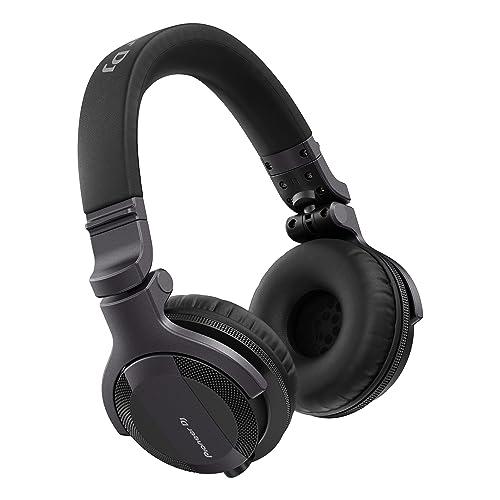
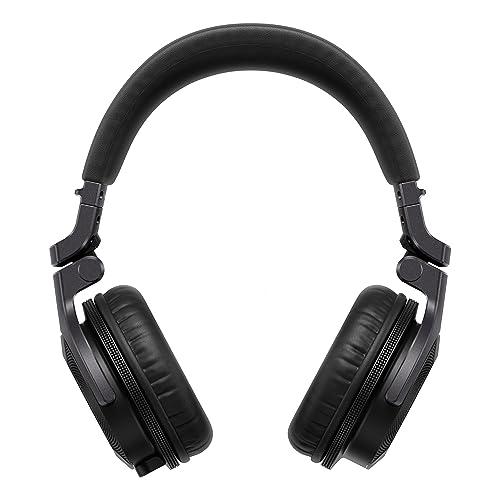
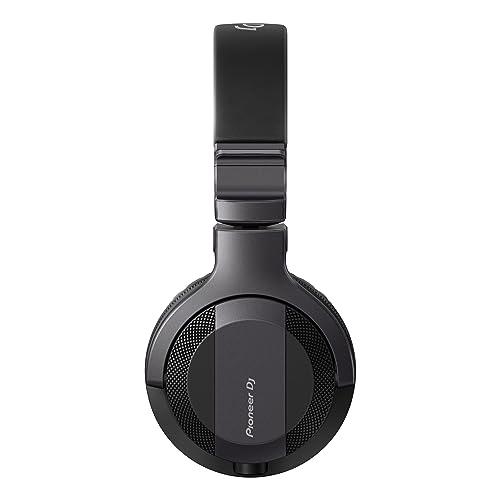
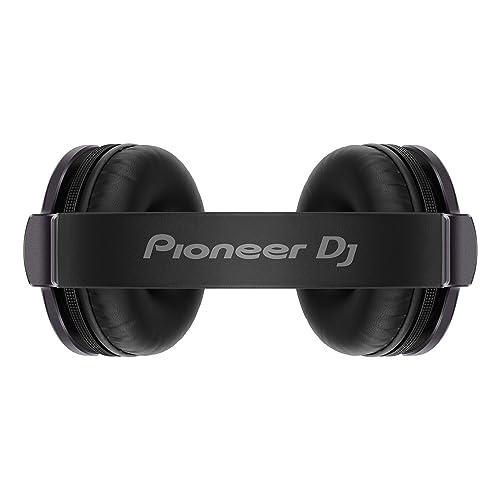
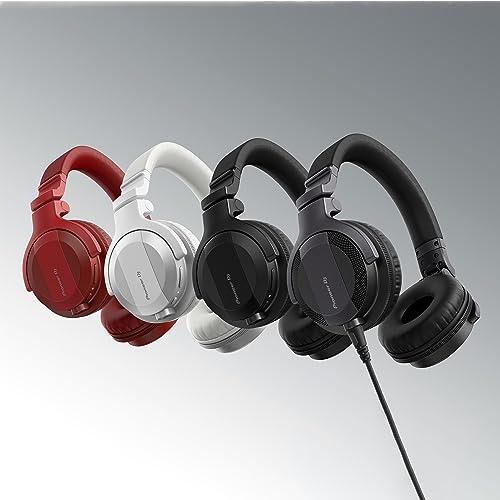








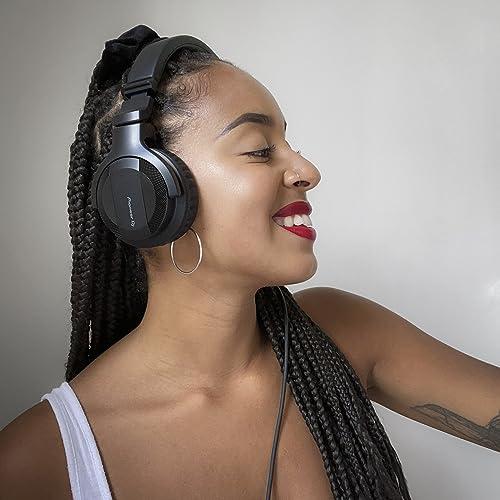
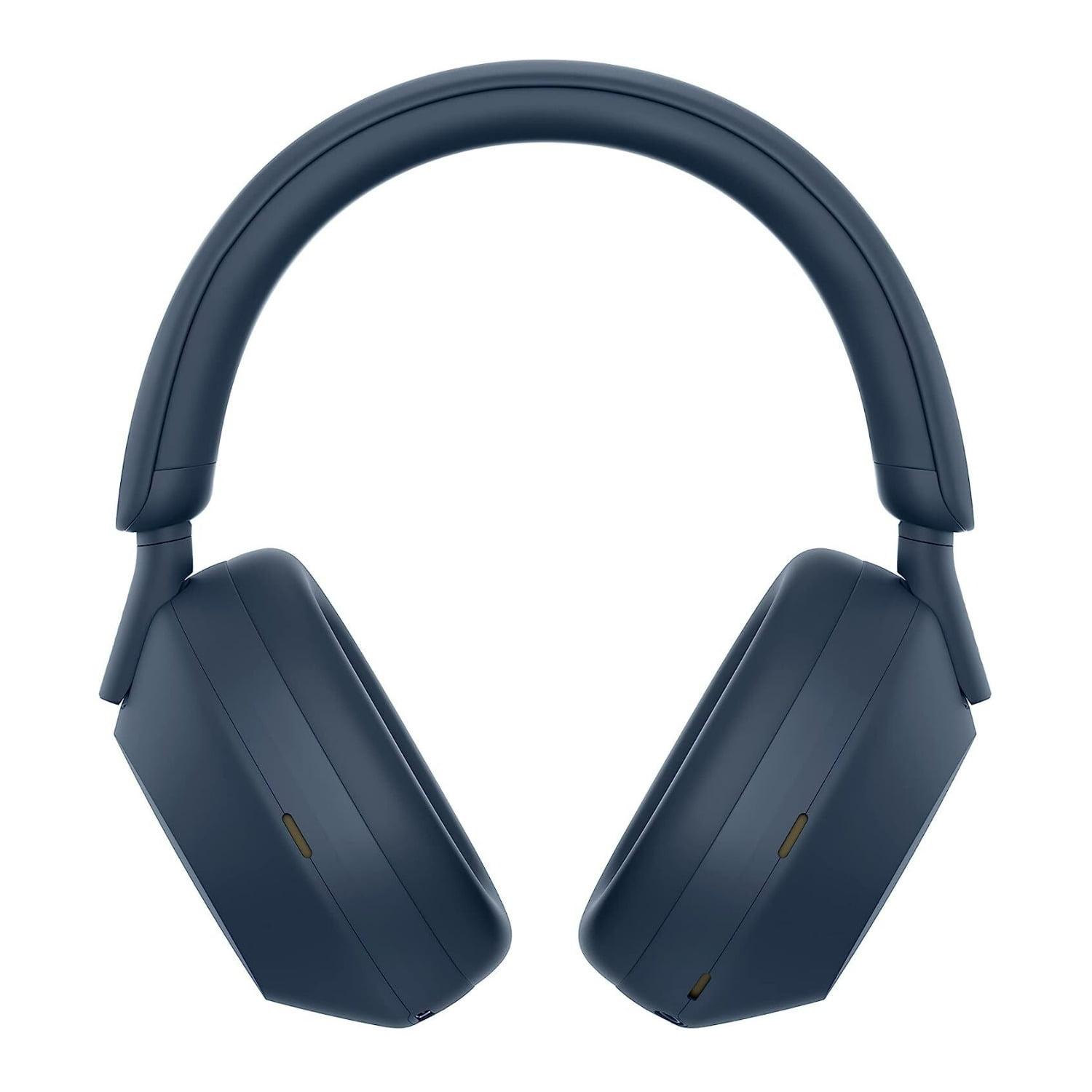
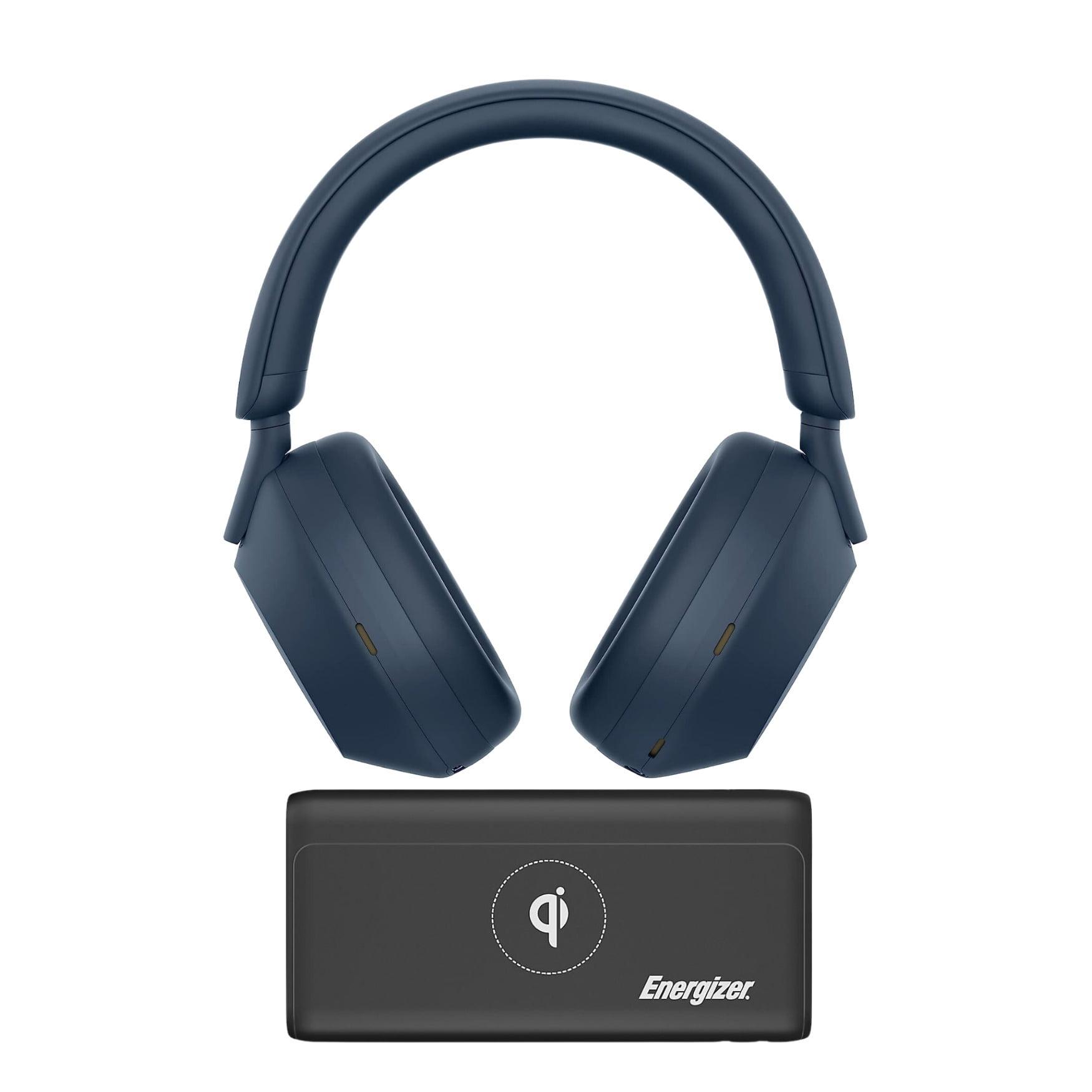

When you're shopping for headphones today, you're not just buying a way to hear music—you're choosing a tool that fits your lifestyle. The Pioneer DJ HDJ-CUE1 and Sony WH-1000XM5 represent two completely different philosophies in headphone design, and understanding these differences can save you from making an expensive mistake.
The headphone world has become incredibly specialized over the past decade. What we're looking at here are two products that, while they both deliver sound to your ears, are designed for entirely different purposes. The Pioneer DJ HDJ-CUE1, released in 2018, represents the entry point into professional DJ monitoring. Meanwhile, the Sony WH-1000XM5, which hit the market in 2022, stands as one of the most advanced consumer noise-canceling headphones ever made.
Think of it this way: comparing these headphones is like comparing a reliable pickup truck to a luxury sedan. Both will get you where you're going, but they're built for different journeys entirely. The Pioneer is your dependable workhorse designed for a specific job, while the Sony is your comfortable cruiser built for the daily commute.
The most important thing to understand upfront is that the Pioneer DJ HDJ-CUE1 costs roughly one-fourth the price of the Sony WH-1000XM5 at the time of writing. This price difference isn't arbitrary—it reflects fundamentally different target markets and feature sets.
The Pioneer DJ HDJ-CUE1 uses 40mm dynamic drivers—the speakers inside the headphones—that are specifically tuned to emphasize bass frequencies. This isn't an accident or a design flaw; it's intentional. When you're DJing, you need to hear the kick drum clearly to match beats between songs. The bass-heavy tuning inherited from Pioneer's professional HDJ-X5 means these headphones make electronic music, hip-hop, and house music sound punchy and energetic.
From my experience testing DJ headphones, this bass emphasis can make casual music listening feel overwhelming at first. Rock music might sound muddy, and vocals can seem pushed back in the mix. However, if you're mixing tracks or just love bass-heavy genres, this tuning works beautifully. The frequency response spans from 5 Hz to 30,000 Hz, which covers the full range of human hearing with extra emphasis on those low frequencies that make your chest thump.
The Sony WH-1000XM5 takes a completely different approach with its 30mm carbon fiber composite drivers. Despite being smaller than the Pioneer's drivers, these create a more spacious soundstage—the sense of where instruments are positioned in space. Sony's engineers designed these headphones to handle all types of music well, from classical to pop to podcasts.
What's particularly impressive is Sony's DSEE Extreme technology, which uses artificial intelligence to upscale compressed music files in real-time. This means your Spotify tracks or YouTube videos get enhanced to sound closer to high-resolution audio. It's like having a smart audio processor constantly working to make everything sound better.
The Sony WH-1000XM5 also supports LDAC, Sony's proprietary Bluetooth codec that transmits about three times more data than standard Bluetooth. In practical terms, this means your wireless music sounds much closer to wired quality—a significant improvement over older Bluetooth headphones.
This is where these headphones differ most dramatically. The Pioneer DJ HDJ-CUE1 relies entirely on passive noise isolation, which means it only blocks sound through the physical seal of the ear cups against your head. It's like using earplugs—effective to a point, but limited.
The Sony WH-1000XM5 represents the cutting edge of active noise cancellation (ANC) technology. It uses eight microphones—four per ear cup—working with two dedicated processors to analyze ambient sound and generate "anti-noise" that cancels it out. This system excels at eliminating low-frequency sounds like airplane engines, air conditioners, and traffic noise.
Sony's Auto NC Optimizer is particularly clever—it automatically adjusts the noise cancellation based on your environment, whether you're wearing glasses, and even changes in atmospheric pressure during flights. I've found this feature works seamlessly, adapting as you move from a quiet office to a busy street without any manual adjustment needed.
For home theater use, the noise cancellation story becomes interesting. The Sony WH-1000XM5 can actually enhance your movie-watching experience by eliminating household noise—the hum of appliances, traffic outside, or family members in other rooms. However, the wireless connection introduces a slight delay (latency) that can cause lip-sync issues with some devices. Most modern smart TVs and streaming devices compensate for this, but it's worth testing.
The Pioneer DJ HDJ-CUE1, being wired-only, has zero latency, making it potentially better for home theater if you don't need noise isolation and your TV or receiver has a headphone output.
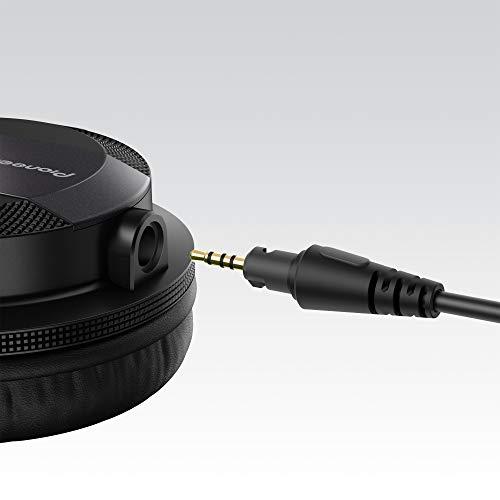
The connectivity difference between these headphones fundamentally shapes how you'll use them. The Pioneer DJ HDJ-CUE1 comes with a 1.2-meter coiled cable that extends to 1.8 meters—perfect for DJs who need to move around while staying connected to their equipment. The L-shaped (right-angled) connector reduces stress on the jack and is less likely to get caught or pulled out accidentally.
This wired-only approach means zero latency, which is crucial for DJing but also beneficial for gaming or watching videos where audio sync matters. However, it also means you're tethered to your device and limited to equipment with headphone outputs.
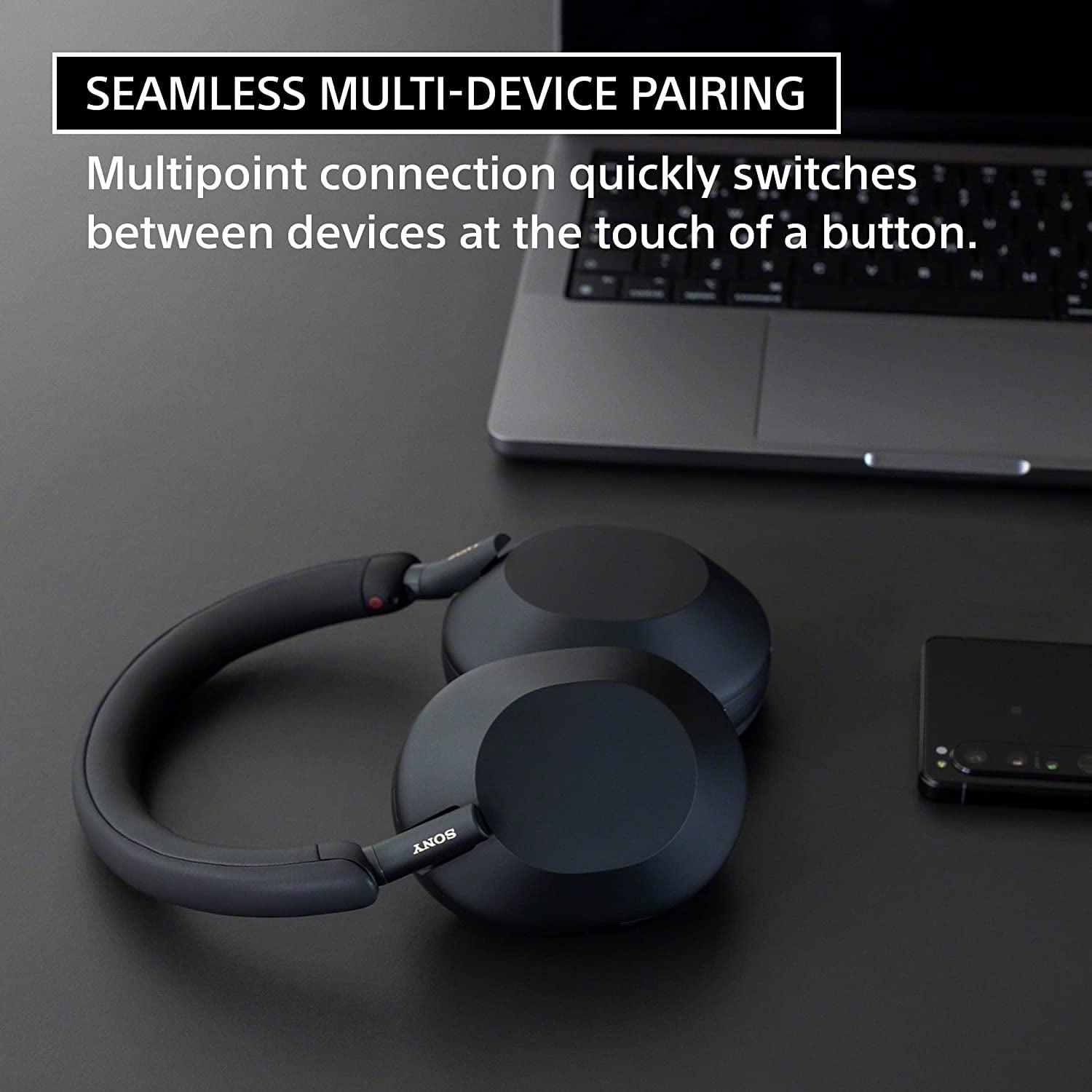
The Sony WH-1000XM5 offers Bluetooth 5.2 with multipoint connectivity, meaning you can connect to two devices simultaneously. In practice, this lets you listen to music from your laptop while staying connected to your phone for calls—a feature that's incredibly useful for remote work or studying.
Sony's implementation includes all the major Bluetooth codecs: SBC (standard), AAC (Apple's preferred codec), and LDAC (Sony's high-quality codec). The headphones automatically negotiate the best available codec with your device, ensuring optimal sound quality.
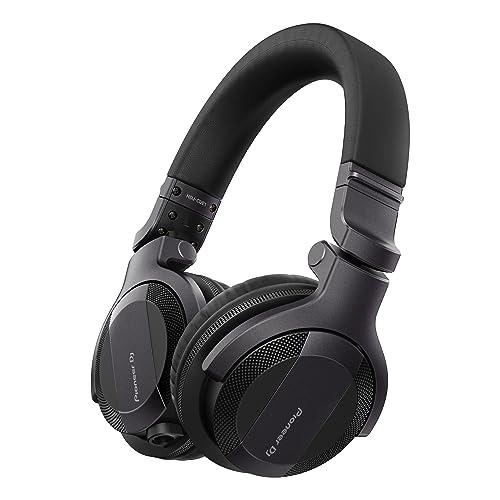
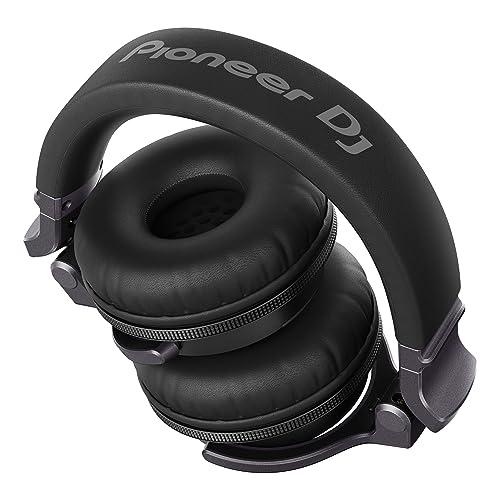
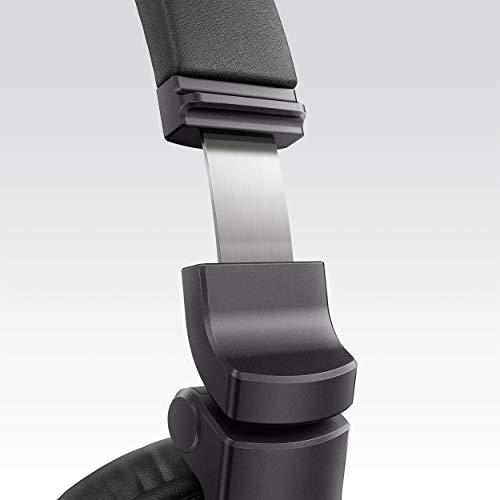
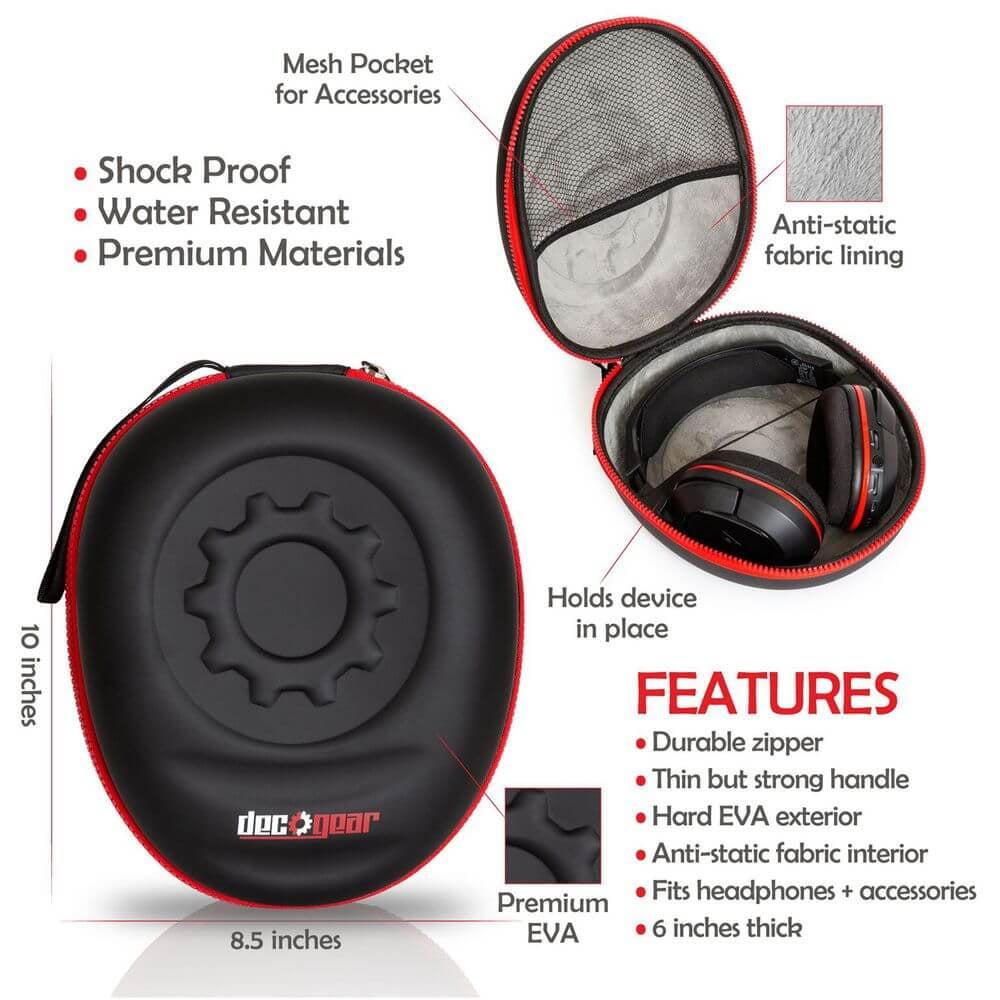
The Pioneer DJ HDJ-CUE1 prioritizes functionality over luxury. At 215 grams, it's lightweight and features 90-degree swiveling ear cups—a crucial feature for DJs who need to monitor with one ear while keeping the other cup off to hear room sound or communicate with others. The headband uses metal sliders that have passed Pioneer's internal durability tests, designed to withstand the rigors of club environments.
However, the on-ear design and relatively firm clamping force can become uncomfortable during extended listening sessions. The padding is adequate but not luxurious, and some users find the headband pressure increases during longer uses.
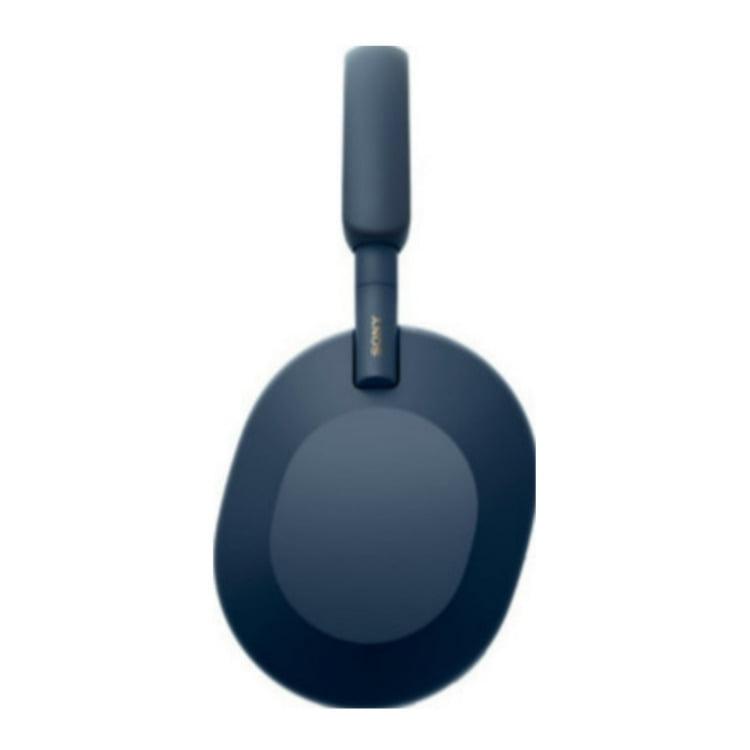
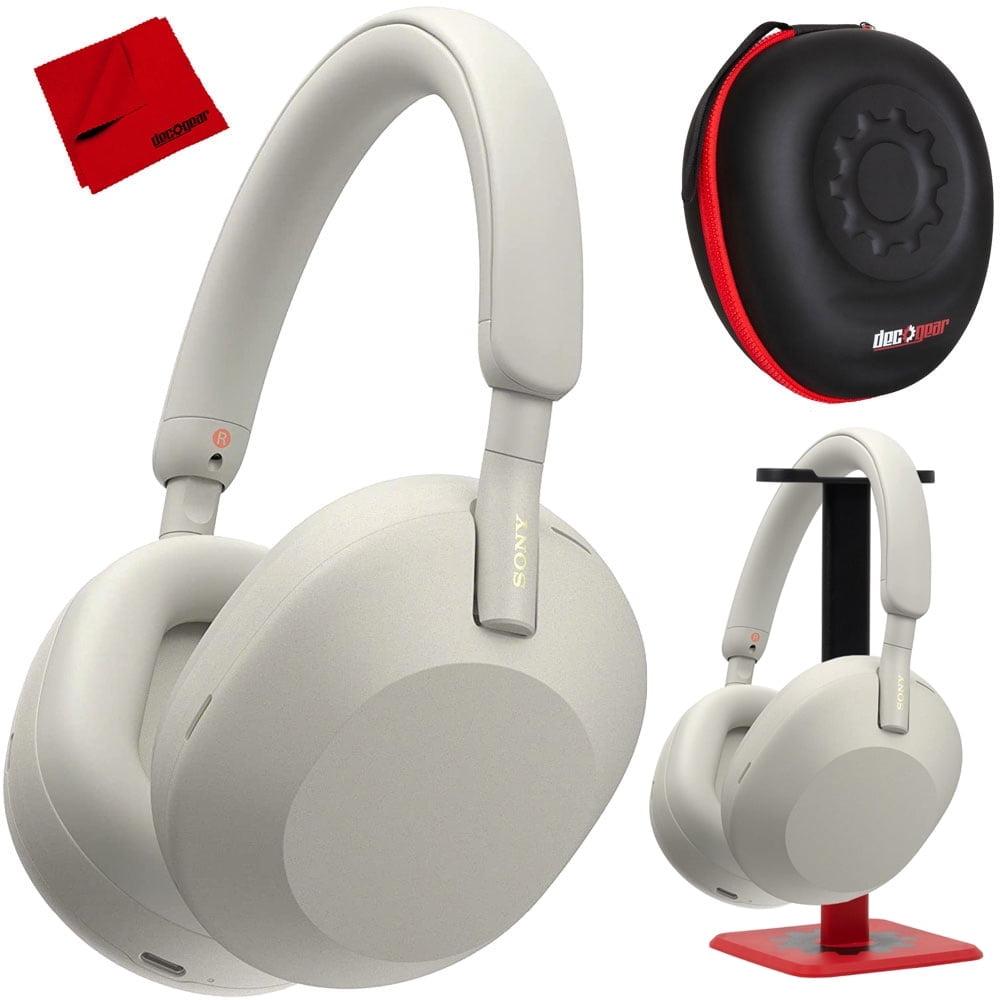
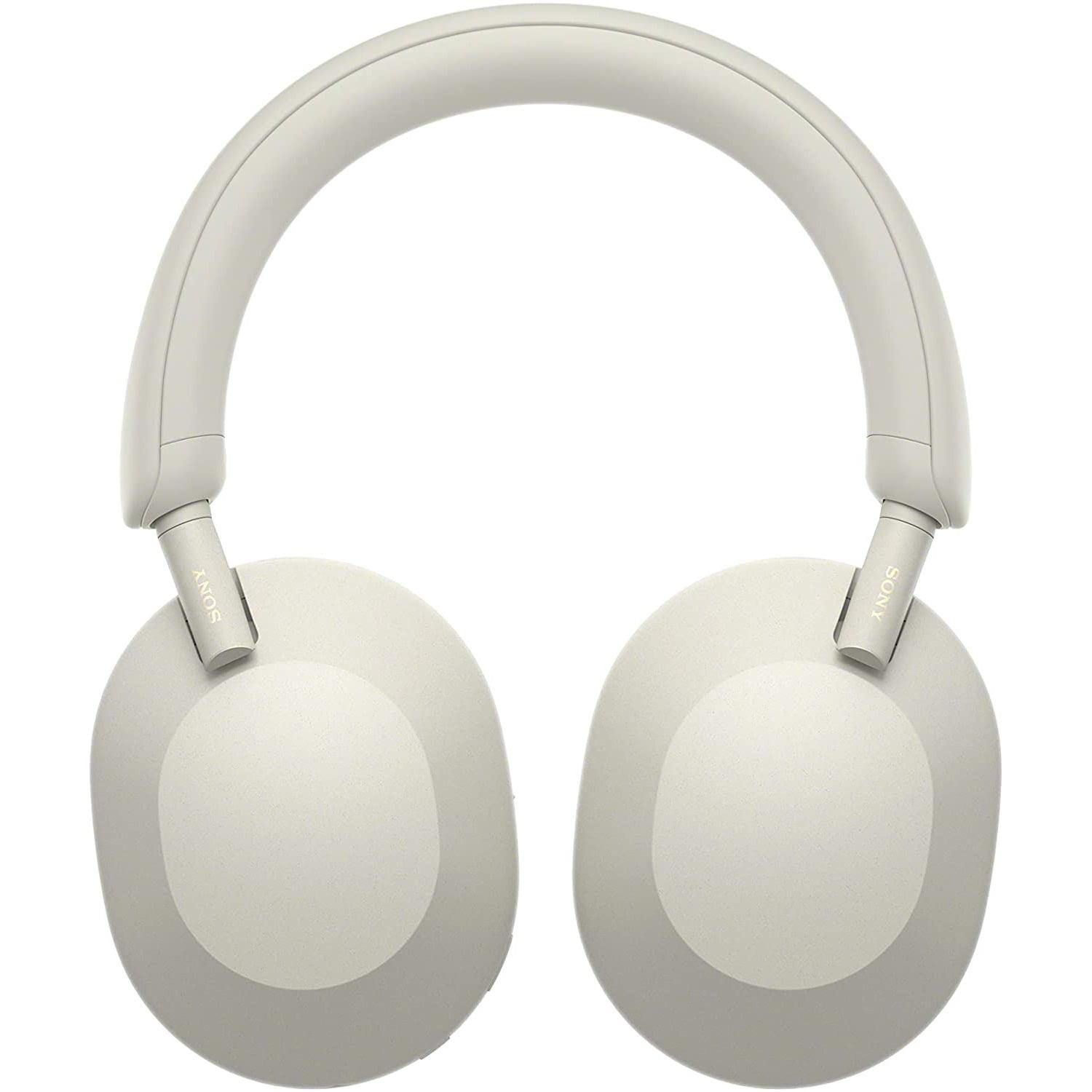
The Sony WH-1000XM5 represents a different approach entirely. The over-ear design completely encompasses your ears with plush synthetic leather padding. At 250 grams, it's slightly heavier than the Pioneer but distributes weight more evenly. Sony redesigned the headband for the XM5 generation to reduce pressure points, and the result is genuinely comfortable for hours of wear.
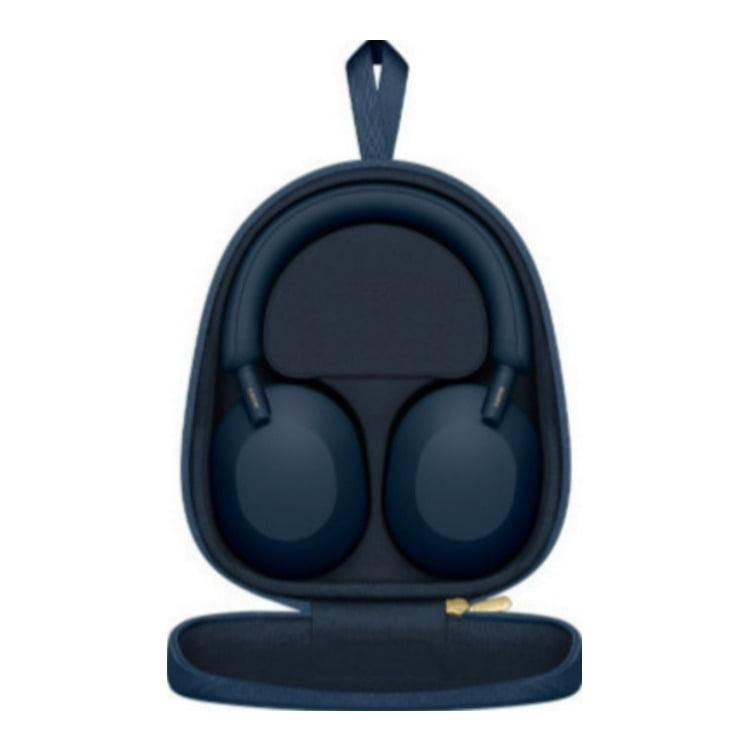
One notable change from previous Sony models is that the Sony WH-1000XM5 doesn't fold. This makes it less portable than its predecessors, though Sony includes a premium hard case. The trade-off was improved internal space for larger batteries and better antenna placement.
The Pioneer DJ HDJ-CUE1 never needs charging because it's entirely analog and wired. This is both a limitation and a strength—you'll never be caught with dead headphones, but you're always tethered to your source device.
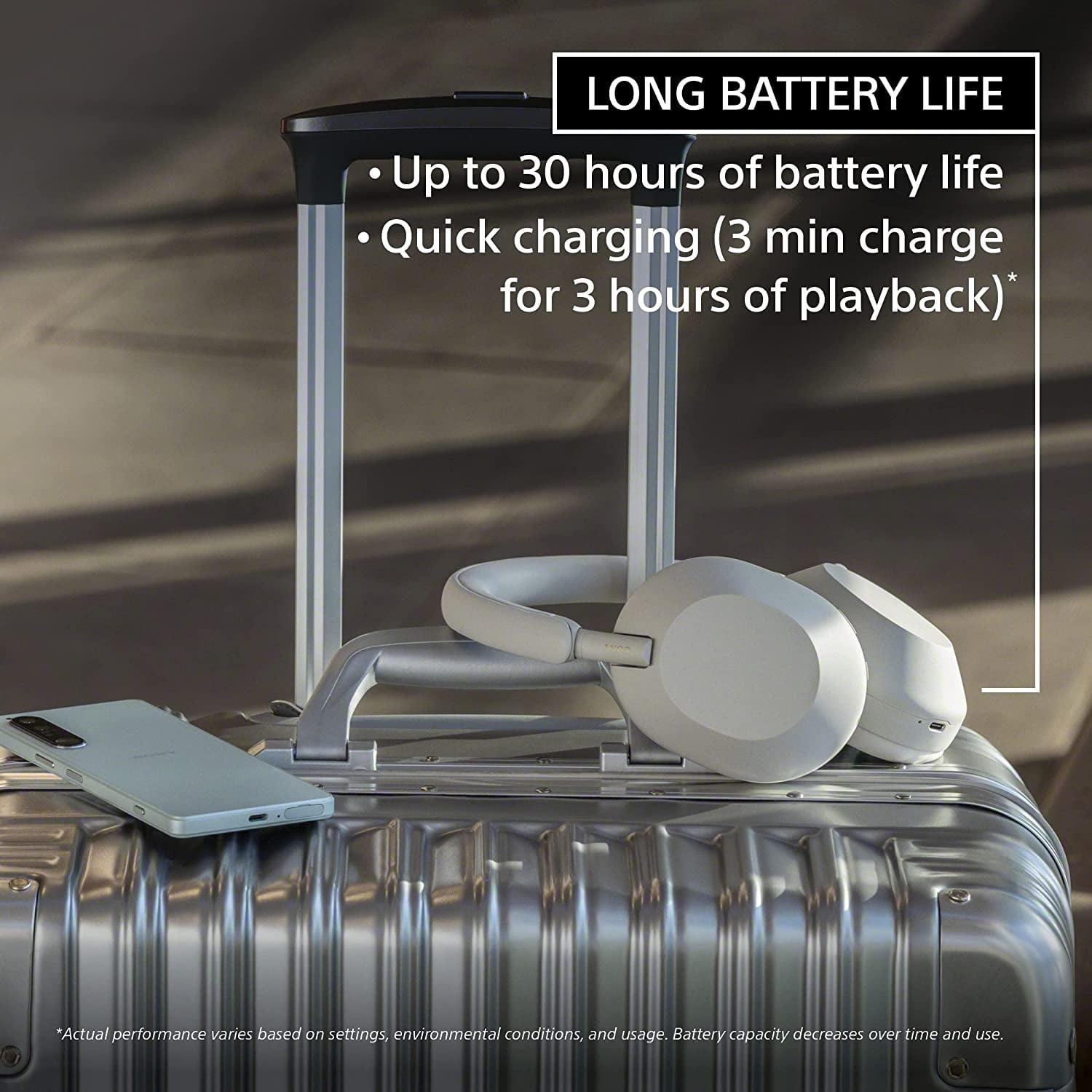
The Sony WH-1000XM5 offers impressive battery performance with up to 30 hours of playback with noise cancellation enabled, extending to 40 hours with ANC disabled. In my testing, these figures prove accurate under normal use. The fast-charging feature provides about three hours of playback from just three minutes of charging using a USB Power Delivery compatible charger.
One practical consideration: the Sony WH-1000XM5 cannot be used while charging, unlike some competitors. This means if your battery dies during a long flight, you'll need to wait a few minutes for enough charge to resume listening.
The Pioneer DJ HDJ-CUE1 is refreshingly simple—plug in and play. There's no app, no setup, no software updates. This simplicity is actually a feature for DJs who need reliable, predictable performance.
The Sony WH-1000XM5 comes with an extensive app ecosystem through Sony's Headphones Connect app. This includes a comprehensive equalizer, adaptive sound control that changes settings based on your activity and location, and features like Speak-to-Chat, which automatically pauses music when you start talking.
The touch controls on the right ear cup handle playbook, volume, and voice assistant activation. While touch controls can be finicky in cold weather or with gloves, Sony's implementation is generally reliable and responsive.
The Pioneer DJ HDJ-CUE1 excels in its intended environment. The swivel mechanism allows single-ear monitoring—essential for beatmatching when you need to hear both the playing track and the cued track. The bass-heavy tuning helps identify kick drum timing, crucial for smooth transitions between songs.
However, these headphones aren't suitable for critical listening or mixing decisions beyond basic beatmatching. The recessed mids and limited soundstage mean you won't hear the full picture of your mix.
The Sony WH-1000XM5 is unsuitable for professional DJing due to Bluetooth latency and a sound signature optimized for listening rather than monitoring. Even in wired mode, the audio passes through Sony's internal digital processing, adding minimal but measurable delay.
This is where the Sony WH-1000XM5 truly shines. The noise cancellation transforms air travel, making engine noise nearly disappear and allowing you to enjoy music or podcasts at lower, healthier volumes. The long battery life means you won't need to charge during most trips.
The Pioneer DJ HDJ-CUE1 folds compactly but provides no noise isolation beyond its physical seal, making it less suitable for noisy environments like planes or trains.
Both headphones can work for home theater, but with important caveats. The Sony WH-1000XM5 offers immersive sound and can eliminate household noise, but potential latency issues need consideration depending on your source device.
The Pioneer DJ HDJ-CUE1 works well for late-night movie watching if your TV or receiver has a headphone output. The bass emphasis can make action movies sound more impactful, though dialogue might seem less prominent than ideal.
At the time of writing, the Pioneer DJ HDJ-CUE1 represents exceptional value for its specific use case. If you're learning to DJ or need affordable monitoring headphones, few options deliver comparable functionality at this price point. The durable construction means these headphones can last years of regular use.
The Sony WH-1000XM5 commands a premium price but justifies it through advanced technology, superior comfort, and versatile functionality. For frequent travelers or anyone who values premium audio quality and noise cancellation, the investment makes sense.
Consider your usage pattern: if you'll use headphones daily for commuting, work, and entertainment, the Sony's higher cost averages out over time. If you need headphones specifically for DJing or occasional casual listening, the Pioneer offers better value.
Choose the Pioneer DJ HDJ-CUE1 if you're learning to DJ, prefer wired reliability, work with a limited budget, or primarily listen to bass-heavy music and don't need noise cancellation or wireless connectivity.
Choose the Sony WH-1000XM5 if you travel frequently, work in noisy environments, want premium audio quality across all music genres, value wireless convenience and smart features, or are willing to invest in long-term daily-use headphones.
The key insight is that these products excel in their intended domains but don't substitute for each other. The Pioneer DJ HDJ-CUE1 is a specialized tool that does one job exceptionally well, while the Sony WH-1000XM5 is a versatile lifestyle product that handles many tasks very well. Understanding which approach fits your needs will lead you to the right choice.
| Pioneer DJ HDJ-CUE1 | Sony WH-1000XM5 |
|---|---|
| Primary Use Case - Determines which headphone will actually meet your needs | |
| Entry-level DJ monitoring and mixing | Premium consumer listening with noise cancellation |
| Connection Type - Affects convenience vs professional reliability | |
| Wired only (3.5mm with coiled cable) | Bluetooth 5.2 + wired backup (zero latency critical for DJs) |
| Active Noise Cancellation - Major comfort difference in noisy environments | |
| None (passive isolation only) | Industry-leading ANC with 8 microphones and dual processors |
| Driver Size & Technology - Impacts sound quality and bass response | |
| 40mm dynamic drivers (bass-emphasized for beat matching) | 30mm carbon fiber composite (balanced Hi-Fi tuning) |
| Weight & Comfort Design - Important for extended wear | |
| 215g, on-ear, lightweight but can feel tight | 250g, over-ear, plush padding designed for all-day comfort |
| Key Professional Feature - Essential capability for intended use | |
| 90-degree swiveling ear cups for single-ear DJ monitoring | Multipoint Bluetooth connectivity (connect to 2 devices simultaneously) |
| Battery Life - Only applies to wireless model | |
| N/A (wired power from source device) | 30 hours with ANC on, 40 hours with ANC off |
| Frequency Response - Shows audio range capabilities | |
| 5 Hz - 30,000 Hz (emphasizes bass for DJ mixing) | 4 Hz - 40,000 Hz (supports Hi-Res Audio with LDAC codec) |
| Durability Focus - Build quality for intended environment | |
| Club/studio durability with metal sliders, passed DJ use tests | Consumer premium build, concerns about long-term hinge durability |
| Smart Features - Modern conveniences and app integration | |
| None (simple plug-and-play operation) | Touch controls, voice assistants, adaptive sound control, Sony app with EQ |
| Portability Design - How they pack and travel | |
| Foldable, compact design ideal for DJ bags | Non-foldable but includes premium hard case |
| Sound Signature Philosophy - Affects music enjoyment across genres | |
| Bass-heavy tuning optimized for electronic music and beat matching | Balanced consumer tuning with AI upscaling, customizable via app EQ |
| Price Category - Value positioning at time of writing | |
| Budget-friendly entry-level professional tool | Premium consumer investment with advanced technology |
The Pioneer DJ HDJ-CUE1 is specifically designed as an entry-level option for beginner DJs, offering essential professional features like swiveling ear cups for single-ear monitoring at an accessible price point. The Sony WH-1000XM5 is better for beginners who want premium everyday headphones with noise cancellation for commuting, studying, or general music listening. Choose based on whether you're starting to DJ or want high-quality consumer headphones.
The Pioneer DJ HDJ-CUE1 is a wired-only DJ monitoring headphone designed specifically for beatmatching and mixing, while the Sony WH-1000XM5 is a premium wireless consumer headphone focused on noise cancellation and versatile daily use. They serve completely different purposes despite both being headphones.
Sound quality depends on your use case. The Pioneer DJ HDJ-CUE1 has bass-heavy tuning optimized for DJ monitoring and electronic music, making kick drums and basslines clear for beatmatching. The Sony WH-1000XM5 offers more balanced, Hi-Fi sound quality with support for high-resolution audio codecs, making it better for critical listening across all music genres.
No, the Pioneer DJ HDJ-CUE1 is wired-only with a coiled cable designed for DJ use. Only the Sony WH-1000XM5 offers wireless Bluetooth connectivity with features like multipoint pairing, though it also includes a wired backup option.
The Sony WH-1000XM5 is significantly more comfortable for extended wear with its over-ear design, plush padding, and even weight distribution. The Pioneer DJ HDJ-CUE1 has an on-ear design that can feel tight during long sessions, though it's lightweight and designed more for functionality than luxury comfort.
The Sony WH-1000XM5 can work well for home theater, offering immersive sound and eliminating household noise, though potential Bluetooth latency may cause lip-sync issues on some devices. The Pioneer DJ HDJ-CUE1 works for home theater if your TV has a headphone output, with zero latency due to its wired connection, but provides no noise isolation.
The Sony WH-1000XM5 features industry-leading active noise cancellation with eight microphones that effectively blocks airplane engines, traffic, and background chatter. The Pioneer DJ HDJ-CUE1 only offers passive noise isolation through its physical ear cup seal, providing minimal noise blocking compared to active cancellation.
The Pioneer DJ HDJ-CUE1 is specifically designed for DJing with features like 90-degree swiveling ear cups for single-ear monitoring, bass-emphasized tuning for beatmatching, and zero-latency wired connection. The Sony WH-1000XM5 is not suitable for professional DJing due to Bluetooth latency and consumer-oriented sound tuning.
The Sony WH-1000XM5 offers up to 30 hours of battery life with noise cancellation enabled, or 40 hours with it disabled. The Pioneer DJ HDJ-CUE1 doesn't have a battery since it's entirely wired and powered by the connected device.
Both are durable but in different ways. The Pioneer DJ HDJ-CUE1 is built for club environments with metal sliders and has passed durability tests for DJ use, plus it folds compactly. The Sony WH-1000XM5 has premium consumer build quality with a hard carrying case but doesn't fold, making it slightly less portable.
Value depends on your needs. The Pioneer DJ HDJ-CUE1 offers exceptional value for aspiring DJs, providing essential professional features at a fraction of premium DJ headphone costs. The Sony WH-1000XM5 justifies its higher price through advanced noise cancellation technology, premium comfort, and versatile daily-use features for consumers who prioritize these capabilities.
The Pioneer DJ HDJ-CUE1 has fixed sound tuning optimized for DJ monitoring with no customization options, maintaining consistent performance for professional use. The Sony WH-1000XM5 offers extensive sound customization through Sony's app, including EQ presets, adaptive sound control, and AI-powered audio enhancement features that adjust based on your listening habits and environment.
We've done our best to create useful and informative comparisons to help you decide what product to buy. Our research uses advanced automated methods to create this comparison and perfection is not possible - please contact us for corrections or questions. These are the sites we've researched in the creation of this article: bestbuy.com - pioneerdjstore.com - rtings.com - idjnow.com - youtube.com - pioneerdj.com - soundguys.com - pioneerdj.com - digitaldjtips.com - pioneerdj.com - guitarcenter.com - empirepro.com - idjnow.com - emiaudio.com - pioneerdj.com - sfm.ca - sweetwater.com - pioneerdj.com - pioneerdj.com - pioneerdj.com - rtings.com - audiosciencereview.com - techradar.com - audio46.com - recordingnow.com - electronics.sony.com - theabsolutesound.com - soundguys.com - soundguys.com - headphonesaddict.com - sony.com - sony.com - sony-mea.com - fullspecs.net - bhphotovideo.com - sony.com - helpguide.sony.net - headphones.com - androidpolice.com - sony.co.id - moon-audio.com - sony.com - bestbuy.com - sonylatvija.com

Privacy Policy
Terms and Conditions - Affiliate Policy
Home Security
© Copyright 2008-2026.
11816 Inwood Rd #1211, Dallas, TX 75244