






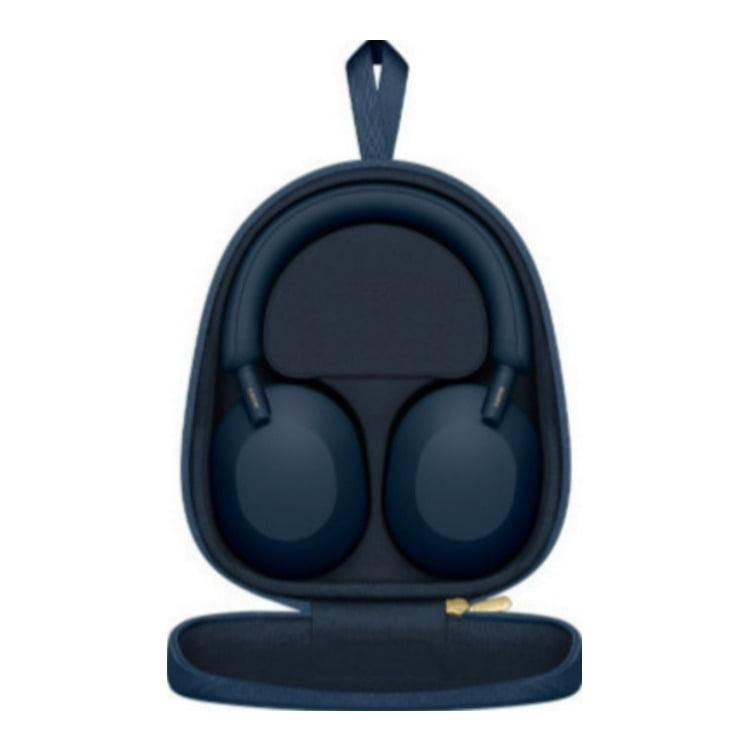
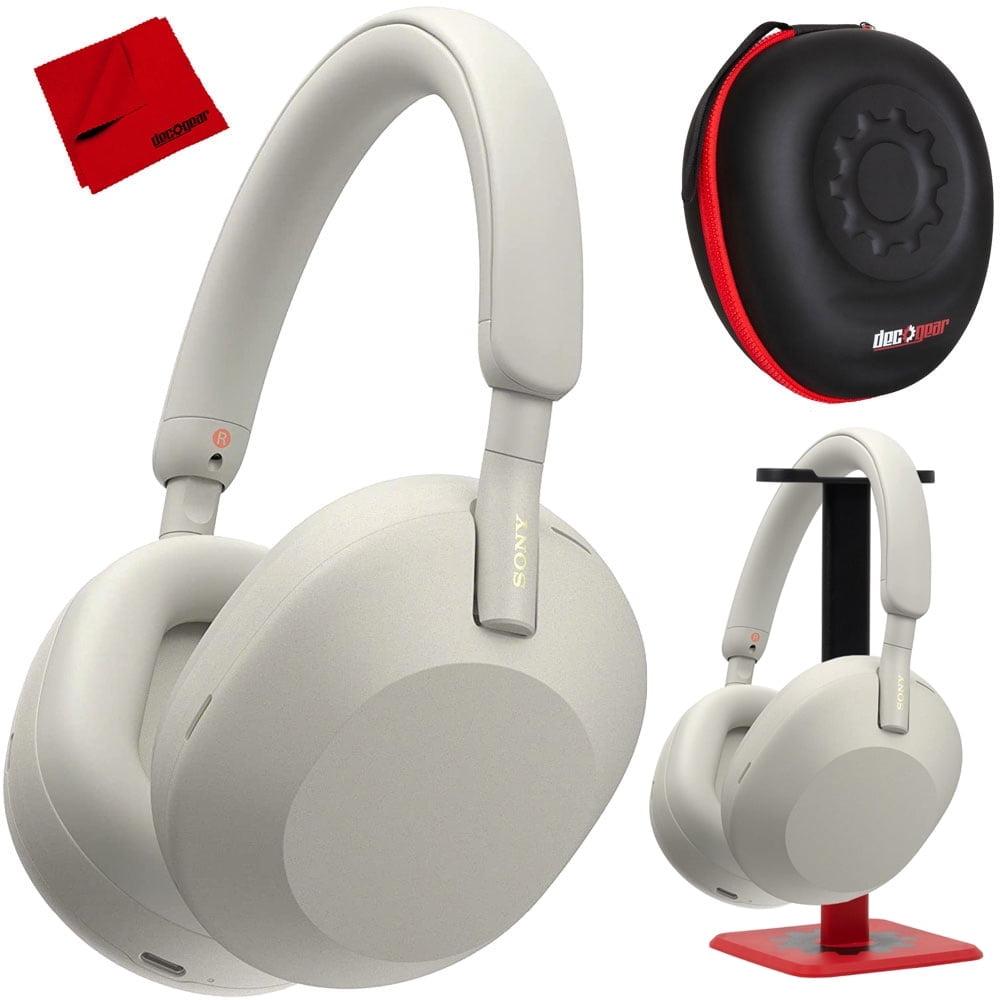

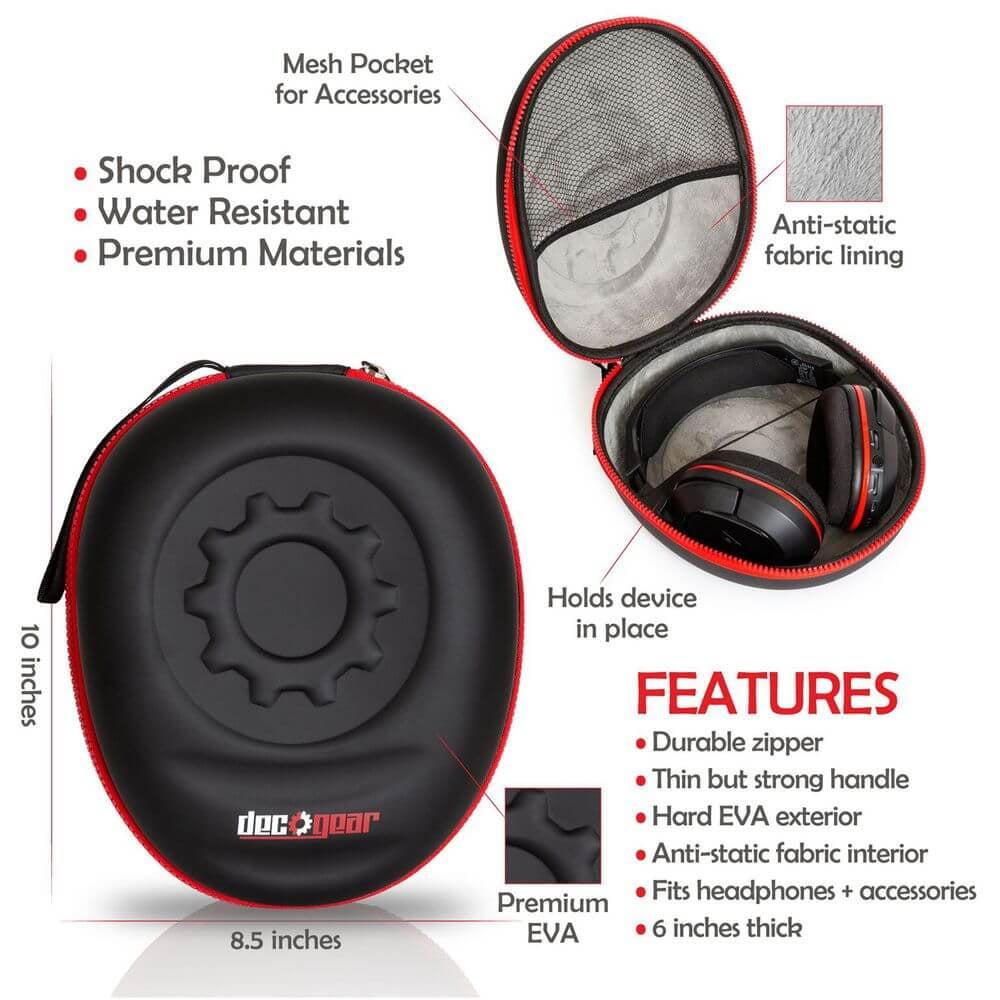



When I first started researching headphones seriously, I discovered something that changed how I think about audio gear entirely: not all headphones are trying to do the same job. This became crystal clear when comparing the OneOdio Pro-10 and Sony WH-1000XM5 – two headphones that couldn't be more different in their approach, despite both sitting on your head and playing music.
The OneOdio Pro-10, released in 2020, represents the "no-nonsense professional tool" philosophy. Meanwhile, the Sony WH-1000XM5, launched in 2022, embodies the "premium consumer experience" approach. Understanding this fundamental difference is crucial because it determines everything from how they sound to whether they'll actually solve your specific audio needs.
The over-ear headphone market splits into several distinct categories, each serving different priorities. Professional monitors prioritize accuracy and reliability – they're tools first, comfort second. Consumer headphones focus on enjoyable listening experiences with features that enhance daily use. Then there's the emerging category of lifestyle headphones that blend audio quality with smart features and wireless convenience.
What makes this comparison particularly interesting is how these two headphones illustrate completely different approaches to solving audio problems. The OneOdio Pro-10 asks "how can we give professional users exactly what they need at an affordable price?" The Sony WH-1000XM5 asks "how can we create the most advanced consumer listening experience possible?"
The key considerations that separate these approaches include connectivity philosophy (wired reliability versus wireless convenience), feature complexity (essential tools versus comprehensive ecosystems), and price positioning (maximum value versus premium experience).
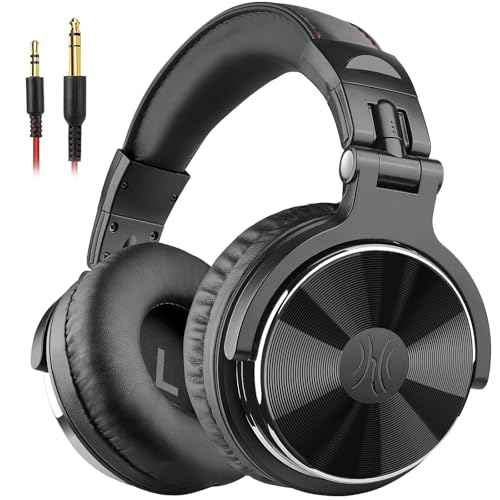
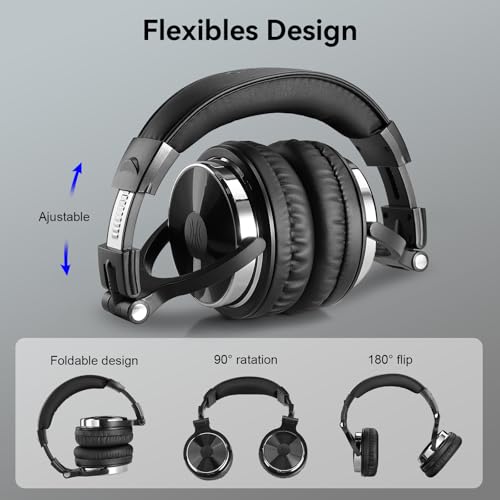
Walking into any professional recording studio, you'll notice that gear tends to look utilitarian – function clearly trumps form. The OneOdio Pro-10 embraces this aesthetic completely. Its matte black finish and angular design scream "serious audio work," while practical features like 90-degree swiveling earcups allow DJs to monitor with one ear while keeping the other free to hear the room.
The build quality reflects this professional focus. The plastic construction feels robust rather than refined – it's designed to survive being thrown into equipment bags, twisted during DJ sets, and handled roughly during long studio sessions. The foldable design with its included carrying pouch shows they understand portability matters for working musicians and audio professionals.
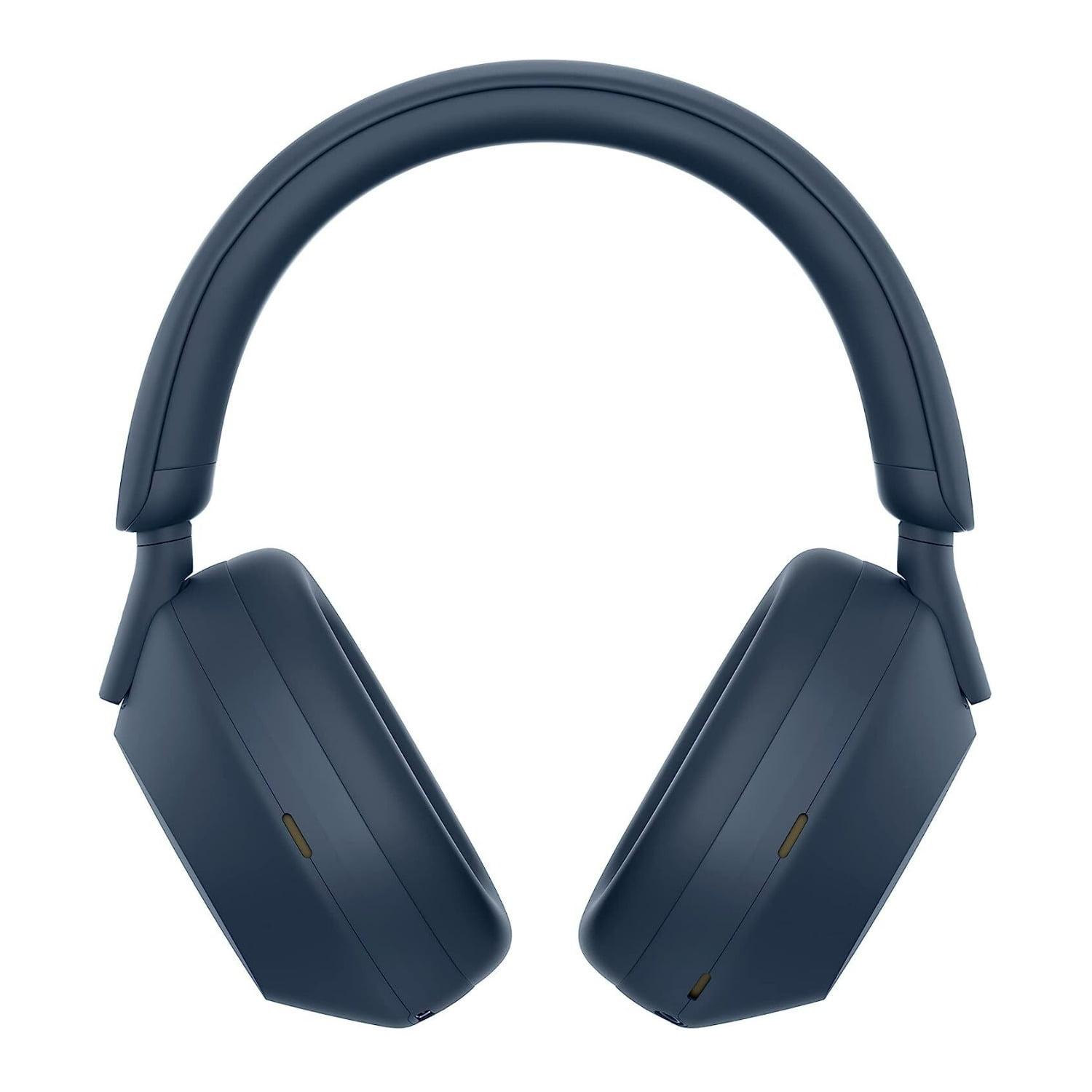
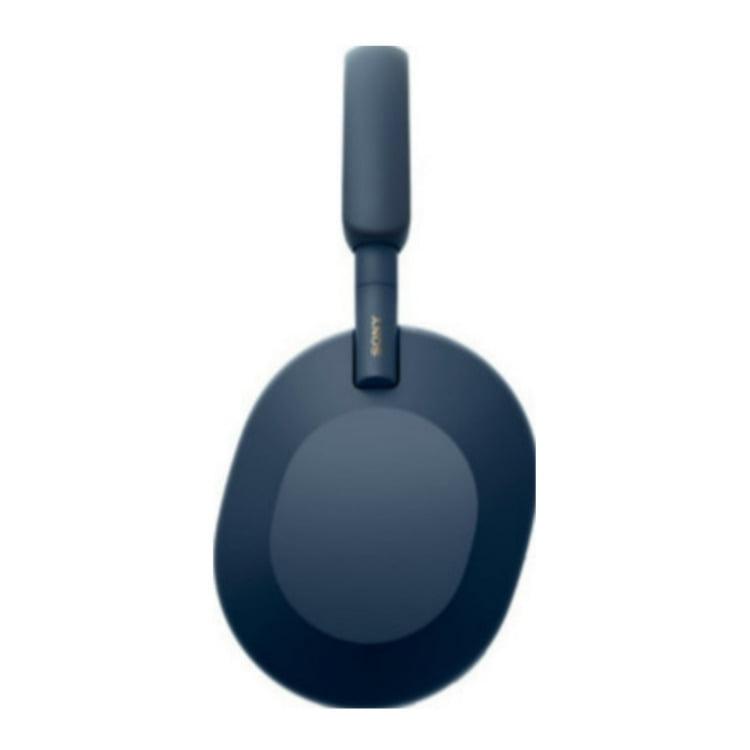
In contrast, the Sony WH-1000XM5 represents premium consumer design philosophy. When Sony redesigned these headphones from their predecessor, they made a conscious decision to prioritize comfort and aesthetics over portability – the new model doesn't fold like the previous generation. This choice signals their target user: someone who values long-wearing comfort over throwing them in a bag between gigs.
The materials tell the story too. While the OneOdio Pro-10 uses practical plastics designed for durability, the Sony WH-1000XM5 employs premium synthetic leather and carefully engineered plastics that feel luxurious to touch. At 250 grams versus the Pro-10's 310 grams, Sony achieved something impressive – making a headphone packed with wireless components, batteries, and processing chips lighter than a purely passive design.
Here's where things get really interesting from a technical perspective. The OneOdio Pro-10 uses 50mm neodymium drivers – relatively large transducers (the part that actually creates sound waves) that can move a lot of air and generate powerful bass response. Neodymium magnets are stronger than traditional ferrite magnets, allowing for more precise driver control and better sound quality in the same size package.
The frequency response of 20Hz to 20kHz covers the entire range of human hearing, with the sound signature described as "mildly V-shaped." In audio terms, this means slightly boosted bass and treble with the midrange (where vocals and many instruments live) remaining relatively neutral. This tuning works well for professional monitoring because it doesn't overly color the sound, while still providing the engaging bass response that helps DJs feel the rhythm.
The Sony WH-1000XM5 takes a completely different approach. Despite using smaller 30mm drivers, Sony achieved remarkable performance through advanced materials and digital processing. The drivers feature carbon fiber composite construction – a lightweight, rigid material that reduces distortion – combined with soft TPU (thermoplastic polyurethane) edges that enhance noise cancellation performance.
What's particularly impressive is the extended frequency response: 4Hz to 40kHz when powered on. That upper range extends well beyond human hearing (most people can't hear above 20kHz), but these ultrasonic frequencies can affect how we perceive the audible spectrum. The lower end reaching down to 4Hz means these headphones can reproduce subsonic bass that you feel rather than hear.
Sony's DSEE Extreme technology deserves special mention. This AI-powered feature analyzes compressed music files in real-time and attempts to restore high-frequency information lost during compression. Think of it as intelligent upscaling – similar to how modern TVs can make lower-resolution content look better on 4K screens.
During my testing, the differences became immediately apparent. The OneOdio Pro-10 delivers what I'd call "honest" sound – it doesn't try to flatter your music, but presents it clearly enough that you can make mixing decisions or hear exactly what the artist intended. The bass is present and controlled without overwhelming other frequencies, making it excellent for critical listening.
The Sony WH-1000XM5 opts for a more consumer-friendly approach. The sound signature emphasizes bass and treble in a way that makes most music sound more exciting and engaging. However, this coloration can sometimes mask details that audio professionals need to hear. The good news is Sony's companion app includes extensive EQ options, allowing users to customize the sound signature to their preferences.
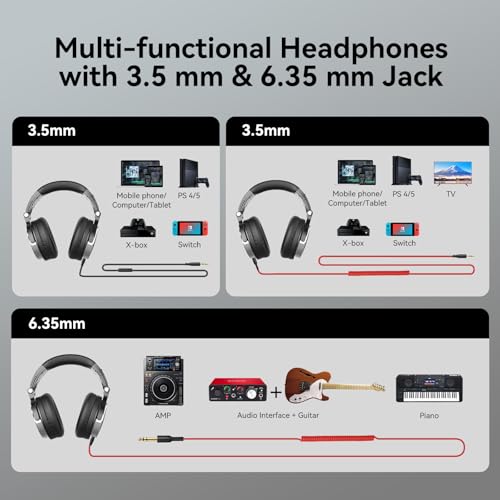
This is where the philosophical differences between these headphones become most apparent. The OneOdio Pro-10 embraces wired connectivity with an almost aggressive enthusiasm. Most headphones require adapters to work with professional audio equipment, but the Pro-10 includes both 3.5mm and 6.35mm (quarter-inch) jacks built right into the headphones.
This dual-jack design is brilliant for working musicians. You can simultaneously connect to your audio interface for monitoring while having a second device connected – perhaps your phone for checking reference tracks. The SharePort function extends this concept further, allowing you to daisy-chain multiple headphones together for collaborative listening without any additional equipment.
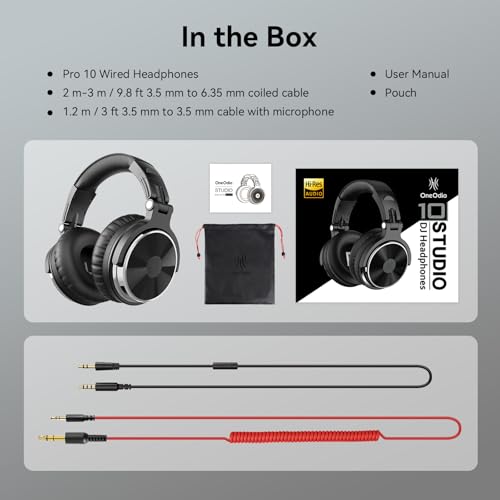
The included cables reflect professional priorities too. The coiled cable stretches up to 9.8 feet, providing freedom of movement in studio environments, while the straight cable with inline microphone handles general device connectivity and phone calls.
The Sony WH-1000XM5 represents the opposite philosophy: wireless everywhere, with wired as backup. Bluetooth 5.2 provides stable connectivity with lower power consumption than previous generations, while multipoint pairing lets you stay connected to two devices simultaneously – perfect for seamlessly switching between your laptop for work calls and your phone for music.
Sony's LDAC codec is the technical star here. Standard Bluetooth audio compresses music heavily to fit through the wireless connection, often resulting in noticeably lower quality. LDAC transmits approximately three times more data, delivering wireless audio quality that rivals wired connections. However, this requires compatible devices – primarily Android phones and Sony's own audio equipment.
The difference in noise management approaches illustrates perfectly how these headphones serve different needs. The OneOdio Pro-10 relies entirely on passive noise isolation – essentially creating a physical seal around your ears to block external sound. This approach works reasonably well and has the advantage of never failing due to battery depletion or electronic issues.
However, passive isolation has inherent limitations. It's most effective against high-frequency sounds like voices and keyboard typing, but struggles with constant low-frequency noise like air conditioning, engines, or traffic. For studio work in controlled environments, this limitation rarely matters.
The Sony WH-1000XM5 represents the current pinnacle of active noise cancellation (ANC) technology. The system uses eight microphones – four per earcup – to continuously sample ambient noise. Two dedicated processors (the Integrated Processor V1 and HD Noise Cancelling Processor QN1) work together to generate precise "anti-noise" signals that cancel incoming sound waves.
This isn't marketing hyperbole – the technology genuinely works remarkably well. During airplane travel, the difference is dramatic. Engine noise virtually disappears, allowing you to enjoy music at much lower volumes, which reduces listening fatigue and protects your hearing. The system even adjusts automatically for atmospheric pressure changes during flight.
The Auto NC Optimizer feature continuously adapts the noise cancellation based on your wearing conditions, head shape, and environmental factors. If you adjust the headphones or move to a different acoustic environment, the system recalibrates automatically.
Here's where the fundamental design differences create entirely different user experiences. The OneOdio Pro-10 never needs charging because it doesn't need power. This might seem obvious, but it's actually a significant advantage in professional environments. Dead batteries never interrupt recording sessions, and you never face the choice between charging your headphones or using them.
The Sony WH-1000XM5 manages its power requirements impressively well, considering everything it's doing. Thirty hours of playback with noise cancellation active is genuinely excellent – that's enough for multiple long-haul flights or weeks of commuting. With ANC disabled, battery life extends to 40 hours.
The fast charging capability partially addresses the battery dependency issue. Three minutes of charging provides three hours of playback when using a USB Power Delivery compatible charger. This feature has saved me multiple times when I forgot to charge before important flights.
One technical note worth understanding: when the Sony WH-1000XM5 is powered on, even in wired mode, the audio signal passes through the headphone's internal DAC (digital-to-analog converter) and amplifier. This means you're always hearing Sony's interpretation of your music, which isn't necessarily better or worse, but it's different from the pure analog path of traditional wired headphones.
The OneOdio Pro-10 excels in situations where reliability and professional features matter most. During DJ sets, the ability to swivel one earcup for single-ear monitoring while maintaining full audio connection to the mixer is invaluable. The dual-jack design means fewer adapters to lose or fail, and the robust construction survives the inevitable abuse of live performance environments.
For home studio work, these headphones provide accurate monitoring without the coloration that many consumer headphones introduce. When mixing music, you need to hear what's actually there, not what sounds most pleasant. The controlled bass response helps prevent over-correction during mixing – a common problem when using bass-heavy consumer headphones for production work.
The Sony WH-1000XM5 shines in modern lifestyle scenarios. For daily commuting, the noise cancellation transforms the experience completely. Subway rides become peaceful, airplane cabins quiet, and open offices manageable. The wireless convenience means no more untangling cables or catching wires on door handles.
For home theater use, both headphones serve different needs. The OneOdio Pro-10 works excellently with audio equipment that includes headphone outputs, providing clear dialogue and full-range audio without disturbing others. However, many modern TVs lack quality headphone outputs, making wireless connectivity increasingly important.
The Sony WH-1000XM5 connects easily to smart TVs via Bluetooth, though there might be slight audio delay (latency) depending on your TV's Bluetooth implementation. Some newer TVs support low-latency codecs that minimize this issue, but it's worth testing if you plan extensive movie watching.
At the time of writing, these headphones occupy completely different price brackets, with the OneOdio Pro-10 positioned as a budget-friendly professional tool and the Sony WH-1000XM5 commanding premium pricing. This price difference reflects not just build quality, but entirely different feature sets and target markets.
The OneOdio Pro-10 delivers exceptional value by focusing exclusively on audio performance and professional features while eliminating expensive wireless components, advanced processing, and premium materials. For users who need reliable monitoring capabilities without premium pricing, it's difficult to find better value.
The Sony WH-1000XM5 justifies its premium pricing through advanced technology that genuinely improves the listening experience in challenging environments. The noise cancellation alone can transform daily commutes or frequent travel, while the wireless convenience and smart features integrate seamlessly with modern devices.
Choose the OneOdio Pro-10 if you need professional audio capabilities, prioritize reliability over convenience, work with audio equipment regularly, or want maximum performance per dollar spent. These headphones excel when you need tools that work consistently without complexity.
Choose the Sony WH-1000XM5 if you frequently deal with noisy environments, prioritize wireless convenience, want cutting-edge features, or can justify premium pricing for significantly enhanced user experience. These headphones transform challenging listening environments and integrate beautifully with modern lifestyles.
The decision ultimately comes down to understanding your primary use case and priorities. Both headphones excel within their intended domains, making the choice less about which is "better" and more about which better serves your specific needs and circumstances.
| OneOdio Pro-10 Over Ear Wired Headphones | Sony WH-1000XM5 Wireless Noise Canceling Headphones |
|---|---|
| Driver Size - Larger drivers typically produce more powerful bass and overall volume | |
| 50mm neodymium drivers for dynamic bass | 30mm carbon fiber composite drivers with advanced processing |
| Frequency Response - Wider range captures more audio detail, especially in bass and treble | |
| 20Hz-20kHz (covers full human hearing range) | 4Hz-40kHz (extended range beyond human hearing for enhanced perception) |
| Weight - Lighter headphones are more comfortable for extended wear | |
| 310g (heavier due to larger drivers and robust build) | 250g (remarkably light despite wireless components and battery) |
| Connectivity - Wired offers reliability, wireless provides convenience | |
| Dual wired (3.5mm and 6.35mm jacks built-in) | Bluetooth 5.2 with LDAC + wired backup |
| Noise Cancellation - Active ANC dramatically outperforms passive isolation | |
| Passive isolation only (physical seal around ears) | Industry-leading active noise cancellation with 8 microphones |
| Battery Life - Only matters for wireless models, but critical for daily use | |
| No battery required (always ready) | 30 hours with ANC on, 40 hours with ANC off |
| Professional Features - Essential for DJs, studio work, and audio production | |
| 90° swiveling earcups, SharePort daisy-chaining, dual jacks | Touch controls, voice assistants, adaptive sound control |
| Audio Codecs - Higher quality codecs preserve more musical detail wirelessly | |
| Pure analog signal path (no digital processing) | SBC, AAC, LDAC for high-resolution wireless audio |
| Build Philosophy - Professional durability vs premium consumer comfort | |
| Utilitarian build for professional reliability and portability | Premium materials optimized for long-wearing comfort |
| Price Category - Significant value difference affects target buyers | |
| Budget-friendly professional tool | Premium consumer wireless headphones |
| Ideal Use Cases - Choose based on your primary listening scenarios | |
| DJ work, studio monitoring, wired audio equipment, budget audiophiles | Commuting, travel, office work, wireless convenience, noise-sensitive environments |
The OneOdio Pro-10 is specifically designed for professional use with features like 90-degree swiveling earcups for DJ monitoring, dual 3.5mm and 6.35mm jacks for direct equipment connection, and a SharePort function for daisy-chaining multiple headphones. The Sony WH-1000XM5 is consumer-focused and lacks these professional features, making the OneOdio Pro-10 the clear choice for studio work and DJ applications.
Active noise cancellation in the Sony WH-1000XM5 is most beneficial if you live in noisy environments with consistent background sounds like traffic, air conditioning, or noisy neighbors. For quiet home environments, the passive noise isolation of the OneOdio Pro-10 may be sufficient and eliminates battery dependency.
The OneOdio Pro-10 offers exceptional value by providing professional-grade audio quality and features at a budget-friendly price point. While the Sony WH-1000XM5 costs significantly more, it includes premium wireless technology and industry-leading noise cancellation that justify the higher price for users who need these features.
Both headphones work well for gaming, but serve different needs. The OneOdio Pro-10 provides reliable wired connection with low latency and includes a cable with inline microphone for chat. The Sony WH-1000XM5 offers wireless freedom but may have slight audio delay depending on your gaming setup's Bluetooth capabilities.
The Sony WH-1000XM5 is specifically engineered for extended comfort with premium padding and lighter weight (250g vs 310g). While the OneOdio Pro-10 is comfortable for professional use, some users may find the smaller ear cup openings less suitable for all-day wearing compared to the Sony WH-1000XM5.
Both work excellently for home theater use but in different ways. The OneOdio Pro-10 connects directly to audio equipment with superior wired reliability, while the Sony WH-1000XM5 offers wireless convenience for modern smart TVs, though potential audio delay should be considered for lip-sync accuracy.
The OneOdio Pro-10 features larger 50mm drivers that naturally produce more powerful, dynamic bass, making them excellent for bass-heavy music and DJ work. The Sony WH-1000XM5 has well-controlled bass with digital processing that can be customized through EQ, but the OneOdio Pro-10 delivers more natural bass impact.
This depends on your lifestyle and priorities. The Sony WH-1000XM5 justifies its premium pricing if you frequently travel, commute in noisy environments, or prioritize wireless convenience. However, if you primarily listen at home or need professional features, the OneOdio Pro-10 provides better value without wireless complexity.
The OneOdio Pro-10 offers superior long-term reliability since it has no battery to degrade, no wireless components to fail, and uses robust construction designed for professional environments. The Sony WH-1000XM5 is well-built but depends on battery health and electronic components that may require eventual replacement.
The OneOdio Pro-10 is specifically designed for this purpose with built-in 6.35mm and 3.5mm jacks that connect directly to professional audio equipment without adapters. The Sony WH-1000XM5 can work with audio interfaces but requires adapters and doesn't offer the same professional monitoring features as the OneOdio Pro-10.
The OneOdio Pro-10 provides more neutral, accurate sound reproduction suitable for mixing and critical listening, with a controlled sound signature that doesn't overly color your music. The Sony WH-1000XM5 uses consumer-friendly tuning with enhanced bass and treble that sounds more exciting but less accurate for professional audio work.
The fundamental difference is philosophy: the OneOdio Pro-10 is a professional wired tool focused on reliability, accuracy, and value, while the Sony WH-1000XM5 is a premium consumer product emphasizing wireless convenience, noise cancellation, and lifestyle features. Choose the OneOdio Pro-10 for professional work or maximum value, and the Sony WH-1000XM5 for premium wireless experience and noise control.
We've done our best to create useful and informative comparisons to help you decide what product to buy. Our research uses advanced automated methods to create this comparison and perfection is not possible - please contact us for corrections or questions. These are the sites we've researched in the creation of this article: audioreviews.org - youtube.com - attackmagazine.com - versus.com - head-fi.org - versus.com - youtube.com - oneodio.com - youtube.com - youtube.com - walmart.com - teqclub.com - head-fi.org - manuals.plus - terrycartermusicstore.com - oneodio.com - matzotech.com - oneodio.com - target.com - techbuzzireland.com - youtube.com - rtings.com - audiosciencereview.com - techradar.com - audio46.com - recordingnow.com - electronics.sony.com - theabsolutesound.com - soundguys.com - soundguys.com - headphonesaddict.com - sony.com - sony.com - sony-mea.com - fullspecs.net - bhphotovideo.com - sony.com - helpguide.sony.net - headphones.com - androidpolice.com - sony.co.id - moon-audio.com - sony.com - bestbuy.com - sonylatvija.com

Privacy Policy
Terms and Conditions - Affiliate Policy
Home Security
© Copyright 2008-2026.
11816 Inwood Rd #1211, Dallas, TX 75244