


When you're shopping for premium noise-canceling headphones, you're entering a world where the difference between good and great can transform your daily audio experience. Whether you're blocking out airplane engines during a cross-country flight or trying to focus in a busy coffee shop, the right pair of headphones becomes an essential tool for modern life.
Today, we're comparing two standout options that take very different approaches to the same goal: the Marshall Monitor II ANC and the Sony WH-1000XM5. Both promise to deliver excellent sound quality while keeping the outside world at bay, but they achieve this through distinctly different philosophies and engineering approaches.
Active noise canceling headphones represent the pinnacle of personal audio technology. Unlike basic headphones that simply rely on physical padding to block sound (called passive isolation), ANC headphones use sophisticated electronics to actively fight unwanted noise. They employ tiny microphones to "listen" to ambient sound, then generate opposing sound waves that cancel out noise before it reaches your ears—a process called destructive interference.
The premium segment, where both the Marshall Monitor II ANC and Sony WH-1000XM5 compete, focuses on delivering not just effective noise cancellation, but also exceptional audio quality, long battery life, and smart features that adapt to your environment and usage patterns.
When evaluating headphones in this category, several key factors determine overall performance and value. Sound quality remains paramount—after all, what good is blocking outside noise if the music itself doesn't sound great? Comfort becomes crucial for extended listening sessions, while build quality affects long-term durability and reliability. Battery life determines how often you'll need to reach for a charging cable, and the effectiveness of noise cancellation directly impacts how well these headphones serve their primary purpose.
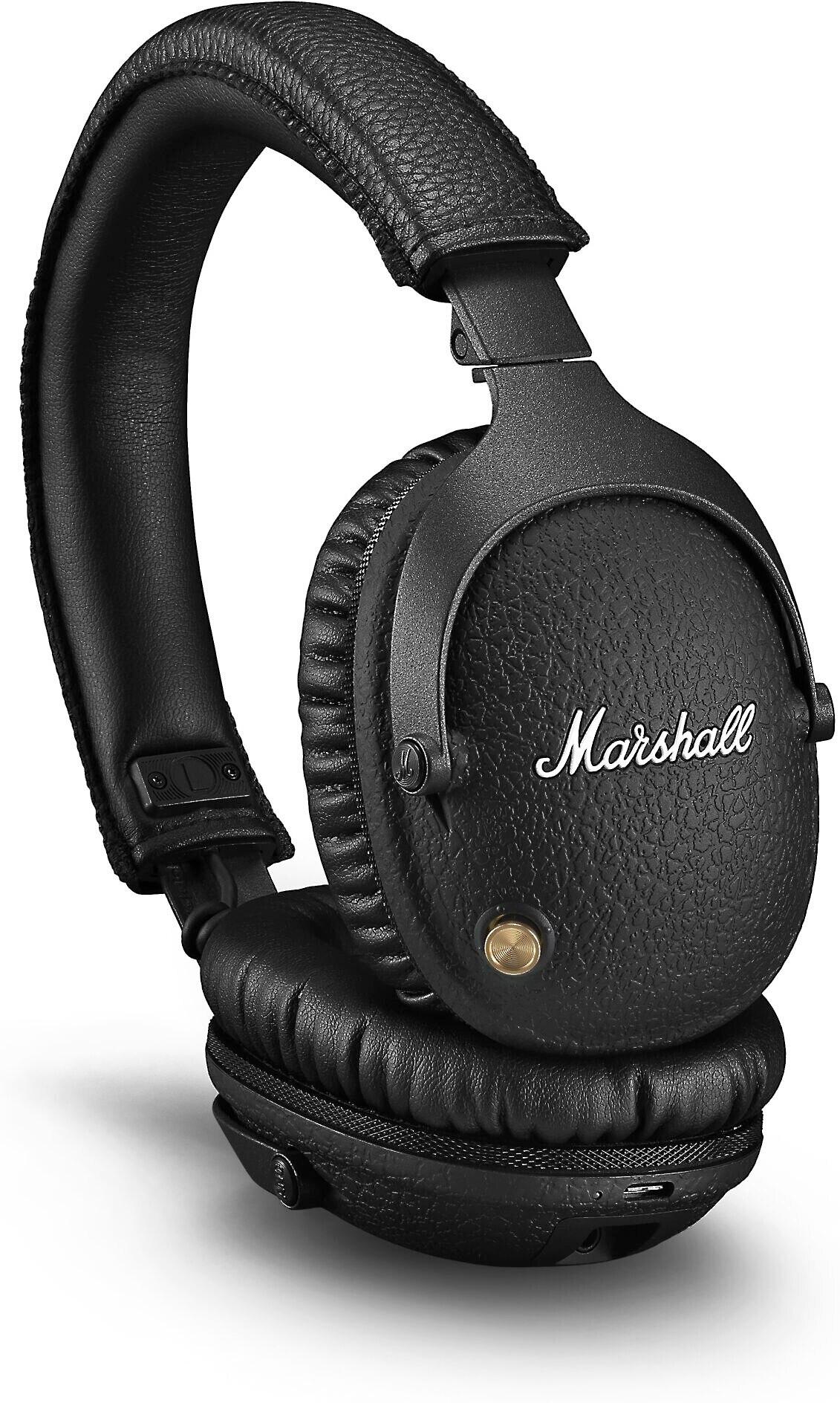
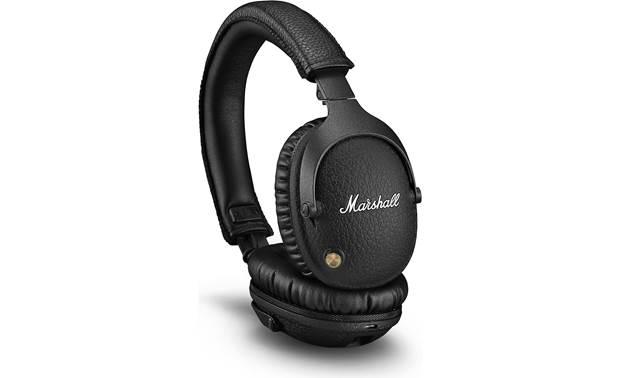
The Marshall Monitor II ANC, released around 2020, represents Marshall's foray into the premium ANC market. Known primarily for their iconic guitar amplifiers and rock-and-roll aesthetic, Marshall brings their distinctive design language and warm sound signature to the wireless headphone space. At the time of writing, these headphones typically cost significantly less than Sony's flagship offering, making them an attractive option for those seeking premium features without the highest-tier pricing.
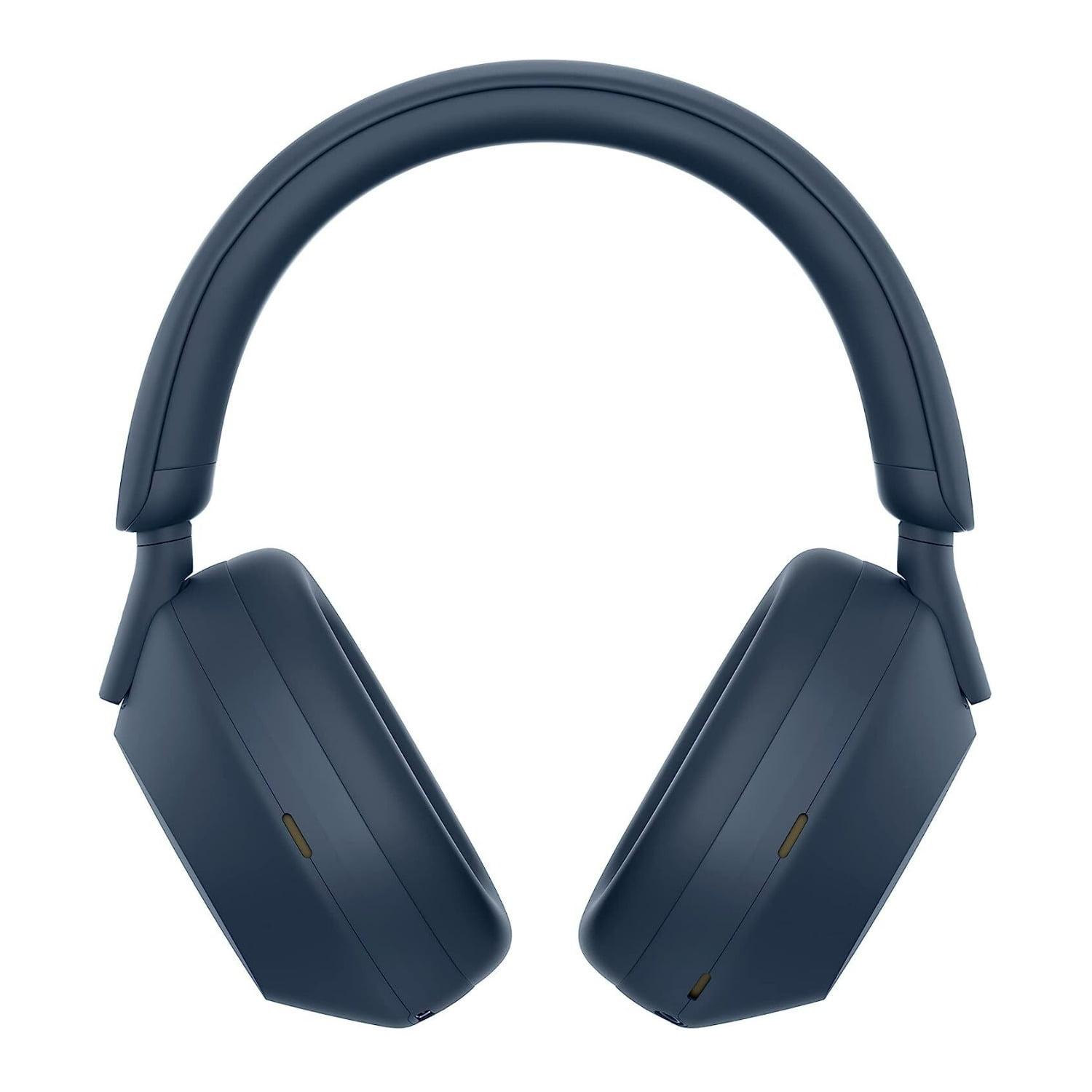
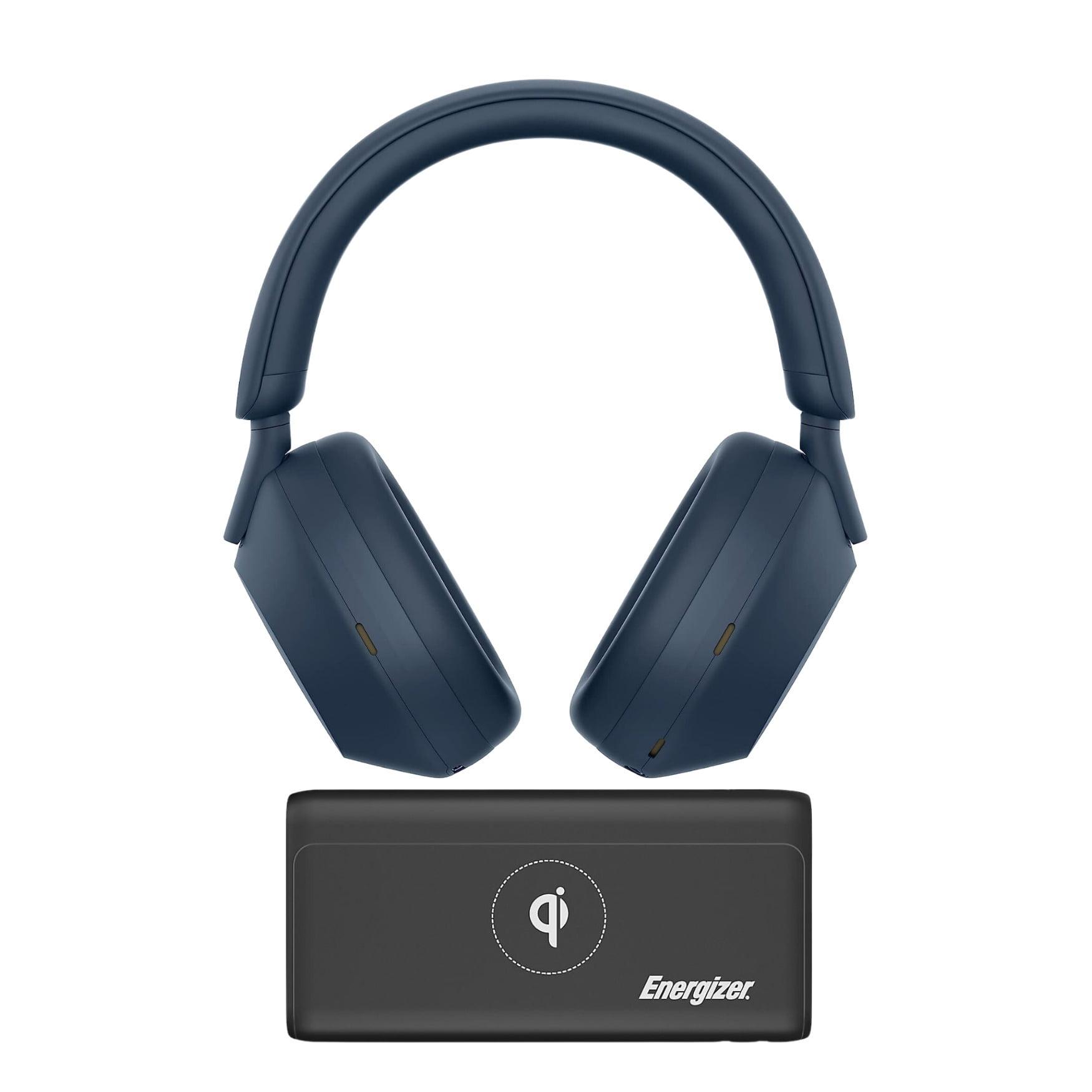
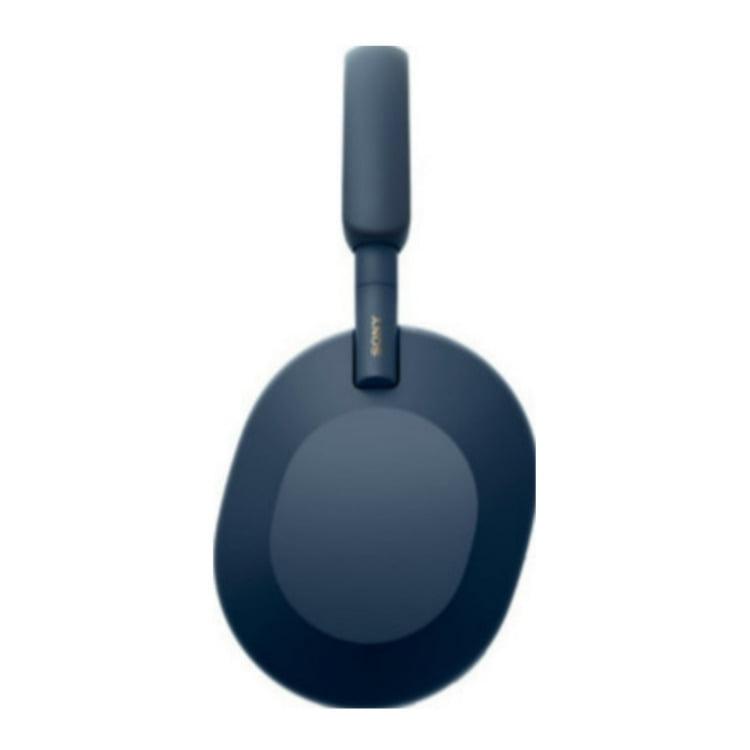
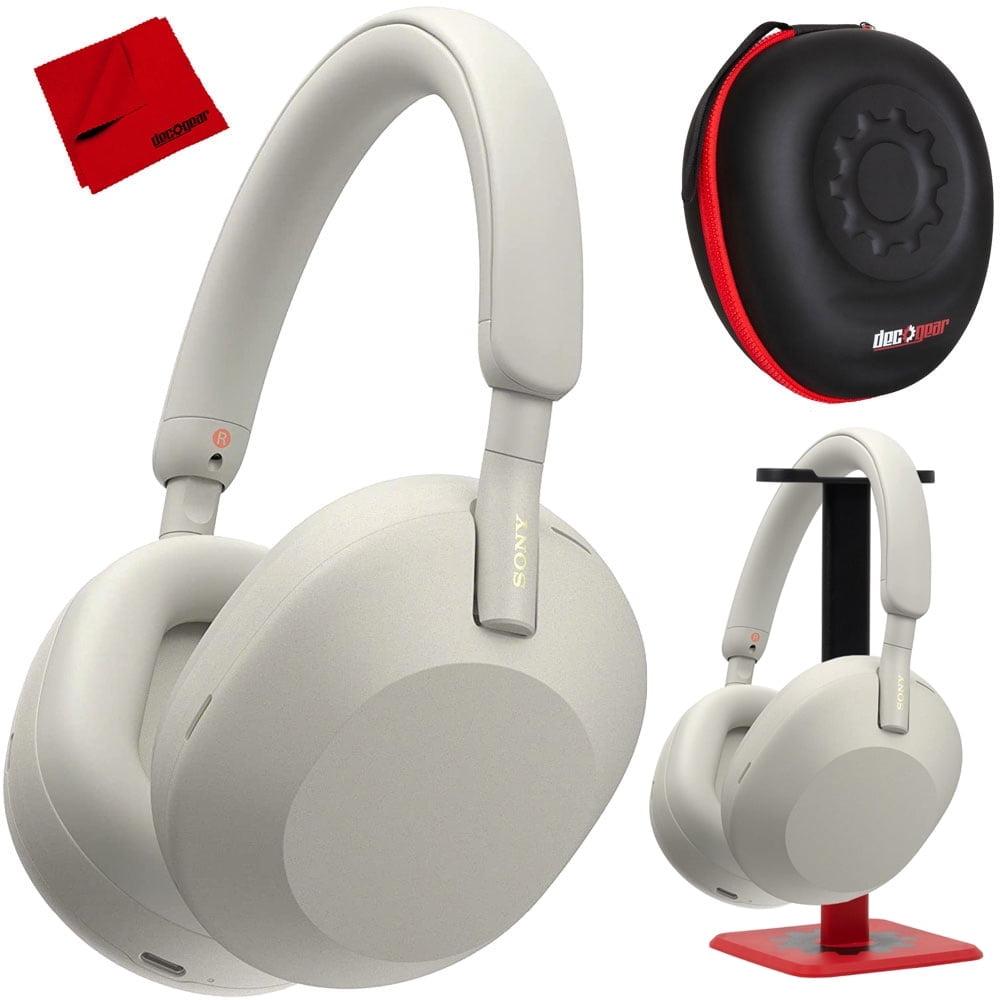
The Sony WH-1000XM5, launched in 2022, represents Sony's latest evolution in noise-canceling technology. As the successor to the widely acclaimed WH-1000XM4, Sony completely redesigned these headphones with new drivers, updated processors, and refined aesthetics. They command a premium price but offer what many consider the most advanced ANC technology available in consumer headphones.
The most dramatic difference between these headphones lies in their approach to noise cancellation. The Sony WH-1000XM5 employs what Sony calls "Industry-Leading Noise Cancellation," and this isn't just marketing speak—the technical implementation backs up the claim.
Sony's system uses eight microphones (four on each ear cup) working in conjunction with two dedicated processors: the QN1 HD Noise Cancelling Processor and the newer Integrated Processor V1. This dual-processor setup allows the headphones to process ambient sound with remarkable speed and precision, generating opposing sound waves that can cancel up to 84% of ambient noise across a wide frequency range.
What makes this particularly impressive is how well it handles different types of noise. Low-frequency rumbles—like airplane engines, air conditioners, and traffic—get nearly eliminated. But the Sony WH-1000XM5 also excels at reducing mid and high-frequency sounds, such as human voices and keyboard clicking, which traditionally challenge noise-canceling systems.
The Marshall Monitor II ANC takes a more traditional approach to noise cancellation. While effective for everyday use, it employs fewer microphones and a less sophisticated processing system. The result is solid performance that handles most common noise scenarios well—office chatter, car noise, and general urban soundscapes—but doesn't reach the same levels of isolation as Sony's flagship.
However, this difference becomes most apparent in extreme noise environments. During airplane travel, the Sony's superior low-frequency cancellation becomes immediately obvious. In quieter environments like home offices or coffee shops, both headphones provide adequate noise reduction for focused listening.
Both models offer adjustable ANC levels through their respective smartphone apps, allowing you to fine-tune the amount of noise cancellation based on your environment and preferences. This customization proves valuable since maximum ANC isn't always desirable—sometimes you need to hear announcements or remain aware of your surroundings.
Sound quality represents perhaps the most subjective aspect of headphone performance, but understanding each model's approach helps predict which might suit your preferences better.
The Marshall Monitor II ANC delivers what you'd expect from the Marshall brand: a warm, musical sound signature that emphasizes midrange frequencies where guitars and vocals live. These headphones use 40mm dynamic drivers with custom tuning that creates a notably engaging listening experience, particularly for rock, folk, and guitar-driven music.
The bass response feels controlled and punchy without overwhelming other frequencies. Vocals come through with clarity and warmth, while treble remains crisp without becoming harsh. This tuning philosophy prioritizes musicality over clinical accuracy—these headphones make music sound enjoyable rather than trying to reproduce it with laboratory precision.
The Sony WH-1000XM5 takes a more technically ambitious approach. Despite using smaller 30mm drivers (compared to Marshall's 40mm), Sony's new driver design incorporates a carbon fiber composite dome with a TPU (thermoplastic polyurethane) edge. This material combination provides both rigidity for accurate reproduction and flexibility for smooth frequency response.
Sony tunes these headphones with what's called a "V-shaped" sound signature—enhanced bass and treble with slightly recessed midrange frequencies. This creates an exciting, detailed sound that works well across various music genres. The extended frequency response (4Hz to 40kHz versus Marshall's 20Hz to 20kHz range) means the Sony headphones can reproduce both deeper bass notes and higher harmonics that many headphones miss.
The Sony WH-1000XM5 also supports high-resolution audio through Sony's LDAC codec, which transmits approximately three times more data than standard Bluetooth audio. When paired with compatible devices and high-quality source material, this results in noticeably improved detail and clarity compared to standard Bluetooth transmission.
Both headphones benefit significantly from EQ adjustments through their companion apps. The Marshall app provides three customizable EQ presets accessible via the headphones' M-button, while Sony's more comprehensive app offers detailed parametric EQ control and various sound enhancement features.
Comfort becomes critical when you're wearing headphones for hours at a time, and these models take notably different approaches to achieving all-day wearability.
The Marshall Monitor II ANC emphasizes robust construction and premium materials. The headphones feature a predominantly metal build with artificial leather ear cushions and a well-padded headband. The metal construction feels substantial and durable, though it does add weight—approximately 320 grams compared to many competitors.
The ear cups provide generous padding with memory foam that conforms to your head shape over time. The clamping force feels secure without being uncomfortable, and the headphones fold flat for easy storage in the included carrying pouch. The aesthetic perfectly captures Marshall's rock-and-roll heritage with textured black vinyl, brass accents, and the iconic Marshall logo.
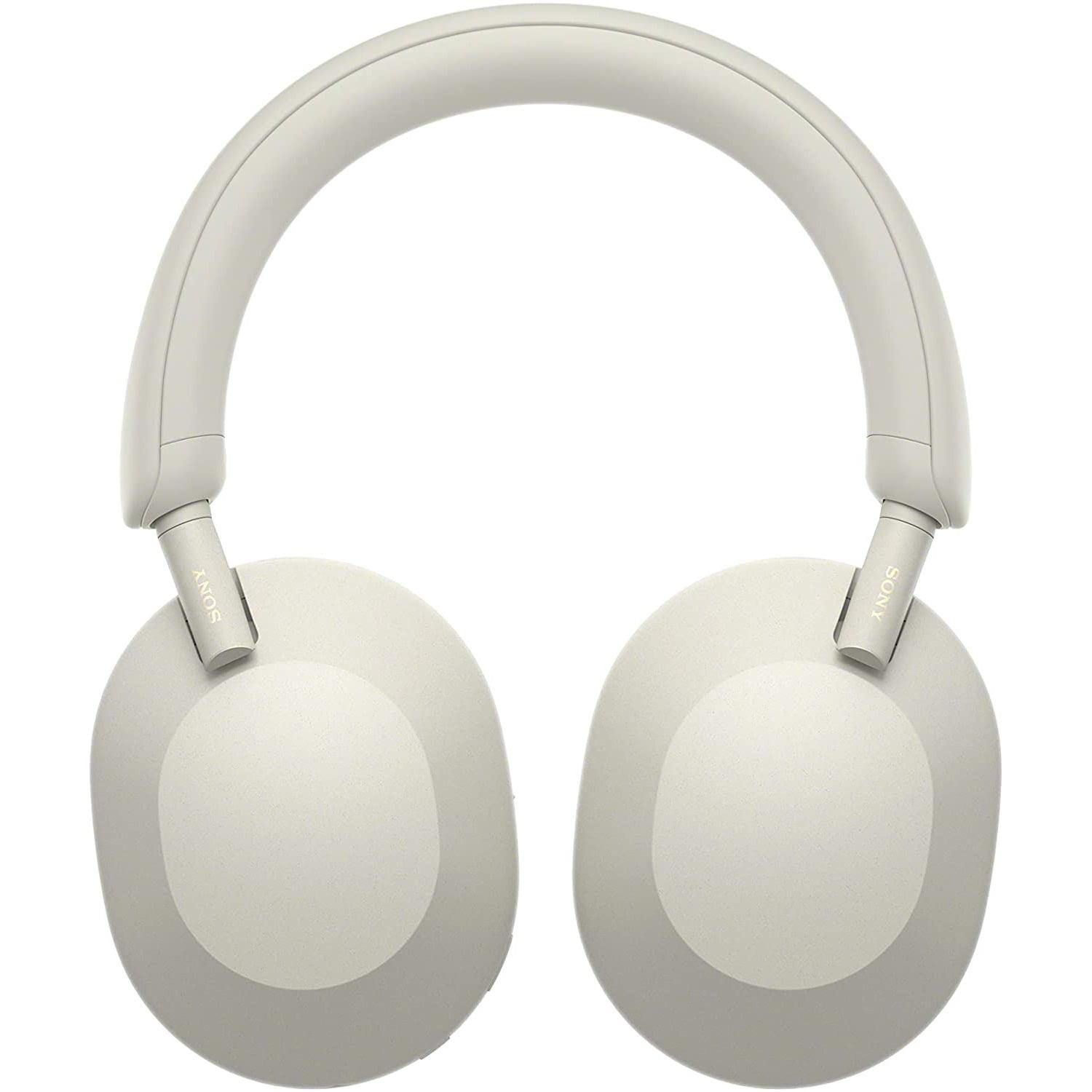
The Sony WH-1000XM5 prioritizes lightweight comfort and modern design. At just 250 grams—70 grams lighter than the Marshall—these headphones virtually disappear during extended listening sessions. Sony completely redesigned the headband and ear cup padding, using softer synthetic leather and optimized padding distribution to minimize pressure points.
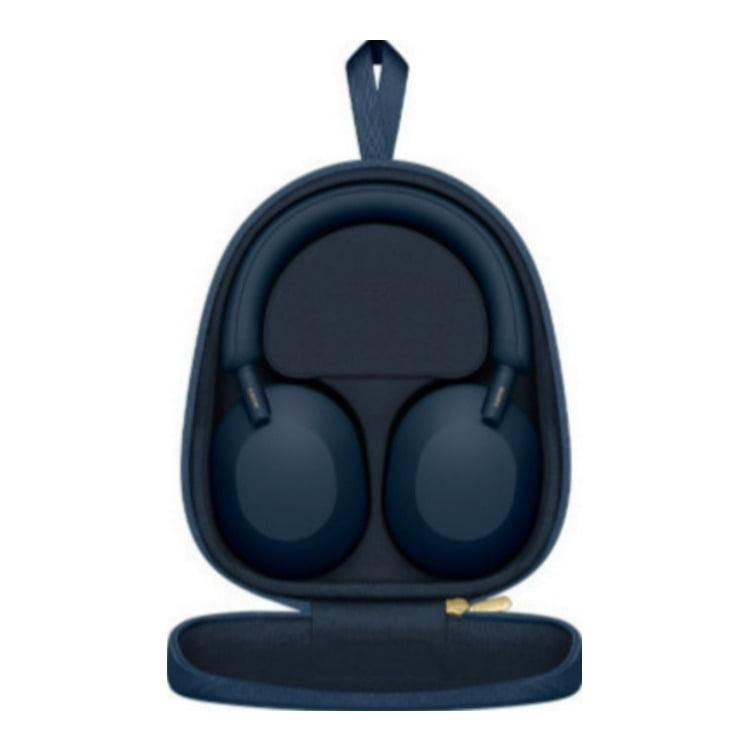
However, Sony's pursuit of lightweight design comes with trade-offs. The predominantly plastic construction feels less premium than Marshall's metal build, and some users report concerns about long-term durability, particularly around the hinge mechanisms. The headphones don't fold, which makes them less compact for travel despite including a premium hard-shell carrying case.
Battery life represents one area where the Marshall Monitor II ANC truly excels. With up to 45 hours of playback with ANC disabled and 30 hours with noise cancellation active, these headphones offer exceptional endurance. This translates to potentially weeks of typical use between charges, making them ideal for travelers or anyone who prefers not to think about battery management.
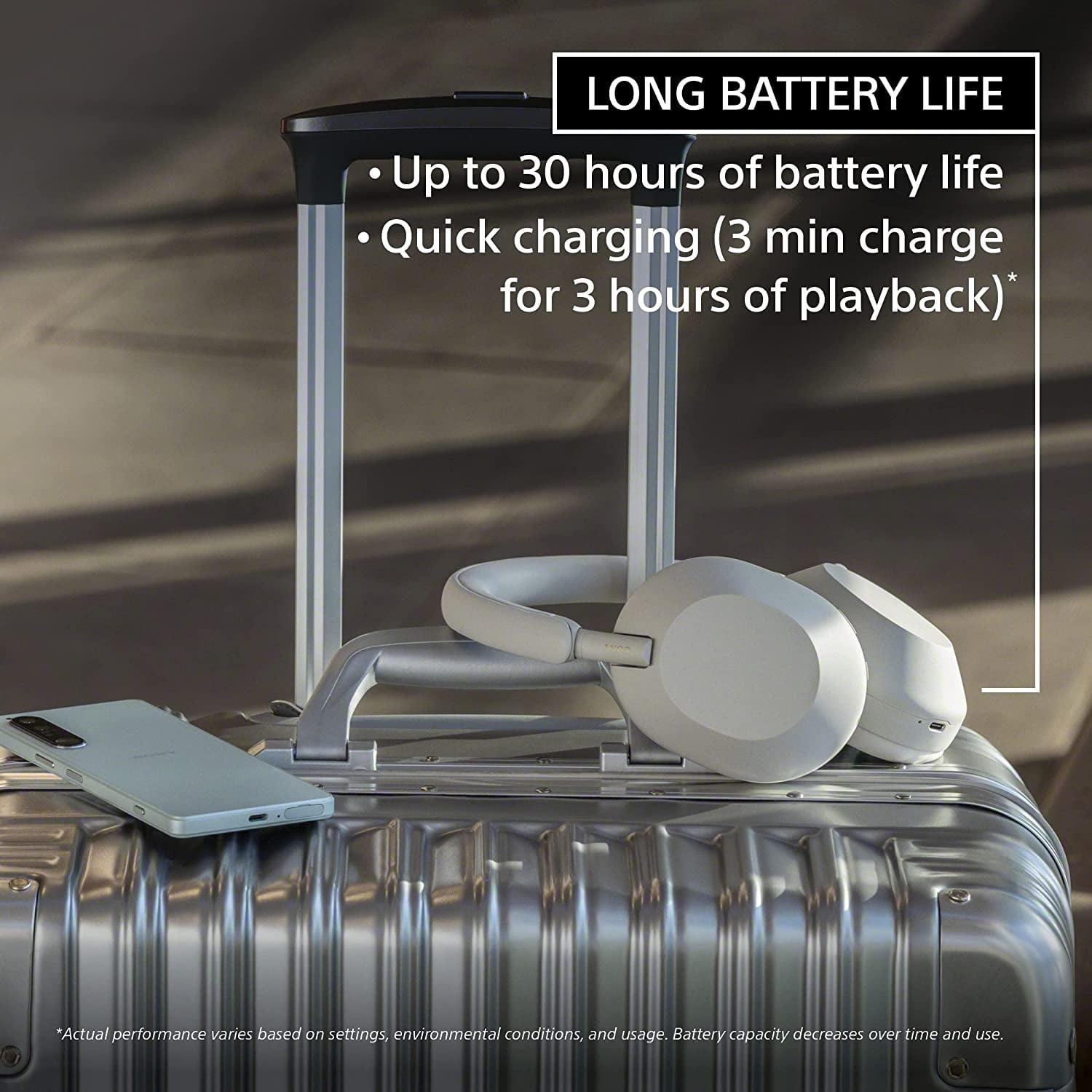
The Sony WH-1000XM5 offers competitive but slightly shorter battery life: 40 hours without ANC and 30 hours with noise cancellation enabled. While still excellent by industry standards, the difference becomes meaningful for heavy users or those who frequently forget to charge their devices.
Both headphones support quick charging via USB-C, but with different implementations. The Marshall provides 5 hours of playback from a 15-minute charge, while Sony offers 3 hours from just 3 minutes of charging when using a compatible USB-PD charger. Sony's faster quick-charge capability proves more convenient for those "oh no, dead battery" moments before heading out.
The Sony WH-1000XM5 significantly outpaces the Marshall in smart features and connectivity options. Sony's headphones include Speak-to-Chat technology, which automatically pauses music and activates transparency mode when you start speaking—perfect for quick conversations without removing the headphones.
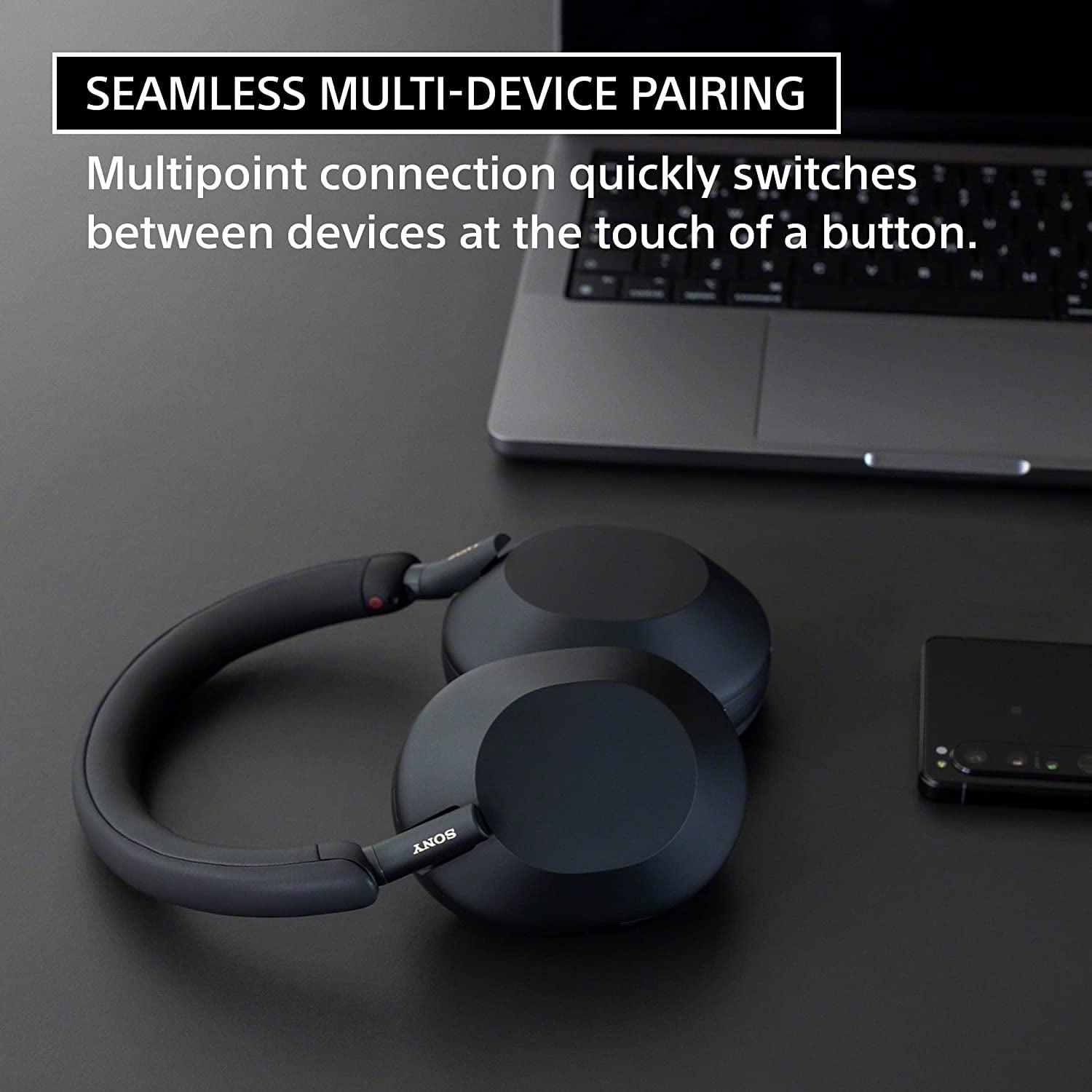
Adaptive Sound Control learns your daily routine and automatically adjusts noise cancellation settings based on your location and activity. The wearing detection sensors pause music when you remove the headphones and resume playback when you put them back on. Multipoint Bluetooth connectivity allows simultaneous connection to two devices, enabling seamless switching between your phone and laptop.
The Marshall Monitor II ANC focuses on essential features without overwhelming complexity. The distinctive multi-directional control knob provides intuitive playbook and volume control, while the programmable M-button can cycle through EQ presets or activate voice assistants. The approach feels more straightforward and less prone to accidental activation.
Both headphones support voice assistants, but Sony's implementation proves more comprehensive with support for Google Assistant, Amazon Alexa, and Siri, compared to Marshall's Google Assistant integration.
For business users and frequent phone calls, microphone quality becomes crucial. The Sony WH-1000XM5 excels in this area with four dedicated beamforming microphones using Sony's Precise Voice Pickup technology. This system effectively isolates your voice from background noise, making calls clear even in noisy environments.
The Marshall Monitor II ANC provides adequate call quality for casual use but doesn't match Sony's professional-grade performance. The difference becomes most apparent in challenging acoustic environments or during important business calls.
For home theater use, both headphones offer distinct advantages. The Marshall Monitor II ANC's warm sound signature and excellent battery life make it ideal for movie marathons, providing engaging dialogue reproduction and impactful sound effects without fatigue.
The Sony WH-1000XM5's extended frequency response and detailed sound reproduction excel with high-quality movie soundtracks, particularly those mixed for surround sound. The superior noise cancellation also helps maintain immersion by blocking household sounds and distractions.
Both headphones include 3.5mm input jacks for direct connection to audio equipment, ensuring compatibility with older home theater systems that lack Bluetooth connectivity.
Choosing between the Marshall Monitor II ANC and Sony WH-1000XM5 ultimately depends on your priorities and usage patterns.
Consider the Marshall if you value exceptional battery life, prefer robust metal construction, enjoy warm and musical sound signature, or want better value for money. These headphones excel for users who prioritize simplicity, durability, and long-term reliability over cutting-edge features.
The Sony becomes the better choice if you need industry-leading noise cancellation, frequently make important calls, travel often, or want the latest smart features and connectivity options. Despite the higher price point at the time of writing, the comprehensive feature set and superior ANC performance justify the premium for many users.
Both headphones represent excellent choices within the premium ANC category, succeeding through different approaches rather than one being definitively superior to the other. Your personal preferences, budget considerations, and primary use cases should guide your final decision between these two capable and well-engineered options.
| Marshall Monitor II ANC | Sony WH-1000XM5 |
|---|---|
| Battery Life - Critical for travel and daily use without charging hassles | |
| 45 hours (ANC off), 30 hours (ANC on) - Industry leading | 40 hours (ANC off), 30 hours (ANC on) - Excellent but shorter |
| Active Noise Cancellation - The primary feature differentiating these from regular headphones | |
| Effective ANC with 10-level adjustment - Good for most environments | Industry-leading 8-microphone system - Best-in-class for travel |
| Weight - Impacts comfort during extended listening sessions | |
| 320g - Heavier but robust metal construction | 250g - 70g lighter for all-day comfort |
| Driver Size & Audio Range - Determines sound quality and detail | |
| 40mm drivers, 20Hz-20kHz - Warm Marshall signature sound | 30mm carbon fiber drivers, 4Hz-40kHz - Extended range with Hi-Res support |
| Build Materials - Affects durability and premium feel | |
| Metal construction with leather padding - Premium, durable | Plastic construction with synthetic leather - Lightweight but durability concerns |
| Quick Charge - Essential for last-minute use | |
| 15 minutes = 5 hours playback - Good recovery time | 3 minutes = 3 hours playback - Fastest in category |
| Bluetooth Codec Support - Affects wireless audio quality | |
| SBC only - Basic but reliable | SBC, AAC, LDAC - High-resolution wireless audio capable |
| Smart Features - Modern convenience and automation | |
| Basic controls, Google Assistant - Simple and reliable | Speak-to-Chat, Adaptive Sound Control, multipoint - Comprehensive smart functionality |
| Foldable Design - Important for travel portability | |
| Yes - Folds flat with carrying pouch | No - Fixed design with hard case |
| Call Quality - Crucial for business and remote work | |
| Adequate for casual calls | Professional-grade with 4 beamforming mics - Excellent for business |
| Price Positioning - Value consideration at time of purchase | |
| More affordable premium option - Better value proposition | Premium flagship pricing - Justified by advanced features |
The Sony WH-1000XM5 has significantly better noise cancellation than the Marshall Monitor II ANC. Sony uses an advanced 8-microphone system with dual processors that delivers industry-leading noise reduction, particularly effective for airplane travel and busy environments. The Marshall Monitor II ANC provides solid noise cancellation that works well for everyday use, but it can't match Sony's advanced technology for blocking ambient sound.
The Marshall Monitor II ANC offers superior battery life with up to 45 hours of playback (ANC off) and 30 hours with noise cancellation enabled. The Sony WH-1000XM5 provides 40 hours without ANC and 30 hours with ANC on. While both offer excellent endurance, the Marshall gives you an extra 5 hours of maximum playback time, making it better for extended travel or heavy daily use.
The Sony WH-1000XM5 is more comfortable for extended wear due to its lighter weight (250g vs 320g) and optimized padding design. The Marshall Monitor II ANC uses premium materials and provides good comfort, but the extra weight from its metal construction can become noticeable during very long sessions. For all-day office use or long flights, most users find the Sony more comfortable.
The Sony WH-1000XM5 excels at call quality with four dedicated beamforming microphones and advanced voice pickup technology, making it ideal for business calls and video conferencing. The Marshall Monitor II ANC provides adequate call quality for casual conversations but doesn't match Sony's professional-grade microphone performance for important business communications.
Both offer excellent but different sound signatures. The Marshall Monitor II ANC delivers warm, musical sound with emphasized midrange frequencies that excel with rock, folk, and guitar-driven music. The Sony WH-1000XM5 provides more technical accuracy with extended frequency response and support for high-resolution audio codecs, making it versatile across all music genres and better for detailed listening.
Both work well for home theater use with different strengths. The Marshall Monitor II ANC offers a warm sound signature that makes dialogue clear and provides engaging sound effects, plus exceptional battery life for movie marathons. The Sony WH-1000XM5 delivers more detailed sound reproduction with extended frequency response that captures subtle soundtrack details, and its superior noise cancellation blocks household distractions better.
The Marshall Monitor II ANC features superior build quality with metal construction, robust hinges, and premium materials that suggest better long-term durability. The Sony WH-1000XM5 uses primarily plastic construction to achieve its lightweight design, and some users report concerns about the durability of the hinge mechanisms over time, despite the overall solid build quality.
The Sony WH-1000XM5 offers comprehensive smart features including Speak-to-Chat (auto-pause when you talk), Adaptive Sound Control (adjusts settings by location), wearing detection, and multipoint Bluetooth connectivity. The Marshall Monitor II ANC focuses on essential features with intuitive physical controls and basic smart functionality, making it simpler to use but with fewer automated conveniences.
The Sony WH-1000XM5 has faster quick charging, providing 3 hours of playback from just 3 minutes of charging with a compatible USB-PD charger. The Marshall Monitor II ANC offers 5 hours of playback from 15 minutes of charging. While Marshall gives more total time, Sony's ultra-fast charging is more convenient for emergency situations when you're rushing out the door.
The Sony WH-1000XM5 is better for frequent travel due to its superior noise cancellation that effectively blocks airplane engines and train noise, plus smart features like adaptive sound control. The Marshall Monitor II ANC works well for casual commuting with good noise reduction and longer battery life, but lacks the advanced ANC performance needed for very noisy transportation environments.
The Marshall Monitor II ANC typically offers better value with lower pricing while still delivering premium build quality, excellent battery life, and distinctive Marshall sound character. The Sony WH-1000XM5 commands premium pricing but justifies it with industry-leading noise cancellation, advanced features, and comprehensive smart functionality. Your choice depends on whether you prioritize cost savings or cutting-edge technology.
Yes, both the Marshall Monitor II ANC and Sony WH-1000XM5 include 3.5mm audio cables for wired listening when the battery is depleted. However, the Sony WH-1000XM5 still uses its internal processing even in wired mode when ANC is enabled, while the Marshall can operate in fully passive mode. Both maintain good sound quality when used with a cable connection.
We've done our best to create useful and informative comparisons to help you decide what product to buy. Our research uses advanced automated methods to create this comparison and perfection is not possible - please contact us for corrections or questions. These are the sites we've researched in the creation of this article: soundguys.com - androidcentral.com - headphonereview.com - thestyleinspiration.com - headphonecheck.com - versus.com - blog.son-video.com - bhphotovideo.com - bestbuy.com - versus.com - bhphotovideo.com - stereoguide.com - marshall.com - api.bestbuy.com - soundstagesolo.com - marshall.com - youtube.com - youtube.com - electronicexpress.com - rtings.com - audiosciencereview.com - techradar.com - audio46.com - recordingnow.com - electronics.sony.com - theabsolutesound.com - soundguys.com - soundguys.com - headphonesaddict.com - sony.com - sony.com - sony-mea.com - fullspecs.net - bhphotovideo.com - sony.com - helpguide.sony.net - headphones.com - androidpolice.com - sony.co.id - moon-audio.com - sony.com - bestbuy.com - sonylatvija.com

Privacy Policy
Terms and Conditions - Affiliate Policy
Home Security
© Copyright 2008-2026.
11816 Inwood Rd #1211, Dallas, TX 75244