

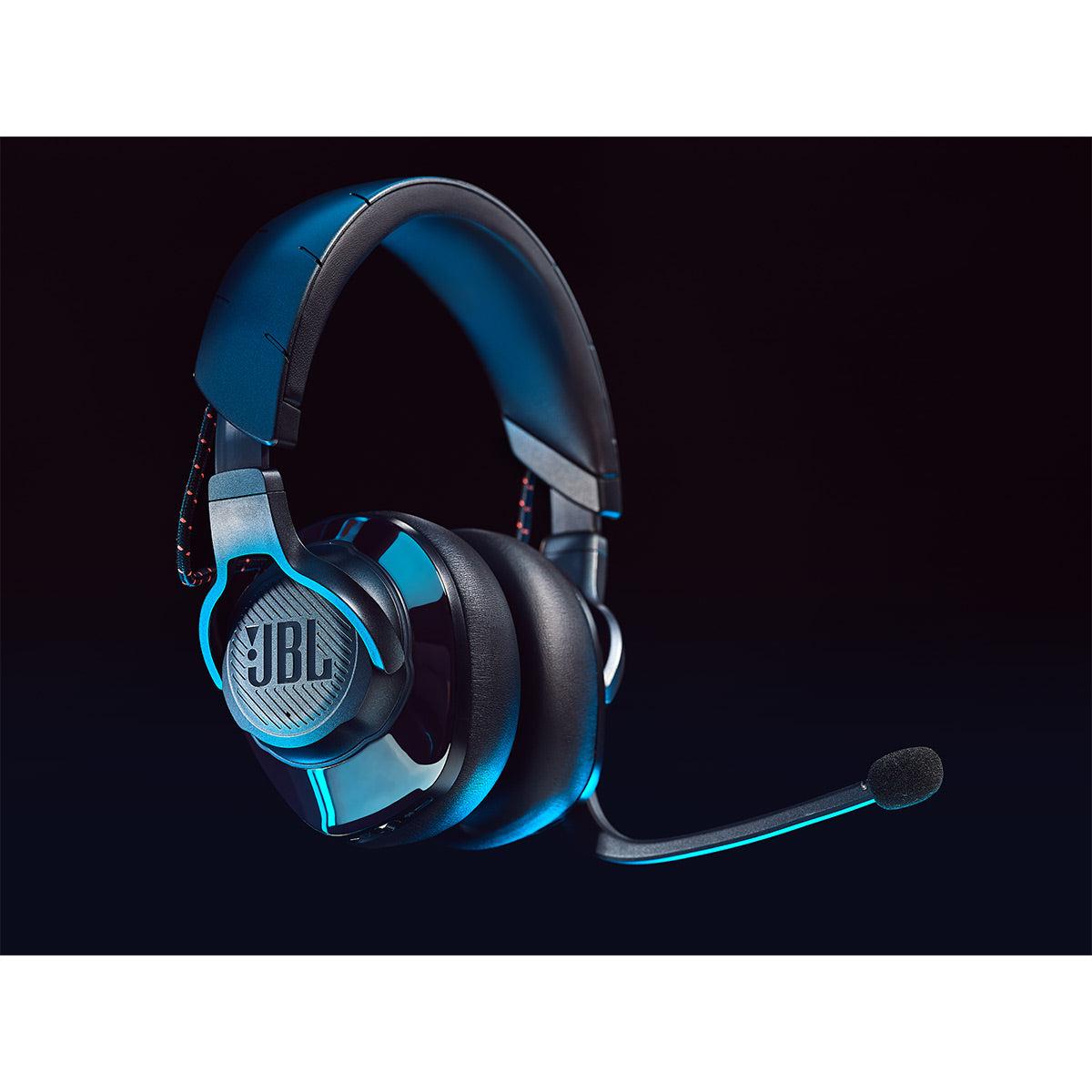

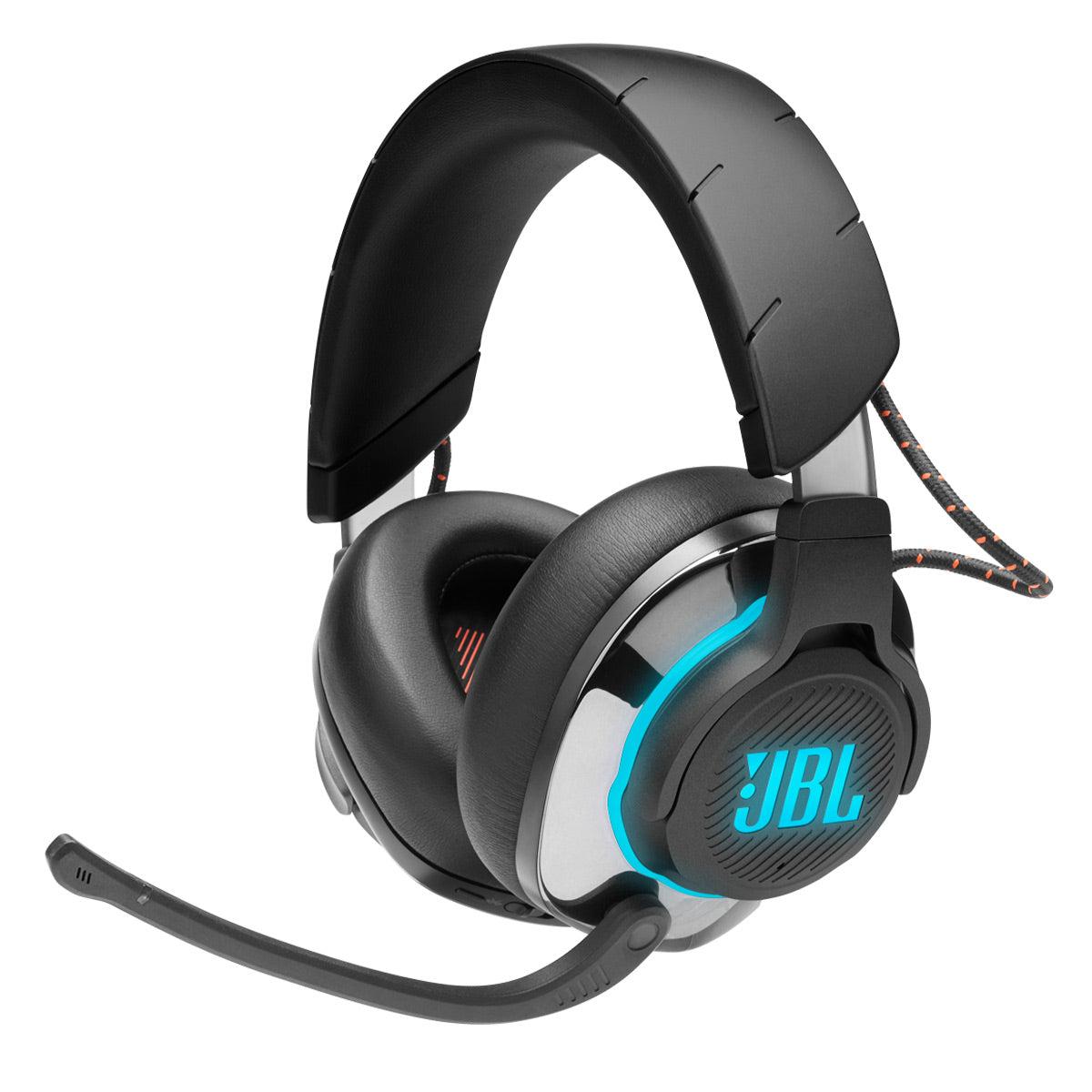
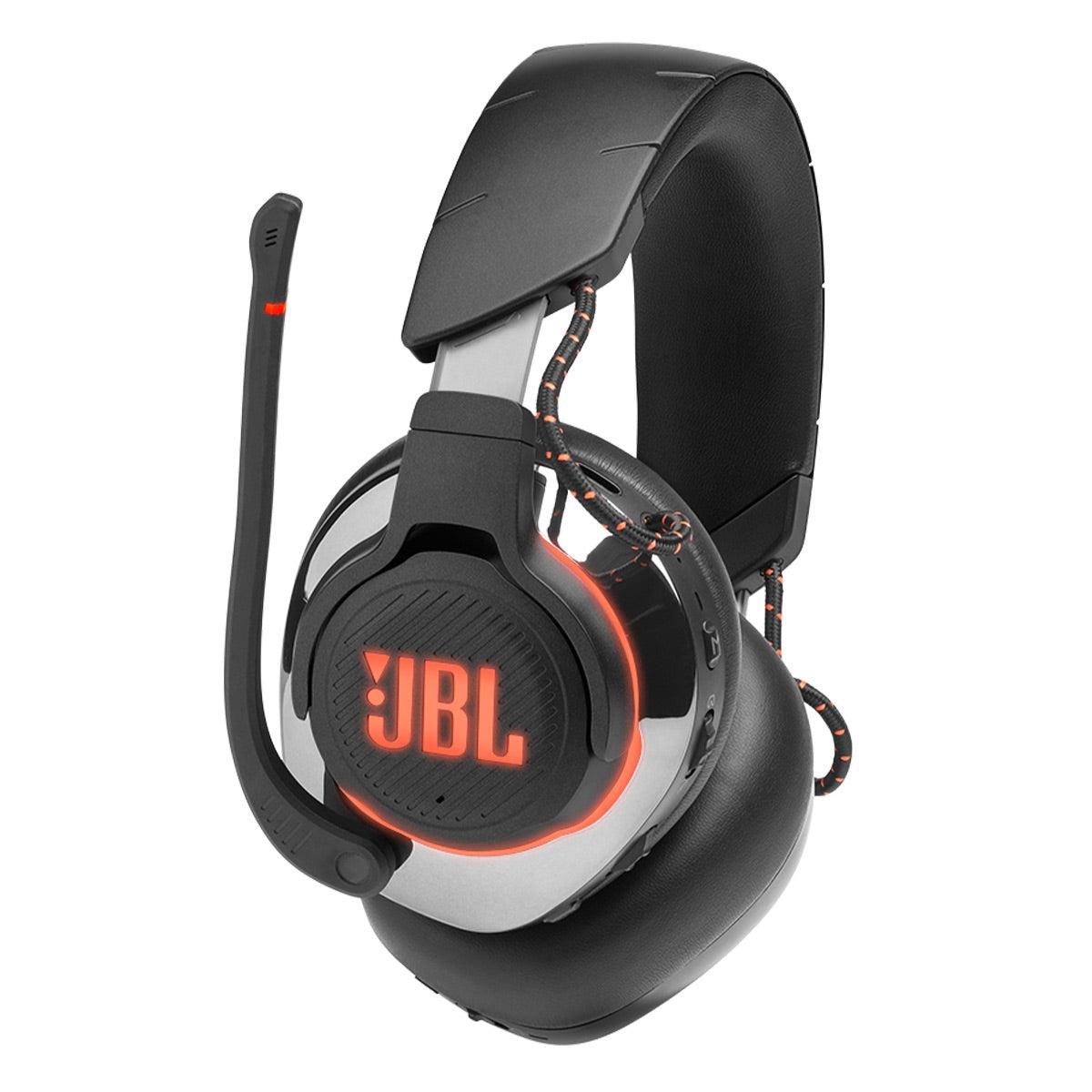
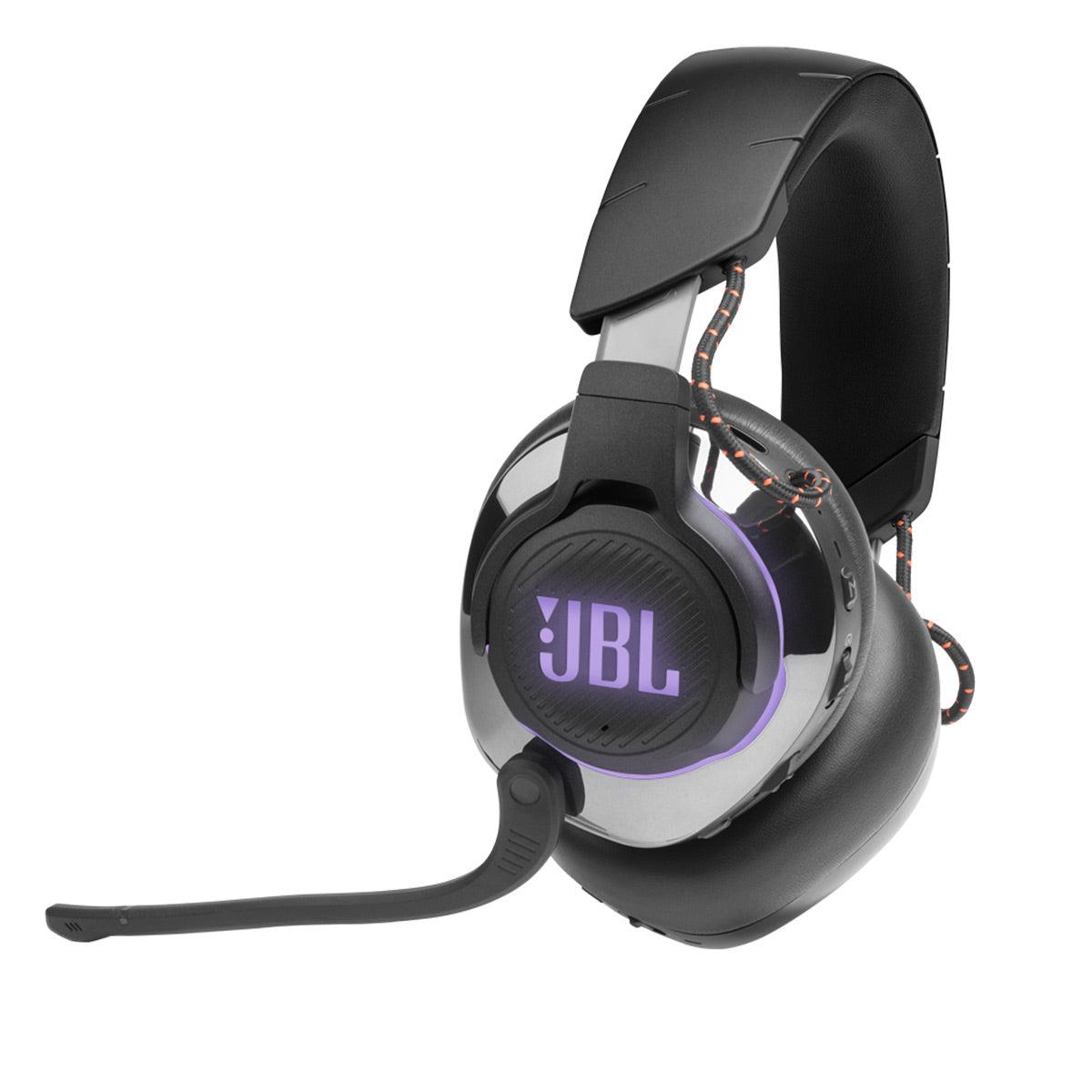
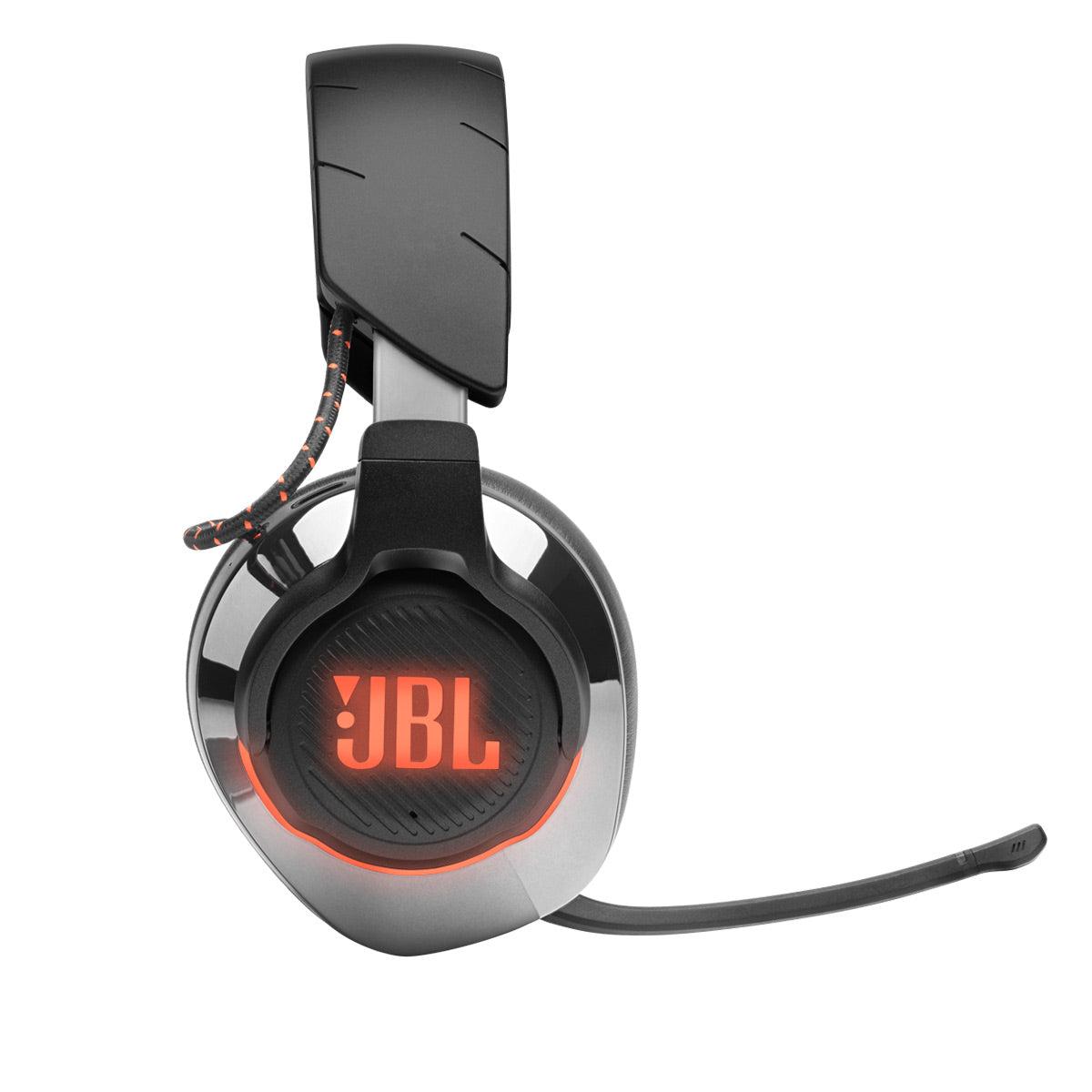
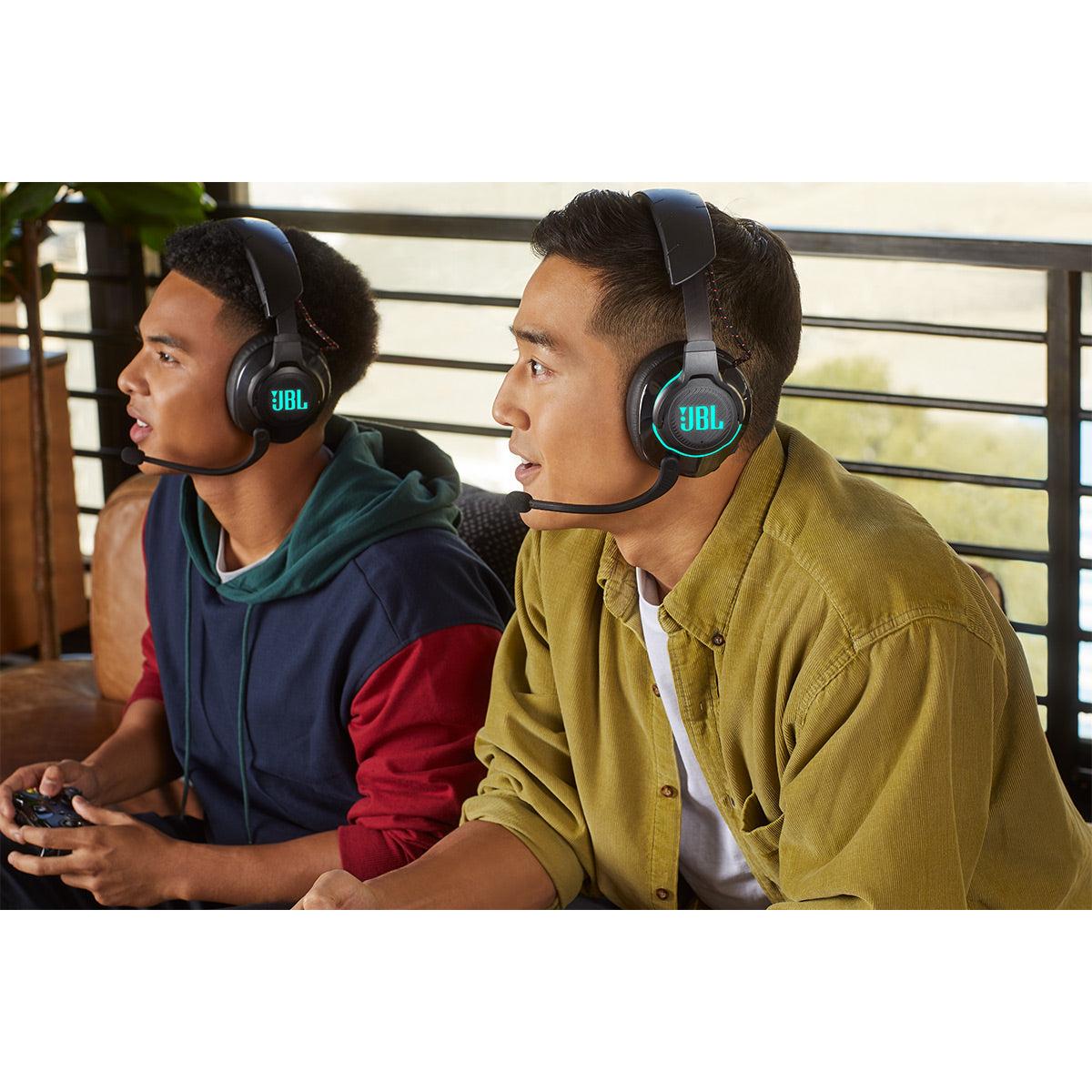
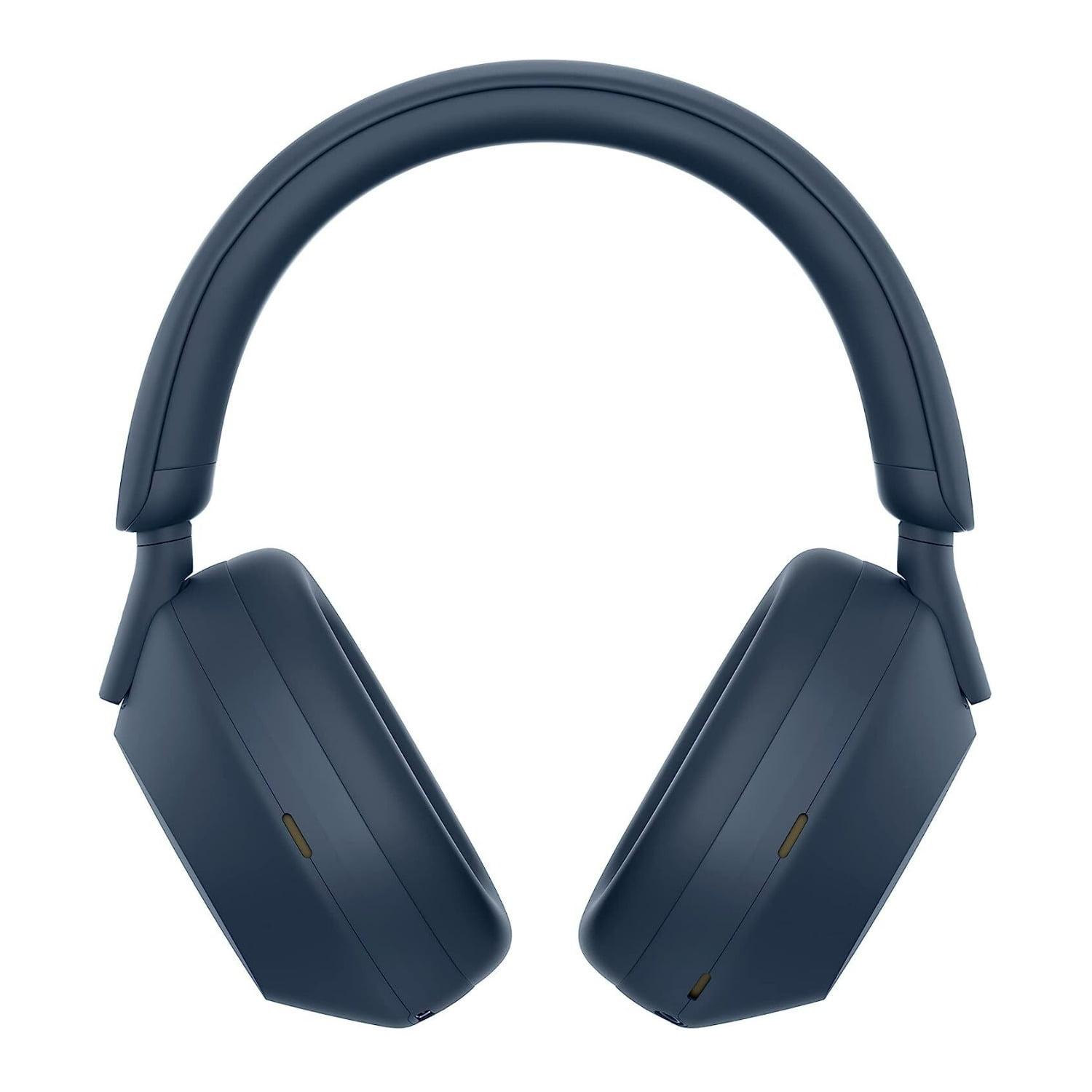
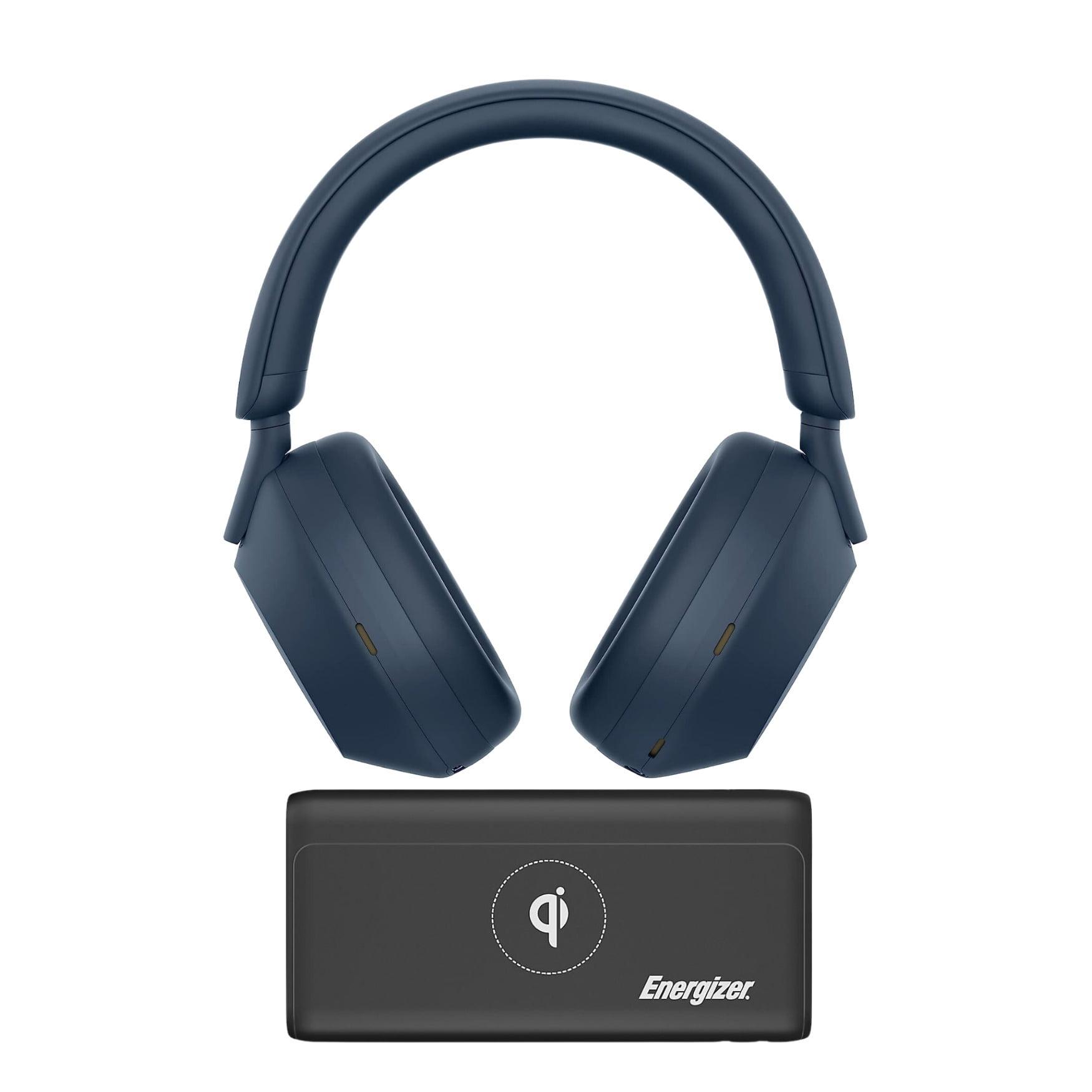
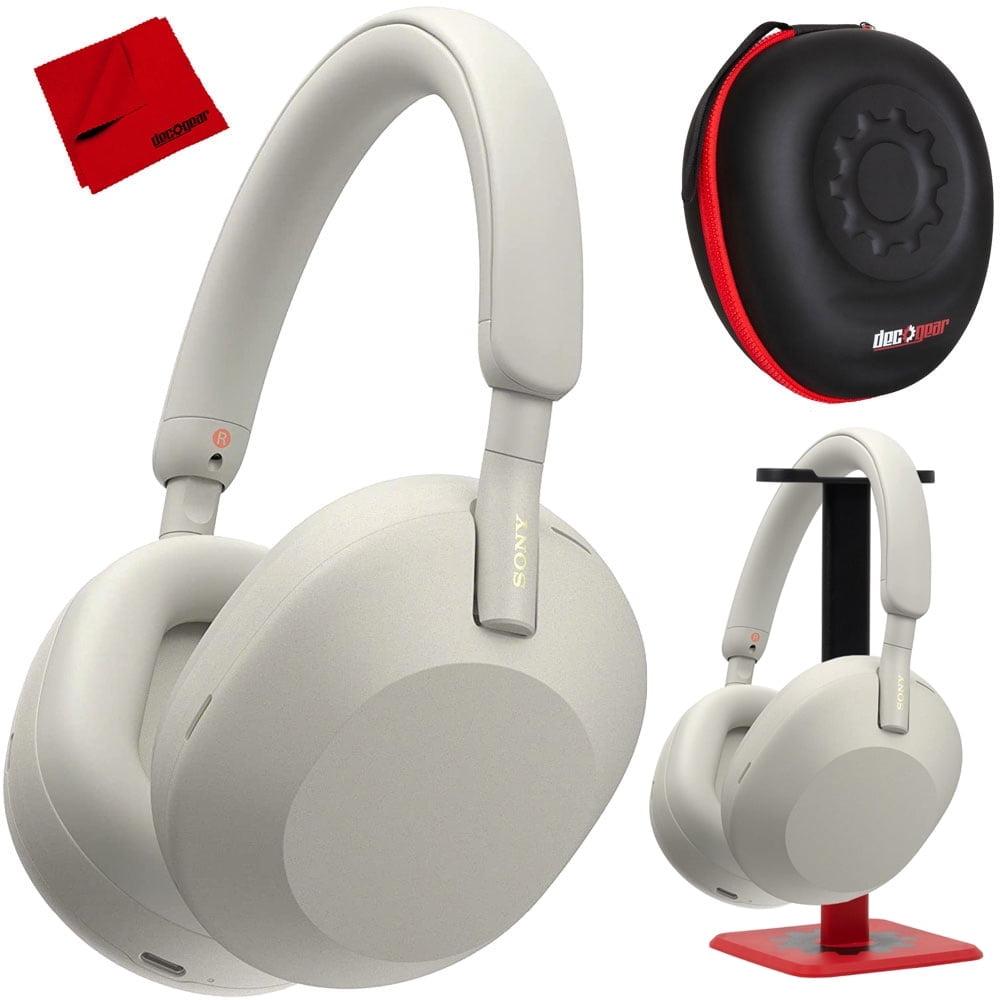

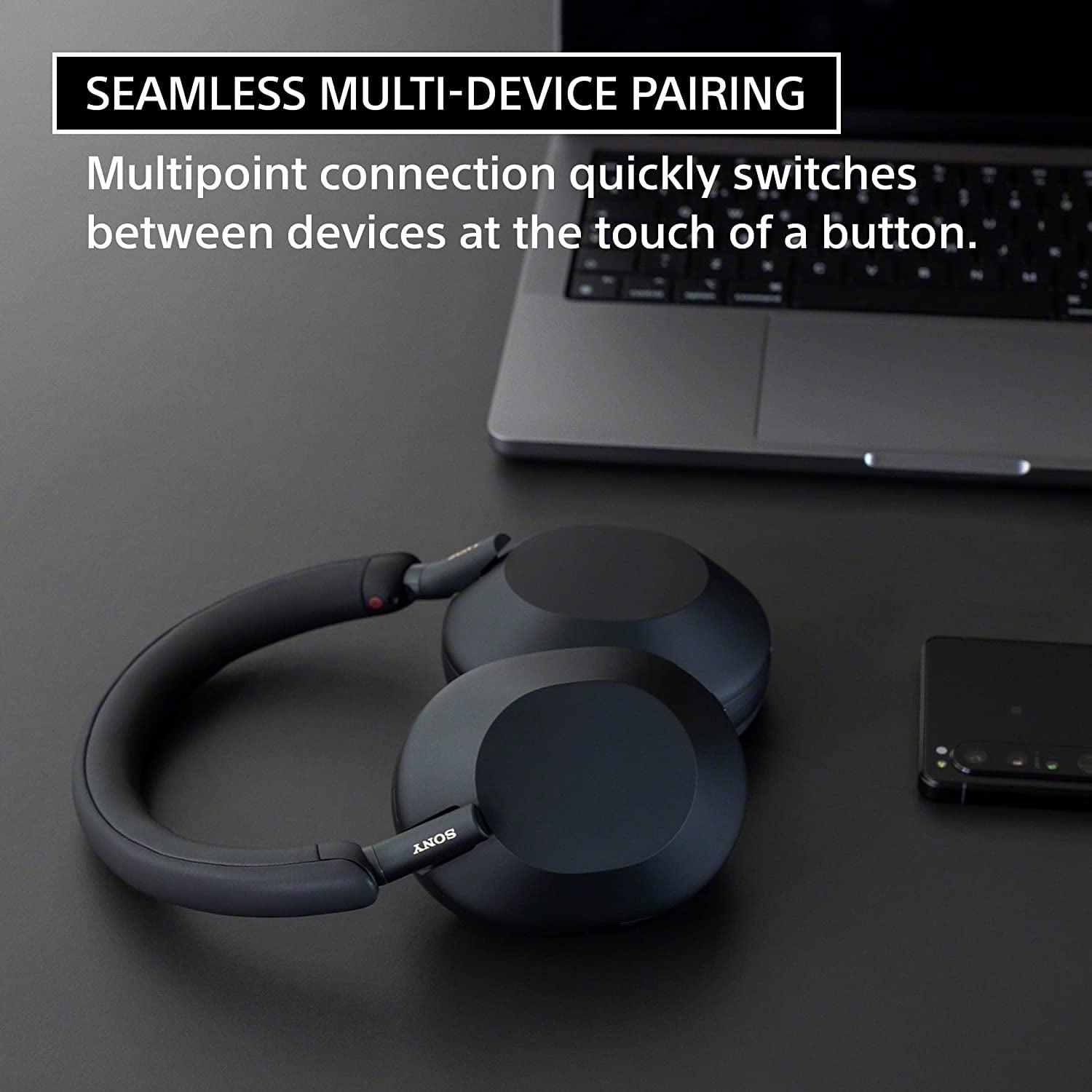
When you're shopping for premium wireless headphones, you'll quickly discover two very different philosophies competing for your attention—and your money. On one side, you have gaming-focused headsets like the JBL Quantum 810, designed specifically for competitive gaming and team communication. On the other, premium noise-canceling headphones such as the Sony WH-1000XM5 target music lovers, frequent travelers, and anyone seeking the best possible audio experience for everyday use.
At the time of writing, both products sit in similar price brackets, making the decision between them particularly challenging. But here's the thing: despite their comparable costs, these headphones serve fundamentally different purposes. Understanding these differences—and honestly assessing how you'll actually use them—is crucial to making the right choice.
Gaming headsets and consumer noise-canceling headphones represent completely different design philosophies. Gaming headsets prioritize features that give you a competitive edge: spatial audio that helps you pinpoint enemy footsteps, low-latency wireless connections that prevent audio delays, and high-quality microphones for clear team communication. They're built around the idea that audio can be the difference between victory and defeat.
Consumer headphones like the Sony WH-1000XM5 take a different approach entirely. They focus on creating the perfect listening environment by blocking out the world around you, reproducing music with exceptional fidelity, and providing comfort for hours of daily wear. These headphones treat audio as an escape rather than a tool.
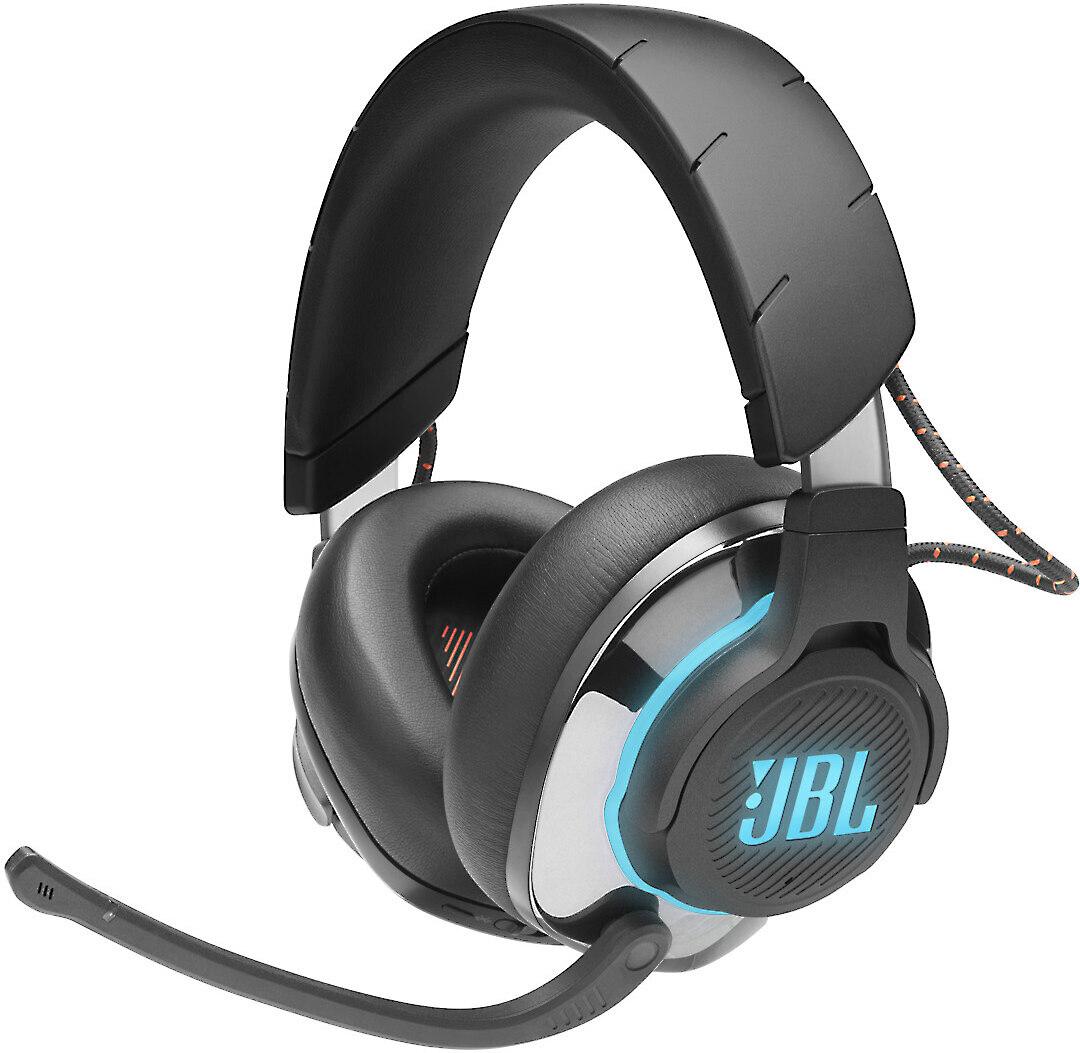
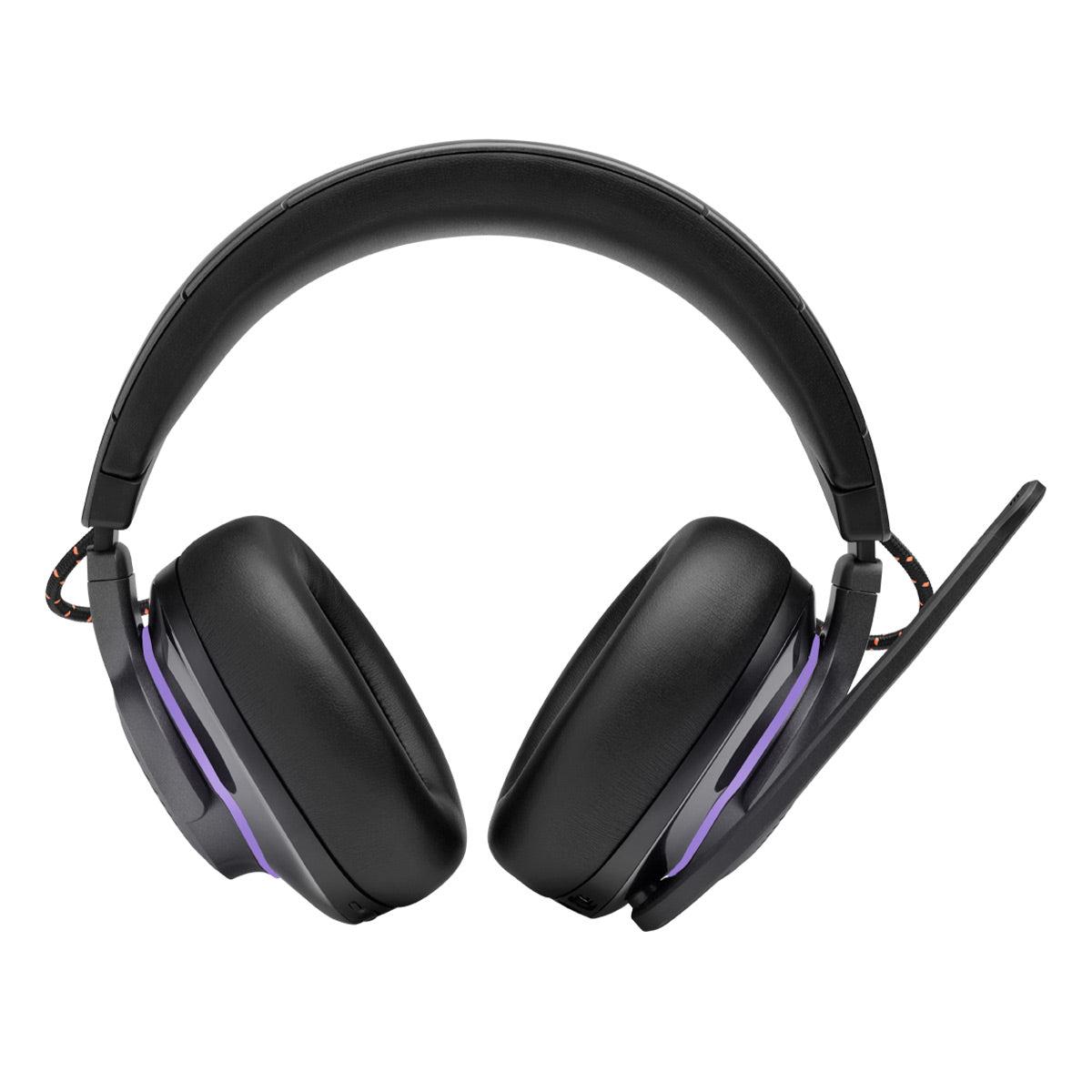
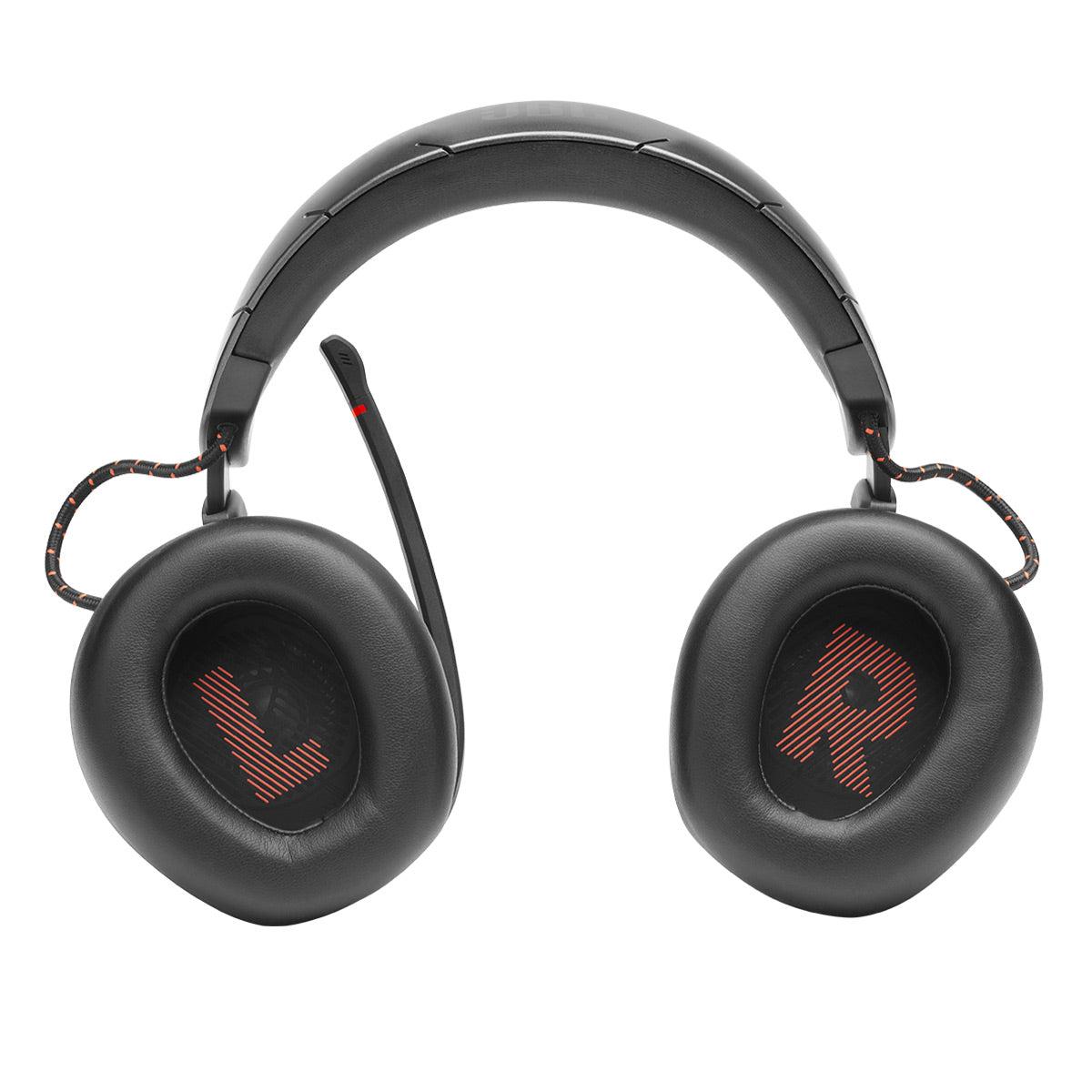
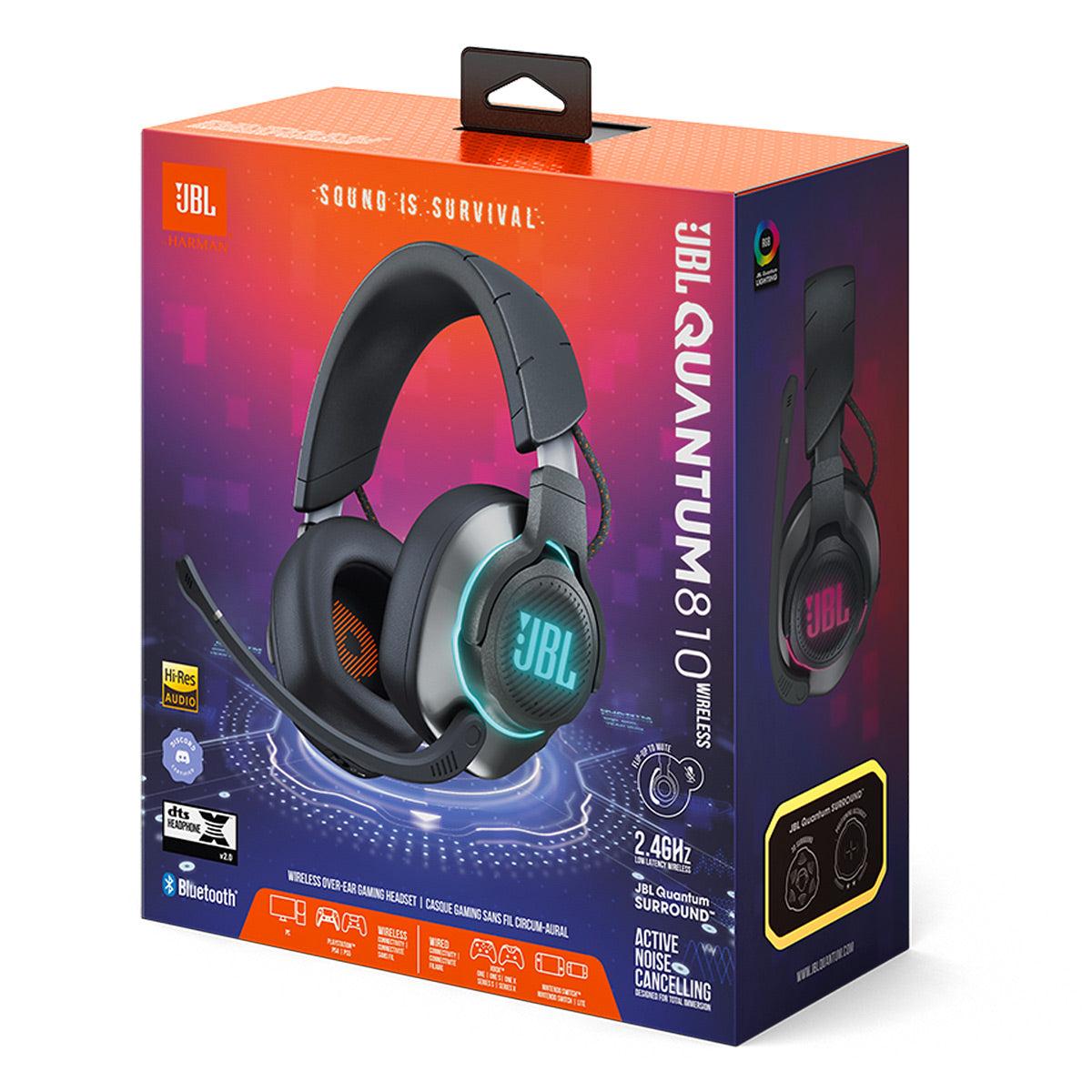
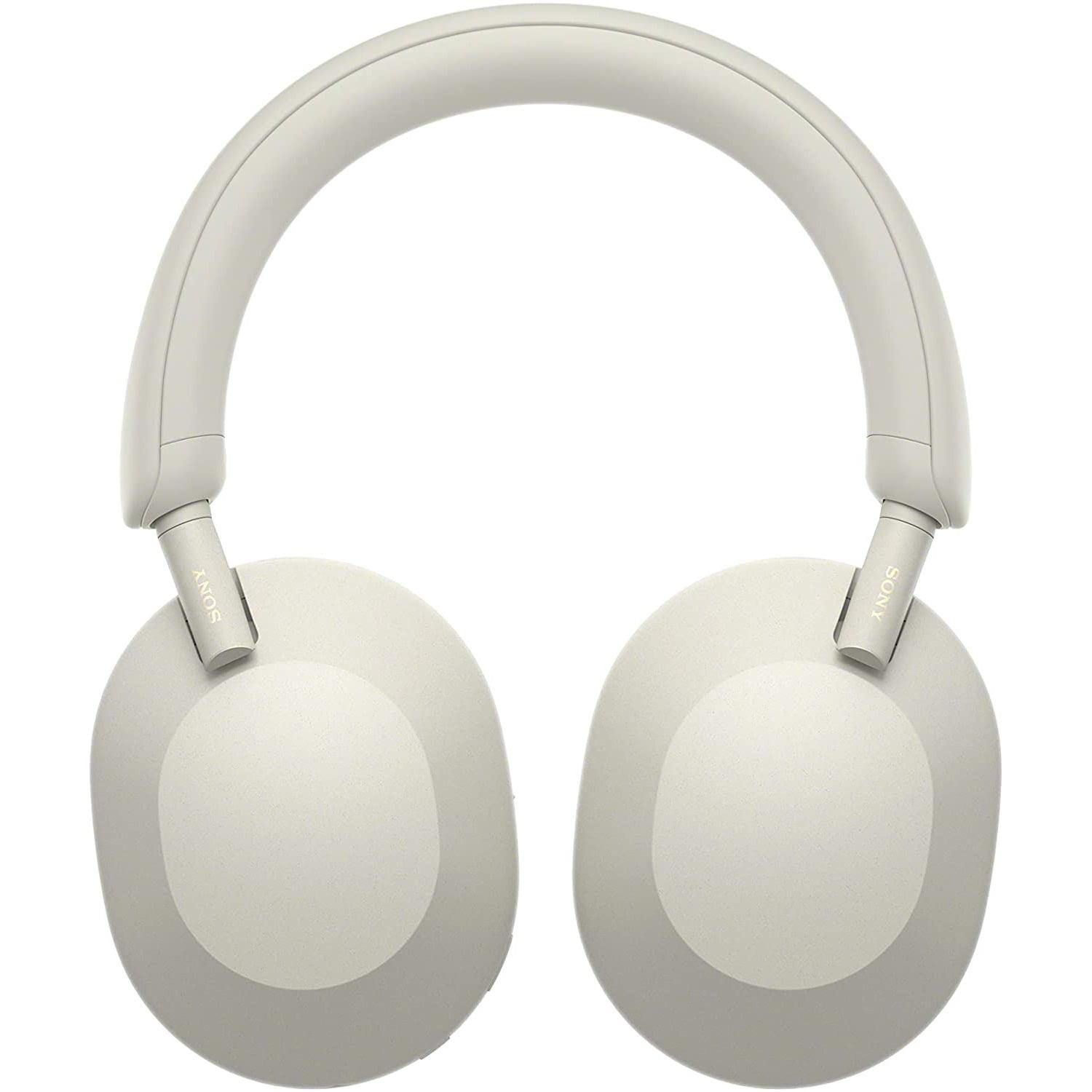
The JBL Quantum 810, released in 2022, represents JBL's flagship gaming headset with features specifically tailored for serious gamers. Meanwhile, the Sony WH-1000XM5, also launched in 2022, continues Sony's legendary noise-canceling heritage with significant improvements over previous generations.
The most important difference between these headphones lies in how they approach audio reproduction. The JBL Quantum 810 uses large 50mm dynamic drivers—the speakers inside the headphones that actually produce sound. Larger drivers typically move more air, which generally means more impactful bass and a more immersive soundstage (the sense of space and positioning in audio).
These drivers are tuned specifically for gaming scenarios. When you're playing a competitive shooter, you need to hear the subtle audio cues that indicate an enemy's position. The Quantum 810's QuantumSURROUND technology creates a three-dimensional audio environment, while DTS Headphone:X v2.0 (a sophisticated audio processing system) helps pinpoint sounds with remarkable accuracy. Think of it like having enhanced hearing that can distinguish between a footstep to your left versus your right, even when multiple sounds are happening simultaneously.
The Sony WH-1000XM5 takes a completely different approach with smaller 30mm drivers made from carbon fiber composite material. While smaller drivers might seem like a disadvantage, Sony's engineering makes up for it with precision. These drivers are incredibly light yet rigid, allowing them to reproduce subtle details in music that larger, heavier drivers might miss.
However, our research into user and expert reviews reveals that the Sony's stock sound signature requires significant adjustment to reach its full potential. Many users describe the default tuning as "muddy" or "veiled," with the midrange frequencies—where most vocals and instruments live—sounding somewhat recessed. The good news is that Sony's companion app allows extensive EQ (equalizer) customization, and with proper tuning, these headphones transform into something truly special.
The Sony also features DSEE Extreme technology, which uses artificial intelligence to analyze compressed music files in real-time and restore high-frequency details that were lost during compression. This means your Spotify streams or downloaded music files will sound closer to their original studio quality.
Both headphones feature active noise cancellation (ANC), but they're designed for entirely different scenarios. The JBL Quantum 810 includes ANC specifically tuned for gaming environments. Its goal isn't to create complete silence—that would actually be counterproductive for gaming—but rather to reduce distracting background noise while preserving the game audio you need to hear.
The Sony WH-1000XM5 represents the current pinnacle of consumer noise-canceling technology. It employs eight microphones (four on each ear cup) working with two dedicated processors—the Integrated Processor V1 and the HD Noise Cancelling Processor QN1—to create what many consider industry-leading noise cancellation.
This system excels at blocking low-frequency sounds like airplane engines, air conditioners, and traffic noise. It's so effective that many users report feeling slightly disoriented when first putting them on in noisy environments. The Auto NC Optimizer even adjusts the noise cancellation automatically based on factors like how the headphones fit your head and changes in atmospheric pressure—particularly useful when flying.
For home theater use, this creates interesting considerations. The Sony's superior noise cancellation makes it excellent for late-night movie watching without disturbing others, while the JBL Quantum 810's spatial audio processing provides a more immersive cinematic experience for action movies and games.
This is where the fundamental difference between these products becomes most apparent. The JBL Quantum 810 features a dedicated boom microphone—a flexible arm that positions the microphone close to your mouth for optimal voice pickup. This microphone includes Discord certification, meaning it's been specifically tested and optimized for the popular gaming communication platform.
The boom mic offers several advantages: it can be flipped up to mute automatically, it stays positioned consistently near your mouth regardless of head movement, and it uses beamforming technology to focus on your voice while filtering out background noise. For streamers, content creators, or anyone who spends hours in voice chat, this represents a significant advantage.
The Sony WH-1000XM5 relies on built-in microphones designed primarily for phone calls and voice assistant interaction. While Sony has improved call quality significantly compared to previous generations, using Precise Voice Pickup technology with four dedicated beamforming microphones, it's simply not designed for the demands of gaming communication or content creation.
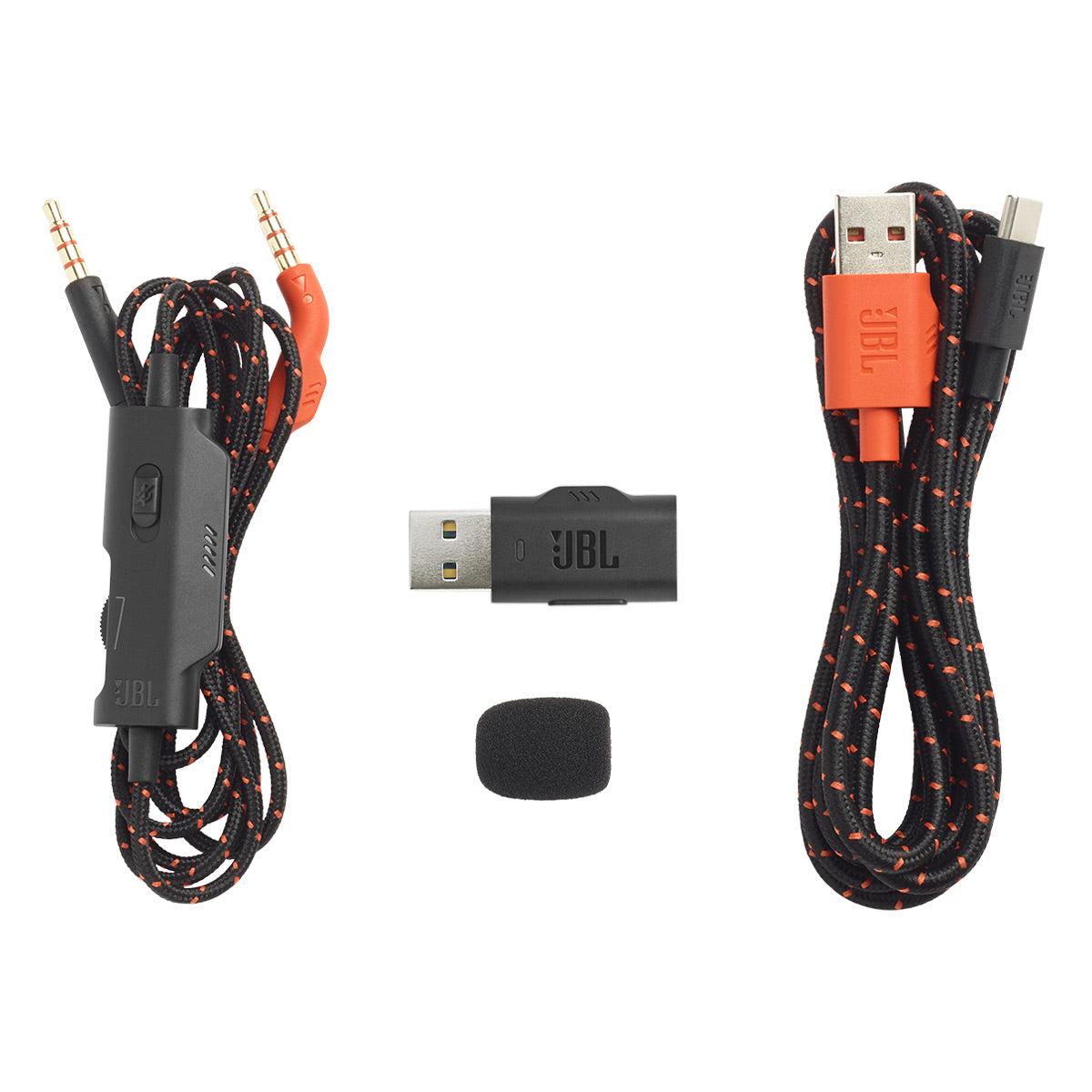
Both headphones offer Bluetooth connectivity, but the JBL Quantum 810 includes something crucial for gaming: a dedicated 2.4GHz wireless connection via USB dongle. This matters because Bluetooth, even the latest version 5.2 found in both products, introduces latency—a delay between when sound is produced and when you hear it.
In music listening, 20-30 milliseconds of latency is imperceptible. In competitive gaming, that delay can mean the difference between reacting to an enemy's movement and being eliminated. The Quantum 810's 2.4GHz connection provides virtually lag-free audio, while also allowing you to maintain a Bluetooth connection to your phone for calls or music.
The Sony WH-1000XM5 compensates for this limitation with superior codec support. LDAC, Sony's proprietary high-resolution audio codec, can transmit approximately three times more data than standard Bluetooth audio. This means when listening to high-quality music sources, you'll hear more detail and nuance than with conventional Bluetooth transmission.
Battery performance tells another interesting story about these products' different priorities. The JBL Quantum 810 delivers up to 43 hours of playback with its RGB lighting turned off—impressive stamina that reflects gaming sessions that can stretch well into the night. Perhaps more importantly, it supports simultaneous charging and playing, meaning you never have to stop your gaming session for a battery break.
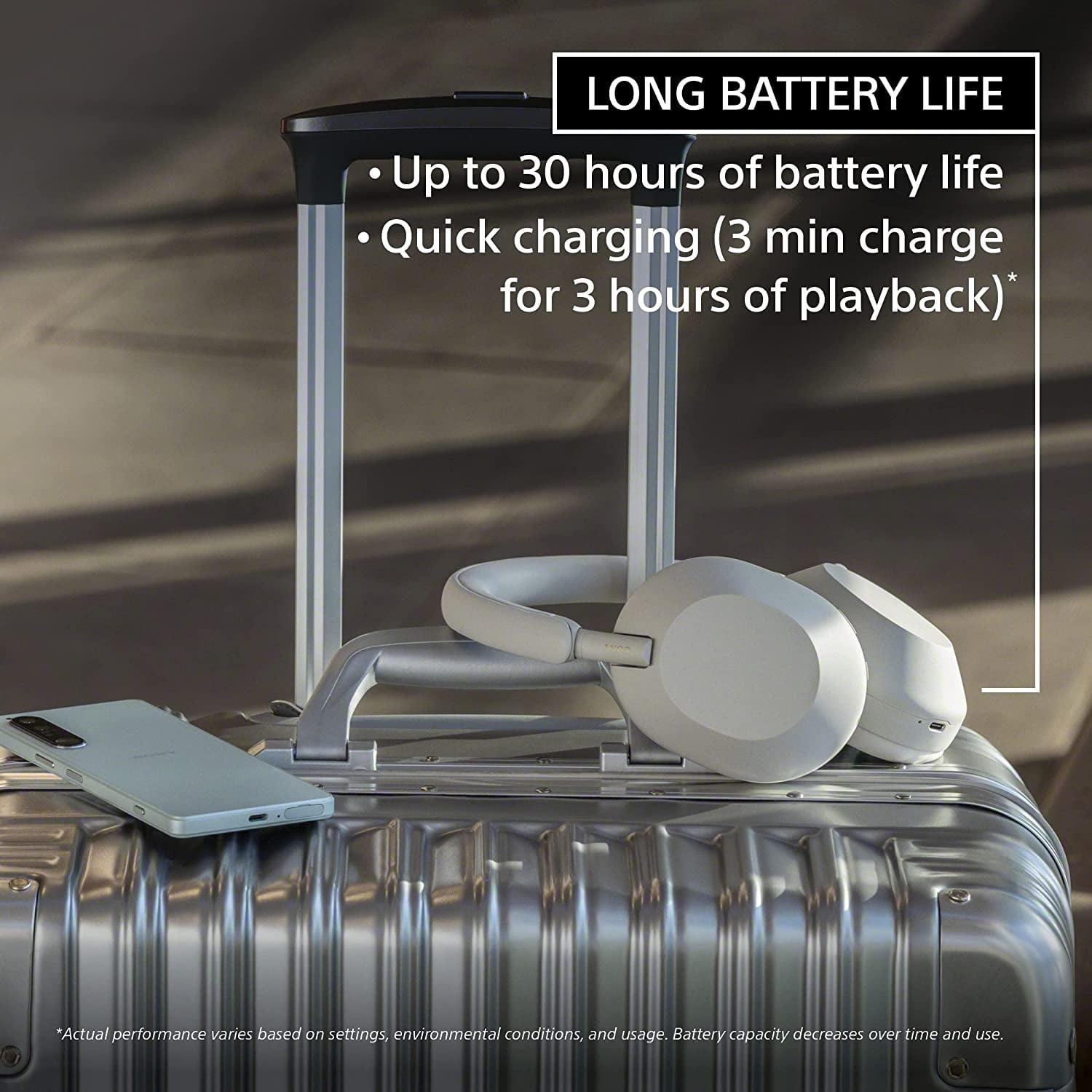
The Sony WH-1000XM5 provides 30 hours with noise cancellation enabled, which is excellent for a consumer headphone with such sophisticated ANC processing. However, it cannot be used while charging—a limitation that Sony addressed in the newer XM6 model released in 2024, but remains an inconvenience for the XM5.
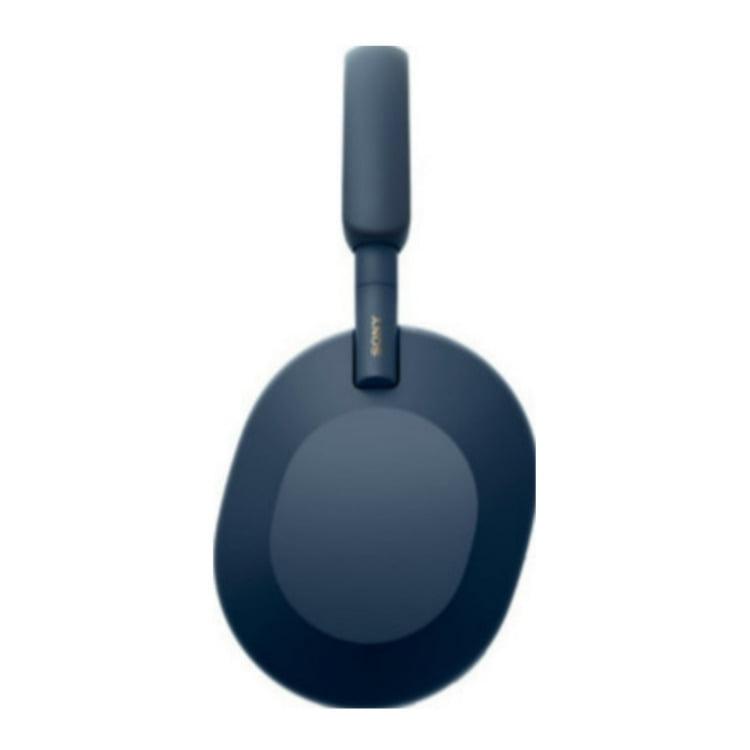
Here's where the Sony WH-1000XM5 gains a significant advantage. At 250 grams, it's substantially lighter than the JBL Quantum 810's 418 grams. That 168-gram difference might not sound like much, but during extended wear sessions, it becomes quite noticeable. The lighter weight reduces pressure on your head and neck, making the Sony much more comfortable for all-day wear.
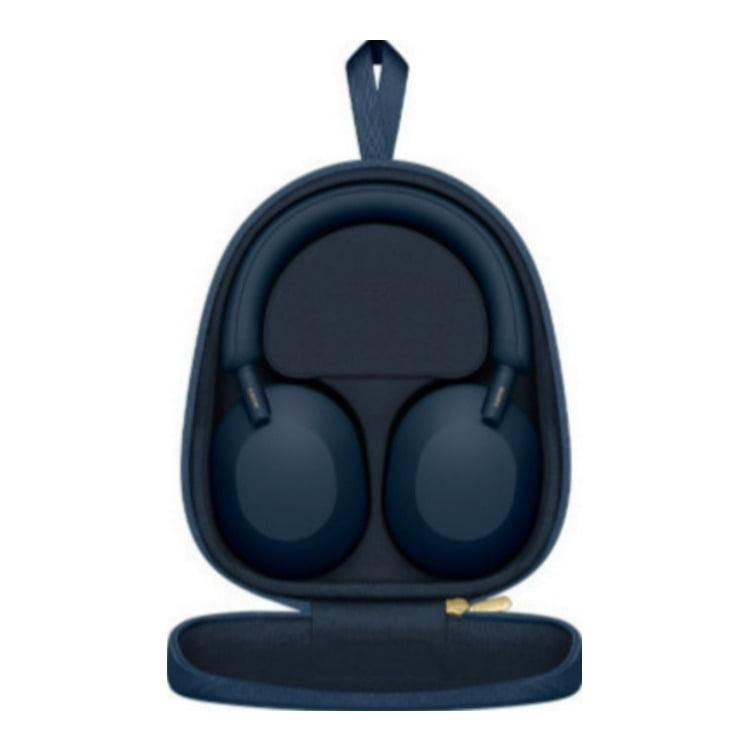
Both feature premium materials—memory foam ear cushions and adjustable headbands—but the Sony's lighter construction gives it the edge for comfort. However, the Sony's controversial design decision to eliminate the folding mechanism from previous generations makes it less portable than its predecessors.
Build quality presents interesting trade-offs for both products. The JBL Quantum 810 feels robust and gaming-focused, with a design clearly built to withstand the enthusiasm of competitive gaming sessions. Its materials and construction inspire confidence for long-term durability.
The Sony WH-1000XM5, despite its premium positioning and materials, has received some criticism regarding build quality, particularly around the hinge mechanisms. Some users and reviewers have expressed concerns about long-term durability, which is disappointing given the price point and Sony's generally strong reputation for build quality.
The decision ultimately comes down to understanding your primary use case and being honest about your priorities.
Choose the JBL Quantum 810 if gaming represents 60% or more of your intended use. Its spatial audio technology, low-latency connectivity, and superior communication capabilities provide genuine competitive advantages that justify the purchase. It's also the better choice if you need extensive platform compatibility—it works fully featured with PC, PlayStation, Xbox, and mobile devices.
The Quantum 810 also makes sense for content creators, streamers, or anyone who spends significant time in voice chat. The dedicated boom microphone and Discord certification provide professional-level communication quality that built-in microphones simply cannot match.
Choose the Sony WH-1000XM5 if music listening, travel, or general media consumption represents your primary use case. Its industry-leading noise cancellation creates an unparalleled listening environment for music, movies, and audiobooks. The lighter weight and premium comfort make it ideal for daily commuting, office work, or long flights.
For home theater use, the Sony excels for late-night viewing without disturbing others, thanks to its superior noise isolation and music-focused tuning. However, the JBL Quantum 810 provides more immersive spatial audio for action movies and gaming.
From a technical standpoint, both products excel in their intended domains but struggle outside them. The JBL Quantum 810 can certainly play music acceptably via Bluetooth, but it lacks the refinement and codec support of dedicated music headphones. Conversely, the Sony WH-1000XM5 can handle gaming audio, but without spatial processing, low-latency connectivity, or proper microphone support, it's clearly not optimized for gaming.
Based on our evaluation of expert reviews and user feedback, the Sony requires more setup and tuning to reach its potential, while the JBL delivers a more immediately satisfying experience for its intended gaming audience.
At the time of writing, both products occupy similar price points, making cost a non-factor in the decision. Instead, focus on your actual usage patterns. If you're primarily a gamer who occasionally listens to music, the JBL Quantum 810 provides better overall value. If you're primarily a music listener or frequent traveler who might occasionally game casually, the Sony WH-1000XM5 makes more sense.
The eight-dollar price difference between these products is negligible—your decision should be based entirely on features and intended use rather than cost considerations. Both represent good value in their respective categories, but neither effectively serves as a compromise between the two approaches.
Understanding these fundamental differences—and honestly assessing your priorities—will lead you to the right choice for your specific needs and usage patterns.
| JBL Quantum 810 Wireless Gaming Headset | Sony WH-1000XM5 Wireless Noise Canceling Headphones |
|---|---|
| Driver Size - Larger drivers typically provide more bass impact and soundstage | |
| 50mm dynamic drivers | 30mm carbon fiber composite drivers |
| Weight - Critical for comfort during extended use | |
| 418g (heavier, may cause fatigue) | 250g (significantly lighter, better for all-day wear) |
| Microphone Type - Essential for gaming communication and content creation | |
| Dedicated boom mic with flip-to-mute, Discord certified | Built-in beamforming mics (phone calls only, not gaming optimized) |
| Connectivity Options - Affects audio latency and platform compatibility | |
| 2.4GHz wireless + Bluetooth 5.2 + 3.5mm (low-latency gaming) | Bluetooth 5.2 + 3.5mm (music-focused with LDAC codec) |
| Battery Life - Important for uninterrupted use | |
| Up to 43 hours (can play while charging) | 30 hours ANC on, 40 hours ANC off (cannot use while charging) |
| Active Noise Cancellation - Different approaches for different environments | |
| Gaming-optimized ANC (reduces distractions while preserving game audio) | Industry-leading ANC with 8 mics (excellent for travel and music) |
| Audio Processing - Specialized features for intended use case | |
| QuantumSURROUND, DTS Headphone:X v2.0 (spatial gaming audio) | DSEE Extreme AI upscaling, Hi-Res Audio with LDAC |
| Platform Compatibility - Where you can use full features | |
| PC (full features), PlayStation, Xbox, Nintendo Switch, Mobile | All devices via Bluetooth, but optimized for music/calls |
| Design Philosophy - Reflects intended primary use | |
| Gaming-focused with RGB lighting and boom mic aesthetic | Premium consumer design for travel and daily wear |
| Sound Signature - How audio is tuned out of the box | |
| Gaming-tuned for spatial awareness and impactful effects | Warm consumer tuning (requires EQ adjustment for best results) |
| Smart Features - Modern convenience features | |
| Game/chat balance dial, RGB customization, multi-platform switching | Touch controls, voice assistants, adaptive sound control, multipoint |
The JBL Quantum 810 Wireless Gaming Headset is significantly better for gaming. It features dedicated gaming audio processing with QuantumSURROUND and DTS Headphone:X v2.0 for spatial awareness, a Discord-certified boom microphone for team communication, and low-latency 2.4GHz wireless connectivity. The Sony WH-1000XM5 lacks gaming-specific features like a proper microphone and spatial audio processing.
The Sony WH-1000XM5 Wireless Noise Canceling Headphones has superior noise cancellation with industry-leading ANC technology using 8 microphones and dual processors. It excels at blocking ambient noise for music and travel. The JBL Quantum 810 has gaming-optimized ANC that reduces distractions while preserving important game audio cues.
The Sony WH-1000XM5 is better for music listening, featuring Hi-Res Audio support, LDAC codec for high-quality wireless transmission, and DSEE Extreme AI upscaling. However, it requires EQ adjustment for optimal sound. The JBL Quantum 810 can play music but is tuned primarily for gaming scenarios rather than musical accuracy.
The Sony WH-1000XM5 is more comfortable for extended wear due to its lighter weight (250g vs 418g) and premium ear cushion design. The JBL Quantum 810 is heavier and designed for gaming sessions, which may cause more fatigue during all-day use, though it features memory foam padding for comfort.
The JBL Quantum 810 offers longer battery life with up to 43 hours of playback and can be used while charging. The Sony WH-1000XM5 provides 30 hours with ANC enabled (40 hours with ANC off) but cannot be used while charging, requiring downtime for battery replenishment.
The JBL Quantum 810 has superior microphone quality with its dedicated Discord-certified boom microphone featuring flip-to-mute and noise cancellation. It's designed for gaming communication and streaming. The Sony WH-1000XM5 has decent built-in microphones for phone calls but isn't optimized for gaming or content creation.
For home theater, the choice depends on your priorities. The Sony WH-1000XM5 excels for late-night viewing with superior noise isolation and music-focused tuning. The JBL Quantum 810 provides more immersive spatial audio processing for action movies and gaming, making sound effects more directional and engaging.
The JBL Quantum 810 offers more versatile connectivity with 2.4GHz wireless (low-latency), Bluetooth 5.2, and 3.5mm wired connection, plus simultaneous dual-device connectivity. The Sony WH-1000XM5 features Bluetooth 5.2 with premium codec support (LDAC, AAC) and 3.5mm wired, optimized for music streaming quality.
The JBL Quantum 810 offers broader gaming platform compatibility with full features on PC, PlayStation, Xbox, and Nintendo Switch. The Sony WH-1000XM5 works with all Bluetooth devices but is optimized for music playback and phone calls rather than gaming-specific features across multiple platforms.
Both have premium construction, but the JBL Quantum 810 appears more robust for gaming use with its gaming-focused design. The Sony WH-1000XM5 uses premium materials but some users report concerns about hinge durability. The JBL's heavier build suggests more durable construction for active gaming scenarios.
Value depends on your primary use case. The JBL Quantum 810 offers better value for gamers with its comprehensive gaming features, longer battery life, and multi-platform compatibility. The Sony WH-1000XM5 provides better value for music listeners and travelers with industry-leading noise cancellation and premium audio codecs.
Choose the JBL Quantum 810 if gaming represents your primary use case, you need team communication features, or want maximum battery life with charging flexibility. Choose the Sony WH-1000XM5 if you prioritize music listening, travel comfort, superior noise cancellation, or need lightweight headphones for daily wear. Both excel in their intended domains but serve different user needs.
We've done our best to create useful and informative comparisons to help you decide what product to buy. Our research uses advanced automated methods to create this comparison and perfection is not possible - please contact us for corrections or questions. These are the sites we've researched in the creation of this article: techradar.com - youtube.com - gamingtrend.com - gamingaustralia.com.au - youtube.com - jbl.com - jbl.com - youtube.com - harmanaudio.com - versus.com - microcenter.com - crutchfield.com - jbl.com - mm.jbl.com - cdwg.com - jbl.com - en.jblthailand.com - nfm.com - jblonlinestore.com - scribd.com - harmanaudio.com - samsung.com - rtings.com - audiosciencereview.com - techradar.com - audio46.com - recordingnow.com - electronics.sony.com - theabsolutesound.com - soundguys.com - soundguys.com - headphonesaddict.com - sony.com - sony.com - sony-mea.com - fullspecs.net - bhphotovideo.com - sony.com - helpguide.sony.net - headphones.com - androidpolice.com - sony.co.id - moon-audio.com - sony.com - bestbuy.com - sonylatvija.com

Privacy Policy
Terms and Conditions - Affiliate Policy
Home Security
© Copyright 2008-2026.
11816 Inwood Rd #1211, Dallas, TX 75244