


Choosing the right wireless headphones can feel overwhelming with so many options available. Today, we're comparing two popular but very different models: the Beats Solo 4 and the Sony WH-1000XM5. These headphones take completely different approaches to wireless audio, and understanding their strengths will help you make the best choice for your needs and budget.
Before diving into specifics, let's talk about what really matters in wireless headphones. Sound quality is obviously important, but it's not just about how loud they get. We're looking at frequency response (how well they reproduce different pitches from deep bass to sparkling highs), driver quality (the tiny speakers inside each ear cup), and how accurately they reproduce your music.
Comfort becomes crucial when you're wearing headphones for hours at a time. The physical design—whether they sit on your ears or around them—dramatically affects how long you can wear them comfortably. Battery life has become a major selling point, especially as we use our headphones throughout long workdays or travel sessions.
Then there's noise management, which comes in two forms: passive isolation (physically blocking sound) and active noise cancellation or ANC (using technology to cancel out unwanted sounds). Finally, connectivity features like Bluetooth stability, codec support (the way audio data is compressed and transmitted), and device compatibility can make or break your daily experience.
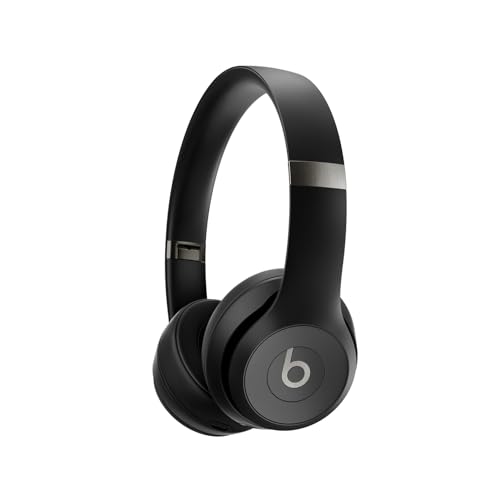
The Beats Solo 4, released in 2024, represents Beats' refined approach to portable wireless headphones. It's an on-ear design that prioritizes incredible battery life, portability, and broad compatibility. At the time of writing, it sits in the budget-friendly category, typically priced significantly lower than premium competitors.
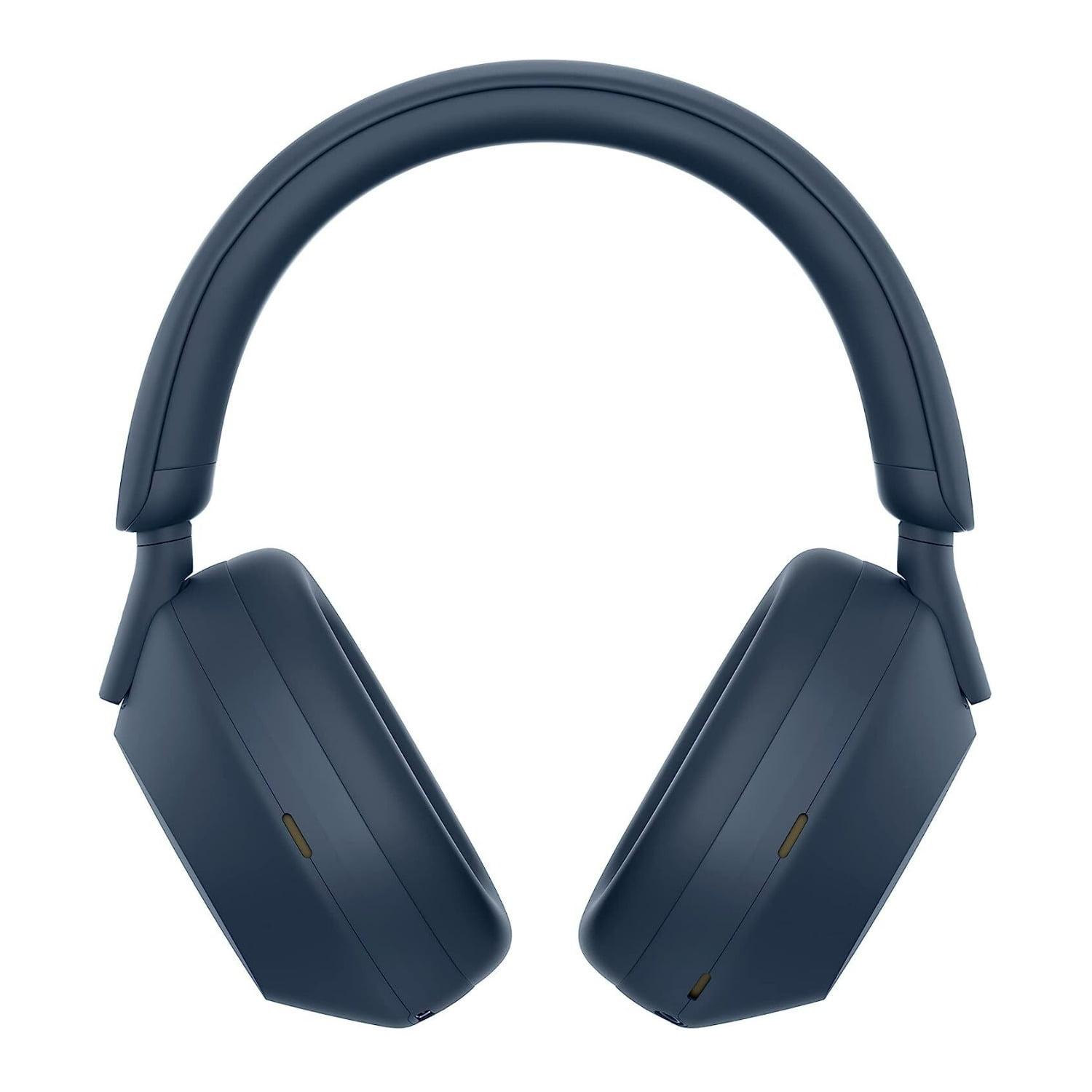
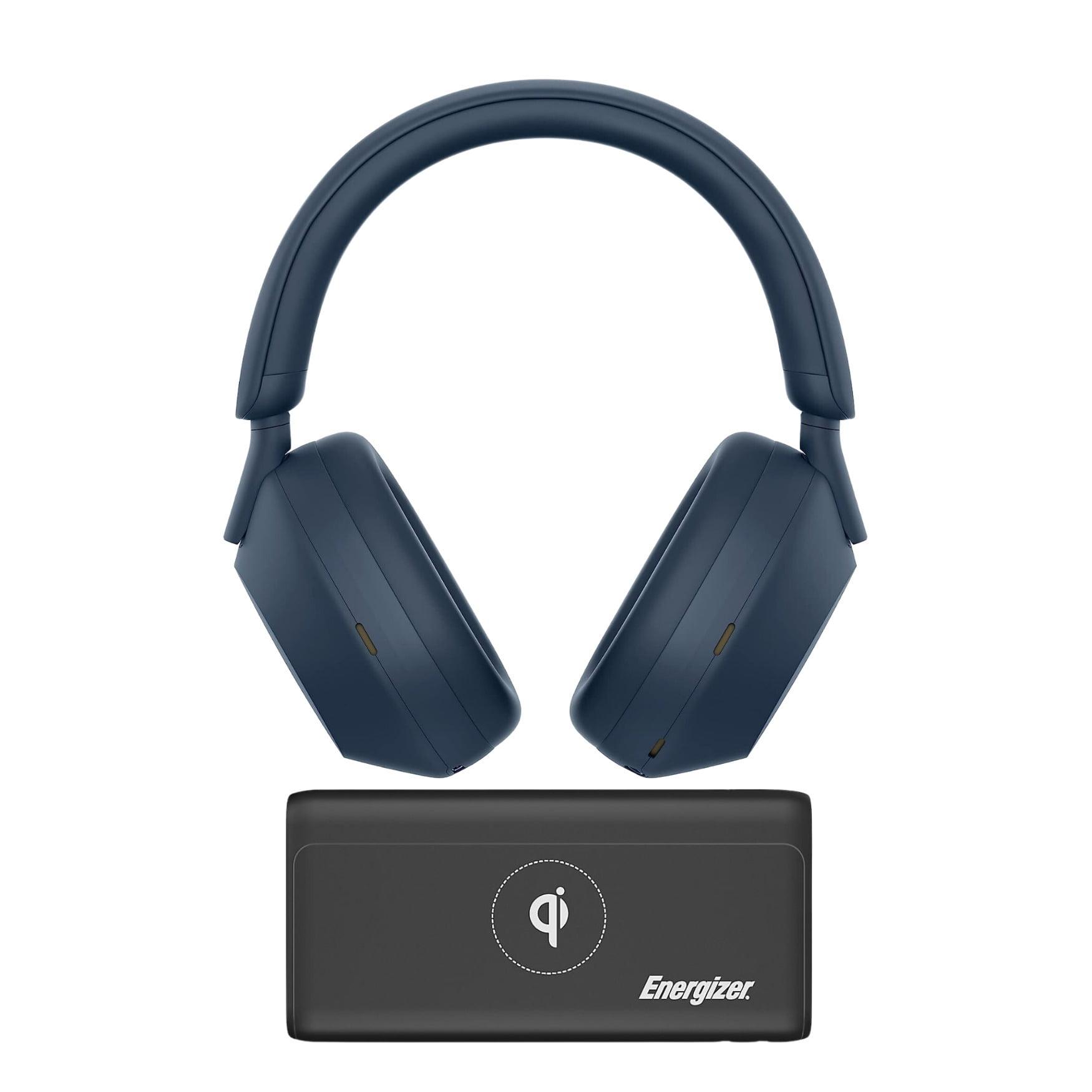
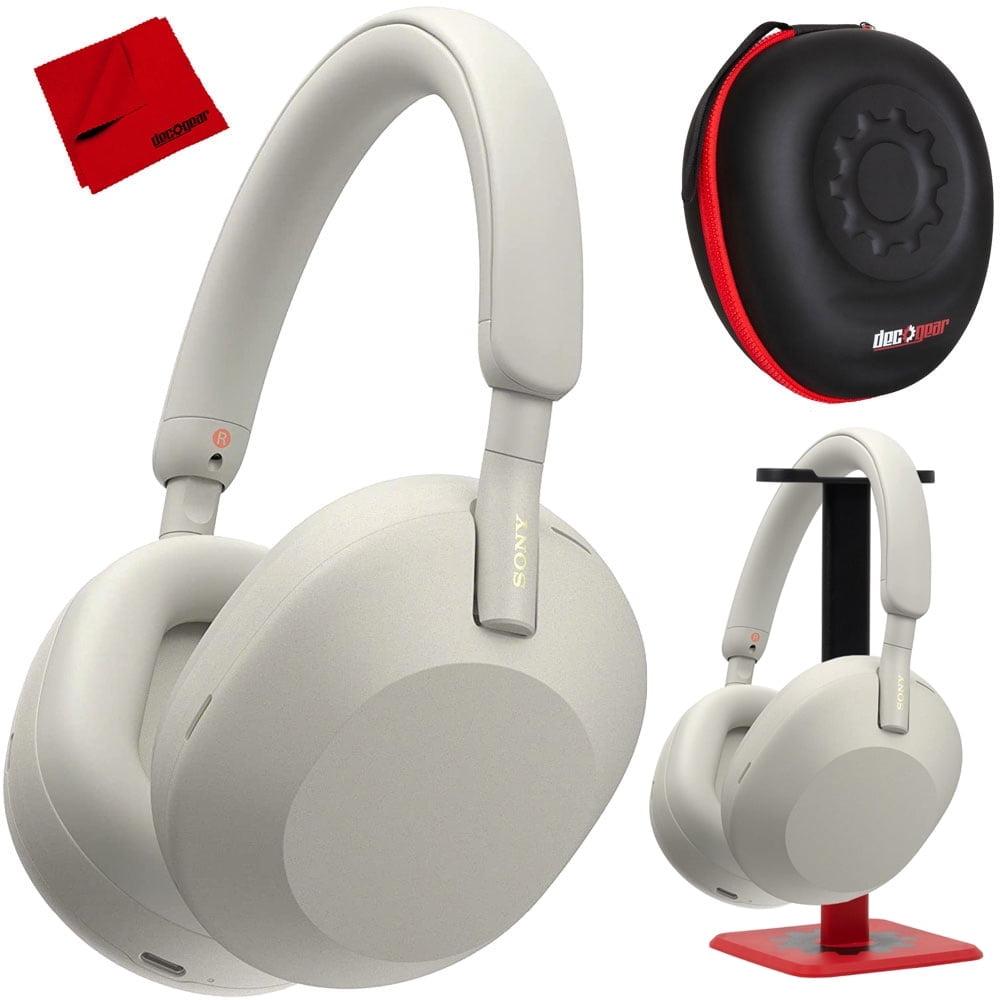
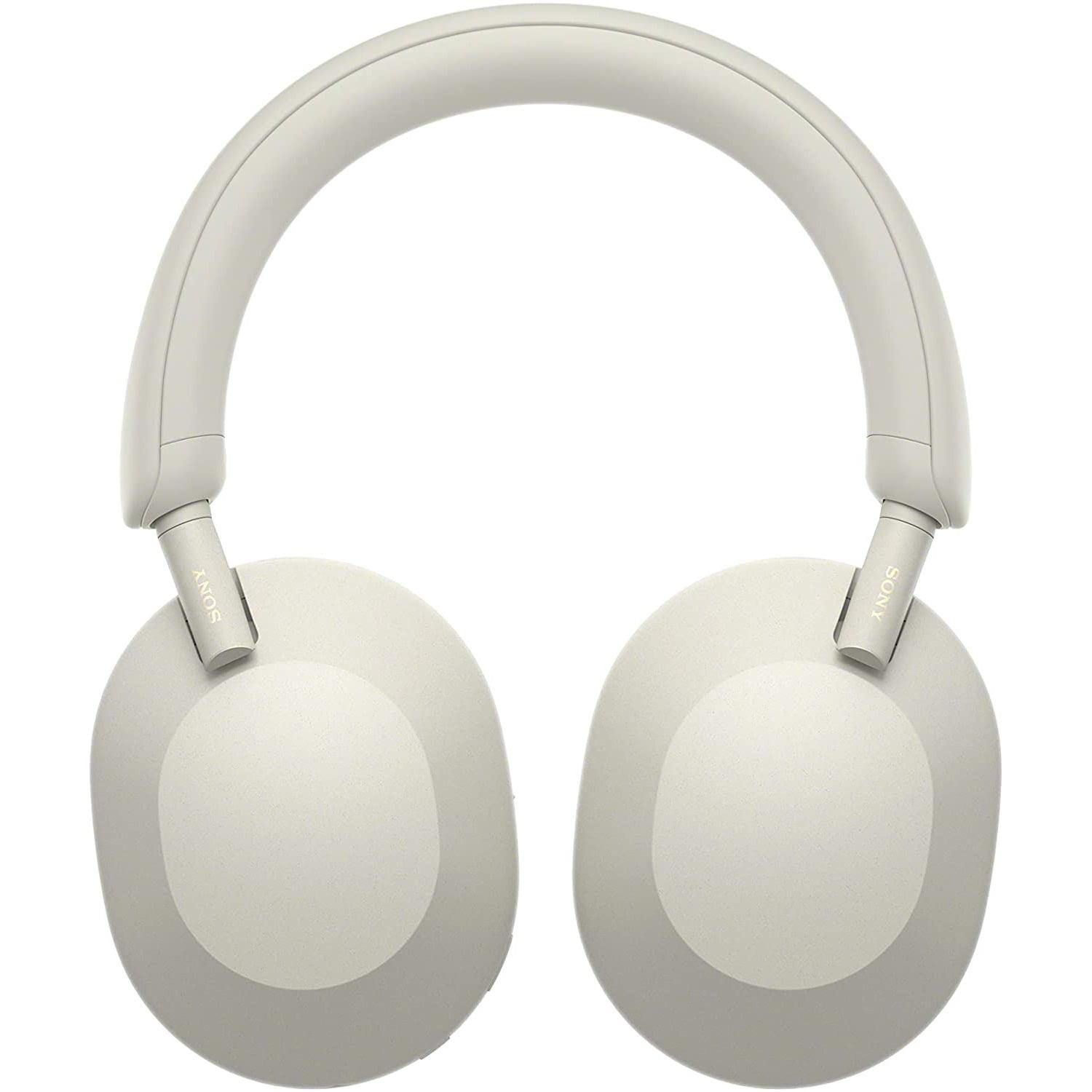
The Sony WH-1000XM5, also released in 2024, is Sony's flagship over-ear model that emphasizes advanced noise cancellation and audiophile-grade features. It commands a premium price—usually two to three times more expensive than the Beats Solo 4—but delivers professional-level capabilities.
These aren't just different price points; they're fundamentally different philosophies. The Beats Solo 4 asks: "What if we focused on the essentials and did them really well?" The Sony WH-1000XM5 asks: "What if we packed every advanced feature we can into the best possible listening experience?"
Let's start with what you're probably most curious about—how they sound. The Sony WH-1000XM5 takes a clear lead here, though the Beats Solo 4 holds its own impressively well for its price category.
The Sony WH-1000XM5 uses precision-engineered 30mm drivers made from carbon fiber composite materials. These drivers are smaller than you might expect—many headphones use 40mm drivers—but Sony's engineering makes them incredibly efficient. The frequency response spans from 4Hz to 40kHz, which means they can reproduce sub-bass frequencies you feel more than hear, all the way up to ultra-high frequencies that add sparkle and airiness to cymbals and acoustic instruments.
What really sets the Sony WH-1000XM5 apart is its support for LDAC, Sony's proprietary codec that transmits roughly three times more data than standard Bluetooth audio. Think of codecs as different compression methods—like the difference between a high-quality photo and a heavily compressed one you'd send in a text message. LDAC keeps much more of the original audio information intact during wireless transmission.
The Sony WH-1000XM5 also features DSEE Extreme, an AI-powered upscaling technology that analyzes compressed music files in real-time and restores high-frequency information that was lost during compression. It's like having a smart enhancer that makes your Spotify streams sound closer to CD quality.
The Beats Solo 4 uses larger 40mm drivers with a custom design optimized for modern music genres. Interestingly, Beats has moved away from their traditionally bass-heavy sound signature. The Solo 4 delivers a more balanced profile that still has punch and energy but doesn't overwhelm the mids and highs. This makes them more versatile across different music styles, though they may disappoint listeners who loved that classic Beats bass emphasis.
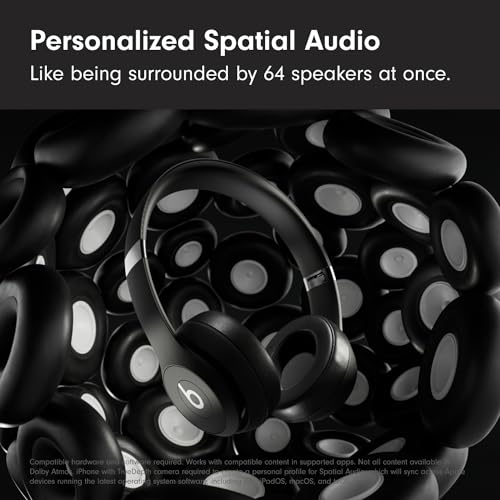
One unique feature of the Beats Solo 4 is support for Personalized Spatial Audio with head tracking. Using built-in gyroscopes and accelerometers, the headphones create an immersive surround sound experience that adapts as you move your head. It's like having a virtual sound bubble around you that stays in place even when you turn your head.
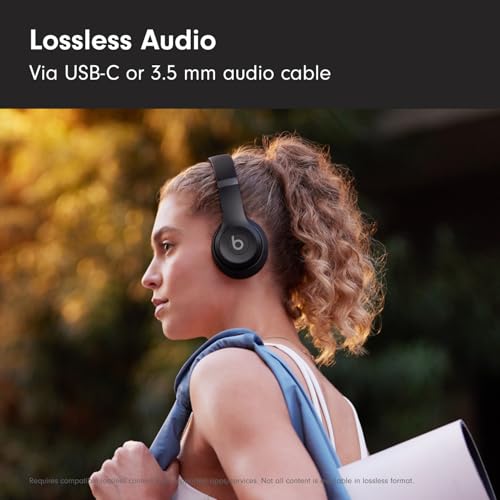
For lossless audio enthusiasts, the Beats Solo 4 supports high-quality playback through both USB-C and 3.5mm connections, thanks to an integrated DAC (digital-to-analog converter). This means you can bypass Bluetooth entirely for the highest possible audio quality.
In practical terms, the Sony WH-1000XM5 sounds more refined and detailed, with better separation between instruments and a wider soundstage (the sense of space in your music). The Beats Solo 4 sounds energetic and engaging, particularly well-suited for pop, hip-hop, and electronic music, though it can handle acoustic and classical music respectably.
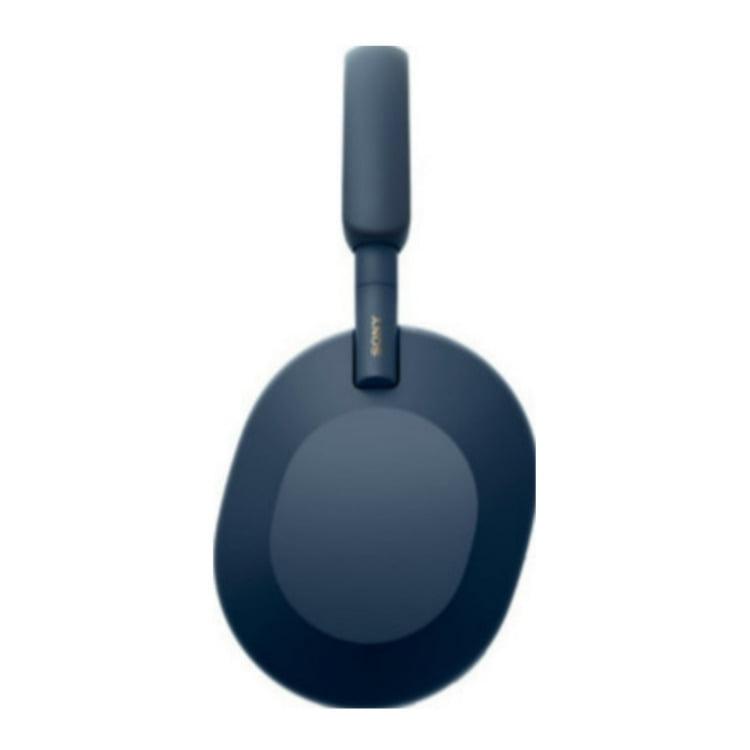
This is where the fundamental design difference becomes crucial. The Sony WH-1000XM5 uses an over-ear design with plush synthetic leather ear pads that completely encompass your ears. The weight is distributed across your head through a padded headband, making them comfortable for extended listening sessions—I've worn them for 4-5 hour work sessions without discomfort.
The Beats Solo 4 sits directly on your ears with memory foam cushions. While they're lighter at 217 grams compared to the Sony's 250 grams, the pressure is concentrated on your ears rather than distributed around them. Some people find this perfectly comfortable, while others experience fatigue after an hour or two. It's very much a personal preference thing.
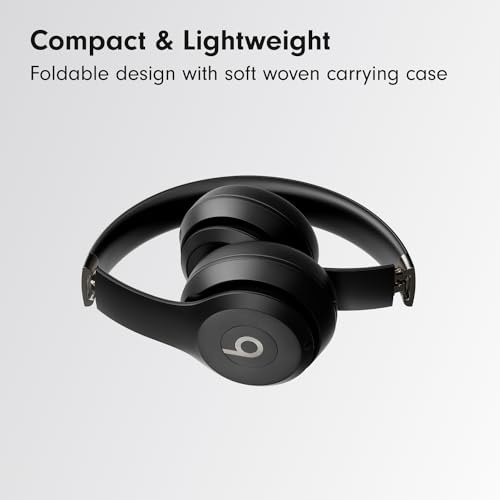
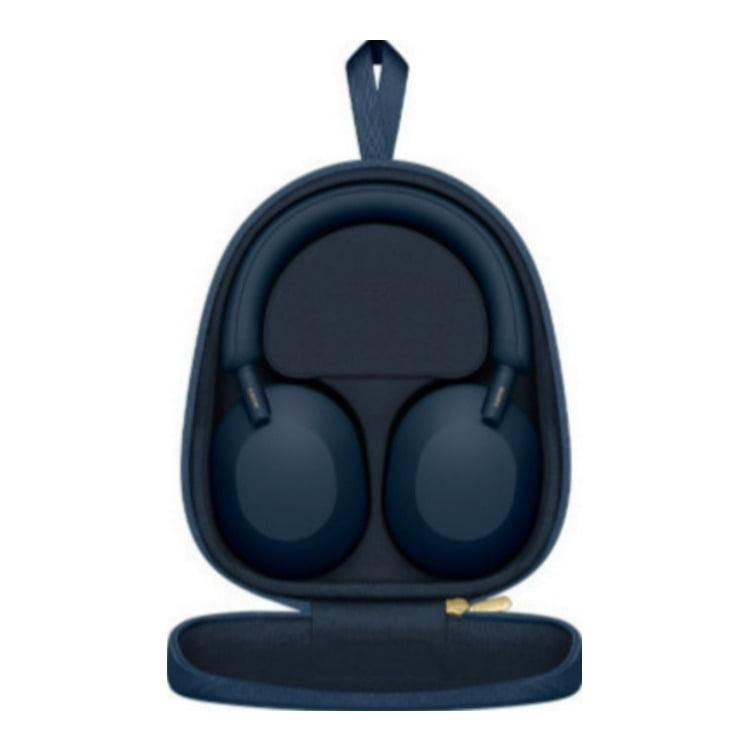
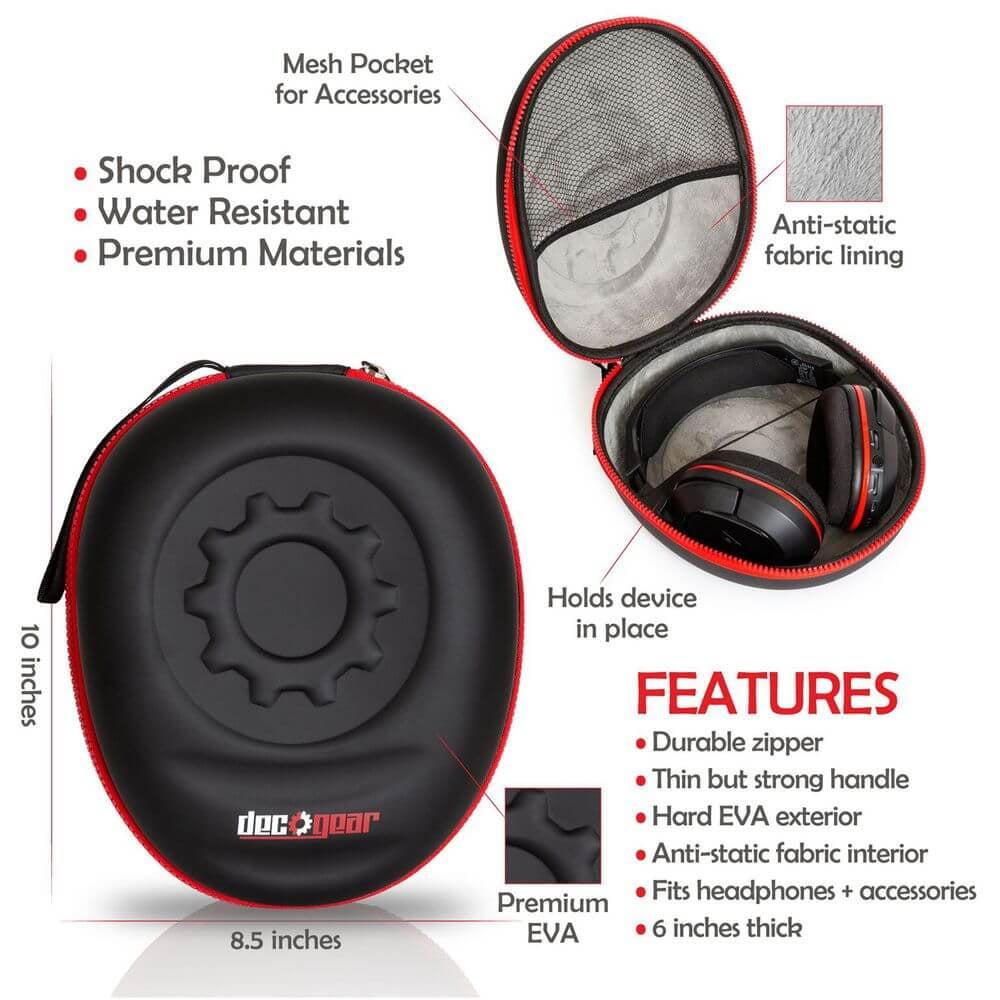
Where the Beats Solo 4 wins is portability. They fold flat and come with a carrying case, making them much easier to pack for travel. The Sony WH-1000XM5 doesn't fold—a controversial design choice—so they take up more space in your bag, though they do come with a protective carrying case.
For home theater use, both headphones can connect to your TV or audio system via Bluetooth if supported, or through their included cables. The Sony WH-1000XM5 would be more comfortable for movie marathons, while the Beats Solo 4 might be better if you want something you can easily grab and move between rooms.
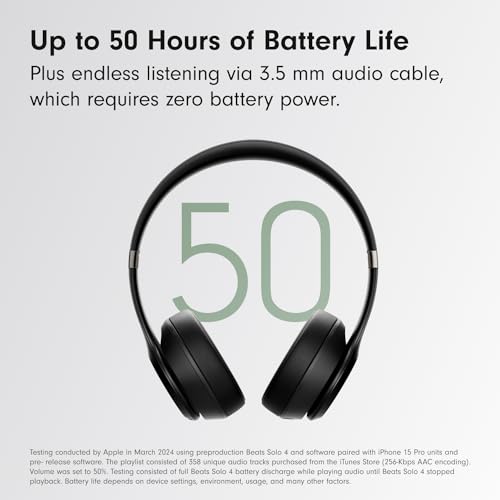
This is the Beats Solo 4's killer feature. At up to 50 hours of playback, it absolutely destroys most competitors, including the Sony WH-1000XM5. To put this in perspective, you could use them for a full work week—8 hours a day, Monday through Friday—and still have battery left over for the weekend.
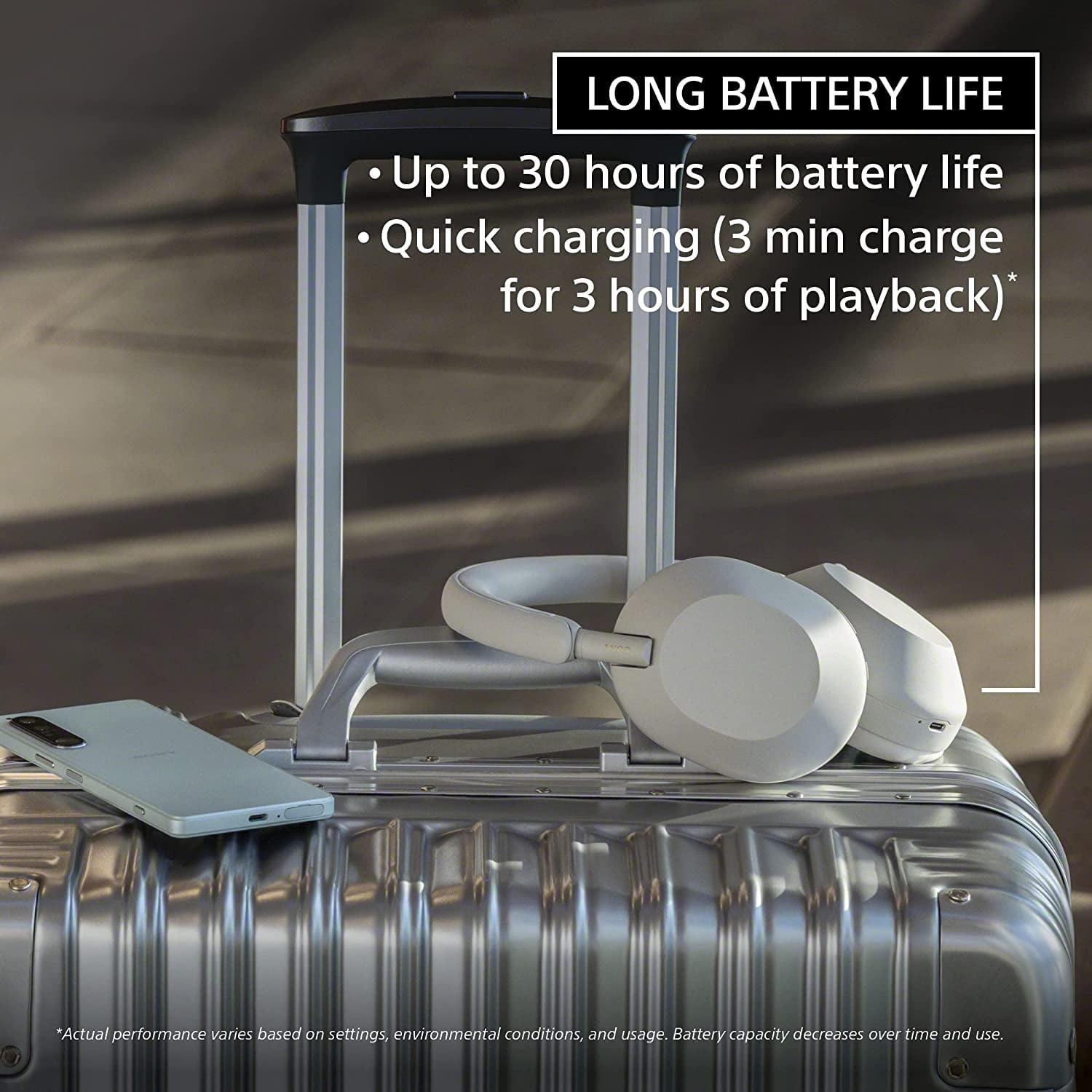
The Sony WH-1000XM5 offers 30 hours with noise cancellation enabled, or 40 hours with it disabled. These are still excellent numbers—better than many competitors—but the Beats Solo 4's 50-hour rating is genuinely impressive.
Both headphones support fast charging, but with different approaches. The Beats Solo 4's "Fast Fuel" feature gives you 5 hours of playback from a 10-minute charge. The Sony WH-1000XM5 provides 3 hours of playback from a 3-minute charge. The Sony charges faster in short bursts, but the Beats gives you more total time from those quick top-ups.
A unique advantage of the Beats Solo 4 is that you can continue listening via the 3.5mm cable even when the battery is completely dead. The Sony WH-1000XM5 can also work wired, but many of its features require battery power.
This is where the price difference becomes most apparent. The Sony WH-1000XM5 features industry-leading active noise cancellation that's genuinely impressive. It uses eight microphones—four in each ear cup—connected to dual processors that analyze and cancel ambient sound in real-time.
The system excels at blocking consistent, droning sounds like airplane engines, air conditioners, or traffic noise. It also does remarkably well with mid-frequency sounds like human voices, making it excellent for open offices or coffee shops. The ANC adapts automatically based on your environment and even accounts for atmospheric pressure changes during flights.
The Sony WH-1000XM5 also offers transparency modes that let you hear your surroundings without removing the headphones. This is perfect for quick conversations or staying aware of announcements while traveling.
The Beats Solo 4 has no active noise cancellation at all. It relies entirely on passive isolation—the physical barrier created by the ear cups sitting on your ears. This provides minimal noise blocking compared to the Sony's active system. In quiet environments, this isn't a problem, but on planes, trains, or busy streets, the difference is dramatic.
For home theater use, the Sony's noise cancellation can actually be helpful for late-night viewing, blocking out household noise so you can keep volume levels lower while still hearing dialogue clearly.
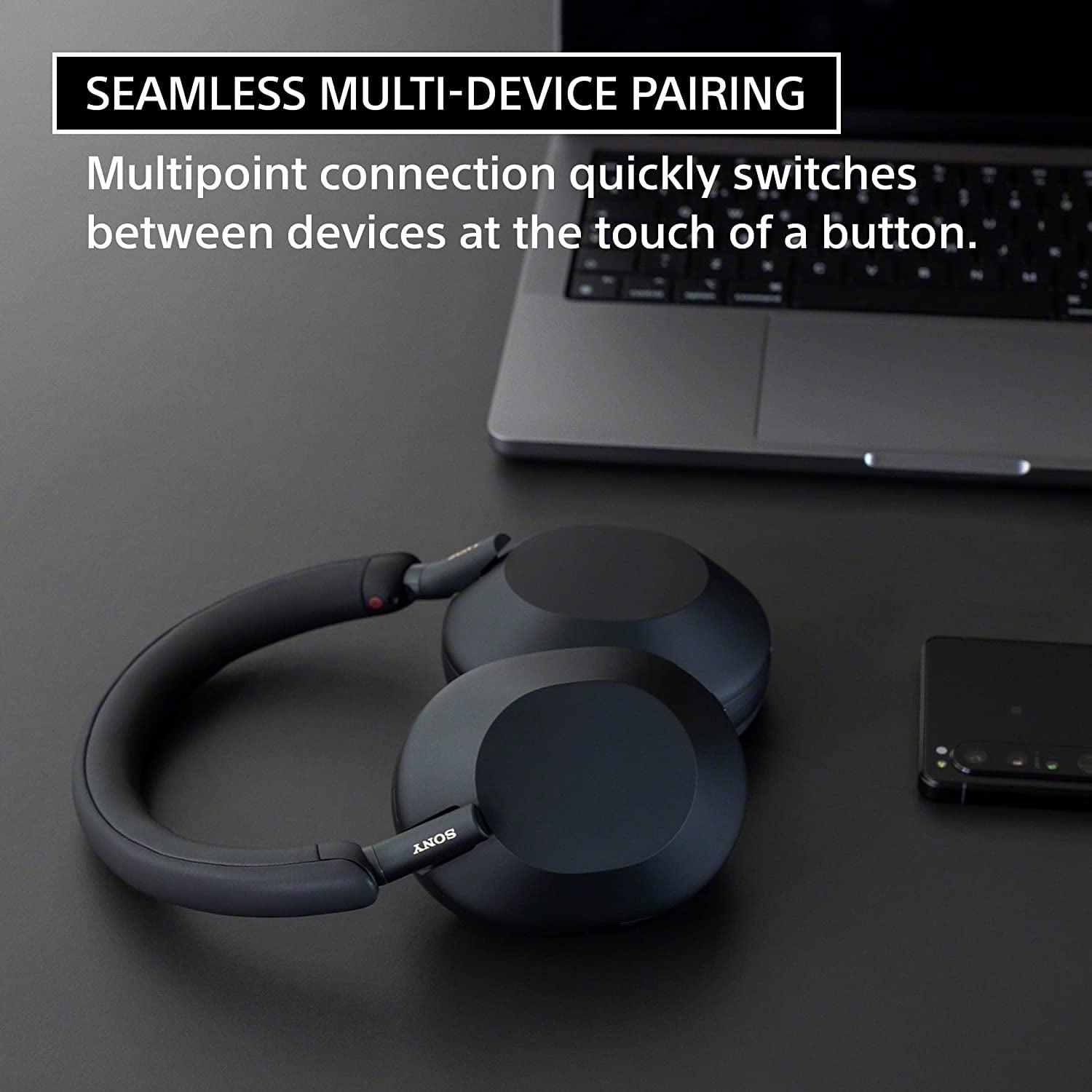
Both headphones handle the basics well, but the Sony WH-1000XM5 offers more advanced features. It supports multipoint Bluetooth connectivity, meaning you can pair it with two devices simultaneously—like your phone and laptop—and automatically switch between them based on which one is playing audio.
The Sony Headphones Connect app provides extensive customization options, including a detailed equalizer, adaptive sound control that adjusts settings based on your activity, and even a hearing test to create a personalized sound profile. The app also controls the ANC intensity and transparency modes.
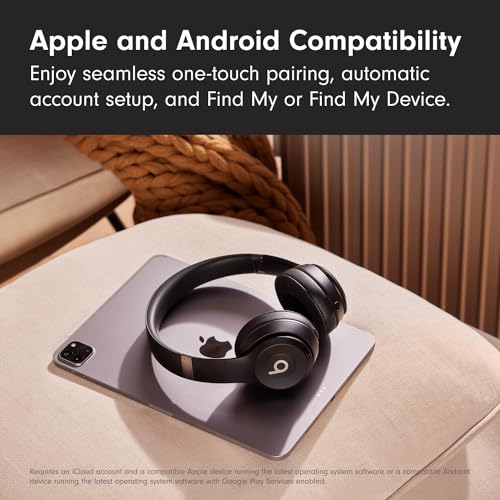
The Beats Solo 4 integrates beautifully with Apple devices through seamless pairing and "Find My" support, but the customization options are more limited. Android users get basic functionality, but iOS users benefit from deeper integration with Spatial Audio and Audio Sharing features.
Both headphones include voice assistant support, though the Sony WH-1000XM5's implementation is more sophisticated, with dedicated wake words and better noise rejection during calls.
The Sony WH-1000XM5 excels here with its beamforming microphone array and advanced voice processing. The system can isolate your voice from background noise effectively, making calls clear even in noisy environments. This makes them suitable for professional video calls and remote work.
The Beats Solo 4 handles calls adequately but doesn't match the Sony's professional-grade performance. The microphone quality is sufficient for casual calls but may struggle in very noisy environments.
At the time of writing, the Beats Solo 4 typically costs significantly less than the Sony WH-1000XM5—often less than half the price. This makes the value equation interesting. The Beats Solo 4 delivers solid performance across the board with exceptional battery life at a budget-friendly price point.
The Sony WH-1000XM5 justifies its premium pricing with advanced features like industry-leading noise cancellation, superior audio customization, and professional-grade call quality. If you need these features, the extra cost makes sense. If you don't, you might be paying for capabilities you'll never use.
The Beats Solo 4 makes sense for students, casual listeners, or anyone who prioritizes portability and battery life over advanced features. It's also great for people who primarily listen in quiet environments where noise cancellation isn't crucial.
The Sony WH-1000XM5 targets frequent travelers, remote workers, audiophiles, and anyone who spends significant time in noisy environments. The comfort advantage also makes them better for people who wear headphones for extended periods daily.
Start by honestly assessing your primary use cases. If you're mainly listening at home, in quiet offices, or during commutes on quiet public transport, the Beats Solo 4 might be all you need. The exceptional battery life means you'll rarely worry about charging, and the portability makes them easy to take anywhere.
If you frequently fly, work in open offices, or commute on noisy public transport, the Sony WH-1000XM5's noise cancellation becomes worth the premium. The comfort advantage also matters if you're wearing headphones for 4+ hours daily.
Consider your audio sources too. If you primarily stream music from your phone, the differences in audio quality might be less noticeable than if you're listening to high-resolution files or vinyl rips. The Sony WH-1000XM5's advanced features shine more with higher-quality sources.
Budget obviously plays a role, but think about cost per use. If you use headphones daily, the premium for the Sony WH-1000XM5 might be justified by the improved experience. If you're an occasional listener, the Beats Solo 4 offers excellent value.
Both headphones represent solid choices within their respective categories. The Beats Solo 4 proves that you don't need to spend a fortune for good wireless headphones, while the Sony WH-1000XM5 demonstrates what's possible when advanced technology meets premium pricing. Your choice should align with your priorities, budget, and listening habits.
| Beats Solo 4 Wireless On-Ear Headphones | Sony WH-1000XM5 Wireless Noise Canceling Headphones |
|---|---|
| Design Type - Affects comfort and portability | |
| On-ear (sits on ears, more portable, potential pressure) | Over-ear (encompasses ears, more comfortable for long sessions) |
| Weight - Impacts long-term wearing comfort | |
| 217g (lighter but pressure concentrated on ears) | 250g (heavier but weight distributed around head) |
| Active Noise Cancellation - Essential for noisy environments | |
| None (passive isolation only, poor for travel/commuting) | Industry-leading 8-microphone system (excellent for flights/offices) |
| Battery Life - Determines how often you need to charge | |
| Up to 50 hours (exceptional, nearly doubles competition) | 30 hours with ANC on, 40 hours ANC off (very good but standard) |
| Fast Charging - Quick power-ups for busy lifestyles | |
| 10 minutes = 5 hours playback (Fast Fuel technology) | 3 minutes = 3 hours playback (faster short bursts) |
| Driver Size - Affects sound quality and bass response | |
| 40mm custom drivers (balanced sound, less bass-heavy than old Beats) | 30mm precision drivers (smaller but advanced materials, detailed sound) |
| Frequency Response - Range of sounds the headphones can reproduce | |
| Standard range (good for most music genres) | 4Hz-40kHz (exceptional range, reproduces sub-bass to ultra-highs) |
| Premium Audio Codecs - Higher quality wireless sound transmission | |
| SBC, AAC (standard Bluetooth quality) | SBC, AAC, LDAC (3x more data than standard, near-CD quality wireless) |
| Spatial Audio - Immersive surround sound experience | |
| Personalized Spatial Audio with head tracking (Beats Solo 4 exclusive) | Standard stereo (no spatial audio features) |
| Wired Connectivity - Backup when battery dies or for highest quality | |
| USB-C and 3.5mm with built-in DAC (works with dead battery) | USB-C and 3.5mm (requires some battery power for features) |
| App Customization - Control over sound and features | |
| Basic controls, better iOS integration | Extensive Sony app with EQ, adaptive controls, personalized profiles |
| Foldable Design - Important for travel and storage | |
| Yes (compact for travel, includes soft case) | No (larger profile, includes hard carrying case) |
| Call Quality - Important for work and phone conversations | |
| Good (adequate for casual calls) | Excellent (professional-grade beamforming mics, works in noisy areas) |
| Multipoint Connectivity - Connect to multiple devices simultaneously | |
| Basic multipoint support | Advanced multipoint (seamlessly switches between phone/laptop) |
| Best Use Cases - Who should consider each option | |
| Students, casual listeners, frequent travelers prioritizing battery life | Commuters, remote workers, audiophiles, anyone in noisy environments |
The Sony WH-1000XM5 delivers superior sound quality with its precision 30mm drivers, extended frequency response (4Hz-40kHz), and LDAC codec support for high-resolution wireless audio. The Beats Solo 4 offers good sound with a balanced profile and 40mm drivers, but lacks the advanced audio processing and customization options of the Sony WH-1000XM5.
Only the Sony WH-1000XM5 features active noise cancellation with an industry-leading 8-microphone system that effectively blocks airplane noise, traffic, and office chatter. The Beats Solo 4 has no active noise cancellation and relies solely on passive isolation, making it less suitable for noisy environments.
The Sony WH-1000XM5 is more comfortable for extended use due to its over-ear design that distributes weight around your ears rather than pressing on them. The Beats Solo 4 sits directly on your ears, which can cause discomfort after 1-2 hours for many users, though some find the lighter weight acceptable.
The Beats Solo 4 offers exceptional 50-hour battery life, significantly outperforming the Sony WH-1000XM5's 30 hours with noise cancellation on (40 hours with ANC off). Both support fast charging, with the Beats Solo 4 providing 5 hours from a 10-minute charge.
The Beats Solo 4 is more travel-friendly with its foldable design, lighter weight, and compact carrying case. The Sony WH-1000XM5 doesn't fold and takes up more luggage space, but offers superior noise cancellation that's valuable for flights and noisy transportation.
The Sony WH-1000XM5 excels at calls with professional-grade beamforming microphones that isolate your voice from background noise, making them ideal for remote work. The Beats Solo 4 handles calls adequately but doesn't match the Sony's call quality in noisy environments.
The Beats Solo 4 integrates seamlessly with Apple devices, offering one-touch pairing, Find My support, and Personalized Spatial Audio with head tracking. While the Sony WH-1000XM5 works well with iPhones, it doesn't have the same level of ecosystem integration as the Beats Solo 4.
Neither headphone is ideal for intense workouts. The Beats Solo 4 is lighter and more secure due to its on-ear design, but both models lack sweat resistance and aren't designed for exercise. Consider sport-specific earbuds instead for gym use.
The Beats Solo 4 provides excellent value with solid sound quality, exceptional battery life, and portability at a budget-friendly price point. The Sony WH-1000XM5 justifies its premium pricing with advanced noise cancellation, superior audio quality, and professional features, making value dependent on your specific needs.
Both headphones can connect to TVs via Bluetooth (if supported) or wired connections. The Sony WH-1000XM5 is more suitable for home theater use due to superior comfort during long viewing sessions and better overall audio quality. The Beats Solo 4 offers good portability for moving between rooms.
The Sony WH-1000XM5 offers extensive customization through the Sony Headphones Connect app, including detailed EQ settings, adaptive sound control, and personalized audio profiles. The Beats Solo 4 has more limited app functionality, focusing on basic controls and better integration with iOS devices rather than deep customization.
For daily commuting, the Sony WH-1000XM5 is the clear winner due to its excellent active noise cancellation that blocks subway noise, traffic, and crowd chatter. The Beats Solo 4 lacks noise cancellation and won't provide the quiet environment most commuters prefer, though its exceptional battery life means less frequent charging.
We've done our best to create useful and informative comparisons to help you decide what product to buy. Our research uses advanced automated methods to create this comparison and perfection is not possible - please contact us for corrections or questions. These are the sites we've researched in the creation of this article: bestbuy.com - soundguys.com - rtings.com - cnet.com - youtube.com - rtings.com - therunningchannel.com - youtube.com - soundguys.com - rtings.com - beatsbydre.com - kubookstore.com - apple.com - panthertech.fiu.edu - beatsbydre.com - cnet.com - techwelike.com - beatsbydre.com - beatsbydre.com - rtings.com - audiosciencereview.com - techradar.com - audio46.com - recordingnow.com - electronics.sony.com - theabsolutesound.com - soundguys.com - soundguys.com - headphonesaddict.com - sony.com - sony.com - sony-mea.com - fullspecs.net - bhphotovideo.com - sony.com - helpguide.sony.net - headphones.com - androidpolice.com - sony.co.id - moon-audio.com - sony.com - bestbuy.com - sonylatvija.com

Privacy Policy
Terms and Conditions - Affiliate Policy
Home Security
© Copyright 2008-2026.
11816 Inwood Rd #1211, Dallas, TX 75244