

Choosing the right pair of wireless headphones can feel overwhelming with so many options available. Today, I'm comparing two popular models that represent very different approaches to audio: the budget-friendly Beats Solo 4 and the premium Bose QuietComfort Ultra. Released in 2024 and 2023 respectively, these headphones showcase how the wireless audio landscape has evolved to serve different user needs and budgets.
At the time of writing, these headphones sit in completely different price brackets—the Beats Solo 4 costs roughly half of what you'd pay for the Bose QuietComfort Ultra. But as we'll explore, that price difference reflects fundamental design philosophies that affect everything from comfort to sound quality to battery life.
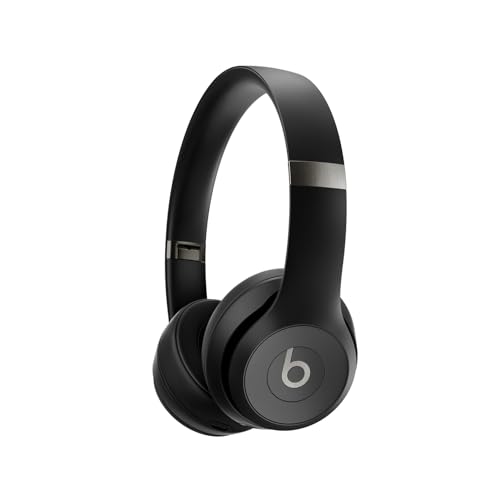
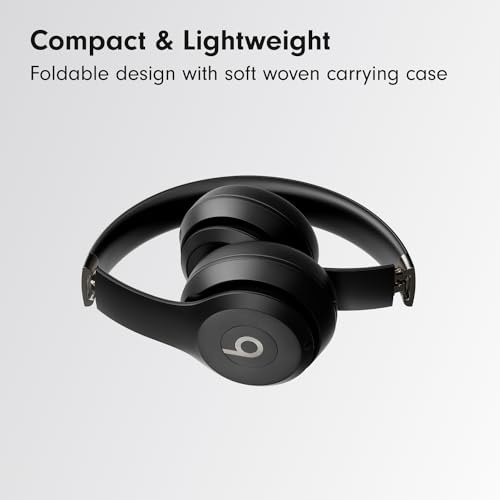
The most immediately obvious difference between these headphones is their physical design. The Beats Solo 4 uses what's called an "on-ear" design, where the ear cups sit directly on your ears rather than around them. This creates a compact, lightweight package that's easy to toss in a backpack or purse. At just 217 grams, they're noticeably lighter than most alternatives.
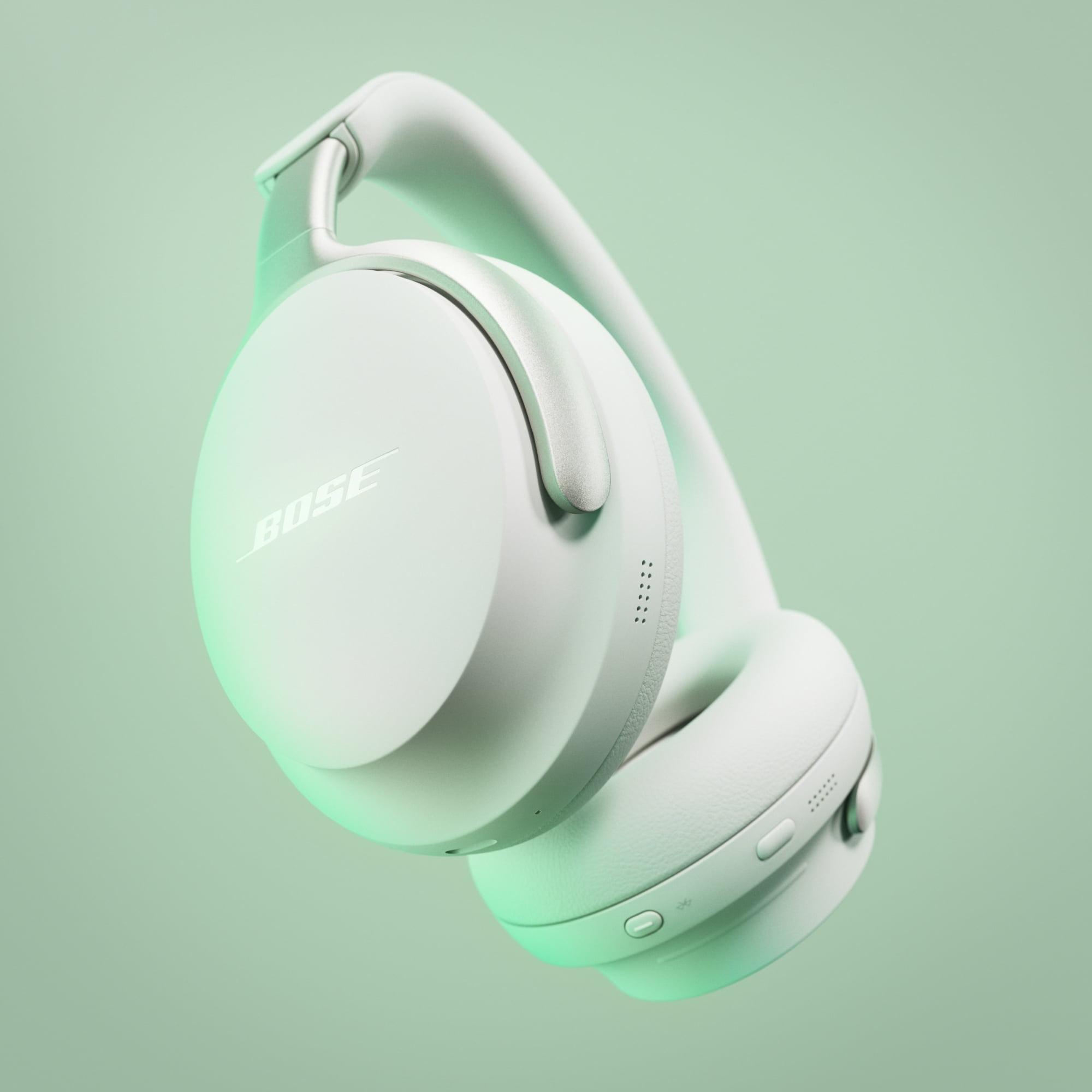
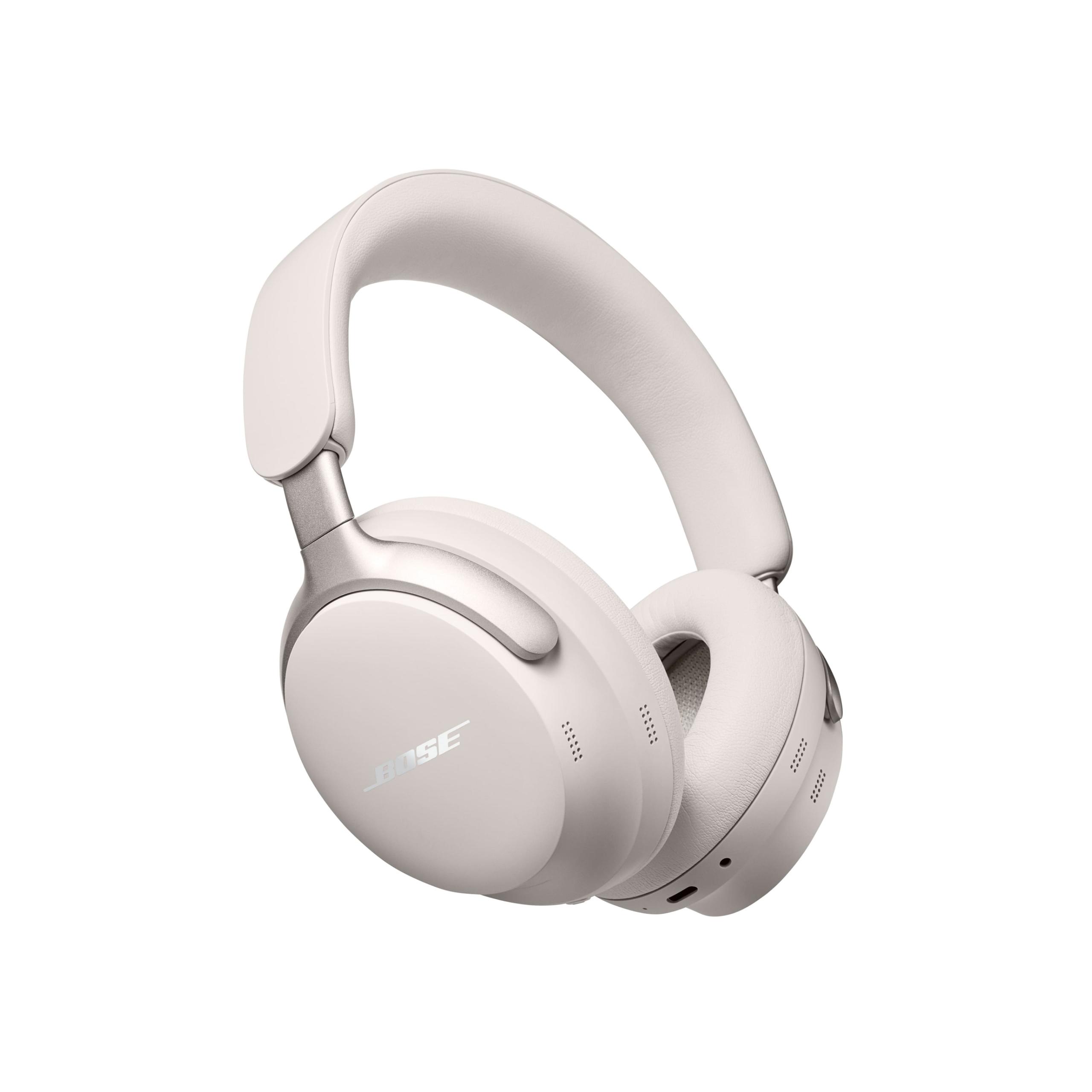
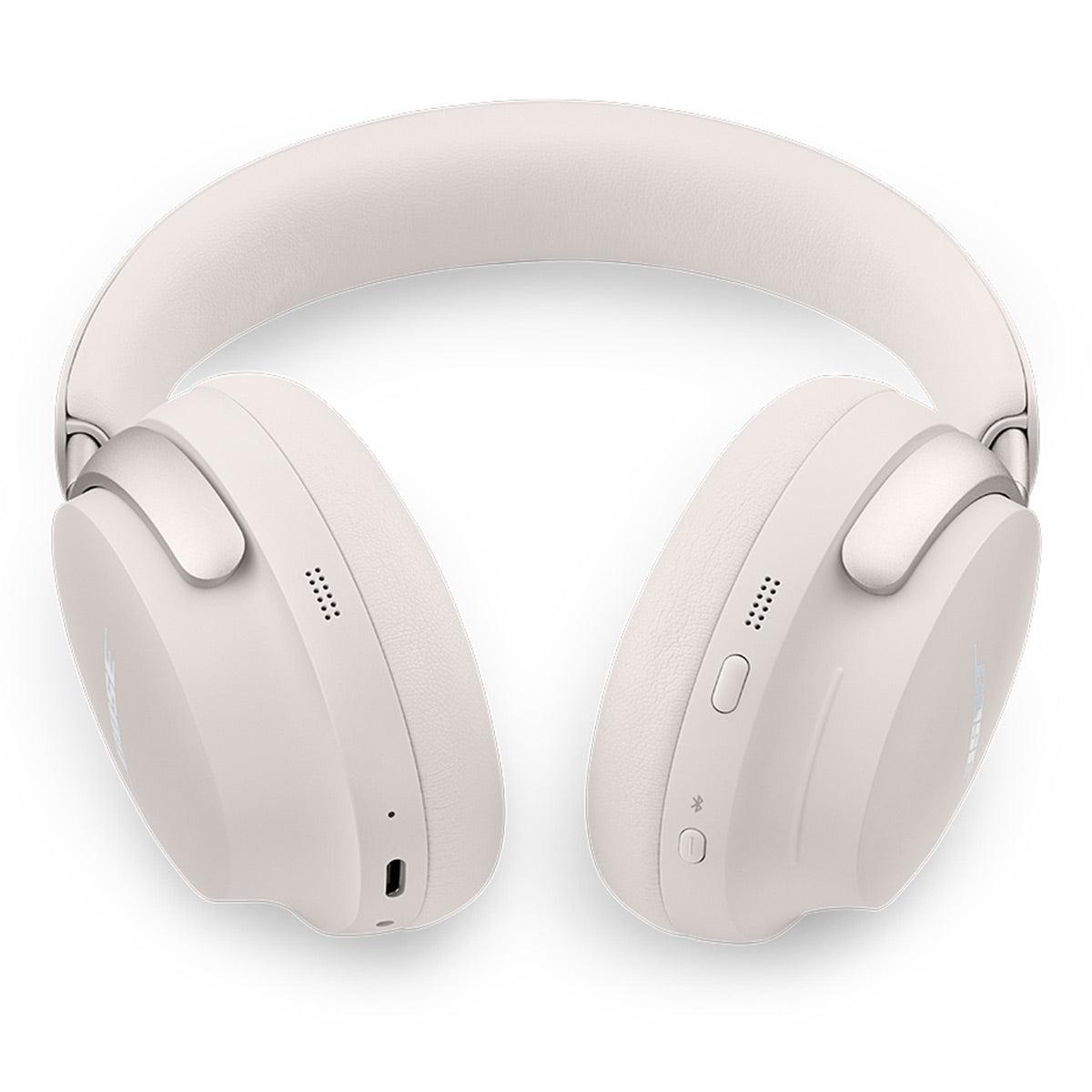
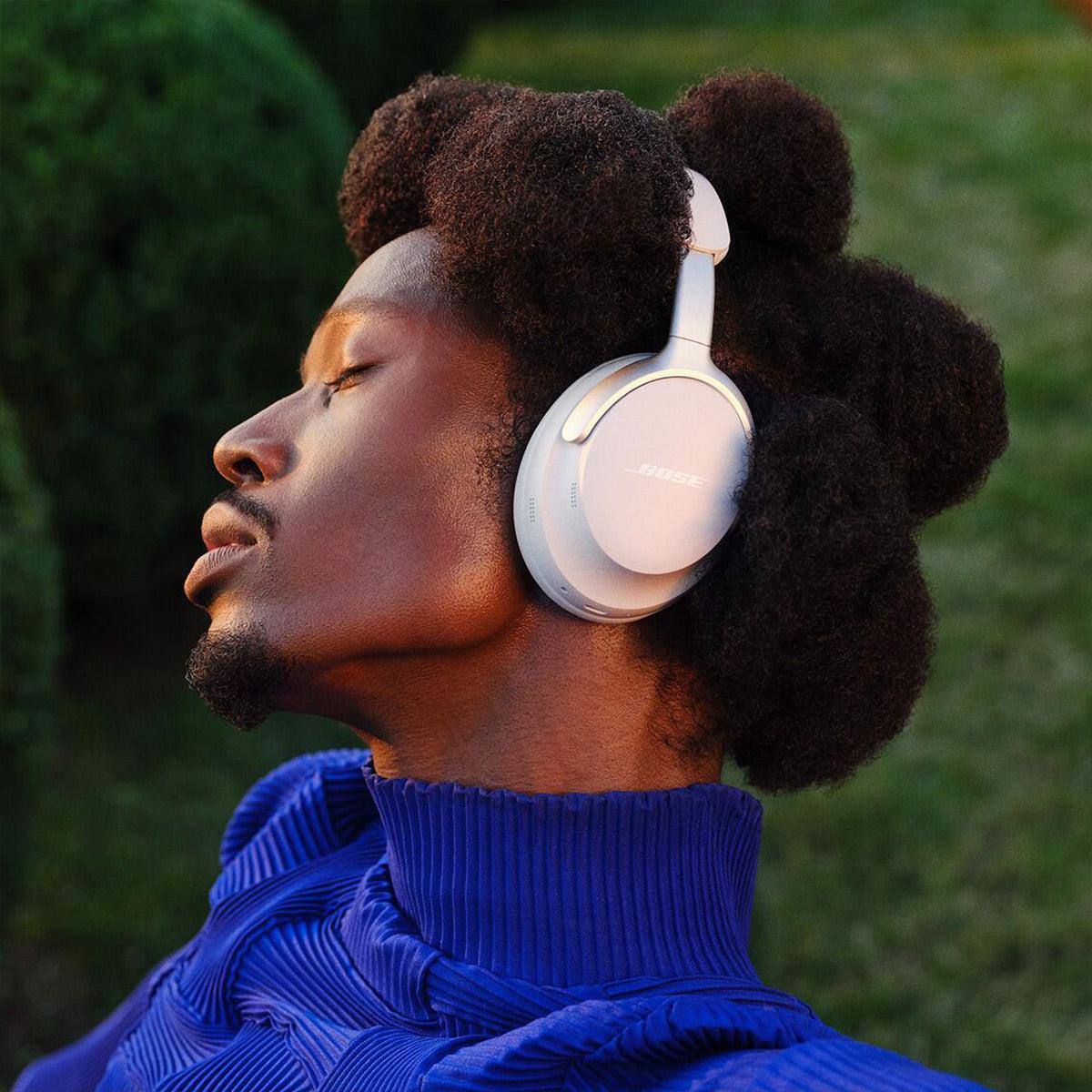
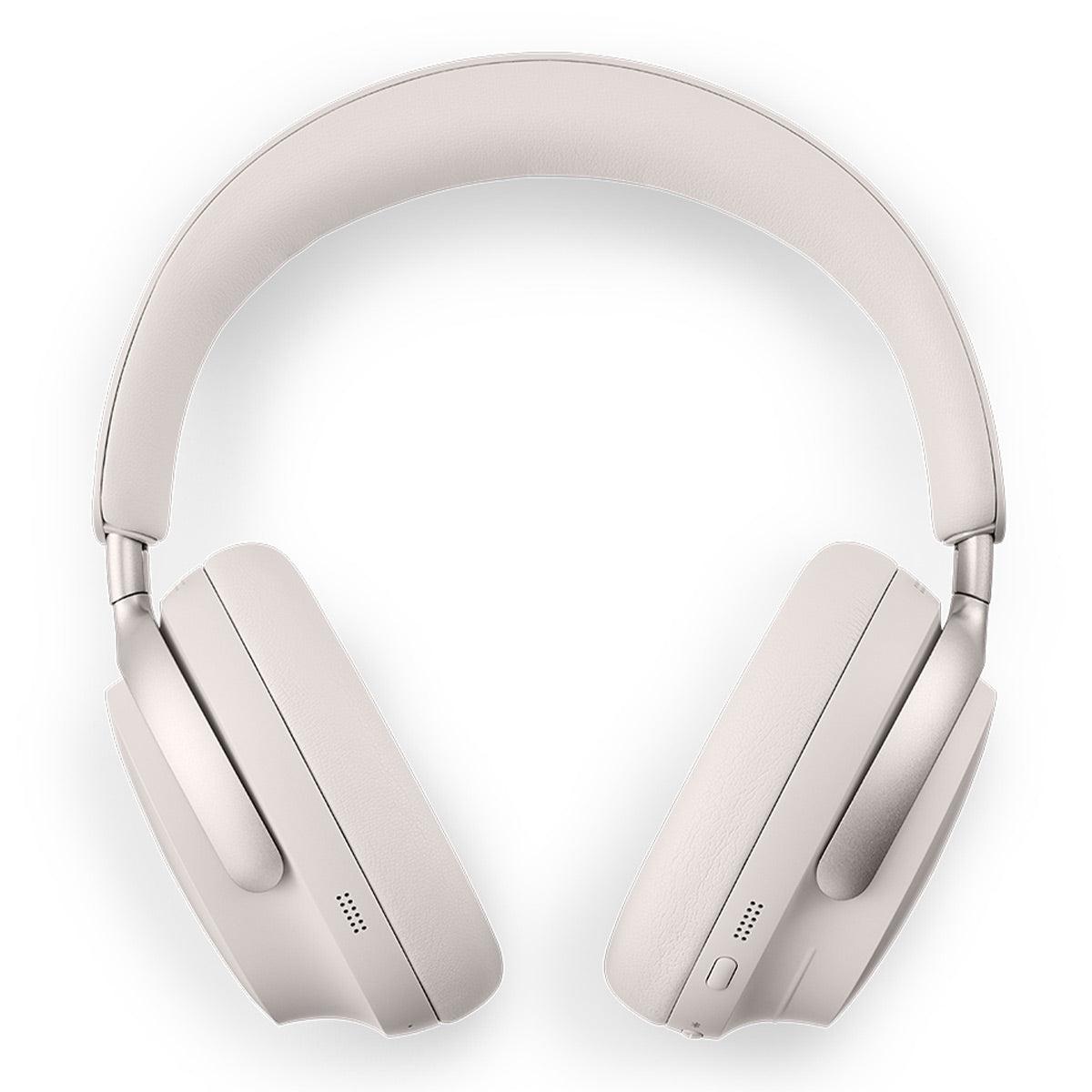
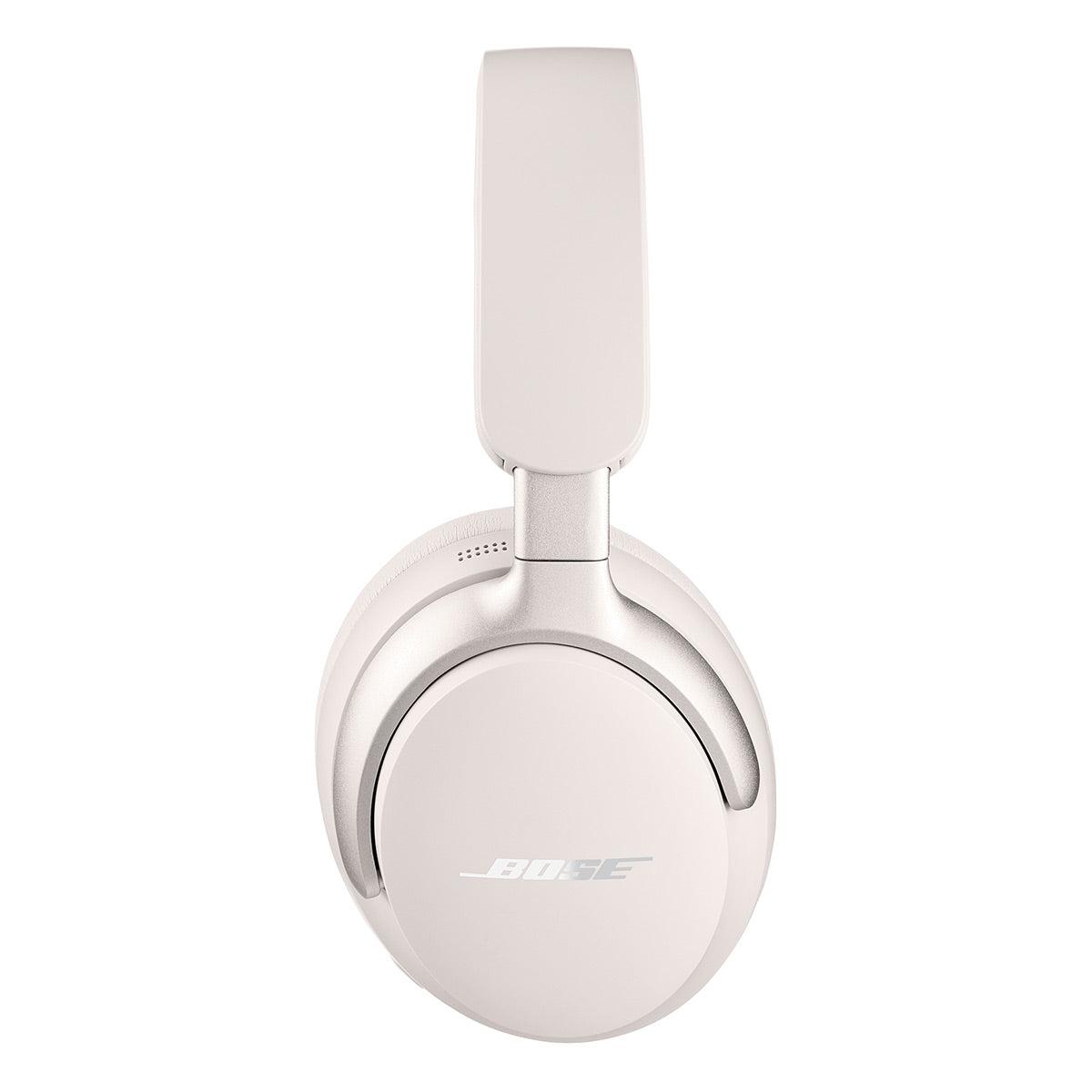
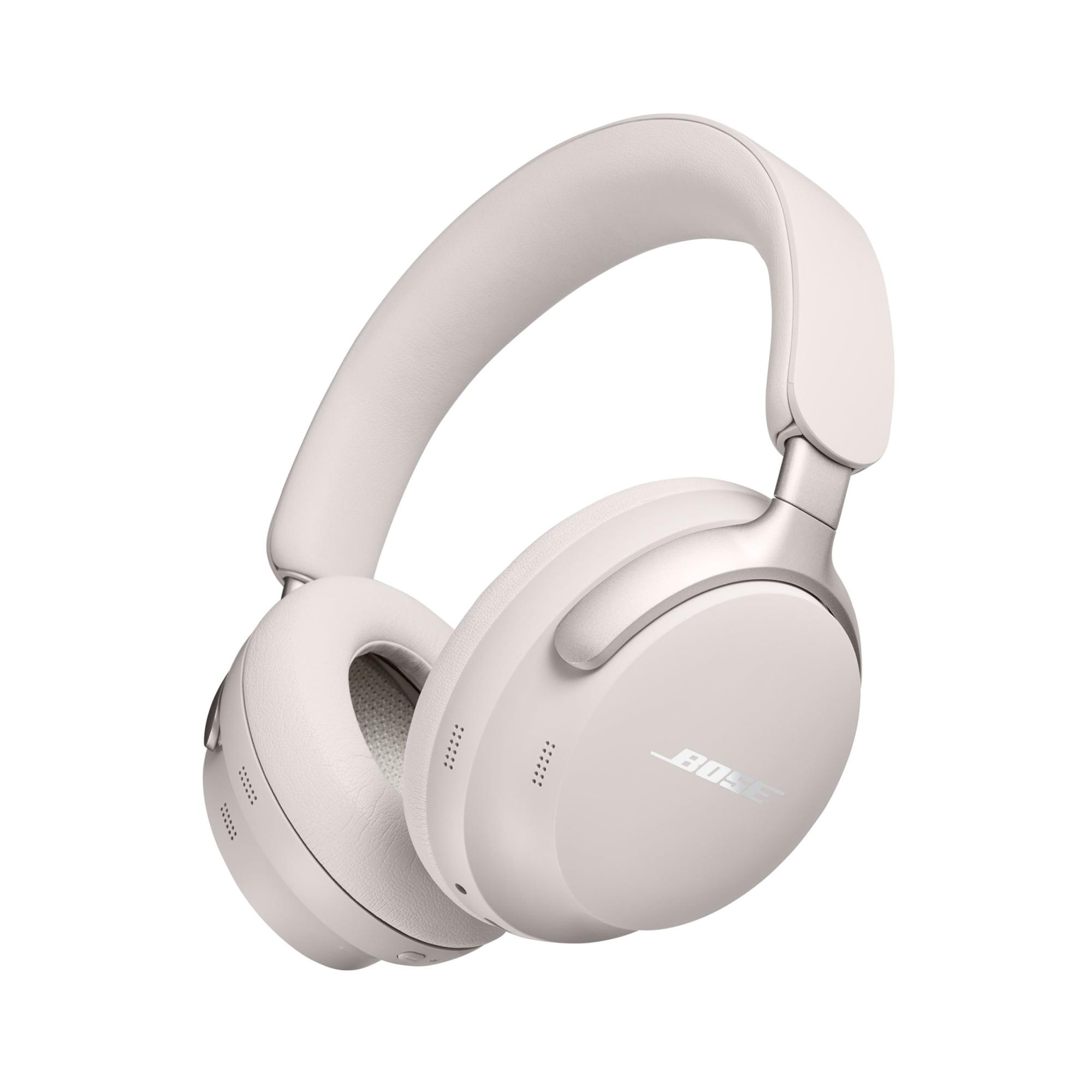
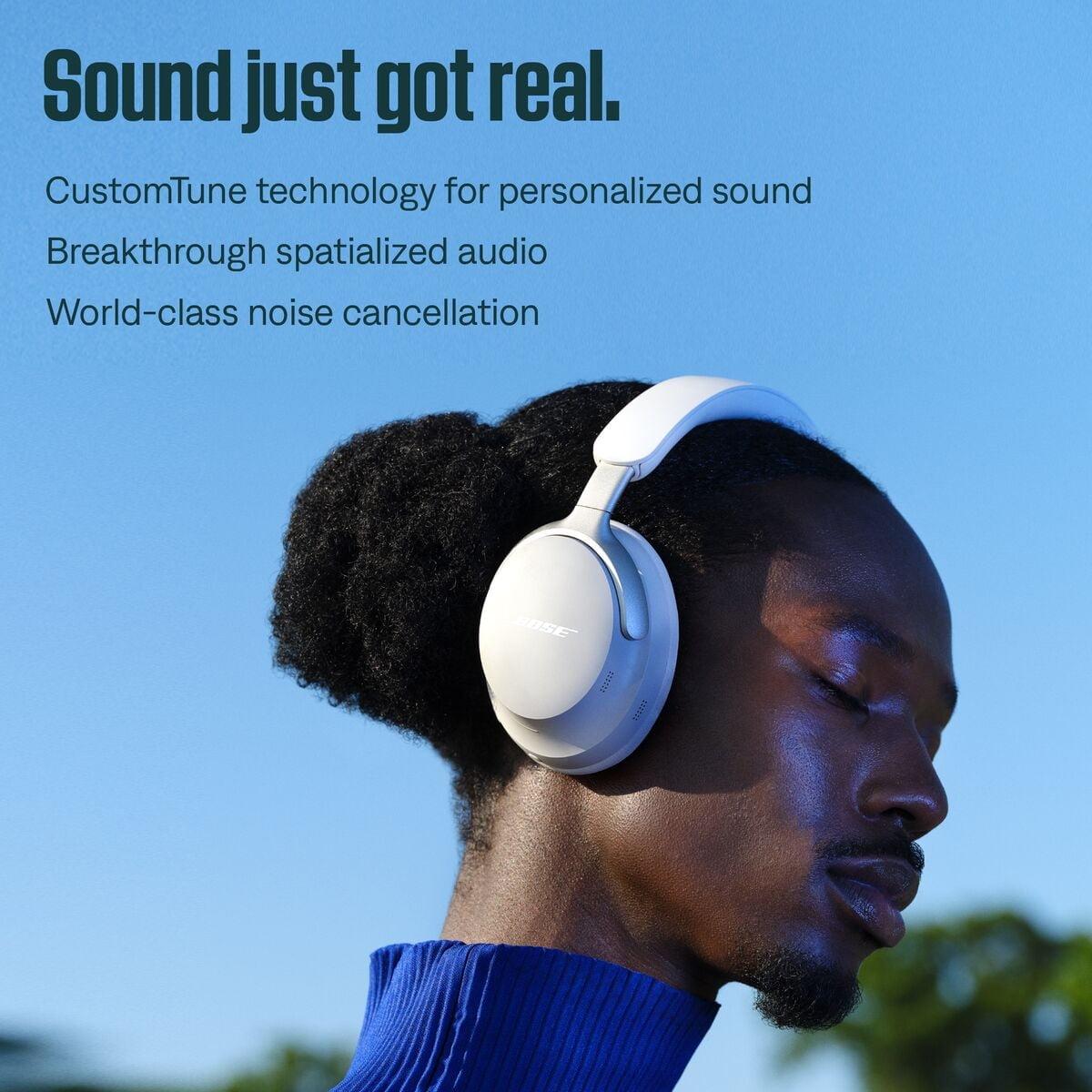
The Bose QuietComfort Ultra, on the other hand, uses an "over-ear" or "circumaural" design that completely encompasses your ears. The ear cups create a seal around your entire ear, which serves two purposes: it provides better passive noise isolation (blocking sound through physical barriers) and distributes the headphone's weight more evenly around your ear rather than pressing directly on it.
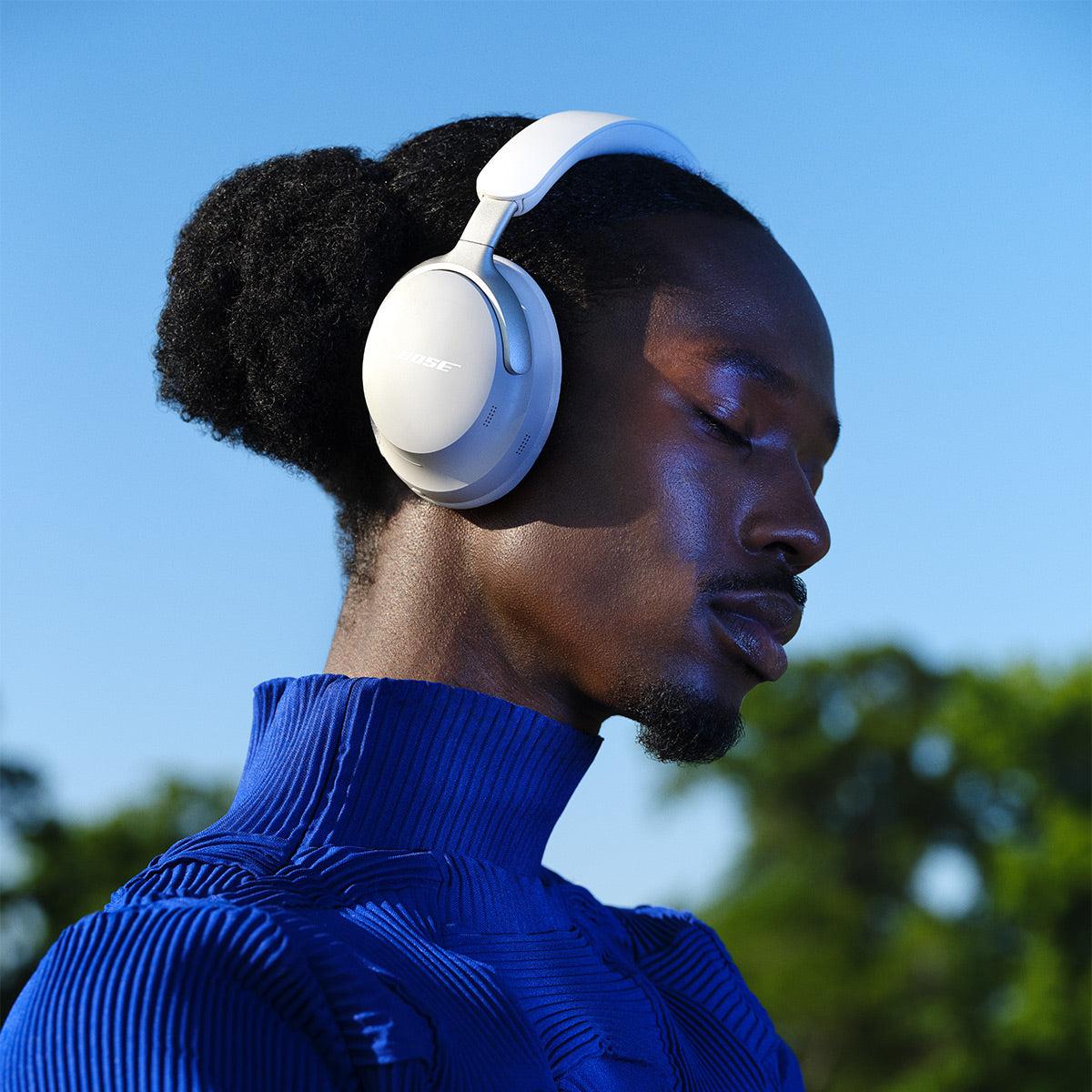
This design difference has major implications for comfort. During my testing, I found the Beats Solo 4 became uncomfortable after about an hour of continuous listening. The direct pressure on your ears can cause fatigue, especially if you wear glasses. The Bose QuietComfort Ultra, however, feels like it was custom-made for your head. The plush padding and even weight distribution mean you can easily wear them for three to four hours without discomfort.
For home theater use, this comfort difference becomes crucial. If you're planning to use headphones for movie marathons or long gaming sessions, the over-ear design of the Bose is significantly more practical. The on-ear design of the Beats works better for shorter listening sessions or when portability is your main concern.
Sound quality represents another fundamental difference between these headphones. The Beats Solo 4 has evolved significantly from earlier Beats models, which were often criticized for overwhelming bass that drowned out other frequencies. The 2024 Solo 4 uses custom-built 40mm drivers that have been reengineered to provide what Beats calls "rebalanced acoustics." While still bass-forward, they're much more controlled than previous generations.
The sound signature of the Beats Solo 4 emphasizes low frequencies—the deep tones you feel in your chest when listening to hip-hop or electronic music. This tuning makes genres like rap, EDM, and modern pop sound energetic and exciting. However, this emphasis can make acoustic music, classical, or podcasts sound less natural, with vocals sometimes getting overshadowed by the prominent bass.
The Bose QuietComfort Ultra takes a more neutral approach to sound. Instead of emphasizing any particular frequency range, it aims for balanced reproduction across the entire audio spectrum. This means bass is present and full without overwhelming the midrange frequencies where most vocals sit, and the high frequencies remain clear and detailed without becoming harsh or fatiguing.
What does this mean in practice? If you primarily listen to bass-heavy music and want that extra punch and excitement, the Beats Solo 4 delivers exactly that. But if you listen to a variety of genres—from classical to jazz to podcasts to rock—the Bose QuietComfort Ultra provides a more versatile listening experience that works well with everything.
Both headphones support high-quality audio codecs. The Beats Solo 4 works with SBC and AAC codecs, which provide good quality over Bluetooth. The Bose QuietComfort Ultra adds support for aptX Adaptive, a more advanced codec that can deliver higher quality audio with lower latency (less delay between audio and video). For home theater use, this lower latency helps ensure dialogue stays synchronized with actors' lip movements.
Perhaps the biggest differentiator between these headphones is active noise cancellation, often abbreviated as ANC. This technology uses microphones to "listen" to the ambient noise around you, then generates sound waves that are exactly opposite to cancel out that noise. It's like having anti-sound that makes unwanted noise disappear.
The Beats Solo 4 completely lacks active noise cancellation. It relies entirely on passive isolation—the physical blocking of sound by the ear cups pressing against your ears. While this helps somewhat, it's nowhere near as effective as active cancellation, especially for consistent background noise like airplane engines, air conditioning, or traffic.
The Bose QuietComfort Ultra features what many reviewers consider the best active noise cancellation available today. Bose has been perfecting this technology for decades, and it shows. The system uses multiple microphones both inside and outside the ear cups to continuously monitor and cancel ambient noise. The result is almost supernatural—put these headphones on in a busy coffee shop, and the background chatter nearly disappears.
This difference becomes critical depending on where you plan to use your headphones. For home use in a quiet environment, the lack of ANC on the Beats Solo 4 might not matter much. But for commuting, working in open offices, or traveling, the noise cancellation on the Bose QuietComfort Ultra is transformative. It allows you to enjoy your music at lower volumes, which is better for your hearing health, and helps you focus in distracting environments.
The Bose QuietComfort Ultra also includes what they call "Aware Mode," which uses the same microphones to let ambient sound through when you need to hear your surroundings. This transparency mode is perfect when someone needs to talk to you or when you're walking in traffic and need to stay aware of your environment.
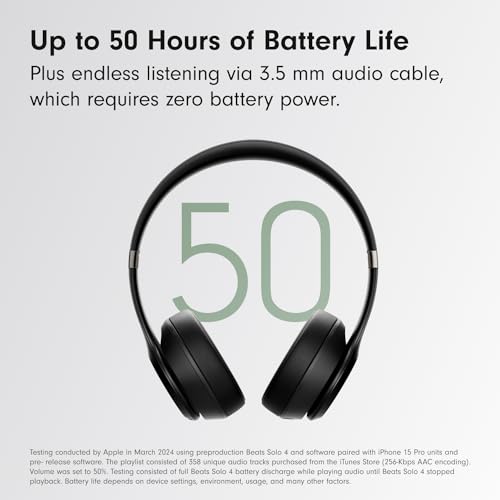
Battery life represents one area where the Beats Solo 4 significantly outperforms its more expensive competitor. Beats claims up to 50 hours of continuous playback on a single charge, which in my testing proved accurate under normal listening conditions. This exceptional battery life comes from the headphones' simpler design—no active noise cancellation means less power consumption.
The Bose QuietComfort Ultra provides up to 24 hours with noise cancellation enabled, which drops to around 18 hours if you use Bose's spatial audio features (more on that later). While 24 hours is still respectable and sufficient for most users, it's noticeably shorter than the Beats.
Both headphones support fast charging, but with different implementations. The Beats Solo 4 can provide up to 5 hours of playback from just a 10-minute charge, and importantly, you can continue listening while the headphones charge via USB-C. The Bose QuietComfort Ultra gives you about 2.5 hours of playback from a 15-minute charge, but it disables Bluetooth functionality while charging, forcing you to use a wired connection if you want to keep listening.
For frequent travelers or people who forget to charge their devices regularly, the Beats Solo 4 offers a significant practical advantage. Fifty hours means you could potentially use them for a week or more between charges, depending on your listening habits.
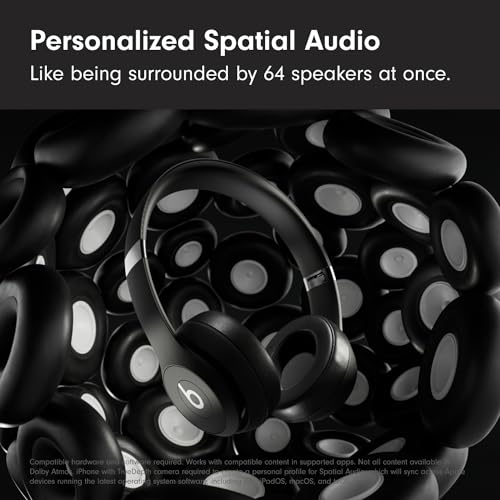
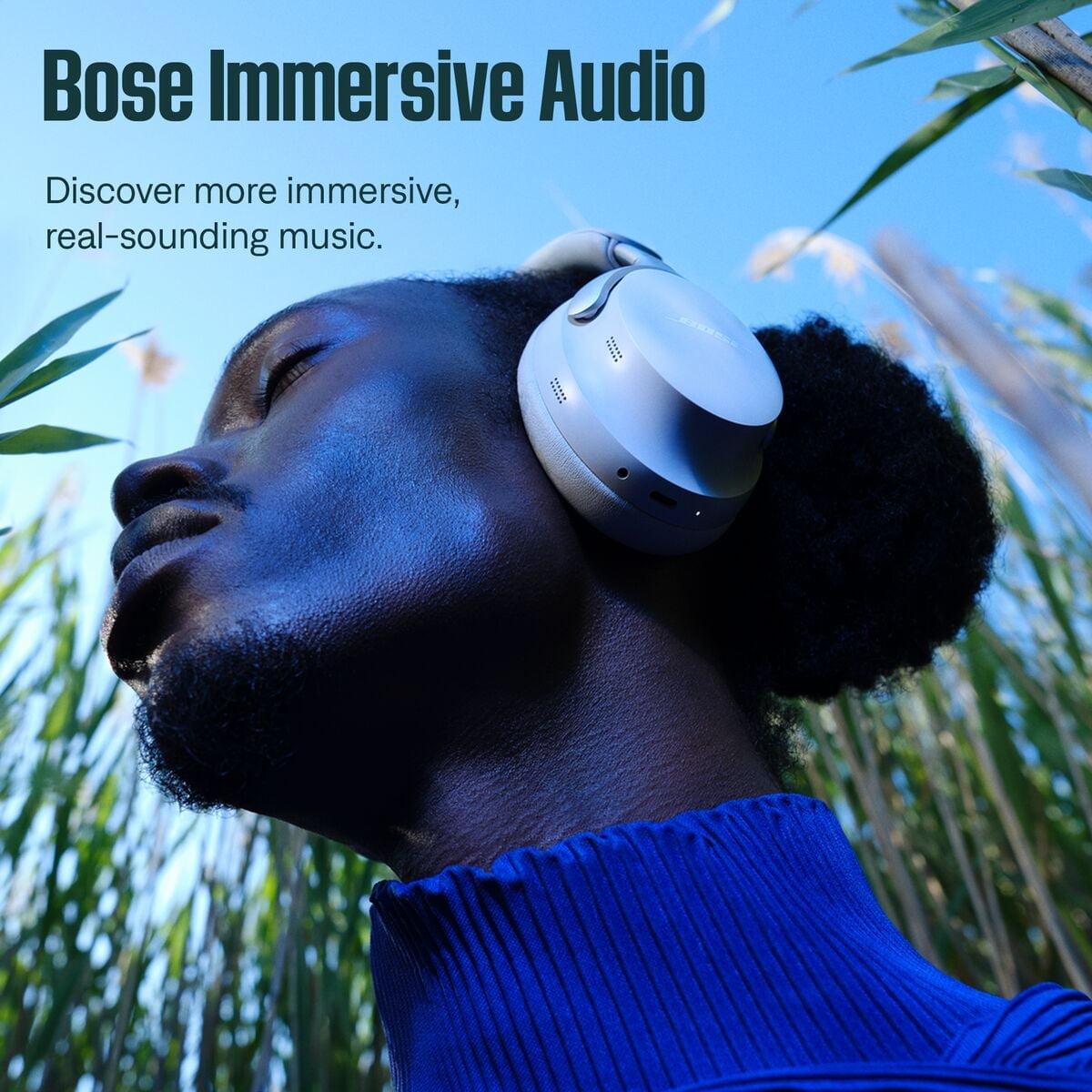
The Bose QuietComfort Ultra includes several advanced features that justify its higher price point. The most notable is Bose's "Immersive Audio" technology, their version of spatial audio. This feature uses built-in sensors to track your head movement and creates a three-dimensional soundstage that seems to place instruments and vocals in space around you rather than just between your ears.
The effectiveness of spatial audio varies by content and personal preference. With properly mixed music or movies that support the technology, it can create a more engaging, concert-like experience. However, not all content benefits from this processing, and some users find it more of a novelty than a necessity.
The Bose QuietComfort Ultra also features what Bose calls "CustomTune" technology. This system uses internal microphones to analyze the shape of your ears every time you put the headphones on, then automatically adjusts both the sound signature and noise cancellation performance to match your unique ear shape. It's a subtle but clever way to optimize performance for individual users.
Connectivity is another area where the Bose QuietComfort Ultra pulls ahead. It supports multipoint Bluetooth, meaning you can connect to two devices simultaneously—perhaps your phone and laptop—and seamlessly switch between them. If you're listening to music on your laptop and receive a phone call, the headphones automatically switch to handle the call, then return to your laptop when you hang up.
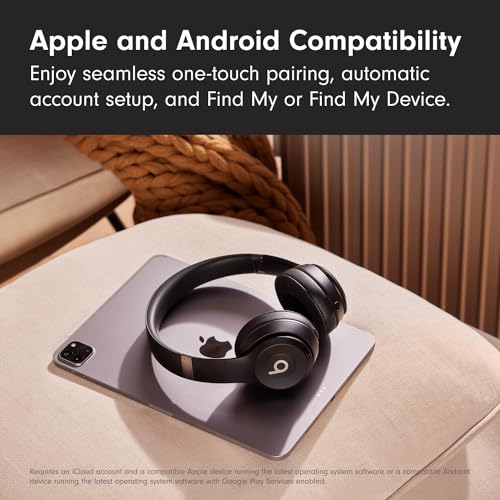
The Beats Solo 4 keeps things simpler with standard Bluetooth connectivity. While it pairs easily with Apple devices thanks to Apple's ownership of Beats, it doesn't offer the advanced connection management of the Bose.
The companion apps for these headphones reveal another philosophical difference. The Beats app is minimalist, providing basic battery status and simple controls. There's no equalizer (EQ) to adjust the sound signature, and customization options are limited. This simplicity can be refreshing if you just want to use your headphones without fussing with settings.
The Bose Music app, conversely, offers extensive customization options. You can adjust the equalizer to fine-tune the sound to your preferences, create custom noise cancellation profiles for different environments, and manage all the advanced features we discussed. For users who enjoy tweaking their audio experience, this flexibility is valuable.
Both headphones feel well-constructed for their respective price points, but use different materials and approaches. The Beats Solo 4 uses primarily plastic construction with some metal reinforcement in key areas. The materials feel solid and the build quality has improved significantly from earlier Beats models, though it doesn't feel as premium as more expensive alternatives.
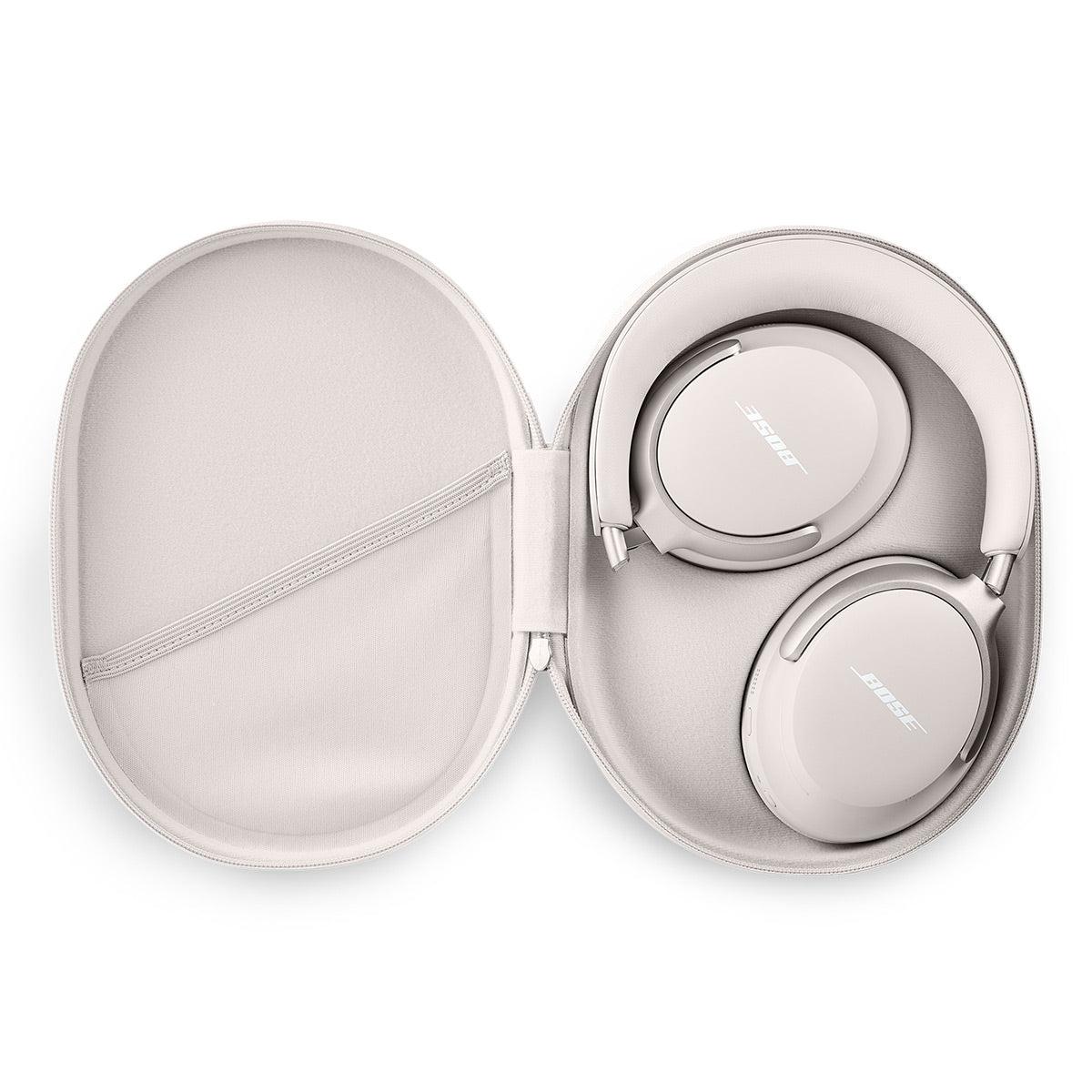
The Bose QuietComfort Ultra uses a combination of high-quality plastics, metal accents, and premium padding materials. The overall feel is more luxurious and substantial, which you'd expect given the price difference. Both headphones fold for storage, but the Bose includes a more premium carrying case.
For long-term durability, both should hold up well with normal use. The Beats Solo 4 benefits from its simpler design—fewer moving parts and no active electronics in the noise cancellation system mean fewer potential points of failure.
While both headphones work for home theater use, they serve different needs. The Bose QuietComfort Ultra is better suited for extended movie watching thanks to its superior comfort and lower latency audio codecs that keep dialogue synchronized with video. The noise cancellation also helps you focus on the content without distractions from household noise.
The Beats Solo 4 can work for home theater use, but the comfort limitations make it less ideal for lengthy viewing sessions. However, if you live in a quiet environment and prefer shorter viewing periods, the engaging bass response can make action movies and music-heavy content more exciting.
For gaming, the Bose QuietComfort Ultra again has advantages with its lower latency and better comfort for long gaming sessions. However, serious gamers might want to consider dedicated gaming headsets with built-in microphones for online play.
The decision between these headphones comes down to understanding your priorities and how you plan to use them.
Choose the Beats Solo 4 if you're looking for excellent value and don't need premium features. They're perfect for casual listeners who primarily enjoy bass-heavy music genres, students or budget-conscious users who want decent quality without breaking the bank, people who prioritize portability and exceptional battery life, and users who don't need noise cancellation because they listen in quiet environments.
The Beats Solo 4 represents impressive engineering at its price point. The 50-hour battery life is genuinely useful, the sound quality has improved dramatically from earlier Beats models, and the compact design makes them easy to carry everywhere.
Choose the Bose QuietComfort Ultra if you're willing to invest in premium features and performance. They're ideal for frequent travelers who need excellent noise cancellation, office workers in open or noisy environments, audiophiles who want balanced sound across all music genres, and anyone who values comfort during extended listening sessions.
The Bose QuietComfort Ultra justifies its higher price through superior comfort, best-in-class noise cancellation, and advanced features that enhance the listening experience in demanding environments.
Both the Beats Solo 4 and Bose QuietComfort Ultra succeed at what they're designed to do, but they're designed for different users with different needs and budgets. The Beats offers exceptional value and practicality for casual use, while the Bose delivers premium performance for users who demand the best possible experience.
At the time of writing, the price difference between these models reflects real differences in technology, materials, and performance. Neither is objectively better than the other—they're simply optimized for different priorities. Understanding your own needs and listening habits will guide you to the right choice for your situation.
The wireless headphone market continues to evolve rapidly, with manufacturers finding new ways to balance performance, features, and price. Both of these models represent solid choices within their respective categories, offering different paths to enjoying your favorite audio content.
| Beats Solo 4 Wireless On-Ear Headphones | Bose QuietComfort Ultra Wireless Headphones |
|---|---|
| Design Type - Affects comfort and portability | |
| On-ear, 217g - Compact but can cause ear fatigue after 1-2 hours | Over-ear, 253g - Bulkier but comfortable for extended 3+ hour sessions |
| Active Noise Cancellation - Essential for noisy environments | |
| None - Relies only on passive isolation from ear cup seal | Best-in-class ANC - Dramatically reduces airplane, office, and traffic noise |
| Battery Life - How often you'll need to charge | |
| Up to 50 hours - Exceptional endurance, can go over a week between charges | Up to 24 hours - Good but requires more frequent charging |
| Sound Signature - Matches your music preferences | |
| Bass-emphasized - Exciting for hip-hop, EDM, pop but less versatile | Balanced across all frequencies - Works well with any music genre |
| Bluetooth Connectivity - Multi-device convenience | |
| Standard Bluetooth 5.3 - Basic pairing, great Apple integration | Multipoint Bluetooth 5.3 - Connects to two devices simultaneously |
| App Features - Customization and control options | |
| Minimal Beats app - Basic battery status, no EQ or advanced settings | Full Bose Music app - Comprehensive EQ, ANC modes, custom profiles |
| Charging Flexibility - Convenience during use | |
| Can listen while charging via USB-C - Never interrupted | Bluetooth disabled while charging - Must use wired mode if needed |
| Audio Codecs - Sound quality over wireless | |
| SBC, AAC - Good quality for most users | SBC, AAC, aptX Adaptive - Higher quality with lower latency for video |
| Build Materials - Durability and premium feel | |
| Primarily plastic with metal accents - Solid for the price point | Premium plastics, metal, luxury padding - More substantial and refined |
| Spatial Audio - Immersive sound experience | |
| Basic stereo only - Traditional left/right audio | Bose Immersive Audio with head tracking - 3D soundstage that follows head movement |
| Transparency Mode - Hearing surroundings when needed | |
| Not available - Must remove headphones to hear environment | Aware Mode - Lets ambient sound through while keeping music playing |
| Wired Audio Support - Backup when battery dies | |
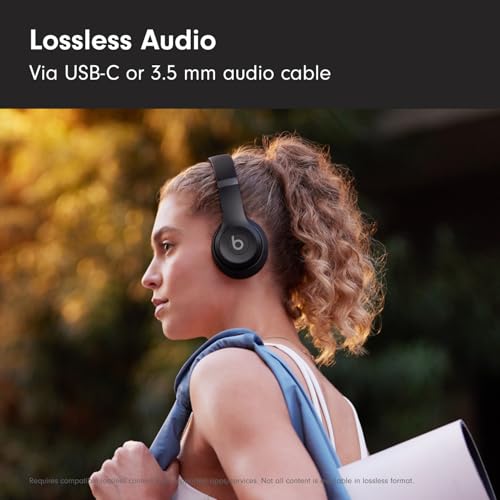
| 3.5mm cable included, built-in DAC for lossless audio | 3.5mm cable included but requires headphones to be powered on |
The Bose QuietComfort Ultra is significantly better for extended use. The over-ear design distributes weight evenly around your ears rather than pressing directly on them like the Beats Solo 4. Most users can comfortably wear the Bose QuietComfort Ultra for 3-4 hours, while the Beats Solo 4 typically becomes uncomfortable after 1-2 hours due to on-ear pressure.
No, only the Bose QuietComfort Ultra has active noise cancellation, which is considered best-in-class for blocking airplane noise, office chatter, and traffic sounds. The Beats Solo 4 has no active noise cancellation and relies only on passive isolation from the ear cups, making it much less effective in noisy environments.
The Beats Solo 4 offers exceptional battery life with up to 50 hours of playback, more than double the Bose QuietComfort Ultra's 24 hours. This means you can go over a week between charges with the Beats Solo 4, while the Bose QuietComfort Ultra requires more frequent charging.
The Bose QuietComfort Ultra works better across all music genres due to its balanced sound signature. The Beats Solo 4 is bass-emphasized, making it exciting for hip-hop, EDM, and pop music, but less ideal for classical, jazz, or acoustic music where the prominent bass can overshadow vocals and instruments.
Yes with the Beats Solo 4 - you can continue listening via USB-C while charging. However, the Bose QuietComfort Ultra disables Bluetooth when charging, forcing you to use the wired connection if you want to keep listening during charging sessions.
The Beats Solo 4 is more portable at just 217 grams with a compact on-ear design that folds easily. The Bose QuietComfort Ultra is bulkier at 253 grams with larger over-ear cups, though it includes a premium carrying case and offers superior noise cancellation that's valuable for airplane travel.
Both headphones handle phone calls adequately, but the Bose QuietComfort Ultra has a slight advantage with better microphone arrays and noise reduction during calls. The Beats Solo 4 provides clear call quality but without the advanced voice isolation features of the Bose QuietComfort Ultra.
The Bose QuietComfort Ultra supports multipoint Bluetooth, allowing connection to two devices simultaneously with seamless switching between them. The Beats Solo 4 uses standard Bluetooth pairing to one device at a time, though it offers excellent integration with Apple devices.
The Bose QuietComfort Ultra is better for home theater use due to superior comfort for long viewing sessions and support for aptX Adaptive codec that reduces audio delay. The Beats Solo 4 can work for shorter movie sessions, and its bass emphasis makes action films exciting, but comfort limitations affect extended viewing.
The Bose QuietComfort Ultra provides extensive customization through the Bose Music app, including EQ adjustment, custom noise cancellation profiles, and advanced feature controls. The Beats Solo 4 has a minimal app with basic battery status and limited settings - no EQ or sound customization available.
Both support good audio quality, but the Bose QuietComfort Ultra includes aptX Adaptive codec for higher quality wireless audio with lower latency. The Beats Solo 4 supports SBC and AAC codecs and includes lossless audio support via wired connection with its built-in DAC.
The Beats Solo 4 offers exceptional value for budget-conscious users, providing 50-hour battery life and improved sound quality at a much lower price point. The Bose QuietComfort Ultra justifies its premium price with superior comfort, best-in-class noise cancellation, and advanced features, making it better value for users who prioritize these premium capabilities.
We've done our best to create useful and informative comparisons to help you decide what product to buy. Our research uses advanced automated methods to create this comparison and perfection is not possible - please contact us for corrections or questions. These are the sites we've researched in the creation of this article: bestbuy.com - soundguys.com - rtings.com - cnet.com - youtube.com - rtings.com - therunningchannel.com - youtube.com - soundguys.com - rtings.com - beatsbydre.com - kubookstore.com - apple.com - panthertech.fiu.edu - beatsbydre.com - cnet.com - techwelike.com - beatsbydre.com - beatsbydre.com - techradar.com - whathifi.com - whathifi.com - whathifi.com - tomsguide.com - youtube.com - stereoguide.com - youtube.com - soundguys.com - soundguys.com - bose.com - headphonecheck.com - bose.com - cnet.com - bhphotovideo.com - boselatam.com - rtings.com - bestbuy.com - assets.bose.com - bose.com - bose.com.au - bose.com - boseapac.com

Privacy Policy
Terms and Conditions - Affiliate Policy
Home Security
© Copyright 2008-2026.
11816 Inwood Rd #1211, Dallas, TX 75244