


When shopping for wireless headphones today, you'll encounter an overwhelming array of choices spanning from budget-friendly options to professional-grade models costing several hundred dollars. The wireless headphone market has exploded since Apple removed the headphone jack in 2016, pushing manufacturers to create better Bluetooth audio experiences while maintaining the convenience we've come to expect.
Two headphones that represent completely different approaches to wireless audio are the Beats Solo 4 and the Focal Bathys. Released in 2024, these models showcase how the industry has evolved to serve distinct user needs – one prioritizing accessibility and convenience, the other focusing on audiophile-grade performance.
Before diving into specifics, it's worth understanding what separates good wireless headphones from great ones. Unlike wired headphones that simply convert electrical signals to sound, wireless models must handle Bluetooth transmission, digital-to-analog conversion (turning digital music files into analog sound waves), amplification, and often digital signal processing (DSP) – computer algorithms that enhance or modify audio.
The key considerations when choosing wireless headphones include sound quality, comfort for extended wear, battery life, noise management capabilities, connectivity options, and overall value. Different users prioritize these factors differently. A daily commuter might value noise cancellation above all else, while someone working from home might prioritize comfort and sound quality over portability.
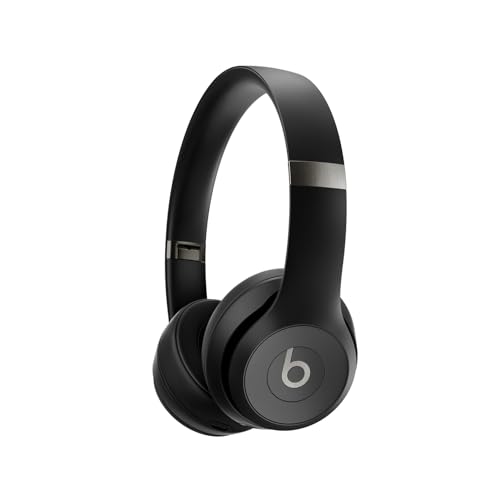
The Beats Solo 4 represents the accessible premium category. At the time of writing, it sits in the sub-$150 price range, making it significantly more affordable than many competitors while still offering advanced features like Spatial Audio – a technology that uses built-in sensors to create a surround sound experience that adapts as you move your head.
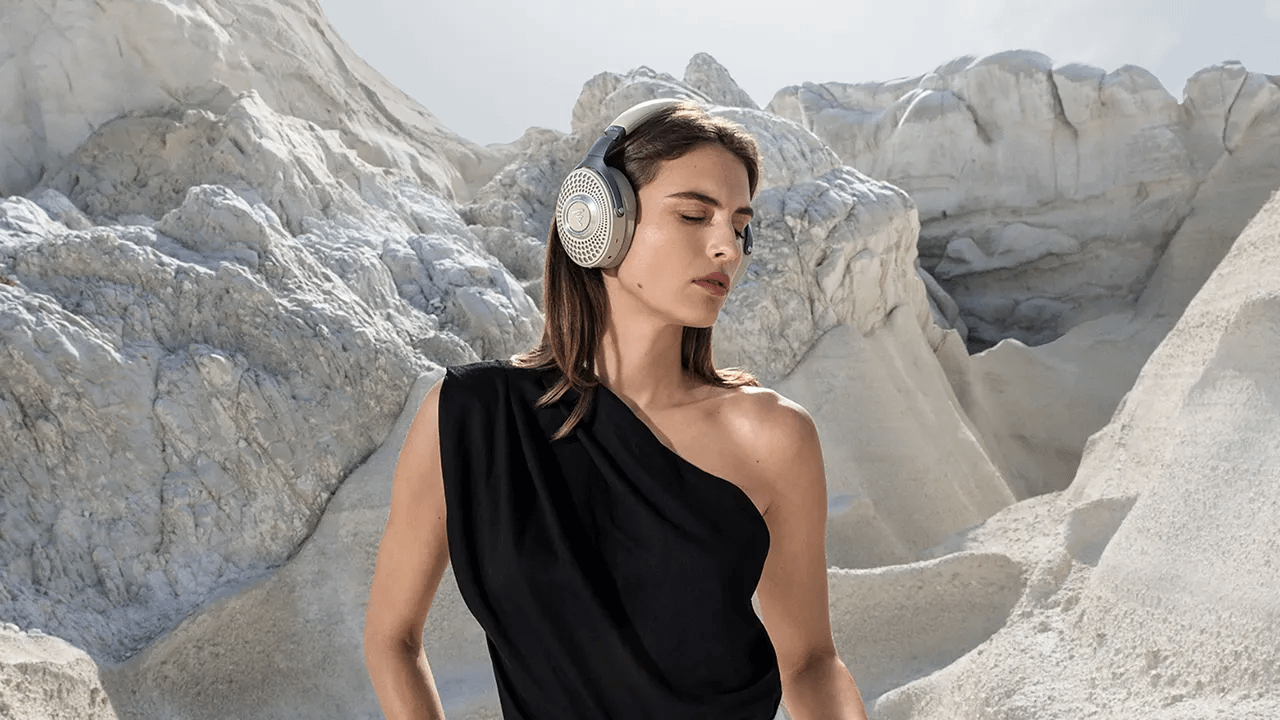
The Focal Bathys, priced in the $600+ range at launch, targets serious audio enthusiasts. Focal, a French company renowned for high-end speakers and headphones, designed the Bathys as their entry into wireless consumer audio, bringing professional studio monitor technology to a portable format.
These aren't just different price points – they represent fundamentally different design philosophies. The Solo 4 prioritizes convenience, battery life, and broad appeal, while the Bathys focuses on uncompromising sound quality and advanced features for discerning listeners.
Sound quality in headphones starts with the drivers – the tiny speakers inside each ear cup. The Beats Solo 4 uses custom-built 40mm transducers (the technical term for drivers) specifically engineered to minimize electronic artifacts and distortion. Beats has worked hard since 2024 to move away from their historically bass-heavy signature, instead creating a more balanced sound that still maintains some of their characteristic energy.
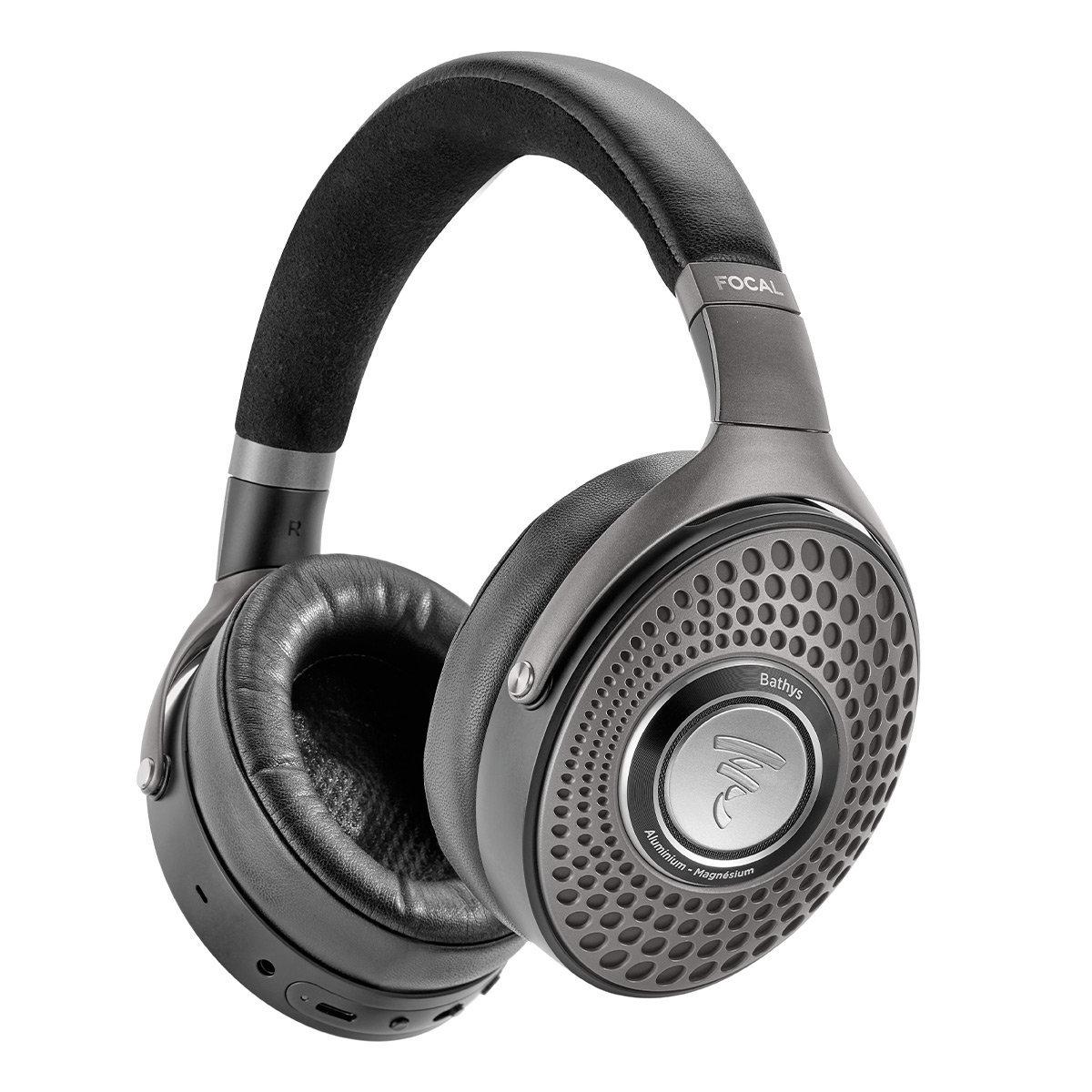
The Focal Bathys employs Focal's signature 40mm aluminum-magnesium 'M'-shaped dome drivers, manufactured in France. This unusual alloy combines aluminum's rigidity (which reduces unwanted vibrations) with magnesium's natural damping properties (which helps control resonances). The 'M'-shaped dome design is a Focal innovation that helps achieve more precise sound reproduction across the frequency spectrum.
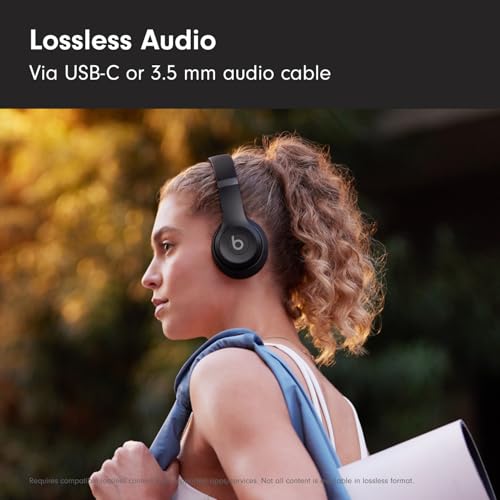
In practice, these technical differences translate to distinctly different listening experiences. The Solo 4 delivers what I'd call a crowd-pleasing sound – clear vocals, controlled bass that doesn't overwhelm, and bright treble that brings out details in music. However, some listeners find the higher frequencies occasionally harsh during extended Bluetooth listening, though this largely disappears when using the USB-C connection for lossless audio (uncompressed, CD-quality sound).
The Focal Bathys offers what audiophiles call a neutral-warm signature – accurate to the original recording but with a slight warmth that makes music engaging rather than clinical. The soundstage (how wide and spacious music sounds) is notably impressive for a closed-back wireless headphone, with instruments appearing to come from distinct locations around your head rather than directly inside your ears.
When evaluating headphone sound quality, frequency response (how well the headphones reproduce different pitches) is crucial. The Solo 4 shows improved balance compared to earlier Beats models, with less emphasis on deep bass and more attention to midrange clarity where vocals and most instruments live.
The Bathys demonstrates exceptional imaging – the ability to precisely place instruments and voices in the stereo field. This creates a more immersive listening experience, especially important for genres like jazz, classical, or well-recorded rock where instrument separation matters.
Total Harmonic Distortion (THD) – unwanted frequencies that color the original sound – measures below 0.2% on the Bathys, indicating very clean audio reproduction. While Beats doesn't publish specific THD figures for the Solo 4, listening tests suggest respectable performance for its price category.
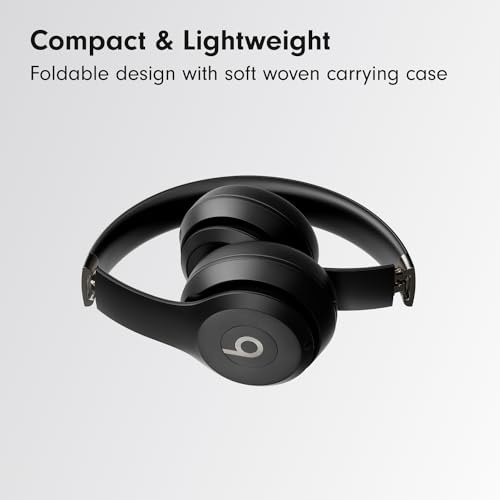
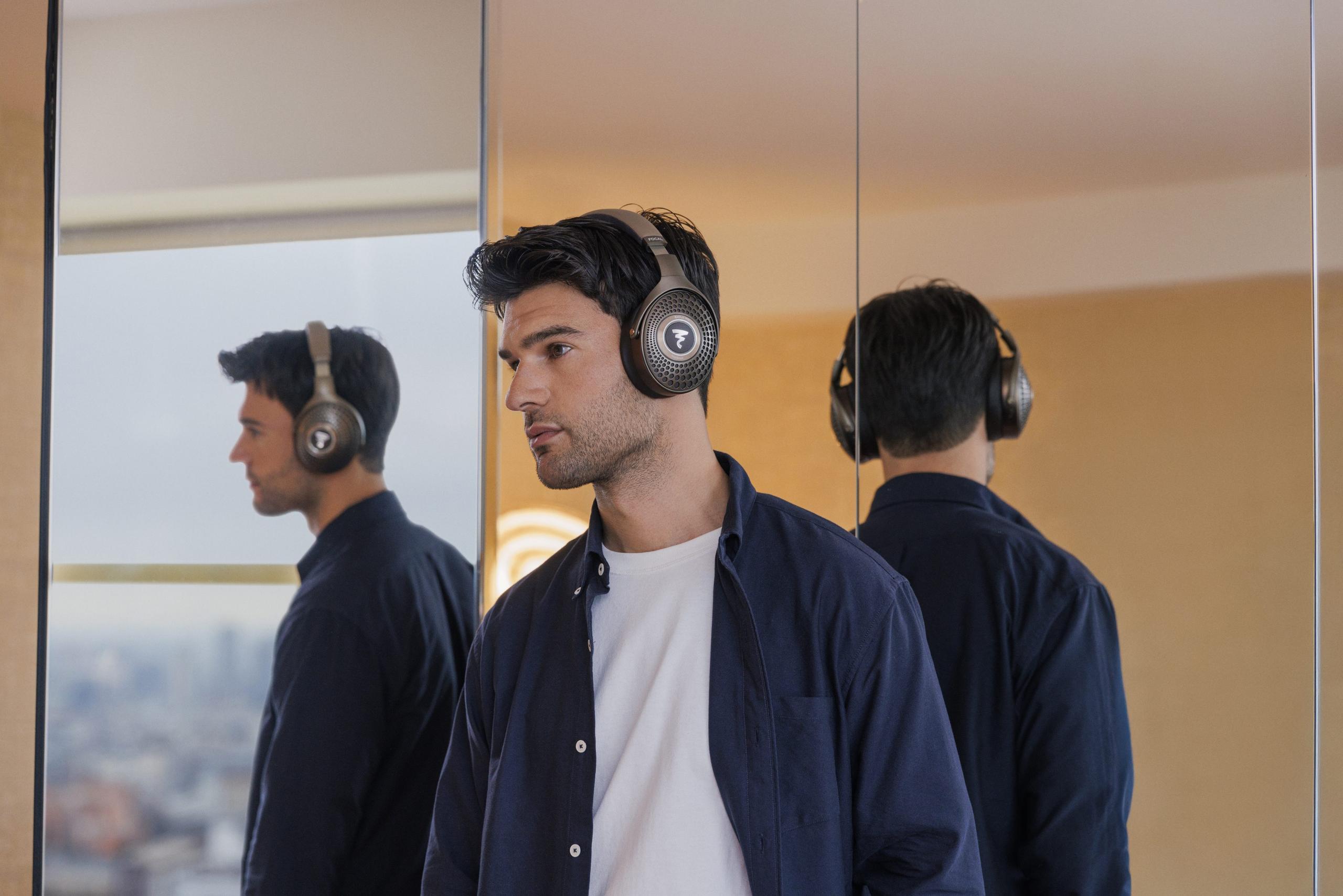
The most obvious difference between these headphones is their form factor. The Beats Solo 4 uses an on-ear design, where the ear cups rest on your ears rather than around them. At just 217 grams, they're remarkably lightweight – you'll barely notice them during short listening sessions.
However, on-ear designs inherently create more pressure on your ears. Many users report comfort for the first hour or two, but longer sessions can become fatiguing. The UltraPlush ear cushions help, but physics is physics – something pressing on your ears will eventually become noticeable.
The Focal Bathys employs an over-ear design where the ear cups completely surround your ears. At 350 grams, they're heavier than the Solo 4, but the weight distribution is excellent, and the over-ear design eliminates pressure on your ears themselves. For extended listening sessions – say, a long work-from-home day or a cross-country flight – this comfort advantage becomes significant.
Both headphones fold for storage, but the Solo 4's compact size makes it notably more travel-friendly. If you're commuting daily or frequently traveling, size and weight matter more than you might initially think.
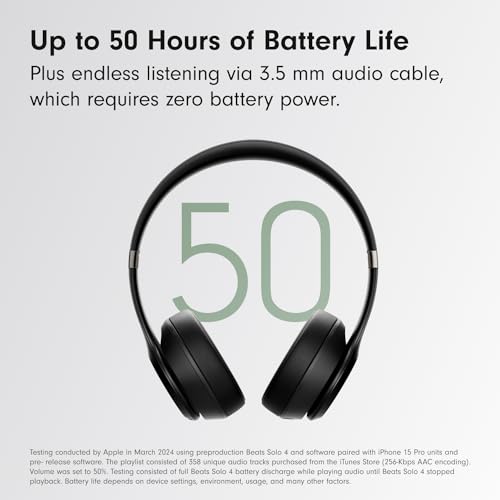
This is where the Beats Solo 4 absolutely shines. With up to 50 hours of wireless playback, it offers among the longest battery life of any wireless headphone on the market as of 2024. The "Fast Fuel" feature provides 5 hours of listening from just 10 minutes of charging – incredibly useful when you've forgotten to charge overnight.
Perhaps most impressively, the Solo 4 can operate indefinitely using the included 3.5mm cable, even with a completely dead battery. This backup option has saved me multiple times during long flights or work sessions.
The Focal Bathys offers respectable but not exceptional battery life at 30-35 hours with active noise cancellation enabled. While perfectly adequate for most users, it's notably shorter than the Solo 4's impressive endurance.
For users who frequently forget to charge devices or need headphones for extended periods without access to power, the Solo 4's battery performance is genuinely game-changing.
Here we see perhaps the most significant functional difference between these headphones. The Beats Solo 4 relies entirely on passive noise isolation – the physical barrier created by the ear cups and cushions. With an on-ear design, this isolation is minimal. You'll hear conversations, traffic, air conditioning, and most ambient noise clearly.
The Focal Bathys includes sophisticated active noise cancellation (ANC) – a system using microphones to detect ambient noise and speakers to produce "anti-noise" that cancels unwanted sounds. The Bathys offers three ANC modes: Silent (maximum noise reduction for planes or trains), Soft (gentler reduction for offices or quiet spaces), and Transparency (allowing ambient sound through for safety or conversation).
For home use, the noise isolation difference might not matter much. But for commuting, travel, or working in noisy environments, the Bathys provides a fundamentally different experience. Active noise cancellation is particularly effective against constant, low-frequency sounds like airplane engines, air conditioning, or traffic rumble.
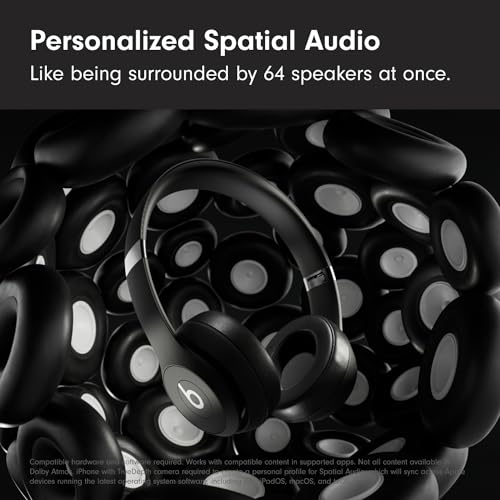
Both headphones support modern Bluetooth standards, but with different focuses. The Solo 4 uses Bluetooth 5.3 with Class 1 wireless technology, providing extended range and fewer connection dropouts. The standout feature is Personalized Spatial Audio with dynamic head tracking – sensors detect head movement and adjust the audio to maintain the illusion that sound sources remain stationary as you move.
This Spatial Audio feature works particularly well with compatible content on Apple devices, creating an almost surround-sound experience from stereo headphones. It's genuinely impressive technology, though the effect varies depending on the source material.
The Focal Bathys supports Bluetooth 5.1 with multipoint connectivity (connecting to multiple devices simultaneously) and includes a unique USB-DAC mode. When connected via USB-C to a computer or compatible device, the headphones can process digital audio up to 24-bit/192kHz resolution – significantly higher quality than Bluetooth can transmit.
This USB-DAC functionality essentially turns the Bathys into a high-quality audio interface, bypassing your device's potentially inferior built-in audio processing. For serious music listening or professional audio work, this feature is invaluable.
Neither headphone is specifically designed for home theater use, but both can serve this purpose with different strengths. The Solo 4's Spatial Audio can enhance movie watching, particularly with Apple TV or iOS devices, creating a more immersive experience than traditional stereo headphones.
However, for extended movie sessions, the Bathys offers better comfort and superior sound quality. The wider soundstage helps with dialogue clarity and spatial effects, while the over-ear design prevents fatigue during long films.
If you're considering headphones primarily for home theater use, both would work, but dedicated home theater headphones might serve you better. These models are designed more for portable use and music listening.
At the time of writing, the price difference between these headphones is substantial – roughly six times more expensive for the Bathys. This isn't just markup; it reflects genuinely different manufacturing costs, research and development investments, and target markets.
The Solo 4 offers exceptional value in its price category. You get advanced features like Spatial Audio, outstanding battery life, decent sound quality, and solid build construction at an accessible price point. For most users, particularly those integrated into Apple's ecosystem, it provides premium features without premium pricing.
The Bathys justifies its higher cost through superior audio components, active noise cancellation, premium materials (real leather, aluminum construction), and advanced features like USB-DAC mode. However, this value proposition only makes sense if you can appreciate and utilize these improvements.
Both headphones represent significant improvements over their predecessors and earlier generation products. The Solo 4, released in 2024, shows how Beats has matured from a bass-heavy brand to creating more balanced, technically competent products while maintaining their accessibility and style focus.
The Bathys represents Focal's successful transition from exclusively wired, high-end audio equipment to competitive wireless consumer products. The integration of active noise cancellation with audiophile-grade drivers was a significant technical achievement.
Since 2024, we've seen continued improvements in Bluetooth codec support, battery efficiency, and digital signal processing across the industry. Both headphones benefit from these advances, offering better wireless audio quality than was possible just a few years ago.
Choose the Beats Solo 4 if you prioritize convenience, exceptional battery life, and Apple ecosystem integration. It's ideal for users who want modern features without breaking the budget, don't require noise cancellation, and prefer a portable, lightweight design. Students, commuters in quieter environments, and casual listeners will find it offers premium features at an accessible price point.
Choose the Focal Bathys if sound quality is your primary concern and budget allows for a significant investment. It's designed for audio enthusiasts who can appreciate the difference superior drivers and processing make, need effective noise cancellation for travel or noisy environments, and prefer the comfort of over-ear design for extended listening.
The decision ultimately comes down to your priorities and budget. The Solo 4 offers remarkable value and convenience, while the Bathys provides uncompromising audio quality and advanced features. Both serve their intended audiences well, but they're aiming at completely different targets in the wireless headphone market.
| Beats Solo 4 | Focal Bathys |
|---|---|
| Form Factor - Determines comfort and portability | |
| On-ear design, 217g (ultra-portable but can cause ear fatigue) | Over-ear design, 350g (better comfort for long sessions) |
| Sound Quality - The most important performance factor | |
| Balanced consumer sound with improved clarity over previous Beats | Audiophile-grade neutral-warm signature with exceptional detail |
| Active Noise Cancellation - Critical for noisy environments | |
| None (relies on minimal passive isolation) | Advanced ANC with 3 modes (Silent, Soft, Transparency) |
| Battery Life - Determines daily usability | |
| Up to 50 hours wireless (industry-leading endurance) | 30-35 hours with ANC (respectable but standard) |
| Drivers - The core audio technology | |
| Custom 40mm transducers with improved frequency response | 40mm aluminum-magnesium 'M'-shaped dome drivers (French-made) |
| Connectivity Options - Flexibility for different devices | |
| Bluetooth 5.3, USB-C, 3.5mm analog | Bluetooth 5.1, USB-C with DAC mode (24-bit/192kHz), 3.5mm |
| Special Features - Value-added technologies | |
| Personalized Spatial Audio with head tracking | USB-DAC mode, multiple ANC modes, multipoint Bluetooth |
| Fast Charging - Convenience for busy lifestyles | |
| 10 minutes = 5 hours playback (Fast Fuel technology) | 15 minutes = 5 hours playback (standard fast charging) |
| Build Materials - Durability and premium feel | |
| UltraPlush ear cushions, flex-grip headband | Real leather headband, aluminum/magnesium construction |
| Target User - Who benefits most from each design | |
| Mainstream users wanting premium features at accessible pricing | Audio enthusiasts prioritizing sound quality and ANC performance |
| Best Use Cases - Where each excels | |
| Daily commuting, Apple ecosystem, portability-focused users | Audiophile listening, noise cancellation needs, professional audio work |
The Focal Bathys delivers superior sound quality with audiophile-grade aluminum-magnesium drivers and a neutral-warm signature that provides exceptional detail and clarity. The Beats Solo 4 offers good sound quality with improved balance over previous Beats models, but it's designed more for mainstream appeal than critical listening.
The Beats Solo 4 offers exceptional battery life with up to 50 hours of wireless playback, making it one of the longest-lasting headphones available. The Focal Bathys provides 30-35 hours with active noise cancellation enabled, which is respectable but significantly shorter than the Solo 4.
Only the Focal Bathys features active noise cancellation with three different modes (Silent, Soft, and Transparency) for various environments. The Beats Solo 4 has no active noise cancellation and relies on minimal passive isolation from its on-ear design.
The Focal Bathys is more comfortable for extended use due to its over-ear design that surrounds your ears rather than pressing on them. The Beats Solo 4 is lighter and more portable, but the on-ear design can cause fatigue after 1-2 hours of continuous wear.
Both headphones support phone calls, but the Focal Bathys offers superior call quality with multiple beam-forming microphones and advanced voice-targeting technology. The Beats Solo 4 provides decent call quality suitable for most users' needs.
The Beats Solo 4 integrates seamlessly with Apple devices, offering features like Personalized Spatial Audio with head tracking, one-touch pairing, and Find My support. While the Focal Bathys works with Apple devices, it doesn't have the same level of ecosystem integration as the Solo 4.
Neither headphone is specifically designed for home theater, but both can work for movie watching. The Beats Solo 4 offers Spatial Audio that can enhance the movie experience with compatible Apple content, while the Focal Bathys provides better sound quality and comfort for long viewing sessions.
The Beats Solo 4 is positioned as an accessible premium option, while the Focal Bathys sits in the high-end audiophile category with significantly higher pricing. The price difference reflects different target markets and feature sets.
For portability, the Beats Solo 4 is superior due to its lightweight design and exceptional 50-hour battery life. However, the Focal Bathys is better for actual travel comfort with its noise cancellation and over-ear design for blocking airplane noise and long-flight comfort.
Both headphones support wired connections. The Beats Solo 4 works with USB-C and 3.5mm cables and can operate with zero battery power when wired. The Focal Bathys offers USB-C with high-resolution DAC mode (up to 24-bit/192kHz) and 3.5mm connectivity.
The Focal Bathys features premium materials including real leather headbands and aluminum/magnesium construction, reflecting its higher price point. The Beats Solo 4 offers solid build quality with UltraPlush ear cushions and durable construction, but uses more mainstream materials appropriate for its price category.
Choose the Beats Solo 4 if you want excellent value, exceptional battery life, Apple ecosystem integration, and don't need noise cancellation. Choose the Focal Bathys if you prioritize superior sound quality, need active noise cancellation, prefer over-ear comfort, and have the budget for premium audio equipment.
We've done our best to create useful and informative comparisons to help you decide what product to buy. Our research uses advanced automated methods to create this comparison and perfection is not possible - please contact us for corrections or questions. These are the sites we've researched in the creation of this article: bestbuy.com - soundguys.com - rtings.com - cnet.com - youtube.com - rtings.com - therunningchannel.com - youtube.com - soundguys.com - rtings.com - beatsbydre.com - kubookstore.com - apple.com - panthertech.fiu.edu - beatsbydre.com - cnet.com - techwelike.com - beatsbydre.com - beatsbydre.com - rtings.com - majorhifi.com - stevehuffphoto.com - audio46.com - moon-audio.com - majorhifi.com - head-fi.org - recordingnow.com - headphones.com - moon-audio.com - focal.com - media.focal-naim.com - moon-audio.com - headphones.com - focal.com - audioadvice.com - audioadvisor.com - upscaleaudio.com - thegreatestsong.com - avluxurygroup.com

Privacy Policy
Terms and Conditions - Affiliate Policy
Home Security
© Copyright 2008-2026.
11816 Inwood Rd #1211, Dallas, TX 75244