

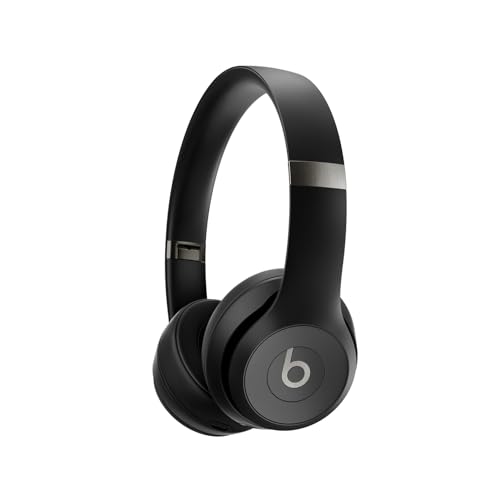

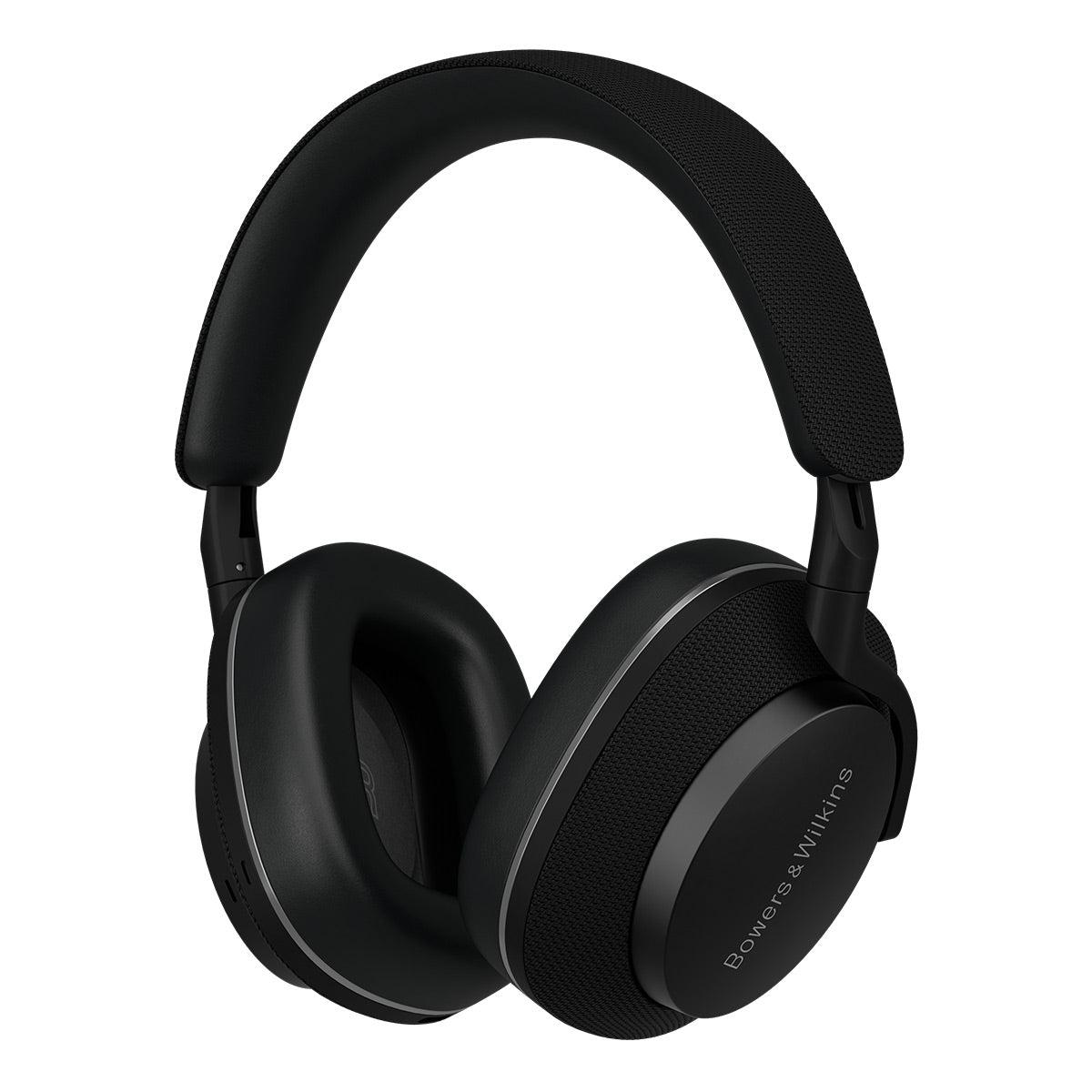
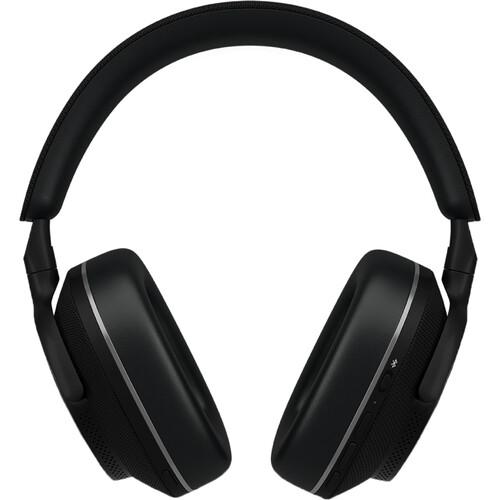
When it comes to wireless headphones, the market offers an overwhelming array of choices. Two standout models that represent very different approaches are the Beats Solo 4 and the Bowers & Wilkins Px7 S2e. Released in 2024 and 2023 respectively, these headphones showcase how manufacturers can target different user needs while delivering quality audio experiences.
Understanding wireless headphones starts with recognizing that you're essentially choosing between convenience and performance trade-offs. The form factor—whether on-ear or over-ear—fundamentally shapes your listening experience. On-ear designs like the Beats Solo 4 rest directly on your ears, creating a compact, portable package. Over-ear designs like the Bowers & Wilkins Px7 S2e completely surround your ears, offering better isolation and typically superior comfort for extended use.
The Beats Solo 4 represents the mainstream wireless headphone approach. At roughly half the price of the Px7 S2e at the time of writing, it focuses on delivering solid performance while prioritizing features that matter to everyday users: incredible battery life, seamless device pairing, and genuine portability.
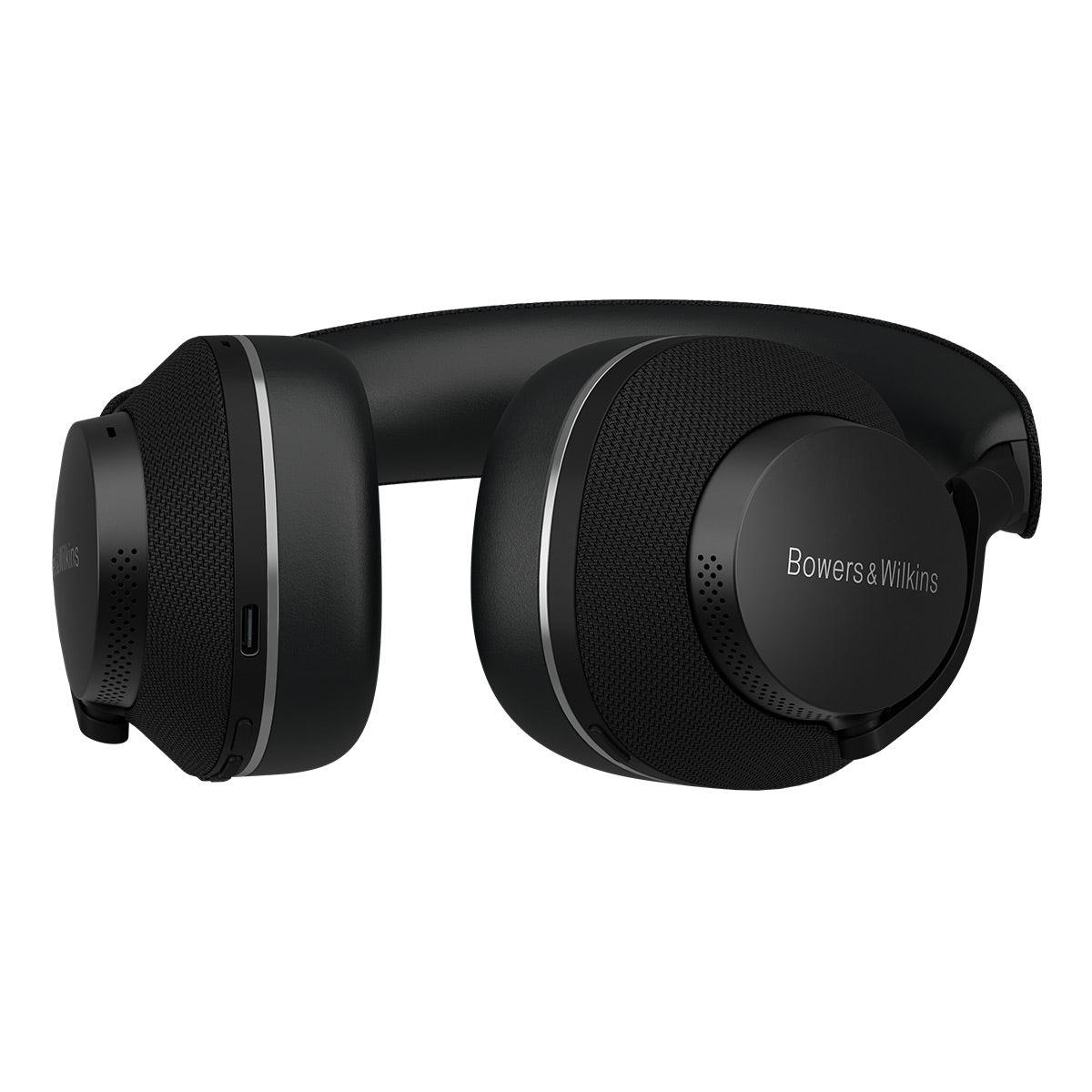
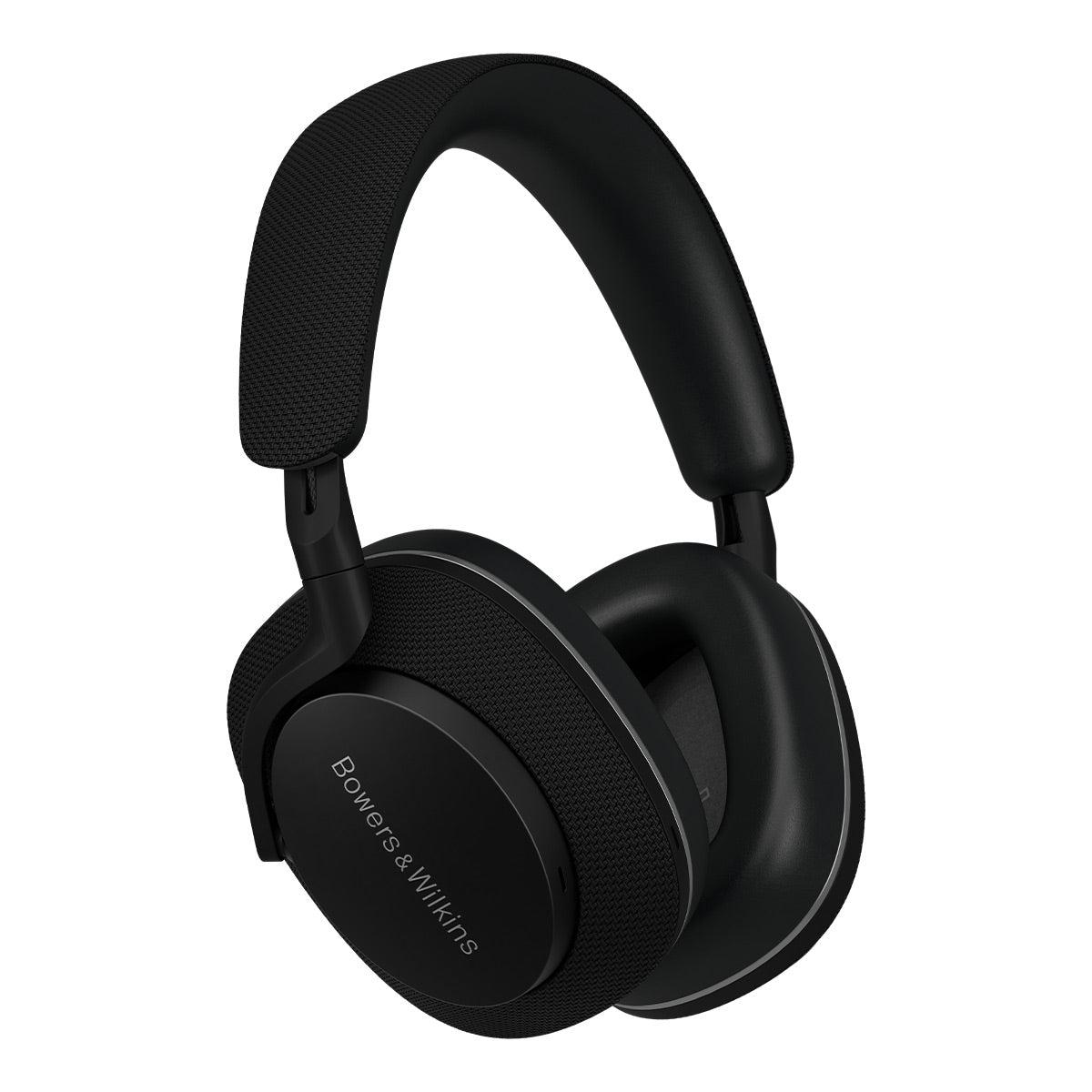
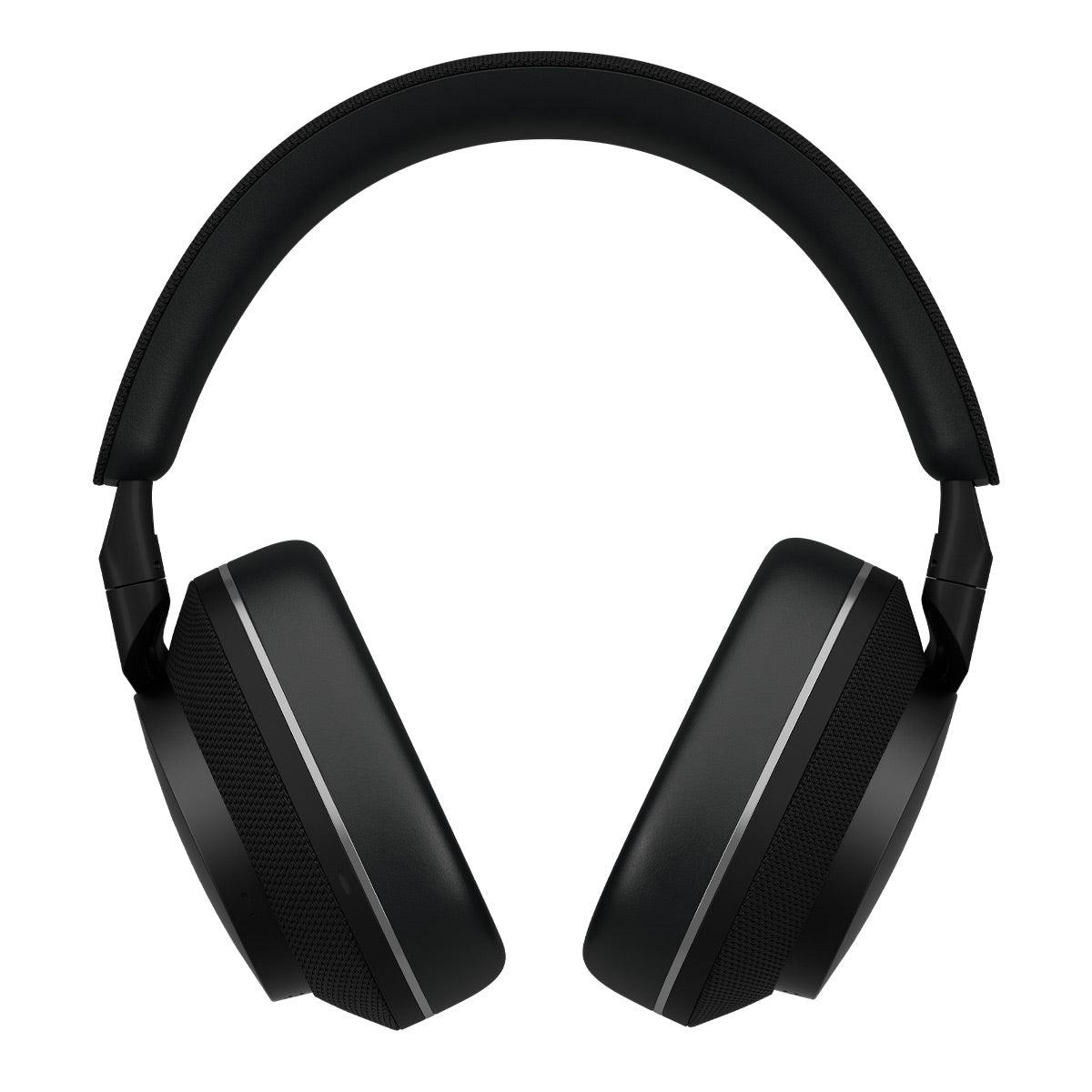
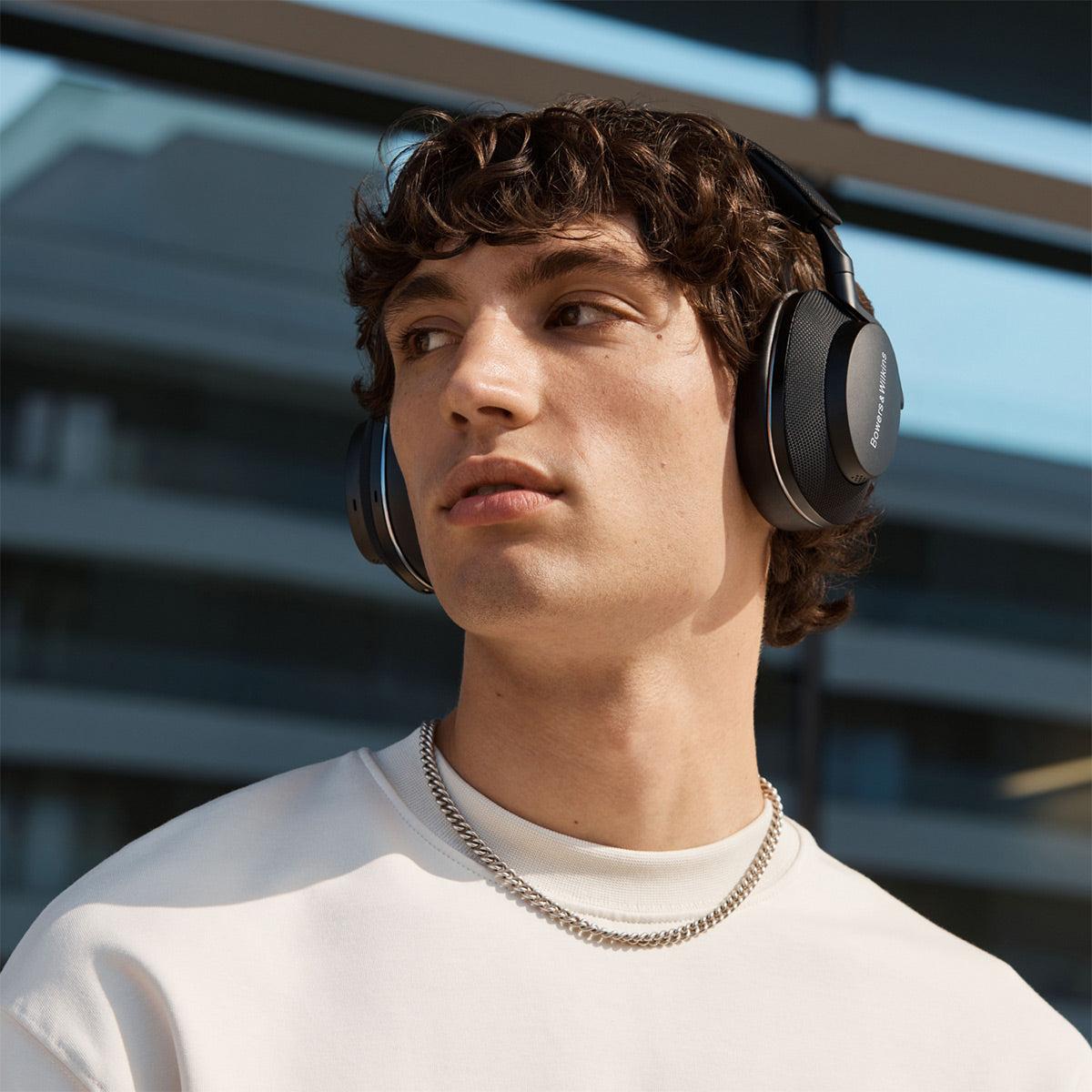
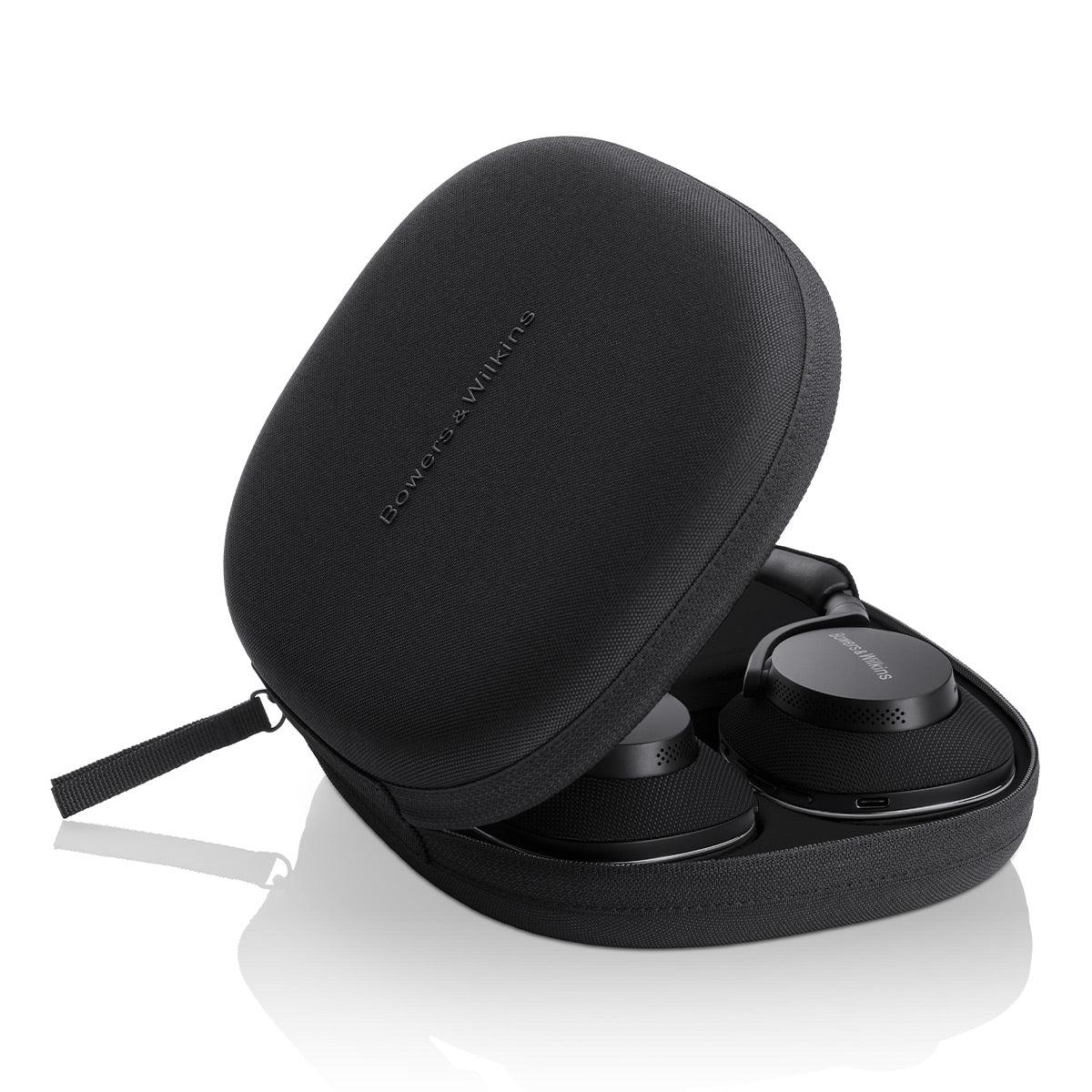
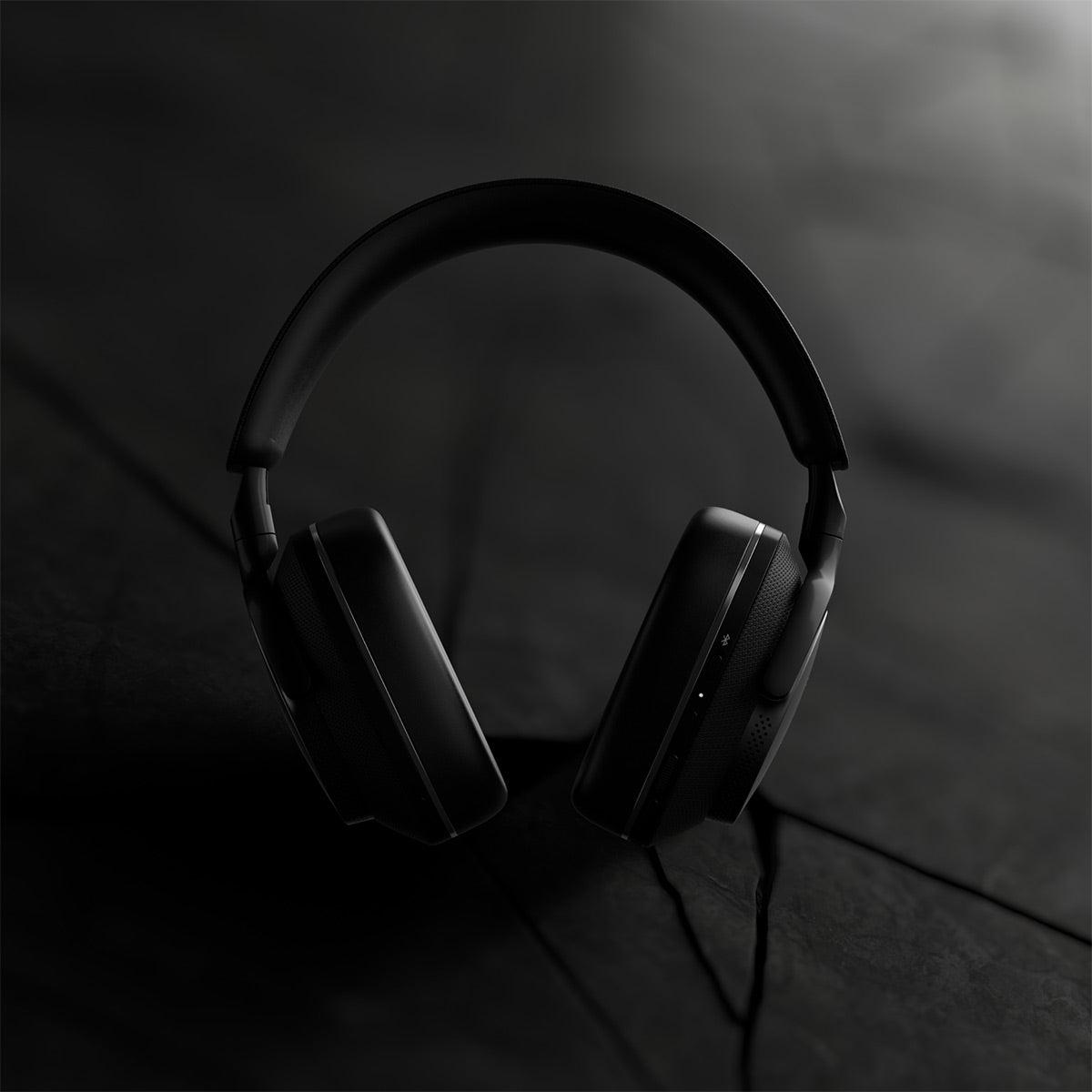
The Bowers & Wilkins Px7 S2e takes the audiophile approach, commanding a premium price for premium performance. This over-ear design incorporates advanced audio processing and noise cancellation technology that wasn't widely available in consumer headphones just a few years ago.
Both headphones emerged during a period of significant advancement in wireless audio technology. The Beats Solo 4, released in 2024, benefits from improved Bluetooth codecs and Apple's continued refinement of Spatial Audio technology (a processing technique that creates a surround sound effect using regular stereo headphones). Meanwhile, the Px7 S2e represents Bowers & Wilkins' evolution from their previous Px7 models, incorporating lessons learned from their flagship Px8 headphones.
Sound quality represents the most significant differentiator between these models. The Beats Solo 4 features custom-built 40mm transducers (the technical term for drivers—the components that actually produce sound by vibrating air). These drivers have been retuned compared to previous Beats models, moving away from the brand's historically bass-heavy signature toward a more neutral sound profile.
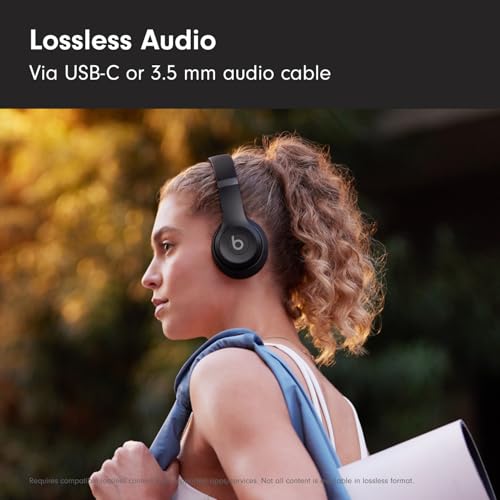
This retuning means the Solo 4 delivers cleaner vocals and more balanced bass response than earlier Beats headphones. However, some users find the enhanced treble (high-frequency sounds) can become fatiguing during longer listening sessions. The headphones support lossless audio when connected via cable, meaning they can reproduce high-quality audio files without compression artifacts.
The Bowers & Wilkins Px7 S2e operates in an entirely different league for sound reproduction. Its custom 40mm bio-cellulose drivers work alongside a 24-bit digital signal processor (DSP)—essentially a specialized computer chip dedicated to audio processing. Bio-cellulose, derived from natural materials, creates diaphragms (the vibrating surfaces inside drivers) that move more precisely than conventional materials, reducing distortion and improving clarity.
This DSP processes audio signals with much greater precision than basic headphones, upsampling lower-quality files and applying sophisticated filtering to deliver what reviewers consistently describe as audiophile-grade performance. The Px7 S2e produces what many consider a reference-quality sound signature—natural timbre (the quality that makes instruments sound realistic), controlled bass that doesn't overwhelm other frequencies, and exceptional detail retrieval that reveals nuances in recordings you might never have noticed.
The soundstage—how spacious and three-dimensional music sounds—also differs dramatically. While the Solo 4 delivers good stereo separation for its class, the Px7 S2e creates an notably open, immersive listening experience that rivals much more expensive audiophile headphones.
For home theater use, these differences become even more pronounced. The Solo 4 handles movie soundtracks competently, and its Spatial Audio feature can enhance the cinematic experience when watching supported content on Apple devices. However, the Px7 S2e delivers the kind of detailed, dynamic sound reproduction that truly elevates movie watching. Dialog remains crystal clear while explosive action sequences maintain their impact without muddying other audio elements.
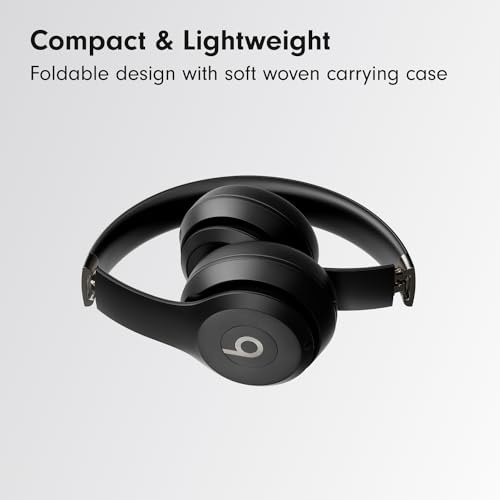
Comfort represents perhaps the most personal aspect of headphone selection, and these models take fundamentally different approaches. The Beats Solo 4 weighs just 217 grams—remarkably light for wireless headphones. This makes them genuinely portable and comfortable for short listening sessions.
However, the on-ear design creates a significant limitation. The ear cups rest directly on your ears rather than around them, creating pressure that most users find uncomfortable after one to two hours. The memory foam cushioning helps somewhat, but physics works against extended comfort with this design approach.
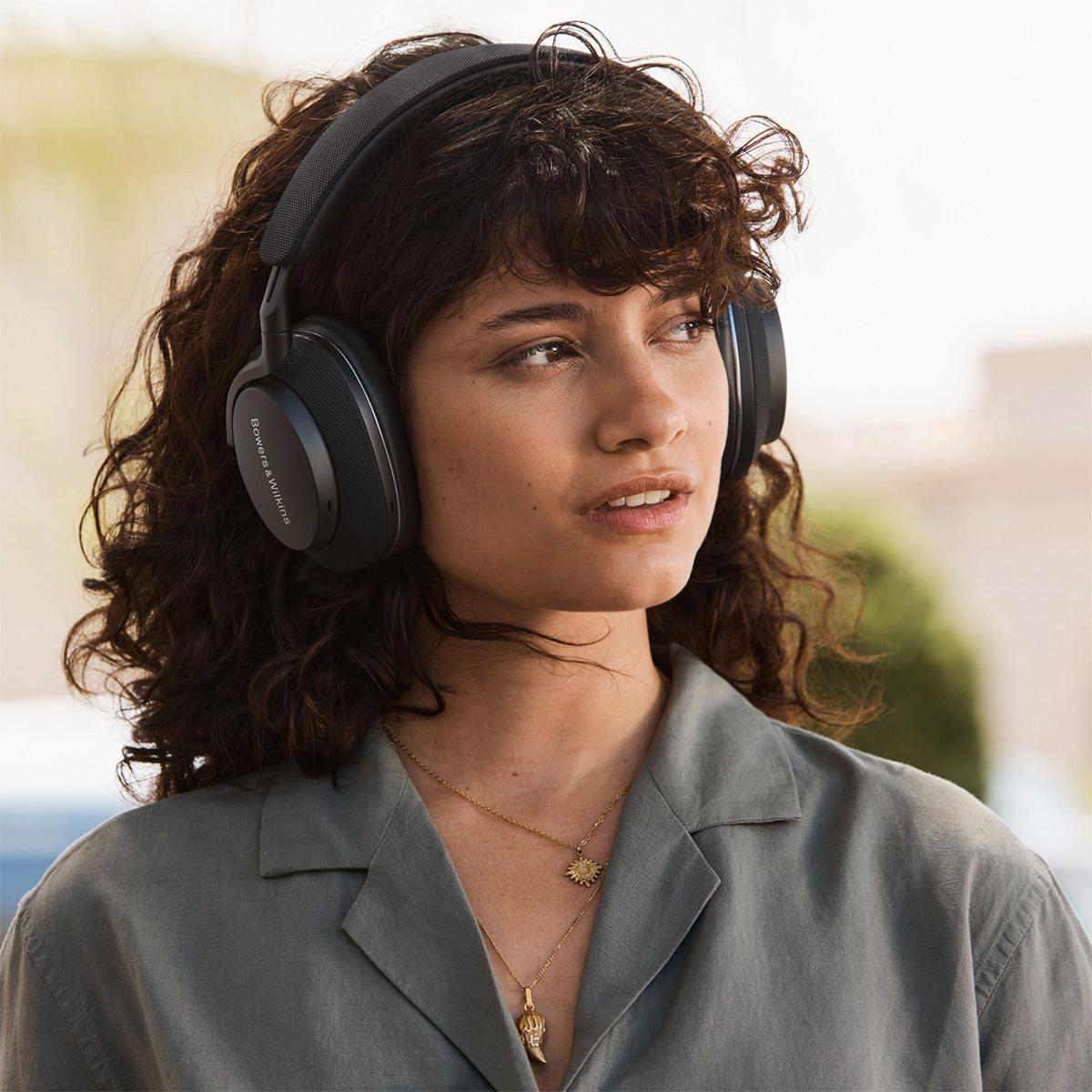
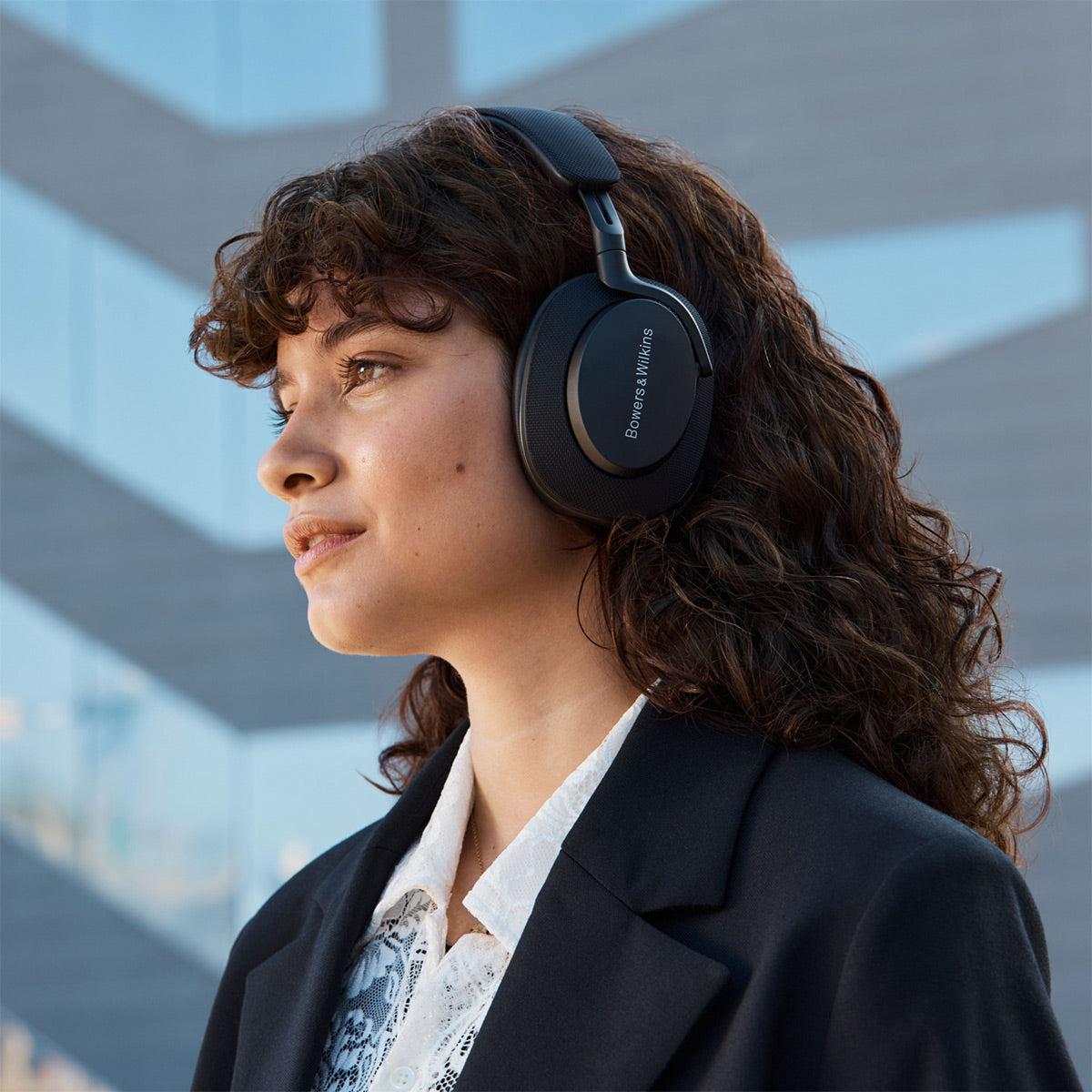
The Bowers & Wilkins Px7 S2e weighs 307 grams—about 40% heavier than the Solo 4—but distributes this weight much more effectively. The over-ear design means the headphones rest on your head rather than your ears, with memory foam ear cushions that completely surround your ears. This allows for genuinely comfortable extended listening, though some users initially find the clamping force (how tightly the headphones grip your head) slightly strong.
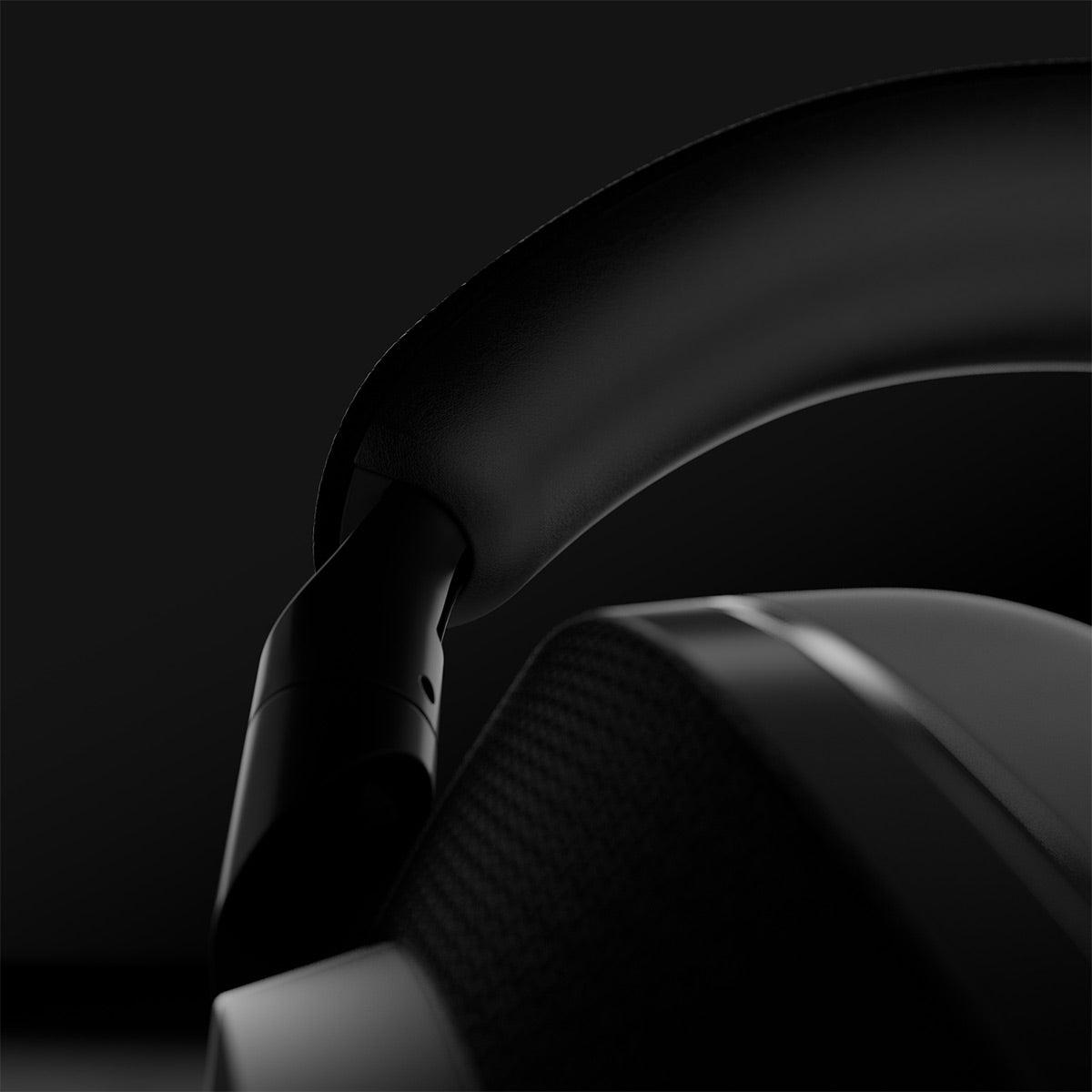
The build quality differences reflect their target markets. The Solo 4 uses primarily plastic construction with some metal reinforcement, creating a durable but mainstream feel. The Px7 S2e incorporates premium materials including metal detailing and luxurious fabric finishes that feel substantially more sophisticated.
Noise handling represents one of the starkest differences between these headphones. The Beats Solo 4 relies entirely on passive noise isolation—simply the physical barrier created by the headphones themselves. With its on-ear design, this isolation proves quite limited, making these headphones unsuitable for noisy environments like airplanes, busy offices, or public transportation.
The Bowers & Wilkins Px7 S2e employs hybrid active noise cancellation (ANC), a sophisticated technology that uses six microphones to detect external sounds and generate opposite sound waves to cancel them out. Four microphones handle noise cancellation while two focus on call quality.
This ANC system provides effective noise reduction across most frequency ranges, though it doesn't quite match the class-leading performance of specialized models from Sony or Bose. The Px7 S2e also includes an ambient pass-through mode, allowing you to hear important environmental sounds (like announcements or conversations) without removing the headphones.
For home theater applications, the superior isolation of the Px7 S2e proves valuable when you want to avoid disturbing others or when external noise might interfere with your viewing experience.
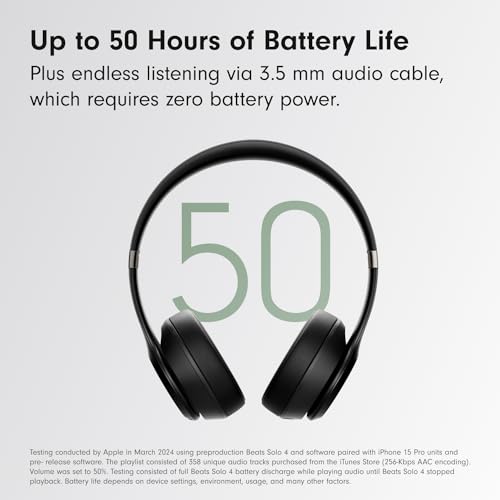
Battery life showcases one area where the Beats Solo 4 truly excels. Its rated 50-hour battery life represents exceptional endurance in the wireless headphone category. Fast Fuel charging provides five additional hours from just ten minutes of charging, and the headphones can play audio through a 3.5mm cable even with completely depleted batteries.
This extraordinary battery performance reflects Apple's engineering focus on user convenience. For travelers or anyone who frequently forgets to charge devices, this longevity provides genuine peace of mind.
The Bowers & Wilkins Px7 S2e offers solid 30-hour battery life with ANC enabled—quite respectable for premium headphones with active noise cancellation. Quick charging provides seven hours from fifteen minutes, ensuring minimal downtime.
Both headphones support USB-C charging and audio, reflecting the industry's move away from proprietary connectors. The Solo 4 also includes a 3.5mm analog input for completely wired operation.
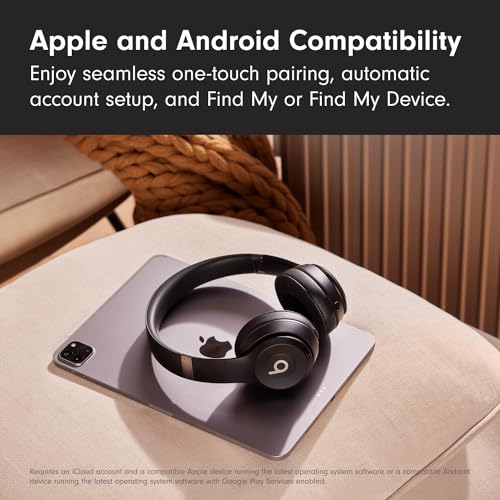
Modern wireless headphones are essentially sophisticated computers, and their software features increasingly differentiate user experiences. The Beats Solo 4 integrates seamlessly with Apple's ecosystem, supporting features like automatic device switching, Find My tracking, and Audio Sharing (allowing two sets of AirPods or Beats headphones to listen to the same source).
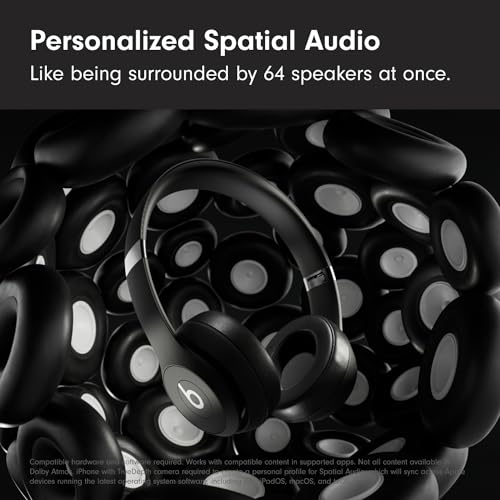
The Solo 4's Spatial Audio implementation uses built-in gyroscopes and accelerometers to track head movement, creating a surround sound effect that follows your head position. While gimmicky for some content, it can genuinely enhance movie watching and certain music genres.
However, the Solo 4 lacks comprehensive app support, particularly on Android devices, limiting customization options. There's no equalizer (EQ) for sound tuning or advanced control customization.
The Bowers & Wilkins Px7 S2e provides more sophisticated connectivity through its companion app. This includes direct streaming from services like Qobuz and Tidal (high-quality music streaming platforms), customizable noise cancellation settings, and voice assistant integration. The headphones support multipoint connectivity, allowing seamless switching between multiple paired devices—useful when juggling phone calls and computer audio.
The Px7 S2e supports aptX Adaptive, a advanced Bluetooth codec that adjusts audio quality based on wireless conditions, providing better sound quality than standard Bluetooth connections when paired with compatible devices.
At the time of writing, the Beats Solo 4 costs roughly half what you'll pay for the Bowers & Wilkins Px7 S2e. This price difference reflects genuinely different product philosophies rather than simple premium positioning.
The Solo 4 delivers solid wireless headphone performance with exceptional battery life and Apple ecosystem integration at a mainstream price point. For casual listeners who prioritize convenience, portability, and good-enough sound quality, it represents genuine value.
The Px7 S2e commands its premium through measurably superior audio performance, active noise cancellation, and luxury build quality. The price difference buys you dramatically better sound reproduction, comfortable extended wear, and features that matter to serious listeners.
Choose the Beats Solo 4 if you prioritize portability and battery life above all else. These headphones excel for commuting (in quieter environments), casual music listening, and integration with Apple devices. They're ideal for users who listen for shorter periods and want reliable, uncomplicated wireless audio without premium pricing.
The compact design makes them genuinely travel-friendly, and the extraordinary battery life eliminates charging anxiety. For students, casual listeners, or anyone wanting solid wireless performance without audiophile pretensions, the Solo 4 delivers appropriate value.
Choose the Bowers & Wilkins Px7 S2e if sound quality represents your primary concern. These headphones justify their premium pricing through exceptional audio reproduction that rivals much more expensive models. They're ideal for critical listening, extended music sessions, and situations where noise cancellation proves valuable.
The superior comfort makes them suitable for all-day wear, while the advanced audio processing reveals details in familiar recordings you've never noticed. For home theater use, the Px7 S2e provides the kind of dynamic, detailed sound that truly enhances the viewing experience.
The fundamental decision comes down to your priorities: mainstream convenience and value versus premium performance and features. Both headphones excel within their intended markets, but they serve genuinely different user needs. Understanding these differences ensures you'll choose the model that best matches your listening habits, comfort requirements, and budget considerations.
The Beats Solo 4 represents wireless headphones done right for everyday users, while the Bowers & Wilkins Px7 S2e showcases what's possible when audio engineering takes priority over cost optimization. Your choice should reflect which philosophy better matches your personal audio priorities.
| Beats Solo 4 Wireless On-Ear Headphones | Bowers & Wilkins Px7 S2e Wireless Over-Ear Headphones |
|---|---|
| Form Factor - Determines comfort and portability | |
| On-ear design, 217g (ultra-portable but pressure on ears) | Over-ear design, 307g (better comfort for long sessions) |
| Sound Quality - Most important performance factor | |
| Retuned 40mm drivers, neutral sound, supports lossless via cable | Custom bio-cellulose 40mm drivers with 24-bit DSP (audiophile-grade performance) |
| Active Noise Cancellation - Essential for noisy environments | |
| None (passive isolation only, poor for travel/commuting) | Hybrid ANC with 6 microphones (effective noise reduction) |
| Battery Life - Critical for daily use without charging anxiety | |
| Up to 50 hours (industry-leading endurance) | Up to 30 hours with ANC (solid but not exceptional) |
| Fast Charging - Reduces downtime when battery is low | |
| 10 minutes = 5 hours playback (Fast Fuel technology) | 15 minutes = 7 hours playback (quick recovery) |
| Bluetooth Codecs - Affects wireless sound quality | |
| Bluetooth 5.3, SBC/AAC (standard quality, excellent Apple integration) | Bluetooth 5.2, aptX Adaptive/HD/AAC (superior wireless audio quality) |
| Spatial Audio - Immersive surround sound simulation | |
| Personalized Spatial Audio with head tracking (Apple ecosystem only) | Standard stereo (no spatial processing but superior stereo imaging) |
| Comfort for Extended Use - Important for long listening sessions | |
| 1-2 hours before ear fatigue (on-ear pressure) | Hours of comfortable wear (memory foam, over-ear design) |
| App Support - Customization and control features | |
| Basic battery status, limited customization | Comprehensive app with streaming, EQ, and noise control settings |
| Build Quality - Durability and premium feel | |
| Plastic construction with metal accents (mainstream quality) | Premium materials with luxury fabric finish and metal detailing |
| Wired Audio Support - Backup when battery dies | |
| USB-C and 3.5mm with built-in DAC (lossless audio capability) | USB-C and 3.5mm support (high-resolution audio) |
| Multipoint Connectivity - Seamless device switching | |
| Apple ecosystem integration, Audio Sharing | True multipoint pairing across iOS and Android devices |
| Best Use Cases - Who should buy each model | |
| Casual listeners, Apple users, travelers prioritizing battery life | Audio enthusiasts, long listening sessions, noise-sensitive environments |
The Bowers & Wilkins Px7 S2e delivers significantly better sound quality than the Beats Solo 4. The Px7 S2e features custom bio-cellulose drivers with 24-bit DSP processing that produces audiophile-grade audio with natural timbre, controlled bass, and exceptional detail. The Beats Solo 4 offers improved, more neutral sound compared to previous Beats models, but can't match the premium audio performance of the Bowers & Wilkins Px7 S2e.
The Bowers & Wilkins Px7 S2e is more comfortable for extended listening sessions. Its over-ear design with memory foam cushions allows for hours of wear, while the Beats Solo 4 on-ear design creates pressure on the ears that becomes uncomfortable after 1-2 hours. However, the Solo 4 is much lighter at 217g compared to the Px7 S2e's 307g, making it better for portability.
The Beats Solo 4 has superior battery life with up to 50 hours of playback, significantly outperforming the Bowers & Wilkins Px7 S2e which offers 30 hours with ANC enabled. The Solo 4 also features Fast Fuel charging that provides 5 hours of playback from a 10-minute charge, while the Px7 S2e provides 7 hours from 15 minutes of charging.
Only the Bowers & Wilkins Px7 S2e has active noise cancellation (ANC) with a 6-microphone hybrid system that effectively reduces ambient noise. The Beats Solo 4 has no active noise cancellation and relies solely on passive isolation, which is limited due to its on-ear design. This makes the Px7 S2e much better for travel and noisy environments.
For portability, the Beats Solo 4 is better due to its lightweight 217g design and exceptional 50-hour battery life. However, for actual travel comfort on flights or trains, the Bowers & Wilkins Px7 S2e is superior thanks to its active noise cancellation and over-ear comfort. The Solo 4 lacks noise cancellation, making it unsuitable for noisy travel environments.
Both headphones handle phone calls well, but the Bowers & Wilkins Px7 S2e has a slight edge with its advanced 6-microphone system including dedicated telephony microphones and voice-targeting algorithms. The Beats Solo 4 also provides clear call quality with its multiple beam-forming microphones, and both models work seamlessly with voice assistants.
The Beats Solo 4 integrates better with iPhones and the Apple ecosystem, featuring seamless pairing, Find My support, Audio Sharing, and Personalized Spatial Audio with head tracking. While the Bowers & Wilkins Px7 S2e works well with iPhones, it doesn't have the same deep ecosystem integration as the Solo 4.
Yes, both the Beats Solo 4 and Bowers & Wilkins Px7 S2e support wired connections. Both include USB-C and 3.5mm analog cables and feature built-in DACs for lossless audio playback. The Solo 4 can even play audio via the 3.5mm cable with zero battery power, while the Px7 S2e requires some battery for wired operation.
Neither headphone is ideal for intense workouts. The Beats Solo 4 is lighter and more portable, but both models lack sweat resistance or waterproofing. The on-ear design of the Solo 4 may stay in place better during movement, while the heavier Bowers & Wilkins Px7 S2e over-ear design is more likely to shift during exercise.
The Bowers & Wilkins Px7 S2e has comprehensive app support with the Bowers & Wilkins Music app, offering direct streaming, customizable noise cancellation, EQ settings, and device management. The Beats Solo 4 has limited app functionality, especially on Android, with only basic battery status and minimal customization options available.
Value depends on your priorities. The Beats Solo 4 offers excellent value for casual listeners wanting long battery life, portability, and Apple integration at a lower price point. The Bowers & Wilkins Px7 S2e provides superior value for audio enthusiasts who prioritize sound quality, comfort, and noise cancellation, justifying its higher cost with significantly better performance.
For home theater use, the Bowers & Wilkins Px7 S2e is significantly better due to its superior sound quality, dynamic range, and detailed audio reproduction that enhances dialog clarity and action sequences. The Beats Solo 4 handles movies adequately and offers Spatial Audio for supported content on Apple devices, but the Px7 S2e's audiophile-grade drivers and noise isolation create a more immersive viewing experience.
We've done our best to create useful and informative comparisons to help you decide what product to buy. Our research uses advanced automated methods to create this comparison and perfection is not possible - please contact us for corrections or questions. These are the sites we've researched in the creation of this article: bestbuy.com - soundguys.com - rtings.com - cnet.com - youtube.com - rtings.com - therunningchannel.com - youtube.com - soundguys.com - rtings.com - beatsbydre.com - kubookstore.com - apple.com - panthertech.fiu.edu - beatsbydre.com - cnet.com - techwelike.com - beatsbydre.com - beatsbydre.com - recordingnow.com - whathifi.com - bowerswilkins.com - avnation.tv - tomsguide.com - rtings.com - audiograde.uk - youtube.com - soundguys.com - majorhifi.com - telquestintl.com - costco.com - bhphotovideo.com - headphones.com - bowerswilkins.com - thesourceav.com - sweetwater.com - telquestintl.com - sg.tcacoustic.asia - headphonecheck.com - bestbuy.com - img.computerunivers.net - audioadvisor.com

Privacy Policy
Terms and Conditions - Affiliate Policy
Home Security
© Copyright 2008-2026.
11816 Inwood Rd #1211, Dallas, TX 75244