

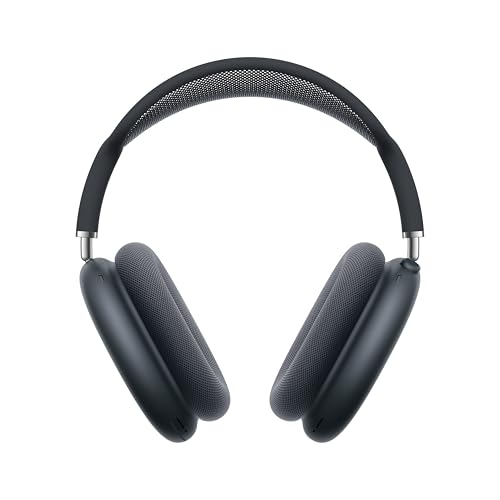
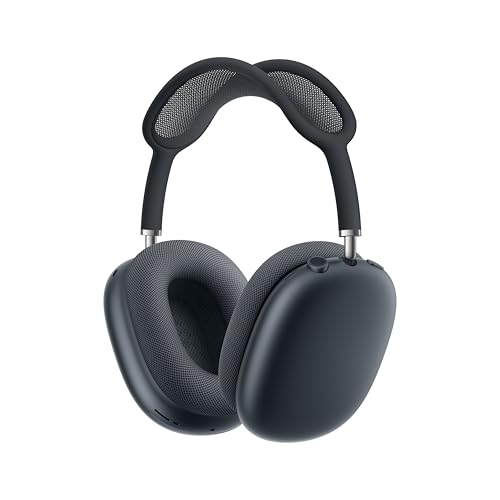
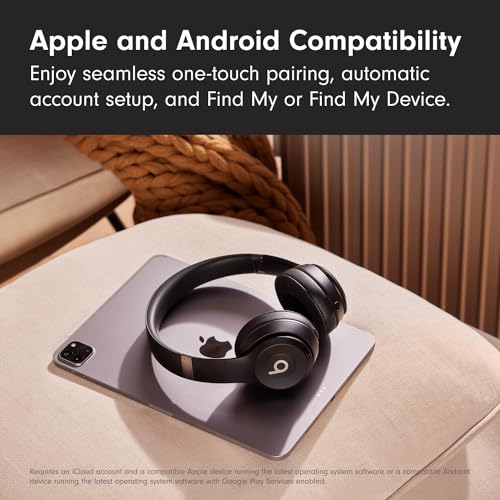
When you're shopping for premium wireless headphones, you'll quickly discover that not all high-end options follow the same playbook. The Apple AirPods Max and Beats Solo 4 perfectly illustrate this point – both deliver exceptional audio experiences but take dramatically different approaches to get there.
The headphone market has evolved tremendously over the past few years. We've moved beyond the days when "premium" simply meant expensive, and manufacturers now need to justify their price points with genuine innovation. Both Apple and Beats (which Apple owns) have responded to this challenge, but they've targeted completely different segments of the market.
Premium wireless headphones aren't just about looking good – though that certainly doesn't hurt. The key factors that separate high-end models from budget options include sound quality, comfort during extended use, battery life, noise management, and the overall user experience.
Sound quality encompasses everything from how accurately the headphones reproduce different frequencies (bass, mids, treble) to how well they create a sense of space around the music. This "soundstage" – essentially how wide and immersive the audio feels – can make the difference between feeling like you're wearing headphones and feeling like you're sitting in a concert hall.
Comfort becomes crucial when you're planning to wear headphones for hours at a time. The best sound quality in the world won't matter if your ears are aching after 30 minutes. This is where the fundamental design difference between our two contenders becomes important.
The AirPods Max, released in 2020, represents Apple's first serious attempt at premium over-ear headphones. Over-ear headphones completely surround your ears with large cushions, creating a seal that naturally blocks outside noise while providing a larger space for drivers (the tiny speakers inside) to work their magic.
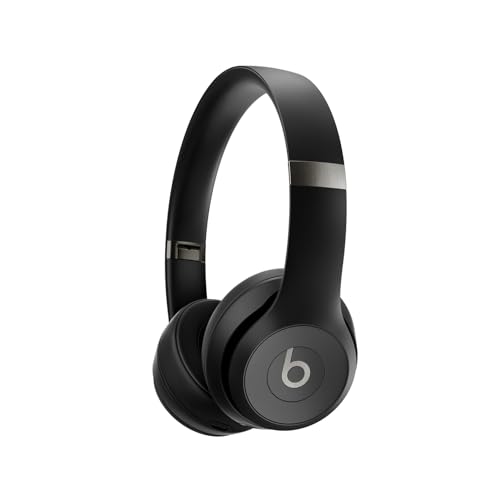
The Beats Solo 4, launched in 2024, takes the on-ear approach. These headphones rest directly on your ears rather than around them. This design philosophy prioritizes portability and weight reduction, but it comes with trade-offs in terms of noise isolation and long-term comfort.
Having used both designs extensively, I can tell you that over-ear headphones generally win for extended listening sessions at home, while on-ear models excel when you need to throw your headphones in a bag and go. The AirPods Max weighs in at a hefty 384 grams – that's nearly the weight of a full can of soda sitting on your head. The Beats Solo 4, by contrast, tips the scales at just 217 grams, making them 77% lighter.
This weight difference isn't just about numbers. After wearing the AirPods Max for more than two hours, most people start noticing that weight pressing down on their head and neck. The Solo 4 can be worn comfortably for similar periods, though the on-ear pressure eventually becomes noticeable too – just in a different way.
This is where things get really interesting. Sound quality in headphones comes down to several technical factors: driver design, frequency response (how well different pitch ranges are reproduced), and acoustic engineering.
The AirPods Max uses custom Apple-designed dynamic drivers that measure about 40mm in diameter. But it's not just the size that matters – it's how these drivers are engineered. Apple has implemented what they call "Adaptive EQ," which uses internal microphones to measure how sound actually reaches your ears, then automatically adjusts the frequency response to compensate for variations in fit and ear shape. This means the headphones are constantly fine-tuning themselves to deliver optimal sound for your specific ears.
The result is genuinely impressive. The AirPods Max delivers what audiophiles call a "wide soundstage" – music doesn't feel like it's coming from tiny speakers pressed against your ears, but rather from a three-dimensional space around you. Instruments are precisely positioned, vocals sit exactly where they should, and there's an overall sense of clarity that makes you notice details in familiar songs that you've never heard before.
The Beats Solo 4 takes a different approach with its own 40mm drivers, but these are engineered with Beats' updated acoustic philosophy. If you remember older Beats headphones, you might recall their reputation for overwhelming bass that often drowned out other frequencies. The Solo 4 represents a major departure from that legacy. These headphones offer what's called a more "neutral" sound signature – meaning they don't artificially boost any particular frequency range.
What does this mean in practice? The Solo 4 delivers punchy, controlled bass that enhances music without overwhelming it, clear midrange frequencies that make vocals shine, and detailed treble that brings out the sparkle in cymbals and high-frequency instruments. While they can't match the AirPods Max's expansive soundstage due to their on-ear design, they offer impressive stereo separation and imaging that clearly positions different elements of the music.
From my experience, the AirPods Max edges out the Solo 4 in pure audio quality, but the difference is much smaller than the price gap between them might suggest. The Solo 4 delivers roughly 80% of the Max's audio performance, which is remarkable considering the significant price difference.
Active Noise Cancellation (ANC) deserves its own discussion because it's become a make-or-break feature for many users. ANC works by using external microphones to detect ambient noise, then generating "anti-noise" sound waves that cancel out those unwanted sounds before they reach your ears.
The AirPods Max employs eight dedicated microphones for noise cancellation – that's more than most competitors use. This system continuously monitors the acoustic environment around you, making adjustments 200 times per second. The result is noise cancellation that's genuinely impressive, capable of virtually eliminating the drone of airplane engines, air conditioning units, and traffic noise.
But here's where our comparison takes an interesting turn: the Beats Solo 4 doesn't include active noise cancellation at all. This isn't an oversight – it's a deliberate design choice that helps keep costs down and battery life up. Instead, the Solo 4 relies entirely on "passive" noise isolation, which simply means blocking sound through physical barriers (the ear cushions and headphone housing).
This fundamental difference significantly impacts when and where you'd want to use each pair of headphones. If you frequently find yourself in noisy environments – airplanes, busy offices, coffee shops with lots of background chatter – the AirPods Max's noise cancellation becomes invaluable. There's something almost magical about putting them on in a noisy environment and having the world suddenly go quiet.
The Solo 4, without ANC, works best in relatively quiet environments where you don't need to battle significant background noise. They're perfect for home listening, quiet offices, or outdoor activities where you actually want some environmental awareness.
Battery technology in headphones has improved dramatically over the past few years, but there are still significant differences in how long various models can keep playing music.
The AirPods Max delivers approximately 20 hours of listening time with Active Noise Cancellation enabled. That's actually quite good for headphones with such power-hungry features. When you consider that the headphones are constantly running noise cancellation algorithms, spatial audio processing, and adaptive EQ adjustments, 20 hours represents solid engineering.
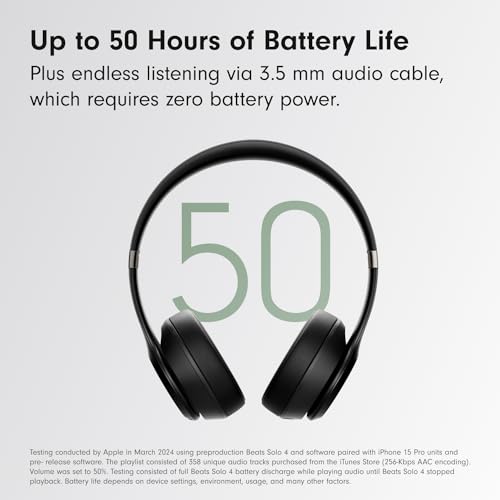
But the Beats Solo 4 absolutely destroys this number, offering up to 50 hours of playback time. That's not a typo – fifty hours. This means you could theoretically listen to music for over two full days straight without needing to charge. Even more practically, it means you might charge these headphones once a week or less, depending on your usage patterns.
This dramatic difference comes down to the absence of power-hungry features like active noise cancellation in the Solo 4, combined with more efficient Bluetooth 5.3 connectivity and optimized power management. Both headphones offer fast charging capabilities, but the Solo 4's "Fast Fuel" feature is particularly impressive: just 10 minutes of charging provides five hours of playback time.
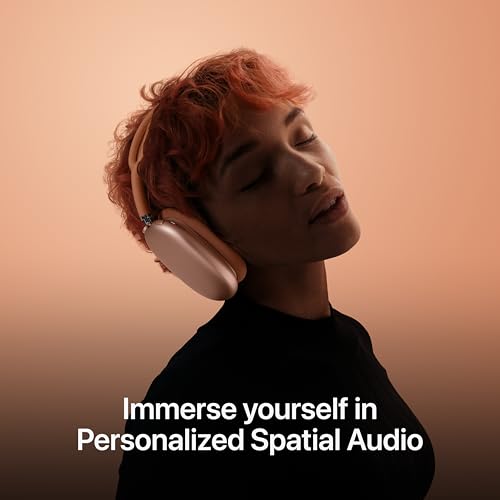
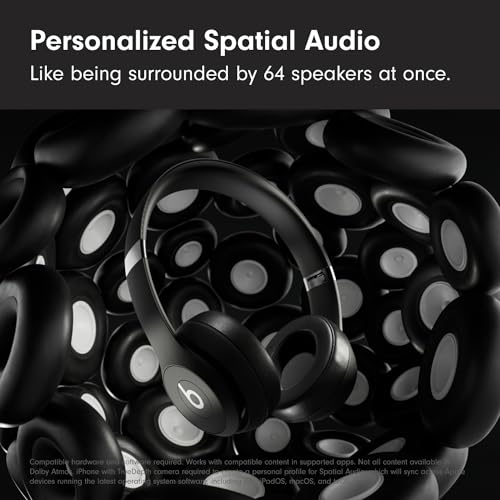
Both headphones include Spatial Audio with dynamic head tracking, a feature that uses built-in accelerometers and gyroscopes to track head movements and adjust the sound accordingly. This creates a more immersive experience, particularly for movies and specially mixed music, by making audio feel like it's coming from fixed positions in space rather than moving with your head.
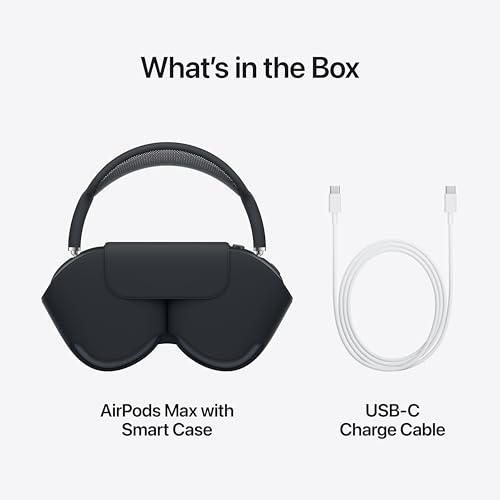
The AirPods Max includes Apple's H1 chips (one in each ear cup) that enable seamless integration with Apple devices, hands-free Siri activation, and automatic device switching. If you're deep in the Apple ecosystem, these conveniences are genuinely useful – your headphones can automatically switch from your iPhone to your iPad when you start watching a video, for example.
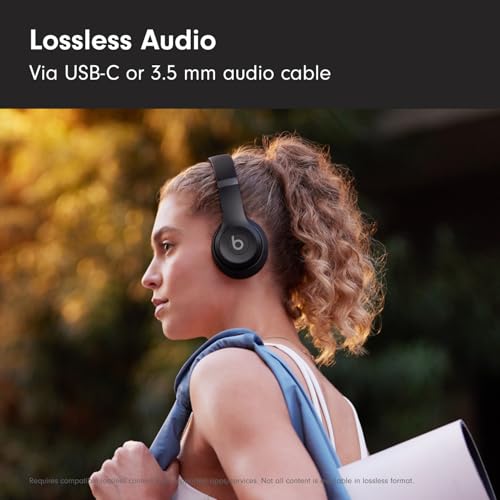
The Beats Solo 4 offers broader device compatibility with both iOS and Android, plus support for lossless audio when connected via USB-C or the included 3.5mm cable. This wired lossless capability means you can experience higher-quality audio than Bluetooth typically allows, which is particularly valuable for serious music listening.
The AirPods Max borrows the Digital Crown concept from the Apple Watch, providing precise volume control and playback management through a familiar rotating interface. There's also a dedicated button for switching between noise cancellation and transparency modes. These controls feel premium and intuitive once you get used to them.
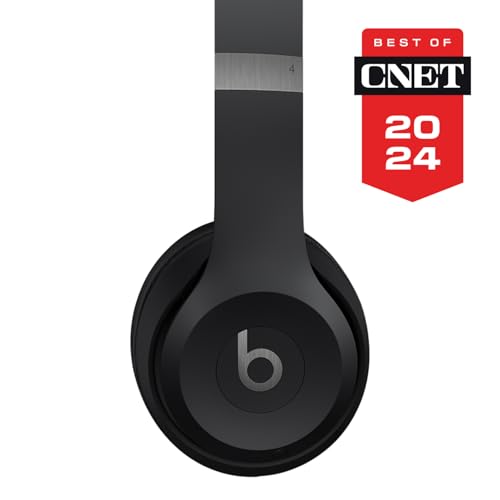
The Beats Solo 4 uses more traditional button-based controls with a multi-function 'b' button, volume rockers, and a power/pairing button. While perhaps less elegant than the Digital Crown, these controls are immediately familiar and work reliably even while wearing gloves.
For home theater use, both headphones offer compelling but different advantages. The AirPods Max excels here thanks to its superior soundstage and noise cancellation, which can help you focus entirely on movie dialogue and sound effects without distractions. The Spatial Audio feature really shines with movie content, creating a convincing surround sound experience that can rival a good speaker setup in terms of immersion.
The Beats Solo 4 works well for home theater too, particularly if you prefer not to be completely isolated from your environment (useful if you need to hear family members or delivery notifications). The 50-hour battery life means you'll never have to worry about them dying during a movie marathon weekend.
However, for serious home theater use, the AirPods Max's superior sound quality and noise cancellation typically provide a more cinematic experience, despite the weight considerations during longer viewing sessions.
The AirPods Max showcases Apple's commitment to premium materials, featuring anodized aluminum ear cups and a stainless steel headband framework. The build quality is undeniably luxurious, though the aluminum surfaces can show scratches over time. The mesh headband canopy and memory foam ear cushions add to the premium feel.
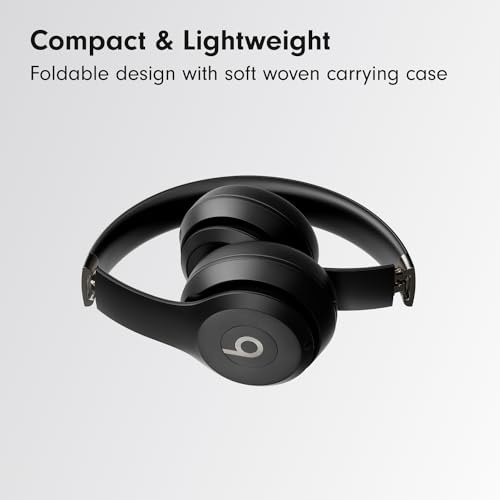
The Beats Solo 4 uses primarily plastic construction with some metal reinforcement points. While this sounds less premium on paper, the build quality is actually quite solid, and the lighter materials contribute significantly to the comfortable wearing experience. The headphones fold neatly for travel and include a soft carrying case.
At the time of writing, the AirPods Max commands a significantly higher price than the Beats Solo 4 – we're talking about a difference of several hundred dollars. This price gap reflects the different target markets and feature sets, but it also raises important questions about value.
The AirPods Max justifies its premium pricing through superior audio quality, industry-leading noise cancellation, luxury materials, and sophisticated computational audio features. If you prioritize the absolute best sound quality and don't mind paying for it, the Max delivers on its promises.
The Beats Solo 4, meanwhile, offers exceptional value by delivering many premium features at a much more accessible price point. You're getting modern capabilities like Spatial Audio, lossless audio support, and incredible battery life, wrapped in a portable package that costs significantly less.
Choose the AirPods Max if sound quality is your absolute priority and you primarily listen in stationary environments like your home office or a quiet living room. They're ideal for audiophiles, frequent flyers who need excellent noise cancellation, and anyone who values luxury build quality and is willing to pay for it. The weight and bulk make them less suitable for active lifestyles or frequent travel.
The Beats Solo 4 makes more sense for active users who need portable headphones with exceptional battery life. They're perfect for students, commuters (in relatively quiet environments), and anyone who values versatility and portability over absolute audio perfection. The lack of noise cancellation is a limitation, but the trade-offs in weight, battery life, and price make this a reasonable compromise for many users.
Ultimately, both headphones excel in their intended roles. The AirPods Max represents the pinnacle of wireless headphone engineering for those willing to pay for perfection, while the Beats Solo 4 delivers impressive performance and modern features at a much more accessible price point. Your choice should align with your lifestyle, listening habits, and budget priorities.
The headphone market continues to evolve rapidly, but both of these models represent strong choices in their respective categories. Whether you prioritize the ultimate audio experience or exceptional value, you'll find a compelling option between these two very different approaches to premium wireless audio.
| Apple AirPods Max Wireless Over-Ear Headphones | Beats Solo 4 Wireless On-Ear Headphones |
|---|---|
| Design Type - Affects comfort, portability, and sound isolation | |
| Over-ear (circumaural) - surrounds ears completely | On-ear (supra-aural) - rests directly on ears |
| Weight - Critical for long listening sessions and portability | |
| 384.8g (13.6 oz) - noticeable weight fatigue after 2+ hours | 217g (7.65 oz) - 77% lighter, comfortable for active use |
| Active Noise Cancellation - Essential for noisy environments | |
| Industry-leading ANC with 8 dedicated microphones | No ANC - relies only on passive noise isolation |
| Battery Life - Determines how often you need to charge | |
| 20 hours with ANC enabled | 50 hours (2.5x longer) - industry-leading endurance |
| Sound Quality - The most important performance factor | |
| Exceptional clarity, wide soundstage, audiophile-grade | Impressive balanced sound, 80% of Max performance |
| Portability - Matters for travel and daily carry | |
| No folding design, bulky Smart Case, poor portability | Foldable design with soft case, excellent portability |
| Connectivity Options - Affects audio quality and device compatibility | |
| Bluetooth 5.0, Lightning charging (USB-C on 2024 model) | Bluetooth 5.3, USB-C lossless audio, 3.5mm analog |
| Build Materials - Impacts durability and premium feel | |
| Aluminum ear cups, stainless steel frame, premium materials | Lightweight plastic with metal reinforcement, solid build |
| Spatial Audio - Immersive feature for movies and compatible music | |
| Personalized Spatial Audio with dynamic head tracking | Personalized Spatial Audio with dynamic head tracking |
| Fast Charging - Important for quick top-ups | |
| 5 minutes = 1.5 hours playback | Fast Fuel: 10 minutes = 5 hours playback |
| Price Category - Value proposition at time of writing | |
| Premium tier - significant investment for best-in-class features | Mid-tier value - exceptional features at accessible price |
| Best For - Target user scenarios | |
| Audiophiles, home/office use, frequent flyers needing ANC | Active users, students, commuters in quiet environments |
The Apple AirPods Max delivers superior sound quality with exceptional clarity, wider soundstage, and audiophile-grade performance. The Beats Solo 4 offers impressive balanced sound that's significantly improved from previous Beats models, delivering roughly 80% of the AirPods Max's audio performance at a much lower price point.
The Apple AirPods Max uses an over-ear design that completely surrounds your ears, providing better noise isolation and comfort for long sessions. The Beats Solo 4 features an on-ear design that rests directly on your ears, making them more portable and lightweight but potentially less comfortable during extended use.
The Apple AirPods Max features industry-leading Active Noise Cancellation with 8 dedicated microphones that can virtually eliminate background noise. The Beats Solo 4 has no active noise cancellation and relies only on passive noise isolation, making the AirPods Max significantly better for noisy environments.
The Beats Solo 4 offers exceptional 50-hour battery life, while the Apple AirPods Max provides 20 hours with ANC enabled. The Solo 4 lasts 2.5 times longer on a single charge, making them ideal for extended use without frequent charging.
Comfort depends on your preference and use case. The Apple AirPods Max offers superior comfort for stationary listening with memory foam cushions, but the 384g weight can cause fatigue after 2+ hours. The Beats Solo 4 weighs 77% less at 217g but applies on-ear pressure that some find uncomfortable during extended sessions.
The Beats Solo 4 is much better for active use due to its lightweight design and secure on-ear fit. The Apple AirPods Max is too heavy and bulky for exercise, with no sweat resistance rating, making the Solo 4 the clear winner for fitness activities.
The Beats Solo 4 provides exceptional value, offering modern features like Spatial Audio, 50-hour battery life, and quality sound at a significantly lower price point. The Apple AirPods Max justifies its premium pricing with superior audio quality and noise cancellation, but costs several hundred dollars more than the Solo 4.
Yes, both headphones work with Android and iPhone devices. The Apple AirPods Max offers deeper integration with Apple devices, including seamless switching and Siri activation. The Beats Solo 4 provides broader compatibility and works equally well with both platforms while offering more connectivity options.
The Beats Solo 4 excels for travel with its foldable design, lightweight construction, and 50-hour battery life. The Apple AirPods Max lacks a folding mechanism and is significantly heavier, making the Solo 4 much more travel-friendly despite having superior noise cancellation.
Both work well for home theater, but serve different needs. The Apple AirPods Max provides a more cinematic experience with superior soundstage and noise cancellation for complete immersion. The Beats Solo 4 works well too, especially if you prefer staying aware of your surroundings while watching movies.
The Apple AirPods Max charges via Lightning (or USB-C on newer models) and provides 1.5 hours of playback from a 5-minute charge. The Beats Solo 4 uses USB-C charging with Fast Fuel technology, delivering 5 hours of playback from just 10 minutes of charging, making it more convenient for quick top-ups.
The Beats Solo 4 is an excellent entry point into premium audio, offering impressive sound quality, modern features, and exceptional battery life at a more accessible price. The Apple AirPods Max is better suited for audio enthusiasts who prioritize the absolute best sound quality and are willing to pay a premium for luxury materials and advanced features.
We've done our best to create useful and informative comparisons to help you decide what product to buy. Our research uses advanced automated methods to create this comparison and perfection is not possible - please contact us for corrections or questions. These are the sites we've researched in the creation of this article: recordingnow.com - t3.com - telegraph.co.uk - soundguys.com - youtube.com - forums.macrumors.com - youtube.com - youtube.com - apple.com - support.apple.com - idownloadblog.com - media.distrelec.com - en.wikipedia.org - apple.com - apple.com - support.apple.com - rtings.com - bestbuy.com - soundguys.com - rtings.com - cnet.com - youtube.com - rtings.com - therunningchannel.com - youtube.com - soundguys.com - rtings.com - beatsbydre.com - kubookstore.com - apple.com - panthertech.fiu.edu - beatsbydre.com - cnet.com - techwelike.com - beatsbydre.com - beatsbydre.com

Privacy Policy
Terms and Conditions - Affiliate Policy
Home Security
© Copyright 2008-2026.
11816 Inwood Rd #1211, Dallas, TX 75244