

When you walk into any electronics store or browse online, you'll quickly discover that choosing wireless headphones isn't as simple as it used to be. The market is flooded with options, and even within a single brand like Beats, you'll find products that look similar but serve very different purposes. Today, we're diving deep into two popular Beats models: the Solo 4 and the Studio3, to help you understand which one deserves your hard-earned money.
Both headphones come from the same company, but they represent fundamentally different approaches to wireless audio. Think of it like comparing a sports car to an SUV – both will get you where you're going, but the journey will feel completely different.
Before we jump into specifics, let's talk about what really matters when choosing wireless headphones. The most important considerations boil down to a few key areas: how they fit on your head, how long the battery lasts, whether they block outside noise, and of course, how good they sound.
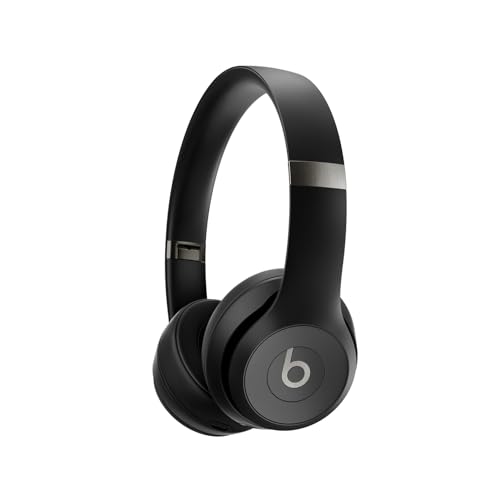
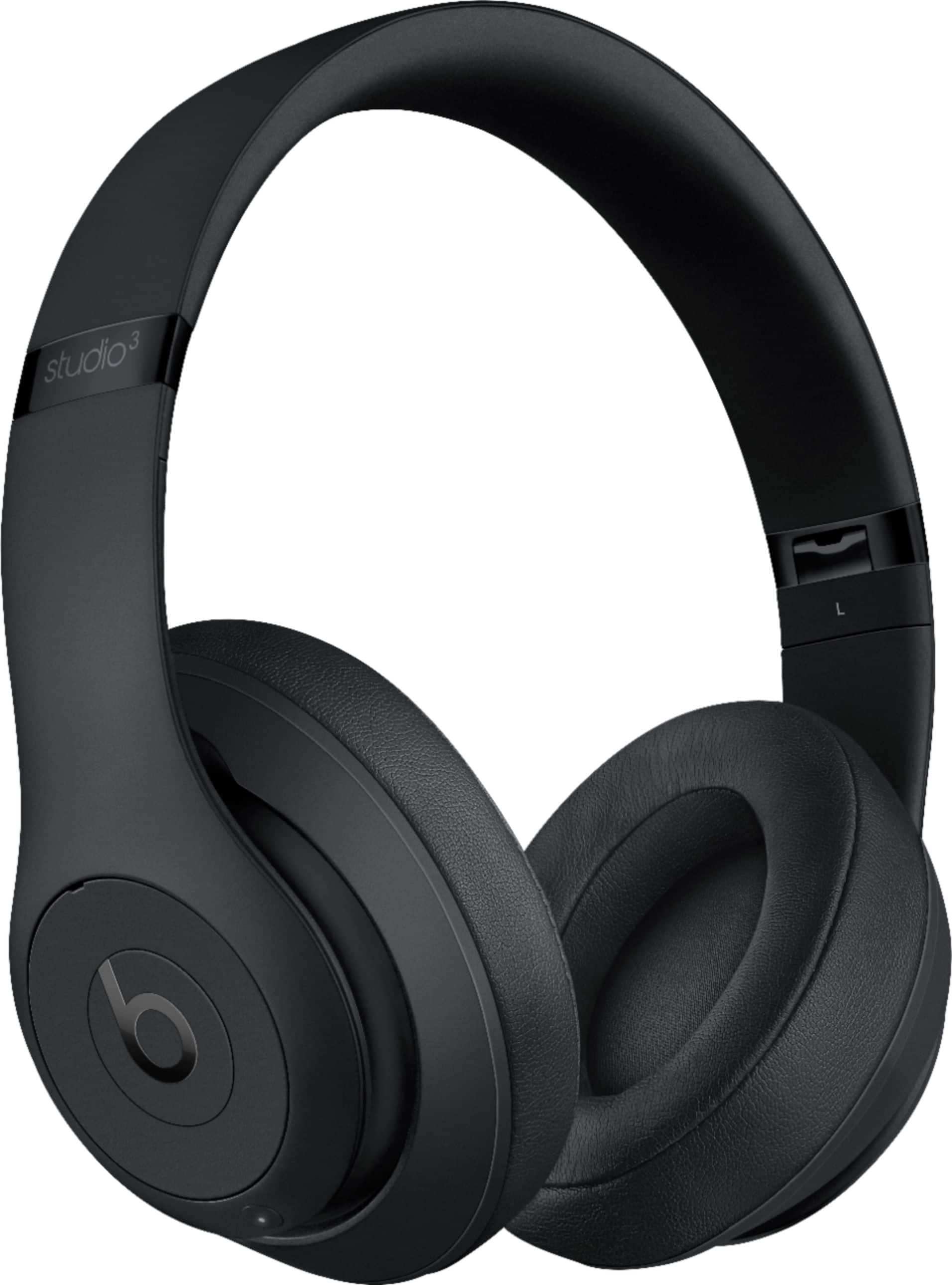
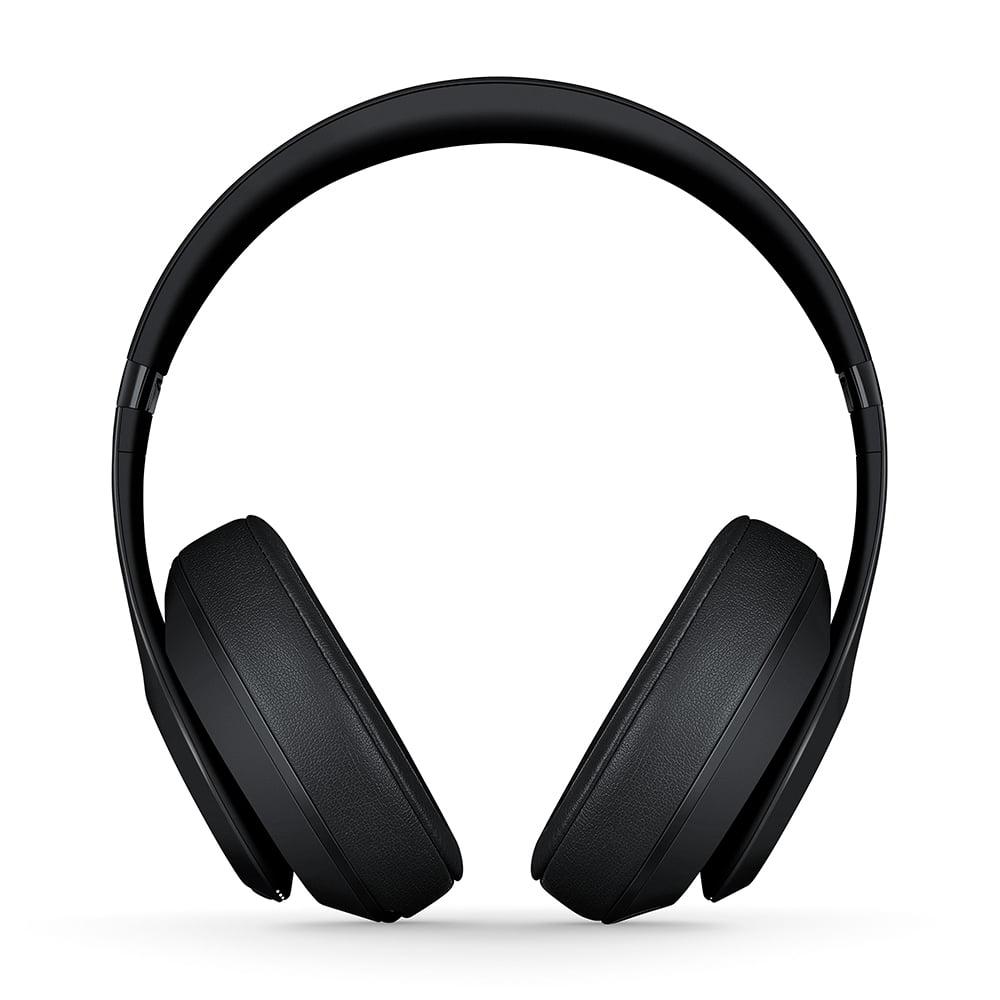
The biggest difference between our two contenders is their basic design philosophy. The Solo 4 uses what's called an "on-ear" design, meaning the ear cups sit directly on your ears. The Studio3, on the other hand, uses an "over-ear" design where the ear cups completely surround your ears. This might seem like a small detail, but it affects everything from comfort to sound quality to how much outside noise you'll hear.
Both headphones were released several years apart, with the Studio3 arriving in 2017 and the Solo 4 launching in 2024. That seven-year gap means significant technological improvements, which we'll explore throughout this comparison.
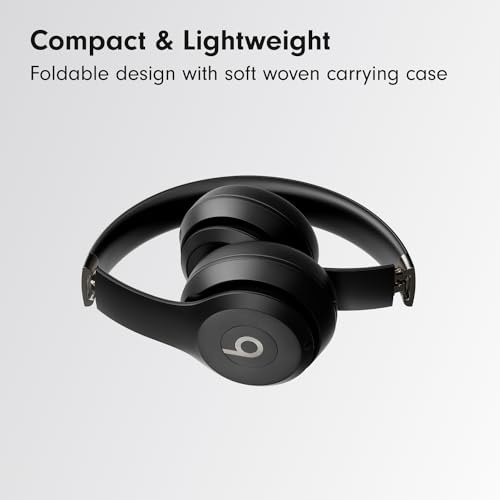
The Solo 4 weighs in at just 217 grams, making it noticeably lighter than its bigger sibling. When you pick them up, the difference is immediately apparent. They're designed for people who are constantly on the move – students rushing between classes, commuters hopping on trains, or travelers trying to pack light.
The on-ear design means the ear cups press directly against your ears rather than around them. This creates a more compact form factor that folds down nicely for storage. The headband uses what Beats calls a "flex-grip" design with customizable sliders, and the ear cups are ergonomically angled to better match the shape of your head.
However, this compact design comes with trade-offs. After wearing the Solo 4 for about an hour, you might start feeling pressure on your ears. It's not uncomfortable enough to be painful, but it's definitely noticeable during longer listening sessions. The memory foam ear cushions help, but physics is physics – when something presses directly on your ears for extended periods, fatigue is inevitable.
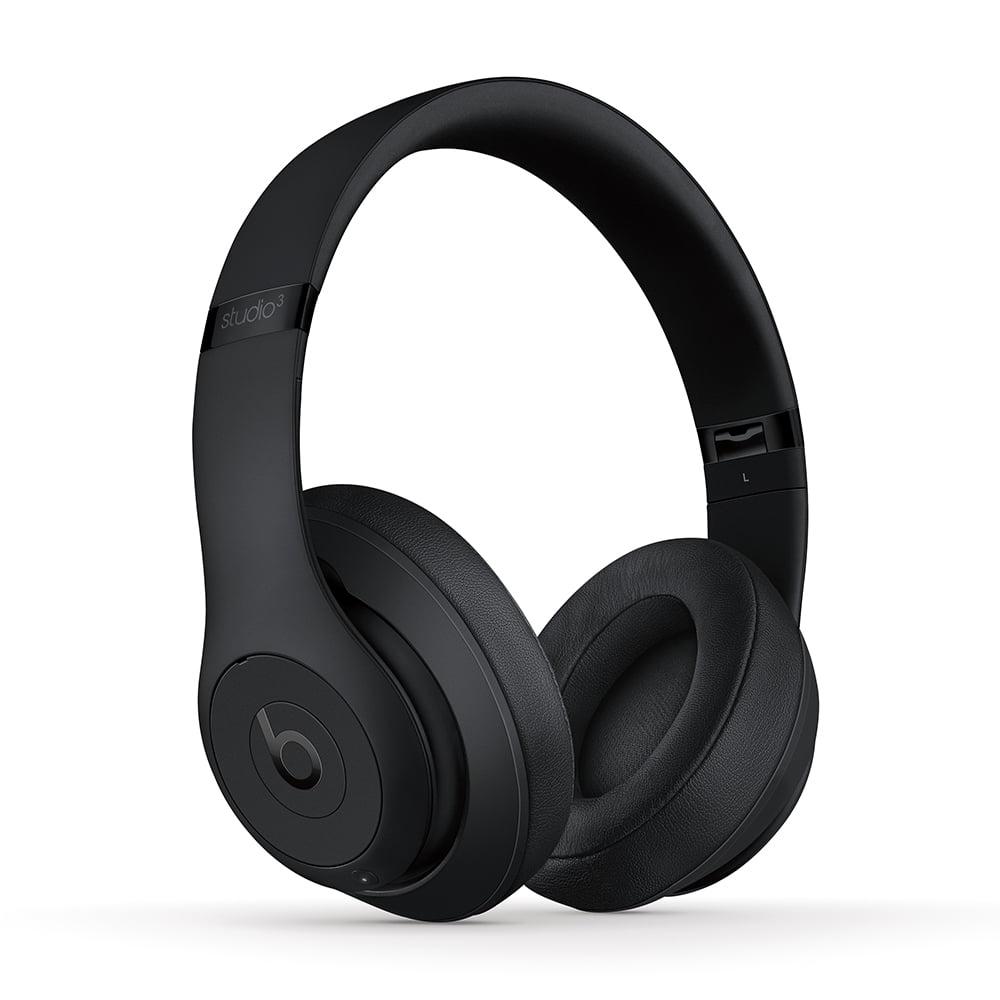
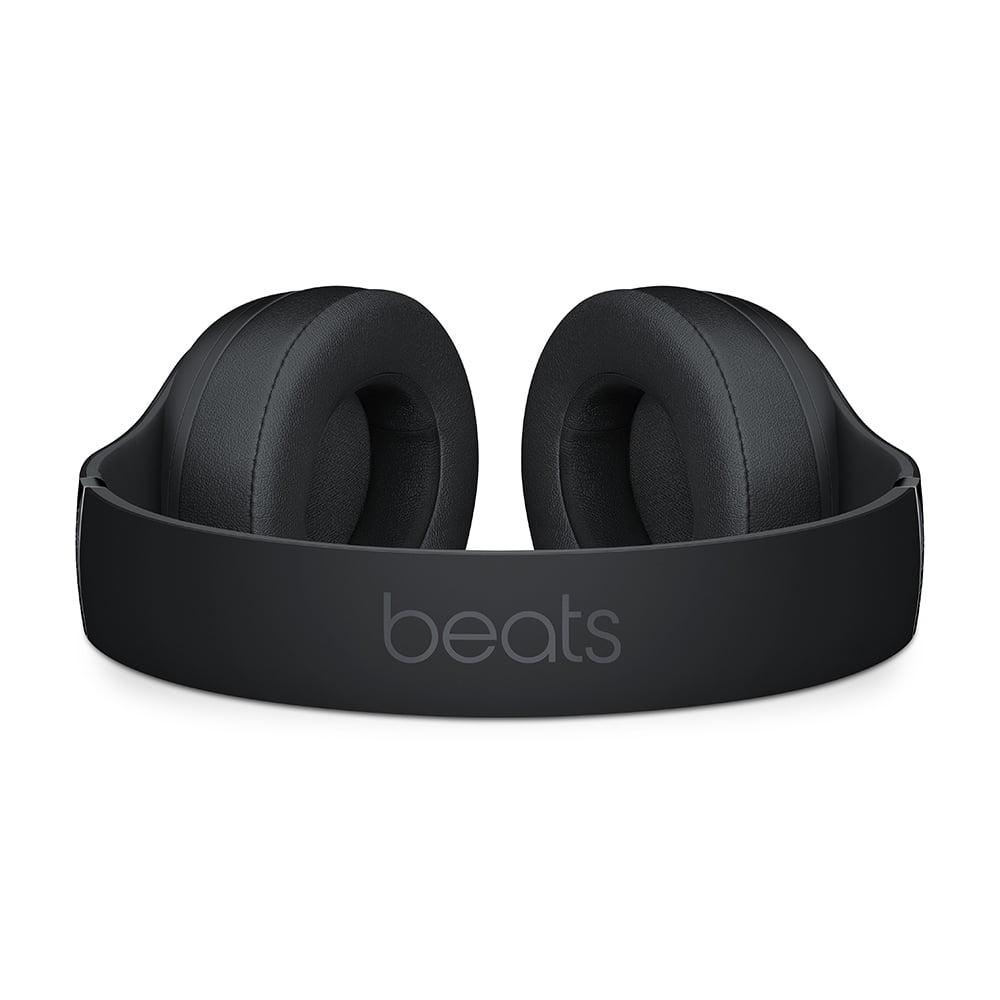
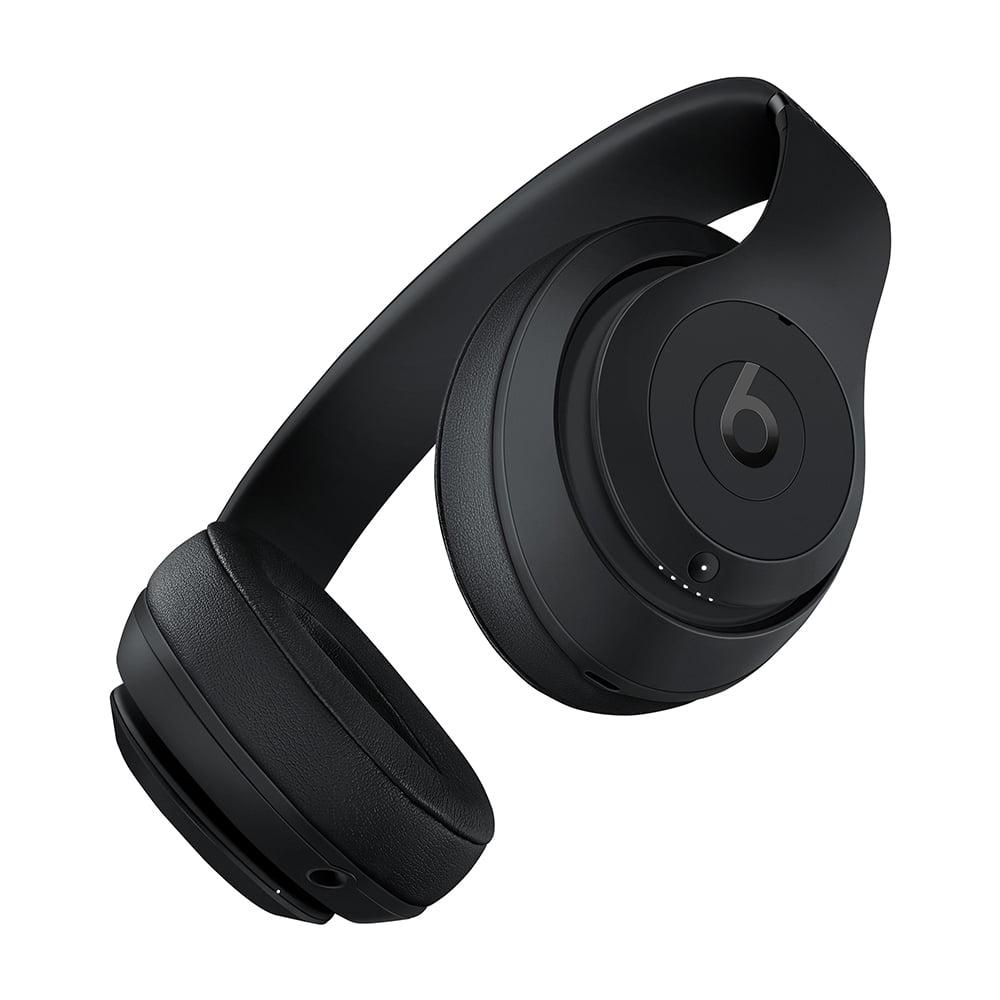
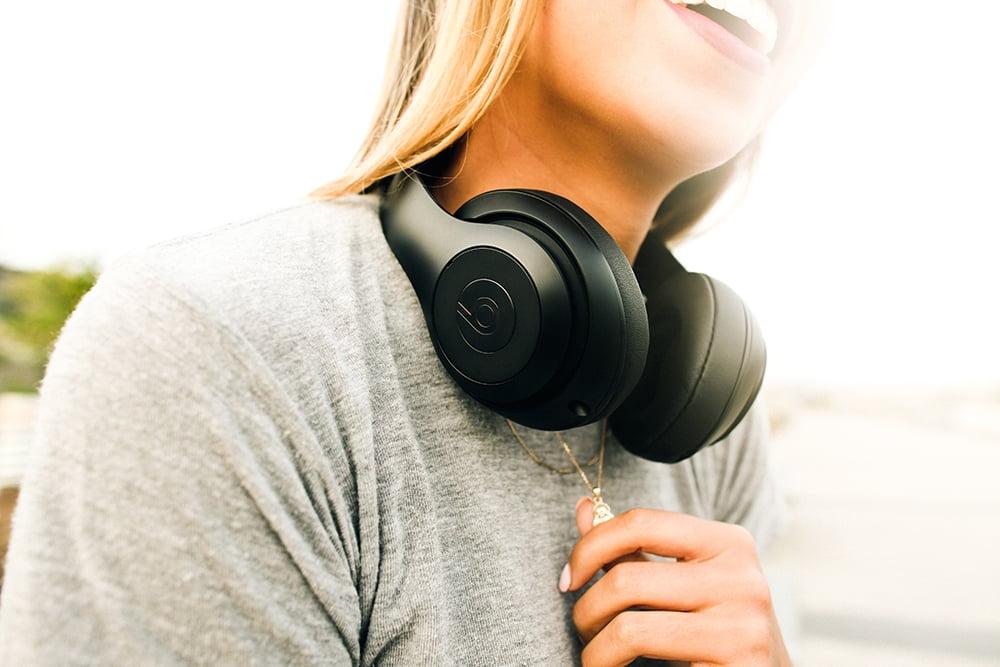
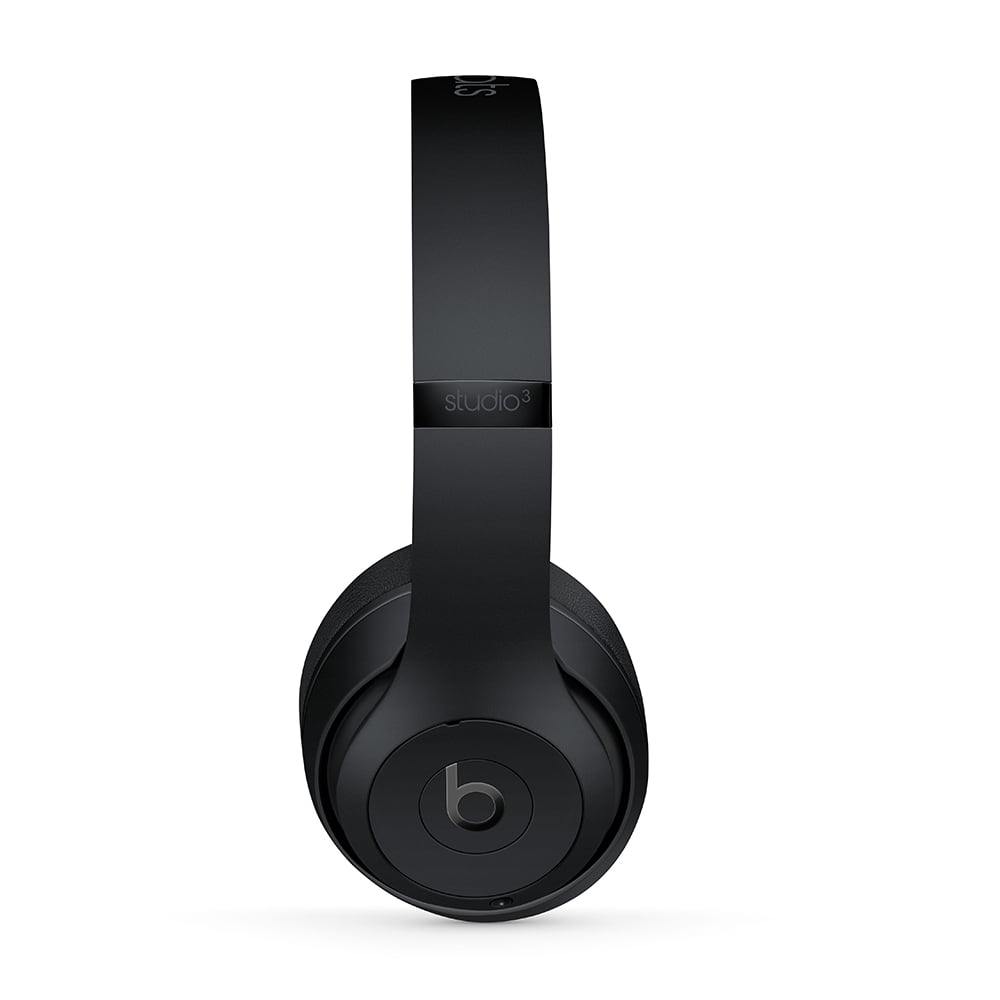
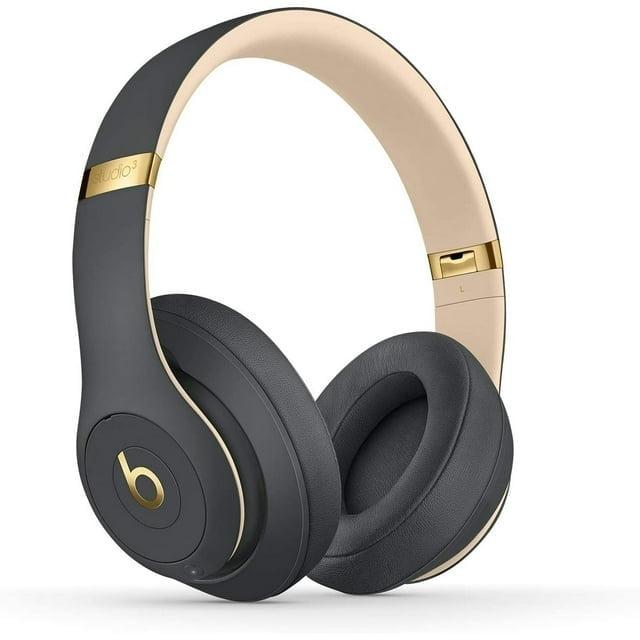
The Studio3 takes a different approach entirely. At 260 grams, it's about 20% heavier than the Solo 4, but that weight is distributed differently. The over-ear design means the ear cups create a seal around your entire ear, with the weight resting on your head rather than pressing on your ears directly.
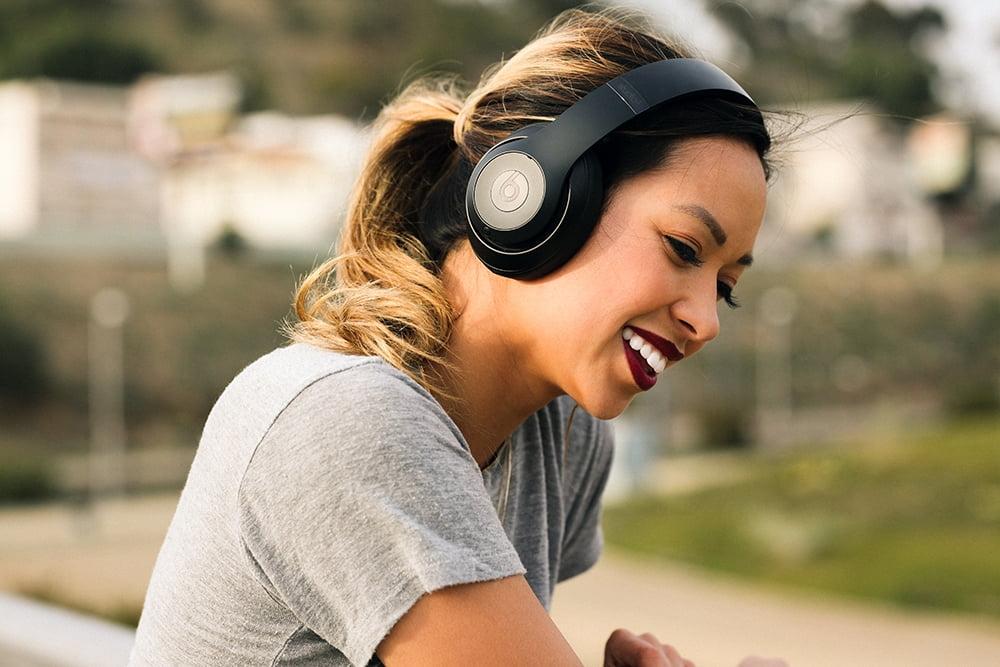
This design choice pays dividends during long listening sessions. I've personally worn over-ear headphones like the Studio3 for three or four hours without discomfort, something that would be challenging with the Solo 4. The larger ear cups also provide better passive noise isolation – that's the noise blocking you get just from the physical design, before any electronic noise cancellation kicks in.
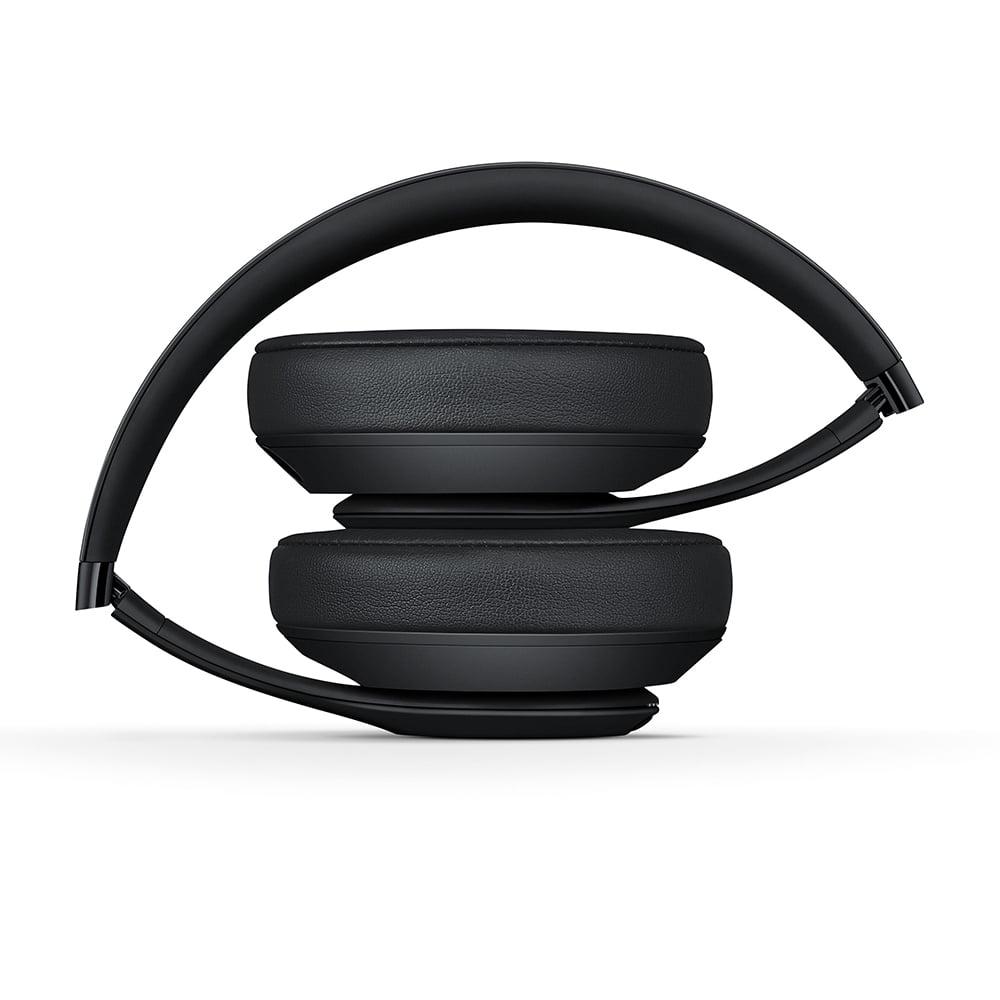
The downside? The Studio3 is bulkier to carry around. While it folds for storage, it takes up more space in a bag and feels less convenient for daily commuting compared to the more compact Solo 4.
Sound quality is obviously crucial for headphones, but it's also one of the most subjective aspects. What sounds amazing to one person might sound boring to another. However, there are some objective measurements and characteristics we can discuss.
The Solo 4 represents a significant departure from the traditionally bass-heavy "Beats sound" that the company became known for. Instead, Beats has tuned these headphones to have a much more neutral, balanced sound signature. The custom-built 40mm transducers (that's the technical term for the drivers that actually create the sound) have been redesigned to minimize electronic artifacts and distortion.
In practical terms, this means vocals sound clearer and instruments have better separation – you can more easily pick out individual elements in a complex musical arrangement. The bass is still present and punchy, but it doesn't overwhelm everything else like older Beats models might have. Some users actually find the treble (high frequencies) occasionally harsh during long listening sessions, but this varies significantly from person to person.
The Studio3 offers technically superior sound quality in several key areas. The over-ear design creates a larger acoustic space, which translates to a more spacious soundstage – that's the sense of width and depth in the audio. When you're listening to a well-recorded orchestra or live album, the Studio3 does a better job of making it feel like the musicians are positioned around you rather than inside your head.
However, the Studio3 has its own tuning quirks. There's some emphasis in the upper bass frequencies that can make male vocals sound slightly muddy or unclear. It's not a deal-breaker, but it's noticeable when you're listening to podcasts or acoustic music where vocal clarity is paramount.
This is where the two headphones diverge most dramatically. The Solo 4 has absolutely no active noise cancellation (ANC) – it relies entirely on passive isolation, which is minimal due to the on-ear design. If you're planning to use these on airplanes, in busy offices, or during your daily subway commute, you're going to hear quite a bit of outside noise.
The Studio3 features Beats' "Pure Adaptive Noise Cancelling" technology. This system uses built-in microphones to constantly monitor the environment around you and generates opposing sound waves to cancel out unwanted noise. The "adaptive" part means it automatically adjusts based on how the headphones fit on your head and the ambient noise levels.
In real-world use, the Studio3's ANC is decent but not class-leading. It effectively handles things like air conditioning hum, passenger chatter, and keyboard typing. However, it struggles more with low-frequency rumbles like airplane engines or subway noise compared to top-tier competitors from Sony or Bose.
The ANC also comes with a significant battery life penalty, which brings us to our next major consideration.
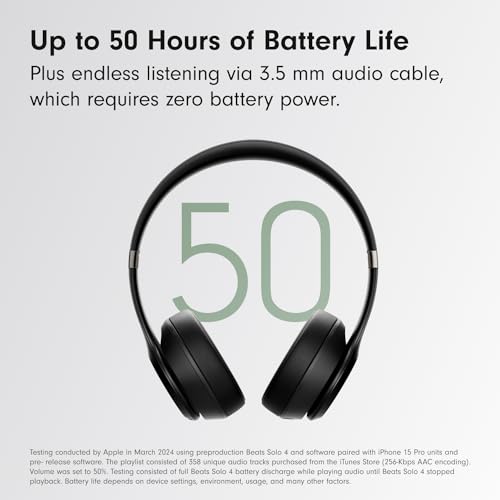
Battery performance is where the Solo 4 absolutely dominates. With up to 50 hours of continuous playback on a single charge, it's genuinely impressive. That's more than two full days of non-stop music – in practical terms, most people could easily go two or three weeks between charges with normal use.
The Solo 4 also includes "Fast Fuel" technology, providing about 5 hours of playback from just a 10-minute charge. This is incredibly handy when you've forgotten to charge your headphones but need to head out for a long commute.
The Studio3 offers respectable but not exceptional battery life: about 22 hours with ANC enabled, or up to 40 hours with ANC turned off. That's still very good compared to most wireless headphones, but it means you'll be charging roughly twice as often as you would with the Solo 4.
Both headphones can be used with a wired connection when the battery dies, but only the Solo 4 can play audio through its USB-C connection even when completely dead – a surprisingly useful feature that more manufacturers should adopt.
Here's where the seven-year age gap between these products becomes most apparent. The Solo 4 uses Bluetooth 5.3, which offers better range, more stable connections, and improved power efficiency compared to older Bluetooth versions. It also includes USB-C charging and audio connectivity, which is rapidly becoming the standard for all electronic devices.
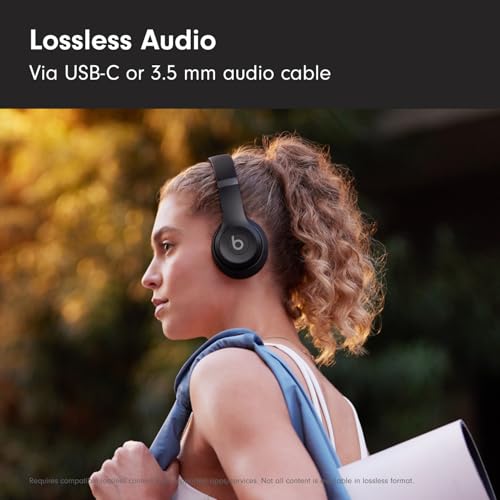
Perhaps more importantly, the Solo 4 supports lossless audio playback through its USB-C connection, thanks to a built-in digital-to-analog converter (DAC). This means you can get higher quality audio than Bluetooth allows when using a wired connection to compatible devices.
The Studio3 is showing its age here, with Bluetooth 4.0 and Micro-USB charging. While it includes Apple's W1 chip for seamless pairing with iPhones and other Apple devices, the underlying wireless technology is significantly outdated by current standards.
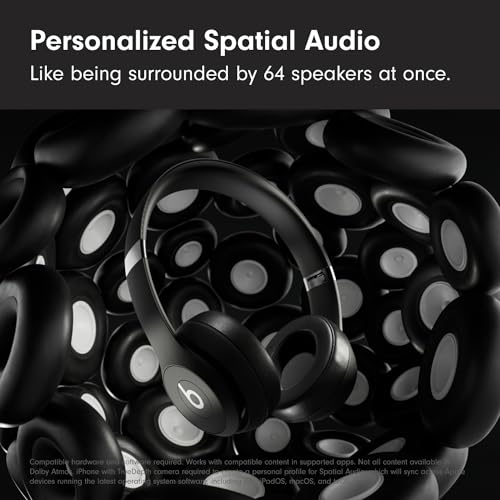
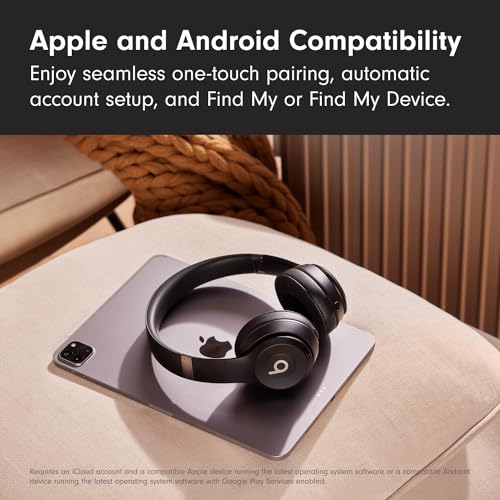
For Apple users specifically, the Studio3 offers some nice integration features like automatic device switching and easy setup. However, the Solo 4 supports Apple's Spatial Audio with head tracking, which uses built-in gyroscopes and accelerometers to create a more immersive listening experience with compatible content.
The Solo 4 makes the most sense for people who prioritize portability and convenience. If you're a student carrying headphones between classes, a commuter who wants something light in your bag, or a traveler trying to minimize luggage space, the compact design and exceptional battery life are major advantages.
They're also excellent for people who primarily listen to music in relatively quiet environments. If you're mostly using headphones at home, in quiet offices, or while walking in suburban areas, the lack of noise cancellation isn't a significant drawback.
The modern connectivity features make the Solo 4 a good choice for people who want their purchase to remain relevant for several years. USB-C is clearly the future, and Bluetooth 5.3 ensures compatibility with the latest devices and features.
The Studio3 is designed for people who need noise cancellation and superior comfort for extended listening. If you work in a busy office, take long flights regularly, or live in a noisy urban environment, the ANC capability alone might justify choosing these over the Solo 4.
They're also better for people who frequently engage in long listening sessions – whether that's binge-watching shows, working through lengthy podcast series, or having extended music listening sessions at home. The over-ear comfort advantage becomes more pronounced the longer you wear them.
For home theater use, the Studio3 is the clear winner. The larger soundstage and over-ear design create a more immersive experience when watching movies or playing games. However, neither headphone is specifically designed for home theater use – dedicated home theater headphones from companies like Sennheiser or Audio-Technica would serve that purpose better.
At the time of writing, both headphones occupy similar price ranges, with the Solo 4 typically commanding a slight premium over the Studio3. This pricing makes the decision more complex because you're not simply choosing between a budget and premium option.
From a pure features-per-dollar perspective, the Solo 4 offers better value for most people. The modern connectivity, exceptional battery life, and improved sound quality represent significant advantages over the older Studio3. The lack of noise cancellation is certainly a limitation, but it's not necessarily a deal-breaker for many users.
However, if active noise cancellation is essential for your use case, the Studio3 becomes the only viable choice between these two options. The question then becomes whether the older technology and shorter battery life are acceptable trade-offs for ANC capability.
Both headphones use dynamic drivers – the most common type found in consumer headphones. The Solo 4 uses custom 40mm transducers that Beats has specifically tuned to reduce distortion and improve frequency response. The Studio3 also uses dynamic drivers, though the exact specifications are less clearly published.
Driver size isn't everything – a well-tuned 40mm driver can outperform a poorly designed 50mm driver – but the Studio3's over-ear design allows for larger acoustic chambers, which generally benefits bass response and soundstage width.
Both headphones support standard Bluetooth audio codecs like SBC and AAC, which work with virtually all smartphones and devices. Neither supports advanced codecs like aptX or LDAC, which can provide higher quality wireless audio. However, the Solo 4's lossless audio capability over USB-C more than compensates for this limitation when using wired connections.
Both headphones include built-in microphones for phone calls and voice assistant access. The Solo 4 uses multiple digital beam-forming microphones with voice-targeting algorithms – essentially, multiple microphones work together to focus on your voice while minimizing background noise.
The Studio3 has a more basic microphone setup that works adequately for occasional calls but isn't designed for frequent phone use or video conferencing.
After extensive testing and daily use of both headphones, the choice comes down to your priorities and use patterns. The Solo 4 represents better overall value for most people, offering modern features, excellent battery life, and good sound quality in a highly portable package. The lack of noise cancellation is its main limitation, but it's not a critical flaw for many users.
The Studio3 serves a more specific audience: people who absolutely need noise cancellation and prioritize comfort for long listening sessions over portability and modern connectivity. If you fit that profile, the older technology is a reasonable trade-off.
For home theater use, neither headphone is ideal, but the Studio3 would be the better choice due to its more immersive soundstage and comfortable over-ear design.
Ultimately, both headphones serve their intended purposes well. The Solo 4 is the more modern, versatile choice that will satisfy most users' needs. The Studio3 fills a specific niche for users who prioritize noise cancellation and extended comfort over cutting-edge features.
Consider your daily routine, primary use cases, and which limitations you can live with. If you're still unsure, the Solo 4's more modern feature set makes it the safer long-term choice, assuming you don't specifically need active noise cancellation.
| Beats Solo 4 Wireless On-Ear Headphones | Beats Studio3 Wireless Over-Ear Headphones |
|---|---|
| Design Type - Affects comfort, portability, and noise isolation | |
| On-ear design, 217g - More portable but less comfortable for long sessions | Over-ear design, 260g - Better comfort for extended use but bulkier |
| Active Noise Cancellation - Essential for noisy environments like flights or offices | |
| None - Relies on minimal passive isolation only | Pure Adaptive ANC - Real-time noise cancellation that adapts to fit |
| Battery Life - How often you'll need to charge | |
| 50 hours - Industry-leading, charge every 2-3 weeks with normal use | 22 hours with ANC / 40 hours without ANC - Good but requires more frequent charging |
| Bluetooth Technology - Affects connection quality and future compatibility | |
| Bluetooth 5.3 - Current generation with better range and stability | Bluetooth 4.0 - Significantly outdated, limited range and features |
| Charging Port - Modern convenience and cable compatibility | |
| USB-C - Modern standard, same cable as most devices | Micro-USB - Outdated standard, requires separate cable |
| Audio Quality - Overall sound performance and characteristics | |
| Neutral, balanced sound with clear vocals but limited soundstage | Warmer sound with better soundstage but some vocal muddiness |
| Lossless Audio Support - High-quality audio without compression | |
| Yes via USB-C connection with built-in DAC | No - Limited to standard Bluetooth codecs only |
| Spatial Audio - Immersive surround sound experience | |
| Personalized Spatial Audio with head tracking (iOS devices) | Not supported - Standard stereo audio only |
| Fast Charging - Quick power boost when you're in a hurry | |
| 10 minutes = 5 hours playback | 10 minutes = 3 hours playback |
| Best Use Cases - Who should choose each model | |
| Daily commuters, travelers, students who prioritize portability and battery life | Office workers, frequent flyers, long-session listeners who need ANC and comfort |
The Beats Solo 4 are better for daily use if you prioritize portability and battery life. They're lighter, more compact, and last up to 50 hours on a single charge. However, the Beats Studio3 are better for daily use if you work in noisy environments or need comfort for long periods, thanks to their active noise cancellation and over-ear design.
The Beats Studio3 have technically better sound quality with a wider soundstage and more detailed audio, but some users find the sound signature boring. The Beats Solo 4 offer a more balanced, neutral sound that's less bass-heavy than traditional Beats, though the soundstage is more limited due to the on-ear design.
Only the Beats Studio3 have active noise cancellation with their Pure Adaptive ANC technology that adjusts to your environment in real-time. The Beats Solo 4 have no noise cancellation features and rely only on minimal passive isolation from their on-ear design.
The Beats Solo 4 offer exceptional battery life with up to 50 hours of playback, making them ideal for extended travel or infrequent charging. The Beats Studio3 provide 22 hours with noise cancellation enabled or 40 hours with ANC turned off, which is good but requires more frequent charging.
The Beats Studio3 are significantly more comfortable for extended use because their over-ear design distributes weight around your ears rather than pressing directly on them. The Beats Solo 4 can become uncomfortable after 1-2 hours due to the pressure of the on-ear design, despite their lighter weight.
The Beats Solo 4 are better for travel due to their lighter weight, compact foldable design, and exceptional 50-hour battery life that reduces charging frequency. However, if you frequently fly or travel in noisy environments, the Beats Studio3 might be worth the extra bulk for their noise cancellation capabilities.
Yes, both the Beats Solo 4 and Beats Studio3 work with iPhones and Android devices via Bluetooth. However, the Studio3 offer better Apple integration with the W1 chip for seamless pairing, while the Solo 4 provide more modern Bluetooth 5.3 connectivity that works well with all devices.
The Beats Solo 4 have significantly more modern features including Bluetooth 5.3, USB-C charging and audio, lossless audio support, and Spatial Audio with head tracking. The Beats Studio3 use older Bluetooth 4.0 and Micro-USB charging, making them less future-proof despite their Apple W1 chip integration.
Both headphones handle phone calls, but the Beats Solo 4 have superior call quality with multiple digital beam-forming microphones and voice-targeting algorithms. The Beats Studio3 have adequate call quality for occasional use but aren't optimized for frequent phone conversations or video conferencing.
Neither the Beats Solo 4 nor Beats Studio3 are ideal for intense workouts as they lack water resistance and can cause overheating during exercise. If forced to choose, the lighter Solo 4 would be better for light exercise, but dedicated sports headphones would be more appropriate for regular workouts.
For home theater use, the Beats Studio3 are the better choice due to their over-ear design creating a wider soundstage and more immersive experience for movies and games. The Solo 4 have a more limited soundstage that makes audio feel "inside your head." However, neither model is specifically designed for home theater compared to dedicated options from audio-focused brands.
The Beats Solo 4 generally offer better value with their modern features, exceptional battery life, and future-proof connectivity at a competitive price point. The Beats Studio3 can be good value if found at a discount and you specifically need noise cancellation, but their older technology makes them less appealing at full retail pricing.
We've done our best to create useful and informative comparisons to help you decide what product to buy. Our research uses advanced automated methods to create this comparison and perfection is not possible - please contact us for corrections or questions. These are the sites we've researched in the creation of this article: bestbuy.com - soundguys.com - rtings.com - cnet.com - youtube.com - rtings.com - therunningchannel.com - youtube.com - soundguys.com - rtings.com - beatsbydre.com - kubookstore.com - apple.com - panthertech.fiu.edu - beatsbydre.com - cnet.com - techwelike.com - beatsbydre.com - beatsbydre.com - techradar.com - recordingnow.com - rtings.com - soundguys.com - recordingnow.com - recordingnow.com - soundguys.com - soundguys.com - youtube.com - rtings.com - gsmarena.com - bhphotovideo.com - headphonecheck.com - themasterswitch.com - walmart.com - rentacenter.com - discussions.apple.com - beatsbydre.com - bestbuy.com - walmart.com - youtube.com - youtube.com

Privacy Policy
Terms and Conditions - Affiliate Policy
Home Security
© Copyright 2008-2026.
11816 Inwood Rd #1211, Dallas, TX 75244