



Choosing the right wireless headphones feels overwhelming these days. Walk into any electronics store, and you'll face walls of options promising everything from studio-quality sound to noise cancellation that blocks out the world. Two headphones that consistently grab attention are the Beats Solo 4 and the Sony WH-1000XM6, but they represent completely different philosophies in headphone design.
The wireless headphone market has exploded over the past few years, especially since Apple removed the headphone jack and everyone started cutting the cord. Today's buyers need to consider form factor (how the headphones sit on your head), battery life, sound quality, noise cancellation capabilities, and how well they integrate with your devices. The sweet spot varies dramatically depending on whether you're a casual listener who wants convenience or an audio enthusiast seeking the best possible experience.
Understanding these trade-offs becomes crucial when comparing products like the Beats Solo 4 and Sony WH-1000XM6. One prioritizes portability and marathon battery life, while the other focuses on premium sound quality and cutting-edge noise cancellation technology. Let's dive into what makes each unique and help you figure out which approach fits your lifestyle better.
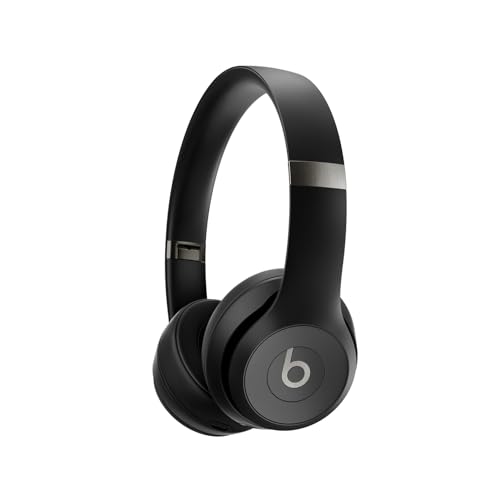
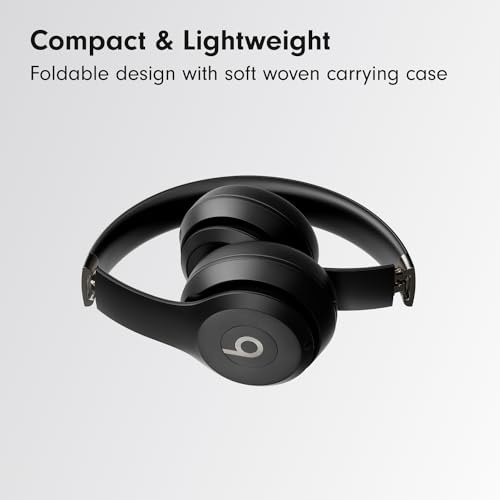
The Beats Solo 4, released in 2024, represents Apple's vision for accessible wireless audio. These on-ear headphones sit directly on your ears rather than around them, making them incredibly compact and portable. At just 217 grams, they fold up small enough to toss in a backpack without thinking twice. The design screams convenience – perfect for someone who's always on the move.
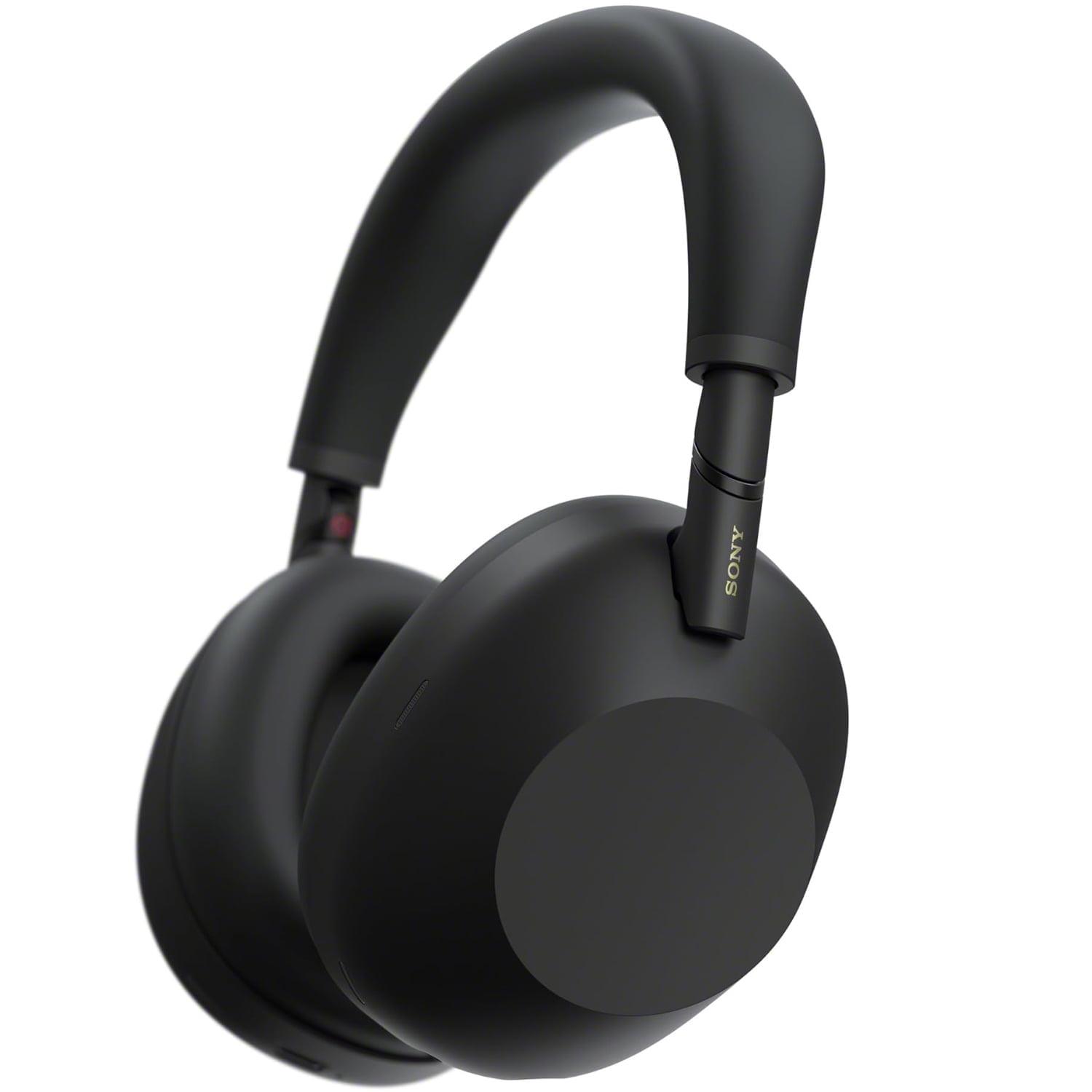
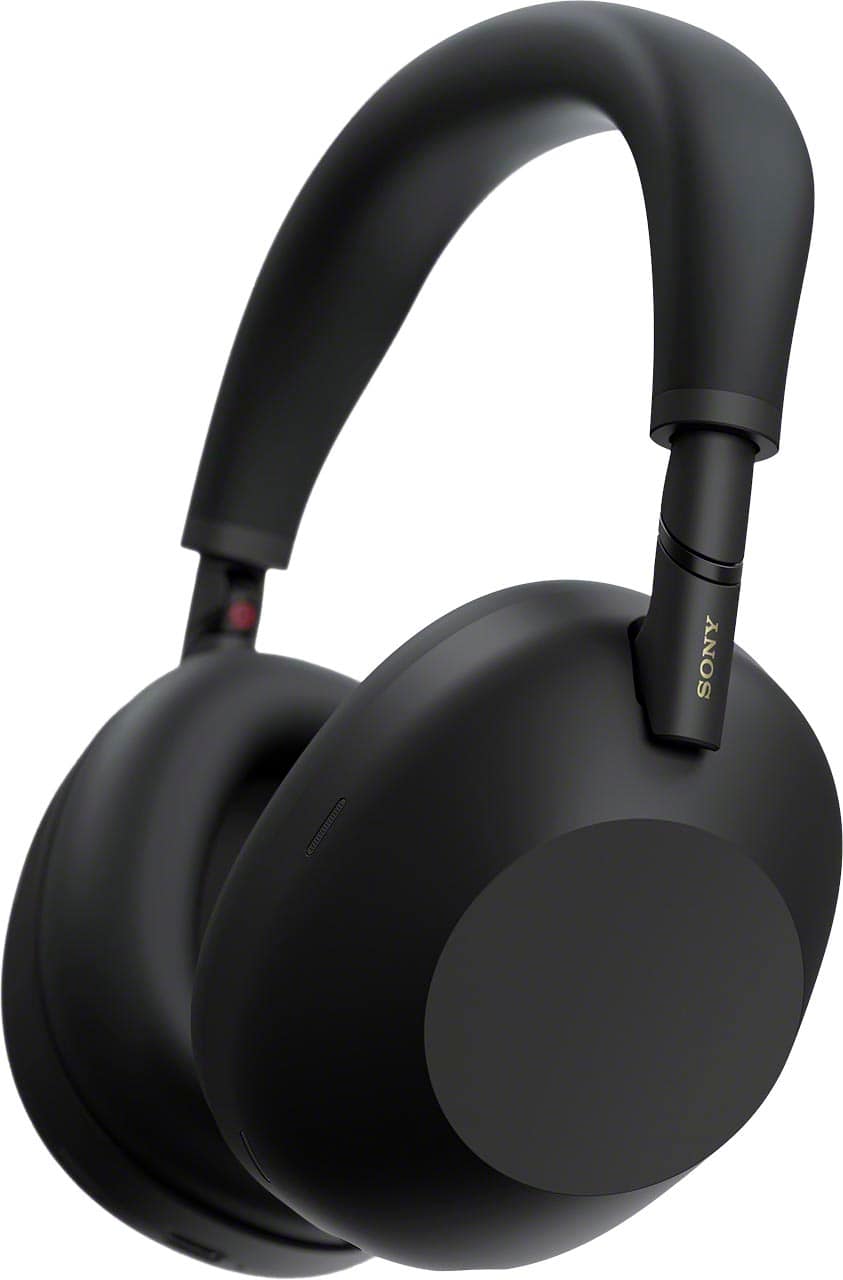
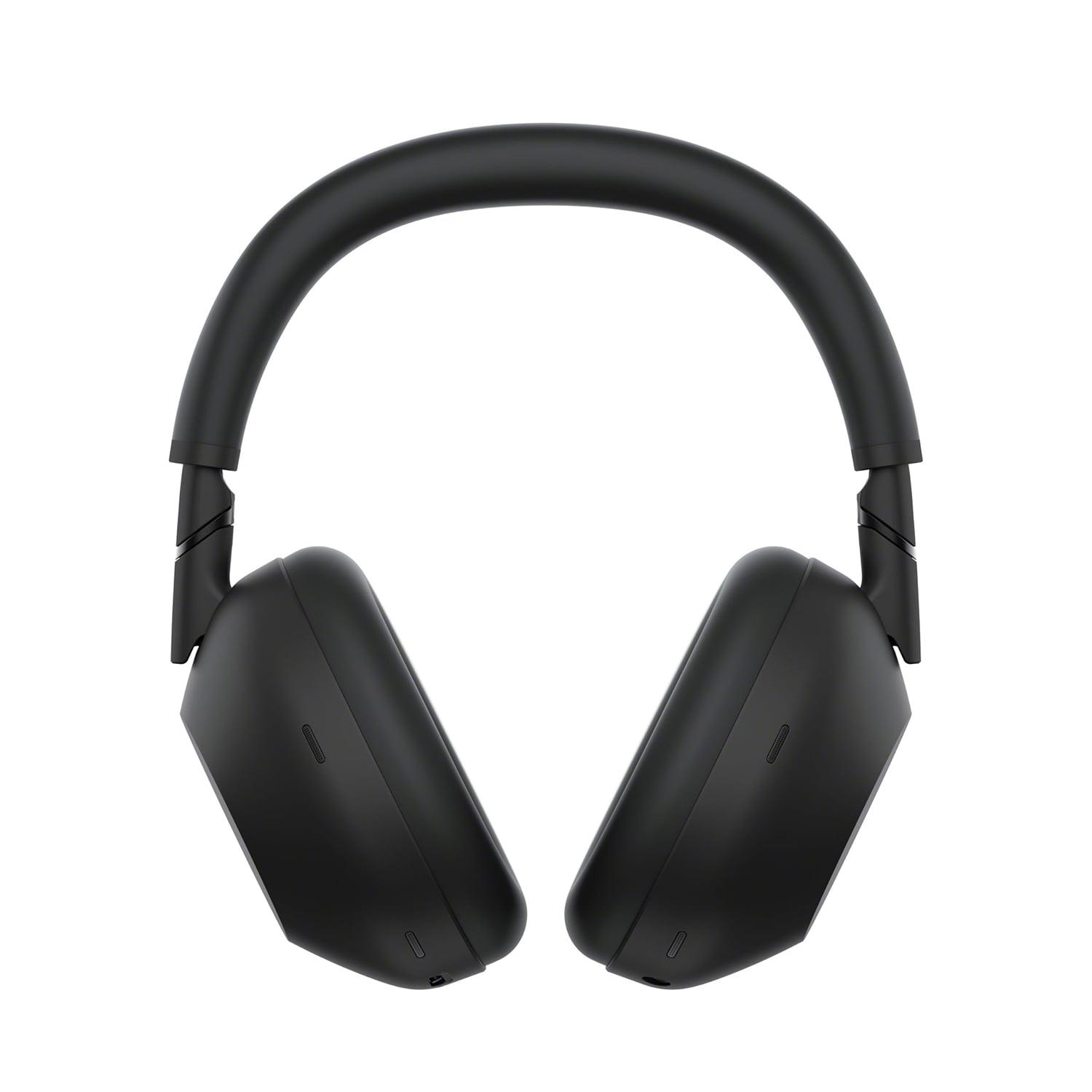
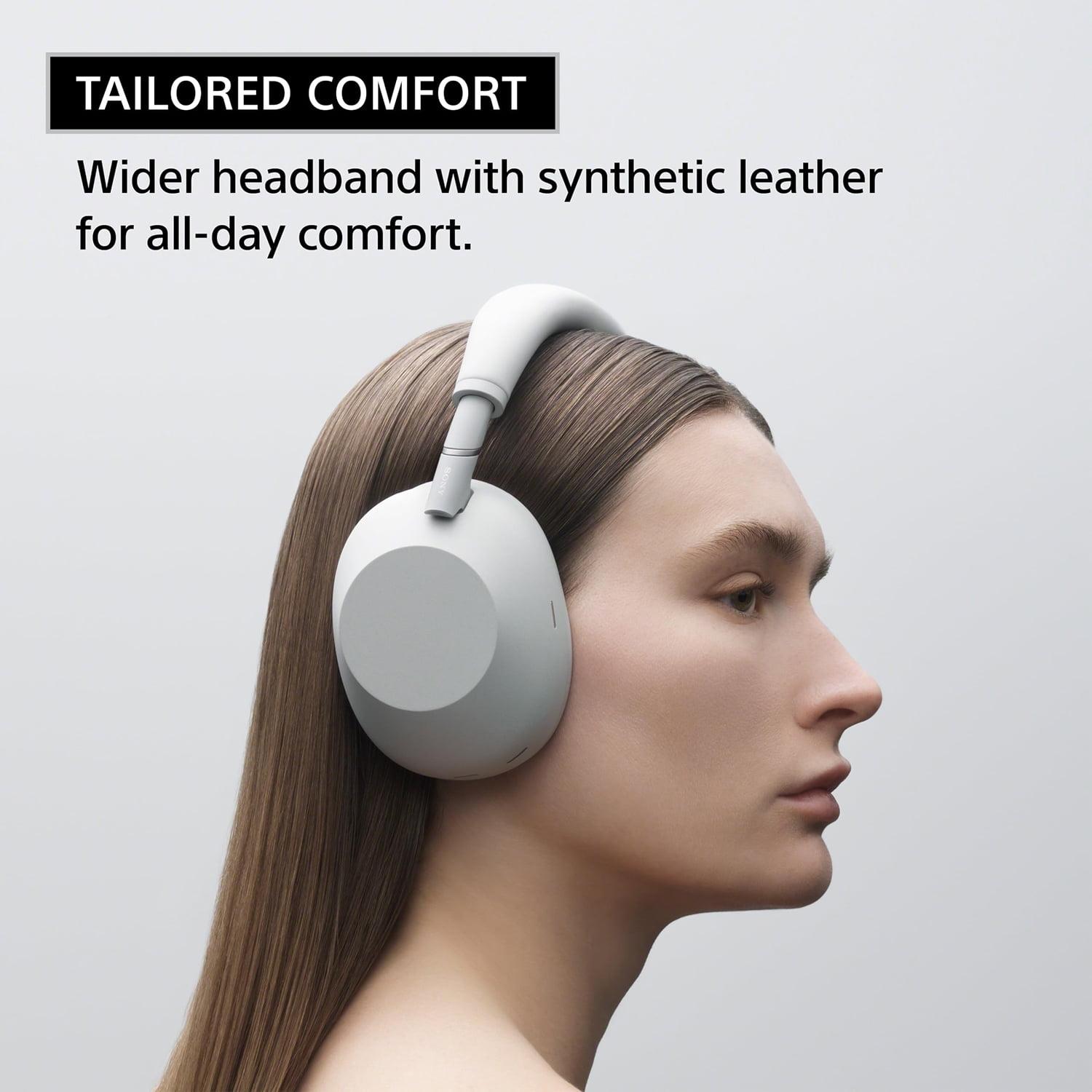
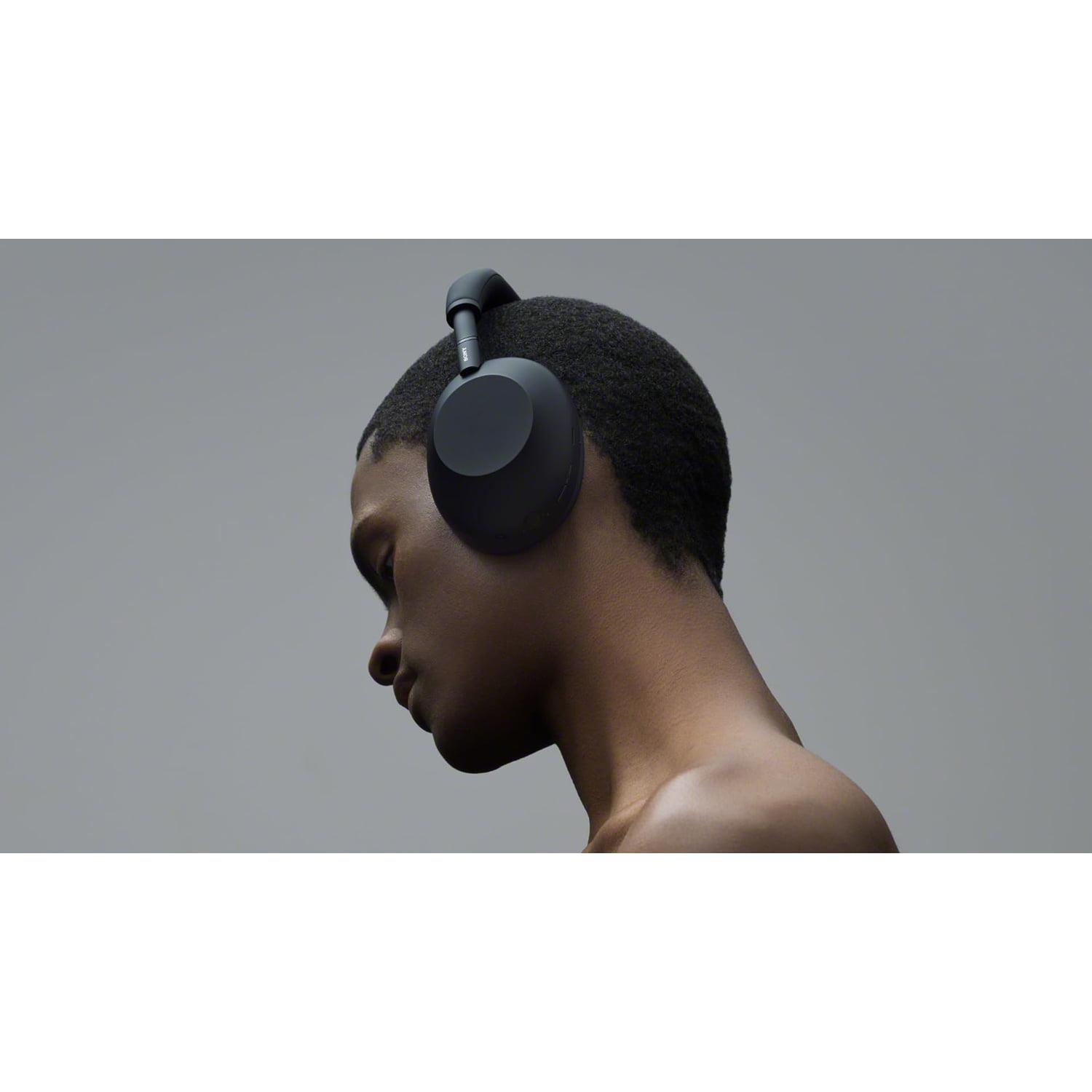
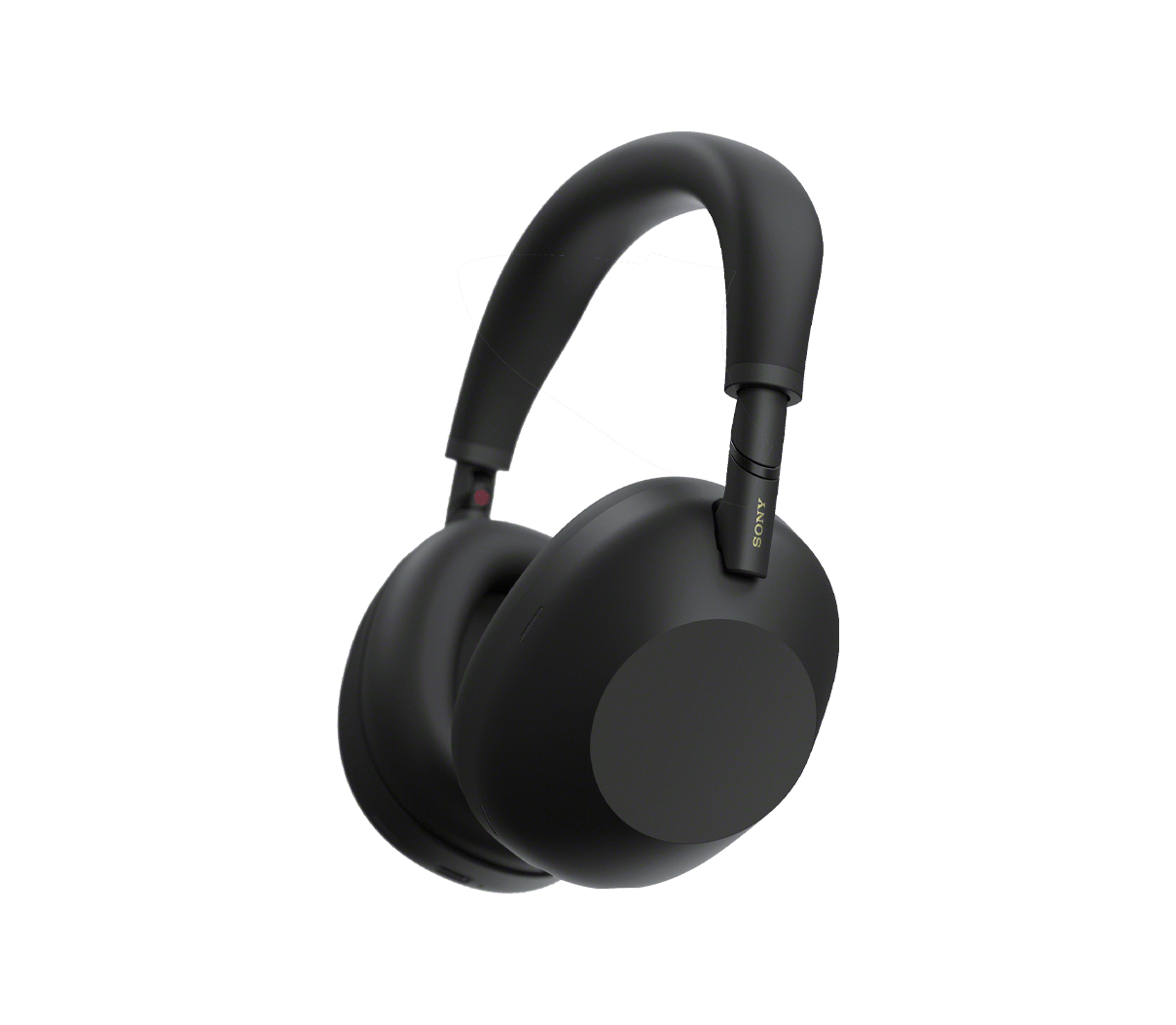
In contrast, the Sony WH-1000XM6, launched in 2025, embodies the premium over-ear approach. These headphones completely encompass your ears with plush cushions, distributing their 254-gram weight across a larger surface area. While slightly heavier on paper, the weight distribution makes them feel more comfortable during extended wear. Sony redesigned the headband to be wider and smoother, addressing comfort complaints from previous generations.
The fundamental difference here affects everything else about these headphones. On-ear designs like the Beats Solo 4 excel at portability but inherently struggle with comfort during long sessions and noise isolation. Over-ear designs like the Sony WH-1000XM6 prioritize comfort and sound isolation but require more space in your bag.
I've spent countless hours testing both approaches, and the comfort difference becomes apparent after about an hour of listening. The Beats Solo 4 starts creating pressure points on your ears, while the Sony WH-1000XM6 remains comfortable for entire workdays. However, when traveling light or commuting on crowded trains, the compact Beats Solo 4 proves invaluable.
Sound quality represents where these headphones diverge most dramatically. The Beats Solo 4 features custom-built 40mm drivers that mark a significant departure from the bass-heavy "Beats sound" of previous generations. Apple's engineers rebalanced the frequency response to create a more neutral, crowd-pleasing sound signature. The result delivers cleaner vocals and more detailed treble, though some listeners find the bright top-end occasionally harsh during extended sessions.
The Sony WH-1000XM6 takes sound quality to another level entirely. Sony collaborated directly with mastering engineers to tune these headphones, resulting in what many consider studio-quality sound reproduction. The 30mm neodymium drivers might seem smaller than the Beats' 40mm drivers, but size doesn't tell the whole story. Sony's drivers feature carbon fiber cones and sophisticated magnetic systems that deliver exceptional clarity across a wide frequency range of 4Hz to 40,000Hz.
What really sets the Sony WH-1000XM6 apart is the extensive digital signal processing happening behind the scenes. The DSEE Extreme engine (Digital Sound Enhancement Engine) uses artificial intelligence to analyze compressed music files and restore detail lost during compression. If you primarily stream music from Spotify or Apple Music, this technology makes a noticeable difference in sound quality.
The Sony WH-1000XM6 also supports LDAC, Sony's proprietary high-resolution audio codec that transmits up to three times more data than standard Bluetooth codecs. When paired with compatible devices, LDAC delivers noticeably more detail and dynamic range than the standard SBC and AAC codecs that the Beats Solo 4 relies on.
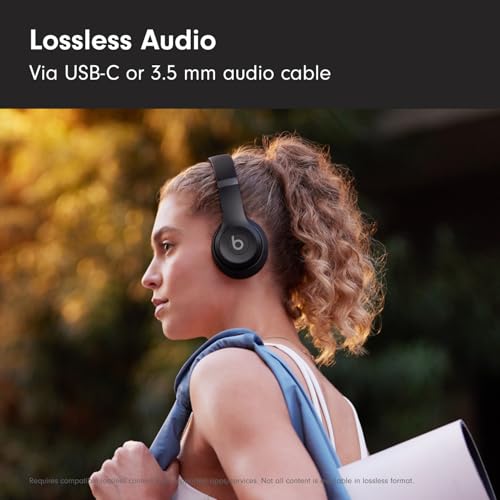
From a technical perspective, both headphones support lossless audio through wired connections, but the Sony WH-1000XM6 includes more sophisticated digital-to-analog conversion circuitry. The difference becomes apparent when listening to high-resolution music files or using these headphones with professional audio equipment.
Here's where the Sony WH-1000XM6 absolutely dominates. Sony equipped these headphones with their latest HD Noise Canceling Processor QN3, which operates seven times faster than previous generations. This processor works with twelve adaptive microphones – six per ear cup – to create what testing shows is industry-leading noise cancellation, reducing ambient noise by an impressive 87%.
The system continuously monitors your environment and adjusts cancellation in real-time. Flying at 35,000 feet? The atmospheric pressure optimization automatically adjusts. Walking through a busy city? The adaptive algorithms shift to target traffic noise and crowd sounds. This isn't marketing hyperbole – the difference is immediately apparent when you put these headphones on.
The Beats Solo 4 takes a completely different approach: they don't include active noise cancellation at all. This might seem like a significant limitation, but it serves their design philosophy. Eliminating ANC circuitry reduces weight, complexity, and power consumption, contributing to that remarkable 50-hour battery life.
However, the lack of ANC means the Beats Solo 4 relies entirely on passive noise isolation, which on-ear designs inherently struggle with. The ear cups don't create a complete seal around your ears, allowing ambient noise to leak through. This makes them unsuitable for noisy commutes, air travel, or busy offices where you need to block out distractions.
The Sony WH-1000XM6 also includes intelligent features like Speak-to-Chat, which automatically pauses music and activates transparency mode when you start talking. Quick Attention mode lets you cup your hand over the right ear cup to temporarily lower volume and let in ambient sound – perfect for quick conversations without removing the headphones.
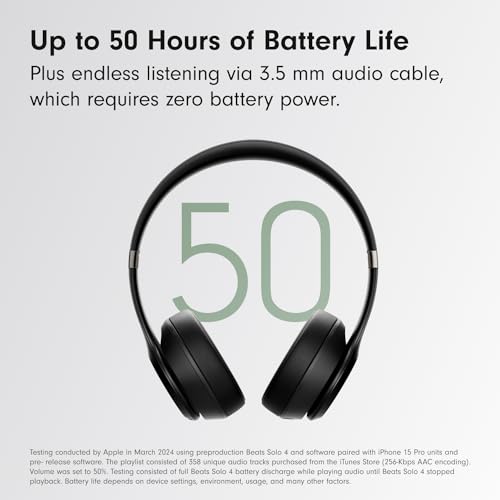
Battery life showcases another fundamental difference in priorities. The Beats Solo 4 delivers an absolutely staggering 50 hours of continuous playbook – among the longest battery life available in any wireless headphones at the time of writing. This isn't just marketing exaggeration; real-world testing confirms these numbers. The Fast Fuel charging technology provides five hours of playback from just ten minutes of charging, and you can continue listening via the 3.5mm cable even with a completely dead battery.
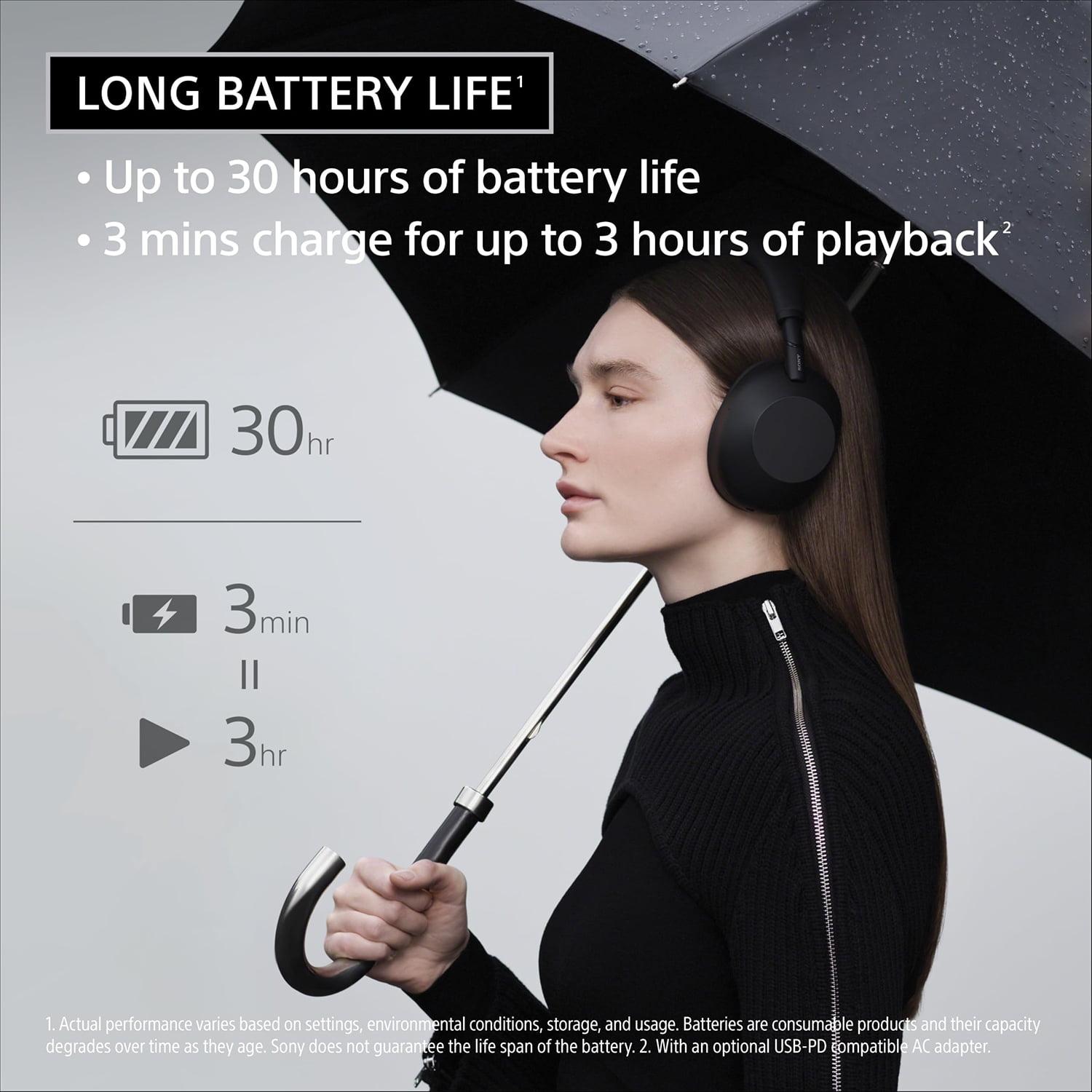
The Sony WH-1000XM6 offers respectable but shorter battery life: 30 hours with noise cancellation enabled, extending to 40 hours with ANC disabled. While this easily handles most users' daily needs, it requires more frequent charging than the Beats Solo 4. Sony's quick charge provides three hours of playback from three minutes of charging, and uniquely among the XM series, you can listen while charging via USB-C.
The battery life difference reflects each product's design priorities. The Beats Solo 4 achieves its marathon endurance by eliminating power-hungry features like active noise cancellation and simplifying the internal electronics. The Sony WH-1000XM6 trades some battery life for advanced features like multi-microphone ANC processing, spatial audio, and continuous environmental monitoring.
Modern wireless headphones serve as sophisticated computers, and the feature gap between these models is substantial. The Sony WH-1000XM6 supports multipoint Bluetooth connection, letting you seamlessly switch between two devices – answer a phone call while listening to music from your laptop without manual switching.
The Sony Sound Connect app unlocks extensive customization options, including a 10-band equalizer that lets you fine-tune the sound signature to your preferences. Adaptive Sound Control uses machine learning to recognize your location and activities, automatically adjusting sound settings. Walking to work? It might reduce noise cancellation to maintain awareness. Sitting in a coffee shop? Maximum ANC engages automatically.
The Sony WH-1000XM6 also supports 360 Reality Audio, Sony's spatial audio format that creates an immersive surround sound experience. While content availability remains limited compared to Apple's Spatial Audio, the technology impressively transforms compatible tracks.
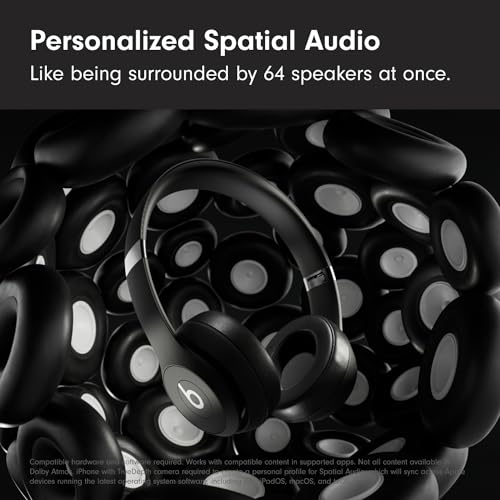
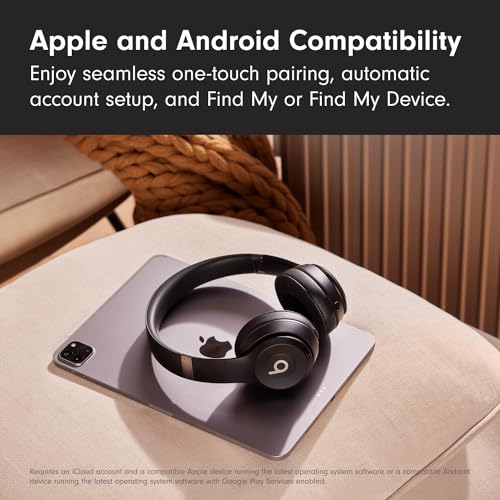
The Beats Solo 4 offers more basic smart features, focusing on seamless Apple ecosystem integration. Personalized Spatial Audio with head tracking works beautifully with Apple devices, using built-in accelerometers and gyroscopes to adjust the soundstage as you move your head. However, Android users get limited app support and fewer customization options.
Both headphones support voice assistants, but the Sony WH-1000XM6 offers more sophisticated implementation with better noise rejection during voice commands.
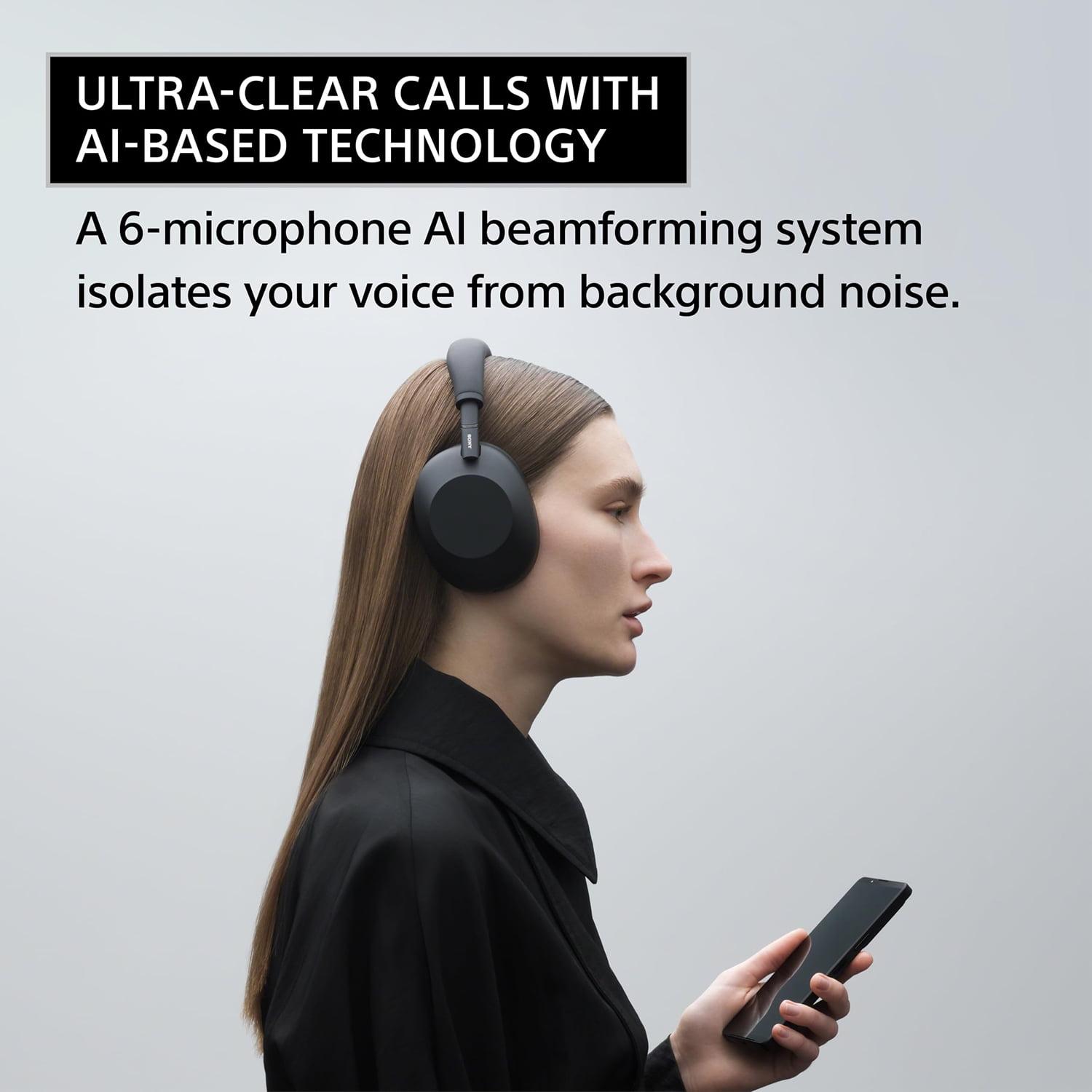
Professional call quality has become increasingly important as remote work normalizes. The Sony WH-1000XM6 excels here with six dedicated microphones using AI-powered beamforming to isolate your voice from background noise. The system actively suppresses keyboard typing, air conditioning, and other ambient sounds that commonly interfere with video calls.
The Beats Solo 4 includes multiple beam-forming microphones with voice-targeting algorithms, representing a significant improvement over previous Beats models. However, the lack of active noise cancellation means background noise that reaches your ears also affects call quality, as you tend to speak louder in noisy environments.
For professional use, the Sony WH-1000XM6 provides additional advantages like Speak-to-Chat for seamless conversation transitions and superior ambient noise blocking that helps maintain focus during long work sessions.
While neither headphone specifically targets home theater use, both offer interesting capabilities for entertainment consumption. The Sony WH-1000XM6 supports 360 Reality Audio Upmix for Cinema, which transforms stereo movie soundtracks into immersive spatial audio experiences. The head tracking technology creates a more engaging experience when watching movies or playing games.
The Beats Solo 4 supports Apple's Spatial Audio, which works with compatible content from Apple TV+ and other services when paired with Apple devices. However, the on-ear design and lack of isolation make them less ideal for immersive entertainment experiences.
For serious home theater applications, both headphones can connect via 3.5mm cables to audio receivers or dedicated headphone amplifiers, though the Sony WH-1000XM6 includes more sophisticated internal DAC (digital-to-analog converter) circuitry for better wired performance.
At the time of writing, these headphones occupy different market segments entirely. The Beats Solo 4 positions itself as a premium yet accessible option, offering significant improvements over budget wireless headphones without the premium pricing of flagship models.
The Sony WH-1000XM6 commands a substantial price premium, typically costing roughly double the Beats Solo 4. This pricing reflects the advanced noise cancellation technology, premium materials, extensive feature set, and sophisticated audio processing.
The value equation depends entirely on your priorities. If you need active noise cancellation for commuting or travel, the Sony WH-1000XM6 justifies its premium through superior functionality. If portability and battery life matter most, the Beats Solo 4 offers exceptional value for its feature set.
Choose the Beats Solo 4 if you prioritize portability above all else. These headphones excel for users who frequently travel light, need marathon battery life, or primarily listen in quiet environments where active noise cancellation isn't necessary. They're perfect for students, casual listeners, and anyone deeply integrated into Apple's ecosystem who values convenience over premium features.
The Sony WH-1000XM6 makes sense for users who demand the best possible audio experience and frequently find themselves in noisy environments. They're ideal for frequent flyers, professionals working in open offices, audio enthusiasts who appreciate extensive customization, and anyone willing to invest in flagship-level technology.
Consider your typical use cases honestly. Do you listen for hours at a time, or in short bursts? Are you usually in quiet spaces, or do you need to block out the world? Do you prioritize having the absolute best sound quality, or is "good enough" perfectly fine?
The beauty of today's wireless headphone market is that both approaches represent genuine excellence within their respective philosophies. The Beats Solo 4 and Sony WH-1000XM6 succeed brilliantly at their intended purposes – you just need to choose which purpose aligns with your lifestyle.
| Beats Solo 4 Wireless On-Ear Headphones | Sony WH-1000XM6 Wireless Noise Canceling Headphones |
|---|---|
| Design Type - Impacts comfort, portability, and noise isolation | |
| On-ear (sits on ears, compact and portable) | Over-ear (encompasses ears, better comfort and isolation) |
| Weight - Affects long-term wearing comfort | |
| 217g (lighter but pressure on ears) | 254g (heavier but distributed over larger area) |
| Active Noise Cancellation - Essential for noisy environments | |
| None (relies on passive isolation only) | Industry-leading ANC with 12-microphone system (87% noise reduction) |
| Battery Life - Critical for daily use without frequent charging | |
| 50 hours (exceptional endurance) | 30 hours with ANC on, 40 hours with ANC off |
| Sound Quality - Core audio performance | |
| Improved neutral tuning, 40mm drivers, bright signature | Studio-quality with mastering engineer collaboration, 30mm drivers, balanced sound |
| Audio Codecs - Determines wireless sound quality | |
| SBC, AAC (standard quality) | SBC, AAC, LDAC, LC3 (high-resolution wireless audio) |
| Customization Features - Sound personalization options | |
| Basic controls, limited EQ (especially Android) | Extensive 10-band EQ, adaptive sound control, gaming EQ |
| Spatial Audio Support - Immersive sound experience | |
| Personalized Spatial Audio with head tracking (iOS only) | 360 Reality Audio with head tracking, Cinema upmix |
| Call Quality - Important for work and communication | |
| Multiple beam-forming mics, voice targeting | Six AI-powered beamforming mics, superior noise rejection |
| Connectivity - Device pairing and switching | |
| Bluetooth 5.3, single device connection | Bluetooth 5.3, multipoint connection (two devices simultaneously) |
| Comfort Duration - How long you can wear them comfortably | |
| 1-2 hours before ear fatigue sets in | All-day comfort for extended sessions |
| Portability - Travel and storage convenience | |
| Highly portable, folds compact with carrying case | Larger footprint but includes premium carrying case |
| Smart Features - Automated convenience functions | |
| Basic voice assistant, Find My support | Speak-to-Chat, Quick Attention, adaptive sound control, voice assistants |
| Wired Audio Support - Backup connection and zero-latency use | |
| USB-C and 3.5mm with built-in DAC, works with dead battery | USB-C and 3.5mm, listen while charging capability |
| Target User - Best suited for | |
| Casual listeners prioritizing portability and battery life | Audio enthusiasts and frequent travelers needing premium features |
The Sony WH-1000XM6 are significantly more comfortable for extended use due to their over-ear design that distributes weight around your ears rather than pressing on them. The Beats Solo 4 on-ear design can cause pressure and fatigue after 1-2 hours, making them better suited for shorter listening sessions.
If you frequently travel, work in noisy environments, or commute on public transportation, the Sony WH-1000XM6 with industry-leading active noise cancellation is essential. The Beats Solo 4 lack ANC entirely, making them suitable only for quiet environments where blocking external noise isn't necessary.
The Beats Solo 4 offer exceptional 50-hour battery life, significantly outlasting the Sony WH-1000XM6 which provide 30 hours with ANC on or 40 hours with ANC off. If marathon battery life is your priority, the Beats Solo 4 are unmatched.
The Sony WH-1000XM6 deliver superior sound quality with studio-grade tuning developed with mastering engineers, extensive EQ customization, and high-resolution LDAC codec support. While the Beats Solo 4 have improved significantly with more neutral tuning, they can't match the audio fidelity of the Sony WH-1000XM6.
The Sony WH-1000XM6 excel at call quality with six AI-powered beamforming microphones that effectively isolate your voice from background noise. The Beats Solo 4 offer decent call quality with beam-forming mics, but without noise cancellation, they're less effective in noisy environments.
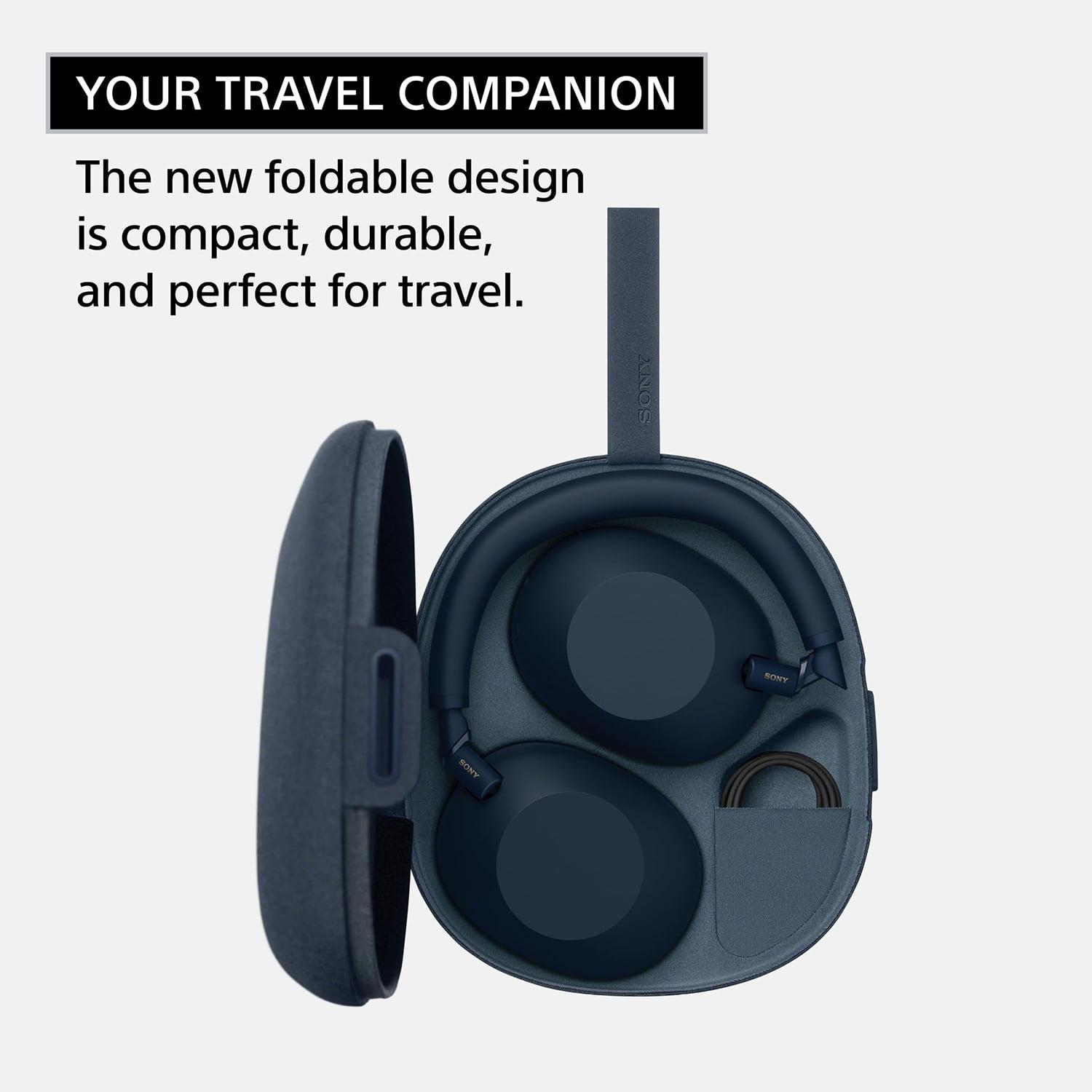
The Beats Solo 4 are significantly more portable due to their compact on-ear design and lighter 217g weight that folds into a small carrying case. The Sony WH-1000XM6, while foldable, are bulkier over-ear headphones that take up more space in bags despite their premium carrying case.
Both headphones support wired connections. The Beats Solo 4 work with USB-C and 3.5mm cables even with a dead battery, while the Sony WH-1000XM6 support the same connections and uniquely allow listening while charging, which previous Sony models couldn't do.
The Beats Solo 4 integrate seamlessly with Apple devices, offering Personalized Spatial Audio with head tracking and easy pairing. However, the Sony WH-1000XM6 also work excellently with iPhones and provide more advanced features through their dedicated app, though with slightly more setup required.
Neither headphones are ideal for intense workouts. The Beats Solo 4 are more suitable for light exercise due to their secure on-ear fit, but they lack water resistance. The Sony WH-1000XM6 are too bulky for most physical activities and also lack sweat protection.
The Beats Solo 4 provide excellent value for users prioritizing portability and battery life at their price point. The Sony WH-1000XM6 justify their premium pricing with advanced noise cancellation, superior sound quality, and extensive features, making them better value for users who need these capabilities.
The Sony WH-1000XM6 support multipoint Bluetooth connection, allowing simultaneous connection to two devices for seamless switching between phone calls and computer audio. The Beats Solo 4 only connect to one device at a time, requiring manual switching between devices.
Choose the Beats Solo 4 if you prioritize exceptional battery life, portability, and work primarily in quiet environments. Choose the Sony WH-1000XM6 if you need active noise cancellation, superior sound quality, extended comfort, or frequently use headphones in noisy environments like offices or during travel.
We've done our best to create useful and informative comparisons to help you decide what product to buy. Our research uses advanced automated methods to create this comparison and perfection is not possible - please contact us for corrections or questions. These are the sites we've researched in the creation of this article: bestbuy.com - soundguys.com - rtings.com - cnet.com - youtube.com - rtings.com - therunningchannel.com - youtube.com - soundguys.com - rtings.com - beatsbydre.com - kubookstore.com - apple.com - panthertech.fiu.edu - beatsbydre.com - cnet.com - techwelike.com - beatsbydre.com - beatsbydre.com - moon-audio.com - soundguys.com - electronics.sony.com - recordingnow.com - tomsguide.com - electronics.sony.com - rtings.com - recordingnow.com - youtube.com - soundguys.com - whathifi.com - bhphotovideo.com - sony.com - sony.com - bestbuy.com - youtube.com - sony.eu - soundguys.com - audio46.com - electronics.sony.com

Privacy Policy
Terms and Conditions - Affiliate Policy
Home Security
© Copyright 2008-2026.
11816 Inwood Rd #1211, Dallas, TX 75244