

Choosing the right wireless headphones can feel overwhelming with so many options on the market. Today, we're comparing two popular models that represent very different approaches to portable audio: the budget-friendly OneOdio A10 with its active noise cancellation, and the style-focused Beats Solo 4 with its compact on-ear design. While both deliver wireless audio, they're designed for completely different users and situations.
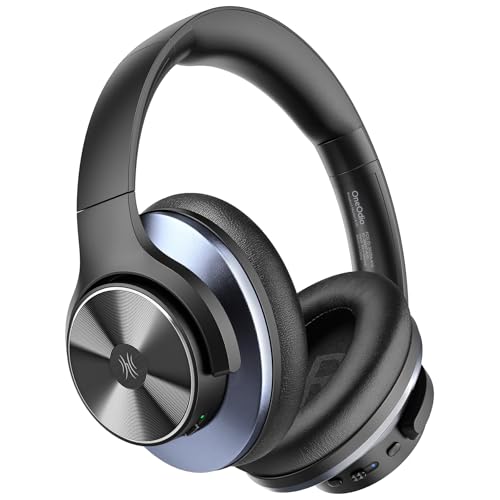
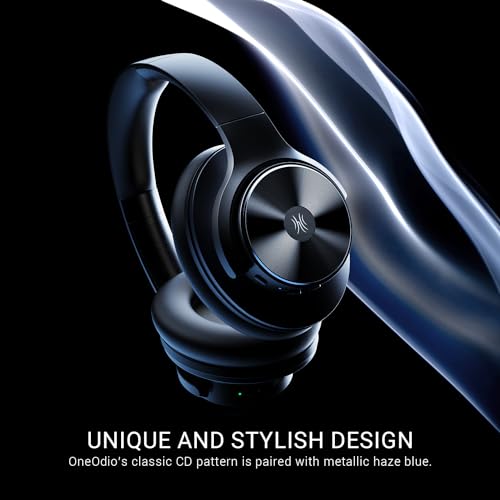
Before diving into specifics, it's crucial to understand that these headphones use fundamentally different designs. The OneOdio A10 uses an over-ear design, where large ear cups completely surround your ears. This creates a sealed chamber that naturally blocks outside noise and typically produces better bass response. Think of it like having mini speakers positioned around your ears rather than directly on them.
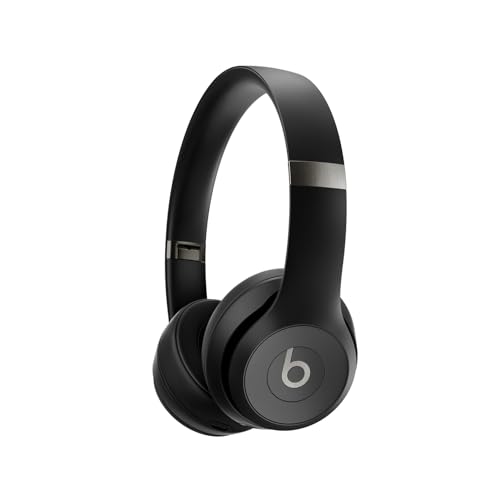
The Beats Solo 4, on the other hand, uses an on-ear design where smaller ear cups rest directly on your ears. This makes them much more portable and lighter, but it also means they don't create that sealed environment. It's the difference between wearing earmuffs versus wearing small speakers that gently press against your ears.
Both approaches have evolved significantly in recent years. When I started reviewing headphones a decade ago, most on-ear models were uncomfortable and most over-ear models were bulky. Today's designs have addressed many of these issues, though fundamental trade-offs remain.
The OneOdio A10 launched around 2022 as part of the company's push into active noise cancellation technology. OneOdio, originally known for studio and DJ headphones, developed hybrid ANC (Active Noise Cancellation) that uses multiple microphones to detect and cancel unwanted sounds. This technology has become much more affordable in recent years, bringing features once exclusive to $300+ headphones down to the sub-$100 market.
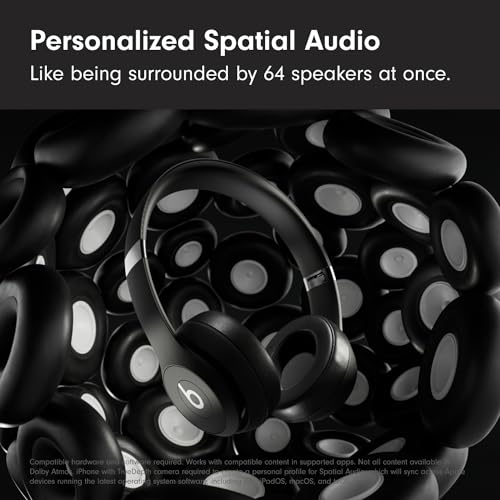
The Beats Solo 4 represents the fourth generation of Beats' popular Solo line, released in 2024. This latest version marks a significant departure from the bass-heavy sound signature that defined earlier Beats products. Apple's acquisition of Beats has gradually refined their tuning philosophy, and the Solo 4 shows this evolution clearly. The addition of Spatial Audio with head tracking—technology that creates a surround-sound effect that follows your head movement—demonstrates how premium features are trickling down to more accessible products.
When evaluating headphone performance, sound quality remains the most critical factor. However, "good sound" means different things to different people, and these two models showcase this perfectly.
The OneOdio A10 delivers what audio engineers call a V-shaped frequency response. This means it emphasizes both the low frequencies (bass) and high frequencies (treble) while pulling back slightly on the midrange where vocals sit. The result is an exciting, energetic sound that makes electronic music and movie soundtracks feel impactful. The bass extends deep and hits hard, while the treble adds sparkle to cymbals and acoustic guitars.
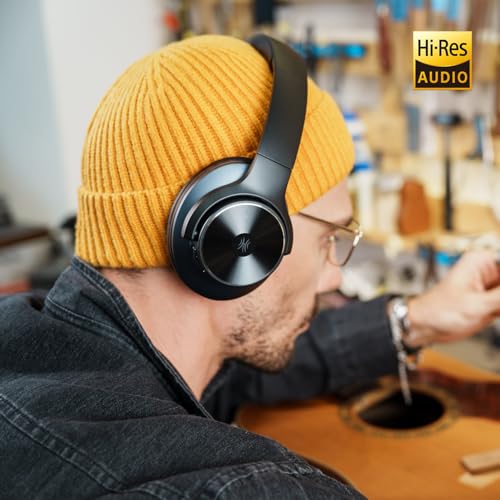
However, this tuning can make some vocal-heavy content sound slightly recessed. When I tested these with podcasts and audiobooks, voices occasionally felt like they were sitting behind the music rather than front and center. The Hi-Res Audio certification when using wired mode does provide additional detail retrieval, meaning you'll hear more subtle elements in well-recorded music.
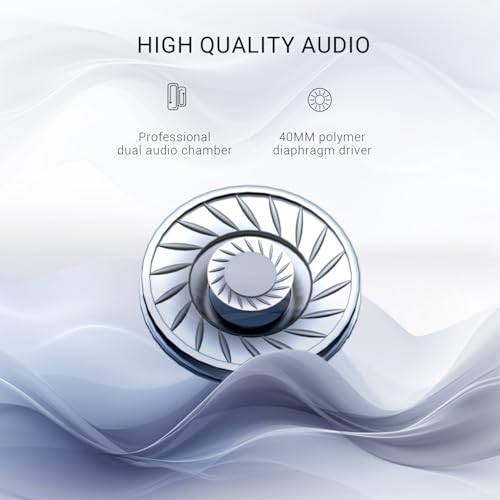
The Beats Solo 4 takes a dramatically different approach with what we call a more neutral or balanced sound signature. This means all frequency ranges receive relatively equal emphasis, creating a more natural representation of how music was mixed in the studio. The custom-built 40mm transducers (the technical term for the speakers inside headphones) deliver exceptional imaging—this refers to how precisely you can pinpoint where different instruments and voices are positioned in the stereo field.
During my testing, the Beats Solo 4 excelled with complex arrangements where you want to hear every instrument clearly. Jazz recordings, classical music, and well-produced pop all sounded more cohesive and natural compared to the OneOdio A10. However, some listeners might find this more analytical approach less exciting for casual listening.
The soundstage—how wide and open music sounds—differs significantly between these designs. Over-ear headphones like the OneOdio A10 generally create a broader sense of space, while on-ear models like the Beats Solo 4 tend to sound more intimate and direct.
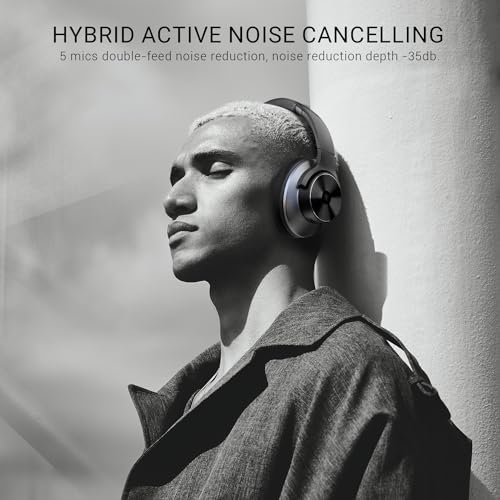
This represents the most significant functional difference between these models. The OneOdio A10 features hybrid active noise cancellation, while the Beats Solo 4 offers no ANC at all.
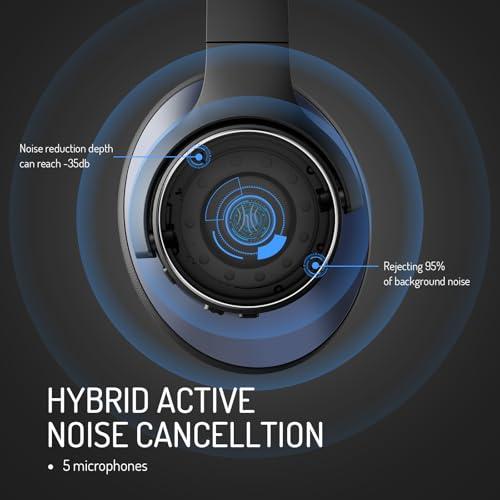
Let me explain how ANC works: microphones on the outside of the headphones detect ambient sound, and the headphones generate an inverted sound wave that cancels out unwanted noise. Hybrid ANC uses both external microphones (feedforward) and internal microphones (feedback) to catch a wider range of frequencies. The OneOdio A10 can reduce ambient noise by up to 35 decibels, which effectively eliminates most low-frequency rumble from airplanes, air conditioning, and traffic.
During commute testing, this difference proved dramatic. The OneOdio A10 transformed noisy subway rides into peaceful listening sessions, while the Beats Solo 4 struggled to block even moderate ambient noise. The ANC on the A10 works particularly well for consistent, droning sounds but is less effective against sudden noises like conversations or door slams.
The transparency mode on the OneOdio A10 deserves mention too. This feature uses the same microphones that enable ANC but instead amplifies outside sounds, particularly human voices. It's incredibly useful for hearing announcements without removing your headphones, though the effect sounds somewhat artificial—like listening to the world through a telephone.
For home theater use, this ANC advantage becomes less relevant since you're typically in a controlled environment. However, if you live in a noisy area or have family members moving around, the OneOdio A10 can help you focus on movie dialogue without cranking the volume.
Comfort directly impacts how often you'll actually use your headphones. The over-ear design of the OneOdio A10 distributes its 295-gram weight across your entire head rather than concentrating pressure on your ears. The protein leather ear pads create a soft seal, and during extended testing sessions, I found them comfortable for 3-4 hours continuously.
The Beats Solo 4, weighing just 217 grams, feels almost weightless initially. However, the on-ear design creates a different comfort equation. All the pressure concentrates on your ears themselves, and despite the UltraPlush memory foam cushions, most users experience fatigue after 1-2 hours. This isn't necessarily a flaw—it's an inherent characteristic of on-ear designs.
For home theater use, this comfort difference becomes crucial. Movie sessions often last 2-3 hours, making the OneOdio A10 more suitable for extended viewing. The Beats Solo 4 excels for shorter content like TV episodes or YouTube videos.
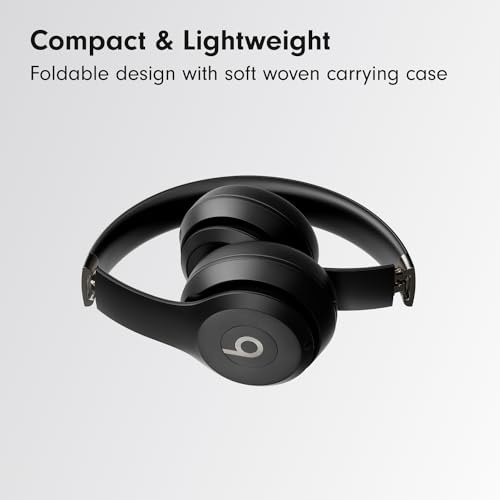
The foldable design of both models aids portability, but the Beats Solo 4 clearly wins here. Its compact form factor makes it genuinely pocketable, while the OneOdio A10 requires a bag despite its included carrying case.
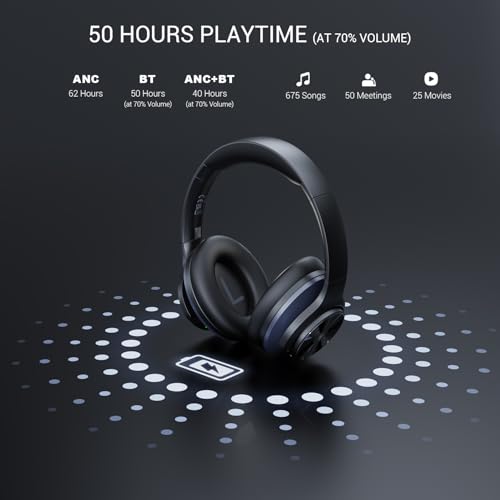
Battery life has improved dramatically across the wireless headphone category in recent years, and both models showcase this advancement. The OneOdio A10 delivers exceptional endurance with up to 62 hours using ANC only, 50 hours via Bluetooth without ANC, and 40-45 hours combining both features. This flexibility lets you optimize for your specific usage pattern.
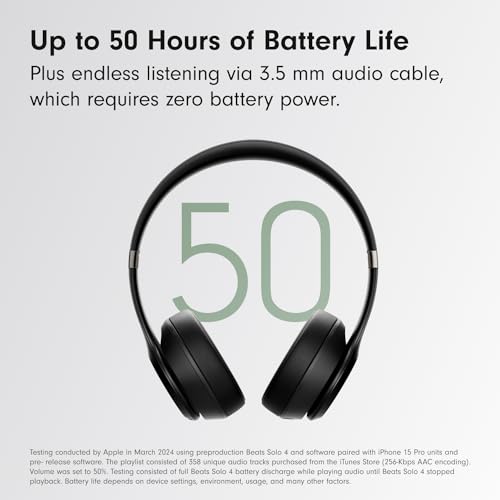
The Beats Solo 4 matches this performance with 50 hours of battery life, impressive for any wireless headphones but particularly noteworthy for an on-ear design. Both models support rapid charging—the A10 provides 2 hours of playback from a 5-minute charge, while the Solo 4 offers 5 hours from a 10-minute charge.
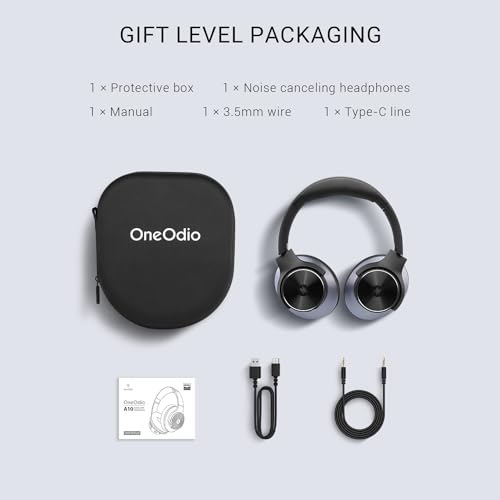
Both headphones can operate in wired mode when the battery dies, though the OneOdio A10 requires power for ANC functionality. This wired capability proves invaluable for long flights or when you forget to charge.
Modern wireless headphones need to handle complex connectivity scenarios, and both models address this differently. The OneOdio A10 supports multipoint connectivity, allowing simultaneous connections to two devices—perhaps your phone and laptop. This feature has become increasingly important as we juggle multiple devices throughout the day.
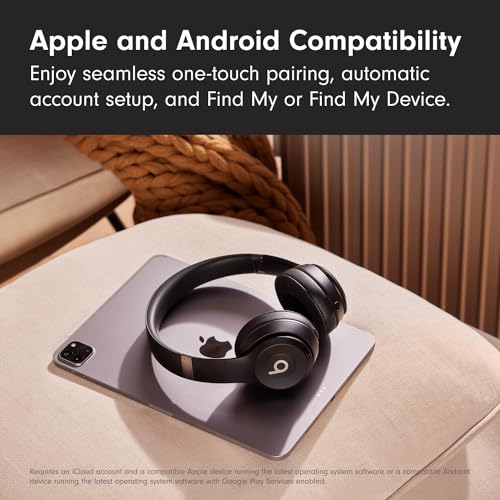
The Beats Solo 4 focuses on seamless integration within Apple's ecosystem. The H1 chip enables instant pairing with iPhones and quick switching between Apple devices. For Android users, the experience is more basic, lacking the advanced features available through Apple's ecosystem.
The Spatial Audio implementation on the Beats Solo 4 deserves special attention. Using built-in gyroscopes and accelerometers, it creates a surround sound effect that adjusts as you move your head. When watching movies on an iPad or iPhone, this technology can make dialogue seem to come from the screen even as you turn your head. It's genuinely impressive when it works, though content needs to specifically support the feature.
For home theater applications, the OneOdio A10's wired connectivity offers advantages. The 3.5mm jack works with any audio source without latency concerns that sometimes affect Bluetooth connections during video playback.
At the time of writing, these headphones occupy very different price segments, with the OneOdio A10 typically costing less than half the price of the Beats Solo 4. This price difference dramatically affects how we evaluate their value.
The OneOdio A10 delivers features typically associated with headphones costing significantly more. Active noise cancellation, transparency mode, multipoint connectivity, and exceptional battery life create a compelling package. The build quality, while not premium, feels solid and appropriate for the price point.
The Beats Solo 4 asks premium pricing for a more focused feature set. You're paying for refined sound quality, Apple ecosystem integration, advanced spatial audio features, and brand prestige. Whether this represents good value depends heavily on your priorities and brand preferences.
For home theater use specifically, the OneOdio A10 offers better value due to its comfort advantages for extended viewing and ANC benefits for dialogue clarity in noisy environments.
Choose the OneOdio A10 if you need active noise cancellation for daily commuting, work in noisy environments, or prioritize comfort for extended listening sessions. Its exceptional battery life and multipoint connectivity make it ideal for users juggling multiple devices. The over-ear design suits home theater use perfectly, and the value proposition remains compelling.
The Beats Solo 4 makes sense if portability trumps all other considerations, you're deeply integrated into Apple's ecosystem, or you prefer more neutral sound quality. Its compact design suits users who need truly portable headphones, though the comfort limitations restrict extended use scenarios.
For home theater applications specifically, I'd recommend the OneOdio A10 for most users. The combination of ANC for dialogue clarity, extended comfort for movie-length sessions, and wired connectivity for latency-free audio creates a superior experience for this use case.
Both headphones represent their respective categories well, but they serve fundamentally different needs. The OneOdio A10 maximizes features and value, while the Beats Solo 4 prioritizes refinement and portability. Understanding which philosophy aligns with your usage patterns will guide you toward the right choice.
At the time of writing, the headphone market continues evolving rapidly, with features once exclusive to premium models becoming increasingly accessible. Both the OneOdio A10 and Beats Solo 4 demonstrate this democratization of audio technology, just through different approaches to design and pricing.
| OneOdio A10 Hybrid Active Noise Cancelling Headphones | Beats Solo 4 Wireless On-Ear Headphones |
|---|---|
| Form Factor - Determines comfort, portability, and sound isolation | |
| Over-ear design (295g) - Better for extended wear and natural noise isolation | On-ear design (217g) - More portable but pressure on ears limits comfort |
| Active Noise Cancellation - Essential for noisy environments like commuting | |
| Hybrid ANC with up to 35dB reduction - Blocks most ambient noise effectively | No ANC - Relies only on minimal passive isolation from on-ear design |
| Sound Signature - Affects how music genres will sound | |
| V-shaped (emphasized bass/treble) - Exciting for electronic music, movies | Neutral/balanced - More accurate for all genres, especially vocals |
| Battery Life - Critical for travel and daily use | |
| 40-62 hours depending on features used - Industry-leading endurance | 50 hours - Excellent performance matching premium competitors |
| Connectivity Features - Important for multi-device users | |
| Multipoint Bluetooth (2 devices) + 3.5mm wired - Great for laptop/phone switching | Basic Bluetooth 5.3 + USB-C/3.5mm wired - Optimized for Apple ecosystem |
| Special Audio Features - Premium technologies that enhance listening | |
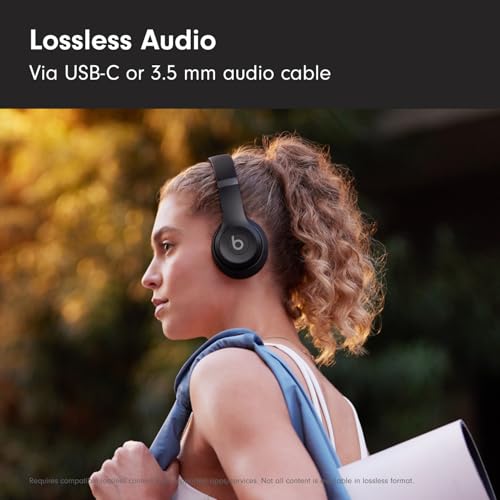
| Hi-Res Audio certification (wired mode) + Transparency mode | Personalized Spatial Audio with head tracking + Lossless audio support |
| Comfort for Extended Use - Crucial for movies, work, long listening sessions | |
| 3-4 hours comfortable wear - Over-ear distributes weight well | 1-2 hours before ear fatigue - On-ear pressure becomes uncomfortable |
| Noise Isolation Performance - How well they block distractions | |
| Excellent - ANC + over-ear seal blocks most environmental noise | Poor - Minimal passive isolation makes them unsuitable for noisy spaces |
| Portability and Storage - Important for travel and daily carry | |
| Bulky when folded, requires bag - Comes with soft carrying case | Highly portable, fits in small spaces - Truly compact when folded |
| Value Proposition - Features and performance relative to typical market pricing | |
| Exceptional - Premium ANC features at budget pricing | Premium pricing - Pay more for brand, Apple integration, refined sound |
The OneOdio A10 offers hybrid active noise cancellation that blocks up to 35dB of ambient sound, making it excellent for noisy environments like airplanes, offices, or busy streets. The Beats Solo 4 has no active noise cancellation and relies only on minimal passive isolation from its on-ear design, making it unsuitable for blocking external noise.
The OneOdio A10 uses an over-ear design where large ear cups completely surround your ears, providing better comfort for long sessions and natural noise isolation. The Beats Solo 4 uses an on-ear design where smaller ear cups rest directly on your ears, making them more portable but less comfortable for extended use.
Both headphones offer excellent battery performance. The OneOdio A10 provides 40-62 hours depending on which features you use, while the Beats Solo 4 delivers up to 50 hours. Both support fast charging and can operate in wired mode when the battery dies.
The OneOdio A10 is better suited for home theater use due to its over-ear comfort for 2-3 hour movie sessions and active noise cancellation to help focus on dialogue. The Beats Solo 4 works for shorter viewing but the on-ear pressure can become uncomfortable during full-length movies.
The Beats Solo 4 offers more balanced, neutral sound quality that works well across all music genres, with clearer vocals and better instrument separation. The OneOdio A10 has a V-shaped sound with emphasized bass and treble that's more exciting for electronic music and movies but can make vocals sound recessed.
The OneOdio A10 supports multipoint Bluetooth connectivity, allowing simultaneous connections to two devices like your phone and laptop. The Beats Solo 4 focuses on seamless switching within Apple's ecosystem but doesn't offer true multipoint connectivity.
The OneOdio A10 is more comfortable for extended wear, with users typically able to wear them for 3-4 hours without discomfort. The on-ear design of the Beats Solo 4 creates pressure on your ears that usually causes fatigue after 1-2 hours.
Both headphones handle phone calls adequately. The OneOdio A10 uses multiple microphones with decent voice pickup, while the Beats Solo 4 features advanced voice-targeting algorithms for clearer call quality, especially in the Apple ecosystem.
The OneOdio A10 is superior for commuting due to its active noise cancellation that blocks subway noise, airplane engines, and traffic sounds. The Beats Solo 4 is more portable but offers no protection against ambient noise, making it less suitable for noisy transportation.
Yes, both headphones support wired connections. The OneOdio A10 includes a 3.5mm cable and maintains Hi-Res Audio certification when wired. The Beats Solo 4 supports both USB-C and 3.5mm wired connections with built-in DAC for lossless audio quality.
The OneOdio A10 provides exceptional value with premium features like active noise cancellation, transparency mode, and multipoint connectivity typically found in much more expensive headphones. The Beats Solo 4 commands premium pricing for refined sound quality, Apple integration, and brand prestige.
Neither headphone is specifically designed for workouts. The OneOdio A10 is too bulky for exercise and lacks sweat resistance. The Beats Solo 4 is more portable but also lacks water resistance and the on-ear design can become uncomfortable during physical activity.
We've done our best to create useful and informative comparisons to help you decide what product to buy. Our research uses advanced automated methods to create this comparison and perfection is not possible - please contact us for corrections or questions. These are the sites we've researched in the creation of this article: techbuzzireland.com - creativebloq.com - head-fi.org - homestudiobasics.com - versus.com - androidguys.com - thegadgetflow.com - oneodio.com - mbreviews.com - the-gadgeteer.com - newegg.com - howtogeek.com - youtube.com - newegg.com - manuals.plus - majorhifi.com - soundphilereview.com - youtube.com - howtogeek.com - oneodio.com - youtube.com - youtube.com - youtube.com - walmart.com - bestbuy.com - soundguys.com - rtings.com - cnet.com - youtube.com - rtings.com - therunningchannel.com - youtube.com - soundguys.com - rtings.com - beatsbydre.com - kubookstore.com - apple.com - panthertech.fiu.edu - beatsbydre.com - cnet.com - techwelike.com - beatsbydre.com - beatsbydre.com

Privacy Policy
Terms and Conditions - Affiliate Policy
Home Security
© Copyright 2008-2026.
11816 Inwood Rd #1211, Dallas, TX 75244