

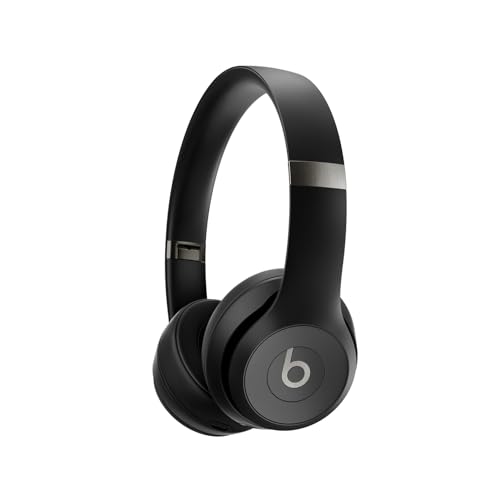
When you're shopping for headphones, you might find yourself comparing products that seem similar but are actually designed for completely different purposes. That's exactly what happens when you look at the Pioneer DJ HDJ-X5 and the Beats Solo 4 Wireless. While both sit on your head and play music, they represent two fundamentally different approaches to audio equipment – and understanding these differences will help you make the right choice.
The headphone world splits into several distinct categories, and these two products sit in very different camps. The Pioneer HDJ-X5 belongs to the professional DJ monitoring category, where every design decision prioritizes accuracy, reliability, and zero-latency performance. Meanwhile, the Beats Solo 4 targets the consumer wireless market, focusing on convenience, style, and everyday usability.
Think of it like comparing a race car to an SUV – both have wheels and engines, but they're built for completely different purposes. Professional DJ headphones need to deliver perfect timing for beatmatching (synchronizing the tempo of two songs), while consumer headphones prioritize wireless freedom and long battery life for daily commutes and casual listening.
The key considerations that separate these categories include connection type (wired reliability versus wireless convenience), latency requirements (critical for DJs but less important for casual listening), build quality standards (professional durability versus consumer aesthetics), and sound tuning philosophy (neutral monitoring versus consumer-pleasing enhancement).
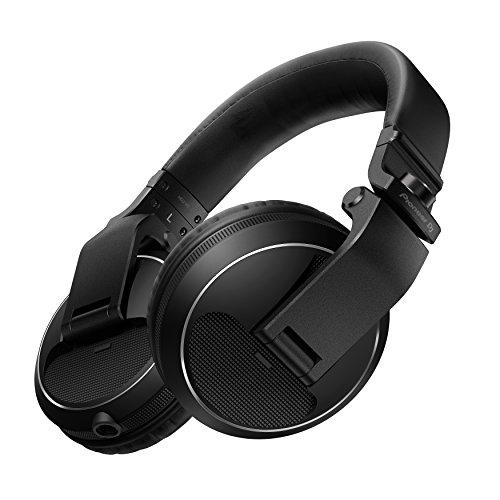
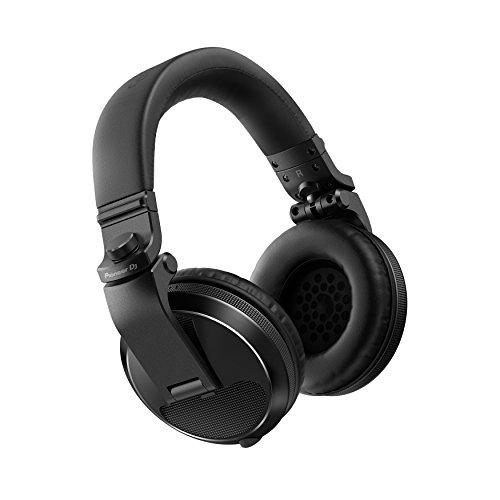
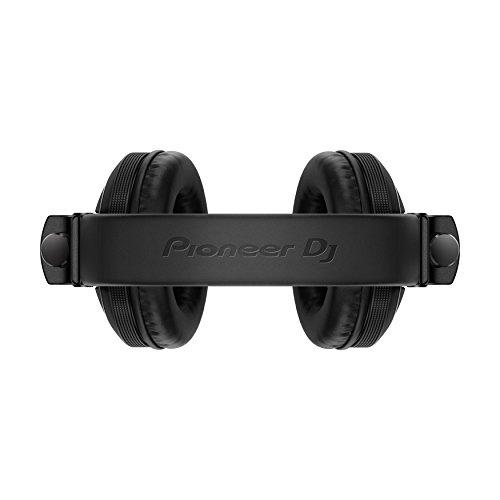
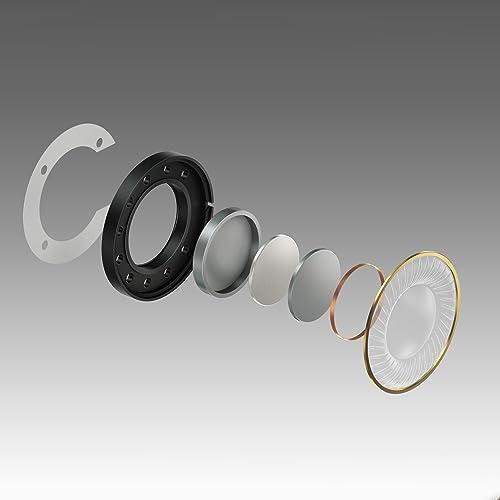
The Pioneer HDJ-X5 launched in 2017 as part of Pioneer's HDJ-X series, representing a significant update from their previous HDJ-500 line. Pioneer redesigned the drivers completely, moving to 40mm dome-type drivers with copper-clad aluminum wire (CCAW) voice coils – a material choice that reduces weight while maintaining excellent conductivity. The company also implemented their first bass reflex chamber system in this price range, borrowing technology from their flagship models.
Since 2017, the HDJ-X5 has remained largely unchanged, which actually speaks to its solid design. In professional audio, consistency matters more than frequent updates. DJs need to know their monitoring will sound the same whether they bought their headphones last month or three years ago.
The Beats Solo 4, released in 2024, represents a major evolution from the Solo 3 that came out in 2016. That eight-year gap allowed Beats to completely rethink their approach. Where the Solo 3 was famously bass-heavy with muddy mids, the Solo 4 features rebalanced acoustics that sound much more neutral and detailed. The addition of Personalized Spatial Audio with head tracking brings cutting-edge technology that wasn't available when the Solo 3 launched.
The Pioneer HDJ-X5 follows the professional monitoring philosophy: accuracy above all else. Its 40mm drivers deliver a frequency response from 5Hz to 30,000Hz with relatively flat tuning. This means bass doesn't overshadow mids, and treble doesn't become harsh or fatiguing. When you're mixing tracks for hours, you need to hear exactly what's happening across all frequencies without the headphones adding their own "flavor" to the sound.
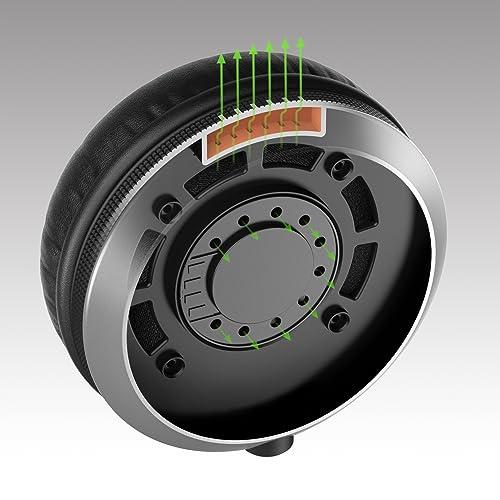
The bass reflex chamber – essentially a small air cavity behind the driver – helps extend low-frequency response without muddying the sound. This technical approach lets DJs feel the sub-bass content that drives dance music while maintaining clarity in the midrange where vocals and most instruments live.
In contrast, the Beats Solo 4 takes a consumer-friendly approach that's still more neutral than previous Beats products. The custom 40mm transducers are tuned to be engaging and fun while avoiding the excessive bass that made earlier Beats headphones fatiguing. There's still some bass emphasis – because most people enjoy that – but it's balanced with cleaner mids and brighter treble that adds excitement to vocals and instruments.
Driver Technology: Both use 40mm drivers, but the implementations differ significantly. The HDJ-X5 uses dome-type drivers with CCAW voice coils, which provide excellent power handling and low distortion even at high volumes – crucial when monitoring in loud club environments. The Solo 4 uses custom transducers designed to minimize electronic artifacts and latency, optimized for wireless transmission rather than pure power handling.
Frequency Response: The HDJ-X5 covers 5Hz to 30,000Hz, providing excellent sub-bass extension that lets DJs feel kick drums and bass lines accurately. The Solo 4 doesn't publish specific frequency response figures, but listening tests reveal good extension at both ends with some mid-frequency coloration that makes vocals more present and engaging.
Impedance and Sensitivity: At 32 ohms impedance and 102 dB sensitivity, the HDJ-X5 is designed to be driven easily by DJ mixers and audio interfaces while providing plenty of volume headroom. The Solo 4 is optimized for smartphone and tablet sources, with lower power requirements that help preserve battery life.
Channel Separation: Here's where the HDJ-X5 really shines technically. Its 4-core twisted-structure cable includes separate ground wires for each channel, providing superior left-right separation. This might sound like technical minutiae, but it's crucial for DJs who need to hear subtle timing differences between tracks. The Solo 4's wireless connection can't match this level of channel separation due to Bluetooth's compression algorithms.
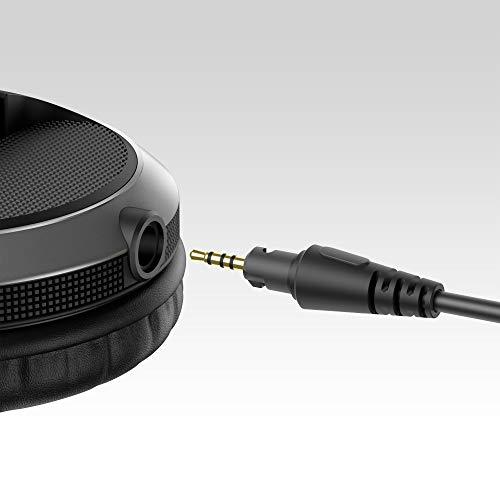
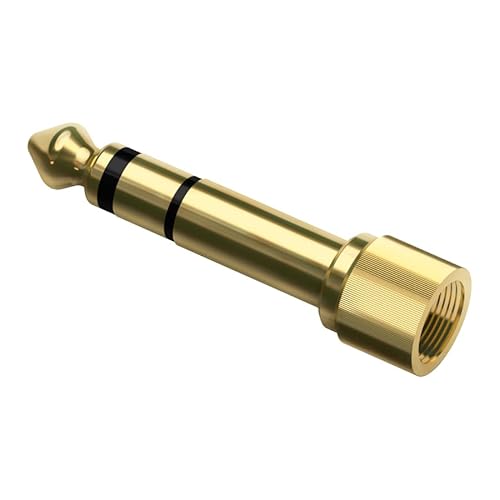
This is where the fundamental difference between these products becomes crystal clear. The Pioneer HDJ-X5 is entirely wired, connecting via 3.5mm mini-jack with a 6.3mm adapter for professional equipment. The 1.2-meter coiled cable extends to 1.8 meters, giving DJs flexibility to move around the booth while maintaining that crucial zero-latency connection.
Why does latency matter so much for DJs? When beatmatching – the process of synchronizing two tracks to the same tempo – even 20-30 milliseconds of delay can throw off your timing. Try clapping along to music with a slight delay, and you'll quickly understand how disorienting audio lag becomes. Professional DJs simply cannot work with wireless headphones due to this latency issue.
The Beats Solo 4 uses Bluetooth 5.3, which provides excellent range and connection stability for casual listening. The headphones support both SBC and AAC codecs (compression algorithms that reduce file size for wireless transmission), with AAC providing better quality for Apple devices. However, even the best Bluetooth implementations introduce 40-200 milliseconds of latency – perfectly fine for watching videos or casual music listening, but completely unsuitable for professional DJ work.
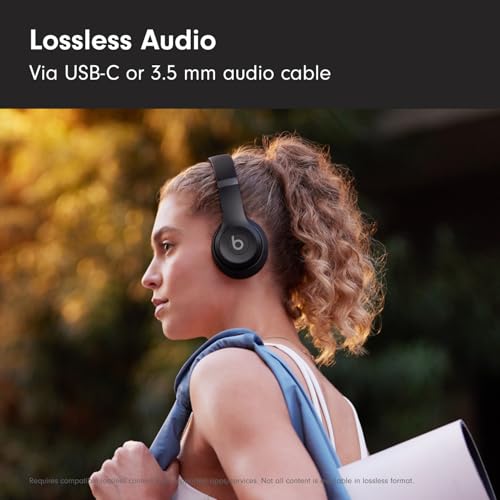
Interestingly, the Solo 4 can function as wired headphones via USB-C or 3.5mm connections, with a built-in DAC (digital-to-analog converter) that actually provides high-quality lossless audio. This makes them surprisingly versatile for home listening when you want maximum audio quality.
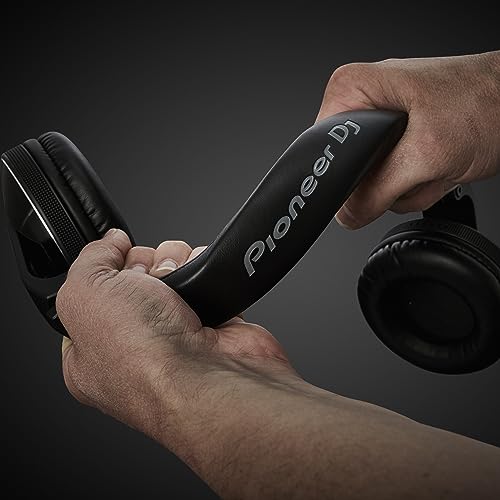
The Pioneer HDJ-X5 undergoes testing that most consumer headphones never face. These headphones are certified to MIL-STD-810G, a US military standard for shock and vibration resistance. Pioneer subjects them to drop tests, extreme temperature cycles, and stress testing that simulates years of professional booth use. The moving parts use metal reinforcement, and the headband mechanism is designed to maintain proper tension even after thousands of adjustments.
I've seen HDJ-X5 headphones survive years of club use, being tossed into DJ bags, knocked around flight cases, and subjected to the kind of treatment that would destroy most consumer electronics. The replaceable ear pads and detachable cables mean you can refresh worn components rather than buying entirely new headphones.
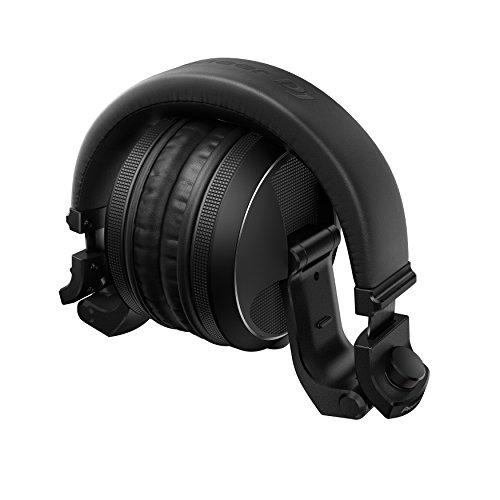
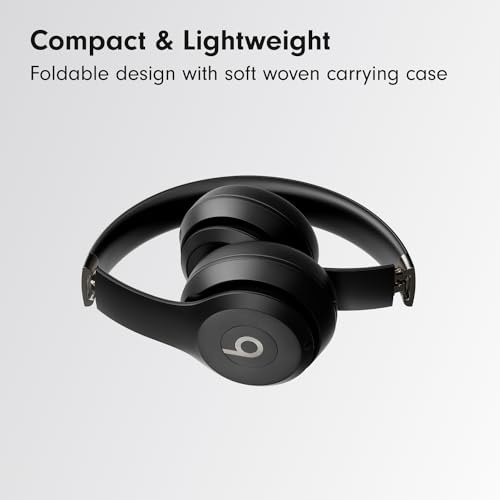
The Beats Solo 4 takes a different approach, optimizing for everyday durability rather than professional abuse. At 217 grams, they're 50 grams lighter than the HDJ-X5, making them more comfortable for extended casual wear. The foldable design and included carrying case show they're built for portability rather than booth permanence.
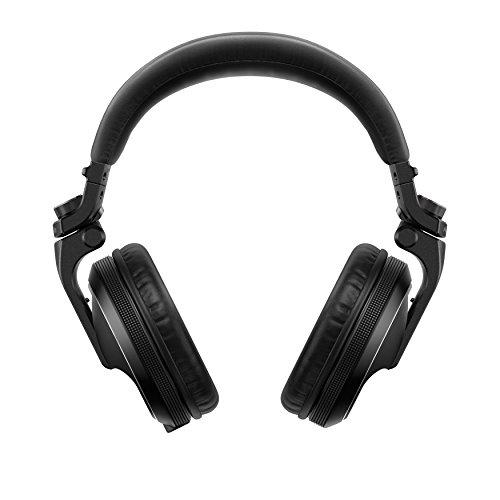
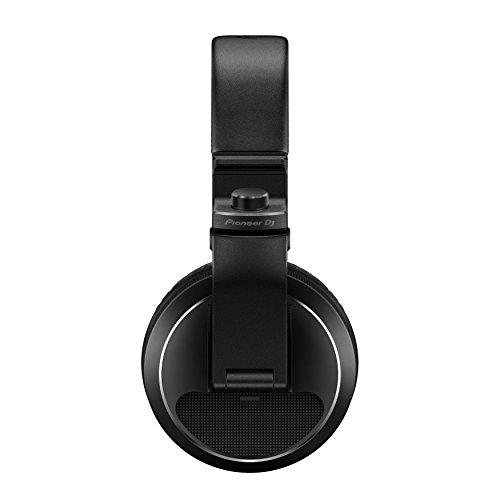
The memory foam ear cushions on the Solo 4 provide excellent comfort for the first hour or two of listening, but the on-ear design can cause discomfort during extended sessions. The HDJ-X5's circumaural (around-ear) design distributes weight more evenly and provides better long-term comfort, though at the cost of increased bulk.
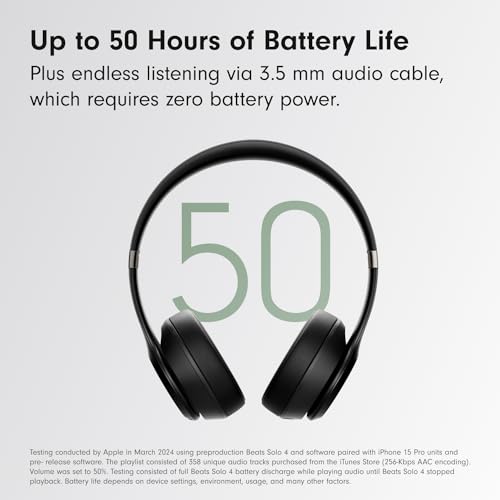
Here's one area where the Beats Solo 4 absolutely dominates – when it matters. The 50-hour battery life is genuinely impressive, outlasting most competitors by a significant margin. The Fast Fuel charging system provides 5 hours of playback from just 10 minutes of charging, which can be a lifesaver when you're heading out and realize your headphones are dead.
The Pioneer HDJ-X5 requires no battery at all, which is both an advantage and limitation. You never have to worry about them dying during a critical performance, but you're always tethered to your equipment. For professional use, this trade-off makes perfect sense – reliability trumps convenience.
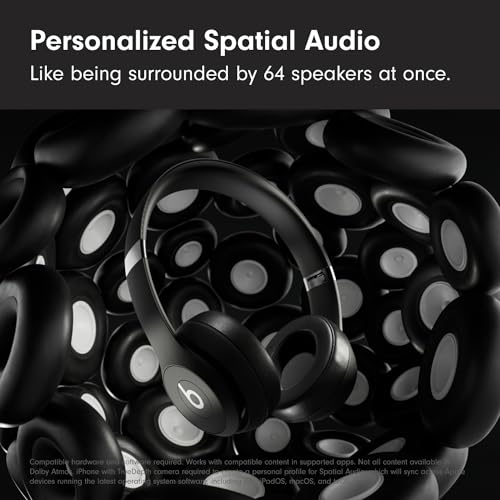
The Beats Solo 4 includes Personalized Spatial Audio with dynamic head tracking, a feature that uses built-in gyroscopes and accelerometers to create an immersive surround sound experience. When you turn your head, the audio adjusts to maintain the illusion that sound sources are positioned in space around you. It's genuinely impressive technology that works particularly well with compatible content from Apple Music and other services.
The HDJ-X5 includes no "smart" features because they would add complexity that could fail during performance. Instead, it focuses on passive noise reduction through design – the ear cups create excellent isolation from ambient noise without requiring active noise cancellation that could introduce latency or failure points.
For home theater use, both headphones present interesting options. The Solo 4's Spatial Audio can create an engaging surround sound experience for movies, though you'll want to ensure your source device supports low-latency Bluetooth codecs like aptX Low Latency (which the Solo 4 doesn't support) to avoid lip-sync issues.
The HDJ-X5 actually makes an excellent home theater option when connected directly to your receiver or TV's headphone output. The accurate sound reproduction and comfortable fit make them great for extended movie watching, and you'll never worry about battery life during a long film. The neutral tuning means dialogue stays clear while still providing satisfying bass for action sequences.
Choose the Pioneer HDJ-X5 if you:
Choose the Beats Solo 4 if you:
At the time of writing, both products occupy different price points that generally reflect their target markets, with the Solo 4 positioned as a premium consumer product and the HDJ-X5 as professional equipment. The value proposition for each depends entirely on your intended use case.
For DJs, the HDJ-X5 isn't just better – it's essential. You simply cannot perform professional DJ work with wireless headphones due to latency issues. The neutral sound signature, robust build quality, and zero-latency monitoring make it a professional tool rather than just a consumer product.
For everyone else, the Beats Solo 4 offers a compelling combination of modern features, excellent battery life, and improved sound quality that makes them genuinely enjoyable for everyday use. The Spatial Audio feature alone can transform your listening experience with compatible content, and the wireless convenience is hard to give up once you've experienced it.
The bottom line? These headphones excel in their intended roles but fail dramatically when used outside their design parameters. A DJ trying to mix with Solo 4 headphones will struggle with latency issues, while someone wanting wireless convenience will find the HDJ-X5 limiting and old-fashioned.
Understanding these fundamental differences – professional accuracy versus consumer convenience – will help you choose the right tool for your specific audio needs. Both are excellent products, but only when used for their intended purposes.
| Pioneer DJ HDJ-X5 Headphones | Beats Solo 4 Wireless On-Ear Headphones |
|---|---|
| Connection Type - Determines latency and convenience | |
| Wired only (3.5mm/6.3mm) - Zero latency for professional mixing | Bluetooth 5.3 + wired backup - Wireless freedom but 40-200ms latency |
| Design Purpose - Defines who should buy each product | |
| Professional DJ monitoring and mixing | Consumer lifestyle and everyday listening |
| Weight - Affects comfort during extended use | |
| 269g - Heavier but stable for DJ booth use | 217g - Lighter for mobile comfort |
| Ear Cup Design - Impacts isolation and comfort | |
| Over-ear circumaural - Better isolation and long-session comfort | On-ear - More portable but can cause fatigue after 1-2 hours |
| Frequency Response - Shows audio range and accuracy | |
| 5Hz-30,000Hz - Wide range optimized for neutral monitoring | Not specified - Consumer-tuned with balanced but engaging sound |
| Driver Technology - Affects sound quality and power handling | |
| 40mm dome drivers with CCAW voice coils - High power handling | Custom 40mm transducers - Optimized for wireless and low distortion |
| Channel Separation - Critical for stereo imaging | |
| 4-core twisted cable with separate grounds - Superior separation for mixing | Standard Bluetooth - Limited by wireless compression |
| Battery Life - Only relevant for wireless model | |
| N/A - No battery required (always ready) | 50 hours - Industry-leading wireless endurance |
| Durability Rating - Shows build quality expectations | |
| MIL-STD-810G certified - Military shock/vibration resistance | Consumer-grade - Built for everyday use, not professional abuse |
| Replaceable Parts - Affects long-term value | |
| Yes - Ear pads and cables user-replaceable | Limited - Fewer serviceable components |
| Noise Isolation - Important for monitoring in loud environments | |
| Passive isolation optimized for club environments | Standard on-ear isolation - Less effective in noisy spaces |
| Special Features - Modern conveniences and technology | |
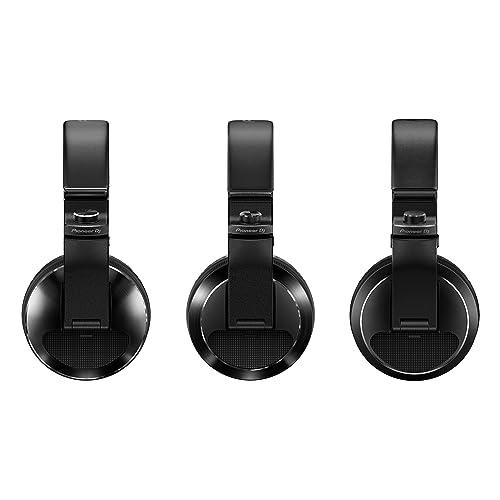
| Bass reflex chamber, swivel cups for one-ear monitoring | Personalized Spatial Audio with head tracking, Fast Fuel charging |
| Impedance - Shows power requirements | |
| 32Ω - Designed for DJ mixers and pro audio gear | Optimized for smartphones/tablets - Low power consumption |
| Cable Design - Affects durability and convenience | |
| 1.2m coiled (extends to 1.8m) - Professional booth flexibility | USB-C and 3.5mm included - Backup wired options when battery dies |
No, the Pioneer DJ HDJ-X5 and Beats Solo 4 serve completely different markets. The HDJ-X5 is a professional DJ monitoring headphone designed for mixing and beatmatching, while the Solo 4 is a consumer wireless headphone for everyday listening. They have fundamentally different purposes despite both being headphones.
The Pioneer DJ HDJ-X5 is specifically designed for DJ use and is the clear choice for professional mixing. It offers zero-latency wired connection, accurate sound monitoring, and durability for booth environments. The Beats Solo 4 cannot be used for DJ mixing due to Bluetooth latency that makes beatmatching impossible.
The Beats Solo 4 is not suitable for professional DJ work due to wireless latency, but it can work for casual audio production or home studio reference when used with its wired connection. However, the Pioneer DJ HDJ-X5 remains the better choice for any professional audio application requiring accurate monitoring.
Both offer good sound quality for their intended purposes. The Pioneer DJ HDJ-X5 provides more accurate, neutral sound reproduction ideal for professional monitoring. The Beats Solo 4 offers engaging, consumer-friendly tuning with modern features like Spatial Audio. Choose the HDJ-X5 for accuracy or the Solo 4 for everyday enjoyment.
Both can work for home theater, but differently. The Pioneer DJ HDJ-X5 provides accurate sound reproduction perfect for movies when connected directly to your receiver. The Beats Solo 4 offers Spatial Audio for an immersive movie experience, though you may experience lip-sync issues with some wireless connections.
The Pioneer DJ HDJ-X5 is more comfortable for extended use due to its over-ear design that distributes weight evenly. The Beats Solo 4 is lighter but uses an on-ear design that can cause discomfort after 1-2 hours. For sessions longer than 2 hours, choose the HDJ-X5.
The Pioneer DJ HDJ-X5 requires no charging as it's entirely passive and wired. The Beats Solo 4 offers up to 50 hours of battery life and includes Fast Fuel charging for quick top-ups. The Solo 4 can also operate via wired connection when the battery is dead.
The Beats Solo 4 is more portable due to its wireless design, lighter weight, foldable construction, and included carrying case. The Pioneer DJ HDJ-X5 is bulkier and requires cables, making it less convenient for travel and everyday carry.
The Pioneer DJ HDJ-X5 offers excellent repairability with replaceable ear pads, cables, and other components designed for professional use. The Beats Solo 4 has limited user-replaceable parts, following typical consumer electronics design philosophy.
The Pioneer DJ HDJ-X5 provides superior passive noise isolation through its over-ear design, specifically engineered for loud club environments. The Beats Solo 4 offers standard on-ear isolation without active noise cancellation, making it less effective in very noisy situations.
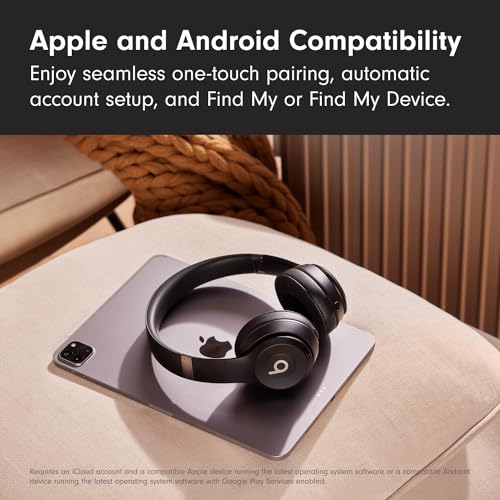
The Pioneer DJ HDJ-X5 works with any device that has a 3.5mm or 6.3mm headphone output, including DJ mixers, audio interfaces, and consumer electronics. The Beats Solo 4 connects via Bluetooth to most modern devices and includes wired options for universal compatibility, with special features optimized for Apple devices.
The Pioneer DJ HDJ-X5 offers better long-term value for professional users due to its replaceable parts, military-grade durability, and specialized purpose that won't become obsolete. The Beats Solo 4 provides better value for casual users who prioritize modern features, wireless convenience, and everyday usability over professional durability.
We've done our best to create useful and informative comparisons to help you decide what product to buy. Our research uses advanced automated methods to create this comparison and perfection is not possible - please contact us for corrections or questions. These are the sites we've researched in the creation of this article: guitarcenter.com - pioneerdj.com - digitaldjtips.com - youtube.com - idjnow.com - youtube.com - youtube.com - wearecrossfader.co.uk - audio46.com - youtube.com - pioneerdj.com - pioneerdj.com - idjnow.com - milehighdjsupply.com - pioneerdj.com - store.djtechtools.com - pioneerdjstore.com - americanmusical.com - sweetwater.com - stars-music.com - store.djtechtools.com - pioneerdj.com - bestbuy.com - soundguys.com - rtings.com - cnet.com - youtube.com - rtings.com - therunningchannel.com - youtube.com - soundguys.com - rtings.com - beatsbydre.com - kubookstore.com - apple.com - panthertech.fiu.edu - beatsbydre.com - cnet.com - techwelike.com - beatsbydre.com - beatsbydre.com

Privacy Policy
Terms and Conditions - Affiliate Policy
Home Security
© Copyright 2008-2026.
11816 Inwood Rd #1211, Dallas, TX 75244