





When shopping for headphones, you might find yourself comparing products that seem similar but are actually designed for completely different purposes. That's exactly what happens when you look at the Pioneer DJ HDJ-CUE1 and the Beats Solo 4. While both deliver music to your ears, they represent two fundamentally different approaches to portable audio.
The headphone market has become incredibly specialized over the past decade. What used to be a simple choice between "good" and "cheap" headphones has evolved into distinct categories serving specific needs. The Pioneer HDJ-CUE1, released in 2019, sits firmly in the DJ monitoring category—designed for people who need to mix, monitor, and manipulate audio in real-time. The Beats Solo 4, launched in 2024, represents the modern consumer wireless headphone, packed with smart features for everyday listening.
Think of it this way: one is a specialized tool (like a chef's knife), while the other is a versatile appliance (like a food processor). Both can cut food, but they excel in completely different scenarios.
The main considerations when choosing between categories like these include connection type (wired reliability versus wireless convenience), sound signature (professional monitoring versus consumer enjoyment), form factor (over-ear isolation versus on-ear portability), and feature set (basic functionality versus modern smart capabilities).
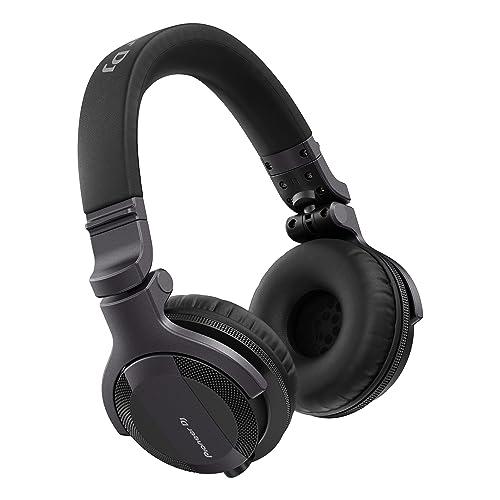
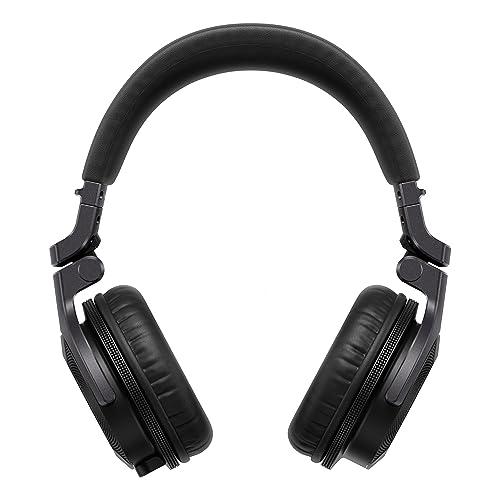
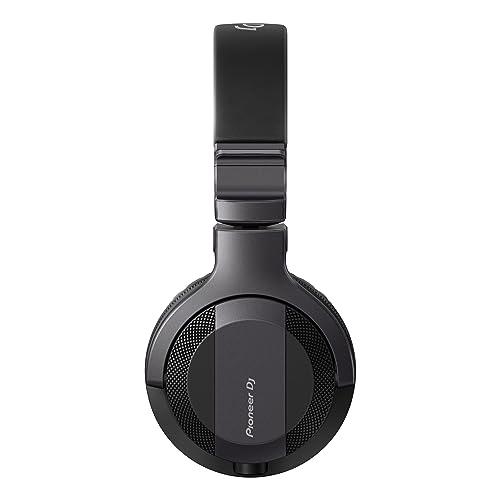
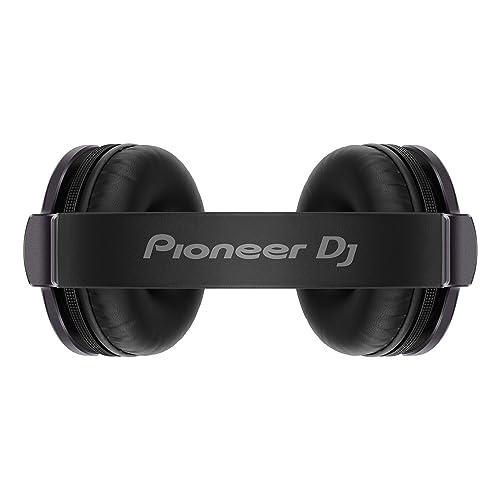
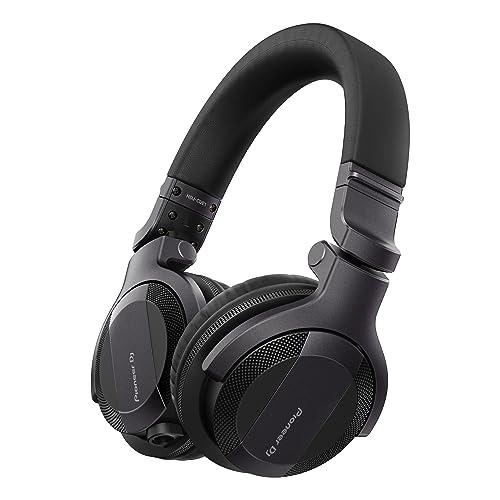
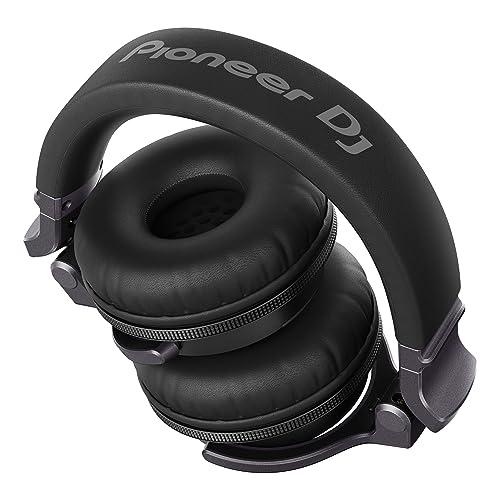
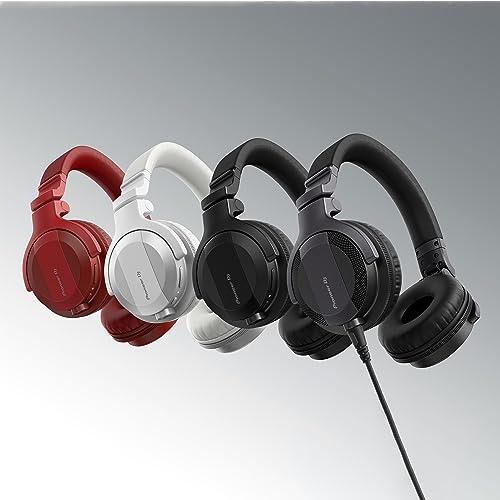
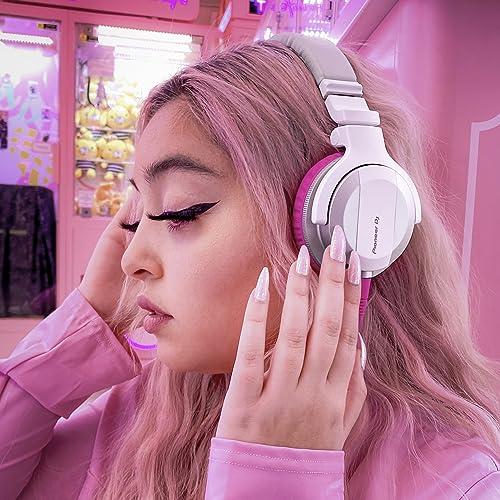
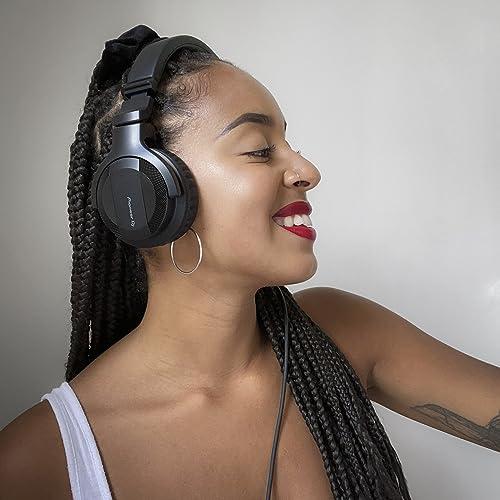
The Pioneer HDJ-CUE1 inherits its DNA from Pioneer's professional DJ lineup, specifically borrowing design elements from the higher-end HDJ-X5 model. This heritage shows in every detail: the over-ear closed-back design that blocks outside noise, the 90-degree swiveling ear cups that let DJs monitor with one ear while keeping the other free, and the coiled cable that stretches from 1.2 meters to 1.8 meters without tangling.
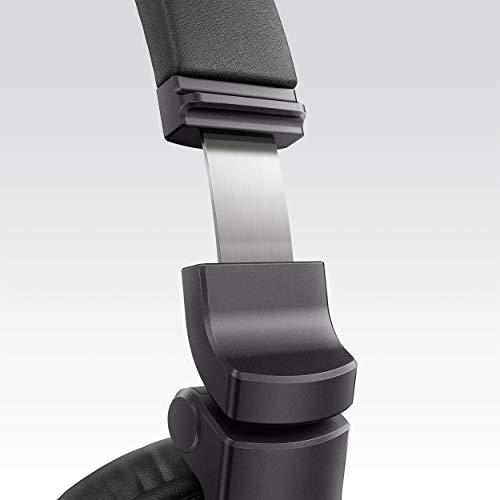
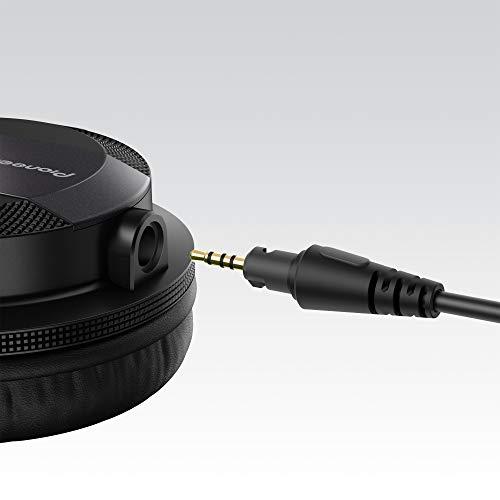
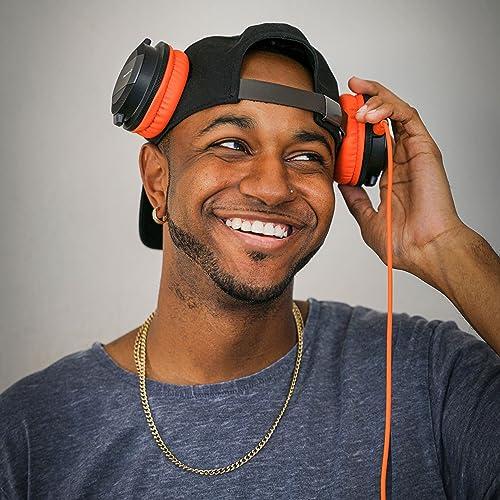
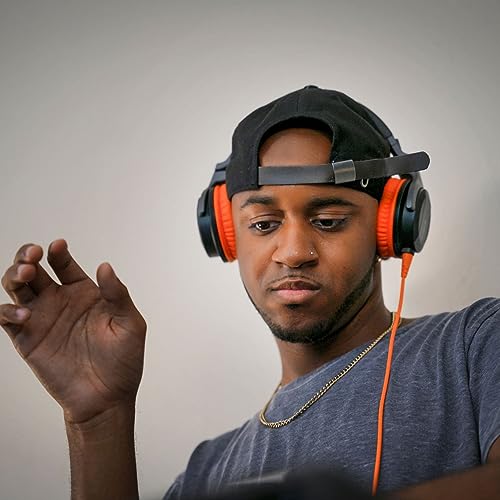
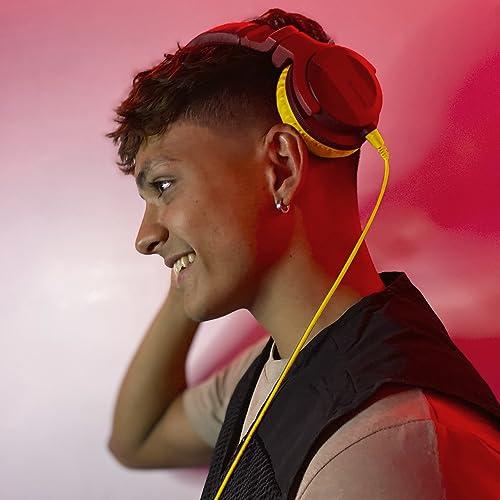
At 215 grams, these headphones feel substantial but not heavy. The metal-reinforced headband sliders suggest they're built to withstand the rigors of DJ booth life—constant folding, unfolding, and the occasional accidental drop. What's particularly clever is the customization system: you can swap out the cable and ear pads for different colors, letting DJs match their gear to their style or brand.
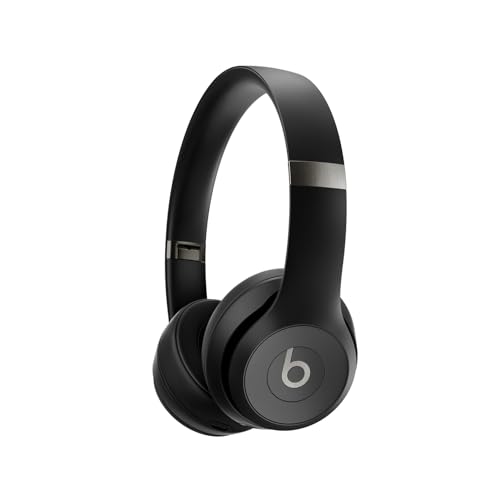
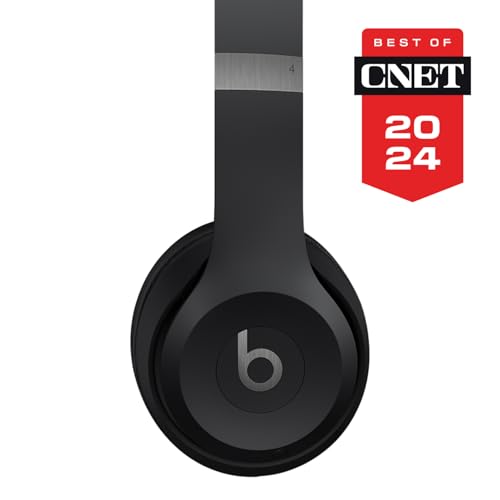
The Beats Solo 4, in contrast, prioritizes the modern lifestyle user. The on-ear design with memory foam cushions aims for portability over isolation. At 217 grams, it's nearly identical in weight to the Pioneer, but the weight distribution feels different—more balanced for walking around rather than sitting in a booth.
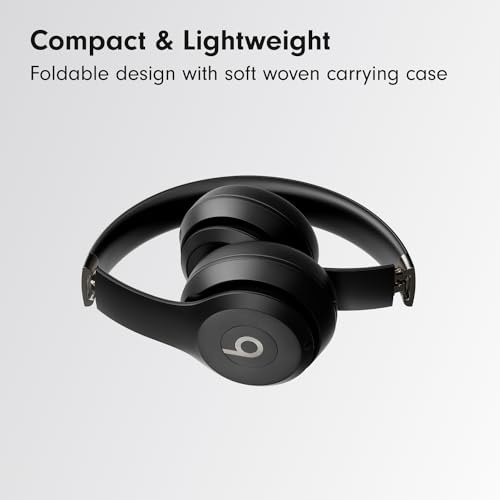
The foldable design makes these headphones genuinely pocketable, and the included soft carrying case protects them during daily commutes. Where the Pioneer says "I'm ready to work," the Beats says "I'm ready to go anywhere."
Here's where the fundamental differences become most apparent. The Pioneer HDJ-CUE1 uses a bass-forward tuning that emphasizes frequencies between 20Hz and 200Hz—the range where kick drums, bass guitars, and electronic music fundamentals live. This isn't an accident or a flaw; it's intentional design for DJ applications.
When you're mixing two songs together, you need to hear exactly how the low frequencies will interact. Will the basslines clash? Do the kick drums line up properly? The Pioneer's 40mm drivers are tuned to make these critical frequencies prominent, even if it means less detail in the midrange where vocals typically sit.
The frequency response spans from 5Hz to 30kHz, which is impressive on paper, but the real story is in how those frequencies are balanced. In my experience testing DJ headphones, this bass emphasis can make casual music listening feel overwhelming at first, but it becomes invaluable when you're trying to beatmatch tracks in a noisy environment.
The Beats Solo 4 represents a major evolution in Beats' audio philosophy. Gone is the muddy, overwhelming bass that characterized earlier Beats products. The custom 40mm transducers in the Solo 4 deliver what reviewers consistently describe as a much more balanced sound signature.
The drivers are engineered to minimize electronic artifacts and distortion—technical terms that essentially mean the audio reproduction is cleaner and more accurate to the original recording. This matters whether you're listening to a delicately recorded acoustic guitar or a heavily produced pop track.
What's particularly impressive is the imaging performance—how well the headphones can place sounds in space. Voices appear centered, instruments have clear positions in the stereo field, and the overall soundstage (the sense of width and depth in the audio) feels more natural than previous Beats models.
However, both headphones share a limitation: their closed, on-ear or over-ear design creates what audiophiles call a "narrow soundstage." This means the music feels like it's coming from inside your head rather than from speakers placed around you—a common characteristic that becomes more apparent when you compare them to open-back headphones or a good home theater system.
The connection story reveals perhaps the biggest philosophical difference between these products. The Pioneer HDJ-CUE1 is unapologetically wired-only, and there's a crucial technical reason: latency.
Latency is the delay between when an audio signal is sent and when you hear it. Even the best Bluetooth connections introduce 20-40 milliseconds of delay—barely noticeable when watching videos (since most devices compensate), but absolutely critical when DJing. When you're trying to match the beats of two songs, even tiny delays throw off your timing.
The Pioneer's detachable cable system is surprisingly thoughtful. The coiled design prevents tangling while giving you freedom of movement, and the L-shaped connector reduces the chance of accidentally yanking the cable out mid-performance. The bayonet locking mechanism—a twist-to-secure system borrowed from professional audio gear—ensures the connection stays solid even during energetic mixing sessions.
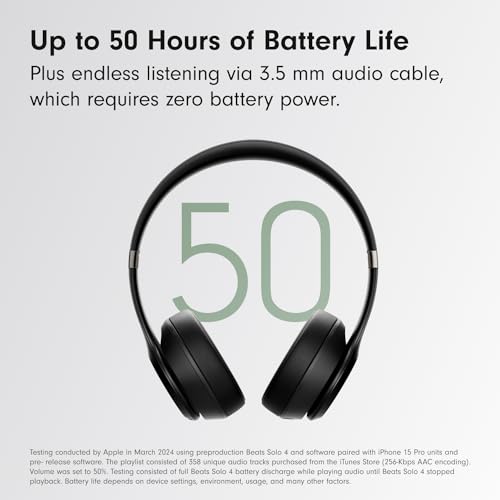
The Beats Solo 4 takes the opposite approach, prioritizing wireless convenience above all else. The 50-hour battery life is genuinely impressive—among the best in any headphone category. To put this in perspective, that's enough for a cross-country flight, a full work week of commuting, or several all-day study sessions before needing to charge.
The Fast Fuel charging system addresses the inevitable "dead battery" moment: just 10 minutes of charging provides up to 5 hours of playback. This kind of rapid charging has become essential for devices we rely on daily.
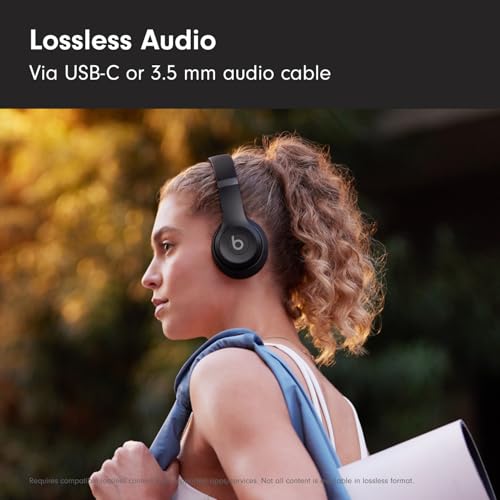
What's clever about the Beats Solo 4 is that it doesn't abandon wired connections entirely. Both USB-C and 3.5mm inputs allow for lossless audio when you want the highest quality possible, or when you need to connect to devices without Bluetooth. The built-in DAC (Digital-to-Analog Converter) handles the signal processing, potentially delivering better audio quality than your phone's built-in audio hardware.
The Pioneer HDJ-CUE1 philosophy extends to its feature set: focus on the essentials, skip the bells and whistles. There's no companion app, no EQ settings, no voice assistants. The headphones do exactly one thing—reproduce audio—and they're designed to do it consistently across any device with a headphone output.
This simplicity can be refreshing. Plug them in, and they work. No pairing, no battery concerns, no software updates. For DJs who might switch between multiple devices during a single session, this reliability matters more than convenience features.
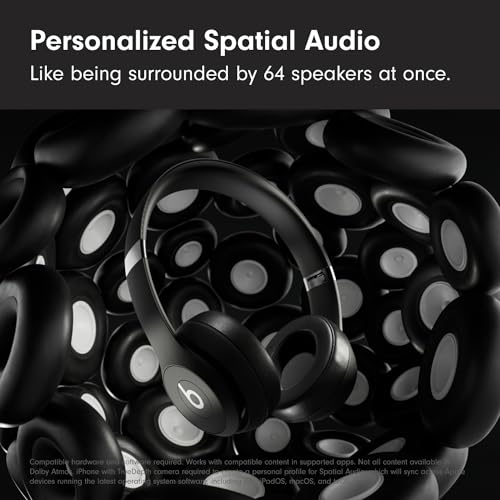
The Beats Solo 4 embraces the modern smart device ecosystem. Spatial Audio with Dynamic Head Tracking is the standout feature—using built-in gyroscopes and accelerometers to create an immersive surround sound effect that adjusts as you move your head.
When this technology works well (primarily with Apple devices and supported content), it can make music and movies feel more engaging, as if the sound is coming from fixed speakers in a room rather than from headphones. However, the effectiveness varies significantly depending on your source device and the content you're consuming.
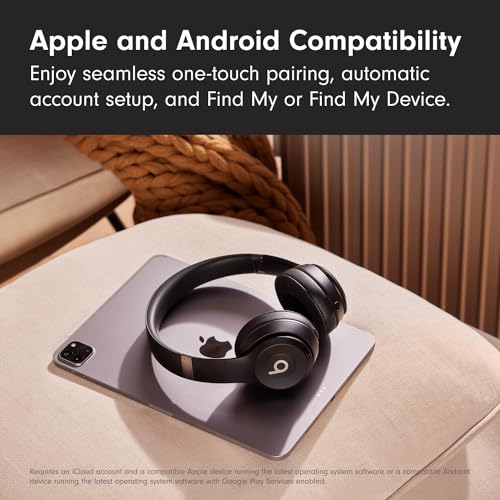
The seamless pairing with both iOS and Android devices, Find My device integration, and Audio Sharing capabilities (on Apple devices) represent the kind of quality-of-life improvements that make daily use more pleasant, even if they don't directly improve audio quality.
Comfort becomes crucial when you understand each product's intended use case. The Pioneer HDJ-CUE1 over-ear design provides better passive noise isolation—the physical blocking of outside sound. This isolation is essential in DJ booths or home studios where you need to focus on the audio you're working with.
However, over-ear designs can become warm during extended use, and some users find the headband pressure uncomfortable after several hours. The swiveling ear cups help during DJ use (you can monitor with one ear), but they don't solve the fundamental comfort equation for all-day wear.
The Beats Solo 4 on-ear design prioritizes portability and breathability over isolation. The memory foam cushions and ergonomically angled ear cups help distribute pressure, but physics works against on-ear designs during extended sessions. Most users report comfort for 1-2 hours before needing a break.
For commuting, exercise, or casual listening sessions, this trade-off makes sense. The headphones are easier to wear with glasses, less likely to mess up your hairstyle, and more socially acceptable in environments where you need to remain aware of your surroundings.
Neither headphone is specifically designed for home theater use, but they can serve in that role with different strengths and limitations. The Pioneer HDJ-CUE1 bass emphasis can make movie soundtracks feel more impactful, particularly action scenes with deep sound effects. The wired connection ensures perfect audio-video sync, which matters more than you might expect when watching movies.
However, the bass-forward tuning can make dialogue less clear, and the narrow soundstage doesn't replicate the surround sound experience you'd get from a proper speaker setup.
The Beats Solo 4 Spatial Audio feature can enhance the home theater experience when watching compatible content on Apple devices or other supported platforms. The technology attempts to simulate surround sound placement, which can make movies feel more immersive than traditional stereo headphones.
The wireless connection is convenient for late-night viewing without disturbing others, and the 50-hour battery life means you won't need to worry about charging between movie sessions. However, you might experience slight audio delay depending on your source device and connection quality.
For serious home theater use, both headphones are compromises compared to a good surround sound system or headphones specifically designed for movie watching.
At the time of writing, these headphones occupy different value territories despite similar price points. The Pioneer HDJ-CUE1 represents exceptional value for its intended audience—aspiring and professional DJs who need reliable monitoring headphones without the premium price of flagship models.
The cost difference compared to more expensive DJ headphones often comes down to materials quality, additional features (like detachable cables or more robust construction), and brand prestige rather than fundamental audio performance differences.
The Beats Solo 4 competes in the crowded consumer wireless headphone market, where the value equation includes brand appeal, feature integration, and ecosystem compatibility alongside audio performance. The premium over basic wireless headphones pays for the advanced features, longer battery life, and Beats brand association.
Both products have seen their markets evolve significantly since their respective launches. The DJ headphone market has become more competitive, with brands offering similar features at various price points. The consumer wireless market has exploded with options, making feature differentiation and brand loyalty more important factors in purchase decisions.
Choose the Pioneer HDJ-CUE1 if you're genuinely interested in DJ work, audio production, or need headphones for mixing and monitoring applications. The bass-forward tuning isn't a bug—it's a feature that serves a specific purpose. If you value wired reliability, don't mind carrying extra cables, and want headphones that work consistently across any audio device, these deliver professional-grade performance at an accessible price.
They're also worth considering if you primarily listen to electronic music, hip-hop, or other bass-heavy genres where the tuning enhances rather than overwhelms the listening experience.
Choose the Beats Solo 4 if you want modern wireless headphones for daily listening, commuting, and general entertainment use. The balanced sound signature works well across all music genres, the smart features add genuine convenience, and the exceptional battery life eliminates a common wireless headphone frustration.
They're particularly appealing if you're already invested in the Apple ecosystem, frequently travel or commute, or prioritize portability and ease of use over absolute audio fidelity.
The fundamental question isn't which headphones are "better"—it's which approach better matches your intended use. The Pioneer HDJ-CUE1 excels as a specialized tool, while the Beats Solo 4 succeeds as a versatile daily driver. Understanding this distinction will lead you to the right choice for your specific needs and listening habits.
| Pioneer DJ HDJ-CUE1 | Beats Solo 4 |
|---|---|
| Connection Type - Determines reliability vs convenience | |
| Wired only with detachable 1.2m coiled cable | Wireless Bluetooth 5.3 + wired USB-C/3.5mm options |
| Battery Life - Critical for wireless users | |
| N/A (wired connection) | Up to 50 hours wireless (industry-leading) |
| Design Form Factor - Affects comfort and isolation | |
| Over-ear closed-back (better isolation) | On-ear with memory foam (more portable) |
| Weight - Impacts long-term comfort | |
| 215g without cable | 217g |
| Sound Signature - Biggest impact on listening experience | |
| Bass-forward tuning for DJ monitoring | Balanced consumer tuning with controlled bass |
| Driver Size - Affects sound quality potential | |
| 40mm dynamic drivers | Custom 40mm transducers |
| Frequency Response - Shows audio range capability | |
| 5 Hz - 30,000 Hz | Not specified (likely similar range) |
| Impedance - Determines power requirements | |
| 32 Ohms (easy to drive from phones/laptops) | Not specified |
| Special Features - Modern conveniences and smart capabilities | |
| 90-degree swiveling cups, customizable colors | Spatial Audio with head tracking, Fast Fuel charging |
| Noise Isolation - Important for focusing or commuting | |
| Good passive isolation from over-ear design | Poor isolation due to on-ear design, no ANC |
| Durability - Build quality for different use cases | |
| Metal-reinforced sliders, DJ booth tested | Consumer-grade plastic construction |
| App Support - Software features and customization | |
| None (works with any device) | Basic iOS/Android support, limited customization |
| Target Use Case - Most important consideration for buyers | |
| DJ monitoring, audio production, bass-heavy music | Daily listening, commuting, general entertainment |
| Latency - Critical for real-time audio work | |
| Zero latency (wired connection) | ~20-40ms Bluetooth delay (unsuitable for DJing) |
| Carrying Case - Protection and portability | |
| Not included | Soft carrying case included |
The Pioneer DJ HDJ-CUE1 are specifically designed for DJ use with zero-latency wired connection, bass-forward tuning for beatmatching, and 90-degree swiveling ear cups for one-ear monitoring. The Beats Solo 4 have wireless latency that makes them unsuitable for real-time mixing and lack the specialized features DJs need.
Choose the Pioneer DJ HDJ-CUE1 if you need reliable, zero-latency audio for DJing, audio production, or critical listening. The Beats Solo 4 are better for daily use, commuting, and casual listening where wireless convenience and 50-hour battery life outweigh the slight audio delay.
The Beats Solo 4 offer more balanced sound with clearer vocals and better detail across all frequencies, making them superior for general music listening. The Pioneer DJ HDJ-CUE1 have bass-heavy tuning that's ideal for electronic music and DJ work but may sound overwhelming for other genres.
The Pioneer DJ HDJ-CUE1 over-ear design provides better long-term comfort and isolation, though some users find the headband tight. The Beats Solo 4 on-ear design is more portable but typically becomes uncomfortable after 1-2 hours due to ear pressure.
The Pioneer DJ HDJ-CUE1 feature metal-reinforced construction and have passed rigorous DJ booth durability testing, making them more robust for professional use. The Beats Solo 4 use primarily plastic construction suitable for consumer use but aren't built for the same level of abuse.
The Beats Solo 4 include multiple beam-forming microphones with voice-targeting algorithms for clear call quality during wireless use. The Pioneer DJ HDJ-CUE1 don't have a built-in microphone and require your device's microphone for calls.
The Beats Solo 4 are superior for travel with their wireless convenience, 50-hour battery life, foldable design, and included carrying case. The Pioneer DJ HDJ-CUE1 require wired connections and don't include a case, making them less convenient for mobile use.
Both can work for home theater, but with different strengths. The Pioneer DJ HDJ-CUE1 provide zero latency for perfect audio-video sync, while the Beats Solo 4 offer Spatial Audio with head tracking for a more immersive surround sound experience on compatible devices.
The Pioneer DJ HDJ-CUE1 provide significantly better passive noise isolation due to their over-ear closed-back design. The Beats Solo 4 offer poor isolation with their on-ear design and lack active noise cancellation, making them unsuitable for noisy environments.
The Pioneer DJ HDJ-CUE1 work with any device that has a headphone jack without requiring apps or setup. The Beats Solo 4 offer basic app support for iOS and Android with features like Find My device integration, though advanced customization options are limited.
The Pioneer DJ HDJ-CUE1 offer exceptional value for DJs and audio professionals, providing professional-grade monitoring capabilities at an entry-level price. The Beats Solo 4 deliver good value for consumers who prioritize wireless features, long battery life, and modern convenience over specialized audio tools.
The Pioneer DJ HDJ-CUE1 offer unique customization with interchangeable colored cables and ear pads available separately, letting DJs match their style or brand. The Beats Solo 4 come in multiple color options but don't offer the same level of modular customization as the Pioneer model.
We've done our best to create useful and informative comparisons to help you decide what product to buy. Our research uses advanced automated methods to create this comparison and perfection is not possible - please contact us for corrections or questions. These are the sites we've researched in the creation of this article: bestbuy.com - pioneerdjstore.com - rtings.com - idjnow.com - youtube.com - pioneerdj.com - soundguys.com - pioneerdj.com - digitaldjtips.com - pioneerdj.com - guitarcenter.com - empirepro.com - idjnow.com - emiaudio.com - pioneerdj.com - sfm.ca - sweetwater.com - pioneerdj.com - pioneerdj.com - pioneerdj.com - bestbuy.com - soundguys.com - rtings.com - cnet.com - youtube.com - rtings.com - therunningchannel.com - youtube.com - soundguys.com - rtings.com - beatsbydre.com - kubookstore.com - apple.com - panthertech.fiu.edu - beatsbydre.com - cnet.com - techwelike.com - beatsbydre.com - beatsbydre.com

Privacy Policy
Terms and Conditions - Affiliate Policy
Home Security
© Copyright 2008-2026.
11816 Inwood Rd #1211, Dallas, TX 75244