

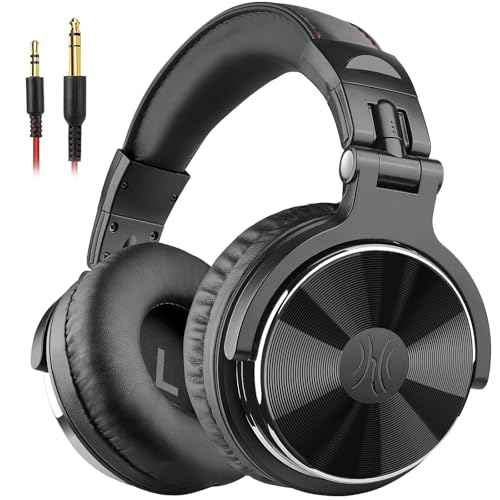
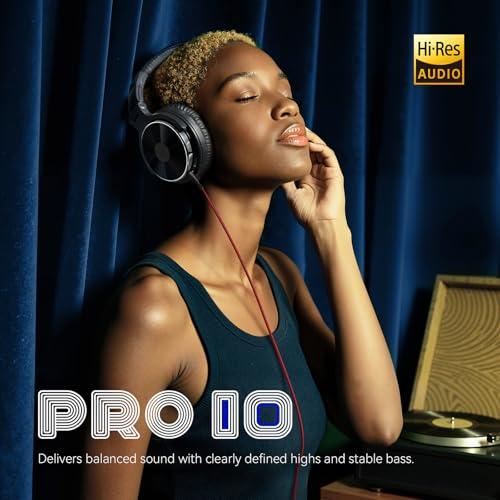





When you're shopping for headphones today, you're essentially choosing between two completely different philosophies of personal audio. The OneOdio Pro-10 represents the traditional wired approach favored by professionals, while the Beats Solo 4 embodies the modern wireless lifestyle that most consumers prefer. Understanding these approaches—and their trade-offs—is crucial for making the right choice for your needs.
The headphone market has evolved dramatically over the past decade. Wireless technology has become reliable enough for serious listening, while wired headphones have gotten better and more affordable. This creates an interesting decision point: do you want the simplicity and reliability of wires, or the convenience and features of wireless?
The OneOdio Pro-10 and Beats Solo 4 represent fundamentally different design philosophies, even though both deliver music to your ears. The OneOdio takes a "function-first" approach—every feature serves a practical purpose for audio work. The Beats prioritizes user experience and lifestyle integration, focusing on convenience and modern features.
These differences matter because they affect everything from sound quality to daily usability. A professional mixing a track needs different things than someone commuting to work. The OneOdio Pro-10 caters to the former, while the Beats Solo 4 serves the latter.
Over-ear vs On-ear Design
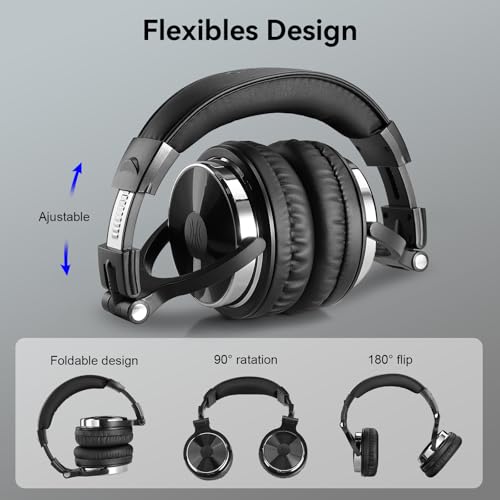
One of the most important differences is how these headphones sit on your head. The OneOdio Pro-10 uses an over-ear design, meaning the ear cups completely surround your ears. This creates a seal that provides better passive noise isolation (blocking outside sounds naturally, without electronics) and generally offers more comfort during long listening sessions.
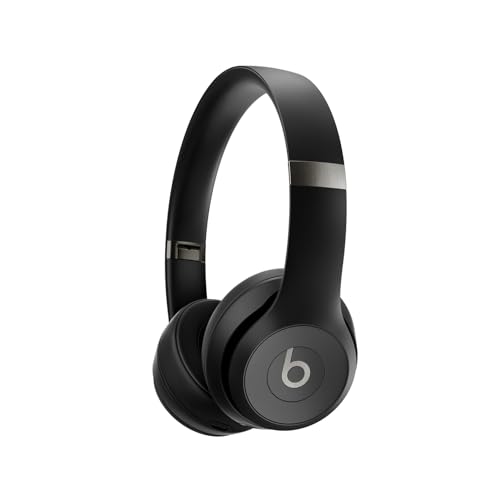
The Beats Solo 4, on the other hand, uses an on-ear design where the ear cups rest directly on your ears. This makes them more compact and portable, but it means they rely on clamping force—how tightly they squeeze your head—to stay in place and create any kind of seal. This can lead to ear fatigue after an hour or two, especially if you wear glasses.
Driver Technology and What It Means
The OneOdio Pro-10 features 50mm neodymium drivers—that's the size of the speaker inside each ear cup. Larger drivers generally move more air and can produce deeper bass and cleaner sound at higher volumes. Neodymium is a type of magnet material that's particularly strong and lightweight, allowing the driver to respond quickly to audio signals with less distortion.
The Beats Solo 4 uses custom-built 40mm drivers. While smaller, Beats has specifically tuned these for their intended use. The company completely redesigned the acoustics compared to previous Solo models, moving away from their traditionally bass-heavy sound signature toward something more balanced.
Frequency Response and Sound Signatures
Both headphones cover the full range of human hearing (20Hz to 20kHz), but they emphasize different parts of that spectrum. The OneOdio Pro-10 has what reviewers describe as a "mild V-shaped" sound signature. This means it slightly emphasizes bass (low frequencies) and treble (high frequencies) while keeping midrange frequencies (where most vocals sit) relatively neutral. This creates an exciting, engaging sound that works well for most music genres.
The Beats Solo 4 represents a significant departure from the classic "Beats sound." Instead of overwhelming bass, these headphones offer a more balanced presentation with clear vocals and detailed highs. Some listeners find the treble occasionally bright or harsh during long sessions, but the overall tuning is much more mature than previous Beats models.
Power Handling and Volume Capabilities
Here's where the OneOdio Pro-10 shows its professional heritage. With a maximum input power of 1600mW and 32-ohm impedance, these headphones can get extremely loud without distortion. Impedance is essentially electrical resistance—lower impedance means they're easier to drive with smartphones and portable devices, while still handling professional equipment that outputs more power.
The Beats Solo 4 prioritizes efficiency over raw power handling. They're designed to sound good straight from your phone while offering excellent battery life when wireless.
Professional Wired Features
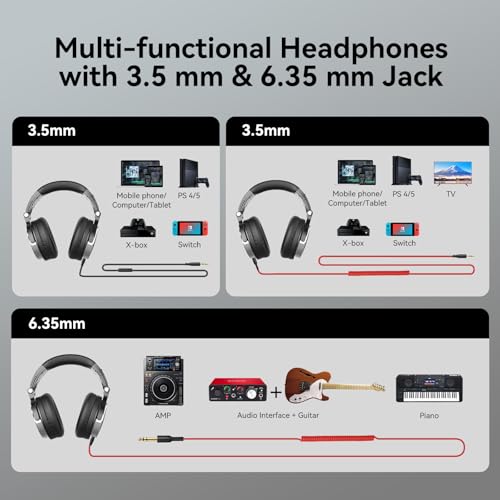
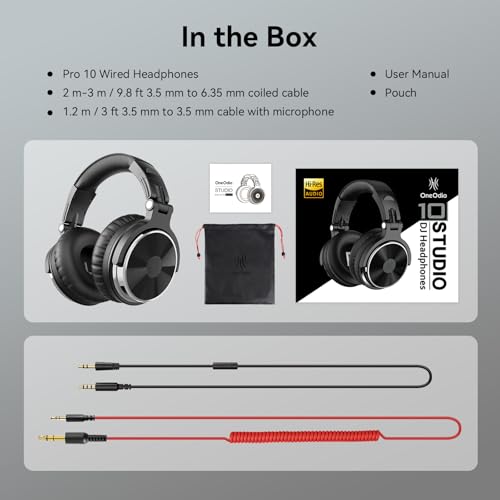
The OneOdio Pro-10 offers something unique in today's market: dual built-in audio jacks. You'll find both a 3.5mm jack (standard for phones and consumer devices) and a 6.35mm jack (standard for professional audio gear) built right into the ear cup. This eliminates the need for adapters—a small detail that becomes huge when you're switching between devices regularly.
Even more interesting is the SharePort feature. You can plug another pair of headphones directly into the OneOdio Pro-10, allowing two people to listen to the same source without a splitter. This is incredibly useful for collaborative work or sharing music.
The 90-degree swiveling ear cups serve a specific professional purpose: single-ear monitoring. DJs and audio engineers often need to listen to a mix with one ear while keeping the other ear free to hear the room or cue up the next track.
Modern Wireless Implementation
The Beats Solo 4, released in 2024, incorporates Bluetooth 5.3—a significant upgrade from earlier wireless headphone implementations. This newer Bluetooth version offers better range, more stable connections, and improved audio quality compared to older standards.
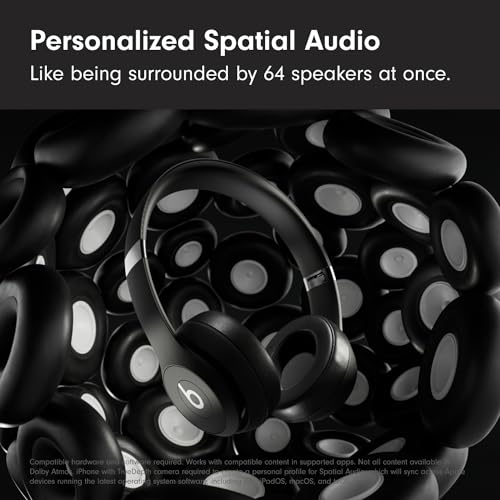
The standout feature is Personalized Spatial Audio with dynamic head tracking. Using built-in gyroscopes and accelerometers (the same sensors that know when you rotate your phone), the headphones track your head movements and adjust the audio accordingly. This creates a more immersive experience, as if the sound sources stay fixed in space while you move around them.
The Beats Solo 4 also supports lossless audio when connected via USB-C or the included 3.5mm cable, thanks to a built-in DAC (Digital-to-Analog Converter). This means you can experience higher audio quality than standard Bluetooth allows when you need it most.
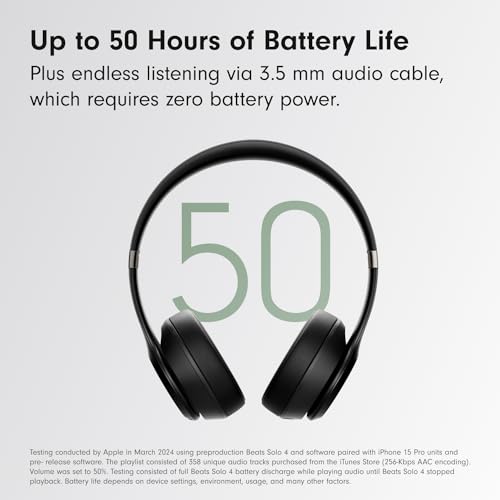
This is where the Beats Solo 4 truly shines. With up to 50 hours of playback time, these headphones essentially eliminate battery anxiety. Even heavy users might charge them only once per week. The Fast Fuel charging feature provides five hours of playback from just a 10-minute charge—perfect for those "oh no, my headphones are dead" moments before a long trip.
The OneOdio Pro-10 sidesteps the battery question entirely by being wired. This is both a limitation and an advantage. You never have to worry about charging, and you'll never experience audio dropouts due to interference or low battery. However, you're tethered to your audio source.
Comfort becomes crucial during extended listening sessions, and this is where the design differences really matter. The OneOdio Pro-10's over-ear design generally provides better comfort for long sessions, assuming they fit your head properly. The ear cups completely surround your ears, distributing pressure around the ear rather than on it.
However, some users report issues with the headband being too small for larger heads, and the foam inside the ear pads can feel firm during extended wear. The overall weight distribution is good, but individual fit varies significantly.
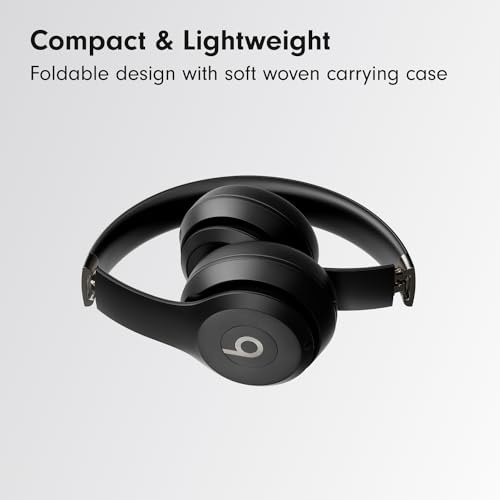
The Beats Solo 4 faces the inherent challenge of on-ear design: they must clamp firmly enough to stay in place and create some seal, but not so firmly that they cause discomfort. At 217 grams, they're quite lightweight, and the memory foam ear cushions help distribute pressure. Still, most users report ear fatigue after 1-2 hours of continuous wear.
Home Theater and Media Consumption
For home theater use, both headphones serve different purposes. The OneOdio Pro-10 excels when you need to connect directly to a TV, receiver, or gaming console without worrying about audio delay (latency). The wired connection ensures perfect lip-sync, which is crucial for movies and TV shows.
The Beats Solo 4 offers a more convenient experience for casual viewing, especially if you're moving around the house or want to step away from the screen briefly. The Spatial Audio feature can enhance the movie-watching experience, though it works best with compatible content.
Gaming Performance
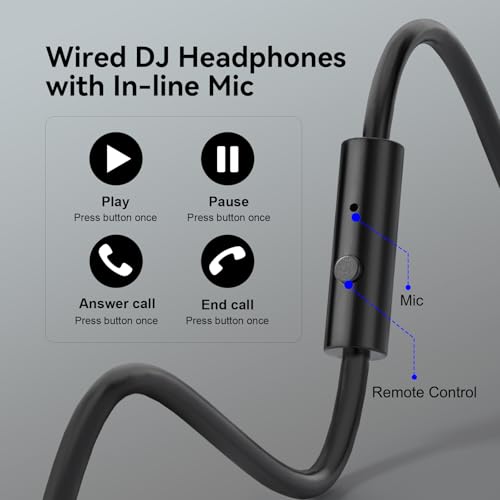
Gaming presents unique requirements: low latency for competitive play and clear communication for team games. The OneOdio Pro-10 provides zero latency thanks to its wired connection, making it excellent for competitive gaming where every millisecond counts. The included cable with microphone works well for voice chat.
The Beats Solo 4 can introduce small amounts of audio delay through Bluetooth, which might be noticeable in fast-paced games. However, for casual gaming, the wireless convenience often outweighs this minor delay.
Professional and Creative Work
This is where the OneOdio Pro-10 truly excels. The dual jacks mean you can connect to mixing boards, audio interfaces, instruments, and other professional gear without adapters. The swiveling cups enable proper monitoring techniques, and the balanced sound signature helps you hear mix details clearly.
The Beats Solo 4 isn't designed for professional audio work, though it can handle basic tasks like video editing or casual content creation where perfect accuracy isn't critical.
At the time of writing, these headphones occupy very different price points, with the OneOdio Pro-10 positioned as a budget option offering professional features, while the Beats Solo 4 commands a significant premium for its wireless convenience and brand recognition.
The OneOdio Pro-10 delivers exceptional value for anyone needing professional features at a fraction of typical pro headphone prices. You're getting 50mm drivers, dual jacks, professional build quality, and useful features like SharePort—capabilities that would typically cost much more from established pro audio brands.
The Beats Solo 4 asks you to pay considerably more for wireless convenience, modern features, and refined industrial design. Whether this premium is justified depends on how much you value wireless functionality and whether the on-ear comfort limitations work for your usage patterns.
The Beats Solo 4, released in 2024, represents significant technological advancement over earlier Beats models. The move toward more neutral sound tuning, implementation of spatial audio, and dramatic battery life improvement show how much wireless headphone technology has matured.
The OneOdio Pro-10 takes a more traditional approach but incorporates thoughtful features that address real professional needs. While wired headphones might seem outdated, they still offer advantages that wireless technology hasn't fully replicated—zero latency, unlimited runtime, and universal compatibility.
Choose the OneOdio Pro-10 if you need professional functionality, prefer wired reliability, work with audio equipment regularly, or want exceptional value for money. They're particularly suited for home studios, DJ setups, gaming rigs, and situations where you need to connect to various audio sources without adapters.
The Beats Solo 4 makes sense if wireless convenience is a priority, you primarily use modern devices, want features like spatial audio, or need headphones that work well for calls and communication. They're ideal for commuting, casual listening, and situations where portability matters more than absolute audio fidelity.
Consider your primary use cases carefully. If you're mainly listening at a desk or in a dedicated listening space, the OneOdio Pro-10 offers more bang for your buck. If you're constantly on the move or value the freedom of wireless, the Beats Solo 4 justifies its higher cost through convenience and modern features.
Both represent solid choices within their respective categories, but they serve fundamentally different needs. The key is honestly assessing which approach better matches your lifestyle and priorities.
| OneOdio Pro-10 Over Ear Wired Headphones | Beats Solo 4 Wireless On-Ear Headphones |
|---|---|
| Design Type - Affects comfort and noise isolation | |
| Over-ear closed-back design with complete ear coverage | On-ear design that rests directly on ears |
| Driver Size - Larger drivers typically produce fuller sound and deeper bass | |
| 50mm neodymium drivers for powerful, dynamic sound | Custom-built 40mm transducers with rebalanced acoustics |
| Connectivity - Determines compatibility and convenience | |
| Wired only with dual built-in jacks (3.5mm + 6.35mm) | Bluetooth 5.3 wireless with optional wired (USB-C + 3.5mm) |
| Battery Life - Critical for wireless models | |
| No battery required (wired connection) | Up to 50 hours wireless playback with Fast Fuel charging |
| Weight - Affects long-term comfort | |
| Approximately 309g (heavier but stable over-ear design) | 217g (lightweight but relies on clamping force) |
| Professional Features - Important for audio work and DJ use | |
| 90° swiveling earcups, SharePort daisy-chaining, dual jacks | Basic controls, spatial audio with head tracking |
| Sound Signature - Affects music enjoyment across genres | |
| Mild V-shaped with balanced mids, dynamic bass emphasis | Neutral tuning, less bass-heavy than previous Beats models |
| Impedance - Determines how easy they are to drive loudly | |
| 32 Ohms (easy to drive, works well with phones and pro gear) | Not specified (optimized for mobile devices) |
| Maximum Power Handling - Affects maximum volume without distortion | |
| 1600mW (can get very loud for professional monitoring) | Standard consumer levels (sufficient for casual listening) |
| Included Accessories - Affects versatility and value | |
| Carrying bag, 3.5mm cable, 6.35mm coiled cable | Carrying case, USB-C cable, 3.5mm cable |
| Microphone Quality - Important for calls and communication | |
| Wired cable with basic in-line microphone | Multiple digital beam-forming mics with voice targeting |
| Noise Isolation - Affects use in noisy environments | |
| Good passive isolation from over-ear seal | Poor isolation due to on-ear design, no active cancellation |
| Price Category - Affects overall value proposition | |
| Budget-friendly professional features | Premium consumer wireless with brand recognition |
The OneOdio Pro-10 delivers more powerful, dynamic sound with its 50mm neodymium drivers and balanced tuning that avoids excessive bass. The Beats Solo 4 offers a more refined, neutral sound compared to previous Beats models, with clearer vocals and detailed highs. For pure audio fidelity, the OneOdio Pro-10 provides better value, while the Beats Solo 4 excels in wireless convenience with modern features like spatial audio.
The OneOdio Pro-10 is generally more comfortable for extended wear due to its over-ear design that surrounds your ears completely, providing better weight distribution. The Beats Solo 4 uses an on-ear design that can cause ear fatigue after 1-2 hours due to clamping pressure. However, the Beats Solo 4 is lighter at 217g and more portable.
The OneOdio Pro-10 is superior for competitive gaming because the wired connection provides zero audio latency, crucial for timing-sensitive games. The included microphone cable works well for voice chat. The Beats Solo 4 can introduce small amounts of Bluetooth delay that might be noticeable in fast-paced games, though it's fine for casual gaming.
No, the OneOdio Pro-10 has a 32-ohm impedance rating, making them easy to drive directly from smartphones, computers, or audio interfaces without requiring a separate amplifier. They can handle up to 1600mW of power, so they'll work well with both portable devices and professional audio equipment.
The Beats Solo 4 offers exceptional battery life with up to 50 hours of playback on a single charge. The Fast Fuel feature provides 5 hours of listening time from just a 10-minute charge. In comparison, the OneOdio Pro-10 never needs charging since it's wired, eliminating battery concerns entirely.
The OneOdio Pro-10 is specifically designed for DJ use with 90-degree swiveling earcups for single-ear monitoring, dual built-in jacks (3.5mm and 6.35mm), and SharePort functionality for daisy-chaining headphones. The Beats Solo 4 lacks these professional features and isn't suitable for DJ applications or studio monitoring work.
The OneOdio Pro-10 provides better passive noise isolation due to its over-ear design that creates a seal around your ears. The Beats Solo 4 offers poor noise isolation since they're on-ear headphones without active noise cancellation, making them unsuitable for noisy environments like commuting or airplanes.
Yes, the Beats Solo 4 excels for calls with multiple digital beam-forming microphones and advanced voice-targeting algorithms that provide clear call quality. The OneOdio Pro-10 includes a basic in-line microphone on one of its cables, but it's not as advanced as the wireless calling features in the Beats Solo 4.
The OneOdio Pro-10 is excellent for home theater use because the wired connection ensures perfect lip-sync with no audio delay, crucial for movies and TV shows. The Beats Solo 4 offers more convenience for casual viewing with its wireless freedom and Spatial Audio feature that can enhance the movie experience, though slight Bluetooth delay might be noticeable.
The OneOdio Pro-10 works with any device that has a 3.5mm or 6.35mm audio output, offering universal compatibility without needing adapters. The Beats Solo 4 connects via Bluetooth 5.3 to most modern devices and can also work wired with the included USB-C and 3.5mm cables when needed.
The OneOdio Pro-10 provides exceptional value with professional features like dual jacks, SharePort functionality, and 50mm drivers at a budget-friendly price point. The Beats Solo 4 commands a premium for wireless convenience, modern features, and brand recognition. Your choice depends on whether you prioritize professional functionality or wireless lifestyle features.
Yes, the OneOdio Pro-10 includes a unique SharePort feature that lets you plug another pair of headphones directly into the ear cup, allowing two people to listen to the same audio source without a splitter. The Beats Solo 4 supports Audio Sharing on iOS devices but requires compatible Apple headphones or earbuds to work properly.
We've done our best to create useful and informative comparisons to help you decide what product to buy. Our research uses advanced automated methods to create this comparison and perfection is not possible - please contact us for corrections or questions. These are the sites we've researched in the creation of this article: audioreviews.org - youtube.com - attackmagazine.com - versus.com - head-fi.org - versus.com - youtube.com - oneodio.com - youtube.com - youtube.com - walmart.com - teqclub.com - head-fi.org - manuals.plus - terrycartermusicstore.com - oneodio.com - matzotech.com - oneodio.com - target.com - techbuzzireland.com - youtube.com - bestbuy.com - soundguys.com - rtings.com - cnet.com - youtube.com - rtings.com - therunningchannel.com - youtube.com - soundguys.com - rtings.com - beatsbydre.com - kubookstore.com - apple.com - panthertech.fiu.edu - beatsbydre.com - cnet.com - techwelike.com - beatsbydre.com - beatsbydre.com

Privacy Policy
Terms and Conditions - Affiliate Policy
Home Security
© Copyright 2008-2026.
11816 Inwood Rd #1211, Dallas, TX 75244