

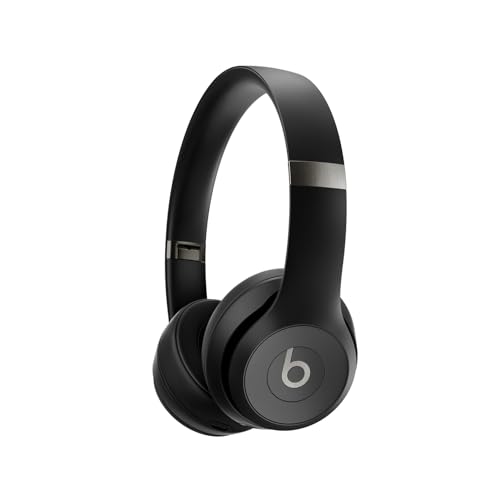
Choosing wireless headphones has become surprisingly complex. Walk into any electronics store, and you'll face dozens of options spanning from budget-friendly models to premium audiophile gear. Today, we're comparing two popular but fundamentally different approaches: the portable Beats Solo 4 on-ear headphones and the premium Sony WH-1000XM4 over-ear headphones.
Both released in recent years—the Sony WH-1000XM4 in 2020 and the Beats Solo 4 in 2023—these headphones represent mature technologies that have benefited from years of refinement. But they serve very different needs, and understanding these differences is crucial to making the right choice for your lifestyle.
The wireless headphone market has essentially split into two camps. On-ear headphones like the Beats Solo 4 sit directly on your ears, prioritizing portability and extended battery life. Over-ear headphones like the Sony WH-1000XM4 completely surround your ears, focusing on comfort during long listening sessions and advanced features like active noise cancellation (ANC).
Active noise cancellation deserves explanation here—it's technology that uses microphones to detect ambient noise, then generates sound waves that are the exact opposite (called "phase cancellation") to effectively cancel out unwanted sounds. Think of it as creating a bubble of quiet around your ears, which is incredibly valuable for commuting or working in noisy environments.
When choosing between these approaches, consider your primary use cases. Will you primarily listen at home for short periods, or do you need something for long flights and daily commutes? Your answer significantly impacts which design philosophy serves you better.
The Beats Solo 4 represents a significant evolution from its 2016 predecessor, the Solo 3. Released in 2023, it benefits from seven years of technological advancement, most notably in battery efficiency and sound tuning. Beats has moved away from their historically bass-heavy signature toward a more balanced sound that still maintains their energetic character.
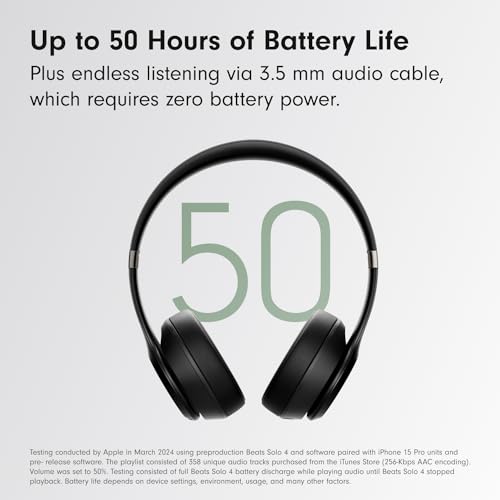
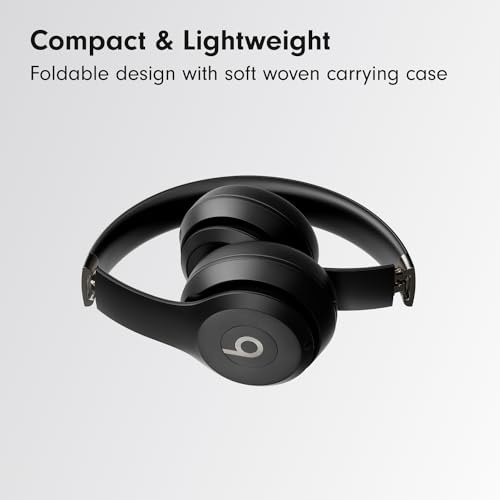
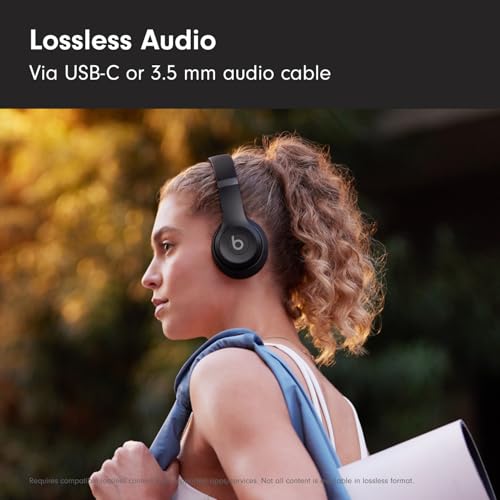
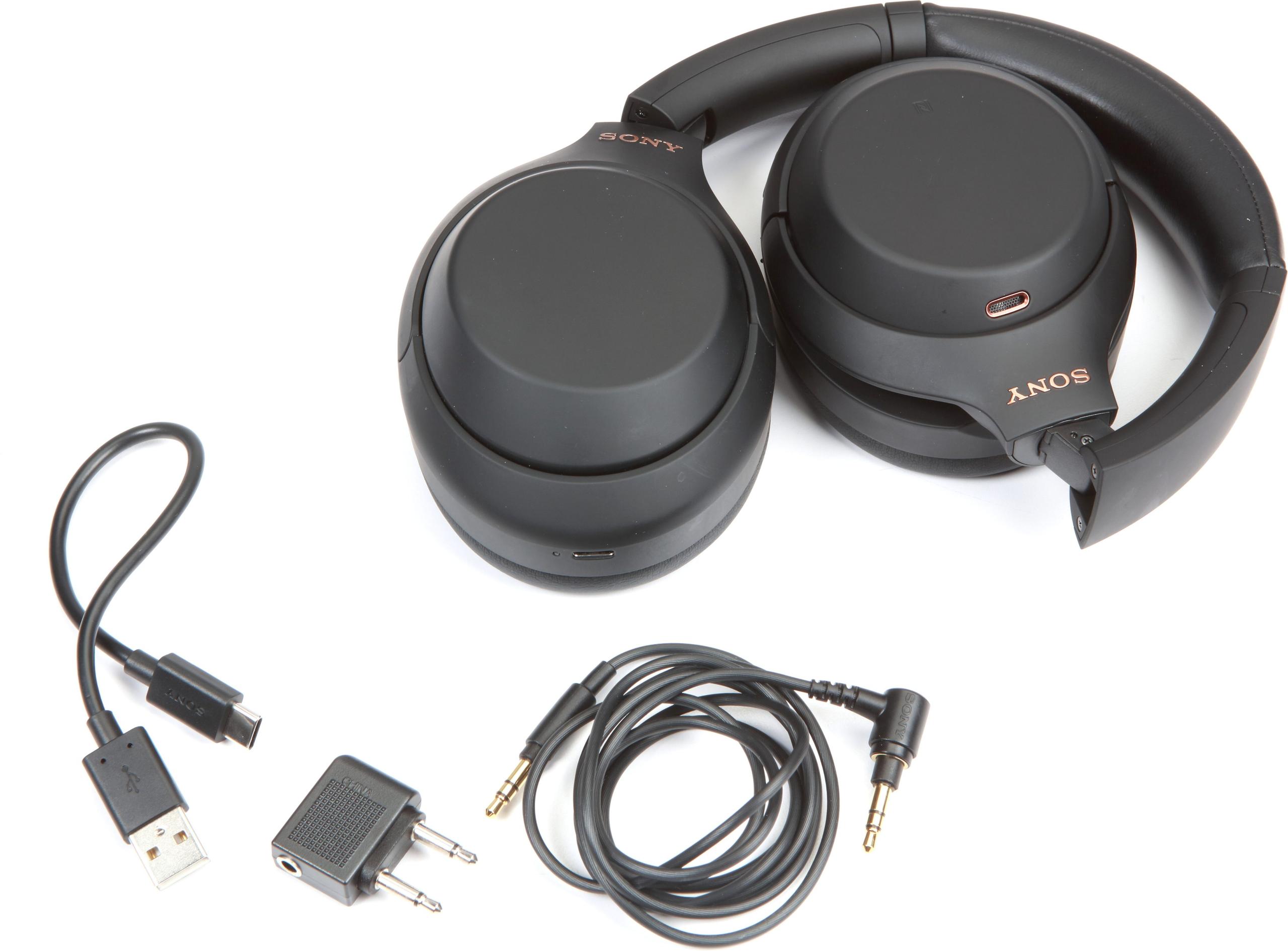
At 217 grams, the Beats Solo 4 achieves remarkable portability while packing impressive 50-hour battery life. This improvement comes from more efficient Bluetooth 5.3 technology and better power management systems. The headphones fold flat for easy storage and include both USB-C and traditional 3.5mm connectivity options—meaning you can continue listening even when the battery dies.
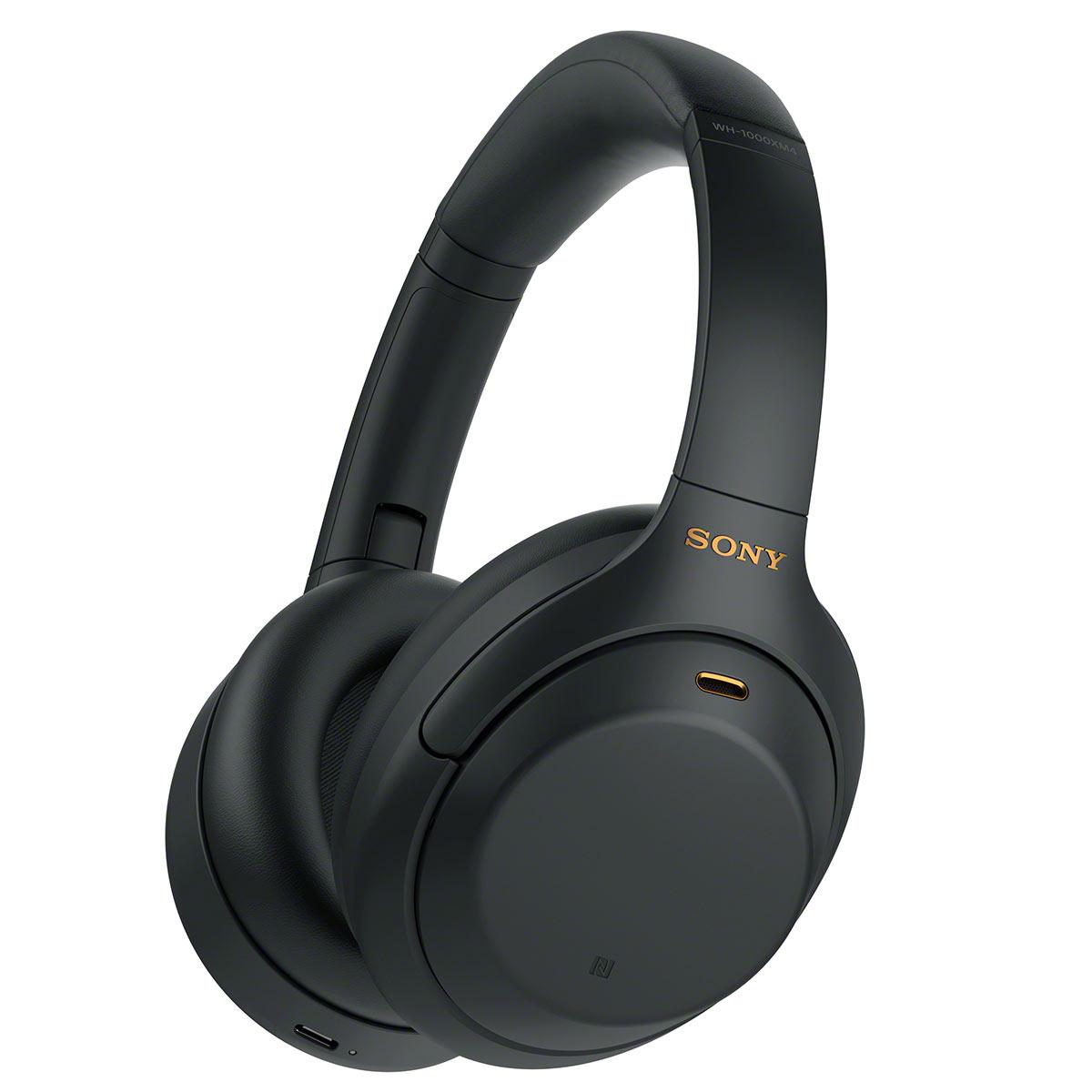
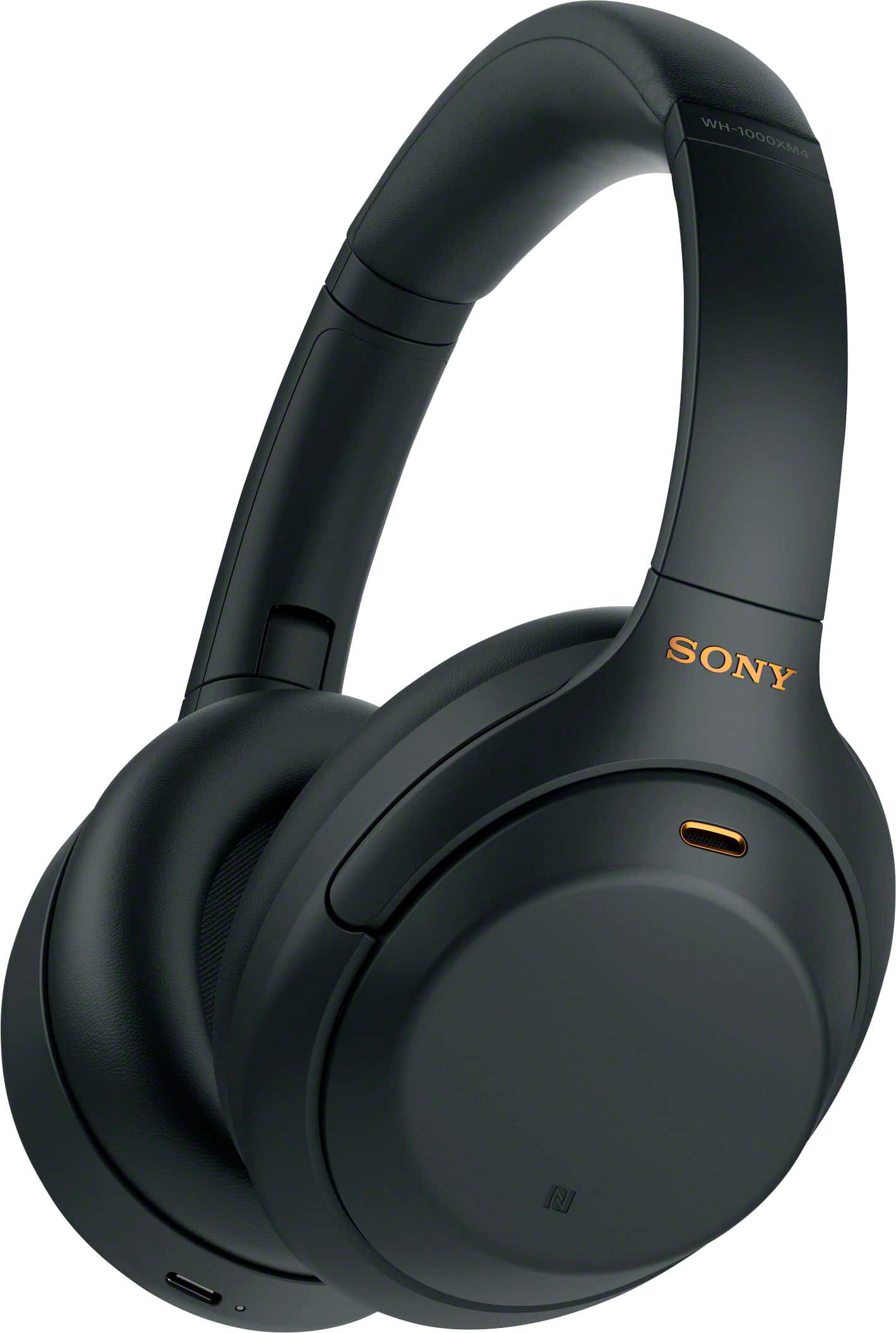
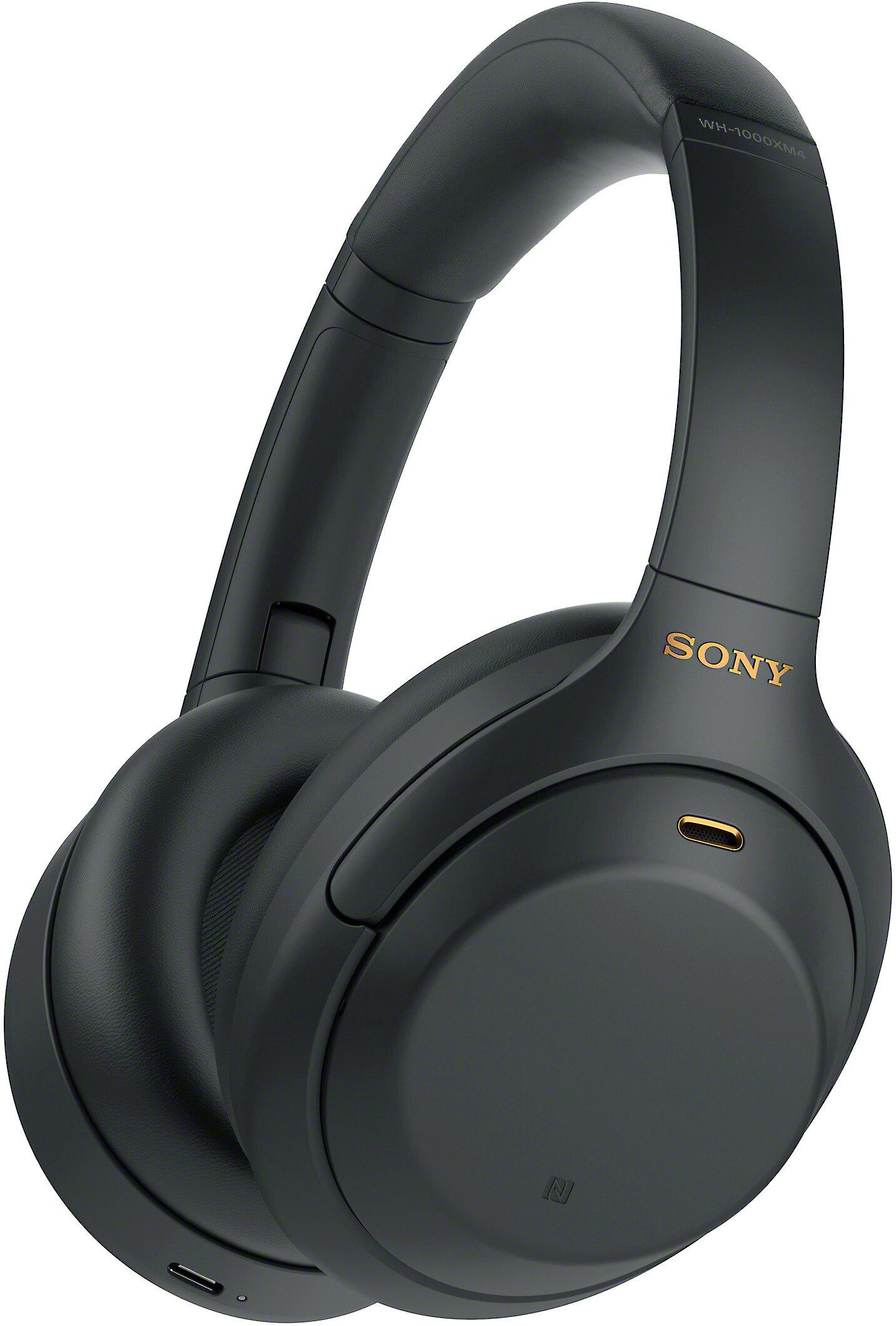
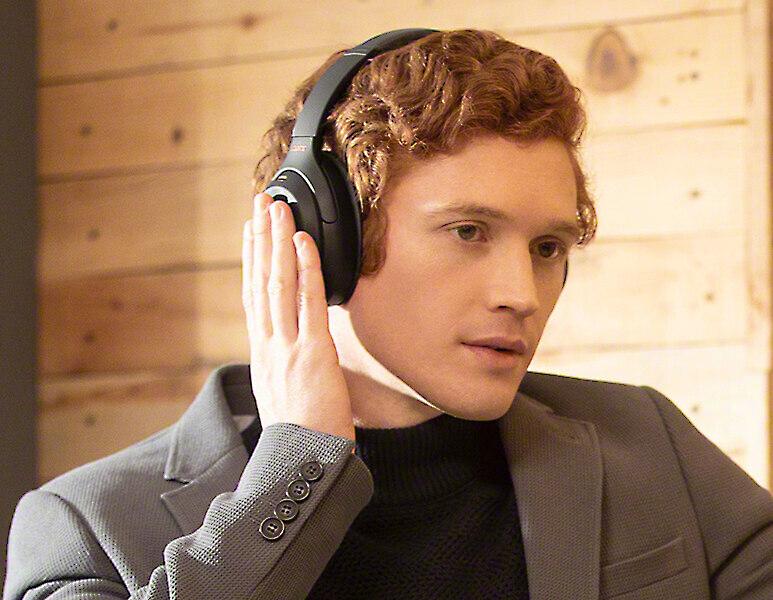
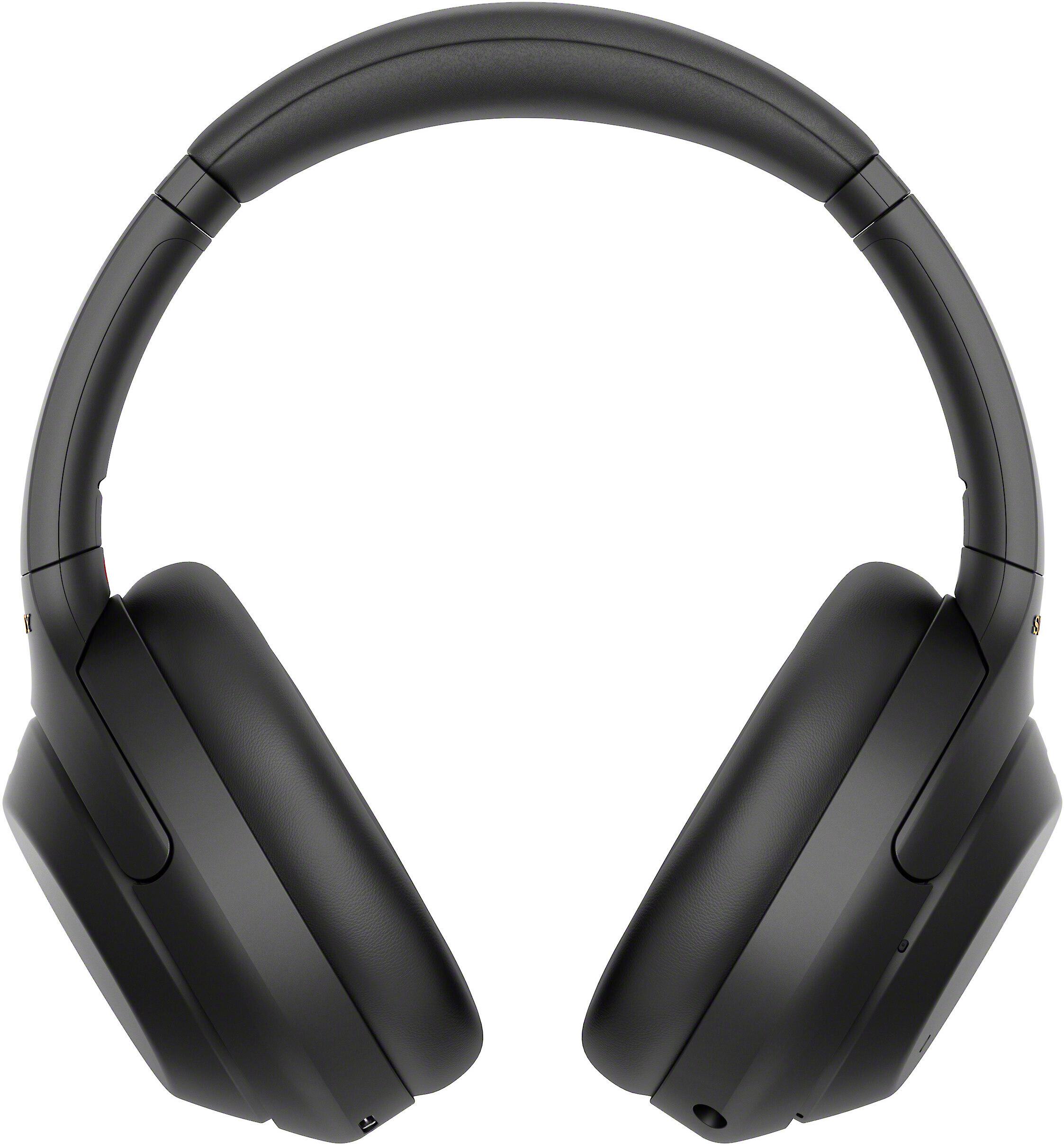
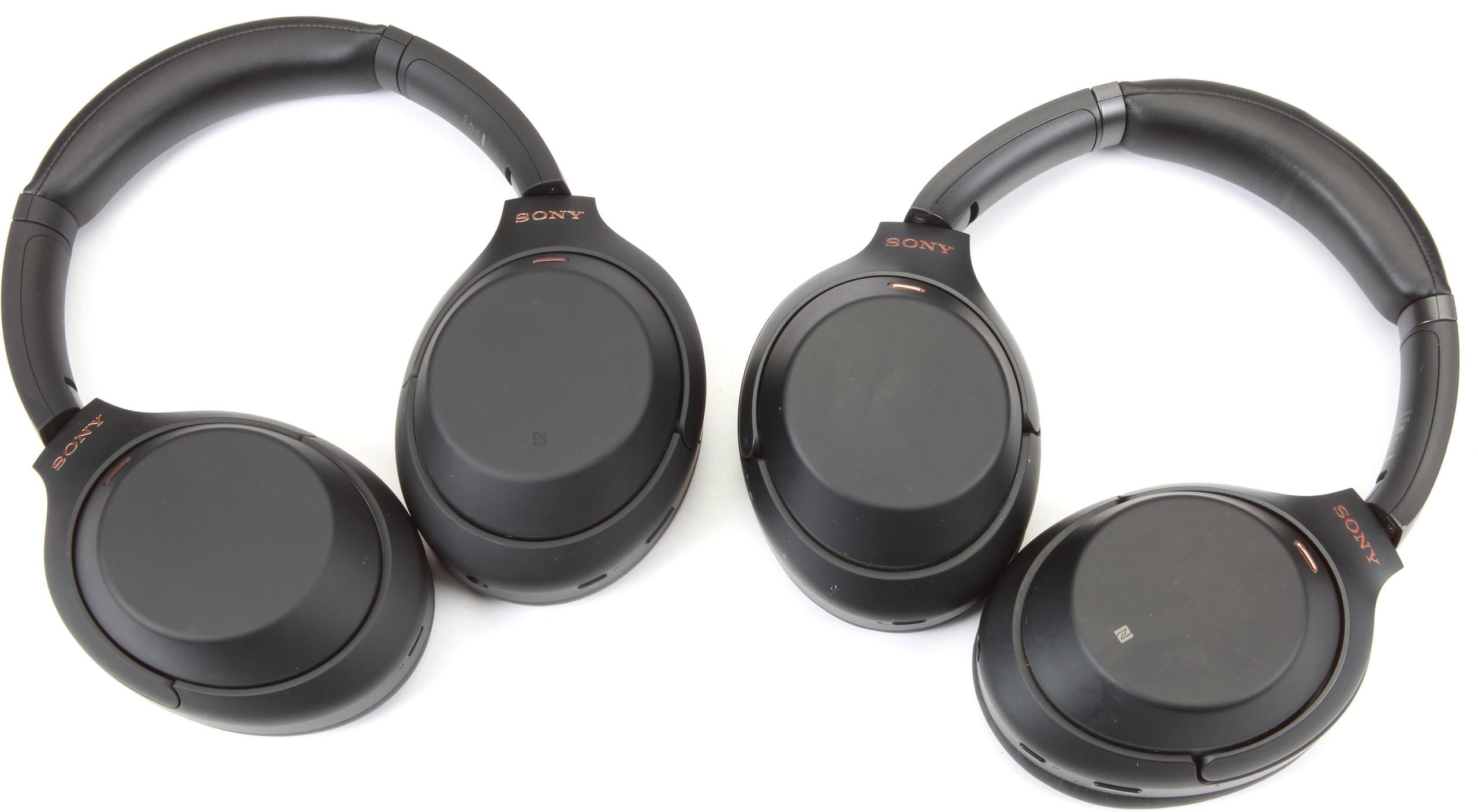
The Sony WH-1000XM4, released in 2020, builds upon Sony's acclaimed noise-cancellation technology. While newer models like the XM5 have since launched, the XM4 remains highly relevant due to its mature feature set and improved affordability.
These over-ear headphones showcase Sony's "HD Noise Cancelling Processor QN1"—essentially a dedicated computer chip that processes sound from eight microphones over 700 times per second to eliminate ambient noise. This isn't just marketing speak; the processing power genuinely creates one of the most effective noise-cancellation systems available.
The Sony WH-1000XM4 also supports LDAC, Sony's proprietary high-resolution audio codec that transmits nearly three times more data than standard Bluetooth audio. This means you can stream music that approaches CD quality wirelessly—a significant technical achievement.
Sound quality represents the most subjective aspect of headphone evaluation, but certain technical characteristics create measurable differences.
The Beats Solo 4 employs custom 40mm drivers with what Beats calls "rebalanced acoustics." In practical terms, this means less of the overwhelming bass that characterized earlier Beats models, while maintaining the energy that makes pop, hip-hop, and electronic music engaging.
The on-ear design inherently limits soundstage—the sense of space and separation between instruments. Music feels closer and more intimate, which works well for energetic genres but can feel claustrophobic with orchestral or acoustic music. The frequency response emphasizes the upper bass and lower midrange, creating warmth and punch that makes vocals feel present and drums hit with impact.
During extended listening, I've noticed the Beats Solo 4 excels with modern, compressed music formats. The tuning seems optimized for streaming services and contemporary production techniques, making it ideal for casual listening scenarios.
The Sony WH-1000XM4 takes a more analytical approach. Its 40mm drivers use Liquid Crystal Polymer (LCP) diaphragms—a material that's both lightweight and rigid, reducing distortion while extending frequency response up to 40kHz. Most humans can't hear above 20kHz, but this extended range can affect the harmonics and spatial characteristics of music within our hearing range.
The over-ear design creates a larger acoustic space, resulting in better instrument separation and a more natural soundstage. Classical music, jazz, and acoustic recordings benefit significantly from this additional space. The Sony WH-1000XM4 presents a more neutral sound signature that reveals details in recordings that the Beats Solo 4 might smooth over.
Sony's DSEE Extreme technology uses artificial intelligence to upscale compressed music files, analyzing the audio content to restore frequencies lost during compression. While not magic, this processing does improve the clarity of streaming music, especially noticeable with older recordings or lower bitrate sources.
This category shows the starkest difference between these headphones. The Beats Solo 4 relies entirely on passive noise isolation—the physical barrier created by the ear cushions. While the memory foam cushions provide some isolation, they can't compete with active technology.
The Sony WH-1000XM4 represents years of noise-cancellation refinement. The system uses two microphones per ear cup: one facing outward to capture ambient noise, and one facing inward to monitor what you're actually hearing. The HD Noise Cancelling Processor QN1 analyzes this information and generates precise cancellation signals.
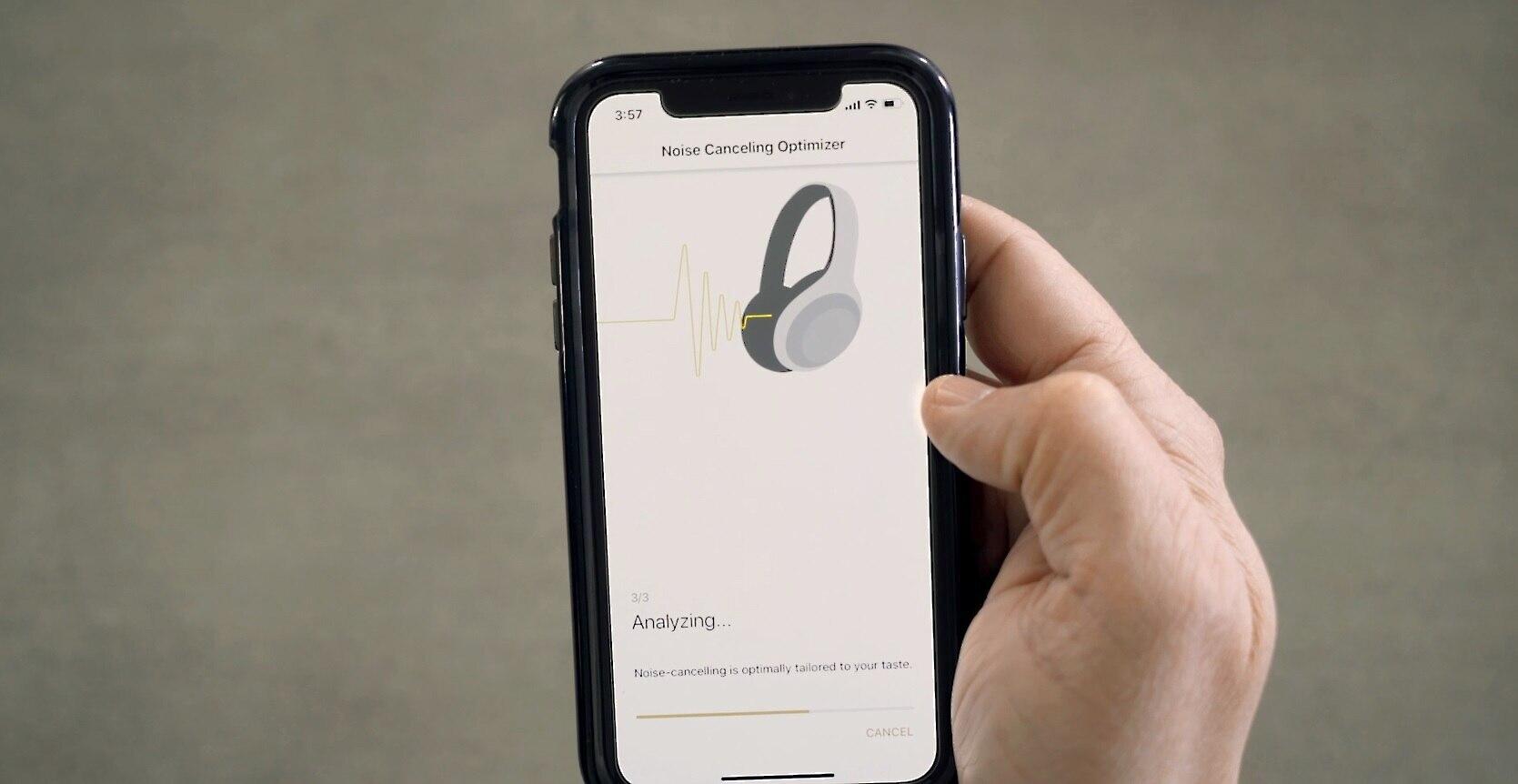
What makes this impressive is the adaptive nature. The Sony WH-1000XM4 automatically adjusts cancellation based on your activity—walking, sitting, or traveling—and even considers atmospheric pressure for optimal performance during flights. The "Personal Noise Cancelling Optimizer" analyzes your head shape and hair to customize the cancellation for your specific anatomy.
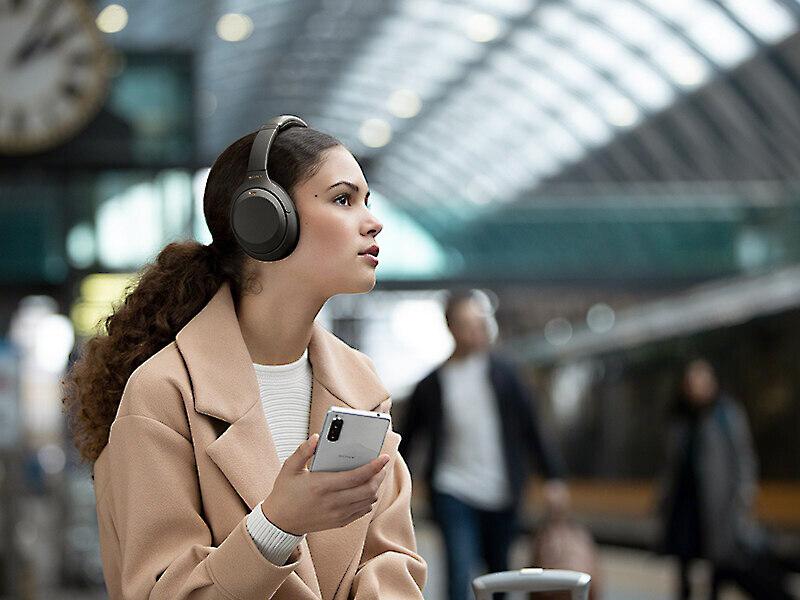
In real-world use, the difference is dramatic. Coffee shops, airplane cabins, and open offices become significantly quieter with the Sony WH-1000XM4, while the Beats Solo 4 provides minimal isolation beyond what the physical earcups offer.
Comfort directly relates to the fundamental design differences between these headphones.
The Beats Solo 4's on-ear design creates pressure points directly on your ears. While the memory foam cushions help distribute this pressure, physics works against extended comfort. Most users report comfort limits of 1-2 hours before needing breaks. However, the 217-gram weight means minimal neck strain, and the compact design makes them excellent for commuting or travel.
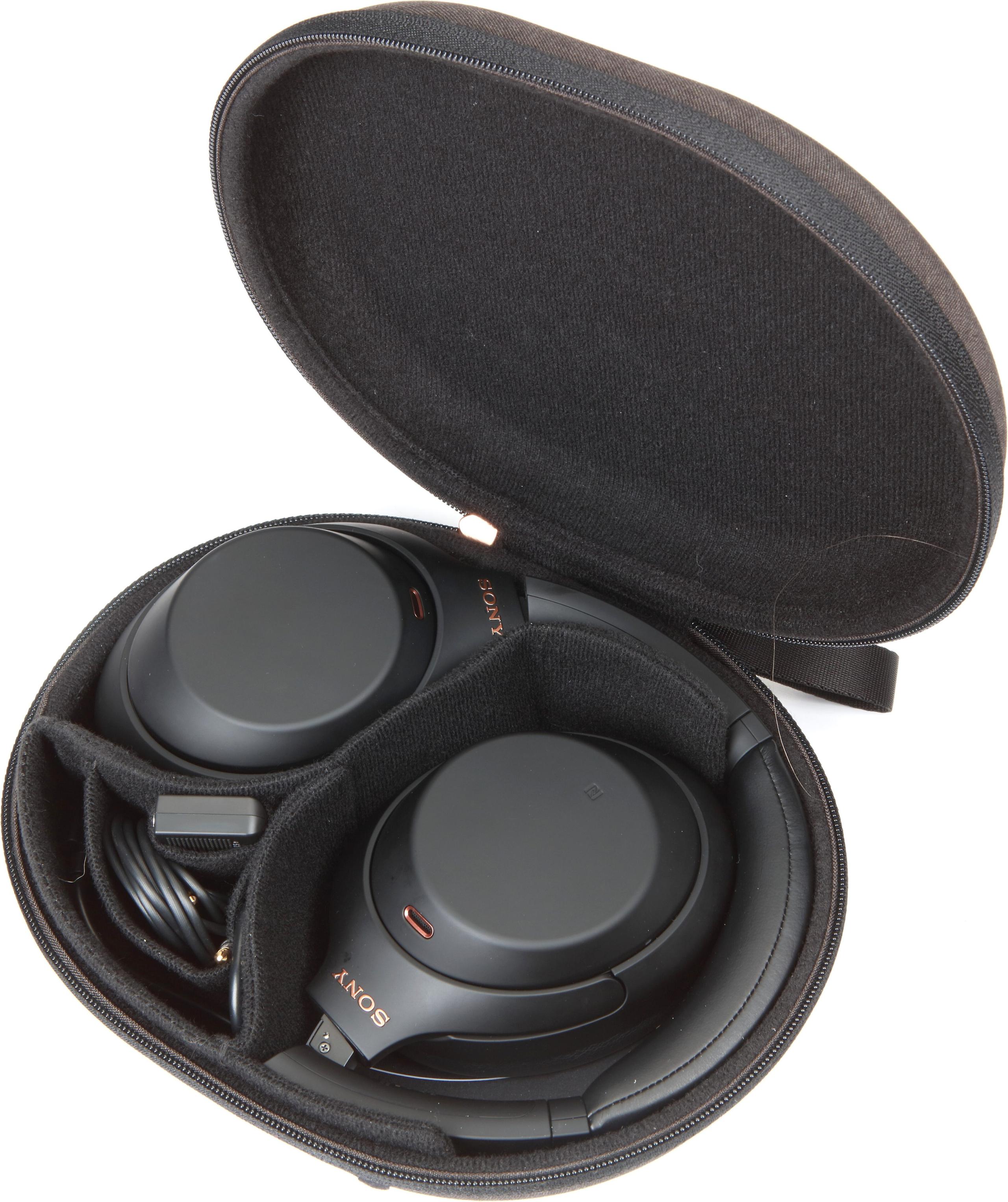
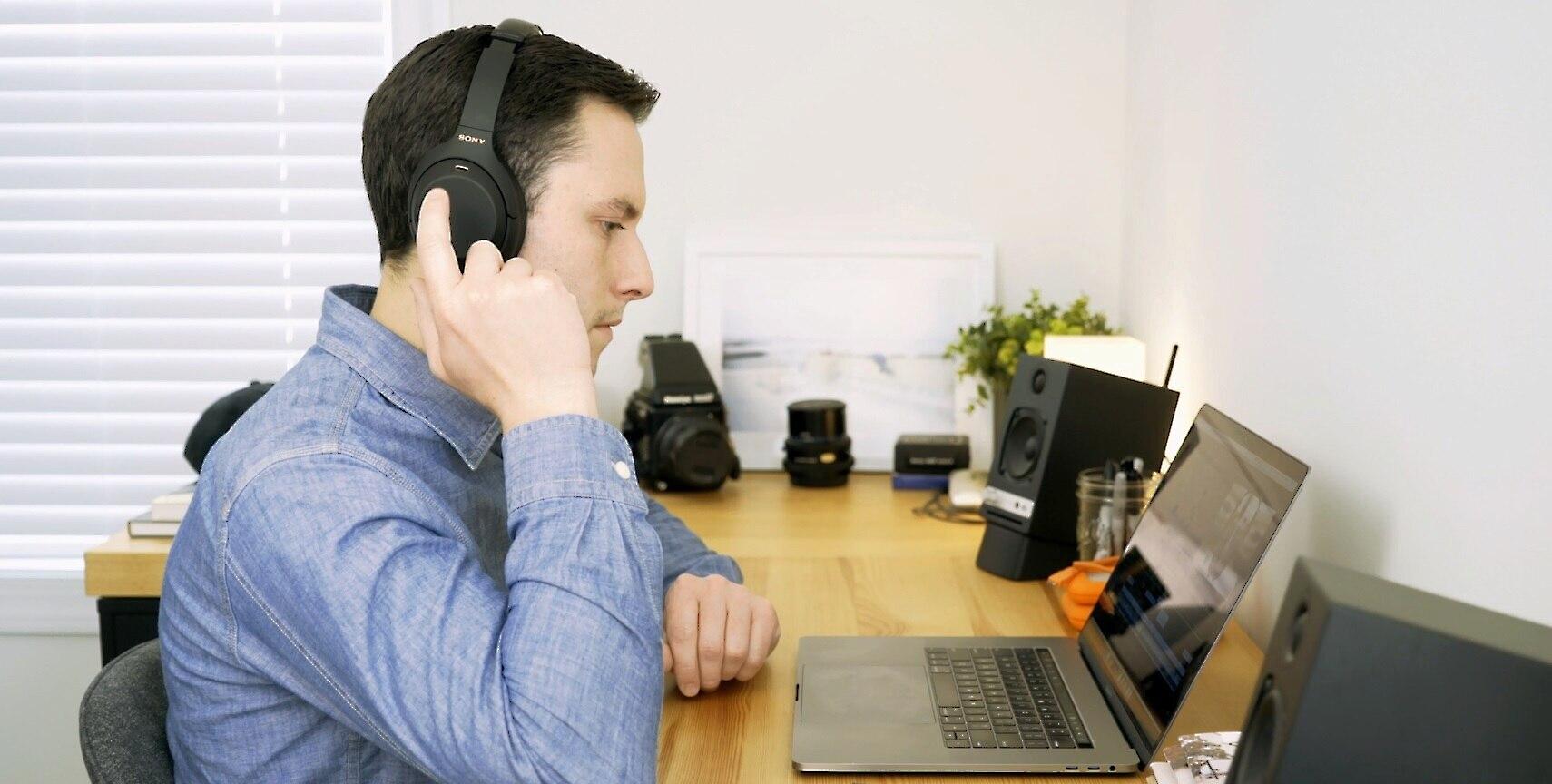
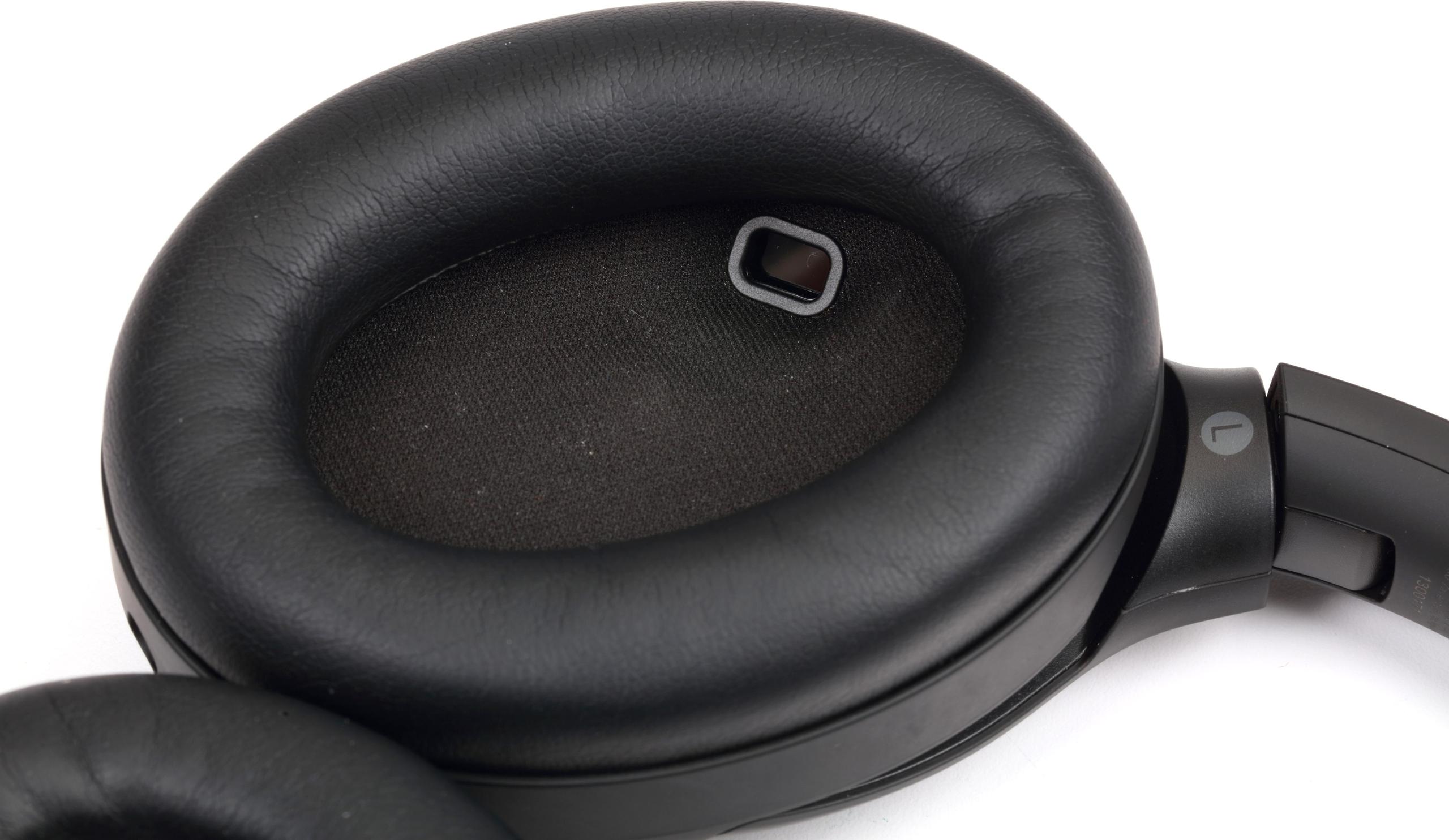
The Sony WH-1000XM4 completely encircles your ears with plush memory foam cushions. This distributes pressure around your ears rather than on them, enabling 4+ hour listening sessions comfortably. The trade-off is increased weight (254 grams) and bulk, making them less ideal for active use or tight storage situations.
Personal experience confirms these comfort profiles. I regularly use the Sony WH-1000XM4 for entire workdays without discomfort, while the Beats Solo 4 requires periodic breaks during extended sessions.
Battery technology improvements since 2020 clearly favor the Beats Solo 4. The 50-hour rating isn't just marketing—it reflects genuine advances in Bluetooth efficiency and power management. This exceptional battery life comes from several factors: the simpler electronics (no active noise cancellation), more efficient Bluetooth 5.3 connectivity, and optimized power management systems.
The Sony WH-1000XM4 achieves 30 hours with noise cancellation enabled, which remains impressive considering the computational power required for real-time audio processing. The dedicated noise-cancellation processor and eight-microphone array consume significant power, making the 30-hour rating quite remarkable for the feature set provided.
Both headphones support fast charging, providing several hours of playback from short charging sessions. The Beats Solo 4 includes the additional advantage of functioning as wired headphones when the battery depletes, thanks to the included 3.5mm cable.
The feature comparison reveals each product's target audience clearly.
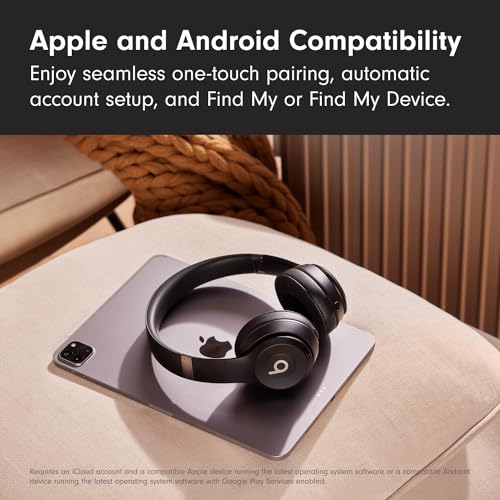
The Beats Solo 4 integrates deeply with Apple's ecosystem through the W1 chip, providing instant pairing and seamless device switching. Find My support helps locate misplaced headphones, while Audio Sharing allows two sets of Beats or AirPods to connect to one device.
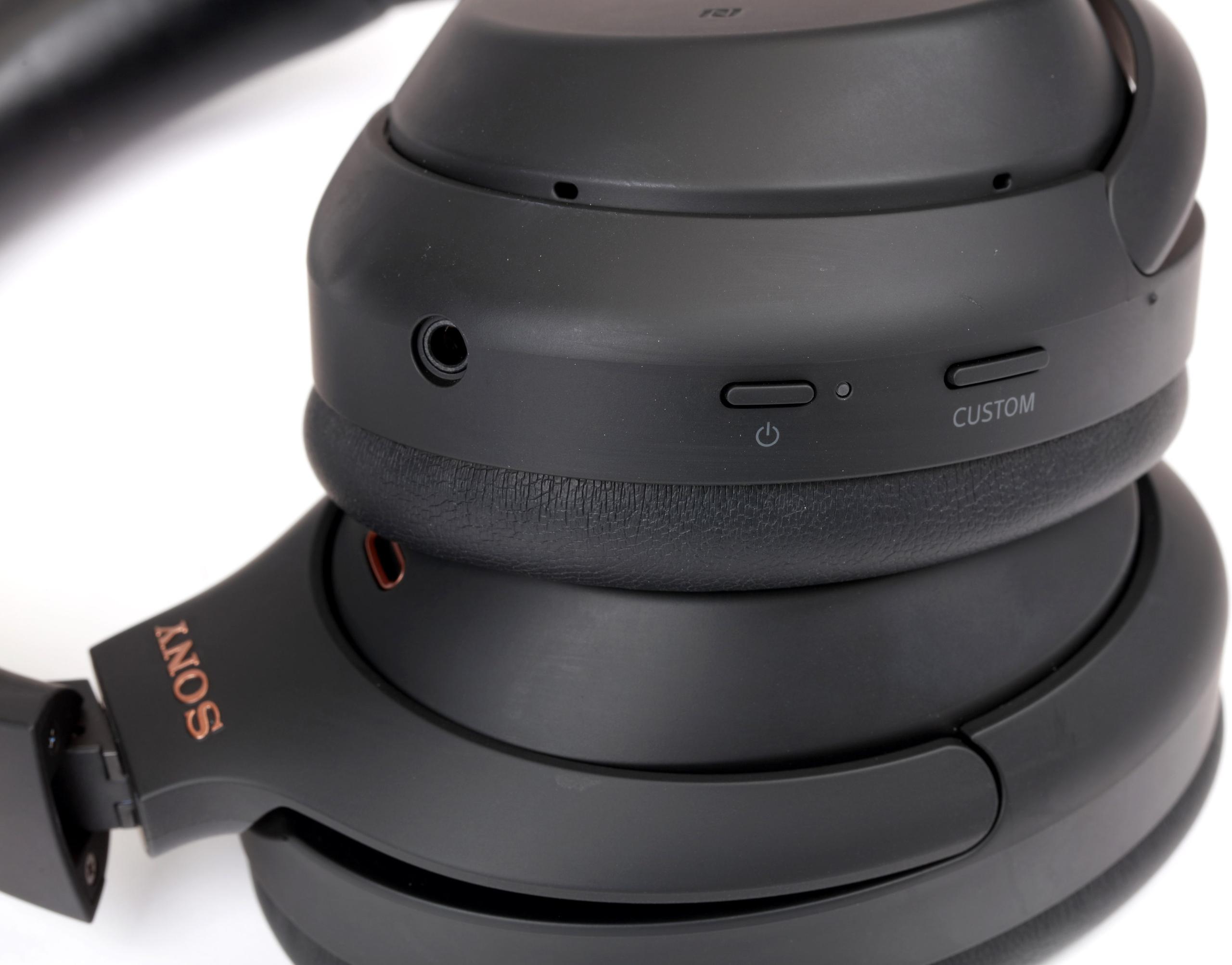
The control scheme uses physical buttons rather than touch controls, providing reliable operation regardless of weather or glove use. Class 1 Bluetooth provides extended range—useful for moving around your home while maintaining connection.
The Sony WH-1000XM4 showcases advanced functionality through multiple technologies. Multipoint Bluetooth connectivity allows simultaneous connection to two devices—incredibly useful for managing both phone and laptop audio seamlessly.
The "Speak-to-Chat" feature uses built-in sensors to automatically pause music when you begin speaking, resuming playback when conversation ends. While occasionally oversensitive, this technology demonstrates the sophisticated sensor integration Sony has achieved.
The companion app provides extensive customization options, including equalizer controls, noise-cancellation adjustment, and adaptive sound control that learns your daily patterns. This level of control appeals to users who enjoy fine-tuning their audio experience.
For home theater use, both headphones offer different advantages. The Sony WH-1000XM4 provides superior movie experience through its wider soundstage and better dialogue clarity. The balanced sound signature reproduces film soundtracks more accurately, while the over-ear comfort enables long movie sessions.
The Beats Solo 4 works adequately for casual movie watching but lacks the immersive qualities that enhance cinematic experiences. The more intimate soundstage can make action sequences feel cramped, though the energetic bass response does add impact to explosions and sound effects.
Neither headphone offers dedicated home theater features like surround sound processing, but the Sony WH-1000XM4's superior noise cancellation creates better isolation from household distractions during movie viewing.
At the time of writing, these headphones occupy different price tiers, with the Beats Solo 4 positioned as the more affordable option while the Sony WH-1000XM4 commands premium pricing despite being three years older.
The Beats Solo 4 delivers exceptional value for users prioritizing battery life, portability, and Apple integration. The 50-hour battery life alone provides tremendous practical value, reducing charging anxiety significantly.
The Sony WH-1000XM4 justifies its higher price through advanced noise cancellation, superior sound quality, and extensive features. For users who value these capabilities, the premium feels justified, especially considering the mature, refined execution of these technologies.
Choose the Beats Solo 4 if you're primarily a casual listener who values convenience and portability. These headphones excel for daily commutes, gym use (thanks to IPX4 water resistance), and situations where you need reliable, long-lasting audio without complexity. Apple users particularly benefit from the seamless ecosystem integration.
The Sony WH-1000XM4 serves users who demand premium audio experiences. If you work in noisy environments, travel frequently, or critically listen to diverse music genres, these headphones provide capabilities the Beats Solo 4 simply cannot match. The investment pays dividends through superior comfort, noise cancellation, and audio fidelity.
Consider your primary use cases honestly. Do you listen for short periods in quiet environments, or do you need audio solutions for noisy offices and long flights? Your lifestyle requirements should drive this decision more than brand preference or price considerations.
Both headphones represent mature, well-executed products that serve their intended markets effectively. The key is understanding which market segment matches your needs and preferences. Neither choice is wrong—they're simply optimized for different users and use cases in the diverse wireless headphone landscape.
| Beats Solo 4 | Sony WH-1000XM4 |
|---|---|
| Design Type - Determines comfort and portability | |
| On-ear (sits on ears, 217g, highly portable) | Over-ear (surrounds ears, 254g, better for long sessions) |
| Battery Life - Critical for daily use without charging anxiety | |
| 50 hours (exceptional, reduces charging frequency) | 30 hours with ANC (very good, but requires more frequent charging) |
| Active Noise Cancellation - Essential for noisy environments | |
| None (passive isolation only, limited effectiveness) | Industry-leading ANC with 8 microphones and AI processing |
| Sound Signature - Affects music enjoyment across genres | |
| Bass-emphasized, energetic (great for pop/hip-hop, limited versatility) | Balanced, neutral (excellent for all music genres and critical listening) |
| Comfort for Extended Use - Important for long listening sessions | |
| 1-2 hours before ear fatigue (pressure on ears) | 4+ hours comfortably (pressure distributed around ears) |
| Audio Codecs - Determines wireless sound quality | |
| SBC, AAC (standard quality, sufficient for most users) | SBC, AAC, LDAC (high-resolution audio, noticeably better quality) |
| Smart Features - Convenience and user experience | |
| Apple W1 chip, Find My, basic controls | Multipoint Bluetooth, Speak-to-Chat, adaptive controls, extensive app |
| Connectivity Options - Flexibility when battery dies or for better quality | |
| Bluetooth 5.3, USB-C, 3.5mm wired (can use when battery dead) | Bluetooth 5.0, USB-C, 3.5mm wired, multipoint connection |
| Best Use Cases - Who should buy each product | |
| Casual listening, Apple users, portability priority, budget-conscious | Serious listening, frequent travelers, noise cancellation needed, feature enthusiasts |
| Water Resistance - Protection during workouts or weather | |
| IPX4 (splash resistant, good for light exercise) | None (indoor/dry conditions only) |
| Price Positioning - Value consideration at time of writing | |
| Budget-friendly tier (excellent value for battery life) | Premium tier (justified by advanced features and ANC technology) |
For daily use, the Sony WH-1000XM4 is generally better due to superior noise cancellation and comfort for extended wear. However, the Beats Solo 4 excels if you prioritize portability and exceptional 50-hour battery life for on-the-go listening.
The Sony WH-1000XM4 offers better overall sound quality with a balanced, neutral signature that works well across all music genres. The Beats Solo 4 has a more bass-heavy sound that's energetic for pop and hip-hop but less versatile for other genres.
The Sony WH-1000XM4 is significantly more comfortable for extended use due to its over-ear design that surrounds your ears rather than pressing on them. The Beats Solo 4 can cause ear fatigue after 1-2 hours due to its on-ear design.
No, only the Sony WH-1000XM4 has active noise cancellation with industry-leading ANC technology. The Beats Solo 4 relies only on passive noise isolation, which is much less effective at blocking ambient noise.
The Beats Solo 4 has significantly better battery life with 50 hours of playback compared to the Sony WH-1000XM4's 30 hours. This makes the Beats ideal for users who want to charge less frequently.
The Sony WH-1000XM4 is better for travel due to its excellent noise cancellation for flights and trains, plus superior comfort for long journeys. The Beats Solo 4 is more portable but lacks the noise cancellation essential for travel comfort.
The Beats Solo 4 integrates better with Apple devices through the W1 chip, offering instant pairing and Find My support. While the Sony WH-1000XM4 works fine with iPhones, it lacks the seamless Apple ecosystem integration.
Yes, both headphones support phone calls, but the Sony WH-1000XM4 generally provides better call quality with multiple microphones and advanced voice processing. The Beats Solo 4 offers adequate call quality for basic use.
The Beats Solo 4 is better for workouts due to its lighter weight, more secure on-ear fit, and IPX4 water resistance. The Sony WH-1000XM4 lacks water resistance and is bulkier, making it unsuitable for exercise.
The Sony WH-1000XM4 is better for home movie watching due to its wider soundstage, balanced audio for dialogue clarity, and over-ear comfort for long viewing sessions. The Beats Solo 4 works for casual movie watching but has a more limited soundstage.
Value depends on your priorities. The Beats Solo 4 offers excellent value for casual listeners wanting long battery life and portability. The Sony WH-1000XM4 provides better value for serious listeners who need noise cancellation and premium features.
Only the Sony WH-1000XM4 supports multipoint Bluetooth connectivity, allowing connection to two devices simultaneously. The Beats Solo 4 can only connect to one device at a time, though it switches easily between paired Apple devices.
We've done our best to create useful and informative comparisons to help you decide what product to buy. Our research uses advanced automated methods to create this comparison and perfection is not possible - please contact us for corrections or questions. These are the sites we've researched in the creation of this article: bestbuy.com - soundguys.com - rtings.com - cnet.com - youtube.com - rtings.com - therunningchannel.com - youtube.com - soundguys.com - rtings.com - beatsbydre.com - kubookstore.com - apple.com - panthertech.fiu.edu - beatsbydre.com - cnet.com - techwelike.com - beatsbydre.com - beatsbydre.com - soundguys.com - headphones.com - recordingnow.com - electronics.sony.com - rtings.com - headphonereview.com - youtube.com - audiosciencereview.com - cnet.com - hyderseatravels.com - sony.com - sonylatvija.com - sony.com - sony.com - electronics.sony.com - sony.com - headphonecheck.com - fullspecs.net - sony.com - uclastore.com - bestbuy.com - sony.ca - helpguide.sony.net - device.report

Privacy Policy
Terms and Conditions - Affiliate Policy
Home Security
© Copyright 2008-2026.
11816 Inwood Rd #1211, Dallas, TX 75244