




Shopping for wireless headphones can feel overwhelming with so many options available. Two models that often come up in discussions are the Beats Solo 4 and the JBL Tour One M2, but they represent very different approaches to portable audio. Understanding these differences will help you make the right choice for your listening habits and budget.
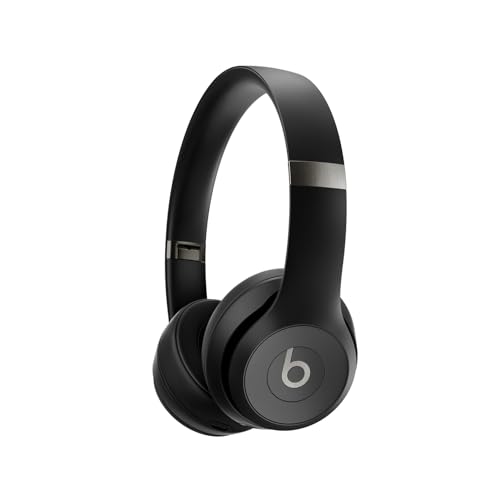
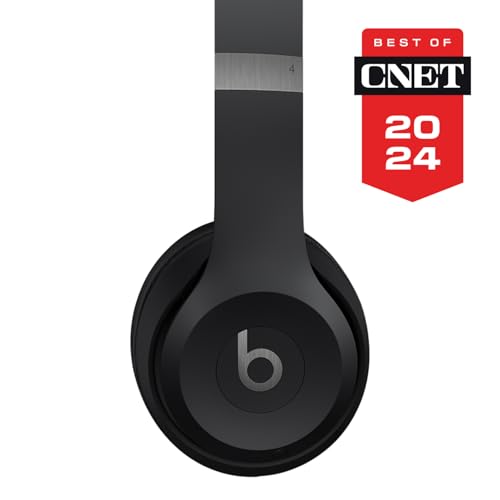
Before diving into specific models, it's important to understand the fundamental difference between on-ear and over-ear headphones. The Beats Solo 4 uses an on-ear design, meaning the ear cups rest directly on your ears rather than around them. This creates a more compact, portable form factor but can lead to ear fatigue during longer listening sessions because of the constant pressure.
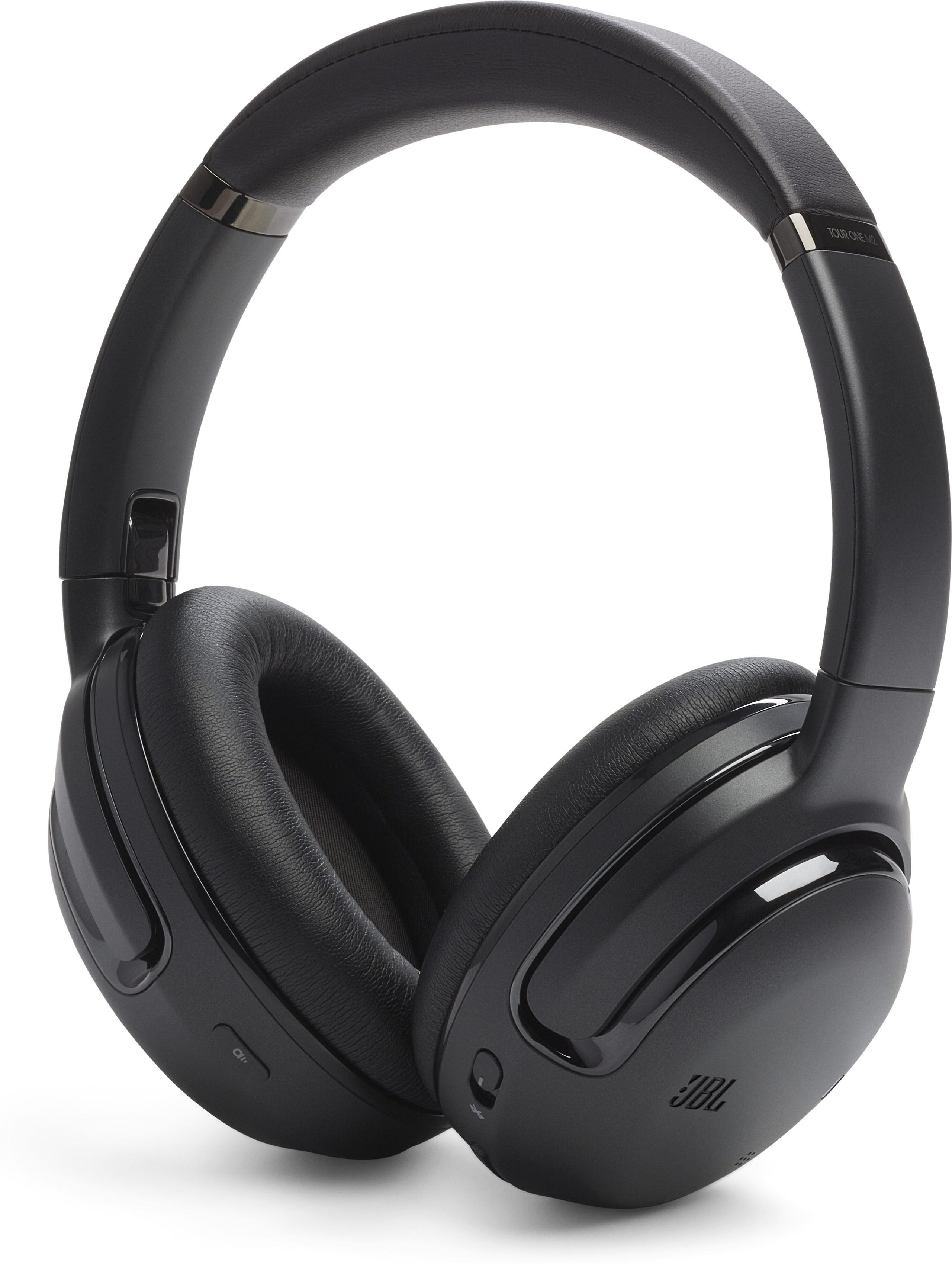
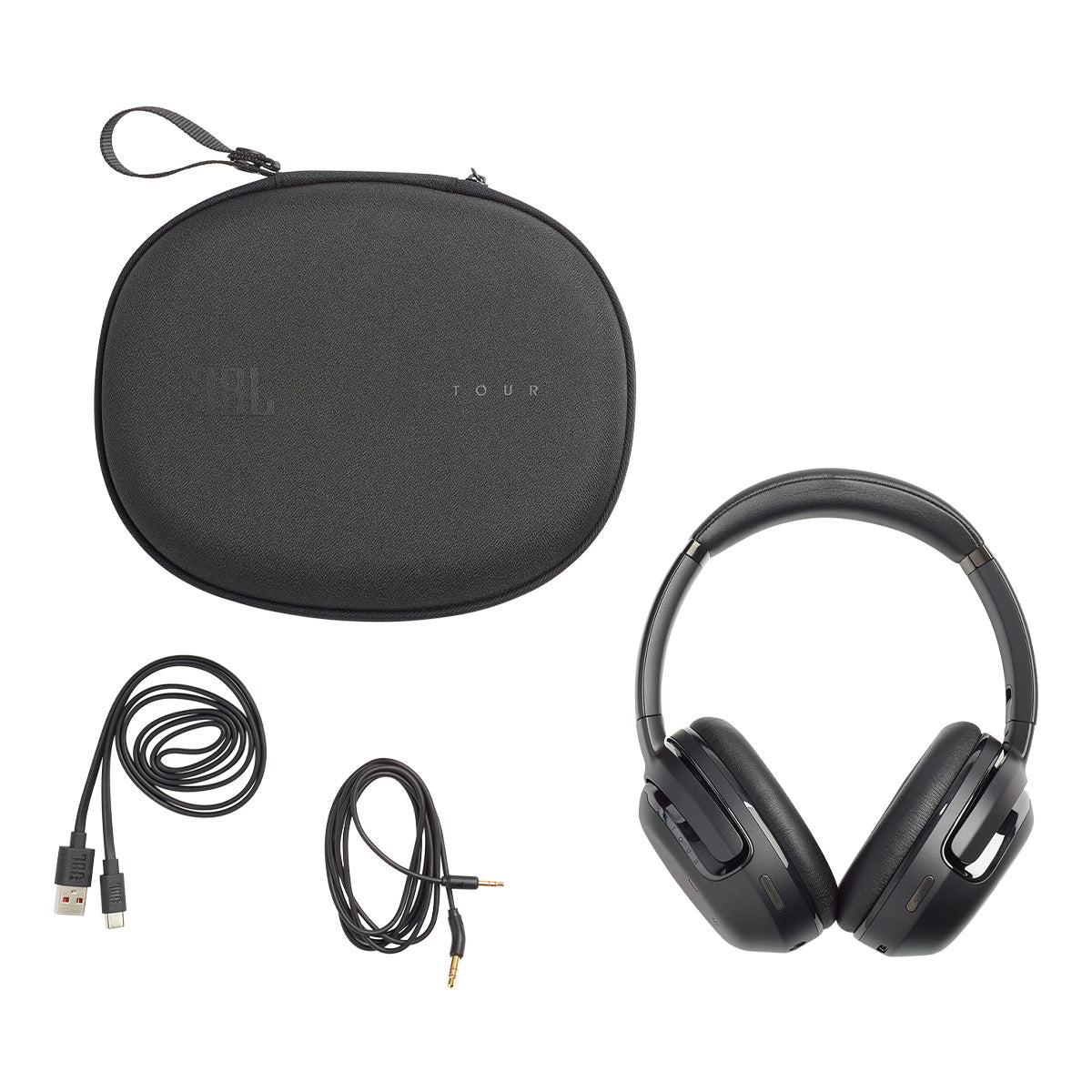
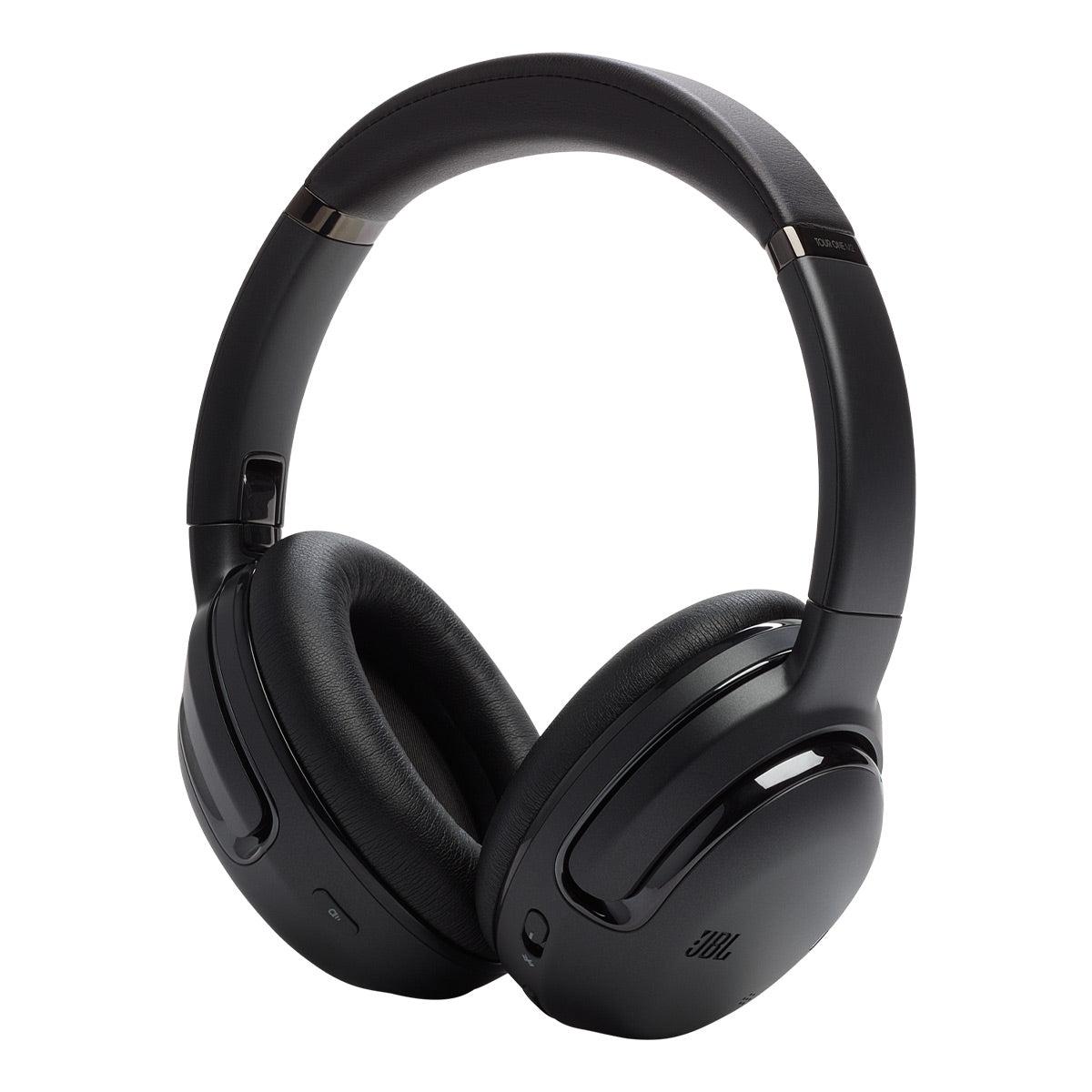
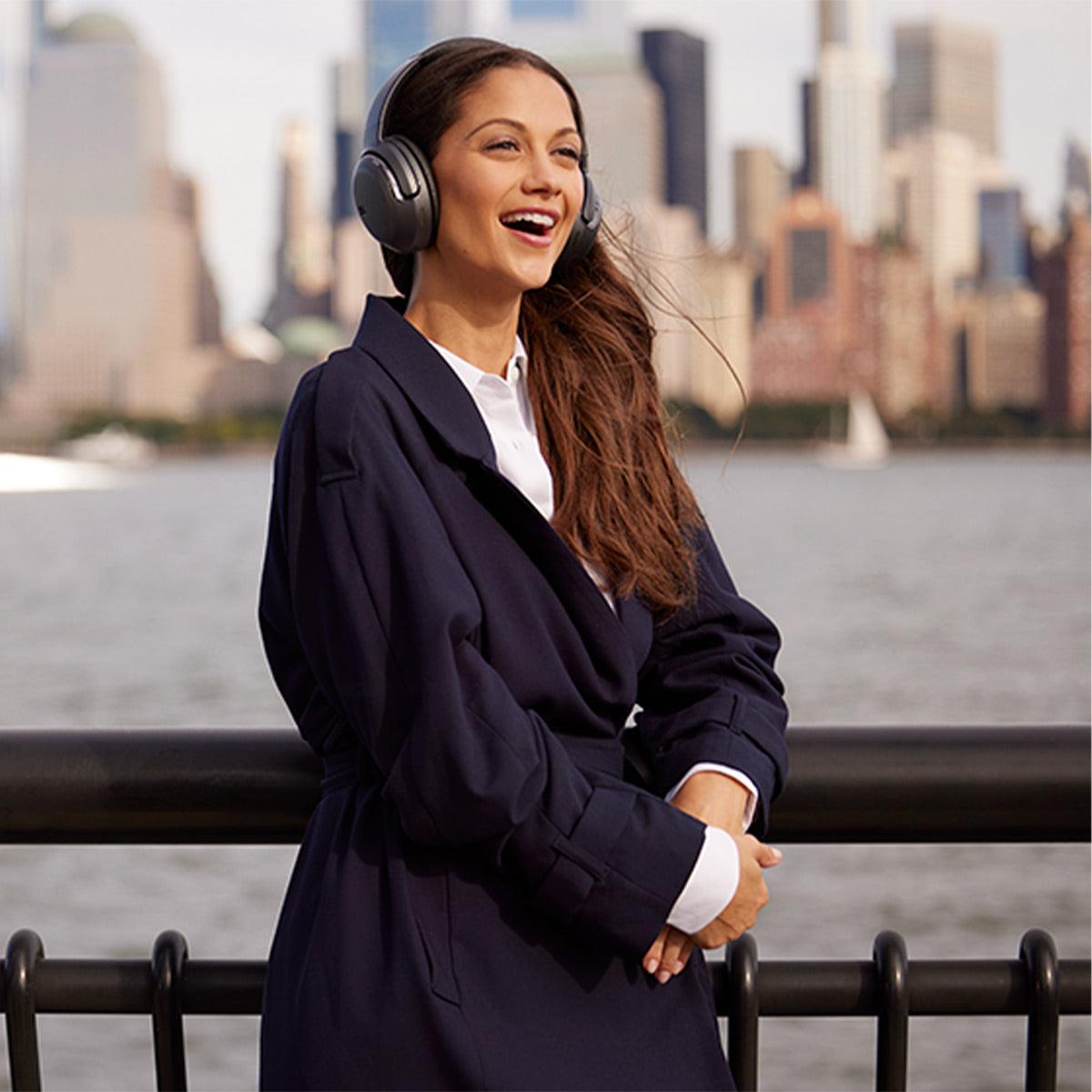
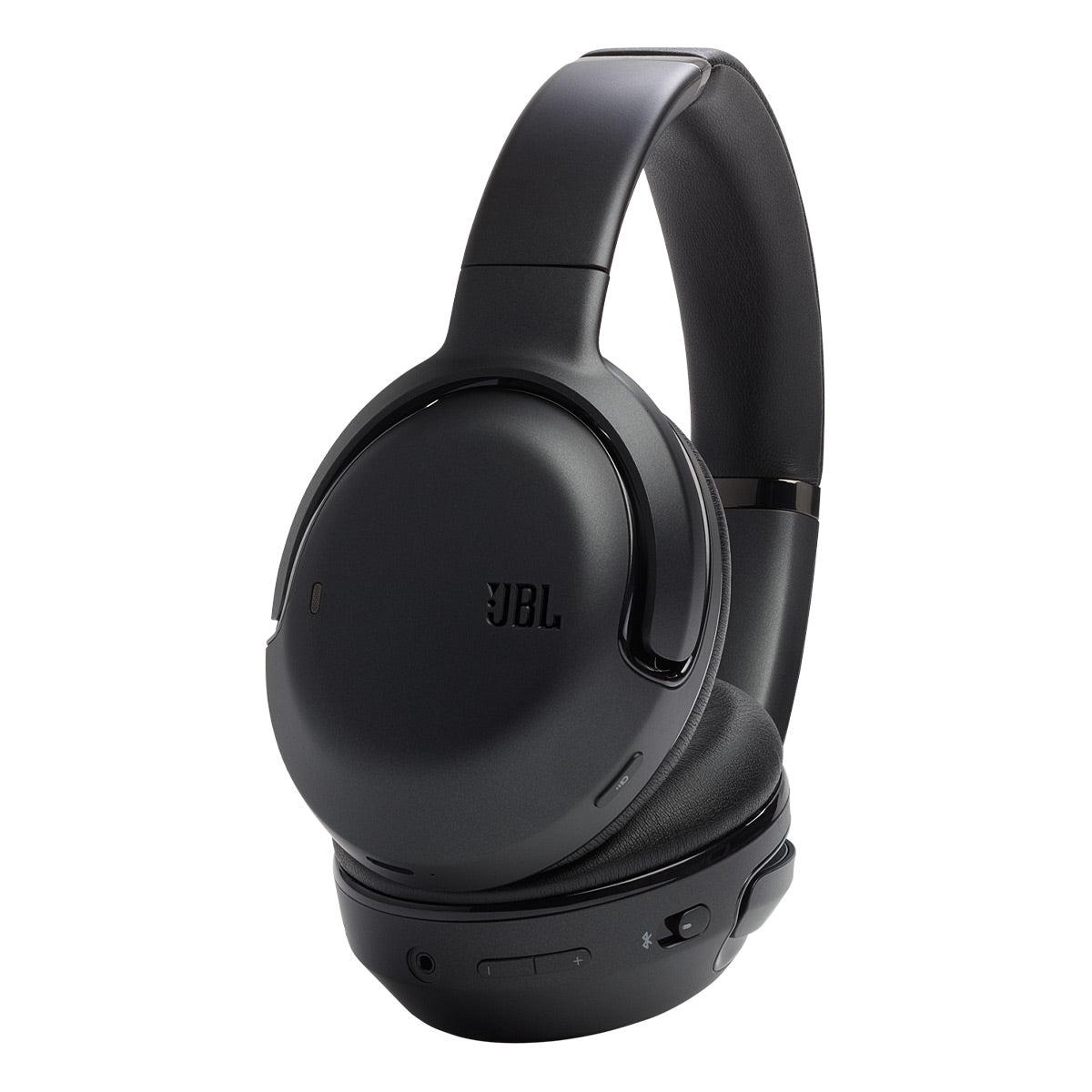
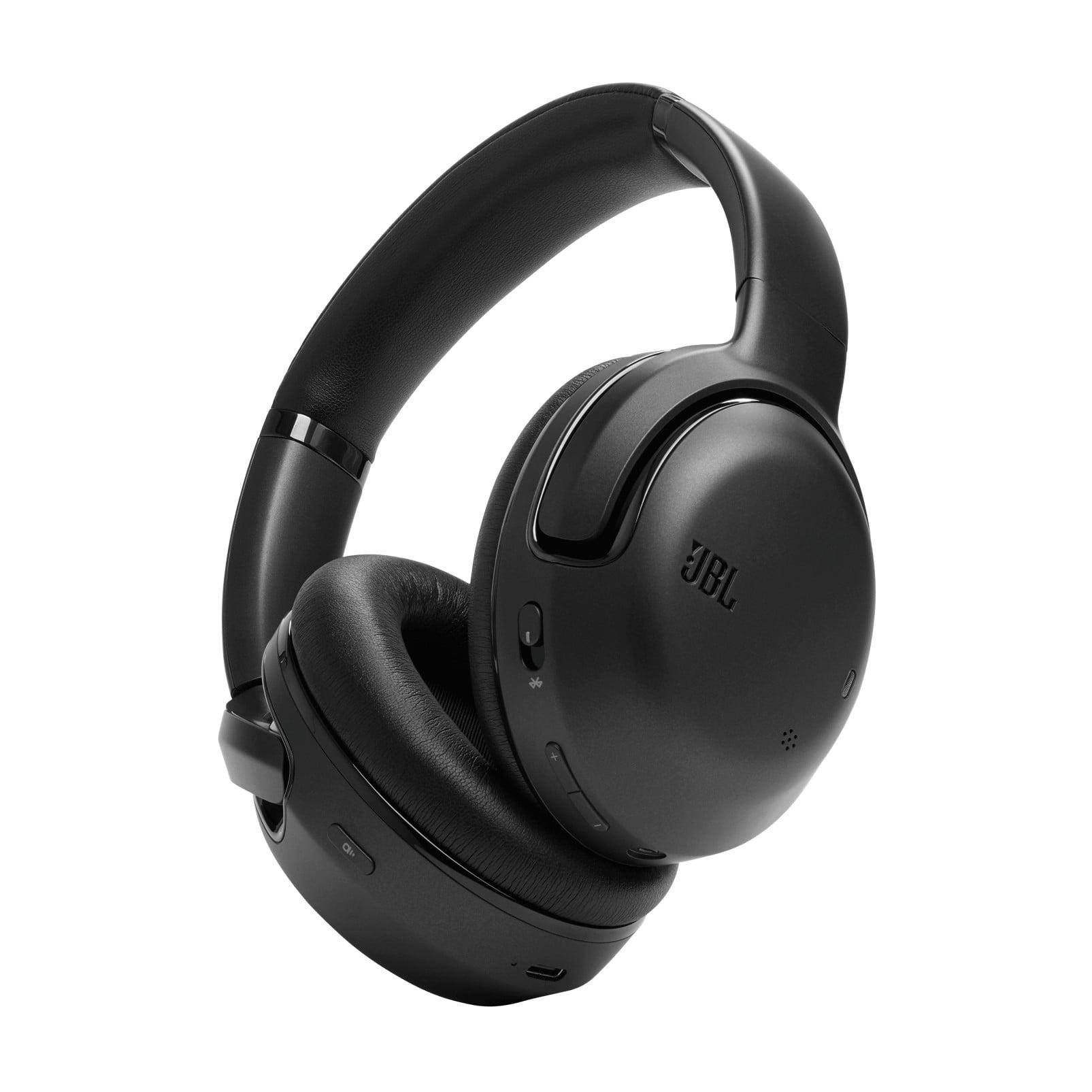
The JBL Tour One M2, on the other hand, uses an over-ear design where the ear cups completely surround your ears, creating a seal around them. This approach typically provides better comfort for extended use and naturally blocks more outside noise, but results in a bulkier headphone that takes up more space in your bag.
Both designs have their place in the market. On-ear headphones excel when you need something lightweight and portable, while over-ear models shine during long listening sessions or when you need to block out the world around you.
The Beats Solo 4 launched in 2024 as the latest iteration of Beats' popular on-ear line. This release represented a significant shift for the brand, moving away from their traditionally bass-heavy sound signature toward a more balanced approach that appeals to a broader audience. The timing coincided with Apple's continued integration of spatial audio technology across their ecosystem.
The JBL Tour One M2 also debuted in 2024, positioning itself as JBL's premium offering with advanced noise cancellation technology. This model built upon JBL's professional audio heritage while incorporating modern features like adaptive noise cancellation and personalized sound profiles.
Both headphones benefit from recent advances in Bluetooth 5.3 technology, which provides more stable connections and better battery efficiency compared to older Bluetooth versions. They also represent the current trend toward extremely long battery life – something that wasn't possible just a few years ago.
The Beats Solo 4 features custom 40mm transducers that have been specifically retuned to deliver what Beats calls their most balanced sound yet. Gone are the days of overwhelming bass that muddied the midrange. Instead, you'll find a sound signature that emphasizes clarity across all frequencies, though it maintains enough low-end punch to satisfy most listeners.
The frequency response (which measures how well headphones reproduce different pitches from deep bass to high treble) has been carefully rebalanced. This means vocals sit more prominently in the mix, and instruments have better separation – you can more easily pick out individual elements in complex songs. The trade-off is that some long-time Beats fans might find the sound less exciting than previous models.
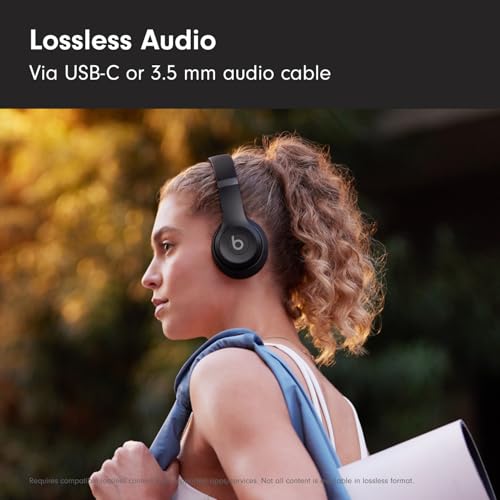
What's particularly impressive about the Beats Solo 4 is its support for lossless audio when used with a wired connection. Lossless audio preserves all the original recording information without compression, resulting in higher quality sound than typical Bluetooth streaming. The built-in digital-to-analog converter (DAC) – essentially a tiny computer chip that converts digital music files into analog sound waves your ears can hear – handles this conversion efficiently.
The JBL Tour One M2 takes a different approach with its 40mm dynamic drivers. These are tuned to deliver what JBL calls their "Pro Sound" signature, emphasizing deep, controlled bass while maintaining clarity in the mids and highs. The frequency response extends from 20Hz to 40kHz when used wired (20Hz to 20kHz wirelessly), which is wider than most human hearing but ensures no audible information is lost.
Where the JBL Tour One M2 really shines is in customization. The JBL Headphones app includes a feature called Personi-Fi 2.0, which conducts a hearing test to create a personalized sound profile. This technology adapts the audio output to compensate for your specific hearing characteristics, potentially improving your listening experience significantly.
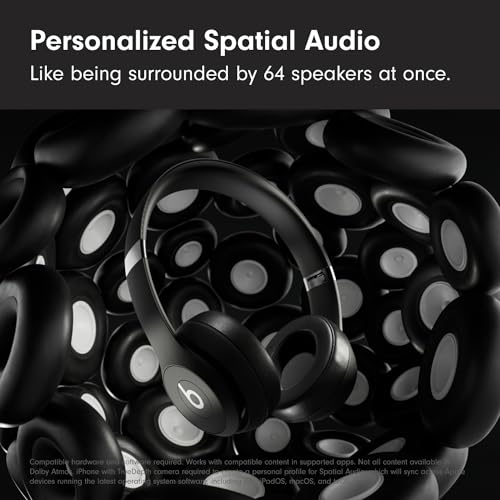
One of the Beats Solo 4's standout features is Personalized Spatial Audio with dynamic head tracking. This technology uses built-in gyroscopes and accelerometers (motion sensors) to track your head movement and adjust the sound accordingly. When you turn your head left, sounds that should come from the right become more prominent, creating a more immersive experience.
This feature works particularly well with compatible content from Apple Music, Netflix, and other platforms that support spatial audio. While it's primarily designed for entertainment, I've found it makes music feel more three-dimensional and engaging, as if you're sitting in a concert hall rather than wearing headphones.
The JBL Tour One M2 offers its own spatial audio implementation called JBL Spatial Sound. While not as sophisticated as the Beats' head-tracking system, it creates a wider soundstage (the perceived space where instruments and voices are positioned) that makes music feel less confined to your head.
This is where the two headphones diverge most significantly. The Beats Solo 4 relies entirely on passive noise isolation – essentially the physical blocking of sound by the ear cups and cushions. Because of the on-ear design, this isolation is minimal. You'll still hear conversations, traffic, and other environmental sounds quite clearly.
For some users, this is actually a benefit. If you're walking around a city or exercising outdoors, maintaining awareness of your surroundings is important for safety. However, if you're trying to focus in a busy office or sleep on an airplane, the Beats Solo 4 won't provide the isolation you need.
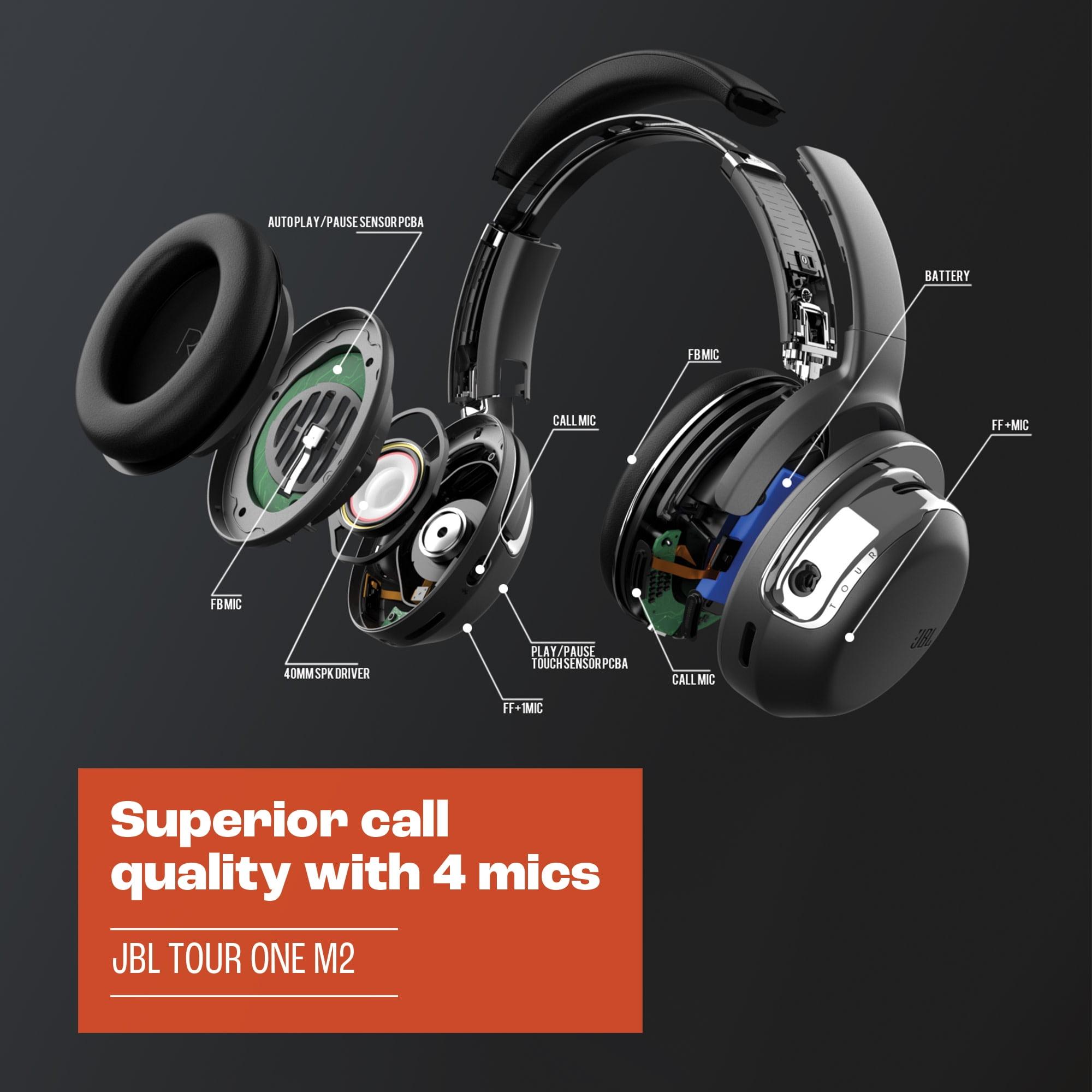
The JBL Tour One M2 features True Adaptive Noise Cancelling, which uses four external microphones to continuously monitor environmental noise and generate opposing sound waves to cancel it out. This active noise cancellation (ANC) technology is particularly effective at reducing consistent, low-frequency sounds like airplane engines, air conditioners, and traffic rumble.
What makes the JBL's system "adaptive" is its ability to automatically adjust the level of noise cancellation based on your environment. In a quiet library, it applies minimal processing to avoid the uncomfortable pressure sensation some people experience with strong ANC. On a busy street, it ramps up the cancellation to block more noise.
The JBL Tour One M2 also includes Smart Ambient technology, which can selectively let certain sounds through while maintaining noise cancellation. For example, you can set it to allow voices while blocking mechanical noise, making it easier to hear flight announcements while still enjoying a peaceful listening environment.
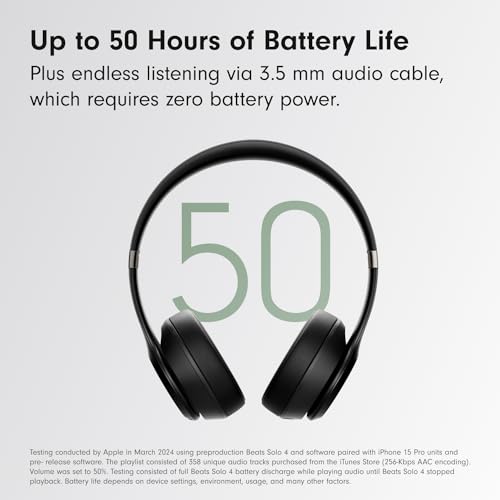
Both headphones excel in battery life, but with different approaches. The Beats Solo 4 delivers a consistent 50 hours of playback because it doesn't have power-hungry features like active noise cancellation. This makes it incredibly reliable – you can travel for weeks without worrying about charging.
The Fast Fuel charging feature provides 5 hours of playback from just 10 minutes of charging, which is perfect for those "forgot to charge overnight" moments. Even better, if the battery dies completely, you can still use the Beats Solo 4 with the included 3.5mm cable, ensuring your music never stops.
The JBL Tour One M2 offers up to 50 hours with ANC disabled, but this drops to 30 hours with noise cancellation active. While still excellent, this variability means you need to consider your usage patterns. If you primarily use ANC, plan for more frequent charging sessions.
Both headphones support fast charging, but the JBL Tour One M2 takes about 2 hours for a full charge compared to the Beats' slightly faster charging curve. In practice, both charge quickly enough that overnight charging easily provides all-day use.
Comfort is highly personal, but the design differences create predictable patterns. The Beats Solo 4 weighs just 217 grams, making it noticeably lighter than most over-ear alternatives. The UltraPlush ear cushions use memory foam that conforms to your ear shape, and the adjustable headband distributes weight evenly.
However, the on-ear design inherently creates pressure points. Most users find the Beats Solo 4 comfortable for 1-2 hours, but longer sessions can cause soreness where the ear cups press against your ears. This makes them ideal for commutes, workouts, or casual listening, but less suitable for all-day wear.
The JBL Tour One M2 weighs 272 grams but distributes this weight around your ears rather than on them. The over-ear design eliminates pressure points for most users, making 3-4 hour listening sessions comfortable. The ear cups use soft materials that don't cause heat buildup, important for long-term comfort.
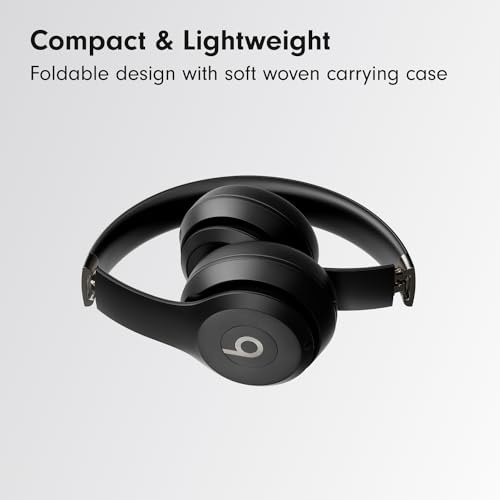
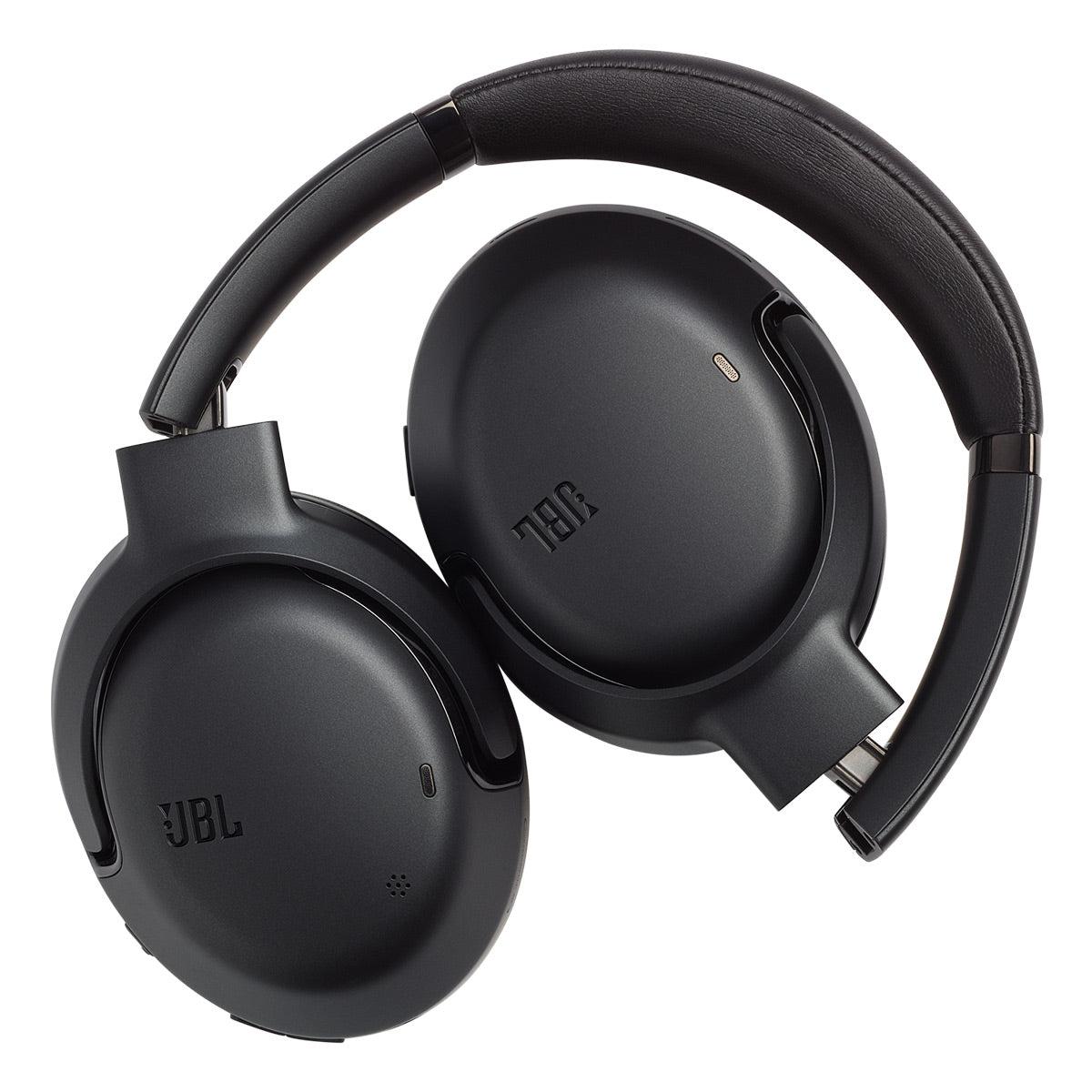
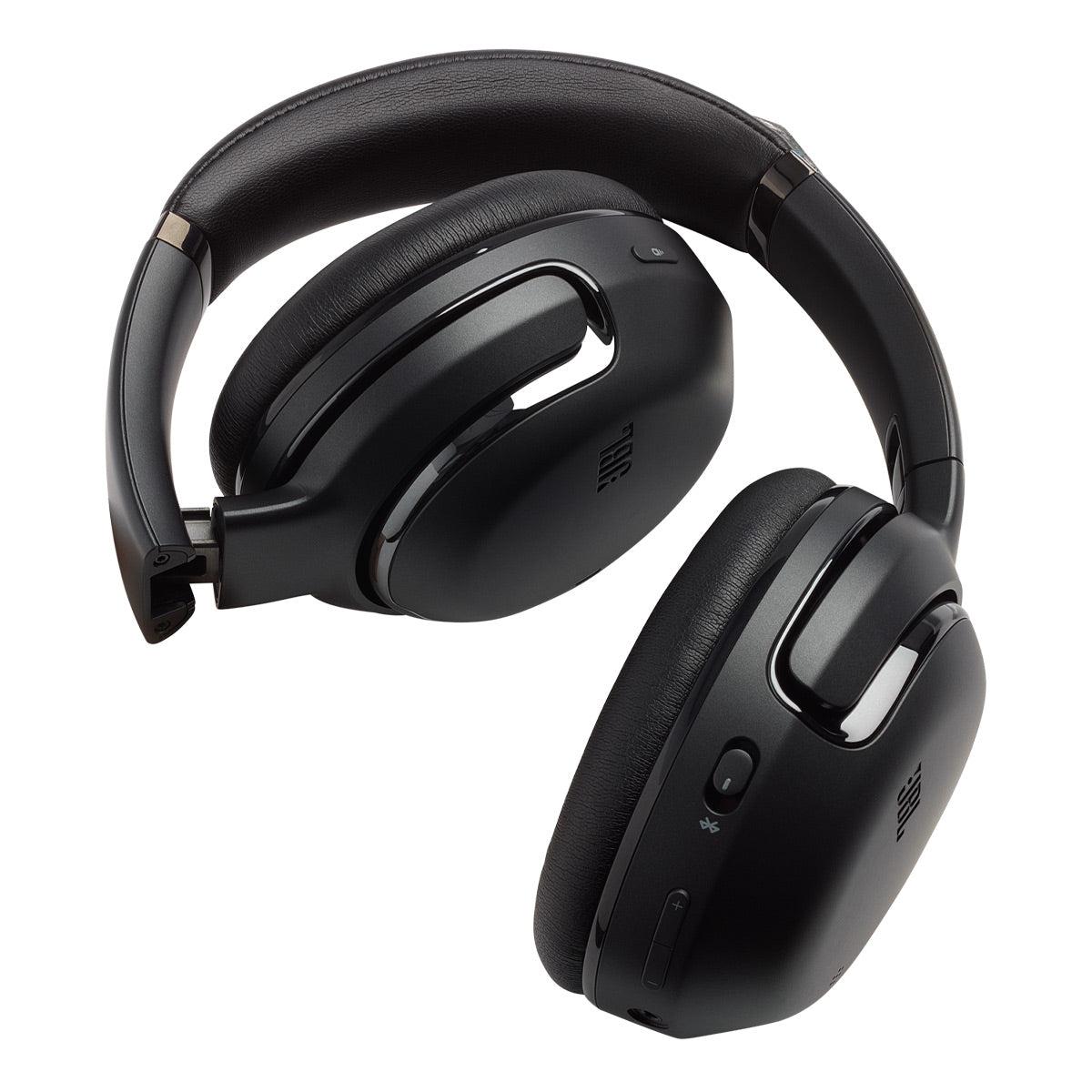
The trade-off is portability. While both headphones fold for storage, the JBL Tour One M2 takes up significantly more space in a bag or backpack. If you're frequently traveling or need headphones that disappear into a small bag, the Beats Solo 4 has a clear advantage.
Both headphones support Bluetooth 5.3, the latest version that provides improved connection stability and battery efficiency. However, their smart features differ significantly based on their target audiences.
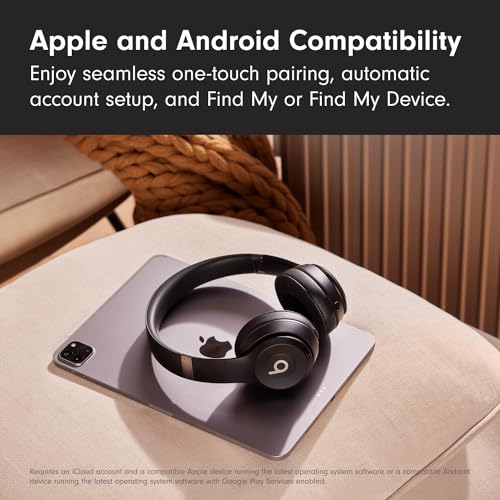
The Beats Solo 4 excels in Apple ecosystem integration. Pairing is instant with any iPhone, iPad, or Mac, and the headphones automatically switch between devices based on what you're actively using. This seamless switching is genuinely convenient if you regularly move between an iPhone for music and a MacBook for video calls.
The Find My integration means you can locate lost Beats Solo 4 headphones through the iPhone app, causing them to play a sound for easy location. Audio Sharing lets two people share the same audio source, perfect for watching movies together.
The JBL Tour One M2 offers more extensive customization through the JBL Headphones app. Beyond the personalized sound profiles, you can adjust EQ settings, customize touch controls, and fine-tune the ANC and ambient sound levels. The app also handles firmware updates, ensuring your headphones stay current with new features and improvements.
Multi-device connectivity allows the JBL Tour One M2 to stay connected to two devices simultaneously. You could have them connected to both your laptop and phone, automatically switching when a call comes in while you're listening to music on your computer.
For voice calls and video meetings, the JBL Tour One M2 provides superior performance. Its four-microphone array uses advanced algorithms to isolate your voice from background noise, making calls clearer for both parties. The VoiceAware feature lets you adjust how much of your own voice you hear during calls, helping prevent the feeling of being "cut off" from your own speech.
The Smart Talk feature is particularly clever – it automatically pauses your music and activates ambient sound when you start speaking, allowing for natural conversations without manually adjusting settings. When you stop talking, music resumes automatically.
The Beats Solo 4 provides adequate call quality for most users, with multiple microphones and improved voice targeting compared to previous models. However, it doesn't match the JBL Tour One M2's professional-grade calling capabilities.
While both headphones work well for home entertainment, they serve different purposes. The Beats Solo 4's Spatial Audio with head tracking creates an impressive surround sound effect when watching compatible movies or shows. This feature works particularly well with Apple TV+ content and other platforms that support spatial audio formatting.
The lightweight design makes the Beats Solo 4 comfortable for movie marathons, though the lack of noise cancellation means household sounds will still intrude. This might actually be preferable if you need to stay aware of family members or pets.
The JBL Tour One M2 provides better isolation for immersive movie watching, with its ANC effectively blocking household noises like air conditioning or street traffic. The over-ear design also provides a more encompassing audio experience, though you'll sacrifice some of the spatial audio sophistication found in the Beats.
For gaming, the JBL Tour One M2's lower latency and better microphone make it more suitable for multiplayer games where communication is important. However, serious gamers typically prefer dedicated gaming headsets with specialized features.
At the time of writing, both headphones occupy similar price ranges in the premium wireless category, though specific pricing varies by retailer and current promotions. The Beats Solo 4 generally offers stronger value for users primarily interested in music listening and Apple device integration, while the JBL Tour One M2 justifies its cost through additional features like ANC and extensive customization.
Consider the Beats Solo 4 if you value simplicity, portability, and don't need noise cancellation. The improved sound quality over previous Beats models, exceptional battery life, and seamless Apple integration make it compelling for casual listeners and frequent travelers who prioritize light weight.
The JBL Tour One M2 makes more sense if you frequently find yourself in noisy environments, make regular video calls, or enjoy tweaking audio settings. The active noise cancellation alone can justify the additional complexity for commuters and office workers.
Choosing between these headphones ultimately depends on your primary use cases and preferences. The Beats Solo 4 excels as a grab-and-go companion that delivers improved sound quality without complexity. Its light weight and excellent battery life make it ideal for people who want reliable, portable audio without thinking about features they won't use.
The JBL Tour One M2 serves users who want a more comprehensive audio solution. If you work in noisy environments, travel frequently, or simply enjoy having extensive control over your audio experience, the additional features justify the increased complexity and bulk.
Consider your listening habits honestly. If you typically listen for short periods in quiet environments and value portability above all else, the Beats Solo 4 will serve you well. If you often listen for hours at a time, need to block out distractions, or frequently take calls, the JBL Tour One M2 provides the tools to enhance those experiences significantly.
Neither headphone is perfect for every user, but both excel in their intended roles. The key is matching the headphone's strengths to your specific needs and usage patterns.
| Beats Solo 4 | JBL Tour One M2 |
|---|---|
| Design Type - Impacts comfort, portability, and noise isolation | |
| On-ear design, 217g (more portable but less comfortable for extended use) | Over-ear design, 272g (better for long sessions but bulkier) |
| Active Noise Cancellation - Essential for noisy environments like commuting | |
| None (relies on passive isolation only) | True Adaptive Noise Cancelling with 4-mic array |
| Battery Life - Critical for travel and daily use without frequent charging | |
| 50 hours consistent (no ANC to drain battery) | 50 hours (ANC off) / 30 hours (ANC on) |
| Audio Drivers - Determines sound quality and frequency response | |
| Custom 40mm transducers, rebalanced for neutral sound | 40mm dynamic drivers, Hi-Res certified (20Hz-40kHz wired) |
| Bluetooth Technology - Affects connection stability and audio quality | |
| Bluetooth 5.3, supports SBC/AAC codecs | Bluetooth 5.3, supports SBC/AAC codecs (no high-res wireless codecs) |
| Spatial Audio - Creates immersive surround sound experience | |
| Personalized Spatial Audio with head tracking (iOS only) | JBL Spatial Sound (basic implementation) |
| Call Quality - Important for remote work and phone conversations | |
| Multiple mics with beam-forming (adequate quality) | 4-mic crystal call algorithm with VoiceAware (excellent quality) |
| App Features - Customization and personalization options | |
| Basic Beats app with limited controls | Extensive JBL app with full EQ, Personi-Fi hearing test |
| Wired Audio Support - Backup option and potential quality improvement | |
| Lossless audio via USB-C and 3.5mm with built-in DAC | 3.5mm wired connection included |
| Smart Features - Convenience and automation capabilities | |
| Apple ecosystem integration, Find My support | Smart Talk (auto-pause), multi-device pairing, voice assistants |
| Comfort for Extended Use - Critical for long listening sessions | |
| 1-2 hours before ear fatigue (on-ear pressure) | 3+ hours comfortable (over-ear design reduces pressure points) |
The JBL Tour One M2 is significantly better for extended use due to its over-ear design that distributes weight around your ears rather than pressing directly on them. Most users can comfortably wear the JBL Tour One M2 for 3-4 hours, while the Beats Solo 4 typically becomes uncomfortable after 1-2 hours due to on-ear pressure. If you plan to listen for long periods, the JBL Tour One M2 is the clear winner.
It depends on where you'll use your headphones. The JBL Tour One M2 features True Adaptive Noise Cancelling that's essential for noisy environments like airplanes, busy offices, or commuting. The Beats Solo 4 has no active noise cancellation and relies only on passive isolation, making it unsuitable for blocking out consistent background noise. Choose the JBL Tour One M2 if you need to focus in noisy spaces.
Both offer excellent battery life, but with different approaches. The Beats Solo 4 provides a consistent 50 hours of playback since it lacks power-hungry features like ANC. The JBL Tour One M2 offers 50 hours with ANC off or 30 hours with ANC on. For maximum battery consistency, the Beats Solo 4 edges out slightly, but both easily last multiple days of typical use.
The JBL Tour One M2 excels at call quality with its 4-microphone array and advanced voice isolation technology. It's designed for professional use with features like VoiceAware and Smart Talk that automatically pause music during conversations. The Beats Solo 4 provides adequate call quality for casual use but can't match the JBL Tour One M2's professional-grade calling capabilities.
The Beats Solo 4 wins for portability, weighing just 217 grams compared to the JBL Tour One M2's 272 grams. More importantly, the on-ear design of the Beats Solo 4 folds much more compactly, taking up significantly less space in bags or backpacks. If you frequently travel or need headphones that easily fit in small spaces, the Beats Solo 4 is the better choice.
Both offer excellent audio but with different strengths. The Beats Solo 4 features a more balanced sound signature than previous Beats models, with clear vocals and controlled bass. The JBL Tour One M2 provides Hi-Res certified audio with extensive EQ customization through its app, including personalized sound profiles. The JBL Tour One M2 offers more audio customization options, while the Beats Solo 4 provides a more refined out-of-the-box experience.
The Beats Solo 4 integrates seamlessly with Apple devices, offering instant pairing, automatic device switching, and Personalized Spatial Audio with head tracking. It also supports Find My for locating lost headphones and Audio Sharing between multiple Apple devices. While the JBL Tour One M2 works fine with iPhones, it lacks the deep ecosystem integration that makes the Beats Solo 4 particularly appealing to Apple users.
Neither headphone is specifically designed for exercise. The Beats Solo 4 is lighter and more secure due to its on-ear design, but lacks water resistance. The JBL Tour One M2 is bulkier and more likely to shift during movement. Both lack sweat resistance, so dedicated sports headphones would be better for regular workout use. For occasional light exercise, the Beats Solo 4 would be the safer choice.
The JBL Tour One M2 offers significantly more app functionality through the JBL Headphones app, including full EQ control, personalized hearing tests, and extensive feature customization. The Beats Solo 4 has basic app support with limited controls and customization options. If you enjoy tweaking audio settings and personalizing your experience, the JBL Tour One M2 provides much more flexibility than the Beats Solo 4.
For home entertainment, both serve different purposes. The Beats Solo 4 offers impressive Spatial Audio with head tracking that creates a surround sound effect for compatible movies and shows. The JBL Tour One M2 provides better noise isolation for immersive viewing and blocks household distractions. The Beats Solo 4 works better for spatial audio content, while the JBL Tour One M2 offers superior isolation for uninterrupted viewing.
Both headphones support standard SBC and AAC Bluetooth codecs, which work well for most users. Neither supports high-resolution wireless codecs like LDAC or aptX. However, the Beats Solo 4 supports lossless audio through wired connections with its built-in DAC, while the JBL Tour One M2 offers Hi-Res Audio certification for wired use. For the highest audio quality, both require wired connections, with the Beats Solo 4 having a slight edge in wired audio processing.
Value depends on your needs. The Beats Solo 4 offers excellent value if you prioritize portability, Apple integration, and don't need noise cancellation. The JBL Tour One M2 provides better value if you need ANC, superior call quality, and extensive customization options. Consider the Beats Solo 4 for simplicity and portability, or the JBL Tour One M2 for comprehensive features and professional-grade calling capabilities.
We've done our best to create useful and informative comparisons to help you decide what product to buy. Our research uses advanced automated methods to create this comparison and perfection is not possible - please contact us for corrections or questions. These are the sites we've researched in the creation of this article: bestbuy.com - soundguys.com - rtings.com - cnet.com - youtube.com - rtings.com - therunningchannel.com - youtube.com - soundguys.com - rtings.com - beatsbydre.com - kubookstore.com - apple.com - panthertech.fiu.edu - beatsbydre.com - cnet.com - techwelike.com - beatsbydre.com - beatsbydre.com - tomsguide.com - majorhifi.com - audio46.com - synced.sg - majorhifi.com - versus.com - youtube.com - youtube.com - peterfalkingham.com - youtube.com - jbl.com - manuals.plus - bhphotovideo.com - device.report - jblonlinestore.com - bhphotovideo.com - jbl.com.my - en.jblthailand.com - harmanhouse.com - versus.com - consumerreports.org - bestbuy.com - th.jbl.com - jbl.com - theindianaudiophileforum.com

Privacy Policy
Terms and Conditions - Affiliate Policy
Home Security
© Copyright 2008-2026.
11816 Inwood Rd #1211, Dallas, TX 75244