

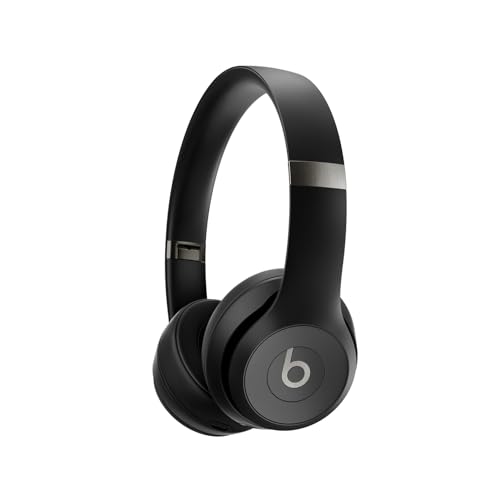
When I first started seriously comparing wireless headphones, I was amazed by how different two products in the same basic category could be. The Beats Solo 4 and Bowers & Wilkins Px8 perfectly illustrate this point—they're both wireless headphones, but they approach audio in completely different ways and target entirely different users.
Before diving into these specific models, it's worth understanding what separates good wireless headphones from great ones. The fundamental considerations include how they sit on your head (form factor), how they sound, how comfortable they are for hours of listening, how well they block outside noise, how long the battery lasts, and crucially, whether the price makes sense for what you're getting.
Think of wireless headphones like cars—a Honda Civic and a BMW 7 Series both get you from point A to point B, but they offer vastly different experiences along the way. The Beats Solo 4, released in 2024, represents the practical, efficient approach—excellent battery life, decent sound, and a price that won't break the bank. Meanwhile, the Bowers & Wilkins Px8, which has been refined over several years, takes the luxury route with premium materials and sophisticated audio engineering.
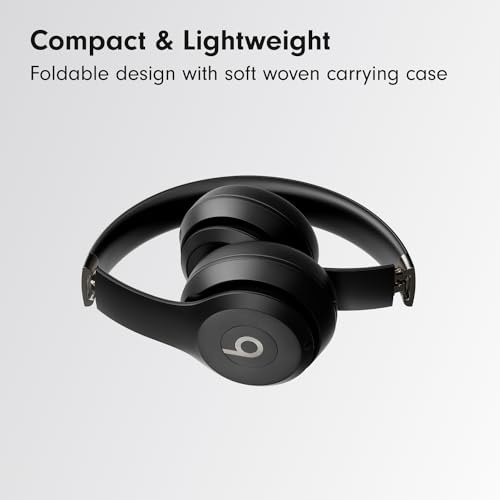
One of the most crucial differences between these headphones is how they sit on your head, and this affects everything from comfort to sound quality. The Beats Solo 4 uses an on-ear design, meaning the ear cups sit directly on your ears rather than around them. This makes them incredibly portable—they weigh just 217 grams and fold up nicely for travel. However, on-ear designs have inherent challenges. They need to clamp down with enough force to stay put, which can cause ear fatigue after an hour or two of listening. More importantly, getting a consistent seal (the airtight connection between the headphone and your ear) can be tricky, and this seal dramatically affects both sound quality and noise isolation.
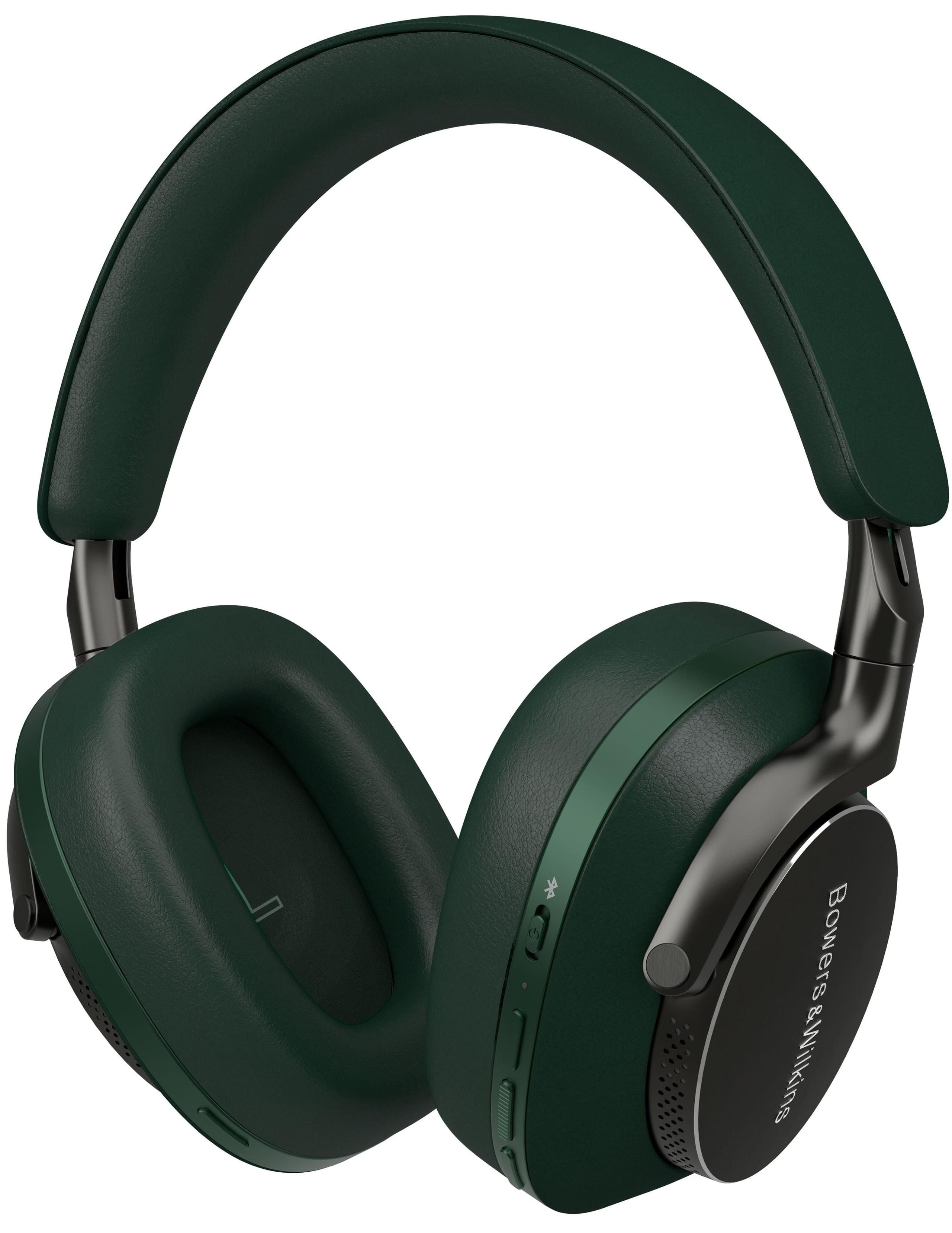
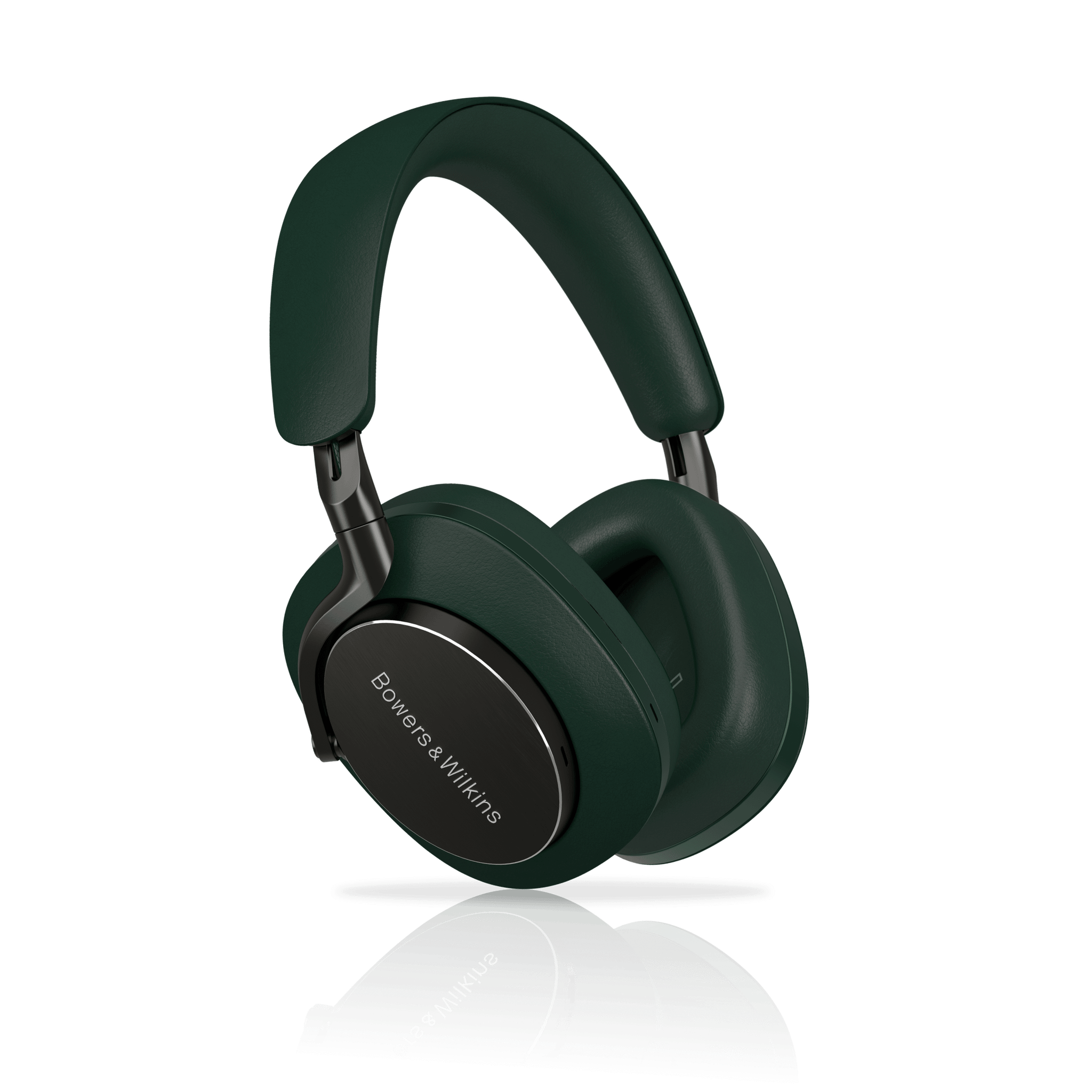
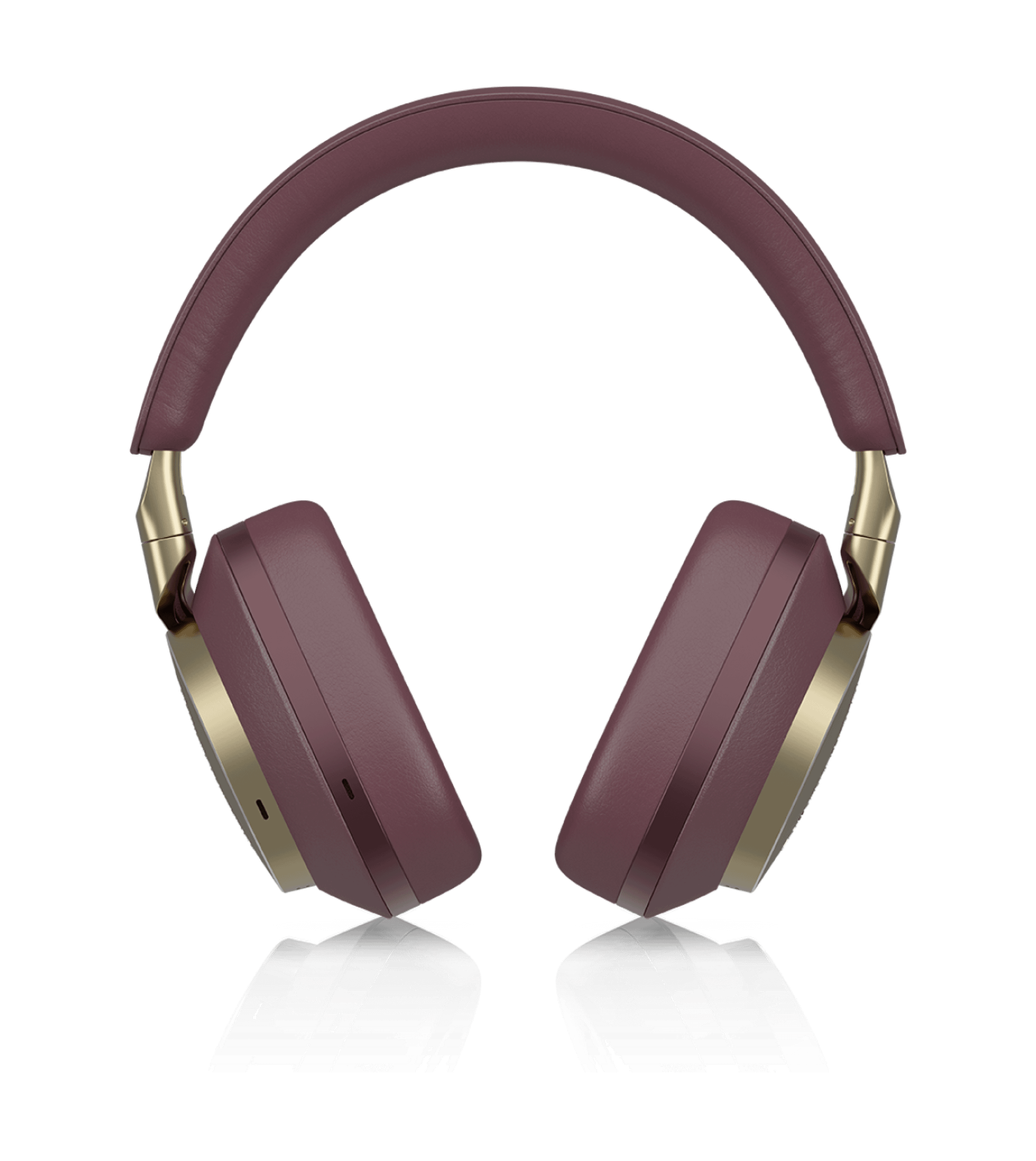
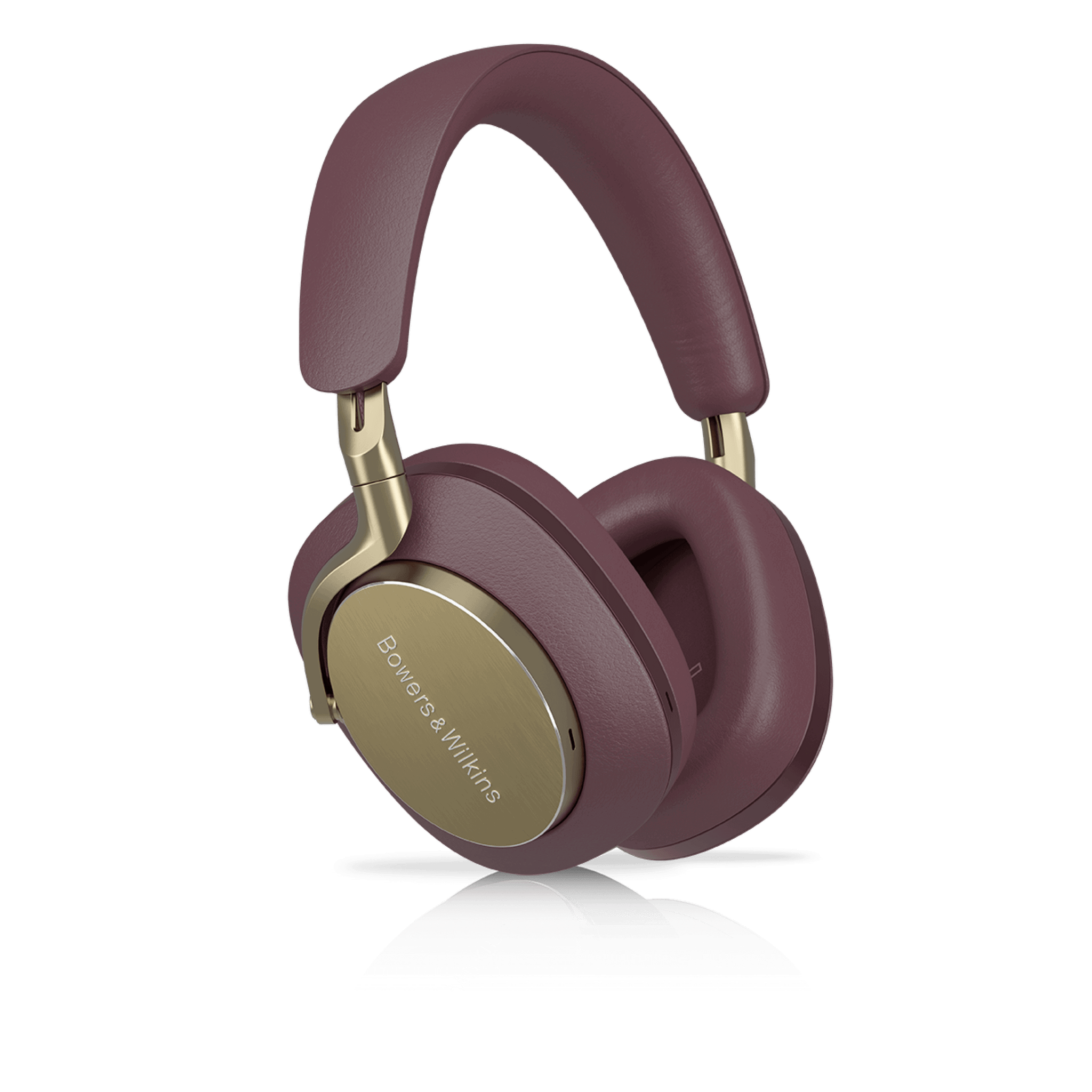
The Bowers & Wilkins Px8 takes the over-ear approach, with larger cups that completely encompass your ears. At 320 grams, they're noticeably heavier, but this weight distributes more evenly across your head. The over-ear design creates a better seal more consistently, which improves both sound quality and the effectiveness of noise cancellation. Professional reviewers consistently rate the Px8's comfort at 4.5 out of 5, making them suitable for those marathon listening sessions.
From my experience testing both designs, over-ear headphones almost always win for extended use, but on-ear models have their place when portability is paramount. If you're constantly throwing headphones in a backpack or need something lightweight for daily commutes, on-ear makes sense. For home listening or long flights, over-ear is usually the better choice.
Here's where things get really interesting. These headphones don't just sound different—they represent entirely different approaches to audio reproduction.
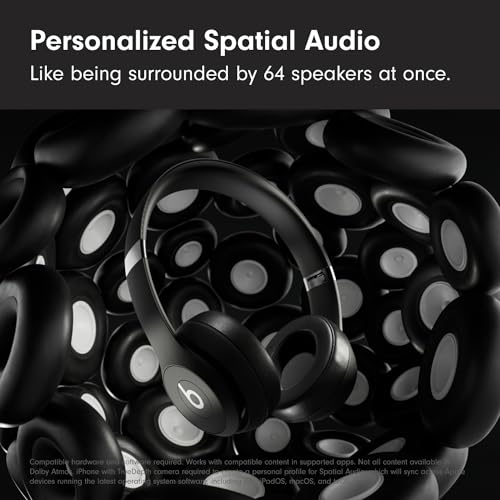
The Beats Solo 4 marks a significant departure from the traditionally bass-heavy "Beats sound" that defined earlier generations. These headphones feature custom-built 40mm transducers (the speakers inside the headphones) that have been tuned for a much more neutral sound signature. In audio terms, "neutral" means the headphones don't dramatically boost or cut any particular frequency range—bass, mids, or treble get relatively equal treatment.
This represents a major evolution for Beats. The Solo 3, released years earlier, was known for muddy, overwhelming bass that could drown out vocals and instruments. The Solo 4 fixes this with cleaner, more controlled low-end response and significantly improved clarity in the midrange where most vocals live. There's still some extra energy in the upper midrange that adds excitement to music, but it's done tastefully rather than aggressively.
The technical improvements are substantial. The new drivers minimize electronic artifacts—basically, unwanted sounds the headphone itself introduces—and reduce latency, which is the delay between when audio is sent and when you hear it. For watching videos, lower latency means better lip-sync.
The Bowers & Wilkins Px8 takes an entirely different approach with its proprietary 40mm angled carbon cone drivers. Carbon fiber as a driver material is expensive but offers significant advantages—it's extremely rigid, which reduces unwanted vibrations that can color the sound, while remaining light enough to respond quickly to audio signals.
But the real innovation is the angled driver design. Most headphones mount their drivers parallel to your ears, but B&W angles theirs to improve stereo imaging—your brain's ability to pinpoint where different instruments and voices are positioned in the soundscape. This creates a more three-dimensional listening experience, though it's admittedly subtle and not something every listener will immediately notice.
The Px8 also features 24-bit Digital Signal Processing (DSP). Without getting too technical, this means the headphones have a built-in computer that processes audio signals with much higher precision than standard 16-bit systems. Combined with support for high-resolution audio codecs like aptX Adaptive, the Px8 can reproduce audio quality that exceeds CD standards when paired with compatible devices.
However, professional reviews consistently note that the Px8 has what's described as an "overwhelming bass response." This isn't necessarily bad—many listeners love a warm, bass-heavy sound signature, especially for genres like hip-hop, EDM, or rock. But it can muddy vocals and make the headphones less suitable for acoustic music, podcasts, or classical music where clarity in the midrange is crucial.
This is where the Bowers & Wilkins Px8 has a clear technical advantage. The headphones feature hybrid active noise cancellation (ANC) using six microphones—four dedicated to noise cancellation and two for phone calls. ANC works by using external microphones to detect ambient noise, then generating opposite sound waves to cancel it out. It's most effective against consistent, low-frequency sounds like airplane engines or air conditioners.
The Px8's ANC is described as "pretty good, but not elite" compared to current leaders like the Bose QuietComfort series or Sony's WH-1000XM5. Part of this is due to the rectangular earcup design, which doesn't seal as completely as some competitors. However, it's still dramatically more effective than no ANC at all.
The Beats Solo 4 lacks active noise cancellation entirely, relying only on passive isolation—whatever sound blocking the physical headphone provides. Given the on-ear design and fit challenges, this passive isolation is quite limited. This makes the Solo 4 unsuitable for noisy environments like airplanes, busy offices, or public transportation where you need to block external sound.
For home theater use specifically, this difference is less crucial since you're controlling the environment. However, if you live in an apartment with thin walls or have a noisy household, the Px8's ANC could be valuable for creating an immersive movie-watching experience.
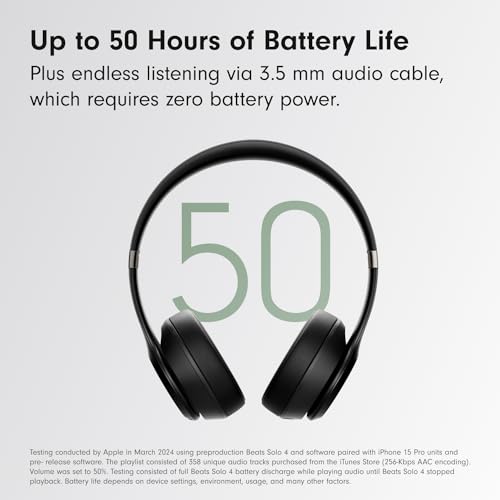
Battery technology in wireless headphones has improved dramatically over the past few years, but the Beats Solo 4 sets a new standard with up to 50 hours of playback time. This is genuinely impressive—most premium headphones struggle to exceed 30 hours. The Solo 4 also includes Fast Fuel charging, providing up to 5 hours of playback from just 10 minutes of charging.
Perhaps more importantly, the Solo 4 can play music via its 3.5mm cable even when the battery is completely dead. This might seem like a small feature, but it's incredibly valuable when you're on a long flight and forgot to charge your headphones.
The Bowers & Wilkins Px8 offers a respectable 30 hours of battery life with decent fast charging—15 minutes provides about 7 hours of playback. This is competitive with most premium headphones, but the Solo 4's 50-hour rating is simply in another league.
For home theater use, both should easily handle even the longest movie marathons, but the Solo 4's extended battery life means you can essentially forget about charging for weeks at a time.
The construction differences between these headphones reflect their different market positions. The Beats Solo 4 uses a combination of matte plastic and aluminum that feels solid without being luxurious. The build prioritizes lightness and durability over premium aesthetics. One quirk I've noticed is that it's surprisingly difficult to tell left from right—you need to look for tiny gray lettering that says "Left Ear" above one of the earcups.
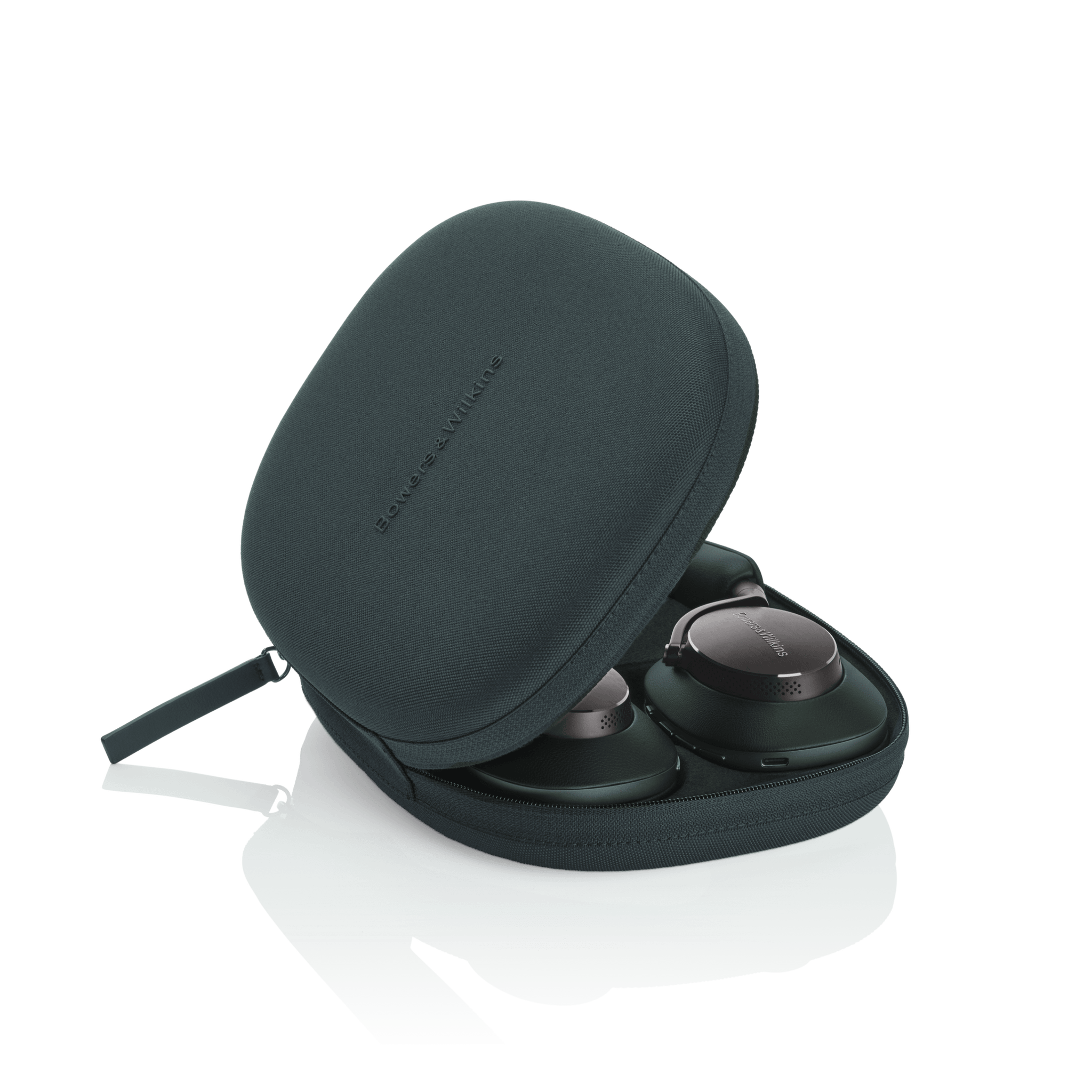
The Bowers & Wilkins Px8 represents genuine luxury construction. The cast aluminum arms feel substantial, while the Nappa leather earpads and memory foam provide the kind of tactile experience you'd expect from a premium product. The diamond-cut metal detailing and choice of elegant finishes (Black, Tan, Royal Burgundy, Dark Forest) make these headphones feel like jewelry for your ears.
This isn't just about aesthetics—the premium materials contribute to durability and comfort. The Nappa leather is supple and breathable, while the memory foam ear cushions maintain their shape over time better than cheaper alternatives.
Both headphones support modern Bluetooth standards, but with different focuses. The Beats Solo 4 uses Bluetooth 5.3 with support for standard codecs like AAC and SBC. This provides reliable, good-quality wireless audio that works well with iPhones, Android devices, and most modern sources.
The Bowers & Wilkins Px8 supports a wider range of high-quality codecs, including aptX Adaptive, aptX HD, and aptX. These codecs can transmit higher-resolution audio than standard Bluetooth, potentially delivering up to 24-bit/48kHz quality from compatible Android devices. This exceeds CD quality and can make a noticeable difference with high-quality source material.
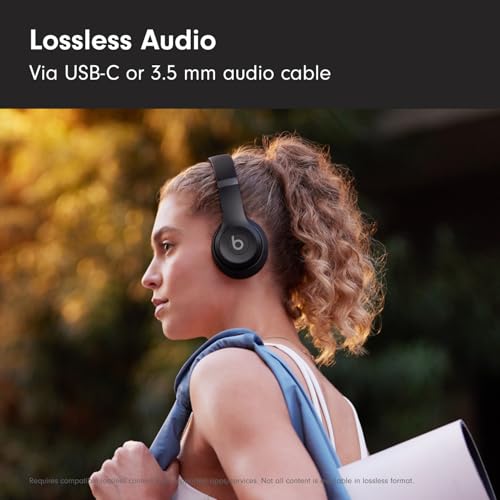
For home theater use, both headphones support wired connections—USB-C and 3.5mm on both models—which eliminates any potential latency issues when watching movies.
The Beats Solo 4 has minimal app support, especially on Android devices. You get basic battery status and limited control customization, but no EQ or sound tuning options. iOS users get slightly better integration, including support for Apple's Spatial Audio with head tracking and Find My functionality.
The Bowers & Wilkins Px8 works with the B&W Music App, which offers more comprehensive control. You can customize noise cancellation settings, adjust basic EQ (bass and treble sliders), stream music directly, and receive firmware updates. The app also enables voice assistant activation and provides more detailed battery information.
Understanding value requires looking beyond just the purchase price. The Beats Solo 4, positioned in the budget-friendly category, offers remarkable value with that exceptional 50-hour battery life, decent sound quality, and strong brand recognition. For students, casual listeners, or anyone prioritizing battery life and portability, the Solo 4 delivers significantly more than you'd expect at its price point.
The Bowers & Wilkins Px8, priced in the premium category (originally launched at an even higher price point), targets luxury consumers who value sophisticated audio engineering and premium materials. At current market prices, professional reviews suggest the value proposition is "completely fair" but "certainly not a bargain." You're paying for carbon fiber drivers, premium leather, active noise cancellation, and the B&W brand heritage.
For home theater use specifically, both headphones have merits. The Px8's over-ear design and better soundstage make it more immersive for movies, while the active noise cancellation can help create a private viewing experience even in noisy environments. The warmer sound signature works well with action movies and dramatic content.
The Solo 4's exceptional battery life means you never need to worry about them dying during even the longest movie marathons. The more neutral sound signature provides clear dialogue reproduction, though the limited soundstage of the on-ear design makes them less immersive for cinematic content.
Choose the Beats Solo 4 if you're budget-conscious but want a reliable, long-lasting pair of wireless headphones. They're perfect for students, commuters who prioritize portability, or anyone who values battery life above all else. The neutral sound signature works well with most music genres and spoken content like podcasts or audiobooks.
Go with the Bowers & Wilkins Px8 if you have the budget for premium audio equipment and value luxury materials and sophisticated engineering. They're ideal for serious music listeners who enjoy warm, bass-heavy sound signatures, frequent travelers who need good noise cancellation, or anyone who wants headphones that feel like a premium lifestyle product.
The bottom line is that these headphones serve completely different needs. The Solo 4 excels at being practical, reliable, and affordable while delivering surprisingly good sound quality. The Px8 is about the luxury experience—premium materials, sophisticated audio engineering, and the satisfaction that comes with owning something genuinely well-crafted. Your choice should align with your budget, lifestyle, and what you value most in a daily-use audio device.
| Beats Solo 4 Wireless On-Ear Headphones | Bowers & Wilkins Px8 Wireless Headphones |
|---|---|
| Form Factor - Determines comfort and portability | |
| On-ear design, 217g weight, highly portable and foldable | Over-ear design, 320g weight, better comfort for extended sessions |
| Driver Technology - Core component affecting sound quality | |
| Custom 40mm transducers with neutral tuning | Proprietary 40mm angled carbon cone drivers with 24-bit DSP |
| Sound Signature - Your music will sound dramatically different | |
| Neutral, balanced profile with controlled bass and clear vocals | Warm, bass-heavy signature ideal for modern genres but can muddy vocals |
| Active Noise Cancellation - Essential for travel and noisy environments | |
| None - relies only on passive isolation from on-ear fit | Hybrid ANC with 6 microphones - good but not class-leading |
| Battery Life - How often you'll need to charge | |
| Up to 50 hours (exceptional) with Fast Fuel quick charging | Up to 30 hours (solid) with 15-minute quick charge for 7 hours |
| Build Materials - Affects durability and premium feel | |
| Matte plastic and aluminum construction, functional but basic | Cast aluminum arms, Nappa leather earpads, luxury materials throughout |
| Bluetooth Codecs - Determines wireless audio quality | |
| Bluetooth 5.3 with standard SBC and AAC codecs | Bluetooth 5.2 with high-res aptX Adaptive, aptX HD for superior wireless quality |
| Wired Connectivity - Backup option and potential quality boost | |
| USB-C and 3.5mm, can play with dead battery via cable | USB-C and 3.5mm with integrated DAC for high-resolution audio |
| Comfort for Extended Use - Critical for long listening sessions | |
| On-ear pressure can cause fatigue after 1-2 hours | Excellent comfort rating (4.5/5) suitable for hours of use |
| App Integration - Controls customization and sound tuning | |
| Minimal app support, basic battery status only | B&W Music App with EQ, ANC control, and firmware updates |
| Target Use Case - Who these headphones are designed for | |
| Budget-conscious users prioritizing battery life and portability | Luxury consumers wanting premium materials and sophisticated audio |
The Beats Solo 4 are better for everyday portability and casual listening thanks to their lightweight 217g design, exceptional 50-hour battery life, and compact foldable form factor. However, the Bowers & Wilkins Px8 offer superior comfort for extended daily use with their over-ear design and premium materials, making them ideal if you listen for hours at a time.
The Bowers & Wilkins Px8 deliver more sophisticated sound with their carbon cone drivers and 24-bit DSP processing, but the Beats Solo 4 offer surprisingly good audio quality with a neutral, balanced sound signature that works well for most listeners. The price difference mainly comes down to premium materials and advanced features rather than just sound quality.
Only the Bowers & Wilkins Px8 feature active noise cancellation with a 6-microphone system, while the Beats Solo 4 have no ANC and rely solely on passive isolation. If you need to block out background noise for commuting or travel, the Px8 are the clear choice, though their ANC isn't industry-leading.
The Beats Solo 4 dominate with up to 50 hours of battery life, nearly double the Bowers & Wilkins Px8's 30-hour rating. Both offer fast charging, but the Solo 4's exceptional battery life means you can go weeks between charges with moderate use.
The Bowers & Wilkins Px8 are significantly more comfortable for extended wear due to their over-ear design with Nappa leather earpads and better weight distribution. The Beats Solo 4's on-ear design can cause ear fatigue after 1-2 hours due to clamping pressure, despite their lighter weight.
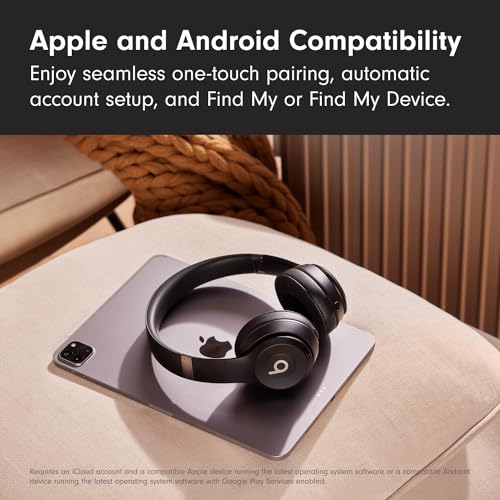
Both work well with smartphones, but the Beats Solo 4 offer seamless pairing with iOS and Android devices plus exceptional battery life for mobile use. The Bowers & Wilkins Px8 support higher-quality Bluetooth codecs like aptX for better wireless audio quality with compatible Android phones.
The Bowers & Wilkins Px8 have superior call quality with dedicated telephony microphones and advanced voice-targeting algorithms. The Beats Solo 4 handle calls adequately but aren't specifically optimized for voice clarity like the Px8's 6-microphone system.
The Bowers & Wilkins Px8 feature premium construction with cast aluminum arms and high-quality leather that justify their luxury positioning. The Beats Solo 4 use solid plastic and aluminum construction that's functional and durable but not premium, focusing on lightweight portability over luxury materials.
The Bowers & Wilkins Px8 are better for home theater use with their over-ear design creating better immersion, active noise cancellation for distraction-free viewing, and warmer sound signature that enhances cinematic content. The Beats Solo 4 work fine for movies but lack the soundstage and isolation of the Px8.
The Bowers & Wilkins Px8 offer more customization through their dedicated app with EQ controls, ANC settings, and firmware updates. The Beats Solo 4 have minimal app support with basic battery status and limited customization options, especially on Android devices.
For portability, the Beats Solo 4 win with their compact, foldable design and incredible 50-hour battery life. However, the Bowers & Wilkins Px8 are better for actual travel comfort with active noise cancellation for flights and superior comfort for long journeys, despite being bulkier.
The Beats Solo 4 offer exceptional value with premium features like 50-hour battery life at a budget-friendly price point. The Bowers & Wilkins Px8 justify their premium pricing with luxury materials, sophisticated audio engineering, and active noise cancellation, but you're paying significantly more for these refinements over the Solo 4's solid performance.
We've done our best to create useful and informative comparisons to help you decide what product to buy. Our research uses advanced automated methods to create this comparison and perfection is not possible - please contact us for corrections or questions. These are the sites we've researched in the creation of this article: bestbuy.com - soundguys.com - rtings.com - cnet.com - youtube.com - rtings.com - therunningchannel.com - youtube.com - soundguys.com - rtings.com - beatsbydre.com - kubookstore.com - apple.com - panthertech.fiu.edu - beatsbydre.com - cnet.com - techwelike.com - beatsbydre.com - beatsbydre.com - whathifi.com - marius.ink - bowerswilkins.com - rtings.com - whathifi.com - whathifi.com - soundguys.com - audio46.com - youtube.com - futureaudiophile.com - listenup.com - telquestintl.com - bowerswilkins.com - bowerswilkins.com - bestbuy.com - bhphotovideo.com - audioholics.com - bowerswilkins.com - bowerswilkins.com - headphone.guru - bhphotovideo.com - bowerswilkins.com

Privacy Policy
Terms and Conditions - Affiliate Policy
Home Security
© Copyright 2008-2026.
11816 Inwood Rd #1211, Dallas, TX 75244