




Choosing wireless headphones feels overwhelming these days. Walk into any electronics store, and you'll face walls of options promising everything from studio-quality sound to all-day comfort. Two headphones that consistently catch people's attention are the Beats Solo 4 and the Bose QuietComfort – but they represent completely different philosophies in headphone design.
The wireless headphone market has exploded over the past decade, transforming from a niche luxury into an everyday necessity. Whether you're commuting, working from home, exercising, or just relaxing, the right pair of headphones can dramatically improve your experience. But here's the thing: there's no universal "best" headphone. The perfect choice depends entirely on how you plan to use them.
Before diving into specifics, let's establish what makes wireless headphones work well. The most important factors are comfort (can you wear them for hours?), sound quality (do they make your music sound good?), noise management (can you focus in noisy environments?), battery life (how often do you need to charge them?), and overall value (are you getting your money's worth?).
Modern wireless headphones connect to your devices using Bluetooth technology – essentially a short-range radio signal that carries audio data. The quality of this connection, along with the internal components that convert digital signals back into sound waves, determines much of your listening experience.
The Beats Solo 4 and Bose QuietComfort represent fundamentally different approaches to solving the same problem: delivering great wireless audio.
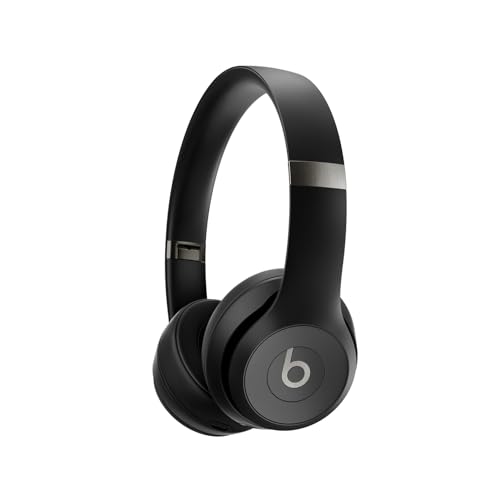
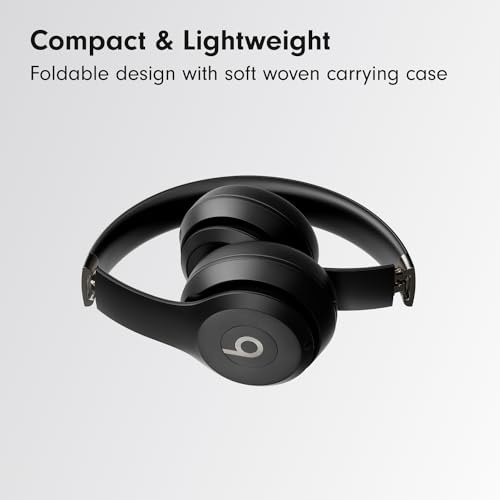
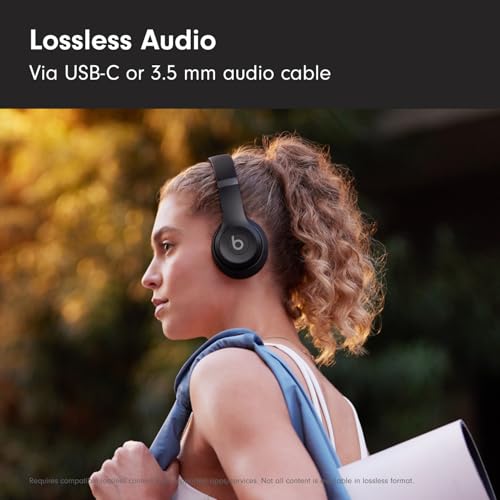
Released in 2024, the Beats Solo 4 maintains the same exterior design as its predecessor but includes substantial internal upgrades. At 217 grams, these on-ear headphones rest directly on your ears rather than surrounding them completely. This design choice immediately tells you something about Beats' priorities: portability and style over absolute comfort.
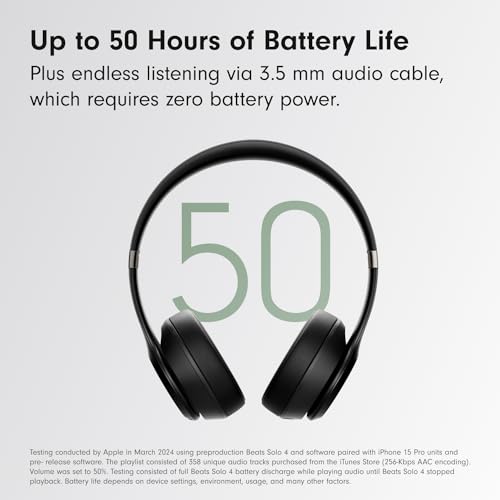
The most impressive feature of the Beats Solo 4 is its incredible 50-hour battery life. To put this in perspective, most wireless headphones offer 20-30 hours at best. This massive capacity comes partly from the absence of power-hungry active noise cancellation electronics, but also from Beats' engineering focus on efficiency.
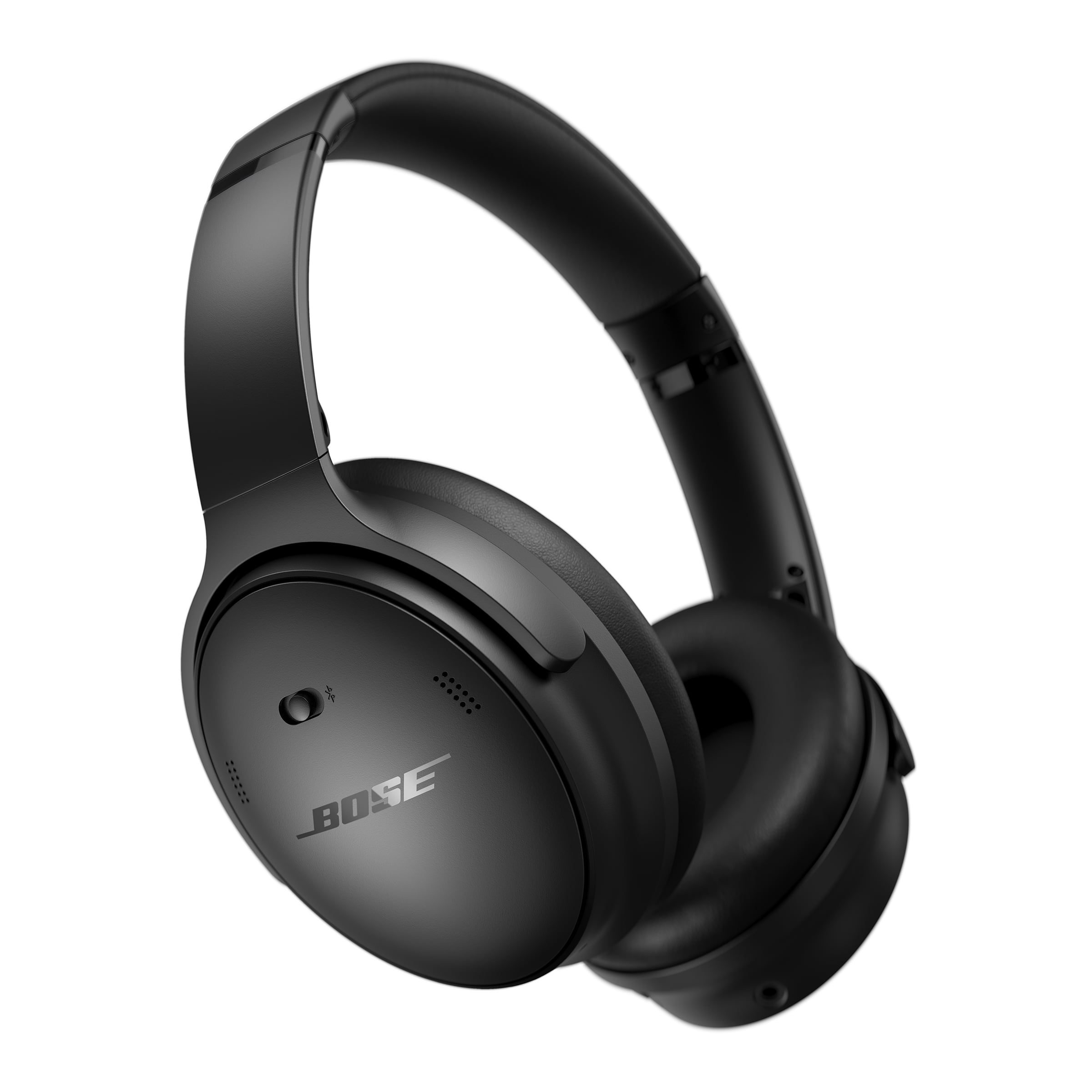
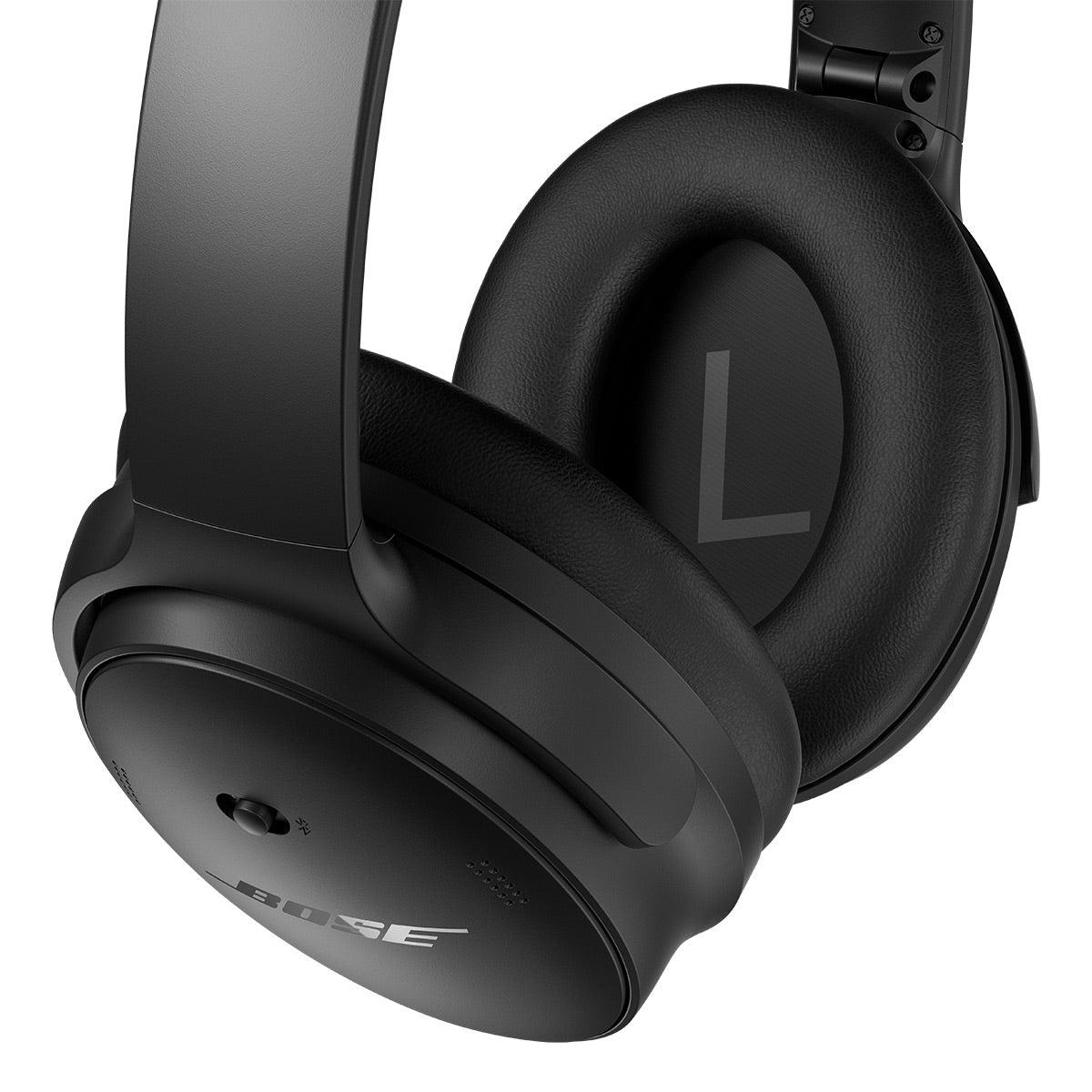
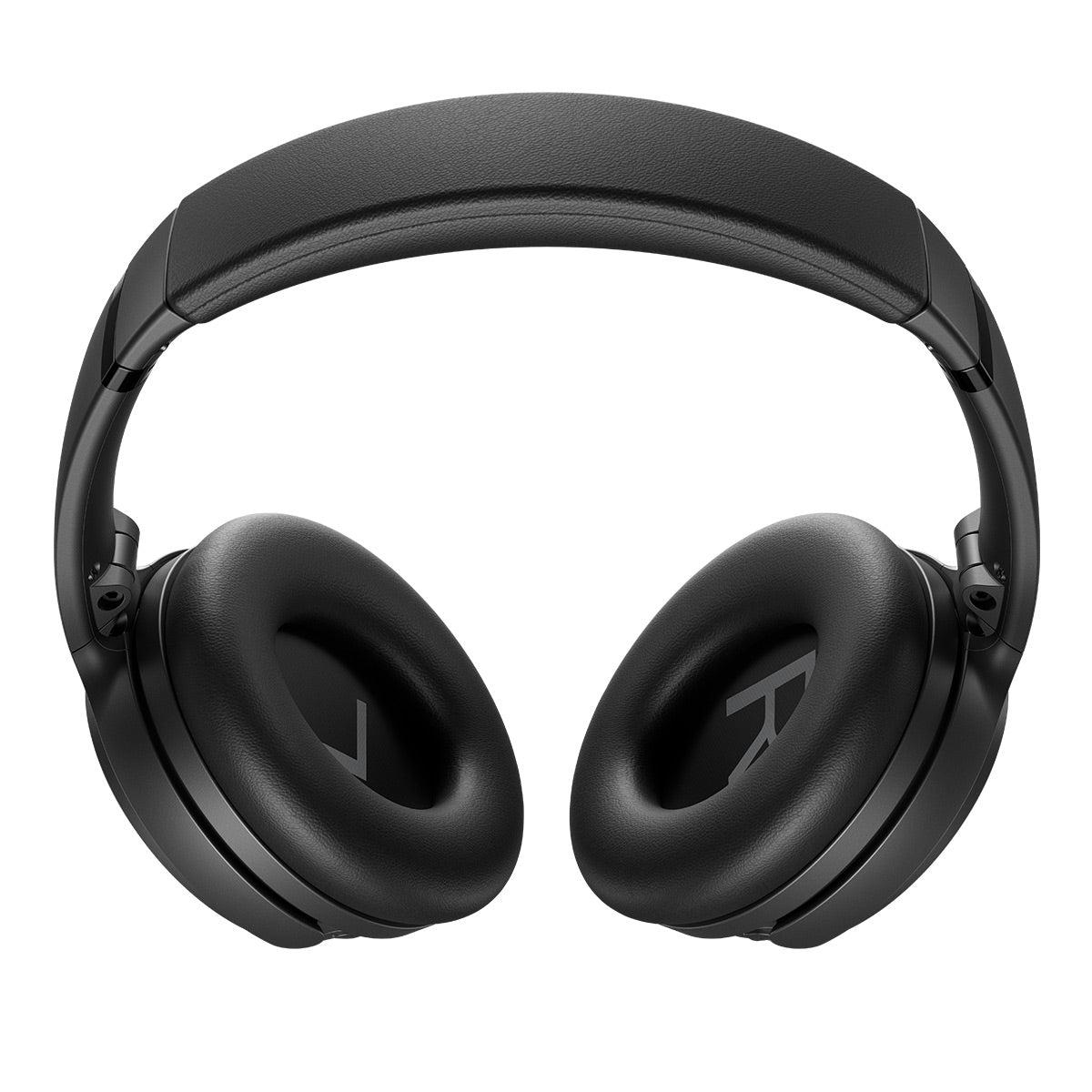
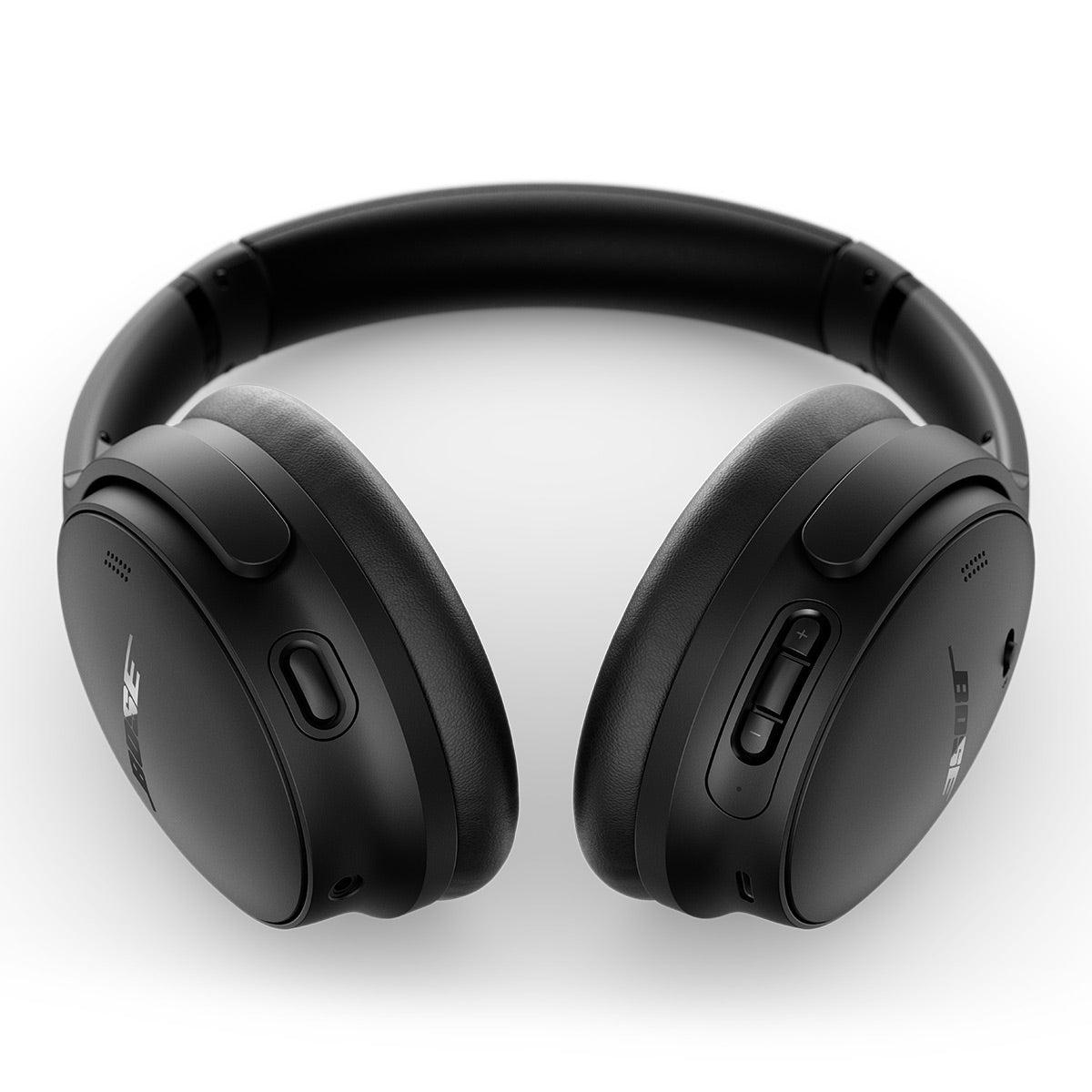
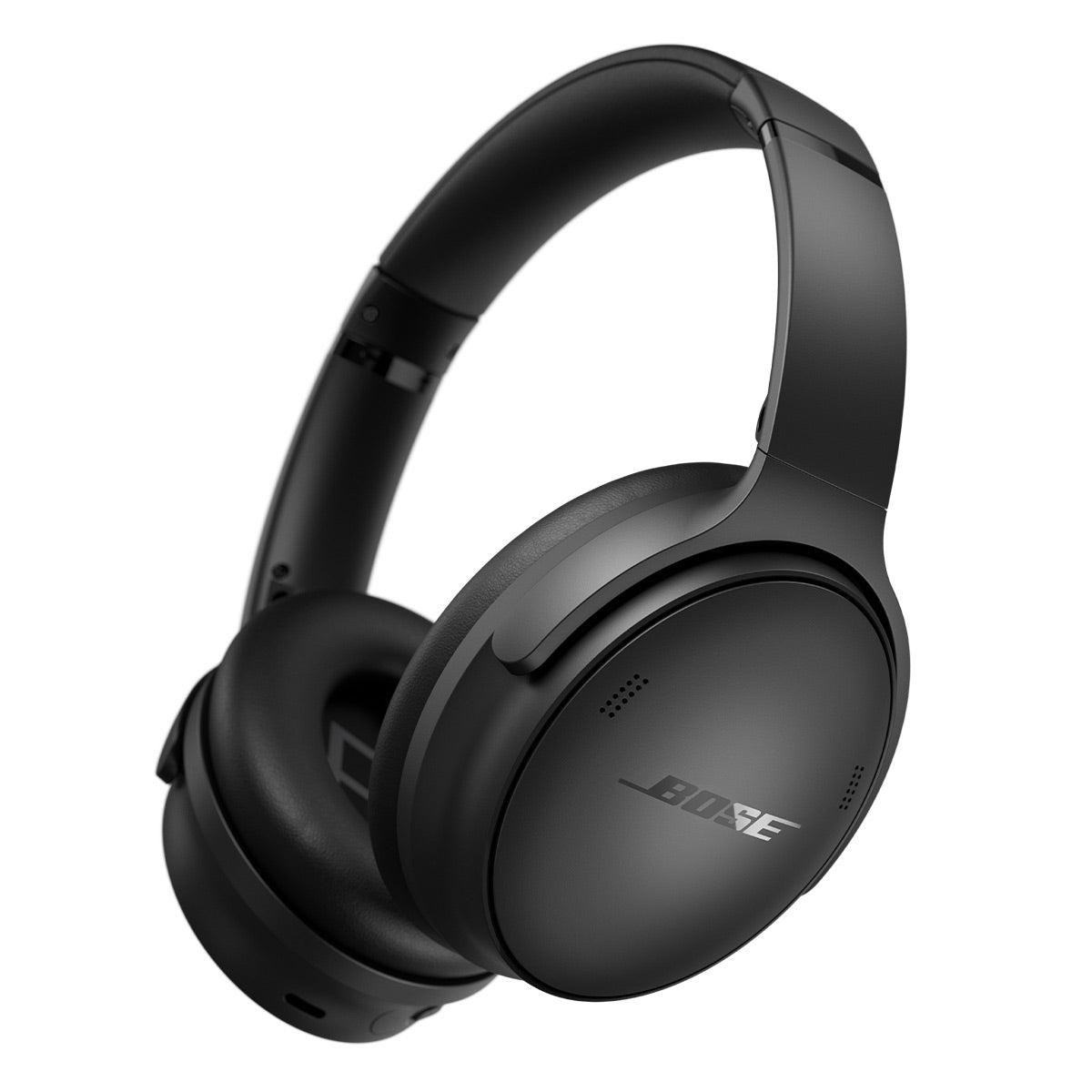
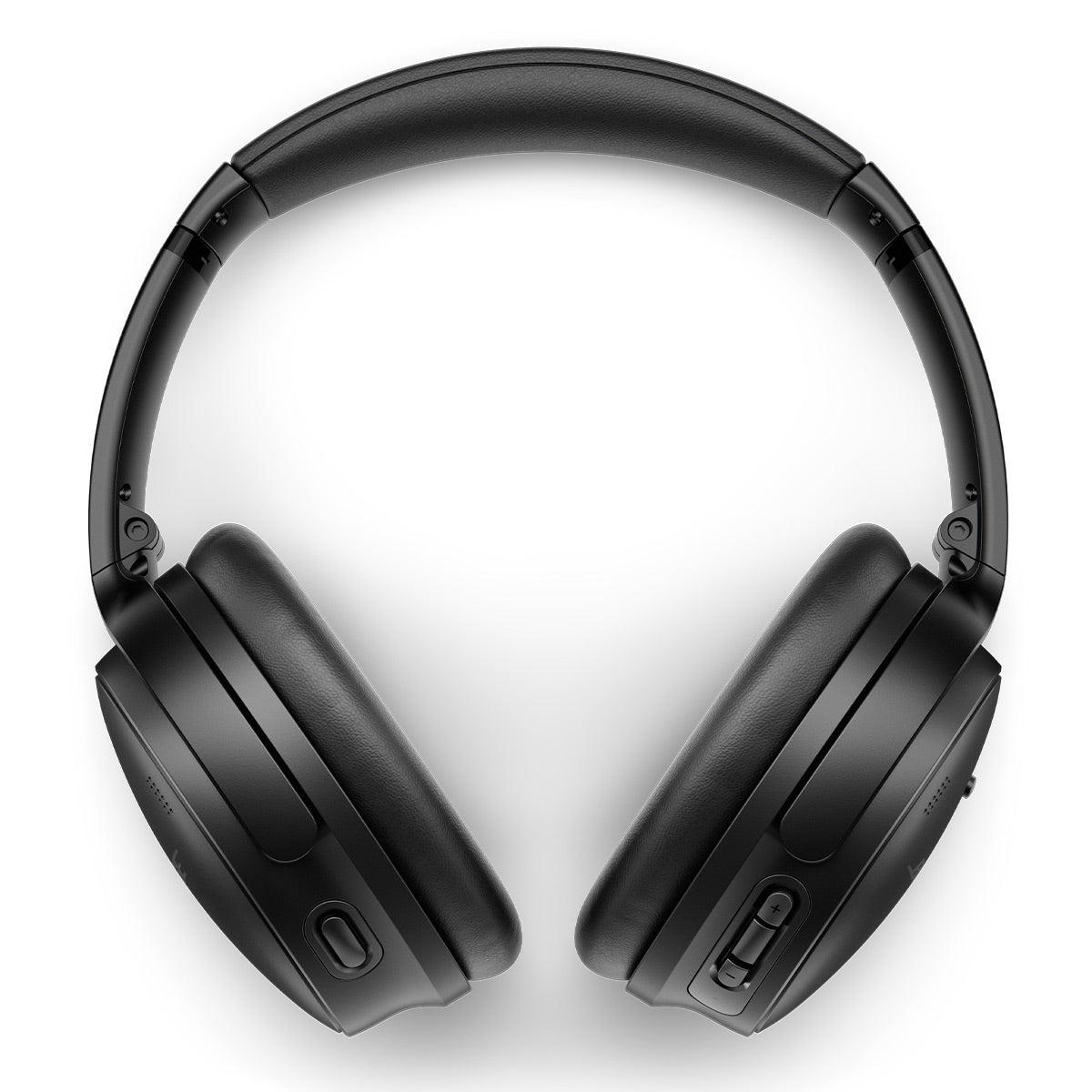
The Bose QuietComfort, updated in 2023, takes the opposite approach. These over-ear headphones completely encompass your ears, creating a sealed environment that's both more comfortable for extended wear and more effective at blocking outside noise. At 236 grams, they're slightly heavier than the Beats Solo 4, but the weight distributes around your ears rather than pressing directly on them.
Bose built their reputation on noise cancellation technology, and the QuietComfort represents decades of research in this area. The headphones use multiple microphones to constantly monitor your environment, then generate sound waves that cancel out unwanted noise in real-time – a process called active noise cancellation (ANC).
The difference in sound philosophy between these headphones is striking and immediately noticeable.
The Beats Solo 4 delivers what most people expect from the Beats brand: exciting, bass-heavy sound that makes hip-hop, pop, and electronic music feel energetic and engaging. The custom-built 40mm transducers (the speakers inside the headphones) are specifically tuned to emphasize low frequencies while maintaining clarity in vocals and instruments.
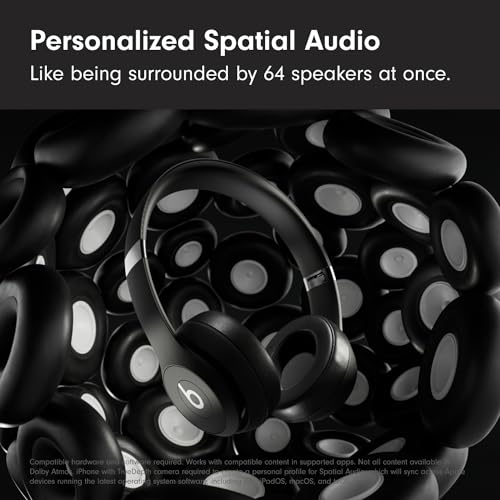
One genuinely impressive technology in the Solo 4 is Personalized Spatial Audio with dynamic head tracking. Using built-in gyroscopes and accelerometers – the same sensors that detect when you rotate your phone – the headphones create a surround sound effect that adapts as you move your head. It's like having invisible speakers positioned around you, creating a more immersive experience for compatible content.
However, this sound signature isn't universally appealing. If you primarily listen to classical music, jazz, or podcasts, you might find the bass emphasis overwhelming. The Solo 4 also lacks any equalizer (EQ) options in its companion app, meaning you're stuck with Beats' chosen sound profile.
The Bose QuietComfort takes a more neutral approach to sound reproduction. Instead of emphasizing any particular frequency range, these headphones aim for accuracy across the entire audio spectrum. This balanced sound signature works well with virtually any genre – from classical symphonies to modern pop to spoken-word content.
What really sets the QuietComfort apart is its comprehensive customization options. The Bose Music app includes a full equalizer system, allowing you to boost or reduce bass, midrange, and treble to match your preferences. You can even save different EQ profiles for different types of content – one for music, another for movies, and a third for calls.
In my experience testing both headphones, the Bose QuietComfort reveals more detail in complex musical arrangements. You can hear individual instruments more clearly, and vocal reproduction feels more natural and present. The Beats Solo 4 makes everything sound more exciting, but sometimes at the expense of accuracy.
This is where these headphones diverge most dramatically, and it's probably the most important factor in your decision.
The Beats Solo 4 offers no active noise cancellation whatsoever. It relies entirely on passive noise isolation – the physical barrier created by the headphones sitting on your ears. While the snug fit does block some external sound, it's nowhere near as effective as active cancellation.
This limitation significantly impacts where you can use the Solo 4 effectively. In quiet environments like your bedroom or a library, they work fine. But on an airplane, in a busy café, or during your commute, outside noise will constantly compete with your audio content. You'll find yourself turning up the volume to compensate, which can lead to hearing fatigue and faster battery drain.
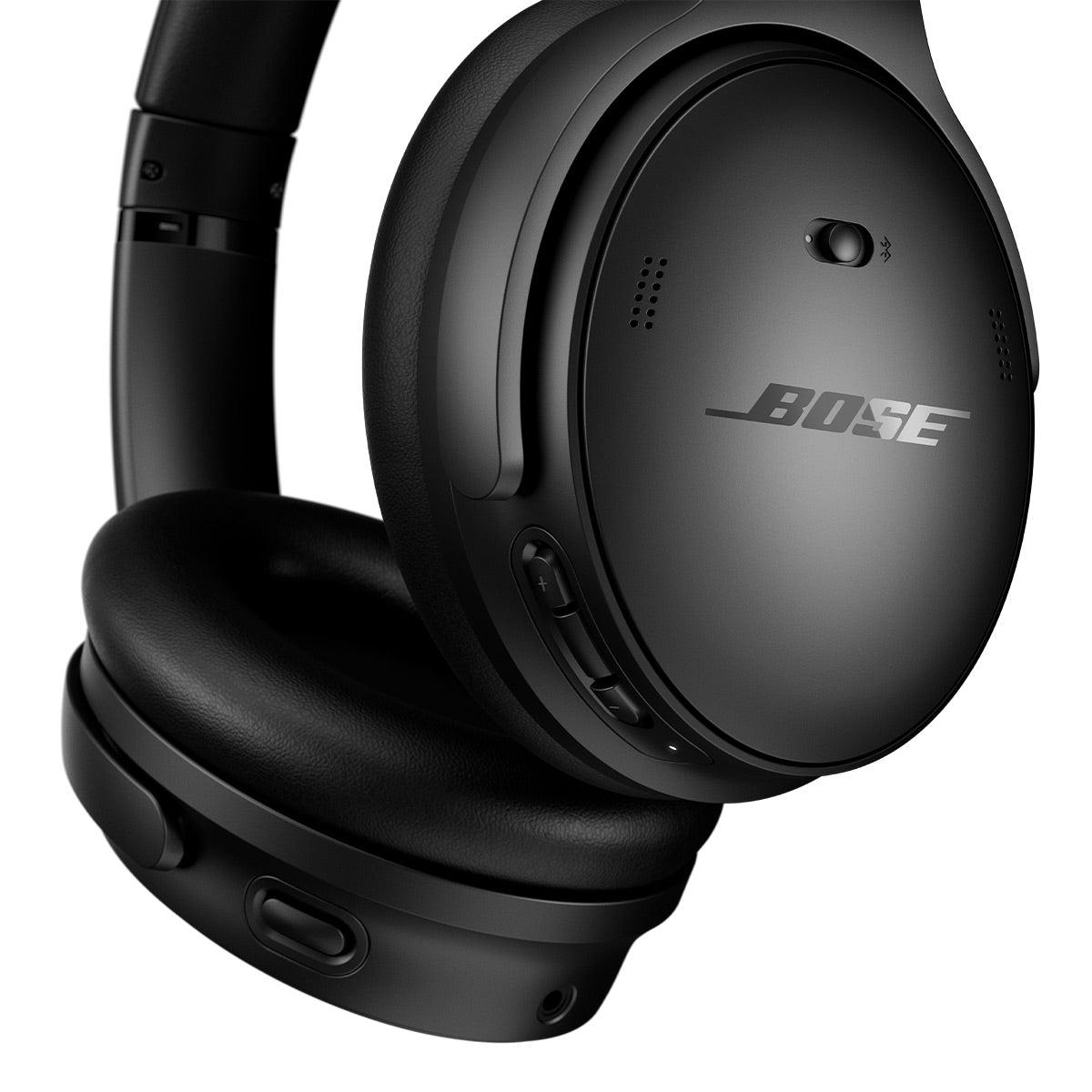
The Bose QuietComfort represents the gold standard in consumer noise cancellation. The system uses multiple microphones positioned both inside and outside each ear cup to continuously monitor ambient sound. Advanced processing algorithms then generate precisely timed sound waves that effectively cancel out unwanted noise.
The difference is transformative. Put on the QuietComfort in a noisy coffee shop, activate the noise cancellation, and the world around you virtually disappears. The constant hum of air conditioning, traffic noise, and background conversations fade to almost nothing. This isn't just about audio quality – it's about creating a personal oasis of calm in noisy environments.
The Bose QuietComfort also includes an "Aware Mode" that uses the external microphones to feed ambient sounds back into the headphones. This transparency mode lets you stay aware of your surroundings when needed – perfect for hearing airport announcements or having quick conversations without removing the headphones.
Here's where the Beats Solo 4 absolutely dominates.
At 50 hours of continuous playback, the Solo 4 offers roughly double the battery life of most premium wireless headphones. This isn't just impressive on paper – it's genuinely life-changing for heavy users. You can go on week-long trips without packing a charger, or use them daily for work calls without worrying about battery anxiety.
The Fast Fuel charging technology provides additional convenience. Just five minutes of charging delivers three hours of playback time, perfect for those "oh no, my headphones are dead" moments before a long flight.
Importantly, the Solo 4 can maintain full Bluetooth functionality while charging via USB-C. You can plug them into a power bank or laptop and continue using them wirelessly – a surprisingly rare feature that many competitors lack.
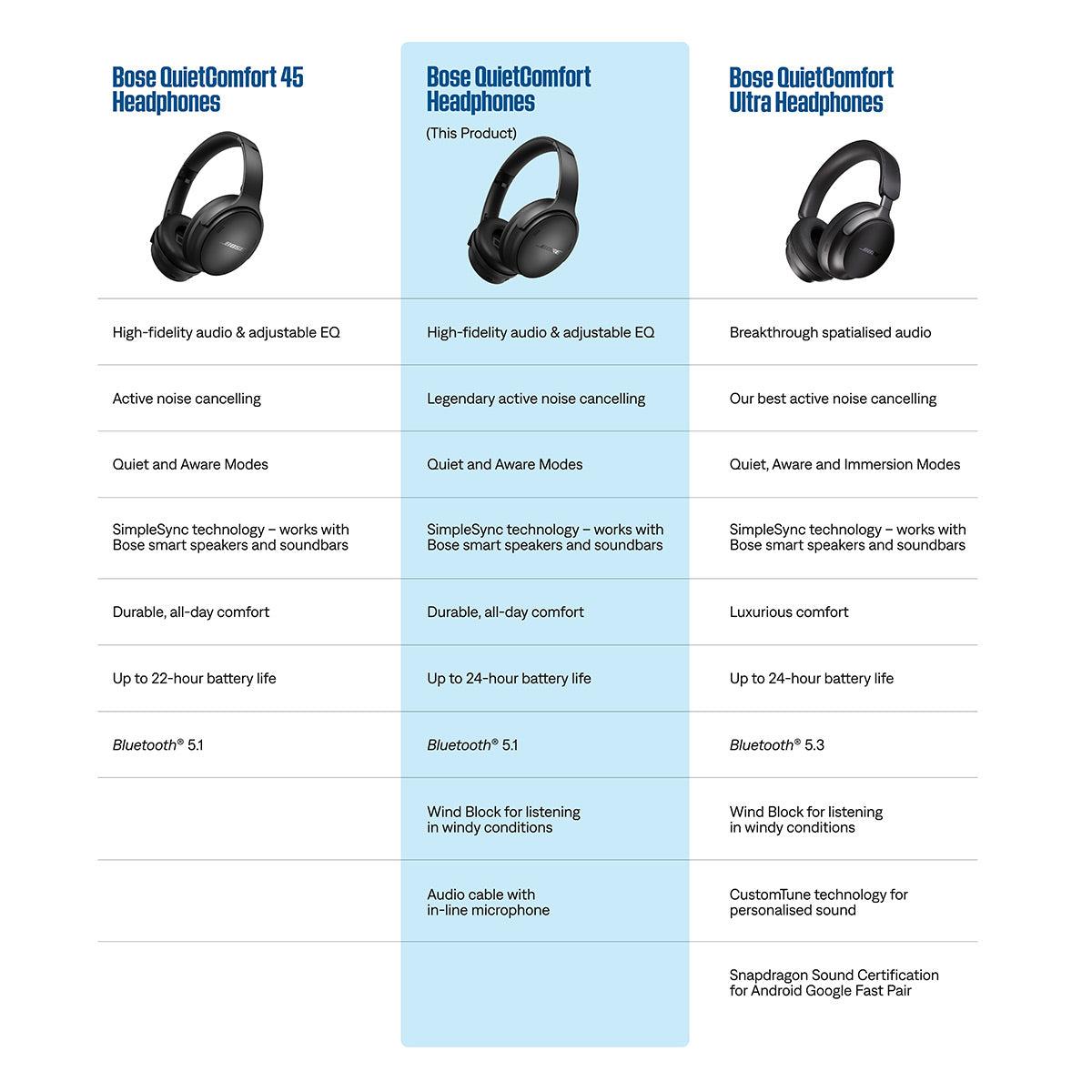
The QuietComfort offers 24 hours of wireless playback, dropping to 20 hours with active noise cancellation enabled. While respectable, this is roughly half the Solo 4's capacity.
More frustrating is the charging behavior: when plugged in, the QuietComfort disables Bluetooth connectivity entirely, forcing you to use a wired connection if you want to listen while charging. This limitation feels particularly antiquated in 2024, especially at this price point.
The fundamental design difference between on-ear and over-ear headphones creates vastly different comfort experiences.
The Solo 4's on-ear design creates a relatively small, portable package that folds flat for easy travel. However, this compact design comes with comfort compromises. The headphones rest directly on your ears, creating pressure that becomes uncomfortable after 1-2 hours for most users.
The clamping force – how tightly the headphones grip your head – is noticeable and can lead to ear fatigue during extended listening sessions. If you primarily use headphones for short bursts (commuting, exercising, quick calls), this might not bother you. But for all-day work-from-home sessions or long flights, the pressure becomes problematic.
The QuietComfort's over-ear design completely changes the comfort equation. Instead of pressing on your ears, the plush protein leather cushions rest around them, distributing weight across a larger area. The result feels like "slipping into clouds for your ears" – comfortable enough for 4+ hour listening sessions without fatigue.
The slightly heavier weight (236g vs. 217g) actually works in the QuietComfort's favor here. The additional mass helps the headphones stay positioned properly without excessive clamping force, creating a more relaxed, natural fit.
The Solo 4 keeps things simple, perhaps too simple. The companion app offers minimal customization – essentially just on/off toggles for basic features. You can't adjust the sound profile, create custom settings, or access advanced features that many competitors offer.
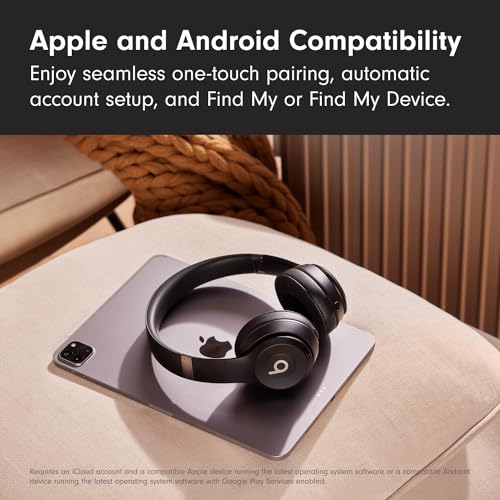
Connectivity is reliable with Bluetooth 5.3, and the headphones integrate seamlessly with Apple devices (unsurprising, given Apple owns Beats). However, they lack multipoint connectivity, meaning you can't connect to multiple devices simultaneously – a limitation that feels outdated in 2024.
The QuietComfort offers significantly more sophisticated functionality. The Bose Music app provides comprehensive control over EQ settings, noise cancellation profiles, and device management. You can create custom noise cancellation modes for different environments – one profile for airplane travel, another for office work, and a third for outdoor use.
Multipoint Bluetooth connectivity allows simultaneous connection to two devices, seamlessly switching between your phone and laptop as needed. The microphone system also delivers superior call quality, with better noise isolation and more natural voice reproduction.
At the time of writing, these headphones occupy different value segments, though both offer compelling cases for their respective price points.
The Solo 4 often sells for significantly less than its original retail price, making it an exceptional value in the wireless headphone market. The combination of 50-hour battery life, Spatial Audio technology, and solid build quality typically found in much more expensive models creates a compelling value proposition.
However, the lack of active noise cancellation does limit its versatility compared to similarly priced competitors. You're essentially trading noise cancellation capability for exceptional battery life and portability.
The QuietComfort commands a higher price but justifies it with industry-leading noise cancellation, superior comfort, and comprehensive customization options. The active noise cancellation alone is worth a significant premium for frequent travelers or anyone working in noisy environments.
The question becomes whether the additional features and comfort justify the price difference – a calculation that depends heavily on your specific use cases and budget priorities.
You prioritize portability and exceptional battery life above all else. These headphones excel for gym use, casual listening, and situations where you need maximum portability. The bass-heavy sound signature works brilliantly for modern music genres, and the incredible battery life eliminates charging anxiety.
Students, commuters in quiet environments, and budget-conscious buyers will find exceptional value here. If you primarily listen to hip-hop, pop, or electronic music and don't need noise cancellation, the Solo 4 delivers remarkable performance for the money.
You need active noise cancellation for travel, work, or noisy environments. The over-ear comfort makes these ideal for extended listening sessions, while the balanced sound signature and EQ customization work well with any musical genre.
Frequent flyers, office workers, audiophiles seeking customization options, and anyone prioritizing comfort over portability will prefer the QuietComfort. The premium features and superior call quality also make these excellent for professional use.
Neither headphone is specifically designed for home theater use, but both can work in this context with important caveats.
The Bose QuietComfort offers better performance for movie watching thanks to its balanced sound signature and comfortable over-ear design. The active noise cancellation can actually enhance the cinematic experience by eliminating household distractions. However, wireless headphones introduce audio latency (delay) that can cause lip-sync issues with video content.
The Solo 4's Spatial Audio technology can create a more immersive experience for compatible content, but the bass-heavy tuning might overemphasize sound effects at the expense of dialogue clarity.
For serious home theater use, consider dedicated TV headphones or wired options that eliminate latency concerns entirely.
These headphones solve different problems for different users. The Beats Solo 4 maximizes portability and battery life while delivering exciting, bass-forward sound at an attractive price point. The Bose QuietComfort prioritizes comfort, noise cancellation, and audio versatility at a premium price.
Your choice should align with your primary use case. Need something for noisy commutes and long work sessions? The Bose QuietComfort is worth the investment. Want exceptional battery life and portability for casual listening? The Beats Solo 4 offers incredible value.
Both represent excellent examples of their respective design philosophies, proving that in the world of wireless headphones, there's no single path to success – just different approaches to solving the universal desire for great wireless audio.
| Beats Solo 4 Wireless On-Ear Headphones | Bose QuietComfort Wireless Headphones |
|---|---|
| Design Type - Determines comfort for extended use and portability | |
| On-ear design (217g) - More portable but can cause ear fatigue after 1-2 hours | Over-ear design (236g) - Bulkier but comfortable for 4+ hour sessions |
| Active Noise Cancellation - Essential for noisy environments like flights or offices | |
| None - Relies only on passive isolation, ineffective against consistent background noise | Industry-leading adaptive ANC with customizable modes and transparency option |
| Battery Life - How often you'll need to charge | |
| Up to 50 hours - Exceptional longevity, can last over a week of daily use | Up to 24 hours (20 with ANC) - Good but requires more frequent charging |
| Charging While Using - Important for all-day workers | |
| Yes - Full Bluetooth functionality maintained while charging via USB-C | No - Forces wired mode only when plugged in, disabling wireless features |
| Sound Profile - Affects which music genres sound best | |
| Bass-heavy signature optimized for hip-hop, pop, EDM - Exciting but less balanced | Neutral, balanced across all frequencies - Works well with any genre |
| Sound Customization - Ability to tune audio to your preferences | |
| No EQ options - Stuck with Beats Solo 4's preset sound signature | Full EQ customization via app - Create custom profiles for different content types |
| Multipoint Connectivity - Connecting to multiple devices simultaneously | |
| No - Can only connect to one device at a time | Yes - Seamlessly switch between phone and laptop connections |
| Fast Charging - Emergency power when battery is low | |
| Fast Fuel: 5 minutes = 3 hours playback - Industry-leading quick charge | 15 minutes = 2.5 hours playbook - Standard but adequate fast charging |
| Special Audio Features - Advanced technologies for enhanced experience | |
| Personalized Spatial Audio with head tracking - Creates immersive surround effect | Multiple ANC profiles and Wind Block - Optimized noise cancellation for different environments |
| Call Quality - Important for work-from-home and business use | |
| Basic microphone performance - Adequate for casual calls | Superior microphone system with voice isolation - Professional-grade call quality |
| App Features - Control and customization options | |
| Minimal - Basic on/off toggles only | Comprehensive - Full device management, EQ, and ANC profile controls |
The Bose QuietComfort Wireless Headphones are significantly better for extended use. Their over-ear design distributes weight around your ears rather than pressing directly on them, allowing comfortable wear for 4+ hours. The Beats Solo 4 Wireless On-Ear Headphones rest directly on your ears, which can become uncomfortable after 1-2 hours of continuous use.
It depends on your environment. The Bose QuietComfort Wireless Headphones offer industry-leading active noise cancellation that's essential for noisy environments like airplanes, busy offices, or public transportation. The Beats Solo 4 Wireless On-Ear Headphones have no active noise cancellation, making them better suited for quiet environments like home or libraries.
The Beats Solo 4 Wireless On-Ear Headphones dramatically outperform with up to 50 hours of battery life compared to the Bose QuietComfort Wireless Headphones at 24 hours (20 with noise cancellation). The Beats Solo 4 can last over a week of daily use without charging.
Only the Beats Solo 4 Wireless On-Ear Headphones allow full Bluetooth functionality while charging. The Bose QuietComfort Wireless Headphones disable wireless connectivity when plugged in, forcing you to use a wired connection if you want to listen while charging.
The Bose QuietComfort Wireless Headphones offer more versatile sound with balanced audio across all genres and full EQ customization through their app. The Beats Solo 4 Wireless On-Ear Headphones deliver bass-heavy sound that excels with hip-hop, pop, and electronic music but may overwhelm classical or jazz listeners.
The Bose QuietComfort Wireless Headphones provide superior call quality with advanced microphone systems and voice isolation technology. While the Beats Solo 4 Wireless On-Ear Headphones handle basic calls adequately, the Bose QuietComfort is better for professional use and frequent video conferences.
The Beats Solo 4 Wireless On-Ear Headphones are more compact and lightweight at 217g, folding flat for easy packing. The Bose QuietComfort Wireless Headphones are bulkier at 236g but offer crucial noise cancellation for airplane travel, making them better for frequent flyers despite the larger size.
Only the Bose QuietComfort Wireless Headphones support multipoint connectivity, allowing simultaneous connection to two devices like your phone and laptop. The Beats Solo 4 Wireless On-Ear Headphones can only connect to one device at a time, requiring manual switching between devices.
This depends on your priorities. The Beats Solo 4 Wireless On-Ear Headphones typically offer exceptional value with 50-hour battery life and premium features at a lower price point. The Bose QuietComfort Wireless Headphones cost more but justify the price with industry-leading noise cancellation and superior comfort for extended use.
The Beats Solo 4 Wireless On-Ear Headphones are better for exercise due to their lighter weight, more secure on-ear fit, and lack of bulky over-ear cups. However, neither headphone offers water resistance, so both should be avoided for intense workouts or outdoor activities in wet conditions.
The Bose QuietComfort Wireless Headphones are better for video content thanks to their balanced sound profile, comfortable over-ear design, and noise cancellation that blocks household distractions. The Beats Solo 4 may overemphasize bass in movie soundtracks, though both can experience audio latency issues with video content over Bluetooth.
The Bose QuietComfort Wireless Headphones offer comprehensive app functionality with full EQ customization, multiple noise cancellation profiles, and device management features. The Beats Solo 4 Wireless On-Ear Headphones provide minimal app support with only basic on/off toggles, offering little customization beyond the default sound profile.
We've done our best to create useful and informative comparisons to help you decide what product to buy. Our research uses advanced automated methods to create this comparison and perfection is not possible - please contact us for corrections or questions. These are the sites we've researched in the creation of this article: bestbuy.com - soundguys.com - rtings.com - cnet.com - youtube.com - rtings.com - therunningchannel.com - youtube.com - soundguys.com - rtings.com - beatsbydre.com - kubookstore.com - apple.com - panthertech.fiu.edu - beatsbydre.com - cnet.com - techwelike.com - beatsbydre.com - beatsbydre.com - techradar.com - whathifi.com - bose.com - rtings.com - recordingnow.com - bose.com - ottorinobruni.com - whathifi.com - costco.com - recordingnow.com - youtube.com - bose.com - bestbuy.com - global.bose.com - boselatam.com - projectorscreen.com - bose.com - bose.com - bose.com

Privacy Policy
Terms and Conditions - Affiliate Policy
Home Security
© Copyright 2008-2026.
11816 Inwood Rd #1211, Dallas, TX 75244