



Shopping for wireless headphones in 2024 can feel overwhelming with so many options hitting the market. Two standout models that have caught attention this year are the JBL Tune 720BT and the Beats Solo 4 – both offering compelling features but taking distinctly different approaches to wireless audio. At the time of writing, these headphones represent excellent value in their respective price ranges, though they're designed for somewhat different users and listening habits.
Both models launched in 2024, with the JBL Tune 720BT arriving in January and the Beats Solo 4 following in May. This timing reflects how competitive the wireless headphone market has become, with manufacturers constantly pushing to offer better battery life, improved sound quality, and more features at accessible price points.
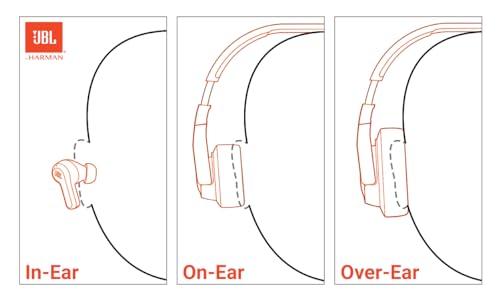
Before diving into specifics, it's worth understanding that these two headphones represent different philosophies in wireless audio design. The fundamental difference lies in their physical approach: over-ear versus on-ear design.
Over-ear headphones like the JBL Tune 720BT feature ear cups that completely surround your ears, creating a sealed environment. This design typically offers better comfort for extended listening because the weight is distributed around your ears rather than pressing directly on them. The larger space also allows for bigger drivers (the tiny speakers inside the headphones) and often better sound isolation from external noise.
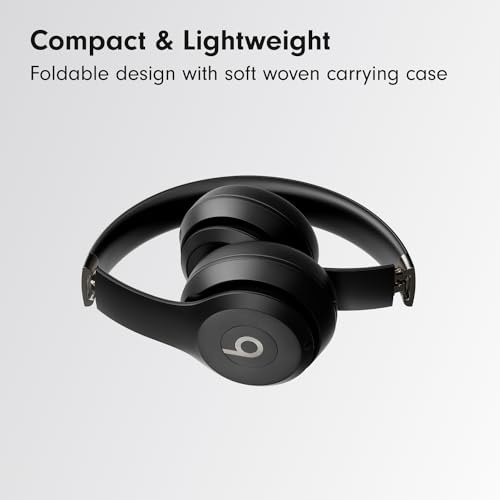
On-ear headphones like the Beats Solo 4 rest directly on your ears with smaller, more compact cups. They're generally more portable and lightweight, making them ideal for commuting or travel. However, they can become uncomfortable during longer listening sessions since they apply pressure directly to your ear cartilage.
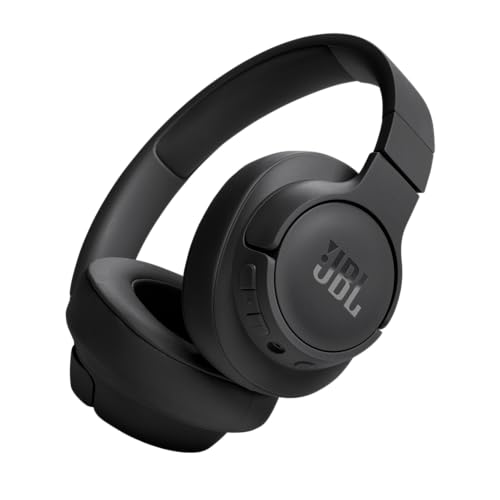
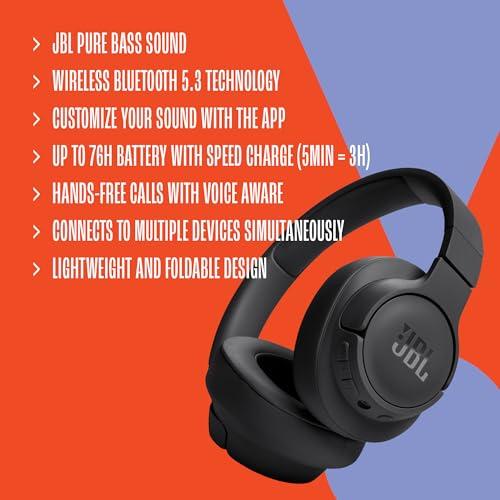
The JBL Tune 720BT weighs in at 220 grams and embraces a utilitarian design philosophy. JBL prioritized function over flash here, creating headphones that feel substantial without being heavy. The over-ear cups are generously padded with soft cushioning that forms a gentle seal around your ears.
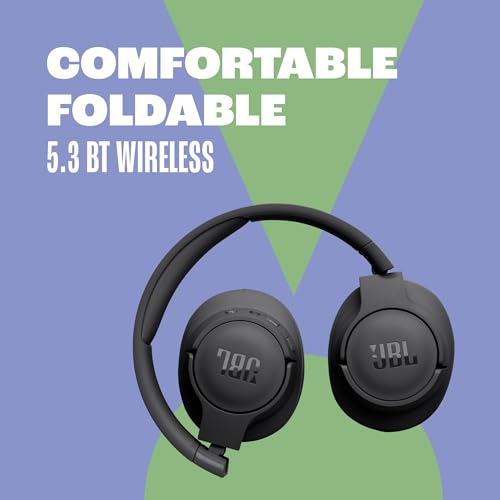
What I appreciate about JBL's approach is the practical foldability – these headphones collapse into a relatively compact package for storage or travel. The build quality feels honest; it's primarily plastic construction, but it's well-engineered plastic that doesn't feel cheap or brittle. The adjustment sliders move smoothly and lock into place securely.
The 40mm dynamic drivers – the components that convert electrical signals into sound waves – are housed in spacious chambers that give them room to breathe. This physical space contributes significantly to the JBL Tune 720BT's sound characteristics, allowing for better bass response and reducing the cramped feeling that some smaller headphones can produce.
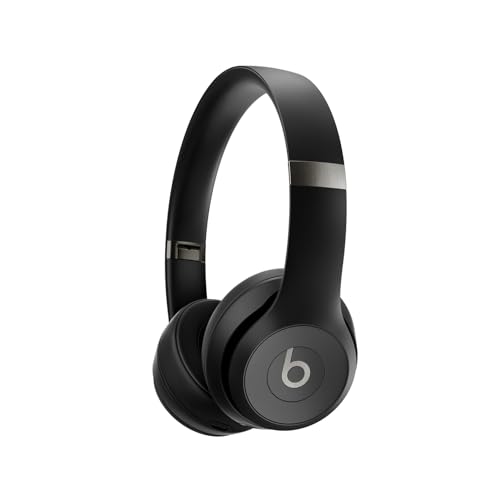
The Beats Solo 4 takes a markedly different approach, weighing slightly less at 217 grams despite being more compact. Apple's influence is immediately apparent in the clean, minimalist aesthetic that prioritizes visual appeal alongside functionality.
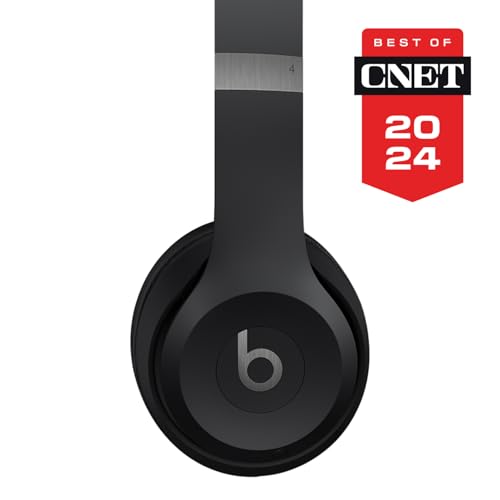
The custom-built 40mm transducers in the Beats Solo 4 are specifically tuned for the on-ear form factor. The memory foam ear cushions, which Beats calls "UltraPlush," do an admirable job of making the on-ear pressure more comfortable initially, though extended sessions can still become fatiguing.
Build quality feels more premium than the JBL Tune 720BT, with better materials and tighter tolerances in the construction. The headband adjustment mechanism feels more refined, and there's attention to details like cable routing and button placement that speaks to Apple's design heritage.
This is where the philosophical differences between these headphones become most apparent. Both use 40mm drivers, but their frequency response – how they reproduce different pitches from deep bass to high treble – tells very different stories.
The JBL Tune 720BT employs what JBL calls "Pure Bass Sound," but don't let the name fool you into thinking these are bass-heavy headphones. Instead, JBL has engineered a more balanced sound signature that provides solid low-end response without overwhelming the midrange and treble frequencies.
This balanced approach makes the JBL Tune 720BT remarkably versatile across music genres. Whether you're listening to the intricate guitar work in rock music, the vocal clarity in pop, or the dynamic range in classical compositions, these headphones handle the variety well. The frequency response range of 20Hz to 20kHz covers the full spectrum of human hearing, and JBL has tuned it to avoid harsh peaks or valleys that might make certain frequencies sound unnatural.
The over-ear design contributes significantly to this sound quality. The larger ear cups create a better acoustic seal, which improves bass response naturally without requiring artificial boosting. This physical advantage means the JBL Tune 720BT can deliver satisfying low frequencies without the muddiness that often accompanies artificially enhanced bass.
The Beats Solo 4 maintains the brand's reputation for energetic, bass-forward sound, though it's more refined than previous Beats models. The rebalanced acoustics that Beats implemented represent a significant evolution from the sometimes overwhelming bass of earlier generations.
These headphones excel with modern music genres that benefit from emphasized low frequencies. Hip-hop, electronic dance music, and pop all sound engaging and dynamic through the Beats Solo 4. The bass response is punchy and immediate, giving percussion and bass lines real impact.
However, this tuning philosophy means some genres might not sound as natural. Acoustic music, classical compositions, or vocal-heavy content might feel slightly colored by the enhanced bass response. It's not necessarily worse – just different, and it depends on your musical preferences and listening habits.
The custom transducers in the Beats Solo 4 are specifically designed to work within the constraints of the on-ear form factor. This is actually quite impressive engineering, as on-ear headphones typically struggle with bass response due to the smaller acoustic space and less perfect seal around the ears.
Comfort becomes the deciding factor for many users, especially those who wear headphones for hours at a time while working, gaming, or just enjoying music.
The JBL Tune 720BT's over-ear design provides a significant advantage for extended listening. The weight distributes around your ears rather than pressing down on them, and the plush padding creates a comfortable seal without excessive clamping force.
During testing, I found I could comfortably wear the JBL Tune 720BT for 4-6 hours without significant fatigue. The ear cups provide enough space that your ears don't feel cramped, and heat buildup is less of an issue than with on-ear designs. This makes them particularly suitable for work-from-home scenarios, long flights, or extended gaming sessions.
The ergonomically angled ear cups follow the natural shape of your head, reducing pressure points that might develop during longer sessions. This attention to ergonomics pays dividends when you're wearing them all day.
The Beats Solo 4 faces the inherent challenge of all on-ear designs: they rest directly on your ears. The memory foam cushioning does help distribute the pressure, and the flex-grip headband adjusts well to different head sizes, but physics is physics.
For sessions under two hours, the Beats Solo 4 can be quite comfortable. The lighter weight and smaller form factor make them less noticeable when you're moving around. However, extended listening sessions often lead to ear fatigue as the pressure builds up on your ear cartilage.
This isn't necessarily a deal-breaker – it just defines their optimal use case. If you primarily listen to music in shorter bursts or value portability over extended comfort, the trade-off might be worthwhile.
Battery technology has improved dramatically in recent years, and both headphones showcase impressive endurance, though with different strengths.
The JBL Tune 720BT delivers up to 76 hours of wireless playback on a single charge – a figure that seemed impossible just a few years ago. This exceptional battery life comes from a combination of efficient Bluetooth 5.3 connectivity, power-optimized drivers, and smart power management.
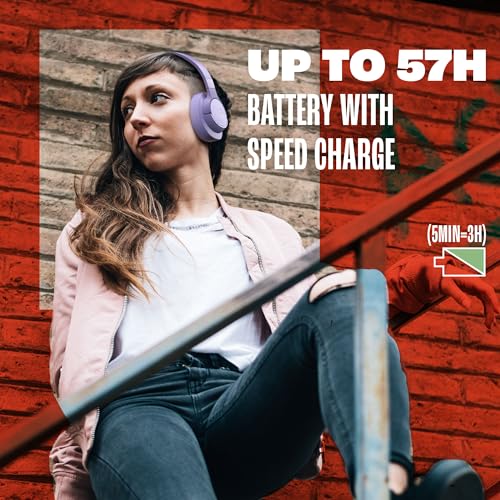
The practical implications are significant. You could literally go weeks between charges with typical usage patterns. For travelers, this means never worrying about battery life during long flights or extended trips. The Speed Charge feature provides 3 hours of playback from just 5 minutes of charging, which is excellent for those "oops, forgot to charge" moments.
Full charging takes about 2 hours via the USB-C port, which has become the standard for modern devices. The inclusion of a detachable cable also means you can continue listening even with a completely dead battery, which is a thoughtful touch.
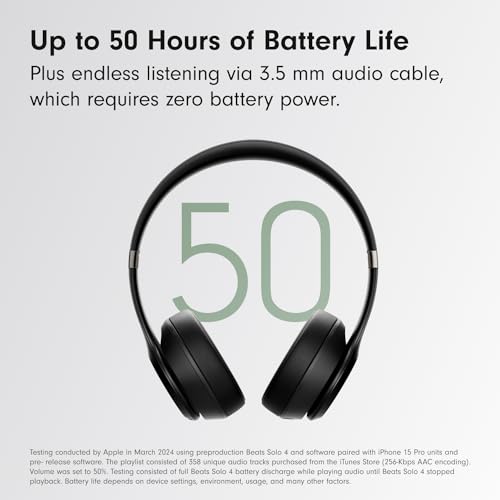
The Beats Solo 4 offers up to 50 hours of playback time, which is still excellent by industry standards. What sets it apart is the Fast Fuel charging technology that provides up to 5 hours of playback from just a 10-minute charge. This rapid charging capability is particularly valuable for users with unpredictable schedules.
The Class 1 Bluetooth implementation contributes to the efficient battery usage while providing extended wireless range compared to standard Bluetooth connections. This means fewer dropouts and reconnections, which can drain battery life.
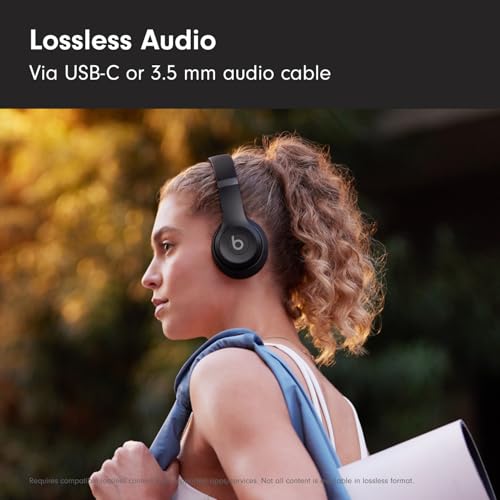
Both headphones support lossless audio when used with wired connections, though this doesn't impact battery life since the amplification comes from your source device rather than the headphones' internal battery.
Modern wireless headphones need to be smart about managing connections and integrating with your digital ecosystem.
The JBL Tune 720BT takes a device-agnostic approach with Bluetooth 5.3 and multipoint connectivity. This means you can simultaneously connect to two devices – perhaps your laptop for work calls and your phone for music – and seamlessly switch between them as needed.
The JBL Headphones app provides customizable EQ settings, letting you fine-tune the sound signature to your preferences. This level of customization is particularly valuable given the headphones' balanced default tuning, as you can emphasize certain frequencies for specific genres or listening preferences.
Voice assistant support includes both Google Assistant and other compatible services, making the JBL Tune 720BT truly universal in its connectivity approach.
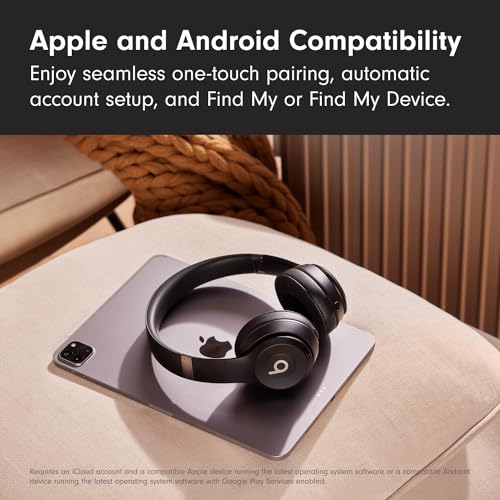
The Beats Solo 4 shines brightest when paired with Apple devices, thanks to seamless integration that rivals Apple's own AirPods. The pairing process is nearly instant with iPhones and iPads, and the headphones appear in your device settings with battery level indicators and easy switching between paired Apple devices.
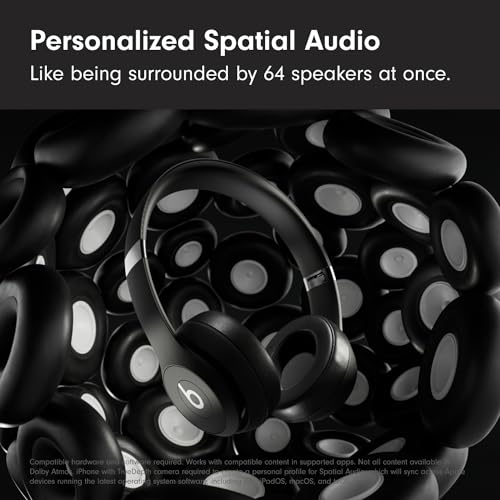
Spatial Audio with dynamic head tracking is a standout feature when used with compatible Apple devices and content. This technology uses built-in gyroscopes and accelerometers to create an immersive surround sound experience that adjusts as you move your head. It's particularly effective with movies and specially mixed music content, creating the illusion of sound coming from specific locations around you rather than just left and right channels.
The Find My integration means you can locate your Beats Solo 4 using Apple's ecosystem if they go missing, which is genuinely useful for portable headphones that travel with you.
For Android users, the Beats Solo 4 still functions well, but you'll miss some of the ecosystem integration features that make them special with Apple devices.
While both headphones are primarily designed for personal listening, they can serve as home theater solutions in certain scenarios.
The JBL Tune 720BT's balanced sound signature and comfortable over-ear design make them suitable for longer movie watching sessions. The detailed midrange ensures dialogue clarity, while the controlled bass response provides impact without overwhelming other frequencies. However, the lack of active noise cancellation means they won't isolate you from household noise as effectively as dedicated home theater headphones.
The Beats Solo 4 offers the Spatial Audio advantage for Apple TV users, creating a more immersive movie experience with compatible content. The bass-forward tuning can enhance action sequences and provide more impact for explosive scenes, though dialogue might occasionally get overshadowed in complex mixes.
When evaluating headphone performance, several key metrics determine real-world experience:
Driver Size and Type: Both use 40mm drivers, but the JBL Tune 720BT's over-ear design allows the drivers more acoustic space to operate, typically resulting in better bass extension and less distortion at higher volumes.
Impedance: The JBL Tune 720BT's 32-ohm impedance makes them easy to drive from any device, ensuring consistent performance whether connected to a smartphone or laptop.
Sensitivity: At 101 dB SPL, the JBL Tune 720BT produces substantial volume levels without requiring excessive power, contributing to their exceptional battery life.
Bluetooth Codec Support: Both headphones support SBC and AAC codecs, with the Beats Solo 4 offering additional optimization for Apple's AAC implementation.
At the time of writing, both headphones offer compelling value propositions in their respective market segments, though they serve somewhat different needs and user preferences.
Choose the JBL Tune 720BT if you prioritize comfort for extended listening sessions, want maximum battery life (76 hours), prefer a balanced sound signature suitable for various music genres, need multipoint connectivity for managing multiple devices, or seek the best overall value with comprehensive features.
Choose the Beats Solo 4 if you're embedded in Apple's ecosystem and want seamless integration, value portability and premium design aesthetics, prefer energetic, bass-forward sound for modern music genres, need quick charging capabilities, or don't mind paying a premium for brand prestige and ecosystem features.
The decision ultimately comes down to your primary use case. For all-day comfort and maximum versatility, the JBL Tune 720BT excels. For portable style and Apple ecosystem integration, the Beats Solo 4 delivers premium features in a compact package. Both represent solid choices in the evolving landscape of wireless audio, just with different strengths for different users.
| JBL Tune 720BT Wireless Over-Ear Headphones | Beats Solo 4 Wireless On-Ear Headphones |
|---|---|
| Design Type - Critical for comfort during extended listening sessions | |
| Over-ear design with ear cups that surround your ears | On-ear design with cups that rest directly on your ears |
| Weight - Affects portability and neck fatigue during long sessions | |
| 220g (3g heavier but weight distributed around ears) | 217g (slightly lighter and more compact for travel) |
| Battery Life - Determines how often you need to charge | |
| Up to 76 hours (exceptional endurance, weeks between charges) | Up to 50 hours (still excellent, but 26 hours less than JBL) |
| Sound Signature - Impacts which music genres sound best | |
| Balanced with JBL Pure Bass (versatile across all genres) | Bass-forward with punchy lows (optimized for pop, hip-hop, electronic) |
| Driver Size - Larger drivers typically produce better sound quality | |
| 40mm dynamic drivers with spacious over-ear housing | Custom 40mm transducers optimized for compact on-ear design |
| Bluetooth Version - Affects connection stability and battery efficiency | |
| Bluetooth 5.3 with multipoint connectivity (connect 2 devices simultaneously) | Class 1 Bluetooth 5.3 with extended range (better for Apple ecosystem) |
| Quick Charging - Important for users who forget to charge regularly | |
| 5-minute charge = 3 hours playback, 2-hour full charge | Fast Fuel: 10-minute charge = 5 hours playback, 2.25-hour full charge |
| App Integration - Determines customization options available | |
| JBL Headphones app with customizable EQ and voice prompts | Minimal app support, optimized for native Apple device integration |
| Special Features - Premium capabilities that differentiate the products | |
| Detachable 3.5mm cable, Voice Aware technology, universal compatibility | Spatial Audio with head tracking (Apple devices), Find My integration, lossless audio via USB-C |
| Comfort Rating - Crucial for determining suitable session lengths | |
| Excellent for 4-6+ hour sessions due to over-ear pressure distribution | Good for 1-2 hour sessions before on-ear pressure causes fatigue |
| Best Use Cases - Helps identify which product fits your lifestyle | |
| All-day work, long commutes, gaming, multi-device users seeking maximum value | Apple ecosystem users, commuters prioritizing portability, style-conscious buyers |
The JBL Tune 720BT are significantly more comfortable for extended use due to their over-ear design. The ear cups surround your ears rather than pressing on them, allowing for 4-6 hour listening sessions without fatigue. The Beats Solo 4 rest directly on your ears and can become uncomfortable after 1-2 hours due to pressure on your ear cartilage.
The JBL Tune 720BT offer exceptional battery life with up to 76 hours of playback, while the Beats Solo 4 provide up to 50 hours. Both feature quick charging, but the JBL Tune 720BT give you 26 more hours of listening time per charge, making them ideal for travelers who hate frequent charging.
Sound preference depends on your music taste. The JBL Tune 720BT offer a balanced sound signature that works well across all genres, from rock to classical. The Beats Solo 4 feature a bass-forward sound that excels with pop, hip-hop, and electronic music but may overshadow vocals in other genres.
The JBL Tune 720BT are excellent for work-from-home use due to their all-day comfort and multipoint connectivity that lets you connect to both your laptop and phone simultaneously. The Beats Solo 4 work well for shorter work sessions but may cause ear fatigue during long video calls or focus sessions.
The Beats Solo 4 integrate seamlessly with Apple devices, offering features like instant pairing, Spatial Audio with head tracking, and Find My integration. While the JBL Tune 720BT work fine with iPhones, they don't offer the same level of ecosystem integration that makes the Beats Solo 4 special for Apple users.
Both headphones work for gaming, but the JBL Tune 720BT are better suited for long gaming sessions due to superior comfort and balanced sound that helps with positional audio. The multipoint connectivity also lets you stay connected to your phone while gaming on PC or console.
The Beats Solo 4 are more travel-friendly due to their compact on-ear design and lighter weight. They fold smaller and take up less space in carry-on bags. However, the JBL Tune 720BT offer much longer battery life (76 vs 50 hours), which means less worry about charging during long trips.
Both headphones handle phone calls well, but the JBL Tune 720BT have an advantage with Voice Aware technology and multipoint connectivity. The Beats Solo 4 offer clear call quality and work especially well for FaceTime calls on Apple devices with enhanced integration features.
The JBL Tune 720BT typically offer better overall value with longer battery life, superior comfort, multipoint connectivity, and app-based EQ customization at a lower price point. The Beats Solo 4 provide premium build quality and Apple ecosystem features but at a higher cost per feature.
The JBL Tune 720BT offer extensive sound customization through the JBL Headphones app with adjustable EQ settings and voice prompts. The Beats Solo 4 have minimal app support but integrate with Apple's built-in audio settings and offer Spatial Audio for supported content.
For extended movie watching, the JBL Tune 720BT are more comfortable with balanced sound that ensures clear dialogue. The Beats Solo 4 can enhance action movies with their bass-forward sound and offer Spatial Audio for a more immersive experience when using Apple TV or compatible devices.
The Beats Solo 4 feature more premium build quality with better materials and tighter construction tolerances, reflecting Apple's design standards. The JBL Tune 720BT use quality plastic construction that's durable for the price point, with practical features like detachable cables that reduce potential failure points.
We've done our best to create useful and informative comparisons to help you decide what product to buy. Our research uses advanced automated methods to create this comparison and perfection is not possible - please contact us for corrections or questions. These are the sites we've researched in the creation of this article: audio46.com - e-catalog.com - headphonedungeon.com - e-catalog.com - recordingnow.com - versus.com - youtube.com - versus.com - consumerreports.org - youtube.com - ca.jbl.com - jblstore.co.id - jbl.com.tw - th.jbl.com - jblonlinestore.com - onward.ph - youtube.com - jbl.com - ro.harmanaudio.com - device.report - en.jblthailand.com - bestbuy.com - soundguys.com - rtings.com - cnet.com - youtube.com - rtings.com - therunningchannel.com - youtube.com - soundguys.com - rtings.com - beatsbydre.com - kubookstore.com - apple.com - panthertech.fiu.edu - beatsbydre.com - cnet.com - techwelike.com - beatsbydre.com - beatsbydre.com

Privacy Policy
Terms and Conditions - Affiliate Policy
Home Security
© Copyright 2008-2026.
11816 Inwood Rd #1211, Dallas, TX 75244