



Shopping for wireless headphones can feel overwhelming with hundreds of options flooding the market. Today, I'm breaking down two popular models that represent very different approaches to wireless audio: the budget-friendly OneOdio Fusion A70 and the premium Beats Solo 4. While both deliver wireless audio, they're designed for completely different users and situations.
The wireless headphone market has exploded over the past decade, with manufacturers focusing on everything from audiophile-grade sound to gym-friendly durability. What makes this comparison interesting is that these two models tackle the same basic need – wireless music listening – but solve it in dramatically different ways. One prioritizes professional versatility and extreme value, while the other focuses on mainstream appeal and advanced features.
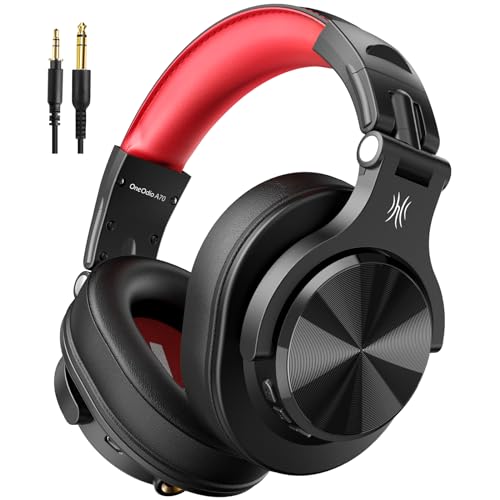
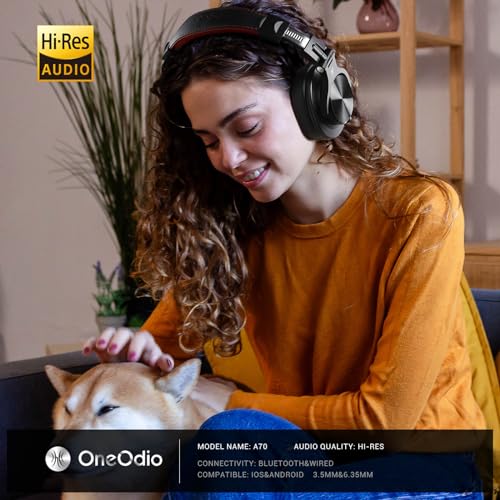
The OneOdio Fusion A70, released in recent years as part of OneOdio's push into the consumer market, represents what I call the "Swiss Army knife" approach to headphones. It's designed to handle multiple scenarios: DJing at a party, casual music listening, or even light studio work (though with important caveats we'll discuss). The over-ear design completely surrounds your ears, which typically provides better noise isolation and a more immersive listening experience.
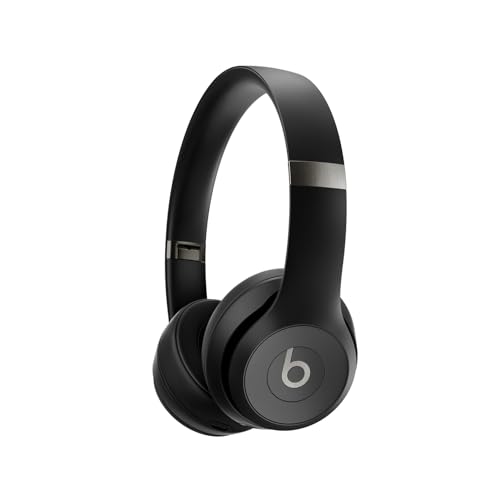
The Beats Solo 4, launched in 2024 as the latest evolution of Apple's popular Solo line, takes a completely different approach. These on-ear headphones sit directly on your ears rather than around them, prioritizing portability and style while integrating deeply with Apple's ecosystem. Since Apple acquired Beats in 2014, we've seen the brand evolve from bass-heavy party headphones to more balanced, technically proficient models, and the Solo 4 represents the culmination of that journey.
The fundamental difference in form factor affects everything else about these headphones. Over-ear designs like the A70 typically offer better passive noise isolation because they create a seal around your entire ear. On-ear designs like the Solo 4 are more portable and lighter but allow more outside noise to creep in.
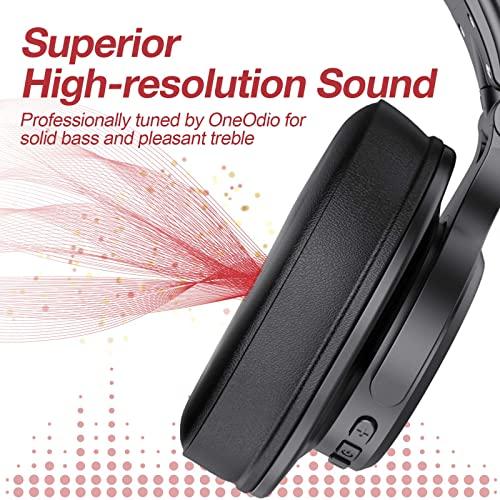
This is where these headphones reveal their true personalities, and the differences are striking. The OneOdio A70 embraces what audiophiles call a "V-shaped" sound signature – imagine a graph where the bass and treble are boosted while the midrange (where vocals and most instruments live) is somewhat recessed. This creates an exciting, energetic sound that makes electronic music, hip-hop, and pop music feel more impactful and fun.
However, this tuning comes with trade-offs. When I listen to complex orchestral pieces or acoustic recordings on the A70, details get lost in the mix. Instruments that should be clearly separated in the soundstage (the perceived space where music seems to come from) blend together. It's like trying to have a conversation at a party where the bass is too loud – individual voices get masked by the dominant frequencies.
The Beats Solo 4 tells a completely different story. Apple's acoustic engineers have moved away from the stereotypical "Beats sound" of heavy bass and created something much more balanced. The frequency response – how the headphones reproduce different pitches from low bass to high treble – is remarkably even across the spectrum. This means whether you're listening to a delicate jazz ballad or a heavy metal track, each element gets appropriate attention.
What particularly impresses me about the Solo 4 is its imaging performance – the ability to place sounds accurately in a stereo field. When a guitarist pans from left to right in a recording, you can follow that movement precisely. The drivers (the small speakers inside each ear cup) are well-matched, meaning both sides reproduce sound identically, which is crucial for this effect.
The A70's 40mm neodymium drivers are designed for impact rather than accuracy. They excel at making you feel the thump of a kick drum or the energy of a synthesizer drop, but they struggle with the nuanced details that make acoustic instruments sound natural. The Solo 4's custom-built 40mm transducers take the opposite approach, minimizing distortion and electronic artifacts to deliver cleaner, more accurate reproduction.
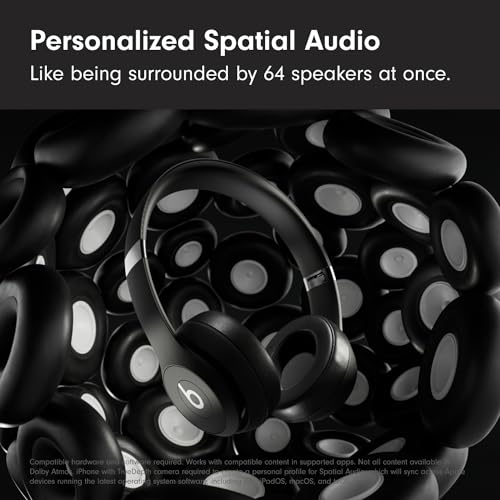
Here's where these headphones showcase completely different priorities. The Beats Solo 4 incorporates some genuinely impressive modern technology. Its standout feature is Personalized Spatial Audio with dynamic head tracking – a mouthful of a name for a really cool capability.
Spatial Audio uses built-in gyroscopes and accelerometers (motion sensors) to track your head movement and adjust the sound accordingly. It's like having surround sound that follows you around. When you turn your head left, sounds that were coming from your right ear shift to maintain their apparent position in space. It creates an immersive experience that makes you feel like you're sitting in the middle of a concert hall rather than wearing headphones.
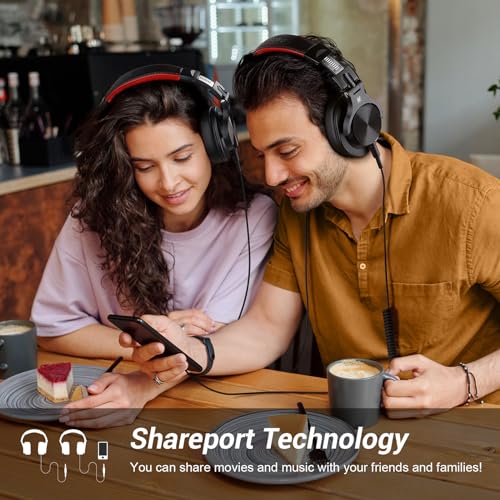
The OneOdio A70 takes a completely different approach to advanced features, focusing on connectivity versatility. Its SharePort technology allows you to daisy-chain multiple headphones together – plug a second pair into your A70 and both listeners can enjoy the same audio stream without needing a splitter. It's a simple but genuinely useful feature for sharing music or for teaching scenarios.
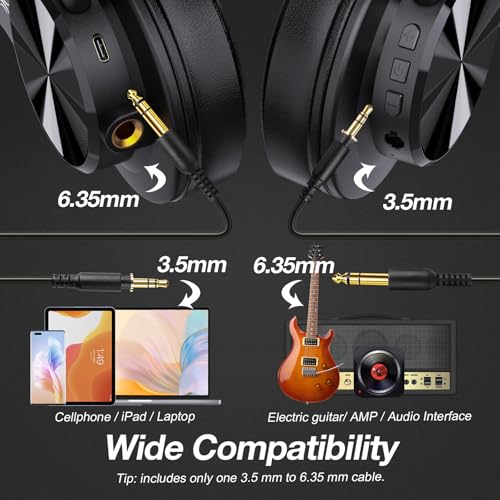
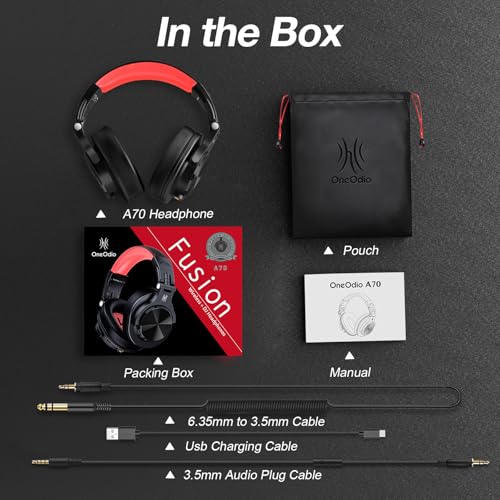
More importantly for DJs and musicians, the A70 includes both 3.5mm and 6.35mm (quarter-inch) connections. That larger connector is standard on professional audio equipment like mixing boards, audio interfaces, and guitar amplifiers. You won't find this on consumer headphones like the Solo 4, making the A70 uniquely suited for semi-professional use.
This category produces some surprising results. The OneOdio A70 absolutely dominates with up to 72 hours of playback time – that's three full days of continuous music. Even accounting for manufacturer optimism, real-world testing suggests you can easily get 50+ hours of actual use. For context, most wireless headphones struggle to reach 30 hours.
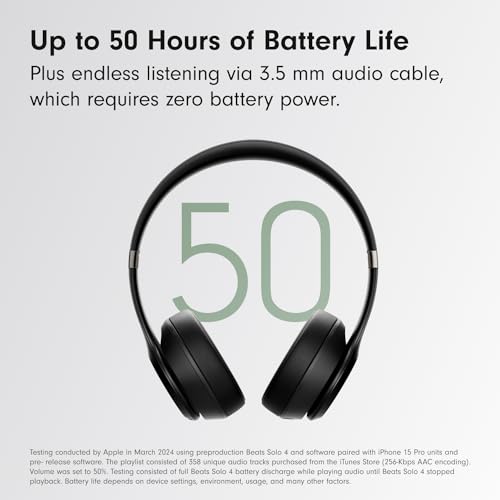
The Beats Solo 4 still impresses with 50 hours of advertised battery life, and independent testing has actually exceeded this figure significantly. Both headphones support fast charging, but the Solo 4 wins on convenience with its Fast Fuel feature – 10 minutes of charging provides 5 hours of playback. That's genuinely useful when you're rushing out the door.
What I find particularly clever about the Solo 4 is that it can operate indefinitely using its 3.5mm wired connection without any battery power. The A70 also supports wired operation, but this flexibility means you're never truly stuck with dead headphones.
Comfort is where personal preference and anatomy play huge roles, but there are some objective differences worth discussing. The OneOdio A70's over-ear design should theoretically be more comfortable since it doesn't press directly on your ears. However, the reality is more complex.
The A70's ear cushions use artificial leather with decent padding, but they don't conform well to different head shapes. After about an hour of wear, many users report pressure points developing, particularly on the top of the head. The clamping force – how tightly the headphones grip your head – feels inconsistent, and the straight padding design creates pressure rather than distributing weight evenly.
The Beats Solo 4 faces the inherent challenge of all on-ear headphones: they must press against your ears to stay in place and create a seal for bass response. However, Apple's engineers have done excellent work with the UltraPlush ear cushions and ergonomic angling. The memory foam adapts to your ear shape, and the 217-gram weight helps reduce fatigue.
Still, physics is physics – on-ear headphones will eventually cause discomfort during extended listening sessions. Most users find 1-2 hours comfortable before needing a break, while over-ear designs can potentially work for longer periods if properly designed.
Both headphones use Bluetooth 5.2+ for wireless connectivity and support SBC and AAC codecs – the digital compression formats that determine wireless audio quality. However, their wired capabilities differ dramatically.
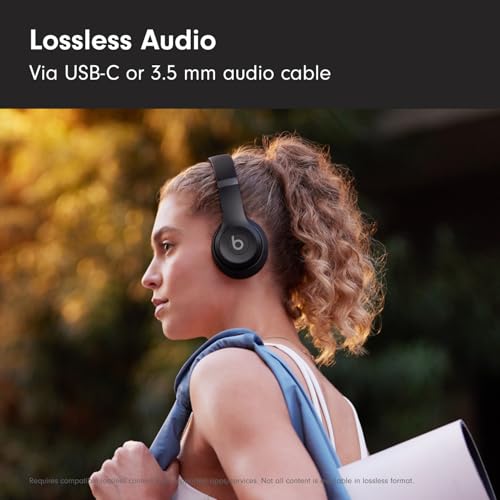
The Solo 4 includes both USB-C and 3.5mm cables, with the USB-C connection enabling lossless audio playback thanks to its built-in digital-to-analog converter (DAC). This means you can bypass Bluetooth compression entirely and hear your music exactly as recorded, assuming you have high-quality source files.
The OneOdio A70 goes further with professional connectivity. Its dual cable system supports both consumer 3.5mm connections and professional 6.35mm TRS connectors. If you've ever wanted to plug headphones directly into a guitar amplifier or mixing board, this flexibility is invaluable.
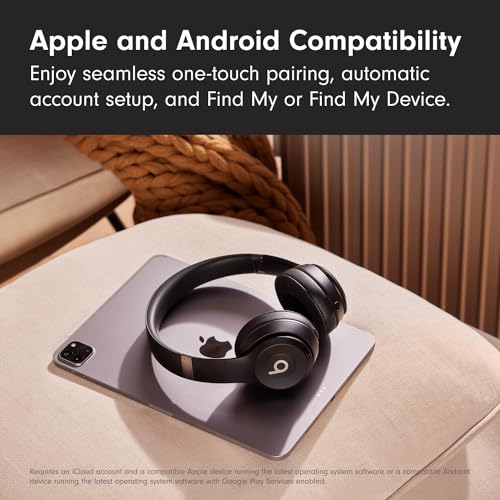
Platform integration heavily favors the Solo 4, especially for iOS users. Features like automatic device switching, Find My integration, and seamless audio sharing with other Apple devices create an ecosystem experience that just works. Android users get fewer benefits but still enjoy reliable connectivity and basic app support.
Neither headphone is specifically designed for home theater use, but they can serve this purpose with important caveats. The Beats Solo 4's Spatial Audio feature actually shines in this scenario, creating a more immersive experience for movies and TV shows that support the technology. The balanced sound signature also works well for dialogue clarity – crucial for following complex plots.
However, both models' lack of active noise cancellation limits their home theater effectiveness. If you're watching late at night and need to block out household noise, traditional over-ear headphones with ANC would serve you better.
The OneOdio A70's bass-heavy signature can make action movies more exciting but tends to muddy dialogue and subtle sound effects. Its longer battery life is advantageous for marathon viewing sessions, but the comfort issues become more problematic during lengthy films.
At the time of writing, these headphones occupy different price tiers, making direct value comparisons complex. The OneOdio A70 typically sells for significantly less than the Solo 4, positioning it as a budget-friendly option that punches above its weight class in specific scenarios.
For DJs, music producers on a budget, or bass enthusiasts, the A70 offers exceptional value. Its professional connectivity, extreme battery life, and energetic sound signature deliver capabilities you won't find in other headphones at this price point. However, that value proposition collapses if you prioritize sound accuracy, comfort, or advanced features.
The Beats Solo 4 commands a premium but justifies it through superior sound quality, advanced features like Spatial Audio, better build quality, and seamless ecosystem integration. Whether that premium is worth it depends entirely on your priorities and budget constraints.
The OneOdio Fusion A70 makes sense for a specific set of users. If you're a DJ who needs professional connectivity options, a bass-head who prioritizes energy over accuracy, or someone who values maximum battery life above all else, this headphone delivers. It's also perfect for users who need extreme versatility – the ability to work wirelessly for casual listening but plug into professional equipment when needed.
However, I can't recommend the A70 for critical listening, studio work (despite the marketing), or users who prioritize comfort during extended sessions. The V-shaped sound signature, while fun, isn't suitable for mixing music or making important audio decisions.
The Beats Solo 4 serves mainstream users much better. If you want balanced, versatile sound quality, appreciate advanced features like head-tracked spatial audio, or are invested in Apple's ecosystem, this is the clear choice. It's also better for users who prioritize portability and style alongside performance.
The Solo 4 isn't perfect – the lack of active noise cancellation feels like an oversight at this price point, and the on-ear design won't suit everyone. But for most casual listeners, it offers a more refined, complete package.
These headphones represent fundamentally different approaches to wireless audio, making the choice more about matching your specific needs than picking an objective winner. The OneOdio Fusion A70 excels as a specialized tool for DJs and bass enthusiasts who need professional connectivity and extreme battery life. The Beats Solo 4 succeeds as a mainstream consumer product that balances performance, features, and ecosystem integration.
My recommendation? Choose the A70 if you have specific professional needs or strongly prefer bass-heavy sound at a budget price point. Choose the Solo 4 if you want the most well-rounded wireless headphone experience and can accept the premium pricing and on-ear comfort compromises.
Neither headphone is perfect, but both excel in their intended roles. Understanding what you value most – professional versatility versus mainstream appeal, maximum bass versus balanced sound, budget pricing versus premium features – will guide you to the right choice for your specific situation.
| OneOdio Fusion A70 | Beats Solo 4 |
|---|---|
| Design & Form Factor - Affects comfort, portability, and noise isolation | |
| Over-ear, circumaural, 242g | On-ear, supra-aural, 217g |
| Sound Signature - Determines music genre compatibility and listening experience | |
| V-shaped (boosted bass/treble, recessed mids) - great for EDM/hip-hop | Balanced/neutral - works across all genres |
| Battery Life - Critical for travel and extended use | |
| Up to 72 hours (exceptional for multi-day use) | Up to 50 hours (excellent, with fast charging) |
| Professional Connectivity - Essential for DJs and musicians | |
| 3.5mm + 6.35mm TRS jacks (works with pro audio gear) | 3.5mm + USB-C only (consumer-focused) |
| Advanced Audio Features - Modern conveniences and immersion | |
| SharePort daisy-chaining, basic Bluetooth | Personalized Spatial Audio with head tracking, lossless via USB-C |
| Noise Isolation - Important for commuting and noisy environments | |
| Good passive isolation (over-ear seal) | Poor isolation (on-ear design limitations) |
| Comfort for Extended Use - Critical for long listening sessions | |
| Moderate (pressure points after 1+ hours) | Good for 1-2 hours, then on-ear fatigue |
| Ecosystem Integration - Seamless device connectivity | |
| Basic Bluetooth pairing only | Deep iOS/Android integration, Find My support |
| Build Quality - Durability and premium feel | |
| Mostly plastic construction, foldable | Mixed plastic/metal, premium materials |
| Target Use Cases - Who these headphones serve best | |
| DJs, bass enthusiasts, budget professional use | Mainstream consumers, Apple ecosystem users, commuters |
| Value Proposition - Performance per dollar spent | |
| Exceptional for specific needs (DJ/bass/battery) | Strong overall package at premium pricing |
The Beats Solo 4 offers superior overall sound quality with a balanced, neutral signature that works well across all music genres. The OneOdio Fusion A70 has a V-shaped sound with heavy bass that's exciting for EDM and hip-hop but lacks detail and clarity for other genres. The Solo 4 provides better imaging, instrument separation, and vocal clarity.
Both headphones have comfort limitations for extended wear. The OneOdio Fusion A70 uses an over-ear design but develops pressure points after about an hour due to poor padding. The Beats Solo 4 is lighter and has better cushioning but causes on-ear fatigue after 1-2 hours. Neither is ideal for all-day wear, though the Solo 4 has slightly better ergonomics.
The OneOdio Fusion A70 wins decisively with up to 72 hours of battery life, making it exceptional for travel and extended use. The Beats Solo 4 offers up to 50 hours, which is still excellent, plus fast charging that provides 5 hours of playback from a 10-minute charge. Both can operate with wired connections when the battery dies.
The OneOdio Fusion A70 is specifically designed for DJ use with professional 6.35mm connections, bass-heavy sound signature, and SharePort technology for audio sharing. The Beats Solo 4 lacks professional connectivity and has a more neutral sound that's less suitable for club environments. For DJing, the A70 is the clear choice.
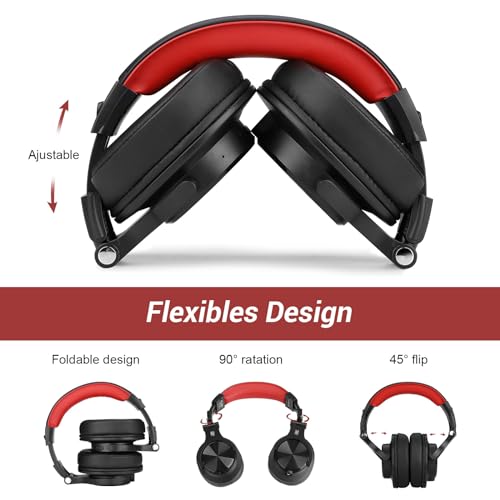
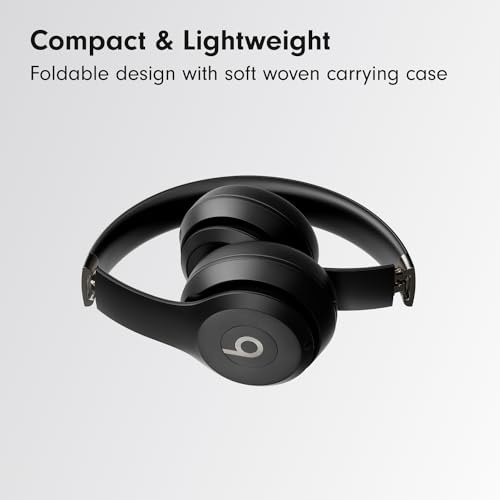
The Beats Solo 4 is significantly more portable, weighing just 217g with a compact on-ear design that folds flat. It includes a carrying case for easy travel. The OneOdio Fusion A70 is bulkier with its over-ear design and heavier weight at 242g, though it does fold for storage. The Solo 4 is better for commuting and travel.
Neither the OneOdio Fusion A70 nor the Beats Solo 4 features active noise cancellation. The A70 provides better passive noise isolation due to its over-ear design that seals around your ears. The Solo 4 has poor noise isolation because of its on-ear design that allows ambient sound to leak in.
The Beats Solo 4 integrates seamlessly with Apple's ecosystem, offering features like automatic device switching, Find My support, Spatial Audio with head tracking, and audio sharing with other Apple devices. The OneOdio Fusion A70 provides basic Bluetooth connectivity but lacks these advanced integration features. iPhone users benefit significantly more from the Solo 4.
Despite marketing claims, the OneOdio Fusion A70 is not suitable for professional studio work or mixing due to its heavily colored V-shaped sound signature. The boosted bass and recessed mids make it impossible to make accurate mixing decisions. The Beats Solo 4 is more neutral but still not ideal for professional audio work. Both are better suited for casual listening.
The Beats Solo 4 features superior build quality with premium materials including brushed steel hinges and high-quality plastics. The OneOdio Fusion A70 is mostly plastic construction that feels less premium but is still durable for its price range. The Solo 4 offers a more refined, premium feel that justifies its higher price point.
Both headphones support wired operation when the battery is dead. The Beats Solo 4 works indefinitely with its 3.5mm cable and also supports lossless audio via USB-C connection. The OneOdio Fusion A70 includes both 3.5mm and professional 6.35mm cables for maximum connectivity flexibility. Both offer good wired backup options.
The OneOdio Fusion A70 excels at bass-heavy genres like EDM, hip-hop, and electronic music with its pronounced low-end emphasis and energetic sound signature. The Beats Solo 4 has more controlled, balanced bass that works well across genres but won't satisfy bassheads seeking maximum impact. For bass enthusiasts, the A70 delivers more excitement.
Choose the OneOdio Fusion A70 if you're a DJ, love bass-heavy music, need professional connectivity, or want maximum battery life on a budget. Choose the Beats Solo 4 if you want balanced sound quality, advanced features like Spatial Audio, better portability, or seamless Apple ecosystem integration. The Solo 4 serves mainstream users better, while the A70 excels in specific use cases.
We've done our best to create useful and informative comparisons to help you decide what product to buy. Our research uses advanced automated methods to create this comparison and perfection is not possible - please contact us for corrections or questions. These are the sites we've researched in the creation of this article: audiostance.com - attackmagazine.com - soundphilereview.com - versus.com - homestudiobasics.com - versus.com - audiofool.reviews - e-catalog.com - whatgear.net - e-catalog.com - thomannmusic.com - audioreviews.org - oneodio.com - wepc.com - seriousinsights.net - oneodio.com - oneodio.com - audioreputation.com - manuals.plus - newegg.com - musicbliss.com.my - walmart.com - bestbuy.com - soundguys.com - rtings.com - cnet.com - youtube.com - rtings.com - therunningchannel.com - youtube.com - soundguys.com - rtings.com - beatsbydre.com - kubookstore.com - apple.com - panthertech.fiu.edu - beatsbydre.com - cnet.com - techwelike.com - beatsbydre.com - beatsbydre.com

Privacy Policy
Terms and Conditions - Affiliate Policy
Home Security
© Copyright 2008-2026.
11816 Inwood Rd #1211, Dallas, TX 75244