

When you're shopping for wireless headphones, the sheer number of options can feel overwhelming. But sometimes the choice comes down to two products that seem similar on the surface yet serve completely different purposes. That's exactly what we have with the JBL Quantum 810 and Beats Solo 4 – both excellent wireless headphones that approach audio in fundamentally different ways.
Released in 2022, the JBL Quantum 810 represents JBL's flagship gaming headset, packed with every feature a serious PC gamer could want. The Beats Solo 4, launched in 2024, shows how far Beats has come from their bass-heavy roots, now offering a more balanced sound that works beautifully with Apple devices. Understanding which one fits your needs requires looking beyond the "wireless headphones" label to see what each does best.
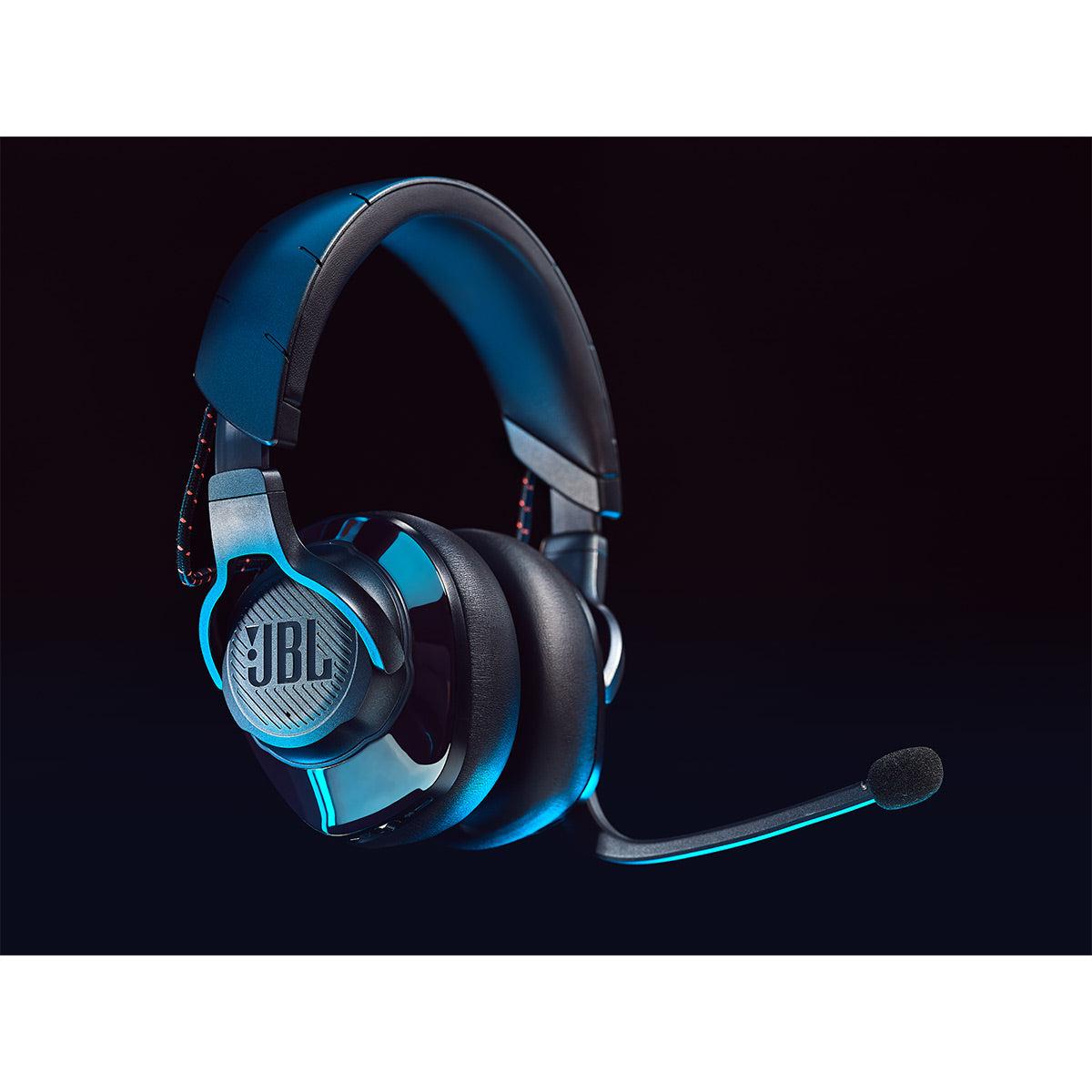
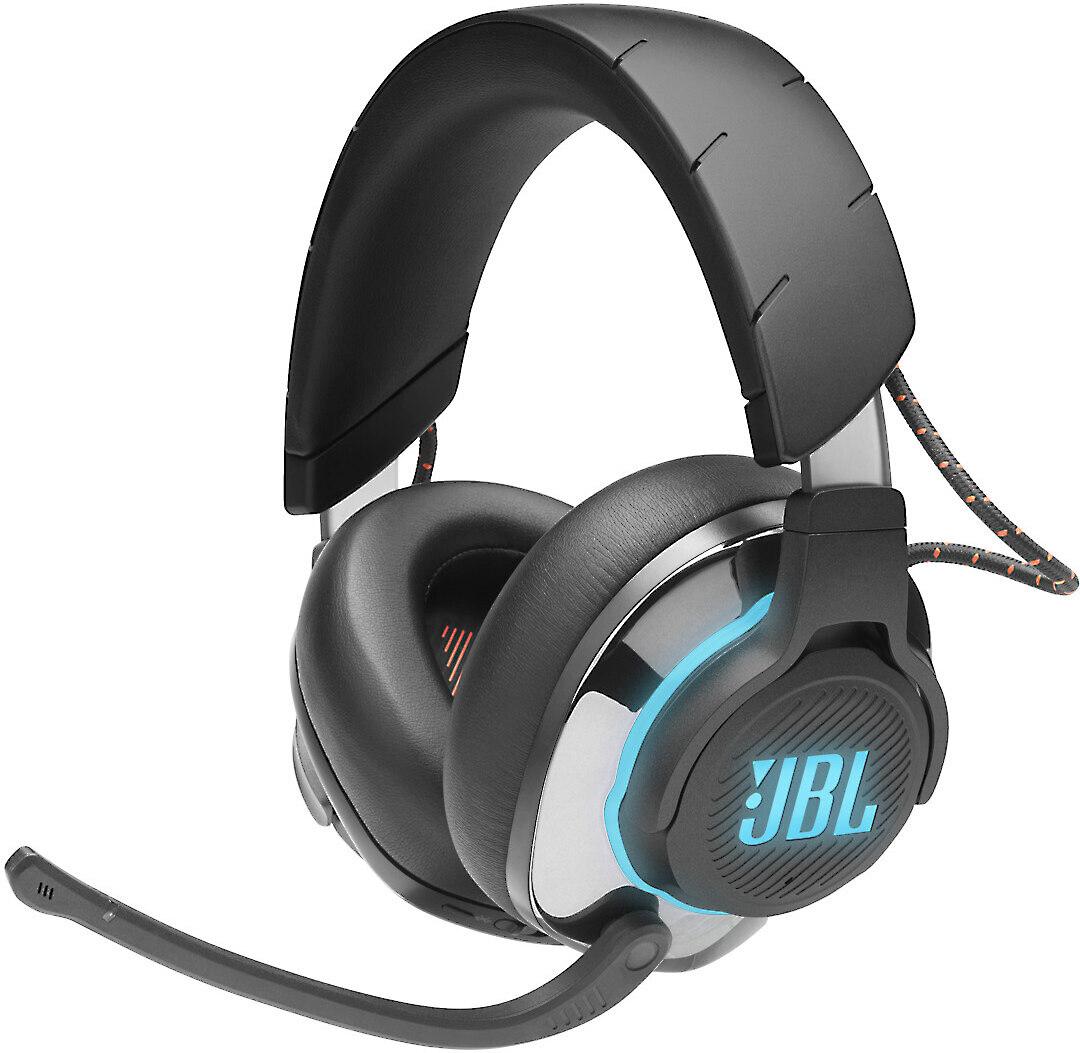
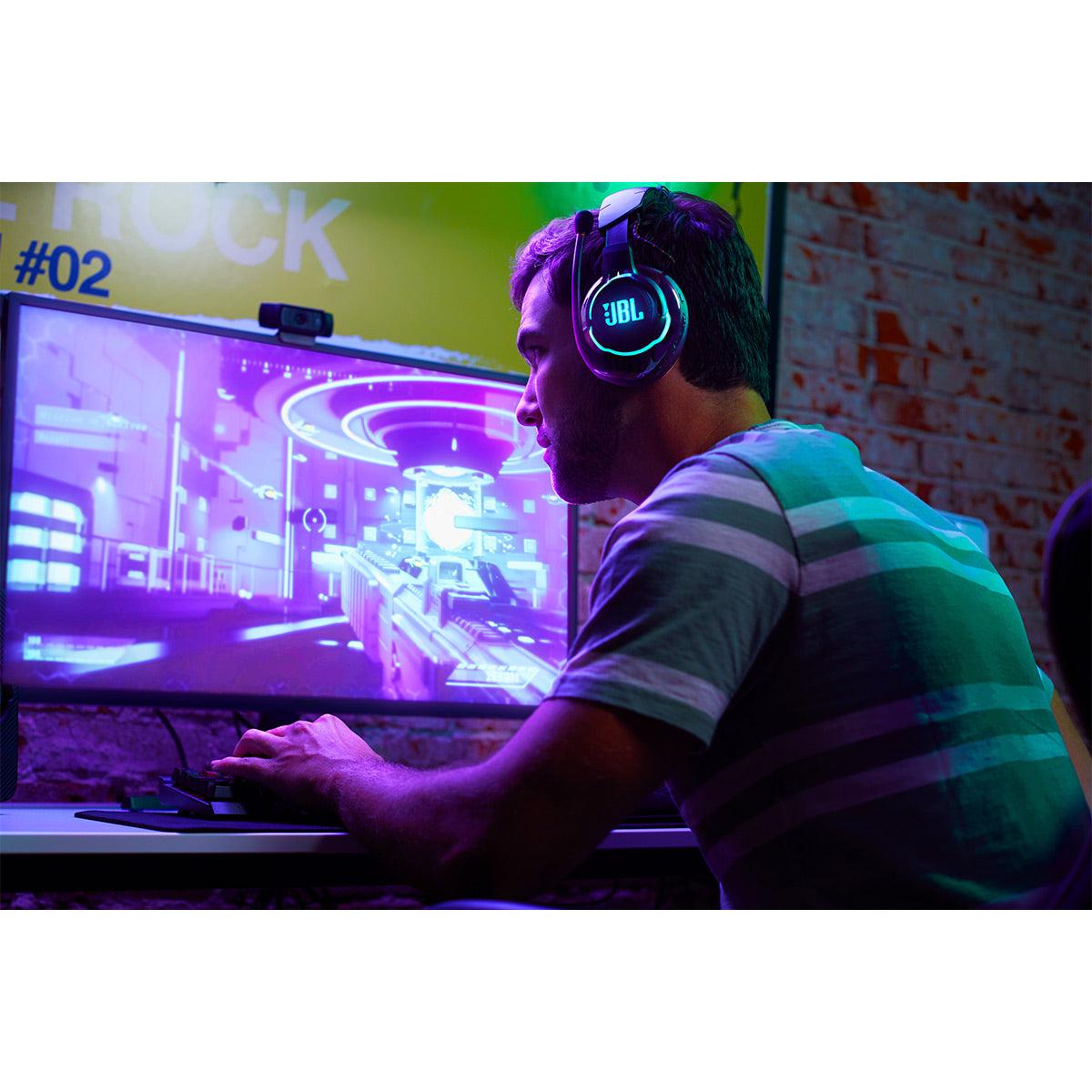
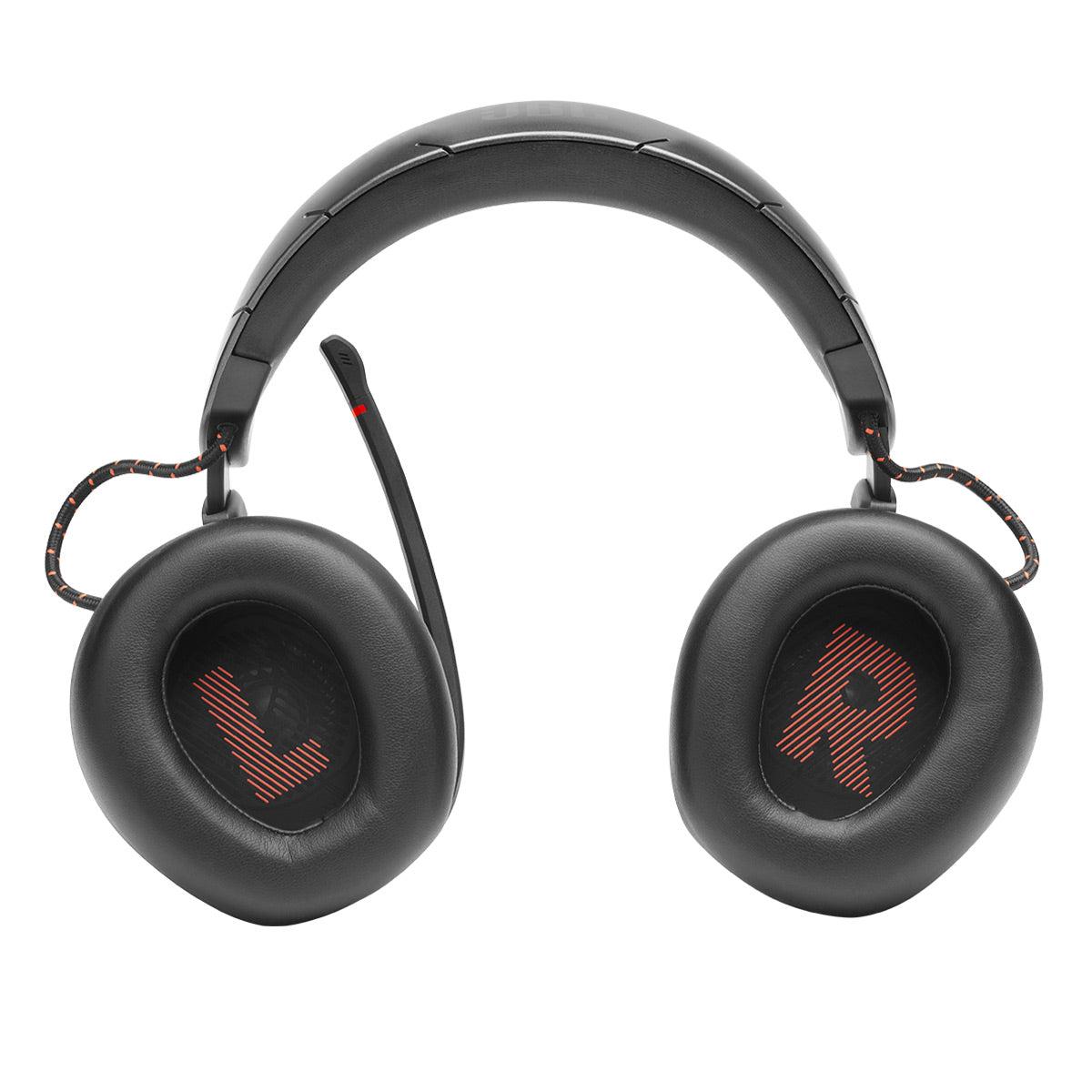
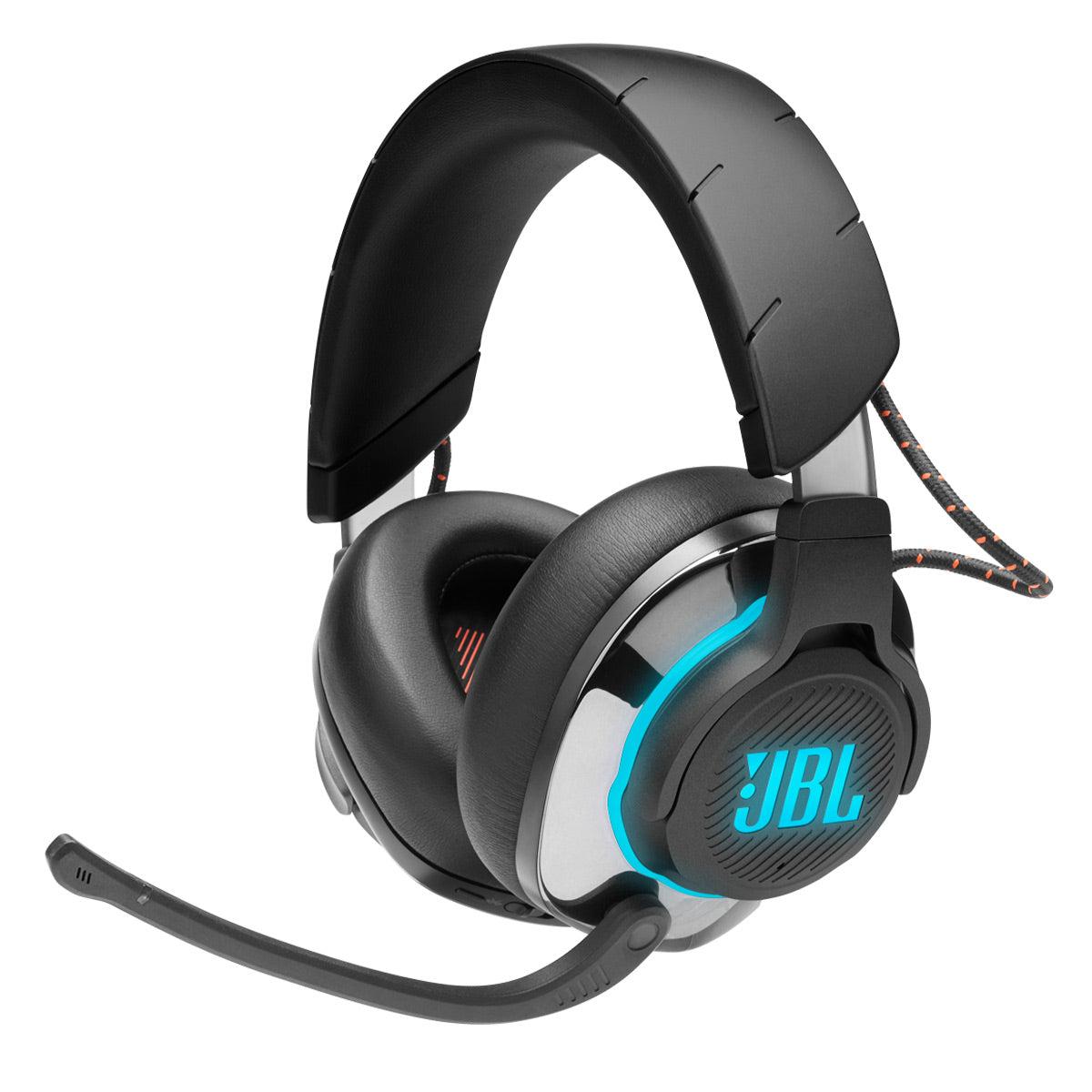
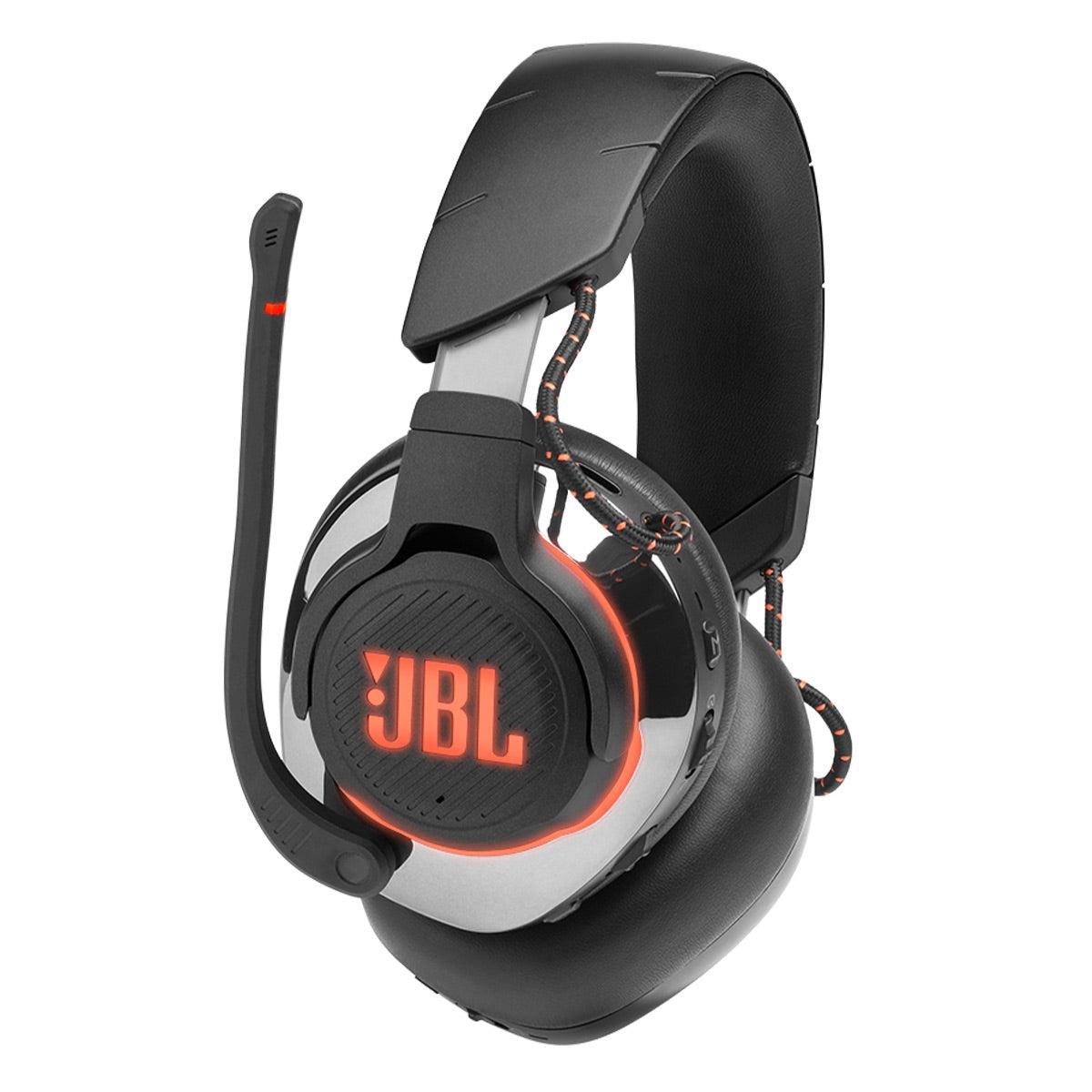
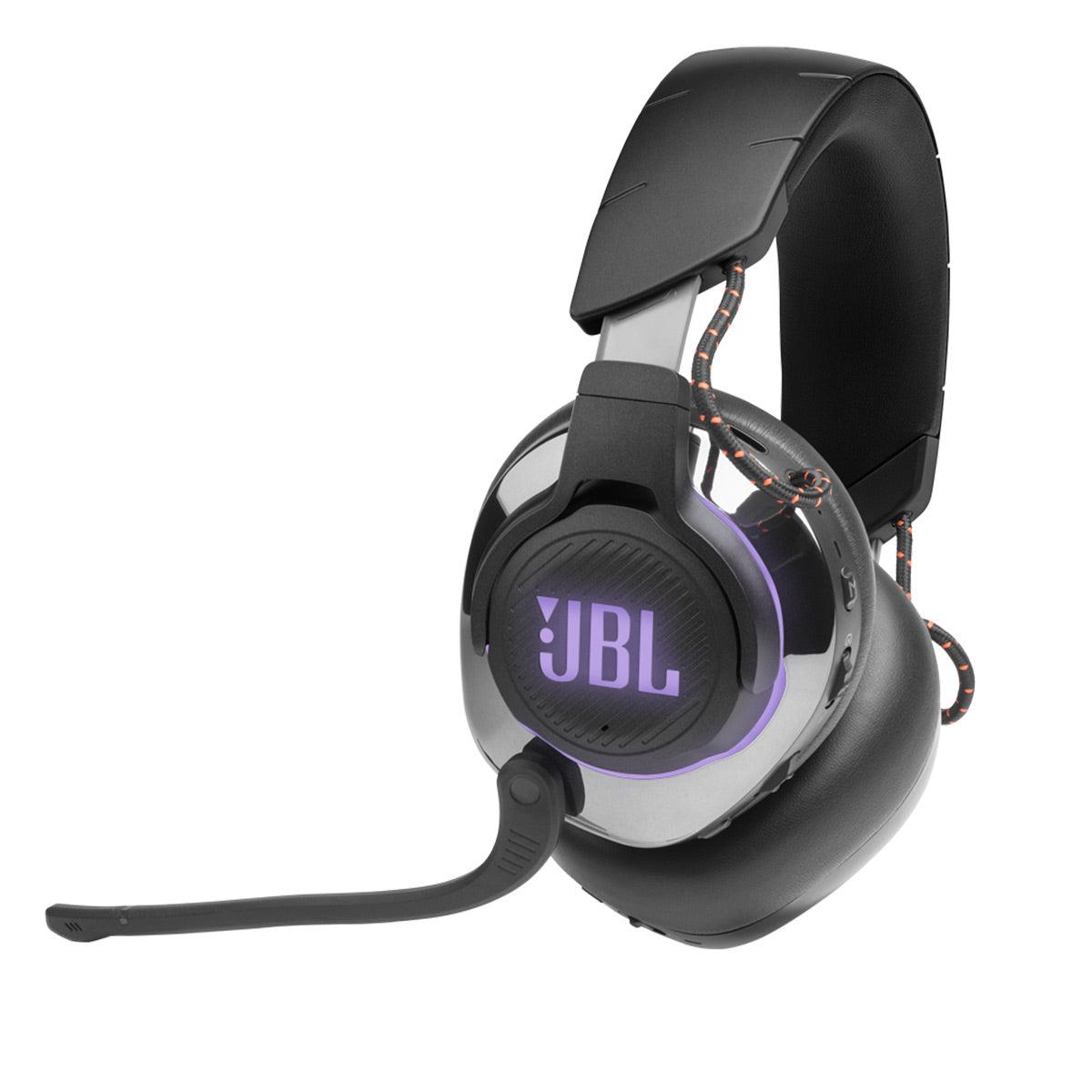
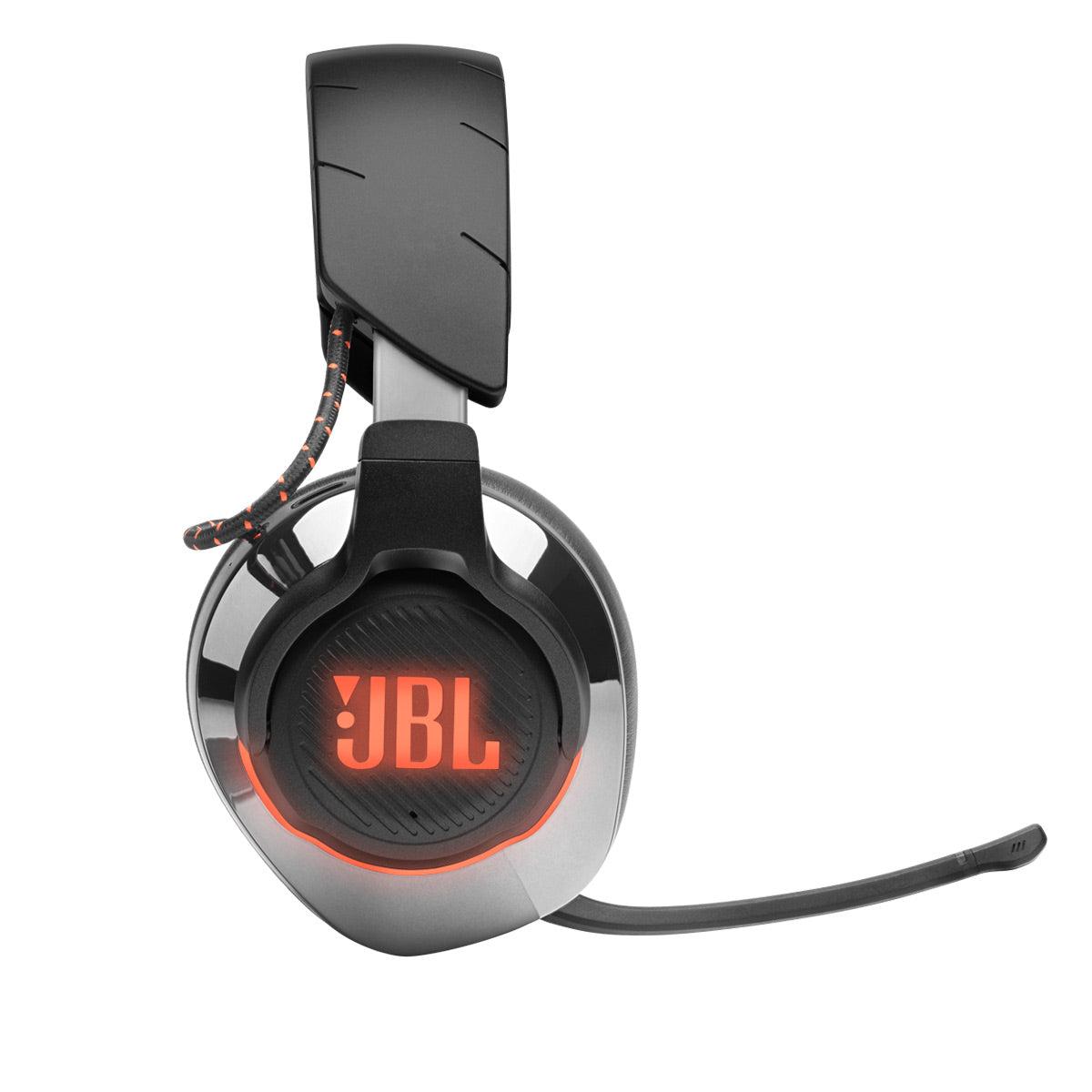
The fundamental difference between these headphones lies in their design philosophy. The JBL Quantum 810 follows the "everything but the kitchen sink" approach – if it makes gaming better, it's included. RGB lighting, active noise cancellation specifically tuned for gaming, surround sound processing, and a professional-grade microphone all come standard.
The Beats Solo 4 takes the opposite route with a "less is more" philosophy. Rather than cramming in every possible feature, it focuses on doing a few things exceptionally well: delivering great sound for music, lasting forever on a single charge, and working seamlessly with your other devices.
These different approaches reflect their target audiences. Gaming headsets need features that give you an edge in competitive play – being able to hear enemy footsteps behind you can mean the difference between winning and losing. Music headphones prioritize different qualities like natural sound reproduction and comfort during casual listening.
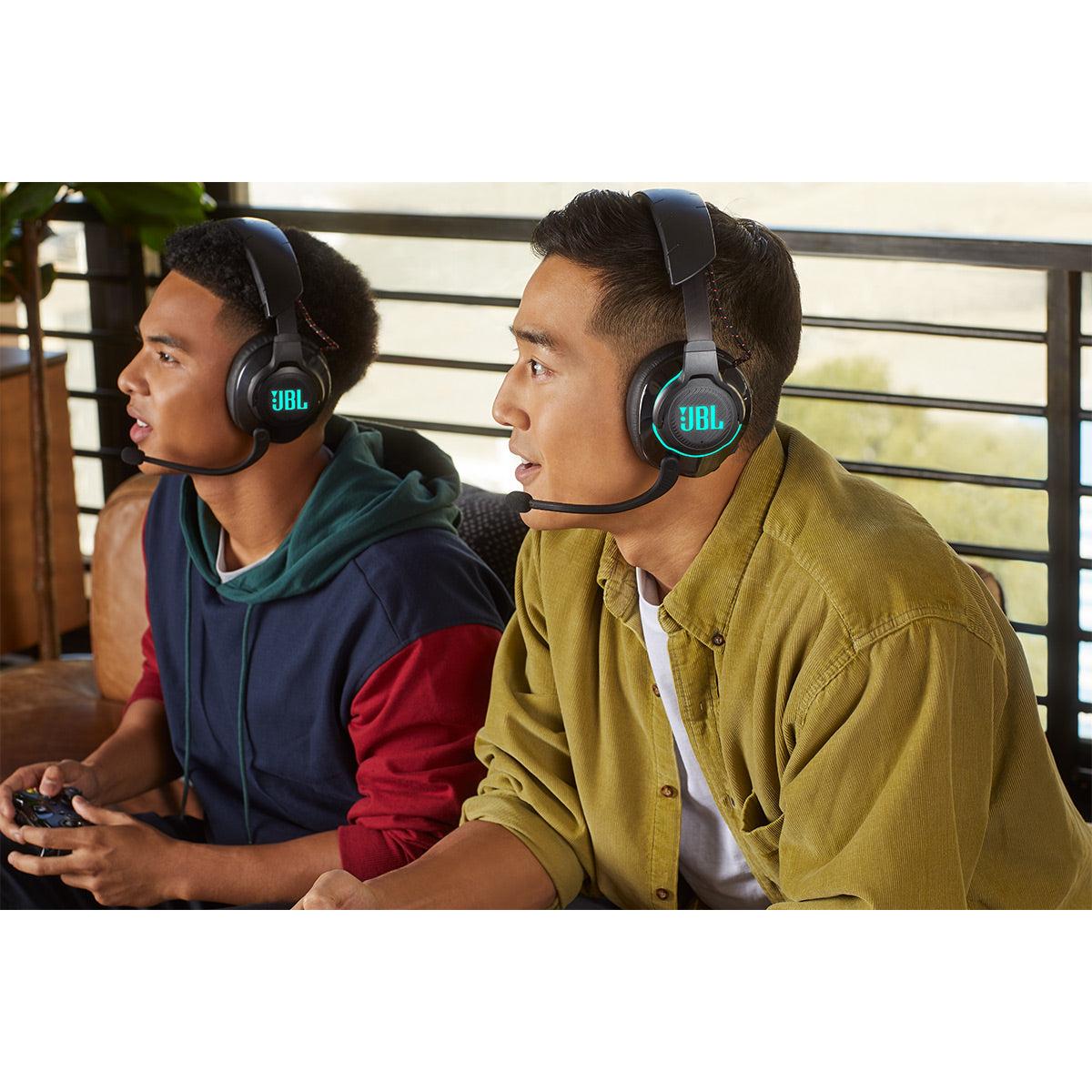
The physical differences between these headphones tell the story of their intended use. The JBL Quantum 810 uses an over-ear design where the ear cups completely surround your ears, creating a seal that blocks outside noise and keeps game audio from disturbing others. This design distributes the headphone's weight around your ears rather than pressing down on them, which becomes crucial during those marathon gaming sessions that can stretch for hours.
However, this comfort comes with trade-offs. At 418 grams, the Quantum 810 is nearly twice as heavy as many headphones. The leather-wrapped memory foam cushions feel premium, but they also trap heat, which can become uncomfortable during intense gaming sessions or in warm rooms.
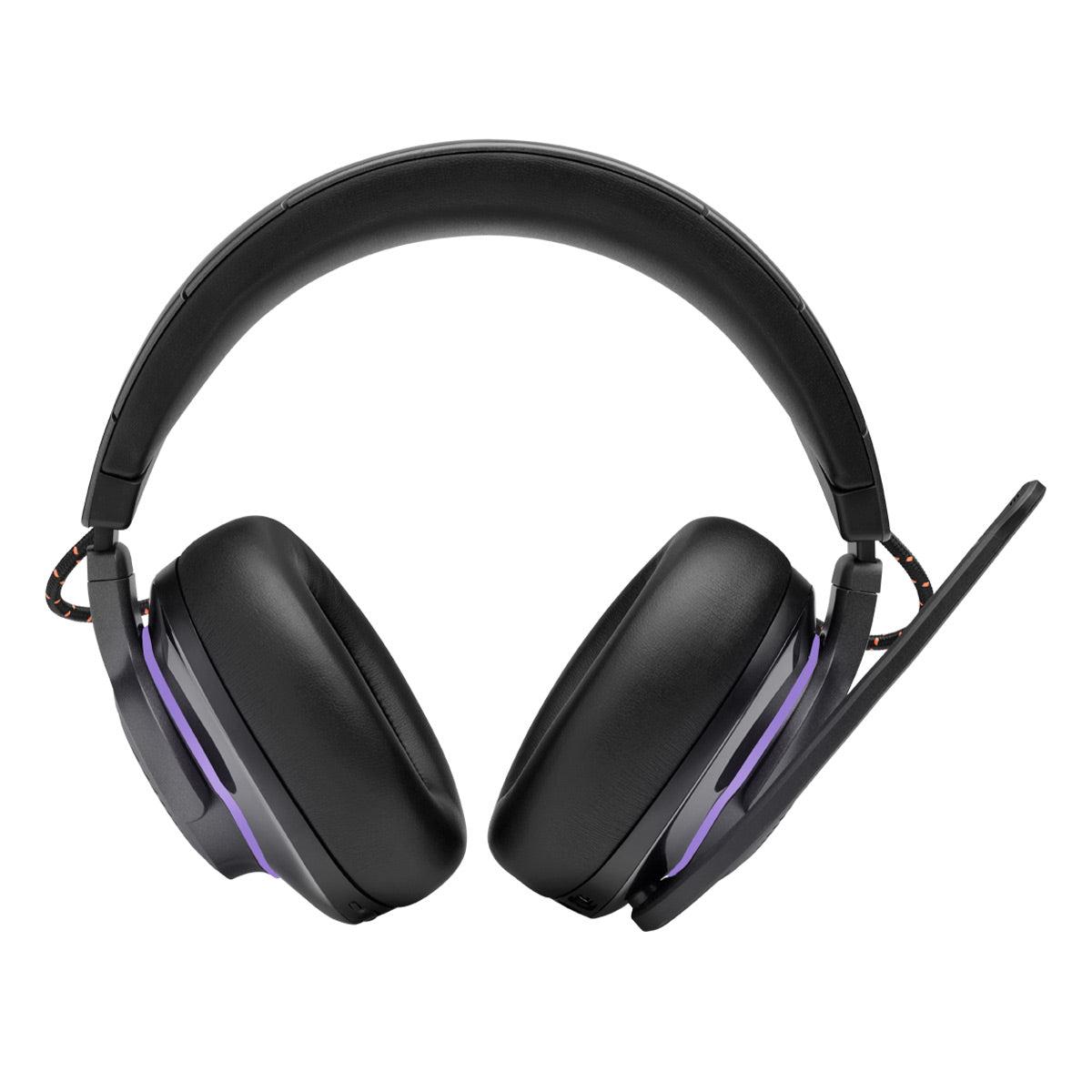
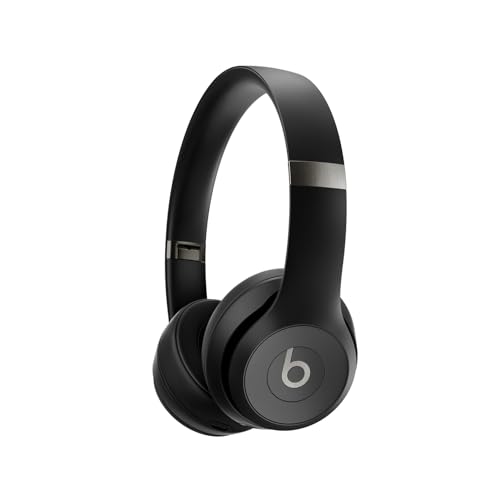
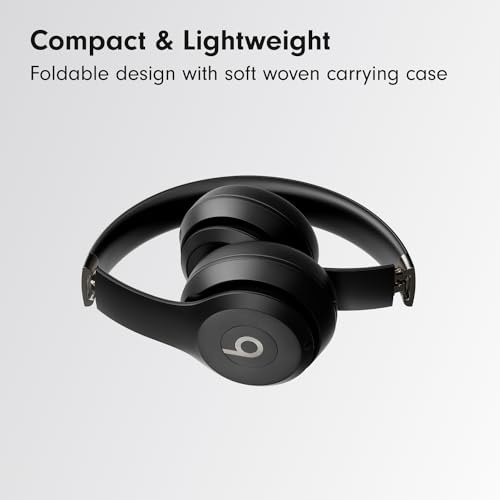
The Beats Solo 4 weighs just 217 grams – about half the weight of the JBL – making it much more portable. The on-ear design sits directly on your ears rather than around them, which saves space and weight but creates pressure points. Most people find on-ear headphones comfortable for an hour or two, perfect for commuting or casual listening, but they're not ideal for all-day wear.
From our research into user experiences, the weight difference becomes most noticeable during extended use. The JBL Quantum 810 stays comfortable during 3-4 hour gaming sessions, while the Beats Solo 4 starts feeling tight after about 90 minutes for most users.
Here's where things get technical, but understanding these differences helps explain why each headphone excels in its intended environment.
The JBL Quantum 810 uses 50mm dynamic drivers – larger speakers that can move more air and produce deeper bass. These drivers are Hi-Res Audio certified, meaning they can reproduce frequencies up to 40,000 Hz in passive mode (when used with a wire). For context, humans can typically hear up to about 20,000 Hz, but those higher frequencies contain harmonics that can make audible sounds clearer and more detailed.
The sound signature is what JBL calls "QuantumSOUND" – essentially a tuning that emphasizes the frequencies most important for gaming. Footsteps, gunshots, and voice chat all sit in specific frequency ranges, and the Quantum 810 boosts these slightly while keeping everything else balanced. This creates a sound that might seem slightly artificial when listening to music but becomes incredibly useful when you need to locate enemies by sound alone.
The Beats Solo 4 represents a major shift from the old Beats reputation for overpowering bass. Its custom 40mm drivers produce what most reviewers describe as a much more neutral, balanced sound. The bass is still present and punchy – this is still a Beats product – but it doesn't overpower the midrange frequencies where vocals and instruments live. The treble can be a bit bright, making some tracks sound crisp and detailed but occasionally harsh during long listening sessions.
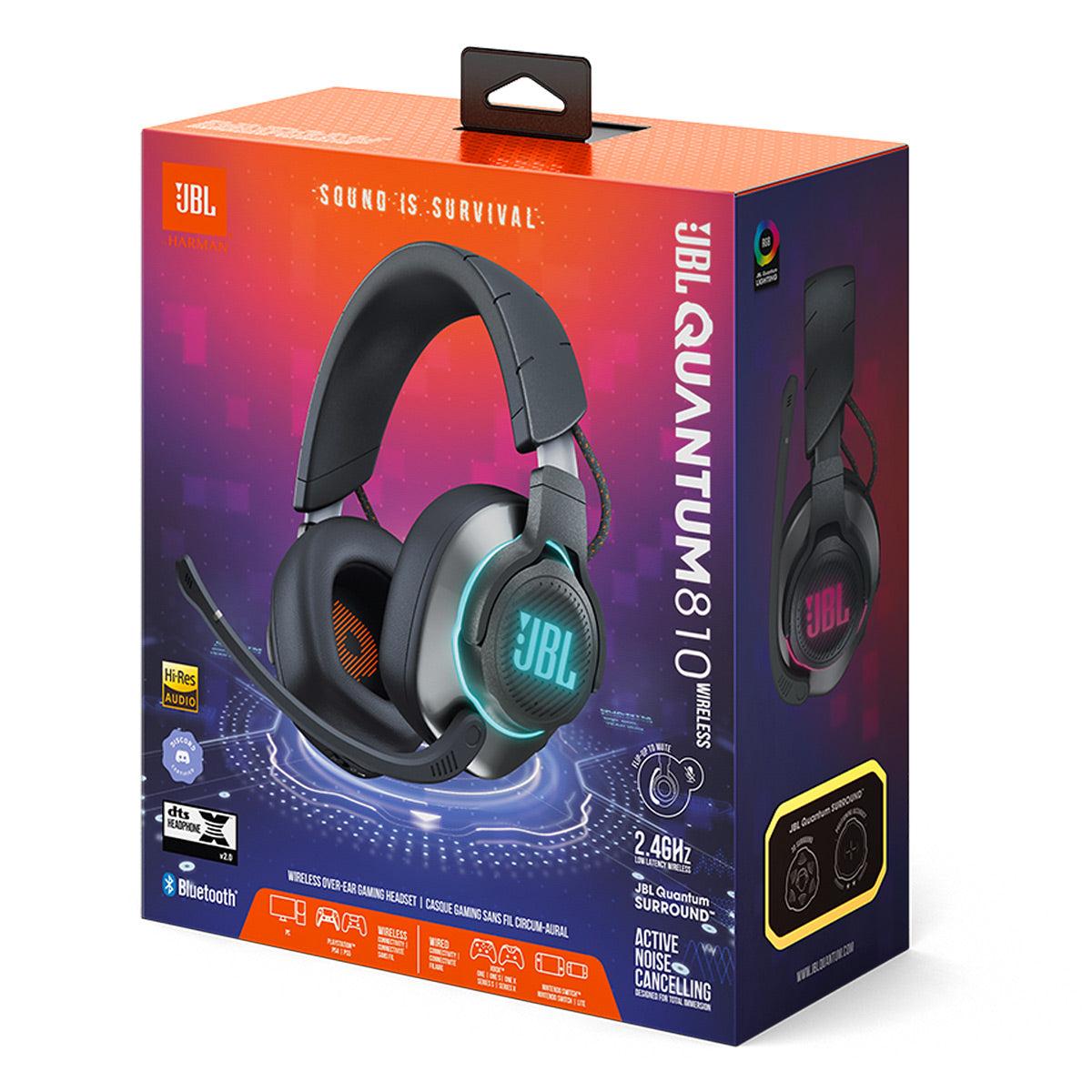
This is where the JBL Quantum 810 really shows its gaming DNA. It includes both JBL QuantumSURROUND and DTS Headphone:X v2.0 – two different systems that create virtual surround sound from stereo headphones. Think of it like having multiple speakers around your head, even though you only have two drivers.
DTS Headphone:X v2.0 is particularly impressive, using advanced algorithms to simulate how sound would reach your ears in a real environment. When an enemy is sneaking up behind you in a game, the audio processing makes it sound like it's actually coming from behind rather than just from the left or right earphone. This kind of spatial awareness can dramatically improve your gaming performance.
There's one major catch: these surround sound features only work when connected to a PC running JBL's QuantumENGINE software. Connect the Quantum 810 to a PlayStation or phone, and you get regular stereo sound.
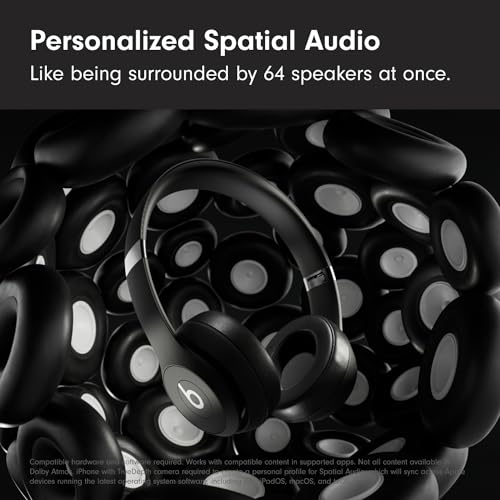
The Beats Solo 4 offers Personalized Spatial Audio, but it works differently. Using built-in gyroscopes and accelerometers (motion sensors), it tracks your head movement and adjusts the sound accordingly. Turn your head left, and the audio shifts to maintain the illusion that sound sources stay in fixed positions around you. This creates an immersive experience for music and movies, though it's designed more for entertainment than competitive advantage.
The JBL Quantum 810 includes Active Noise Cancellation (ANC) – a system that uses microphones to detect outside noise and then produces opposite sound waves to cancel it out. JBL specifically tuned this ANC for gaming environments, focusing on reducing consistent background noise like air conditioning or computer fans rather than sudden sounds like people talking.
This gaming-focused ANC approach makes sense because you want to block distracting background noise while still being able to hear important sudden sounds, like a teammate calling for help. The Quantum 810 also includes a "TalkThru" mode that lets outside sound through when you need to have a quick conversation without removing the headphones.
The Beats Solo 4 relies entirely on passive noise isolation – the physical seal created by the ear cushions pressing against your head. Unfortunately, on-ear designs generally provide poor isolation compared to over-ear headphones. The Solo 4 won't block much outside noise, making it less suitable for noisy environments like airplanes or busy offices.
Both headphones offer multiple ways to connect, but their implementations reveal their different priorities.
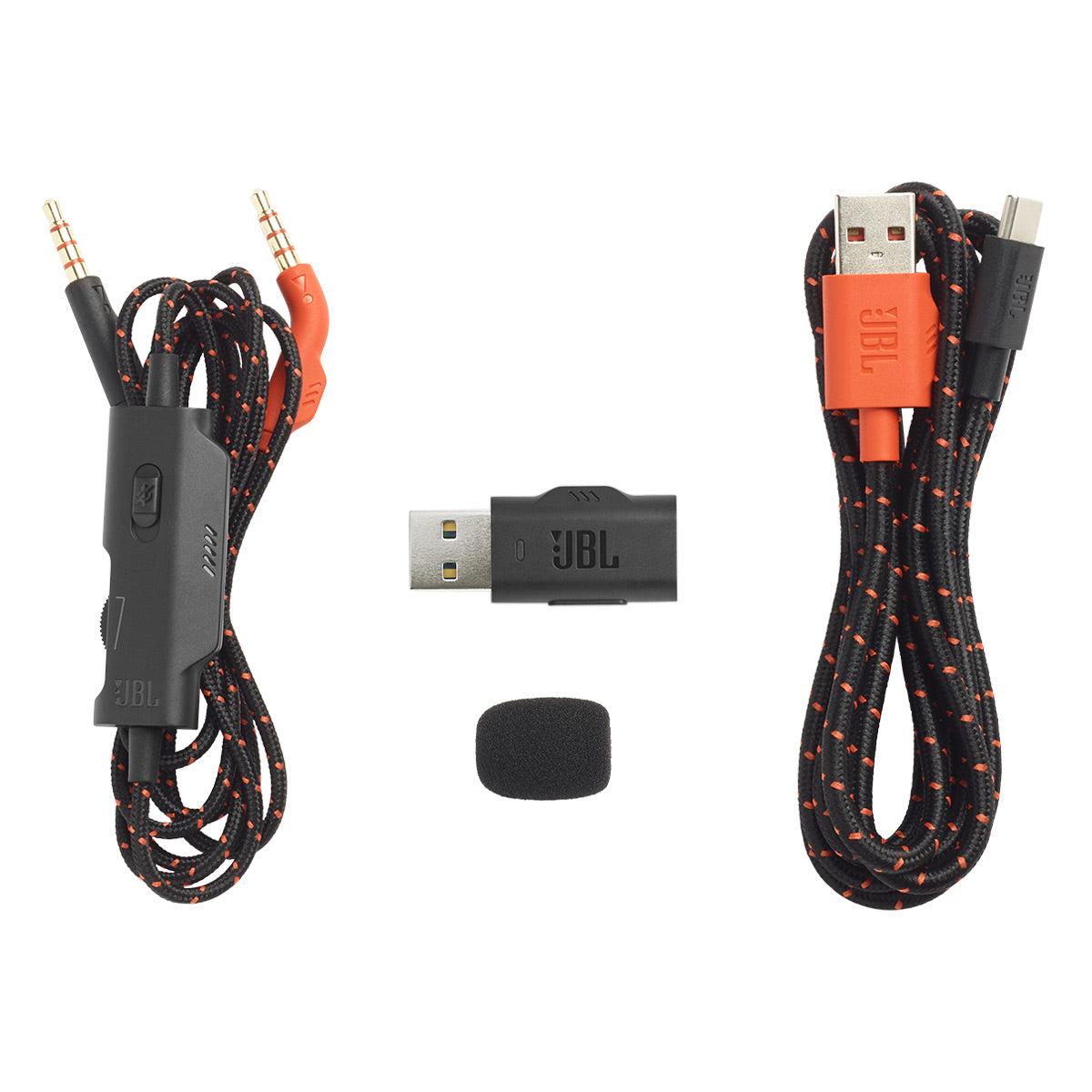
The JBL Quantum 810 provides what's essentially a professional-grade connection suite. The included 2.4 GHz wireless dongle provides lossless, low-latency audio – crucial for competitive gaming where even a few milliseconds of delay can affect performance. It also supports Bluetooth 5.2 for connecting to phones and other devices simultaneously, plus a traditional 3.5mm headphone jack for universal wired connectivity.
However, platform support tells the real story. While the Quantum 810 technically works with PC, PlayStation 4/5, Nintendo Switch, Xbox, and mobile devices, only PC users get the full feature set. Console players miss out on the surround sound processing, RGB lighting customization, and advanced microphone settings – essentially the features that justify the premium price.
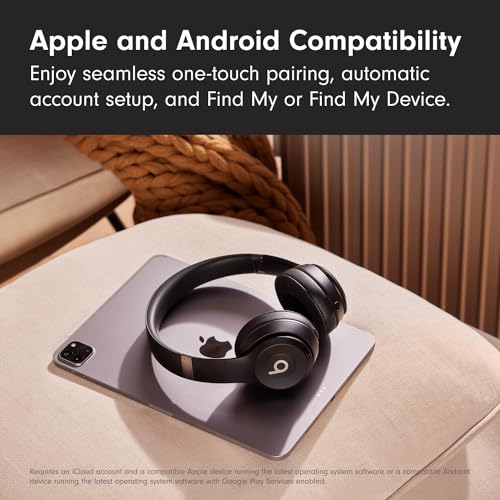
The Beats Solo 4 takes a different approach, prioritizing user experience over technical specifications. Its Bluetooth 5.3 connection includes seamless device switching for Apple users – start listening on your iPhone, and the headphones automatically connect when you open music on your MacBook. This kind of effortless integration makes daily use much more pleasant than manually connecting and disconnecting from different devices.
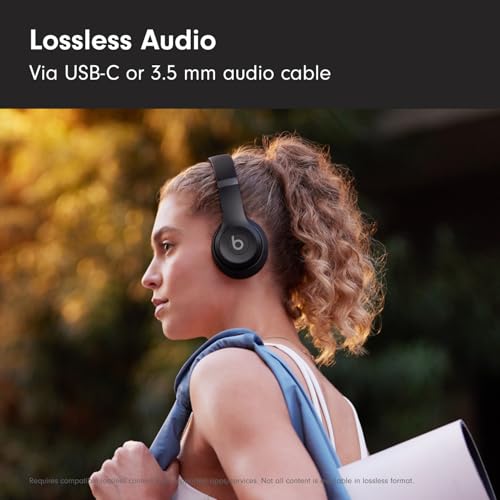
For non-Apple users, the Solo 4 still works well but loses some of its convenience features. The headphones also support both USB-C and 3.5mm wired connections, with the USB-C connection enabling lossless audio playback through the built-in digital-to-analog converter (DAC).
Both headphones offer impressive battery life, but with different strengths. The JBL Quantum 810 delivers up to 43 hours of playback with RGB lighting disabled – enough for weeks of typical gaming sessions. However, enable the RGB lighting, and battery life plummets to just 7-8 hours. This dramatic difference forces users to choose between visual flair and practical endurance.
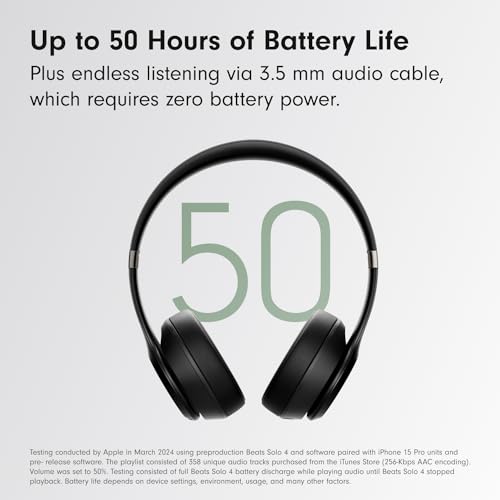
The Beats Solo 4 provides up to 50 hours of playback and includes excellent fast charging – 10 minutes of charging provides 5 hours of use. This makes it particularly well-suited for travel and daily commuting where you might forget to charge overnight but need headphones for the morning commute.
Both headphones support playing while charging, so you never have to stop using them due to a dead battery.
This section clearly favors the JBL Quantum 810 because, well, it's actually designed for gaming. The boom microphone uses a unidirectional pattern that focuses on your voice while rejecting background noise – essential for clear team communication. The microphone flips up to mute, providing quick, obvious mute control during gameplay.
The Discord-certified game/chat balance dial deserves special mention. This hardware control lets you adjust the balance between game audio and voice chat without alt-tabbing out of your game or navigating software menus. During intense gaming moments, this kind of immediate control can be the difference between hearing a crucial audio cue and missing it while fumbling with settings.
The RGB lighting might seem purely cosmetic, but it actually serves a functional purpose in gaming setups. Custom lighting profiles can indicate different states – one color for game mode, another for music, different patterns for incoming calls. It's gaming theater that enhances the overall experience.
The Beats Solo 4 offers none of these gaming-specific features. Its microphones work fine for phone calls but aren't positioned or tuned for gaming communication.
At the time of writing, these headphones sit in different price brackets that reflect their feature sets and target markets. The JBL Quantum 810 commands a premium price that positions it among high-end gaming headsets, while the Beats Solo 4 competes in the mainstream wireless headphone market.
For PC gamers who will use the full feature set, the Quantum 810 offers strong value. The combination of Hi-Res audio, active noise cancellation, professional-grade microphone, and gaming-specific features would cost significantly more if purchased separately. However, console and mobile users might find better value elsewhere since they can't access many features that justify the higher price.
The Beats Solo 4 provides excellent value for music listeners, especially those in the Apple ecosystem. The combination of 50-hour battery life, seamless device switching, and improved sound quality represents a significant upgrade from previous Beats models at a competitive price point.
Neither headphone is specifically designed for home theater use, but both can serve this purpose with different strengths.
The JBL Quantum 810 excels with movie soundtracks and action sequences, where its gaming-tuned audio profile and surround sound processing create an immersive experience. The DTS Headphone:X processing works with movie content, creating a convincing surround sound effect that rivals much more expensive home theater setups.
The Beats Solo 4 handles movies and TV shows well, with its balanced sound signature reproducing dialogue clearly and providing enough bass impact for action sequences. The Spatial Audio feature adds immersion to compatible content, though it's more subtle than the Quantum 810's surround processing.
Both headphones' excellent battery life makes them practical for movie marathons, though the Quantum 810's superior comfort gives it an edge for very long viewing sessions.
After researching extensive user feedback and expert reviews, the choice between these headphones comes down to understanding their distinct strengths.
Choose the JBL Quantum 810 if you're a PC gamer who values competitive advantage and immersive features. The spatial audio, active noise cancellation, and professional microphone create a complete gaming ecosystem that can genuinely improve your performance. The premium price makes sense when you consider you're getting both excellent headphones and a complete gaming communication system.
The Beats Solo 4 serves a different master entirely. Choose it if you prioritize music listening, value portability, or live primarily in the Apple ecosystem. The outstanding battery life, seamless device switching, and balanced sound signature make it an excellent daily driver that happens to handle gaming adequately rather than excellently.
The technology improvements in both products since their release years show how the industry has matured. The Quantum 810's 2022 design incorporated lessons learned from the growing esports scene, while the Solo 4's 2024 release reflects Beats' evolution from a bass-heavy brand to a more sophisticated audio company.
Neither headphone is objectively better – they excel in different scenarios for different users. The JBL Quantum 810 is the clear winner for serious PC gaming, while the Beats Solo 4 takes the crown for everyday music listening and Apple integration. Understanding which scenario matches your needs will lead you to the right choice.
| JBL Quantum 810 Wireless Gaming Headset | Beats Solo 4 Wireless On-Ear Headphones |
|---|---|
| Design Type - Determines comfort for long sessions and noise isolation | |
| Over-ear (418g) - Better for extended use but heavier | On-ear (217g) - More portable but less comfortable for long sessions |
| Driver Size - Larger drivers typically produce deeper bass and fuller sound | |
| 50mm Hi-Res certified drivers | 40mm custom transducers |
| Active Noise Cancellation - Essential for blocking distractions in noisy environments | |
| Yes - Gaming-tuned ANC with TalkThru mode | No - Relies on passive isolation only |
| Surround Sound Technology - Critical for competitive gaming and immersive media | |
| JBL QuantumSURROUND + DTS Headphone:X v2.0 (PC only) | Personalized Spatial Audio with head tracking |
| Microphone Quality - Determines voice chat clarity for gaming and calls | |
| Professional boom mic with flip-to-mute and Discord certification | Basic call microphones built into ear cups |
| Battery Life - Higher numbers mean less frequent charging | |
| 43 hours (RGB off) / 7-8 hours (RGB on) | 50 hours with 10-minute fast charge = 5 hours |
| Primary Connectivity - Affects audio quality and device compatibility | |
| 2.4GHz lossless wireless + Bluetooth 5.2 + 3.5mm | Bluetooth 5.3 + USB-C audio + 3.5mm |
| Gaming-Specific Features - Only matters if you game regularly | |
| RGB lighting, game/chat balance dial, voice focusing mic | None - Basic media controls only |
| Platform Optimization - Where you get the best experience | |
| PC (full features) / Limited on consoles and mobile | Apple ecosystem / Basic functionality elsewhere |
| Best Use Cases - Choose based on your primary activity | |
| PC gaming, long sessions, competitive multiplayer | Music listening, Apple devices, daily commuting |
The JBL Quantum 810 is specifically designed for gaming with features like DTS Headphone:X surround sound, a professional boom microphone, and game/chat audio balance controls. The Beats Solo 4 lacks gaming-specific features and doesn't have a proper gaming microphone, making the JBL Quantum 810 the clear winner for gamers.
The JBL Quantum 810 uses larger 50mm Hi-Res certified drivers tuned for gaming with enhanced spatial audio, while the Beats Solo 4 features 40mm drivers with a more balanced, music-focused sound signature. The Quantum 810 excels at directional audio for gaming, while the Solo 4 offers better overall music reproduction.
The Beats Solo 4 offers up to 50 hours of battery life with excellent fast charging (10 minutes = 5 hours use). The JBL Quantum 810 provides 43 hours with RGB lighting off, but only 7-8 hours with RGB enabled. For battery longevity, the Beats Solo 4 has a slight edge.
The JBL Quantum 810 uses an over-ear design that distributes weight around your ears, making it more comfortable for 3-4 hour gaming sessions. The Beats Solo 4 sits directly on your ears and becomes uncomfortable after 1-2 hours for most users. For extended use, choose the JBL Quantum 810.
The Beats Solo 4 offers seamless integration with Apple devices, including automatic device switching and optimized Spatial Audio. While the JBL Quantum 810 works with iPhones via Bluetooth, it lacks the ecosystem integration that makes the Beats Solo 4 superior for Apple users.
Only the JBL Quantum 810 features Active Noise Cancellation specifically tuned for gaming environments, plus a TalkThru mode for conversations. The Beats Solo 4 relies solely on passive noise isolation, which is limited due to its on-ear design. For noise blocking, the JBL Quantum 810 is significantly better.
The Beats Solo 4 weighs just 217 grams compared to the JBL Quantum 810's 418 grams, and folds into a more compact size. The lighter weight and smaller footprint make the Beats Solo 4 much better for travel and daily commuting.
The JBL Quantum 810 has a professional-grade boom microphone that's Discord-certified and ideal for clear communication. The Beats Solo 4 has basic built-in microphones suitable for casual calls but not professional meetings. For business use, the JBL Quantum 810 is superior.
This depends on your use case. The JBL Quantum 810 offers excellent value for PC gamers who need gaming-specific features, while the Beats Solo 4 provides better value for music listeners and casual users. Consider what features you'll actually use when comparing the Quantum 810 versus Solo 4.
The JBL Quantum 810 works with PlayStation wirelessly and Xbox via cable, but many advanced features only work on PC. The Beats Solo 4 can connect to consoles but lacks gaming features entirely. Console gamers get limited benefits from either option, though the JBL Quantum 810 is still better for gaming.
The Beats Solo 4 is specifically designed for music with a balanced sound signature that works well across all genres. While the JBL Quantum 810 can play music, its gaming-tuned audio profile isn't optimized for musical enjoyment. Music lovers should choose the Beats Solo 4.
The JBL Quantum 810 offers extensive customization through the QuantumENGINE software, including EQ settings, RGB lighting, and microphone adjustments. The Beats Solo 4 has minimal app support with basic controls only. For sound customization, the JBL Quantum 810 provides far more options than the Solo 4.
We've done our best to create useful and informative comparisons to help you decide what product to buy. Our research uses advanced automated methods to create this comparison and perfection is not possible - please contact us for corrections or questions. These are the sites we've researched in the creation of this article: techradar.com - youtube.com - gamingtrend.com - gamingaustralia.com.au - youtube.com - jbl.com - jbl.com - youtube.com - harmanaudio.com - versus.com - microcenter.com - crutchfield.com - jbl.com - mm.jbl.com - cdwg.com - jbl.com - en.jblthailand.com - nfm.com - jblonlinestore.com - scribd.com - harmanaudio.com - samsung.com - bestbuy.com - soundguys.com - rtings.com - cnet.com - youtube.com - rtings.com - therunningchannel.com - youtube.com - soundguys.com - rtings.com - beatsbydre.com - kubookstore.com - apple.com - panthertech.fiu.edu - beatsbydre.com - cnet.com - techwelike.com - beatsbydre.com - beatsbydre.com

Privacy Policy
Terms and Conditions - Affiliate Policy
Home Security
© Copyright 2008-2026.
11816 Inwood Rd #1211, Dallas, TX 75244