

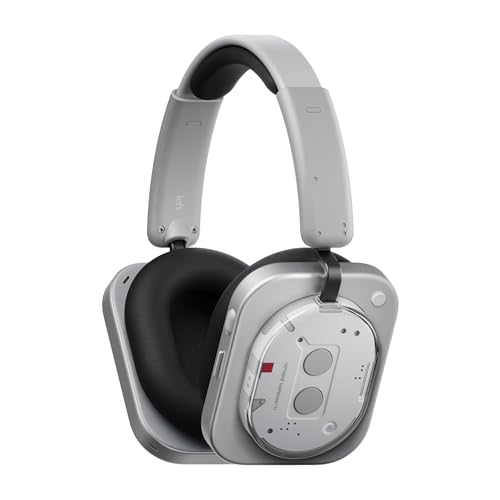
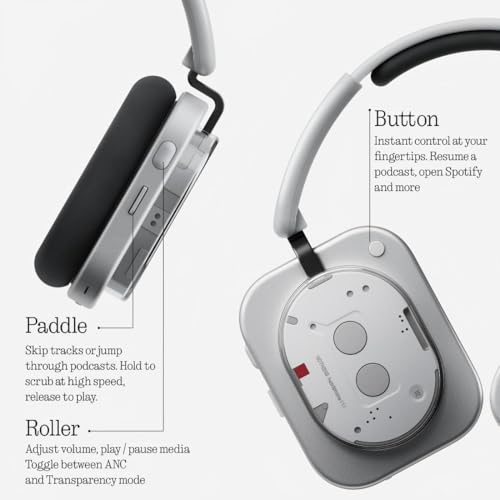
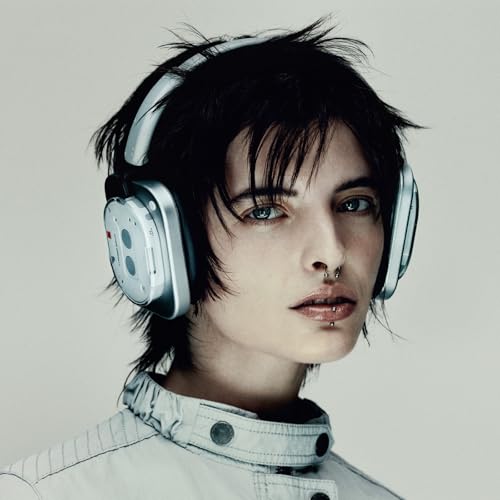
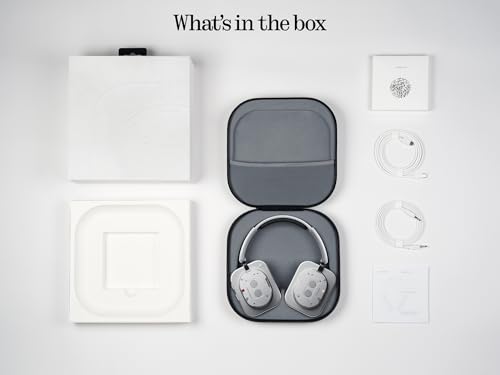
When shopping for wireless headphones in 2025, you'll encounter two fundamentally different approaches to audio design. The wireless headphone market has matured significantly, offering everything from ultra-portable earbuds to studio-quality over-ear models. Today, we're comparing two headphones that represent opposite ends of the design philosophy spectrum: the feature-packed Nothing Headphone (1) and the streamlined Beats Solo 4.
Understanding these differences isn't just about specs on paper—it's about matching the right tool to your lifestyle. Whether you're a frequent traveler who needs maximum noise cancellation, a casual listener who values simplicity, or someone in between, this comparison will help you make the right choice.
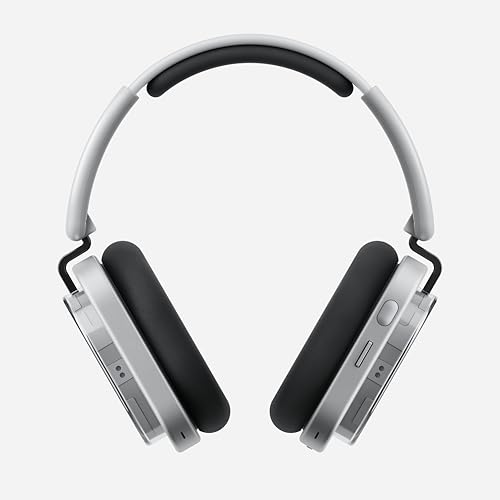
Before diving into specifics, it's crucial to understand what separates these two form factors. The Nothing Headphone (1) uses an over-ear design, where the ear cups completely surround your ears. Think of it like creating a sealed chamber around each ear. This design typically provides better sound isolation (blocking outside noise naturally), more room for larger drivers (the speakers inside the headphones), and distributes weight around your ears rather than pressing directly on them.
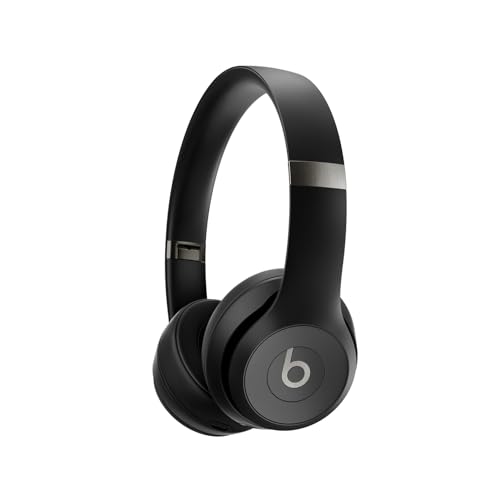
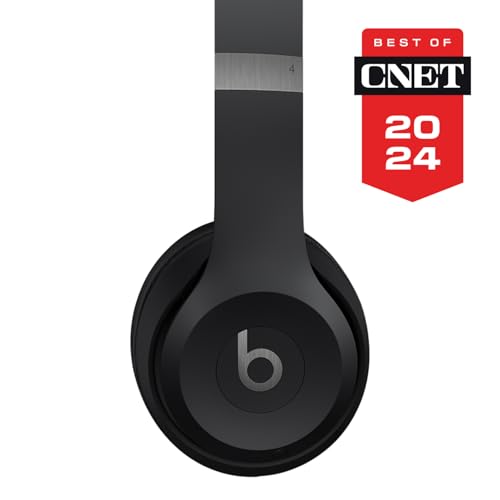
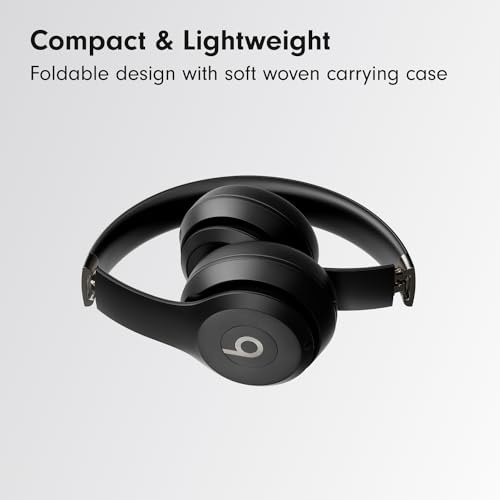
The Beats Solo 4, on the other hand, uses an on-ear design that rests directly on your ears. This makes them significantly more compact and portable—they fold flat and take up much less space in a bag. However, this comes with trade-offs in comfort during long listening sessions and natural noise isolation.
At the time of writing, the over-ear market has seen tremendous innovation in active noise cancellation (ANC) technology, while on-ear designs have focused more on portability and battery efficiency. Both approaches have their merits, and your choice should align with how and where you plan to use your headphones most often.
Here's where things get interesting. Both the Nothing Headphone (1) and Beats Solo 4 use 40mm drivers—the speakers that actually create the sound you hear. However, they take dramatically different approaches to tuning these drivers.
The Nothing Headphone (1) comes with what audiophiles call a "dark" sound signature out of the box. This means the treble (high frequencies like cymbals and vocal clarity) is subdued, while the midrange (where most vocals sit) feels recessed. In practical terms, vocals can sound buried in the mix, and the overall sound might feel muffled or lacking in detail initially. However—and this is crucial—Nothing includes an 8-band parametric EQ in their app. This isn't your basic bass/treble slider; it's a professional-grade tool that lets you adjust specific frequency ranges with precision.
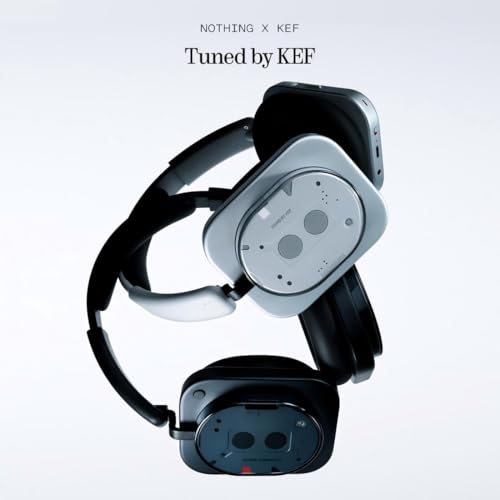
When properly tuned, the Nothing Headphone (1) can deliver exceptional sound quality that rivals headphones costing significantly more. The KEF collaboration (KEF is a respected British audio company) shows in the driver engineering, with excellent technical performance once you dial in the right settings. The frequency response extends from 20Hz to 40kHz, which is wider than most headphones and includes ultrasonic frequencies that can add air and spaciousness to music.
The Beats Solo 4, released in 2024, represents a major shift in Beats' tuning philosophy. Gone is the heavily bass-boosted signature that characterized earlier Beats models. Instead, you get a more balanced, neutral sound that most people will enjoy immediately. Vocals are clear and present, instruments have good separation, and there's enough bass punch to keep music exciting without overwhelming other frequencies.
For home theater use, the Nothing Headphone (1) has a clear advantage with its spatial audio capabilities. Using built-in gyroscopes and accelerometers (sensors that detect head movement), it can create a surround sound effect that adapts as you move your head. This makes movie watching more immersive, as sounds seem to come from specific locations in space rather than just left and right channels.
This is perhaps the most significant differentiator between these models. The Nothing Headphone (1) includes adaptive ANC that can reduce ambient noise by up to 42 decibels. To put this in perspective, that's enough to turn a busy coffee shop into a quiet library, or make airplane cabin noise nearly disappear.
The system uses four microphones positioned around the ear cups to constantly sample the environment and generate inverse sound waves that cancel out unwanted noise. "Adaptive" means it automatically adjusts the level of cancellation based on your surroundings—more aggressive in noisy environments, lighter in quiet spaces to preserve audio quality.
The Beats Solo 4 has no active noise cancellation at all. This isn't necessarily a flaw—it's a design choice that keeps the headphones lighter, simpler, and more affordable. However, it does limit their usefulness in noisy environments like commuter trains, airplanes, or busy offices.
For home theater use, ANC might seem less important, but it actually provides a significant benefit. Even in a quiet room, your HVAC system, computer fans, or street noise can interfere with quiet dialogue or subtle sound effects. The Nothing Headphone (1) can eliminate these distractions, letting you hear every detail in movie soundtracks.
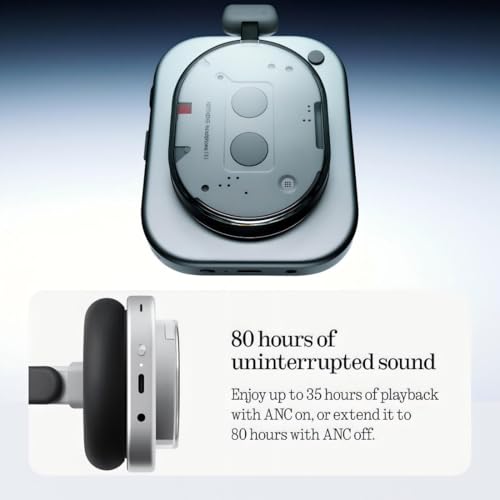
Both headphones deliver exceptional battery performance, though through different approaches. The Nothing Headphone (1) achieves up to 80 hours of playback with ANC disabled, or 35 hours with it enabled. These numbers are genuinely impressive—we're talking about potentially weeks of moderate use between charges.
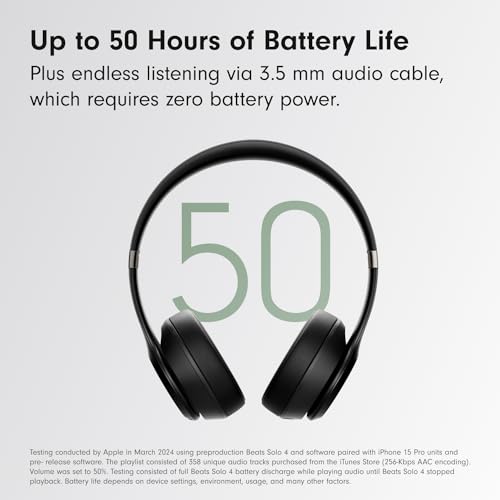
The Beats Solo 4 offers a consistent 50 hours regardless of usage mode (since it lacks ANC). While shorter than Nothing's maximum, 50 hours still represents excellent endurance that will easily handle long trips or extended use periods.
Both models include fast charging capabilities. The Nothing Headphone (1) provides about 5 hours of playback from a 5-minute charge, while the Beats Solo 4 offers similar quick-charge performance with a 10-minute boost providing 5 hours of use.
Comfort is highly personal, but there are objective factors to consider. The Nothing Headphone (1) weighs 329 grams—noticeably heavier than many competitors. However, this weight is distributed around your ears rather than pressing directly on them, which many users find more comfortable for extended listening sessions.
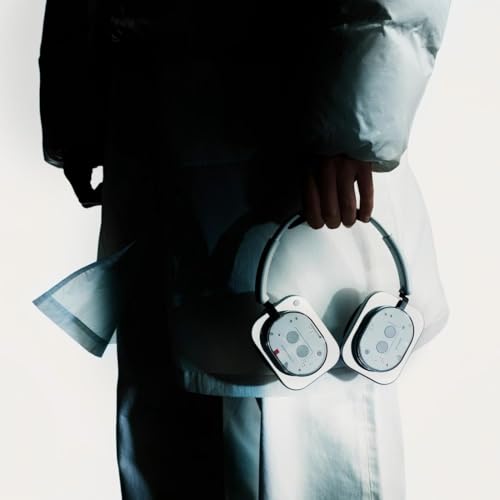
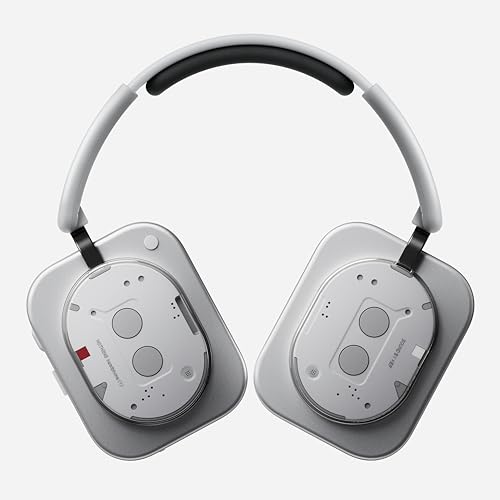
The transparent design elements aren't just for show. Nothing uses a combination of materials including metal and high-quality plastics to achieve both durability and their distinctive aesthetic. The ear pads use memory foam that conforms to your head shape over time.
The Beats Solo 4 is significantly lighter at 217 grams and folds flat for transport. The on-ear design means all that weight rests directly on your ears, which can become uncomfortable after an hour or two for some users. However, the portability advantage is substantial—you can easily slip them into a laptop bag or even a large jacket pocket.
For home theater use, the over-ear comfort advantage of the Nothing Headphone (1) becomes more pronounced. Movie watching sessions often last 2-3 hours, where the superior weight distribution really matters.
The Nothing Headphone (1) includes comprehensive connectivity options. Bluetooth 5.3 provides improved range and stability compared to older versions, while multipoint connectivity lets you connect to two devices simultaneously—perfect for switching between your phone and laptop without manual reconnection.
The headphones support advanced audio codecs including LDAC, which can transmit much more data than standard Bluetooth audio. This results in noticeably better sound quality when streaming from compatible devices. There's also wired connectivity via both USB-C and 3.5mm jack, with the USB-C connection supporting lossless digital audio.
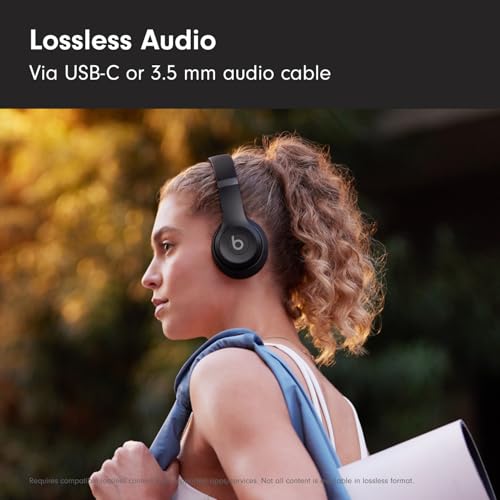
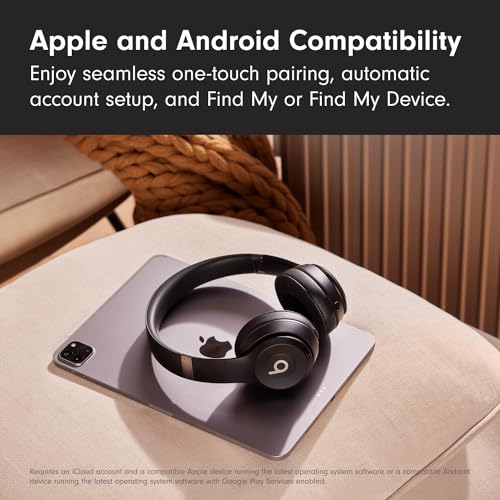
The Beats Solo 4 keeps connectivity simpler but reliable. Bluetooth 5.3 ensures stable connections, and both USB-C and 3.5mm wired options are available. The simplicity extends to pairing—especially smooth with Apple devices thanks to the W1 chip integration.
At the time of writing, these headphones target different market segments with distinct value propositions. The Nothing Headphone (1) commands a premium price but delivers features typically found in flagship models costing even more. You're paying for advanced ANC, exceptional battery life, extensive customization options, and unique design elements.
The Beats Solo 4 offers remarkable value in the mainstream segment. The price point makes high-quality wireless audio accessible while delivering reliable performance that most users will appreciate immediately. There's less complexity, fewer features to learn, but also fewer ways things can go wrong.
The Nothing Headphone (1) shines in demanding scenarios. If you frequently work in coffee shops, take long flights, or have extended listening sessions, the combination of effective ANC and superior long-term comfort makes it worth the investment. The customization options mean you can fine-tune the sound to your preferences, potentially achieving better audio quality than more expensive alternatives.
For home theater use, the Nothing Headphone (1) is the clear winner. The spatial audio creates a more immersive movie experience, ANC eliminates household distractions, and the comfort allows for marathon viewing sessions. The ability to connect via USB-C for lossless audio can improve sound quality when watching high-quality video content.
The Beats Solo 4 excels for mobile lifestyles and casual listening. If you frequently travel with headphones, need something that won't dominate your bag, or prefer audio gear that works well immediately without tweaking, it's an excellent choice. The balanced sound signature means most music genres will sound good without adjustment.
Your choice ultimately depends on your priorities and use patterns. Choose the Nothing Headphone (1) if you value maximum features, plan to use headphones in noisy environments, listen for extended periods, or want the flexibility to customize your audio experience. The premium you pay buys significantly more capability and versatility.
Opt for the Beats Solo 4 if portability is crucial, you prefer simplicity over features, have budget constraints, or primarily listen in quiet environments. The mainstream pricing delivers solid performance without complexity, and the immediate sound satisfaction means you can enjoy them right out of the box.
Consider your primary use case honestly. If you're mainly listening at home or in quiet spaces, the ANC advantage of the Nothing Headphone (1) matters less. If you're frequently on the go, the portability of the Beats Solo 4 becomes more valuable than premium features you won't use.
Both represent strong values in their respective segments. The Nothing Headphone (1) offers flagship-level features at a more accessible price point, while the Beats Solo 4 delivers reliable, enjoyable performance that doesn't require expertise to appreciate. Your lifestyle and preferences will determine which approach serves you better.
| Nothing Headphone (1) | Beats Solo 4 |
|---|---|
| Design Type - Affects comfort and portability | |
| Over-ear (surrounds ears, better for long sessions) | On-ear (rests on ears, more portable and lightweight) |
| Weight - Impact on comfort during extended use | |
| 329g (heavier but distributed around ears) | 217g (lighter but pressure directly on ears) |
| Active Noise Cancellation - Essential for noisy environments | |
| Up to 42dB reduction with adaptive ANC | None (relies only on passive isolation) |
| Battery Life - How long between charges | |
| 80 hours (ANC off) / 35 hours (ANC on) | 50 hours (consistent across all modes) |
| Sound Customization - Ability to tailor audio to preferences | |
| 8-band parametric EQ with extensive tuning options | No EQ available, fixed sound signature |
| Out-of-Box Sound Quality - How good they sound without tweaking | |
| Dark signature requiring EQ adjustment for best results | Balanced, immediately enjoyable sound |
| Driver Size - Affects potential sound quality | |
| 40mm dynamic drivers with KEF collaboration | Custom 40mm transducers |
| Connectivity Options - Flexibility for different devices | |
| Bluetooth 5.3, LDAC, multipoint, USB-C, 3.5mm | Bluetooth 5.3, USB-C, 3.5mm (no multipoint or LDAC) |
| Portability - Ease of transport and storage | |
| Large, non-foldable with bulky case | Foldable design with compact carrying case |
| Spatial Audio - Immersive surround sound experience | |
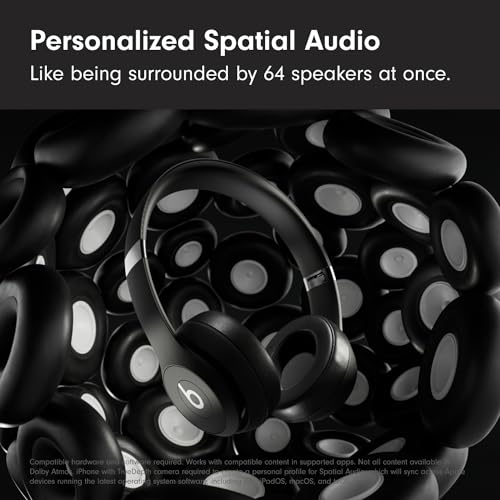
| Built-in head tracking with gyroscopes | Basic spatial audio support on compatible devices |
| Fast Charging - Quick power boost capability | |
| 5 minutes = 5 hours playback | 10 minutes = 5 hours playback |
| Price Positioning - Value and target market | |
| Premium tier with flagship features | Mainstream pricing with essential features |
The Nothing Headphone (1) is significantly better for extended use due to its over-ear design that distributes weight around your ears rather than pressing directly on them. The Beats Solo 4 on-ear design can cause discomfort after 1-2 hours of continuous wear, making the Nothing Headphone (1) the clear choice for marathon listening sessions.
Yes, active noise cancellation can significantly improve your home listening experience. The Nothing Headphone (1) offers up to 42dB of noise reduction, which eliminates household distractions like HVAC systems, computer fans, and street noise. This lets you hear subtle details in music and movies that would otherwise be masked. The Beats Solo 4 lacks ANC entirely, relying only on passive isolation.
The Nothing Headphone (1) offers exceptional battery life with up to 80 hours of playback (ANC off) or 35 hours with ANC enabled. The Beats Solo 4 provides 50 hours of consistent playback. Both offer excellent endurance, but the Nothing Headphone (1) leads significantly in maximum battery performance.
The Beats Solo 4 is much more travel-friendly, weighing only 217g and featuring a foldable design that fits into compact carrying cases. The Nothing Headphone (1) is heavier at 329g, doesn't fold, and requires a larger carrying case, making the Beats Solo 4 the better choice for frequent travelers.
The Nothing Headphone (1) offers extensive sound customization through an 8-band parametric EQ that allows precise frequency adjustments. The Beats Solo 4 has no EQ options available, providing a fixed sound signature that cannot be adjusted. If you want to fine-tune your audio experience, the Nothing Headphone (1) is the only option between these two.
The Beats Solo 4 delivers immediately satisfying sound with a balanced, neutral signature that most people enjoy without any adjustments. The Nothing Headphone (1) has a darker sound signature out of the box that requires EQ tuning to reach its full potential. For plug-and-play satisfaction, the Beats Solo 4 is superior.
The Nothing Headphone (1) excels for home theater use with spatial audio featuring head-tracking technology that creates an immersive surround sound experience. Combined with its active noise cancellation and superior comfort for long viewing sessions, it's the better choice for movies and TV. The Beats Solo 4 works fine for casual viewing but lacks the immersive features and extended comfort.
This depends on your needs and budget. The Beats Solo 4 offers excellent value in the mainstream segment with reliable performance and immediate satisfaction at an accessible price point. The Nothing Headphone (1) provides premium features typically found in much more expensive headphones, making it excellent value for users who want maximum capabilities and customization options.
Yes, both the Nothing Headphone (1) and Beats Solo 4 work with all Bluetooth-enabled devices including smartphones, tablets, and computers. Both also include wired connectivity via USB-C and 3.5mm jacks. The Nothing Headphone (1) additionally supports advanced features like LDAC codec and multipoint connectivity for enhanced functionality.
The Nothing Headphone (1) is dramatically better for noisy environments thanks to its adaptive active noise cancellation that can reduce ambient noise by up to 42 decibels. This makes it excellent for offices, coffee shops, public transportation, and travel. The Beats Solo 4 has no active noise cancellation and provides minimal passive isolation due to its on-ear design.
Both headphones offer solid build quality, but with different approaches. The Nothing Headphone (1) features a distinctive transparent design with metal and high-quality plastic construction, emphasizing durability and unique aesthetics. The Beats Solo 4 uses primarily plastic construction focused on lightweight portability and proven reliability. Both should withstand regular use, but the Nothing Headphone (1) feels more premium.
Both offer excellent fast charging capabilities. The Nothing Headphone (1) provides 5 hours of playback from a 5-minute charge, while the Beats Solo 4 offers 5 hours from a 10-minute charge. The Nothing Headphone (1) has a slight edge in charging speed, but both will quickly get you back to listening when you're in a hurry.
We've done our best to create useful and informative comparisons to help you decide what product to buy. Our research uses advanced automated methods to create this comparison and perfection is not possible - please contact us for corrections or questions. These are the sites we've researched in the creation of this article: recordingnow.com - loudnwireless.com - markellisreviews.com - tomsguide.com - tomsguide.com - youtube.com - cnet.com - soundguys.com - 9to5google.com - youtube.com - notebookcheck.net - techradar.com - us.kef.com - soundguys.com - alexreviewstech.com - walmart.com - us.nothing.tech - youtube.com - youtube.com - bestbuy.com - soundguys.com - rtings.com - cnet.com - youtube.com - rtings.com - therunningchannel.com - youtube.com - soundguys.com - rtings.com - beatsbydre.com - kubookstore.com - apple.com - panthertech.fiu.edu - beatsbydre.com - cnet.com - techwelike.com - beatsbydre.com - beatsbydre.com

Privacy Policy
Terms and Conditions - Affiliate Policy
Home Security
© Copyright 2008-2026.
11816 Inwood Rd #1211, Dallas, TX 75244