

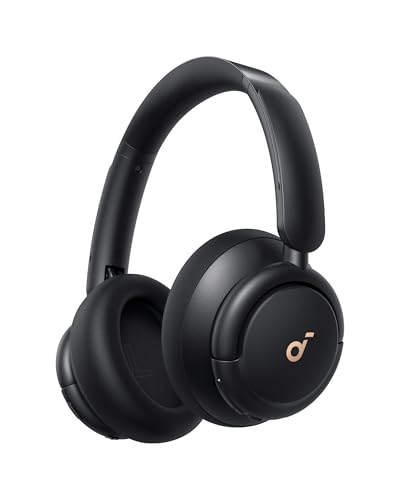
When shopping for wireless headphones, you'll quickly discover that the market offers everything from basic $30 models to premium $400+ options. Two headphones that often catch attention in different price segments are the Soundcore Life Q30 and the Beats Solo 4. While they're not direct competitors in price, they both deliver quality wireless audio with some fascinating differences in approach.
Released in 2020, the Soundcore Life Q30 established itself as a budget champion by packing premium features into an affordable package. The Beats Solo 4, arriving in 2024, represents Apple's latest effort to refine the iconic Solo line with better sound quality and modern connectivity. Understanding these different philosophies will help you choose the right headphones for your needs.
Before diving into specifics, it's worth understanding what makes wireless headphones tick. At their core, all wireless headphones face the same challenges: delivering good sound without wires, staying comfortable during long listening sessions, and maintaining a reliable connection to your device.
The key considerations break down into several categories. Sound quality depends on the drivers (the tiny speakers inside each ear cup) and how they're tuned. Comfort varies dramatically between over-ear designs that surround your ears and on-ear models that rest directly on them. Battery life has become increasingly important as we use headphones throughout our day. Noise management—whether through active cancellation or passive isolation—can make or break your experience in noisy environments.
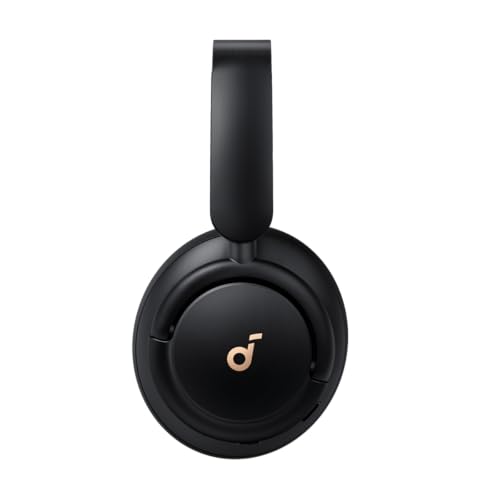
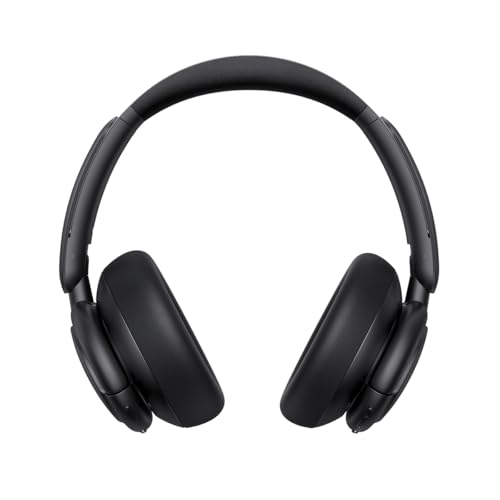
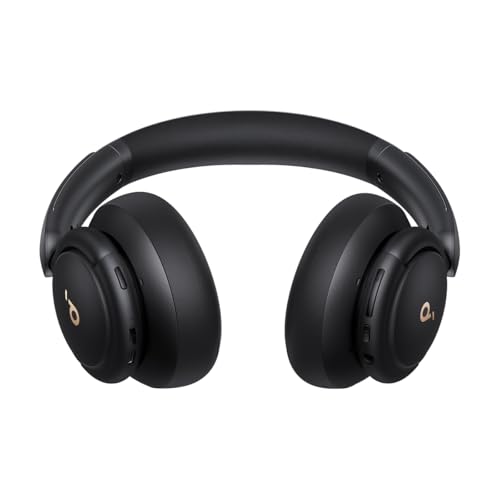
The Soundcore Life Q30 and Beats Solo 4 represent fundamentally different design philosophies. The Life Q30 takes an over-ear approach, with large ear cups that completely surround your ears. This creates a sealed environment that naturally blocks outside noise while providing a platform for active noise cancellation technology. The memory foam padding distributes weight evenly, making them comfortable for hours-long listening sessions.
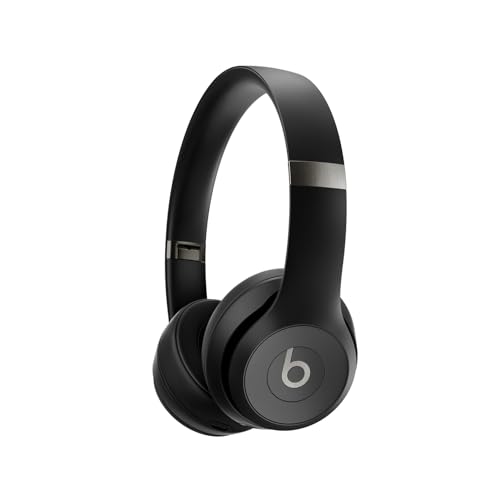
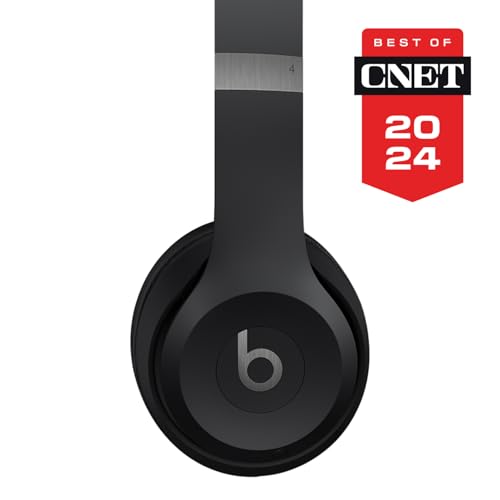
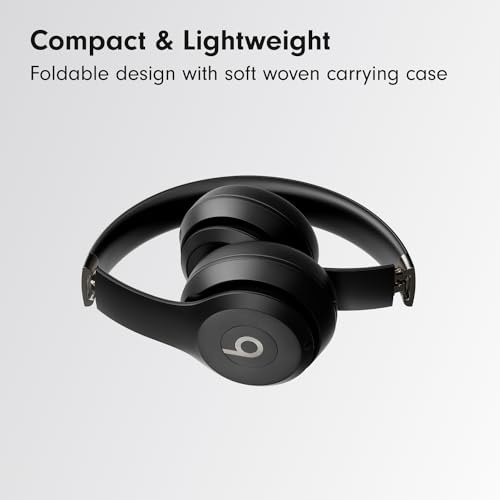
In contrast, the Beats Solo 4 uses an on-ear design where the ear cups rest directly on your ears rather than around them. This makes them significantly more compact and portable—you can easily slip them into a backpack or gym bag. However, this design choice means they rely primarily on passive isolation (the physical barrier of the ear cups) rather than active noise cancellation.
The weight difference reflects these design choices. The Life Q30 weighs about 260 grams, while the Solo 4 comes in at 217 grams. While the Beats are technically lighter, the Life Q30's over-ear design actually feels less fatiguing during extended use because the weight is distributed around your ears rather than pressing directly on them.
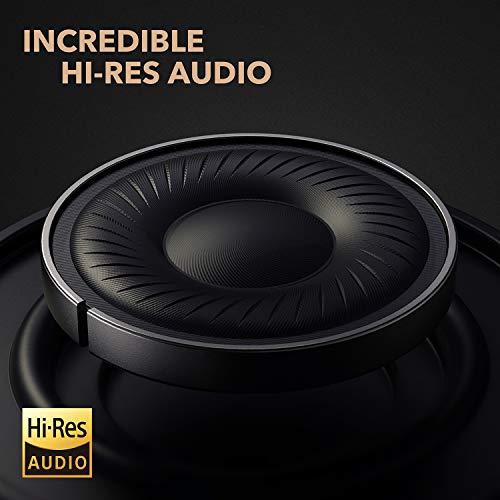
Both headphones use 40mm drivers—the standard size for this category—but their sound signatures tell different stories. The Soundcore Life Q30 employs silk diaphragm drivers, which are designed to reduce distortion and provide accurate sound reproduction across a wide frequency range. Out of the box, they deliver a V-shaped sound signature, meaning the bass and treble are emphasized while the midrange remains relatively neutral.
What sets the Life Q30 apart is its extensive customization options through the Soundcore app. You get access to 22 preset equalizer settings plus the ability to create your own custom EQ curve. This means you can transform the headphones' sound signature to match your preferences or optimize them for different genres of music. Want more vocal clarity for podcasts? Boost the midrange. Prefer thumping bass for electronic music? The app lets you dial it in perfectly.
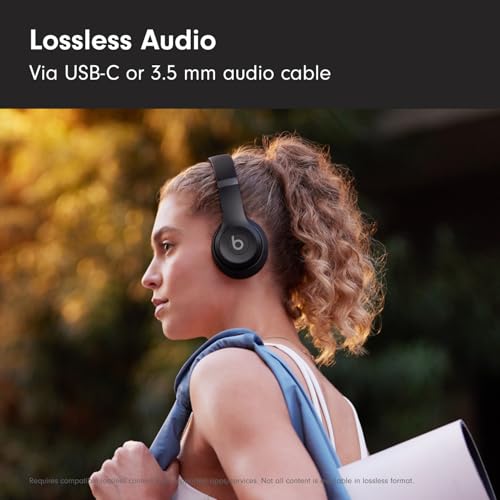
The Beats Solo 4 takes a more curated approach. Apple redesigned the drivers specifically for this model, moving away from the historically bass-heavy Beats sound toward a more balanced, neutral presentation. The result is cleaner vocals and better instrument separation, though some listeners might miss the signature Beats bass impact. What the Solo 4 lacks in customization, it makes up for with technical features like lossless audio support when connected via USB-C cable.
Lossless audio is a significant advantage for the Solo 4. When you connect it to your device with the included USB-C cable, it can play audio files without any compression, preserving every detail the artist intended. This is particularly valuable if you subscribe to services like Apple Music or Amazon Music HD that offer high-resolution tracks. The Life Q30, while capable of excellent sound quality, doesn't support lossless playback.
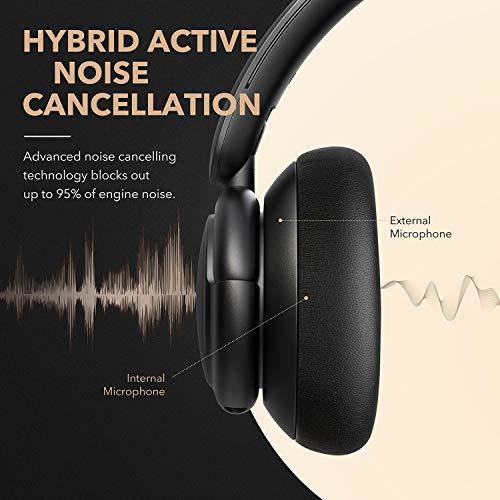
Perhaps the most significant difference between these headphones is their approach to noise management. The Soundcore Life Q30 features hybrid active noise cancellation (ANC), which uses both inward-facing and outward-facing microphones to detect and cancel ambient noise. The system can reduce up to 95% of low and mid-frequency noise—the rumble of airplane engines, traffic, or air conditioning systems.
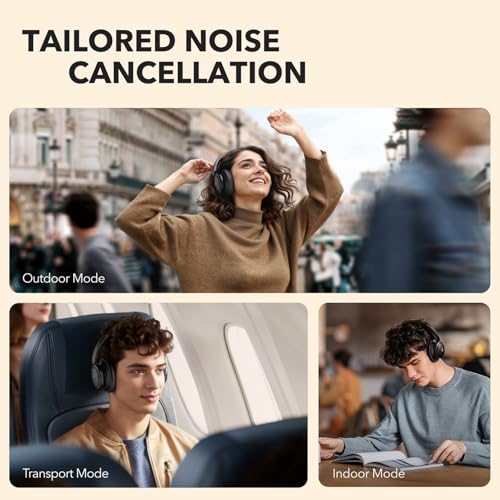
What makes the Life Q30's ANC particularly impressive is its three specialized modes. Transport mode targets the low-frequency drone of engines and road noise. Indoor mode focuses on office chatter and HVAC systems. Outdoor mode handles wind noise and traffic sounds. This level of customization is typically found in headphones costing twice as much.
The technology works by analyzing incoming sound waves and producing inverse sound waves to cancel them out. It's most effective against consistent, low-frequency noise but struggles with sudden, sharp sounds like a dog barking or someone dropping a book. The Life Q30 also includes a transparency mode that deliberately lets outside sound in when you need to hear announcements or have a conversation.
The Beats Solo 4, on the other hand, includes no active noise cancellation whatsoever. This isn't necessarily a flaw—it's a design choice that prioritizes simplicity, battery life, and cost control. The on-ear design provides some passive isolation, but it's nowhere near as effective as the Life Q30's active system. If you frequently travel, commute on public transportation, or work in noisy environments, this difference alone might determine your choice.
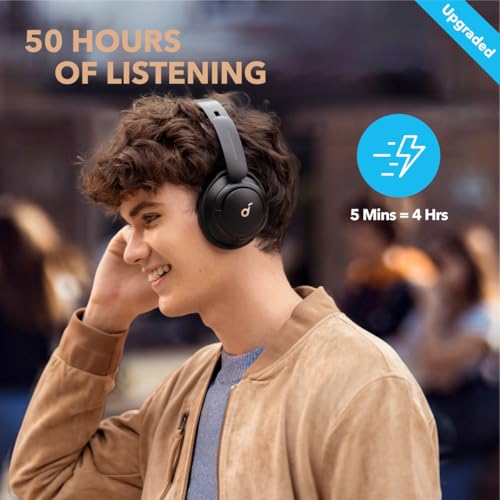
Battery performance showcases another philosophical difference between these headphones. The Soundcore Life Q30 delivers exceptional endurance: up to 40 hours with ANC enabled and an remarkable 60 hours with ANC disabled. This means most users can go weeks between charges with moderate use. The fast-charging feature provides four hours of playback from just five minutes of charging.
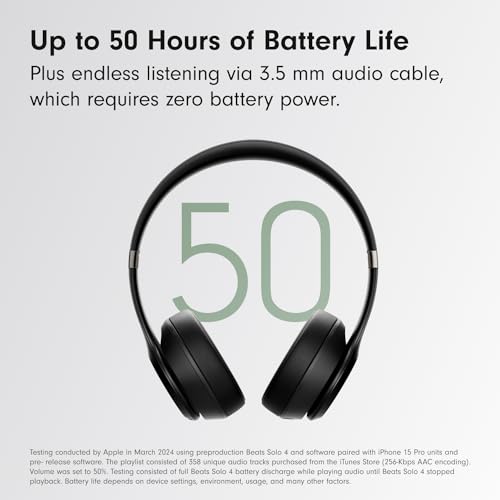
The Beats Solo 4 offers up to 50 hours of playback, which is excellent for a headphone without power-hungry ANC circuitry. Its Fast Fuel charging gives you five hours from a 10-minute charge. Both headphones use USB-C for charging, which is convenient since it's the same connector used by most modern devices.
Connectivity reveals interesting trade-offs. The Life Q30 uses Bluetooth 5.0 and supports multi-point connection, meaning you can pair it with two devices simultaneously. This is incredibly practical—you can have your headphones connected to both your laptop for work calls and your phone for music, seamlessly switching between them without manual re-pairing.
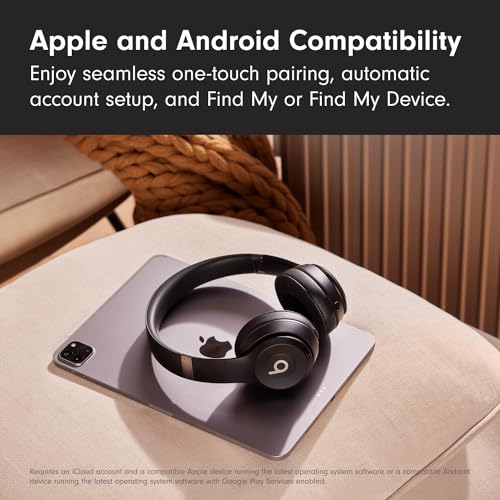
The Solo 4 features the newer Bluetooth 5.3 standard, which provides better connection stability and potentially improved battery efficiency. However, it only connects to one device at a time. For users deeply embedded in Apple's ecosystem, the Solo 4 offers special features like automatic pairing across all your Apple devices and integration with Find My if you misplace them.
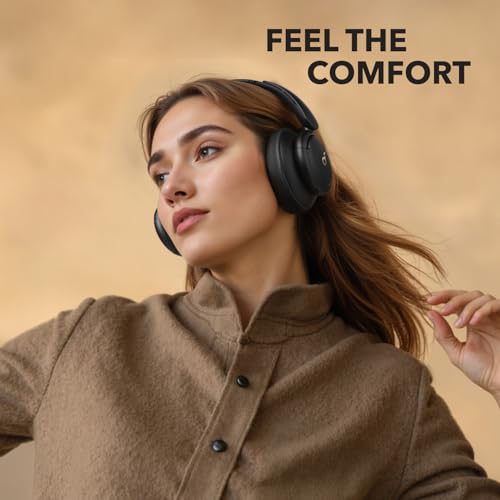
Comfort becomes crucial during extended listening sessions, and the design differences between these headphones create distinct experiences. The Soundcore Life Q30's over-ear design with memory foam padding creates a comfortable seal around your ears. The protein leather ear cups feel premium and don't get uncomfortably warm during long sessions. The headband padding distributes weight evenly across your head.
The Beats Solo 4 faces the inherent challenge of all on-ear headphones: they must press against your ears to maintain proper sound quality and prevent audio leakage. While the UltraPlush ear cushions help, many users report discomfort after an hour or two of continuous use. However, their compact size makes them far more portable than the bulkier Life Q30.
Build quality reflects the price difference between these models. At the time of writing, the Life Q30 represents exceptional value in the budget category, while the Solo 4 commands a premium price. The Beats feature higher-quality materials and more refined manufacturing, but the Soundcore headphones are remarkably well-built for their price point. Both fold for storage and include carrying cases.
The software experience differs significantly between these headphones. The Soundcore Life Q30 works with a comprehensive app that gives you control over every aspect of the listening experience. You can adjust EQ settings, switch between ANC modes, update firmware, and even create custom soundscapes for relaxation or focus. The app works equally well on Android and iOS devices.
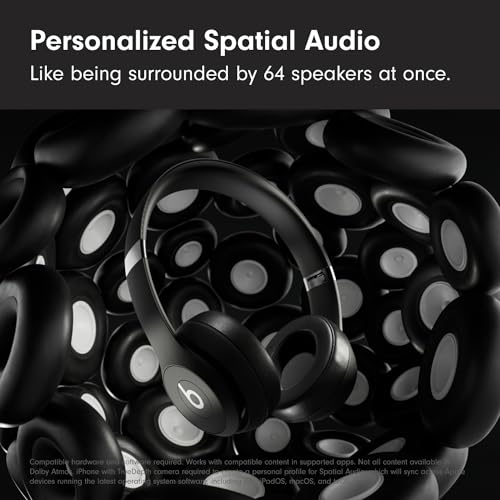
The Beats Solo 4 has minimal app integration, especially on Android devices. iOS users get better integration with features like Spatial Audio with head tracking—a technology that uses built-in sensors to create an immersive, theater-like sound experience that adapts as you move your head. It's particularly effective with movies and specially-mixed music tracks.
For commuting and travel, the Life Q30 clearly excels. Its active noise cancellation makes subway rides and flights much more pleasant, while the exceptional battery life means you won't worry about charging during long trips. The over-ear design also means less sound leakage, making you a more considerate fellow passenger.
The Solo 4 shines in more active scenarios. Their lighter weight and compact size make them ideal for gym sessions, though neither model offers sweat resistance. The on-ear design allows some ambient sound awareness, which can be a safety feature when walking or cycling in urban environments.
For home theater use, both headphones have interesting applications. The Life Q30 works excellently for late-night movie watching when you can't use speakers. The ANC helps isolate you from household noise, while the customizable EQ lets you boost dialogue frequencies for clearer speech. The Solo 4 supports Spatial Audio on compatible devices, which can create an impressive surround sound effect for movies, though this feature requires an iOS device and compatible content.
Gaming performance varies depending on your setup and preferences. The Life Q30 offers lower latency over wired connection and the ability to fine-tune audio for different game types through its EQ settings. The ANC can help with focus during competitive gaming by eliminating distracting household noise.
The Solo 4 provides excellent imaging—the ability to locate sounds in three-dimensional space—which is crucial for competitive gaming. However, the lack of ANC means you'll hear everything happening around you, which could be distracting or helpful depending on your situation.
At the time of writing, these headphones occupy different value categories entirely. The Soundcore Life Q30 represents exceptional value in the budget segment, offering features typically found in headphones costing significantly more. You're getting active noise cancellation, extensive customization options, multi-device connectivity, and exceptional battery life at a price that makes them accessible to most users.
The Beats Solo 4 commands a premium price that reflects its brand positioning, build quality, and Apple ecosystem integration. You're paying extra for the Beats name, refined industrial design, and features like lossless audio support and Spatial Audio. Whether this premium is justified depends largely on how much you value these specific features and aesthetic considerations.
Choose the Soundcore Life Q30 if you prioritize practical functionality and value. They're ideal for commuters who need effective noise cancellation, students on tight budgets who want premium features, or anyone who appreciates extensive customization options. The over-ear design makes them perfect for long study sessions, work-from-home scenarios, or binge-watching series.
The Beats Solo 4 makes sense if you're invested in Apple's ecosystem, prioritize portability, or want the best possible audio quality for high-resolution music files. They're better suited for users who primarily listen in quiet environments, value brand aesthetics, or need headphones that won't dominate a small bag or briefcase.
Consider your listening habits carefully. If you spend hours daily with headphones on, comfort becomes paramount, favoring the Life Q30. If you use headphones for shorter sessions throughout the day, the Solo 4's portability might be more valuable. The presence or absence of active noise cancellation could be the deciding factor if you frequently find yourself in noisy environments.
Both headphones represent solid choices within their respective categories, but they serve different user needs and priorities. The Soundcore Life Q30 maximizes features per dollar, while the Beats Solo 4 offers a more refined, curated experience at a premium price point.
| Soundcore Life Q30 Wireless Headphones | Beats Solo 4 Wireless On-Ear Headphones |
|---|---|
| Design Type - Affects comfort for long listening sessions | |
| Over-ear with memory foam padding (better for extended wear) | On-ear with UltraPlush cushions (more portable but can cause ear fatigue) |
| Active Noise Cancellation - Essential for commuting and noisy environments | |
| Yes, hybrid ANC with 3 modes (Transport, Indoor, Outdoor) up to 95% noise reduction | No ANC - relies only on passive isolation from ear cups |
| Battery Life - Determines how often you need to charge | |
| 40 hours (ANC on) / 60 hours (ANC off) - exceptional endurance | 50 hours - excellent for non-ANC headphones |
| Weight - Impacts portability and wearing comfort | |
| 260g (heavier but weight distributed around ears) | 217g (lighter and more compact for travel) |
| Sound Customization - Ability to personalize audio to your taste | |
| Extensive EQ with 22 presets + custom settings via Soundcore app | Minimal customization, focuses on out-of-box tuning quality |
| Connectivity Features - Multi-device convenience | |
| Bluetooth 5.0 with multi-point (connect 2 devices simultaneously) | Bluetooth 5.3 (newer standard) but single device connection only |
| Audio Quality Approach - Different philosophies for sound delivery | |
| V-shaped signature with Hi-Res certification, highly customizable | Neutral, balanced tuning with lossless audio support via USB-C |
| Special Features - Unique capabilities that set each apart | |
| 3 ANC modes, transparency mode, NFC pairing, comprehensive app control | Spatial Audio with head tracking (iOS), seamless Apple ecosystem integration |
| Fast Charging - Quick power-ups for busy lifestyles | |
| 5 minutes = 4 hours playback | 10 minutes = 5 hours playback (Fast Fuel technology) |
| Build Materials - Reflects durability and premium feel | |
| Protein leather ear cups, mostly plastic construction (good for price point) | Premium materials with metal reinforcement, refined industrial design |
| Ideal Use Cases - Where each headphone excels most | |
| Commuting, long study sessions, noisy offices, budget-conscious users wanting premium features | Apple ecosystem users, portability-focused listening, style-conscious scenarios, lossless audio enthusiasts |
The Soundcore Life Q30 is significantly better for commuting due to its hybrid active noise cancellation with three specialized modes (Transport, Indoor, Outdoor) that can block up to 95% of ambient noise. The Beats Solo 4 lacks any active noise cancellation, relying only on passive isolation, making them less effective on buses, trains, or planes where background noise is constant.
The Soundcore Life Q30 uses an over-ear design where the ear cups completely surround your ears, providing better comfort for long sessions and natural noise isolation. The Beats Solo 4 features an on-ear design that rests directly on your ears, making them more compact and portable but potentially less comfortable during extended use.
The Soundcore Life Q30 offers exceptional battery life with 40 hours when ANC is enabled and up to 60 hours with ANC disabled. The Beats Solo 4 provides up to 50 hours of playback, which is excellent for headphones without power-hungry noise cancellation features.
The Soundcore Life Q30 offers extensive sound customization through its companion app, including 22 EQ presets and custom equalizer settings. The Beats Solo 4 has minimal customization options but focuses on delivering a well-tuned, balanced sound signature right out of the box.
The Beats Solo 4 integrates seamlessly with Apple's ecosystem, offering features like automatic pairing across devices, Find My support, and Spatial Audio with head tracking on iOS devices. The Soundcore Life Q30 works well with iPhones but doesn't have the same level of ecosystem integration.
Both headphones work well for home theater use, but in different ways. The Soundcore Life Q30 excels for late-night movie watching with its noise cancellation blocking household sounds and customizable EQ for enhanced dialogue clarity. The Beats Solo 4 offers Spatial Audio on compatible Apple devices, creating an immersive surround sound experience for movies.
The Soundcore Life Q30 is more comfortable for extended wear due to its over-ear design with memory foam padding that distributes weight around your ears rather than pressing on them. The Beats Solo 4 may cause ear fatigue after 1-2 hours since the on-ear design applies direct pressure to your ears.
Neither the Soundcore Life Q30 nor the Beats Solo 4 offers sweat resistance, making them unsuitable for intense workouts. However, the Beats Solo 4 is more practical for light exercise due to its lighter weight and more secure on-ear fit.
The Soundcore Life Q30 provides exceptional value by offering premium features like active noise cancellation, extensive battery life, and comprehensive app control at a budget-friendly price point. The Beats Solo 4 commands a premium price for its brand, build quality, and Apple ecosystem features.
The Soundcore Life Q30 is Hi-Res Audio certified and supports high-quality wireless audio through its custom drivers. The Beats Solo 4 goes further by supporting lossless audio when connected via USB-C cable, preserving every detail in high-resolution music files without compression.
The Soundcore Life Q30 supports multi-point Bluetooth connection, allowing you to pair with two devices simultaneously and seamlessly switch between them. The Beats Solo 4 only connects to one device at a time, though Apple users can easily switch between paired devices in their ecosystem.
Both headphones offer good call quality, but the Soundcore Life Q30 has an advantage with its multiple digital microphones and noise reduction technology that helps isolate your voice from background noise. The Beats Solo 4 provides clear call quality with its beam-forming microphones and voice-targeting algorithms.
We've done our best to create useful and informative comparisons to help you decide what product to buy. Our research uses advanced automated methods to create this comparison and perfection is not possible - please contact us for corrections or questions. These are the sites we've researched in the creation of this article: soundguys.com - recordingnow.com - soundcore.com - theaudiophilecafecom.wordpress.com - versus.com - noisyworld.org - blog.jonsdocs.org.uk - youtube.com - head-fi.org - youtube.com - fullspecs.net - anker-tr.com - soundcore.com - soundcore.com - rtings.com - youtube.com - newegg.com - ifixit.com - headphonesaddict.com - bestbuy.com - soundguys.com - rtings.com - cnet.com - youtube.com - rtings.com - therunningchannel.com - youtube.com - soundguys.com - rtings.com - beatsbydre.com - kubookstore.com - apple.com - panthertech.fiu.edu - beatsbydre.com - cnet.com - techwelike.com - beatsbydre.com - beatsbydre.com

Privacy Policy
Terms and Conditions - Affiliate Policy
Home Security
© Copyright 2008-2026.
11816 Inwood Rd #1211, Dallas, TX 75244