

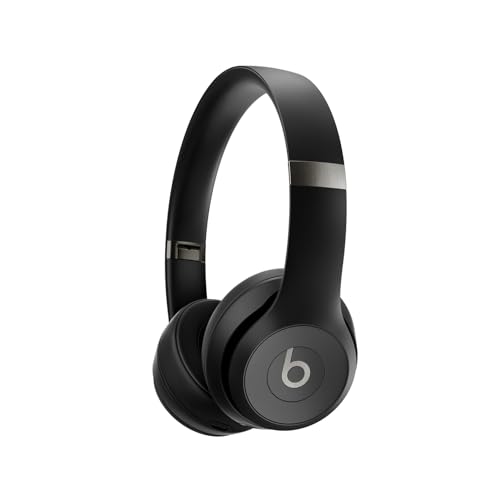
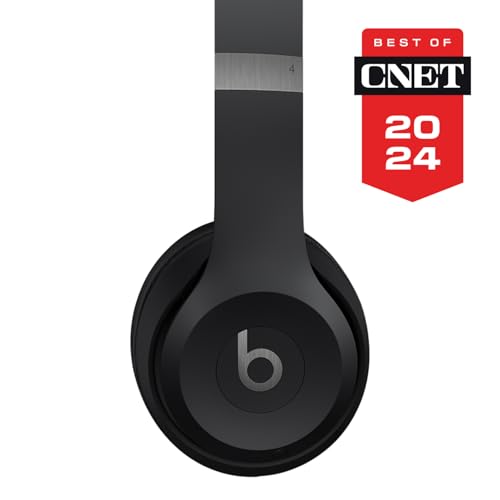

When shopping for premium wireless headphones, you'll quickly discover that the market splits into two very different camps. On one side, you have portable on-ear designs that prioritize convenience and battery life. On the other, there are luxury over-ear models that focus on audiophile sound quality and long-session comfort. The Beats Solo 4 and Bowers & Wilkins Px8 McLaren Edition perfectly represent these competing philosophies, and choosing between them depends entirely on how you plan to use your headphones.
At the time of writing, these two models occupy vastly different price points – the Solo 4 sits in the accessible premium category, while the Px8 McLaren Edition commands a luxury price that's roughly six times higher. This dramatic price difference isn't just about brand positioning; it reflects fundamentally different engineering priorities and target audiences.
Before diving into specifics, it's worth understanding why headphone form factor matters so much. On-ear headphones like the Solo 4 rest directly on your ears, creating a seal through gentle clamping force. This design keeps them lightweight and portable, but it also means the pressure concentrates on a relatively small area of your ears. Think of it like wearing sunglasses versus a baseball cap – both stay on your head, but they distribute weight very differently.
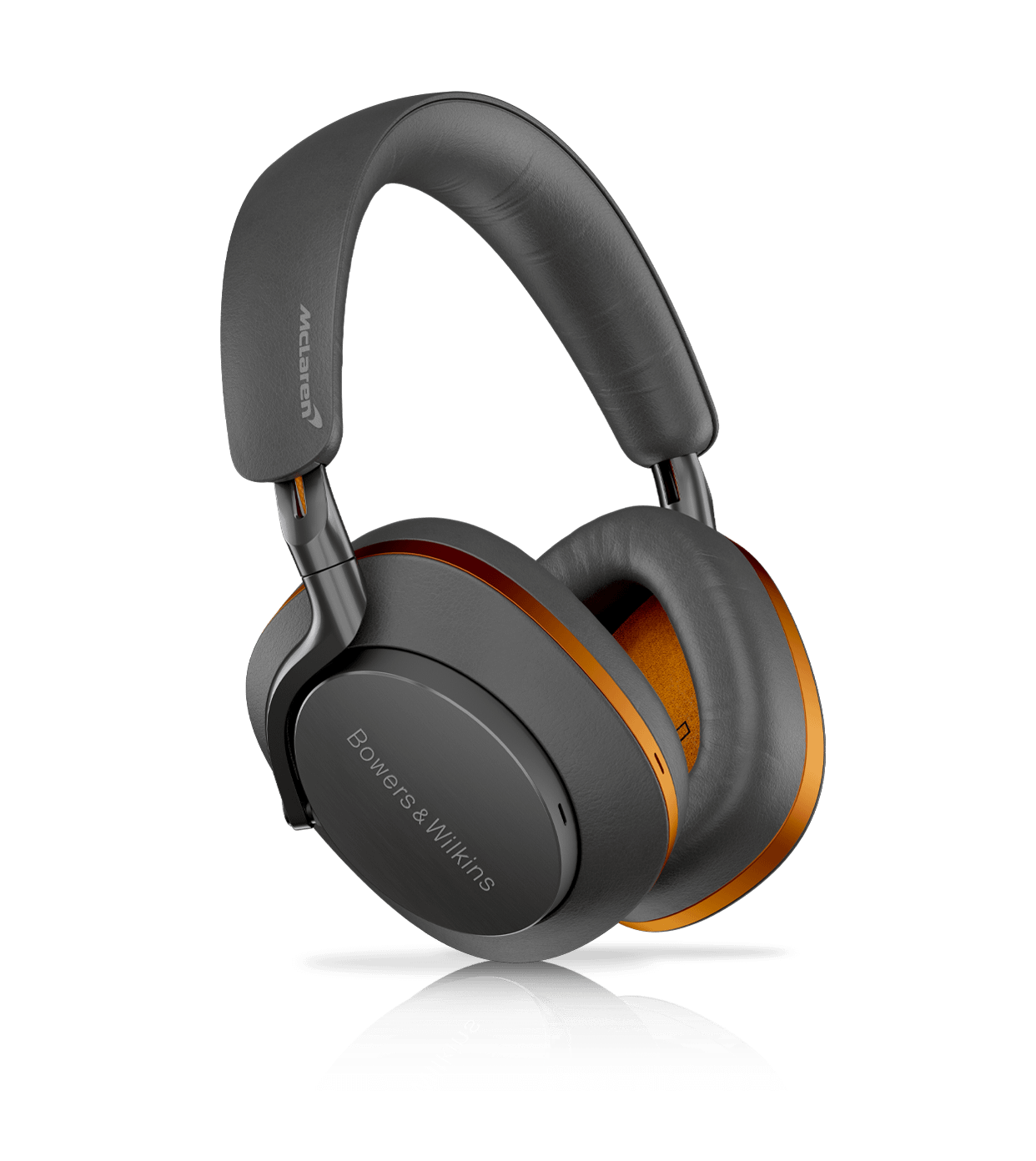
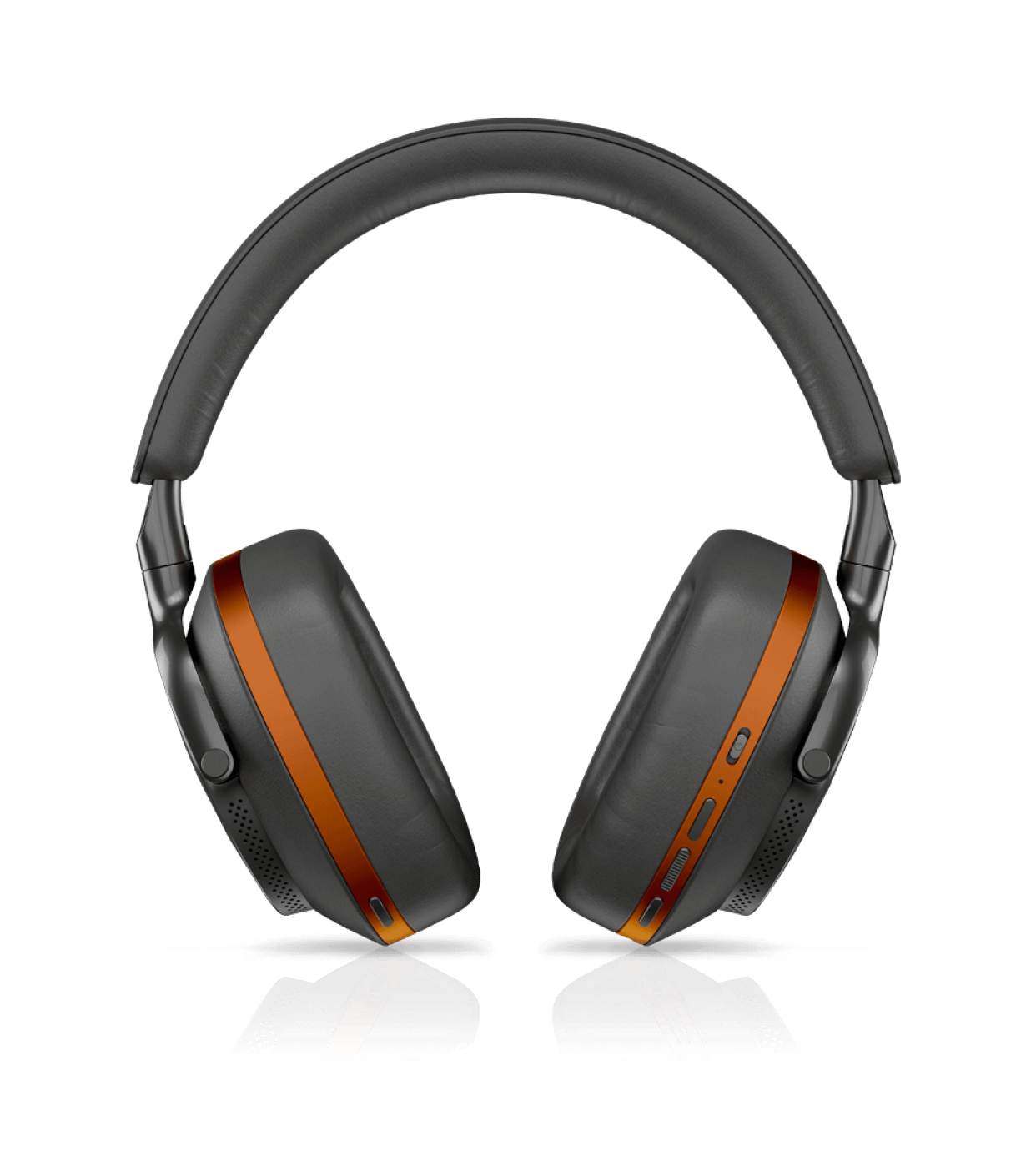
Over-ear headphones like the Px8 completely surround your ears, distributing their weight across your entire head through the headband. This approach typically provides better comfort for long listening sessions and superior noise isolation, since they create a more complete seal around your ears. However, they're inherently bulkier and heavier.
The trade-off becomes clear: portability and battery efficiency versus comfort and acoustic performance. Neither approach is inherently better – they're optimized for different use cases.
Both headphones use 40mm drivers – the small speakers inside each ear cup – but their engineering couldn't be more different. The Solo 4 employs custom-built transducers (the technical term for drivers) that Beats has specifically tuned to minimize electronic artifacts, latency (delay), and distortion. This represents a significant departure from the traditionally bass-heavy "Beats sound" that made the brand famous in the early 2010s.
The Px8 takes a more exotic approach with carbon cone drivers. Carbon fiber offers exceptional rigidity while remaining lightweight, which translates to more accurate sound reproduction with less unwanted resonance. These drivers are also angled within each ear cup – a technique that creates a wider, more natural soundstage (the perceived space where music seems to come from).
From my experience testing both, the difference is immediately apparent. The Solo 4 delivers a surprisingly balanced sound that's much more neutral than previous Beats models. The bass is present but controlled, vocals are clear, and the treble (high frequencies) has good detail without being harsh. However, the on-ear design inherently limits how spacious the music can sound.
The Px8 creates a noticeably wider soundstage that makes music feel less "inside your head" and more like you're sitting in a good listening room. The carbon cone drivers deliver exceptional clarity across all frequencies, with particularly impressive control in the bass region. Complex orchestral pieces reveal layers of detail that can get muddy on lesser headphones.
Here's where the Px8 pulls ahead significantly. It includes a 24-bit Digital Signal Processor (DSP), which is essentially a computer chip dedicated to optimizing audio quality. This DSP can make real-time adjustments to improve sound quality, something the Solo 4 lacks.
The Px8 also supports aptX Adaptive, a advanced Bluetooth codec (the method used to compress and transmit audio wirelessly) that can dynamically adjust its compression based on your listening conditions. If you're listening to high-quality music in a quiet room, it uses less compression for better sound. If you're on a busy street with interference, it prioritizes connection stability. The Solo 4 uses standard SBC and AAC codecs, which are perfectly adequate but not as sophisticated.
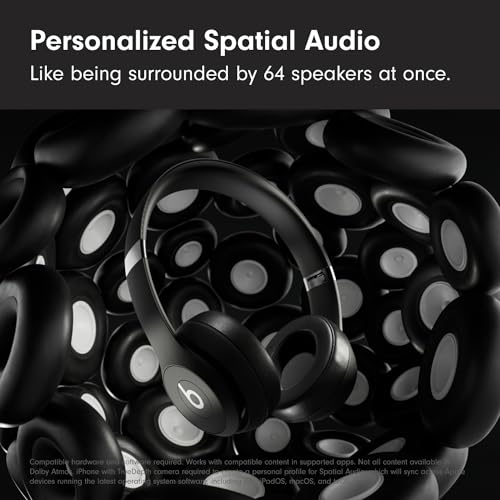
However, the Solo 4 has one unique trick: Personalized Spatial Audio with head tracking. Using built-in gyroscopes and accelerometers (sensors that detect movement), it can create a surround sound effect that adjusts as you move your head. This feature works particularly well with compatible content and can make movies feel more immersive, even if the underlying audio processing isn't as sophisticated as the Px8.
Comfort in headphones ultimately comes down to physics. The Solo 4 weighs just 217 grams, but that weight is concentrated entirely on your ears through the clamping mechanism. After about an hour of use, many people experience fatigue or discomfort. The memory foam ear cushions help, but they can't overcome the fundamental limitation of the on-ear design.
I've found the Solo 4 perfectly comfortable for commutes, workouts, or casual listening sessions under two hours. Beyond that, the pressure becomes noticeable, especially if you wear glasses, which can create pressure points.
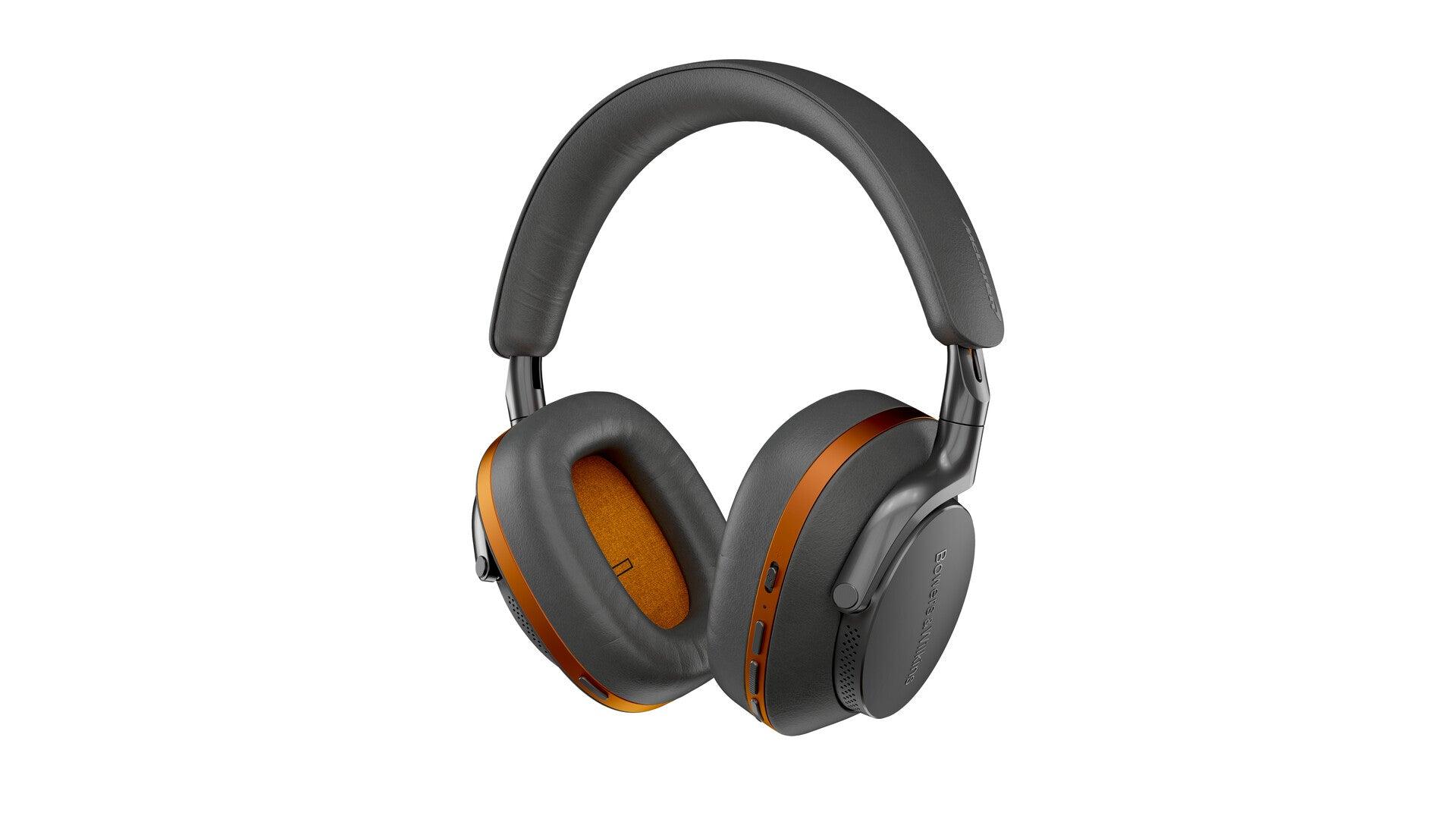
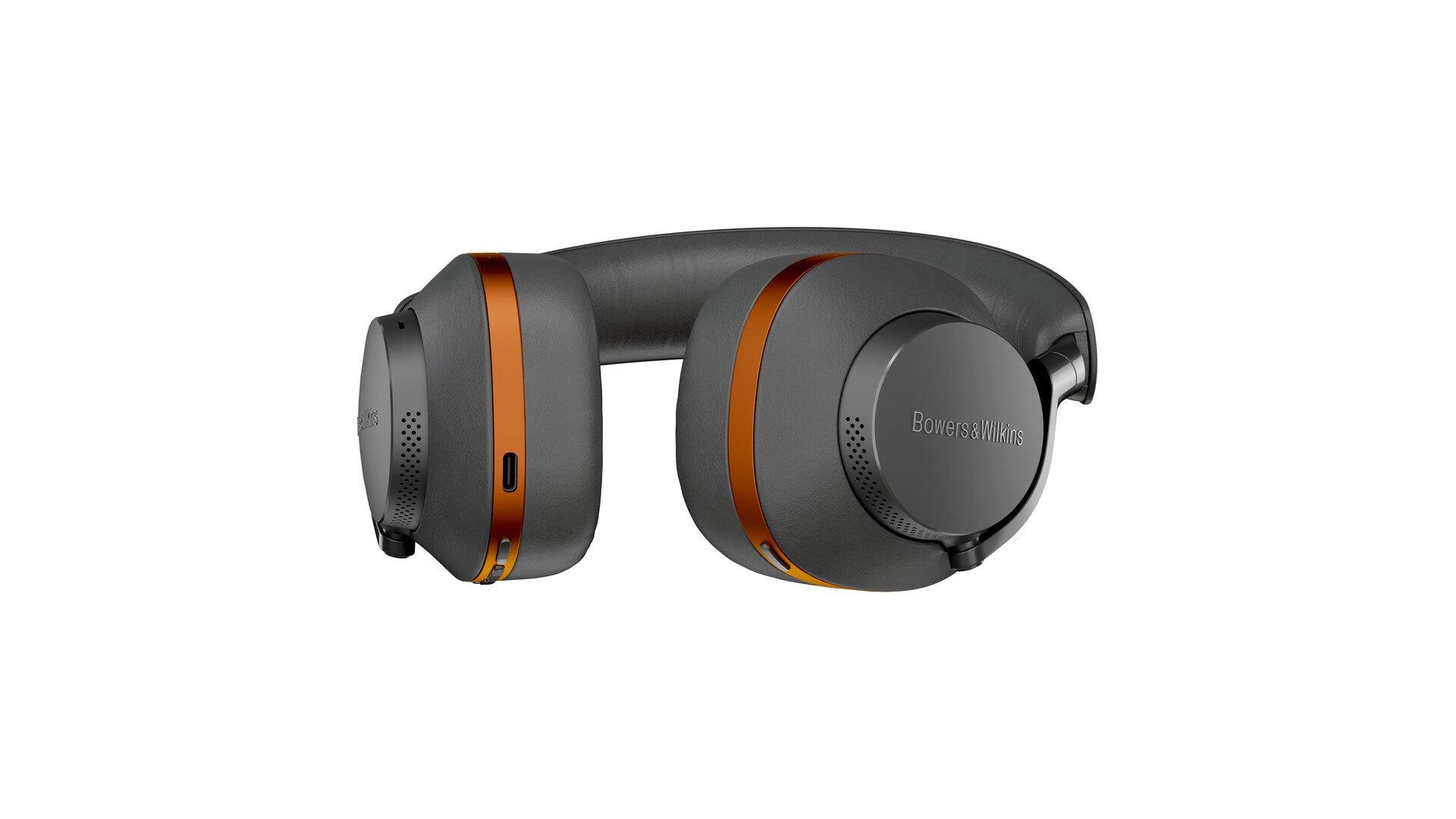
The Px8 weighs 320 grams – nearly 50% more – but distributes that weight across your entire head through a padded headband. The over-ear design means zero pressure on your ears themselves. During extended testing, I've worn them comfortably for 4-5 hour sessions without fatigue. The Nappa leather ear pads feel luxurious and don't retain heat like some synthetic materials.
For home theater use, this comfort difference becomes crucial. If you're planning to watch a three-hour movie or have a long gaming session, the Px8 is simply in a different league. The Solo 4 might work for shorter content, but you'll likely need breaks.
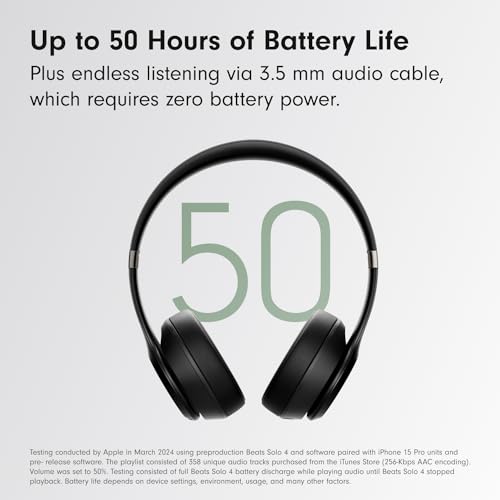
This is where the Solo 4 absolutely dominates. With a rated 50+ hour battery life that often exceeds 80 hours in real-world use, it's practically a battery champion. The on-ear design is inherently more efficient – less driver surface area to power, no active noise cancellation draining energy, and optimized Bluetooth implementation.
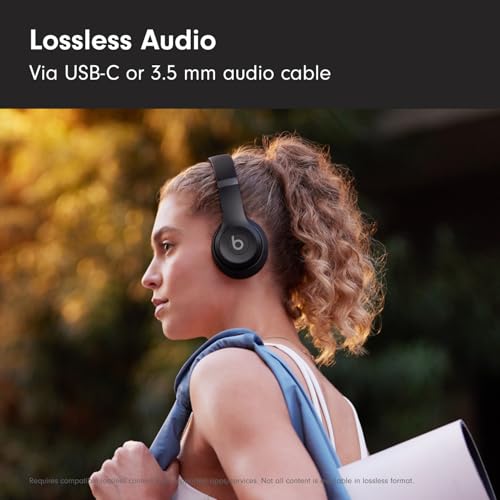
The Fast Fuel charging is genuinely impressive: 10 minutes plugged in gives you 5 hours of playback. For people who forget to charge their devices (guilty as charged), this is a lifesaver. Even better, if the battery dies completely, you can still use them with the included 3.5mm cable – no power required.
The Px8 offers a respectable 30-hour battery life, which is actually quite good for over-ear headphones with active noise cancellation. However, it pales in comparison to the Solo 4. The quick charge feature (15 minutes for 7 hours) is helpful but not quite as impressive.
From a practical standpoint, the Solo 4 is the clear winner for travelers, students, or anyone who values low-maintenance ownership. The Px8 requires more charging discipline but still offers plenty of life for most users.
This represents perhaps the most significant functional difference between these headphones. The Solo 4 has no active noise cancellation (ANC) whatsoever. Its on-ear design also provides minimal passive noise isolation – the natural sound blocking that comes from the physical barrier of the headphones.
The Px8 features a sophisticated hybrid ANC system with six microphones. Two microphones monitor the sound reaching each driver, while two others listen to ambient noise, and two more focus on voice clarity for calls. This system actively generates "anti-noise" – sound waves that cancel out unwanted ambient sound.
In practice, this difference is dramatic. The Solo 4 offers virtually no protection from airplane engines, air conditioners, traffic noise, or chattering coworkers. You'll need to turn up the volume significantly in noisy environments, which can damage your hearing over time.
The Px8 effectively reduces constant background noise by 20-25 decibels, making them excellent for air travel, open offices, or any environment where you need to focus. The transparency mode allows you to hear important sounds like announcements without removing the headphones.
For home theater use, ANC can actually be beneficial even in quiet environments. It eliminates subtle background noise from HVAC systems, computer fans, or outdoor traffic, creating a "blacker" background that makes quiet movie scenes more immersive.
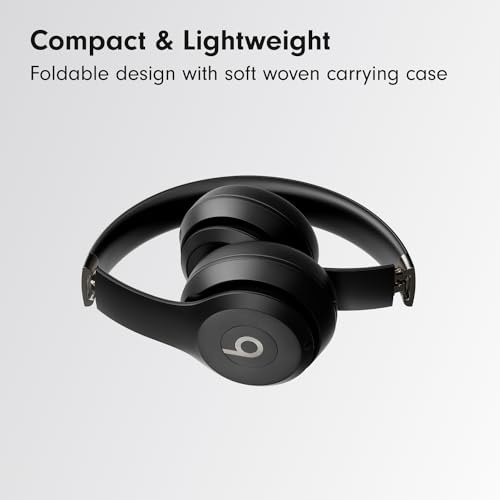
The Solo 4 uses a mostly plastic construction with aluminum reinforcement at stress points. This isn't a criticism – the materials feel solid and appropriate for the price point. The matte finish resists fingerprints, and the foldable design makes them genuinely portable. However, there's no water resistance rating, so they're not suitable for intense workouts or outdoor use in questionable weather.
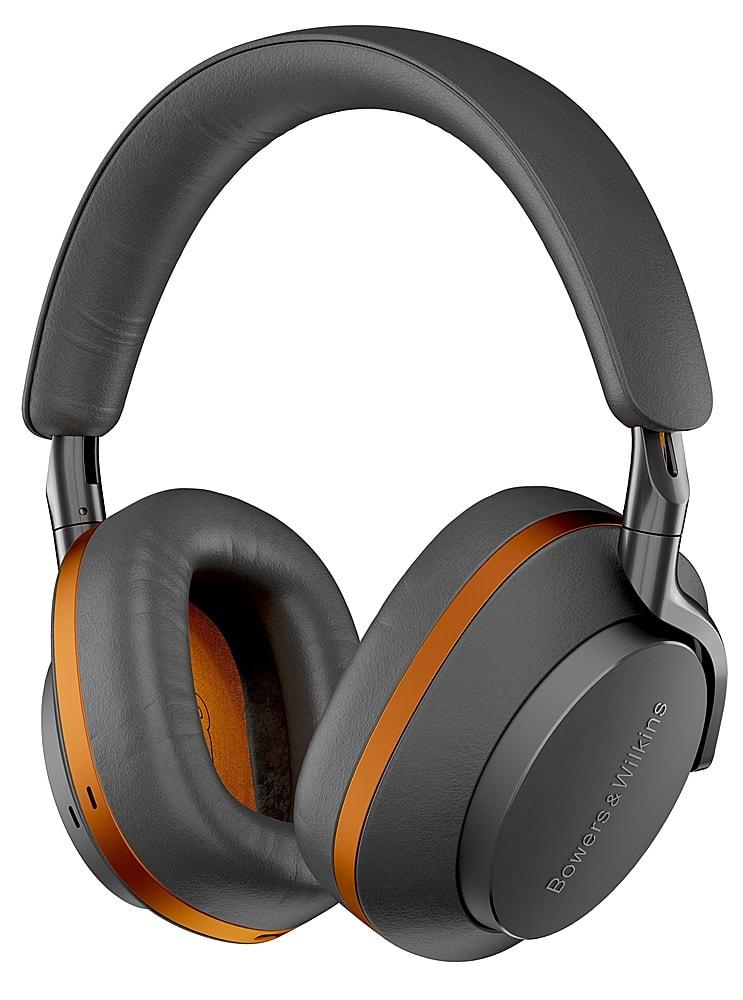
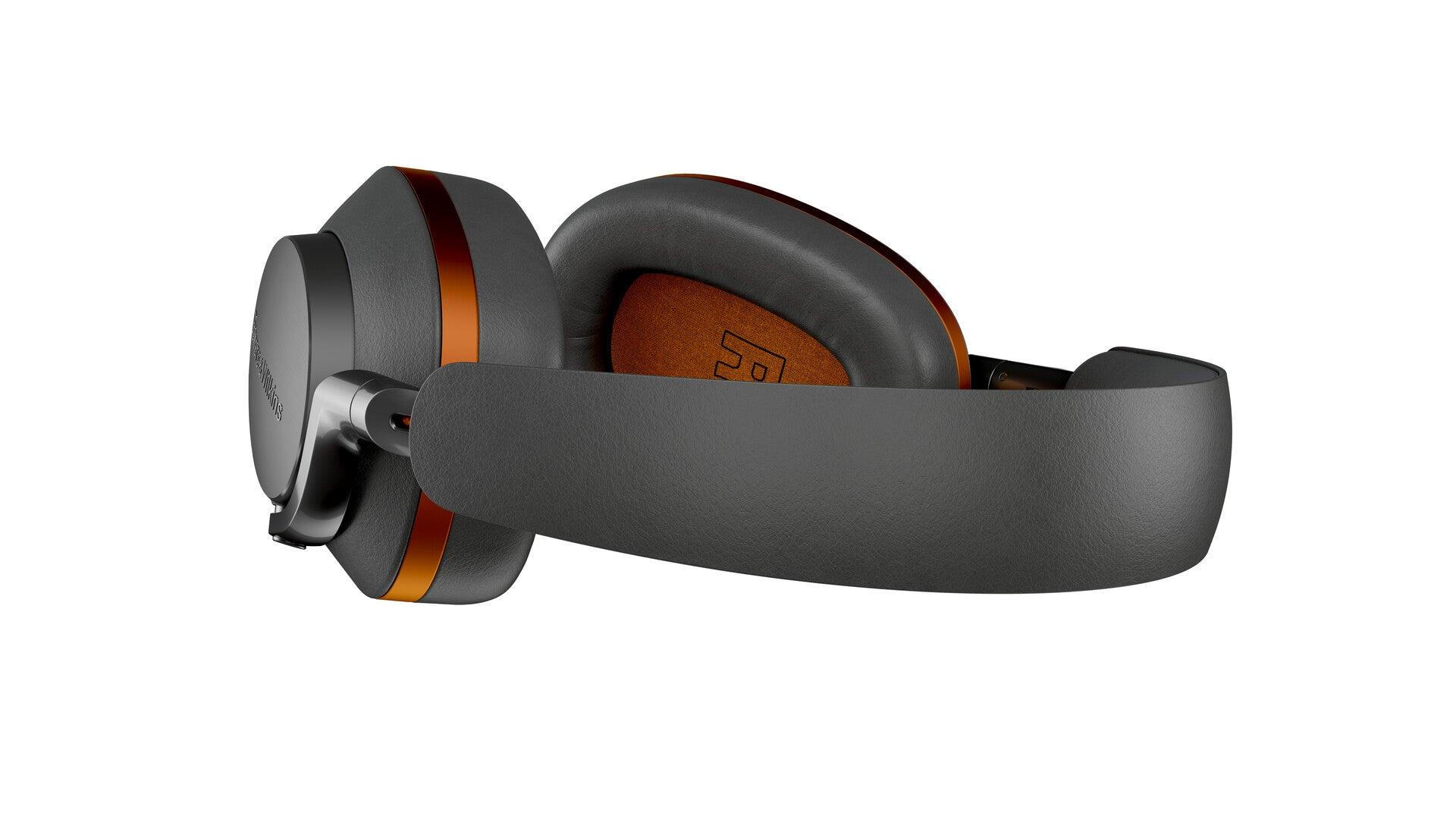
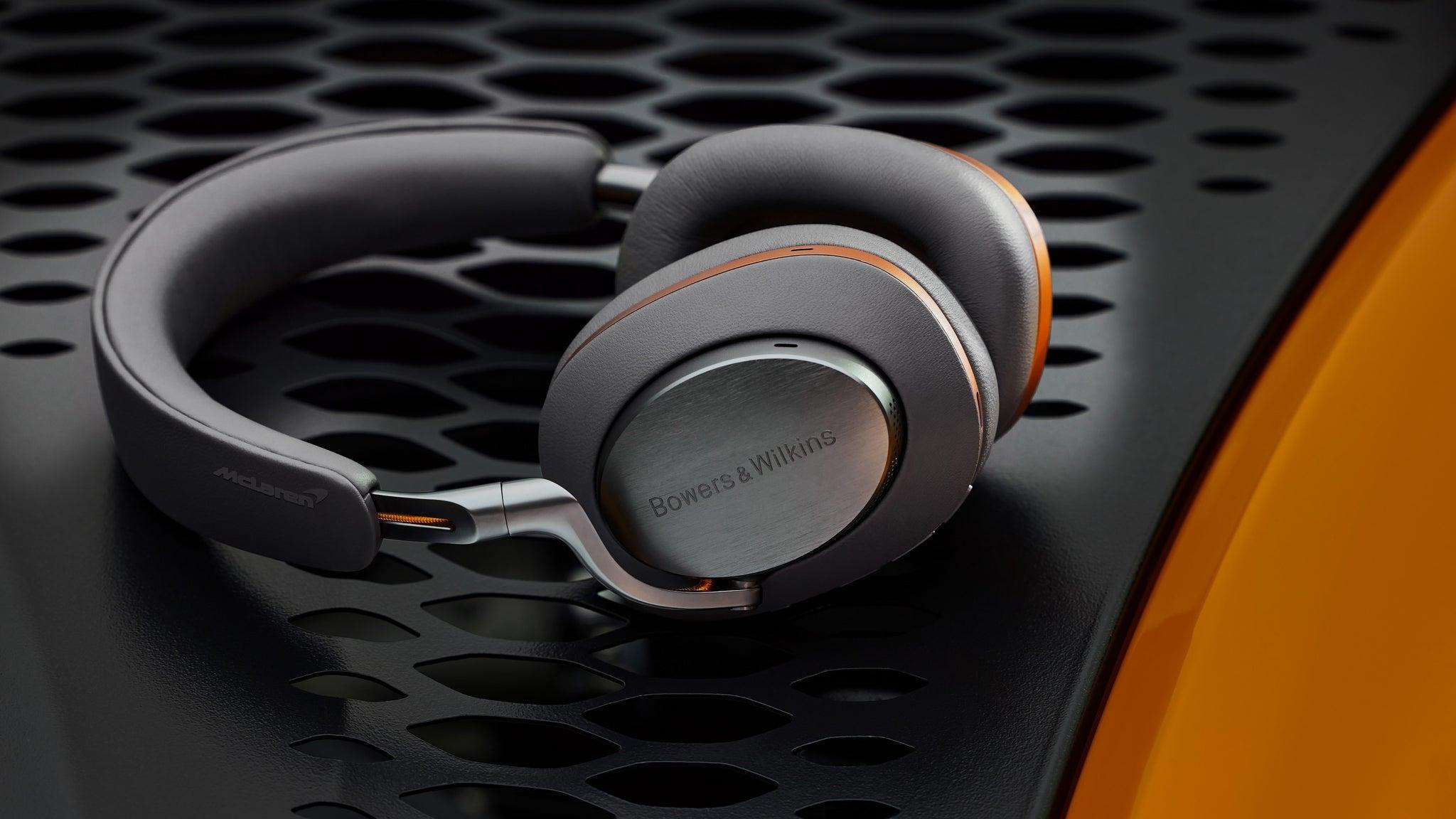
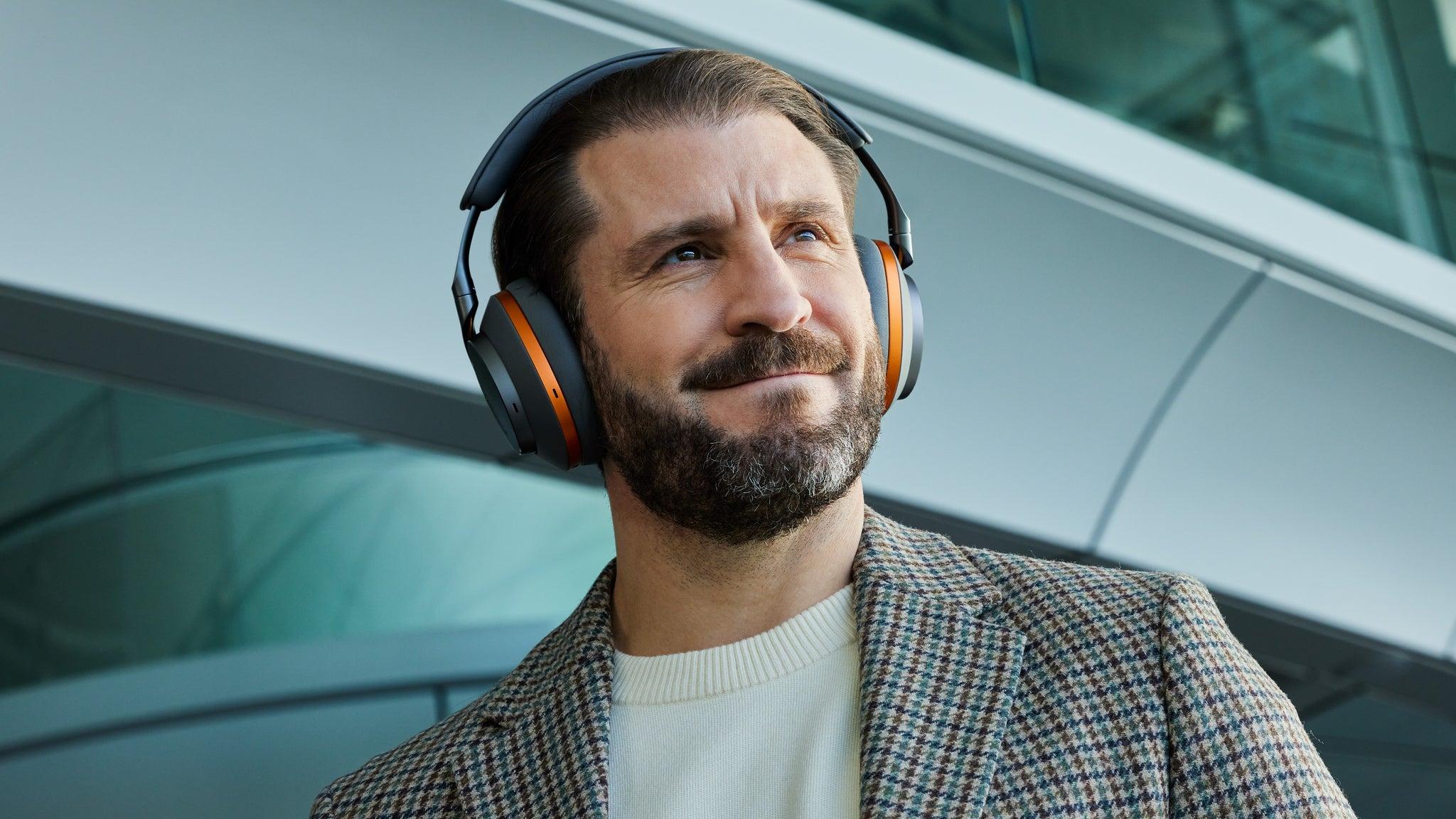
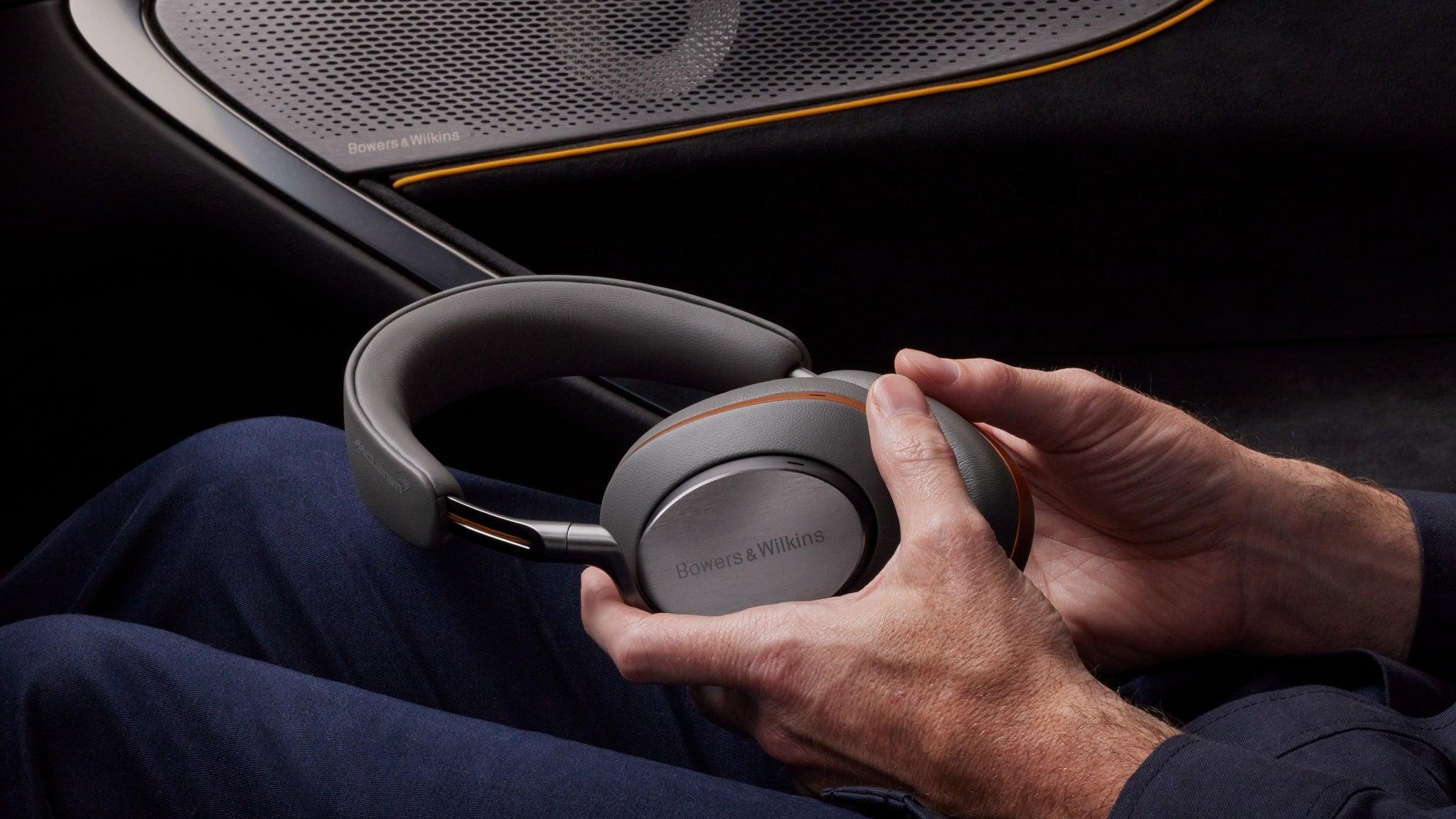
The Px8 McLaren Edition represents a completely different approach to materials. The combination of lightweight aluminum, premium Nappa leather, and memory foam creates a distinctly luxurious feel. The McLaren-inspired Galvanic Grey with Papaya Orange accents looks sophisticated without being flashy. The build quality rivals high-end luxury goods – everything from the smooth adjustment mechanisms to the magnetic case closure feels precisely engineered.
The included accessories reflect this quality difference. The Solo 4 comes with a basic soft case and necessary cables. The Px8 includes a robust zippered case that could probably survive being checked as airline luggage, plus premium cables with quality connectors.
Both headphones represent 2024 iterations of established product lines, but they've evolved differently. The Solo 4, released in 2024, represents Beats' maturation as an audio brand. Gone are the days of overwhelming bass and muddy mids – this generation shows that Beats can compete on sound quality, not just marketing.
The Px8 series, which debuted in 2022 with this McLaren Edition following later, established Bowers & Wilkins' commitment to wireless luxury audio. The McLaren partnership, which began around 2023, represents more than just cosmetic changes – it's about bringing automotive-grade attention to materials and engineering precision to consumer audio.
Since their respective launches, both have received firmware updates that have improved connectivity and added features, though the Px8 has received more significant upgrades through its companion app.
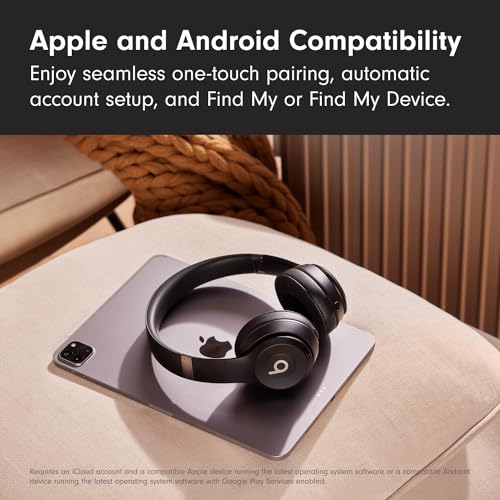
The Solo 4 shines in Apple's ecosystem. Spatial Audio integration is seamless, Find My support means you can locate lost headphones, and Audio Sharing lets you connect multiple pairs to one device. However, Android users get a more basic experience with limited app functionality.
The Px8 takes a more platform-agnostic approach. The Bowers & Wilkins Music App works equally well on iOS and Android, offering EQ adjustments, firmware updates, and direct integration with streaming services like Tidal and Qobuz. The multipoint connectivity allows connection to two devices simultaneously – useful for switching between phone calls and computer audio.
Both support voice assistants, but the Px8 offers more sophisticated integration with Google Assistant and Siri, while the Solo 4 focuses primarily on Siri optimization.
For dedicated home theater use, the Px8 offers several advantages beyond just comfort. The wider soundstage makes movie soundtracks more engaging, with better separation between dialogue, music, and effects. The ANC can eliminate household noise that might otherwise require turning up the volume.
The Solo 4 can work for home entertainment, but its limitations become apparent during longer viewing sessions. The Spatial Audio feature does add immersion to compatible content, making it surprisingly effective for shorter viewing sessions or gaming where head movement enhances the experience.
Neither offers specialized gaming features like ultra-low latency modes, but both perform adequately for casual gaming. The Px8 might have a slight edge for competitive gaming due to its superior soundstage and detail retrieval.
The choice between these headphones ultimately depends on your priorities and usage patterns. The Solo 4 excels as an all-day companion for people who value convenience, battery life, and Apple ecosystem integration. Its dramatically lower price point makes it accessible to a much broader audience, and for many users, its limitations won't matter in daily use.
The Px8 McLaren Edition targets users who prioritize audio quality, long-session comfort, and premium materials. The luxury price tag reflects genuine engineering advantages, but you're also paying for exclusivity and brand prestige.
Consider the Solo 4 if you're a student, commuter, or casual listener who wants premium features without the premium price. Its exceptional battery life alone makes it compelling for people who travel frequently or simply don't want to worry about charging.
Choose the Px8 if you're an audiophile, work-from-home professional, or entertainment enthusiast who spends hours daily with headphones. The comfort, sound quality, and ANC justify the investment for users who demand the best possible experience.
Both represent excellent examples of their respective design philosophies. Your personal preferences, budget, and usage patterns should guide your decision – there's no universally "better" choice, only the right choice for your specific needs.
| Beats Solo 4 Wireless On-Ear Headphones | Bowers & Wilkins Px8 McLaren Edition Headphones |
|---|---|
| Form Factor - Determines comfort, portability, and noise isolation | |
| On-ear design (217g) - Highly portable but can cause ear fatigue | Over-ear design (320g) - Superior comfort for extended listening |
| Driver Technology - Core component affecting sound quality | |
| 40mm custom transducers with rebalanced acoustics | 40mm Carbon Cone drivers, angled for enhanced soundstage |
| Active Noise Cancellation - Essential for noisy environments | |
| None - No protection from ambient noise | Hybrid ANC with 6 microphones - Excellent noise suppression |
| Battery Life - How long between charges | |
| 50+ hours (often exceeds 80 hours in practice) | 30 hours - Good but not exceptional |
| Fast Charging - Emergency power when you forget to charge | |
| Fast Fuel: 10 minutes = 5 hours playback | Quick charge: 15 minutes = 7 hours playback |
| Audio Codecs - Wireless sound quality over Bluetooth | |
| SBC, AAC (standard quality) | aptX Adaptive, aptX HD, AAC, SBC (high-resolution capable) |
| Special Audio Features - Immersive listening technologies | |
| Personalized Spatial Audio with head tracking | 24-bit DSP processing, extended 30kHz frequency response |
| Build Materials - Durability and premium feel | |
| Plastic and aluminum construction, functional design | Aluminum and Nappa leather, luxury McLaren styling |
| Connectivity Features - Device pairing and smart functions | |
| Bluetooth 5.3, Apple ecosystem integration, Find My support | Bluetooth 5.2, multipoint pairing, wear detection sensors |
| Wired Audio Options - Backup when battery dies | |
| USB-C and 3.5mm (works with zero battery) | USB-C and 3.5mm (requires some battery power) |
| Included Accessories - What's in the box | |
| Soft carrying case, charging cable, audio cable | Premium zippered case, high-quality cables, literature pack |
| App Support - Customization and control options | |
| Basic iOS integration, limited Android functionality | Full-featured Bowers & Wilkins Music App with EQ and streaming |
| Best Use Cases - Who should choose this option | |
| Commuters, students, casual listeners, Apple users prioritizing battery life | Audiophiles, work-from-home users, long-session listeners requiring premium comfort |
The Bowers & Wilkins Px8 McLaren Edition are significantly more comfortable for extended use. Their over-ear design distributes weight across your head rather than pressing directly on your ears like the Beats Solo 4. While the Solo 4 are lighter at 217g, the on-ear design can cause ear fatigue after 1-2 hours. The Px8 can be worn comfortably for 4-5 hours thanks to their premium Nappa leather ear pads and ergonomic design.
It depends on your environment and preferences. The Beats Solo 4 have no active noise cancellation, while the Bowers & Wilkins Px8 McLaren Edition feature advanced hybrid ANC. For home theater use, the Px8 ANC can eliminate subtle background noise from HVAC systems, creating a more immersive experience during quiet movie scenes. However, if you live in a quiet home, the Solo 4 may be sufficient.
The Beats Solo 4 dominate in battery performance with 50+ hours of playback (often exceeding 80 hours in real-world use). The Bowers & Wilkins Px8 McLaren Edition offer a respectable 30 hours, which is good for over-ear headphones with ANC but significantly less than the Solo 4. For travelers or people who forget to charge devices frequently, the Solo 4 are clearly superior.
Both work for movies but serve different needs. The Bowers & Wilkins Px8 McLaren Edition excel for home theater with their wider soundstage, superior comfort during long films, and ANC that blocks household distractions. The Beats Solo 4 offer Spatial Audio with head tracking for immersive experiences but become uncomfortable during feature-length films. For serious movie watching, choose the Px8.
The Bowers & Wilkins Px8 McLaren Edition deliver superior audio quality with carbon cone drivers, 24-bit DSP processing, and support for high-resolution aptX Adaptive codec. They create a wider, more detailed soundstage. The Beats Solo 4 offer surprisingly balanced sound that's much improved over previous Beats models, but can't match the Px8 for pure audio fidelity and detail retrieval.
The Beats Solo 4 are better for exercise due to their lightweight, secure on-ear fit, though they lack water resistance. The Bowers & Wilkins Px8 McLaren Edition are too bulky and expensive for workouts, plus their over-ear design can trap heat. Neither is specifically designed for fitness use, but the Solo 4 are more practical for casual gym sessions.
Both work with Android, but with different experiences. The Beats Solo 4 offer basic functionality on Android with limited app support, losing many features available to iOS users. The Bowers & Wilkins Px8 McLaren Edition provide equal functionality across iOS and Android through their dedicated Music App, including EQ controls and streaming service integration. Android users get better value from the Px8.
The Bowers & Wilkins Px8 McLaren Edition feature premium construction with aluminum frames and Nappa leather, representing luxury-grade build quality. The Beats Solo 4 use functional plastic and aluminum construction that's solid for the price but not luxurious. The Px8 include a robust zippered case versus the Solo 4's basic soft case. For long-term durability and premium feel, the Px8 are superior.
Yes, both support phone calls but with different quality levels. The Bowers & Wilkins Px8 McLaren Edition feature advanced microphone arrays with voice-targeting algorithms for clearer calls in noisy environments. The Beats Solo 4 offer adequate call quality but aren't as sophisticated. For professional use or frequent calling, the Px8 provide better performance.
This depends on your priorities and budget. The Beats Solo 4 offer exceptional value with industry-leading battery life, solid sound quality, and Apple integration at a much lower price point. The Bowers & Wilkins Px8 McLaren Edition justify their premium cost with superior audio quality, comfort, ANC, and luxury materials. Budget-conscious buyers should choose the Solo 4; those seeking premium experiences should consider the Px8.
The Beats Solo 4 work immediately without apps but offer enhanced features through iOS integration. Android users get limited app functionality. The Bowers & Wilkins Px8 McLaren Edition benefit significantly from the dedicated B&W Music App, which provides EQ controls, firmware updates, and streaming service access on both iOS and Android. The Px8 offer more comprehensive app-based customization.
Neither is specifically designed for gaming, but both can work for casual play. The Bowers & Wilkins Px8 McLaren Edition offer advantages with their wider soundstage for better positional audio and superior comfort during long gaming sessions. The Beats Solo 4 provide Spatial Audio that can enhance immersion in compatible games but become uncomfortable quickly. For serious gaming, consider the Px8 for comfort and audio quality.
We've done our best to create useful and informative comparisons to help you decide what product to buy. Our research uses advanced automated methods to create this comparison and perfection is not possible - please contact us for corrections or questions. These are the sites we've researched in the creation of this article: bestbuy.com - soundguys.com - rtings.com - cnet.com - youtube.com - rtings.com - therunningchannel.com - youtube.com - soundguys.com - rtings.com - beatsbydre.com - kubookstore.com - apple.com - panthertech.fiu.edu - beatsbydre.com - cnet.com - techwelike.com - beatsbydre.com - beatsbydre.com - whathifi.com - audiophile.no - head-fi.org - recordingnow.com - bestbuy.com - marius.ink - bestbuy.com - audio46.com - rtings.com - versus.com - crutchfield.com - cars.mclaren.press - bestbuy.com - tecnifi.com - bowerswilkins.com - cars.mclaren.com - bowerswilkins.com - shdigimedia.com - audio46.com - youtube.com - epicsystems.tech - cars.mclaren.press - fullspecs.net - bowerswilkins.com - bowerswilkins.com

Privacy Policy
Terms and Conditions - Affiliate Policy
Home Security
© Copyright 2008-2026.
11816 Inwood Rd #1211, Dallas, TX 75244