

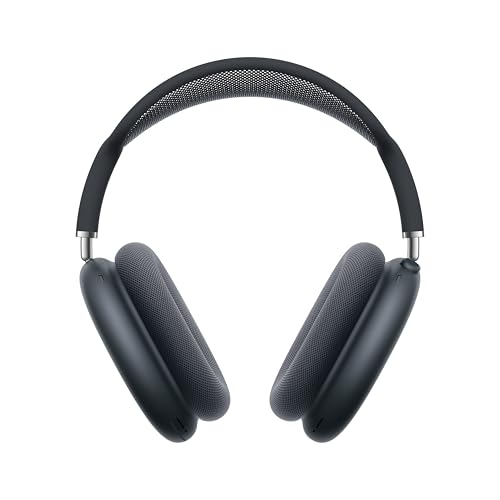
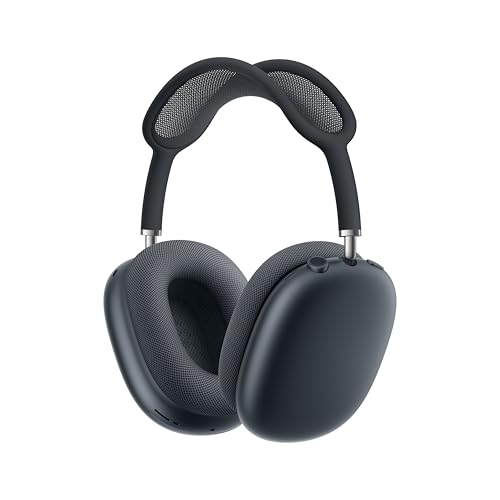


When you're shopping for premium wireless headphones, you'll quickly discover that not all high-end options are created equal. The Apple AirPods Max and Grado GW100x represent two completely different philosophies in headphone design, each excelling in their own domain. At the time of writing, these headphones sit at opposite ends of what premium wireless audio can offer – one prioritizes comprehensive features and versatility, while the other focuses purely on delivering exceptional sound quality.
The wireless headphone market has evolved dramatically over the past decade. What started as a simple quest to eliminate cables has grown into a complex ecosystem where manufacturers must balance sound quality, battery life, smart features, and build quality. Premium headphones now serve multiple roles: they're entertainment devices, productivity tools, and sometimes even fashion statements.
Two main design philosophies have emerged. The first approach, exemplified by the Apple AirPods Max, treats headphones as comprehensive audio computers. These devices pack in active noise cancellation (which uses microphones and processing to cancel out external sounds), spatial audio (creating a surround sound effect), and deep integration with smart devices. The second approach, represented by the Grado GW100x, prioritizes pure audio reproduction above all else, stripping away features that might compromise sound quality.
The choice between these approaches often comes down to where and how you'll use your headphones most frequently. Understanding this difference is crucial because it affects everything from battery life to comfort during long listening sessions.
The most important difference between the Apple AirPods Max and Grado GW100x lies in their acoustic design. The AirPods Max uses a closed-back design, meaning the back of each earcup is sealed. This creates isolation from your surroundings – sounds can't easily leak in or out. It's like listening in a sealed room where you control exactly what you hear.
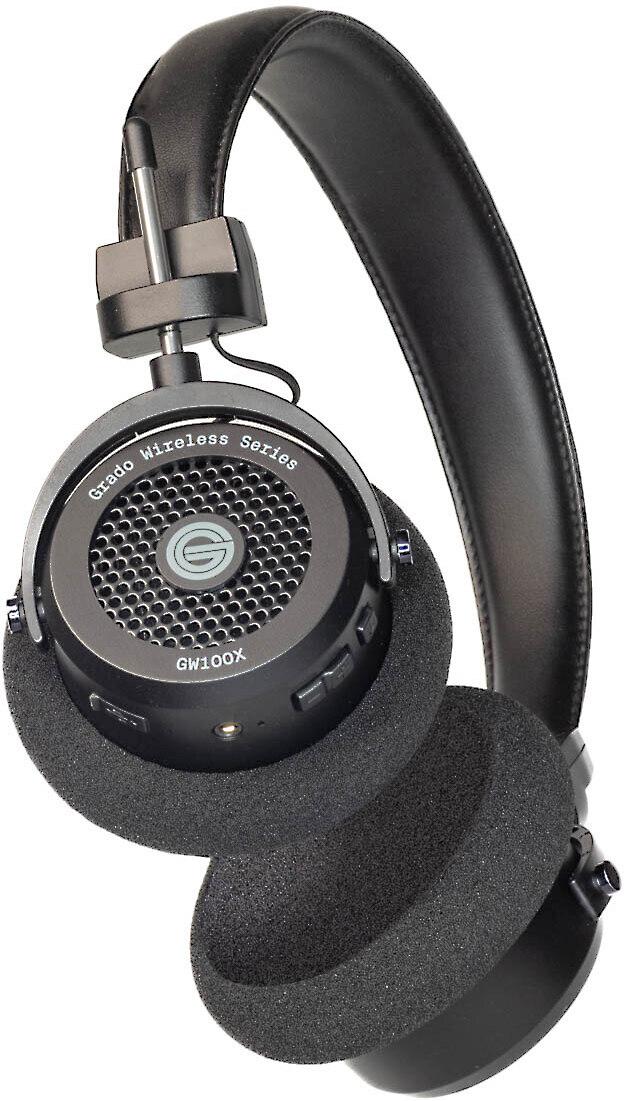
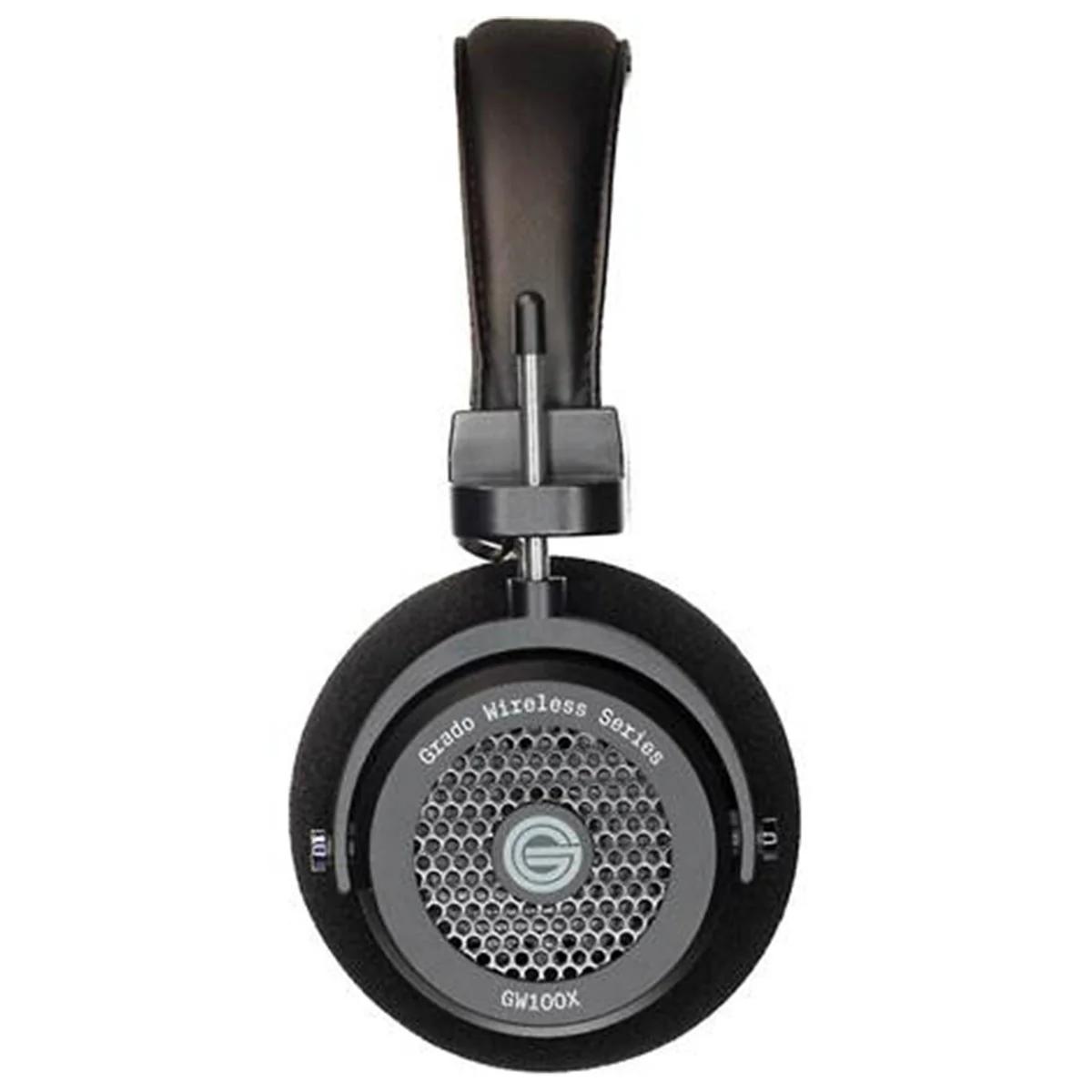
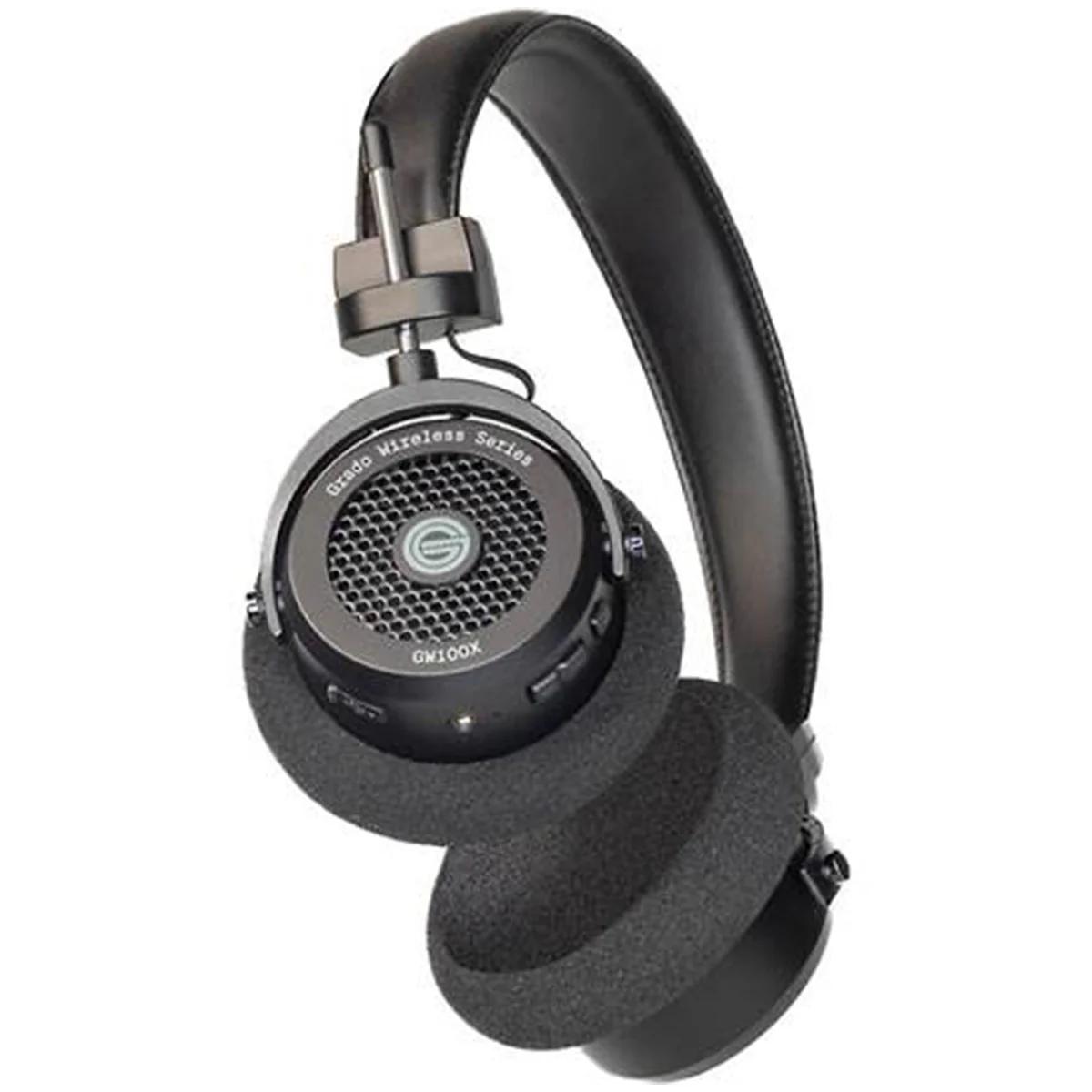
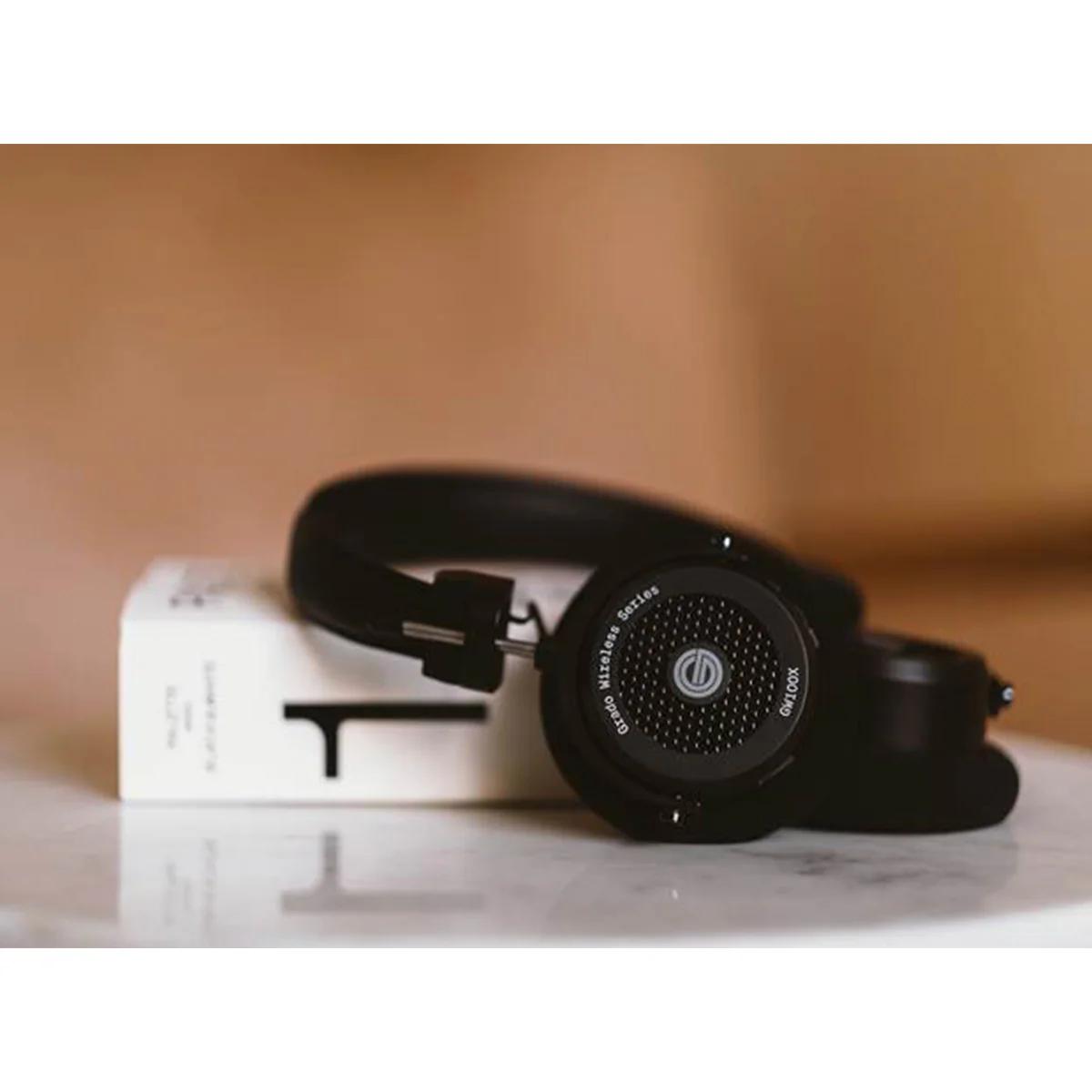
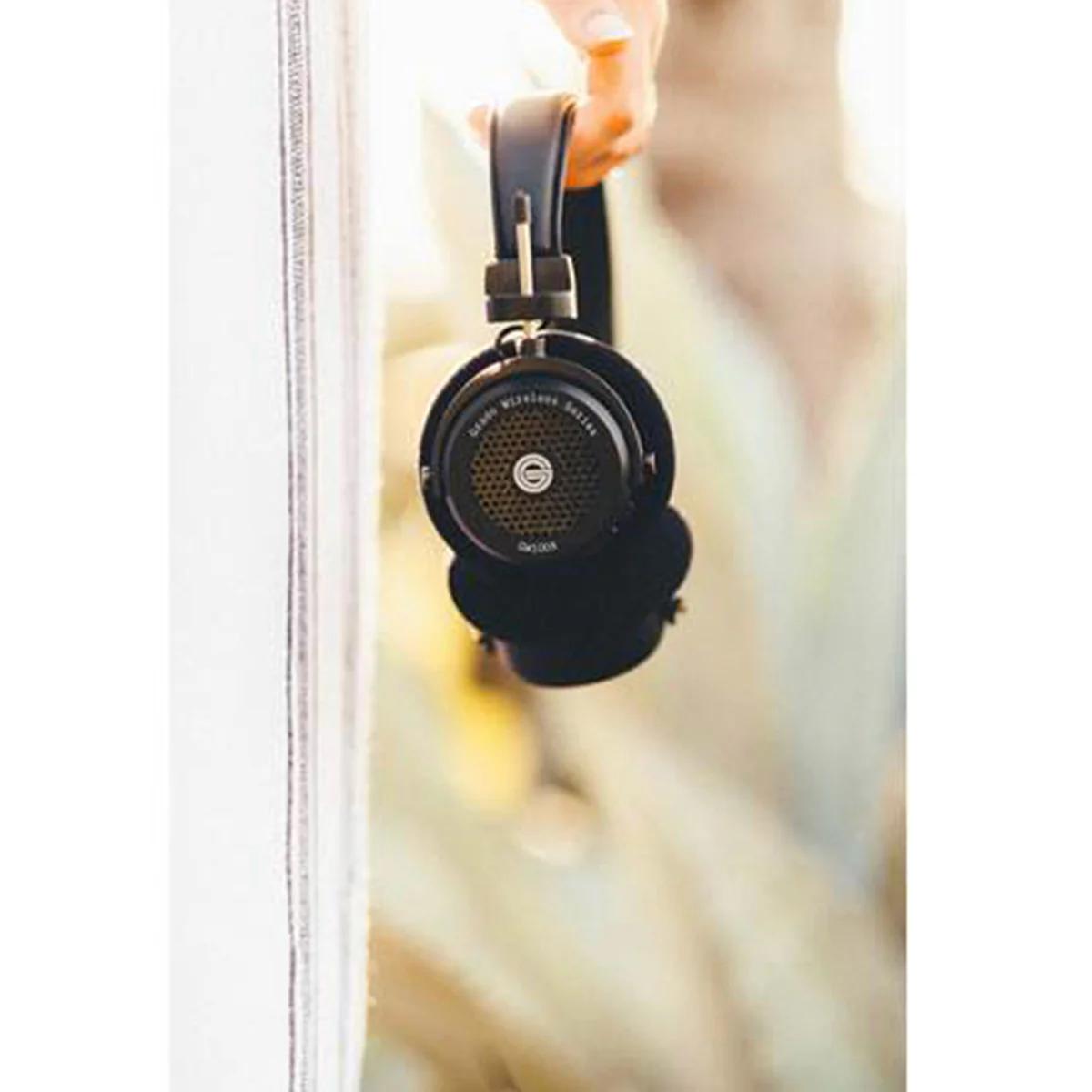
The Grado GW100x, however, features an open-back design where the back of each earcup has openings that allow air and sound to flow freely. Think of it like listening in a concert hall where sound can breathe and expand naturally. This design creates a more spacious, three-dimensional soundstage (the perceived width and depth of the audio), but it comes with trade-offs.
When I first tried open-back headphones years ago, the difference was immediately apparent. Instruments seemed to have more room to exist in their own space, and there was an airiness to the sound that closed-back headphones typically can't match. However, this openness means everyone around you can hear what you're listening to, and external noise flows in freely.
The Apple AirPods Max launched in 2020, representing Apple's first serious entry into the premium over-ear headphone market. Since then, Apple has refined the design with a 2024 update that introduced USB-C charging and new color options, with promises of lossless audio support coming in 2025. This progression shows Apple's commitment to keeping the AirPods Max current with evolving technology standards.
The Grado GW100x arrived in 2023 as an evolution of Grado's original wireless offering from 2018. This newer version incorporates Grado's fourth-generation X-series drivers and improved wireless technology, representing five years of refinement in wireless open-back design. The gap between releases shows how each company approached the wireless transition differently – Apple with a comprehensive feature set from day one, Grado with careful iteration focused on preserving their signature sound quality.
The heart of any headphone is its driver – the component that converts electrical signals into sound waves. The Apple AirPods Max uses custom-designed dynamic drivers that Apple engineered specifically for their acoustic requirements. These drivers work in concert with computational audio processing, meaning the built-in H1 chip actively adjusts the sound in real-time based on factors like how the headphones fit on your head.
The Grado GW100x takes a more traditional approach with their fourth-generation X-series drivers. These 44mm drivers feature a more powerful magnetic circuit and a lighter voice coil (the part that vibrates to create sound), resulting in improved efficiency and reduced distortion. Grado's approach emphasizes getting the physical driver design right rather than relying heavily on digital processing.
In practice, these different approaches create distinctly different listening experiences. The AirPods Max delivers a polished, balanced sound that works well across all genres and content types. The adaptive EQ feature automatically adjusts the frequency response based on how the earcups seal against your ears, ensuring consistent sound quality regardless of fit variations.
Here's where the open-back design of the Grado GW100x truly shines. Soundstage refers to the perceived spatial dimensions of the audio – how wide, deep, and tall the sound appears to be. Imaging describes how precisely you can locate individual instruments or sounds within that space.
The Grado GW100x creates a remarkably expansive soundstage that extends well beyond the physical boundaries of the headphones. When listening to orchestral music or live recordings, instruments seem to occupy distinct positions in space, creating an almost speaker-like experience. This is particularly noticeable with acoustic instruments, where the natural resonance and decay of notes have room to breathe.
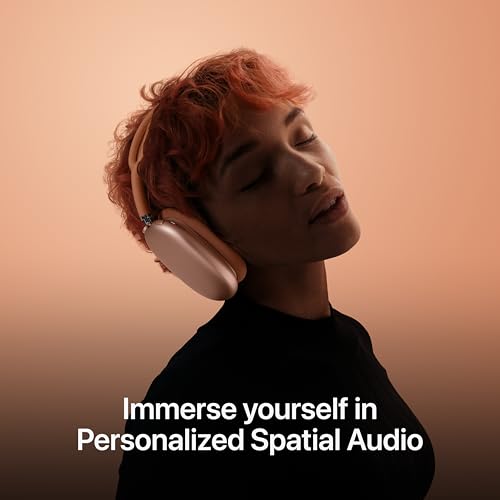
The Apple AirPods Max, despite their closed-back design, creates an impressive soundstage through computational audio. The spatial audio feature uses built-in gyroscopes and accelerometers to track your head movements, anchoring sounds to virtual positions in space. When watching movies or specially mixed music, this creates an immersive surround sound experience that can be genuinely startling in its effectiveness.
Both headphones approach frequency response – how they reproduce different pitches from bass to treble – differently. The Apple AirPods Max aims for a consumer-friendly sound signature that enhances the listening experience across diverse content. The bass is present and controlled, providing satisfying low-end response for everything from hip-hop to orchestral music without becoming overwhelming. The midrange, where most vocals and fundamental instrument tones live, is clear and forward. The treble is detailed but never harsh, making these headphones comfortable for long listening sessions.
The Grado GW100x follows Grado's house sound philosophy, which emphasizes natural, uncolored reproduction with particular attention to midrange clarity. The bass is present but not emphasized, allowing the natural weight and texture of bass instruments to come through without artificial enhancement. The midrange is exceptionally clear and detailed, making vocals and acoustic instruments sound remarkably lifelike. The treble is extended and detailed, revealing subtle nuances in recordings that might be missed with other headphones.
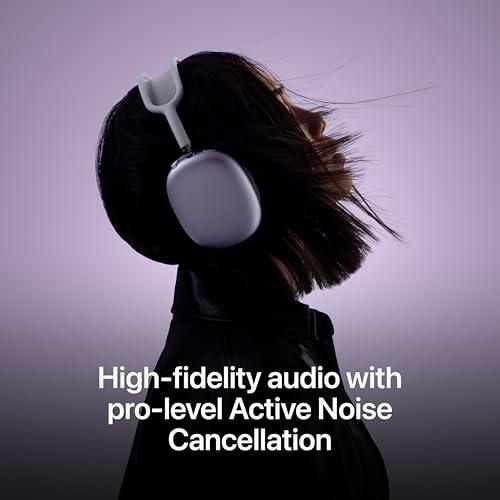
The Apple AirPods Max incorporates one of the most sophisticated noise cancellation systems available. Using eight microphones – six facing outward to detect environmental noise and two facing inward to monitor what you're actually hearing – the system continuously adjusts to cancel unwanted sounds. This isn't just about blocking noise; it's about creating a controlled acoustic environment where you can focus on your music or calls without distraction.
The effectiveness of this system is remarkable. On airplanes, the constant drone of engines virtually disappears. In busy offices, keyboard clatter and conversations fade into the background. The transparency mode flips this on its head, using the same microphone array to let environmental sounds through naturally, so you can have conversations or stay aware of your surroundings without removing the headphones.
The Grado GW100x takes the opposite approach entirely. Not only does it lack active noise cancellation, but its open-back design actively lets environmental sounds in. This isn't a flaw in the design – it's intentional. The philosophy is that music sounds more natural when it can interact with the acoustic environment around you, rather than being isolated in a sealed chamber.
The Apple AirPods Max seamlessly integrates with Apple's ecosystem in ways that feel almost magical when they work properly. Automatic device switching allows the headphones to jump between your iPhone, iPad, and Mac based on which device you're actively using. Spatial audio with head tracking creates an immersive experience for movies and specially mixed music. The H1 chip in each earcup enables features like "Hey Siri" voice activation and instant pairing with Apple devices.
These features extend beyond mere convenience. For content creators, the upcoming ultra-low latency mode will enable real-time audio monitoring for video editing and music production. The spatial audio feature isn't just a gimmick – it can genuinely enhance the experience of watching movies or playing games by creating a more immersive soundscape.
The Grado GW100x deliberately avoids this complexity. There's no app, no spatial audio processing, and no advanced smart features. The philosophy is that these additions can introduce latency, processing artifacts, or other compromises that detract from pure audio reproduction. The headphones do support multipoint pairing, allowing connection to two devices simultaneously, but that's about as smart as they get.
Battery life reveals another fundamental difference in design priorities. The Grado GW100x achieves an impressive 46 hours of playback at moderate volumes, largely because it's not powering energy-hungry features like active noise cancellation or spatial audio processing. This makes them ideal for long trips or extended listening sessions where charging opportunities might be limited.
The Apple AirPods Max provides around 20 hours with ANC or transparency mode enabled – still respectable, but significantly less than the Grado GW100x. However, this shorter battery life comes with the trade-off of much more functionality. The active noise cancellation alone requires significant processing power to continuously analyze and cancel environmental sounds.
Both headphones charge via USB-C (in their current versions), but the Apple AirPods Max includes a smart case that puts the headphones into an ultra-low power mode when stored. The Grado GW100x doesn't include a case, but the headphones can be used as traditional wired headphones when the battery is depleted – a nice fallback option.
The Apple AirPods Max showcases premium materials throughout its construction. The earcups are machined from aluminum, the headband frame uses stainless steel, and the ear cushions are memory foam wrapped in breathable fabric. This creates a distinctly premium feel, though it also results in significant weight – these are substantial headphones that you'll definitely notice wearing.
The comfort is generally excellent for the weight, with the mesh headband distributing pressure evenly and the memory foam earcups creating a good seal without excessive clamping force. However, the 384-gram weight can become fatiguing during very long listening sessions or active use.
The Grado GW100x takes a more utilitarian approach. The construction is primarily plastic with metal reinforcements where needed, prioritizing light weight and comfort over luxury aesthetics. At 312 grams, they're noticeably lighter than the AirPods Max, making them more suitable for extended listening sessions. The on-ear design (as opposed to the over-ear design of the AirPods Max) sits on your ears rather than around them, which some people find more comfortable for long periods.
For home theater use, these headphones serve very different purposes. The Apple AirPods Max excels as a personal home theater solution. The spatial audio feature, when paired with compatible content from Apple TV or other sources, creates a convincing surround sound experience. The active noise cancellation helps you focus on dialogue and sound effects without being distracted by household noise like air conditioning or family members in other rooms.
Late-night movie watching becomes particularly enjoyable with the AirPods Max. You can immerse yourself in action sequences or dramatic scenes without disturbing others, and the spatial audio helps maintain the cinematic experience that speakers would normally provide.
The Grado GW100x offers a different but equally compelling home theater experience. The open-back design creates an expansive soundstage that can make movie soundtracks feel more natural and spacious. However, you'll need a quiet environment to fully appreciate this, and the lack of noise cancellation means you might miss subtle dialogue if there's background noise in your home.
For music-focused entertainment, the Grado GW100x might actually provide a more engaging experience. The natural soundstage and detailed reproduction can reveal nuances in film scores and soundtracks that you might miss with other headphones.
When evaluating these headphones, several key performance metrics deserve particular attention:
Sound Quality and Tonal Balance: This is where personal preference plays a significant role. The Apple AirPods Max offers a polished, consumer-friendly sound that works well across all content types. The Grado GW100x provides a more reference-like sound that reveals more detail but might require adjustment if you're used to more colored presentations.
Comfort During Extended Use: Both headphones handle long listening sessions well, but in different ways. The AirPods Max's weight can become noticeable after several hours, while the Grado GW100x's lighter design and breathable earpads make them easier to forget you're wearing.
Versatility Across Use Cases: The Apple AirPods Max adapts to almost any situation – commuting, office work, travel, home listening, and calls. The Grado GW100x excels specifically in quiet environments but struggles in noisy or public settings.
Battery Performance: While both offer solid battery life, the Grado GW100x's 46-hour endurance significantly reduces charging anxiety, especially for travelers or people who frequently forget to charge their devices.
The choice between the Apple AirPods Max and Grado GW100x ultimately comes down to your primary use case and what you value most in a headphone experience.
Choose the Apple AirPods Max if you need headphones that can handle everything life throws at them. They're ideal for people who commute on public transportation, work in busy offices, travel frequently, or want a single pair of headphones that excels in multiple scenarios. The active noise cancellation alone makes them worthwhile for many users, and the ecosystem integration provides genuine convenience for Apple device users.
The Grado GW100x is perfect for the listener who prioritizes pure audio quality above all else and primarily listens in controlled environments. They're ideal for home listening, quiet offices, or situations where you want to hear your music with minimal electronic processing. The exceptional battery life and lower price point (at the time of writing) make them an excellent value for audiophile-quality sound.
Consider your listening environment honestly. If you find yourself frequently listening in noisy environments or need headphones for calls and productivity, the Apple AirPods Max provides features you'll actually use. If your listening happens primarily at home or in quiet spaces, and you're willing to work around the limitations of open-back design, the Grado GW100x offers a more pure and potentially more rewarding musical experience.
Both represent excellent examples of their respective design philosophies. The Apple AirPods Max proves that feature-rich headphones can still deliver excellent sound quality, while the Grado GW100x demonstrates that focusing on core audio performance can create exceptional value. Your choice should align with how you actually use headphones in your daily life, rather than trying to optimize for every possible scenario.
| Apple AirPods Max | Grado GW100x |
|---|---|
| Design Type - Determines isolation and soundstage quality | |
| Closed-back over-ear (blocks outside noise, contained soundstage) | Open-back on-ear (natural soundstage, sound leakage both ways) |
| Active Noise Cancellation - Essential for public use and focus | |
| Advanced ANC with 8 microphones and transparency mode | None (open-back design philosophy) |
| Battery Life - Critical for travel and extended sessions | |
| 20 hours with ANC/transparency enabled | 46 hours at moderate volume (industry-leading) |
| Weight - Affects comfort during long listening sessions | |
| 384.8g (substantial, may cause fatigue) | 312g (lighter, more comfortable for extended wear) |
| Audio Driver Technology - Core sound reproduction capability | |
| Apple-designed dynamic drivers with computational audio | Grado 4th-gen X-series 44mm drivers with enhanced magnetic circuit |
| Bluetooth Codecs - Determines wireless audio quality | |
| AAC (optimized for Apple devices) | aptX Adaptive, AAC, SBC (broader device compatibility) |
| Smart Features - Convenience and ecosystem integration | |
| Spatial Audio, head tracking, "Hey Siri", device switching | Multipoint pairing only (minimal smart features) |
| Sound Signature - Musical character and tonal balance | |
| Balanced, consumer-friendly with adaptive EQ | Natural, reference-like with emphasized midrange clarity |
| Use Environment Flexibility - Where you can effectively use them | |
| Excellent for public transport, offices, travel, home | Limited to quiet environments only (home, private spaces) |
| Wired Backup Option - Functionality when battery depletes | |
| USB-C with adapter (limited wired functionality) | 3.5mm cable included (full wired headphone capability) |
| Price Positioning - Value proposition at time of writing | |
| Premium tier (comprehensive feature set justifies cost) | Mid-tier pricing (exceptional audio value, fewer features) |
| Build Materials - Durability and premium feel | |
| Aluminum earcups, stainless steel frame, memory foam | Plastic construction with metal reinforcements (utilitarian) |
| Spatial Audio Capability - Immersive entertainment experience | |
| Advanced with head tracking for movies and gaming | Natural soundstage from open-back design only |
The Grado GW100x delivers superior sound quality for pure music listening, especially in quiet environments. Their open-back design creates a natural, spacious soundstage that makes instruments sound more lifelike and separated. The Apple AirPods Max offers excellent sound quality with a more consumer-friendly, balanced signature that works well across all content types, but the Grado GW100x edges out for critical music listening.
The Apple AirPods Max are ideal for public transportation thanks to their advanced active noise cancellation and closed-back design that blocks external noise. The Grado GW100x are not suitable for public transport - their open-back design lets in all surrounding noise and leaks your music to other passengers.
Both excel for home theater but in different ways. The Apple AirPods Max provide spatial audio with head tracking that creates a surround sound experience, plus noise cancellation to block household distractions. The Grado GW100x offer a more natural, expansive soundstage that can make movie soundtracks feel more spacious, but require a quiet environment to be effective.
The Grado GW100x offer exceptional 46-hour battery life at moderate volumes, making them ideal for long trips or extended listening. The Apple AirPods Max provide around 20 hours with active noise cancellation enabled, which is still solid but significantly less than the Grado GW100x.
The Grado GW100x are more comfortable for extended wear due to their lighter weight and breathable on-ear design. The Apple AirPods Max are heavier and may cause fatigue during very long sessions, though their memory foam cushions and headband design distribute weight well for most users.
The Apple AirPods Max excel for calls with their advanced microphone array and noise cancellation that blocks background distractions. The Grado GW100x have a basic microphone that's adequate for calls, but their open-back design means others nearby can hear your conversations.
The Grado GW100x provide exceptional value for pure audio quality at their price point, offering audiophile-grade sound without premium pricing. The Apple AirPods Max justify their higher cost with comprehensive features like noise cancellation, spatial audio, and ecosystem integration, making them better value if you need those features.
Both work with non-Apple devices via Bluetooth. The Grado GW100x actually offer broader codec support (aptX Adaptive, AAC, SBC) for better compatibility across Android and other devices. The Apple AirPods Max work with non-Apple devices but lose many smart features and are optimized primarily for Apple's AAC codec.
The Apple AirPods Max are better for gaming thanks to their spatial audio capabilities and low latency with compatible devices. The closed-back design also helps with focus during competitive gaming. The Grado GW100x can provide excellent audio detail for single-player games in quiet environments but lack gaming-specific features.
Neither is ideal for intense exercise, but the Grado GW100x are lighter and more suitable for light activity. The Apple AirPods Max are quite heavy and not designed for active use. Both lack water resistance ratings that would make them suitable for workout use.
The Apple AirPods Max are designed for noisy environments with industry-leading active noise cancellation that blocks distractions. The Grado GW100x are completely unsuitable for noisy offices - their open-back design lets in all ambient noise and your music will disturb colleagues.
The Grado GW100x include a 3.5mm cable and function as full wired headphones when the battery is depleted. The Apple AirPods Max can be used wired via USB-C but with limited functionality - they still require some battery power for full operation and many features don't work in wired mode.
We've done our best to create useful and informative comparisons to help you decide what product to buy. Our research uses advanced automated methods to create this comparison and perfection is not possible - please contact us for corrections or questions. These are the sites we've researched in the creation of this article: recordingnow.com - t3.com - telegraph.co.uk - soundguys.com - youtube.com - forums.macrumors.com - youtube.com - youtube.com - apple.com - support.apple.com - idownloadblog.com - media.distrelec.com - en.wikipedia.org - apple.com - apple.com - support.apple.com - rtings.com - techradar.com - crutchfield.com - whathifi.com - moon-audio.com - majorhifi.com - rockonav.com - forums.stevehoffman.tv - newegg.com - audiosciencereview.com - gradolabs.com - decibelaudio.com - addictedtoaudio.com.au - s3.eu-west-1.amazonaws.com - audioadvice.com - analogmatters.com - nyczaj.audio - parts-express.com

Privacy Policy
Terms and Conditions - Affiliate Policy
Home Security
© Copyright 2008-2026.
11816 Inwood Rd #1211, Dallas, TX 75244