

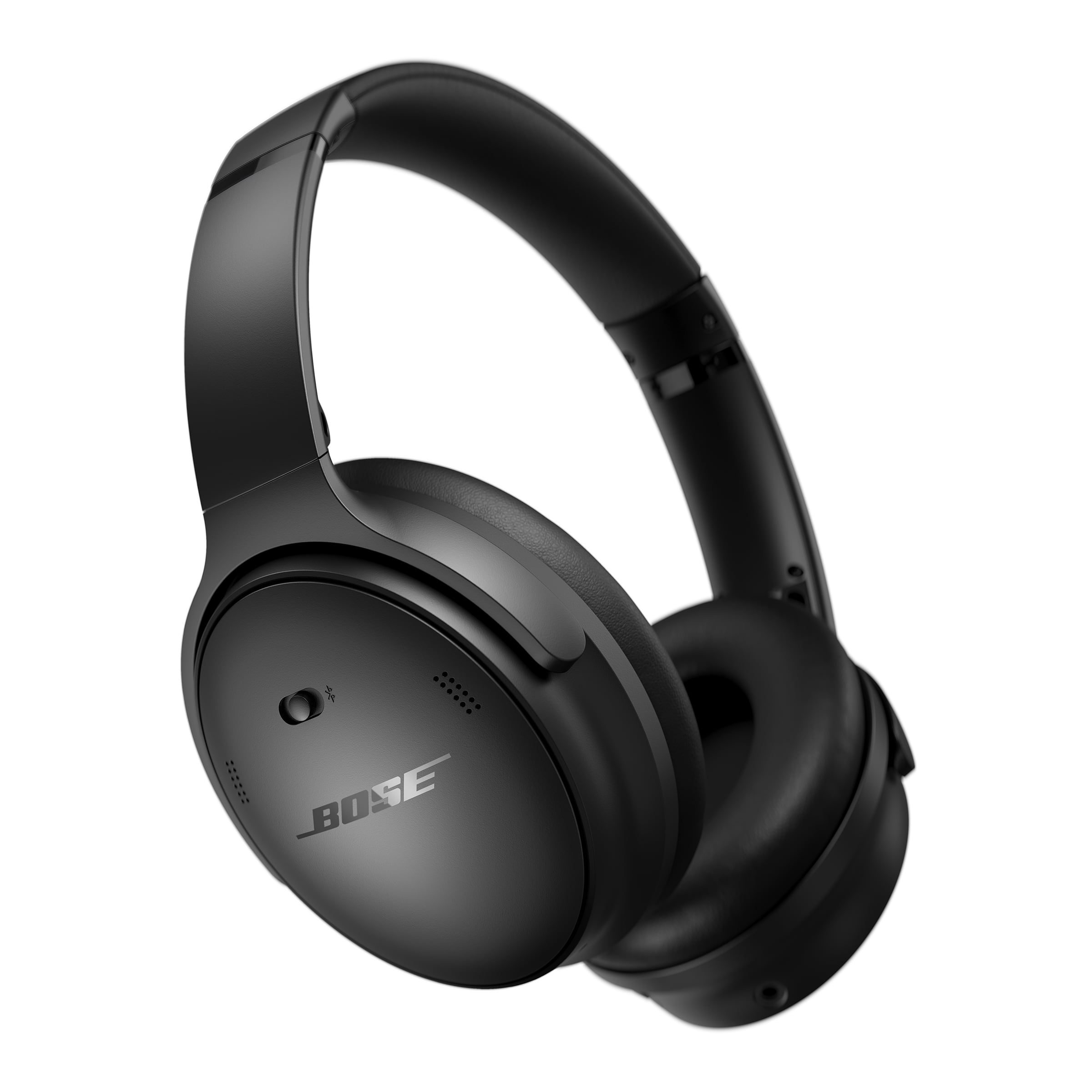
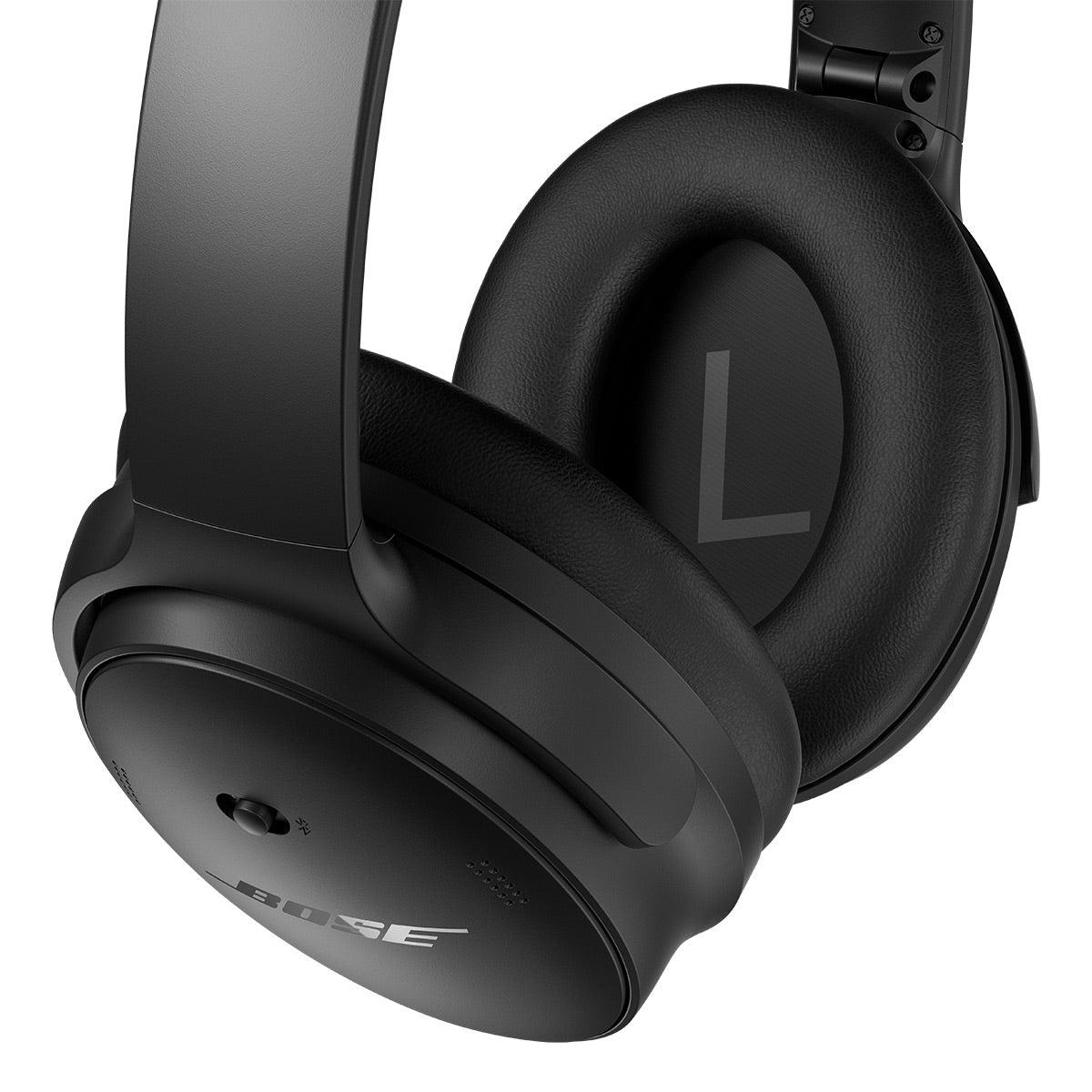
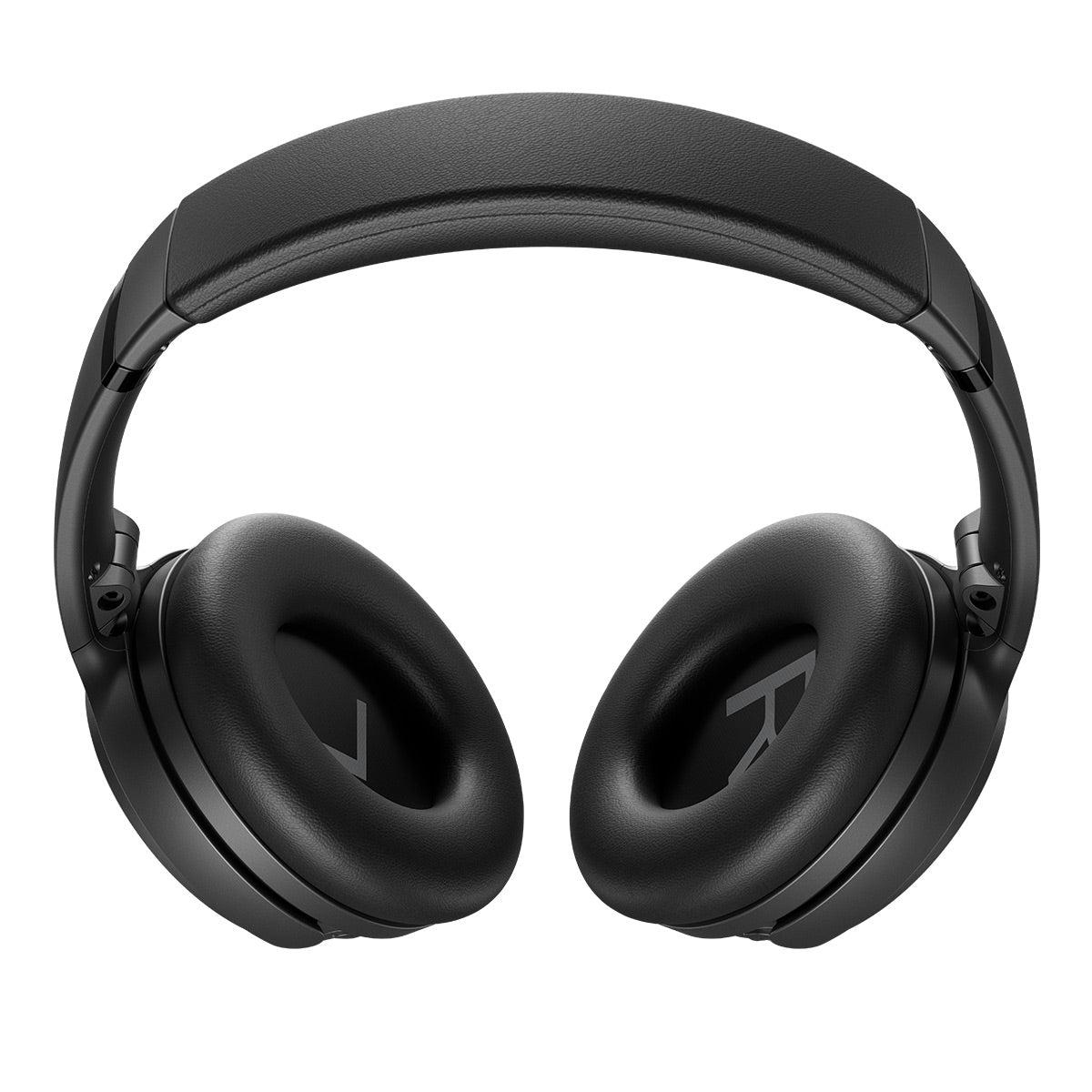

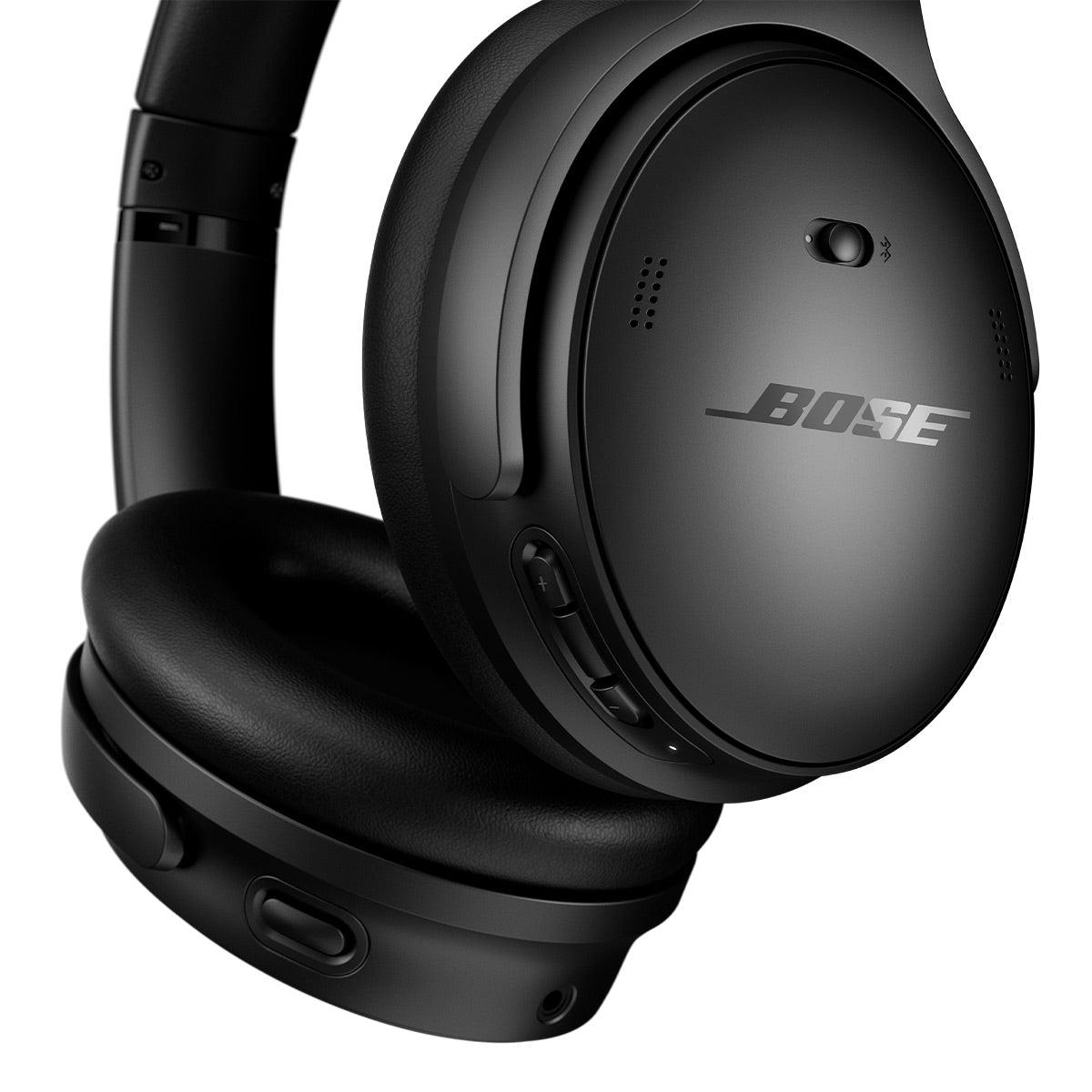

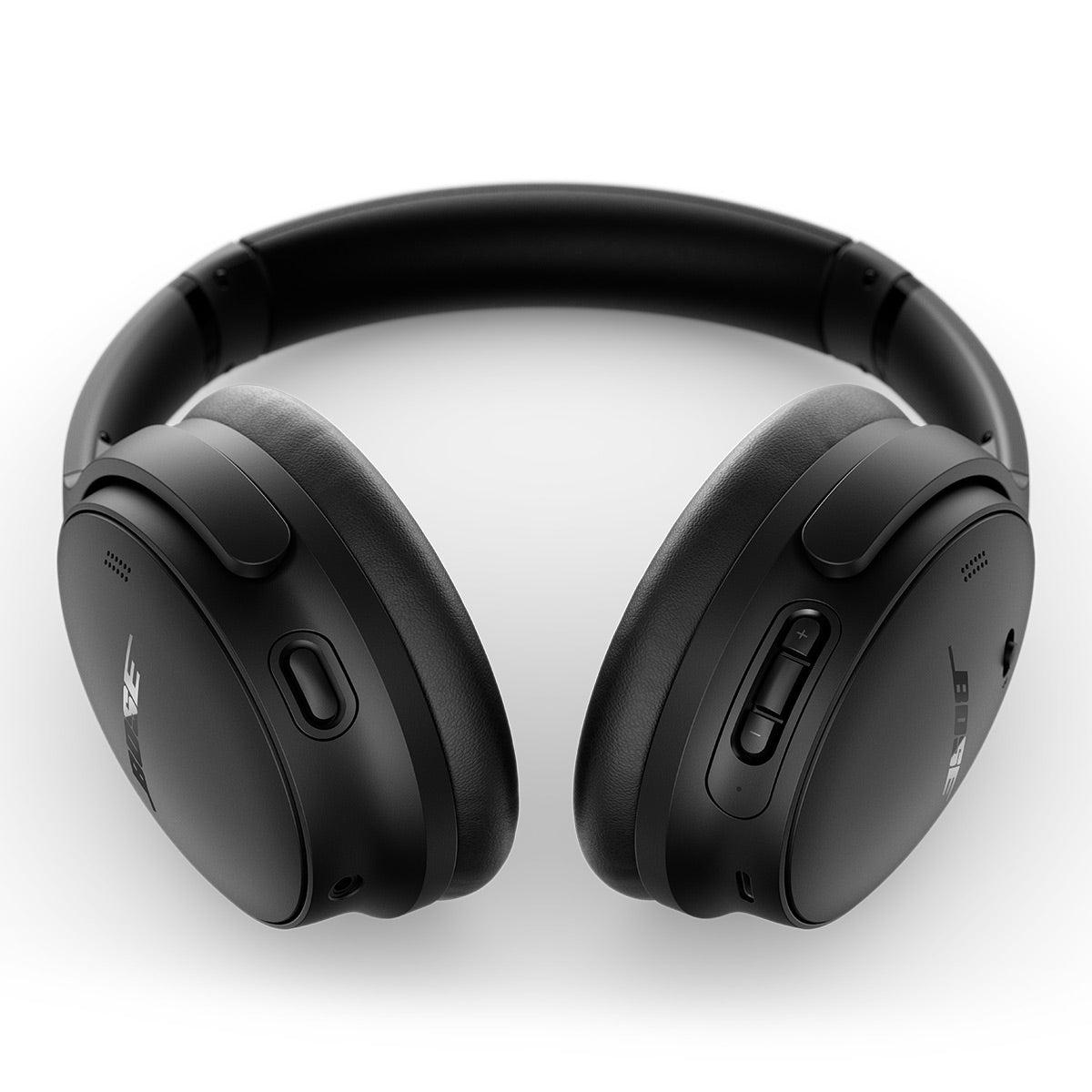

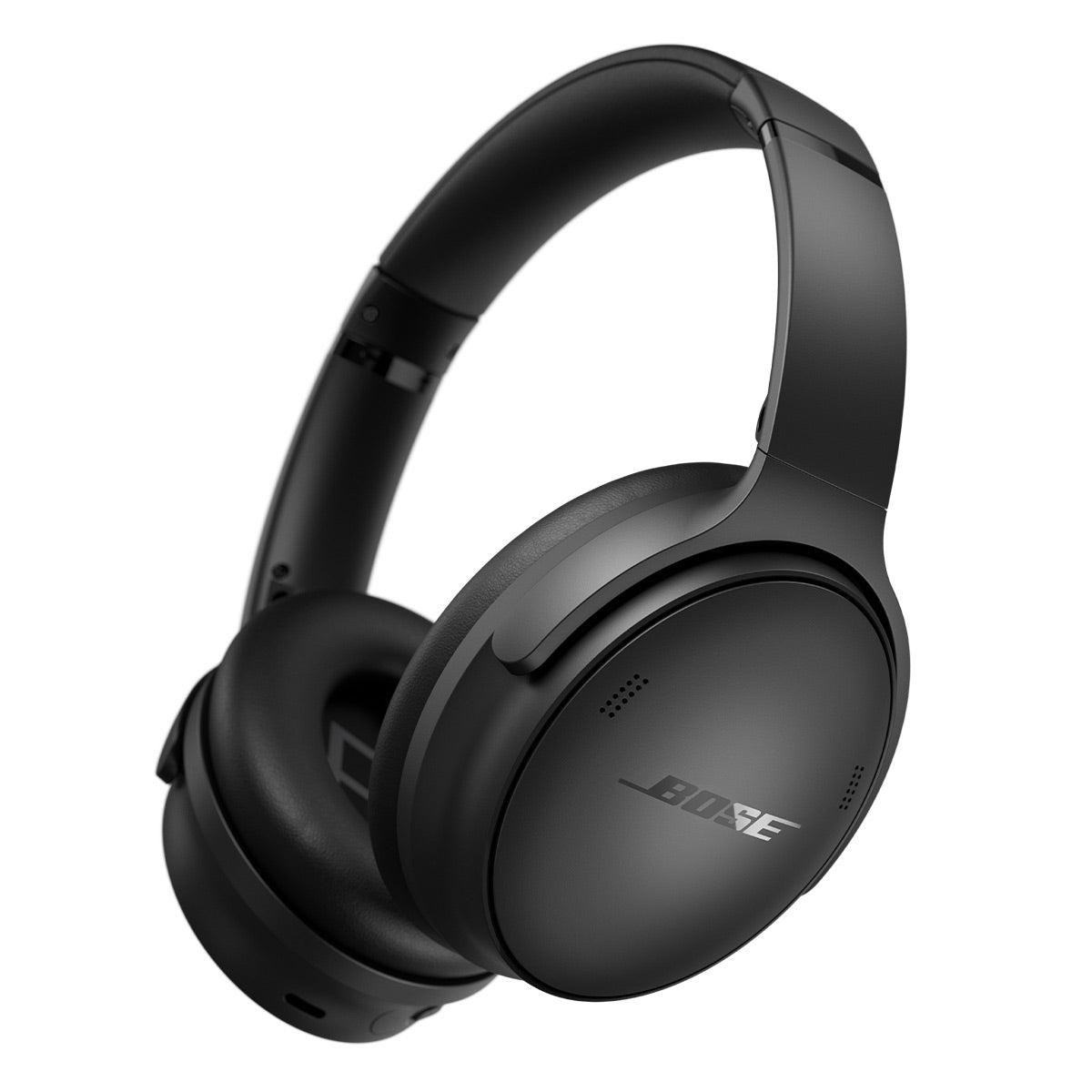
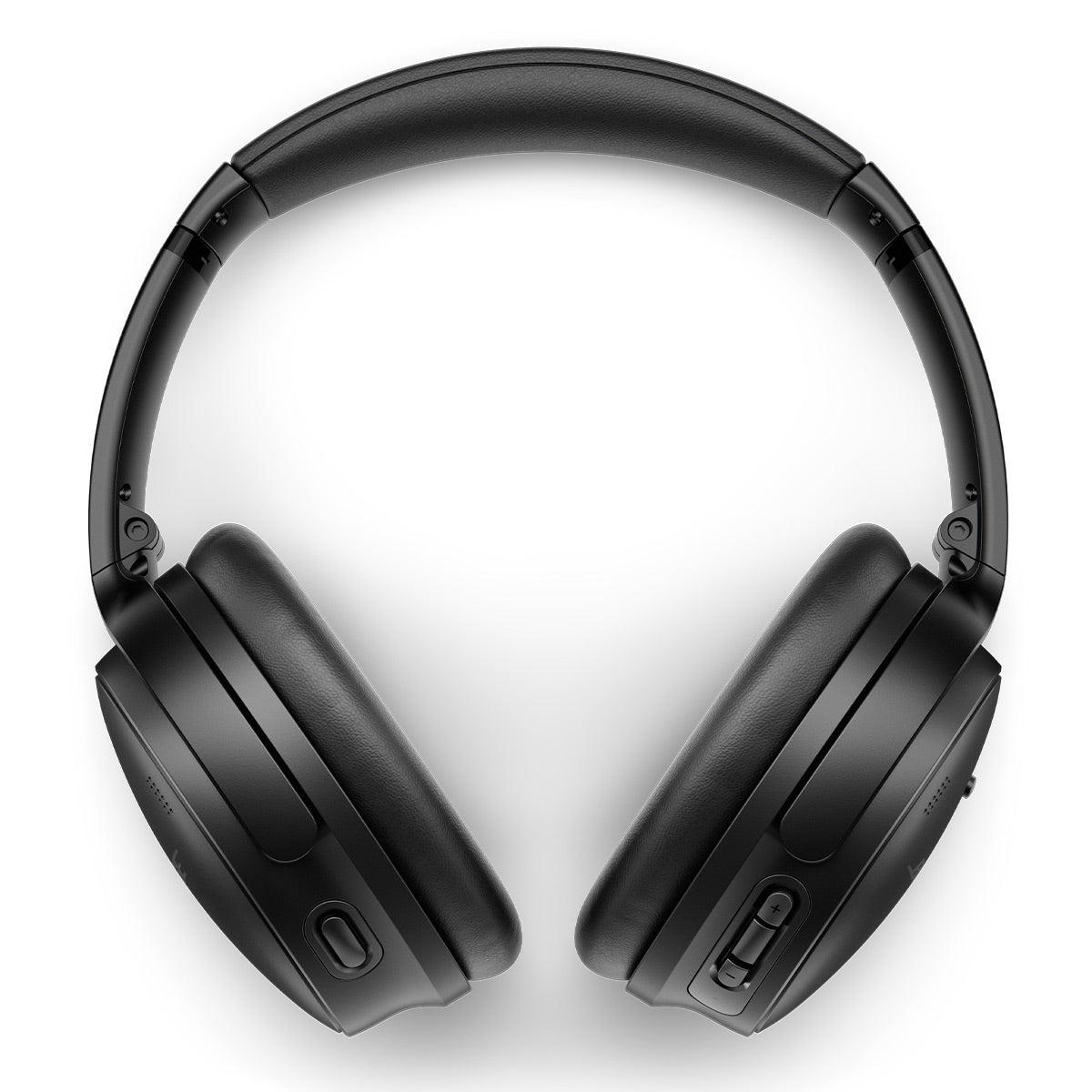
When you're shopping for wireless headphones, you might think all premium options are pretty similar. But the Bose QuietComfort Wireless Headphones ($349) and Grado GW100x ($275) prove that couldn't be further from the truth. These two headphones represent completely opposite philosophies about what wireless audio should be, and understanding their differences will help you make the right choice for your specific needs.
The wireless headphone market has exploded in recent years, but not all wireless headphones are created equal. When evaluating any wireless headphones, you need to consider several key factors that will determine how well they'll work for your lifestyle.
Acoustic design is perhaps the most fundamental difference. Closed-back headphones like the Bose QuietComfort seal around your ears, blocking outside noise and keeping your music from leaking out. Open-back designs like the Grado GW100x have openings that let air (and sound) flow freely through the ear cups. This creates a more natural, spacious sound but means everyone around you will hear what you're listening to.
Noise management varies dramatically between models. Active noise cancellation (ANC) uses microphones and electronics to actively cancel out background noise, while passive isolation simply blocks sound through physical barriers. Some headphones, like the Grado GW100x, offer neither – they're completely open to your environment.
Use case flexibility determines where and when you can actually use your headphones. Some work great on airplanes, in offices, and at home. Others are strictly for private listening spaces. Understanding this upfront can save you from buying the wrong headphones for your needs.
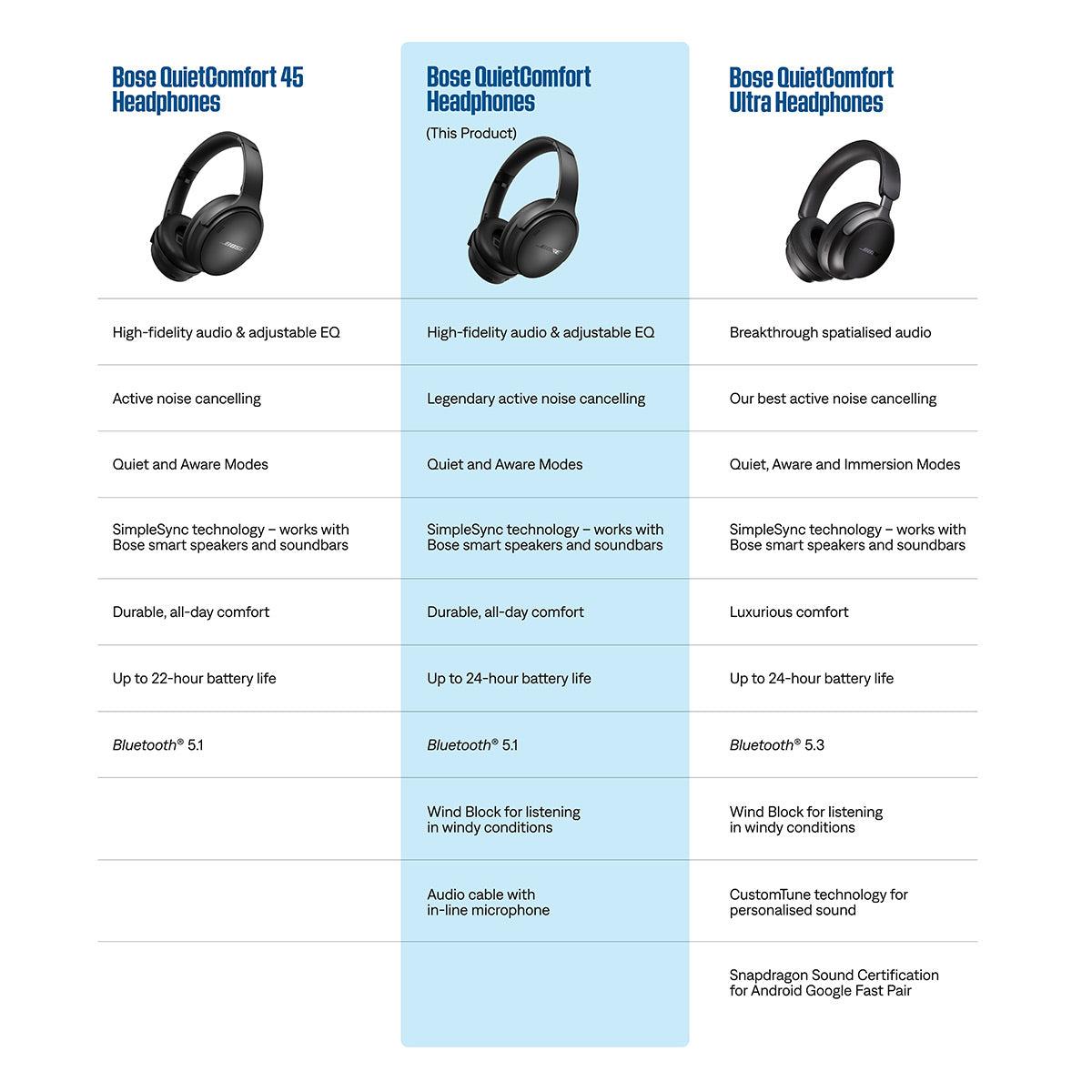
Released in September 2023, the Bose QuietComfort Wireless Headphones represent Bose's latest take on their famous noise-canceling formula. These headphones sit between the more basic QuietComfort 45 and the premium QuietComfort Ultra in Bose's lineup, offering most of the essential features without some of the Ultra's more advanced spatial audio capabilities.
What makes these headphones special is Bose's proprietary TriPort acoustic structure. This isn't just marketing speak – it's a real engineering solution that uses external ports to make the acoustic volume inside each ear cup larger without making the headphones themselves bigger or heavier. The result is better bass response and more effective noise cancellation from a lighter, more comfortable design.
The noise cancellation system uses both internal and external microphones that constantly measure ambient sound and generate opposing sound waves to cancel it out. This dual-microphone approach is more sophisticated than single-microphone systems and can reduce ambient noise by up to 45 decibels. To put that in perspective, that's like turning the volume down on a busy street from a shout to a whisper.
At 240 grams, the Bose QuietComfort strikes a good balance between substantial build quality and comfortable weight. The protein leather ear cushions and padded headband distribute pressure evenly, making them comfortable for long listening sessions. I've worn these for entire transcontinental flights without the ear fatigue that some heavier headphones can cause.
The sound signature is definitely consumer-friendly, with a noticeable boost in the sub-bass frequencies – sometimes up to 14dB below 60Hz. This makes electronic music, hip-hop, and movie soundtracks sound punchy and exciting, though classical music purists might find it a bit too colored. The good news is that the Bose app includes a customizable EQ, so you can adjust the bass, mids, and treble to your taste.
Battery life hits the advertised 24 hours with ANC active, and the quick-charge feature is genuinely useful – 15 minutes of charging gives you about 4 hours of playback. The USB-C charging port is future-proof and convenient if you're already carrying USB-C cables for other devices.
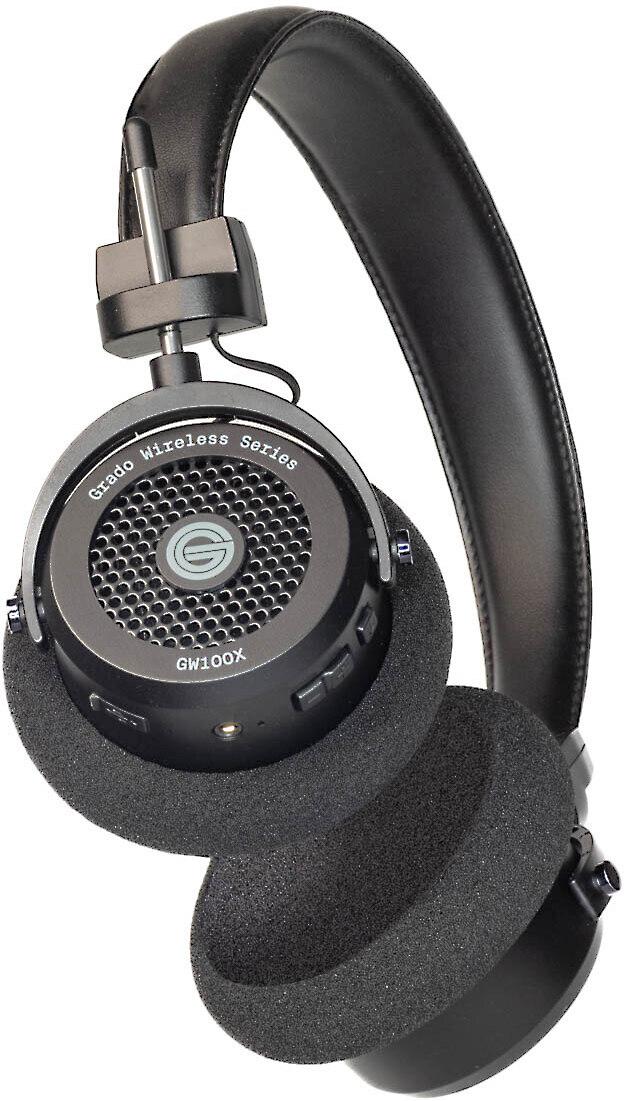
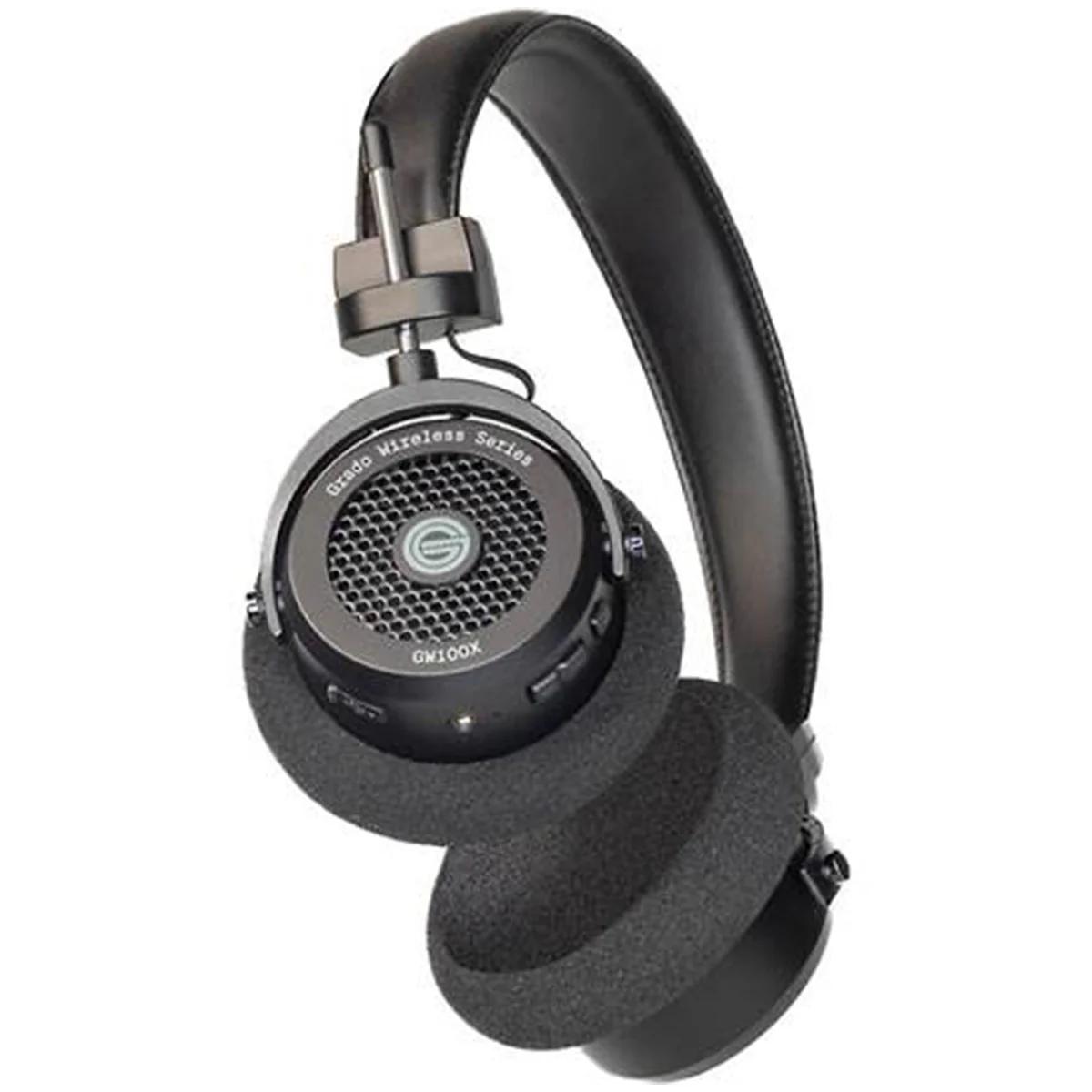
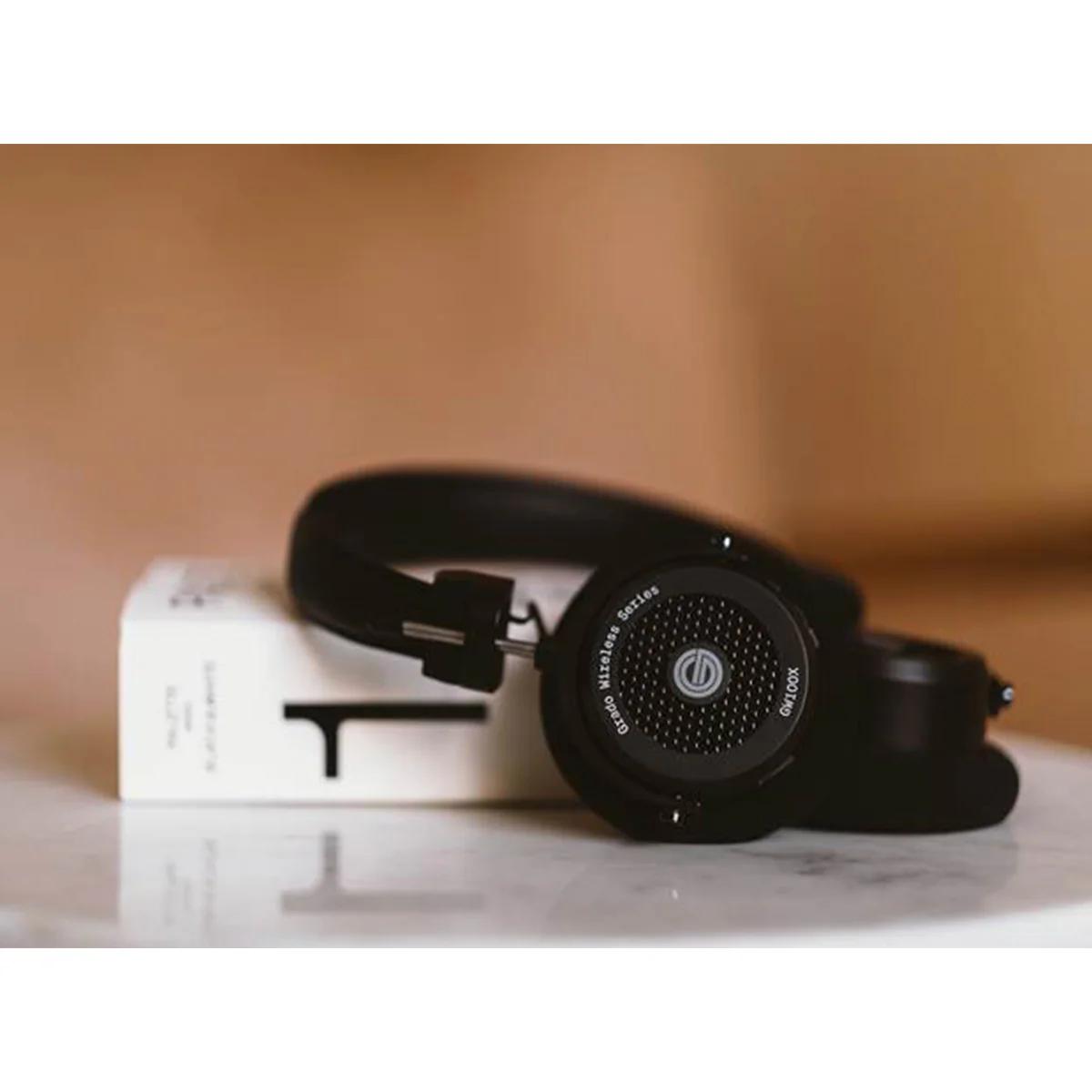
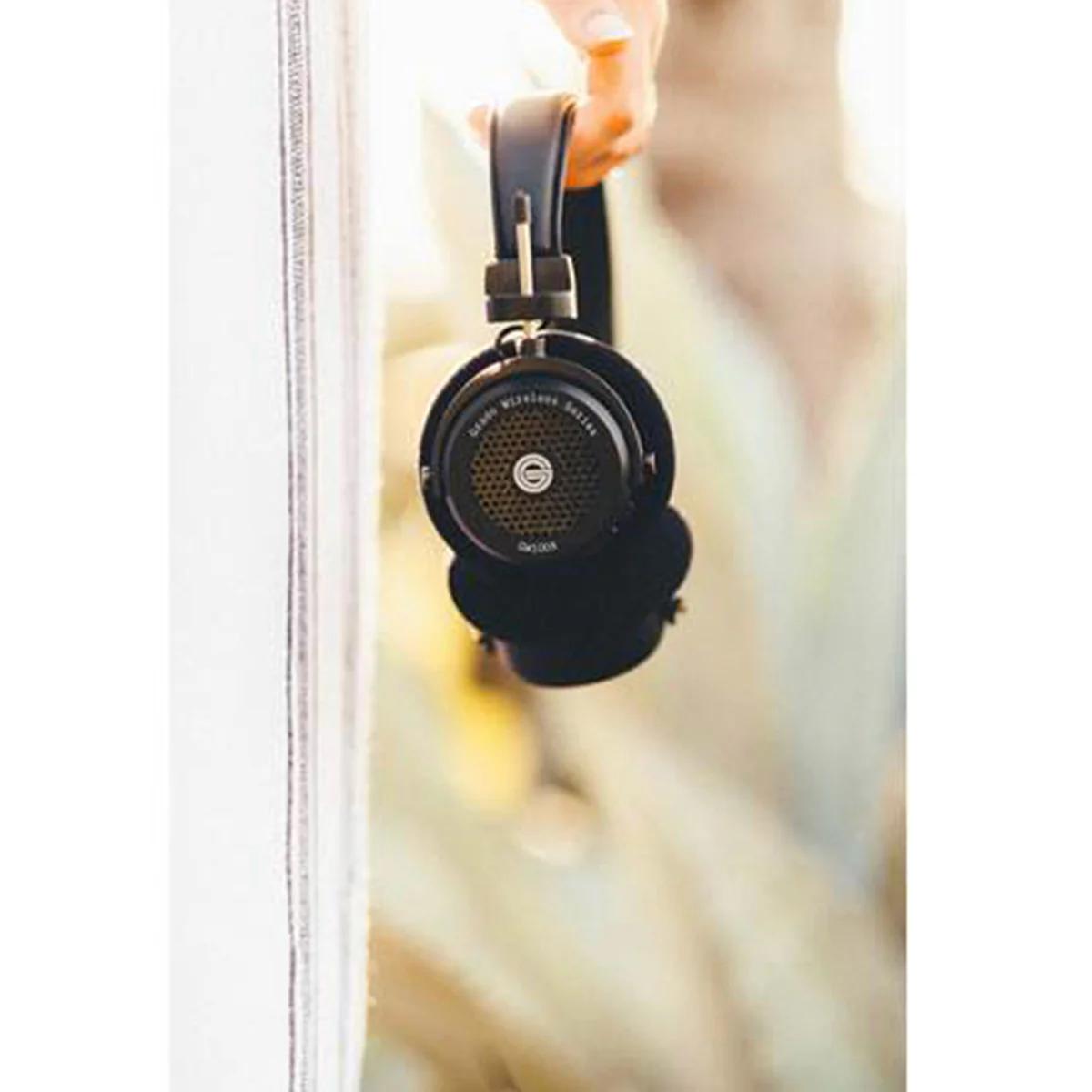
The Grado GW100x is one of the most unusual wireless headphones you can buy today. Released in 2023, it represents Grado's attempt to bring their legendary wired headphone sound quality to the wireless world without compromising their core acoustic philosophy.
Grado has been making headphones in Brooklyn since 1953, and they're famous for their open-back designs that prioritize natural sound reproduction over isolation or convenience. The GW100x continues this tradition with their fourth-generation 44mm X Series drivers, which feature a more powerful magnetic circuit and lighter voice coil than previous generations.
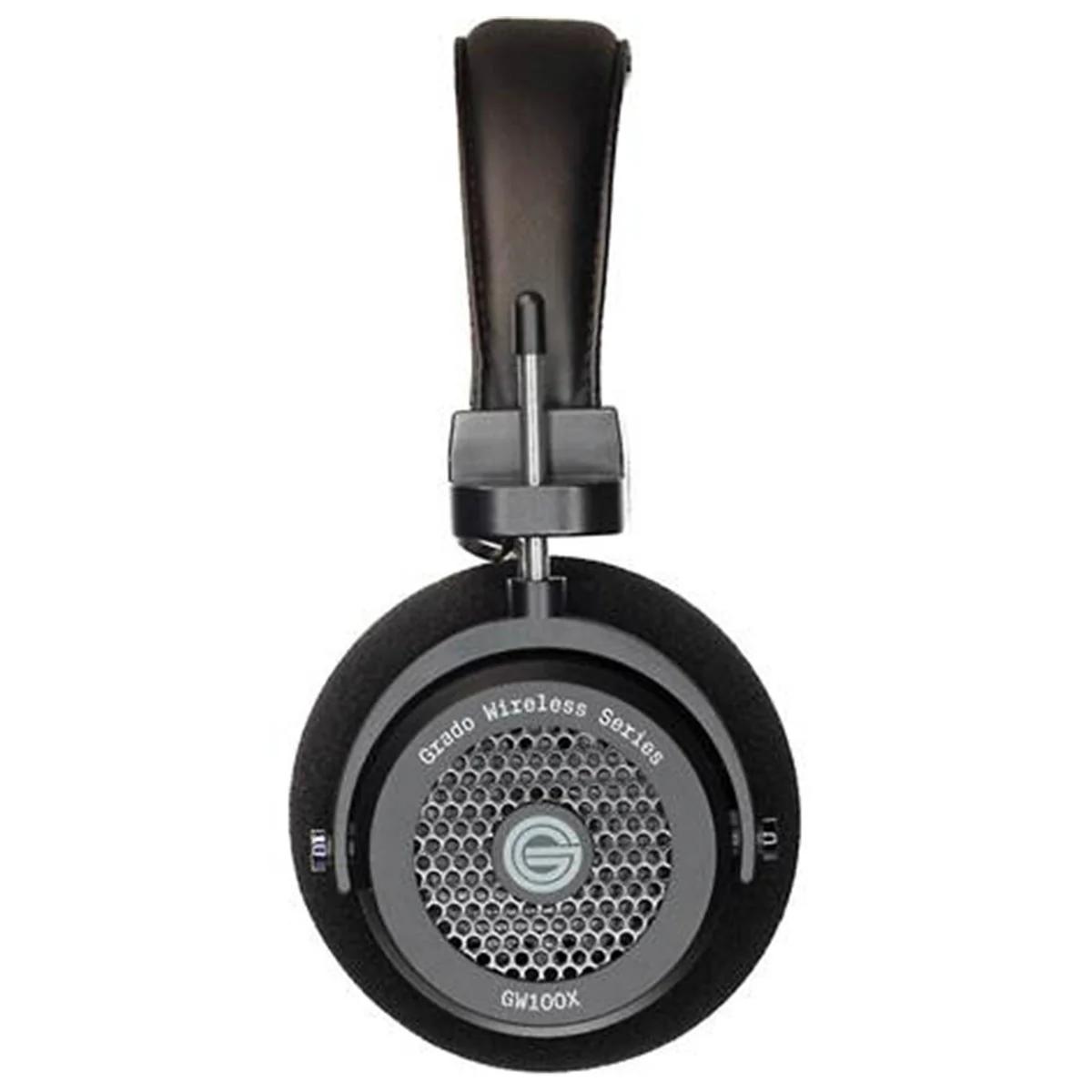
What makes these headphones remarkable is that they're among the very few open-back wireless headphones available at any price point. Most manufacturers avoid this design because wireless headphones are typically used in noisy environments where isolation is important. Grado took the opposite approach, creating wireless headphones specifically for quiet, private listening spaces where sound quality matters more than isolation.
The open-back design creates what audiophiles call "soundstage" – the sense that instruments and voices are positioned in a three-dimensional space around your head rather than just left and right. When listening to a well-recorded jazz album through the Grado GW100x, you can often pinpoint exactly where each instrument is positioned on the recording stage. This spatial quality is almost impossible to achieve with closed-back designs.
At 188 grams, the GW100x is lighter than the Bose QuietComfort, but the on-ear design means they rest on your ears rather than around them. Some people find this less comfortable for extended listening, though the reduced weight helps offset the increased pressure.
The sound signature is much more neutral than the Bose, with minimal coloration across the frequency spectrum. Bass is present and accurate without being boosted, mids are clear and natural, and highs are detailed without being harsh. This makes them excellent for critical listening and discovering new details in familiar recordings.
One area where the Grado GW100x truly excels is battery life. The 46-hour runtime is nearly double the Bose QuietComfort's 24 hours, which is impressive for any wireless headphones. The aptX Adaptive codec support also means better audio quality over Bluetooth compared to standard codecs, though you need a compatible source device to take advantage of this.
The sound quality difference between these headphones is like comparing a luxury SUV to a sports car – they're both excellent, but they're optimized for completely different experiences.
The Bose QuietComfort delivers what I'd call "enhanced reality" sound. Everything sounds a bit more exciting than real life, with deeper bass, more present vocals, and a sense of warmth that makes long listening sessions enjoyable. The bass emphasis works particularly well for modern music production, where the low end carries much of the energy and emotion. When watching movies, explosions have real weight, and musical scores feel more cinematic.
However, this coloration can work against certain types of music. Classical recordings, acoustic jazz, and folk music sometimes sound less natural through the Bose because the bass boost can overwhelm subtle instrumental textures. The good news is that the EQ in the Bose app lets you dial this back if needed.
The Grado GW100x takes the opposite approach with what audiophiles call "reference" tuning. The goal is to reproduce recordings exactly as they were mixed, without adding or subtracting anything. This means jazz recordings sound like you're in the recording studio, classical music maintains its natural dynamic range, and even heavily produced pop music reveals layers of detail you might miss with more colored headphones.
The open-back design contributes significantly to this natural sound. Instead of the music feeling trapped inside your head, it seems to exist in the space around you. Stereo imaging – the ability to pinpoint where individual instruments are located in the mix – is exceptional. This makes the GW100x particularly rewarding for exploring complex recordings with multiple layers.
This is where the fundamental difference between these headphones becomes most apparent. The Bose QuietComfort creates an isolated listening bubble wherever you are, while the Grado GW100x requires you to already be in a quiet space.
The noise cancellation on the Bose is genuinely impressive. I've used them on cross-country flights where the constant engine drone simply disappears, leaving just your music floating in silence. The "Aware Mode" is cleverly implemented too – it uses the external microphones to pipe in ambient sound when you need to hear announcements or have a conversation without removing the headphones.
But the Grado GW100x is the complete opposite. Sound leaks both in and out significantly. If someone is having a conversation in the same room, you'll hear it clearly. More importantly, anyone within about 10 feet of you will hear whatever you're listening to at moderate volumes. This makes them completely unsuitable for offices, public transportation, or anywhere you might disturb others.
I learned this lesson the hard way when I tried using the GW100x in a coffee shop. Within minutes, nearby customers were giving me annoyed looks as they could clearly hear my music. These are strictly private-space headphones.
Both headphones use Bluetooth 5.2, but they implement it differently. The Bose QuietComfort focuses on stability and compatibility, supporting standard Bluetooth codecs that work reliably with all devices. The multipoint pairing lets you connect to two devices simultaneously – your laptop and phone, for example – and automatically switch between them based on which one is playing audio.
The Grado GW100x includes support for aptX Adaptive, a higher-quality Bluetooth codec that can dynamically adjust its bitrate based on connection quality. When paired with a compatible device (many Android phones and some laptops), this can provide noticeably better audio quality than standard Bluetooth, with less compression and better dynamic range.
The battery life difference is significant. The Bose delivers the advertised 24 hours consistently, which covers most travel scenarios and several days of office use. But the GW100x's 46-hour runtime is exceptional – you could use them for a full work week without charging.
Both headphones charge via USB-C and include wired backup options. The Bose comes with a 3.5mm cable with an inline microphone, while the Grado includes a basic audio cable without microphone functionality.
For home theater use, both headphones offer distinct advantages depending on your setup and preferences.
The Bose QuietComfort excels for late-night movie watching when you need to keep the volume down. The enhanced bass response makes action sequences more impactful, and the noise isolation means you won't disturb family members or neighbors. The warm sound signature also works well with typical movie soundtracks, adding weight to dialogue and music scores.
However, the Grado GW100x provides a more theater-like experience if you can use them in a quiet room. The open-back soundstage creates a sense of space that mimics a good surround sound system, and the accurate frequency response means you'll hear movie soundtracks as the sound engineers intended. Dialogue sounds more natural, and the spatial imaging helps with tracking off-screen sounds and ambient effects.
For gaming, the GW100x has a clear advantage due to superior directional audio. You can more easily pinpoint footsteps, gunshots, and other positional cues that are crucial for competitive gaming. The Bose works fine for casual gaming but doesn't provide the same level of spatial precision.
The Bose QuietComfort feels more premium overall, with a mix of metal and high-quality plastics, plus genuine leather on the ear cushions. The build inspires confidence for travel and daily use. The included hard case is genuinely protective and compact enough for carry-on luggage.
The Grado GW100x has a more utilitarian build that prioritizes function over luxury. The mostly plastic construction keeps weight down but doesn't feel as premium. The lack of a carrying case is a real limitation if you plan to transport them regularly.
Comfort-wise, the Bose wins for most people due to the around-ear design that distributes weight evenly. The GW100x's on-ear design can cause pressure points during extended listening, though some people prefer the lighter overall feeling.
Choose the Bose QuietComfort Wireless Headphones if you need versatile headphones that work everywhere. They're perfect for commuting, traveling, office work, and general home use. The noise cancellation alone justifies the price if you frequently find yourself in noisy environments. The warm sound signature and robust feature set make them excellent all-rounders, even if they're not the absolute best at any single thing.
The Grado GW100x is for listeners who prioritize pure audio quality above all else and primarily listen in quiet, private spaces. If you're building a dedicated listening room, have a home office where you won't disturb others, or simply want the best possible sound quality for critical listening, the GW100x delivers audiophile performance at a relatively accessible price.
Consider your typical listening scenarios honestly. If you're commuting daily, working in open offices, or frequently traveling, the Bose is the obvious choice. But if most of your serious listening happens at home in a quiet room, and you're willing to accept the limitations for superior sound quality, the Grado offers something genuinely special in the wireless headphone world.
Both headphones represent excellent value in their respective categories, but they serve completely different needs. Understanding which category matches your lifestyle is the key to making the right choice.
| Bose QuietComfort Wireless Headphones | Grado GW100x Wireless Headphones |
|---|---|
| Design Type - Determines isolation and where you can use them | |
| Closed-back, around-ear (blocks noise, prevents leakage) | Open-back, on-ear (natural sound but significant leakage) |
| Active Noise Cancellation - Essential for travel and noisy environments | |
| World-class ANC with dual microphones, up to 45dB reduction | None - completely open to environment |
| Sound Signature - How music will actually sound to your ears | |
| Warm, bass-emphasized for mainstream appeal | Neutral, audiophile-tuned for accuracy |
| Battery Life - How long between charges | |
| 24 hours (good for most users) | 46 hours (nearly double, exceptional) |
| Weight - Affects comfort during long sessions | |
| 240g (heavier but well-distributed) | 188g (lighter but on-ear pressure) |
| Bluetooth Codecs - Audio quality over wireless | |
| Standard SBC/AAC (universal compatibility) | aptX Adaptive, AAC, SBC (higher quality potential) |
| App Support - Customization and features | |
| Full Bose app with EQ and settings | None - basic controls only |
| Price - Value consideration | |
| $349 (premium for features and ANC) | $275 (lower cost for superior audio quality) |
| Use Case Flexibility - Where you can actually use them | |
| Universal (travel, office, home, public spaces) | Private spaces only (home, quiet office) |
| Sound Leakage - Privacy and consideration for others | |
| Minimal leakage, won't disturb others | Significant leakage, audible across rooms |
| Included Accessories - What's in the box | |
| Hard case, cables, premium packaging | Basic cables only, no case |
| Build Materials - Durability and premium feel | |
| Metal, plastic, protein leather (premium feel) | Primarily plastic (functional but basic) |
The Bose QuietComfort Wireless Headphones are significantly better for travel and commuting. They feature world-class active noise cancellation that blocks airplane engines, train noise, and busy street sounds. The closed-back design prevents sound leakage, so you won't disturb other passengers. The Grado GW100x are completely unsuitable for public transportation due to significant sound leakage and no noise isolation.
The fundamental difference is design philosophy: the Bose QuietComfort uses a closed-back design with active noise cancellation for versatile use anywhere, while the Grado GW100x features an open-back design that prioritizes natural sound quality but only works in quiet, private spaces. One blocks the world out, the other lets it in completely.
The Grado GW100x delivers superior sound quality with neutral, audiophile-tuned audio that reveals more detail and creates a natural, spacious soundstage. The Bose QuietComfort has a warmer, bass-emphasized sound that's more consumer-friendly but less accurate. If pure sound quality is your priority, the Grado wins clearly.
Only the Bose QuietComfort Wireless Headphones work in office environments. They provide excellent noise isolation for focus and won't leak sound to disturb coworkers. The Grado GW100x would be disruptive in any shared workspace due to significant sound leakage that others can hear across the room.
The Grado GW100x has exceptional battery life at 46 hours compared to the Bose QuietComfort's 24 hours. The Grado nearly doubles the battery performance, making them ideal for extended listening without frequent charging. Both offer good battery life, but the GW100x is outstanding in this category.
Both work well for home theater but in different ways. The Bose QuietComfort excels for late-night viewing when you need isolation, with enhanced bass for impactful action scenes. The Grado GW100x provides a more theater-like experience with superior soundstage and spatial audio, but only if you can use them in a quiet room without disturbing others.
The Bose QuietComfort Wireless Headphones are generally more comfortable due to their around-ear design that distributes weight evenly and uses premium protein leather cushions. The Grado GW100x are lighter but use an on-ear design that can create pressure points during extended use, though some prefer the reduced overall weight.
The Bose QuietComfort costs $349 while the Grado GW100x costs around $275. The Bose offers better value for versatile, everyday use with premium features and noise cancellation. The Grado provides better value purely for sound quality per dollar, but with significant usage limitations.
The Bose QuietComfort includes a full companion app with customizable EQ settings, letting you adjust bass, mids, and treble to your preferences. The Grado GW100x has no app support or EQ options - you get the sound signature as designed, which is neutral and balanced but not adjustable.
The Bose QuietComfort Wireless Headphones are much better for calls and meetings. They include advanced microphone systems, noise cancellation that helps you focus, and features designed for communication. The Grado GW100x has basic call functionality but lacks the isolation and microphone quality needed for professional use.
The Bose QuietComfort stands out with its Aware Mode that lets you hear surroundings while keeping music playing, plus comprehensive app control and multipoint Bluetooth pairing. The Grado GW100x is unique as one of the few open-back wireless headphones available, offering audiophile sound quality that's rare in the wireless market.
Choose the Bose QuietComfort Wireless Headphones if you need versatile headphones for multiple environments, travel frequently, work in noisy spaces, or want modern convenience features. Choose the Grado GW100x if you prioritize pure sound quality above all else, listen primarily in quiet private spaces, and can accept significant limitations in exchange for exceptional audio performance.
We've done our best to create useful and informative comparisons to help you decide what product to buy. Our research uses advanced automated methods to create this comparison and perfection is not possible - please contact us for corrections or questions. These are the sites we've researched in the creation of this article: techradar.com - whathifi.com - bose.com - rtings.com - recordingnow.com - bose.com - ottorinobruni.com - whathifi.com - costco.com - recordingnow.com - youtube.com - bose.com - bestbuy.com - global.bose.com - boselatam.com - projectorscreen.com - bose.com - bose.com - bose.com - techradar.com - crutchfield.com - whathifi.com - moon-audio.com - majorhifi.com - rockonav.com - forums.stevehoffman.tv - newegg.com - audiosciencereview.com - gradolabs.com - decibelaudio.com - addictedtoaudio.com.au - s3.eu-west-1.amazonaws.com - audioadvice.com - analogmatters.com - nyczaj.audio - parts-express.com

Privacy Policy
Terms and Conditions - Affiliate Policy
Home Security
© Copyright 2008-2026.
11816 Inwood Rd #1211, Dallas, TX 75244