

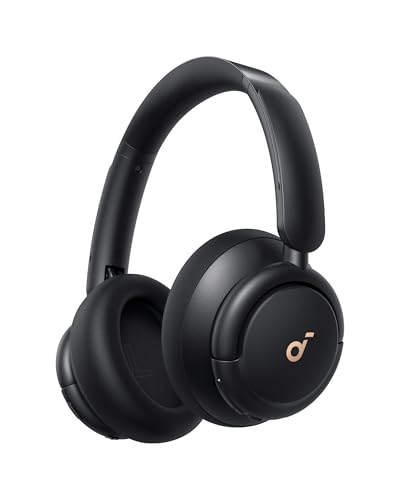



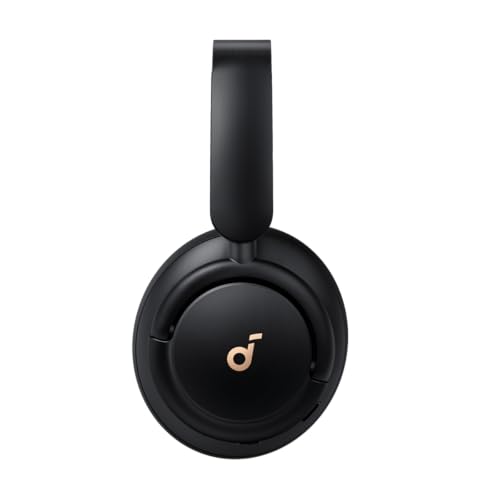
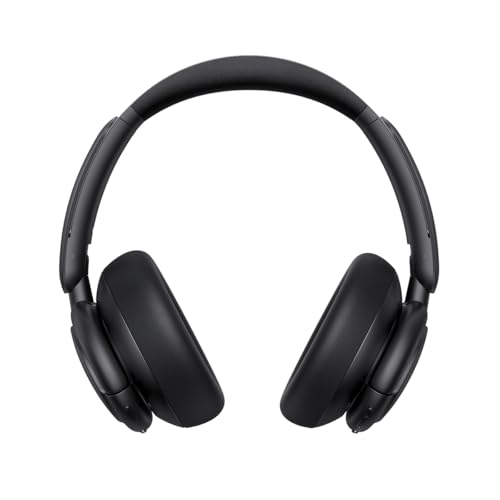
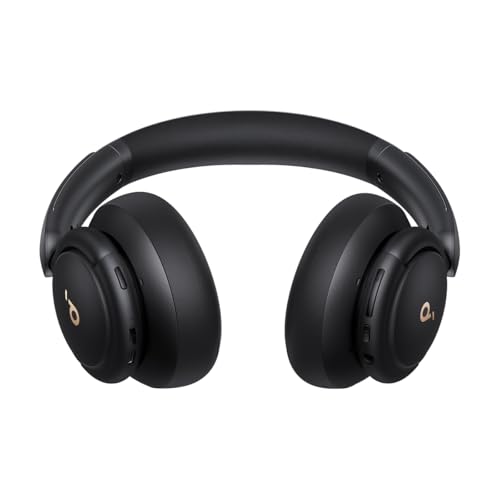
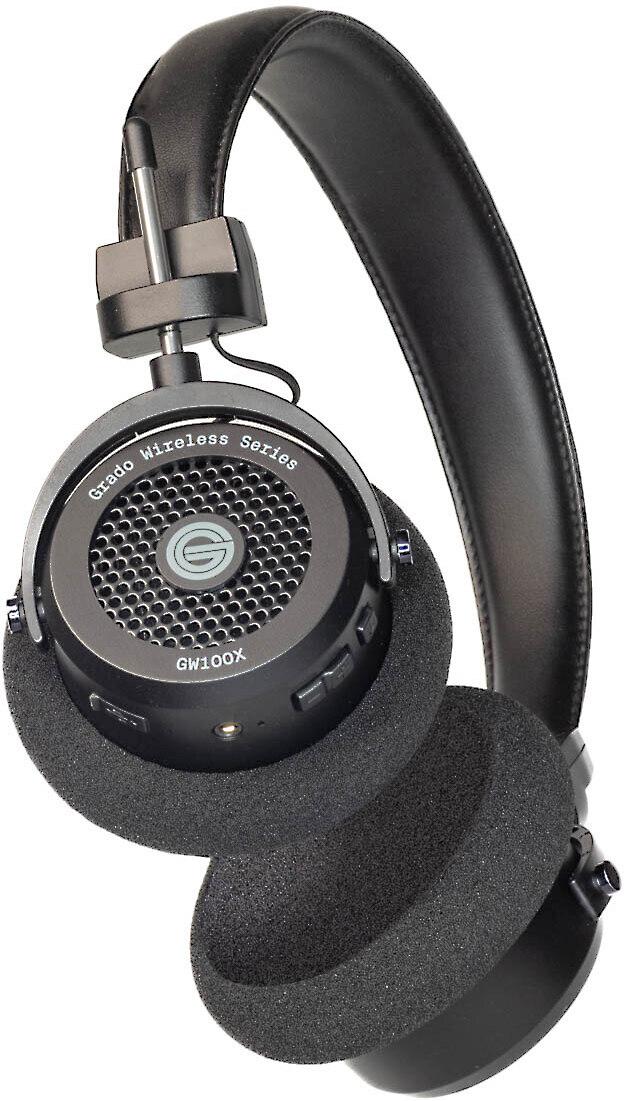
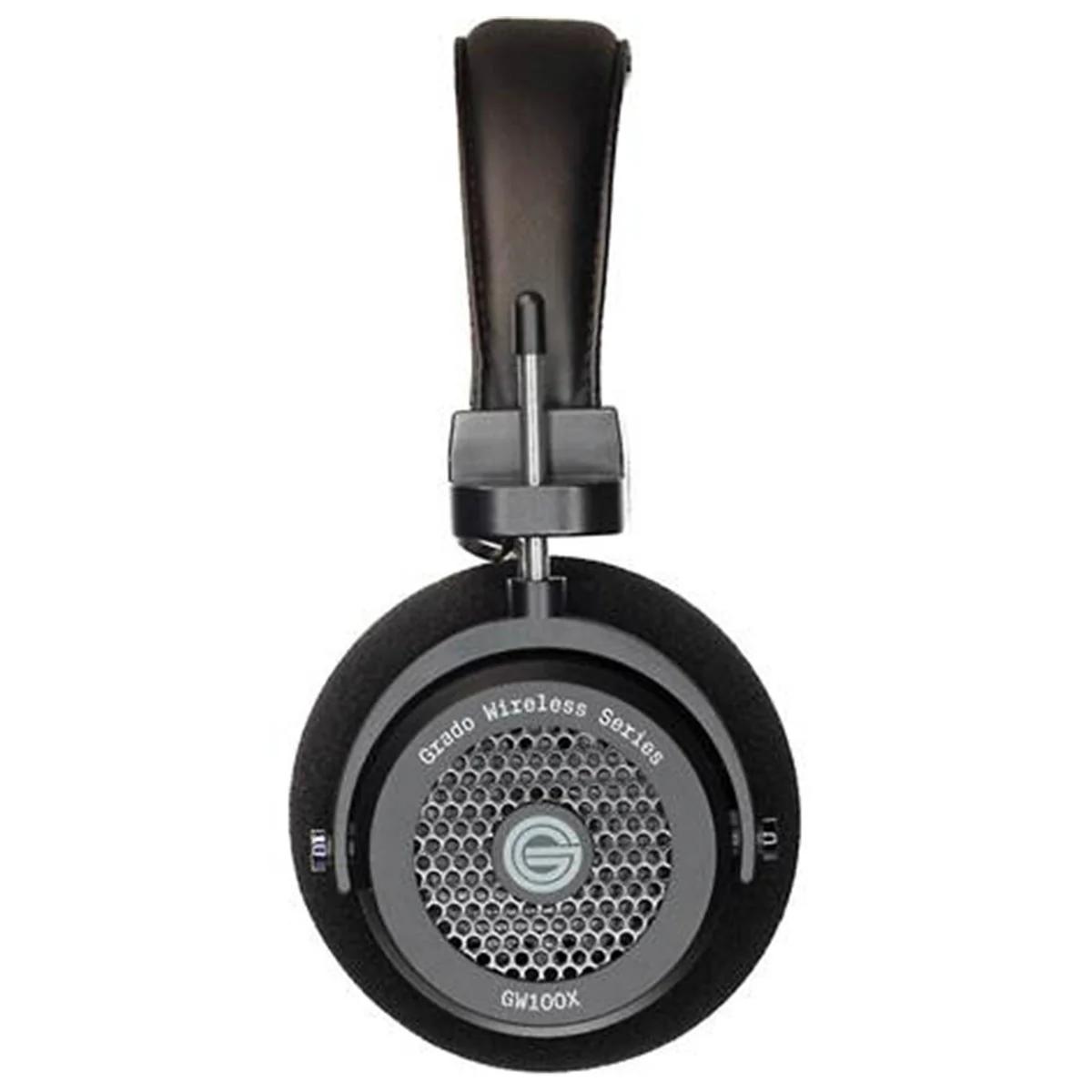
When I first started comparing the Soundcore Life Q30 and Grado GW100x, I quickly realized these aren't really competitors—they're solving completely different problems. It's like comparing a Swiss Army knife to a specialized chef's knife. Both are tools, both cut things, but they're designed for entirely different users and situations.
The wireless headphone market has exploded over the past few years, especially since Apple removed the headphone jack in 2016. What started as a simple category has now split into distinct segments serving different needs. Some prioritize convenience and noise cancellation for daily commuting, while others focus purely on sound quality for critical listening at home.
Before diving into these specific models, it's worth understanding what really matters when choosing wireless headphones. The main considerations break down into several key areas:
Sound Quality remains the foundation—this includes how well the drivers (the tiny speakers inside) reproduce different frequencies, how wide the soundstage feels, and how much detail you can hear in your music. Noise Management has become increasingly important, with some headphones actively canceling outside noise while others intentionally let it in. Battery Life varies wildly, from 20 hours to over 60 hours depending on the design. Comfort and Build Quality determine whether you'll actually want to wear them for extended periods.
Then there are the modern conveniences: app support for customizing sound, multiple device connections, voice assistant integration, and various wireless codecs (different methods of transmitting audio wirelessly, each with their own quality and compatibility trade-offs).
At the time of writing, these considerations have led to two main camps in the wireless headphone world: feature-packed mainstream options and audiophile-focused models that prioritize sound above all else.
The Soundcore Life Q30 launched in 2020 as Anker's answer to expensive noise-canceling headphones. Positioned in the budget-friendly segment, it aimed to bring premium features to everyday users without the premium price tag. Since then, it's remained remarkably relevant, with its core feature set holding up well against newer competition.
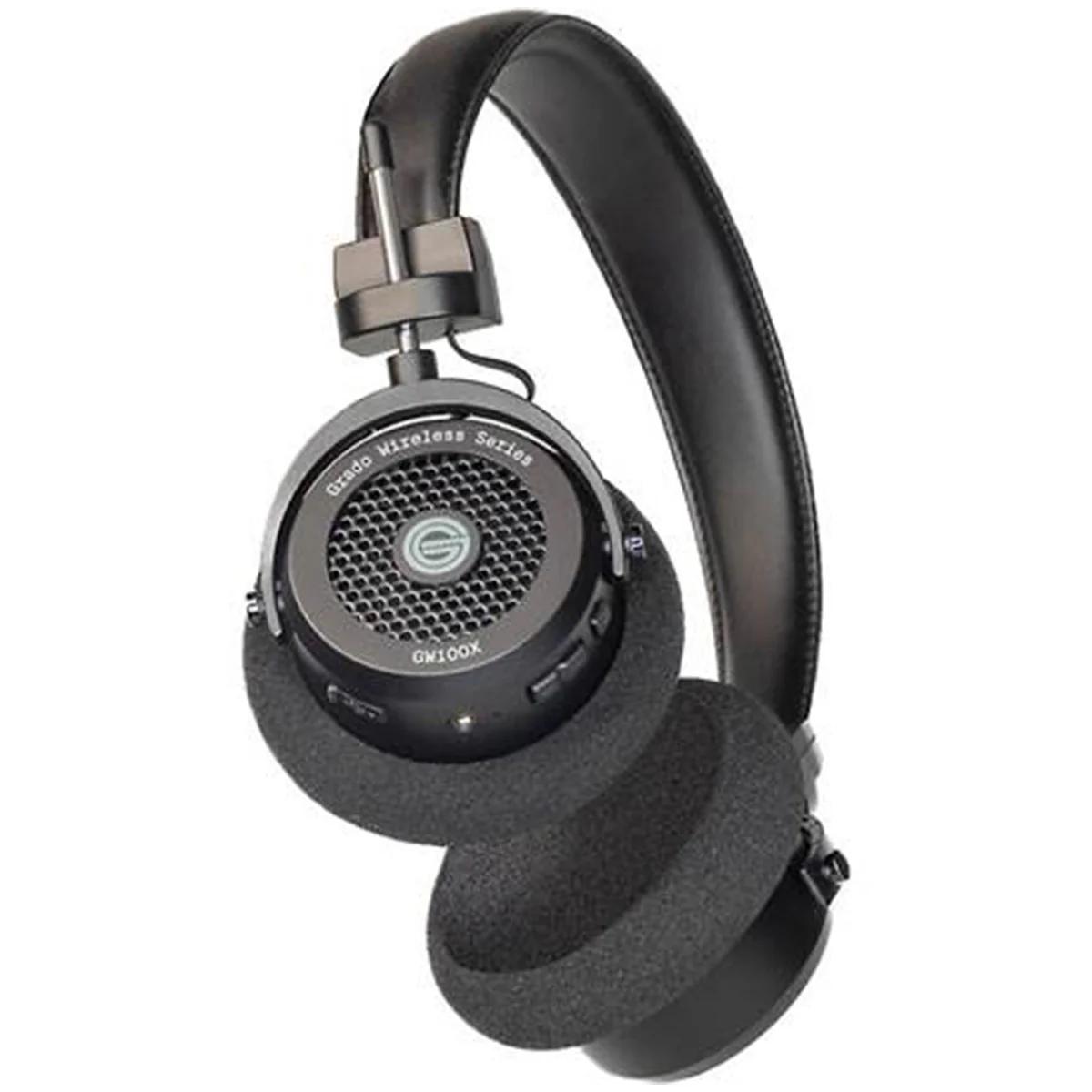
The Grado GW100x, released around 2021, represented something unique—Grado's first serious attempt at wireless headphones. Known for their distinctive open-back wired headphones loved by audiophiles, Grado faced the challenge of translating their signature sound into the wireless world. The result was one of the very few open-back wireless headphones available anywhere.
Here's where things get interesting. These headphones approach sound reproduction from opposite directions, and understanding this difference is crucial for making the right choice.
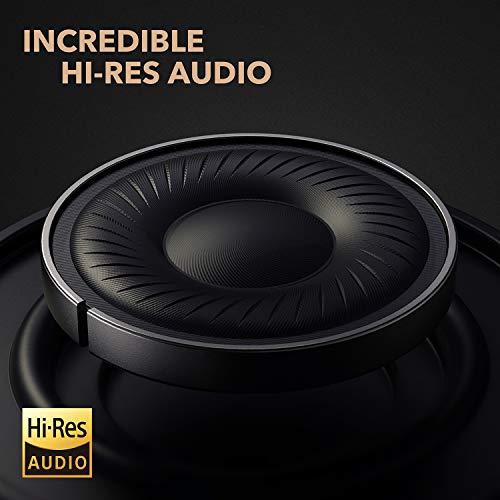
The Life Q30 uses 40mm silk diaphragm drivers in a closed-back design. "Closed-back" means the back of the ear cups are sealed, creating isolation from outside noise but also affecting how the sound develops. The drivers are certified for Hi-Res Audio, meaning they can reproduce frequencies up to 40kHz when used with a wired connection (though human hearing typically tops out around 20kHz, the extended range can affect the overall sound character).
Out of the box, the Q30 delivers what's called a "V-shaped" sound signature. This means it emphasizes bass frequencies and treble while slightly reducing the midrange. It's a crowd-pleasing sound that makes music feel punchy and exciting, but it's not necessarily the most accurate reproduction of what the artist intended. The good news is that Soundcore includes extensive customization through their app, with 22 preset equalizer settings and full custom EQ control.
The Grado GW100x takes a radically different approach. It uses larger 44mm drivers—Grado's fourth-generation "X Series" drivers specifically reengineered for wireless use. These drivers feature what Grado calls "a more powerful magnetic circuit, decreased effective mass, and a reconfigured diaphragm." In practical terms, this means they can move more efficiently and accurately reproduce sound.
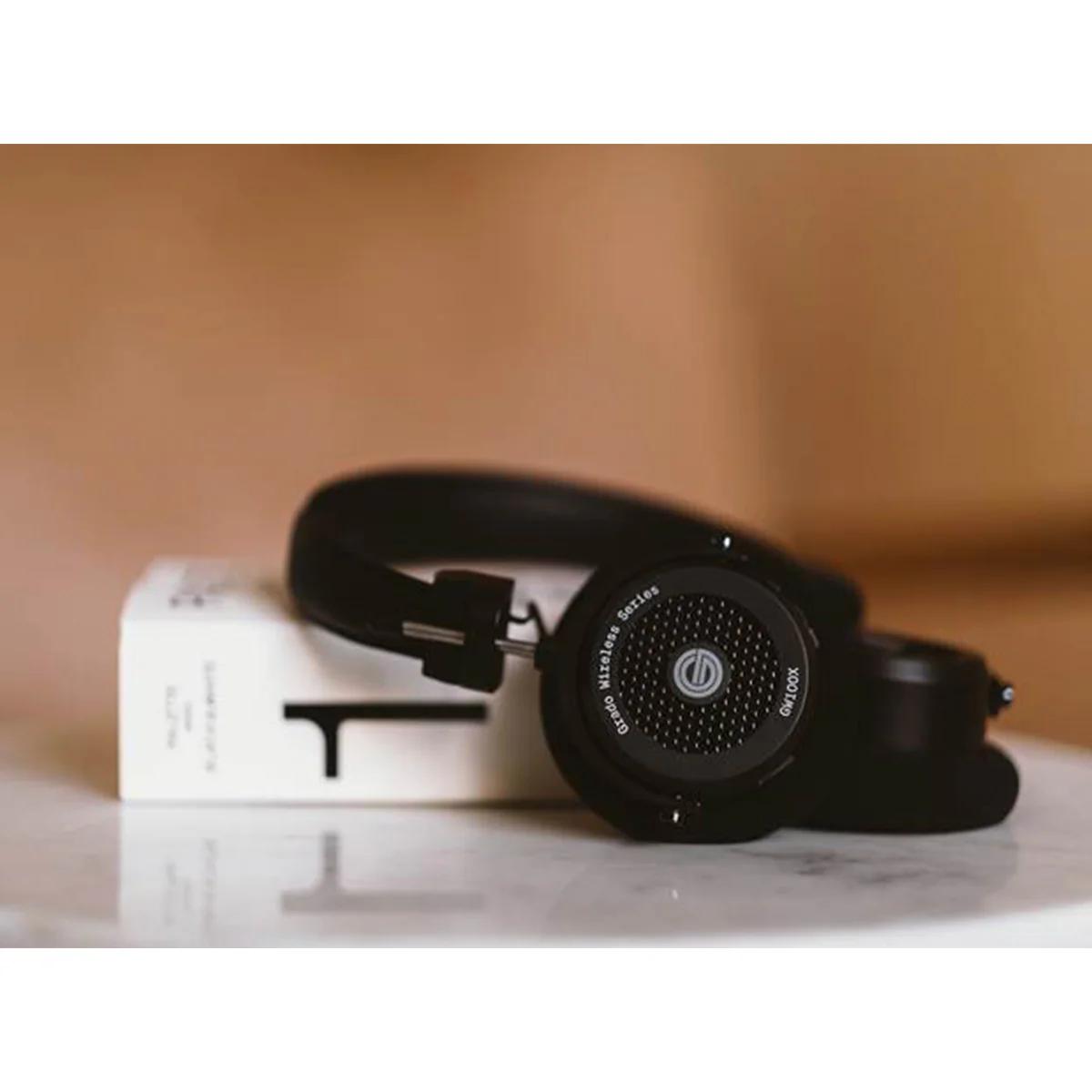
But the real difference is the open-back design. Instead of sealing your ears off from the world, open-back headphones have perforated or mesh backs that allow air to flow through. This creates a much more natural, spacious soundstage—the sense of where instruments are positioned in three-dimensional space around you. It's the difference between listening to music in a small room versus a concert hall.
The trade-off? Open-back headphones leak sound both ways. People around you will hear what you're listening to, and you'll hear everything happening around you. The GW100x actually reduces sound leakage by about 60% compared to traditional open-back designs, but it's still not suitable for quiet offices or public transportation.
In terms of actual sound quality, the differences are significant. The Life Q30 delivers what most people would consider "good" sound for the price, with satisfying bass response and decent detail retrieval. However, professional reviewers consistently note that while enjoyable, it lacks the nuance and clarity of more expensive options.
The GW100x, meanwhile, maintains Grado's reputation for exceptional midrange clarity and natural sound reproduction. Users report hearing details in familiar songs they'd never noticed before. The open-back design creates an almost three-dimensional listening experience that's particularly noticeable with live recordings or classical music.
For home theater use, this difference becomes even more pronounced. The Life Q30 works well for casual movie watching, especially if you need to avoid disturbing others. But the GW100x excels at creating an immersive cinematic experience, with its superior soundstage making it easier to pinpoint where sounds are coming from—crucial for action movies or gaming.
This is where we see the clearest philosophical divide between these headphones.
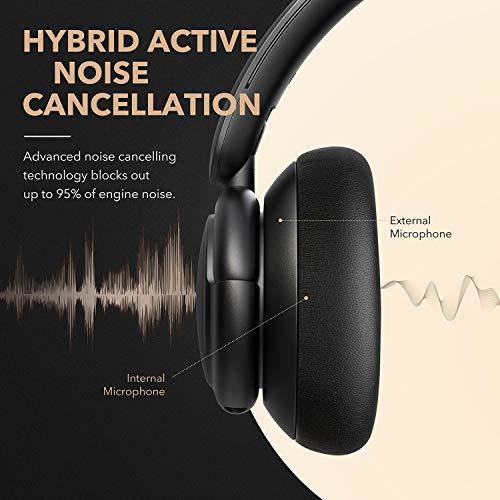
The Soundcore Life Q30 features what's called "hybrid active noise cancellation" or ANC. This system uses microphones both inside and outside each ear cup to detect unwanted noise, then generates opposite sound waves to cancel it out. It's particularly effective against consistent, low-frequency sounds like airplane engines, air conditioning, or traffic noise.
What makes the Q30 interesting is its three different ANC modes: Transport mode targets the low rumble of engines and road noise, Indoor mode focuses on office chatter and HVAC systems, while Outdoor mode handles wind and street noise. You can also enable Transparency mode, which uses the external microphones to amplify outside sounds so you can hear announcements or have conversations without removing the headphones.
The system is impressively effective for the price point, reducing up to 95% of targeted low and mid-frequency noise. It won't match premium options from Sony or Bose, but it's more than adequate for most situations.
The Grado GW100x takes the opposite approach entirely. As an open-back design, it provides zero noise isolation—in fact, it's designed to let sound flow freely in both directions. This might seem like a disadvantage, but it's actually the source of much of its appeal.
Without the artificial isolation of closed-back designs, music sounds more natural and less "in your head." The open design also eliminates the pressure sensation some people experience with sealed headphones, making them more comfortable for extended listening sessions.
Both headphones offer impressive battery life, though they achieve it through different approaches.
The Life Q30 is something of a battery champion, delivering up to 60 hours of playback with ANC disabled, or 40 hours with ANC active. These aren't marketing numbers—real-world testing consistently confirms these figures. The secret is efficient power management and a focus on longevity over features.
Quick charging is another strength, with just five minutes of charging providing four hours of playback. The USB-C charging port is convenient and future-proof, though the headphones can't be used while charging.
The GW100x offers up to 46 hours of battery life, which is still excellent but not quite as impressive as the Q30's marathon endurance. However, it charges fully in just two hours via USB-C and includes thoughtful power management features like automatic shutdown after 10 minutes of inactivity.
For most users, both offer more than enough battery life for even the longest trips or work sessions. The Q30 has a slight edge for those who frequently forget to charge their devices.
Comfort is highly individual, but these headphones target different preferences and use cases.
The Life Q30 uses an over-ear design with memory foam padding covered in protein leather. At 260 grams, they're reasonably light for over-ear headphones, and the generous padding distributes weight well. The ear cups can rotate up to 15 degrees to better fit different head shapes, and the headphones fold flat for travel.
Build quality is solid for the price point, with a sturdy plastic construction that feels durable without being luxurious. The included hard travel case is a nice touch that adds to the practical, everyday-use focus of these headphones.
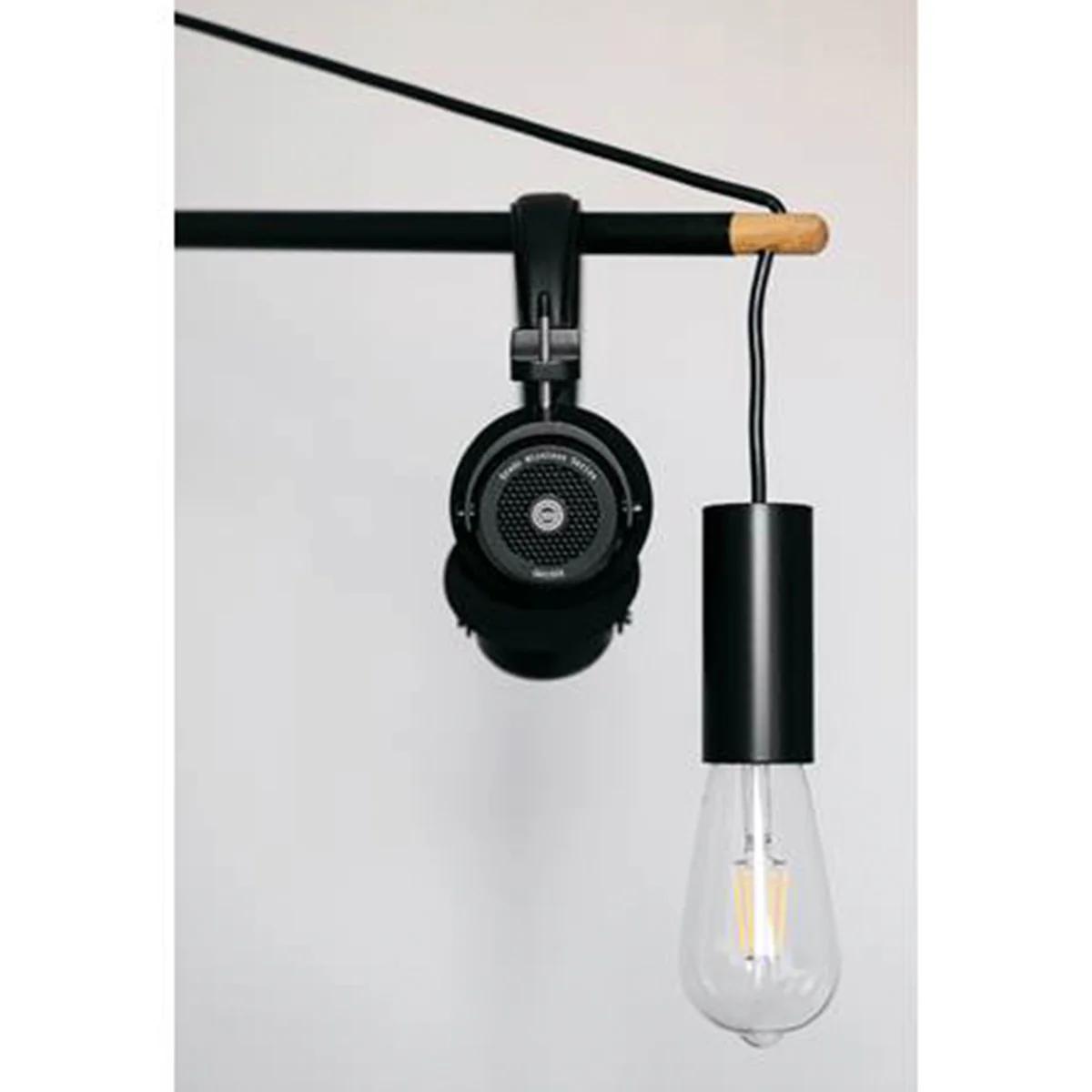
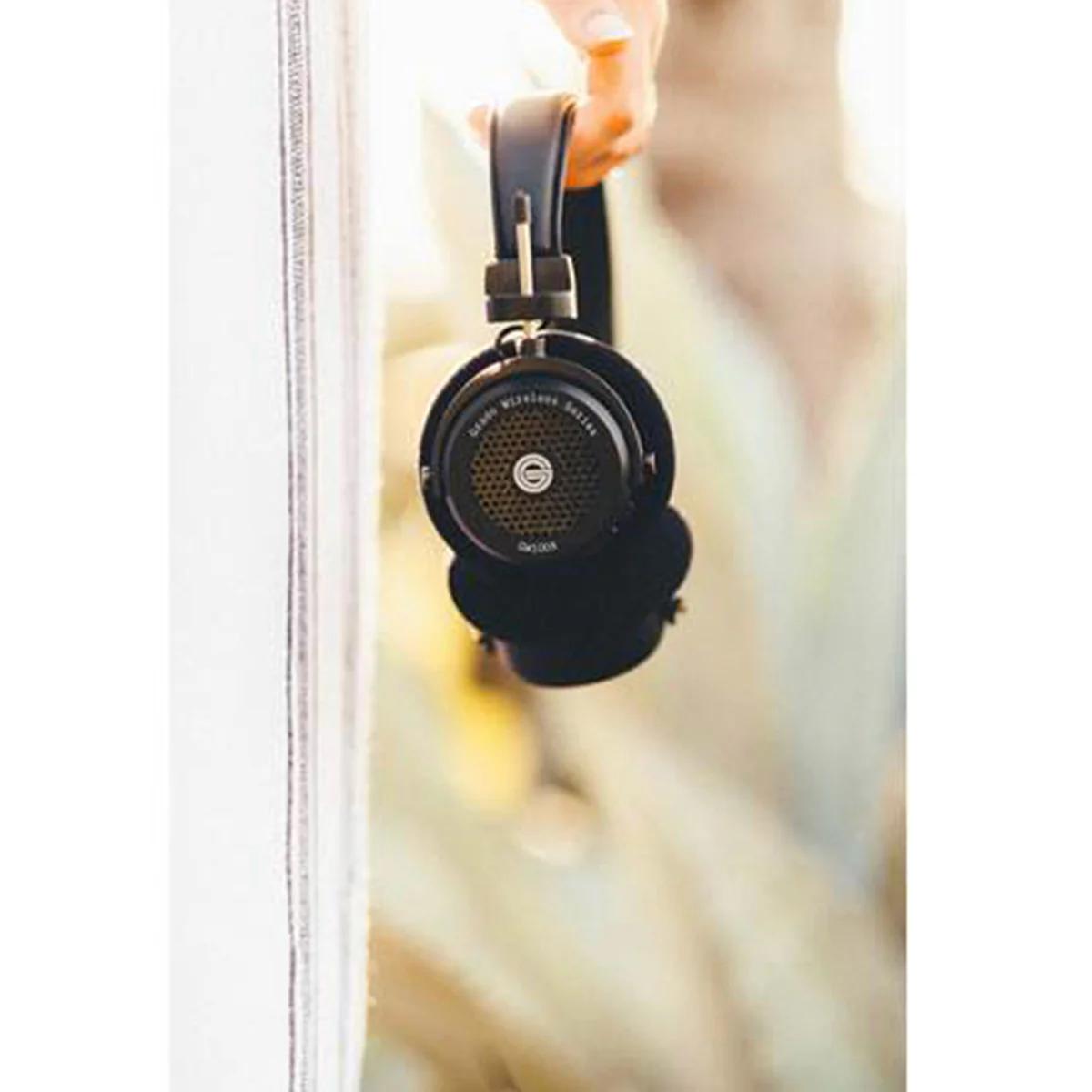
The Grado GW100x takes a minimalist approach, weighing just 187 grams with a simple, non-folding design. The on-ear fit means they rest on your ears rather than surrounding them completely. Some users find this more comfortable for extended sessions, while others prefer the complete coverage of over-ear designs.
Build quality is where the GW100x shows some weaknesses relative to its price point. The predominantly plastic construction feels less premium than you might expect, and some users report issues with button rattling during movement. However, the lightweight design and comfortable padding make them suitable for long listening sessions.
For home theater use, both are comfortable enough for movie marathons, though the Q30 might have a slight edge for users who prefer over-ear designs.
Modern wireless headphones are essentially small computers, and the feature sets of these two models reflect their different priorities.
The Life Q30 embraces the "smart headphone" approach. It supports Bluetooth 5.0 with multi-point connection, meaning you can pair it with two devices simultaneously—your phone and laptop, for example—and seamlessly switch between them. NFC pairing makes connecting to Android devices nearly instantaneous.
The real strength is the companion app, which provides extensive customization options. Beyond the EQ controls, you can adjust ANC sensitivity, create custom sound profiles, and even access sleep sounds and white noise generators. The app also handles firmware updates, ensuring your headphones stay current with improvements and bug fixes.
Physical controls are well-implemented, with a combination of buttons and touch-sensitive areas on the right ear cup. You can adjust volume, skip tracks, answer calls, and toggle between ANC modes without reaching for your device.
The Grado GW100x takes a more minimalist approach to features. It supports Bluetooth 5.2 (a newer standard than the Q30's 5.0) with high-quality codecs including aptX Adaptive, which can dynamically adjust bit rates for optimal quality and connection stability.
There's no companion app—what you hear is what you get, which aligns with Grado's philosophy of focusing on the fundamentals rather than digital processing. Controls are limited to three buttons on the left ear cup, handling basic playback, volume, and pairing functions.
Both headphones can be used wired with included 3.5mm cables, which is useful if the battery dies or you're using a device without Bluetooth.
At the time of writing, these headphones occupy very different price tiers, which significantly affects how we evaluate their value.
The Soundcore Life Q30 typically sells in the budget-friendly range, making it one of the most feature-rich options available at its price point. When you consider the combination of effective ANC, exceptional battery life, comprehensive app support, and solid build quality, it's hard to find comparable value elsewhere in the market.
The GW100x occupies the premium segment, where value becomes more subjective. You're paying significantly more, but you're getting genuinely unique technology—one of the very few open-back wireless headphones available anywhere. For audio enthusiasts who understand and appreciate what open-back design brings to the listening experience, the premium can be justified.
Understanding when and where you'll use your headphones is crucial for making the right choice.
Choose the Soundcore Life Q30 if you:
Choose the Grado GW100x if you:
For home theater specifically, the choice depends on your priorities. The Life Q30 is better if you need to avoid disturbing family members or neighbors, especially during late-night viewing. The GW100x creates a more immersive cinematic experience with better positional audio for action scenes and more natural dialogue reproduction.
Start by honestly assessing your primary use case. If you need headphones for commuting, traveling, or working in noisy environments, the Life Q30 is the clear choice. Its ANC capabilities, long battery life, and practical design make it ideal for daily use in challenging acoustic environments.
If you're primarily listening at home and you prioritize sound quality above convenience features, the Grado GW100x offers an experience that few wireless headphones can match. The open-back design creates a more natural, spacious listening experience that's particularly rewarding with high-quality recordings.
Budget considerations are straightforward: the Life Q30 delivers exceptional value in its price range, while the GW100x requires a significant investment for its specialized capabilities.
Consider your music preferences too. The Q30 excels with modern, bass-heavy genres and benefits from EQ customization. The GW100x shines with acoustic recordings, classical music, and anything where you want to hear the natural acoustic space of the recording.
Finally, think about your tolerance for sound leakage and environmental awareness. The Q30 seals you off from the world, which is perfect for focus or privacy. The GW100x keeps you connected to your environment, which some find more natural and comfortable.
Both headphones represent thoughtful engineering approaches to different problems in the wireless audio space. The Soundcore Life Q30 democratizes premium features for everyday users, while the Grado GW100x brings audiophile sound quality to the wireless world. Your choice ultimately depends on which philosophy better matches your listening habits and priorities.
| Soundcore Life Q30 Wireless Headphones | Grado GW100x Wireless Headphones |
|---|---|
| Design Philosophy - Determines isolation vs natural sound | |
| Closed-back, over-ear with active noise cancellation | Open-back, on-ear with natural ambient integration |
| Driver Technology - Core component affecting sound quality | |
| 40mm silk diaphragm drivers, Hi-Res Audio certified | 44mm 4th generation X Series drivers, optimized for wireless |
| Active Noise Cancellation - Critical for noisy environments | |
| Hybrid ANC with 3 modes (Transport/Indoor/Outdoor), up to 95% noise reduction | None (open-back design intentionally allows ambient sound) |
| Battery Life - Important for travel and extended use | |
| Up to 60 hours (ANC off), 40 hours (ANC on) | Up to 46 hours |
| Sound Signature - Affects musical enjoyment and accuracy | |
| V-shaped with emphasized bass, fully customizable via app EQ | Natural, balanced with Grado's signature midrange clarity |
| Bluetooth Technology - Affects connection quality and device compatibility | |
| Bluetooth 5.0 with multi-point connection, NFC pairing | Bluetooth 5.2 with aptX Adaptive, AAC, SBC codecs |
| Weight and Comfort - Critical for long listening sessions | |
| 260g over-ear design with memory foam padding | 187g on-ear design with minimalist construction |
| App Support - Determines customization capabilities | |
| Comprehensive Soundcore app with EQ, ANC controls, firmware updates | No app support, pure hardware-based experience |
| Sound Leakage - Important for public use and privacy | |
| Minimal leakage due to closed-back design | Moderate leakage (60% reduction vs traditional open-back) |
| Included Accessories - Affects portability and value | |
| Hard travel case, USB-C cable, 3.5mm audio cable | USB-C cable, 3.5mm audio cable (no case) |
| Ideal Use Cases - Helps determine best fit for lifestyle | |
| Commuting, travel, noisy environments, bass-heavy music | Home listening, quiet spaces, acoustic music, gaming |
The Soundcore Life Q30 is significantly better for commuting and travel. It features hybrid active noise cancellation with three different modes (Transport, Indoor, Outdoor) that can reduce up to 95% of low and mid-frequency noise like engines and traffic. The Life Q30 also includes a hard travel case, folds flat for packing, and offers up to 60 hours of battery life. The Grado GW100x has an open-back design that provides no noise isolation and will leak sound to others around you, making it unsuitable for public transportation.
Closed-back headphones like the Soundcore Life Q30 seal your ears completely, providing noise isolation and preventing sound leakage. Open-back headphones like the Grado GW100x have perforated backs that allow air and sound to flow through, creating a more natural, spacious soundstage but offering no privacy or noise isolation. The GW100x is designed for home listening where sound leakage isn't a concern, while the Life Q30 works well in any environment.
The Grado GW100x generally offers superior sound quality with more natural, detailed audio reproduction and a wider soundstage thanks to its open-back design and specialized drivers. However, the Soundcore Life Q30 provides good sound quality for its price range with customizable EQ through the Soundcore app. The GW100x excels with acoustic music and live recordings, while the Life Q30 delivers satisfying bass-heavy sound that many casual listeners prefer.
The Soundcore Life Q30 offers exceptional battery life with up to 60 hours of playback when ANC is disabled, or 40 hours with ANC active. The Grado GW100x provides up to 46 hours of battery life. Both use USB-C charging, but the Life Q30 features rapid charging that provides 4 hours of playback from just 5 minutes of charging. For extended travel or forgetful chargers, the Life Q30 has a clear advantage.
Both headphones work well for home theater, but serve different needs. The Grado GW100x creates a more immersive cinematic experience with superior soundstage and positional audio, making it easier to pinpoint where sounds are coming from in action scenes. The Soundcore Life Q30 is better if you need to watch movies late at night without disturbing family members, thanks to its closed-back design that prevents sound leakage.
Comfort varies by individual preference, but the Soundcore Life Q30 generally offers better long-term comfort with its over-ear design, memory foam padding, and even weight distribution. The Grado GW100x is lighter at 187g but uses an on-ear design that some find less comfortable over extended periods. The Life Q30 also eliminates the pressure buildup that some experience with open-back designs, making it more suitable for all-day wear.
Both headphones support multi-point connection, allowing you to pair with two devices simultaneously. The Soundcore Life Q30 uses Bluetooth 5.0 and includes NFC pairing for quick Android device connections. The Grado GW100x features newer Bluetooth 5.2 technology with high-quality aptX Adaptive codec support. Both include 3.5mm cables for wired connections when Bluetooth isn't available.
The Soundcore Life Q30 is significantly better for bass-heavy music genres like hip-hop, electronic, and rock. It features a V-shaped sound signature that emphasizes bass frequencies, and you can further customize the bass response using the Soundcore app's EQ settings. The Grado GW100x provides more controlled, natural bass that prioritizes accuracy over impact, making it better suited for acoustic music, jazz, and classical genres.
Both headphones handle phone calls adequately, with built-in microphones and voice assistant support. The Soundcore Life Q30 includes noise reduction technology for clearer voice pickup and offers better call privacy due to its closed-back design. The Grado GW100x supports Google Assistant and Siri but may pick up more background noise during calls due to its open-back design. For frequent business calls, the Life Q30 is the more practical choice.
The Soundcore Life Q30 offers exceptional value in the budget-friendly segment, providing active noise cancellation, long battery life, comprehensive app support, and solid build quality. The Grado GW100x targets the premium market with specialized open-back technology and superior sound quality that justifies its higher cost for audio enthusiasts. Value depends on your priorities: the Life Q30 maximizes features per dollar, while the GW100x maximizes audio performance.
The Soundcore Life Q30 offers extensive customization through the Soundcore app, including 22 preset EQ settings, custom EQ controls, and various sound enhancement features. The Grado GW100x provides no app support or digital sound processing, following Grado's philosophy of pure, unaltered audio reproduction. If you want to fine-tune your sound signature, the Life Q30 provides much more flexibility.
The Grado GW100x excels for gaming thanks to its open-back design that provides superior soundstage and positional audio, making it easier to pinpoint enemy locations and environmental sounds. The natural sound reproduction also makes dialogue more intelligible. The Soundcore Life Q30 works well for casual gaming but lacks the spatial awareness that the GW100x provides. For competitive gaming or immersive single-player experiences, the Grado GW100x offers a clear advantage.
We've done our best to create useful and informative comparisons to help you decide what product to buy. Our research uses advanced automated methods to create this comparison and perfection is not possible - please contact us for corrections or questions. These are the sites we've researched in the creation of this article: soundguys.com - recordingnow.com - soundcore.com - theaudiophilecafecom.wordpress.com - versus.com - noisyworld.org - blog.jonsdocs.org.uk - youtube.com - head-fi.org - youtube.com - fullspecs.net - anker-tr.com - soundcore.com - soundcore.com - rtings.com - youtube.com - newegg.com - ifixit.com - headphonesaddict.com - techradar.com - crutchfield.com - whathifi.com - moon-audio.com - majorhifi.com - rockonav.com - forums.stevehoffman.tv - newegg.com - audiosciencereview.com - gradolabs.com - decibelaudio.com - addictedtoaudio.com.au - s3.eu-west-1.amazonaws.com - audioadvice.com - analogmatters.com - nyczaj.audio - parts-express.com

Privacy Policy
Terms and Conditions - Affiliate Policy
Home Security
© Copyright 2008-2026.
11816 Inwood Rd #1211, Dallas, TX 75244