











When shopping for wireless headphones, you'll encounter two fundamentally different design philosophies that completely change how you experience music. The Grado GW100x and Technics EAH-A800 represent these opposing approaches perfectly - one prioritizes pure, unfiltered sound while the other focuses on versatility and modern features. Understanding these differences will help you choose headphones that actually match how you listen to music.
The wireless headphone market has exploded since Apple removed the headphone jack in 2016, but not all wireless headphones are created equal. Some prioritize convenience and features, while others focus purely on sound quality. The most important factors to consider include sound quality (how accurately music is reproduced), isolation versus soundstage (whether you want to block out the world or feel immersed in a concert hall), battery life, and the specific environments where you'll use them.
The Grado GW100x, released in 2023, takes the unusual approach of bringing open-back design to wireless headphones - something that was practically unheard of before. Meanwhile, the Technics EAH-A800, also from 2023, represents the more traditional closed-back approach but executed at a very high level. These different philosophies create completely different listening experiences.
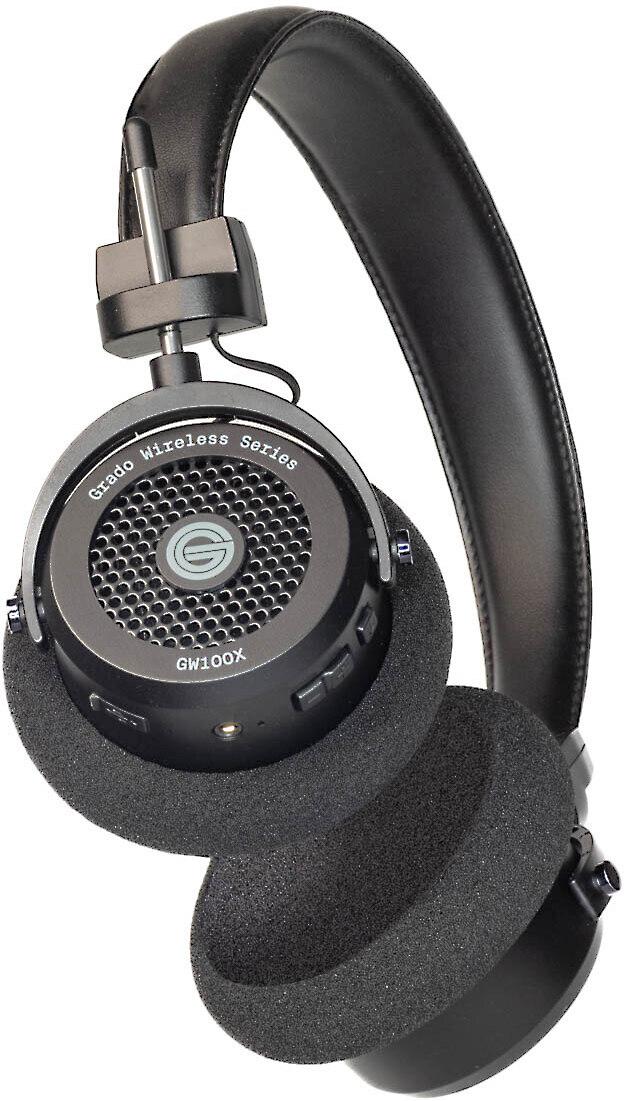
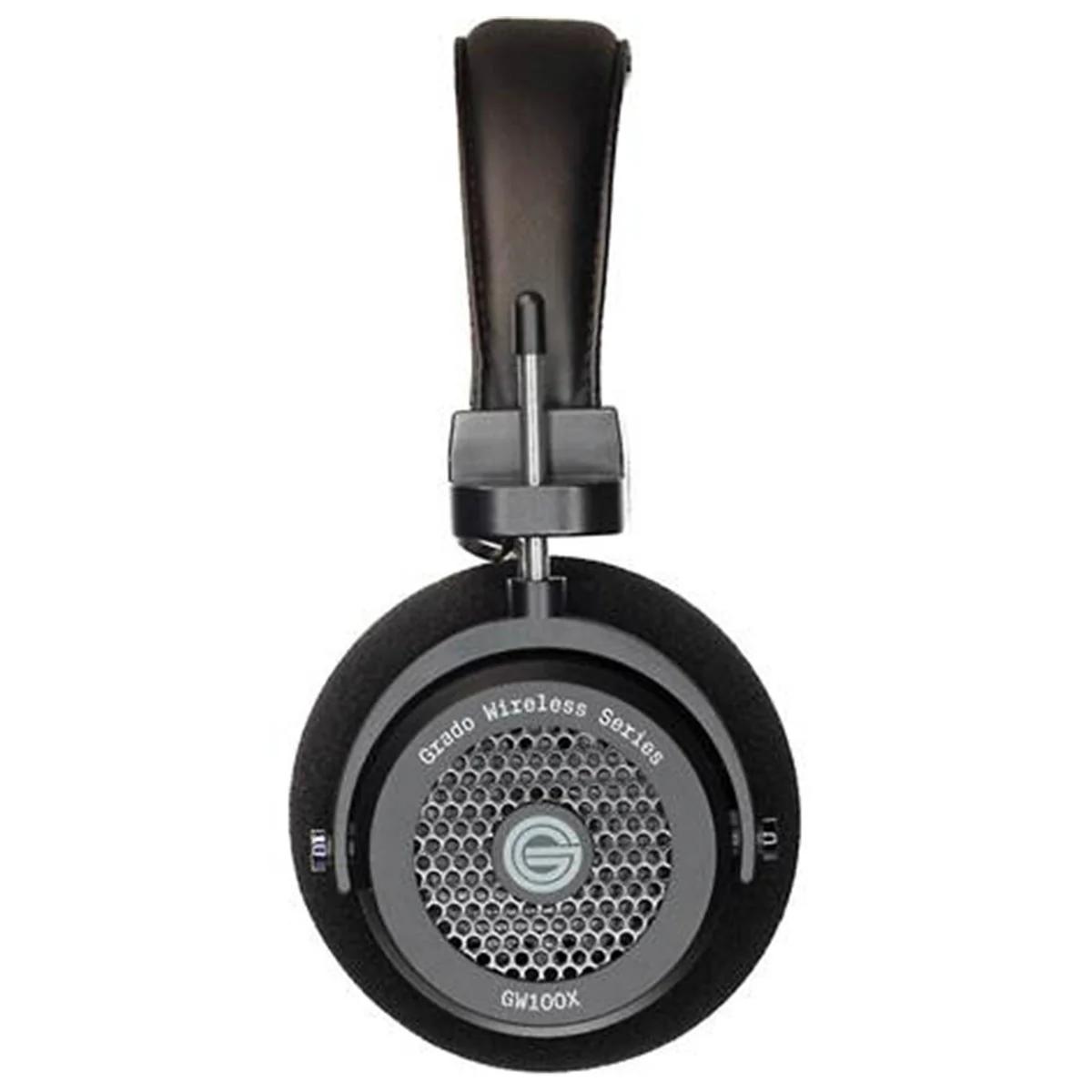
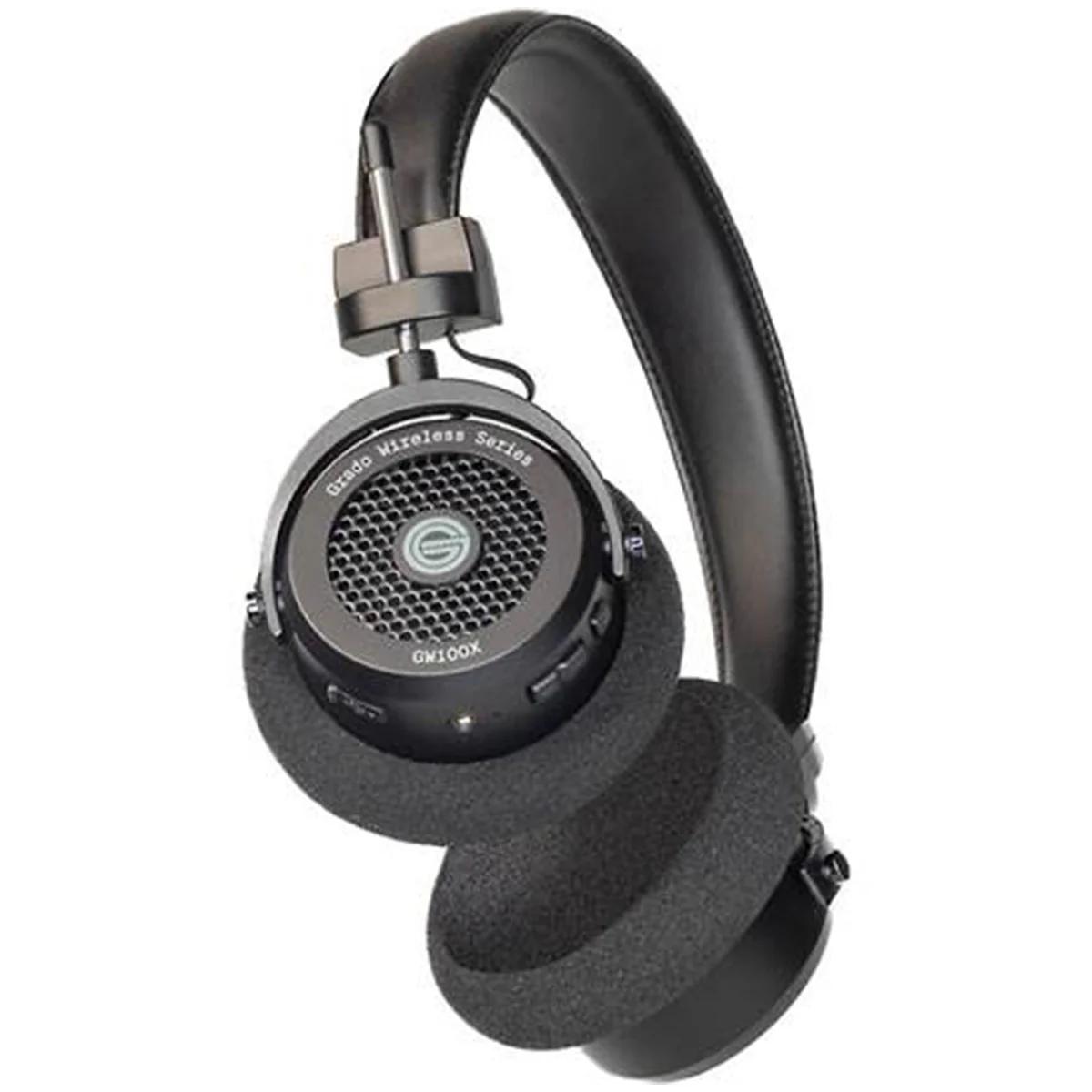
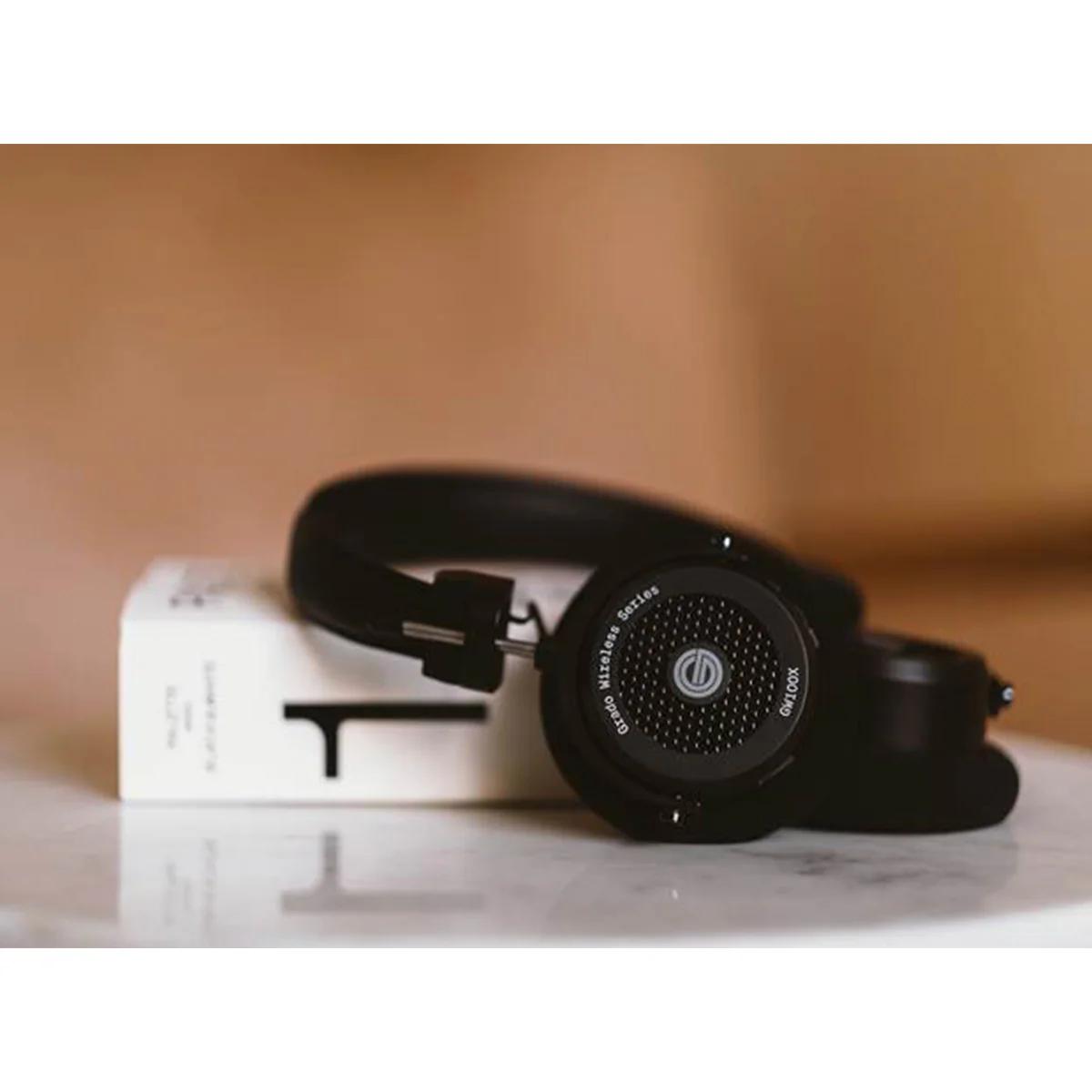
The Grado GW100x does something radical in the wireless space - it uses an open-back design. Think of open-back headphones like having tiny speakers sitting just outside your ears rather than sealed chambers. The back of each ear cup has openings that allow air and sound to flow freely. This creates a more natural, spacious sound that feels like you're sitting in a room with live musicians rather than having music pumped directly into your ears.
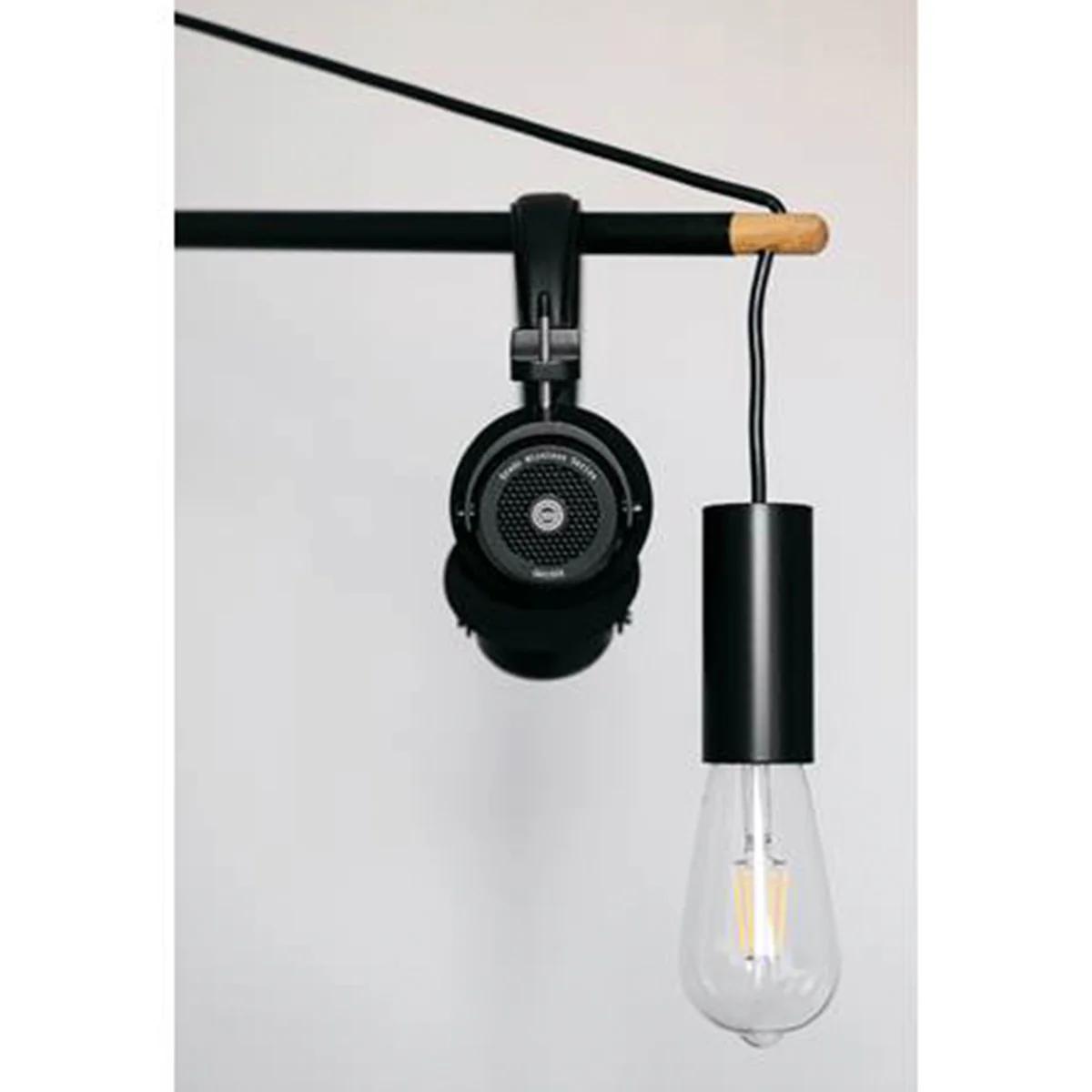
This design choice makes the GW100x incredibly lightweight at just 6.6 ounces, which means you can wear them for hours without feeling like you have a weight on your head. The minimalist construction focuses entirely on what matters for sound quality - there's no unnecessary bulk or fancy materials that don't contribute to audio performance.
However, this open design comes with trade-offs. Sound leaks both ways - people around you can hear what you're listening to, and outside noise comes right in. Grado has engineered the GW100x to reduce sound leakage by about 60% compared to their previous models, but they're still not suitable for libraries, offices, or public transportation.
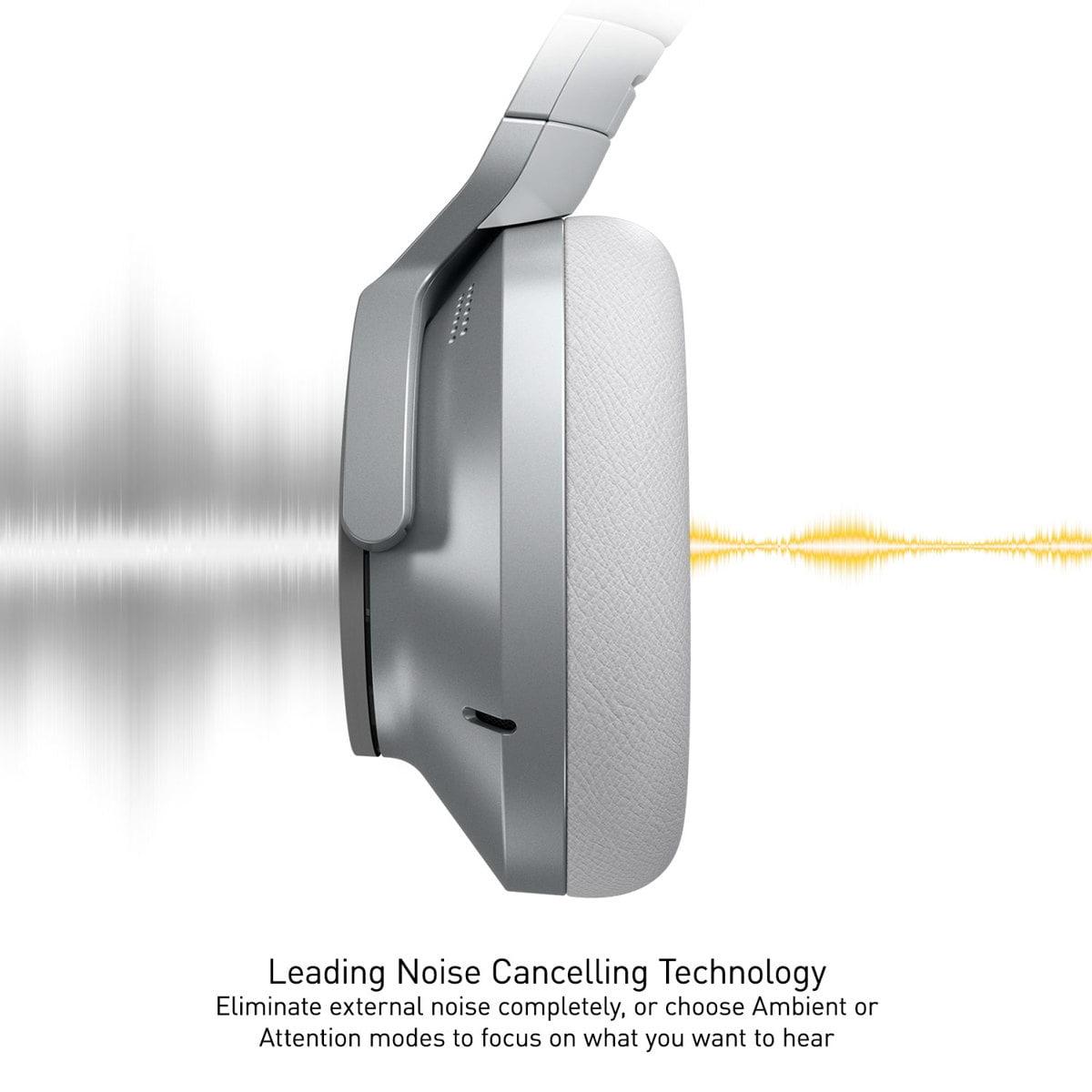
The Technics EAH-A800 takes the opposite approach with a closed-back design that completely seals your ears from the outside world. This creates a private listening bubble where you control exactly what you hear. The closed design enables active noise cancellation (ANC) - a technology that uses microphones to detect outside noise and creates opposite sound waves to cancel it out.
At 10.5 ounces, the EAH-A800 weighs significantly more than the GW100x, but Technics has distributed this weight carefully across plush ear pads and a well-designed headband. The extra weight comes from the noise cancellation circuitry, larger battery, and premium build materials - all contributing to a more feature-rich experience.
The closed design makes these headphones perfect for travel, commuting, or any situation where you want to shut out the world and focus on your music or calls.
The Grado GW100x uses Grado's fourth-generation X-series drivers - the tiny speakers inside each ear cup that actually create the sound. These 44mm drivers feature several advanced technologies: a more powerful magnetic circuit (which helps move the speaker cone more precisely), a lighter voice coil (the part that vibrates to create sound), and a redesigned diaphragm (the cone that pushes air to create sound waves).
What makes these drivers special is their matching - Grado ensures each pair is matched within 0.1 decibels, meaning the left and right sides produce virtually identical sound levels. This precise matching creates accurate stereo imaging, where you can pinpoint exactly where each instrument sits in the musical space.
The open-back design of the GW100x creates what audiophiles call "soundstage" - the sense that music is happening in a three-dimensional space around you rather than inside your head. When listening to a well-recorded jazz album, you might hear the bass player slightly to the left, the piano in the center, and the saxophone floating somewhere in between. This spatial quality is incredibly difficult to achieve with closed-back headphones.
I've found that the GW100x excels particularly with acoustic music, classical recordings, and anything where you want to feel like you're in the recording venue. The sound has an effortless, natural quality that doesn't feel forced or artificially enhanced.
The Technics EAH-A800 uses 40mm dynamic drivers with a sophisticated three-layer diaphragm made from PEEK (a high-performance plastic) and polyurethane. This combination provides both rigidity for accurate sound reproduction and flexibility for natural movement, resulting in clear highs and deep, controlled bass.
What sets the EAH-A800 apart is its support for LDAC, a high-resolution audio codec developed by Sony. While standard Bluetooth typically compresses audio files significantly, LDAC can transmit audio at up to 96kHz/24-bit quality - essentially CD quality or better over wireless. This means if you have high-quality music files, the EAH-A800 can reproduce them with minimal compression.
The closed-back design of the EAH-A800 creates a different kind of listening experience. Instead of the airy, spacious sound of the GW100x, you get precise, controlled audio with powerful bass response. The sealed chambers allow for better low-frequency reproduction - those deep bass notes that you feel as much as hear.
For home theater use, the EAH-A800 has a clear advantage. Movie soundtracks benefit from the powerful bass response and isolation from household noise. The noise cancellation means you won't miss quiet dialogue even if someone's doing dishes in the kitchen.
This is where these headphones couldn't be more different. The Grado GW100x has zero noise cancellation by design - it's meant to let you hear the world around you. This can actually be a feature if you need to stay aware of your surroundings, like when working from home with kids or pets, or if you simply prefer a more natural listening experience.
The Technics EAH-A800 features what they call "Dual Hybrid" noise cancellation. This system uses eight microphones total - some facing outward to detect environmental noise, others facing inward to monitor what you're actually hearing. The system then generates opposing sound waves to cancel out unwanted noise while preserving your music.
I've tested the EAH-A800 on flights and in coffee shops, and the noise cancellation is genuinely impressive. It excels particularly at canceling steady, low-frequency sounds like airplane engines, air conditioners, or traffic noise. Higher-frequency sounds like conversations or sudden noises are reduced but not eliminated entirely, which is actually safer for situational awareness.
The EAH-A800 also offers adjustable ambient modes, letting you dial in exactly how much outside sound you want to hear. This is perfect for situations where you need to hear announcements or have brief conversations without removing your headphones.
Both headphones offer excellent battery life, but in different ways. The Grado GW100x provides up to 46 hours of listening time on a single charge, which is outstanding for such a minimalist design. The simplicity works in its favor here - without power-hungry features like noise cancellation, the battery can focus entirely on driving the speakers and maintaining the Bluetooth connection.
The Technics EAH-A800 manages an impressive 50-60 hours depending on whether you use noise cancellation and which audio codec you're using. With LDAC and noise cancellation enabled, you're looking at about 40 hours, which is still excellent. The quick-charge feature gives you 10 hours of playback from just 15 minutes of charging, which is incredibly convenient when you're rushing out the door.
Both models charge via USB-C and can be used wired if the battery dies. This wired option is particularly valuable for the GW100x since it maintains the pure analog signal path that Grado is known for.
Here's where the philosophies really diverge. The Grado GW100x is almost aggressively minimal. You get three buttons on the left ear cup for basic playback control, volume adjustment, and voice assistant activation. There's no companion app, no sound customization, and no advanced features. For some users, this simplicity is exactly what they want - just great sound without distractions.
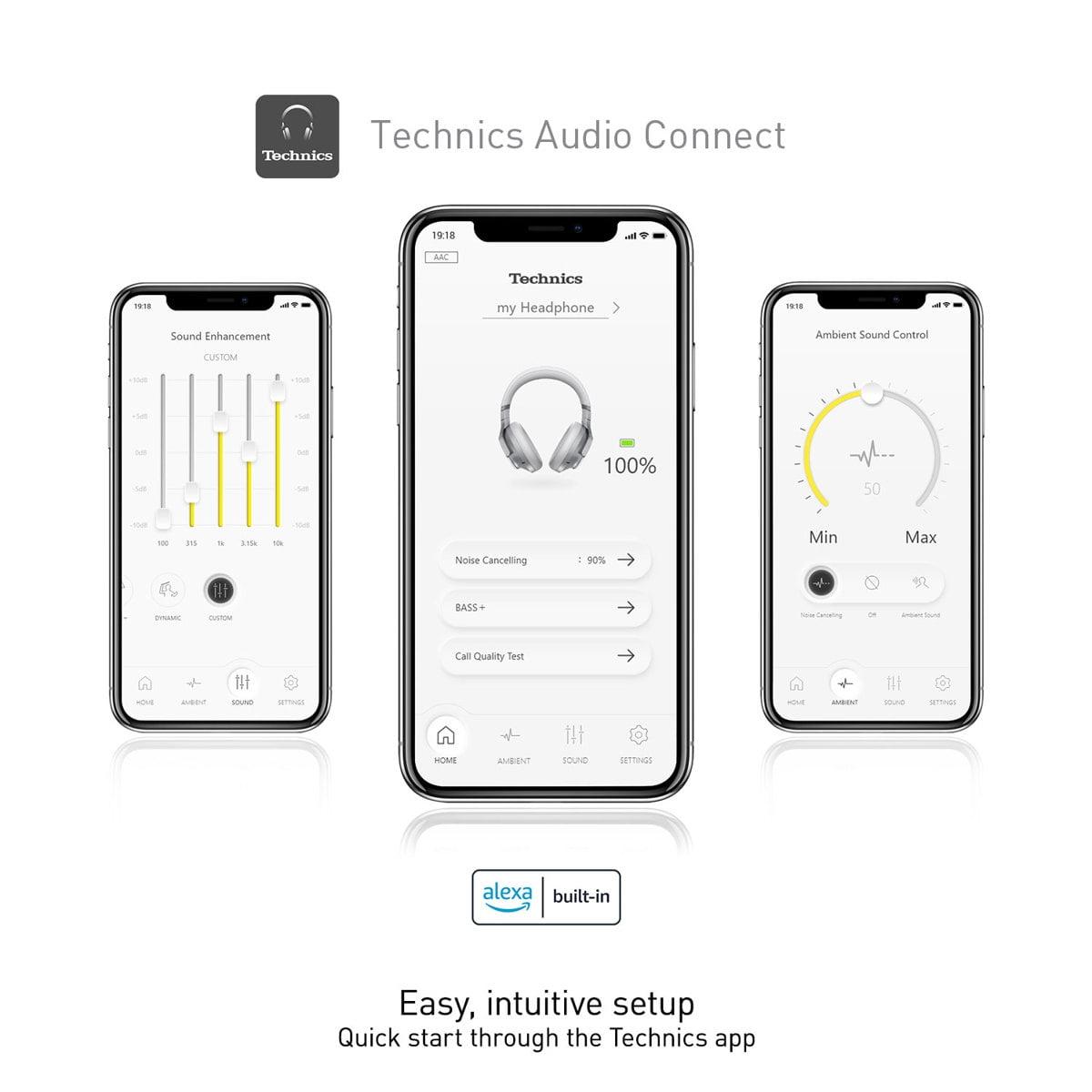
The Technics EAH-A800 offers a comprehensive feature set through the Technics Audio Connect app. You can adjust the noise cancellation strength, customize the five-band equalizer, and update firmware. The touch controls on the right ear cup handle play/pause and ANC toggling, while physical buttons manage volume and power.
For phone calls, the EAH-A800 is in a different league. Its eight-microphone array uses beamforming technology to isolate your voice and suppress background noise. The "JustMyVoice" feature is particularly effective at making your voice clear even in noisy environments. I've used these for video calls from coffee shops and airports, and colleagues consistently commented on the clear audio quality.
The GW100x handles calls adequately but isn't designed to compete with dedicated communication headphones. The single microphone does its job for occasional calls but won't impress in professional settings.
Comfort becomes crucial if you plan to wear headphones for more than an hour or two. The Grado GW100x wins on pure weight - at 6.6 ounces, they're light enough that you might forget you're wearing them. The on-ear design means they rest on your ears rather than around them, which some people find more comfortable for extended periods.
However, on-ear designs can cause discomfort for users with sensitive ears or those who wear glasses. The pressure is concentrated on a smaller area, which might become uncomfortable during very long sessions.
The Technics EAH-A800 uses an over-ear design where the ear cups completely surround your ears rather than pressing on them. The plush memory foam pads distribute weight evenly and create a comfortable seal. At 10.5 ounces, they're heavier, but the weight distribution is excellent. I've worn them for 4-5 hour work sessions without significant discomfort.
For glasses wearers, the EAH-A800 is generally more comfortable since the larger ear cups accommodate frames without breaking the seal needed for noise cancellation.
Understanding how you actually listen to music is crucial for making the right choice. The Grado GW100x excels in quiet, private environments where you can appreciate the open, natural sound without disturbing others. They're perfect for home listening, late-night gaming sessions, or any situation where you want to stay aware of your surroundings while enjoying high-quality audio.
I particularly enjoy the GW100x for critical listening sessions - those times when you really want to focus on the music and hear every detail. The open design makes instruments sound more natural and less "headphone-y" than most closed-back alternatives.
The Technics EAH-A800 shines in versatile, real-world situations. They're excellent for commuting, travel, office work, or any environment where you need isolation from outside noise. The comprehensive feature set makes them suitable for everything from music listening to video calls to watching movies.
For home theater use, the EAH-A800 has clear advantages. The closed-back design provides better bass response for movie soundtracks, and the noise cancellation lets you enjoy content without disturbing others or being disturbed by household noise.
At the time of writing, both headphones occupy similar price ranges but offer completely different value propositions. The Grado GW100x represents exceptional value for pure audio quality - you're getting sound performance that rivals much more expensive wired headphones, just in a wireless package. However, you're paying primarily for audio performance rather than features.
The Technics EAH-A800 costs somewhat more but provides a comprehensive package including premium build quality, advanced noise cancellation, excellent battery life, and professional-grade call quality. You're paying for versatility and the ability to use these headphones in virtually any situation.
Since both models were released in 2023, they represent current-generation technology with modern Bluetooth 5.2 connectivity and support for high-quality audio codecs. This means they should remain relevant and well-supported for several years.
Choose the Grado GW100x if you're primarily interested in the best possible sound quality for home listening, you prefer lightweight comfort for extended sessions, and you don't need features like noise cancellation or advanced call quality. These headphones are for people who prioritize the musical experience above all else.
Choose the Technics EAH-A800 if you want one pair of headphones that can handle everything from critical listening at home to business calls to airline travel. They're for people who value versatility, premium build quality, and comprehensive features alongside excellent sound quality.
The decision ultimately comes down to whether you want specialized excellence (GW100x) or versatile competence (EAH-A800). Both approaches have merit - it just depends on how you live with your music.
Consider your primary listening environment, whether you need isolation from outside noise, how important features like noise cancellation and call quality are to you, and whether you value the unique open-back listening experience. Either choice will provide years of listening enjoyment when matched to the right use case.
| Grado GW100x Wireless Headphones | Technics EAH-A800 Wireless Noise Cancelling Headphones |
|---|---|
| Design Philosophy - Fundamentally affects your listening experience | |
| Open-back wireless (rare combination, natural soundstage) | Closed-back with active noise cancellation (isolation focused) |
| Weight - Critical for comfort during long sessions | |
| 6.6 oz / 188g (ultra-lightweight, forget you're wearing them) | 10.5 oz / 298g (heavier but well-distributed weight) |
| Driver Technology - Determines sound quality and character | |
| 44mm X-Series drivers, matched within 0.1dB | 40mm PEEK/Polyurethane 3-layer diaphragm drivers |
| Noise Cancellation - Essential for travel and noisy environments | |
| None (open design allows environmental awareness) | Dual Hybrid ANC with 8 microphones (industry-leading performance) |
| Battery Life - Affects daily usability | |
| Up to 46 hours (excellent for minimalist design) | Up to 50-60 hours depending on features (class-leading endurance) |
| Bluetooth Codecs - Impacts wireless audio quality | |
| aptX Adaptive, AAC, SBC (modern codec support) | LDAC, AAC, SBC (Hi-Res Audio certified up to 96kHz/24-bit) |
| Sound Leakage - Determines where you can use them | |
| Significant leakage (home/private use only) | Fully sealed (suitable for public spaces) |
| Features & App Support - Convenience and customization options | |
| Minimal (3-button control, no app, basic voice assistant) | Comprehensive (touch controls, full app with EQ, call optimization) |
| Call Quality - Important for work and communication | |
| Basic microphone (adequate for occasional calls) | Professional-grade with beamforming and JustMyVoice technology |
| Use Case Flexibility - Where these headphones excel | |
| Home listening, critical audio sessions, quiet environments | Travel, office, commuting, all-purpose daily use |
| Value Proposition - What you're paying for | |
| Pure audiophile sound quality in wireless form | Complete feature package with premium build quality |
The Grado GW100x delivers exceptional sound quality with its open-back design, creating a natural, spacious soundstage that makes music feel more live and immersive. The Technics EAH-A800 offers rich, detailed audio with powerful bass and supports high-resolution LDAC codec for wireless Hi-Res Audio. Both excel in different ways - the GW100x for natural, acoustic-focused listening and the EAH-A800 for detailed, full-range performance.
The Technics EAH-A800 is better suited for home theater use due to its closed-back design that provides deeper bass response and isolation from household noise. The noise cancellation ensures you won't miss quiet dialogue even with background activity. The Grado GW100x can work for home theater but may not deliver the impactful low-end that movie soundtracks demand, and the open design means others can hear what you're watching.
The Technics EAH-A800 is specifically designed for travel with its active noise cancellation, closed-back isolation, and included carrying case. The Grado GW100x is unsuitable for public transportation due to significant sound leakage - others will hear your music and you'll hear all ambient noise. For travel, the EAH-A800 is the clear choice.
The Grado GW100x provides up to 46 hours of playback time, while the Technics EAH-A800 offers 50-60 hours depending on whether noise cancellation is enabled. With LDAC and ANC active, the EAH-A800 still delivers around 40 hours. Both offer excellent battery life, with the Technics EAH-A800 having a slight edge in most scenarios.
The Grado GW100x weighs just 6.6 ounces, making it ultra-lightweight for extended wear, though the on-ear design may cause pressure for some users. The Technics EAH-A800 is heavier at 10.5 ounces but uses plush over-ear pads that distribute weight evenly and accommodate glasses better. Comfort preference varies, but the EAH-A800 generally suits longer sessions better.
The Grado GW100x has no noise cancellation by design - its open-back construction allows environmental awareness. The Technics EAH-A800 features advanced Dual Hybrid active noise cancellation with eight microphones, providing industry-leading noise suppression for travel and noisy environments. If noise cancellation is important, only the EAH-A800 offers this feature.
The Technics EAH-A800 excels at calls with its eight-microphone array, beamforming technology, and JustMyVoice feature that isolates your voice from background noise. The Grado GW100x has basic call functionality with a single microphone that's adequate for occasional calls but not optimized for professional use. For work calls, the EAH-A800 is significantly better.
Both the Grado GW100x and Technics EAH-A800 include 3.5mm audio cables for wired listening when the battery is low or for use with devices without Bluetooth. This wired option maintains audio quality and provides backup connectivity. The GW100x particularly benefits from wired use as it preserves Grado's signature analog sound path.
The Grado GW100x supports aptX Adaptive, AAC, and SBC codecs for quality wireless audio. The Technics EAH-A800 supports LDAC (up to 96kHz/24-bit Hi-Res Audio), AAC, and SBC codecs. The EAH-A800 has an advantage with LDAC support for the highest quality wireless audio transmission when paired with compatible devices.
The Grado GW100x does not include a carrying case, focusing on minimal packaging and accessories. The Technics EAH-A800 includes a premium hard-shell carrying case, USB-C charging cable, 3.5mm audio cable, and airplane adapter. If portability and protection are important, the EAH-A800 provides a complete travel package.
The Grado GW100x has significant sound leakage due to its open-back design - others can clearly hear what you're listening to. While Grado reduced leakage by 60% compared to previous models, it's still unsuitable for libraries, offices, or public spaces. The Technics EAH-A800 has virtually no sound leakage thanks to its closed-back design and can be used anywhere without disturbing others.
The Grado GW100x offers exceptional value for pure audio quality, delivering sound performance that rivals much more expensive audiophile headphones. The Technics EAH-A800 provides comprehensive value with premium features, build quality, noise cancellation, and versatility. Choose the GW100x for specialized audio excellence or the EAH-A800 for an all-in-one solution with maximum versatility.
We've done our best to create useful and informative comparisons to help you decide what product to buy. Our research uses advanced automated methods to create this comparison and perfection is not possible - please contact us for corrections or questions. These are the sites we've researched in the creation of this article: techradar.com - crutchfield.com - whathifi.com - moon-audio.com - majorhifi.com - rockonav.com - forums.stevehoffman.tv - newegg.com - audiosciencereview.com - gradolabs.com - decibelaudio.com - addictedtoaudio.com.au - s3.eu-west-1.amazonaws.com - audioadvice.com - analogmatters.com - nyczaj.audio - parts-express.com - blog.son-video.com - expertreviews.co.uk - youtube.com - whathifi.com - youtube.com - bhphotovideo.com - futureaudiophile.com - versus.com - versus.com - soundphilereview.com - help.na.panasonic.com - technics.com - retailspecs.com - headphonecheck.com - us.technics.com - help.na.panasonic.com - bhphotovideo.com - technics.com - technics.com - valueelectronics.com - us.technics.com - us.technics.com - youtube.com - hometheaterhifi.com

Privacy Policy
Terms and Conditions - Affiliate Policy
Home Security
© Copyright 2008-2026.
11816 Inwood Rd #1211, Dallas, TX 75244