

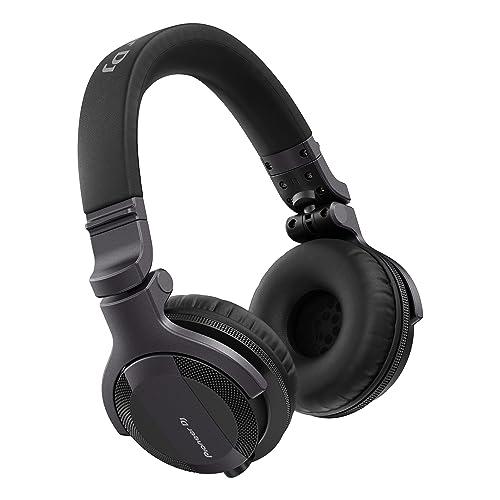
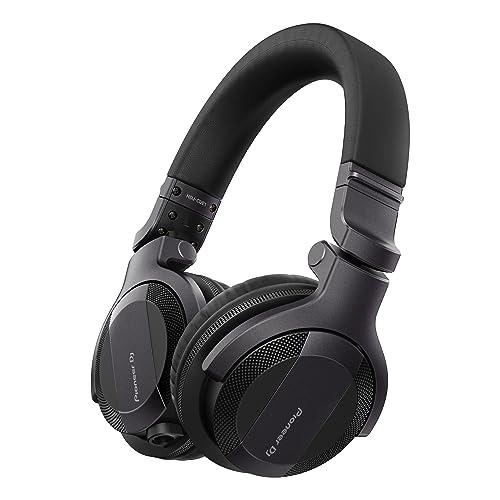











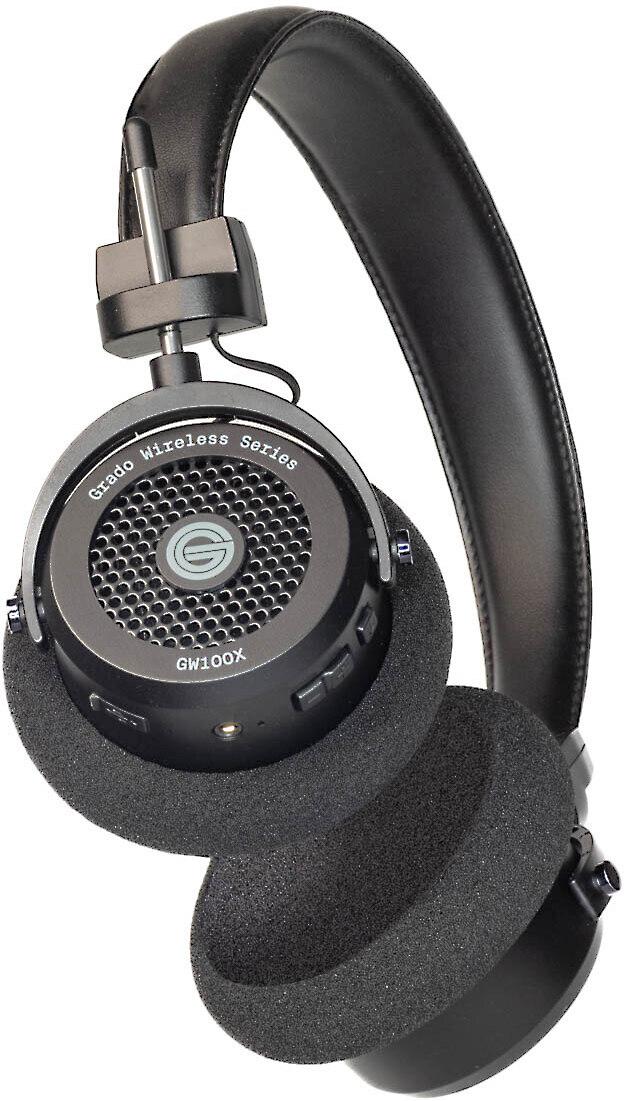

When I first put on the Pioneer DJ HDJ-CUE1 and then switched to the Grado GW100x, I immediately understood why choosing headphones can feel so overwhelming. These two models represent completely different philosophies in headphone design, despite both sitting on your ears and playing music. It's like comparing a sports car to an off-road truck – both get you places, but they're built for entirely different journeys.
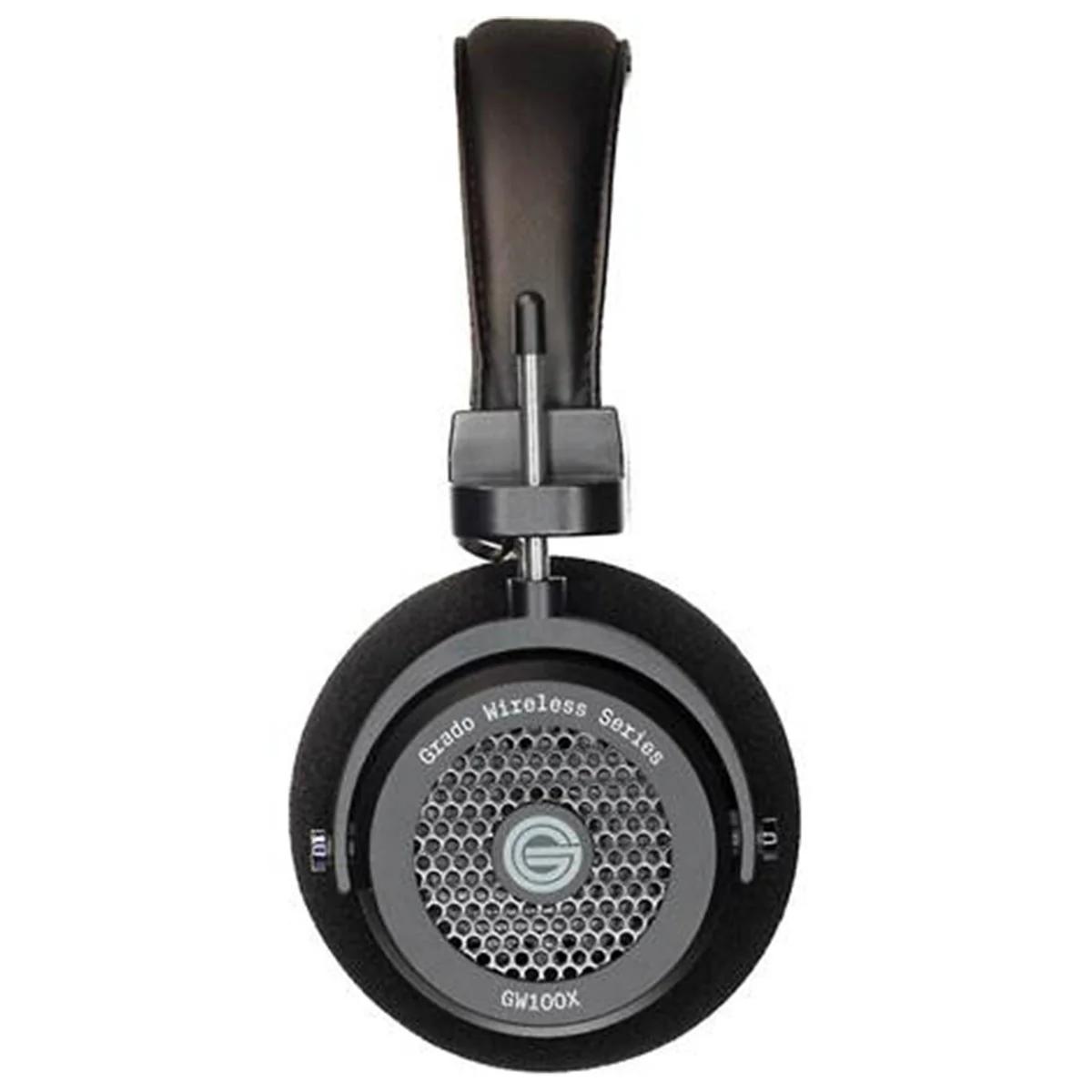
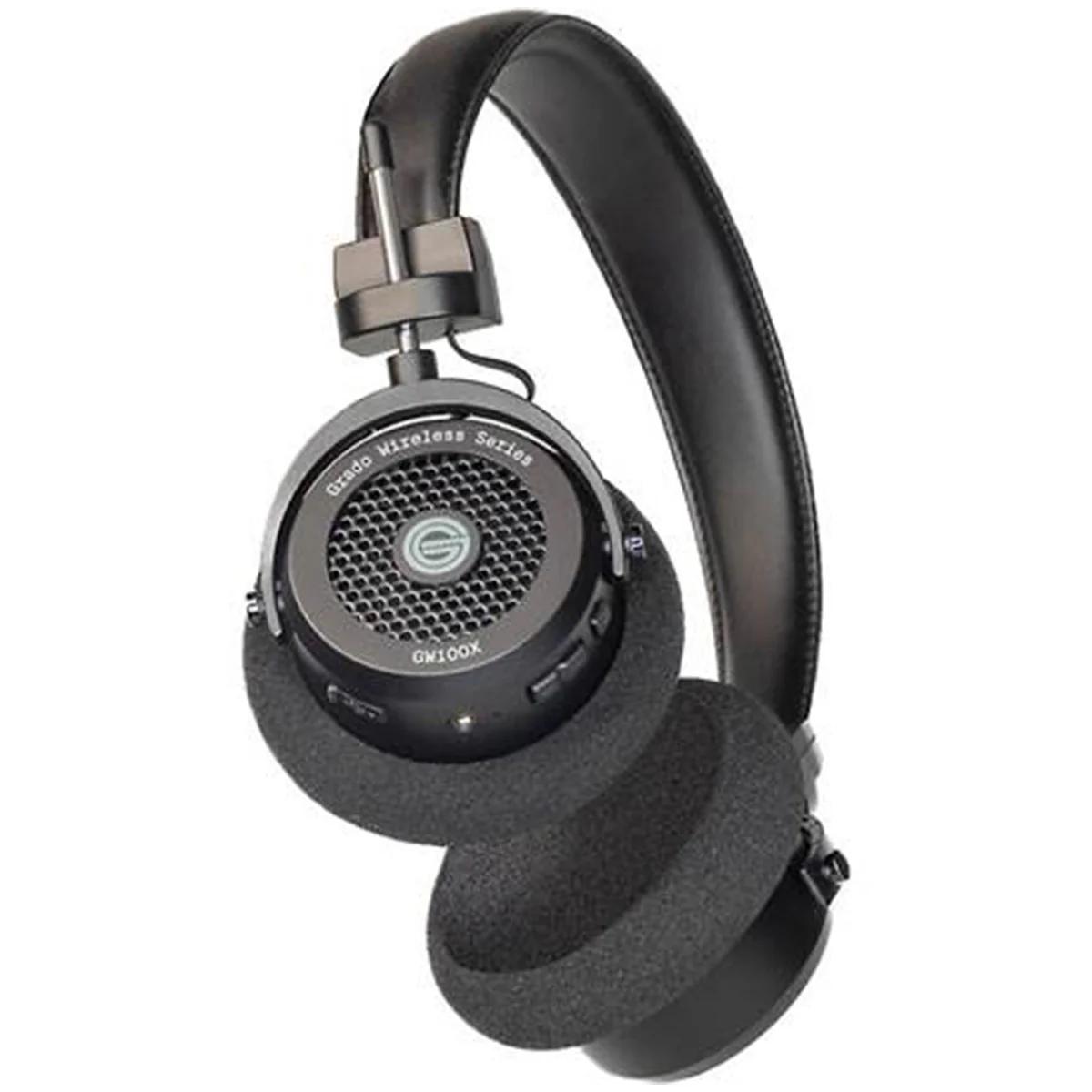
The headphone world splits into several distinct camps, and these two products couldn't be more opposite in their approach. The Pioneer DJ HDJ-CUE1, released in 2020, follows the closed-back design philosophy where the ear cups are sealed to block outside noise and keep your music from leaking out. Think of it like listening in a soundproof booth. The Grado GW100x, on the other hand, uses an open-back design that's essentially the opposite – the back of the ear cups have openings that let sound flow freely in and out.
This fundamental difference affects everything about how these headphones sound and when you'd want to use them. Closed-back designs like the Pioneer excel when you need isolation – whether you're DJing in a loud club or just want to focus on your music without disturbing others. Open-back headphones like the Grado create what we call a "soundstage" – an expansive, three-dimensional audio experience that makes you feel like you're sitting in the recording studio with the musicians.
But here's where it gets interesting: the Grado GW100x is wireless, which was practically unheard of for open-back headphones until recently. Most audiophiles (people who are really serious about sound quality) traditionally avoided wireless because of the compromises it made to audio quality. Grado's achievement in creating a wireless open-back headphone that maintains their signature sound is genuinely impressive from a technical standpoint.
The Pioneer DJ HDJ-CUE1 inherits its DNA from Pioneer's professional DJ lineup, specifically their HDJ-X5 model. When I say "inherits," I mean Pioneer took the sound tuning and design principles from their more expensive professional headphones and adapted them for a more affordable entry-level model.
The sound signature is deliberately bass-heavy, which might sound like a flaw but is actually perfect for its intended use. DJs need to hear the kick drum and bass line clearly to match beats between songs – a process called beatmatching. The 40mm dynamic drivers (the parts that actually create sound) are tuned to emphasize frequencies between 20-200 Hz, where most bass and kick drums live. This emphasis means when you're mixing two hip-hop tracks, you can clearly hear when the beats align.
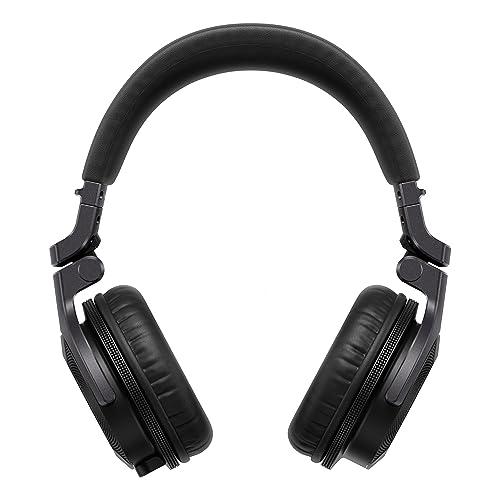
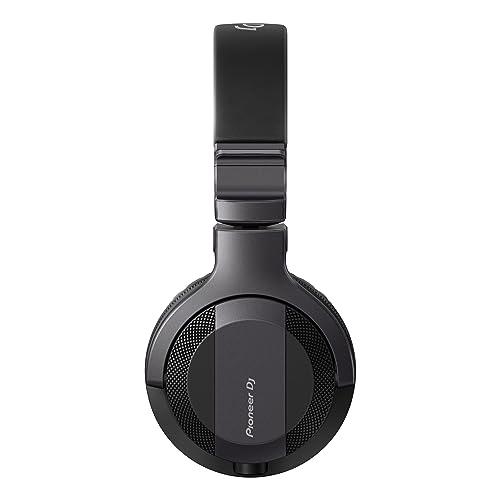
What's clever about the design is the 90-degree swiveling ear cups. When you're DJing, you often need to listen to the next song in one ear while monitoring what's playing through the speakers with the other. The swivel mechanism lets you rest one cup on your neck while keeping the other over your ear – a feature that seems simple but is essential for professional use.
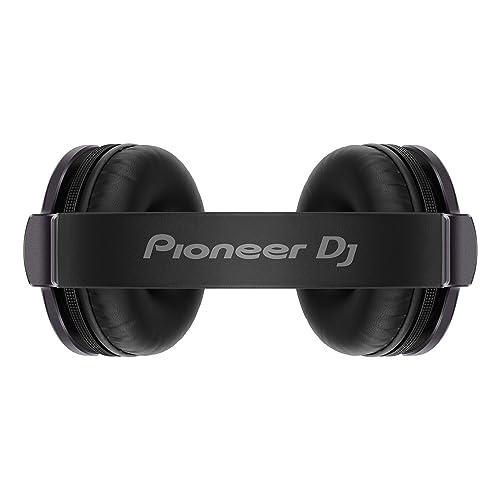
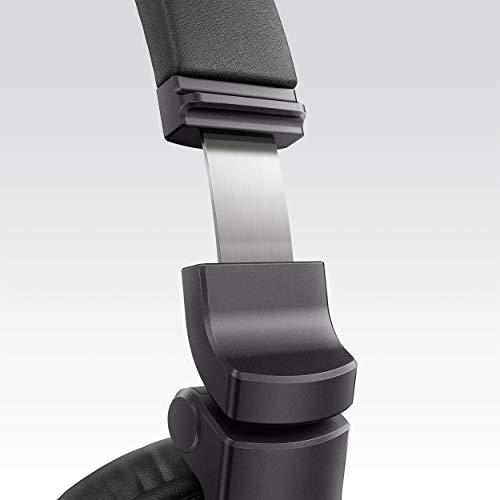
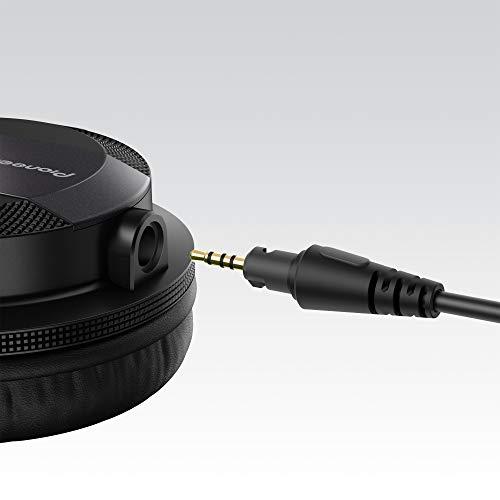
The build quality reflects its professional heritage. Pioneer reinforced the headband with metal sliders and subjected all moving parts to durability tests that simulate years of DJ use. At 215 grams without the cable, they're light enough for all-night sessions but substantial enough to feel durable. The detachable coiled cable extends from 1.2 meters to 1.8 meters, giving DJs freedom of movement while staying connected to their mixer.
The Grado GW100x represents something of a revolution in Grado's 70-year history. Grado, a Brooklyn-based company known for their distinctive open-back sound, had never made wireless headphones before. The challenge was maintaining their signature sound quality while adding the complexity of wireless electronics, battery power, and digital-to-analog conversion.
The solution came through their fourth-generation X-series drivers. These 44mm drivers feature what Grado calls "a more powerful magnetic circuit, decreased effective mass, and a reconfigured diaphragm." In simpler terms, they redesigned the parts that create sound to work more efficiently with wireless electronics while preserving the natural, uncolored sound Grado is famous for.
The wireless implementation uses Bluetooth 5.2 with support for aptX Adaptive, which is significant. Most wireless headphones compress your music to send it over Bluetooth, which can reduce quality. AptX Adaptive dynamically adjusts the compression based on your environment and the content you're playing, maintaining higher quality when possible while ensuring a stable connection when interference is present.
What surprised me most about the Grado GW100x is the battery life – up to 46 hours on a single charge. This achievement comes from the efficient driver design and careful power management. The headphones automatically switch off after 10 minutes of inactivity, and you can use them as traditional wired headphones with the included cable, which completely bypasses the wireless electronics.
Testing the Pioneer DJ HDJ-CUE1 with various genres reveals its strengths and limitations. Electronic music, hip-hop, and dance tracks sound energetic and punchy. The bass emphasis doesn't just make these genres louder – it adds texture and impact that helps you understand the rhythm structure. When I played Daft Punk's "Get Lucky," the bass line had a presence and definition that made it easy to imagine beatmatching it with another track.
However, this tuning philosophy creates trade-offs. Acoustic music and vocals can sound somewhat recessed compared to the prominent bass. Jazz recordings, which rely on subtle instrumental interplay, sometimes feel unbalanced. The midrange, where most vocals and many instruments live, gets overshadowed by the powerful low-end. This isn't necessarily a flaw – it's an intentional design choice for the target application.
The closed-back design contributes to what audio engineers call "intimate" sound presentation. Everything feels close and immediate, which is perfect when you need to focus on specific elements of a track. The frequency response extends from 5 Hz to 30 kHz, covering the full range of human hearing with emphasis where it matters most for DJ applications.
Switching to the Grado GW100x reveals an entirely different approach to sound reproduction. The open-back design creates what feels like a three-dimensional audio space around your head. Instruments appear to have specific locations – guitars might seem positioned slightly left, while vocals center perfectly between your ears.
This spatial presentation comes from the way open-back designs handle reflections and resonances. Instead of trapping sound inside closed cups, the open design lets sound waves behave more naturally, creating the illusion that music is happening in real space rather than inside your head. It's the difference between listening to music in a small, padded room versus a concert hall.
The Grado GW100x maintains what audiophiles call a "neutral" frequency response – no part of the audio spectrum is artificially emphasized. This neutrality means you hear recordings closer to how they sounded in the studio during mixing. Voices sound natural and uncolored, acoustic instruments maintain their authentic timber, and the overall balance feels organic rather than artificially enhanced.
The wireless implementation adds another layer of technical achievement. Digital audio processing introduces potential points of failure – the analog-to-digital conversion in your phone, the Bluetooth transmission, and the digital-to-analog conversion in the headphones. Grado's engineering maintains audio fidelity through this chain remarkably well, though purists might still prefer the included wired option for ultimate quality.
The Pioneer DJ HDJ-CUE1 prioritizes durability over luxury aesthetics. The plastic construction feels solid rather than premium, but this choice makes sense for equipment that might get tossed in DJ bags, used in sweaty club environments, and handled roughly during setup and breakdown.
The padding on the headband and ear cups provides adequate comfort for extended sessions, though it's not as plush as what you'd find on higher-end models. The clamping force (how tightly the headphones grip your head) is calibrated for security rather than delicate comfort – these need to stay in place when you're bobbing your head to the music or moving around a DJ booth.
One feature I particularly appreciate is the ability to customize the appearance. Pioneer offers colored replacement cables and ear pads in orange, yellow, green, blue, and pink. This personalization option acknowledges that DJ equipment is often part of a performer's visual identity, not just their audio toolkit.
The Grado GW100x takes the opposite approach, prioritizing long-term listening comfort over rugged durability. At 187 grams, they're lighter than the Pioneer, and the weight distribution feels more refined. The minimal padding philosophy that Grado has used for decades works well here – instead of thick, soft cushions, they use just enough padding to prevent pressure points while maintaining an open, airy feel.
The initial clamping force can feel tight for the first few days of use, but this loosens up as the headband adjusts to your head shape. Once broken in, many users report forgetting they're wearing headphones at all, which is exactly what Grado aims for – transparent comfort that doesn't interfere with the listening experience.
The build quality reflects Grado's Brooklyn manufacturing heritage. While not as rugged as the Pioneer, the construction feels more refined and carefully assembled. The wireless electronics are well-integrated without making the headphones feel bulky or unbalanced.
Understanding driver technology helps explain why these headphones sound so different. The Pioneer DJ HDJ-CUE1 uses 40mm dome-type dynamic drivers optimized for efficiency and bass response. Dynamic drivers work like tiny speakers – a voice coil moves a diaphragm back and forth to create sound waves. Pioneer tuned these drivers with a specific frequency curve that emphasizes the 20-200 Hz range where bass and kick drums predominate.
The impedance rating of 32 ohms means these drivers are easy to power from DJ mixers, phones, or any audio source. The sensitivity rating of 104 dB indicates they can get very loud without requiring much power – important when you need to hear your cue track over loud club music. The maximum input power handling of 2000 mW means they can handle the high output levels common in professional audio equipment without distorting or suffering damage.
The Grado GW100x represents a more complex engineering challenge. The 44mm X-series drivers had to be redesigned specifically for wireless use, balancing efficiency (for battery life) with sound quality. At 38 ohms impedance and 99.8 dB sensitivity, they require slightly more power than the Pioneer, but the built-in amplification in the wireless electronics provides exactly what they need.
The driver matching specification of 0.1 dB means the left and right drivers are incredibly closely matched in their response characteristics. This precision ensures accurate stereo imaging – the ability to precisely locate sounds in the stereo field, which is crucial for the open-back soundstage experience.
The Grado GW100x supports multiple Bluetooth codecs, which are essentially different methods of compressing and transmitting audio wirelessly. The basic SBC codec that all Bluetooth devices support provides decent quality but isn't optimal for serious listening. AAC, used by Apple devices, offers better compression efficiency and quality. AptX Adaptive represents the current pinnacle of Bluetooth audio, dynamically adjusting quality and latency based on conditions.
This codec flexibility means the Grado GW100x will sound different depending on your source device. Pairing with an iPhone using AAC will provide excellent quality, while Android devices supporting aptX Adaptive can deliver even better performance. The multipoint pairing capability lets you stay connected to two devices simultaneously – perhaps your phone and laptop – switching between them as needed.
For home theater use, these headphones serve very different purposes. The Pioneer DJ HDJ-CUE1 works well for late-night movie watching when you need isolation from and for your surroundings. The bass emphasis actually benefits action movies, making explosions and soundtrack bass more impactful. However, dialogue might sound slightly recessed compared to the prominent low-frequency effects.
The Grado GW100x excels for movies that rely on spatial audio and subtle sound design. The open soundstage creates an immersive experience for films with careful audio production. However, the complete lack of isolation makes them unsuitable when others are sleeping or when ambient noise might interfere.
For gaming, the Pioneer's isolation helps with focus and competitive play, while the Grado's soundstage provides better positional audio cues in open-world or story-driven games. The wireless convenience of the Grado GW100x eliminates cable tangling during extended gaming sessions.
The Pioneer DJ HDJ-CUE1 serves its intended professional DJ market well, but also works for content creators who need to monitor bass-heavy content. Podcasters and streamers might appreciate the isolation and clear midrange for voice monitoring, though the bass emphasis could mask subtle audio issues.
The Grado GW100x better serves mixing and mastering applications where accurate frequency response matters more than isolation. Audio engineers working in treated rooms might appreciate the natural sound signature for checking mixes, though serious professional work would typically require even more neutral monitoring headphones.
At the time of writing, the Pioneer DJ HDJ-CUE1 represents exceptional value in the entry-level DJ headphone market. Pioneer essentially took features and sound tuning from their professional models and made them accessible at a much lower price point. The build quality, specialized features like swiveling cups, and professional sound tuning typically cost significantly more from other manufacturers.
The Grado GW100x commands a premium price that reflects both the technical achievement of wireless open-back design and Grado's boutique manufacturing approach. At roughly four times the cost of the Pioneer, they're competing against established wireless headphones with more features like noise cancellation and companion apps. The value proposition rests entirely on sound quality and the unique open-back wireless experience.
Since their respective releases, both products have maintained their market positions. The Pioneer DJ HDJ-CUE1 continues to be recommended as an entry point into professional DJ equipment, while technological improvements in Bluetooth codecs and wireless processing have actually enhanced the Grado GW100x experience with newer source devices.
The decision between the Pioneer DJ HDJ-CUE1 and Grado GW100x ultimately comes down to your primary use case and listening environment.
Choose the Pioneer DJ HDJ-CUE1 if you need isolation, whether for DJing, commuting, or focused listening in noisy environments. They're perfect if you love bass-heavy music genres, need durable headphones for active use, or want professional DJ features at an accessible price. The wired reliability makes them ideal for critical applications where battery life or wireless interference could be problematic.
The Grado GW100x suits listeners who prioritize sound quality and have quiet listening environments. They excel for critical music appreciation, long listening sessions at home, and situations where wireless convenience matters. If you're curious about the open-back experience or want to experience Grado's famous sound signature with modern wireless convenience, they're essentially unique in the market.
Neither choice is universally better – they're optimized for different priorities and usage patterns. The Pioneer represents exceptional value for its intended application, while the Grado offers a premium experience that justifies its higher cost for the right listener. Understanding your primary listening habits, environment, and priorities will make the choice clear.
The beauty of today's headphone market is that both approaches can coexist and serve their audiences well. Whether you're mixing beats in a club or appreciating the subtle details in a jazz recording at home, there's never been a better time to find headphones perfectly matched to your needs.
| Pioneer DJ HDJ-CUE1 Headphones | Grado GW100x Wireless Headphones |
|---|---|
| Design Type - Fundamentally affects when and where you can use them | |
| Closed-back, blocks outside noise and prevents sound leakage | Open-back, provides spacious soundstage but no isolation |
| Connectivity - Impacts convenience and audio quality | |
| Wired with detachable 1.2m coiled cable (extends to 1.8m) | Wireless Bluetooth 5.2 with aptX Adaptive, plus wired option |
| Driver Size - Larger drivers typically produce fuller sound | |
| 40mm dome-type dynamic drivers | 44mm 4th generation Grado X Drivers |
| Sound Signature - Determines what music genres sound best | |
| Bass-heavy tuning optimized for DJ mixing and electronic music | Neutral, balanced signature for accurate music reproduction |
| Weight - Critical for comfort during long listening sessions | |
| 215g without cable (lightweight for extended DJ sets) | 187g (lighter feel enhanced by wireless design) |
| Battery Life - Only matters for wireless model | |
| N/A (wired), or 30 hours for Bluetooth variant | Up to 46 hours with 2-hour USB-C charging |
| Frequency Response - Shows the range of sounds reproduced | |
| 5 Hz – 30 kHz (emphasis on bass frequencies for DJ use) | 20 Hz – 20 kHz (flat response across audible spectrum) |
| Impedance - Affects how easy they are to drive loudly | |
| 32Ω (easy to power from phones, mixers, DJ equipment) | 38Ω (slightly harder to drive but includes built-in amplification) |
| Special Features - Unique capabilities that set them apart | |
| 90-degree swiveling cups for single-ear DJ monitoring, customizable colors | Multipoint pairing, voice assistant support, auto power-off |
| Durability Focus - Important for professional or heavy use | |
| Reinforced metal sliders, passed strict DJ durability tests | Traditional Grado lightweight construction, less rugged |
| Isolation - Determines suitability for noisy environments | |
| Excellent passive noise isolation for booth/commute use | Zero isolation due to open-back design |
| Target Use Case - Who these headphones are designed for | |
| Entry-level DJs, bass-focused listeners, noise isolation needed | Audiophiles seeking wireless convenience with premium sound quality |
The Pioneer DJ HDJ-CUE1 uses a closed-back design that blocks outside noise and emphasizes bass frequencies for DJ mixing, while the Grado GW100x features an open-back design that creates a spacious soundstage for audiophile listening. The Pioneer is wired and built for professional durability, whereas the Grado offers wireless convenience with premium sound quality.
The Pioneer DJ HDJ-CUE1 is specifically tuned for bass-heavy music with enhanced low frequencies that make kick drums and bass lines prominent. This makes them ideal for electronic music, hip-hop, and dance genres. The Grado GW100x has a more neutral sound signature that doesn't artificially boost bass, making it better for accurate music reproduction across all genres.
For home theater, the Pioneer DJ HDJ-CUE1 works well for late-night movie watching when you need isolation, with the bass emphasis benefiting action movies and soundtracks. The Grado GW100x excels for films with careful sound design due to its spacious soundstage, but the open-back design means no isolation from household noise and sound will leak out to others.
The Grado GW100x is generally more comfortable for extended use, weighing only 187g with a design that many users report "forgetting" they're wearing. The Pioneer DJ HDJ-CUE1 at 215g is built more for security and durability during active use, with adequate but less refined comfort padding.
The Pioneer DJ HDJ-CUE1 offers wired reliability that's essential for professional DJ use and eliminates battery concerns. The Grado GW100x provides wireless convenience with up to 46 hours of battery life and can also function as wired headphones when needed, offering the best of both worlds at a higher price point.
The Pioneer DJ HDJ-CUE1 provides excellent passive noise isolation due to its closed-back design, making them suitable for noisy environments, commuting, or DJ booths. The Grado GW100x offers zero noise isolation because of its open-back design, requiring quiet environments for optimal use.
The Pioneer DJ HDJ-CUE1 works well for competitive gaming due to excellent isolation and focus, while the bass emphasis benefits action games. The Grado GW100x provides superior positional audio and soundstage for immersive gaming experiences, with wireless convenience eliminating cable tangling during long sessions.
The Pioneer DJ HDJ-CUE1 is built specifically for durability with reinforced metal sliders and construction designed to withstand professional DJ use and transport. The Grado GW100x uses traditional lightweight construction that's more refined but less rugged, better suited for careful home use rather than mobile applications.
Both headphones work with phones, but differently. The Pioneer DJ HDJ-CUE1 connects via standard 3.5mm jack (or Bluetooth in the wireless variant) and is easy to drive from phone outputs. The Grado GW100x connects wirelessly via Bluetooth 5.2 with high-quality codecs, providing excellent wireless performance with smartphones.
The Grado GW100x is better for music production due to its neutral, accurate frequency response that reveals how recordings truly sound. The Pioneer DJ HDJ-CUE1 is designed specifically for DJ monitoring and mixing rather than production, with a bass-heavy signature that could mask subtle mix details.
The Pioneer DJ HDJ-CUE1 delivers energetic, bass-focused sound that's perfect for electronic music and DJ applications but can overshadow midrange detail. The Grado GW100x provides natural, balanced sound reproduction with excellent instrument separation and a three-dimensional soundstage that audiophiles prefer for critical listening.
The Pioneer DJ HDJ-CUE1 offers exceptional value for entry-level DJ headphones, providing professional features and build quality at an accessible price point. The Grado GW100x commands a premium price that's justified by unique wireless open-back technology and superior sound quality, but costs significantly more than the Pioneer model.
We've done our best to create useful and informative comparisons to help you decide what product to buy. Our research uses advanced automated methods to create this comparison and perfection is not possible - please contact us for corrections or questions. These are the sites we've researched in the creation of this article: bestbuy.com - pioneerdjstore.com - rtings.com - idjnow.com - youtube.com - pioneerdj.com - soundguys.com - pioneerdj.com - digitaldjtips.com - pioneerdj.com - guitarcenter.com - empirepro.com - idjnow.com - emiaudio.com - pioneerdj.com - sfm.ca - sweetwater.com - pioneerdj.com - pioneerdj.com - pioneerdj.com - techradar.com - crutchfield.com - whathifi.com - moon-audio.com - majorhifi.com - rockonav.com - forums.stevehoffman.tv - newegg.com - audiosciencereview.com - gradolabs.com - decibelaudio.com - addictedtoaudio.com.au - s3.eu-west-1.amazonaws.com - audioadvice.com - analogmatters.com - nyczaj.audio - parts-express.com

Privacy Policy
Terms and Conditions - Affiliate Policy
Home Security
© Copyright 2008-2026.
11816 Inwood Rd #1211, Dallas, TX 75244