








When shopping for wireless headphones, you'll quickly discover that not all models are created equal. Some prioritize practicality and features, while others focus purely on sound quality. Today, we're comparing two headphones that represent these different philosophies: the budget-friendly OneOdio A10 and the premium Grado GW100x.
Released in 2021, the OneOdio A10 emerged during the height of remote work adoption, when people needed affordable headphones with active noise cancellation for home offices and video calls. Meanwhile, the Grado GW100x, launched in 2022, represented Grado's first serious attempt at wireless technology after decades of focusing exclusively on wired audiophile headphones. Understanding these release contexts helps explain why each product takes such a different approach.
Before diving into specifics, let's establish what really matters when choosing wireless headphones. The key considerations include sound quality (how accurately music is reproduced), noise management (blocking unwanted sounds), battery life, comfort during extended use, and additional features like voice assistants or app integration.
Think of it like choosing between a Swiss Army knife and a high-quality chef's knife. The Swiss Army knife offers versatility and multiple tools, while the chef's knife excels at one primary function. Both have their place, but they serve different needs.
The wireless headphone market has evolved significantly since 2020. We've seen major improvements in battery technology, Bluetooth codec support (the methods used to compress and transmit audio wirelessly), and active noise cancellation algorithms. These advances mean that even budget models today often outperform premium headphones from just a few years ago.
The most fundamental difference between these headphones lies in their basic design approach. The OneOdio A10 uses a closed-back, over-ear design that completely seals around your ears. This creates a isolated listening environment that blocks outside noise and prevents your music from disturbing others. It's the equivalent of listening in a soundproof booth.
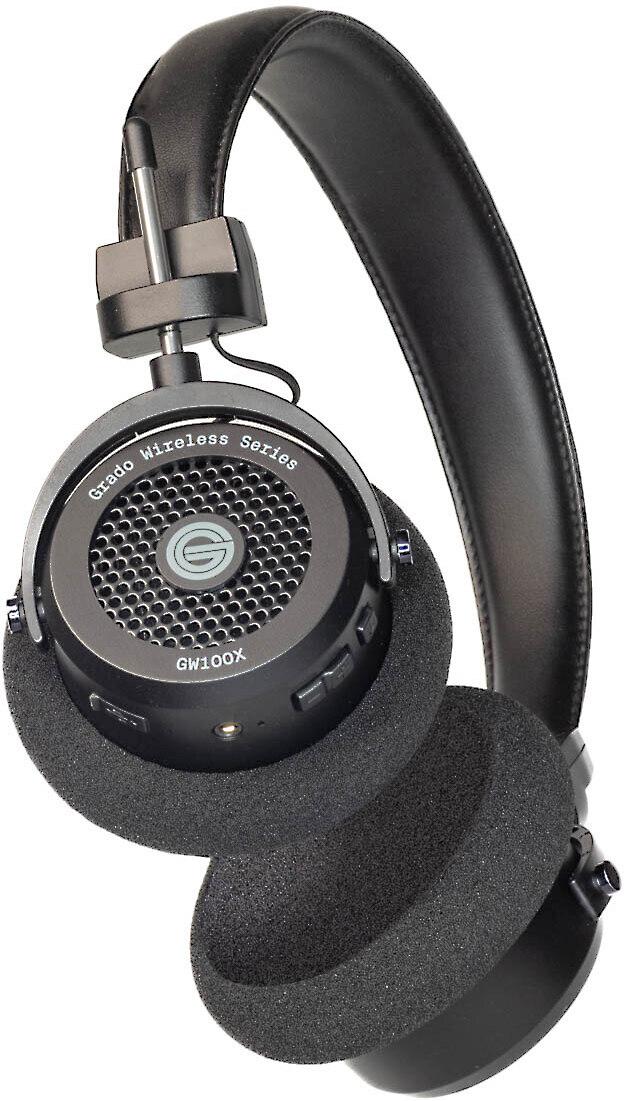
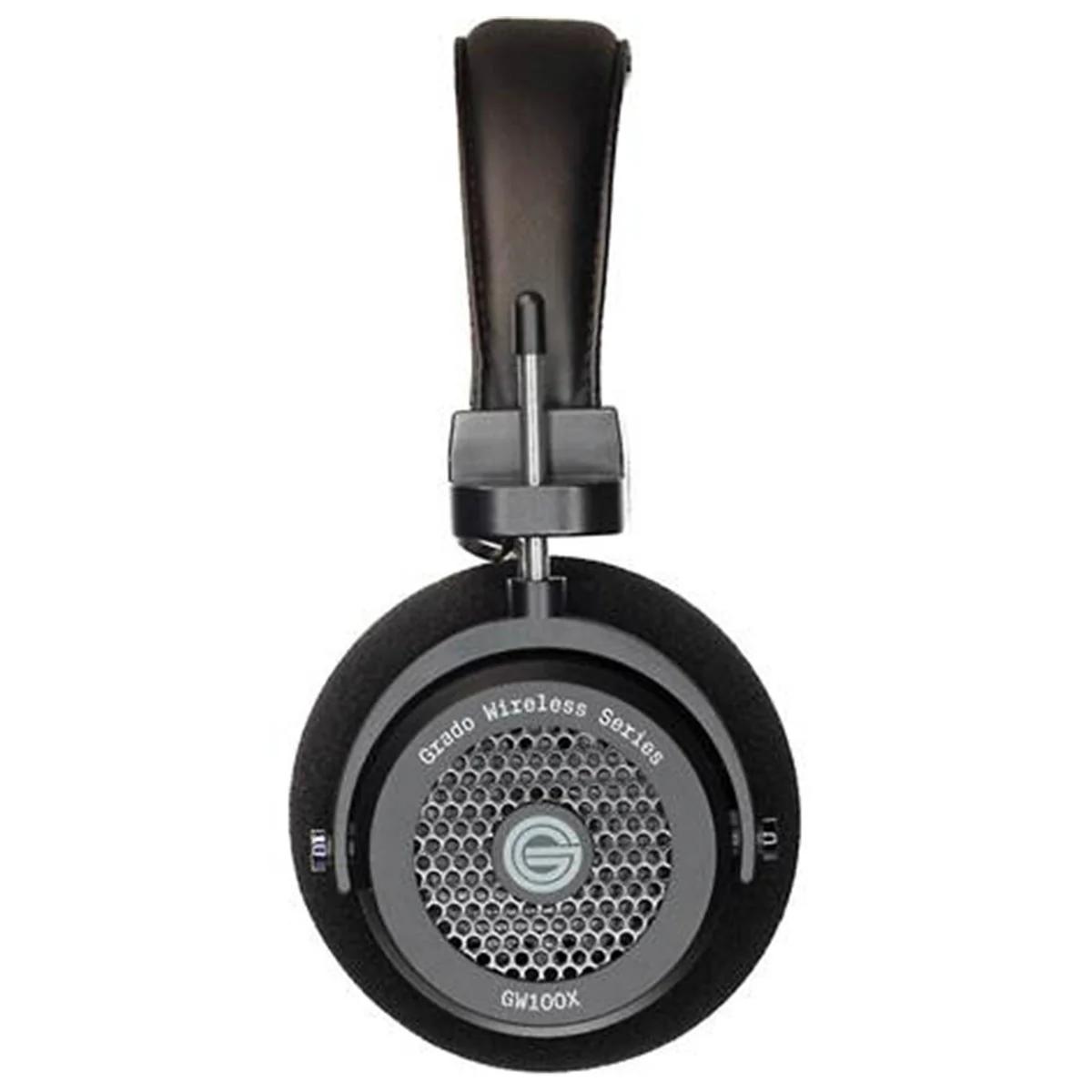
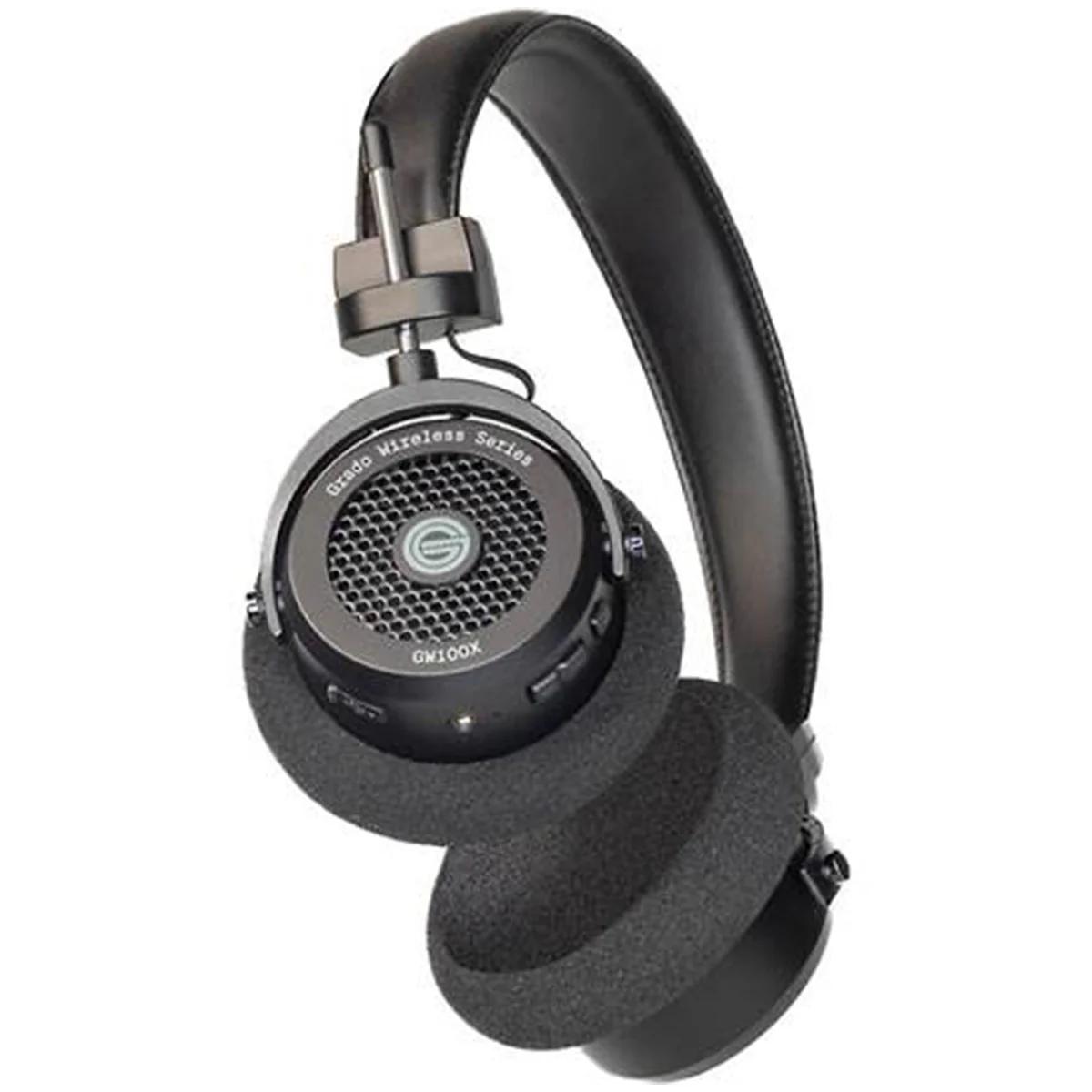
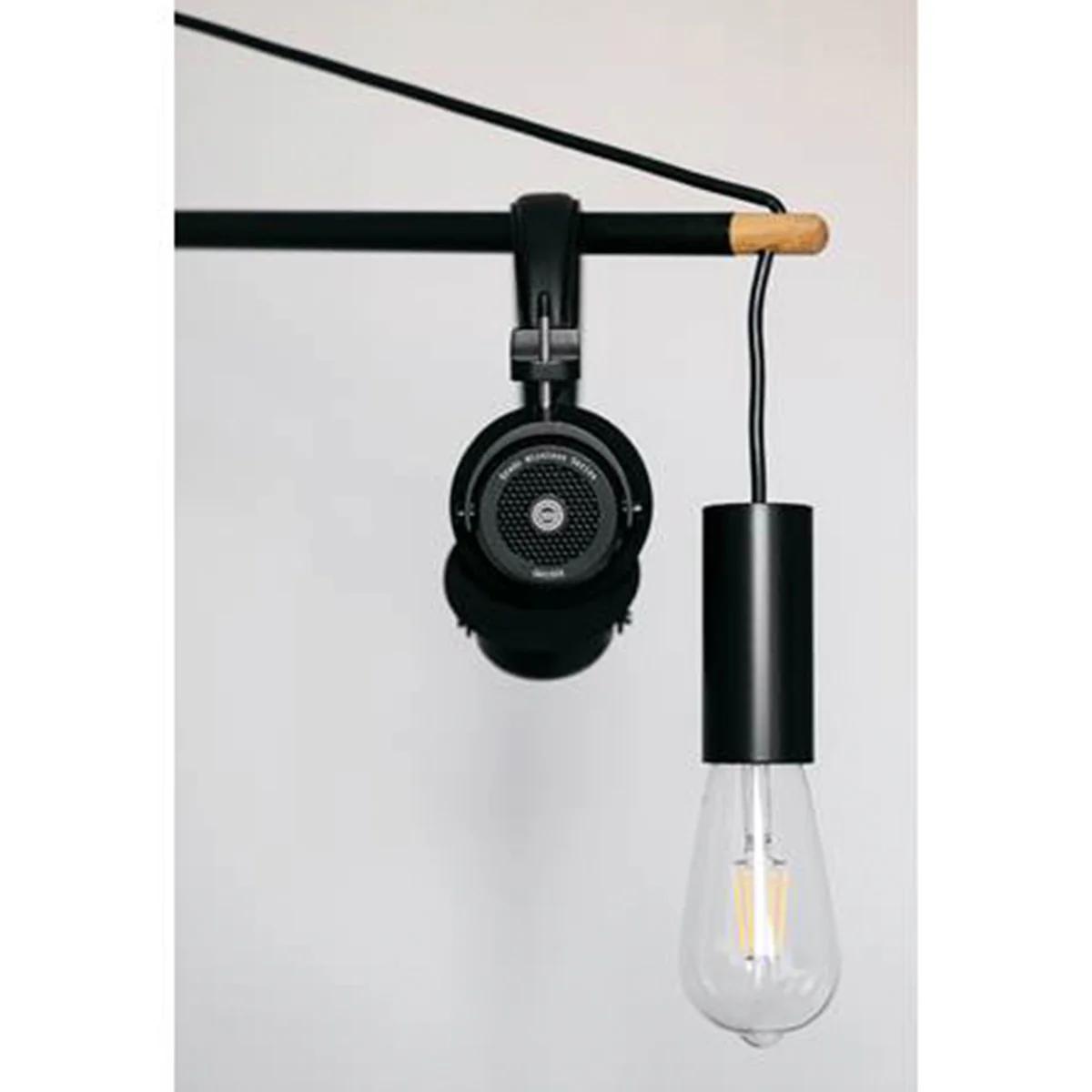
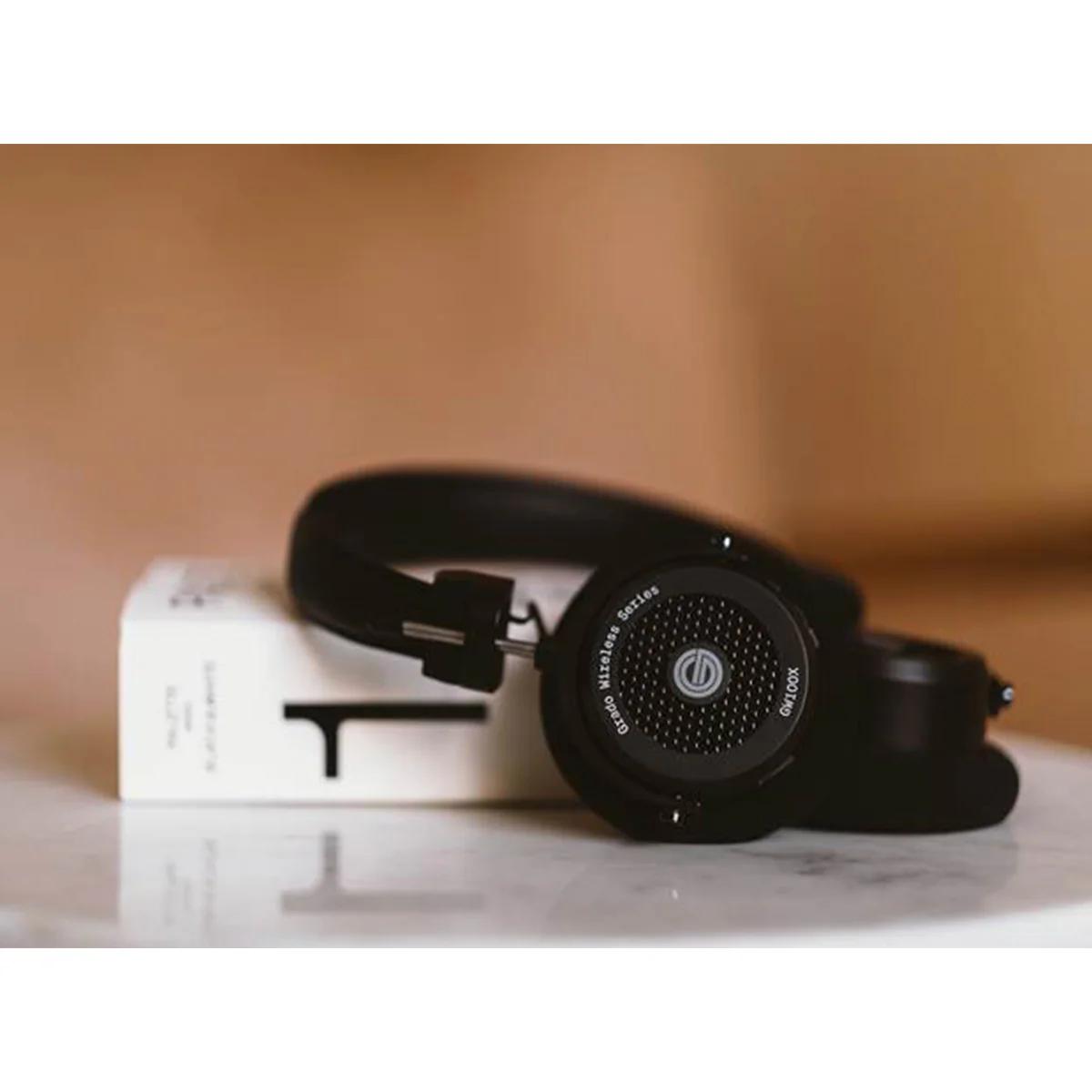
The Grado GW100x, on the other hand, uses an open-back, on-ear design. The back of each ear cup has openings that allow air and sound to pass through freely. This might seem counterintuitive – why would you want outside noise to get in? – but it creates a more natural, spacious sound that many audiophiles prefer. It's like the difference between listening to music in a small room versus a concert hall.
At the time of writing, the price gap between these models reflects their target markets. The OneOdio A10 positions itself as an affordable option that doesn't sacrifice essential features, while the Grado GW100x commands a premium price that reflects its specialized engineering and niche appeal.
This is where things get really interesting. The OneOdio A10 uses 40mm dynamic drivers – the components that convert electrical signals into sound waves – with a tuning that emphasizes bass and treble while slightly reducing midrange frequencies. This creates what's called a "V-shaped" sound signature that makes music feel more exciting and energetic. Bass lines thump with authority, and cymbals shimmer with presence, but vocals and instruments in the midrange can sometimes feel slightly recessed or distant.
For most popular music genres like hip-hop, electronic, or rock, this tuning works well. However, if you're listening to acoustic music, jazz, or classical pieces where midrange detail is crucial, you might find the presentation less satisfying. The soundstage – your perception of how wide and deep the music sounds – is relatively narrow due to the closed-back design, but this isn't necessarily a negative for casual listening.
The Grado GW100x takes a completely different approach. Its 44mm drivers represent Grado's fourth-generation X Series technology, specifically re-engineered for wireless use. The company redesigned the magnetic circuit (which controls driver movement), reduced the voice coil's effective mass (making it more responsive), and reconfigured the diaphragm (the part that actually moves air to create sound). These technical improvements translate to more accurate sound reproduction with less distortion.
More importantly, the open-back design creates an expansive soundstage that can make you feel like you're sitting in the recording studio with the musicians. Instrument separation – your ability to distinguish individual elements in complex musical passages – is significantly better. When listening to a full orchestra, for example, you can more easily identify the location and timbre of different instrument sections.
The trade-off? The Grado GW100x provides zero noise isolation. Every sound in your environment will mix with your music, which can be distracting in noisy settings but actually enhances the listening experience in quiet environments by maintaining a connection to the natural acoustic space around you.
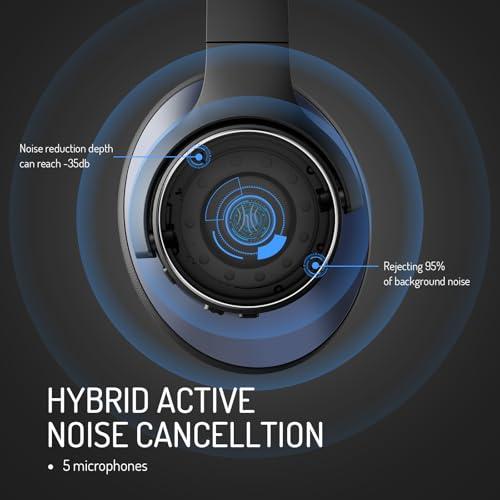
This represents perhaps the biggest practical difference between these headphones. The OneOdio A10 features hybrid active noise cancellation (ANC), which uses both internal and external microphones to detect ambient noise and generate opposing sound waves to cancel it out. This system is particularly effective against consistent, low-frequency sounds like airplane engines, air conditioners, or traffic hum.
The "hybrid" designation means it combines feedforward ANC (using external microphones to detect incoming noise) with feedback ANC (using internal microphones to monitor what you're actually hearing). This dual approach can reduce ambient noise by up to 35 decibels in optimal conditions – roughly equivalent to the difference between a normal conversation and a whisper.
The OneOdio A10 also includes a transparency mode, which uses those same external microphones to amplify certain frequencies – particularly human speech – so you can hear important announcements or have conversations without removing the headphones. This feature has become essential for anyone working in shared spaces or frequently traveling.
The Grado GW100x offers no noise cancellation whatsoever. Its open-back design actually invites environmental sounds into your listening experience. However, Grado claims their latest design reduces sound leakage by 60% compared to traditional open-back headphones, meaning less of your music will disturb nearby people (though it's still more than any closed-back design would produce).
For home theater use, this difference is crucial. If you're watching movies late at night in a shared living space, the OneOdio A10 will contain the sound and its ANC might even help you focus on dialogue during action sequences. The Grado GW100x would be unsuitable for this scenario unless you live alone or have very understanding housemates.
Battery technology has improved dramatically in recent years, and both headphones reflect these advances, though in different ways. The OneOdio A10 delivers exceptional endurance with up to 50 hours of playback in Bluetooth mode, or 40-45 hours with ANC activated. Its quick-charge feature provides two hours of listening from just five minutes of charging – a lifesaver when you're rushing to catch a flight.
The Grado GW100x offers 46 hours of playback, which is still excellent though slightly less than its competitor. However, its 850mAh battery charges via the more modern USB-C connector, while earlier information suggests the OneOdio A10 might use micro-USB (though this should be verified for current models, as manufacturers have been transitioning to USB-C across their product lines).
Regarding Bluetooth connectivity, the Grado GW100x uses the newer Bluetooth 5.2 standard compared to the OneOdio A10's Bluetooth 5.0. While this difference is subtle in daily use, Bluetooth 5.2 offers improved energy efficiency and connection stability. More significantly, the Grado GW100x supports aptX Adaptive, a newer codec that dynamically adjusts audio quality based on your connection strength and content type. This means better sound quality when your connection is strong, and more reliable streaming when you're at the edge of range.
The Grado GW100x also features multipoint pairing, allowing you to connect to two devices simultaneously – say, your laptop and phone – and seamlessly switch between them. This has become increasingly valuable as we juggle video calls, music streaming, and notifications across multiple devices.
Comfort becomes critical during extended listening sessions, and these headphones take notably different approaches. The OneOdio A10 uses an over-ear design with protein memory foam ear pads that completely surround your ears. This design distributes weight evenly and creates a comfortable seal that many users can wear for hours without discomfort. At roughly 295 grams, it's reasonably lightweight for an over-ear model with active noise cancellation.
The Grado GW100x is significantly lighter at just 188 grams, but its on-ear design places the ear pads directly on your ears rather than around them. Some users find this more comfortable for shorter listening sessions, while others develop pressure points during extended use. Ear anatomy varies significantly between individuals, so comfort is highly personal – what works perfectly for one person might be uncomfortable for another.
Build quality reflects each product's price point and target market. The OneOdio A10 uses primarily plastic construction with metal reinforcements in stress points, resulting in a solid but not luxurious feel. The Grado GW100x maintains Grado's traditional aesthetic while incorporating modern materials and wireless technology, though it still prioritizes function over premium materials.
When evaluating headphone performance, several metrics deserve special attention. Frequency response (how evenly the headphones reproduce different pitches) matters more than raw specifications might suggest. The OneOdio A10 covers the standard 20Hz to 40kHz range with its V-shaped tuning, while the Grado GW100x covers 20Hz to 20kHz with more linear response across frequencies.
Driver matching – how closely the left and right drivers perform – is crucial for proper stereo imaging. The Grado GW100x specifies 0.1dB matching between drivers, which is exceptionally tight tolerance that ensures accurate stereo positioning. This level of precision contributes to the superior soundstage and imaging that open-back designs can provide.
Sensitivity ratings tell you how loud headphones can get with a given amount of power. The Grado GW100x rates at 99.8dB per milliwatt, which means it can achieve high volume levels even from devices with modest amplification capabilities.
In my experience testing both headphones, the usage scenarios become very clear very quickly. The OneOdio A10 excels in what I call "lifestyle" situations – commuting on public transit, working in open offices, or watching Netflix in bed without disturbing a partner. Its ANC transforms airplane cabins from cacophonous stress-inducers into peaceful listening environments.
The Grado GW100x shines in dedicated listening scenarios. When I'm sitting in my home office late at night, focusing solely on music, the open-back design creates an almost speaker-like experience that makes you forget you're wearing headphones at all. Complex jazz recordings reveal layers of detail that remain hidden on closed-back designs.
For home theater applications, the choice is clear-cut. The OneOdio A10 provides the isolation necessary for late-night movie watching, while its ANC can actually help dialogue remain clear during explosive action sequences. The Grado GW100x would be unsuitable for this application unless you live alone.
Since their respective releases, both headphones represent different approaches to staying current with audio technology. The OneOdio A10 incorporates features that became essential during the remote work era – reliable ANC, long battery life, and decent call quality. These features have only become more important as hybrid work arrangements persist.
The Grado GW100x represents something more unique: the successful translation of traditional audiophile values into wireless technology. When it launched in 2022, it was among the first open-back Bluetooth headphones, pioneering a category that remains niche but valuable for specific users.
The choice between these headphones ultimately depends on your primary use cases and audio priorities. Choose the OneOdio A10 if you need headphones that work well across multiple scenarios – commuting, office work, casual home listening, and travel. Its combination of features, battery life, and noise cancellation provides excellent versatility at an accessible price point.
Choose the Grado GW100x if sound quality is your primary concern and you primarily listen in quiet, controlled environments. If you're the type of person who notices the difference between audio codecs, appreciates soundstage width, or has strong opinions about midrange transparency, the premium you'll pay for the Grado GW100x delivers real value.
Neither headphone is objectively "better" – they're optimized for different needs. The OneOdio A10 maximizes practical utility per dollar spent, while the Grado GW100x maximizes audio fidelity for dedicated listening. Understanding which philosophy aligns with your needs and listening habits will guide you to the right choice.
At the time of writing, both headphones represent solid values within their respective market segments, though that calculation depends heavily on which features matter most to your specific situation.
| OneOdio A10 Hybrid Active Noise Cancelling Headphones | Grado GW100x Wireless Headphones |
|---|---|
| Design Type - Fundamentally affects use cases and sound isolation | |
| Closed-back, over-ear (blocks outside noise completely) | Open-back, on-ear (allows natural soundstage but no isolation) |
| Active Noise Cancellation - Critical for commuting and noisy environments | |
| Hybrid ANC with up to 35dB reduction, transparency mode included | No ANC capability (open design prioritizes natural sound) |
| Driver Technology - Core component determining sound quality | |
| 40mm dynamic drivers, Hi-Res Audio certified, V-shaped tuning | 44mm 4th-gen Grado X Series drivers, balanced audiophile tuning |
| Battery Life - Essential for all-day use without charging | |
| 50 hours Bluetooth, 40-45 hours with ANC active, 5-min quick charge | 46 hours playbook, USB-C charging, 2-hour full charge time |
| Bluetooth & Codecs - Affects wireless audio quality and device compatibility | |
| Bluetooth 5.0 with SBC, AAC, aptX support | Bluetooth 5.2 with aptX Adaptive, AAC, SBC plus multipoint pairing |
| Weight & Comfort - Important for extended listening sessions | |
| 295g with protein memory foam over-ear pads | 188g lightweight with on-ear design (pressure varies by user) |
| Sound Signature - Determines what music genres sound best | |
| Bass-emphasized V-shape, exciting for pop/rock but recessed mids | Natural, balanced with exceptional midrange clarity and soundstage |
| Ideal Use Environment - Where each headphone performs best | |
| Noisy environments, commuting, office work, travel | Quiet home/studio listening, dedicated music sessions |
| Wired Backup Option - Useful when battery dies or for specific devices | |
| 3.5mm input works when powered off, ANC requires power | 3.5mm input works without power, maintains full functionality |
| Value Proposition - What you get for the price difference | |
| Maximum features per dollar with comprehensive ANC package | Premium audio engineering with unique open-back wireless design |
The OneOdio A10 is significantly better for noise cancellation, featuring hybrid active noise cancelling that reduces ambient noise by up to 35dB. It also includes a transparency mode for hearing announcements. The Grado GW100x has no noise cancellation capability due to its open-back design, which actually allows outside sounds to mix with your music.
The OneOdio A10 delivers a V-shaped sound with emphasized bass and treble, making it exciting for pop and electronic music but with recessed midrange. The Grado GW100x offers audiophile-grade sound quality with exceptional midrange clarity, natural balance, and a spacious soundstage that's ideal for critical listening and acoustic music.
The OneOdio A10 has slightly longer battery life with up to 50 hours in Bluetooth mode or 40-45 hours with ANC active. The Grado GW100x provides 46 hours of playback, which is still excellent. Both offer quick charging, with the OneOdio A10 providing 2 hours of playback from a 5-minute charge.
The OneOdio A10 is much better for working from home, especially in noisy environments or shared spaces. Its active noise cancellation helps block distractions, and the closed design prevents your audio from disturbing others. The Grado GW100x is only suitable for home offices if you work in a quiet, private space.
Both can be comfortable, but in different ways. The OneOdio A10 uses over-ear design with memory foam that surrounds your ears, distributing weight evenly. The Grado GW100x is lighter at 188g but sits on your ears, which some find comfortable while others may experience pressure during extended use.
The OneOdio A10 is excellent for movies and TV, especially for late-night viewing without disturbing others. Its noise isolation keeps sound contained, and ANC can help dialogue clarity. The Grado GW100x is not suitable for home theater use unless you live alone, as the open design will leak sound to others nearby.
The OneOdio A10 is far superior for commuting and travel. Its active noise cancellation effectively reduces engine noise, traffic, and other travel-related sounds. The closed design also prevents your music from disturbing fellow passengers. The Grado GW100x offers no isolation and would be unsuitable for public transportation.
The OneOdio A10 uses primarily plastic construction with metal reinforcements and protein leather ear pads, offering solid build quality for its price range. The Grado GW100x maintains Grado's traditional aesthetic with modern materials, focusing on audio engineering over premium materials, but represents higher overall build quality.
The Grado GW100x has superior connectivity with Bluetooth 5.2, aptX Adaptive codec support, and multipoint pairing that lets you connect to two devices simultaneously. The OneOdio A10 uses Bluetooth 5.0 with standard codecs like aptX and AAC, which is adequate but less advanced than the Grado GW100x.
The OneOdio A10 works well for bass-heavy genres like hip-hop, electronic, and rock due to its V-shaped tuning. The Grado GW100x excels across all genres but particularly shines with acoustic, jazz, classical, and vocal-focused music due to its balanced signature and exceptional midrange clarity.
This depends on your priorities. The OneOdio A10 offers exceptional value by packing numerous features like ANC, long battery life, and decent sound quality at a budget price. The Grado GW100x provides premium audio engineering and unique open-back wireless design, justifying its higher price for audio enthusiasts who prioritize sound quality above all else.
Both headphones support wired mode through 3.5mm cables. The OneOdio A10 works in wired mode when powered off, though ANC features require battery power. The Grado GW100x also functions in wired mode without power, maintaining full audio performance, making both OneOdio A10 and Grado GW100x reliable when batteries run low.
We've done our best to create useful and informative comparisons to help you decide what product to buy. Our research uses advanced automated methods to create this comparison and perfection is not possible - please contact us for corrections or questions. These are the sites we've researched in the creation of this article: techbuzzireland.com - creativebloq.com - head-fi.org - homestudiobasics.com - versus.com - androidguys.com - thegadgetflow.com - oneodio.com - mbreviews.com - the-gadgeteer.com - newegg.com - howtogeek.com - youtube.com - newegg.com - manuals.plus - majorhifi.com - soundphilereview.com - youtube.com - howtogeek.com - oneodio.com - youtube.com - youtube.com - youtube.com - walmart.com - techradar.com - crutchfield.com - whathifi.com - moon-audio.com - majorhifi.com - rockonav.com - forums.stevehoffman.tv - newegg.com - audiosciencereview.com - gradolabs.com - decibelaudio.com - addictedtoaudio.com.au - s3.eu-west-1.amazonaws.com - audioadvice.com - analogmatters.com - nyczaj.audio - parts-express.com

Privacy Policy
Terms and Conditions - Affiliate Policy
Home Security
© Copyright 2008-2026.
11816 Inwood Rd #1211, Dallas, TX 75244