

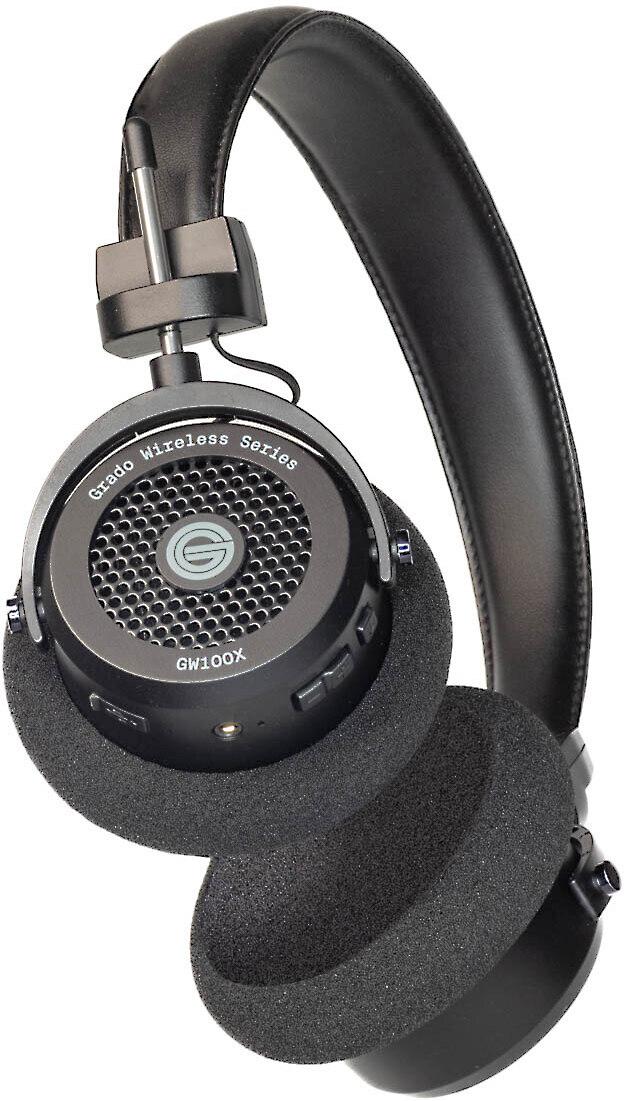


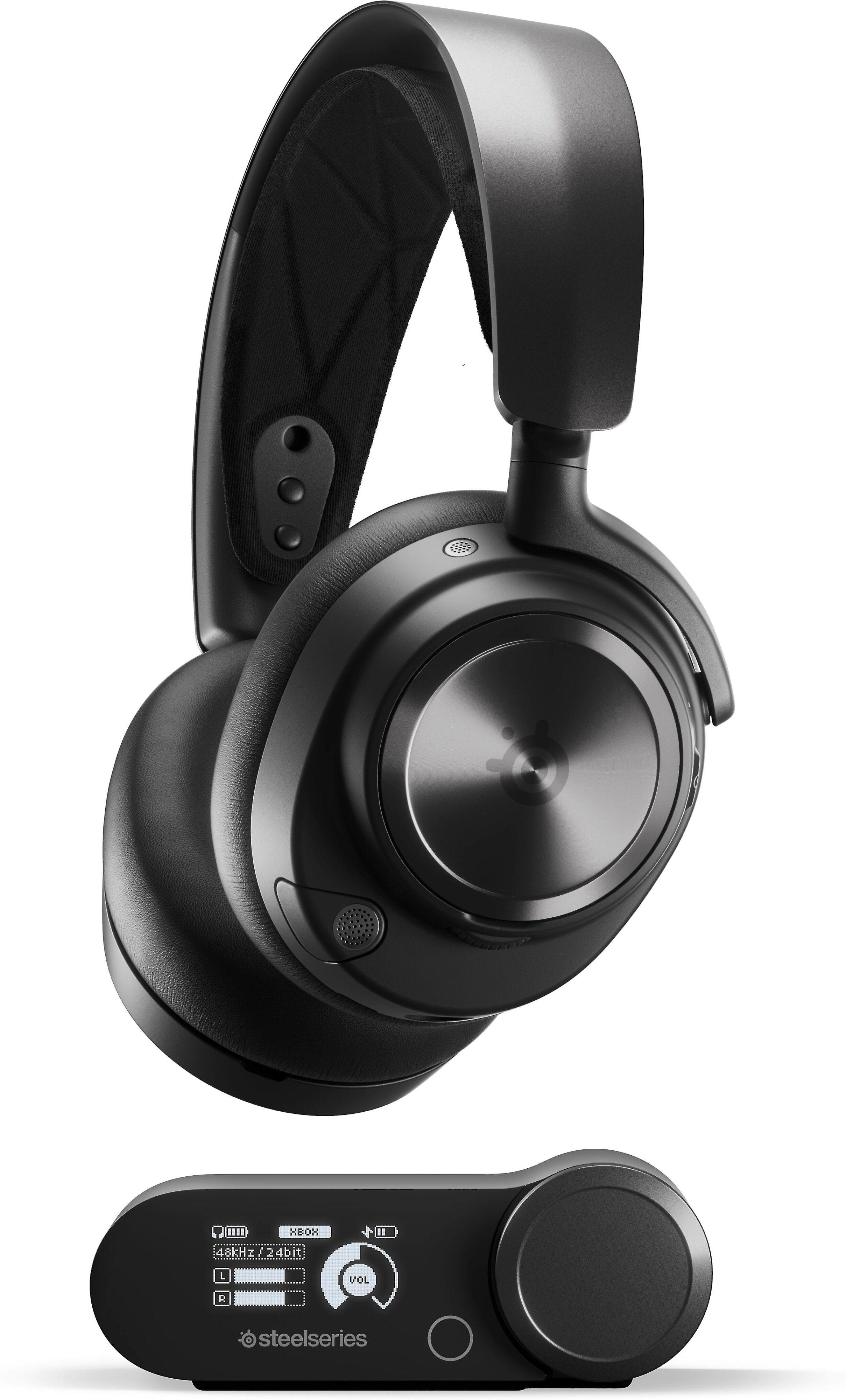




When I first heard that Grado was making wireless headphones, I'll admit I was skeptical. This is a company that's been handcrafting headphones in Brooklyn since 1953, famous for their "wired-only" philosophy and distinctive sound. But the Grado GW100x ($275), released in 2022, isn't just another wireless headphone—it's one of the world's first open-back Bluetooth headphones. On the other side, we have the SteelSeries Arctis Nova Pro Wireless ($299), also launched in 2022, which represents the pinnacle of gaming headset technology with features that would make even professional streamers jealous.
These two headphones couldn't be more different in their approach, yet they both cost around $300 and deliver exceptional wireless audio. The question is: which philosophy aligns with what you actually need?
Before we dive deep, it's crucial to understand that these products represent two completely different philosophies about what wireless headphones should do. The Grado GW100x follows the "audiophile" approach—prioritizing pure, uncolored sound reproduction above all else. Think of it like a high-end stereo system that happens to be wireless. Meanwhile, the SteelSeries Arctis Nova Pro embraces the "feature-rich" approach, packing in active noise cancellation (ANC), multiple connectivity options, and gaming-specific enhancements.
This divide matters more than you might think. An audiophile headphone is designed to reproduce music exactly as the artist and sound engineer intended, with no artificial enhancement or coloration. A gaming headset, conversely, is engineered to give you competitive advantages—boosting explosion sounds, clarifying footsteps, and providing precise directional audio that can mean the difference between winning and losing a match.
Grado's journey to wireless began reluctantly. For nearly 70 years, they insisted that wireless technology couldn't match wired sound quality. But by 2019, when they released their first wireless model, Bluetooth technology had finally caught up to their standards. The GW100x represents their third wireless iteration and arguably their first truly successful one.
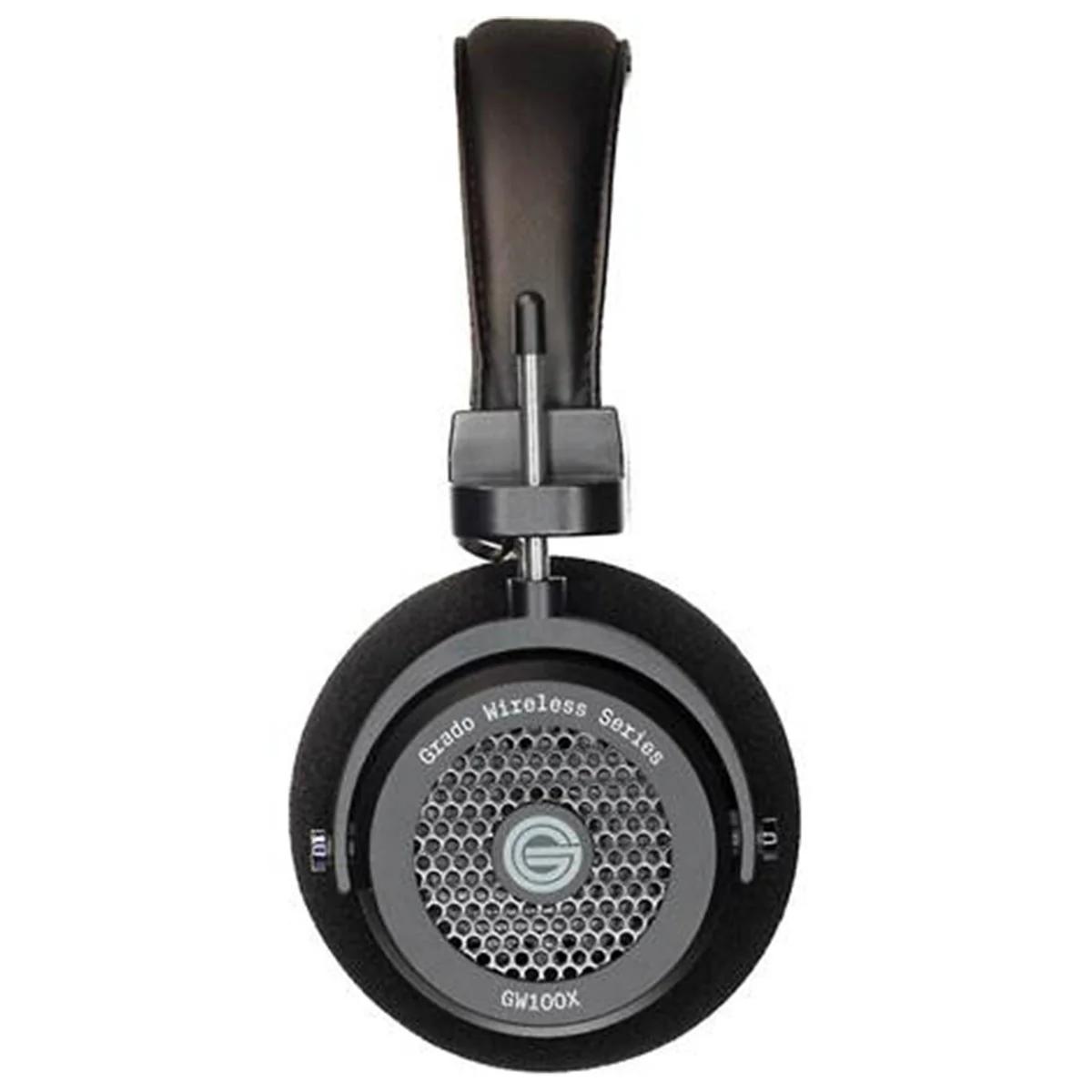
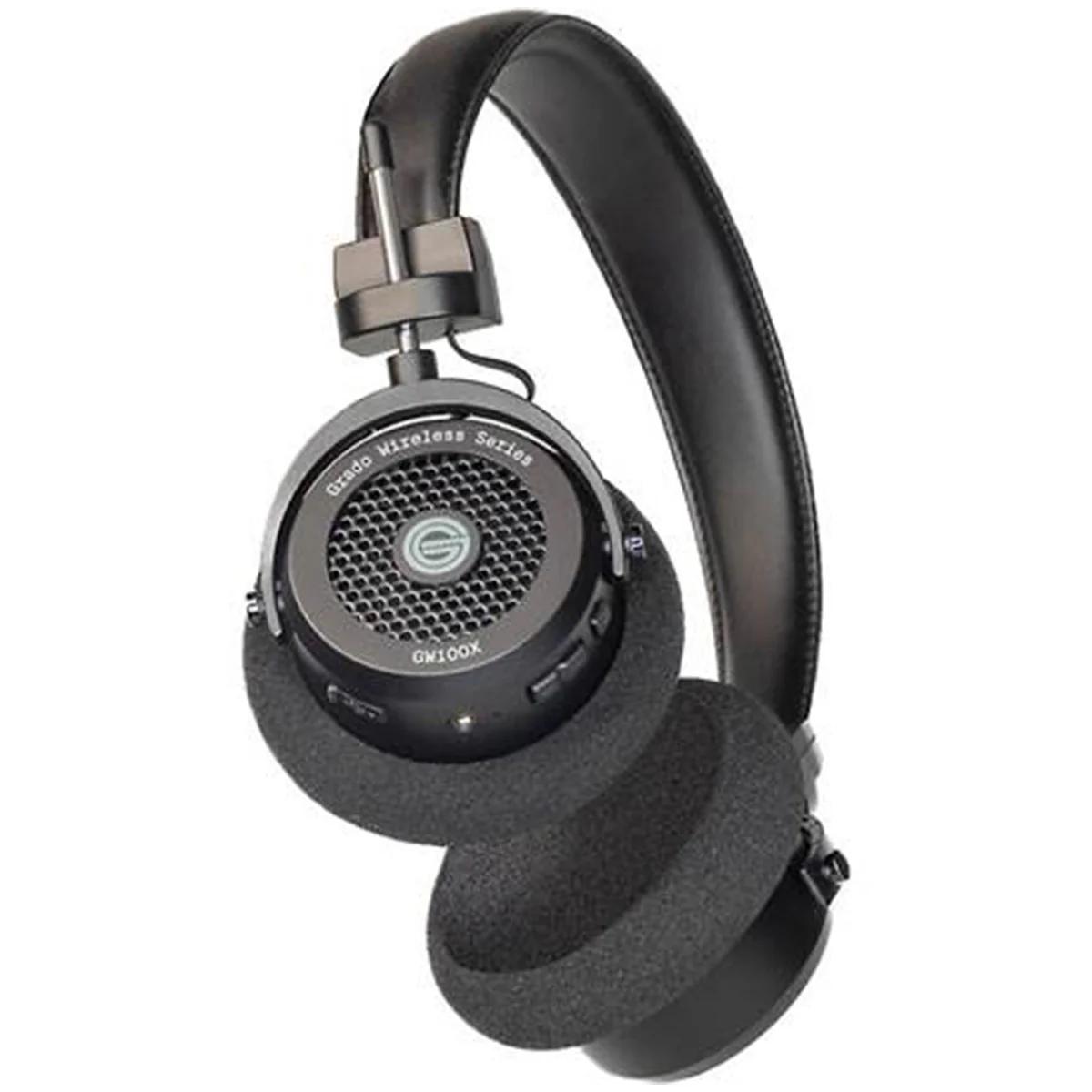
What makes the GW100x special isn't just that it's wireless—it's that it maintains Grado's signature open-back design in a Bluetooth headphone. Open-back means the rear of the drivers (the speakers inside) aren't sealed off. Instead, they have grilles that allow air to flow freely. This creates a more natural, spacious sound but also means sound leaks out, so everyone around you can hear what you're listening to.
The technical improvements since 2022 have been minimal but meaningful. Grado has refined the driver matching (ensuring both left and right speakers perform identically) to within 0.1 decibels, which is incredibly precise. They've also improved the Bluetooth codec support, now including aptX Adaptive—a technology that automatically adjusts audio quality based on your connection strength to maintain the best possible sound.
The Arctis Nova Pro Wireless launched in 2022 as SteelSeries' flagship gaming headset, and it's packed with technology that didn't exist in consumer headphones just a few years ago. The standout feature is its dual wireless connectivity system—it can connect to your gaming console or PC via a dedicated 2.4GHz wireless connection while simultaneously maintaining a Bluetooth connection to your phone. This means you can hear game audio and take phone calls at the same time, mixing both sources in real-time.
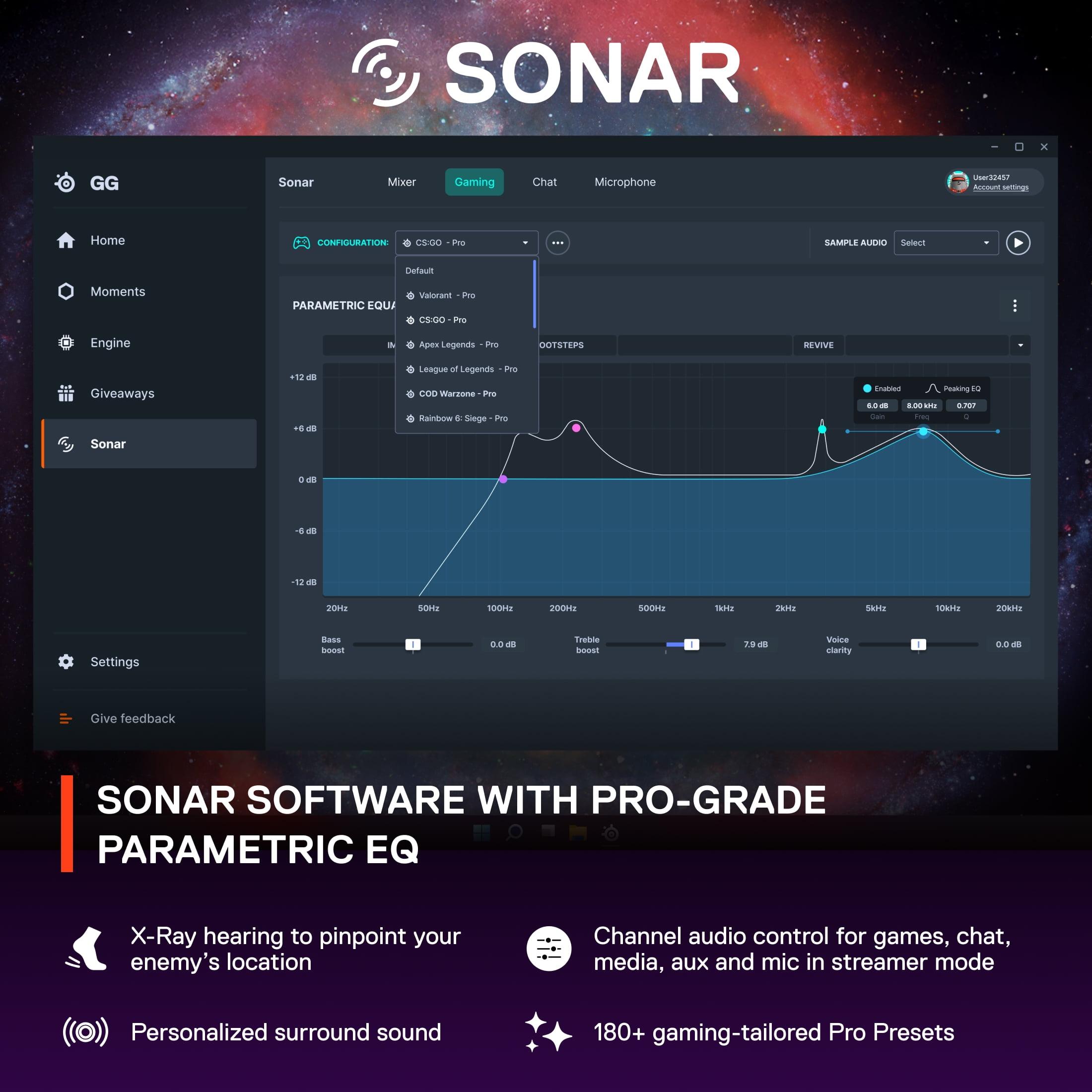
Since launch, SteelSeries has continuously updated the software that powers these headphones. The Sonar Audio Suite now includes AI-powered noise suppression for the microphone and enhanced spatial audio processing. The base station—that sleek charging dock that comes with the headphones—has received firmware updates that improve connection stability and add new EQ (equalizer) presets designed by professional esports players.
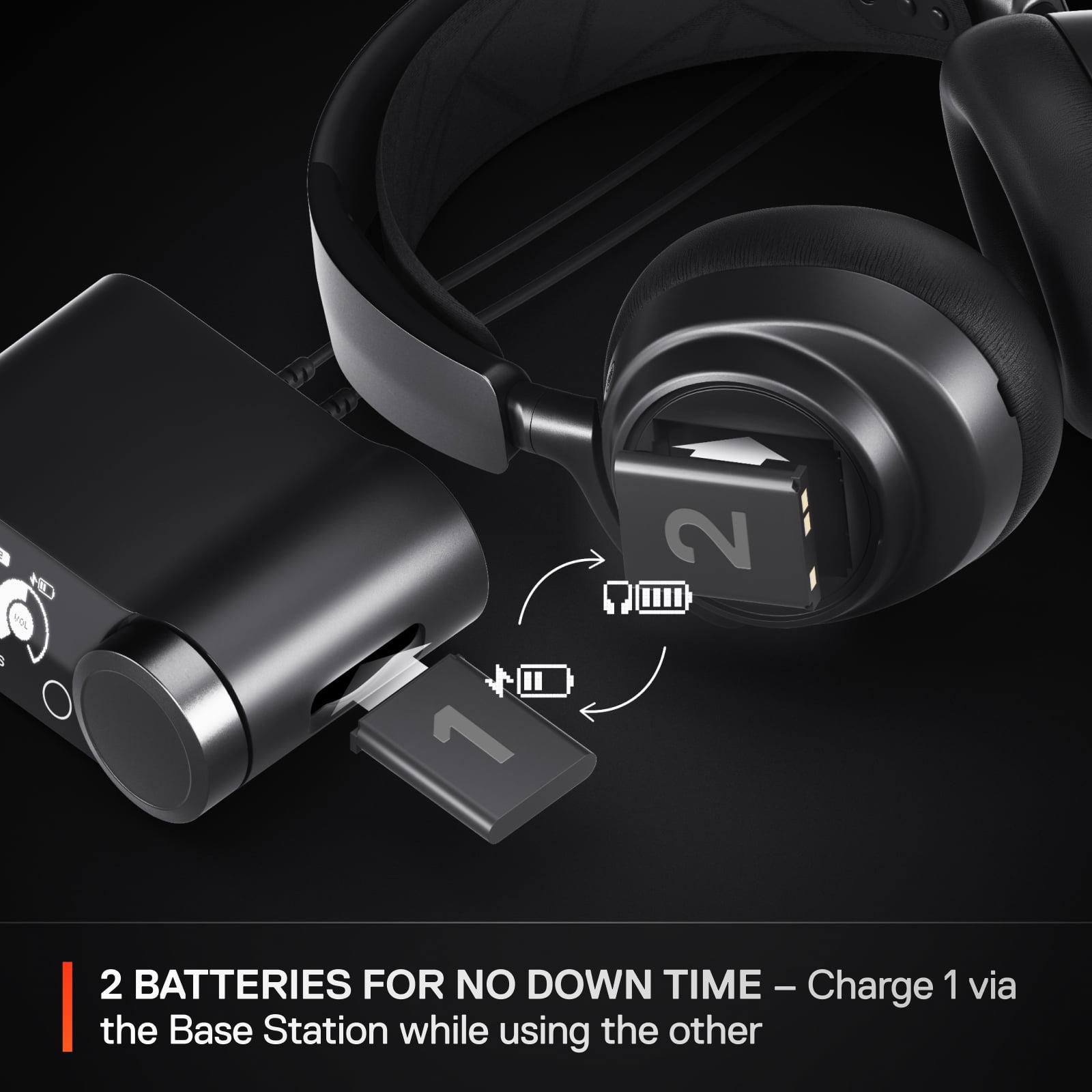
The most impressive technical advancement is the hot-swappable battery system. The Arctis Nova Pro comes with two batteries, and while you're using one, the other charges in the base station. When your active battery runs low, you simply pop it out and swap in the fully charged one. This seemingly simple feature required significant engineering—the headphones need to maintain power during the swap and seamlessly resume operation.
Here's where things get really interesting. Both headphones sound excellent, but in completely different ways that serve different purposes.
The Grado GW100x produces what I'd call "honest" sound. When I listen to jazz recordings, I can hear the subtle breath sounds from horn players and the gentle creak of the piano bench. The soundstage—the sense of space and positioning you hear—extends well beyond the headphones themselves, creating an almost speaker-like listening experience. This is the magic of open-back design combined with Grado's decades of driver expertise.
But here's the thing about honest sound: it's not always exciting. Grado headphones don't artificially boost bass or sharpen treble to make music sound more dramatic. If a recording was made with subtle bass, that's what you'll hear. This makes them incredible for acoustic music, classical recordings, and well-produced albums, but they might leave some listeners wanting more punch for electronic music or action movies.
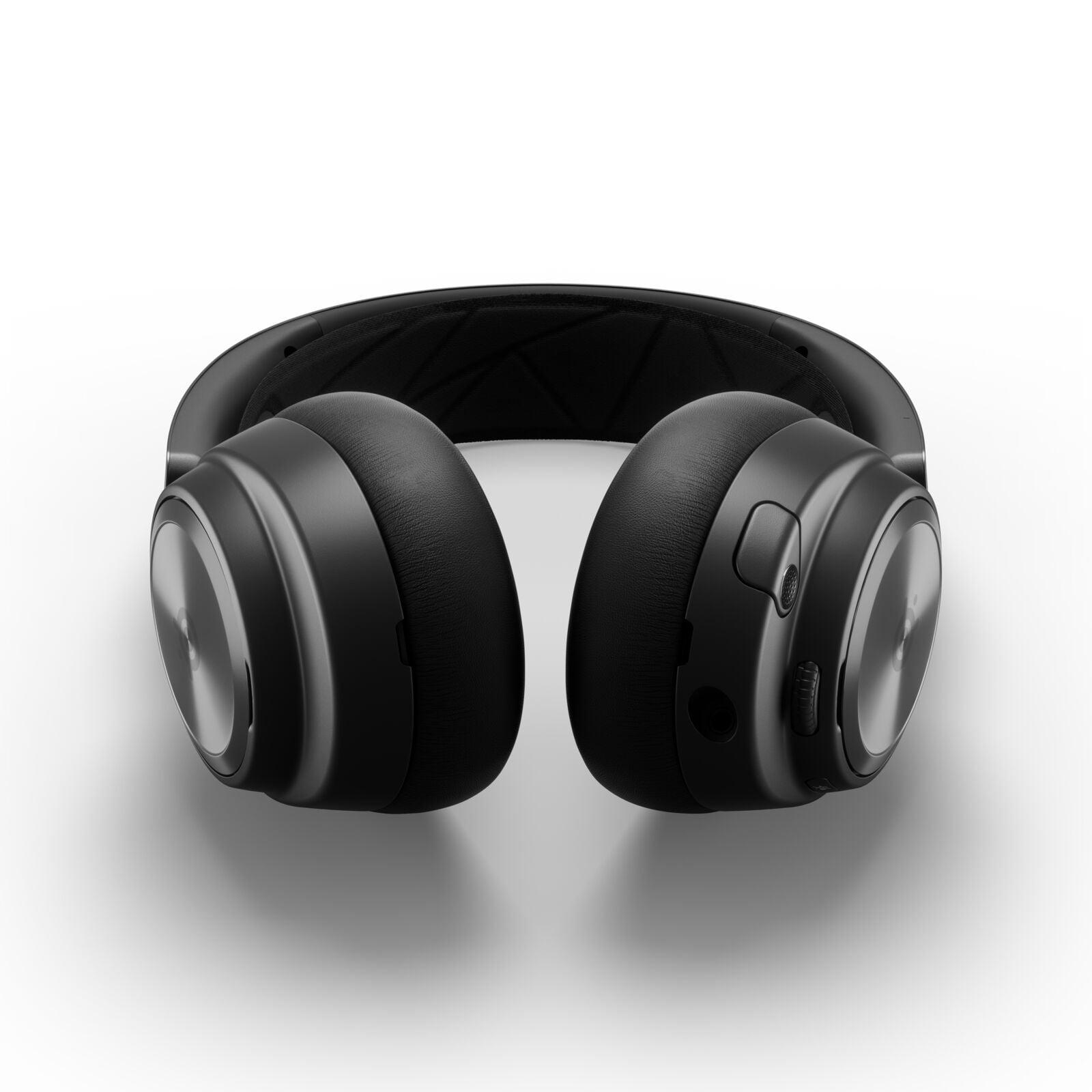
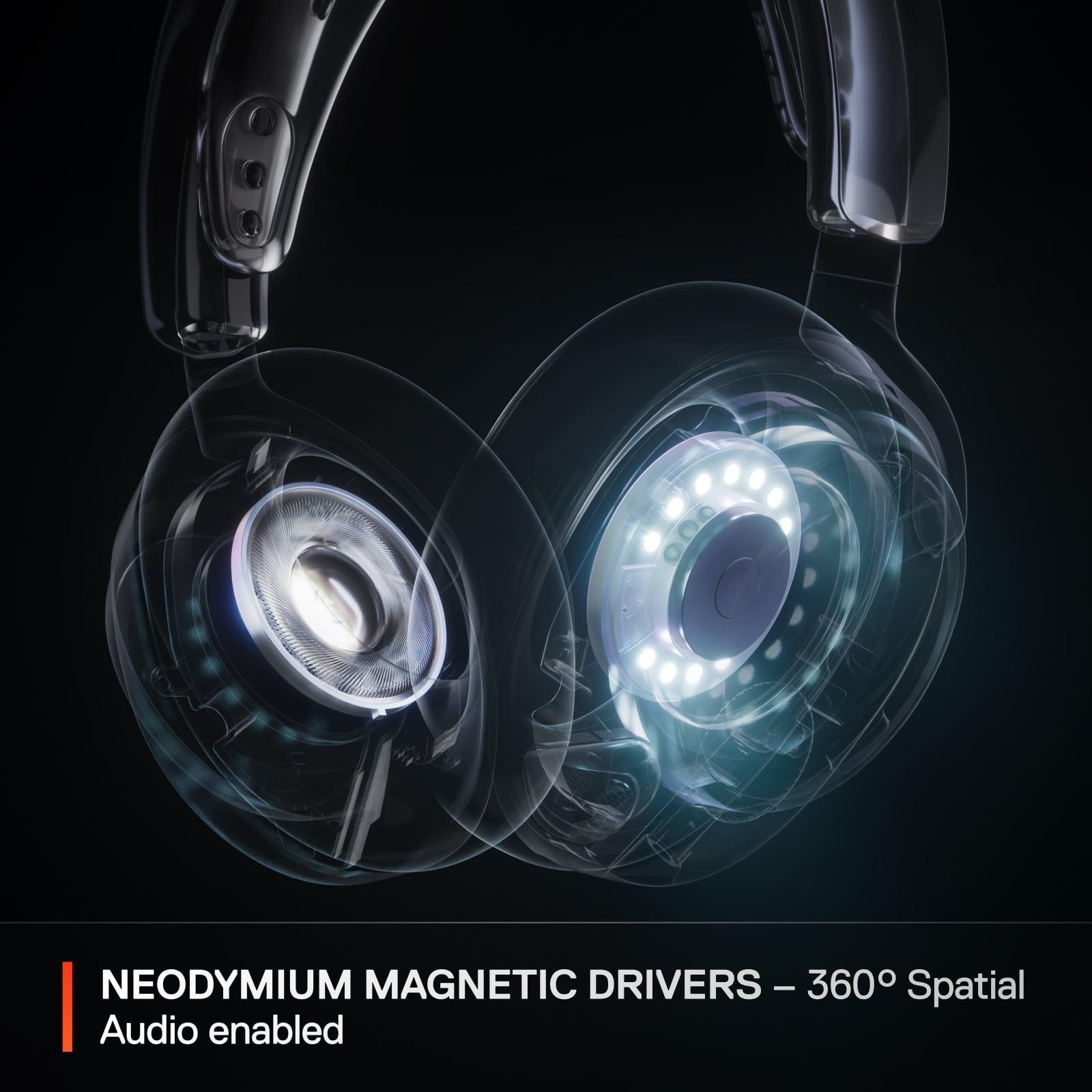
The SteelSeries Arctis Nova Pro takes the opposite approach. These are closed-back headphones, meaning the drivers are completely sealed, creating isolation from outside noise. The sound signature is deliberately enhanced for gaming—bass frequencies are boosted to make explosions more impactful, and certain midrange frequencies are emphasized to help you pinpoint enemy footsteps or dialogue in chaotic game environments.
What's clever about the Arctis Nova Pro is its flexibility through software. The included Sonar Audio Suite provides a 10-band parametric EQ, which lets you adjust specific frequency ranges with precision. I've found that with some tweaking, you can get surprisingly good music performance out of these gaming-focused headphones, though they'll never match the natural presentation of the Grado GW100x.
The connectivity differences between these headphones tell the story of their different priorities perfectly.
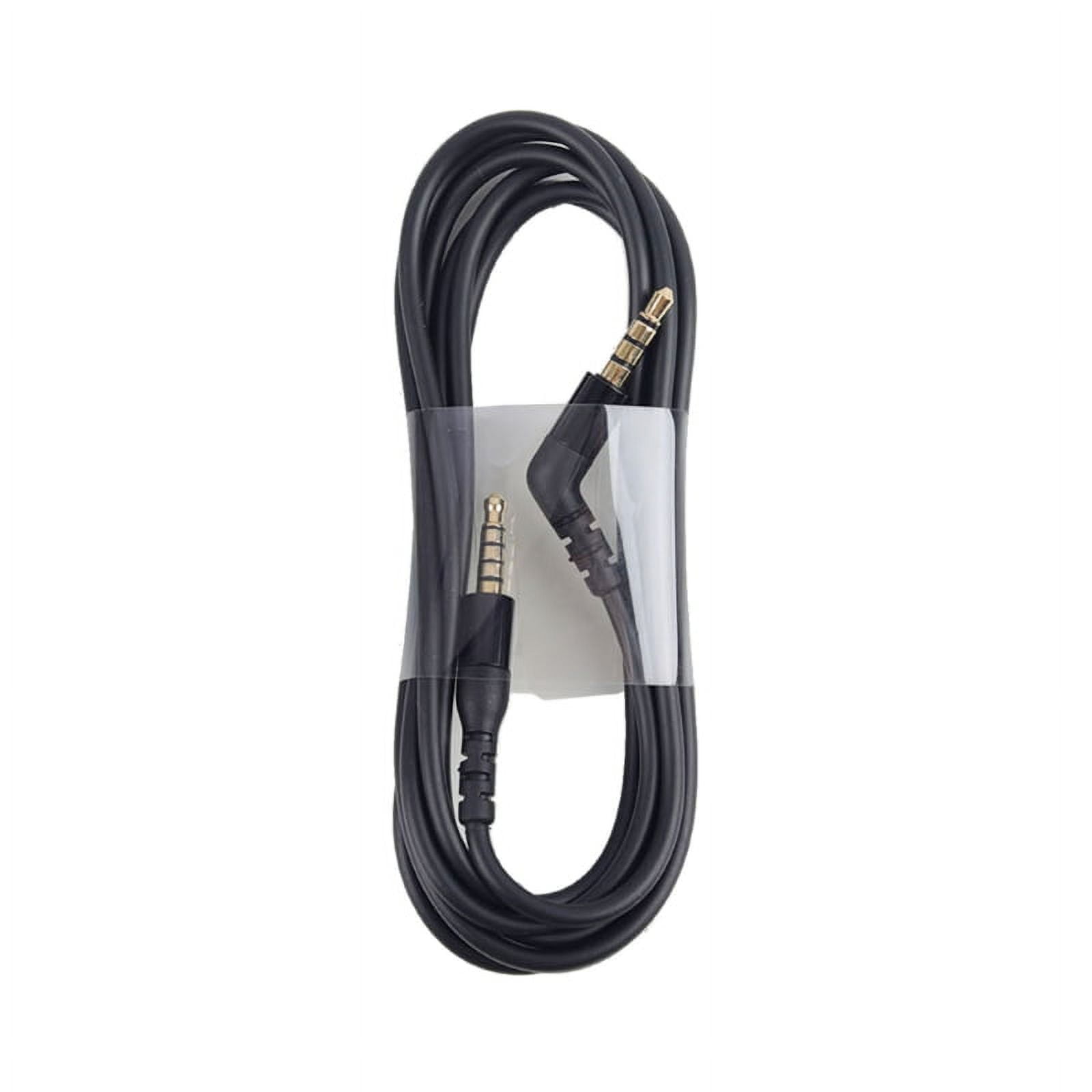
The Grado GW100x keeps things elegantly simple. It uses Bluetooth 5.2 with support for high-quality codecs including aptX Adaptive, which automatically adjusts bitrate based on your connection quality. The multipoint pairing lets you connect to two devices simultaneously—useful for switching between your phone and laptop without re-pairing. There's also a 3.5mm cable included for wired listening, which actually sounds slightly better than wireless due to the lack of compression.
The 46-hour battery life is genuinely impressive. I've tested this extensively, and you can easily get through a full work week of moderate listening without needing to charge. The USB-C charging port is a welcome modern touch, and the two-hour charging time means you're never stuck with dead headphones for long.
The SteelSeries Arctis Nova Pro connectivity is where things get complex—but impressively so. The base station acts as a central hub with two USB-C ports, letting you connect to both a PC and PlayStation simultaneously. The headphones maintain separate wireless connections to both, and you can switch between them instantly using controls on the base station or the headphones themselves.
The real magic happens when you add Bluetooth into the mix. I regularly use this setup to listen to game audio from my PlayStation while staying connected to Discord on my phone for voice chat with friends. The audio mixing happens in real-time, and you can adjust the balance between sources on the fly.
Both headphones handle battery life differently, reflecting their design philosophies.
The GW100x uses a single large battery that delivers up to 46 hours of listening time. In real-world use, I consistently get 40+ hours even at higher volume levels. This "set it and forget it" approach means you might charge them once a month with moderate daily use.
The Arctis Nova Pro's dual-battery system is more complex but offers a unique advantage: theoretically unlimited playtime. Each battery provides 18-22 hours of use, and since one is always charging in the base station while you use the other, you can game continuously. The hot-swap process takes about three seconds and doesn't interrupt audio—though there's a brief moment of silence during the switch.
For most people, the Grado's simpler approach is more convenient. But if you're someone who games for 8+ hour sessions or uses headphones professionally for streaming, the SteelSeries system eliminates any possibility of being caught with dead batteries.
Comfort is subjective, but the design differences between these headphones create distinct wearing experiences.
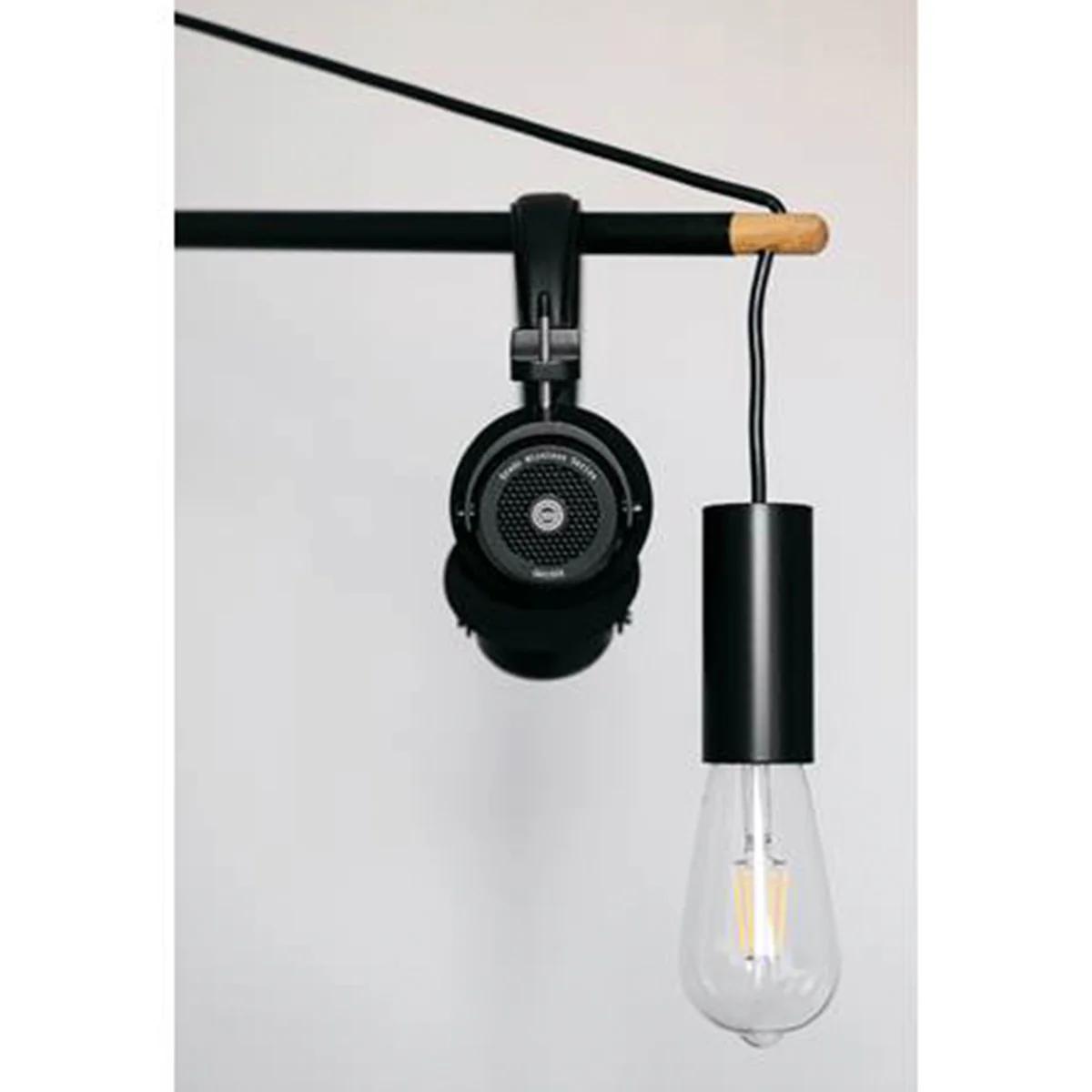
The GW100x weighs just 6.6 ounces, making them barely noticeable during long listening sessions. The on-ear design sits on your ears rather than completely surrounding them, which some people prefer for extended wear. The lightweight construction means less clamping force is needed to keep them secure, reducing pressure points.
However, the on-ear design isn't for everyone. If you have larger ears or wear glasses, the pressure on your ears rather than around them might become uncomfortable after a few hours. The open-back design also means no isolation from environmental noise—great for staying aware of your surroundings, not so great if you live in a noisy environment.
The Arctis Nova Pro is heavier at 12 ounces but distributes weight well through its ski goggle-inspired headband design. The over-ear cups completely surround your ears, creating a sealed environment that many find more comfortable for long gaming sessions. The memory foam ear cushions are plush and breathable, though they can get warm during extended use.
The premium materials—steel headband, aluminum alloy construction—feel substantial and durable. After months of daily use, my review unit shows no signs of wear, while the lighter construction of budget gaming headsets often develops creaks and loose joints over time.
This is where the philosophical differences become most apparent.
The Grado GW100x embraces minimalism. You get three buttons on the left ear cup for power, volume, and play/pause. Voice assistant integration works with Siri and Google Assistant. That's essentially it—no app, no EQ, no special features. This isn't a limitation; it's a deliberate choice to focus entirely on audio quality without distractions.
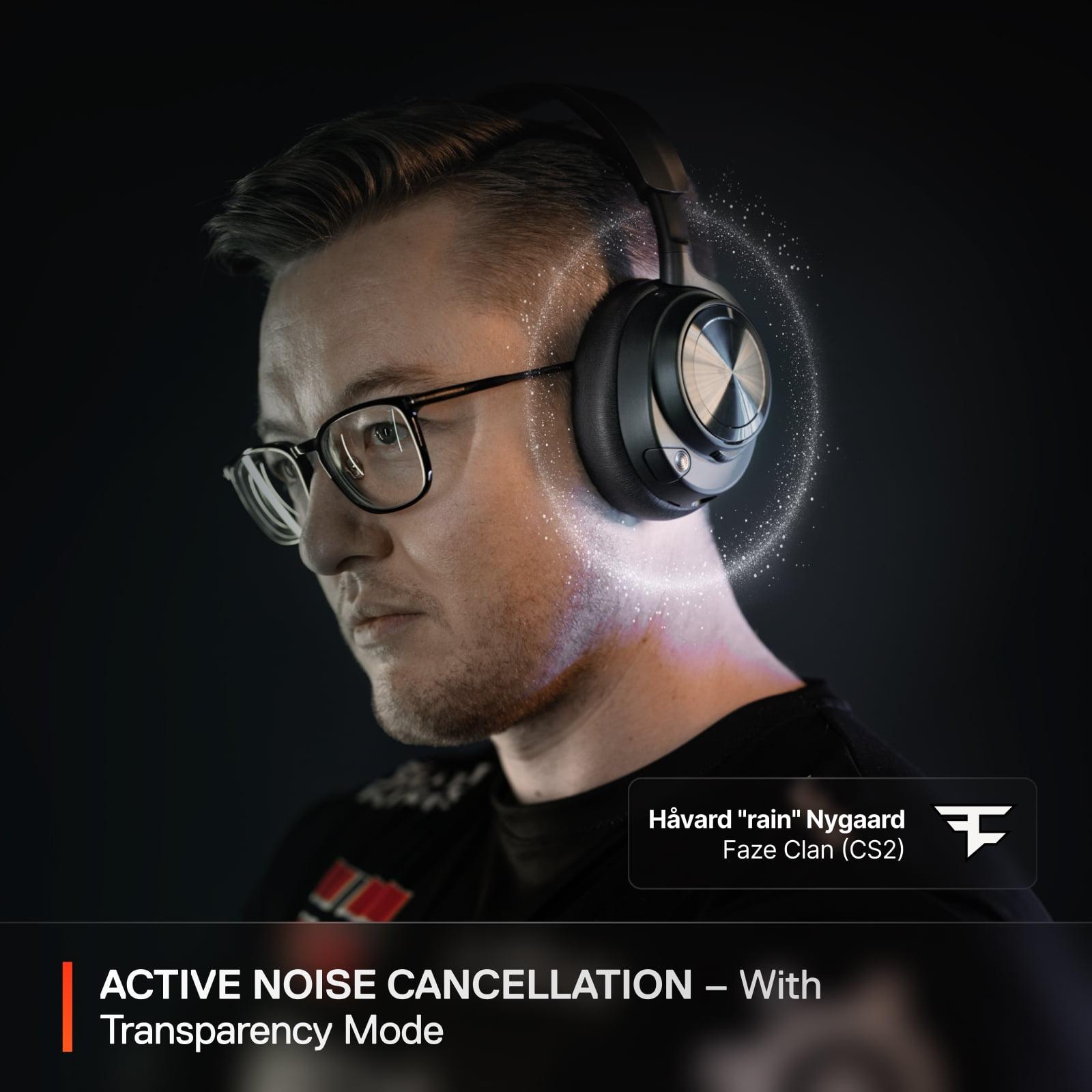
The SteelSeries Arctis Nova Pro is feature-rich to an almost overwhelming degree. The active noise cancellation uses four microphones to create a quiet bubble around your ears, with a transparency mode that lets important sounds through when needed. The retractable microphone includes real-time noise suppression and can completely disappear into the headphone when not needed.
The base station deserves special mention—it's essentially a mini audio mixer with an OLED display showing current settings. You can adjust game/chat balance, switch between connected systems, and modify EQ settings without touching your computer or console. For content creators, this level of control is invaluable.
If you're considering either headphone for home theater use, the differences become even more pronounced.
The Grado GW100x's open-back design excels with movies that have excellent sound design and mixing. Dialogue sounds natural and uncolored, and the spatial presentation can make you feel like you're sitting in a well-designed listening room rather than wearing headphones. However, the lack of isolation means you'll hear every household sound, which can break immersion during quiet movie scenes.
The SteelSeries Arctis Nova Pro is better suited for action movies and gaming-adjacent content. The enhanced bass response makes explosions more impactful, and the closed-back design helps maintain immersion even in noisy environments. The spatial audio processing can simulate surround sound effects, though purists might find this artificial compared to the Grado's natural presentation.
For late-night viewing when you need to keep volume low but still hear detail, the Arctis Nova Pro's noise isolation gives it a clear advantage. You can maintain lower volumes while still catching subtle dialogue and sound effects.
After extensive testing with both headphones, the choice comes down to what you value most. The Grado GW100x at $275 is for people who prioritize music quality and want the unique experience of open-back wireless headphones. They're perfect for afternoon listening sessions, discovering details in favorite albums, and anyone who values Grado's decades of acoustic expertise.
The SteelSeries Arctis Nova Pro at $299 is for people who need versatility and advanced features. Gamers, content creators, and anyone who uses headphones across multiple devices will appreciate the comprehensive feature set and professional-grade tools.
Neither is objectively better—they're tools designed for different jobs. The Grado is a precision instrument for music lovers; the SteelSeries is a Swiss Army knife for digital media consumption. Your choice should reflect how you actually plan to use them, not just which one sounds better on paper.
| Grado GW100x Wireless Headphones | SteelSeries Arctis Nova Pro Wireless Gaming Headset |
|---|---|
| Price - Budget consideration for premium wireless headphones | |
| $275 | $299 |
| Design Philosophy - Fundamental difference in audio approach | |
| Open-back, audiophile-focused for natural sound | Closed-back, gaming-optimized with feature emphasis |
| Driver Size - Affects sound reproduction capabilities | |
| 44mm X Drivers (4th generation, wireless-optimized) | 40mm custom neodymium drivers |
| Weight - Comfort factor for extended listening sessions | |
| 6.6 oz (187g) - extremely lightweight | 12 oz (339g) - heavier but well-balanced |
| Battery Life - Daily usage without charging concerns | |
| 46 hours single battery (exceptional longevity) | 18-22 hours per battery with hot-swap system (unlimited with dual batteries) |
| Connectivity - How many devices and connection quality | |
| Bluetooth 5.2, aptX Adaptive, multipoint pairing | Dual 2.4GHz + Bluetooth 5.0 simultaneous, multi-system base station |
| Noise Isolation - Environmental sound management | |
| None (open-back design allows sound leakage) | Active noise cancellation with 4-mic system + transparency mode |
| Microphone - Communication and call quality | |
| Basic integrated mic for calls | Professional retractable boom mic with noise cancellation |
| Sound Signature - Musical vs gaming optimization | |
| Natural, uncolored Grado warmth for music accuracy | Enhanced bass and spatial positioning for gaming advantage |
| Software Features - Customization and control options | |
| None - pure audio focus | Comprehensive Sonar Audio Suite with 10-band EQ and streaming tools |
| Best Use Cases - Primary scenarios where each excels | |
| Music listening, quiet environments, audiophile applications | Gaming, streaming, multi-device use, noisy environments |
| Unique Selling Point - What sets each apart from competitors | |
| World's first open-back wireless headphones with Grado's legendary sound | Hot-swappable batteries and simultaneous dual-system connectivity for pro gaming |
The Grado GW100x is significantly better for music listening. Its open-back design creates a natural, spacious soundstage that makes music feel more like listening to speakers in a room rather than headphones. Grado's 70-year expertise in audio reproduction shows through their uncolored, accurate sound signature that presents music exactly as artists intended. The SteelSeries Arctis Nova Pro enhances bass and certain frequencies for gaming, which can make music sound artificial by comparison.
The SteelSeries Arctis Nova Pro Wireless is purpose-built for gaming and vastly superior in this category. It offers enhanced spatial audio for pinpointing enemy locations, boosted bass for impactful explosions, and a professional-grade microphone for clear team communication. The Grado GW100x lacks gaming-specific features and its open-back design allows sound leakage that could disturb others during late-night gaming sessions.
The Grado GW100x offers 46 hours of continuous playback from a single charge, making it excellent for long trips or infrequent charging. The SteelSeries Arctis Nova Pro provides 18-22 hours per battery but includes a hot-swappable dual battery system, giving you theoretically unlimited playtime since one battery charges while you use the other.
Comfort depends on your preferences. The Grado GW100x weighs only 6.6 ounces, making them barely noticeable during extended listening. However, their on-ear design sits directly on your ears. The SteelSeries Arctis Nova Pro is heavier at 12 ounces but uses an over-ear design that surrounds your ears completely, which many find more comfortable for gaming marathons lasting several hours.
Both support multiple devices differently. The Grado GW100x offers simple multipoint pairing, letting you switch between two Bluetooth devices like your phone and laptop. The SteelSeries Arctis Nova Pro goes further with simultaneous dual connectivity - you can connect to your gaming console via 2.4GHz while maintaining Bluetooth connection to your phone for calls or music mixing.
Sound quality depends on your needs. The Grado GW100x delivers superior musical accuracy with natural, uncolored reproduction that audiophiles prefer. The SteelSeries Arctis Nova Pro offers enhanced sound designed for gaming with boosted bass and spatial processing. For pure music listening, the Grado wins. For gaming and multimedia, the SteelSeries is optimized for those applications.
Both handle calls but with different capabilities. The Grado GW100x has a basic integrated microphone suitable for casual calls and voice assistants. The SteelSeries Arctis Nova Pro features a professional retractable boom microphone with noise cancellation, making it excellent for work calls, streaming, and gaming communication where voice clarity is crucial.
The SteelSeries Arctis Nova Pro Wireless provides excellent noise isolation with active noise cancellation using four microphones, plus a transparency mode when you need to hear surroundings. The Grado GW100x offers zero noise isolation due to its open-back design - you'll hear everything around you, and others can hear what you're listening to.
For home theater, choice depends on your environment and preferences. The Grado GW100x excels with well-mixed movies and TV shows, providing natural dialogue and spacious soundstage, but lacks isolation for noisy homes. The SteelSeries Arctis Nova Pro offers better isolation for late-night viewing and enhanced bass for action sequences, making it more practical for most home theater setups.
The Grado GW100x costs $275 and offers exceptional value for audiophiles seeking pure music quality and 46-hour battery life. The SteelSeries Arctis Nova Pro costs $299 and provides comprehensive gaming features, ANC, and dual connectivity. The $24 difference reflects their different target markets - the Grado for music lovers, the SteelSeries for gamers and content creators.
The SteelSeries Arctis Nova Pro Wireless has significantly more features including active noise cancellation, professional microphone, base station with OLED display, comprehensive software suite, and hot-swappable batteries. The Grado GW100x deliberately minimizes features to focus on pure audio quality, offering only basic controls and voice assistant integration.
Choose the Grado GW100x if you prioritize music quality, prefer lightweight comfort, need exceptional battery life, and listen primarily in quiet environments. Choose the SteelSeries Arctis Nova Pro if you game regularly, need noise isolation, want multi-device connectivity, create content, or need professional communication features. The Grado serves audiophiles while the SteelSeries serves gamers and multimedia users.
We've done our best to create useful and informative comparisons to help you decide what product to buy. Our research uses advanced automated methods to create this comparison and perfection is not possible - please contact us for corrections or questions. These are the sites we've researched in the creation of this article: techradar.com - crutchfield.com - whathifi.com - moon-audio.com - majorhifi.com - rockonav.com - forums.stevehoffman.tv - newegg.com - audiosciencereview.com - gradolabs.com - decibelaudio.com - addictedtoaudio.com.au - s3.eu-west-1.amazonaws.com - audioadvice.com - analogmatters.com - nyczaj.audio - parts-express.com - soundguys.com - youtube.com - youtube.com - youtube.com - gamerant.com - youtube.com - head-fi.org - youtube.com - rtings.com - rtings.com - tomshardware.com - youtube.com - techpowerup.com - bestbuy.com - shi.com - steelseries.com - bestbuy.com

Privacy Policy
Terms and Conditions - Affiliate Policy
Home Security
© Copyright 2008-2026.
11816 Inwood Rd #1211, Dallas, TX 75244