










When I first heard about the Nothing Headphone (1) launching in 2024, I was curious about how this young tech company would tackle the crowded wireless headphone market. Then there's the Grado GW100x, which came out in 2021 and represents something genuinely unique in wireless audio. These two headphones couldn't be more different in their philosophy, yet they're priced similarly and both offer compelling reasons to consider them. Let me walk you through what makes each special and help you figure out which might be right for you.
The wireless headphone market has exploded over the past few years, but not all wireless headphones are created equal. Some prioritize convenience and noise cancellation for commuters, others focus on premium materials and brand prestige, and a few – like our two contenders here – take more specialized approaches.
When you're shopping for wireless headphones, the key things to consider are sound quality, comfort for long listening sessions, battery life, and whether you need features like noise cancellation. The challenge is that different brands have very different ideas about what matters most. At the time of writing, both the Nothing Headphone (1) and Grado GW100x sit in the mid-to-upper price tier, competing with established names like Sony, Bose, and Sennheiser.
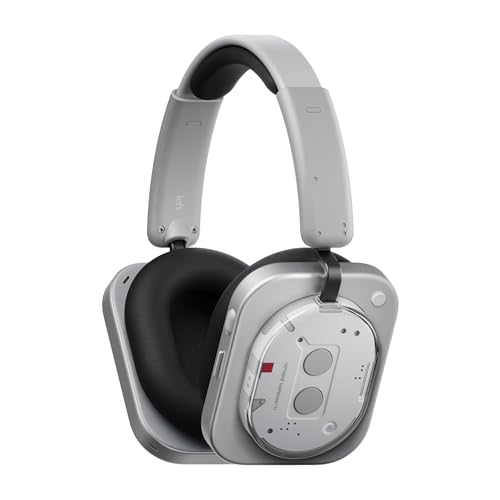
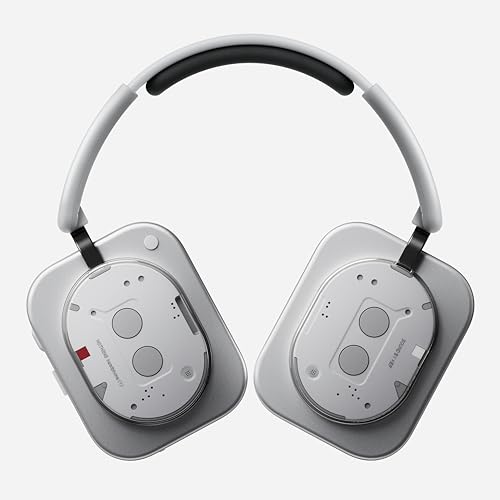
The Nothing Headphone (1) embodies everything we expect from a 2024 flagship headphone. Nothing, the company founded by former OnePlus co-founder Carl Pei, has made waves with their distinctive transparent design language. These headphones feature see-through elements that reveal internal components – it's not just a gimmick, but a deliberate aesthetic choice that sets them apart in a sea of black and silver competitors.
More importantly, the Nothing Headphone (1) packs nearly every modern feature you could want. We're talking adaptive active noise cancellation (ANC), which automatically adjusts based on your environment, spatial audio that creates a surround-sound-like experience, and comprehensive app integration that lets you customize everything from sound signature to control mappings.
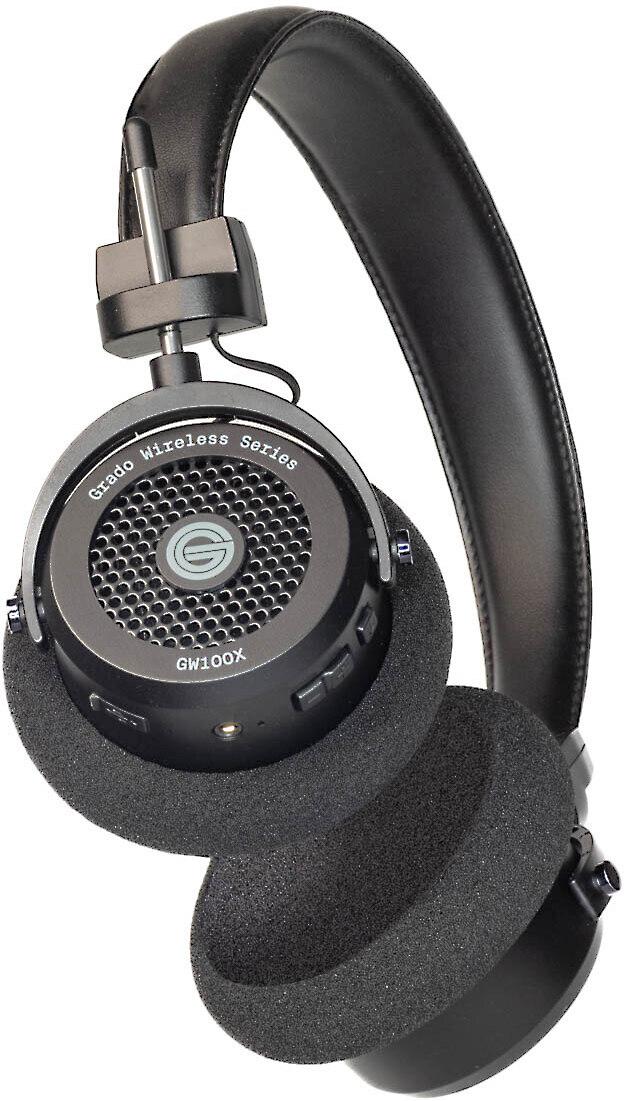
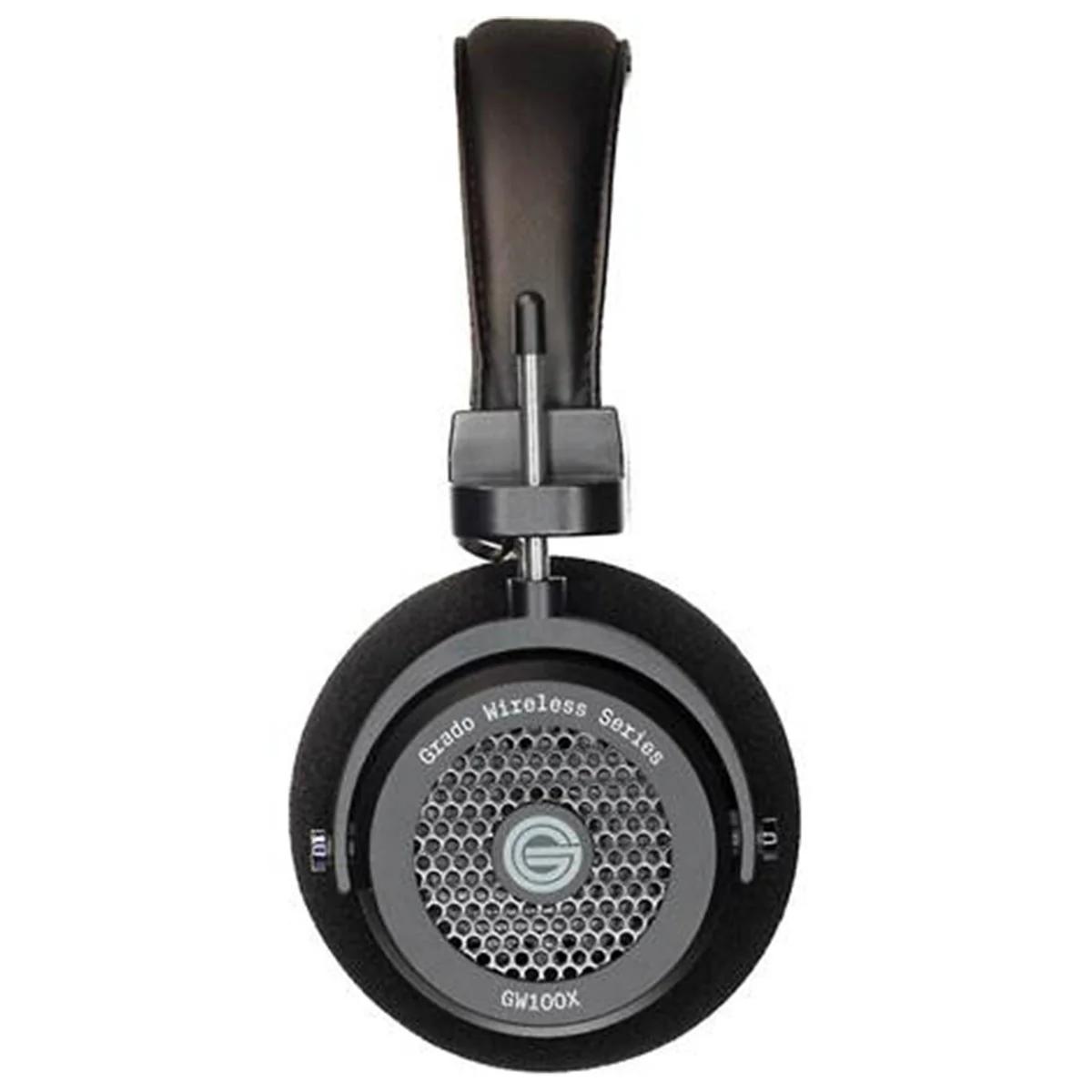
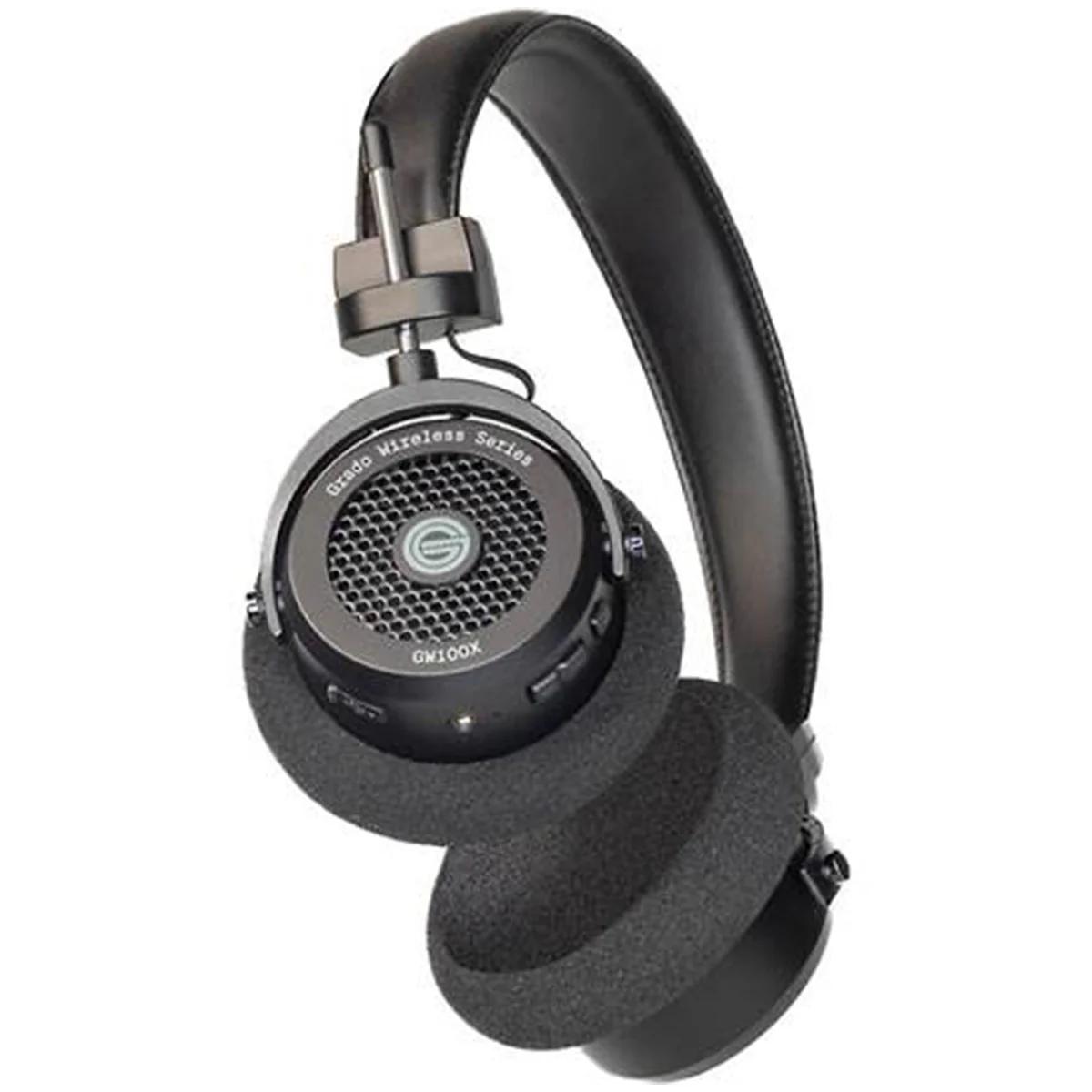
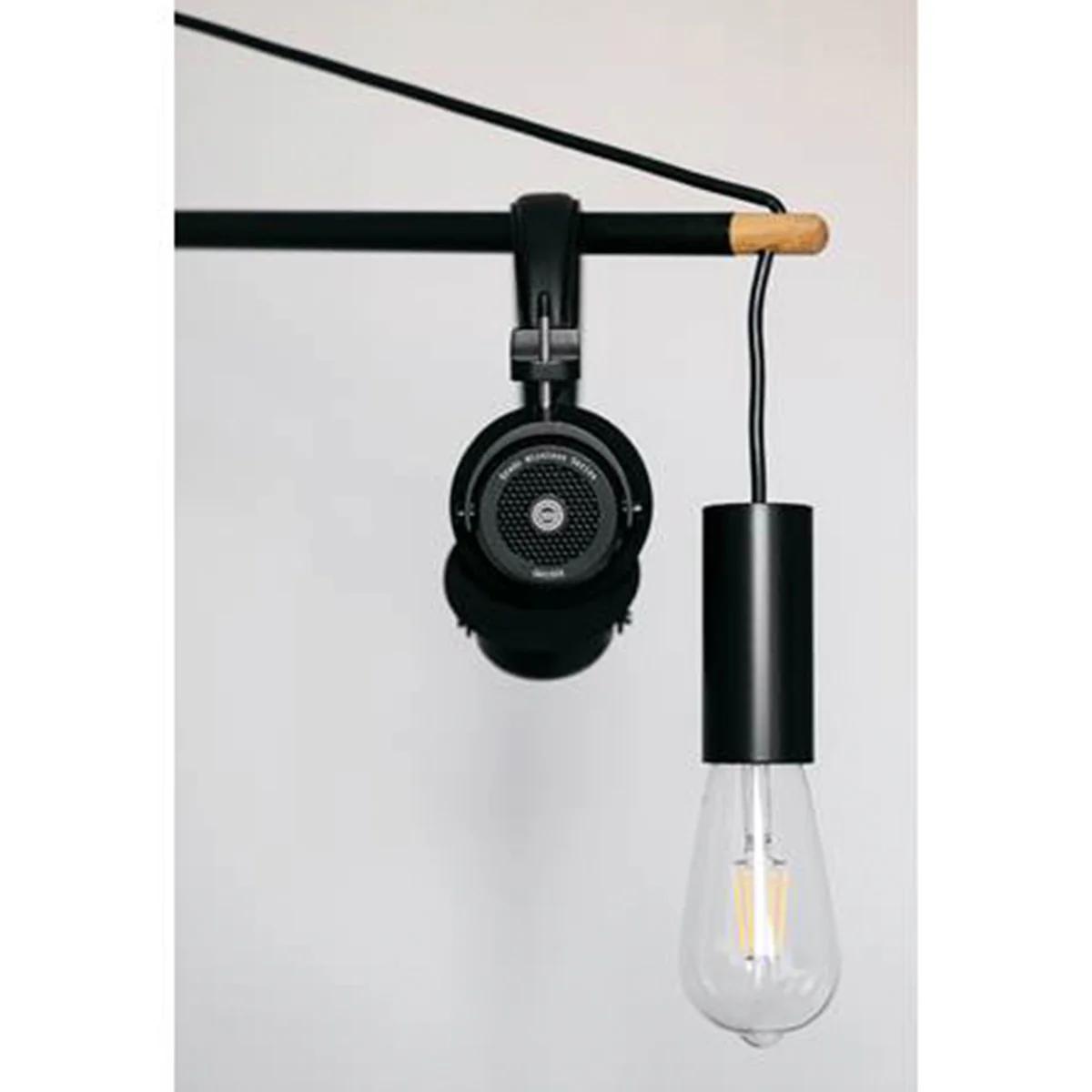
The Grado GW100x, on the other hand, represents something almost unheard of in the wireless world: a completely open-back design. Most headphones use a closed-back design where the back of each ear cup is sealed, which helps with bass response and blocks outside noise. Open-back headphones have perforated or mesh backs that let sound pass freely in both directions.
This might sound like a disadvantage, but it creates a dramatically different listening experience. Instead of feeling like the music is playing inside your head, open-back headphones create what audiophiles call "soundstage" – the sense that instruments are positioned in a three-dimensional space around you, much like listening to speakers in a room rather than headphones.
Grado, a family-owned Brooklyn company that's been making headphones since 1953, decided to bring this audiophile experience to wireless listeners. The Grado GW100x is essentially the only truly open-back Bluetooth headphone you can buy, making it unique in the entire market.
The Nothing Headphone (1) uses 40mm dynamic drivers – the speakers inside each ear cup – that were developed in collaboration with KEF, a respected British audio company known for their high-end speakers. This partnership shows in the sound signature, which aims to be balanced and pleasing across all types of music.
What really sets the Nothing Headphone (1) apart is its customization options. The companion app includes an 8-band equalizer, which lets you adjust specific frequency ranges to your taste. Think of it like the bass and treble controls on a stereo, but much more detailed. You can boost the mid-range frequencies where vocals live, add some sparkle to the high frequencies for more detail, or dial in the bass response for different genres.
The headphones also support LDAC, a high-quality Bluetooth codec (basically a way of compressing and transmitting audio) developed by Sony. While most Bluetooth connections compress audio quite heavily, LDAC maintains much more detail, especially important for streaming high-quality music files.
The Grado GW100x takes a completely different approach. These use larger 44mm drivers from Grado's fourth-generation X-series, featuring lower-mass voice coils and more powerful magnetic circuits. In simpler terms, the parts that actually move to create sound waves are lighter and more responsive, while the magnets that drive them are stronger. This combination reduces distortion and improves clarity, especially at higher volumes.
But the real magic happens because of that open-back design. When you listen to the Grado GW100x, instruments seem to have physical locations in space around your head. A guitar might appear to your left, vocals dead center, and drums spreading across the back. This soundstage effect is something that even expensive closed-back headphones struggle to achieve.
The trade-off is significant: everyone around you can hear what you're listening to. At moderate volumes, someone sitting across a typical living room can clearly make out your music. Grado claims they've reduced this leakage by 60% compared to their previous wireless model, but it's still substantial.
This is where the fundamental difference between these headphones becomes most apparent.
The Nothing Headphone (1) features adaptive ANC that can reduce outside noise by up to 42 decibels. To put that in perspective, normal conversation is around 60 decibels, so this level of noise cancellation can make a busy coffee shop feel nearly silent.
The "adaptive" part is key – the headphones use multiple microphones to constantly monitor your environment and adjust the noise cancellation accordingly. If you're in a consistently noisy airplane cabin, they'll maintain maximum cancellation. If you're in a quieter office with occasional interruptions, they'll dial it back to preserve battery life while still blocking distracting sounds.
The Nothing Headphone (1) also includes transparency mode, which uses those same microphones to pipe in outside sound when you need to hear your surroundings. It's remarkably natural-sounding, letting you have conversations or stay aware of your environment without removing the headphones.
The Grado GW100x takes the opposite approach – by design, you hear everything around you. This isn't a compromise; it's the point. Many audiophiles prefer this natural awareness, arguing that noise cancellation can affect sound quality and that the ability to hear your environment makes for safer, more comfortable listening.
This makes the Grado GW100x excellent for home listening where you might need to hear a doorbell, family member, or phone call. It's also surprisingly good for office work in quieter environments, as you can stay aware of what's happening around you while still enjoying high-quality music.
The Nothing Headphone (1) feels substantial and well-built. The transparent design elements are made from durable materials, and the overall construction feels like it belongs in the premium price category. At 329 grams, they're not the lightest headphones around, but the weight is well-distributed across a padded headband.
The over-ear design means the ear cups completely encompass your ears rather than sitting on top of them. This generally provides better comfort for long listening sessions and contributes to better noise isolation. The ear pads are well-cushioned and should work well for most ear sizes.
The Grado GW100x takes a minimalist approach, weighing just 187 grams – nearly half the weight of the Nothing headphones. This makes them extremely comfortable for extended listening sessions, though the on-ear design (where the pads sit on your ears rather than around them) might not work as well for everyone.
The build quality is functional rather than luxurious. These don't feel cheap, but they're clearly designed with function over form in mind. The materials are durable but utilitarian – you're paying for the drivers and the unique wireless open-back technology, not premium leather or exotic metals.
Both headphones deliver impressive battery performance, though in different ways.
The Nothing Headphone (1) offers truly exceptional endurance: up to 80 hours with noise cancellation turned off, or 35 hours with ANC active. Even that 35-hour figure with noise cancellation is outstanding – most competing headphones offer 20-30 hours. The fast-charging feature is also convenient: five minutes of charging provides about five hours of listening time.
The Grado GW100x delivers up to 46 hours of playback, which is excellent for headphones in this category. Since they don't have power-hungry features like noise cancellation, they can focus all their battery capacity on audio reproduction. The 2-hour charging time is reasonable, and they include an auto-shutoff feature to preserve battery when not in use.
The Nothing Headphone (1) is loaded with modern conveniences. The companion app lets you create custom sound profiles, adjust noise cancellation levels, and even locate your headphones if you misplace them. Multipoint Bluetooth pairing lets you connect to two devices simultaneously – you can be connected to both your phone and laptop, automatically switching between them as needed.
The spatial audio feature uses head tracking to create a more immersive experience, especially useful for movies and gaming. When you turn your head, the audio adjusts to maintain the illusion that sound sources are positioned in specific locations in the room.
The Grado GW100x deliberately avoids most smart features. There's no companion app, no customizable EQ, and no advanced noise management. What you get are three simple buttons that control playback, volume, and pairing.
This isn't necessarily a limitation – many audiophiles prefer this approach, arguing that additional processing and features can potentially interfere with pure audio reproduction. The Grado GW100x also includes a 3.5mm cable, so you can use them as traditional wired headphones when the battery runs out or when you want to ensure the absolute highest audio quality.
For home theater use, these headphones serve very different purposes.
The Nothing Headphone (1) excels for late-night movie watching when you can't use speakers. The spatial audio processing enhances the cinematic experience, making explosions feel more impactful and helping you track dialogue and sound effects across the soundstage. The long battery life means you won't worry about them dying during a movie marathon.
The Grado GW100x offers a more natural, speaker-like experience that some prefer for music and movies. The open-back design creates an expansive soundstage that can make movies feel more immersive in a different way. However, the sound leakage means you'll still disturb others in the house, limiting the late-night use case where wireless headphones typically shine.
When evaluating headphone performance, several technical specifications matter more than others:
Driver size and technology affect how much detail and dynamic range you can hear. Both headphones use quality drivers, but the Grado GW100x's larger 44mm units and specialized magnetic circuits give them an edge in pure fidelity.
Frequency response describes how evenly the headphones reproduce different pitches. The Nothing Headphone (1)'s customizable EQ lets you adjust this to your preferences, while the Grado GW100x has a fixed tuning optimized for natural reproduction.
Codec support determines audio quality over Bluetooth. Both support high-quality codecs, though the Nothing Headphone (1)'s LDAC support gives it a slight edge for compatible devices.
Impedance and sensitivity affect how easy the headphones are to drive and how loud they can get. Both are well-optimized for portable devices, but the Grado GW100x's lower impedance makes them slightly more efficient.
Choose the Nothing Headphone (1) if you want a versatile, feature-rich headphone that can handle any situation. They're excellent for commuting, office work, travel, and home listening. The combination of effective noise cancellation, long battery life, and comprehensive features makes them a solid all-around choice. They're particularly good if you value customization options and want headphones that can adapt to different environments and use cases.
Choose the Grado GW100x if sound quality is your primary concern and you primarily listen in quiet, private spaces. They offer a unique listening experience that you simply can't get from any other wireless headphone. They're perfect for dedicated music listening at home, and the lightweight design makes them comfortable for hours of use. Just be prepared to accept the limitations that come with the open-back design.
At the time of writing, both headphones offer good value in their respective niches. The Nothing Headphone (1) provides flagship-level features at a price that undercuts many established competitors, while the Grado GW100x offers something genuinely unique in the wireless headphone market.
Ultimately, your choice comes down to priorities: do you want the most versatile, feature-complete wireless headphone experience, or do you want the best possible sound quality with the understanding that it comes with some practical limitations? Both approaches have their merits, and both headphones execute their respective visions extremely well.
| Nothing Headphone (1) | Grado GW100x |
|---|---|
| Acoustic Design - Fundamentally affects sound character and use cases | |
| Closed-back over-ear design for isolation and bass response | Open-back on-ear design for spacious soundstage and natural listening |
| Driver Technology - Determines audio quality and detail reproduction | |
| 40mm dynamic drivers with KEF tuning collaboration | 44mm 4th generation X-series drivers with low-mass voice coils |
| Active Noise Cancellation - Essential for travel and noisy environments | |
| Adaptive ANC up to 42dB reduction with transparency mode | No ANC by design - open-back allows complete environmental awareness |
| Battery Life - Critical for wireless convenience and travel | |
| Up to 80 hours (ANC off) / 35 hours (ANC on) with fast charging | Up to 46 hours with 2-hour charge time and auto power-off |
| Sound Customization - Important for personalizing audio to your taste | |
| 8-band EQ with personal sound profiles via Nothing X app | Fixed tuning optimized for natural reproduction - no app or EQ |
| Build Quality & Weight - Affects comfort during extended listening | |
| Premium materials with transparent design, 329g over-ear fit | Lightweight utilitarian build at 187g, minimalist on-ear design |
| Connectivity Features - Modern conveniences for daily use | |
| Multipoint pairing, spatial audio, wear detection, Find My Device | Basic multipoint pairing, simple 3-button controls, 3.5mm wired backup |
| Sound Leakage - Critical consideration for public and shared spaces | |
| Minimal leakage due to closed-back design | Significant sound leakage - everyone nearby can hear your music |
| Codec Support - Affects wireless audio quality from different devices | |
| LDAC, AAC, SBC for high-resolution wireless audio | aptX Adaptive, AAC, SBC with focus on stable connection |
| Best Use Cases - Where each headphone truly excels | |
| Travel, commuting, office work, versatile all-around use | Home listening, critical music enjoyment, quiet private spaces |
The Grado GW100x delivers superior sound quality for pure music listening, thanks to its open-back design and audiophile-focused 44mm drivers. The open-back architecture creates an expansive soundstage where instruments feel positioned in three-dimensional space around you. However, the Nothing Headphone (1) offers more versatile sound with customizable EQ and works better across different music genres and listening environments.
Only the Nothing Headphone (1) offers active noise cancellation, with adaptive ANC that reduces outside noise by up to 42dB. The Grado GW100x has no noise cancellation by design - its open-back structure actually lets all ambient sound through, making it unsuitable for noisy environments but excellent for maintaining awareness of your surroundings.
The Grado GW100x is significantly lighter at 187g compared to the Nothing Headphone (1) at 329g, making it more comfortable for extended wear. However, the Nothing Headphone (1) uses an over-ear design that distributes weight better and provides better cushioning, while the Grado GW100x sits on your ears rather than around them.
The Nothing Headphone (1) is perfect for public use thanks to its closed-back design and noise cancellation. The Grado GW100x is not suitable for public spaces because its open-back design allows significant sound leakage - people around you will clearly hear your music, even at moderate volumes.
The Nothing Headphone (1) offers exceptional battery life with up to 80 hours (ANC off) or 35 hours (ANC on), plus fast charging that provides 5 hours of playback from a 5-minute charge. The Grado GW100x provides up to 46 hours of playback, which is still excellent and focuses all power on audio reproduction without battery-draining features.
The Nothing Headphone (1) is better for gaming and movies, offering spatial audio with head tracking, low-latency gaming mode, and noise isolation for immersive experiences. The Grado GW100x provides excellent audio quality for movies but lacks gaming-specific features and won't isolate you from distractions.
The Nothing Headphone (1) is loaded with modern features including a companion app, 8-band EQ, spatial audio, multipoint pairing, and Find My Device. The Grado GW100x takes a minimalist approach with basic controls and no app - it focuses purely on audio quality without smart features or customization options.
Both headphones support wired listening. The Nothing Headphone (1) includes USB-C audio and 3.5mm connectivity, while the Grado GW100x comes with a 3.5mm cable for traditional wired listening. This backup option ensures you're never completely without music.
This depends on your home setup. The Nothing Headphone (1) is better if you need to block out household noise or take frequent calls with its AI-powered microphone system. The Grado GW100x is ideal for quiet home offices where you want to stay aware of your surroundings while enjoying superior music quality during breaks.
The Grado GW100x is specifically designed for audiophiles, offering the unique experience of open-back wireless listening with exceptional soundstage and detail. The Nothing Headphone (1) provides good audio quality with more versatility, but the Grado GW100x delivers the pure, uncompromising sound that serious music listeners prefer.
The Nothing Headphone (1) is far superior for travel, offering noise cancellation to block airplane engines and train noise, plus a closed design that won't disturb fellow passengers. The Grado GW100x is unsuitable for travel due to sound leakage and lack of noise isolation.
The fundamental difference is philosophy: the Nothing Headphone (1) is a versatile, feature-rich headphone designed for all situations with modern conveniences like ANC and smart features. The Grado GW100x is a specialized audiophile tool that prioritizes pure sound quality through its unique open-back wireless design, but with significant limitations for public use.
We've done our best to create useful and informative comparisons to help you decide what product to buy. Our research uses advanced automated methods to create this comparison and perfection is not possible - please contact us for corrections or questions. These are the sites we've researched in the creation of this article: recordingnow.com - loudnwireless.com - markellisreviews.com - tomsguide.com - tomsguide.com - youtube.com - cnet.com - soundguys.com - 9to5google.com - youtube.com - notebookcheck.net - techradar.com - us.kef.com - soundguys.com - alexreviewstech.com - walmart.com - us.nothing.tech - youtube.com - youtube.com - techradar.com - crutchfield.com - whathifi.com - moon-audio.com - majorhifi.com - rockonav.com - forums.stevehoffman.tv - newegg.com - audiosciencereview.com - gradolabs.com - decibelaudio.com - addictedtoaudio.com.au - s3.eu-west-1.amazonaws.com - audioadvice.com - analogmatters.com - nyczaj.audio - parts-express.com

Privacy Policy
Terms and Conditions - Affiliate Policy
Home Security
© Copyright 2008-2026.
11816 Inwood Rd #1211, Dallas, TX 75244