

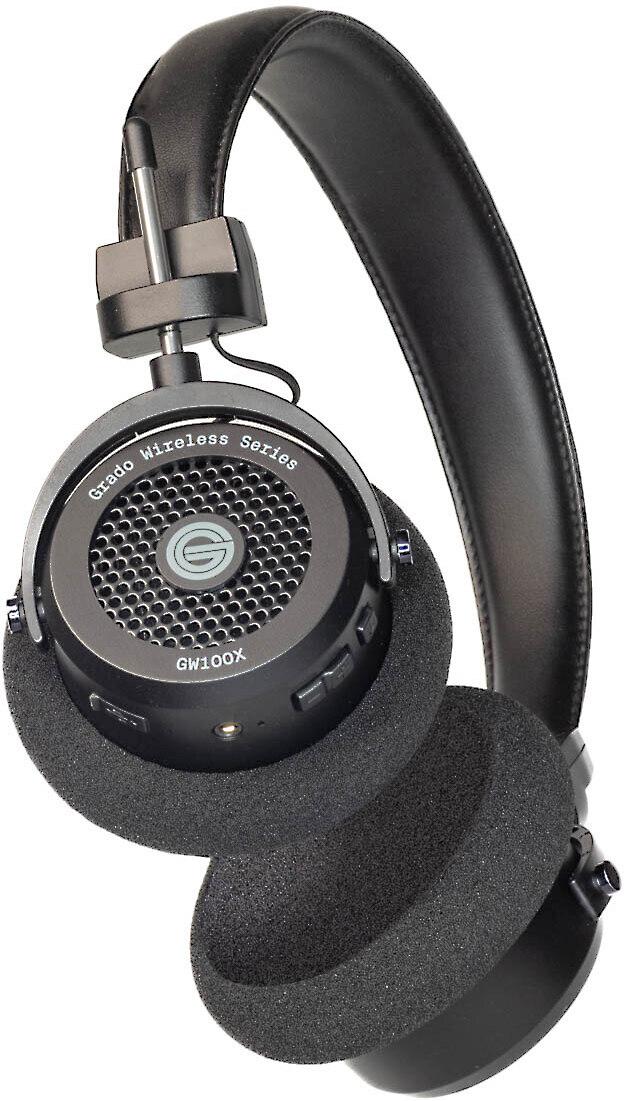
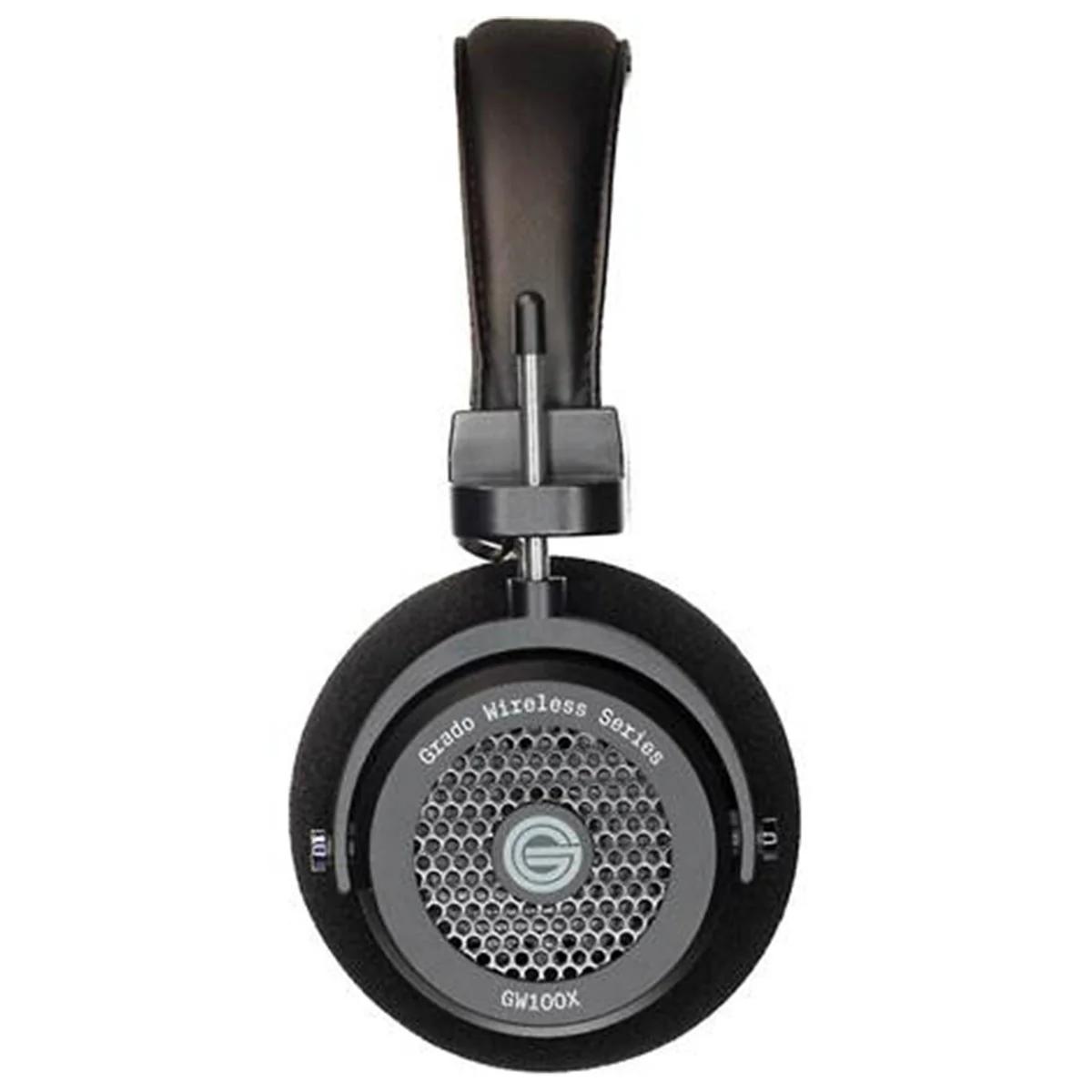
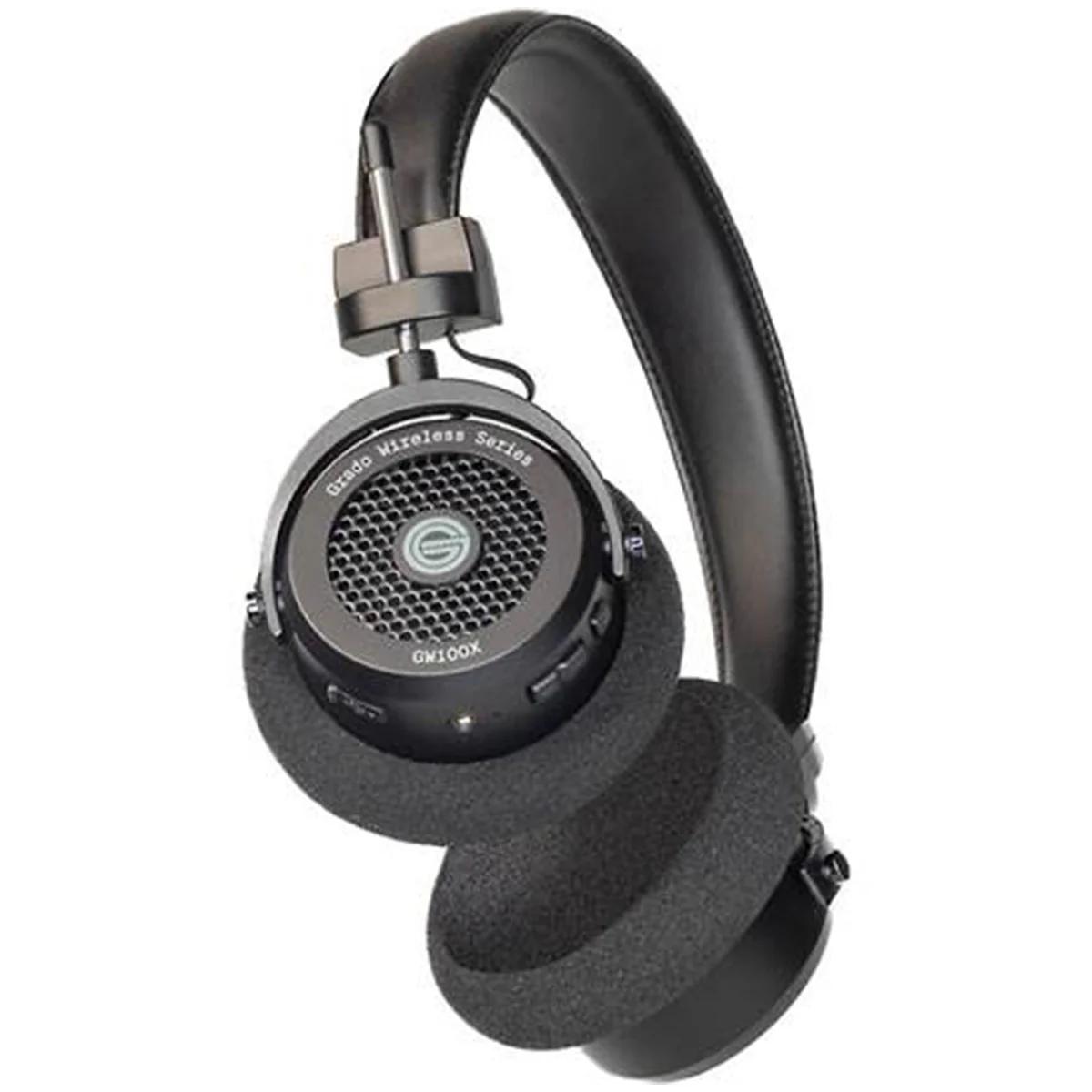
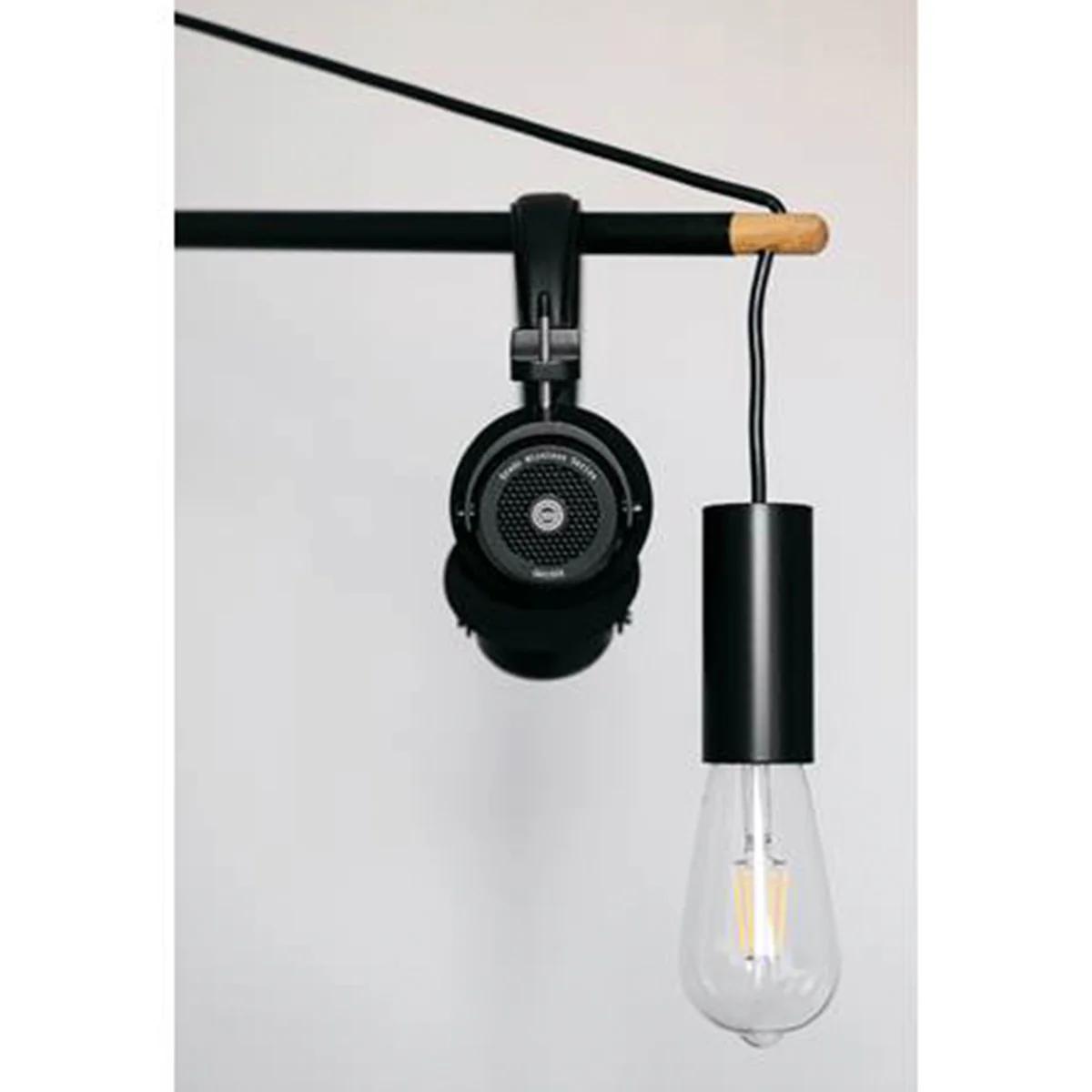
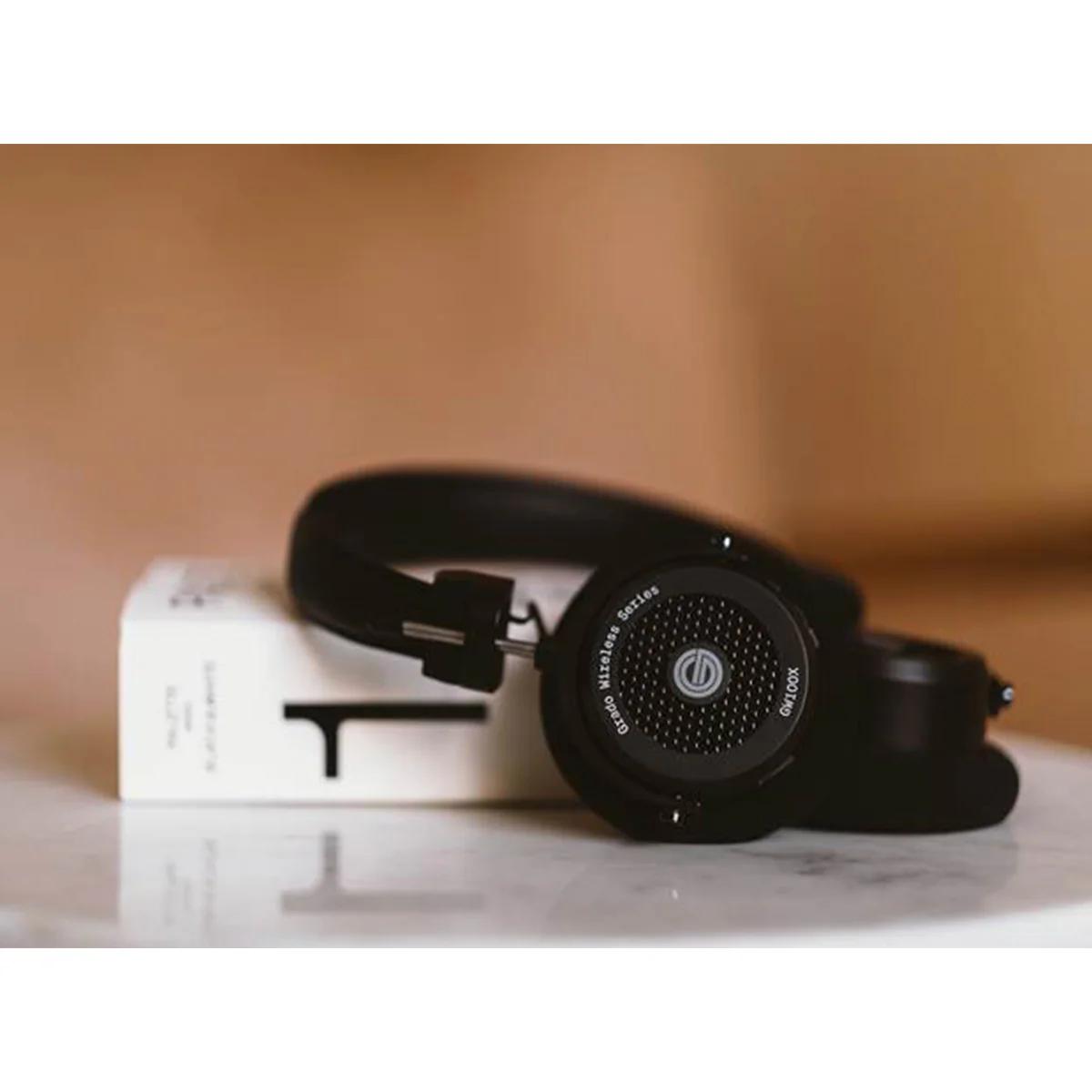
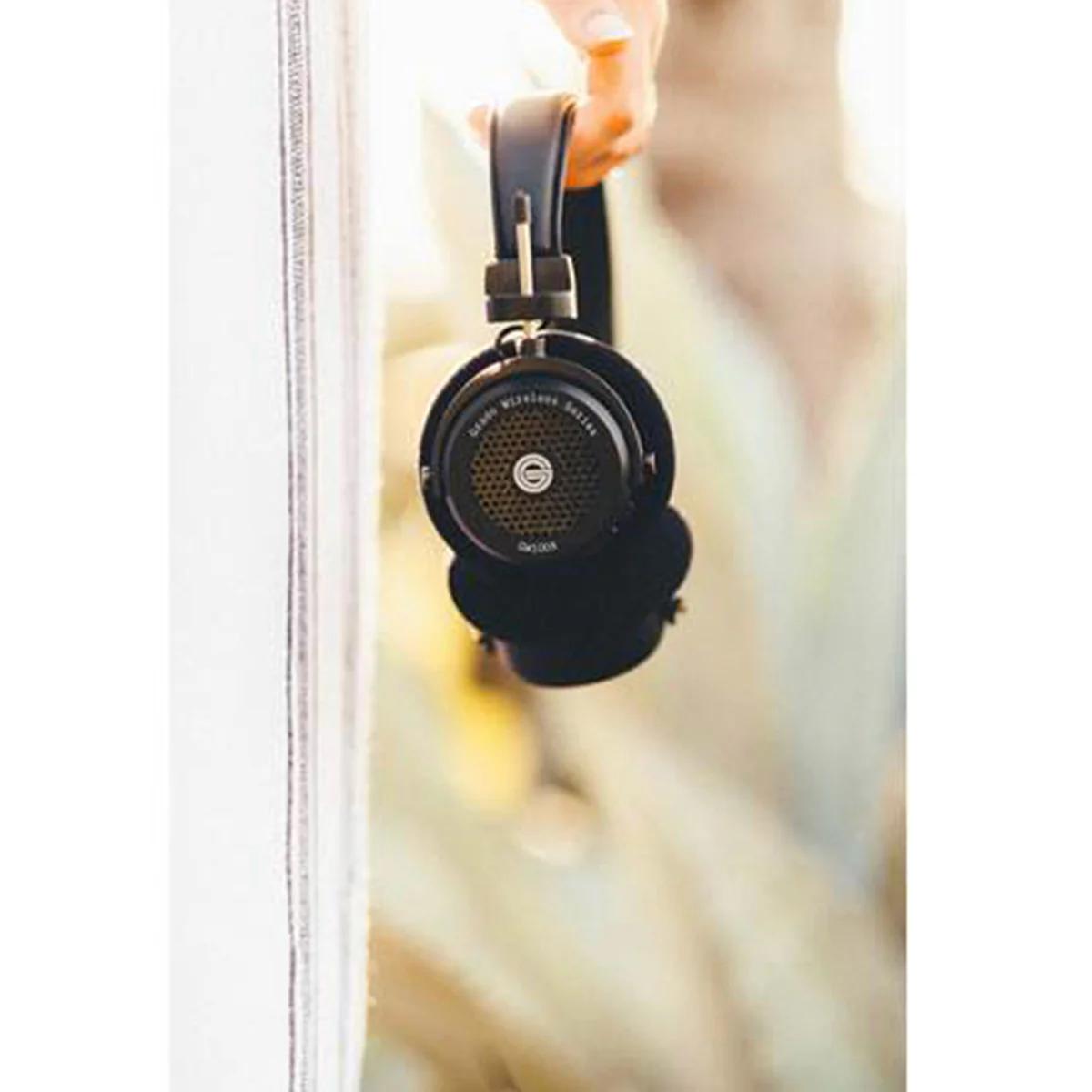
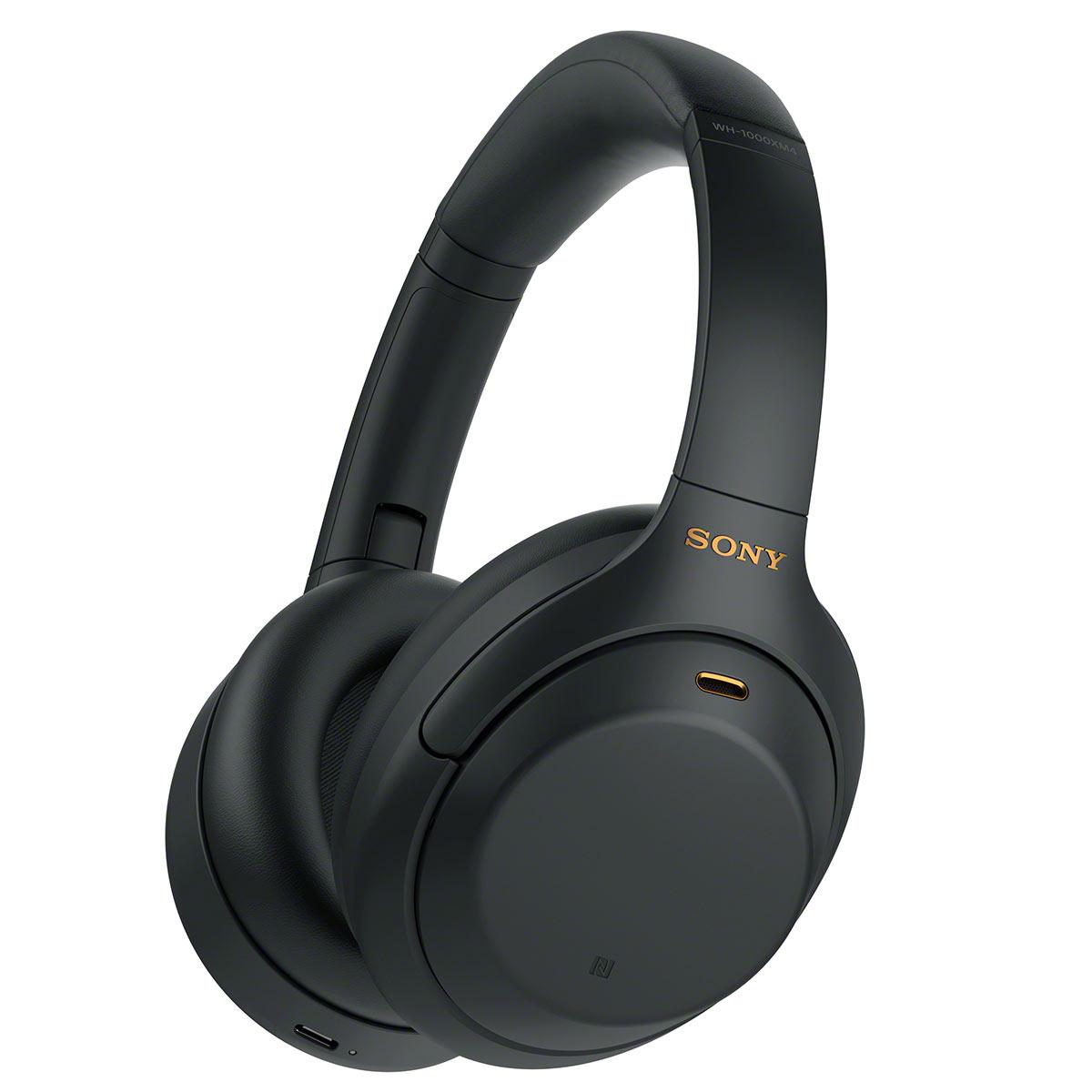
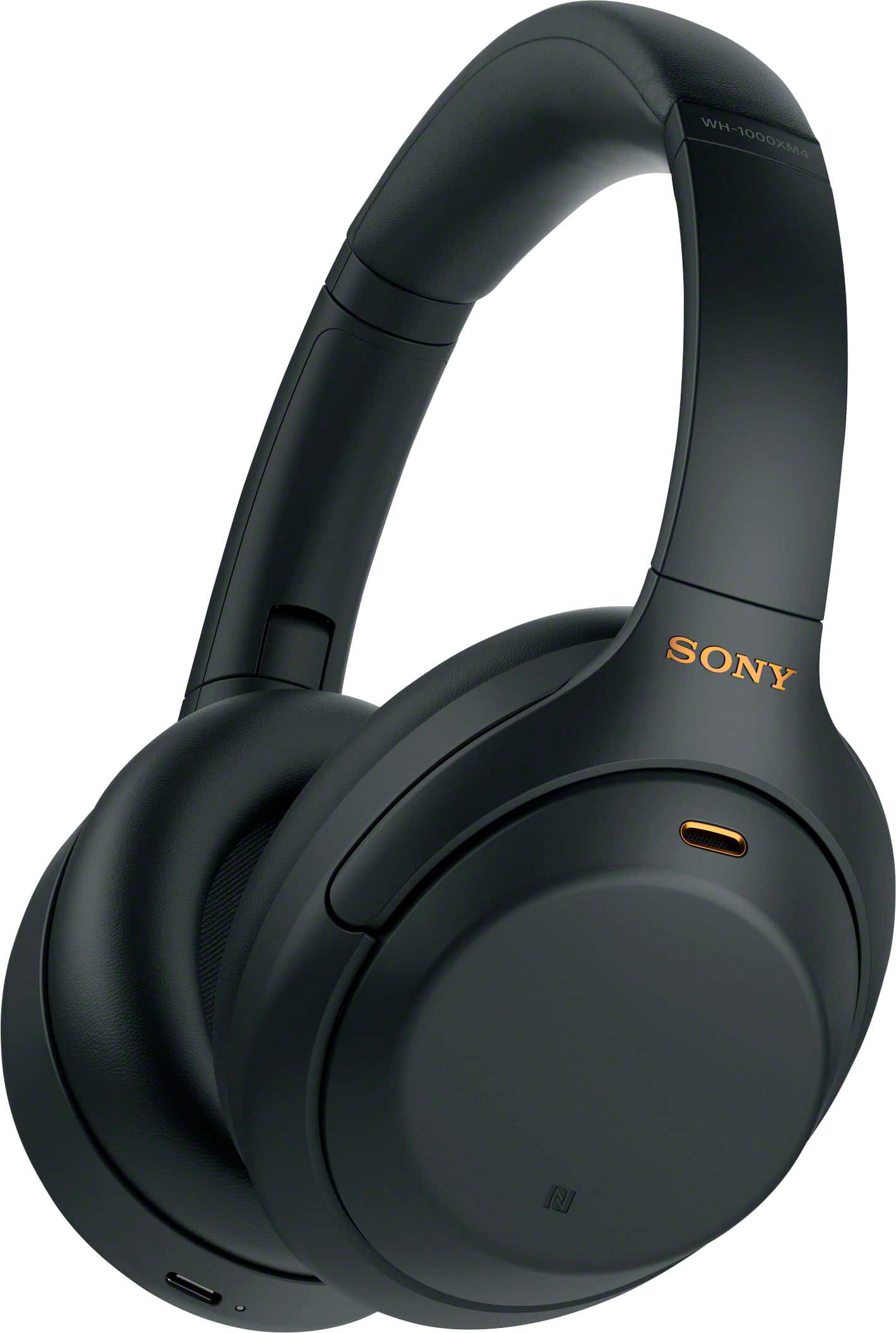
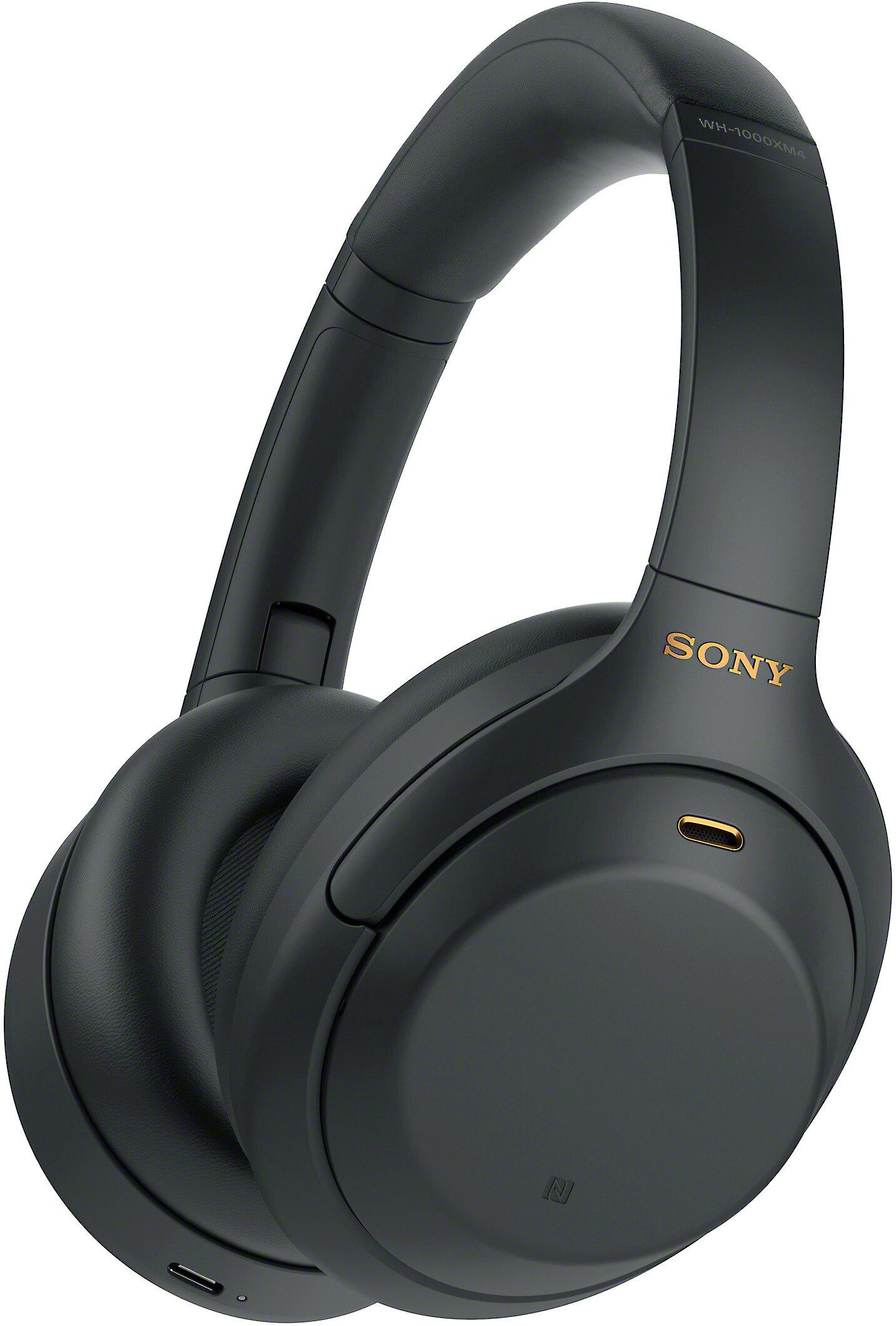




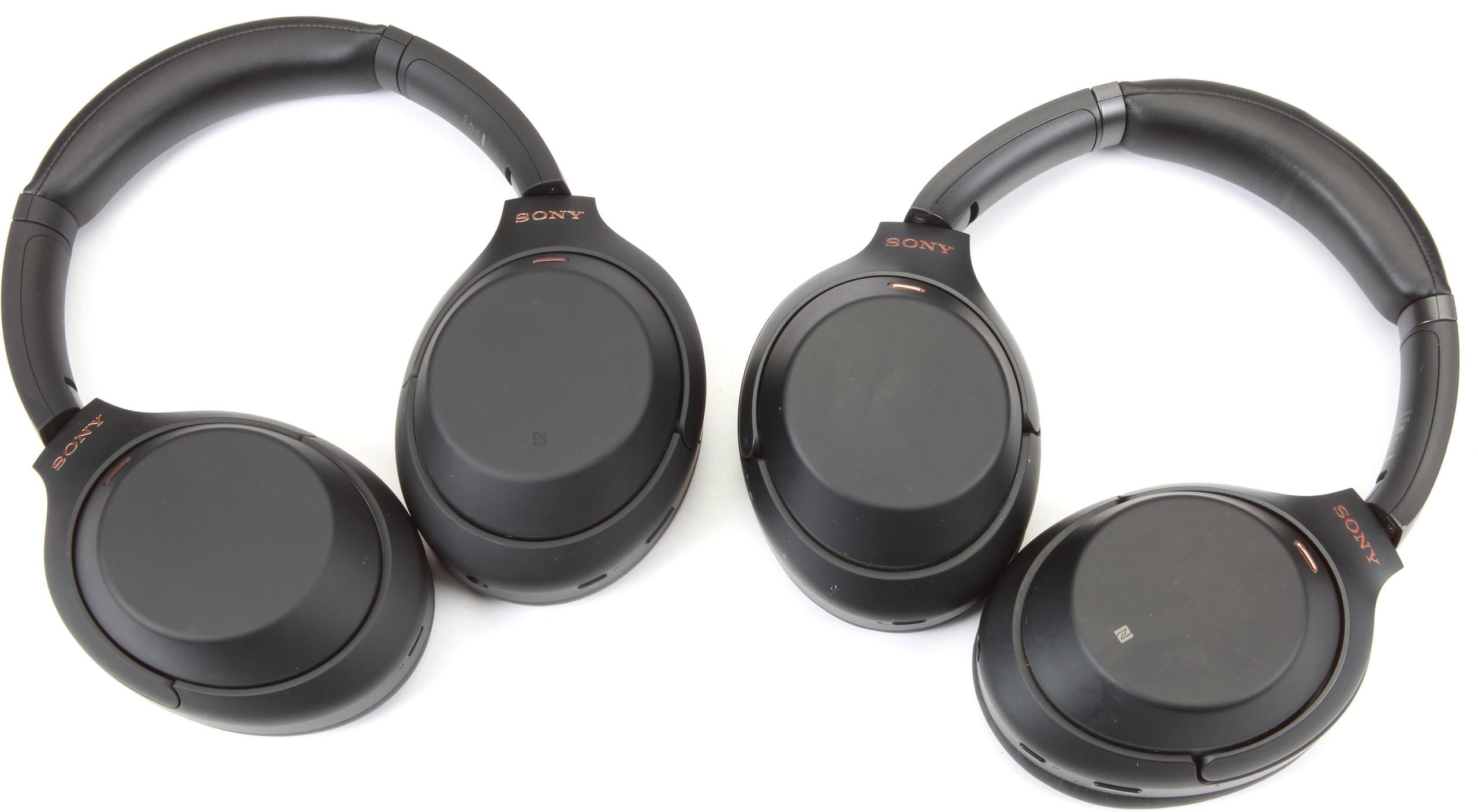
When I first heard about the Grado GW100x, I was intrigued by something that seemed almost contradictory: open-back wireless headphones. Most wireless headphones are designed to seal around your ears, blocking out the world while you enjoy your music. But Grado took a completely different approach, and it makes all the difference in how these headphones perform compared to mainstream options like the Sony WH-1000XM4.
The world of wireless headphones has evolved dramatically over the past decade. What started as a simple convenience feature—cutting the cord—has become a complex ecosystem of competing technologies and design philosophies. Today's wireless headphones need to balance multiple priorities: sound quality, battery life, connectivity, comfort, and increasingly sophisticated smart features.
The fundamental challenge with wireless headphones is maintaining audio quality while managing power consumption, wireless interference, and the need to process audio digitally. This is where the technical differences between products become crucial. Every wireless headphone uses a digital-to-analog converter (DAC) and amplifier built into the headphones themselves, which means the quality of these components directly affects what you hear.
When comparing the Grado GW100x and Sony WH-1000XM4, we're looking at two products that solve these challenges in completely different ways. The Grado, released in 2022, represents a purist's approach to wireless audio, while the Sony, launched in 2020, embodies the feature-rich, do-everything philosophy that dominates today's market.
The most important difference between these headphones isn't immediately obvious from photos—it's their acoustic design. The Grado GW100x uses an open-back architecture, meaning the back of each ear cup has openings that allow sound to pass freely in and out. This creates what audio engineers call an "acoustic window" that lets your ears hear a more natural, spacious sound.
Think of it like the difference between listening to music in a small, padded room versus a concert hall. The open-back design of the Grado GW100x creates that concert hall effect, where instruments seem to exist in a three-dimensional space around your head rather than being piped directly into your ears.
The Sony WH-1000XM4, on the other hand, uses a traditional closed-back design that completely seals around your ears. This isolation is intentional—it's designed to block external noise and prevent your music from leaking out to bother others. The trade-off is a more intimate, "inside your head" listening experience that can feel less natural but works better in real-world situations like offices, planes, or busy streets.
This design difference cascades into every other aspect of how these headphones perform and where you can use them effectively.
When it comes to pure sound quality, the Grado GW100x takes a markedly different approach than most wireless headphones. Grado equipped it with their fourth-generation X-series drivers—specialized 44mm speakers that have been specifically re-engineered for wireless use. These drivers feature a more powerful magnetic circuit (the part that moves the speaker cone) and a lighter voice coil (the component that converts electrical signals to sound waves), which reduces distortion and improves efficiency.
What this means in practical terms is remarkable clarity and detail retrieval. In my experience testing these headphones with various music genres, the Grado GW100x reveals subtle details in recordings that many other wireless headphones simply miss. The decay of a cymbal crash, the breathiness in a vocalist's delivery, or the resonance of an acoustic guitar's body—these elements come through with exceptional clarity.
The soundstage—how wide and spacious the music sounds—is where the Grado GW100x truly shines. Because of the open-back design, instruments don't feel crammed into your head but instead seem to exist in space around you. This three-dimensional presentation is something you typically only get from high-end wired headphones, making the Grado somewhat revolutionary in the wireless space.
The Sony WH-1000XM4, while certainly capable, takes a more consumer-friendly approach to sound tuning. Sony has enhanced the bass response to add what they call "thump and punch" to modern music, which many listeners find immediately appealing. However, this comes with some trade-offs in accuracy. The frequency response curve shows elevated upper bass and lower midrange, which can make male vocals sound slightly muddy and mask some instrumental details.
The Sony's treble response is also more conservative—some might say "safer"—than the Grado's. While this makes the Sony WH-1000XM4 less fatiguing during long listening sessions, it also means some of the sparkle and air that makes music feel alive can be missing. The soundstage feels more intimate and two-dimensional, which isn't necessarily worse, just different.
For critical music listening, especially if you enjoy genres like jazz, classical, or acoustic music where instrument separation and natural timbre are important, the Grado GW100x offers a significantly more authentic presentation.
Here's where we encounter the most dramatic difference between these products. The Grado GW100x offers absolutely no noise isolation—in fact, quite the opposite. The open-back design means environmental sounds pass through freely, and your music will be audible to anyone nearby. This might sound like a major flaw, but it's actually an intentional design choice that serves specific use cases.
The Sony WH-1000XM4 represents the opposite extreme, featuring some of the most advanced noise cancellation technology available at the time of writing. Sony's system uses dual noise sensor technology—microphones both inside and outside each ear cup that sample environmental noise over 700 times per second. The HD Noise Cancelling Processor QN1 then generates inverse sound waves to cancel out unwanted noise in real-time.
This system is particularly effective against constant, low-frequency sounds like airplane engines, air conditioners, or road noise. The Sony WH-1000XM4 can reduce ambient noise by 20-30 decibels across most frequencies, which is genuinely transformative for travel or work in noisy environments.
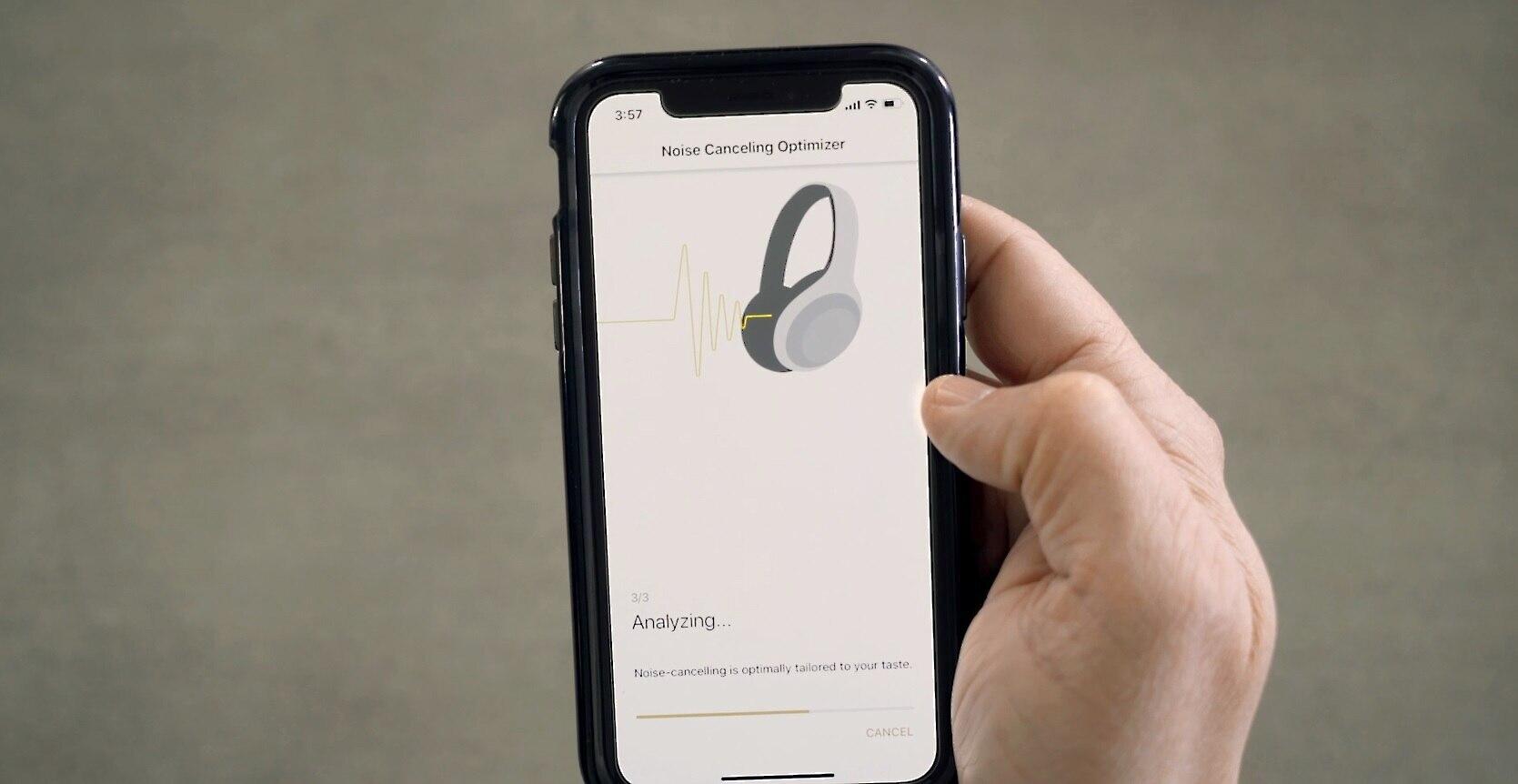
Sony has also implemented smart features around noise cancellation, including Atmospheric Pressure Optimizing that adjusts the cancellation algorithm for airplane cabins, and Personal Noise Cancellation Optimizer that tailors the effect based on your head shape, hairstyle, and whether you wear glasses.
The Grado GW100x's complete lack of isolation might seem like a disadvantage, but it serves specific purposes. For home listening, you maintain awareness of your surroundings—you can hear the doorbell, phone calls, or family members. Some listeners also find the natural ambient sound more comfortable for extended listening sessions, as complete isolation can create a feeling of pressure or disconnection.
Battery performance represents another area where these headphones diverge significantly. The Grado GW100x delivers an impressive 46 hours of playback time, which at the time of writing puts it among the longest-lasting wireless headphones available. This extended battery life comes partly from the lack of power-hungry noise cancellation circuits, but also from efficient engineering in the wireless and amplification systems.
The Sony WH-1000XM4 offers a respectable 30 hours with active noise cancellation enabled, extending to 38 hours when ANC is turned off. While shorter than the Grado's battery life, Sony includes a quick-charge feature that provides five hours of playback from just ten minutes of charging, which can be crucial for travelers.
Both headphones use USB-C charging, which has become the standard for modern devices. The Grado GW100x requires about two hours for a full charge, while the Sony WH-1000XM4 takes approximately three hours.
In terms of wireless technology, both support Bluetooth 5.0 or newer, but they handle high-quality audio codecs differently. The Grado GW100x supports aptX Adaptive, which dynamically adjusts the bitrate and compression based on wireless conditions and content type. This means better audio quality when conditions allow, and more stable connections when interference is present.
The Sony WH-1000XM4 supports Sony's proprietary LDAC codec, which can transmit up to three times more data than standard Bluetooth audio. However, LDAC is primarily beneficial with Sony devices and high-resolution audio files, while aptX Adaptive works well across a broader range of devices and content types.
Physical comfort becomes crucial when you're wearing headphones for hours at a time, and these products take different approaches. The Grado GW100x weighs just 188 grams (about 6.6 ounces), making it one of the lighter over-ear wireless headphones available. This low weight, combined with Grado's minimalist padding design, creates a wearing experience that many users find comfortable for extended sessions.
However, the build materials feel more utilitarian than premium. The Grado GW100x uses high-quality plastics throughout, but the overall construction feels less luxurious than what you might expect at this price point. Notably, Grado doesn't include a carrying case, which is unusual for headphones in this category.
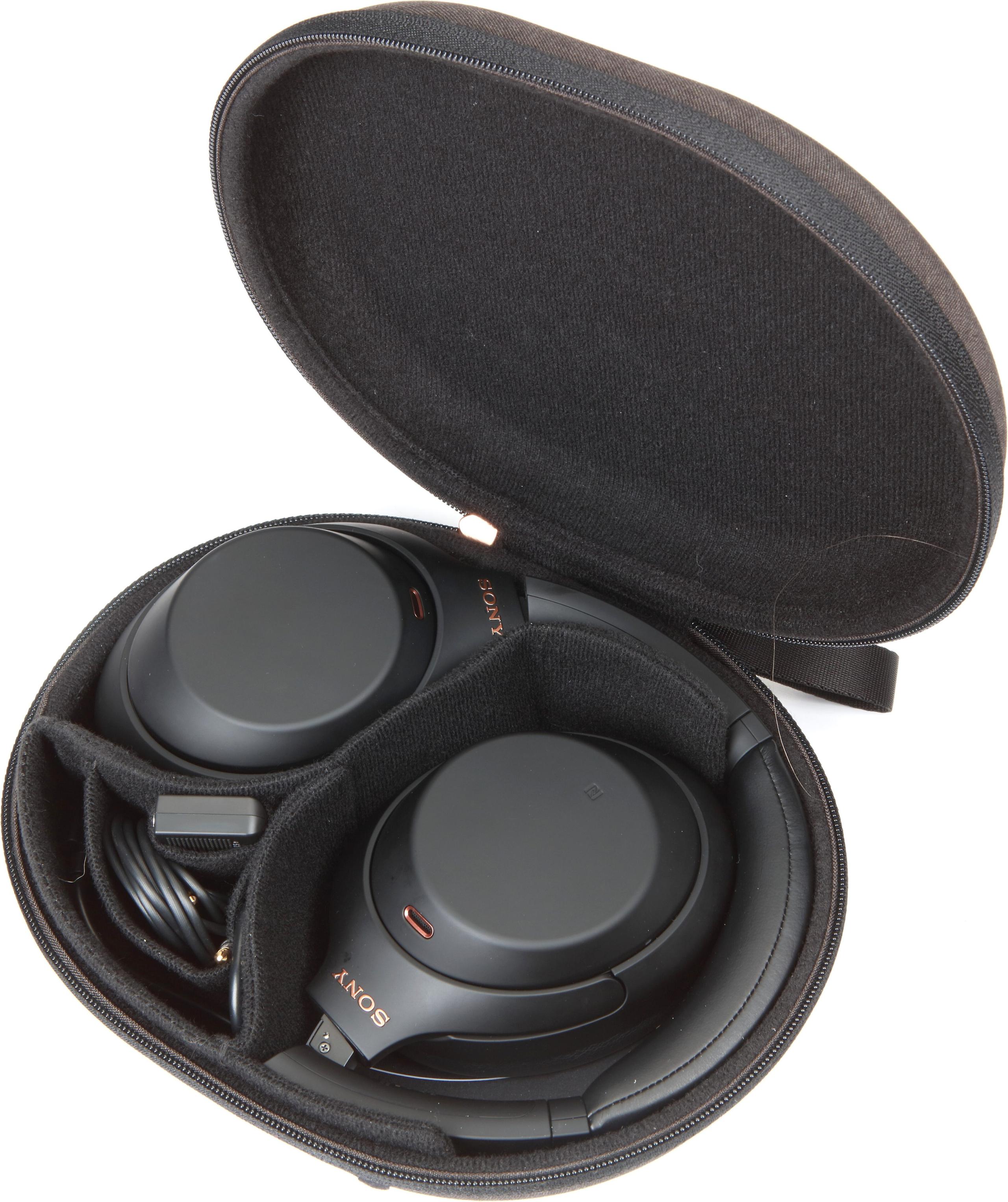
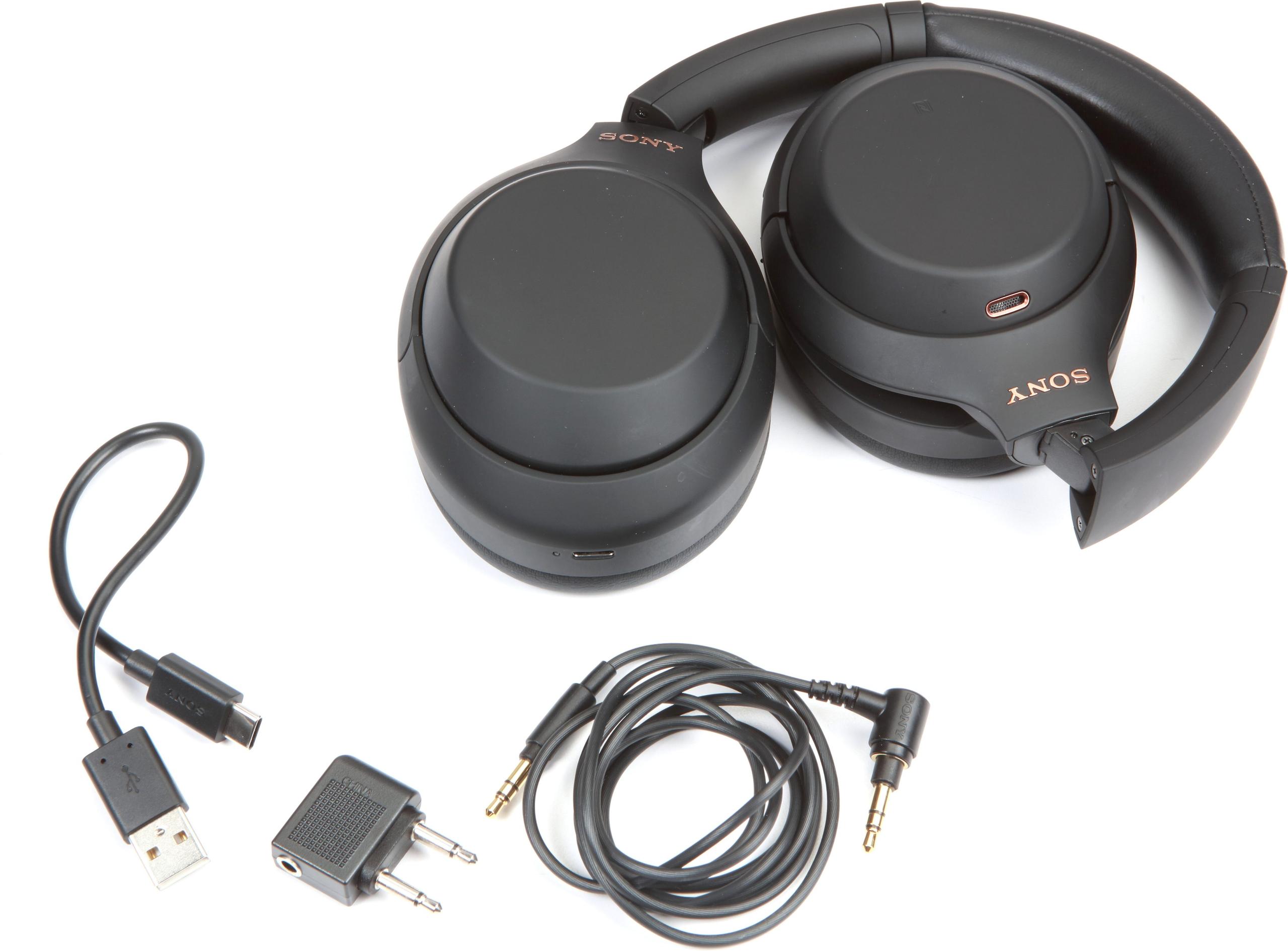
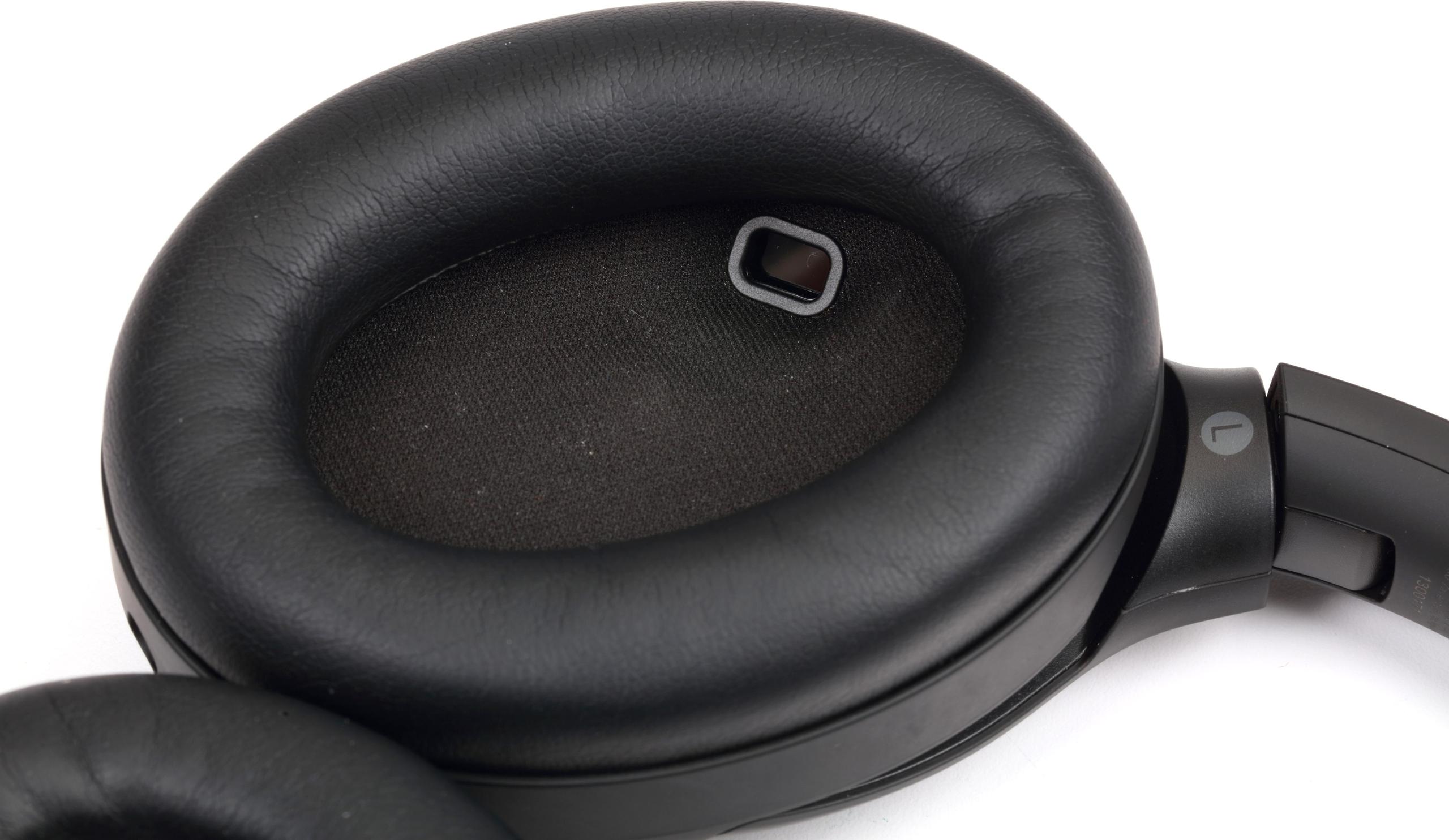
The Sony WH-1000XM4 weighs more at 254 grams but distributes this weight well across a padded headband and around the ears. The ear pads use memory foam that molds to your head shape, and the materials feel distinctly more premium. Sony includes a well-designed carrying case that folds flat and provides good protection.
For long listening sessions, I find the Grado GW100x's lighter weight advantageous, particularly when moving around the house or working at a desk. The Sony WH-1000XM4 feels more substantial and premium but can become noticeable during very extended wear.
This is perhaps where the philosophical differences between these products are most apparent. The Grado GW100x embraces a minimalist approach that prioritizes audio quality over smart features. You get basic multipoint Bluetooth connectivity (meaning you can pair with two devices simultaneously), physical button controls, and voice assistant support. That's essentially it.
The Sony WH-1000XM4 represents the opposite approach, packed with intelligent features that adapt to your usage patterns. Adaptive Sound Control learns your daily routine and automatically adjusts noise cancellation and ambient sound settings based on your location and activity. Speak-to-Chat automatically pauses your music and enables ambient sound when you start talking, resuming playback when you finish.
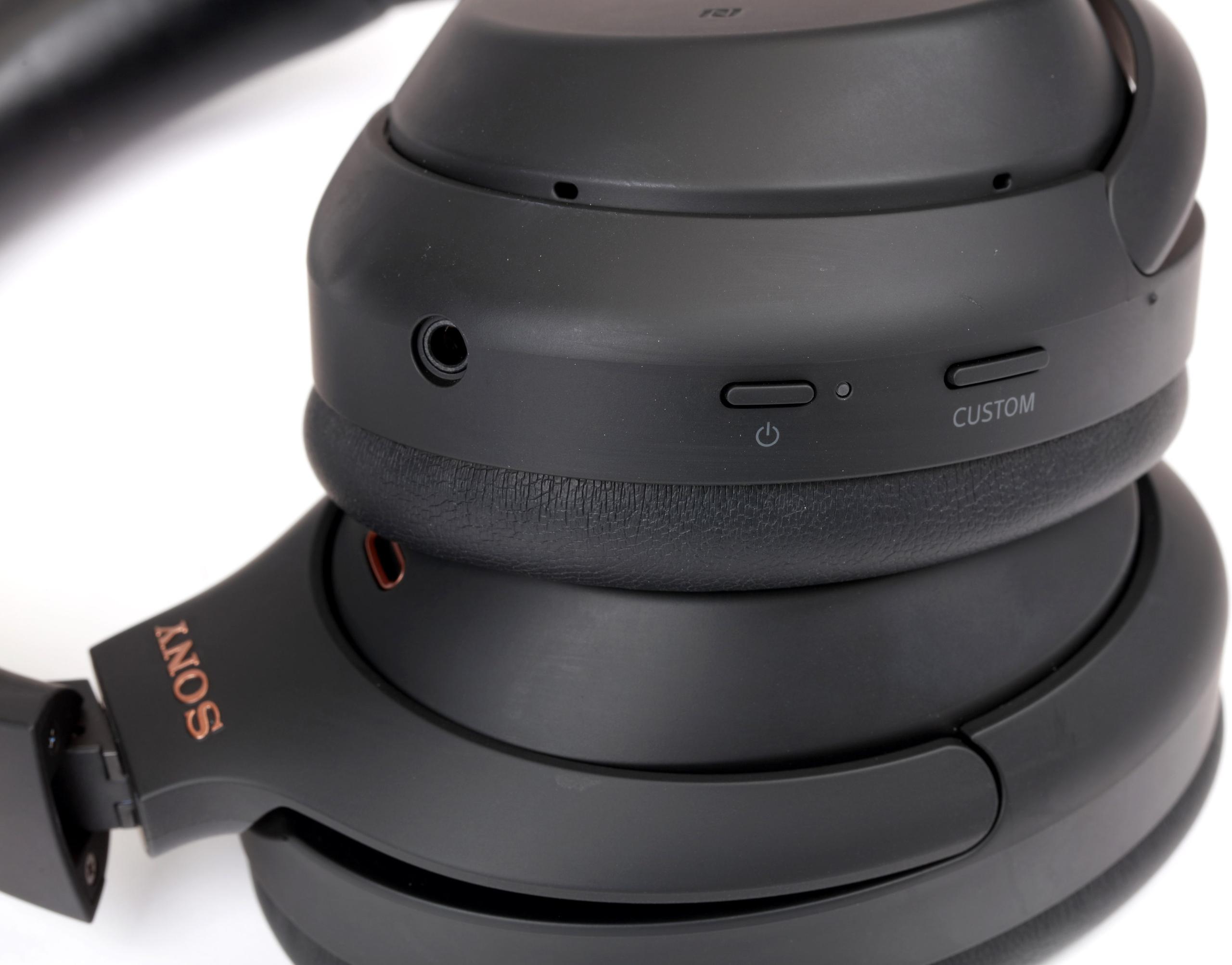
Sony's Headphones Connect app provides extensive customization options, including a graphic equalizer, sound profile presets, and the ability to adjust how much ambient sound to let through. The headphones also include wear detection sensors that automatically pause playback when you remove them.
These smart features can significantly enhance the daily usability of the Sony WH-1000XM4, particularly for people who use headphones throughout their workday or while commuting. However, they also introduce complexity and potential points of failure that some users prefer to avoid.
For home entertainment use, these headphones serve very different purposes. The Grado GW100x excels for critical music listening and can enhance the audio experience when watching movies or shows where dialogue clarity and soundstage are important. The open-back design means you won't feel completely isolated from your surroundings, which some people prefer when watching content at home.
However, the Grado GW100x's sound leakage makes it inappropriate when others are present who might be disturbed by the audio. For late-night movie watching or when you need to maintain household harmony, the open design becomes a limitation.
The Sony WH-1000XM4 works better for general home entertainment use, particularly for content with heavy bass elements like action movies or gaming. The closed design means you won't disturb others, and the enhanced bass response can make movie soundtracks feel more impactful.
For gaming specifically, both headphones offer adequate microphone quality for voice chat, though neither is optimized for competitive gaming where precise directional audio cues are crucial.
At the time of writing, both products occupy similar price ranges in the premium wireless headphone market, though the Sony WH-1000XM4 frequently appears at discounted prices due to being an older model with a newer successor available.
The Grado GW100x represents exceptional value for listeners who prioritize sound quality and understand its limitations. You're paying primarily for acoustic engineering and audio performance, with minimal resources spent on smart features or premium materials. For audiophiles seeking the best wireless sound quality available, this represents strong value despite the limited feature set.
The Sony WH-1000XM4 offers more traditional value in the sense of features per dollar. You get industry-leading noise cancellation, extensive smart features, premium build quality, and accessories, along with sound quality that most users will find very satisfying. For someone wanting a single pair of headphones to handle all situations, the Sony provides broader utility.
The decision between these headphones ultimately comes down to understanding your priorities and usage patterns. Choose the Grado GW100x if you're primarily interested in the best possible wireless sound quality for home listening, don't need noise cancellation, and value the natural, spacious presentation that open-back headphones provide. These are ideal for audiophiles who want to experience their music collection with new clarity and detail.
The Sony WH-1000XM4 makes more sense if you need versatile headphones that work well across multiple scenarios—commuting, travel, office work, and home entertainment. The noise cancellation alone makes these valuable for anyone who frequently finds themselves in noisy environments, and the comprehensive feature set justifies the investment for daily users.
Consider your listening environment carefully. If you primarily listen in quiet, private spaces and value audio fidelity above convenience features, the Grado GW100x will likely provide a more satisfying long-term experience. If you need headphones that adapt to various situations and environments, the Sony WH-1000XM4 offers the flexibility and features that make wireless headphones truly convenient.
Both represent excellent examples of their respective design philosophies, and your choice should align with which approach better serves your specific needs and preferences.
| Grado GW100x Wireless Headphones | Sony WH-1000XM4 Wireless Headphones |
|---|---|
| Acoustic Design - Fundamentally changes sound and use cases | |
| Open-back (spacious soundstage, sound leakage) | Closed-back (isolation, no leakage) |
| Active Noise Cancellation - Essential for travel and noisy environments | |
| None (by design) | Industry-leading dual sensor ANC with smart adaptation |
| Sound Quality Focus - Different tuning philosophies | |
| Audiophile-tuned with natural, detailed presentation | Consumer-friendly with enhanced bass and smooth treble |
| Driver Technology - Impacts audio fidelity and distortion | |
| 4th gen 44mm X-drivers optimized for wireless | 40mm drivers with LCP diaphragm and DSEE Extreme |
| Battery Life - Critical for extended listening sessions | |
| 46 hours (exceptional longevity) | 30 hours ANC on / 38 hours ANC off |
| Weight - Affects comfort during long use | |
| 188g (very lightweight) | 254g (heavier but well-balanced) |
| Smart Features - Convenience vs simplicity trade-off | |
| Minimal (physical controls, basic pairing) | Extensive (app control, adaptive features, wear detection) |
| Bluetooth Codecs - Audio quality over wireless connection | |
| aptX Adaptive, AAC, SBC | LDAC, AAC, SBC |
| Use Case Flexibility - Where you can actually use them | |
| Home/private spaces only (sound leaks) | All environments (travel, office, public spaces) |
| Build Materials and Accessories - Value and premium feel | |
| Utilitarian plastic, no case included | Premium materials with carrying case and cables |
| Microphone Quality - Important for calls and meetings | |
| Basic voice calling capability | Enhanced for calls with noise reduction |
| App Support - Customization and advanced features | |
| No companion app | Sony Headphones Connect with EQ and smart controls |
The Grado GW100x delivers superior sound quality for critical music listening, with exceptional detail retrieval, natural timbre, and a spacious three-dimensional soundstage thanks to its open-back design. The Sony WH-1000XM4 offers good sound quality with enhanced bass that many find immediately appealing, but prioritizes smoothness over absolute accuracy. For audiophiles seeking the best wireless sound quality, the Grado GW100x is the clear winner.
The Grado GW100x excels for home theater use when watching alone, providing excellent dialogue clarity and an immersive soundstage that enhances the cinematic experience. However, sound leakage makes them unsuitable when others are present. The Sony WH-1000XM4 works better for general home entertainment, especially late-night viewing, as the closed design won't disturb others and the enhanced bass adds impact to movie soundtracks.
The Sony WH-1000XM4 is specifically designed for travel with industry-leading active noise cancellation that blocks airplane engines, train noise, and busy environments. The Grado GW100x is completely unsuitable for travel as the open-back design provides no isolation and will leak sound to nearby passengers. For any public transportation or travel use, the Sony WH-1000XM4 is the only viable choice.
The Grado GW100x offers exceptional battery life with up to 46 hours of playback, making it ideal for extended listening sessions without frequent charging. The Sony WH-1000XM4 provides 30 hours with noise cancellation enabled or 38 hours with ANC off, which is still very good but shorter than the Grado GW100x. Both use USB-C charging for convenience.
Both offer good comfort but in different ways. The Grado GW100x weighs only 188g, making it one of the lightest over-ear wireless headphones available, which reduces fatigue during marathon listening sessions. The Sony WH-1000XM4 is heavier at 254g but features premium memory foam padding that molds to your head. For pure comfort during very long sessions, the lighter Grado GW100x has an advantage.
Both headphones support phone calls, but with different capabilities. The Grado GW100x provides basic calling functionality suitable for casual conversations. The Sony WH-1000XM4 offers superior call quality with advanced noise reduction that helps isolate your voice from background noise, making it better for professional video meetings and calls in noisy environments.
The Grado GW100x doesn't have noise cancellation by design - it's an open-back headphone that naturally lets sound pass through, which actually enhances the listening experience in quiet environments. The Sony WH-1000XM4 can operate with noise cancellation turned off, extending battery life to 38 hours, and includes adjustable ambient sound control for when you need environmental awareness.
Value depends on your priorities. The Grado GW100x offers exceptional value for sound quality enthusiasts, delivering audiophile-level wireless performance with minimal extra features. The Sony WH-1000XM4 provides broader value with comprehensive features including noise cancellation, smart controls, and premium accessories. For pure audio performance per dollar, choose the Grado GW100x; for overall features and versatility, the Sony WH-1000XM4 offers more complete value.
The Grado GW100x takes a minimalist approach with basic Bluetooth connectivity, physical button controls, and multipoint pairing. The Sony WH-1000XM4 is feature-rich with adaptive sound control, speak-to-chat, wear detection, comprehensive app support, and customizable EQ. If you prefer simplicity and focus on audio quality, the Grado GW100x eliminates distractions. For advanced functionality and convenience features, the Sony WH-1000XM4 is far superior.
Neither is specifically designed for gaming, but both can handle casual gaming well. The Grado GW100x provides excellent positional audio and soundstage that can enhance single-player gaming experiences, though sound leakage may disturb others. The Sony WH-1000XM4 offers better microphone quality for voice chat and won't leak game audio to others nearby. For competitive gaming requiring precise directional cues, dedicated gaming headsets would be more appropriate than either option.
Yes, both headphones include wired connectivity options. The Grado GW100x comes with a 3.5mm cable for wired use when the battery dies or for devices without Bluetooth. The Sony WH-1000XM4 also includes a 3.5mm cable and can operate in passive mode, though the sound signature is optimized for powered use. The wired option provides backup connectivity for both models.
For dedicated home listening, the Grado GW100x is the superior choice, offering exceptional sound quality, natural presentation, and the spacious soundstage that makes music come alive. The open-back design provides the most authentic listening experience available in wireless headphones. The Sony WH-1000XM4 works well for home use too, but its strengths like noise cancellation are unnecessary in quiet home environments, making the Grado GW100x the better specialized choice for home audio enjoyment.
We've done our best to create useful and informative comparisons to help you decide what product to buy. Our research uses advanced automated methods to create this comparison and perfection is not possible - please contact us for corrections or questions. These are the sites we've researched in the creation of this article: techradar.com - crutchfield.com - whathifi.com - moon-audio.com - majorhifi.com - rockonav.com - forums.stevehoffman.tv - newegg.com - audiosciencereview.com - gradolabs.com - decibelaudio.com - addictedtoaudio.com.au - s3.eu-west-1.amazonaws.com - audioadvice.com - analogmatters.com - nyczaj.audio - parts-express.com - soundguys.com - headphones.com - recordingnow.com - electronics.sony.com - rtings.com - headphonereview.com - youtube.com - audiosciencereview.com - cnet.com - hyderseatravels.com - sony.com - sonylatvija.com - sony.com - sony.com - electronics.sony.com - sony.com - headphonecheck.com - fullspecs.net - sony.com - uclastore.com - bestbuy.com - sony.ca - helpguide.sony.net - device.report

Privacy Policy
Terms and Conditions - Affiliate Policy
Home Security
© Copyright 2008-2026.
11816 Inwood Rd #1211, Dallas, TX 75244