

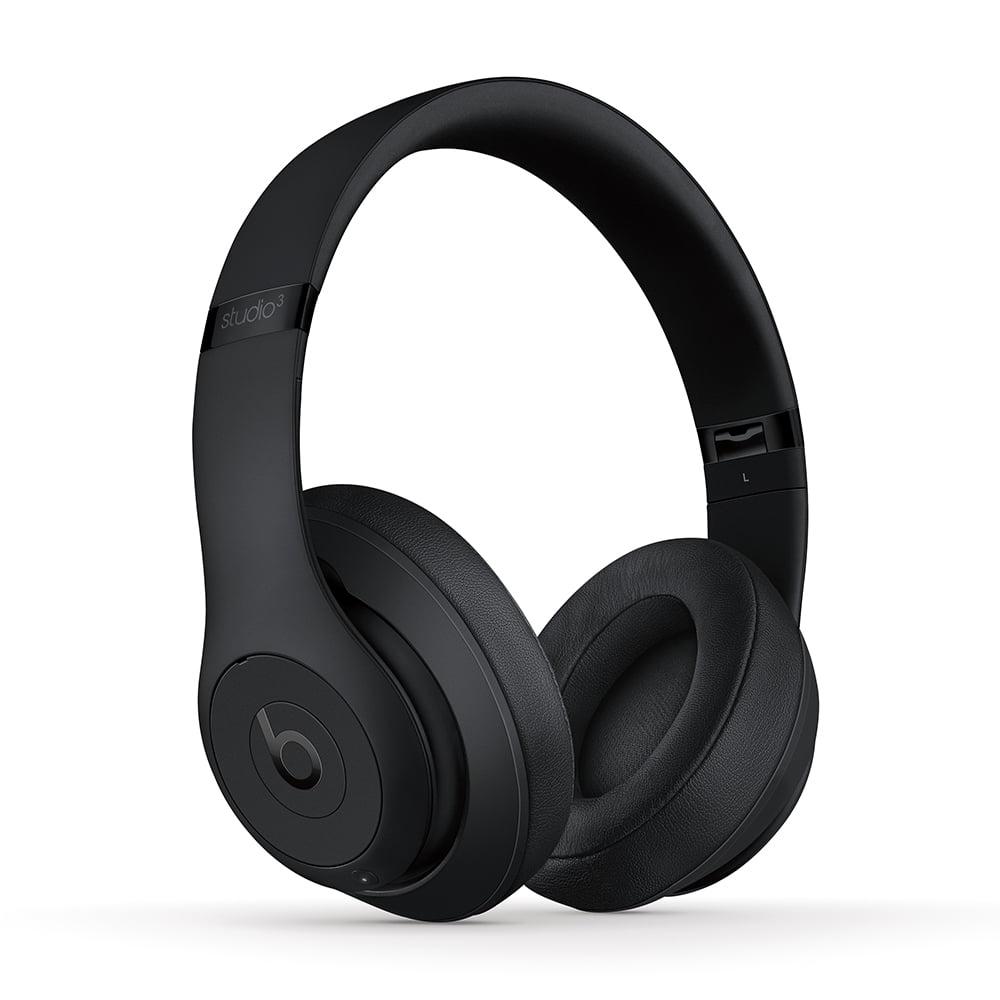




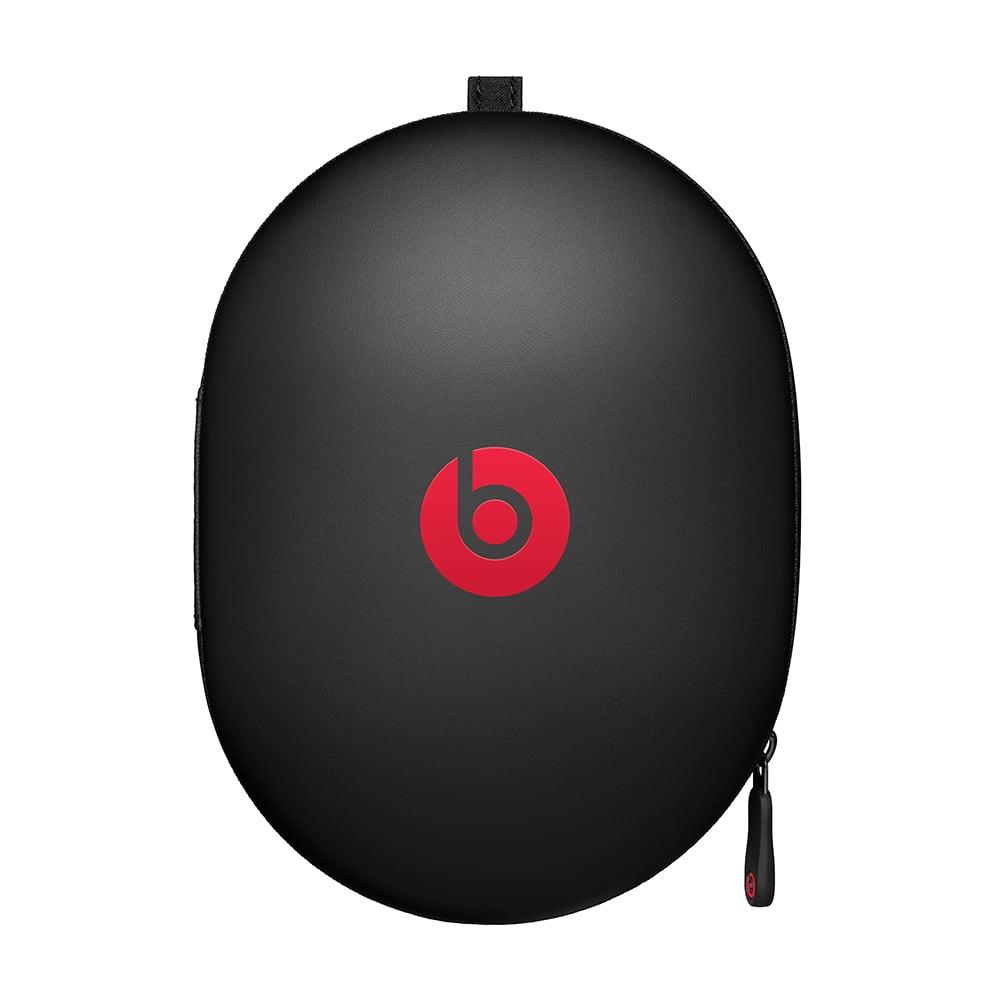

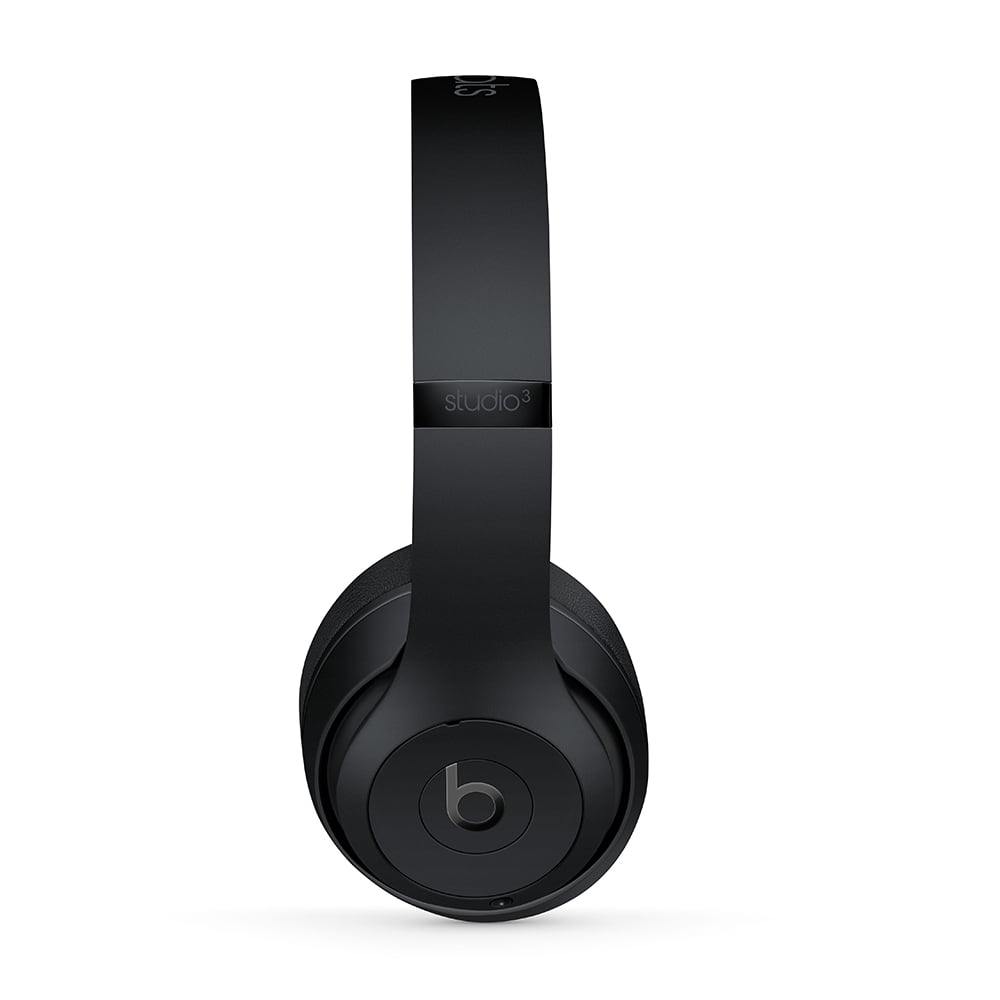

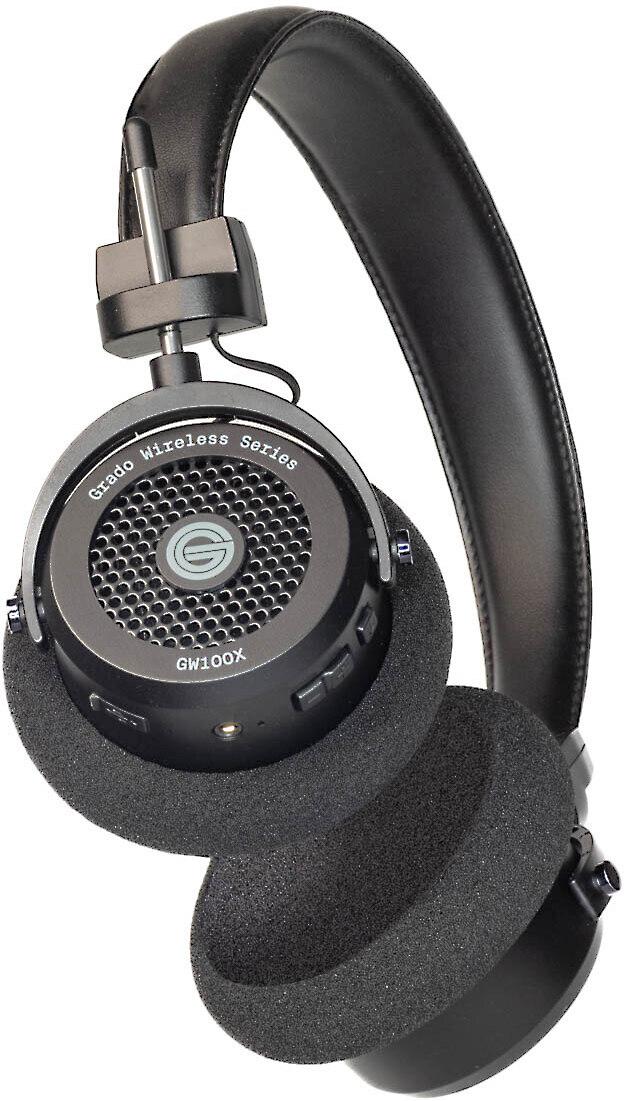
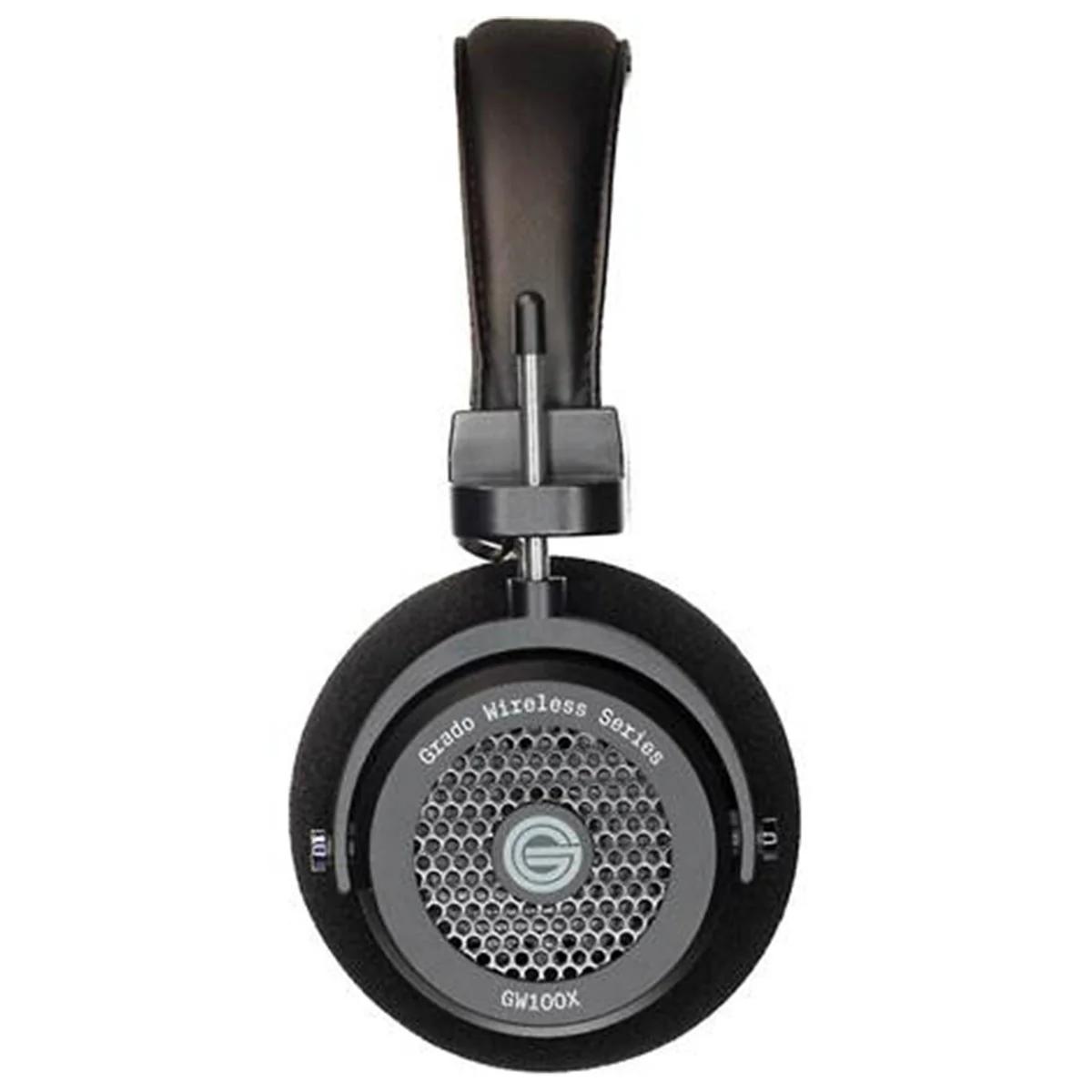
When you're shopping for wireless over-ear headphones, the sheer number of options can feel overwhelming. Do you go with a big-name brand that promises noise cancellation and sleek design? Or do you choose something that prioritizes pure sound quality above everything else? Today, we're diving deep into two headphones that represent completely different philosophies: the mainstream Beats Studio3 Wireless ($350) and the audiophile-focused Grado GW100x ($275).
Before we jump into comparing these specific models, let's talk about what you should expect from wireless over-ear headphones in general. Unlike smaller earbuds or on-ear models, over-ear headphones completely surround your ears, which typically means better sound quality and comfort for long listening sessions. The "wireless" part means they connect to your phone, computer, or other devices using Bluetooth instead of a cable.
But here's where things get interesting: not all over-ear wireless headphones are designed with the same goals in mind. Some, like the Beats Studio3, focus on being the perfect travel companion with features like active noise cancellation (ANC) – technology that uses microphones and speakers to actively cancel out background noise. Others, like the Grado GW100x, prioritize delivering the most accurate and detailed sound possible, even if that means sacrificing some convenience features.
The key considerations when choosing between wireless headphones include where you'll use them most (quiet home environments versus noisy commutes), whether you need to block out external sound, how important pure audio quality is to you, and what additional features matter for your lifestyle.
The Beats Studio3 Wireless first hit the market in 2017, making them relatively old in the fast-moving world of wireless audio technology. At launch, they were positioned as Beats' flagship model, featuring the company's Pure Adaptive Noise Cancelling technology and Apple's W1 chip for seamless pairing with iPhones and other Apple devices.
Since 2017, the wireless headphone landscape has evolved dramatically. Most premium headphones now use USB-C charging instead of the micro-USB port found on the Studio3. Bluetooth technology has advanced from version 4.2 (what the Beats use) to 5.2 and beyond, offering better connection stability and support for higher-quality audio codecs like aptX Adaptive. Many newer models also include features like spatial audio, transparency modes (which let you hear your surroundings without removing the headphones), and sophisticated companion apps for customization.
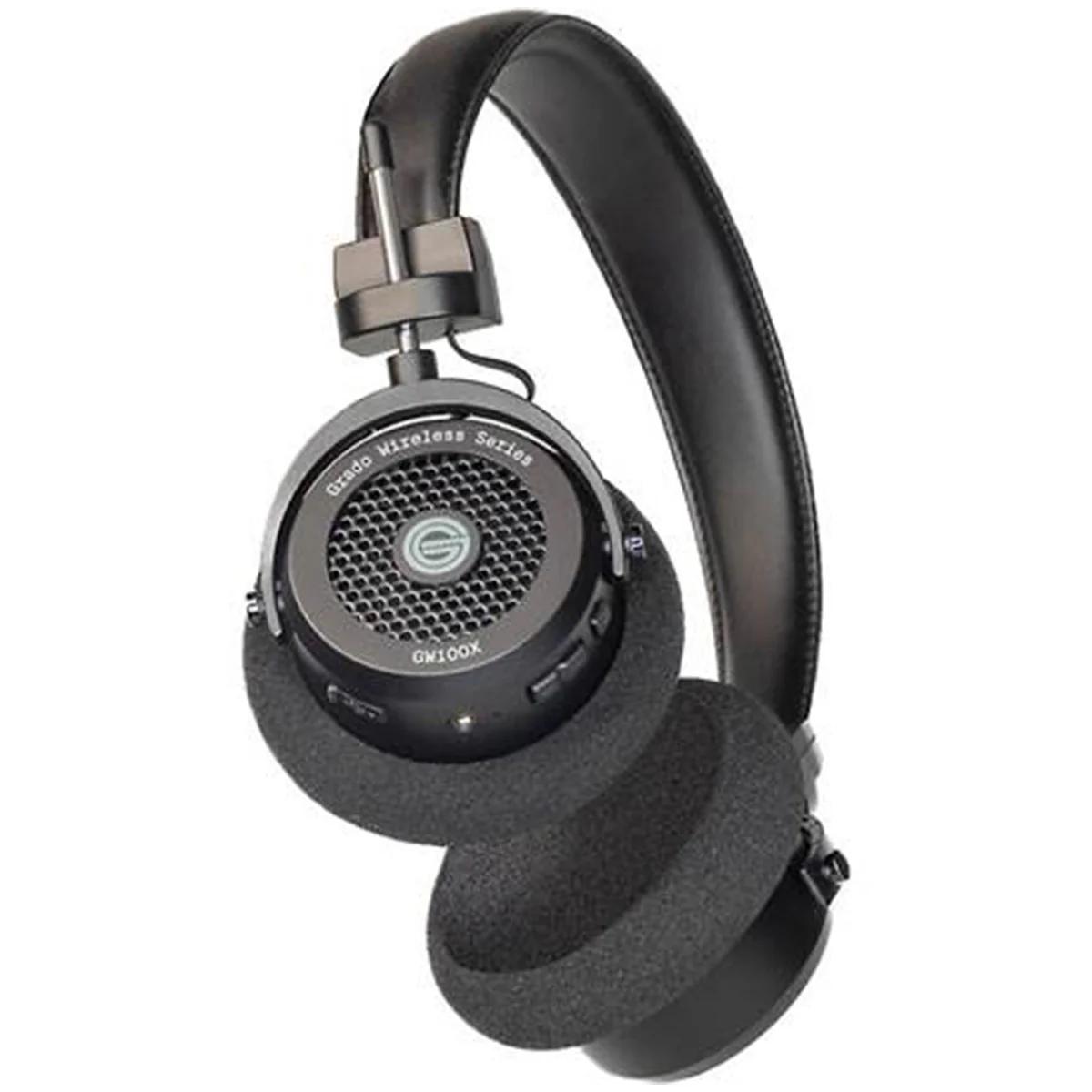
The Grado GW100x, released more recently as an updated version of the original GW100 from 2018, represents Grado's attempt to bring their legendary sound quality into the wireless era. Grado is a family-owned company from Brooklyn that's been making headphones since 1953, and they're known among audio enthusiasts for their distinctive open-back designs and natural sound reproduction. The GW100x includes modern features like Bluetooth 5.2, aptX Adaptive codec support, and USB-C charging – showing how the newer release date allowed them to incorporate more current technology.
This is where the fundamental difference between these two approaches becomes crystal clear. The Grado GW100x absolutely dominates in pure sound quality, and it's not even close.
The GW100x uses Grado's fourth-generation 44mm drivers, which have been specifically engineered for wireless use. These drivers feature a more powerful magnetic circuit (the part that moves the diaphragm to create sound), a lighter voice coil (the component that converts electrical signals to movement), and a reconfigured diaphragm (the part that actually pushes air to create sound waves). What this means in practical terms is cleaner, more detailed sound with less distortion.
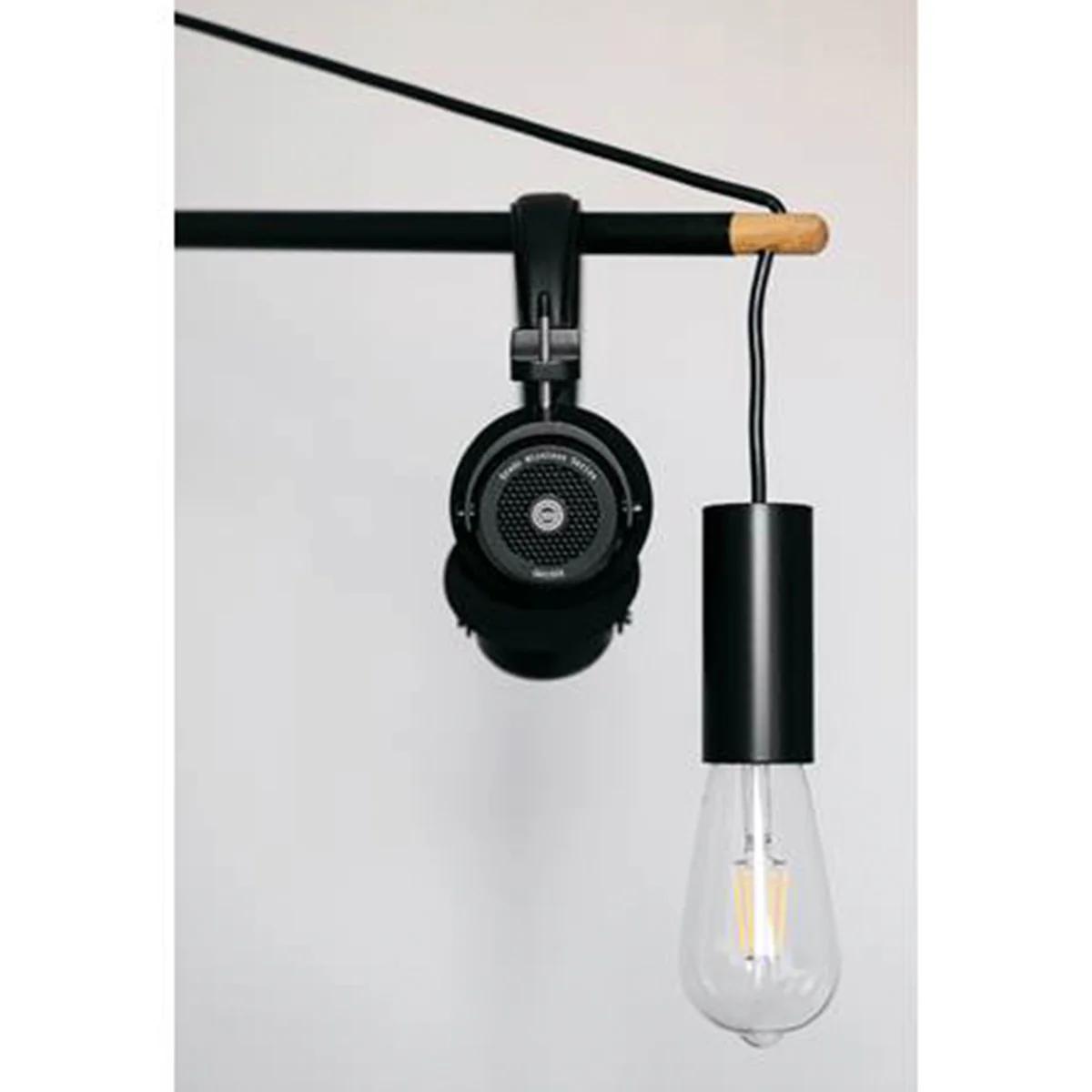
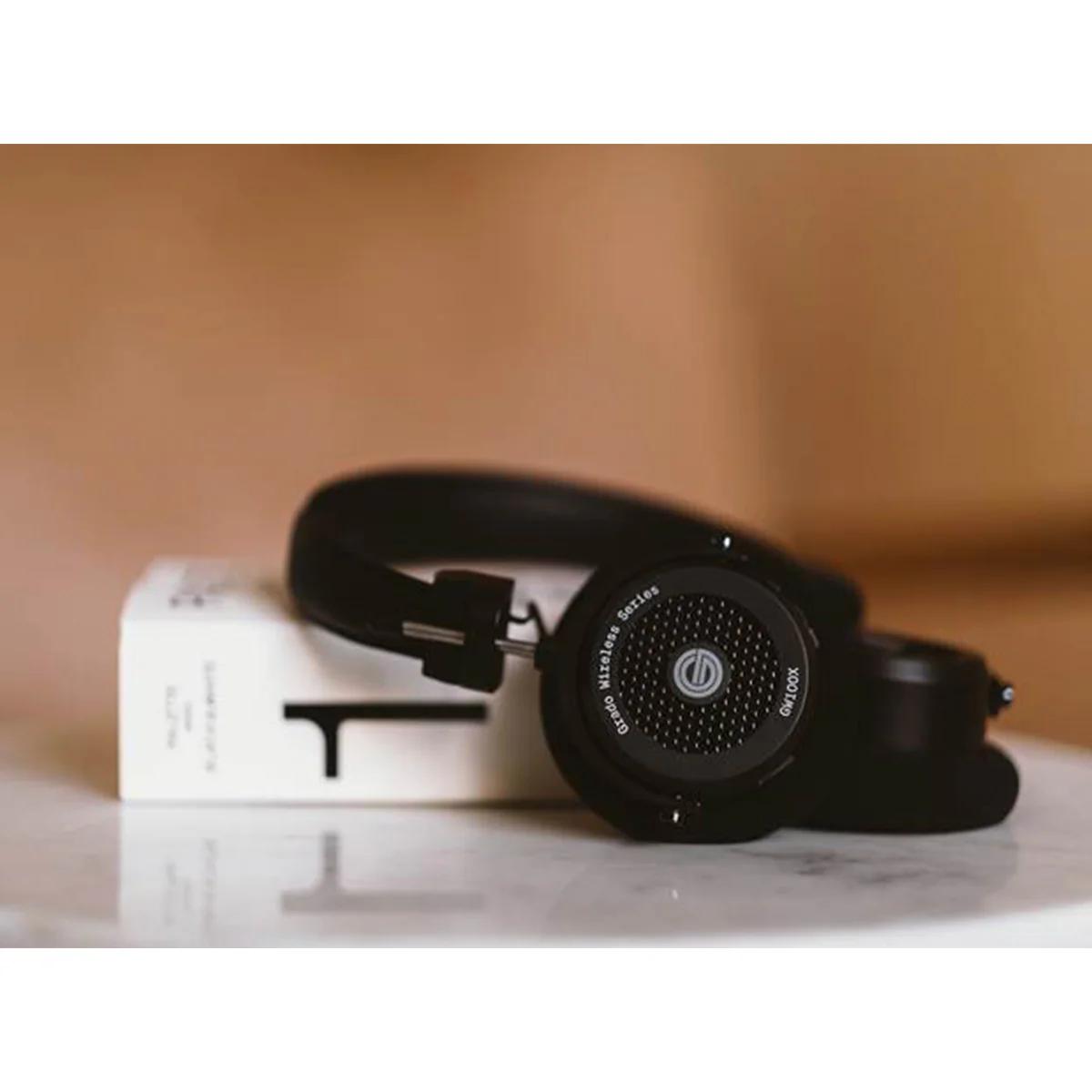
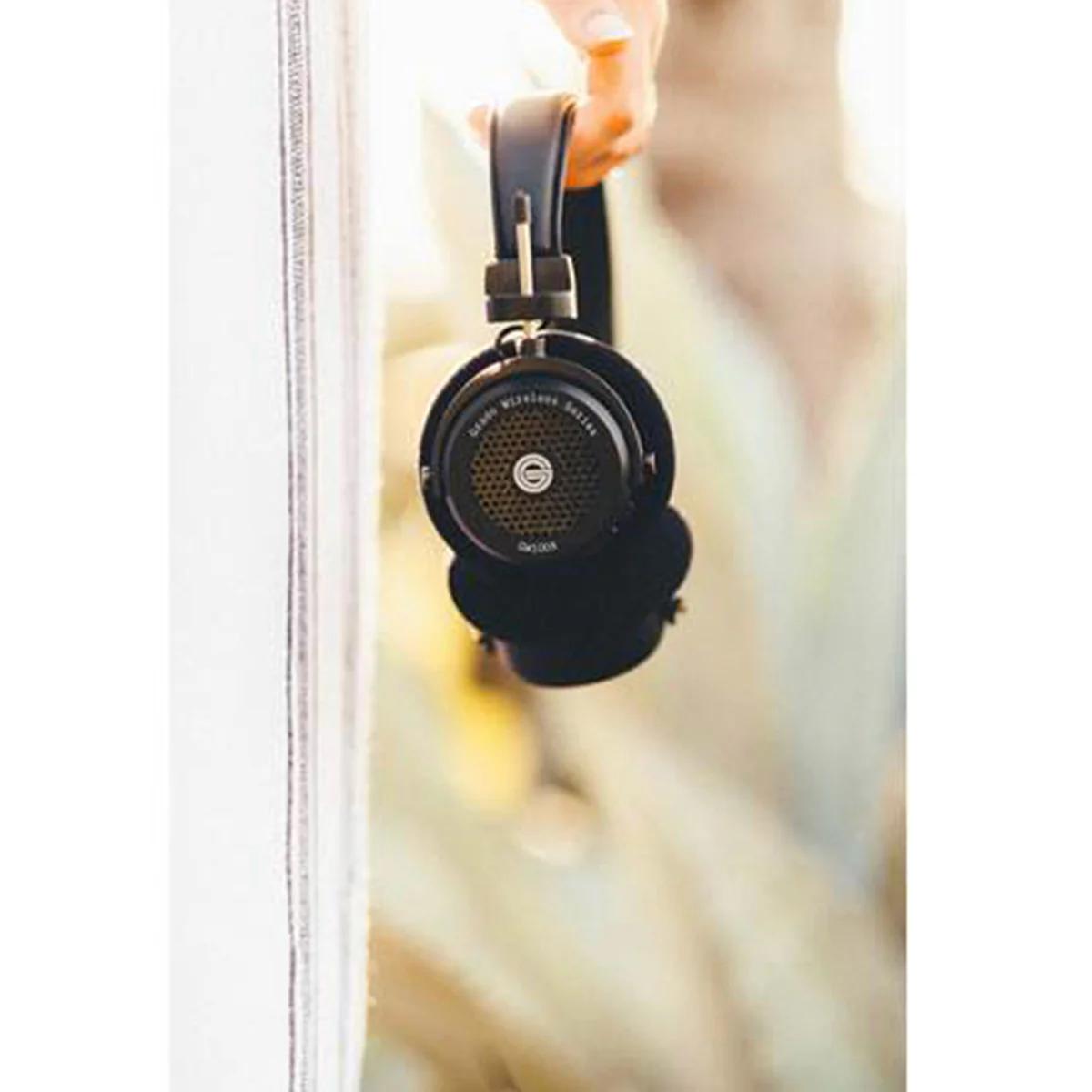
But the real magic happens because of the open-back design. Unlike most headphones that seal around your ears (closed-back), the GW100x has openings on the back of each ear cup that allow air to flow freely. This creates what audio enthusiasts call a "soundstage" – the sense that music is happening in a three-dimensional space around you rather than just inside your head. When I first tried open-back headphones years ago, the difference was immediately apparent. Instruments seemed to have their own distinct locations, and the overall presentation felt much more natural and spacious.
The Beats Studio3, unfortunately, struggles significantly in this area. Multiple professional reviews have criticized their sound quality, describing it as having boosted bass that bleeds into the midrange frequencies. This creates a "muddy" sound where male vocals and lower instruments lack clarity. The treble (high frequencies) is recessed, meaning vocals and instruments can sound veiled or dull. While some people might enjoy the extra bass, it comes at the cost of accuracy and detail.
In my experience testing various headphones, this difference becomes especially apparent with acoustic music, jazz, or classical recordings where instrument separation and natural tonality are crucial. The GW100x makes these genres shine, while the Studio3 makes them sound congested and artificial.
Here's where we see the trade-off that comes with the Grado's open-back design. While it delivers superior sound quality, it offers zero noise isolation. Sound leaks both in and out – you'll hear everything happening around you, and everyone around you will hear your music. According to reviews, people can hear GW100x audio "from across mid-sized office spaces" at moderate listening volumes.
The Beats Studio3, on the other hand, features Pure Adaptive Noise Cancelling. This system uses built-in microphones to constantly monitor ambient noise, then generates inverse sound waves through the headphones' drivers to cancel it out. The "adaptive" part means it automatically adjusts the amount of cancellation based on your environment and how the headphones fit on your head.
Active noise cancellation works particularly well for consistent, low-frequency sounds like airplane engines, air conditioners, or traffic noise. It's less effective against sudden sounds like someone talking or a door slamming. The Studio3's ANC is decent but not class-leading – reviews consistently note that competitors like the Sony WH-1000XM5 or Bose QuietComfort series offer superior noise cancellation.
For home theater use, this difference is crucial. If you live alone or have a dedicated listening room, the GW100x's open design will give you a more natural, speaker-like experience that works beautifully with movies and TV shows. The open soundstage makes dialogue feel more natural, and surround sound effects have better spatial positioning. However, if you need to watch late-night movies without disturbing others, the Studio3's closed design is essential – though you'd probably be better served by other closed-back options if sound quality matters to you.
This is one area where the GW100x's newer technology really shows. With its 850mAh battery, it delivers an outstanding 46 hours of playback at moderate volume levels. This is genuinely impressive – you could listen for nearly two full days straight without needing to charge. The headphones use modern USB-C charging and reach full capacity in just two hours.
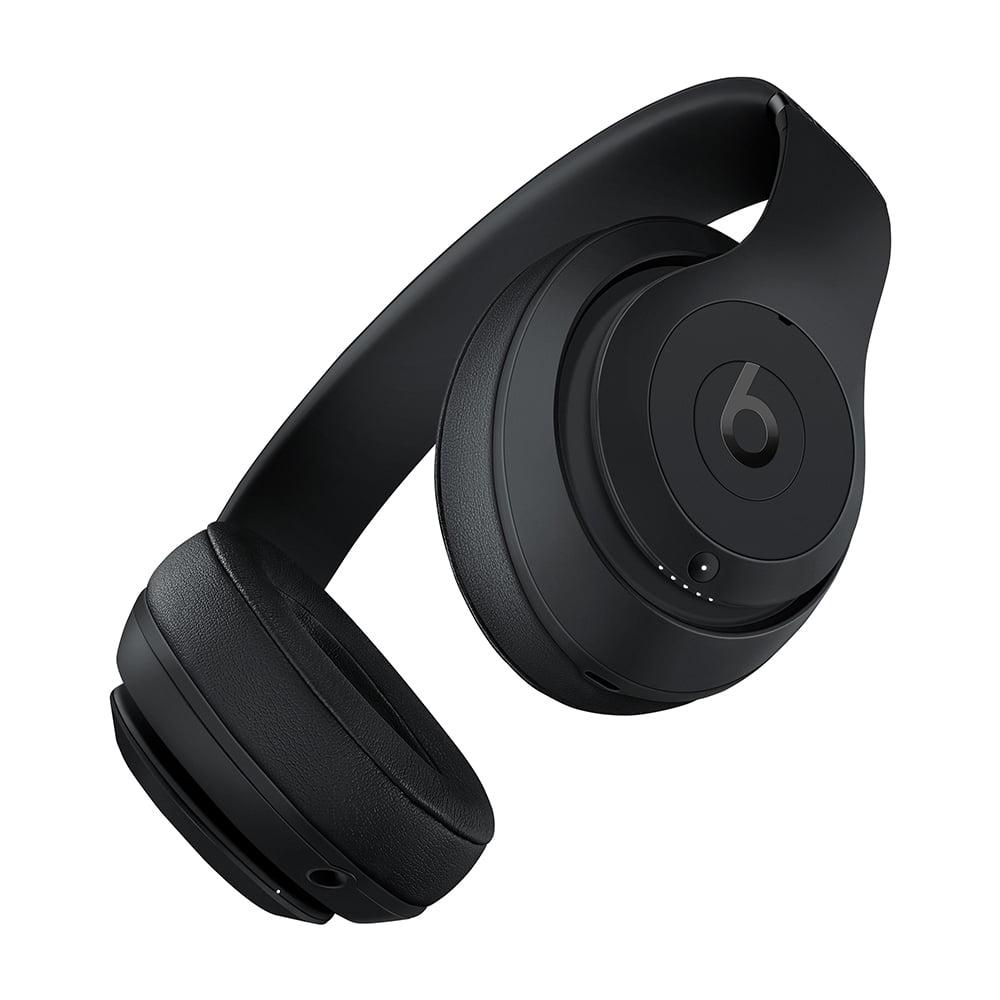
The Studio3 offers 22 hours with ANC enabled, or 40 hours with ANC turned off. While these numbers aren't terrible, they're not particularly impressive for 2024. What's more frustrating is that they still use micro-USB charging – a connector that's increasingly rare and inconvenient since most devices have moved to USB-C.
Both headphones include quick-charge features. The Beats offer "Fast Fuel" technology that provides 3 hours of playback from a 10-minute charge, while the Grado doesn't specify quick-charge times but the overall 46-hour capacity means you'll rarely find yourself in a low-battery situation anyway.
For home theater use, the GW100x's extended battery life is particularly valuable since you might use them for long movie marathons or binge-watching sessions without worrying about power.
Both headphones prioritize comfort, but they achieve it differently. The GW100x weighs just 6.6 ounces, making them among the lighter options in the over-ear category. The minimalist design focuses on function over form, with comfortable padding and a build that's designed for long listening sessions. The construction feels solid without being overly heavy or rigid.
The Studio3 has a more polished, consumer-friendly appearance with its soft matte finish and available color options. However, multiple reviews have noted concerns about build quality. The headband is described as rigid and potentially fragile – one review mentioned it feeling like it "might crack if you bend it too much." At 260 grams, they're slightly heavier than the Grado, and some users report that the headband padding isn't sufficient for extended wear.
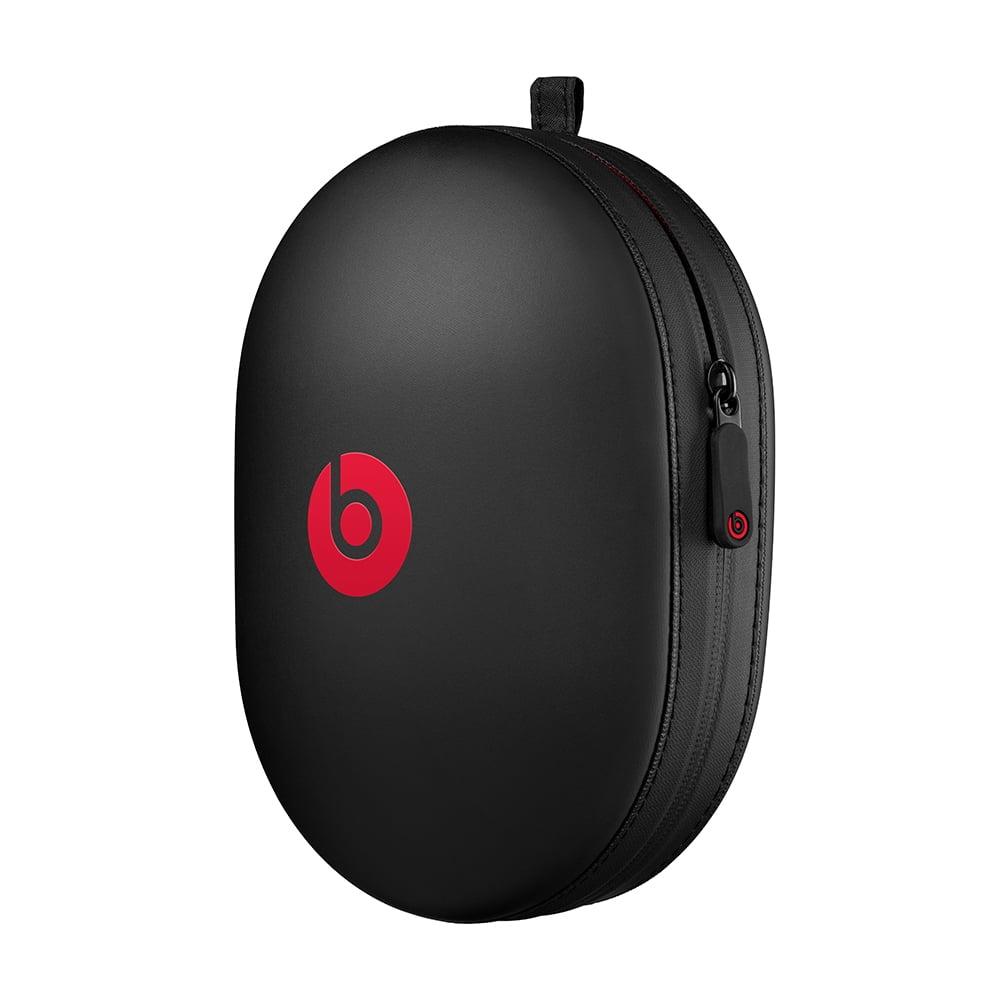
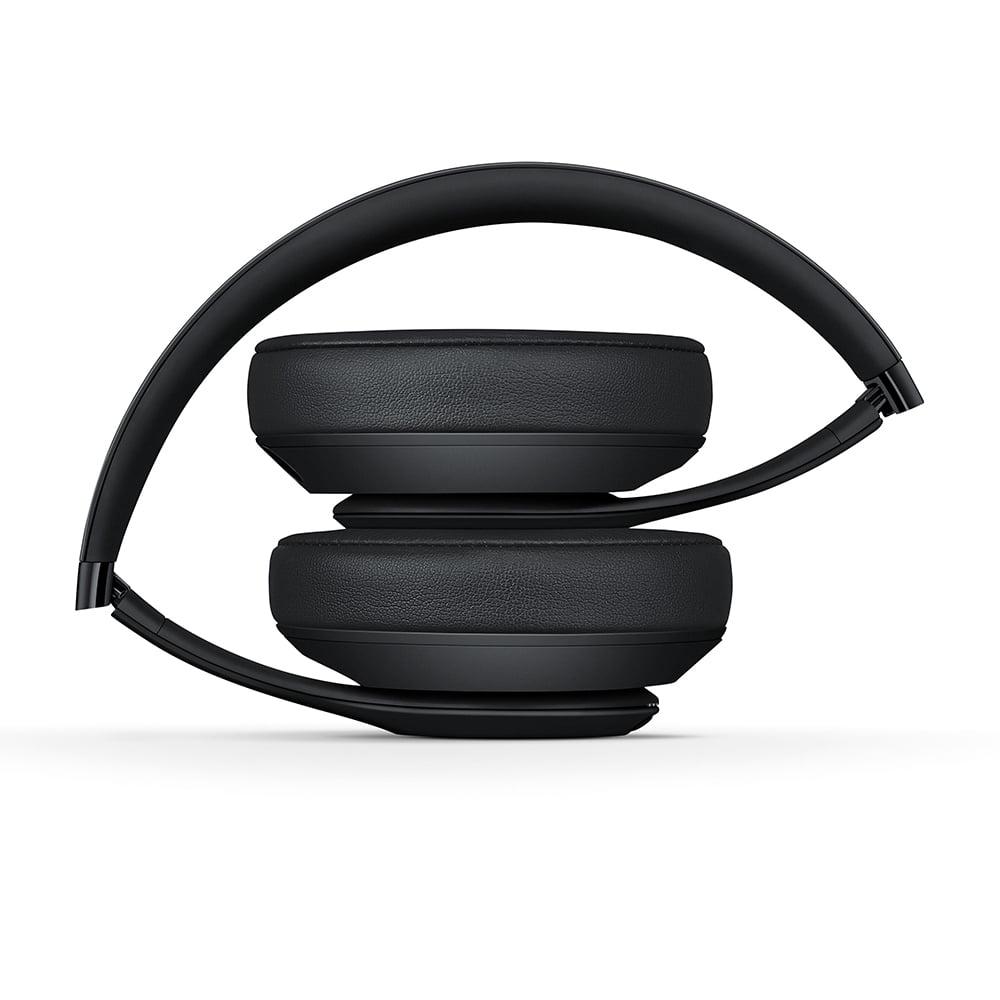
Neither headphone folds particularly compactly, but the Studio3 has a slight edge in portability due to its closed-back design and included carrying case. The GW100x is really designed for stationary use given its open-back nature.
The GW100x uses current Bluetooth 5.2 technology with support for aptX Adaptive, AAC, and SBC codecs. AptX Adaptive is particularly important because it dynamically adjusts the audio quality and latency based on your connection and the content you're playing. This means better audio quality when your connection can handle it, and more stable playback when your signal is weak.
The headphones also support multipoint pairing, allowing you to connect to two devices simultaneously and switch between them. This is incredibly useful if you want to be connected to both your phone and computer, for example.
The Studio3 uses older Bluetooth 4.2 but includes Apple's W1 chip, which provides some unique benefits for Apple device users. The W1 enables one-touch pairing and automatic switching between Apple devices signed into the same iCloud account. If you're heavily invested in the Apple ecosystem with an iPhone, iPad, and Mac, this can be genuinely convenient.
However, the Beats lack many features that have become standard in newer headphones. There's no transparency mode to let ambient sound in when needed, no spatial audio support, and no companion app for customization.
At their respective prices, these headphones represent very different value propositions. The Grado GW100x at $275 delivers exceptional sound quality, outstanding battery life, and modern connectivity features. For pure audio performance per dollar, it's hard to beat.
The Beats Studio3 at $350 asks you to pay more for a package that includes noise cancellation and a more mainstream feature set, but the execution falls short of competitors in most areas. The sound quality issues and dated technology make them hard to recommend at full price. However, they frequently go on sale for $200 or less, which changes the value equation significantly.
For home theater use specifically, the GW100x offers much better value since you're paying less money for superior sound quality – exactly what matters most for movie and TV watching at home.
Let's dive deeper into why these headphones sound so different. The GW100x's open-back design isn't just about airflow – it fundamentally changes how sound waves behave. In closed-back headphones like the Studio3, sound waves bounce around inside the sealed ear cups, which can create resonances and coloration. Open-back designs eliminate these internal reflections, allowing for more natural sound reproduction.
Grado has also worked to reduce the traditional downside of open-back headphones: sound leakage. They claim a 60% reduction in leakage compared to their previous models, though it's still significantly more than any closed-back design.
The Studio3's Pure Adaptive Noise Cancelling uses a feedback system where microphones inside the ear cups monitor what you're actually hearing, then adjust the cancellation signal in real-time. This is more sophisticated than simple feedforward ANC (which only uses external microphones), but the implementation seems to prioritize convenience over audio quality.
The choice between these headphones comes down to understanding your primary use case and priorities.
Choose the Beats Studio3 Wireless if you need headphones that work well in multiple environments. If you commute on public transportation, work in noisy offices, or travel frequently, the active noise cancellation becomes essential despite the compromised sound quality. They're also worth considering if you're deeply integrated into Apple's ecosystem and can find them at a significant discount.
Choose the Grado GW100x if sound quality is your top priority and you primarily listen in quiet, private environments. They're perfect for home use, whether you're listening to music, watching movies, or gaming. The exceptional battery life makes them ideal for long sessions, and the superior audio quality will make everything you listen to more engaging and enjoyable.
For home theater specifically, I'd strongly recommend the GW100x unless you absolutely need to avoid disturbing others. The open soundstage creates a more natural, immersive experience that enhances both dialogue clarity and surround sound effects. Movies feel more spacious and engaging, and the superior sound quality makes even mediocre TV show audio more pleasant to listen to.
The decision ultimately comes down to whether you need a versatile tool that works adequately in many situations (Studio3) or a specialized instrument that excels in its intended environment (GW100x). In my experience, specialized tools that do one thing exceptionally well often provide more long-term satisfaction than jack-of-all-trades products that compromise to try to do everything.
| Beats Studio3 Wireless ($350) | Grado GW100x ($275) |
|---|---|
| Price - Significant difference that affects overall value | |
| $349.95 (often discounted to ~$200) | $275.00 (consistent pricing) |
| Design Type - Determines isolation and sound leakage | |
| Closed-back (blocks external sound, no leakage) | Open-back (no isolation, significant sound leakage) |
| Active Noise Cancellation - Essential for noisy environments | |
| Pure Adaptive Noise Cancelling (decent performance) | None (completely open design) |
| Battery Life - Important for long listening sessions | |
| 22 hours (ANC on), 40 hours (ANC off) | 46 hours (at moderate volume) |
| Charging Port - Affects convenience and future-proofing | |
| Micro-USB (outdated standard) | USB-C (modern standard) |
| Bluetooth Version - Impacts connection quality and features | |
| Bluetooth 4.2 with Apple W1 chip | Bluetooth 5.2 with aptX Adaptive |
| Sound Quality - Most important factor for audio enjoyment | |
| Consumer-tuned with boosted bass, criticized clarity | Audiophile-quality with natural, detailed sound |
| Weight - Affects comfort during extended use | |
| 260g (9.2 oz) | 187g (6.6 oz) |
| Portability - Matters for travel and daily carry | |
| Foldable with carrying case | Non-foldable, home-use focused |
| Use Case Flexibility - Determines where you can use them | |
| Versatile: travel, commuting, gym, home | Limited: quiet private spaces only |
| Apple Integration - Valuable for iPhone/Mac users | |
| Seamless pairing and device switching | Standard Bluetooth pairing |
| Multipoint Pairing - Useful for connecting multiple devices | |
| No | Yes (connect to two devices simultaneously) |
The Grado GW100x ($275) delivers significantly better sound quality than the Beats Studio3 Wireless ($350). The GW100x features audiophile-grade drivers with natural, detailed sound reproduction and an open-back design that creates a spacious soundstage. In contrast, the Studio3 has been criticized for muddy bass that bleeds into vocals and recessed treble that makes music sound veiled.
Only the Beats Studio3 Wireless features active noise cancellation with their Pure Adaptive Noise Cancelling technology. The Grado GW100x has no noise cancellation whatsoever due to its open-back design, which actually allows sound to leak both in and out. If you need to block external noise, the Studio3 is your only option between these two.
The Grado GW100x offers exceptional battery life with up to 46 hours of playback at moderate volume. The Beats Studio3 provides 22 hours with noise cancellation on or 40 hours with it off. The GW100x also charges via modern USB-C, while the Studio3 still uses outdated micro-USB charging.
The Beats Studio3 Wireless is far better for commuting due to its closed-back design and active noise cancellation that blocks out train, bus, and traffic noise. The Grado GW100x is completely unsuitable for public transportation since its open-back design offers zero isolation and will disturb other passengers with sound leakage.
Both offer good comfort, but the Grado GW100x has an advantage with its lighter weight (6.6 oz vs 9.2 oz) and well-padded design optimized for extended home use. The Studio3 can become uncomfortable during very long sessions due to its heavier build and less flexible headband construction.
The Grado GW100x excels for home theater use thanks to its open-back design that creates a natural, speaker-like soundstage perfect for movies and TV shows. However, you can only use them if you won't disturb others. The Studio3 works for late-night viewing without disturbing family members but offers inferior audio quality for the cinematic experience.
The Grado GW100x ($275) offers better value with superior sound quality, longer battery life, and modern features at a lower price than the Beats Studio3 ($350). The Studio3 only becomes competitive when heavily discounted to around $200, making the GW100x the clear winner at regular retail prices.
Yes, the Beats Studio3 includes Apple's W1 chip for seamless pairing and automatic device switching between iPhones, iPads, and Macs. The Grado GW100x uses standard Bluetooth pairing that works with all devices but lacks the special Apple integration features of the Studio3.
The Beats Studio3 Wireless is designed for portability with a foldable design and included carrying case, making them suitable for travel bags and daily carry. The Grado GW100x doesn't fold and is intended for stationary home use, plus the open-back design makes them impractical for most travel situations.
The Grado GW100x is superior for gaming at home due to its exceptional sound quality, open soundstage for better positional audio, and 46-hour battery life for marathon gaming sessions. The Studio3 works for gaming but offers inferior audio detail and soundstage that could impact competitive gaming performance.
The Grado GW100x uses more current technology with Bluetooth 5.2, aptX Adaptive codec support, USB-C charging, and multipoint pairing. The Beats Studio3 shows its age with Bluetooth 4.2, micro-USB charging, and fewer advanced codec options, though it does offer noise cancellation which the GW100x lacks entirely.
For pure music enjoyment, choose the Grado GW100x if you primarily listen at home in quiet environments - its superior sound quality will make your music collection sound dramatically better. Choose the Beats Studio3 only if you need versatility for noisy environments and can accept compromised audio quality, or if you find them heavily discounted below $200.
We've done our best to create useful and informative comparisons to help you decide what product to buy. Our research uses advanced automated methods to create this comparison and perfection is not possible - please contact us for corrections or questions. These are the sites we've researched in the creation of this article: techradar.com - recordingnow.com - rtings.com - soundguys.com - recordingnow.com - recordingnow.com - soundguys.com - soundguys.com - youtube.com - rtings.com - gsmarena.com - bhphotovideo.com - headphonecheck.com - themasterswitch.com - walmart.com - rentacenter.com - discussions.apple.com - beatsbydre.com - bestbuy.com - walmart.com - youtube.com - youtube.com - techradar.com - crutchfield.com - whathifi.com - moon-audio.com - majorhifi.com - rockonav.com - forums.stevehoffman.tv - newegg.com - audiosciencereview.com - gradolabs.com - decibelaudio.com - addictedtoaudio.com.au - s3.eu-west-1.amazonaws.com - audioadvice.com - analogmatters.com - nyczaj.audio - parts-express.com

Privacy Policy
Terms and Conditions - Affiliate Policy
Home Security
© Copyright 2008-2026.
11816 Inwood Rd #1211, Dallas, TX 75244