



When you're shopping for premium wireless headphones, you'll quickly discover that not all models are created equal. The wireless headphone market has evolved into distinct categories, each serving different listening priorities and environments. At the time of writing, two standout models represent completely different philosophies: the Grado GW100x and the Bose QuietComfort Ultra.
These headphones illustrate a fundamental choice you'll face: do you prioritize pure audio quality in quiet environments, or do you need versatile performance across noisy, real-world situations? Understanding this distinction is crucial because it affects everything from sound quality to battery life to when and where you can actually use your headphones.
The wireless headphone category has matured significantly since Bluetooth audio first became mainstream. Today's models fall into two primary camps: open-back designs that prioritize natural sound reproduction, and closed-back designs that focus on isolation and active noise control.
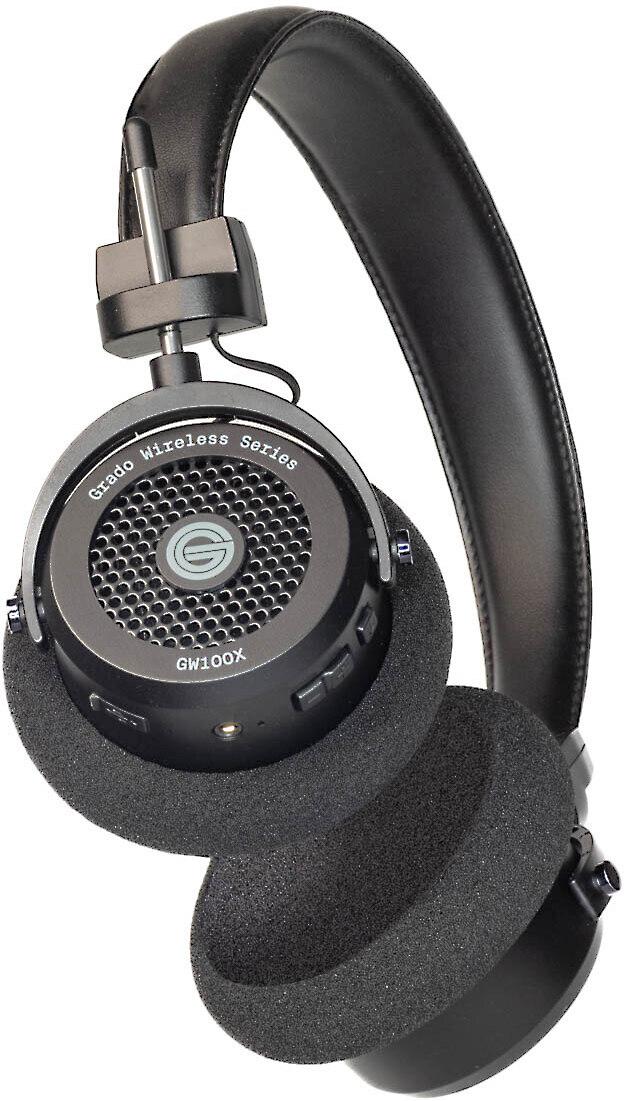
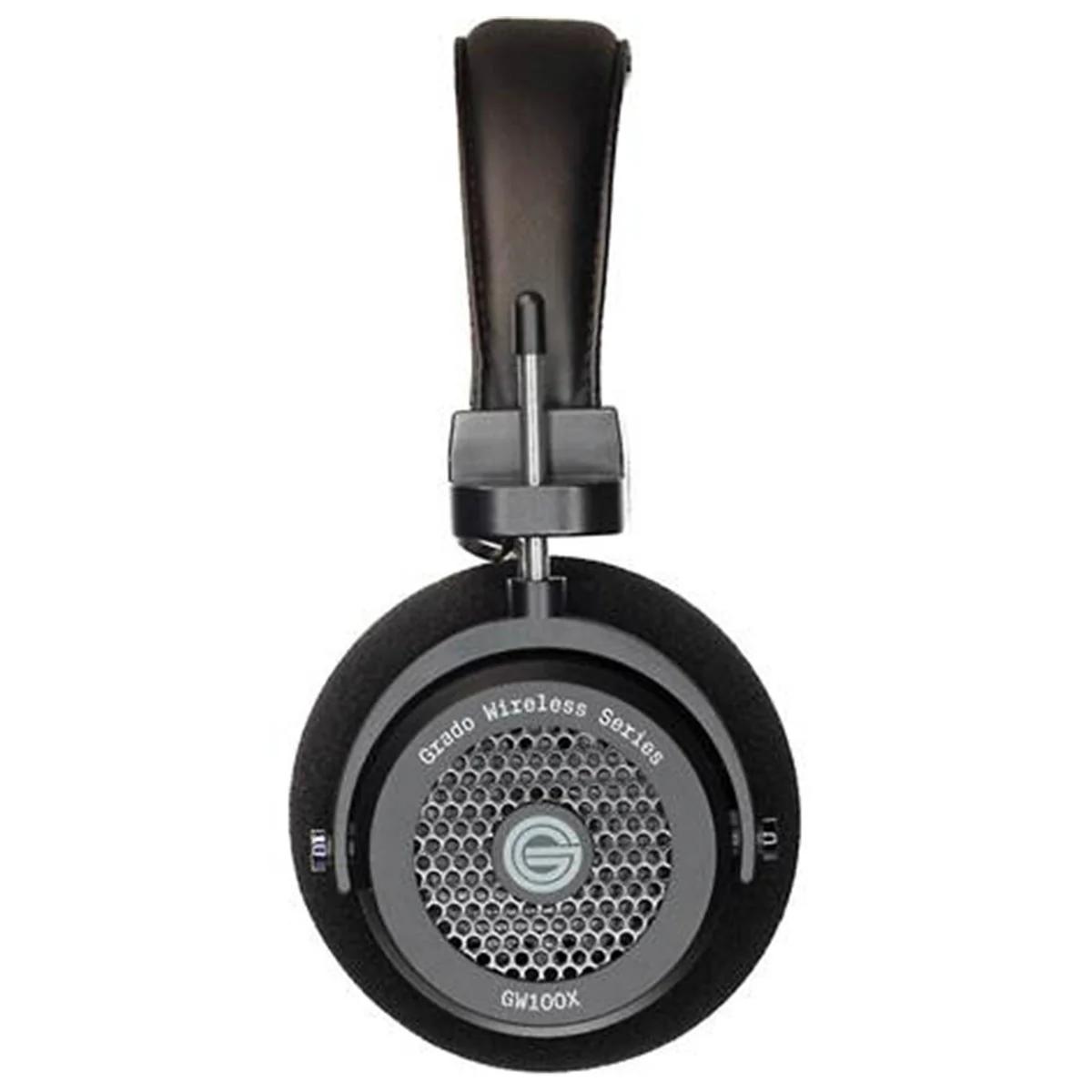
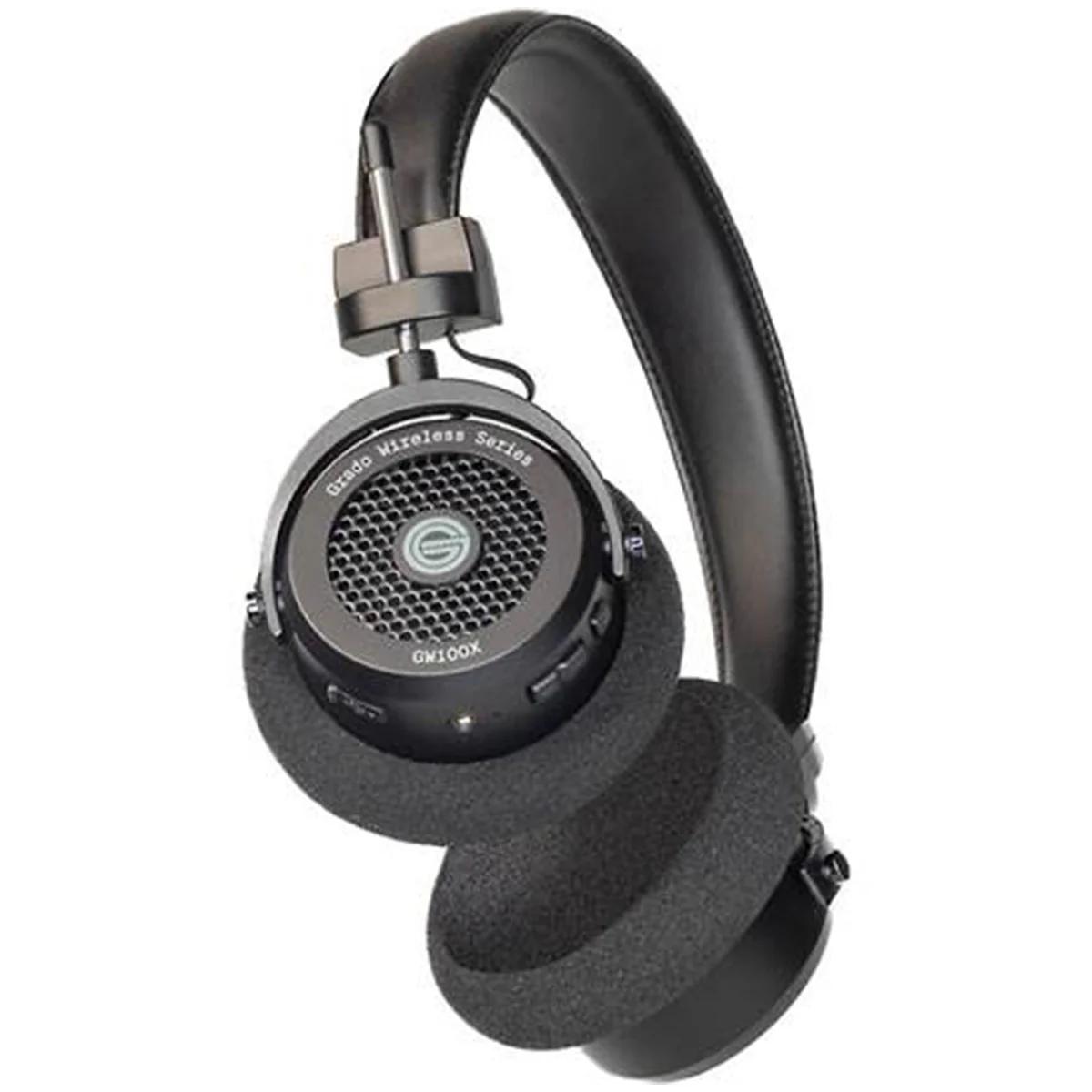
Open-back headphones feature perforated or mesh-covered ear cups that allow air and sound to flow freely. This design creates a more natural, spacious soundstage—imagine the difference between listening to music in a small closet versus a concert hall. However, this openness means sound leaks both in and out, making them unsuitable for noisy environments or situations where you might disturb others.
Closed-back headphones seal around your ears, creating isolation from external noise. This isolation allows manufacturers to implement active noise cancellation (ANC)—technology that uses microphones to detect ambient noise and generates inverse sound waves to cancel it out. While this approach sacrifices some of the natural soundstage of open designs, it enables use in planes, trains, busy offices, and other noisy environments.
When choosing between these approaches, consider your primary listening environments, sound quality expectations, comfort requirements, and how important features like noise cancellation are to your daily routine.
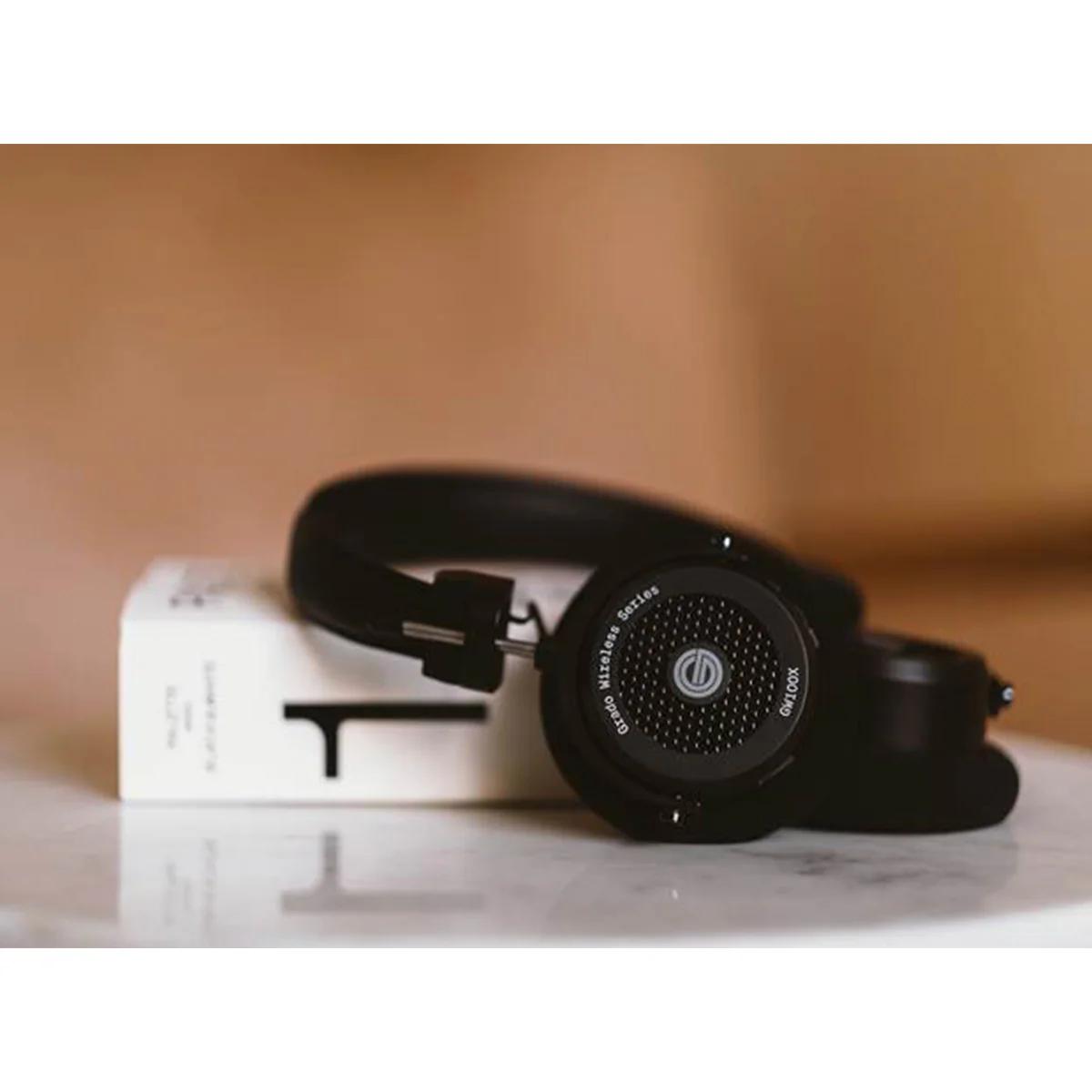
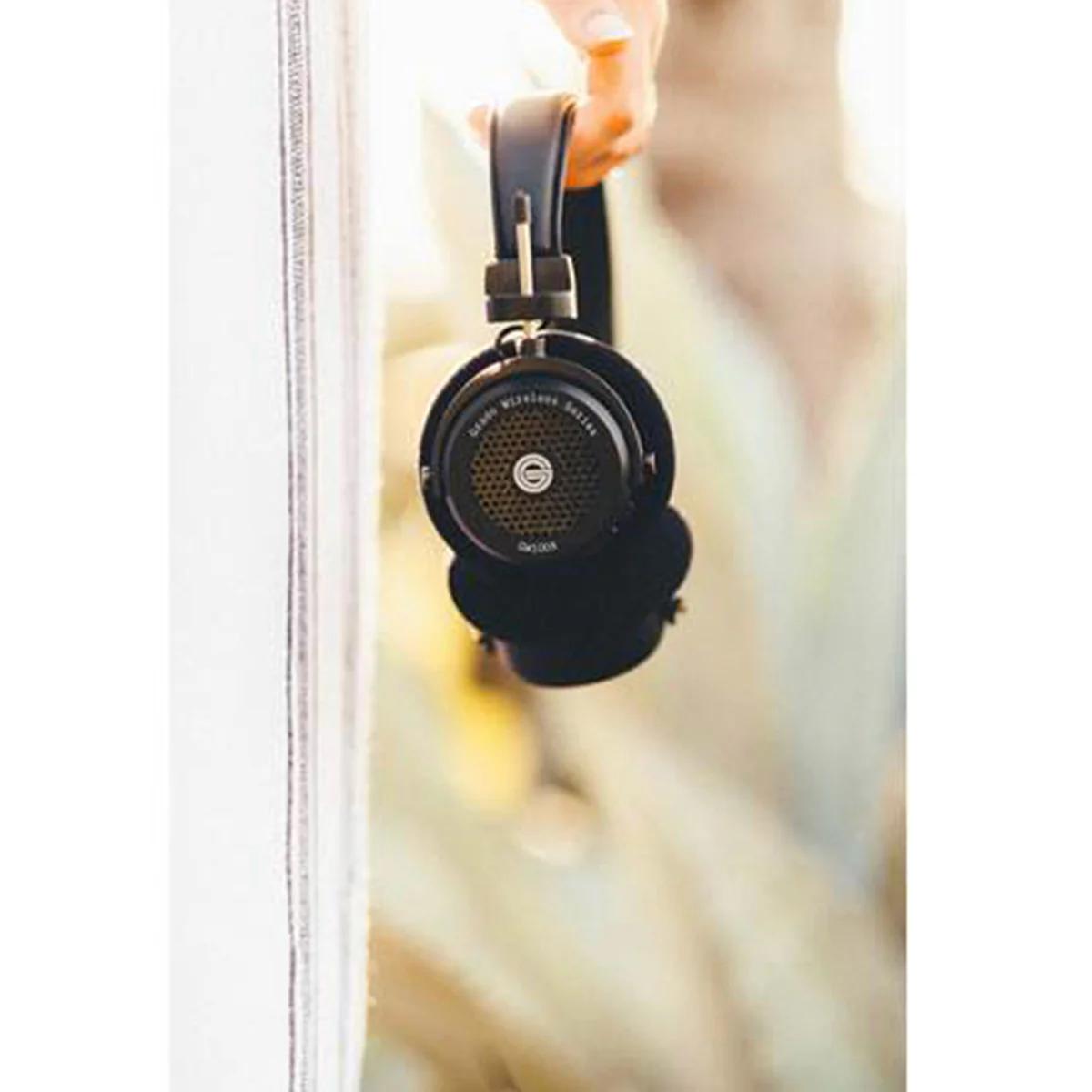
The Grado GW100x, released in 2023, represents something truly unique in the wireless market. Grado, a family-owned Brooklyn company known for their distinctive open-back wired headphones since 1953, created one of the first successful open-back wireless designs. At the time of writing, this places the GW100x in the more affordable tier of premium wireless headphones, making audiophile-quality sound more accessible.
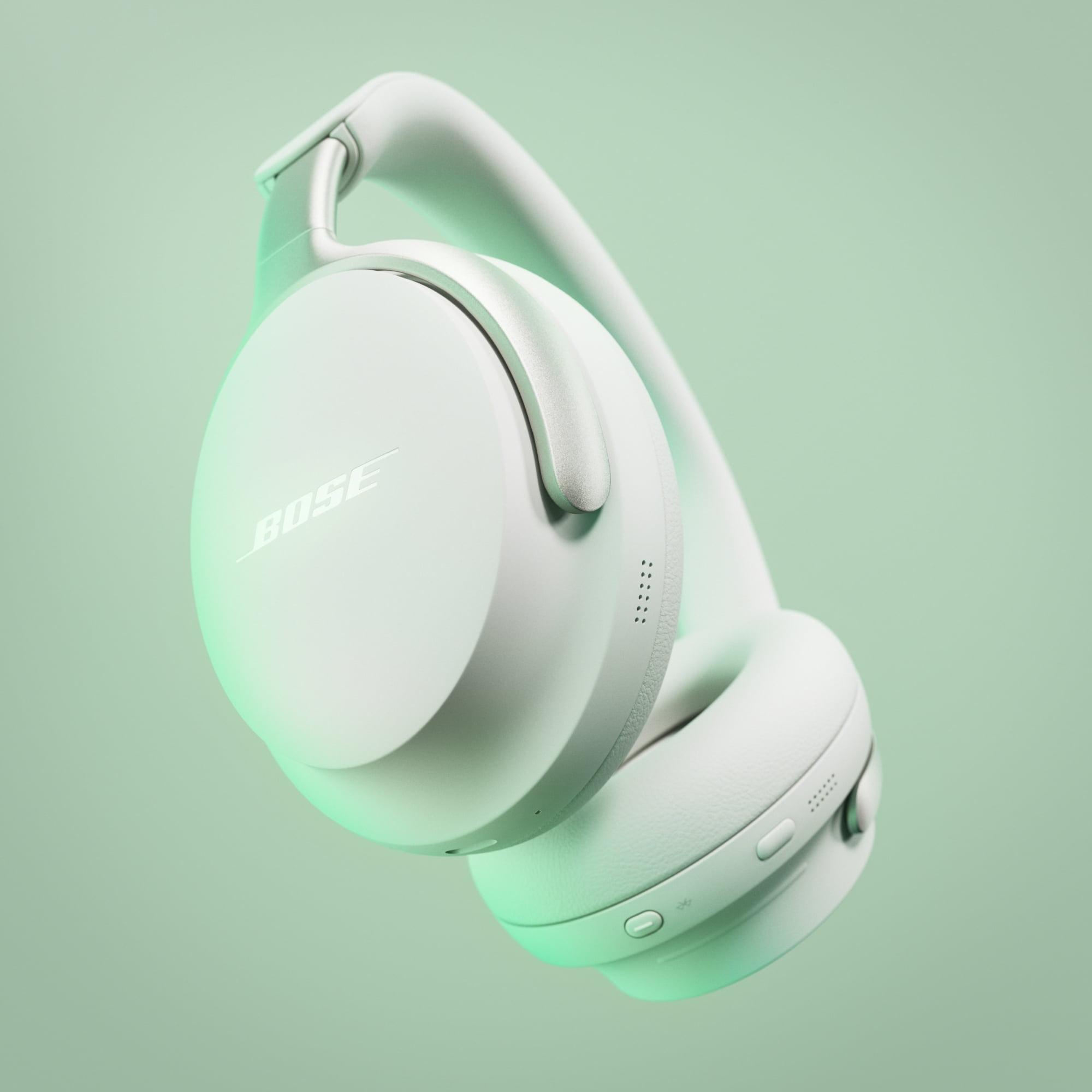
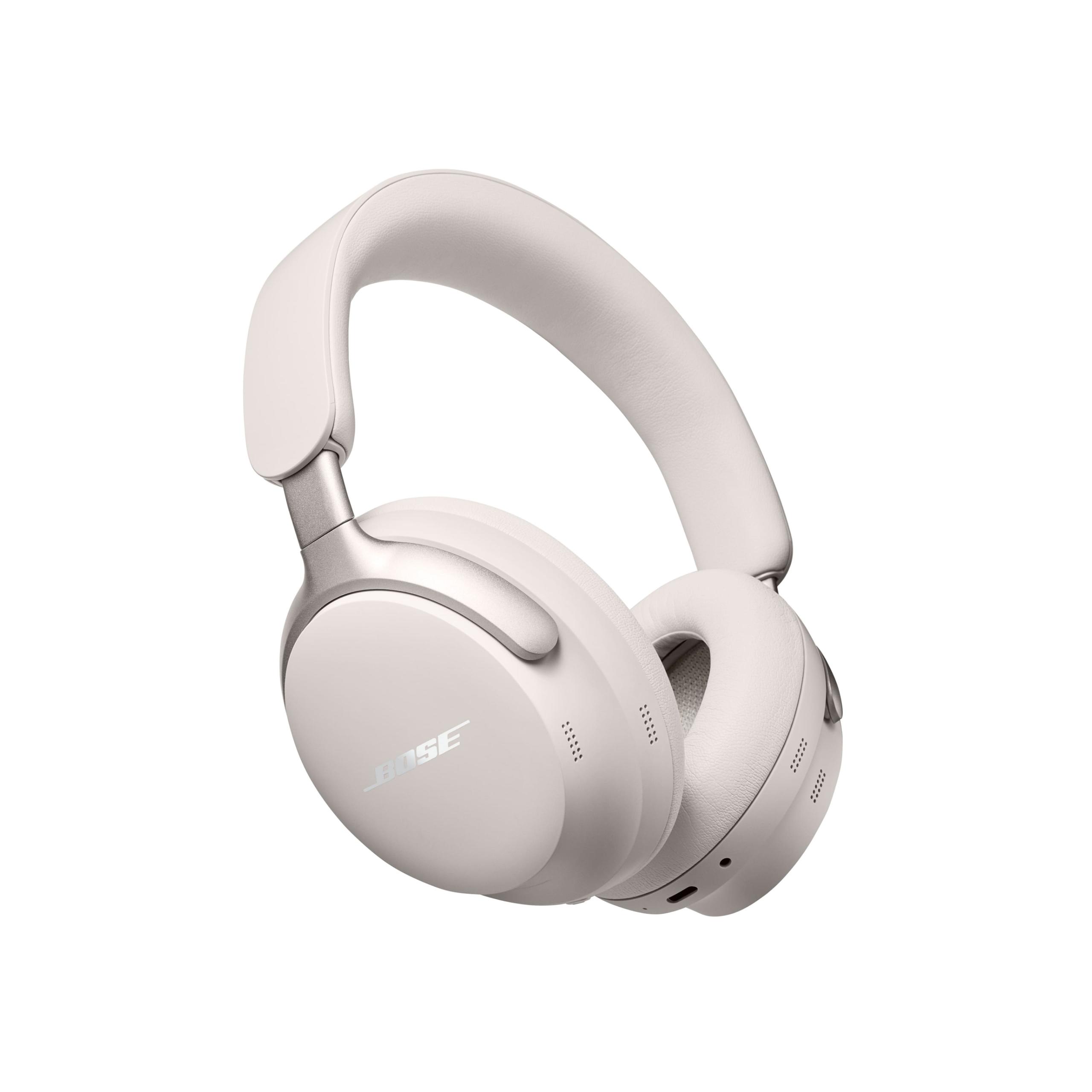
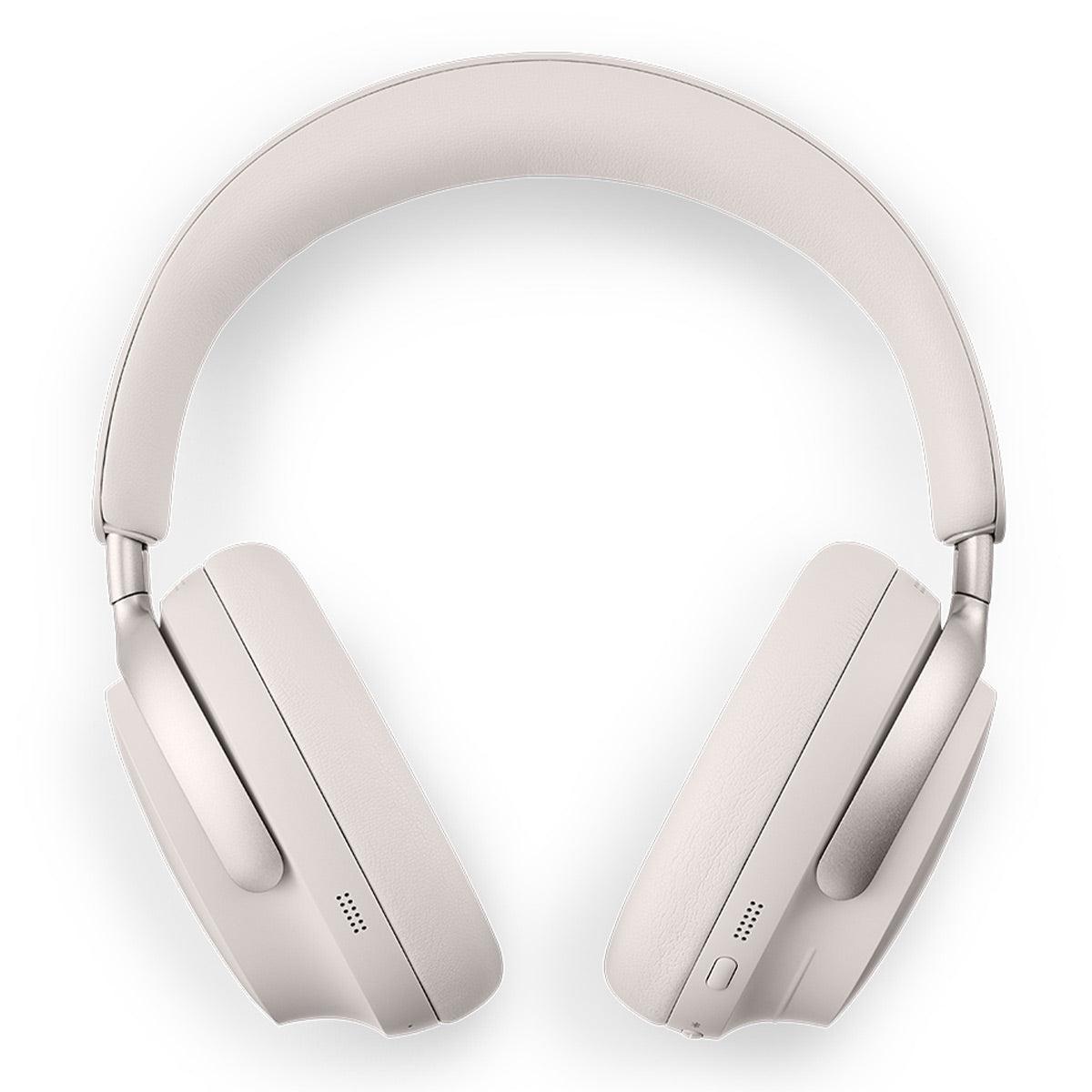
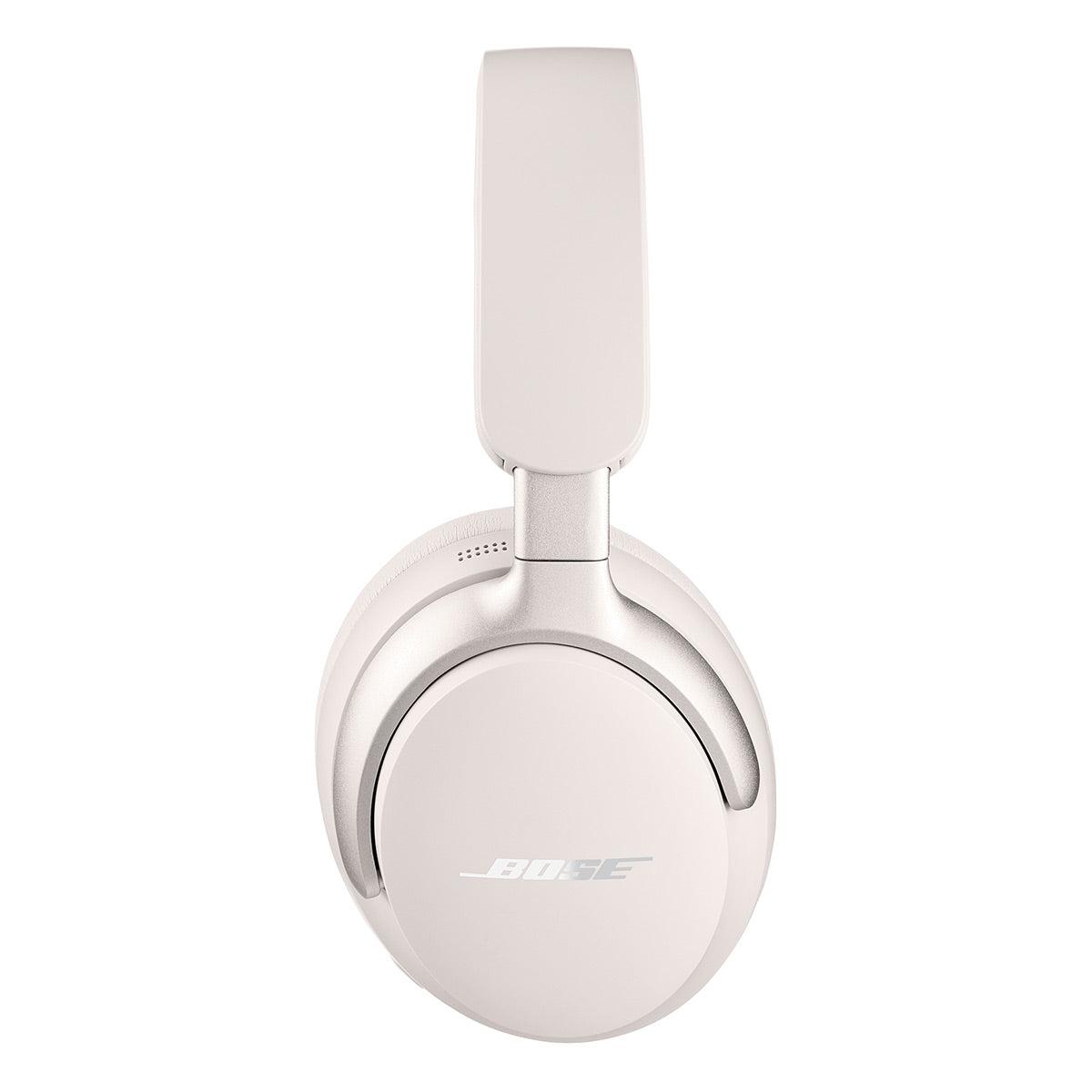
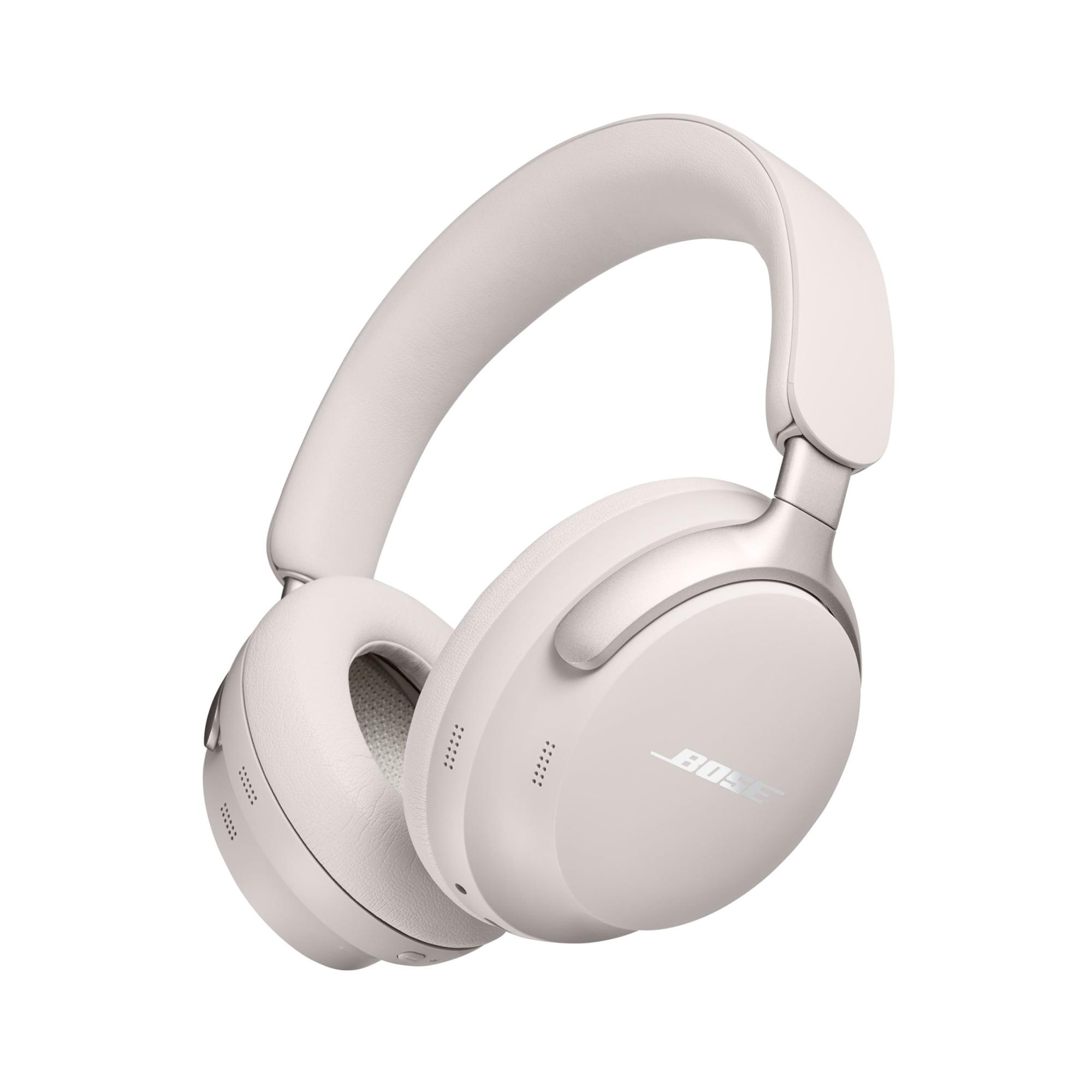
The Bose QuietComfort Ultra, also launched in 2023, sits in Bose's flagship position and typically commands a premium price. Bose built their reputation on pioneering consumer noise cancellation technology in the 1980s, and the QuietComfort Ultra represents decades of refinement in active noise control and user-friendly features.
These release dates matter because both companies incorporated lessons learned from earlier wireless generations. The GW100x benefits from Grado's fourth-generation driver technology specifically engineered for wireless use, while the QuietComfort Ultra includes Bose's latest CustomTune calibration system that wasn't available in previous models.
The Grado GW100x delivers what many consider reference-quality sound—meaning it reproduces music as accurately as possible to the original recording. This matters because you hear details that consumer-tuned headphones might smooth over or emphasize incorrectly.
Grado achieves this through their fourth-generation X Series drivers. These 44mm drivers feature a reconfigured diaphragm (the part that moves to create sound waves) and a more powerful magnetic circuit. Think of the magnetic circuit like the engine in a car—more power means the driver can move more precisely and with less distortion, especially at higher volumes.
The open-back design contributes significantly to the GW100x's sound quality. Because sound waves can escape through the back of the ear cups, they don't reflect back and interfere with new sound waves—a phenomenon called "standing waves" that can muddy audio clarity. This results in a soundstage that extends well beyond your head, creating the illusion that instruments are positioned in three-dimensional space around you.
Bass response in the GW100x remains controlled and textural rather than overwhelming. Mid-range frequencies, where most vocals and instruments live, come through with exceptional clarity. High frequencies maintain detail without becoming harsh or fatiguing during long listening sessions.
The QuietComfort Ultra takes a different path, prioritizing what Bose calls "engineered enjoyment." This means tuning the sound to be immediately appealing to most listeners rather than perfectly accurate.
The QuietComfort Ultra features a warmer sound signature with enhanced bass presence. This tuning makes pop, hip-hop, and electronic music particularly engaging, though it may color classical or acoustic recordings in ways audiophiles might not prefer.
Bose's CustomTune technology sets the QuietComfort Ultra apart technically. Every time you put on the headphones, internal microphones measure how sound bounces around your unique ear canal shape. The system then adjusts both audio output and noise cancellation to optimize performance for your specific anatomy. It's like having a sound engineer customize the headphones for your ears every time you wear them.
The QuietComfort Ultra also includes Immersive Audio, Bose's take on spatial audio technology. This feature processes regular stereo music to create a sense of three-dimensional space, though results vary significantly depending on the source material. Unlike the natural soundstage of the GW100x's open-back design, Immersive Audio is digitally processed, which can sometimes sound artificial.
When comparing audio quality, several technical specifications help tell the story. Impedance (measured in ohms) indicates how much power headphones need—the GW100x's 38-ohm rating means they're relatively easy to drive from phones or laptops, while still maintaining audiophile performance standards.
Sensitivity (measured in dB/mW) tells you how loud headphones get with a given amount of power. The GW100x's 99.8 dB sensitivity is quite efficient, contributing to their impressive battery life.
Driver matching becomes crucial in quality headphones. Grado specifies 0.1 dB matching between left and right drivers in the GW100x, ensuring precise stereo imaging—the ability to locate sounds in space.
The QuietComfort Ultra represents the current pinnacle of consumer noise cancellation technology. The system uses microphones both inside and outside each ear cup to create a "quiet zone" around your ears. External microphones detect incoming noise, while internal microphones monitor what actually reaches your ears, allowing the system to adjust cancellation in real-time.
This hybrid approach proves particularly effective against consistent, low-frequency noise like airplane engines, air conditioning, or traffic rumble. The QuietComfort Ultra can reduce this type of noise by 20-30 decibels, transforming a noisy environment into something approaching library-quiet conditions.
The headphones offer multiple noise control modes. Quiet mode maximizes isolation, while Aware mode uses external microphones to let environmental sounds through when you need situational awareness. A custom mode allows you to dial in exactly how much outside world you want to hear.
The Grado GW100x takes the opposite approach entirely—it has no noise cancellation and actually allows sound to leak freely in both directions. While Grado claims a 60% reduction in sound leakage compared to their previous wireless model, these headphones still aren't suitable for libraries, offices, or public transportation.
This limitation becomes the GW100x's defining characteristic. You can't use them where others might be disturbed, and you can't use them effectively in noisy environments. However, this openness enables their superior sound quality and creates a listening experience that many audiophiles prefer for serious music sessions.
The GW100x delivers exceptional battery performance with up to 46 hours of playback at moderate volume levels. This industry-leading endurance results from several factors: efficient driver design, the lack of power-hungry noise cancellation circuitry, and a substantial 850mAh battery.
Bluetooth 5.2 connectivity provides stable connections up to 30 feet from your source device. The headphones support aptX Adaptive, a codec that dynamically adjusts audio quality based on connection stability—think of it as adaptive streaming for audio. AAC and SBC codec support ensures compatibility with all modern devices.
Multipoint pairing lets the GW100x connect to two devices simultaneously, though you can only hear audio from one at a time. This feature proves invaluable when switching between a laptop for work and a phone for personal listening.
The included 3.5mm cable offers an interesting advantage: wired listening actually improves audio quality by bypassing Bluetooth compression entirely. Many users report noticeably enhanced clarity when using the GW100x in wired mode.
The QuietComfort Ultra provides 24 hours of battery life with noise cancellation active, dropping to 18 hours when Immersive Audio is enabled. While shorter than the GW100x, this duration still covers most travel days or work weeks between charges.
Bluetooth 5.3 offers improved connection stability and lower latency compared to earlier versions. The QuietComfort Ultra also supports more advanced device management through the Bose Music app, including detailed EQ adjustment, firmware updates, and the ability to manage multiple paired devices.
Quick charging provides practical value: 15 minutes of charging delivers 2.5 hours of playback, enough for most commutes or short flights.
The GW100x weighs just 187 grams, making it one of the lightest wireless headphones available. This low weight results from Grado's minimalist design philosophy—no unnecessary features or materials that don't contribute to sound quality.
The on-ear design sits on your ears rather than around them. While this saves weight and maintains the open-back benefits, some users find the direct ear contact less comfortable during extended sessions compared to over-ear designs. The padded headband distributes weight evenly, though the utilitarian aesthetic won't appeal to everyone.
Build quality emphasizes durability over luxury materials. The GW100x feels substantial and well-constructed, though it lacks the premium materials found in more expensive competitors.
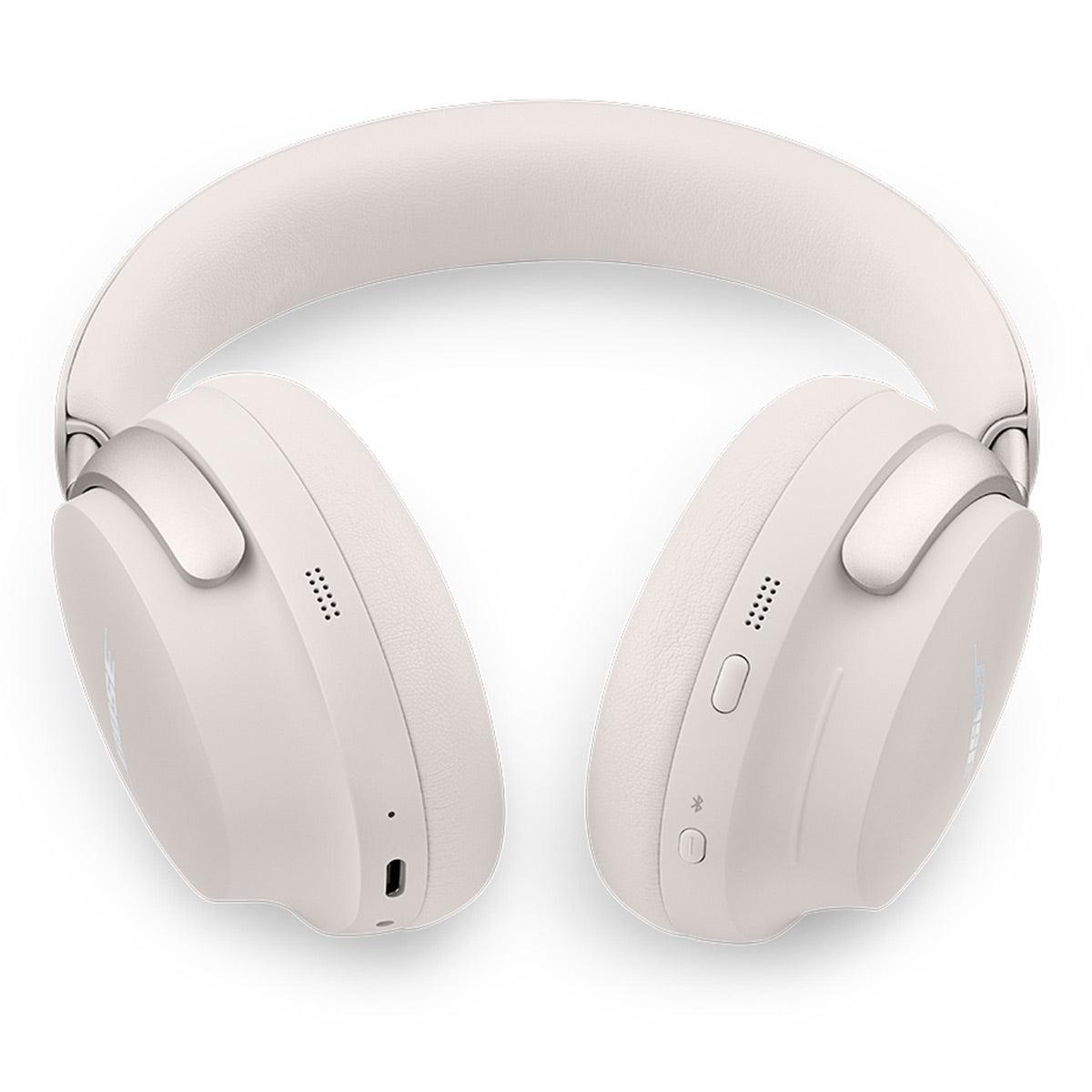
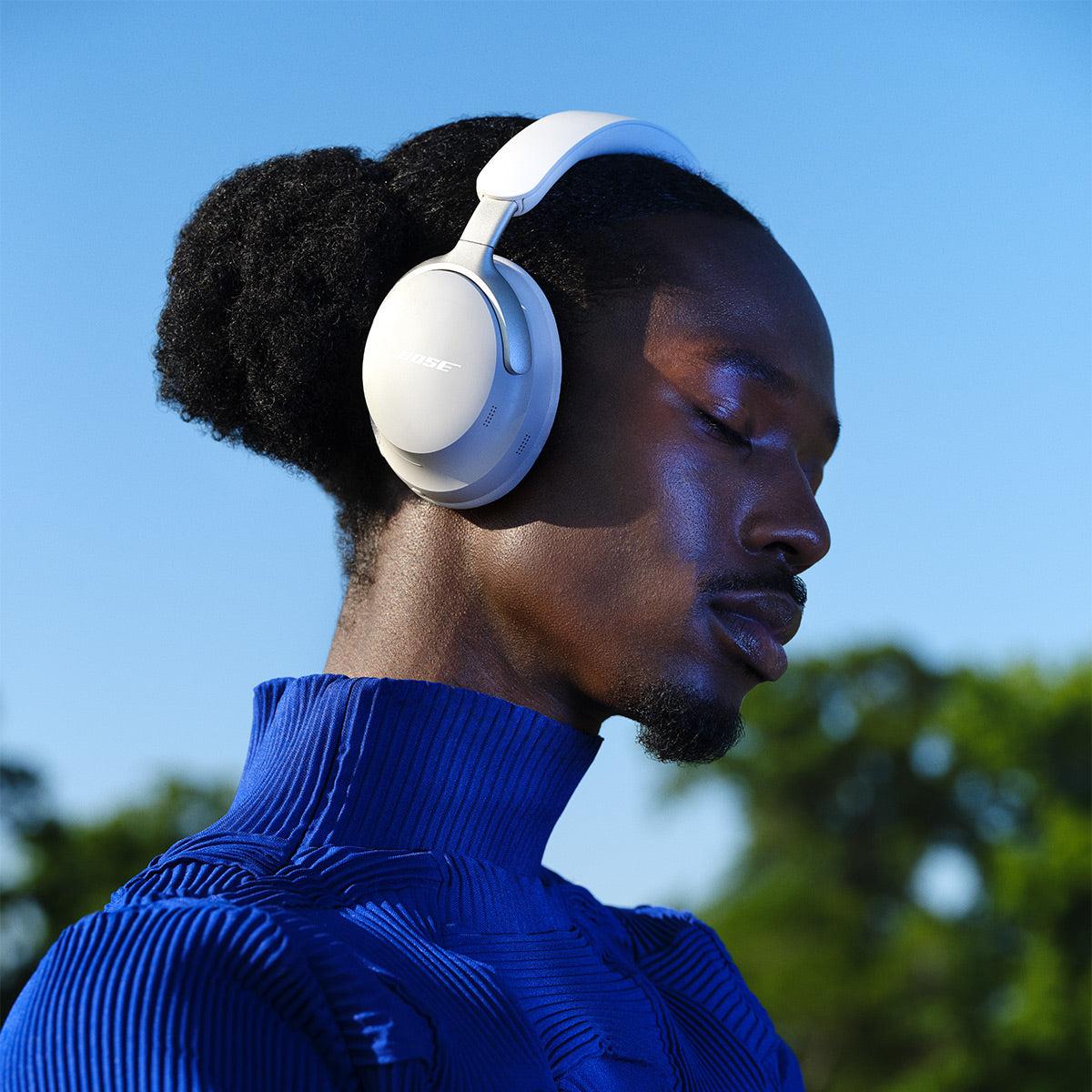
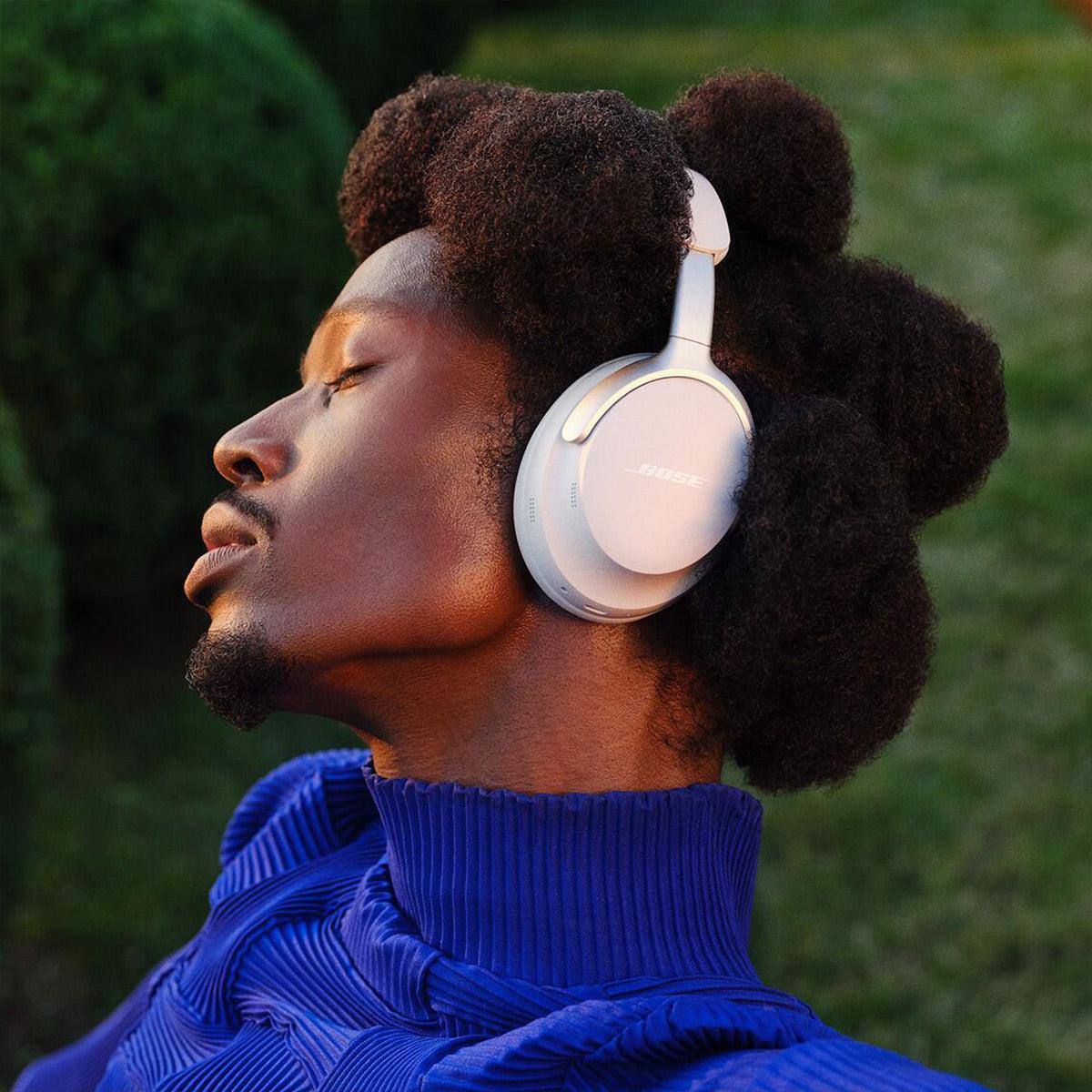
The QuietComfort Ultra exemplifies over-ear comfort design. Plush protein leather ear cushions completely surround your ears, creating a comfortable seal that doesn't require excessive clamping force. The headband uses similar premium materials and distributes the 253-gram weight effectively.
This circumaural (around-ear) design proves superior for extended listening sessions. The ear cups accommodate larger ears comfortably, and the soft materials don't cause hot spots or pressure points even after hours of use.
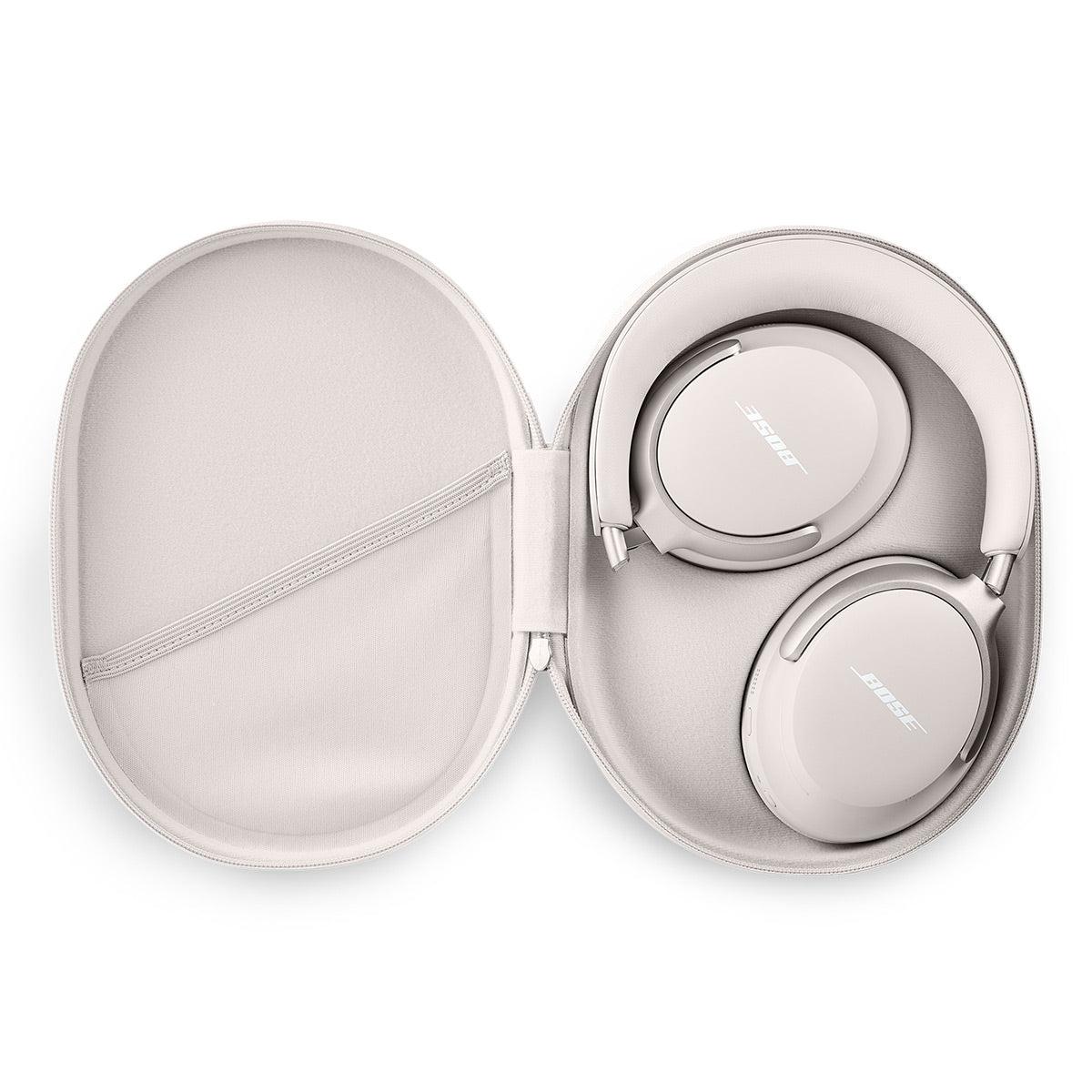
Foldable hinges and an included carrying case make the QuietComfort Ultra more travel-friendly, though the GW100x takes up less space due to its more compact design.
For home theater use, both headphones offer distinct advantages depending on your setup and preferences.
The GW100x's open-back design creates an exceptionally wide soundstage that can make movie soundtracks feel more immersive and natural. Dialog clarity is outstanding, and you won't miss environmental sounds like doorbells or crying babies. However, the lack of isolation means you might disturb others if you're watching late at night.
The QuietComfort Ultra excels for late-night viewing when you need complete isolation. The Immersive Audio processing can enhance movie soundtracks, though results vary by content. The superior comfort makes these headphones ideal for movie marathons or binge-watching sessions.
Both models support low-latency codecs that minimize lip-sync issues, though wired connection with the GW100x provides the most precise audio-video synchronization.
At the time of writing, the GW100x typically costs significantly less than the QuietComfort Ultra, making it one of the best values in premium wireless audio. You're essentially getting audiophile-quality sound at a price point usually associated with consumer headphones.
The QuietComfort Ultra commands a premium price that reflects its comprehensive feature set, advanced materials, and industry-leading noise cancellation technology. For users who need versatility across multiple environments, the additional cost often proves justified.
Consider total cost of ownership: the GW100x's exceptional battery life means less frequent charging and potentially longer component life, while the QuietComfort Ultra's more complex electronics might require earlier replacement.
Choose the Grado GW100x if sound quality is your primary concern and you primarily listen in quiet, controlled environments. These headphones reward serious listening with exceptional detail retrieval and natural presentation. The outstanding battery life and lower price point make them particularly appealing for budget-conscious audiophiles.
The QuietComfort Ultra makes more sense if you need headphones for varied environments, frequent travel, or situations requiring noise isolation. The superior comfort, advanced features, and environmental adaptability justify the premium price for users who value versatility over pure audio performance.
Your listening environment ultimately determines the better choice. The GW100x excels in dedicated listening spaces where its open-back design can shine, while the QuietComfort Ultra dominates in real-world scenarios where noise cancellation and isolation matter more than absolute audio accuracy.
Both headphones represent excellence in their respective approaches—the decision comes down to matching your specific needs and listening habits with the right design philosophy.
| Grado GW100x Wireless Headphones | Bose QuietComfort Ultra Wireless Headphones |
|---|---|
| Design Philosophy - Fundamentally affects where and how you can use them | |
| Open-back, on-ear design for natural sound but with sound leakage | Closed-back, over-ear design with complete isolation |
| Active Noise Cancellation - Essential for travel and noisy environments | |
| None (ambient noise passes through freely) | Class-leading ANC with CustomTune ear-shape optimization |
| Sound Quality Approach - Determines listening experience and music enjoyment | |
| Neutral, audiophile-tuned with exceptional detail and natural soundstage | Warm, bass-enhanced consumer tuning with spatial audio processing |
| Weight - Critical for comfort during long sessions | |
| 187g (6.6 oz) - remarkably lightweight | 253g (8.9 oz) - heavier but well-distributed |
| Battery Life - Affects daily usability and charging frequency | |
| Up to 46 hours (industry-leading endurance) | Up to 24 hours (18 hours with spatial audio on) |
| Comfort Design - Determines wearability for extended use | |
| On-ear pads sit directly on ears (may cause pressure) | Over-ear cushions surround ears completely (superior long-term comfort) |
| Bluetooth Technology - Affects connection quality and device compatibility | |
| Bluetooth 5.2 with aptX Adaptive, AAC, SBC codecs | Bluetooth 5.3 with advanced device management features |
| Wired Listening Option - Important for audiophiles and backup use | |
| 3.5mm cable included (actually improves sound quality when wired) | 3.5mm cable included (requires power even when wired) |
| Portability Features - Matters for travel and storage | |
| Compact, lightweight but non-foldable design | Foldable with premium carrying case included |
| App Integration - Affects customization and feature access | |
| Basic functionality, no dedicated app | Full Bose Music app with EQ, modes, and device management |
| Ideal Use Environment - Where each excels and performs best | |
| Quiet home/office listening where sound leakage isn't problematic | Travel, commuting, noisy environments requiring isolation |
| Value Positioning - Performance per dollar consideration | |
| Exceptional audio quality at accessible premium pricing | Premium features and versatility justify higher cost |
The Grado GW100x delivers superior sound quality for audiophiles, with neutral tuning and exceptional detail retrieval thanks to its open-back design. The Bose QuietComfort Ultra offers warm, bass-enhanced sound that's more immediately appealing to casual listeners but less accurate to the original recording.
No, the Grado GW100x has no active noise cancellation and actually allows sound to leak in and out due to its open-back design. In contrast, the Bose QuietComfort Ultra features class-leading noise cancellation technology that effectively blocks external noise.
The Bose QuietComfort Ultra is more comfortable for extended wear, featuring plush over-ear cushions that surround your ears completely. The Grado GW100x sits directly on your ears and may cause pressure during very long sessions, despite being significantly lighter at 187g versus 253g.
The Grado GW100x offers exceptional battery life with up to 46 hours of playbook, while the Bose QuietComfort Ultra provides 24 hours with noise cancellation on, or 18 hours when spatial audio features are enabled.
The Bose QuietComfort Ultra is ideal for public use, offices, and travel thanks to its closed design and noise isolation. The Grado GW100x is not suitable for public spaces as it leaks sound both ways and provides no isolation from ambient noise.
For home theater use, the Grado GW100x creates a more natural, spacious soundstage that can make movie soundtracks feel immersive, plus you can hear important household sounds. The Bose QuietComfort Ultra excels for late-night viewing when you need complete isolation and features spatial audio processing that can enhance movie soundtracks.
Yes, both the Grado GW100x and Bose QuietComfort Ultra include 3.5mm cables for wired listening. Notably, the Grado GW100x actually sounds better when used wired, while the Bose QuietComfort Ultra still requires battery power even in wired mode.
The Bose QuietComfort Ultra is specifically designed for travel, with foldable design, carrying case, excellent noise cancellation, and superior comfort. The Grado GW100x is unsuitable for travel due to sound leakage and lack of noise isolation.
The fundamental difference is that the Grado GW100x uses an open-back design that allows air and sound to pass through, creating natural sound but with leakage. The Bose QuietComfort Ultra uses a closed-back design that seals around your ears for complete isolation.
The Bose QuietComfort Ultra offers comprehensive app support through the Bose Music app, with EQ controls, noise cancellation modes, and device management. The Grado GW100x has no dedicated app and focuses purely on audio performance with minimal extra features.
The Grado GW100x is better suited for critical listening and music evaluation due to its neutral, accurate sound reproduction and open-back design. The Bose QuietComfort Ultra has colored, consumer-friendly tuning that's less ideal for professional audio work.
The Grado GW100x typically offers better value for pure audio quality, delivering audiophile-grade sound at a more accessible price point. The Bose QuietComfort Ultra commands a premium but provides comprehensive features, superior comfort, and versatility that justify the higher cost for users needing noise cancellation and travel-friendly design.
We've done our best to create useful and informative comparisons to help you decide what product to buy. Our research uses advanced automated methods to create this comparison and perfection is not possible - please contact us for corrections or questions. These are the sites we've researched in the creation of this article: techradar.com - crutchfield.com - whathifi.com - moon-audio.com - majorhifi.com - rockonav.com - forums.stevehoffman.tv - newegg.com - audiosciencereview.com - gradolabs.com - decibelaudio.com - addictedtoaudio.com.au - s3.eu-west-1.amazonaws.com - audioadvice.com - analogmatters.com - nyczaj.audio - parts-express.com - techradar.com - whathifi.com - whathifi.com - whathifi.com - tomsguide.com - youtube.com - stereoguide.com - youtube.com - soundguys.com - soundguys.com - bose.com - headphonecheck.com - bose.com - cnet.com - bhphotovideo.com - boselatam.com - rtings.com - bestbuy.com - assets.bose.com - bose.com - bose.com.au - bose.com - boseapac.com

Privacy Policy
Terms and Conditions - Affiliate Policy
Home Security
© Copyright 2008-2026.
11816 Inwood Rd #1211, Dallas, TX 75244