











When shopping for wireless headphones, you'll quickly discover that not all Bluetooth headphones are created equal. Some prioritize convenience and portability, while others focus purely on sound quality. The Sennheiser HD 450BT and Grado GW100x represent two completely different philosophies in wireless audio—and understanding these differences is crucial for making the right choice.
Released around 2020, the Sennheiser HD 450BT follows the mainstream playbook: closed-back design, active noise cancellation, and travel-friendly features. The Grado GW100x, which hit the market more recently as an evolution of Grado's original wireless attempt, takes a radically different approach as one of the world's first open-back Bluetooth headphones. This fundamental difference affects everything from where you can use them to how they sound.
Before diving into specifics, it's worth understanding what makes wireless headphones tick in 2024. Modern Bluetooth headphones rely on sophisticated digital signal processing to maintain audio quality while managing battery life, connectivity, and features like noise cancellation. The codec—essentially the compression algorithm that squeezes audio through the Bluetooth connection—plays a huge role in sound quality. Higher-end codecs like aptX and AAC preserve more audio detail than the basic SBC codec.
Battery technology has also evolved significantly. Where early wireless headphones struggled to last 10 hours, today's models routinely offer 30+ hours of playback. This improvement comes from more efficient Bluetooth chips, better battery chemistry, and smarter power management.
The key considerations when choosing wireless headphones haven't changed much: sound quality, comfort, battery life, and features. However, the execution varies wildly depending on whether you're dealing with a mass-market product or a specialized audiophile offering.
The Sennheiser HD 450BT embodies what most people expect from wireless headphones. At 238 grams, they're relatively lightweight with a closed-back, over-ear design that completely seals around your ears. This isn't just about comfort—it's about function. The closed design enables both passive noise isolation (blocking sound naturally) and active noise cancellation (using microphones and processing to cancel out ambient noise).
Sennheiser included all the modern conveniences you'd expect: a companion app for customization, foldable design for travel, and support for voice assistants. The build is primarily plastic, which keeps weight down but doesn't feel particularly premium. That's intentional—these headphones prioritize practicality over luxury materials.
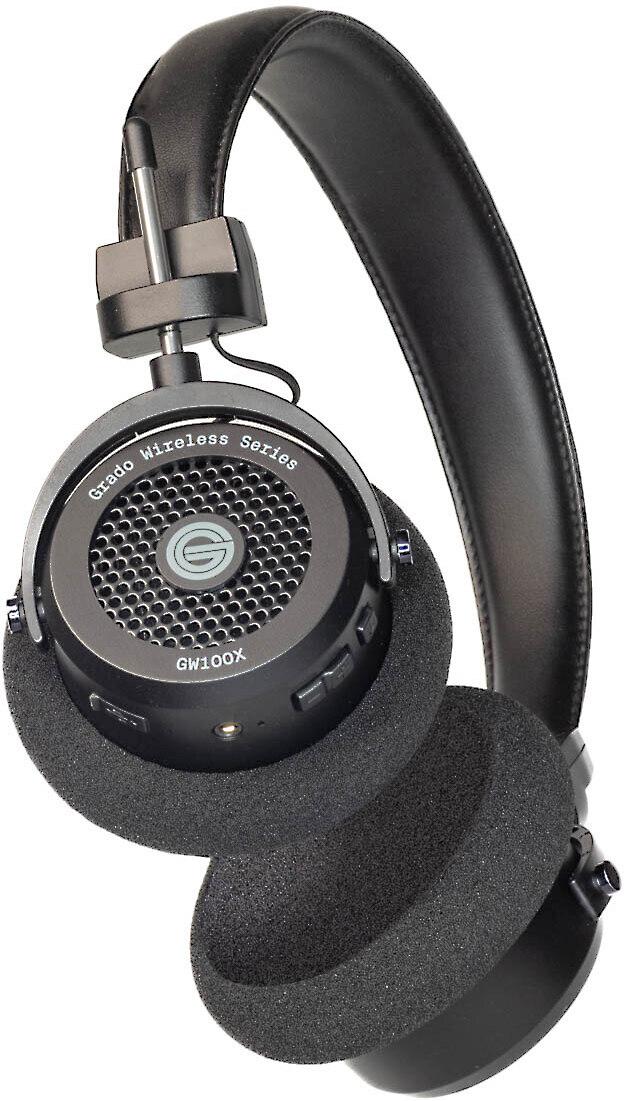
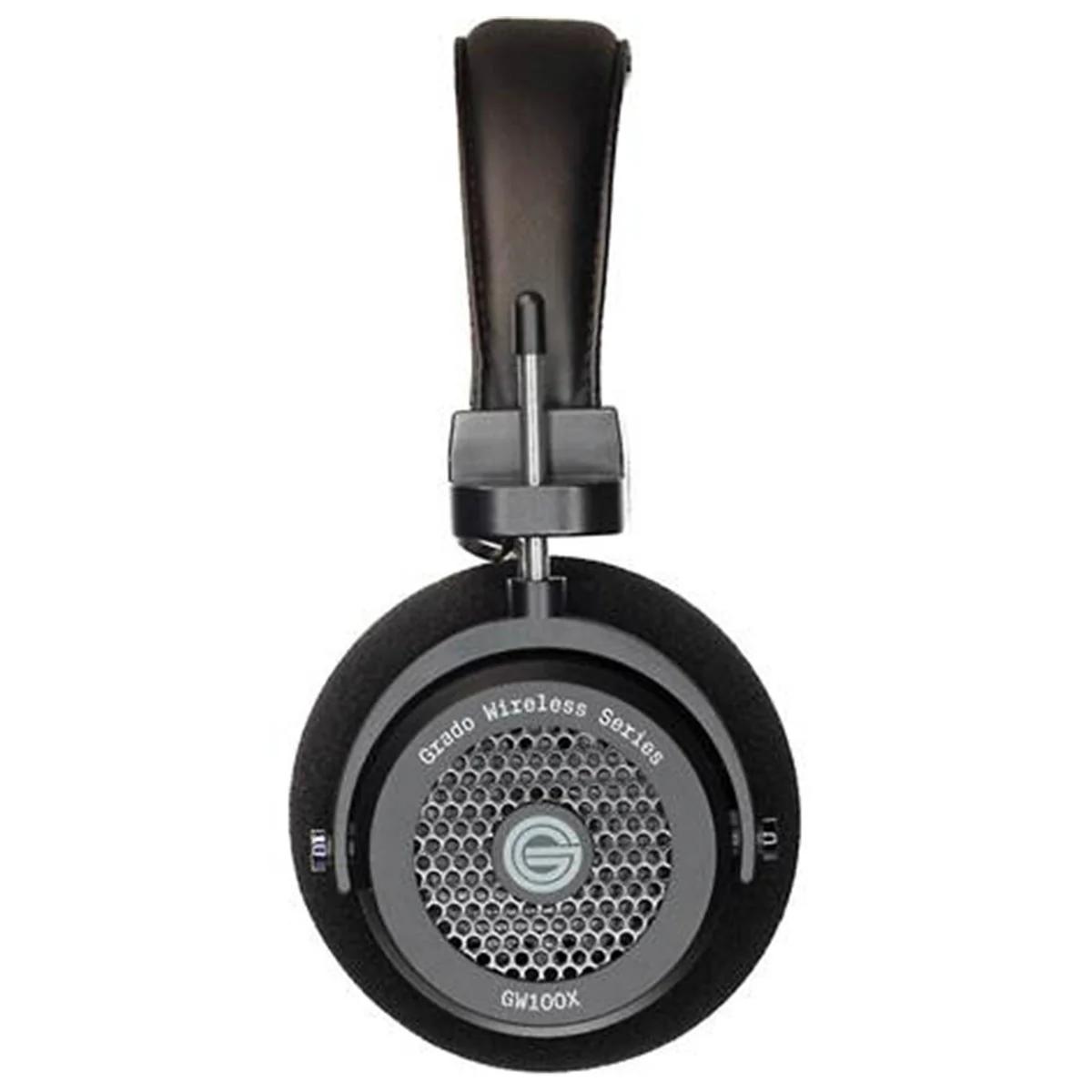
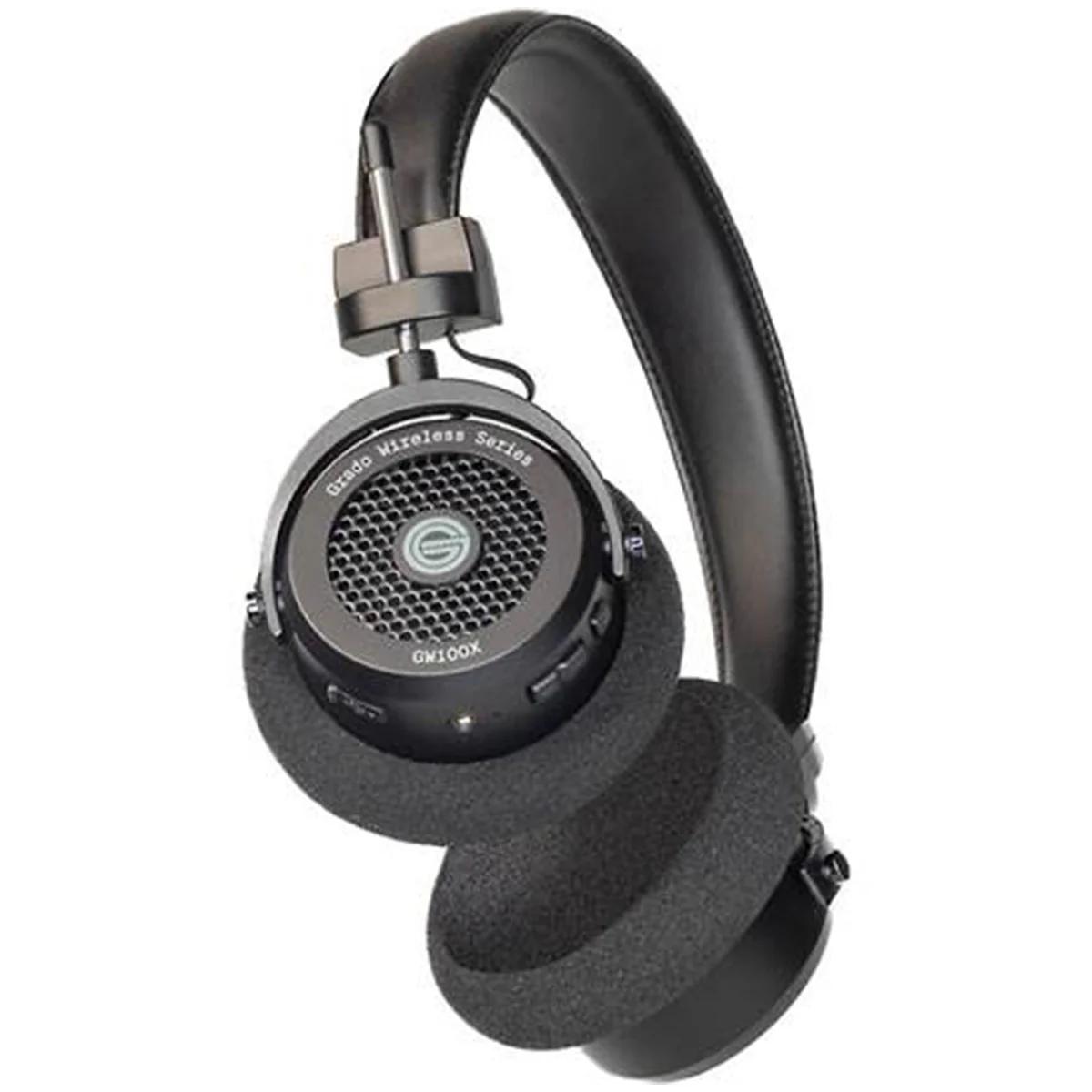
The Grado GW100x takes a completely different approach. At 312 grams, they're heavier despite being on-ear rather than over-ear headphones. This weight comes from Grado's signature build quality—these headphones are handmade in Brooklyn using traditional techniques that prioritize acoustic performance over mass production efficiency.
The most striking difference is the open-back design. While closed-back headphones seal you off from the world, open-back headphones deliberately allow sound to flow freely in and out. This might sound counterintuitive, but it's actually crucial for achieving the most natural, spacious sound possible. Think of it like the difference between listening to music in a small closet versus a concert hall—the open design creates a sense of space and airiness that closed headphones simply cannot match.
Sound quality is where these headphones diverge most dramatically. The Sennheiser HD 450BT uses 32mm drivers with relatively low impedance (18 ohms), making them easy to drive from phones and laptops. The frequency response spans 18 Hz to 22,000 Hz, which covers the full range of human hearing with some extension into the sub-bass region.
However, reviews consistently point to some tonal issues. The bass is slightly emphasized for a warmer sound, but the treble can sound veiled or muffled. The soundstage—the perceived width and depth of the audio—is compact due to the closed-back design. This creates what audio engineers call the "in your head" effect, where music feels confined rather than expansive.
The Grado GW100x, by contrast, uses larger 44mm drivers specifically designed for wireless use. Grado's fourth-generation X drivers feature a more powerful magnetic circuit and lighter voice coil, which improves efficiency and reduces distortion. The impedance is higher at 38 ohms, but modern Bluetooth amplification handles this easily.
Professional reviewers consistently praise the Grado GW100x for its natural, uncolored sound. The open-back design creates an expansive soundstage with excellent instrument separation—you can easily pick out individual instruments in complex recordings. The tonal balance is more neutral, with textured bass that doesn't overpower, clear midrange for vocals, and detailed treble that doesn't sound harsh.
This deserves special attention because it's the most noticeable difference between these headphones. Soundstage refers to the three-dimensional space where instruments appear to be positioned. Closed-back headphones like the Sennheiser HD 450BT naturally compress this space, making everything sound closer and more intimate.
Open-back headphones like the Grado GW100x excel at creating a wide, natural soundstage. When listening to a well-recorded orchestra, you can actually perceive the physical arrangement of instruments—violins to the left, cellos to the right, with proper depth and spacing. This makes them exceptional for classical music, jazz, and any genre where instrument placement matters.
The Sennheiser HD 450BT includes active noise cancellation (ANC), though reviews suggest it's not class-leading. ANC works by using external microphones to detect ambient noise, then generating opposing sound waves to cancel it out. It's most effective against consistent, low-frequency sounds like airplane engines or air conditioning. However, the HD 450BT's ANC struggles with sudden, sharp noises and doesn't create the strong "cabin pressure" effect of premium models.
The Grado GW100x takes the opposite approach—no noise cancellation whatsoever. The open-back design actually lets all environmental sounds through. This might seem like a disadvantage, but it's intentional. Many audiophiles prefer to hear their surroundings, whether for safety reasons or to maintain connection with their environment. The trade-off is that these headphones are completely inappropriate for noisy environments.
Both headphones support modern Bluetooth standards, but with different focuses. The Sennheiser HD 450BT uses Bluetooth 5.0 with support for SBC, AAC, and aptX codecs, plus aptX Low Latency for video watching. The dual-device connectivity is particularly useful—you can stay connected to both your phone and laptop, switching between them seamlessly.
The Grado GW100x features newer Bluetooth 5.2 with aptX Adaptive support. This codec is particularly impressive because it dynamically adjusts quality based on connection conditions, providing the best possible sound quality while maintaining stable connectivity. The multipoint pairing allows device switching, though not simultaneous streaming from multiple sources.
Battery performance reveals interesting engineering priorities. The Sennheiser HD 450BT delivers 30 hours with ANC enabled, which is solid for a mid-range model. The power draw comes from the noise cancellation processing and the need to drive the closed-back design efficiently.
The Grado GW100x achieves an impressive 46 hours at moderate volume levels. This exceptional battery life comes from several factors: the efficient new drivers, the lack of power-hungry ANC, and a larger 850mAh battery. For home listening sessions, this means you might charge them once a month rather than weekly.
The Sennheiser HD 450BT includes the Smart Control app, which provides basic EQ adjustments and firmware updates. While not as comprehensive as Sony's or Bose's apps, it offers enough customization for most users. The headphones also support voice assistants and include intuitive physical controls.
The Grado GW100x deliberately omits most smart features. There's no app, no advanced EQ, and minimal onboard controls. This isn't laziness—it's philosophy. Grado believes in keeping the signal path as pure as possible, avoiding digital processing that might color the sound. The trade-off is less convenience for potentially better audio quality.
Comfort varies significantly between these models. The Sennheiser HD 450BT uses soft padding and lightweight construction for all-day wearability. The over-ear design distributes weight well, though some users find the clamping force a bit tight initially.
The Grado GW100x sits on your ears rather than around them, which some people find less comfortable for extended wear. However, the open design prevents the heat buildup common with closed headphones. The build quality feels more substantial, with better materials and assembly, reflecting the higher price point.
At the time of writing, these headphones occupy different price tiers, which reflects their different target markets. The Sennheiser HD 450BT positions itself as a mainstream option, offering good performance across multiple use cases without excelling in any particular area. For someone who needs headphones for commuting, office work, and casual listening, they provide solid value.
The Grado GW100x commands a premium price that reflects both the specialized nature of open-back wireless design and the handmade construction. If sound quality is your primary concern and you listen primarily in quiet environments, the price premium makes sense. However, if you need versatility and modern features, the extra cost becomes harder to justify.
The Sennheiser HD 450BT excels in situations where isolation and portability matter. They're ideal for:
Commuting and Travel: The foldable design, carrying case, and ANC make them practical for flights and public transportation. The closed design prevents sound leakage, so you won't disturb fellow travelers.
Office Work: The noise cancellation helps reduce distractions in open offices, while the built-in microphone handles video calls adequately. The ability to connect to multiple devices simultaneously is particularly useful in work environments.
General Entertainment: They work well for movies, podcasts, and casual music listening. The slightly warm sound signature is forgiving with compressed audio sources like streaming services.
The Grado GW100x serves a more specialized audience but excels in its intended use cases:
Critical Listening at Home: For serious music listening, the open-back design and superior drivers provide an experience that rivals high-end wired headphones. The natural soundstage makes them particularly good for acoustic music, classical, and jazz.
Home Theater Enhancement: While not specifically designed for home theater use, the open-back design can actually enhance movie watching in quiet environments. You maintain awareness of your surroundings while getting superior dialogue clarity and spatial audio cues.
Long Listening Sessions: The exceptional battery life and comfortable, breathable design make them ideal for marathon listening sessions. The lack of heat buildup from the open design reduces fatigue.
Studio and Creative Work: Musicians and audio professionals appreciate the accurate, uncolored sound for mixing and mastering work, though the wireless nature makes them less suitable for professional studio monitoring than wired alternatives.
For home theater use, both headphones present interesting trade-offs. The Sennheiser HD 450BT offers the advantage of isolation—you can watch late-night movies without disturbing family members or neighbors. The aptX Low Latency codec minimizes audio delay, which is crucial for video content.
However, the Grado GW100x might actually provide a more engaging experience for solo viewing. The open soundstage creates a more speaker-like experience, and you can still hear important household sounds like phones ringing or children calling. The superior audio quality makes dialogue clearer and music soundtracks more immersive. The key limitation is that you can't use them when others are sleeping nearby due to sound leakage.
Choosing between the Sennheiser HD 450BT and Grado GW100x comes down to understanding your primary use cases and priorities.
Choose the Sennheiser HD 450BT if:
Choose the Grado GW100x if:
The reality is that these headphones serve different needs so well that some enthusiasts own both—using the Sennheiser HD 450BT for travel and commuting, while reserving the Grado GW100x for serious home listening. But if you can only choose one, think carefully about where and how you'll use them most often. The best headphones are the ones that match your actual listening habits, not necessarily the ones with the most impressive specifications.
Both represent solid choices within their respective categories, but understanding their fundamental differences will help ensure your choice aligns with your needs and expectations. In the rapidly evolving world of wireless audio, it's refreshing to see products that take such distinctly different approaches to the same basic challenge: delivering great sound without wires.
| Sennheiser HD 450BT | Grado GW100x |
|---|---|
| Design Type - Fundamentally affects where you can use them | |
| Closed-back, over-ear (blocks outside sound) | Open-back, on-ear (allows sound to pass through) |
| Weight - Impacts comfort for long sessions | |
| 238g (lighter, better for travel) | 312g (heavier but premium build quality) |
| Active Noise Cancellation - Essential for noisy environments | |
| Yes, though not class-leading performance | None by design (open-back prioritizes natural sound) |
| Driver Size - Larger typically means better sound quality | |
| 32mm dynamic drivers | 44mm Grado X drivers (4th generation) |
| Frequency Response - Shows audio range coverage | |
| 18 Hz - 22,000 Hz | 20 Hz - 20,000 Hz |
| Impedance - Affects how easy they are to drive | |
| 18 ohms (very easy to drive from phones) | 38 ohms (still easy but needs slightly more power) |
| Bluetooth Version - Newer versions offer better connectivity | |
| 5.0 with aptX Low Latency | 5.2 with aptX Adaptive (more advanced codec) |
| Battery Life - Critical for wireless headphones | |
| 30 hours with ANC enabled | 46 hours (exceptional for extended listening) |
| Charging Port - USB-C is more future-proof | |
| USB-C (2 hours to full charge) | USB-C (2 hours to full charge) |
| Foldable Design - Important for portability | |
| Yes, includes travel case | No, fixed design optimized for home use |
| App Support - Allows customization and updates | |
| Sennheiser Smart Control app with basic EQ | No app support (pure audio approach) |
| Sound Leakage - Determines if others will hear your music | |
| Minimal (suitable for public spaces) | Significant leakage (private listening only) |
| Build Origin - Reflects manufacturing approach | |
| Mass-produced in standard facilities | Handmade in Brooklyn, New York |
| Multipoint Connection - Connect to multiple devices | |
| Yes, dual device connectivity | Yes, device switching capability |
| Voice Assistant Support - Hands-free control | |
| Google Assistant, Siri with dedicated button | Google Assistant, Siri support |
| Wired Option - Backup when battery dies | |
| 3.5mm cable included | 3.5mm cable included |
The Sennheiser HD 450BT is significantly better for commuting and travel. They feature active noise cancellation to block out airplane engines and traffic noise, fold up for easy packing, and include a travel case. The closed-back design prevents sound leakage, so you won't disturb other passengers. The Grado GW100x has an open-back design that leaks sound extensively, making them inappropriate for public transportation or shared spaces.
Closed-back headphones like the Sennheiser HD 450BT seal around your ears, blocking outside noise and preventing sound leakage. Open-back headphones like the Grado GW100x have perforated ear cups that allow sound to flow freely in and out, creating a more natural, spacious sound but making them unsuitable for public use. Open-back designs typically offer better soundstage and more accurate audio reproduction.
The Grado GW100x delivers superior sound quality with more natural, detailed audio reproduction. Professional reviewers consistently praise their spacious soundstage, accurate tonal balance, and exceptional instrument separation. The Sennheiser HD 450BT offers good sound quality but with a more compressed soundstage and slightly veiled treble due to their closed-back design.
The Grado GW100x offers exceptional battery life with up to 46 hours of playback at moderate volume levels. The Sennheiser HD 450BT provides 30 hours of battery life with active noise cancellation enabled. Both charge via USB-C and take approximately 2 hours for a full charge.
Both headphones work well for calls and meetings. The Sennheiser HD 450BT may have a slight advantage in noisy office environments due to their noise cancellation and closed design that reduces background noise pickup. The Grado GW100x provides clear voice quality but allows environmental sounds to pass through, which could be distracting during important calls.
Comfort depends on personal preference. The Sennheiser HD 450BT has an over-ear design that distributes weight well but can cause heat buildup during extended wear. The Grado GW100x sits on-ear and is heavier, but the open-back design prevents heat accumulation. Many users find the breathable design of the Grado GW100x more comfortable for marathon listening sessions.
Neither headphone is ideal for intense exercise. The Sennheiser HD 450BT is better suited for light gym work due to their secure over-ear fit and closed design. The Grado GW100x is not recommended for exercise due to their open-back design, heavier weight, and on-ear fit that may become loose during movement.
For home theater use, the choice depends on your situation. The Sennheiser HD 450BT is better for late-night viewing when you need to avoid disturbing others, thanks to their closed design and aptX Low Latency codec for video sync. The Grado GW100x can provide a more immersive experience with superior dialogue clarity and spatial audio, but only works well in quiet environments where sound leakage isn't a concern.
Both support advanced audio codecs. The Sennheiser HD 450BT supports SBC, AAC, aptX, and aptX Low Latency for minimal video delay. The Grado GW100x features newer Bluetooth 5.2 with aptX Adaptive support, which dynamically adjusts quality based on connection conditions for optimal performance.
Value depends on your priorities. The Sennheiser HD 450BT offers better value for users needing versatility, portability, and modern features like noise cancellation. The Grado GW100x provides better value for audiophiles prioritizing sound quality and build craftsmanship, despite the higher price point and limited use cases.
The Sennheiser HD 450BT supports true dual-device connectivity, staying connected to two devices simultaneously and switching between them automatically. The Grado GW100x offers multipoint pairing that allows you to pair with multiple devices but requires manual switching between them.
The Grado GW100x is significantly better for music production and audio editing due to their open-back design, accurate sound reproduction, and superior soundstage. They provide the natural, uncolored audio reference that professionals prefer. The Sennheiser HD 450BT has a more colored sound signature and compressed soundstage that makes them less suitable for critical audio work.
We've done our best to create useful and informative comparisons to help you decide what product to buy. Our research uses advanced automated methods to create this comparison and perfection is not possible - please contact us for corrections or questions. These are the sites we've researched in the creation of this article: pocketnow.com - majorhifi.com - rtings.com - majorhifi.com - soundguys.com - rtings.com - bestbuy.com - versus.com - youtube.com - youtube.com - starkinsider.com - headphones.com - newsroom.sennheiser.com - headphonecheck.com - walmart.com - fullspecs.net - youtube.com - crutchfield.com - sennheiser-hearing.com - youtube.com - babblingboolean.com - techradar.com - crutchfield.com - whathifi.com - moon-audio.com - majorhifi.com - rockonav.com - forums.stevehoffman.tv - newegg.com - audiosciencereview.com - gradolabs.com - decibelaudio.com - addictedtoaudio.com.au - s3.eu-west-1.amazonaws.com - audioadvice.com - analogmatters.com - nyczaj.audio - parts-express.com

Privacy Policy
Terms and Conditions - Affiliate Policy
Home Security
© Copyright 2008-2026.
11816 Inwood Rd #1211, Dallas, TX 75244