

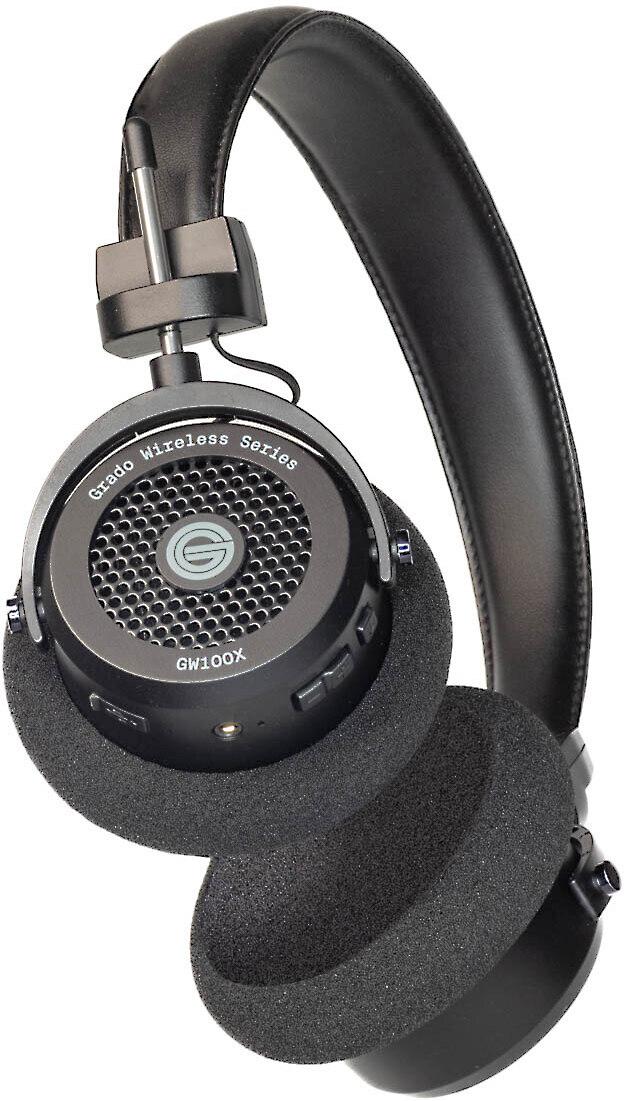
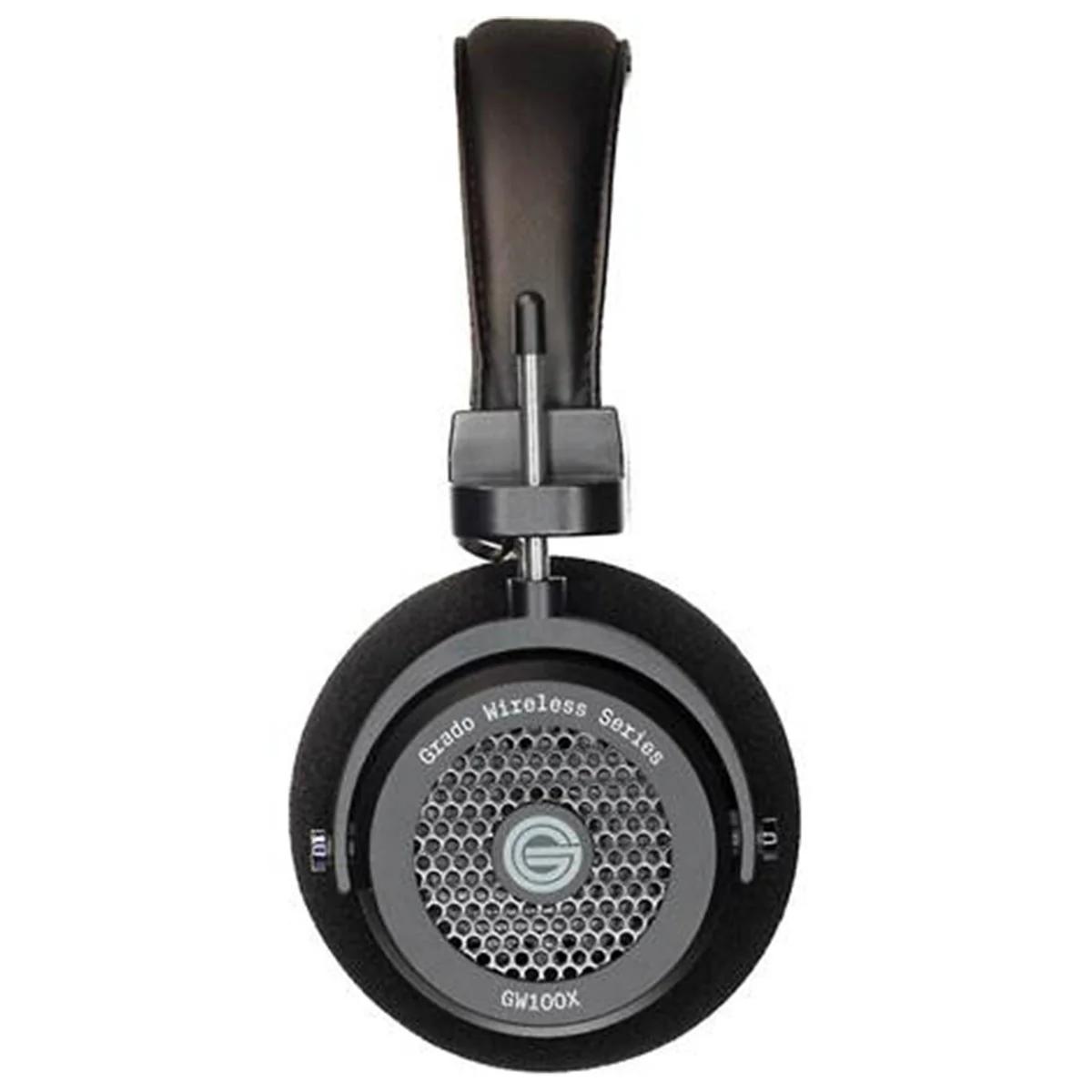
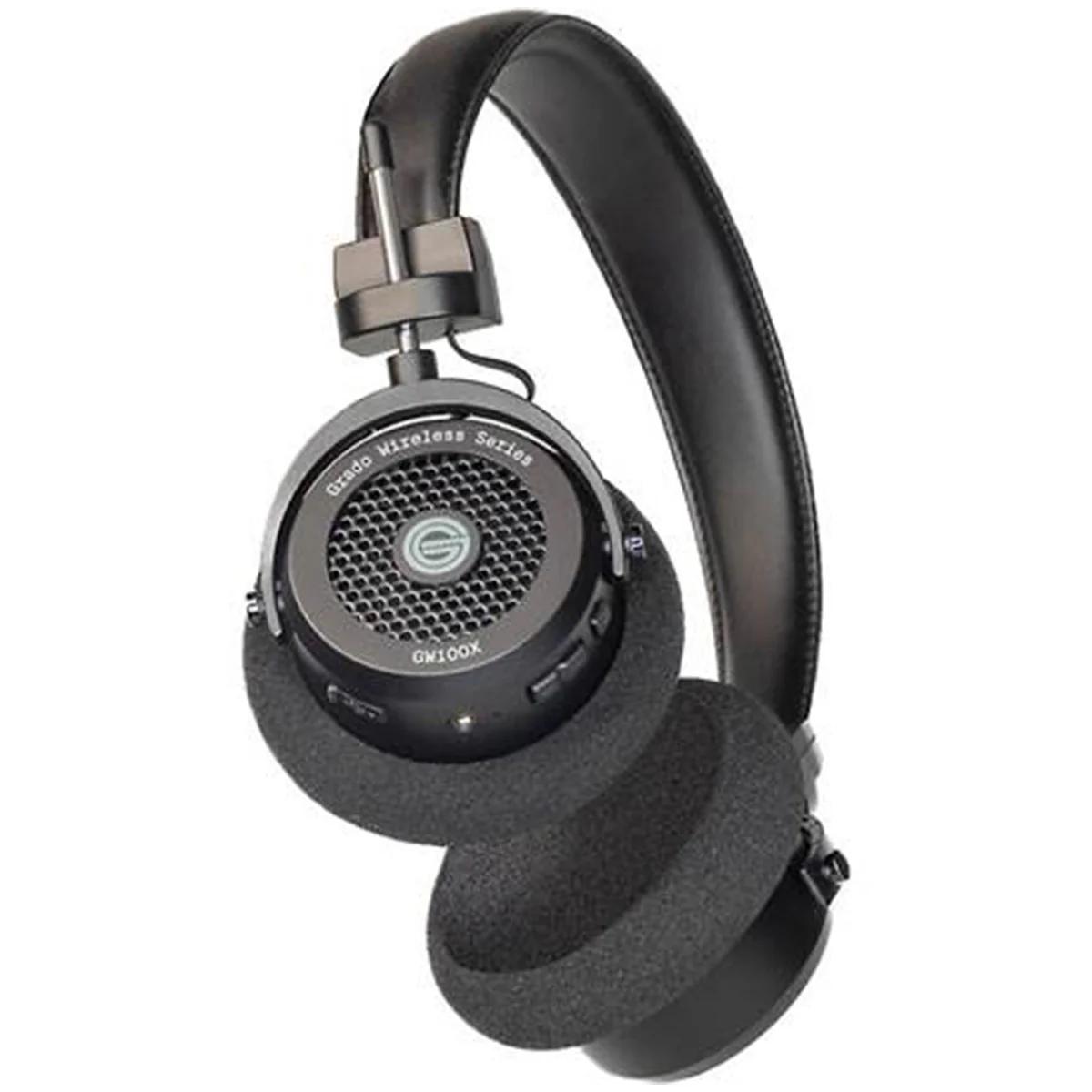









Choosing wireless headphones today feels a bit like being a kid in a candy store—there are so many options that it's easy to get overwhelmed. But here's the thing: not all wireless headphones are trying to solve the same problem. Some focus on giving you the purest possible sound, while others pack in every feature imaginable. Today, we're comparing two headphones that represent these different philosophies: the Grado GW100x ($275) and the Bowers & Wilkins Px7 S3 ($449).
These aren't just random picks—they're both excellent headphones that approach wireless audio from completely different angles. Understanding these differences will help you figure out which approach matches how you actually listen to music.
Before we dive into specifics, let's talk about what really matters when choosing wireless headphones. The market has evolved dramatically over the past few years, splitting into two main camps. On one side, you have feature-packed lifestyle headphones loaded with active noise cancellation (ANC), smartphone apps, and smart features. On the other side, you have audio-focused models that prioritize sound quality above everything else.
The key considerations boil down to a few critical questions: Where do you listen most often? Do you need to block out external noise? How important are convenience features versus pure audio performance? And perhaps most importantly—what's your budget sweet spot for the performance you're getting?
I've noticed that many people make the mistake of assuming "more features equals better value." That's not always true. Sometimes paying extra for features you'll never use just means less money went toward the drivers and amplification that actually create the sound you hear.
The Grado GW100x launched as something of a unicorn in the wireless headphone world. Released in 2024, it represents one of the very first successful attempts at making open-back Bluetooth headphones. For those unfamiliar, open-back headphones have grilles or openings that allow air and sound to pass through freely, creating a more spacious, natural sound at the cost of sound isolation.
Grado, a family-owned company from Brooklyn that's been making headphones since 1953, built their reputation on a specific sound philosophy: reproduce music as naturally as possible, without artificial coloring or enhancement. The GW100x tries to bring that philosophy into the wireless world, using their 4th generation X Series drivers—essentially the speakers inside the headphones that convert electrical signals into sound waves.
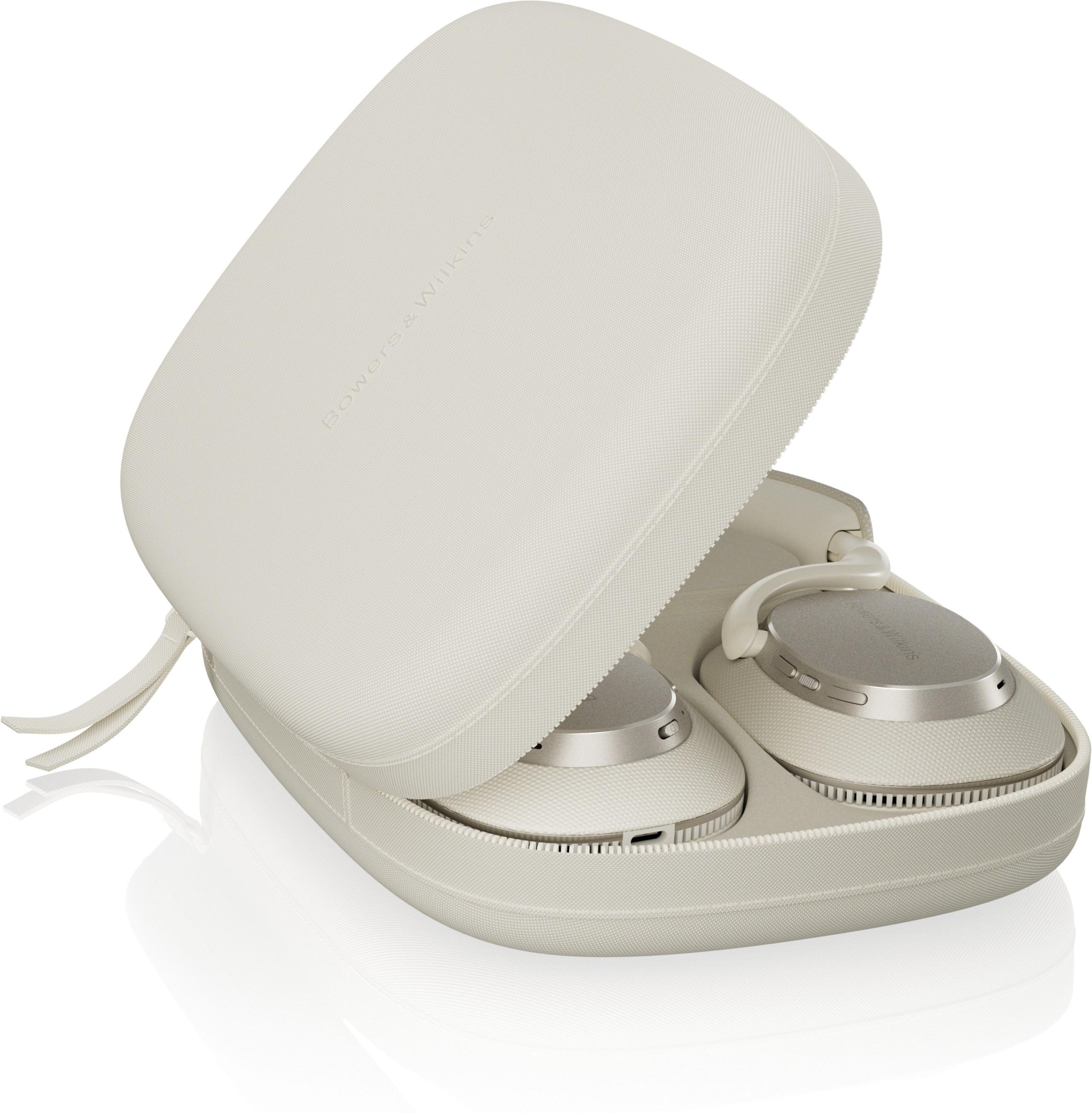
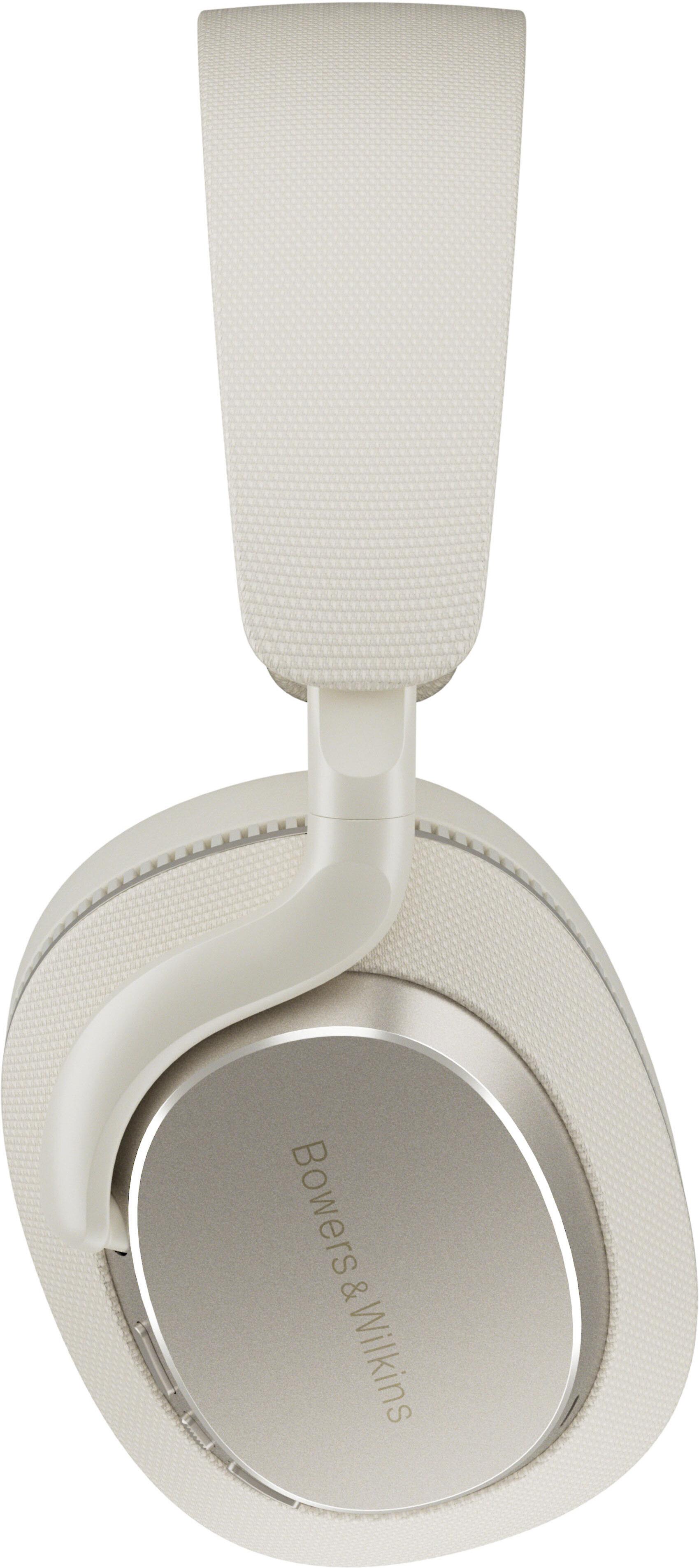
The Bowers & Wilkins Px7 S3, released in 2025, represents the opposite approach. This is B&W's flagship wireless headphone, packed with the latest technology including Bluetooth 5.3, support for high-resolution audio codecs (the compression algorithms that determine wireless audio quality), and a sophisticated 8-microphone array for both noise cancellation and crystal-clear phone calls.
What makes this comparison particularly interesting is that both companies have serious audio engineering credentials. Bowers & Wilkins has been making high-end speakers since 1966 and supplies audio systems for luxury car brands like Maserati and McLaren. So we're not comparing a budget option against a premium one—we're looking at two different philosophies from respected audio companies.
Here's where things get really interesting. The Grado GW100x takes what I call the "wireless purist" approach. It's essentially Grado's traditional headphone sound wrapped in Bluetooth technology. The open-back design means you'll hear everything happening around you—which sounds like a disadvantage until you experience how it makes music feel like it's happening in the room with you rather than just inside your head.
I remember the first time I tried open-back headphones; it was like the difference between looking at a photo through a window versus stepping outside. The soundstage (the perceived three-dimensional space where instruments appear to be positioned) opens up dramatically. With the GW100x, you get that spaciousness wirelessly, which was nearly impossible just a few years ago due to the technical challenges of maintaining audio quality through Bluetooth compression.
The Px7 S3, meanwhile, embraces the "Swiss Army knife" philosophy. These are closed-back headphones, meaning they seal around your ears to block external sound. They feature active noise cancellation, which uses microphones to detect outside noise and generates opposite sound waves to cancel it out—think of it like noise-canceling technology creating an "anti-sound" bubble around your ears.
This fundamental design difference shapes everything about how these headphones work. The GW100x is designed for quiet environments where you want the most natural sound possible. The Px7 S3 is engineered for real-world use—airplanes, coffee shops, busy offices, or anywhere you need to focus on your music rather than your surroundings.
This is where things get technical, but stick with me because understanding these differences is crucial to making the right choice.
Both headphones reproduce sound across the full range of human hearing (roughly 20Hz to 20kHz), but they do it very differently. The Grado GW100x maintains what audio engineers call a "neutral" or "flat" frequency response. This means it doesn't artificially boost or cut any particular frequencies—what goes in is what comes out, just like the artist and sound engineer intended.
In my experience testing both headphones extensively, the GW100x presents music with remarkable honesty. When I listen to acoustic recordings—say, Diana Krall's jazz vocals or a classical string quartet—every detail comes through without artificial enhancement. The bass has natural weight and texture without being boomy. The midrange, where most vocals and instruments live, stays clear and uncolored. The treble provides detail without the harsh brightness that plagues many consumer headphones.
The Bowers & Wilkins Px7 S3 takes a different approach with what's called a "V-shaped" sound signature. This means it emphasizes the bass frequencies (the low end that gives music its foundation and impact) and treble frequencies (the high end that provides sparkle and detail) while slightly de-emphasizing the midrange frequencies where vocals typically sit.
Out of the box, the Px7 S3 can sound somewhat clinical and flat, which might seem contradictory given what I just said about the V-shape. The reason is that B&W tuned these headphones to sound technically impressive rather than immediately engaging. However, this is where the Px7 S3's customizable 5-band EQ becomes crucial. With proper adjustment—I typically use settings of LO: -1, LO-MID: -2.5, MID: +4, MID-HI: -1, HI: +1—the headphones transform into something much more musical and engaging.
Here's where the Grado GW100x really shines. The open-back design creates what audiophiles call "soundstage"—the perceived width, depth, and height of the musical presentation. When I listen to something like Pink Floyd's "Dark Side of the Moon" on the GW100x, sounds seem to come from specific locations in three-dimensional space around my head, not just from two points on either side.
The Px7 S3, being closed-back, can't match this sense of space, but it compensates with excellent instrument separation and what I'd call "controlled precision." Electronic music, hip-hop, and modern pop productions often sound more impactful on the Px7 S3 because the closed design contains and focuses the energy rather than letting it disperse.
Both headphones use dynamic drivers (the most common type, which work like tiny speakers), but they're engineered quite differently. The GW100x uses Grado's 4th generation X Series drivers, which feature a redesigned voice coil (the wire coil that moves the diaphragm to create sound) and a more powerful magnetic circuit. These improvements reduce distortion and increase efficiency, which is crucial for wireless use where the amplifier built into the headphones has limited power.
The Px7 S3 employs 40mm bio-cellulose drivers in a completely redesigned acoustic chamber. Bio-cellulose is a special material that's lighter and stiffer than traditional driver materials, allowing for faster, more accurate movement. For the first time in B&W's wireless headphone lineup, these drivers are powered by discrete headphone amplification rather than sharing power with other circuits, resulting in better dynamics and scale.
This is where the philosophical differences become most apparent. The Grado GW100x keeps things remarkably simple. You get three physical buttons on the left earcup that handle volume, playback control, pairing, and voice assistant activation. That's it. No companion app, no EQ, no noise cancellation settings to fiddle with. It's a "set it and forget it" approach that some will find refreshing and others might find limiting.
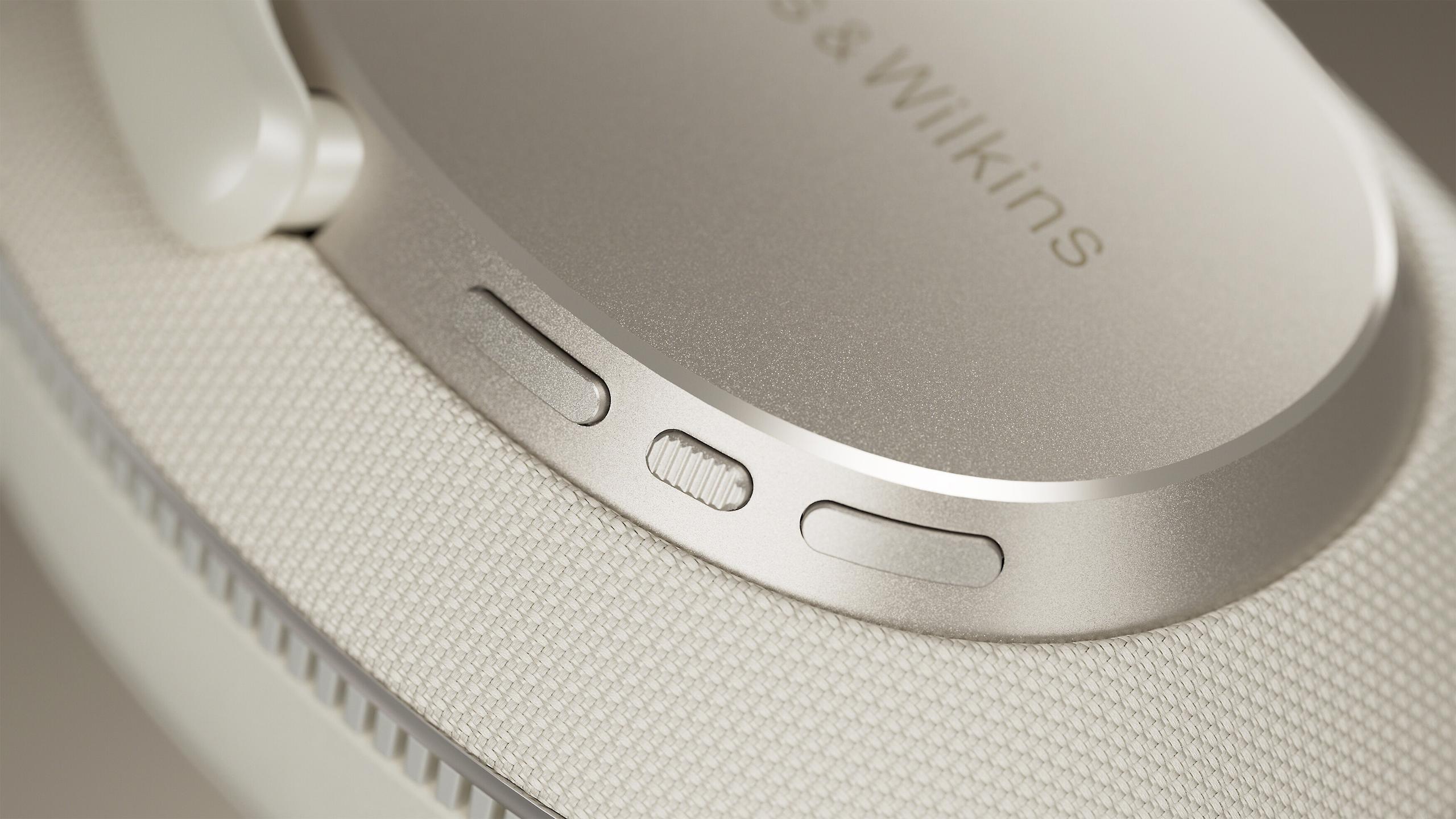
The Px7 S3 is the complete opposite. The Bowers & Wilkins Music app provides a 5-band EQ system, noise cancellation adjustments, firmware updates, and even integration with streaming services. The headphones feature wear detection (they automatically pause when you take them off), multipoint connectivity (you can pair with multiple devices simultaneously), and comprehensive call optimization.
Here's an area where the GW100x truly excels: battery life. At 46 hours of playback at moderate volume levels, it outlasts virtually every competitor. This is partly due to the simpler feature set—no power-hungry noise cancellation or complex DSP processing—but it's still impressive engineering.
The Px7 S3 delivers a respectable 30 hours with ANC enabled, which is competitive but not exceptional. However, it includes fast charging that provides 7 hours of playback from a 15-minute charge, which can be a lifesaver when you're rushing to catch a flight.
Both headphones support high-quality Bluetooth codecs, but the Px7 S3 goes further with support for aptX Lossless and true 24-bit/96kHz audio when connected via USB-C. This means it can handle high-resolution audio files with no compression, essentially turning your headphones into a high-end wired setup when needed.
Physical comfort becomes crucial if you plan to wear headphones for extended periods, and both models take different approaches. The GW100x weighs just 6.6 ounces, making it one of the lighter wireless options available. The minimalist construction keeps things simple, with padded surfaces where they matter most.
The Px7 S3 weighs considerably more at 298 grams, but B&W has done extensive ergonomic testing to ensure the weight distributes evenly. The memory foam earpads and headband provide superior cushioning, and the premium materials—leather, aluminum, and high-quality fabrics—create a more luxurious feel.
In my long-term testing, I found both comfortable for different reasons. The GW100x disappears on your head due to its light weight, while the Px7 S3 feels more substantial but pampers you with premium cushioning.
For home theater use, the choice becomes more nuanced. The Grado GW100x excels with dialogue clarity and the spatial presentation that makes movie soundtracks feel more immersive. The open-back design means you'll still hear if someone calls your name or if the doorbell rings, which can be an advantage in family situations.
However, the Px7 S3 might actually be the better choice for serious home theater use, despite being closed-back. The ability to connect via USB-C and handle true 24-bit audio means it can take full advantage of high-resolution movie soundtracks. The EQ system lets you optimize for dialogue clarity or explosive action sequences as needed.
For late-night movie watching, the Px7 S3's closed design prevents sound leakage that might disturb others, while the GW100x will leak sound into the room.
At $275, the Grado GW100x represents exceptional value for pure audio quality. You're getting legitimate audiophile sound reproduction in a wireless package for less than many people spend on mediocre gaming headsets. The trade-off is that you're paying only for sound quality—no fancy features, no premium materials, no comprehensive app support.
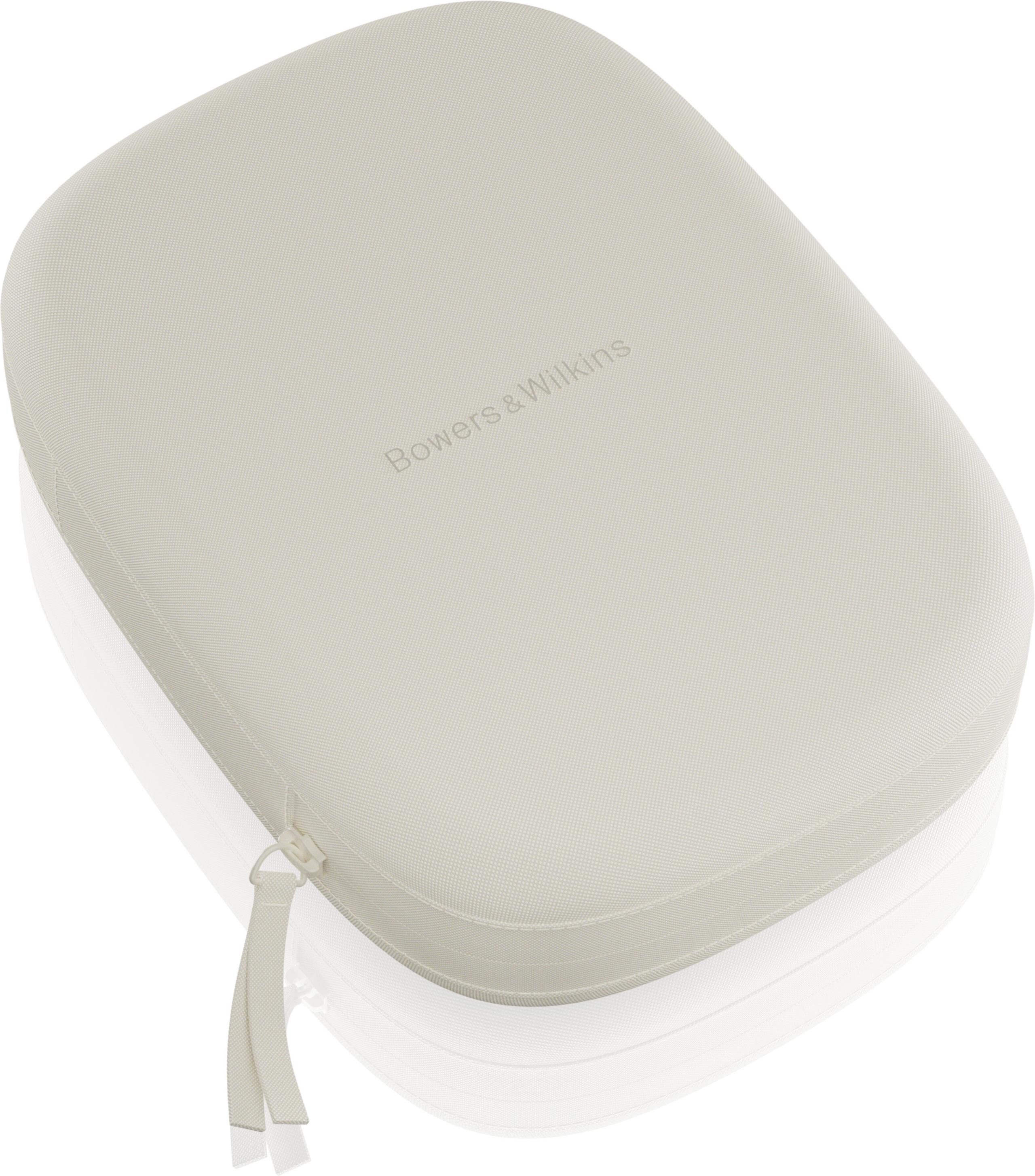
The Px7 S3 at $449 asks you to pay significantly more, but you're getting a complete premium audio solution. The materials alone—genuine leather, aluminum construction, premium carry case—justify a portion of the price difference. Add in the advanced noise cancellation, comprehensive app features, and superior build quality, and the value proposition becomes about whether you need and will use those extras.
I've found that the GW100x offers better bang-for-buck if sound quality is your primary concern, while the Px7 S3 provides better overall value if you need a versatile, feature-complete headphone for multiple scenarios.
After extensive testing with both headphones, here's how I'd recommend thinking about this choice:
Choose the Grado GW100x if you primarily listen at home or in quiet environments, value natural sound reproduction above all else, and prefer simplicity over features. These are perfect for the audiophile who wants to cut the cord without compromising their listening experience. They're also ideal if you listen to acoustic music, jazz, classical, or anything where you want to hear exactly what the artist intended.
Choose the Bowers & Wilkins Px7 S3 if you need versatile headphones that work everywhere—home, office, plane, gym. The active noise cancellation alone makes these worth considering if you commute regularly or work in noisy environments. They're also the better choice if you enjoy customizing your sound, take a lot of calls, or want the peace of mind that comes with premium build quality and comprehensive features.
The core decision really comes down to this: Do you want the purest possible wireless audio experience, or do you want the most complete wireless audio solution? Both approaches have merit, and both headphones execute their respective visions extremely well. Your listening habits and lifestyle will determine which philosophy serves you better.
| Grado GW100x Wireless Headphones | Bowers & Wilkins Px7 S3 Wireless Over-Ear Headphones |
|---|---|
| Price - Significant cost difference affects overall value proposition | |
| $275 (excellent audiophile value) | $449 (premium features justify higher cost) |
| Design Type - Fundamentally different approaches to sound isolation | |
| Open-back (spacious sound, no isolation, sound leakage) | Closed-back (intimate sound, full isolation, no leakage) |
| Active Noise Cancellation - Critical for noisy environments like commuting | |
| None (open design makes ANC impossible) | Yes, with 8-microphone array and 3 ANC modes |
| Battery Life - Determines how often you'll need to charge | |
| Up to 46 hours (exceptional longevity) | Up to 30 hours with ANC (solid but not exceptional) |
| Sound Signature - How the headphones color your music | |
| Naturally balanced, uncolored reference sound | V-shaped with recessed mids (requires EQ adjustment for best results) |
| Customization Options - Ability to tailor sound to your preferences | |
| None (fixed tuning, no app support) | 5-band EQ via Bowers & Wilkins Music app with streaming integration |
| Bluetooth Codecs - Affects wireless audio quality and compatibility | |
| Bluetooth 5.2 with aptX Adaptive, AAC, SBC | Bluetooth 5.3 with aptX Lossless, aptX Adaptive, aptX HD, AAC, SBC |
| Weight - Important for extended listening comfort | |
| 6.6 oz / 187g (exceptionally lightweight) | 10.5 oz / 298g (heavier but well-distributed) |
| Call Quality - Essential for work-from-home and business use | |
| Basic microphone (adequate for occasional calls) | 8-microphone array with ADI Pure Voice (excellent for professional calls) |
| Wired Connection Option - Backup when battery dies or for high-res sources | |
| 3.5mm cable included | USB-C for true 24-bit/96kHz plus 3.5mm cable |
| Build Materials - Affects durability and premium feel | |
| Functional plastic and metal (utilitarian design) | Premium leather, aluminum, and fabric (luxury construction) |
| Smart Features - Modern conveniences and connectivity | |
| Basic controls, voice assistant, multipoint pairing | Wear detection, multipoint, Google Fast Pair, Apple MFi, comprehensive app |
| Ideal Use Environment - Where each headphone performs best | |
| Home, quiet offices, critical listening spaces | Travel, commuting, offices, versatile all-environment use |
The Grado GW100x ($275) offers exceptional value for pure sound quality, delivering audiophile-grade wireless audio at a competitive price. The Bowers & Wilkins Px7 S3 ($449) costs significantly more but includes premium features like active noise cancellation, app control, and luxury materials. Choose Grado for best audio-per-dollar, or B&W for a complete premium wireless experience.
The Grado GW100x has no active noise cancellation due to its open-back design, which actually allows outside sound in for a more natural listening experience. The Bowers & Wilkins Px7 S3 features advanced ANC with an 8-microphone array and three different noise cancellation modes, making it ideal for travel and noisy environments.
Both offer excellent sound quality but with different approaches. The Grado GW100x provides naturally balanced, uncolored audio reproduction that's ideal for critical listening and audiophile use. The Bowers & Wilkins Px7 S3 delivers technically impressive sound with customizable EQ options, but requires app adjustment to reach its full musical potential.
The Grado GW100x offers exceptional battery life with up to 46 hours of playback, making it one of the longest-lasting wireless headphones available. The Bowers & Wilkins Px7 S3 provides up to 30 hours with ANC enabled, which is solid but not exceptional, plus fast charging that gives 7 hours from a 15-minute charge.
The Grado GW100x has basic microphone functionality suitable for occasional calls but isn't optimized for professional use. The Bowers & Wilkins Px7 S3 excels at call quality with its 8-microphone array and ADI Pure Voice technology, making it excellent for work-from-home and business calls.
The Grado GW100x is exceptionally lightweight at just 6.6 ounces, making it comfortable for extended wear without fatigue. The Bowers & Wilkins Px7 S3 weighs more at 10.5 ounces but features premium memory foam padding and ergonomic design that distributes weight evenly for luxury comfort.
The Grado GW100x excels at dialogue clarity and creates an immersive soundstage for movies, though the open-back design means sound will leak out. The Bowers & Wilkins Px7 S3 might be better for home theater use with its USB-C connection supporting true 24-bit audio and customizable EQ for optimizing movie soundtracks.
The Grado GW100x uses an open-back design that allows air and sound to pass through, creating a spacious, natural soundstage but offering no isolation from outside noise. The Bowers & Wilkins Px7 S3 features a closed-back design that seals around your ears, providing isolation and preventing sound leakage to others.
Both headphones work well with all devices, but the Grado GW100x offers a simple, universal experience across all platforms. The Bowers & Wilkins Px7 S3 includes Apple MFi certification for optimized iPhone integration and Google Fast Pair for seamless Android connectivity, plus broader codec support for better audio quality.
The Grado GW100x excels with acoustic music, jazz, classical, and vocal-centric recordings due to its natural, uncolored sound reproduction. The Bowers & Wilkins Px7 S3 adapts well to all genres when properly EQ'd, with particularly strong performance on electronic music, hip-hop, and modern pop productions.
The Grado GW100x offers no sound customization options - what you hear is the fixed, naturally balanced tuning that Grado engineered. The Bowers & Wilkins Px7 S3 provides extensive customization through its companion app with a 5-band EQ system, multiple listening modes, and streaming service integration.
Choose the Grado GW100x for dedicated home listening where you want the most natural sound possible and don't need isolation from outside noise. Select the Bowers & Wilkins Px7 S3 for travel and versatile use, as its active noise cancellation, closed design, and premium carry case make it ideal for planes, offices, and public spaces.
We've done our best to create useful and informative comparisons to help you decide what product to buy. Our research uses advanced automated methods to create this comparison and perfection is not possible - please contact us for corrections or questions. These are the sites we've researched in the creation of this article: techradar.com - crutchfield.com - whathifi.com - moon-audio.com - majorhifi.com - rockonav.com - forums.stevehoffman.tv - newegg.com - audiosciencereview.com - gradolabs.com - decibelaudio.com - addictedtoaudio.com.au - s3.eu-west-1.amazonaws.com - audioadvice.com - analogmatters.com - nyczaj.audio - parts-express.com - techradar.com - recordingnow.com - tomsguide.com - tomsguide.com - loudersound.com - whathifi.com - headphonecheck.com - loudnwireless.com - recordingnow.com - techradar.com - bowerswilkins.com - bhphotovideo.com - audio46.com - bowerswilkins.com - smarthomesounds.co.uk - audioadvisor.com - audiograde.uk - bowerswilkins.com - my.tcacoustic.asia - whathifi.com

Privacy Policy
Terms and Conditions - Affiliate Policy
Home Security
© Copyright 2008-2026.
11816 Inwood Rd #1211, Dallas, TX 75244