





When wireless headphone technology first emerged, most manufacturers focused on recreating the closed-back experience without wires. But in recent years, we've seen two fascinating approaches emerge that prioritize openness over isolation. The nwm ONE represents a radical departure from traditional headphone design, while the Grado GW100x brings decades of audiophile expertise into the wireless realm. Both released in 2024, these headphones couldn't be more different in their approach to delivering great sound.
Before diving into specifics, it's worth understanding what we mean by "open" headphones and why this matters. Traditional closed-back headphones create a sealed environment around your ears, blocking outside sound while keeping your music private. Open designs flip this concept entirely, prioritizing spatial awareness and natural sound reproduction.
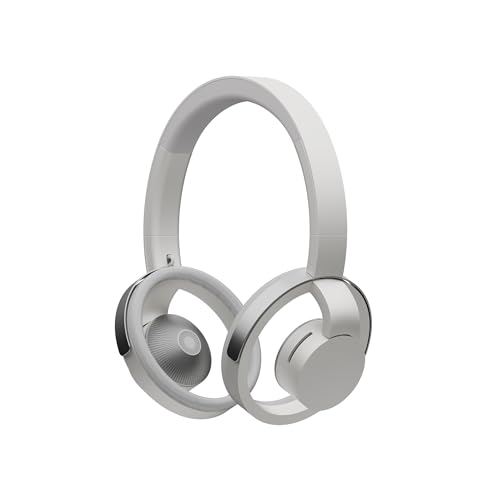
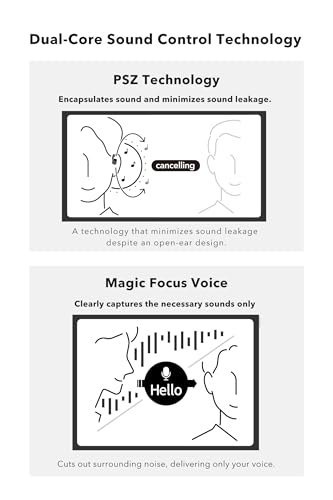
The nwm ONE takes the more radical approach with a completely open-ear design. These headphones literally hover near your ears without touching them, using advanced acoustic engineering to create what's called a "personal sound zone" – imagine having invisible speakers floating next to your head. This PSZ (Personalized Sound Zone) technology uses inverse phase waves, which are essentially sound waves that cancel out the audio trying to escape, keeping your music relatively private while your ears remain completely unobstructed.
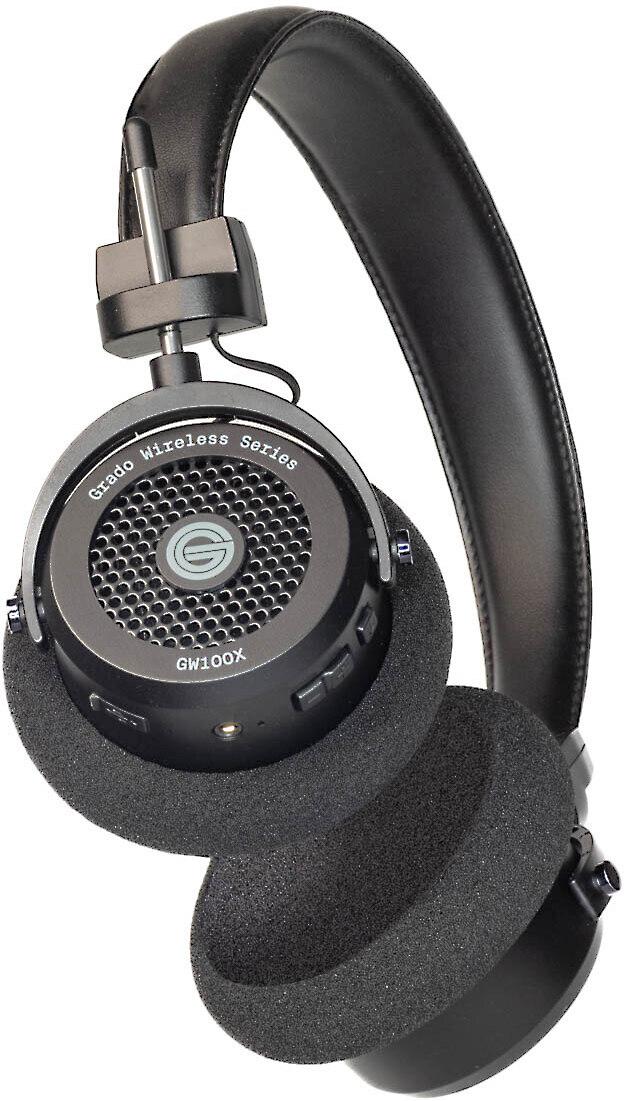
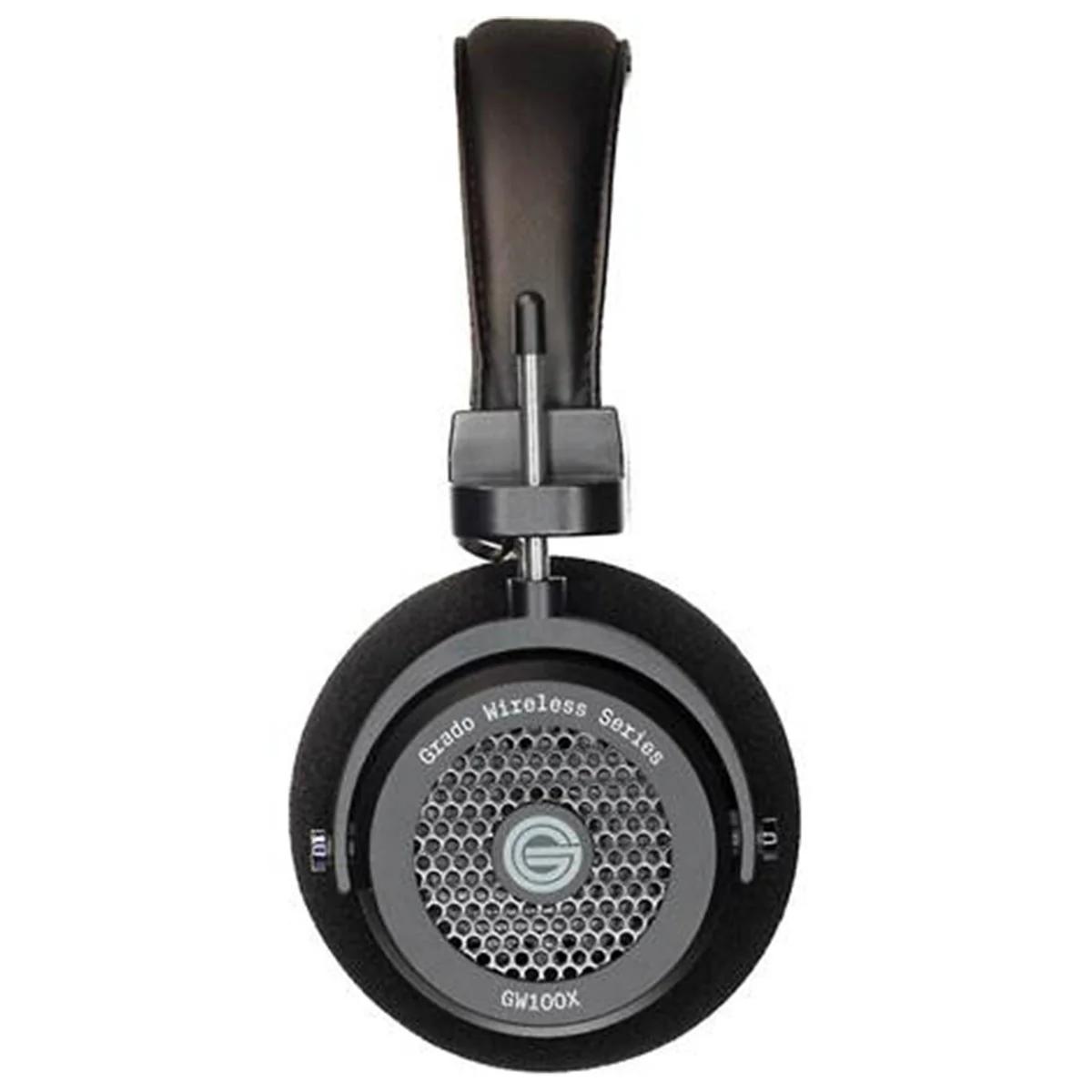
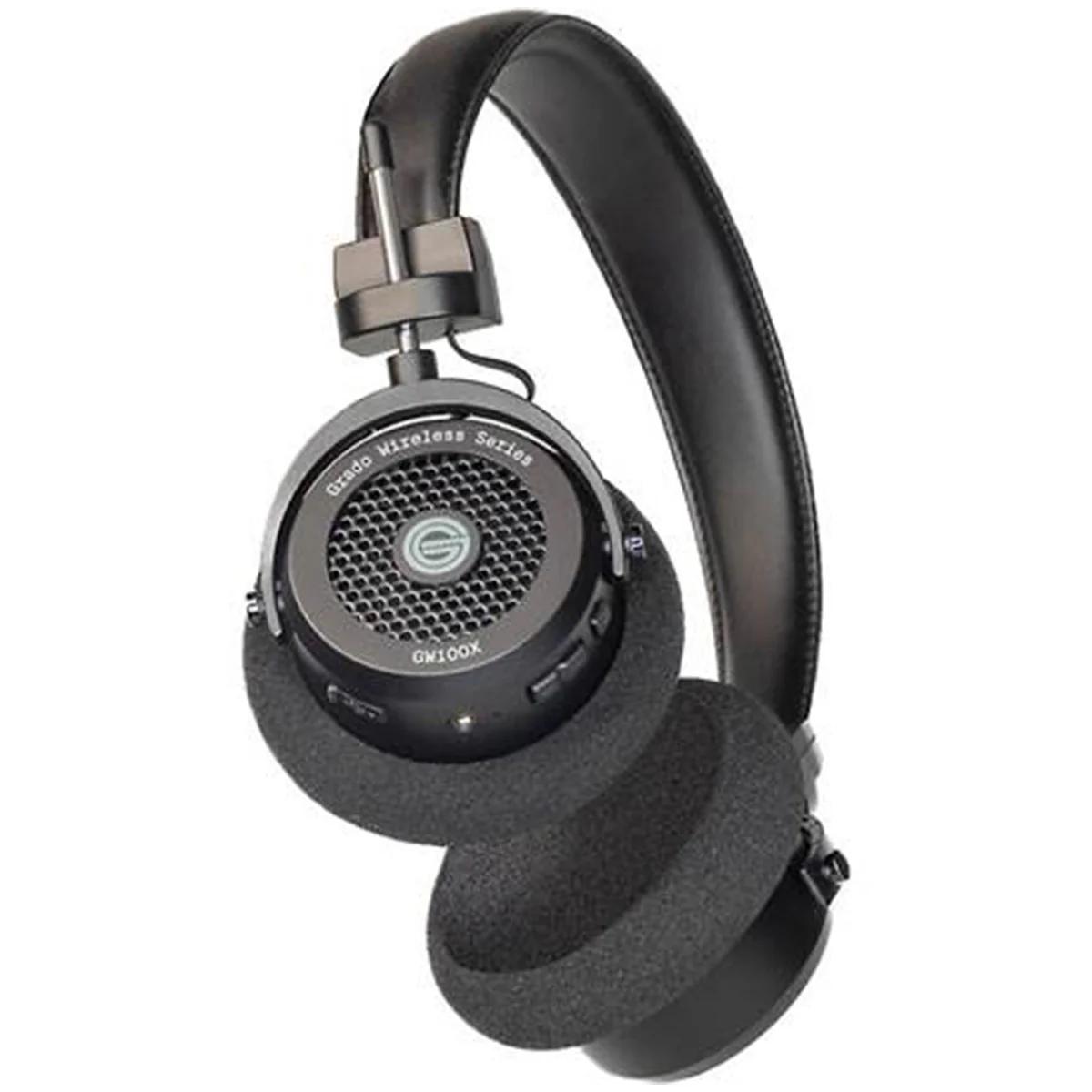
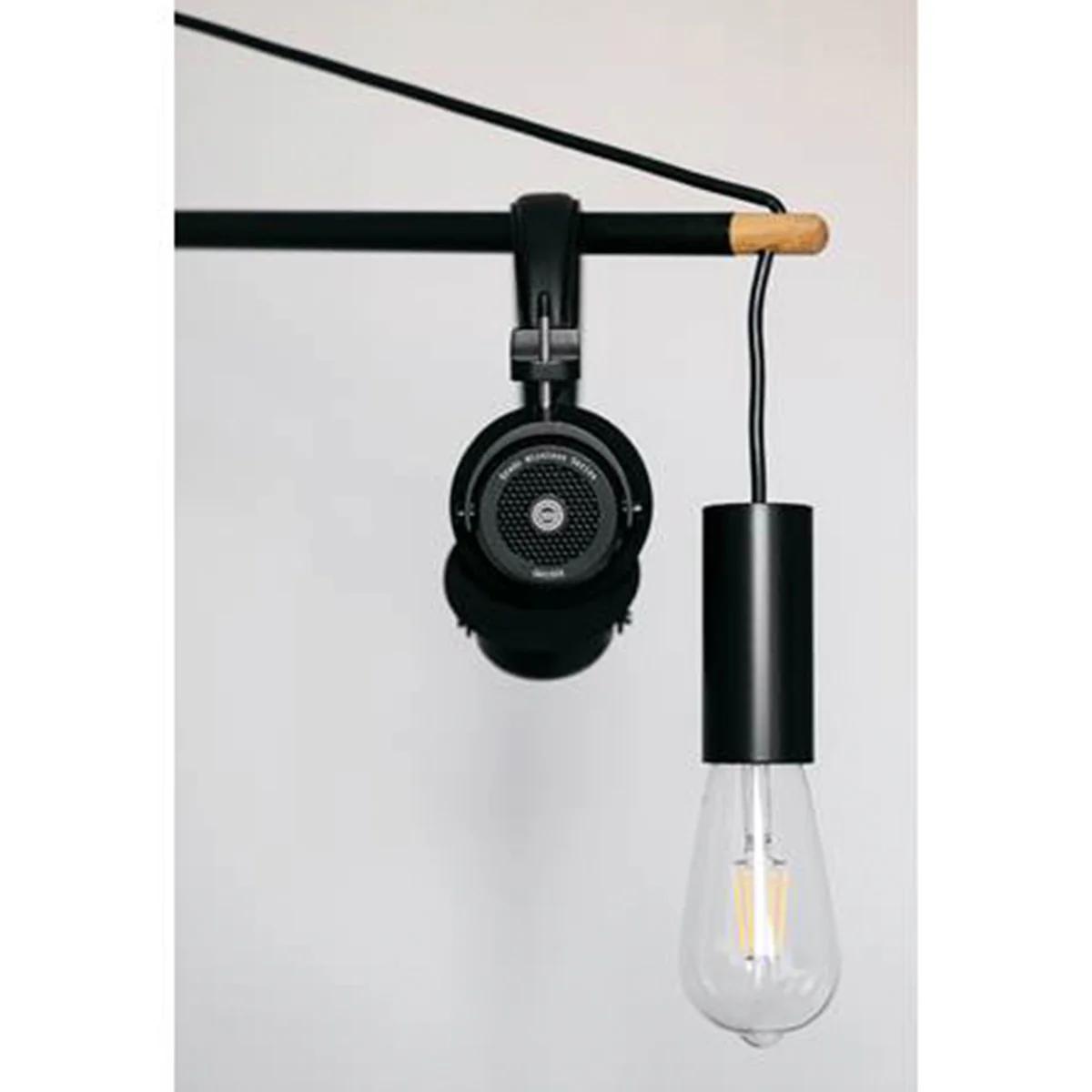
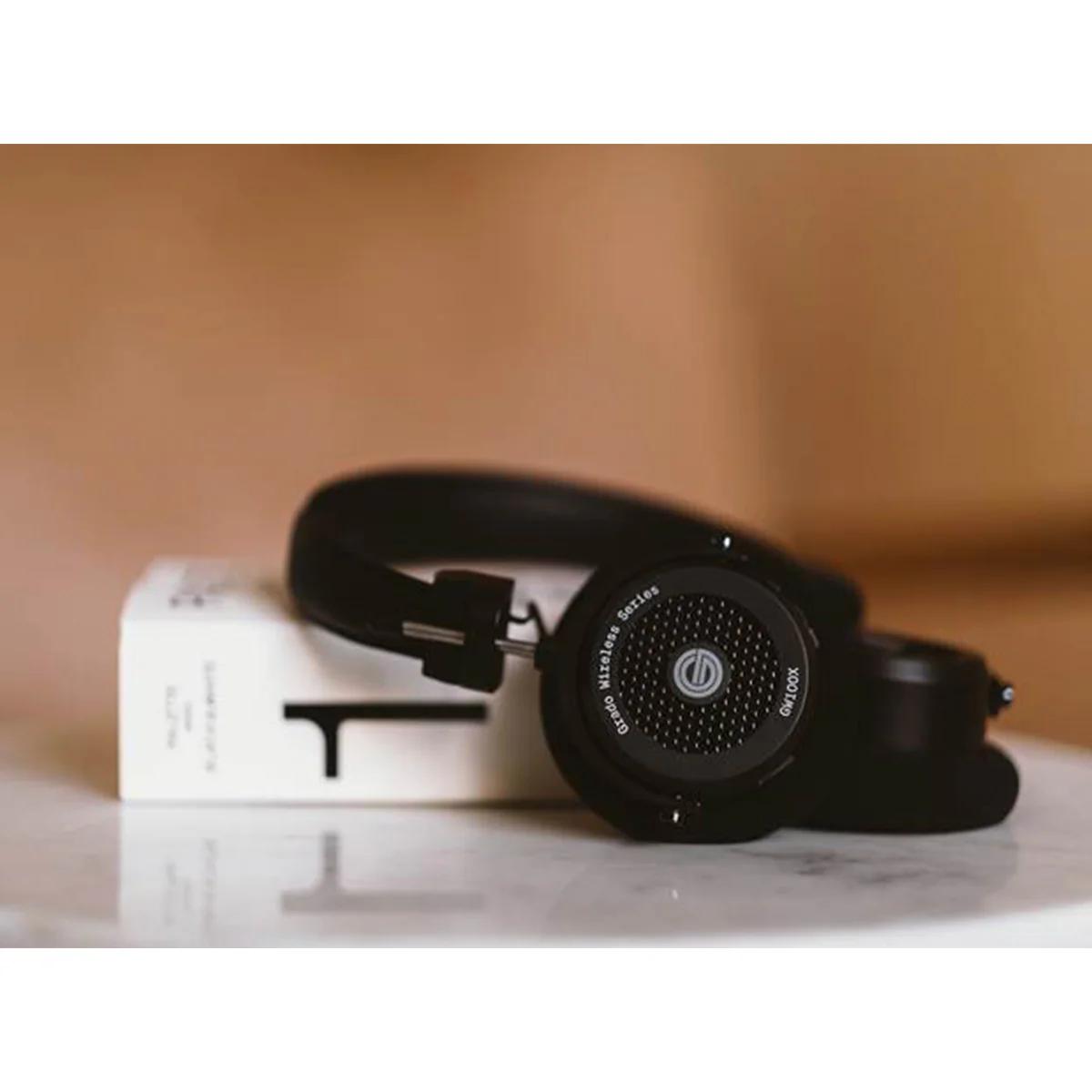
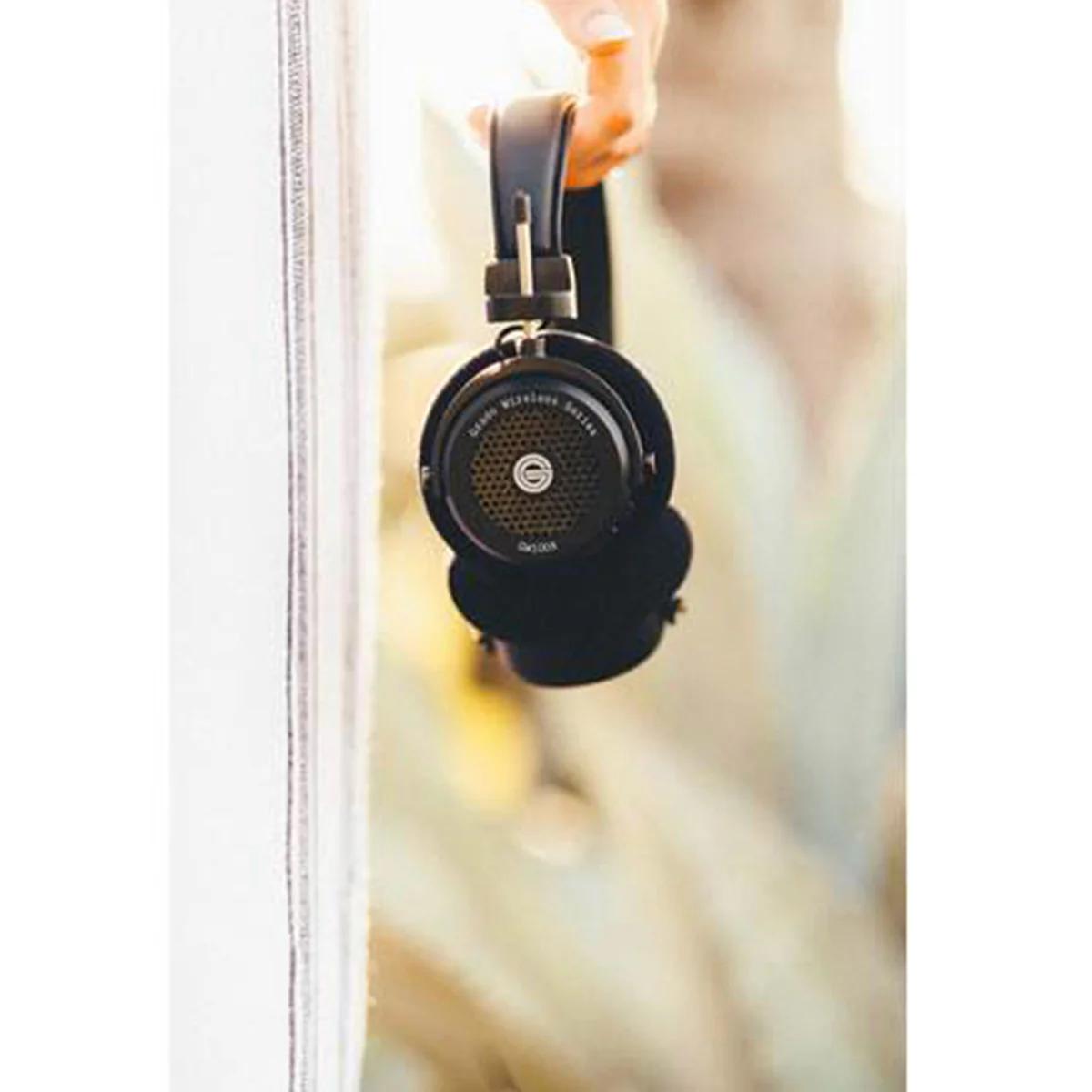
The Grado GW100x, meanwhile, follows the traditional open-back approach. These look and feel like regular headphones, but the back of each ear cup features perforations that allow sound to flow freely in and out. This creates what audiophiles call an "airy" soundstage – the music feels like it's happening in a real space rather than being piped directly into your head.
Both approaches have distinct advantages. Open-ear designs excel at situational awareness and all-day comfort, while open-back designs typically deliver superior soundstage width and natural acoustic properties.
The engineering behind these headphones reveals fundamentally different philosophies. The nwm ONE employs a dual-driver system that's genuinely innovative. Instead of using a single driver to handle all frequencies (like most headphones), it dedicates a larger 35mm driver specifically to low frequencies (bass and low mids) while a separate 12mm tweeter handles mid and high frequencies. Each driver has its own amplifier, allowing for precise control over different parts of the frequency spectrum.
This separation matters because different sized drivers excel at different frequencies. Larger drivers move more air and create better bass response, while smaller drivers can reproduce higher frequencies with better precision and speed. Most headphones compromise by using a single medium-sized driver that's decent at everything but exceptional at nothing.
The Grado GW100x takes a more traditional but refined approach with their 44mm X Series drivers. These represent Grado's fourth generation of wireless drivers, featuring what they call a "more powerful magnetic circuit" and a "voice coil with decreased effective mass." In practical terms, this means the driver can respond more quickly to audio signals and reproduce subtle details with less distortion. The voice coil is the part of the driver that moves back and forth to create sound waves, so reducing its mass allows for more precise control.
What's particularly impressive about the Grado GW100x is that it maintains the company's signature sound quality in wireless form. Traditionally, wireless audio meant compromising on sound quality due to digital compression and processing delays. Grado's engineering focuses on preserving what they call "harmonic integrity" – essentially ensuring that the natural relationships between different frequencies remain intact through the wireless transmission.
When evaluating headphone performance, frequency response tells much of the story. The nwm ONE covers 40Hz to 20,000Hz, which represents the full range of human hearing. The impressive part is achieving meaningful bass response down to 40Hz despite the completely open design – typically, open headphones struggle with low-frequency reproduction because there's nothing to contain the sound waves.
The Grado GW100x also covers 20Hz to 20kHz, but with a focus on what audiophiles call "linearity" – reproducing all frequencies as accurately as possible without artificial emphasis. Grado headphones are known for their slightly forward midrange, which makes vocals and lead instruments more prominent in the mix. This creates an engaging, intimate listening experience that many find addictive.
Impedance (measured in ohms) affects how much power headphones need to reach optimal volume levels. The nwm ONE doesn't specify impedance in available documentation, but the Grado GW100x runs at 38 ohms. This is considered moderate impedance, meaning they'll work well with phones and laptops without needing additional amplification.
Sensitivity ratings tell us how loud headphones get with a given amount of power. The Grado GW100x's 99.8 dB sensitivity means they'll get quite loud without requiring much power, making them efficient for portable use.
Perhaps the most striking difference between these headphones is how they interact with your body. The nwm ONE weighs just 185 grams and literally doesn't touch your ears. After wearing traditional headphones for hours, most people experience some combination of heat buildup, pressure points, or general fatigue. The open-ear design eliminates all of these issues entirely.
This design choice has practical implications beyond comfort. People who wear glasses often struggle with traditional headphones because the frame arms interfere with the headphone seal. The nwm ONE completely sidesteps this issue. Similarly, people with hearing aids can use these headphones without removing their devices.
The Grado GW100x takes a more conventional approach at 187 grams, using padded headbands and careful weight distribution to minimize pressure points. While this is comfortable for most people, it's still fundamentally a headphone that rests on your head and covers your ears. For long listening sessions, some users may still experience the traditional comfort issues associated with on-ear designs.
Both headphones embrace modern Bluetooth standards, but with different priorities. The nwm ONE uses Bluetooth 5.3, the newest standard at the time of writing, which offers improved connection stability and lower power consumption. It supports multipoint connectivity, meaning you can pair it with multiple devices simultaneously and seamlessly switch between them – useful if you want to take calls from your phone while listening to music from your laptop.
The Grado GW100x uses Bluetooth 5.2 with support for aptX Adaptive, a high-quality audio codec that adjusts its bitrate based on your listening environment and content. This codec can deliver near-CD quality audio over Bluetooth, which is particularly important for a brand known for audio fidelity.
Codec support reveals different priorities. The nwm ONE supports a wide range including LC3 (the newest standard) and various calling-focused codecs, emphasizing versatility and future-proofing. The Grado GW100x focuses on proven high-quality codecs that prioritize audio fidelity over compatibility.
Here's where the Grado GW100x truly shines. With up to 46 hours of battery life, it more than doubles the nwm ONE's 20-hour rating. This difference likely stems from the additional processing required for the nwm ONE's PSZ technology and dual-driver system, both of which demand more power.
However, the nwm ONE offers superior fast-charging convenience. Its five-minute quick charge provides an hour of listening time, while the Grado GW100x requires a full two-hour charge cycle. For people who frequently forget to charge their devices, this difference could be significant.
Both headphones use USB-C charging, which has become the standard for modern devices. The Grado GW100x also includes a 3.5mm wired option, providing a backup when the battery dies – something the nwm ONE lacks.
The nwm ONE clearly prioritizes voice communication with its Magic Focus Voice technology. This system uses beamforming (directing microphone sensitivity toward your mouth) and spectral filtering (removing background noise from specific frequencies) to isolate your voice during calls. Given the rise of remote work and video conferencing, this represents a significant practical advantage.
The dual MEMS microphones (MEMS stands for Micro-Electro-Mechanical Systems – essentially tiny, precise microphones) can distinguish between your voice and ambient noise, making these headphones excellent for professional use.
The Grado GW100x includes basic microphone functionality but doesn't emphasize call quality as a primary feature. For occasional phone calls, it's adequate, but it lacks the specialized voice processing that makes the nwm ONE suitable for frequent conference calls or content creation.
The nwm ONE thrives in situations where you need to remain aware of your surroundings. This makes them excellent for home office use, where you might need to hear family members, delivery notifications, or household activities. They're also ideal for outdoor activities like jogging or cycling, where situational awareness is crucial for safety.
For home theater use, the nwm ONE offers an interesting proposition. While they won't provide the immersive isolation of traditional headphones, they allow you to enjoy late-night movie watching without disturbing others, while still being able to hear if someone needs your attention. The 360 Reality Audio support also adds spatial dimension to compatible content.
The Grado GW100x excels in dedicated listening environments. Their open-back design creates an expansive soundstage that makes music feel more natural and spacious. They're perfect for critical listening sessions, working in quiet environments, or any situation where audio quality takes priority over everything else.
For home theater applications, the Grado GW100x would provide a more traditional and possibly more immersive experience, with better soundstage width for movies and music. However, they do leak sound, so they're less suitable for late-night viewing when others are sleeping.
At the time of writing, both headphones occupy premium price segments, with the nwm ONE commanding a slight premium for its innovative technology. The value equation depends entirely on what you prioritize.
The nwm ONE represents the future of personal audio – a device that integrates seamlessly into your life without forcing you to choose between audio quality and awareness of your environment. If you spend long hours on video calls, work in shared spaces, or simply want headphones that disappear when you wear them, the innovation justifies the investment.
The Grado GW100x delivers proven audiophile-quality sound with exceptional battery life at a more accessible price point. If your primary concern is sound quality for music listening, and you mainly use headphones in quiet, private environments, it offers better traditional value.
My recommendation? Choose the nwm ONE if you're buying headphones as a lifestyle device that needs to work seamlessly across multiple scenarios. Choose the Grado GW100x if you're buying headphones primarily for the joy of listening to music and want proven audio excellence with outstanding battery life.
Both represent significant achievements in wireless audio, just from completely different philosophical starting points. The nwm ONE asks "how can we rethink what headphones can be?" while the Grado GW100x asks "how can we make wireless headphones sound as good as possible?" Your preference between these approaches will determine which better serves your needs.
| nwm ONE Wireless Open-Ear Headphones | Grado GW100x Wireless Headphones |
|---|---|
| Design Philosophy - Determines comfort and use cases | |
| Completely open-ear, hovers near ears without contact | Traditional on-ear with open-back perforated housing |
| Driver Configuration - Affects sound quality and frequency response | |
| Dual-driver system: 35mm woofer + 12mm tweeter with separate amplifiers | Single 44mm 4th generation X Series driver |
| Weight - Critical for all-day comfort | |
| 185g (ultralight, eliminates pressure points entirely) | 187g (lightweight but still rests on head) |
| Sound Leakage Control - Determines privacy in public spaces | |
| PSZ technology reduces leakage by 60%+ (suitable for offices) | Traditional open-back leakage (best for private spaces) |
| Battery Life - Essential for wireless freedom | |
| 20 hours with 5-minute quick charge for 1 hour playback | 46 hours with 2-hour full charge (no quick charge) |
| Bluetooth & Codecs - Affects connection quality and compatibility | |
| Bluetooth 5.3, SBC/AAC/LC3/CVSD/mSBC (future-focused) | Bluetooth 5.2, aptX Adaptive/AAC/SBC (audiophile-focused) |
| Voice Call Quality - Important for remote work and communication | |
| Magic Focus Voice with dual MEMS mics and beamforming | Basic microphone without specialized voice processing |
| Situational Awareness - Safety and environmental connection | |
| Complete ambient awareness (ears fully open) | Good awareness but ears are partially covered |
| Soundstage & Audio Character - Listening experience quality | |
| Wide frequency response with PSZ-enhanced privacy | Renowned Grado sound signature with expansive open-back staging |
| Multipoint Connectivity - Device switching convenience | |
| Yes, seamless switching between paired devices | Yes, can pair and switch between two devices |
| Wired Backup Option - Reliability when battery dies | |
| USB-C audio only (no 3.5mm option) | 3.5mm wired backup included with cable |
| Best Use Cases - Where each excels | |
| Home office, outdoor activities, all-day wear, professional calls | Critical listening, quiet environments, audiophile music sessions |
The Grado GW100x delivers superior traditional audiophile sound quality with its renowned open-back design and 44mm X Series drivers. However, the nwm ONE offers impressive sound through its innovative dual-driver system (35mm woofer + 12mm tweeter). For pure music listening, the Grado GW100x excels, while the nwm ONE provides excellent sound with added versatility.
The nwm ONE wins decisively for all-day comfort since it never touches your ears, eliminating pressure points and heat buildup entirely. The Grado GW100x is lightweight and comfortable for extended sessions, but like all traditional headphones, may cause some fatigue during very long wear periods.
The Grado GW100x offers exceptional 46-hour battery life, more than doubling the nwm ONE's 20-hour rating. However, the nwm ONE provides convenient 5-minute quick charging for 1 hour of playback, while the Grado GW100x requires a full 2-hour charge cycle.
The nwm ONE uses advanced PSZ technology to minimize sound leakage despite its open-ear design, making it suitable for office environments. The Grado GW100x has typical open-back leakage and is best used in private or quiet spaces where disturbing others isn't a concern.
The nwm ONE excels at voice calls with Magic Focus Voice technology, dual MEMS microphones, and beamforming to isolate your voice. The Grado GW100x has basic call functionality but lacks specialized voice processing, making the nwm ONE the clear choice for professional communication needs.
Both allow excellent situational awareness, but the nwm ONE provides complete ambient awareness since your ears remain fully open and unobstructed. The Grado GW100x also allows environmental sounds through its open-back design, but your ears are still covered by the headphone cups.
For late-night movie watching without disturbing others, the nwm ONE is ideal since it minimizes sound leakage while allowing you to hear if family members need attention. The Grado GW100x provides a more traditional immersive soundstage for movies but will leak audio to others nearby.
The nwm ONE is excellent for outdoor activities like jogging or cycling because it provides complete situational awareness for safety while staying securely in place without ear contact. The Grado GW100x is less suitable for active use due to its traditional on-ear design and sound leakage concerns.
The nwm ONE uses newer Bluetooth 5.3 with broader codec support including future-focused LC3, while the Grado GW100x uses Bluetooth 5.2 with audiophile-focused aptX Adaptive codec. Both offer multipoint connectivity, but the nwm ONE provides more versatile device compatibility.
The nwm ONE works perfectly with glasses and hearing aids since it doesn't touch your ears or interfere with existing devices. The Grado GW100x may have compatibility issues with glasses due to its on-ear design potentially affecting the seal and comfort.
The Grado GW100x typically offers better traditional value with proven audiophile sound quality and exceptional battery life. The nwm ONE commands a premium for its innovative open-ear technology and specialized features, making it better value if you need its unique capabilities like professional calling or all-day comfort.
The nwm ONE has shorter battery life and lacks a wired backup option, while its open-ear design may not satisfy users wanting traditional headphone isolation. The Grado GW100x has significant sound leakage, basic call quality, and traditional comfort limitations, plus it's less suitable for active or professional use compared to the nwm ONE.
We've done our best to create useful and informative comparisons to help you decide what product to buy. Our research uses advanced automated methods to create this comparison and perfection is not possible - please contact us for corrections or questions. These are the sites we've researched in the creation of this article: gamerant.com - besttechradar.com - gamerant.com - tomsguide.com - newegg.com - youtube.com - head-fi.org - mumas.in - forum.headphones.com - soundguys.com - youtube.com - shop.imgacademy.com - us.nwm.global - us.nwm.global - thegadgetflow.com - seeyoutmrw.com - shop.imgacademy.com - techradar.com - crutchfield.com - whathifi.com - moon-audio.com - majorhifi.com - rockonav.com - forums.stevehoffman.tv - newegg.com - audiosciencereview.com - gradolabs.com - decibelaudio.com - addictedtoaudio.com.au - s3.eu-west-1.amazonaws.com - audioadvice.com - analogmatters.com - nyczaj.audio - parts-express.com

Privacy Policy
Terms and Conditions - Affiliate Policy
Home Security
© Copyright 2008-2026.
11816 Inwood Rd #1211, Dallas, TX 75244