



When I first started reviewing headphones a decade ago, the lines between different categories were crystal clear. DJ headphones stayed in the booth, audiophile headphones remained tethered to hi-fi systems, and wireless meant sacrificing sound quality. Today's market has blurred those boundaries in fascinating ways, which brings us to an interesting comparison between the Pioneer DJ HDJ-X5 and the Grado GW100x.
These headphones couldn't be more different in their fundamental approach, yet both serve music lovers in their own specialized ways. One targets the concrete floors of nightclub DJ booths, while the other aims for the quiet corners of home listening rooms. Understanding which approach suits your needs requires diving deep into what makes each tick.
The headphone world essentially splits into two philosophical camps when it comes to serious music reproduction. Professional monitoring headphones like the Pioneer DJ HDJ-X5 prioritize practical concerns: they need to isolate you from external noise, emphasize certain frequencies that help with mixing, and survive the physical demands of professional use. Think of them as work boots for your ears – they're built for specific jobs.
Audiophile headphones like the Grado GW100x take the opposite approach. They're designed to disappear as a piece of equipment, letting you hear music exactly as the artist and engineers intended. They prioritize natural sound reproduction, comfortable long-term listening, and creating an immersive soundstage (the three-dimensional space where instruments appear to be positioned around your head).
The Pioneer HDJ-X5 launched in 2019 as Pioneer's entry-level professional DJ headphone, though "entry-level" in professional audio still means serious business. Pioneer built these after analyzing how DJs actually work, incorporating feedback from professionals who spend hours in loud, demanding environments. The Grado GW100x represents a more recent innovation – Grado's attempt to bring their legendary sound quality into the wireless age without compromising their core audio philosophy.
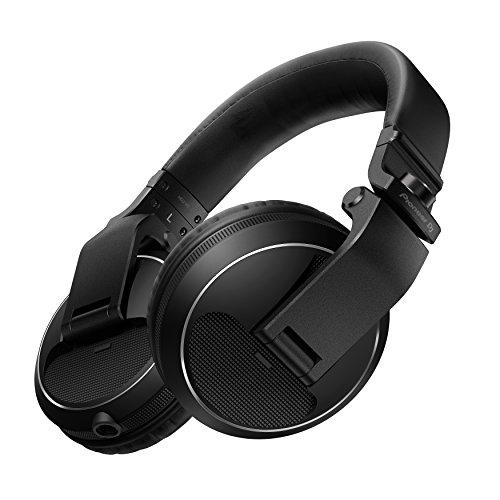
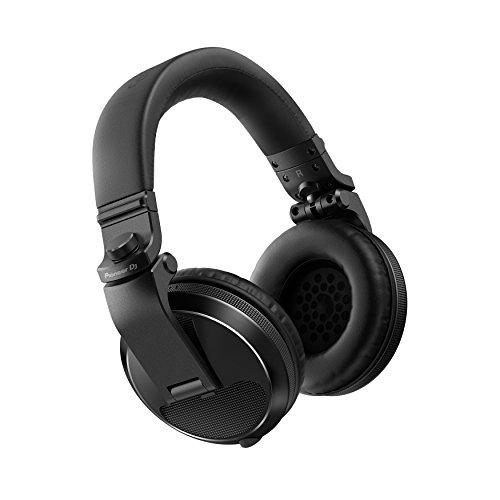
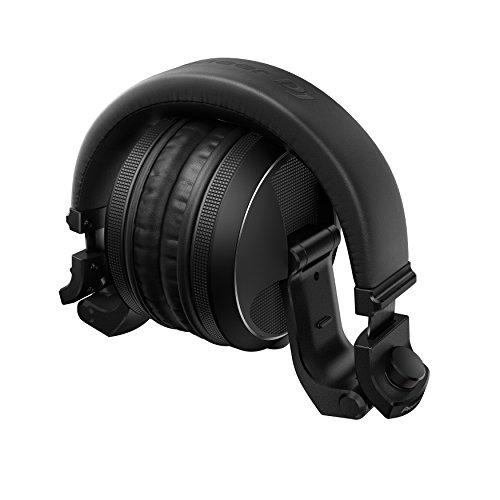
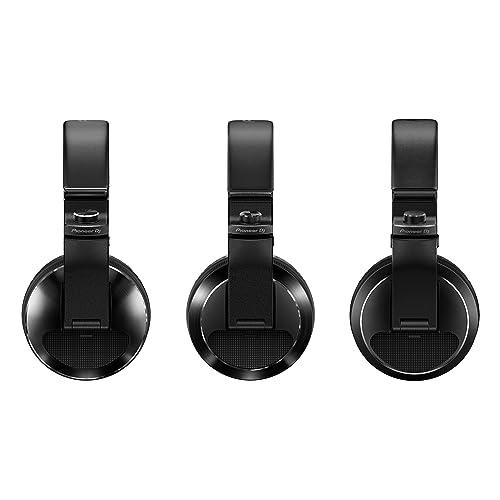
The most fundamental difference between these headphones lies in their acoustic design. The Pioneer HDJ-X5 uses a closed-back design, meaning the outer part of each ear cup is sealed. This creates a chamber that isolates your ears from outside noise while containing the sound the headphones produce. It's like having tiny, soundproof rooms for each ear.
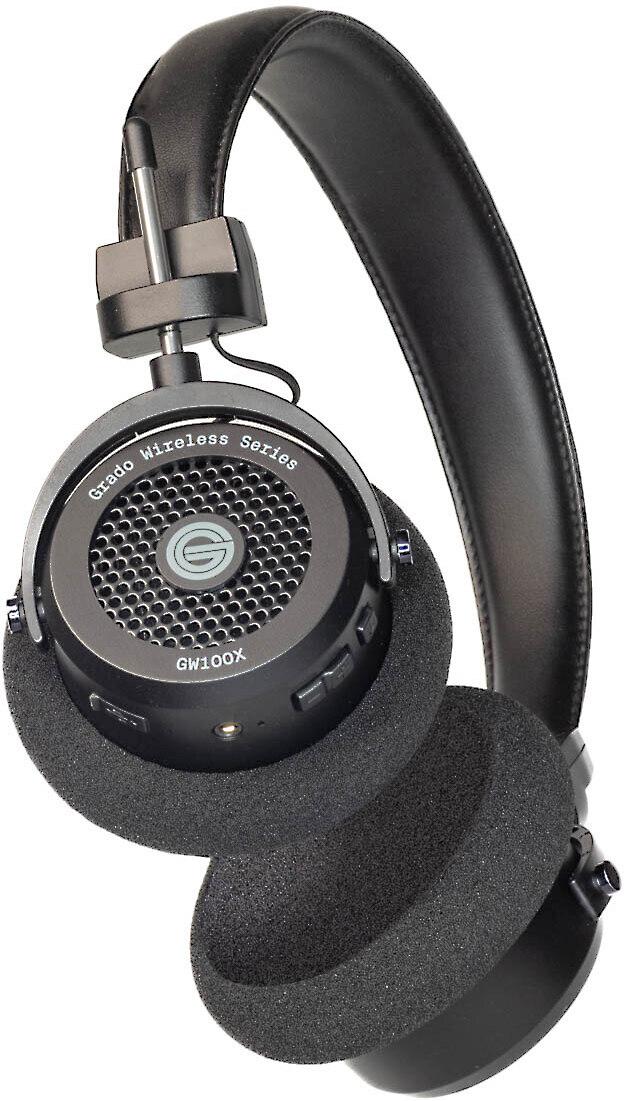
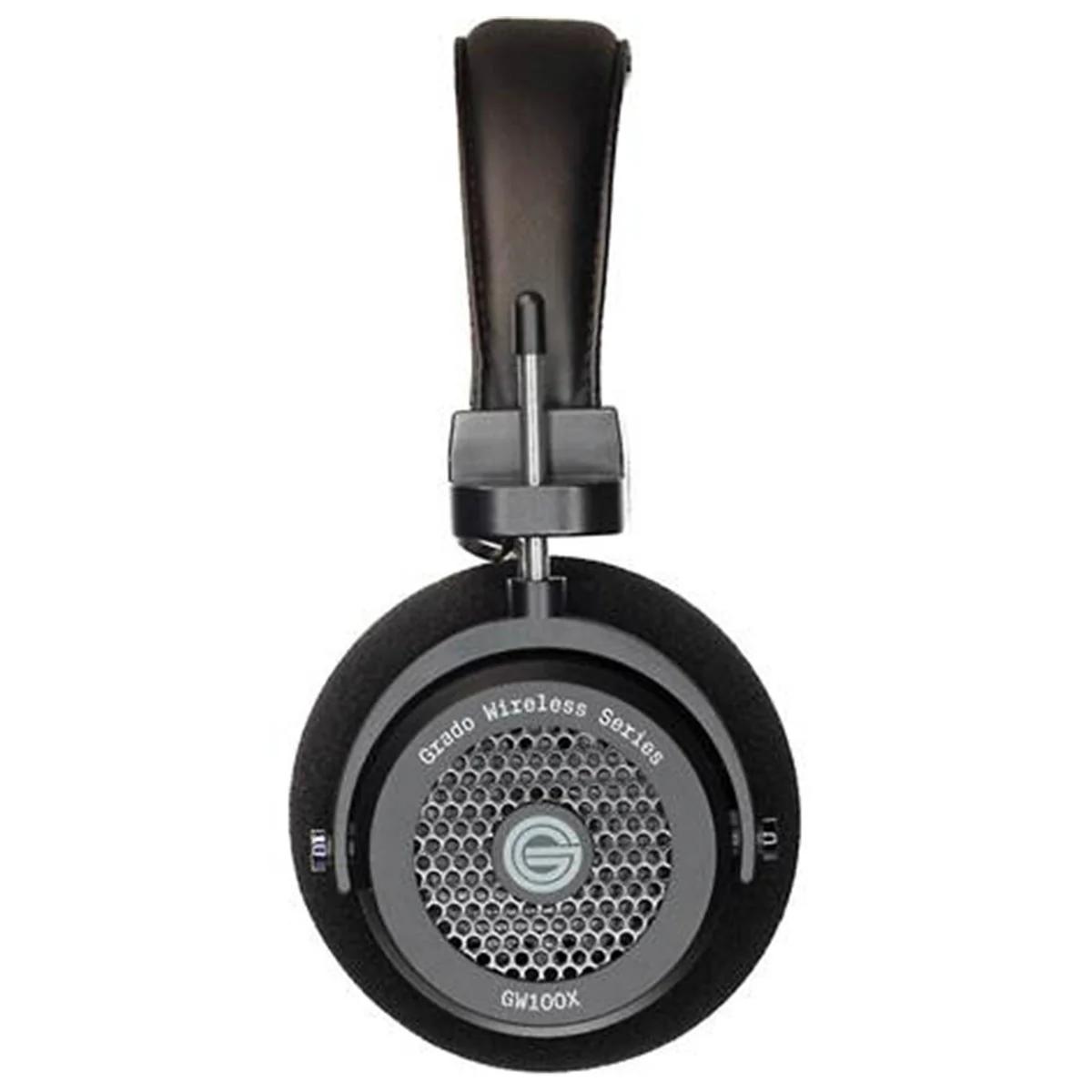
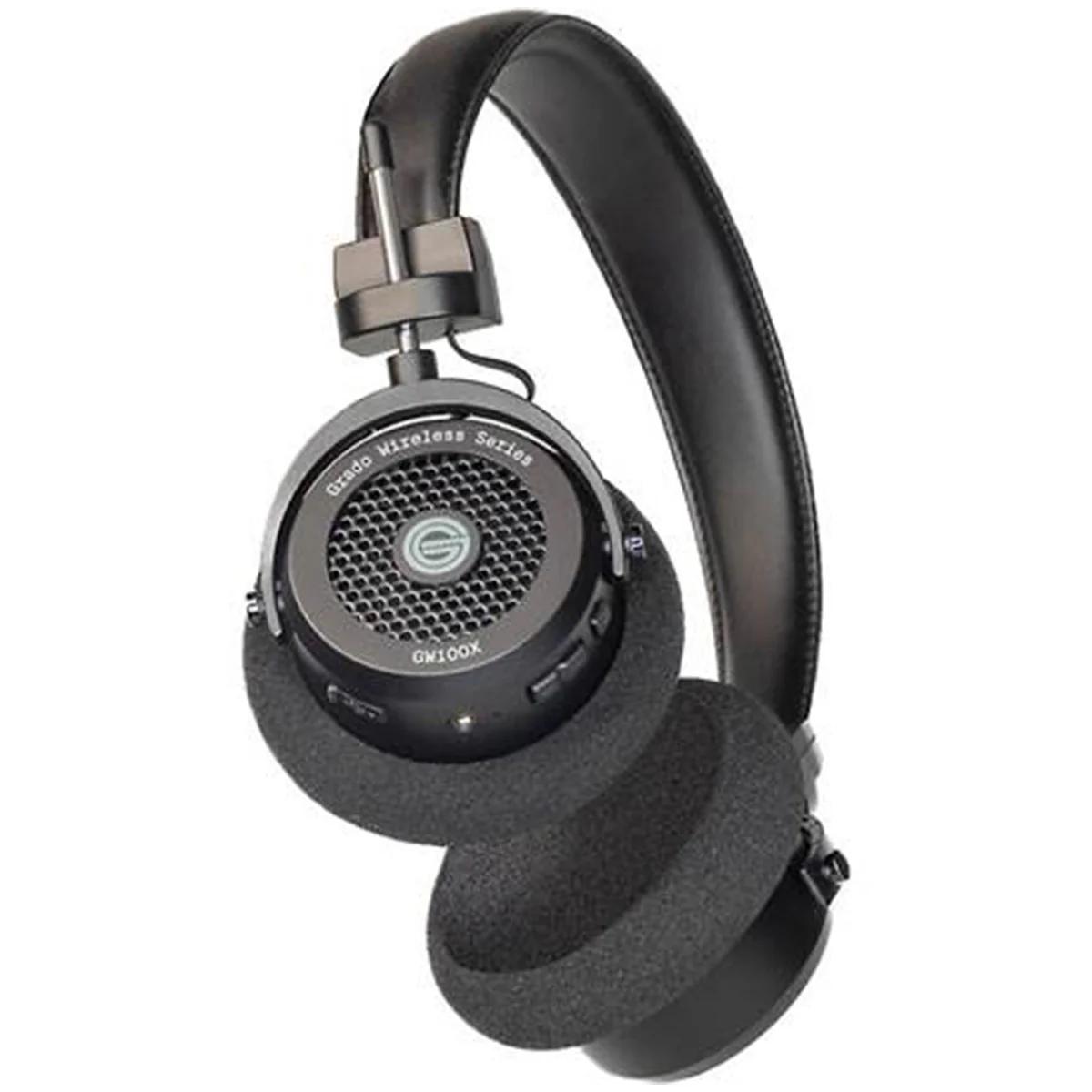
The Grado GW100x takes the opposite approach with an open-back design. The outer portion of each ear cup has openings that allow air and sound to flow freely. This might seem counterintuitive – why would you want sound to leak out? – but it creates a much more natural, spacious listening experience. Instead of feeling like music is happening inside your head, open-back headphones make it feel like you're sitting in a room with the musicians.
I've spent countless hours with both designs, and the difference is immediately apparent. Put on the Pioneer HDJ-X5 in a coffee shop, and the world disappears. The barista could be grinding beans three feet away, and you'll barely notice. Switch to the Grado GW100x in the same environment, and you'll hear everything – including your own music leaking out to potentially annoy your neighbors.
This design difference drives almost every other aspect of how these headphones behave and where they're best used.
Sound signature refers to how headphones emphasize or de-emphasize different frequency ranges. Think of it like the tone controls on a stereo – some headphones naturally boost bass, others emphasize treble, and some aim for perfectly flat response across all frequencies.
The Pioneer HDJ-X5 deliberately emphasizes bass frequencies, particularly in the 60-200Hz range where kick drums and bass lines live. This isn't an accident or a flaw – it's a feature. DJs need to accurately monitor the low-end frequencies that drive dance music and keep crowds moving. The headphones also boost presence frequencies around 5.5kHz, making vocals cut through busy mixes more clearly.
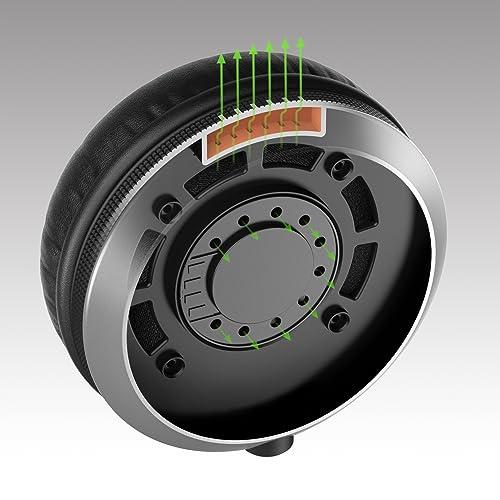
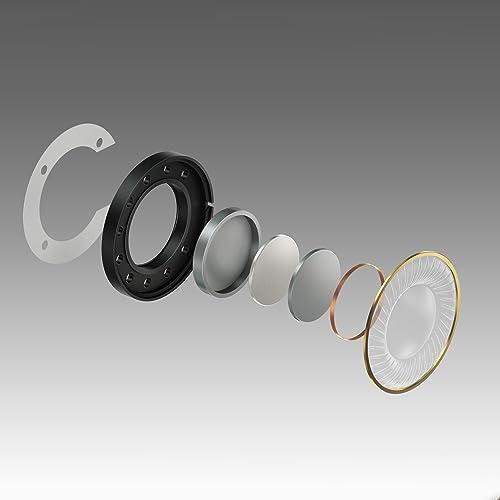
Pioneer achieves this bass emphasis through several technical innovations. The headphones include a bass reflex chamber (a specially designed air space that reinforces low frequencies) and 40mm drivers with copper-clad aluminum wire voice coils. Voice coils are the part of the driver that converts electrical signals into sound waves – using copper-clad aluminum wire makes them more efficient and responsive, particularly for bass reproduction.
The Grado GW100x pursues the opposite philosophy with a much more neutral frequency response. Grado's fourth-generation X drivers aim to reproduce music without editorial comment, letting you hear exactly what was recorded. The open-back design contributes to this neutrality by preventing the resonances and pressure buildup that can color sound in closed designs.
During my testing, these different approaches create dramatically different listening experiences. Playing the same hip-hop track through both, the Pioneer HDJ-X5 makes the sub-bass thump with authority and brings vocal hooks forward in the mix. The Grado GW100x presents a more balanced picture where you can clearly hear the subtle percussion, background vocals, and spatial effects that might get overshadowed by the bass emphasis of the Pioneers.
Neither approach is inherently better – they serve different purposes. The Pioneer's bass emphasis helps DJs make crucial mixing decisions, while the Grado's neutrality reveals musical details you might never notice otherwise.
When evaluating headphones, several technical specifications reveal how they'll perform in real-world use. Maximum power handling tells you how loud they can play without distortion, impedance affects how easily they're driven by different sources, and driver technology determines fundamental sound quality.
The Pioneer HDJ-X5 specifications read like those of professional monitoring equipment. With 2000mW maximum power handling, they can reproduce extremely high sound pressure levels without distorting – crucial when monitoring in loud nightclub environments. Their 32-ohm impedance means they'll play loud even from smartphones and laptop outputs, while their 102dB sensitivity ensures efficient conversion of electrical power to sound.
These technical capabilities serve practical purposes. DJs often need to hear their headphone mix over pounding club sound systems that might be producing 110dB or more at the booth. The Pioneer HDJ-X5 can compete with that environment while maintaining clean, undistorted sound reproduction.
The Grado GW100x takes a more refined approach with 44mm fourth-generation X drivers that prioritize efficiency and low distortion over raw power handling. At 38 ohms impedance and 99.8dB sensitivity, they're designed for comfortable listening levels rather than ear-splitting volume. The driver technology focuses on reducing effective mass in the voice coil and optimizing the magnetic circuit for better transient response – meaning they react more quickly to changes in the music signal.
This translates to better reproduction of subtle details like the decay of cymbal crashes, the texture of acoustic guitar strings, and the natural reverb in recording spaces. During extended listening sessions, I consistently notice details in familiar recordings through the Grado GW100x that I miss with more colored headphones.
The connectivity approach of these headphones reflects their different design priorities and target users. The Pioneer HDJ-X5 embraces professional-grade wired connectivity with features that prioritize reliability over convenience.
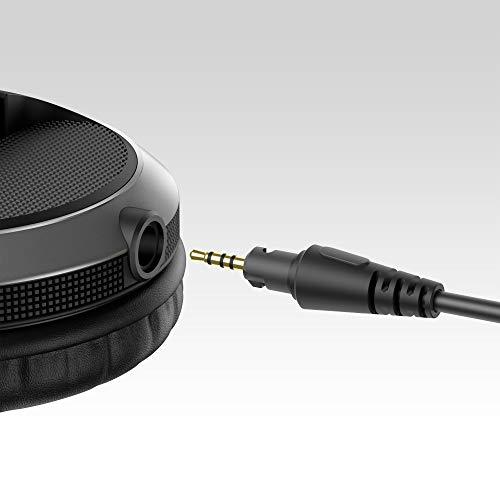
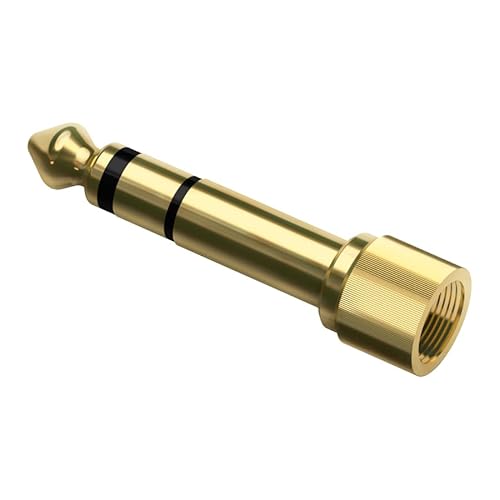
Pioneer includes a 1.2-meter coiled cable that extends to 1.8 meters – the coil design prevents tangling while providing enough length to connect to booth mixers without creating trip hazards. The cable uses a four-core twisted structure with independent ground wires for each channel, improving stereo separation and reducing interference. Professional connections include both 3.5mm and 6.3mm options, with the larger connector featuring screw-on threading to prevent accidental disconnection during performances.
Having experienced the frustration of headphones disconnecting during critical moments, I appreciate these practical details. The threaded connector might seem like overkill, but when you're mixing for hundreds of people, redundancy matters.
The Grado GW100x embraces modern wireless convenience with Bluetooth 5.2 technology and support for high-quality codecs including aptX Adaptive. Codecs are compression algorithms that determine how audio data is transmitted wirelessly – higher quality codecs preserve more of the original sound. The aptX Adaptive codec dynamically adjusts its compression based on signal conditions, maintaining quality while preventing dropouts.
Grado's implementation includes multipoint pairing, allowing the headphones to remember and switch between two paired devices. An 850mAh battery provides up to 46 hours of playback time – exceptional by current wireless standards. At the time of writing, most wireless headphones offer 20-30 hours, making the Grado's stamina particularly impressive.
The wireless approach offers obvious lifestyle advantages. You can walk around your house, exercise, or commute without cable concerns. However, it introduces potential points of failure – battery management, connection stability, and codec compatibility all become factors that don't exist with wired designs.
Physical design and build quality often determine whether headphones remain comfortable and functional over time. These models approach durability and comfort from very different perspectives.
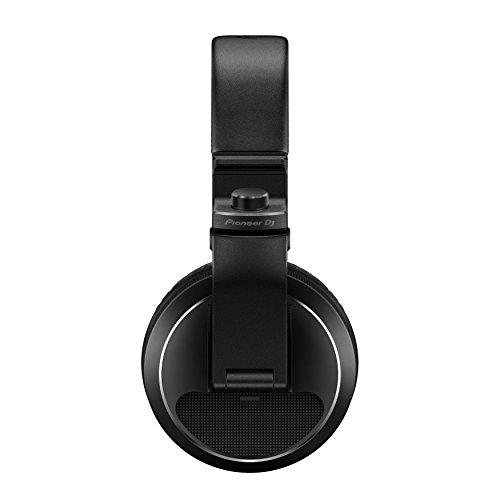
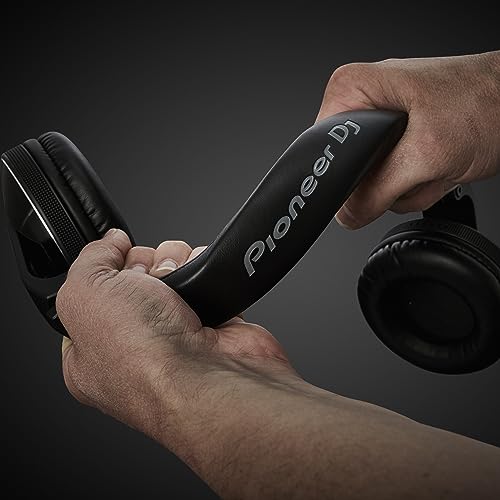
The Pioneer HDJ-X5 earned MIL-STD-810G military standard certification for shock resistance – the same standard used for military equipment. Pioneer reinforces moving parts with metal components and designs the housing to reduce pressure points during extended wear. The swivel mechanism allows 90-degree rotation for single-ear monitoring, a essential feature for DJ work.
I've witnessed professional DJ headphones survive years of abuse that would destroy consumer models – cable yanking, accidental drops, sweat exposure, and constant folding and unfolding for travel. The Pioneer HDJ-X5 builds in this kind of resilience through thoughtful engineering rather than just heavy materials.
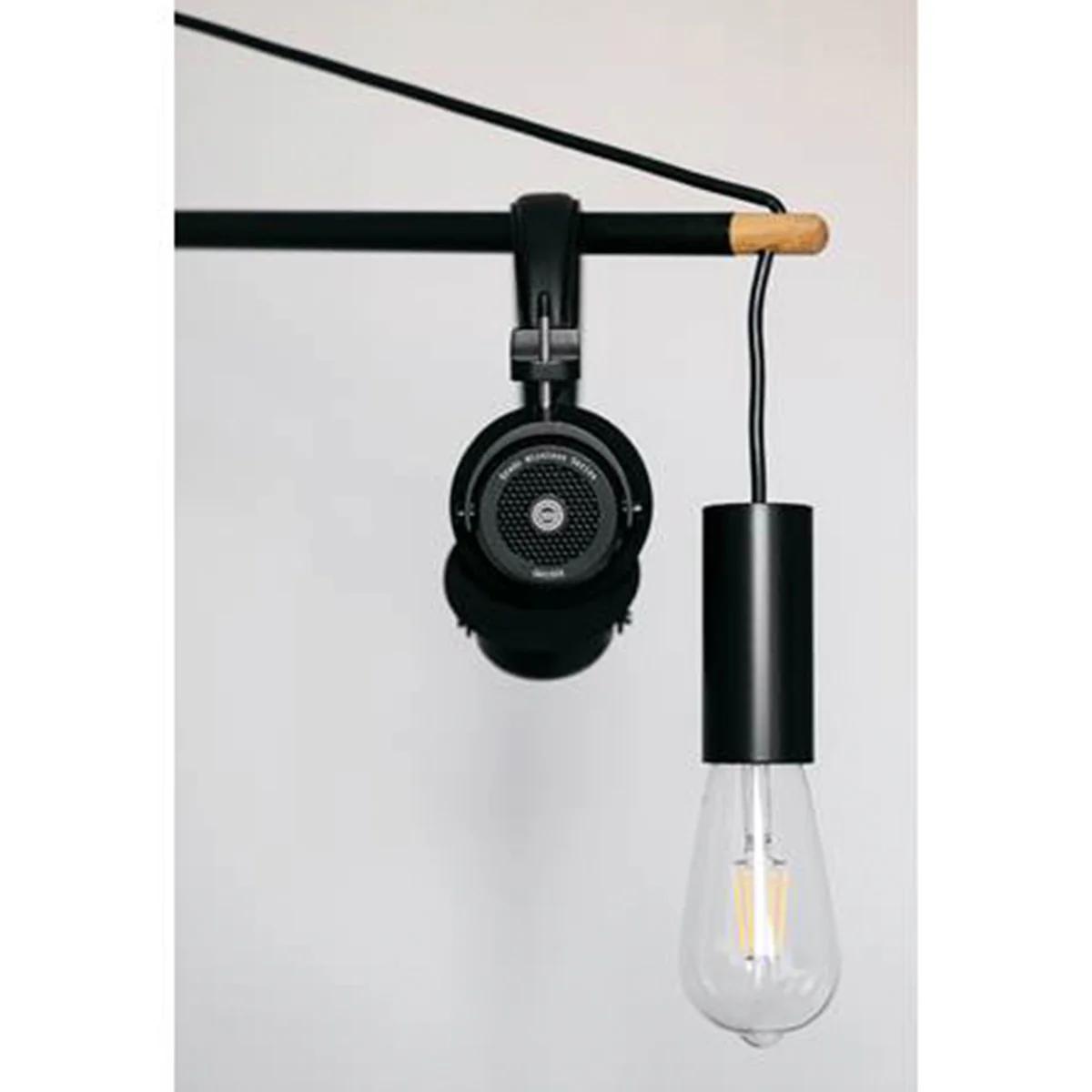
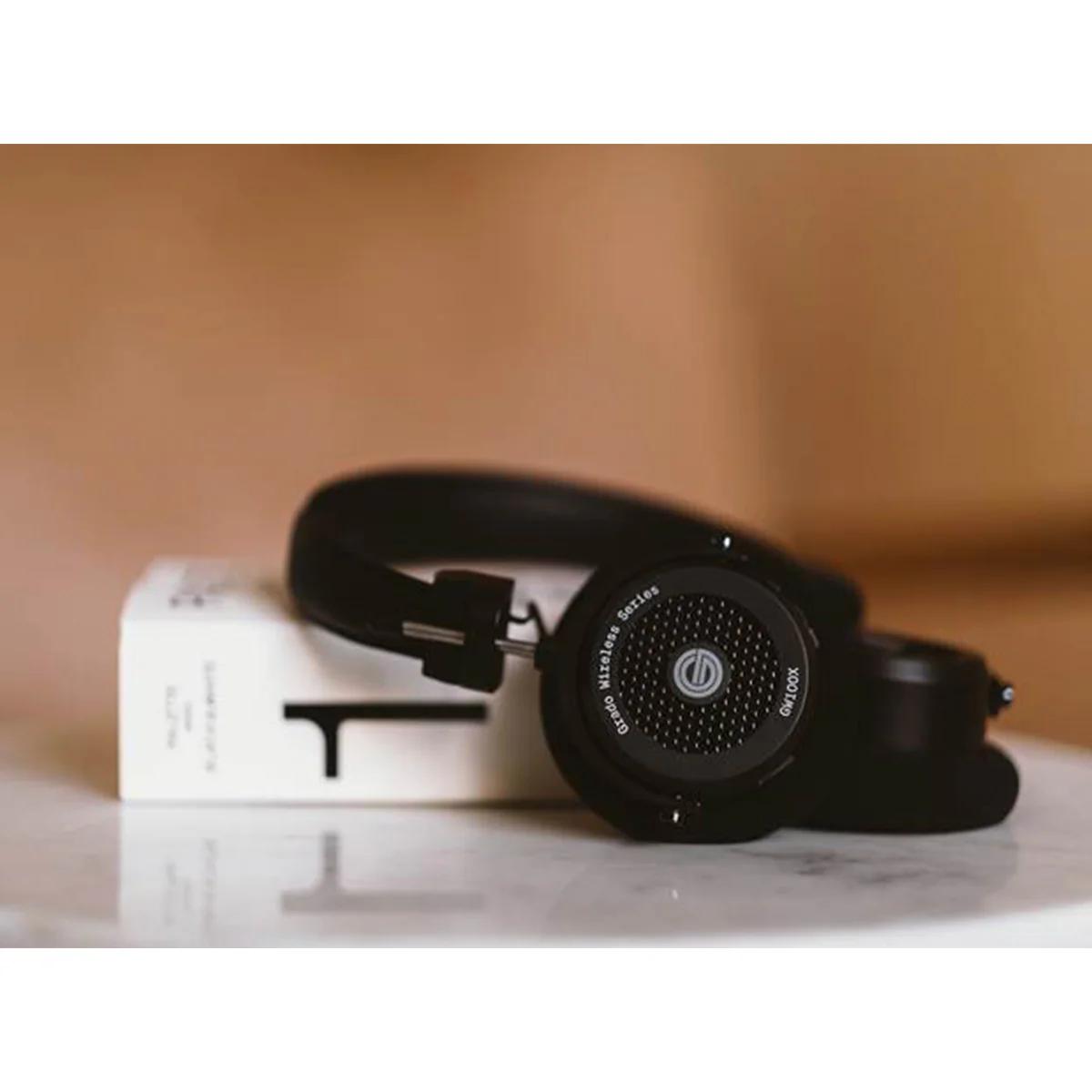
The Grado GW100x prioritizes comfort over ruggedness with a lightweight 188-gram design and minimalist construction. The on-ear design distributes weight differently than the Pioneer's over-ear approach, though this can be more or less comfortable depending on individual ear shape and listening habits.
Grado's build philosophy focuses on sonic performance over premium materials or luxury feel. The headphones feel solid and functional rather than luxurious, which some users love for its honest approach while others might expect more premium materials at this price point.
Understanding where each headphone excels helps determine which better fits your specific needs and environment.
For actual DJ work, the Pioneer HDJ-X5 offers clear advantages. The isolation lets you hear your cue mix clearly even in loud venues, while the bass emphasis helps you match kick drums and basslines between tracks. The reliable wired connection eliminates latency concerns that could throw off your timing.
The Grado GW100x simply can't function in this environment. The open-back design provides no isolation from club noise, sound leakage would disturb nearby people, and wireless latency could disrupt precise mixing timing.
This scenario flips the advantages significantly. The Grado GW100x creates a more natural, immersive listening experience that makes familiar recordings sound fresh and detailed. The wireless convenience enhances casual listening – you can move around your house, grab snacks, or do light household tasks without missing the music.
The Pioneer HDJ-X5 can certainly work for home listening, especially if you prefer bass-heavy music or need isolation from household noise. However, their professional tuning might make acoustic music, jazz, or classical recordings sound less natural than intended.
Home theater use presents interesting considerations for both models. The Grado GW100x could work well for late-night movie watching when you need to avoid disturbing others, though you'd miss the tactile impact of explosions and action sequences that the Pioneer's bass emphasis would provide.
The Pioneer HDJ-X5 might actually excel for action movies and gaming due to their bass response and isolation, though the wired connection could limit comfortable viewing positions. Neither headphone offers surround sound processing, so you'd get stereo reproduction rather than true multichannel audio.
The wireless Grado GW100x clearly wins for exercise and active use, though the open-back design makes them inappropriate for gyms or public transportation where sound leakage would be inconsiderate. They work better for home workouts or outdoor activities in appropriate settings.
The Pioneer HDJ-X5 could work for commuting thanks to their excellent isolation, but the wired connection creates practical challenges with modern devices that often lack headphone jacks.
At the time of writing, both headphones occupy interesting positions in their respective market segments. The Pioneer HDJ-X5 offers genuine professional-grade features and build quality at prices that compete with consumer headphones, making it exceptional value for anyone needing its specific capabilities.
Professional DJ headphones from established brands traditionally commanded premium prices, but Pioneer positioned the HDJ-X5 as an entry point into professional-quality monitoring. This makes it accessible to hobbyist DJs and music producers who need professional tools without professional budgets.
The Grado GW100x addresses a more niche market – audiophiles who want high-quality sound in a wireless package. Most wireless headphones prioritize convenience features like noise canceling over pure audio quality, while traditional audiophile headphones require wired connections. Grado bridges this gap, though at a premium compared to mainstream wireless options.
Both headphones offer good value within their intended markets, but poor value if used outside their design parameters. A casual listener paying for the Pioneer's professional features they'll never use wastes money, while someone needing isolation would find the Grado's open design completely impractical regardless of sound quality.
After extensive use with both headphones, my recommendations depend heavily on your primary use case and listening environment.
Choose the Pioneer DJ HDJ-X5 if you need isolation, prioritize bass response, or work in professional audio applications. They're also excellent for anyone who appreciates robust build quality and wants headphones that will survive years of heavy use. The bass-forward tuning makes them particularly enjoyable for electronic music, hip-hop, and pop genres.
The Grado GW100x suits listeners who prioritize natural sound reproduction, wireless convenience, and comfortable long-term listening. They excel with acoustic music, jazz, classical, and well-recorded material where subtle details matter more than bass impact. The exceptional battery life makes them practical for extended listening sessions.
For home theater use, I'd lean toward the Pioneer HDJ-X5 for action content and the Grado GW100x for dialogue-heavy material, though dedicated gaming headsets might serve better for serious gaming applications.
Neither headphone represents a universal solution – they're specialized tools that excel in specific applications. The key to satisfaction lies in honestly assessing your primary use case and choosing the tool designed for that job. At the time of writing, both offer competitive value within their respective niches, making either a solid investment if it matches your needs.
The evolution of both categories continues rapidly. Wireless technology keeps improving latency and battery life, while professional monitoring equipment becomes more accessible. Both the Pioneer HDJ-X5 and Grado GW100x represent thoughtful approaches to their respective design challenges, giving music lovers distinctly different but equally valid ways to experience their favorite recordings.
| Pioneer DJ HDJ-X5 | Grado GW100x |
|---|---|
| Design Type - Determines isolation and sound leakage | |
| Closed-back, over-ear (complete isolation, no sound leakage) | Open-back, on-ear (natural soundstage, sound leaks out) |
| Connectivity - Affects reliability and convenience | |
| Wired only with professional connectors (zero latency, no battery concerns) | Wireless Bluetooth 5.2 with wired backup (freedom of movement, battery dependency) |
| Driver Size - Impacts bass response and overall power | |
| 40mm dome drivers with CCAW voice coils | 44mm 4th generation Grado X drivers |
| Frequency Response - Shows tonal balance and bass extension | |
| 5Hz - 30kHz (bass-heavy tuning for DJ monitoring) | 20Hz - 20kHz (neutral audiophile tuning) |
| Maximum Power Handling - Critical for loud environments | |
| 2,000mW (can handle extreme volume levels safely) | Not specified (designed for moderate listening levels) |
| Weight - Affects comfort during long sessions | |
| 269g without cable (sturdy but heavier) | 188g (lightweight for extended comfort) |
| Battery Life - Only relevant for wireless model | |
| N/A (wired connection) | Up to 46 hours (exceptional wireless endurance) |
| Impedance - Determines how easily driven by devices | |
| 32Ω (works well with phones and portable devices) | 38Ω (optimized for moderate power sources) |
| Build Quality - Important for long-term durability | |
| MIL-STD-810G military standard certified | Consumer-grade lightweight construction |
| Cable Design - Affects professional use and portability | |
| 1.2m coiled cable (extends to 1.8m), 4-core twisted structure | Bluetooth primary, 3.5mm backup cable included |
| Swivel Mechanism - Essential for DJ monitoring | |
| 90-degree swivel for single-ear monitoring | Standard adjustment only |
| Replaceable Parts - Affects long-term ownership costs | |
| Detachable cables and ear pads available | Limited replacement part availability |
| Noise Isolation - Critical for noisy environments | |
| Excellent passive isolation (blocks external noise) | None (open design lets all sound through) |
| Codec Support - Determines wireless audio quality | |
| N/A (wired connection) | aptX Adaptive, AAC, SBC (high-quality wireless audio) |
The Grado GW100x are significantly better for home listening due to their open-back design that creates a natural, spacious soundstage and neutral frequency response. The wireless convenience also makes them ideal for casual listening around the house. The Pioneer DJ HDJ-X5 can work for home use but are tuned for professional DJ monitoring with emphasized bass, making them less suitable for diverse music genres.
For pure music listening, the Grado GW100x offer superior sound quality with their neutral, audiophile-tuned frequency response and open-back design that provides excellent soundstage and detail retrieval. The Pioneer DJ HDJ-X5 are optimized for DJ monitoring with bass-heavy tuning that's great for electronic music but less accurate for acoustic genres, jazz, or classical music.
Only the Pioneer DJ HDJ-X5 are suitable for DJ work. They provide essential features like sound isolation, bass-forward tuning for monitoring kick drums, zero-latency wired connection, and a swivel mechanism for single-ear monitoring. The Grado GW100x are completely inappropriate for DJing due to their open-back design that offers no isolation and allows sound leakage.
The Pioneer DJ HDJ-X5 are significantly more durable, featuring MIL-STD-810G military standard certification, metal-reinforced moving parts, and professional-grade construction designed for heavy use. The Grado GW100x use lightweight consumer-grade construction that prioritizes comfort over ruggedness, making them less suitable for demanding environments.
Both have limitations for home theater use. The Grado GW100x work better for late-night viewing when you need to avoid disturbing others, offering natural dialogue reproduction and wireless freedom. The Pioneer DJ HDJ-X5 provide better bass impact for action movies but require wired connections that may limit comfortable viewing positions. Neither offers surround sound processing.
Only the Grado GW100x offer wireless connectivity, featuring exceptional 46-hour battery life, Bluetooth 5.2 with high-quality codecs (aptX Adaptive, AAC), and multipoint pairing for switching between devices. The Pioneer DJ HDJ-X5 are wired-only headphones with no battery or wireless capabilities, which eliminates connectivity concerns but limits mobility.
Both offer good comfort but in different ways. The Grado GW100x are lighter at 188g with an on-ear design that some find more comfortable for extended periods, plus the open-back design reduces heat buildup. The Pioneer DJ HDJ-X5 feature over-ear design with pressure-reducing housing and are built for long DJ sets, though they're heavier at 269g.
The Pioneer DJ HDJ-X5 provide excellent passive noise isolation due to their closed-back, over-ear design that effectively blocks external noise. The Grado GW100x provide zero noise isolation due to their open-back design, which actually allows external sounds to mix with your music. Choose Pioneer for noisy environments, Grado for quiet spaces only.
Both work with phones and laptops but differently. The Grado GW100x connect wirelessly via Bluetooth to any modern device and include a backup 3.5mm cable. The Pioneer DJ HDJ-X5 require a headphone jack or adapter, including both 3.5mm and 6.3mm connections with professional-grade threaded adapters for secure connection.
The Pioneer DJ HDJ-X5 are specifically tuned for bass-heavy genres with enhanced low-frequency response, bass reflex chambers, and high power handling for impactful reproduction of kick drums and sub-bass. The Grado GW100x offer more neutral bass response that's accurate but less emphasized, making them better suited for genres requiring balanced frequency response.
The Pioneer DJ HDJ-X5 are designed to contain sound with their closed-back construction, making them suitable for use around others. The Grado GW100x intentionally leak sound due to their open-back design, which creates their signature spacious sound but makes them inappropriate for libraries, offices, or anywhere sound leakage would disturb others.
Both offer good value within their intended use cases. The Pioneer DJ HDJ-X5 provide exceptional value for professional monitoring needs, offering military-grade durability and professional features at accessible prices. The Grado GW100x offer unique value as one of the few high-quality open-back wireless headphones available, combining audiophile sound with wireless convenience that's rare in this market segment.
We've done our best to create useful and informative comparisons to help you decide what product to buy. Our research uses advanced automated methods to create this comparison and perfection is not possible - please contact us for corrections or questions. These are the sites we've researched in the creation of this article: guitarcenter.com - pioneerdj.com - digitaldjtips.com - youtube.com - idjnow.com - youtube.com - youtube.com - wearecrossfader.co.uk - audio46.com - youtube.com - pioneerdj.com - pioneerdj.com - idjnow.com - milehighdjsupply.com - pioneerdj.com - store.djtechtools.com - pioneerdjstore.com - americanmusical.com - sweetwater.com - stars-music.com - store.djtechtools.com - pioneerdj.com - techradar.com - crutchfield.com - whathifi.com - moon-audio.com - majorhifi.com - rockonav.com - forums.stevehoffman.tv - newegg.com - audiosciencereview.com - gradolabs.com - decibelaudio.com - addictedtoaudio.com.au - s3.eu-west-1.amazonaws.com - audioadvice.com - analogmatters.com - nyczaj.audio - parts-express.com

Privacy Policy
Terms and Conditions - Affiliate Policy
Home Security
© Copyright 2008-2026.
11816 Inwood Rd #1211, Dallas, TX 75244