

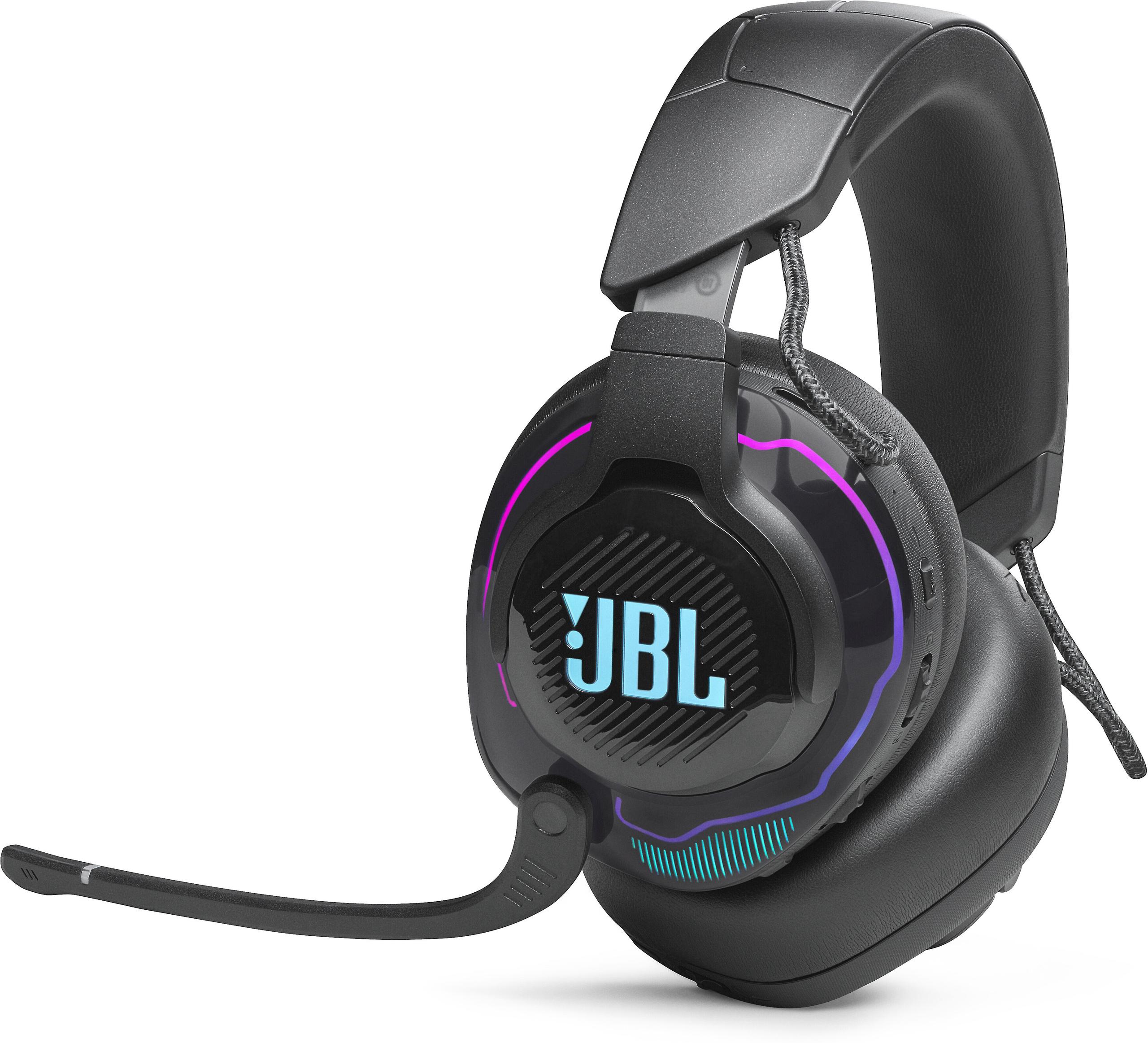
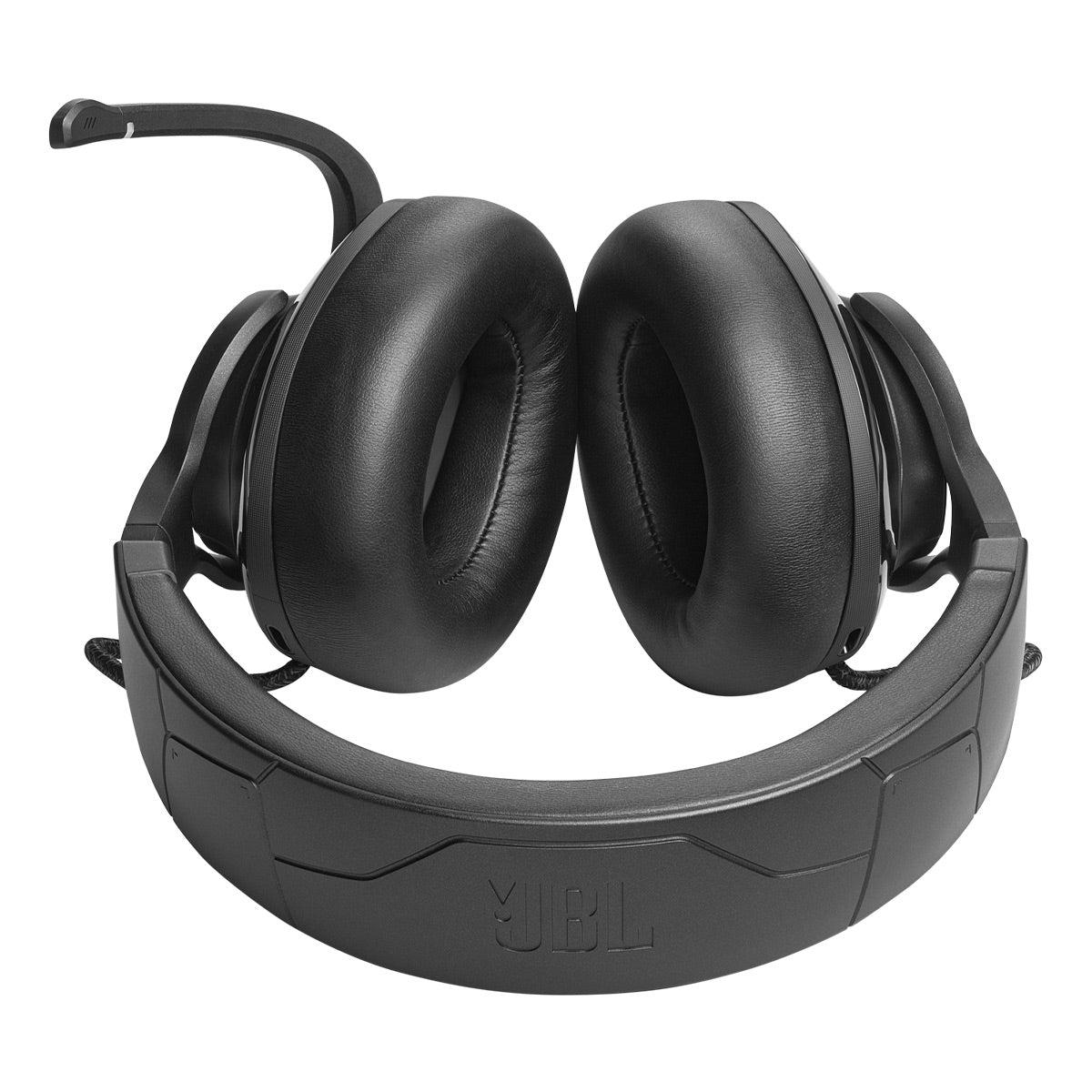
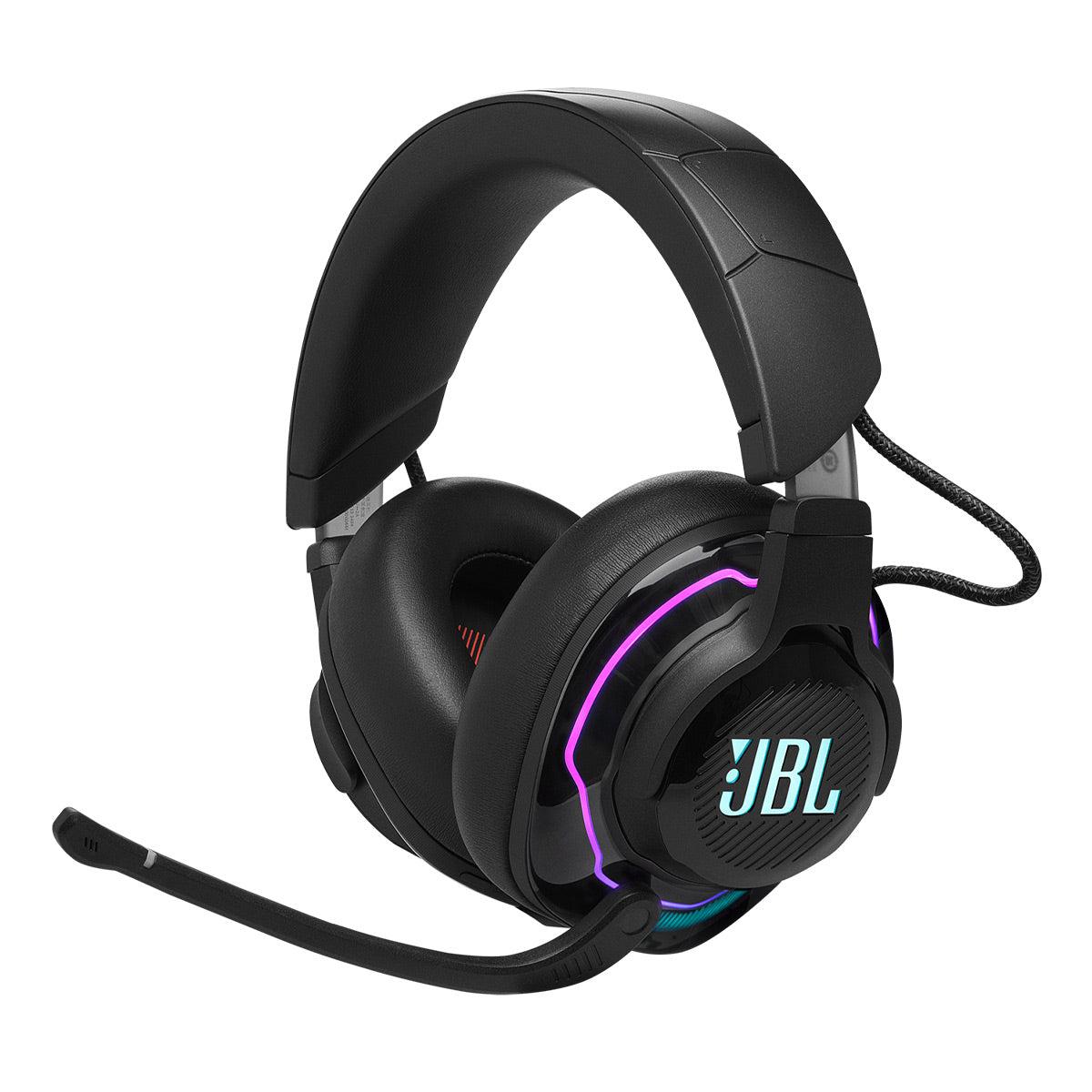

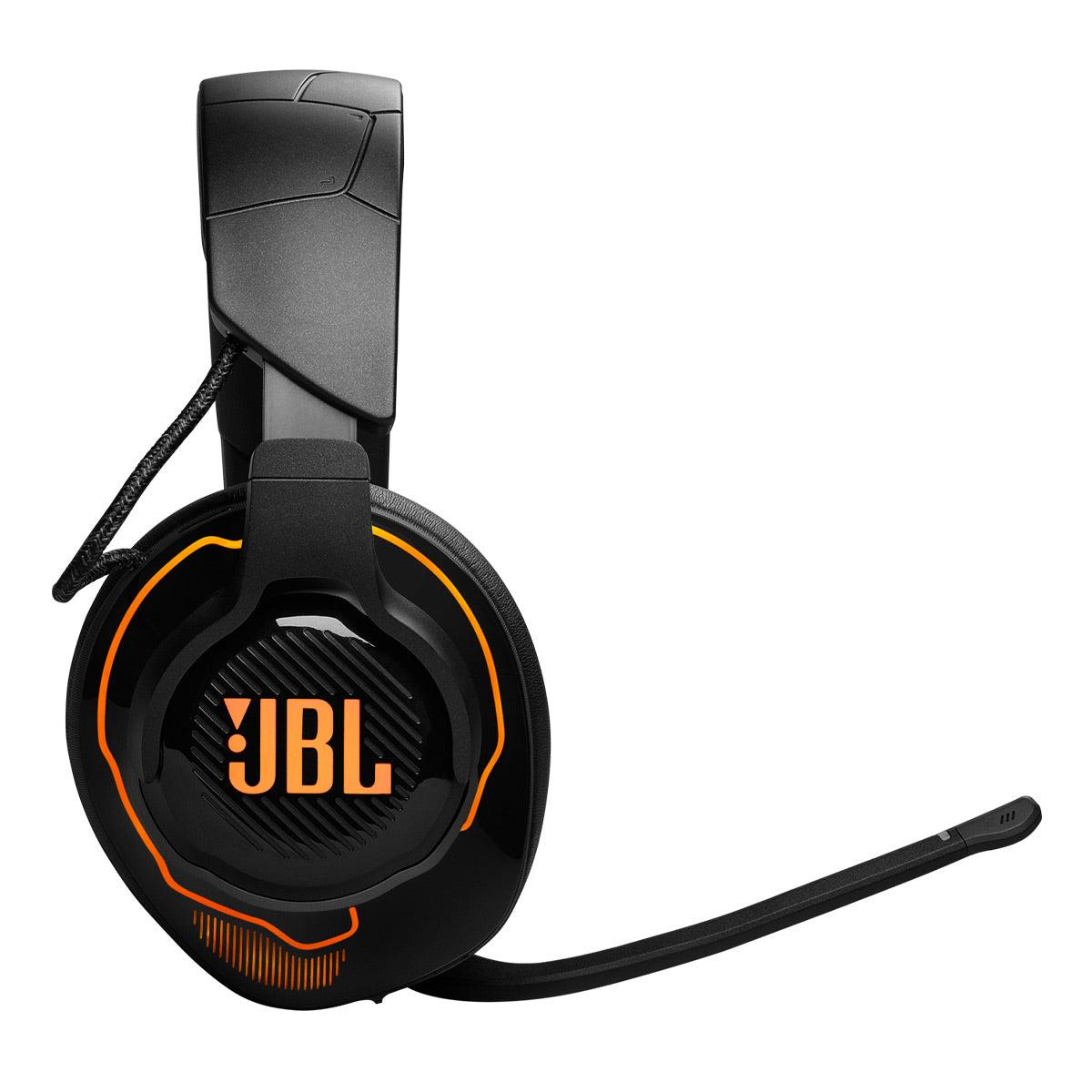




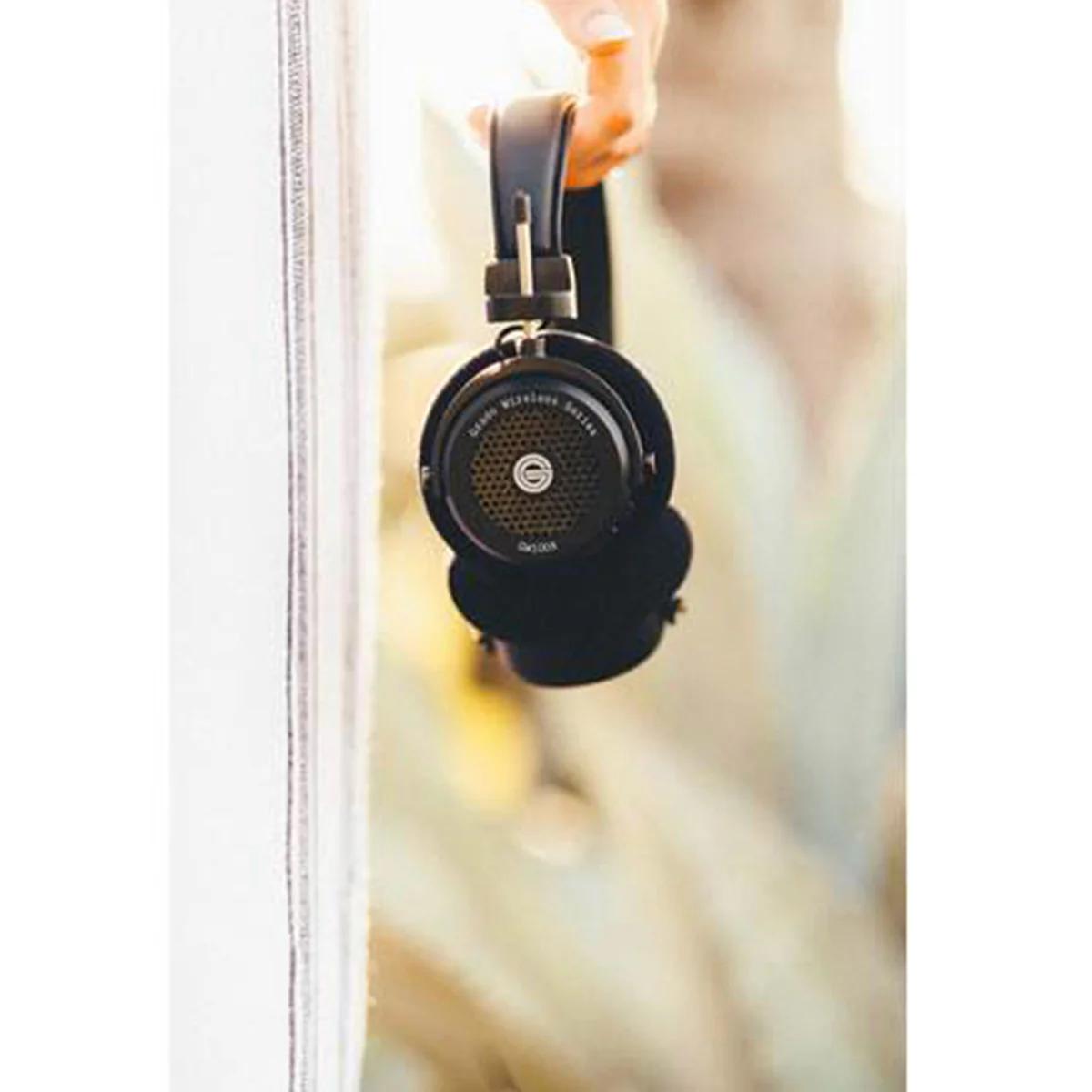
When shopping for premium wireless headphones, you'll quickly discover two very different worlds: gaming headsets packed with features and audiophile headphones focused purely on sound quality. The JBL Quantum 910 Wireless Gaming Headset and Grado GW100x Wireless Headphones perfectly represent these competing philosophies. At the time of writing, both products sit in the premium tier but take radically different approaches to delivering great audio.
The fundamental difference between these categories goes beyond just having a microphone. Gaming headsets are engineered as complete communication and immersion systems. They include spatial audio processing (technology that creates 3D sound positioning), active noise cancellation, platform-specific optimizations, and integrated microphones with advanced processing. Think of them as Swiss Army knives for gamers.
Audiophile headphones, conversely, are more like precision instruments. They prioritize driver quality, natural sound reproduction, and comfort for extended listening sessions. Features are minimal because every component that doesn't directly serve sound quality is seen as a potential compromise.
This philosophical difference matters more than you might expect. When Grado developed the GW100x around 2018-2019, they faced the challenge of maintaining their legendary sound signature while adding Bluetooth—a notoriously difficult balance. Meanwhile, JBL designed the Quantum 910 (released in 2021) specifically to compete with premium gaming headsets from SteelSeries and Razer, focusing on features that provide competitive gaming advantages.
The sound quality comparison reveals the core difference between these products. The JBL Quantum 910 uses 50mm neodymium drivers tuned with what JBL calls their "QuantumSOUND Signature." This isn't neutral sound—it's deliberately colored to enhance gaming experiences. Bass frequencies are emphasized to make explosions and footsteps more impactful, while higher frequencies are tuned to make directional cues like gunshots and voices cut through the mix clearly.
This gaming-focused tuning actually works well for many modern music genres, particularly electronic, hip-hop, and rock. However, it can make acoustic music, jazz, or classical recordings sound artificial or overly aggressive. The closed-back design (where the ear cups are sealed) helps with noise isolation but creates a more intimate, sometimes claustrophobic soundstage.
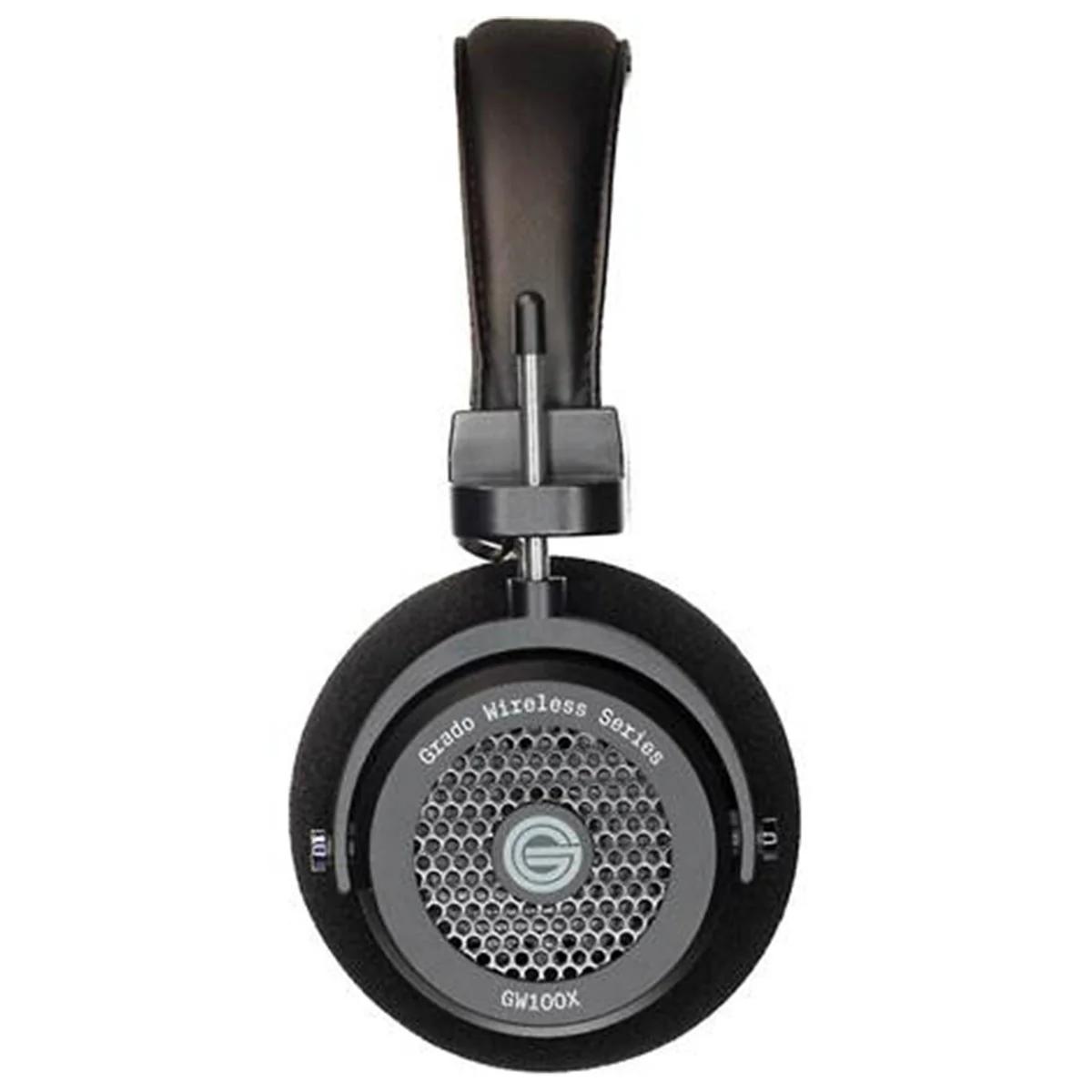
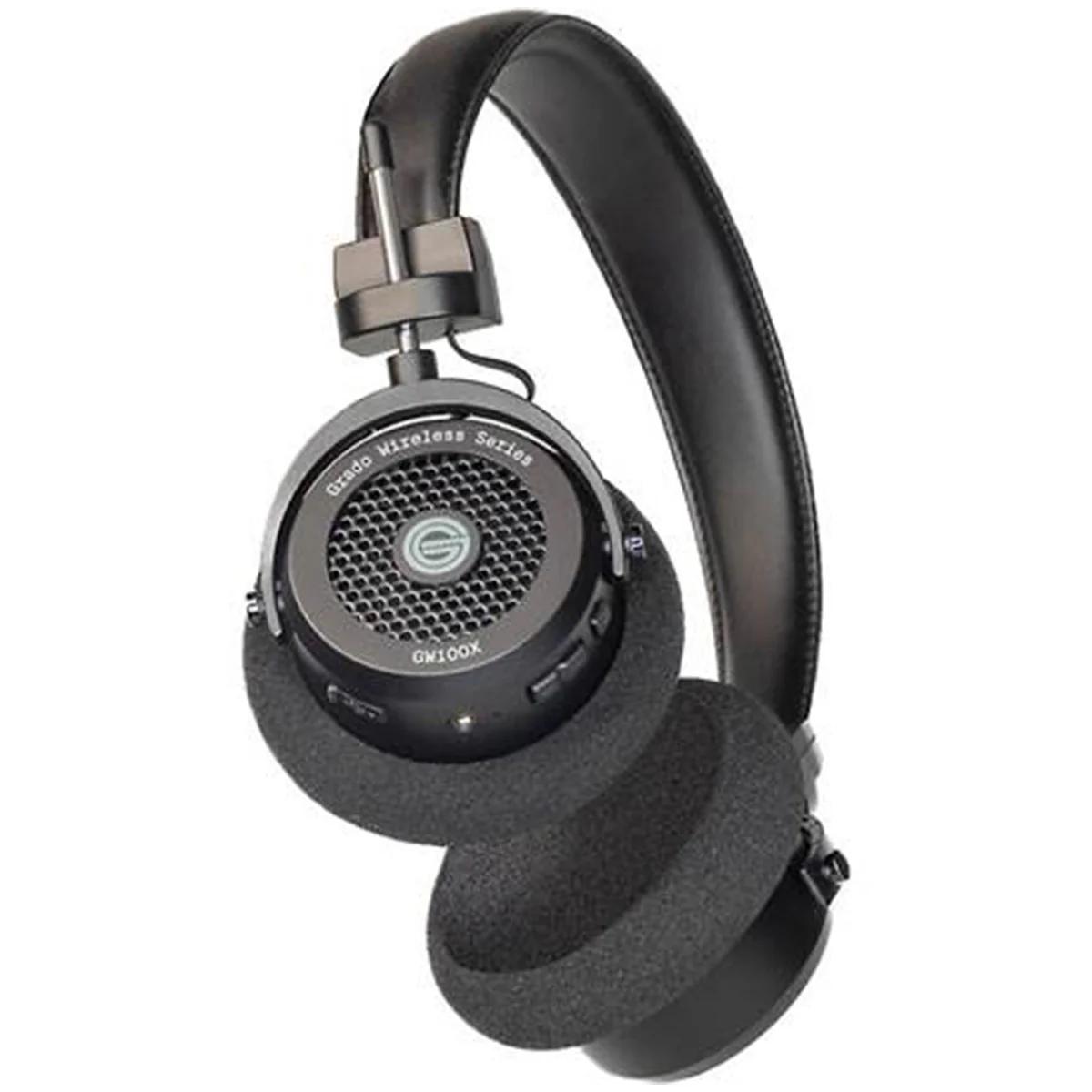
The Grado GW100x takes the opposite approach with its 44mm 4th generation X-Series drivers. These are specifically engineered versions of Grado's acclaimed wired drivers, modified for wireless efficiency without sacrificing their signature sound. Grado's house sound emphasizes midrange clarity and natural timbre—meaning instruments and voices sound more like they do in real life.
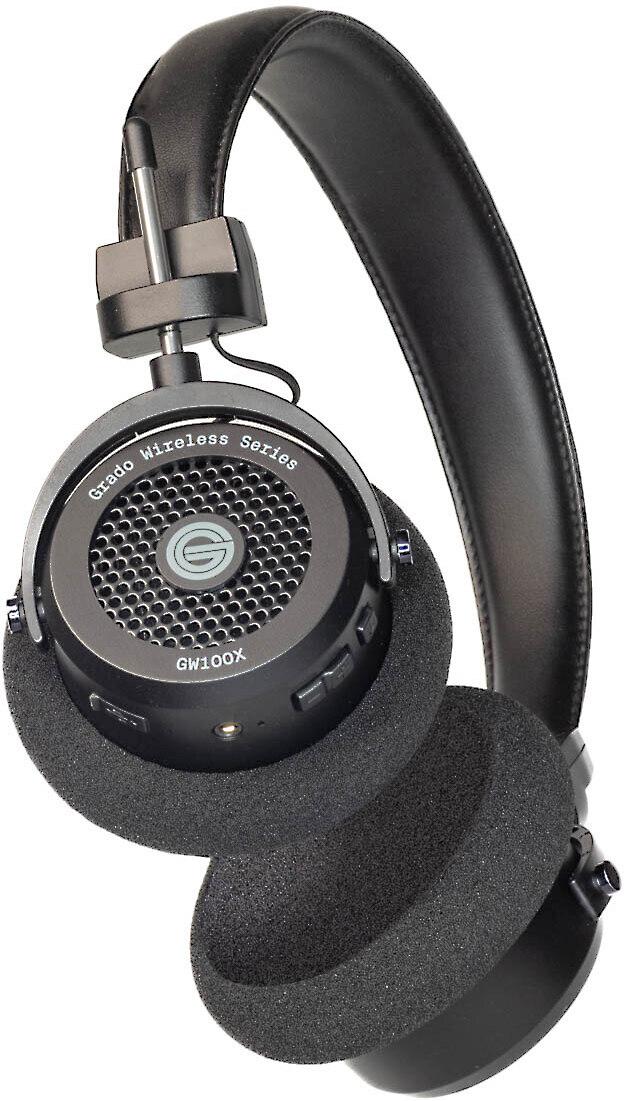
What makes the GW100x truly special is its open-back design. Unlike most wireless headphones, the back of each ear cup has openings that allow sound to flow freely. This creates a much more spacious, three-dimensional soundstage that makes music feel less like it's playing inside your head and more like you're in the room with the performers. It's particularly magical with acoustic recordings, live albums, and complex orchestral pieces.
The trade-off is sound leakage—people nearby will hear what you're listening to, and outside noise will creep in. Grado claims they've reduced leakage by 60% compared to their previous wireless model, but it's still much more noticeable than closed-back designs like the Quantum 910.
This is where the philosophical differences become most apparent. The JBL Quantum 910 includes two sophisticated spatial audio systems: QuantumSPHERE 360 for PC and QuantumSPATIAL 360 for consoles. These systems use digital signal processing (DSP) to create the illusion of 3D sound positioning.
QuantumSPHERE 360 is particularly impressive—it includes actual head tracking sensors that detect when you turn your head and adjusts the audio accordingly. If an enemy is shooting from your right in a game, the sound will appear to come from your right even if you turn your head left. This creates an incredibly immersive experience and provides genuine competitive advantages in games like Counter-Strike or Valorant, where hearing enemy positions can mean the difference between winning and losing a round.
The system requires calibration using an included measurement microphone, which analyzes your ear shape and the acoustic properties of your listening environment. This personalization ensures optimal performance but also means the Quantum 910 works best when used primarily in one location.
The GW100x offers no artificial spatial processing whatsoever. Instead, it relies on its open-back design and precise driver matching to create natural spatial cues. When listening to a well-recorded album, you can often pinpoint exactly where each instrument was positioned in the studio. This natural soundstage is generally superior for music but provides no gaming advantages beyond basic stereo positioning.
For home theater use, the Quantum 910 has a clear advantage. Its spatial audio processing works well with movie soundtracks, and the Active Noise Cancelling helps you stay immersed even if others are moving around the house. The GW100x can sound wonderful with movies, but the open design means you'll hear (and potentially disturb) others.
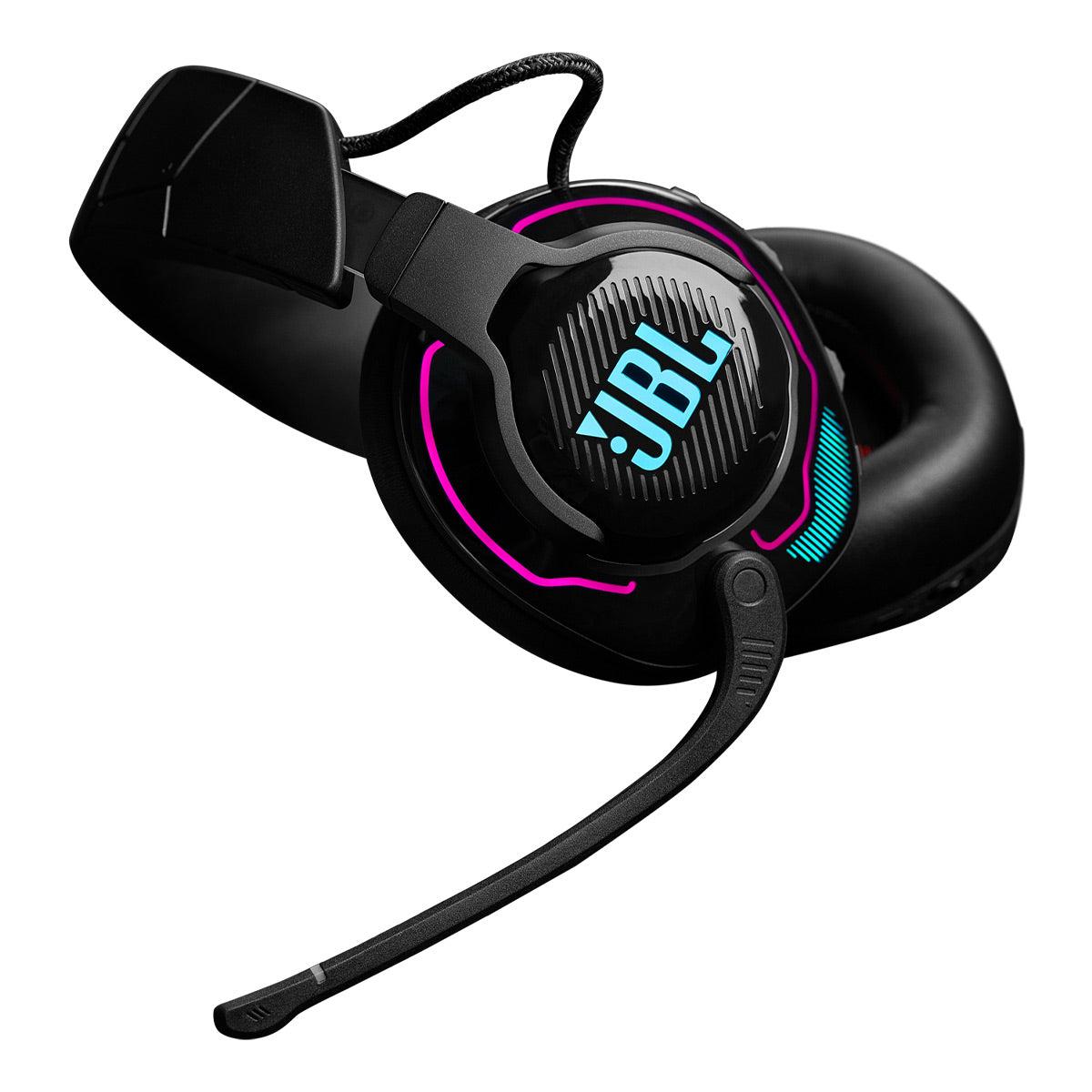
The microphone comparison isn't even close. The JBL Quantum 910 includes a flip-up boom microphone with advanced echo and noise suppression. When you flip it up, it automatically mutes—a simple but essential gaming feature. The microphone quality is good enough for streaming or professional calls, and the Discord-certified chat mixing features let you balance game audio and voice chat independently.
Perhaps more importantly, the Quantum 910 can handle simultaneous audio streams. You can receive game audio through the low-latency 2.4GHz wireless connection while taking a Discord call through Bluetooth—both at the same time. This dual-wireless capability is genuinely useful for modern gaming, where communication often happens across multiple platforms.
The GW100x has a basic built-in microphone suitable for phone calls but nothing more. It's adequate for quick conversations but lacks the processing and positioning needed for clear gaming communication or professional calls.
Both headphones offer impressive battery life, but with different strengths. The Quantum 910 provides up to 39 hours of continuous use and supports play-and-charge functionality, meaning you can keep gaming even while plugged in. The dual-wireless system is sophisticated but can be complex—you're managing both a USB dongle and Bluetooth connections.
The GW100x edges ahead with up to 46 hours of battery life and much simpler connectivity. Bluetooth 5.2 with aptX Adaptive codec support ensures high-quality audio with lower latency than older Bluetooth standards. The multipoint pairing lets you stay connected to both your phone and computer, automatically switching between them as needed.
Both headphones include wired backup options, but they serve different purposes. The Quantum 910's 3.5mm connection is mainly for compatibility with devices that don't support its wireless systems. The GW100x's wired mode actually improves sound quality slightly, as it bypasses the Bluetooth compression entirely.
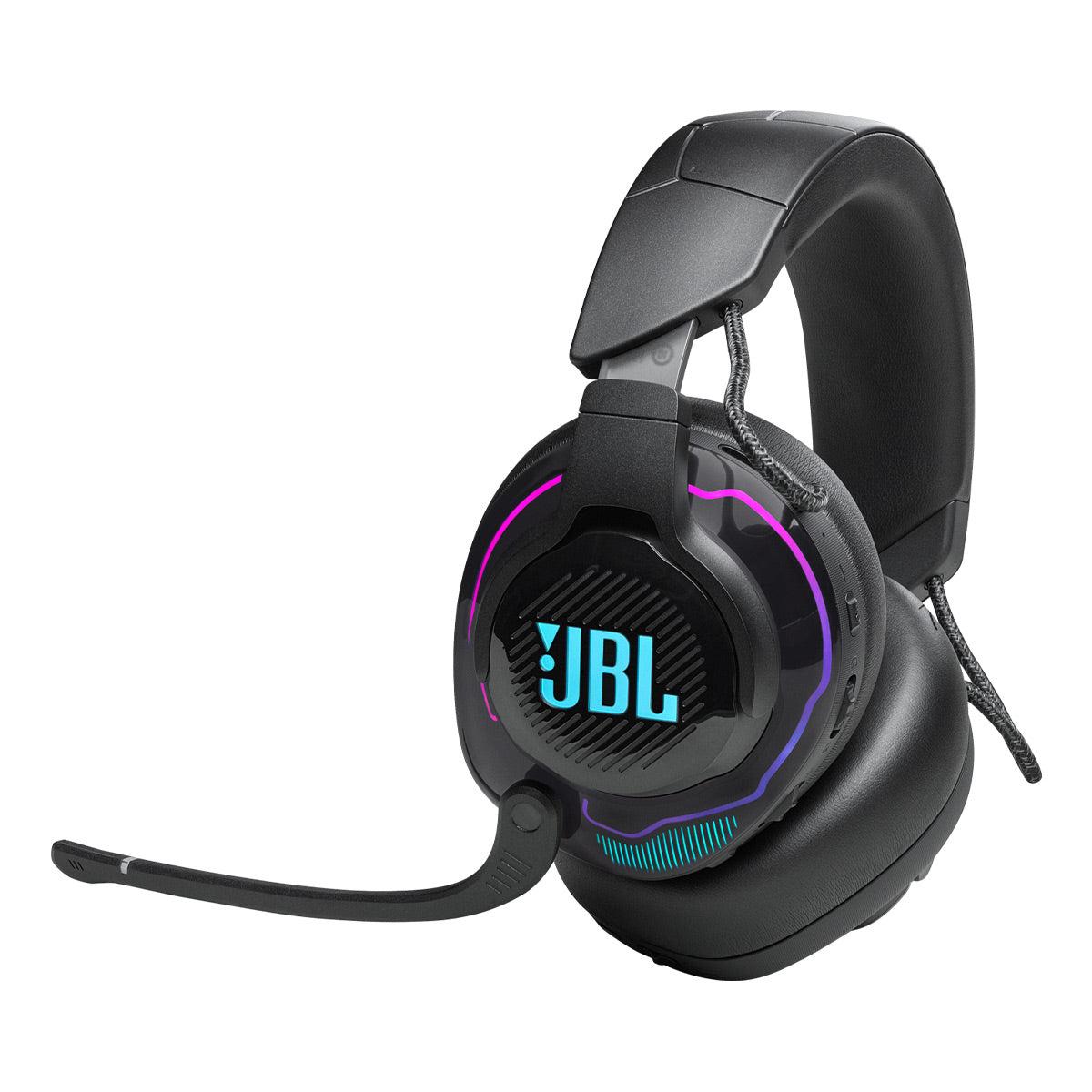
Comfort is crucial for any headphones you'll wear for hours, and both excel in different ways. The Quantum 910 weighs 420g (about 14.8 ounces), making it relatively heavy but well-balanced. The memory foam ear cushions are wrapped in synthetic leather and provide good padding for long gaming sessions. The closed design does trap heat, which can become uncomfortable during intense gaming sessions.
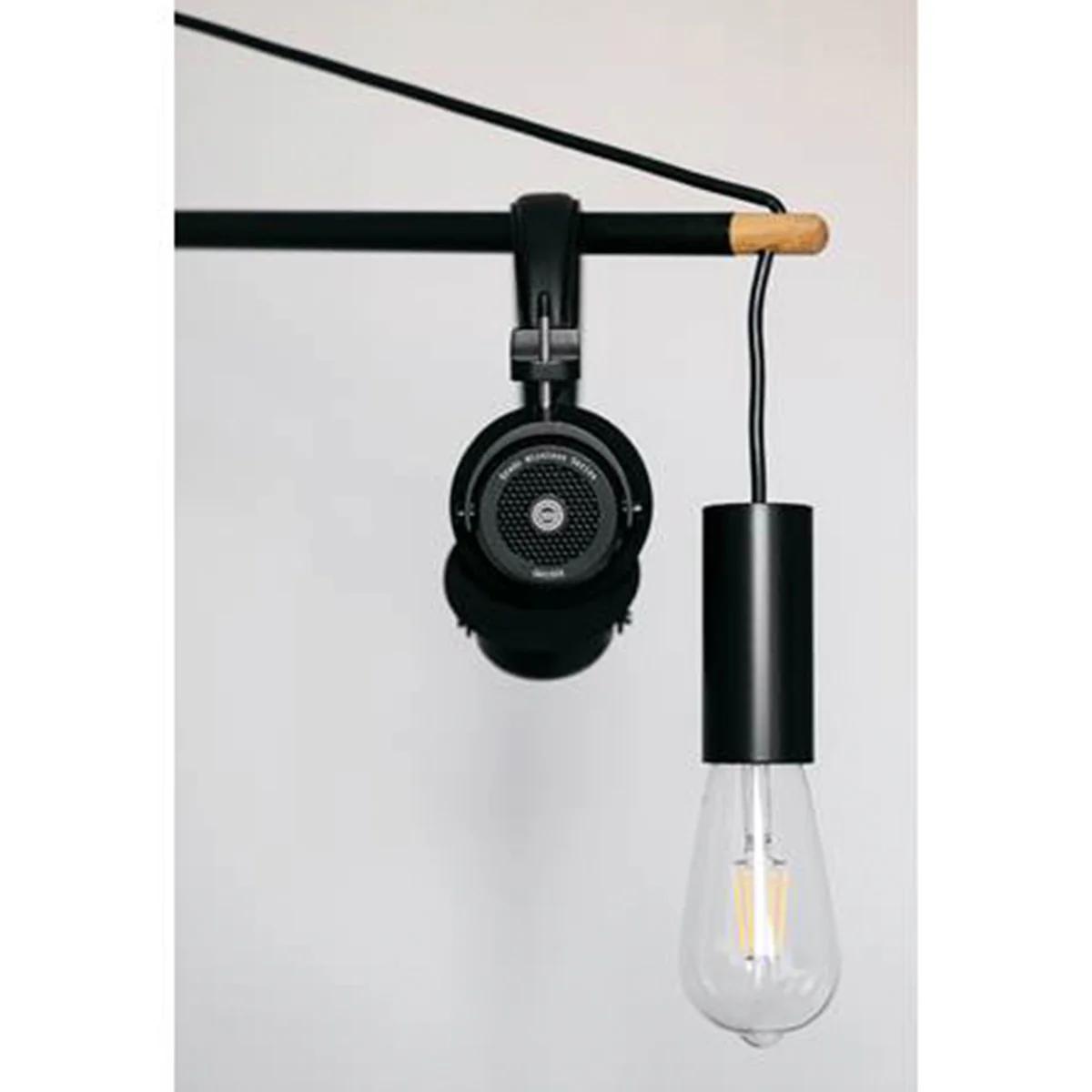
The GW100x is remarkably light at just 187g (6.6 ounces)—less than half the weight of the Quantum 910. Grado's minimalist approach means less padding but also less pressure on your head and ears. The open design prevents heat buildup, making them comfortable for truly extended listening sessions.
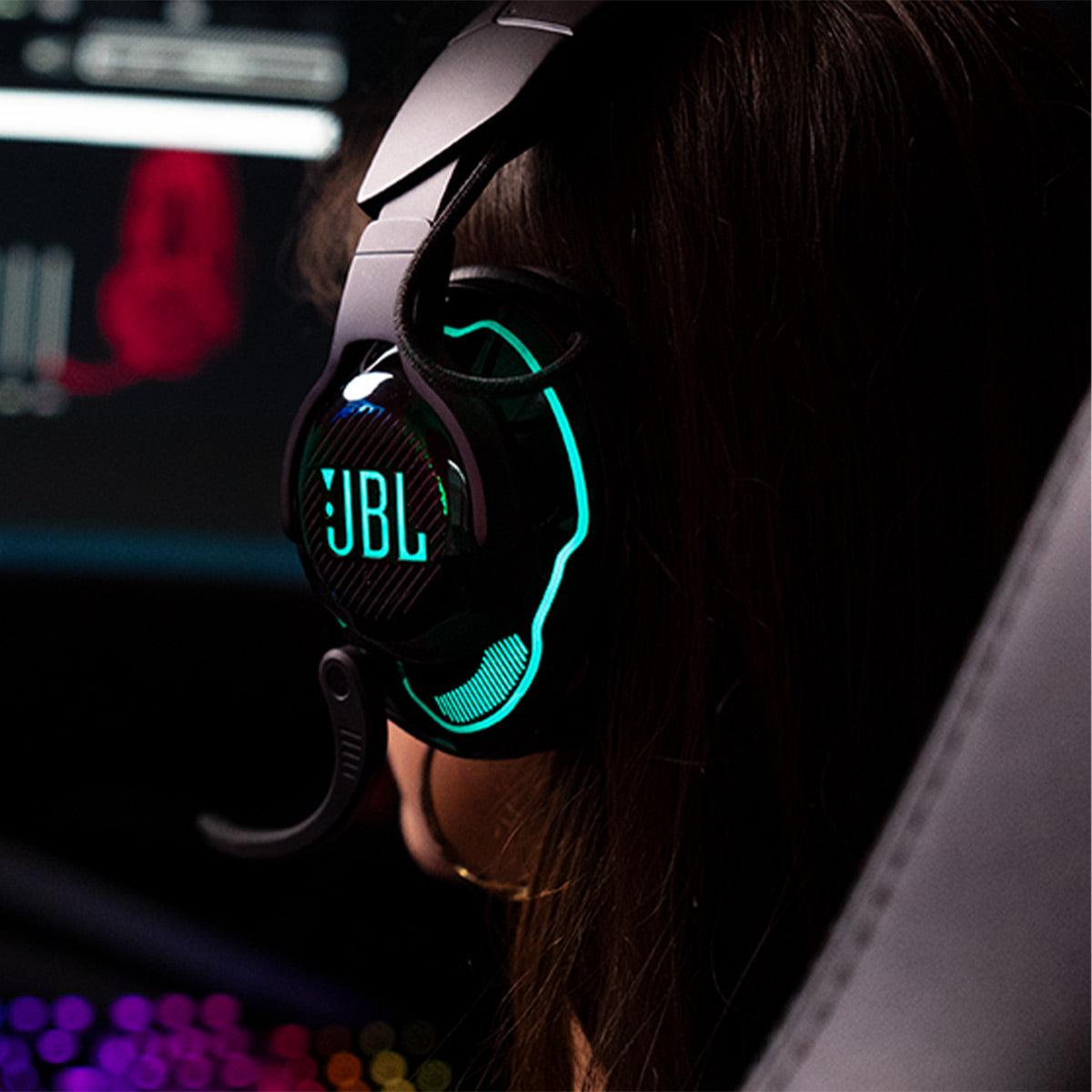
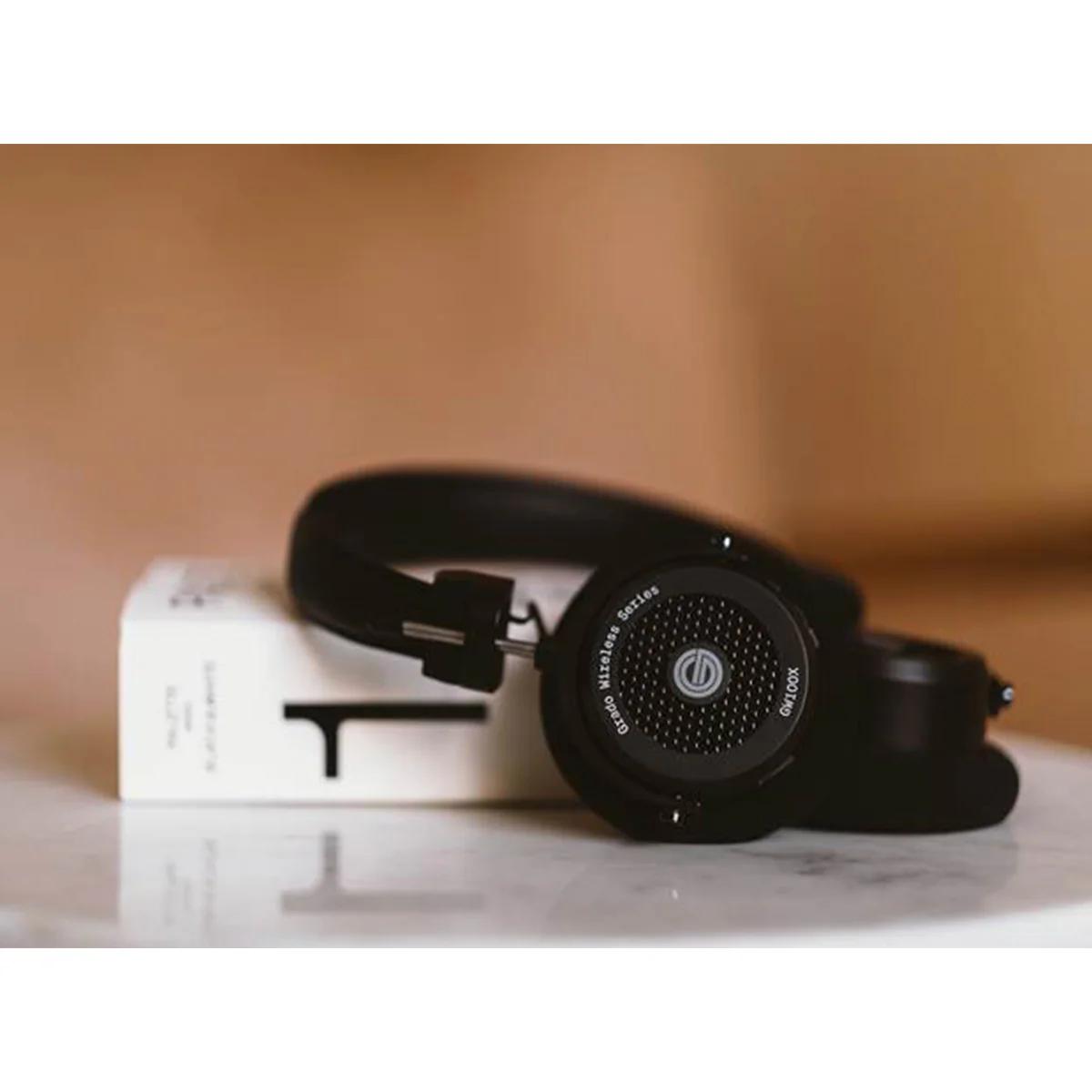
Build quality reflects each product's priorities. The Quantum 910 feels like a premium gaming peripheral with RGB lighting, multiple buttons, and robust construction designed to withstand enthusiastic gaming. The GW100x has a more utilitarian appearance focused entirely on function, with simple controls and a design that could pass for vintage Hi-Fi equipment.
The JBL Quantum 910 shines on PC, where the QuantumENGINE software unlocks full customization of EQ settings, RGB lighting, microphone processing, and spatial audio calibration. On PlayStation and Nintendo Switch, you get most features through the USB dongle, but Xbox users miss out on some functionality (though JBL makes an Xbox-specific variant).
This platform optimization means the Quantum 910 works best when you primarily game on one or two platforms. If you frequently switch between PC, multiple consoles, and mobile devices, the varying feature sets can be frustrating.
The GW100x takes the opposite approach—it works identically well with any Bluetooth device. There's no app, no software, and no platform-specific features to worry about. This simplicity is liberating if you want headphones that just work, but limiting if you want customization options.
At the time of writing, both products occupy the premium wireless headphone space but target different users. The Quantum 910 commands a higher price due to its feature density and gaming-specific technology. For serious gamers, especially those who stream or compete, these features justify the cost. The spatial audio alone can provide competitive advantages worth far more than the price difference.
The GW100x offers exceptional value for music lovers. You're getting genuine audiophile-grade drivers and Grado's decades of acoustic engineering expertise in a wireless package that would have been impossible just a few years ago. The open-back wireless design remains rare in the market, making the GW100x unique in its category.
The JBL Quantum 910 is the clear choice for competitive gaming, content creation, and home theater use. Its spatial audio provides genuine advantages in games like Overwatch, Apex Legends, or any first-person shooter where positioning matters. The microphone quality and communication features make it suitable for streaming or professional gaming. In home theater setups, the active noise cancellation and immersive processing enhance the movie-watching experience.
The GW100x excels for critical music listening, especially in acoustic genres like jazz, classical, folk, and live recordings. The natural soundstage makes you feel present at live performances in ways that processed audio simply cannot match. They're also superior for long listening sessions due to their lightweight design and heat-dissipating open construction.
Choose the JBL Quantum 910 if gaming is your primary use case, you need a microphone for communication, or you want the latest in spatial audio technology. It's also the better choice if you game in noisy environments where active noise cancellation provides value, or if you want RGB lighting and extensive customization options.
Choose the Grado GW100x if music quality is your top priority, you listen primarily in quiet environments, or you want the most natural, unprocessed sound available in a wireless package. They're also ideal if you value simplicity and want headphones that work equally well with any device without software or setup complexity.
The decision ultimately comes down to your primary use case and personal priorities. Both products excel in their intended domains while being merely adequate in the other's specialty. Gaming-focused buyers will find the Quantum 910's features indispensable, while music-focused listeners will appreciate the GW100x's pure approach to sound reproduction.
Consider your listening environment, too. The Quantum 910 works well in any setting thanks to its closed design and noise cancellation. The GW100x requires a quiet, private space where sound leakage won't disturb others—but in the right environment, it delivers an listening experience that few wireless headphones can match.
Both represent excellent examples of their respective philosophies. Your choice should align with your primary use case, feature requirements, and listening preferences. Neither is a compromise—they're simply optimized for different purposes.
| JBL Quantum 910 Wireless Gaming Headset | Grado GW100x Wireless Headphones |
|---|---|
| Primary Design Purpose - Determines feature set and sound tuning | |
| Gaming-focused with spatial audio, microphone, and multi-platform optimization | Music-focused with audiophile drivers and natural sound reproduction |
| Driver Size & Type - Affects sound quality and power handling | |
| 50mm neodymium drivers, closed-back design | 44mm 4th generation X-Series drivers, open-back design |
| Weight - Critical for comfort during long sessions | |
| 420g (14.8 oz) - heavier but well-balanced | 187g (6.6 oz) - remarkably lightweight for extended wear |
| Spatial Audio Technology - Game-changing for competitive gaming | |
| QuantumSPHERE 360 with head tracking (PC), QuantumSPATIAL 360 (console) | Natural soundstage from open-back design, no artificial processing |
| Microphone Quality - Essential for gaming communication | |
| Flip-up boom mic with echo/noise suppression, Discord-certified | Basic built-in mic for calls only |
| Battery Life - Determines how long you can use wirelessly | |
| Up to 39 hours with play-and-charge capability | Up to 46 hours with efficient drivers |
| Active Noise Cancellation - Blocks external distractions | |
| Yes, tuned specifically for gaming environments | No - open design allows ambient sound |
| Wireless Connectivity - Affects latency and device compatibility | |
| Dual wireless: 2.4GHz gaming dongle + Bluetooth 5.2 simultaneously | Bluetooth 5.2 with aptX Adaptive, multipoint pairing |
| Sound Leakage - Important for shared spaces | |
| Minimal due to closed-back design | Significant due to open-back design (60% less than previous Grado models) |
| Platform Optimization - Affects feature availability across devices | |
| Full features on PC, good on PlayStation/Switch, limited on Xbox | Universal compatibility with any Bluetooth device |
| Customization Options - Software control and personalization | |
| Extensive via JBL QuantumENGINE software (EQ, RGB, spatial audio calibration) | No software required - simple plug-and-play operation |
| Sound Signature - Determines music and gaming experience | |
| Gaming-tuned with emphasized bass and directional cues | Neutral, natural sound with exceptional midrange clarity |
| Best Use Cases - When each product truly excels | |
| Competitive gaming, streaming, home theater, noisy environments | Critical music listening, quiet environments, long listening sessions |
The JBL Quantum 910 Wireless Gaming Headset is significantly better for gaming. It features specialized spatial audio technology (QuantumSPHERE 360 with head tracking), a high-quality boom microphone for team communication, and gaming-tuned sound that emphasizes directional audio cues. The Grado GW100x lacks a proper gaming microphone and spatial audio features that competitive gamers need.
The Grado GW100x Wireless Headphones deliver superior music quality with their open-back design, audiophile-tuned drivers, and natural sound signature. They provide a spacious soundstage that makes music feel more lifelike. The JBL Quantum 910 has gaming-focused tuning that can make music sound artificially colored, though it works well with electronic and rock genres.
The JBL Quantum 910 Wireless Gaming Headset is better suited for home theater thanks to its closed-back design, Active Noise Cancelling, and spatial audio processing that enhances movie soundtracks. The Grado GW100x can sound excellent with movies but the open-back design means you'll hear household noise and potentially disturb others nearby.
The Grado GW100x Wireless Headphones offers slightly longer battery life at up to 46 hours compared to the JBL Quantum 910's 39 hours. Both provide excellent endurance, but the JBL Quantum 910 includes play-and-charge functionality, allowing you to continue using it while plugged in.
Yes, but differently. The JBL Quantum 910 Wireless Gaming Headset can simultaneously connect via 2.4GHz wireless for gaming and Bluetooth for calls or music. The Grado GW100x supports multipoint Bluetooth pairing, letting you stay connected to two devices and switch between them automatically.
The Grado GW100x Wireless Headphones are more comfortable for extended use, weighing only 187g compared to the JBL Quantum 910's 420g. The open-back design prevents heat buildup, while the JBL Quantum 910 can trap heat due to its closed design and synthetic leather padding.
Both offer wired backup options. The JBL Quantum 910 Wireless Gaming Headset includes a 3.5mm cable for device compatibility, while the Grado GW100x comes with a 3.5mm cable that actually improves sound quality by bypassing Bluetooth compression entirely.
The JBL Quantum 910 Wireless Gaming Headset excels at phone calls with its professional boom microphone, echo suppression, and noise cancellation. The Grado GW100x has only a basic built-in microphone suitable for casual calls but not professional use.
The JBL Quantum 910 Wireless Gaming Headset offers extensive customization through JBL QuantumENGINE software, including EQ settings, spatial audio calibration, and microphone adjustments. The Grado GW100x has no software or app - it's designed to sound great without any customization needed.
The JBL Quantum 910 Wireless Gaming Headset is much better for noisy environments thanks to its closed-back design and Active Noise Cancelling technology. The Grado GW100x has an open-back design that allows ambient noise to pass through, making them unsuitable for loud environments.
The JBL Quantum 910 Wireless Gaming Headset works wirelessly with PlayStation and Nintendo Switch via its USB dongle, with full features. The Grado GW100x can connect to consoles via Bluetooth where supported, but offers no gaming-specific features or low-latency performance.
Value depends on your primary use case. The JBL Quantum 910 Wireless Gaming Headset provides excellent value for gamers who need its specialized features like spatial audio and communication tools. The Grado GW100x offers superior value for music lovers seeking audiophile-quality wireless headphones at a more accessible price point than most high-end audio brands.
We've done our best to create useful and informative comparisons to help you decide what product to buy. Our research uses advanced automated methods to create this comparison and perfection is not possible - please contact us for corrections or questions. These are the sites we've researched in the creation of this article: techradar.com - stereoguide.com - ausdroid.net - majorhifi.com - ign.com - youtube.com - soundguys.com - versus.com - impulsegamer.com - versus.com - jbl.com - jbl.com.tw - crutchfield.com - th.jbl.com - harmanaudio.com - jbl.com - jbl.com - youtube.com - bestbuy.com - harmanaudio.com - jbl.com - th.jbl.com - bhphotovideo.com - techradar.com - crutchfield.com - whathifi.com - moon-audio.com - majorhifi.com - rockonav.com - forums.stevehoffman.tv - newegg.com - audiosciencereview.com - gradolabs.com - decibelaudio.com - addictedtoaudio.com.au - s3.eu-west-1.amazonaws.com - audioadvice.com - analogmatters.com - nyczaj.audio - parts-express.com

Privacy Policy
Terms and Conditions - Affiliate Policy
Home Security
© Copyright 2008-2026.
11816 Inwood Rd #1211, Dallas, TX 75244