







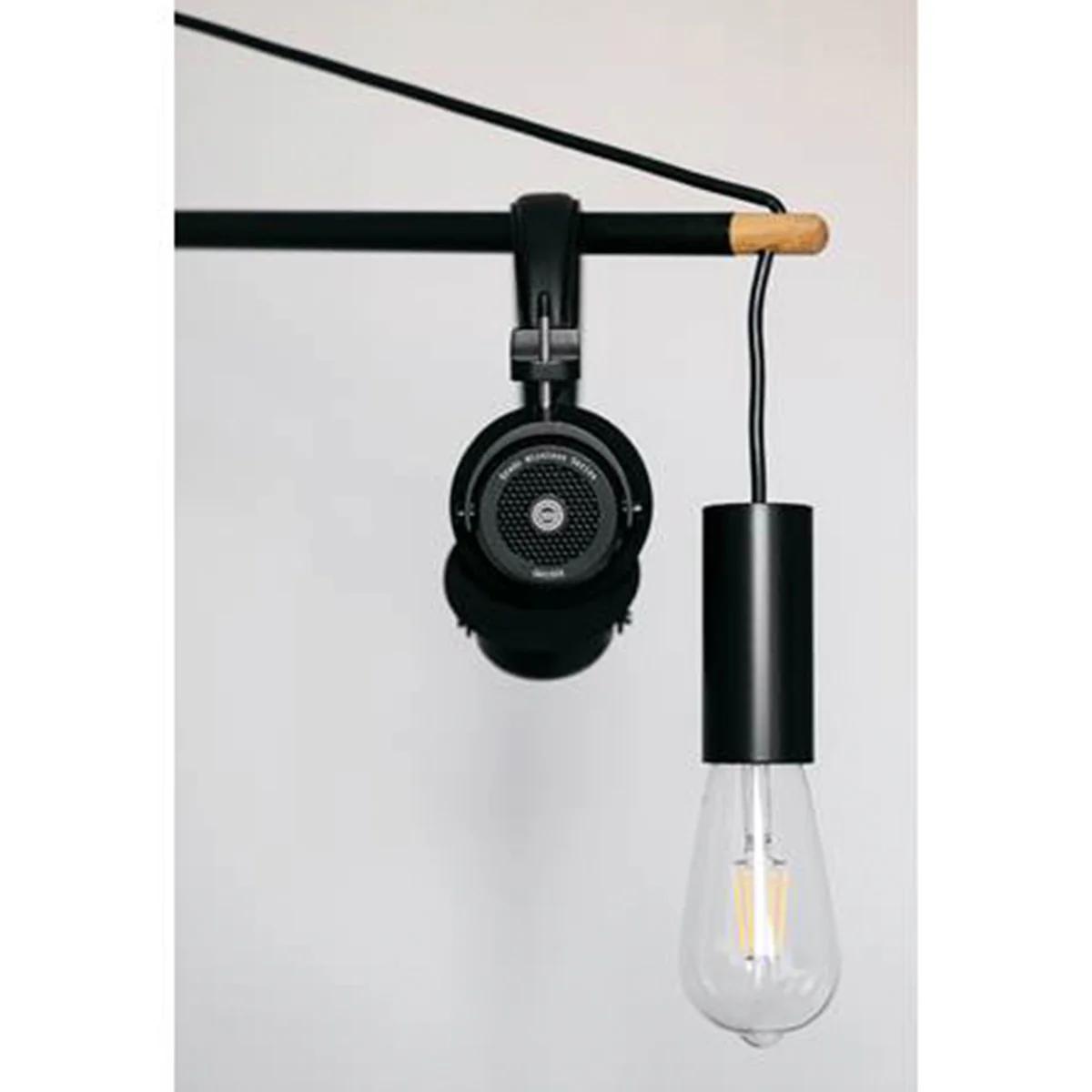


When it comes to wireless headphones, the market has exploded with options over the past few years. But sometimes the most interesting comparisons aren't between similar products—they're between headphones that take completely different approaches to solving the same basic problem: delivering great music wirelessly to your ears.
That's exactly what we have with the JBL Tune 720BT and Grado GW100x. At the time of writing, these two headphones sit in very different price brackets, with the Grado costing roughly four times more than the JBL. But price alone doesn't tell the whole story—these represent fundamentally different philosophies about what wireless headphones should be.
Before diving into the specifics, it's worth understanding what really matters in wireless headphones. The obvious stuff includes sound quality and battery life, but there's much more beneath the surface.
Driver technology is the heart of any headphone. These are the tiny speakers inside each earcup that convert electrical signals into sound waves. Larger drivers (measured in millimeters) can typically move more air and produce fuller sound, but size isn't everything—the materials, magnetic strength, and engineering matter just as much.
Acoustic design might be even more important. Closed-back headphones seal around your ears, keeping sound in and external noise out. Open-back designs let air flow through the back of the driver, creating a more spacious sound but allowing sound to leak both in and out. Most wireless headphones are closed-back because they're designed for portable use, which makes the Grado GW100x quite unusual.
Bluetooth codecs determine how your music gets compressed and transmitted wirelessly. Think of them as different languages your headphones and phone use to communicate. Basic SBC works with everything but isn't the highest quality. AAC works great with Apple devices. AptX and its variants, like aptX Adaptive, provide better quality and lower delay—particularly important for watching videos where you don't want audio to lag behind the picture.
The frequency response tells you what range of sounds the headphones can reproduce, typically measured from 20Hz (deep bass) to 20kHz (high treble). But the raw numbers don't tell you how well-balanced or natural the sound will be across that range.
Released in 2023, the JBL Tune 720BT represents the refined evolution of mainstream wireless headphones. JBL has been in the audio business for decades, and their consumer headphones focus on delivering good sound that works well for everyone, everywhere.
The standout feature here is the absolutely incredible battery life—up to 76 hours on a single charge. To put that in perspective, you could listen for three hours every day for over three weeks before needing to plug them in. Even more impressive is the speed charging: just five minutes connected to power gives you three more hours of listening time. This uses a modern USB-C connector, which is becoming the standard for everything from phones to laptops.
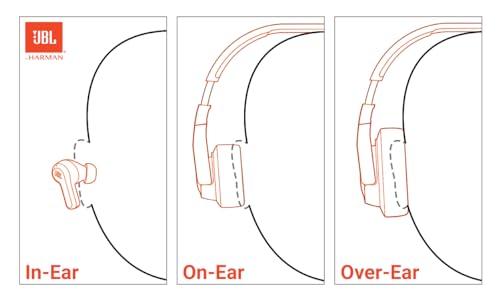
The Tune 720BT uses 40mm dynamic drivers, which is a solid size that balances portability with sound quality. They're closed-back and over-ear, meaning they sit around your ears rather than on them, creating a seal that helps with both comfort and sound isolation. The foldable design means they pack down for travel, and the included detachable cable lets you use them wired when the battery eventually dies.
JBL's "Pure Bass Sound" is their signature tuning that emphasizes the low end without overwhelming everything else. In practice, this means drums hit with impact and bass lines are clearly defined, but vocals and instruments remain clear. The JBL Headphones app lets you adjust the EQ (equalizer) to tweak the sound to your preferences—something that can make a huge difference depending on what kind of music you listen to.
The Grado GW100x, released in 2021, represents something much rarer: a company known for exceptional wired headphones figuring out how to maintain their audio quality standards in a wireless package. Grado is a family-owned Brooklyn company that's been hand-building headphones since 1953, and they're revered by audiophiles for their distinctive, natural sound.
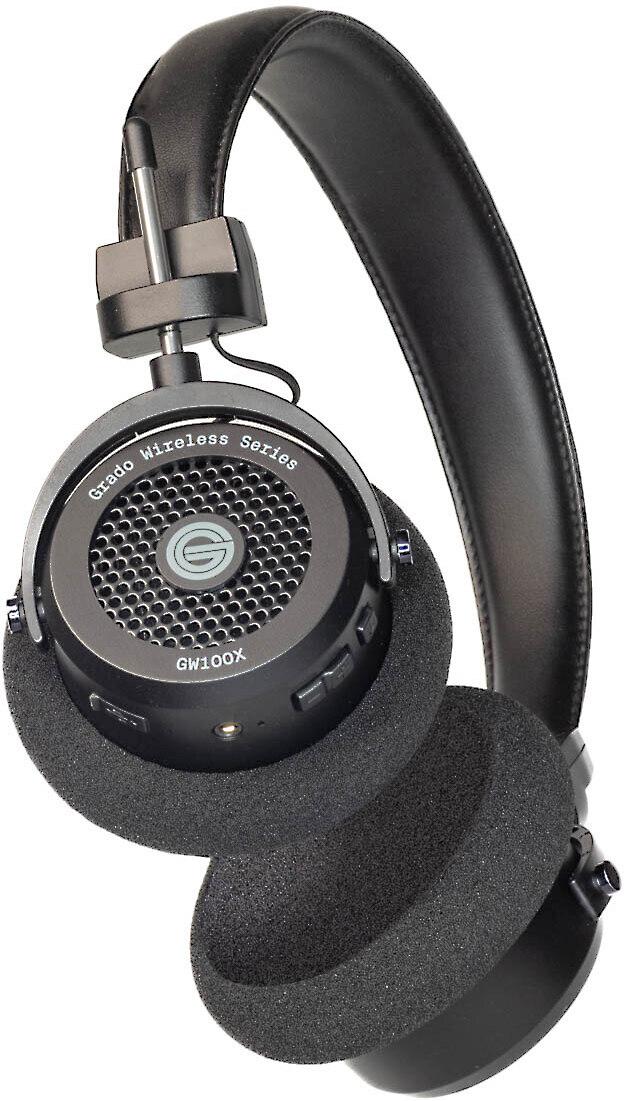
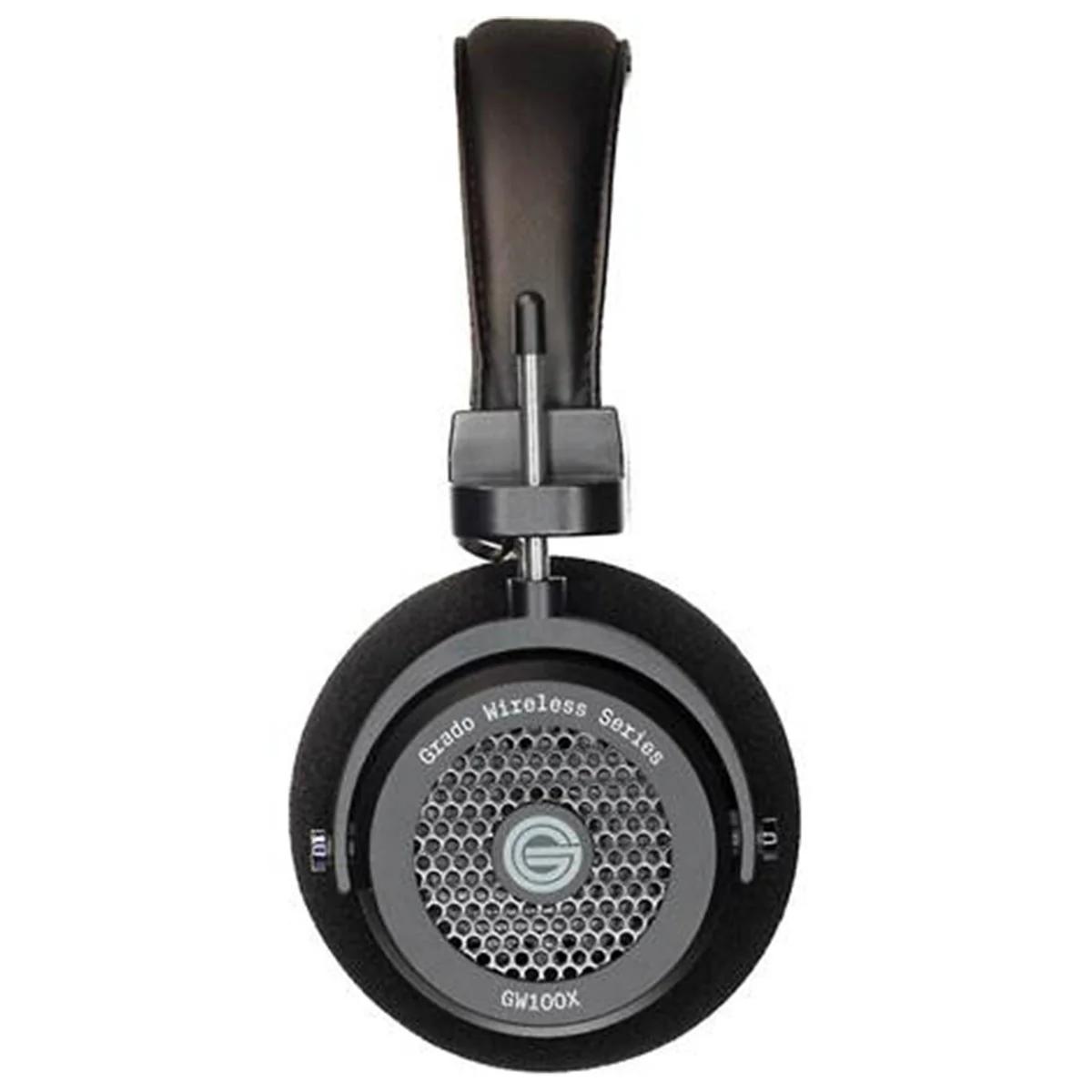
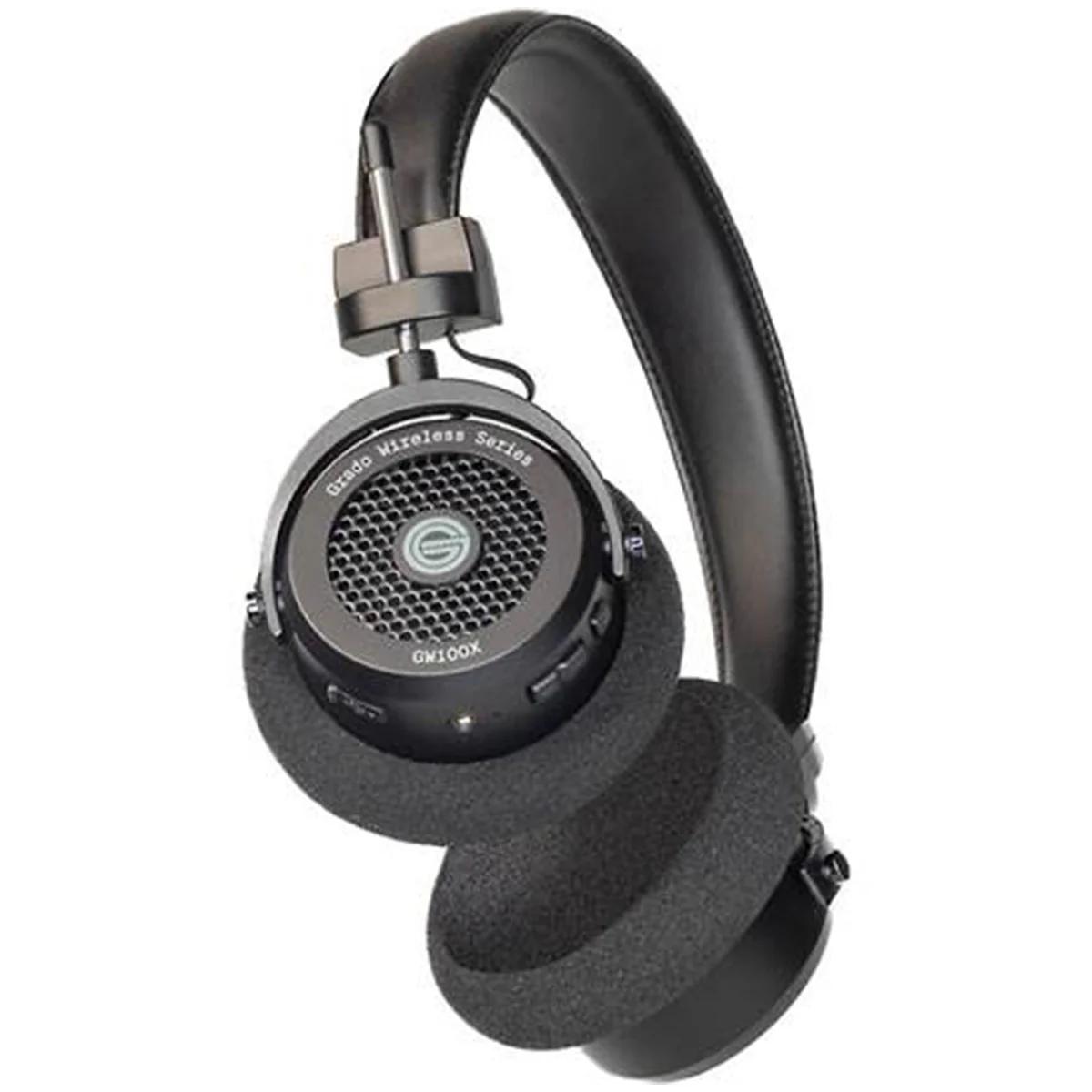
What makes the GW100x unique is that it's one of the only open-back wireless headphones you can buy. This creates some interesting contradictions—most people want wireless headphones for portable use, but open-back designs leak sound and don't block external noise, making them poor choices for public spaces.
Grado uses specially designed 44mm "X Series" drivers that were engineered specifically for wireless use. These feature more powerful magnets, lighter voice coils (the part that vibrates to create sound), and redesigned diaphragms (the cone-shaped part that pushes air). All these improvements help maintain Grado's famous sound signature even when the audio signal is compressed for Bluetooth transmission.
The wireless technology is solid, with Bluetooth 5.2 and support for aptX Adaptive, which dynamically adjusts the data rate for the best possible quality given your connection conditions. Battery life hits around 46 hours, which is excellent though not quite matching the JBL's marathon performance.
This is where the two headphones diverge most dramatically, and it's not just about "better" or "worse"—it's about different approaches to reproducing music.
The JBL Tune 720BT delivers what I'd call "enhanced reality" sound. It takes your music and makes it sound engaging and energetic, with punchy bass that makes electronic music and hip-hop feel powerful, clear midrange that keeps vocals front and center, and bright treble that adds sparkle to cymbals and guitar strings.
The closed-back design creates good isolation from outside noise—not quite active noise cancellation, but enough that you can enjoy your music on a bus or in a busy coffee shop. The soundstage (how wide and spacious the music sounds) is fairly typical for closed-back headphones, meaning instruments sound like they're arranged in a line in front of you rather than spread out in a room.
In my testing, these headphones really shine after some EQ adjustment through the app. The default tuning can be a bit bass-heavy for some music genres, but a few minutes of tweaking can dial in a sound that works well for everything from podcasts to orchestral music. The 40mm drivers have enough power to get quite loud without distorting, and they handle complex music with multiple instruments reasonably well.
For home theater use, the Tune 720BT works well for late-night movie watching when you don't want to disturb others. The closed design means sound effects and dialogue won't leak out, and the long battery life means you won't have charging anxiety during a movie marathon.
The Grado GW100x takes a radically different approach. Instead of making your music sound exciting, it tries to make it sound real. This is what audiophiles call a "neutral" or "natural" sound signature—it doesn't boost or cut any particular frequencies dramatically, instead aiming to reproduce music as close as possible to what the artist intended.
The open-back design creates a soundstage that's genuinely impressive for wireless headphones. Music doesn't sound like it's coming from two speakers strapped to your head—it sounds like it's happening in the space around you. Instruments have clear positions left to right and even some sense of depth front to back. This is particularly noticeable with acoustic music, jazz, and classical recordings where the original space and microphone placement become part of the experience.
The bass response is controlled and textured rather than powerful. You'll hear the subtle differences between different bass instruments, the way a bass guitar's fingers interact with the strings, or the way a kick drum's attack differs from its sustained tone. The midrange, where most vocals and instruments live, is remarkably clear and uncolored. The treble extends well without becoming harsh or fatiguing.
However, this approach has trade-offs. The GW100x won't make poorly recorded music sound better—in fact, it might make flaws more obvious. It also doesn't have the immediate "wow factor" of more colored headphones. The sound grows on you over time as you notice details you missed before.
For home theater, the Grado GW100x excels at revealing the subtleties in movie soundtracks and dialogue, but the open design means everyone in the room will hear what you're listening to. They're better suited for solo critical listening sessions than family movie nights.
Battery technology has improved dramatically in recent years, and both headphones benefit from these advances, though they achieve their longevity through different approaches.
The JBL Tune 720BT achieves its 76-hour battery life through efficient Class D amplification and power management that automatically reduces consumption when volume is lower. The 5-minute quick charge feature uses fast-charging technology similar to what you'll find in smartphones, delivering a lot of power quickly without damaging the battery cells.
The Grado GW100x reaches 46 hours through a combination of efficient drivers and a larger 850mAh battery. While not quite matching the JBL's endurance, this is still exceptional performance that easily handles a week of regular use.
Both use USB-C charging, which has become the standard since around 2020 and means you can use the same cable that charges your phone or laptop. This is a significant improvement over the micro-USB ports that were common on wireless headphones just a few years ago.
Comfort becomes crucial for any headphone you'll wear for hours at a time, and both models have their strengths and limitations.
The JBL Tune 720BT uses soft, padded ear cushions and a cushioned headband that distributes weight reasonably well. At 220 grams, they're not the lightest option available, but they're not heavy enough to cause fatigue for most users. The over-ear design means they sit around your ears rather than pressing on them, which generally improves long-term comfort.
However, the build quality feels appropriate for the price range rather than premium. The plastics don't feel cheap, but they don't feel expensive either. The foldable hinges seem robust enough for regular use, but I wouldn't want to test their durability with rough handling.
The Grado GW100x takes a more minimalist approach, weighing just 187 grams thanks to lighter construction. The on-ear design sits directly on your ears rather than around them, which some people find more comfortable for shorter sessions but can become fatiguing during long listening periods.
The build quality is a mixed bag. While the engineering of the drivers and electronics is clearly sophisticated, the external materials and finishing don't quite match what you'd expect at this price point. The plastics feel somewhat cheap, and some users report minor assembly issues like buttons that rattle slightly.
The feature gap between these two headphones reflects their different target audiences and design philosophies.
The JBL Tune 720BT includes most of the features people expect from modern wireless headphones. The companion app provides EQ adjustment, voice prompts help guide you through pairing and features, and multipoint connectivity lets you connect to two devices simultaneously. The built-in microphone handles phone calls adequately, and voice assistant integration works with both Google Assistant and Siri.
The Grado GW100x deliberately takes a more spartan approach. There's no companion app, no EQ adjustment, and minimal onboard controls—just three buttons on the left earcup for basic playback and volume control. This isn't an oversight; it's a conscious design choice that prioritizes audio quality over convenience features.
Neither headphone includes active noise cancellation (ANC), which has become increasingly common since around 2020. This keeps costs down and battery consumption lower, but it means you're relying purely on passive isolation from the ear cups.
Value in headphones isn't just about sound quality per dollar—it's about how well the product serves your specific needs and priorities.
The JBL Tune 720BT offers exceptional value for mainstream users. At the time of writing, it delivers performance that competes with headphones costing significantly more, wrapped in a package that works well for most people in most situations. The marathon battery life alone makes it worth considering for anyone who travels regularly or simply doesn't want to think about charging frequently.
The Grado GW100x commands a significant premium, and whether it's worth it depends entirely on your priorities. If audio quality is your primary concern and you listen primarily in quiet environments, the price premium makes sense. If you need headphones for commuting, travel, or use in noisy environments, that premium is harder to justify.
The decision between these two headphones really comes down to understanding your primary use cases and priorities.
Choose the JBL Tune 720BT if you need headphones that work well everywhere. They're ideal for commuting, travel, office use, and general daily listening. The long battery life makes them particularly appealing for frequent travelers or anyone who doesn't want to worry about charging. They're also the clear choice if you want good sound quality without spending a lot of money or learning about audio terminology.
Choose the Grado GW100x if audio quality is your primary concern and you primarily listen in quiet environments. They're perfect for home listening, especially if you enjoy acoustic music, jazz, classical, or well-recorded albums where the extra detail and natural sound signature really shine. They're also worth considering if you want something unique—there simply aren't many other open-back wireless options available.
The environmental limitations of each design can't be overstated. The JBL's closed design makes them versatile for almost any situation, while the Grado's open design severely limits where you can use them practically.
Both headphones succeed at what they're trying to do, but they're trying to do very different things. The JBL Tune 720BT proves that you don't need to spend a lot to get headphones that work well for most people most of the time. The Grado GW100x demonstrates that wireless technology has advanced enough to deliver truly high-quality audio, even if it comes with significant practical compromises.
The choice ultimately depends on whether you value versatility and convenience or are willing to accept limitations in exchange for superior audio quality in the right environment. Either way, both represent successful approaches to wireless audio—they just serve very different audiences.
| JBL Tune 720BT | Grado GW100x |
|---|---|
| Driver Size & Type - Larger drivers typically produce fuller sound | |
| 40mm dynamic, closed-back over-ear | 44mm X Series dynamic, open-back on-ear |
| Acoustic Design - Determines isolation and soundstage quality | |
| Closed-back (blocks external noise, prevents sound leakage) | Open-back (spacious soundstage but allows sound leakage) |
| Battery Life - Critical for daily use and travel | |
| Up to 76 hours (industry-leading endurance) | Up to 46 hours (excellent but not class-leading) |
| Charging Speed - Matters when you forget to charge overnight | |
| 5 minutes = 3 hours playback, 2 hours full charge | 2 hours full charge, no quick charge feature |
| Bluetooth & Codec Support - Affects wireless audio quality | |
| Bluetooth 5.3, multipoint, SBC/AAC codecs | Bluetooth 5.2, multipoint, aptX Adaptive/AAC/SBC |
| Weight & Portability - Important for travel and long sessions | |
| 220g, foldable design for travel | 187g, non-foldable minimalist design |
| App & EQ Support - Customization options for sound tuning | |
| JBL Headphones app with customizable EQ | No app support, no EQ adjustments available |
| Wired Listening Option - Backup when battery dies | |
| Detachable 3.5mm cable included | 3.5mm cable included |
| Microphone Quality - For calls and voice assistants | |
| Built-in mic with Voice Aware technology | Basic built-in microphone |
| Sound Leakage - Critical for public/office use | |
| Minimal leakage (closed-back design) | Significant leakage (open-back design limits use cases) |
| Target Use Environment - Where each headphone works best | |
| Versatile: commuting, office, travel, home | Home/quiet spaces only due to sound leakage |
| Value Proposition - Performance relative to cost | |
| Exceptional value for mainstream users | Premium pricing justified only by superior audio quality |
The Grado GW100x delivers superior sound quality with its open-back design and specialized X Series drivers, offering exceptional detail, natural tone, and spacious soundstage that audiophiles prefer. The JBL Tune 720BT provides good sound quality for the price with punchy bass and clear vocals, but requires EQ adjustment to reach its full potential. If pure audio fidelity is your priority, the Grado GW100x is the clear winner.
The JBL Tune 720BT offers exceptional battery life with up to 76 hours of playback, plus 5-minute quick charging for 3 hours of use. The Grado GW100x provides up to 46 hours of battery life, which is still excellent but significantly shorter. For extended travel or users who don't want to worry about frequent charging, the JBL Tune 720BT has a major advantage.
The JBL Tune 720BT is perfect for public use with its closed-back design that prevents sound leakage and blocks external noise. The Grado GW100x is unsuitable for public spaces due to significant sound leakage from its open-back design - others will clearly hear your music. For commuting, office work, or any shared space, choose the JBL Tune 720BT.
Both have comfort limitations, but the JBL Tune 720BT generally wins for extended use with its over-ear design that sits around your ears rather than on them. The Grado GW100x uses an on-ear design that can become fatiguing during long sessions, despite being lighter. For all-day comfort, the JBL Tune 720BT is the better choice.
The JBL Tune 720BT offers better call quality with Voice Aware technology and clearer microphone performance for business calls and virtual meetings. The Grado GW100x has a basic microphone that works for occasional calls but isn't optimized for professional use. For regular work calls, the JBL Tune 720BT is more suitable.
The JBL Tune 720BT provides exceptional value, delivering performance that rivals much more expensive headphones with outstanding battery life and versatile features. The Grado GW100x commands a premium price that's only justified if audio quality is your top priority and you primarily listen in quiet environments. For most buyers, the JBL Tune 720BT offers better overall value.
The JBL Tune 720BT includes the JBL Headphones app with customizable EQ settings, allowing you to adjust the sound to your preferences. The Grado GW100x offers no app support or EQ adjustments - you get the sound signature as designed. For users who like to tweak their audio, the JBL Tune 720BT provides more flexibility.
The JBL Tune 720BT works well for private movie watching with its closed design preventing sound leakage during late-night viewing. The Grado GW100x excels at revealing movie soundtrack details and dialogue nuances but will disturb others due to sound leakage. For family-friendly home theater use, choose the JBL Tune 720BT.
The JBL Tune 720BT is designed for travel with its foldable design, incredible 76-hour battery life, and closed-back construction that works in noisy environments. The Grado GW100x doesn't fold and is impractical for travel due to sound leakage. For any mobile use, the JBL Tune 720BT is the obvious choice.
Both headphones support multipoint connectivity for connecting to multiple devices. The JBL Tune 720BT uses Bluetooth 5.3 with standard codecs, while the Grado GW100x features Bluetooth 5.2 with superior aptX Adaptive codec for better wireless audio quality. For the best wireless audio transmission, the Grado GW100x has the technical advantage.
The JBL Tune 720BT handles all genres well with customizable EQ, excelling at bass-heavy music like hip-hop and electronic. The Grado GW100x shines with acoustic music, jazz, and classical where its natural sound signature and spacious soundstage reveal musical details. Genre preference should influence your choice between these models.
Both the JBL Tune 720BT and Grado GW100x include USB-C charging cables and detachable 3.5mm audio cables for wired listening. The JBL Tune 720BT also includes comprehensive documentation and voice prompts for setup guidance. Neither model includes premium carrying cases, keeping costs down while providing essential accessories.
We've done our best to create useful and informative comparisons to help you decide what product to buy. Our research uses advanced automated methods to create this comparison and perfection is not possible - please contact us for corrections or questions. These are the sites we've researched in the creation of this article: audio46.com - e-catalog.com - headphonedungeon.com - e-catalog.com - recordingnow.com - versus.com - youtube.com - versus.com - consumerreports.org - youtube.com - ca.jbl.com - jblstore.co.id - jbl.com.tw - th.jbl.com - jblonlinestore.com - onward.ph - youtube.com - jbl.com - ro.harmanaudio.com - device.report - en.jblthailand.com - techradar.com - crutchfield.com - whathifi.com - moon-audio.com - majorhifi.com - rockonav.com - forums.stevehoffman.tv - newegg.com - audiosciencereview.com - gradolabs.com - decibelaudio.com - addictedtoaudio.com.au - s3.eu-west-1.amazonaws.com - audioadvice.com - analogmatters.com - nyczaj.audio - parts-express.com

Privacy Policy
Terms and Conditions - Affiliate Policy
Home Security
© Copyright 2008-2026.
11816 Inwood Rd #1211, Dallas, TX 75244