








When you're shopping for wireless headphones, you'll quickly discover that not all Bluetooth headphones are created equal. The market splits into two distinct camps: those that prioritize pure sound quality above everything else, and those that pack in every modern convenience feature you can imagine. Today, we're comparing two headphones that perfectly represent these different philosophies: the Grado GW100x and the JBL Tour One M2.
This isn't just another "which is better" comparison – it's about understanding what you actually need from your headphones and which approach serves your lifestyle best. By the end of this article, you'll know exactly which one belongs on your head.
Before we dive into specifics, let's talk about what makes wireless headphones tick in 2024. The technology has evolved dramatically since Bluetooth headphones first appeared. Early models were plagued by poor sound quality, constant connection drops, and batteries that died faster than your phone. Those days are thankfully behind us.
Modern wireless headphones use advanced Bluetooth codecs – these are basically compression algorithms that determine how your music gets transmitted from your phone to your ears. Think of codecs like different languages your devices use to talk to each other. Basic codecs like SBC work everywhere but don't sound great, while premium codecs like aptX Adaptive and LDAC can deliver nearly CD-quality audio wirelessly.
Battery technology has also revolutionized the category. Where early wireless headphones might give you 8-10 hours of playback, today's models routinely offer 30-50 hours between charges. That's enough to fly across the world twice without plugging in.
The biggest philosophical split comes down to design approach. Open-back headphones, like traditional audiophile models, let air flow freely through the ear cups. This creates a more natural, spacious sound but means everyone around you can hear your music. Closed-back designs seal your ears off from the outside world, enabling features like active noise cancelling (ANC) – technology that uses microphones and processing to actively cancel out environmental noise.
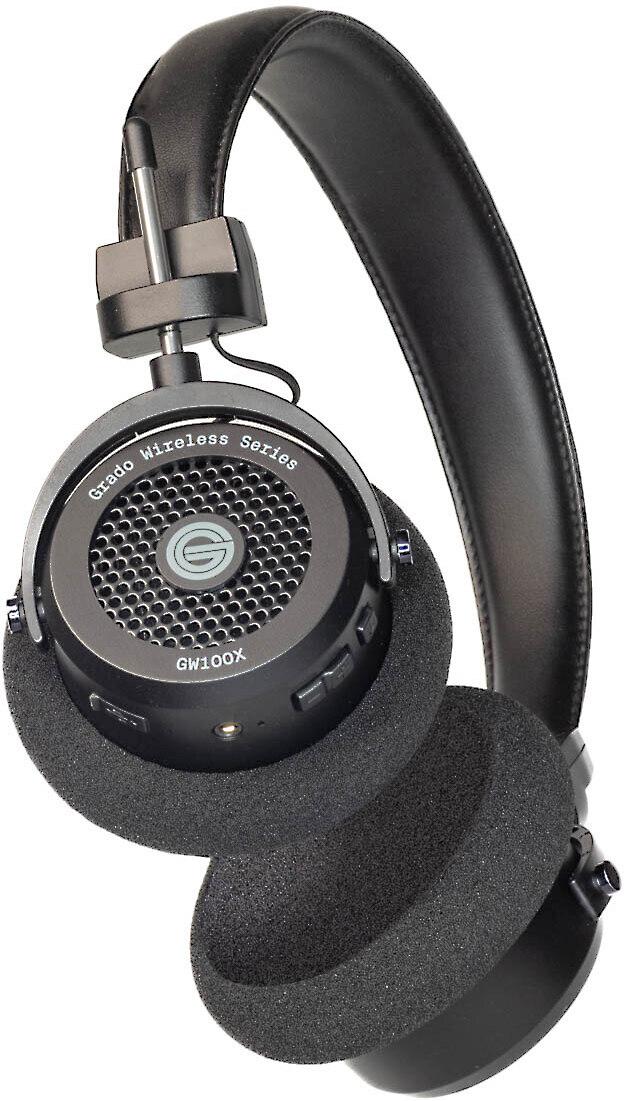
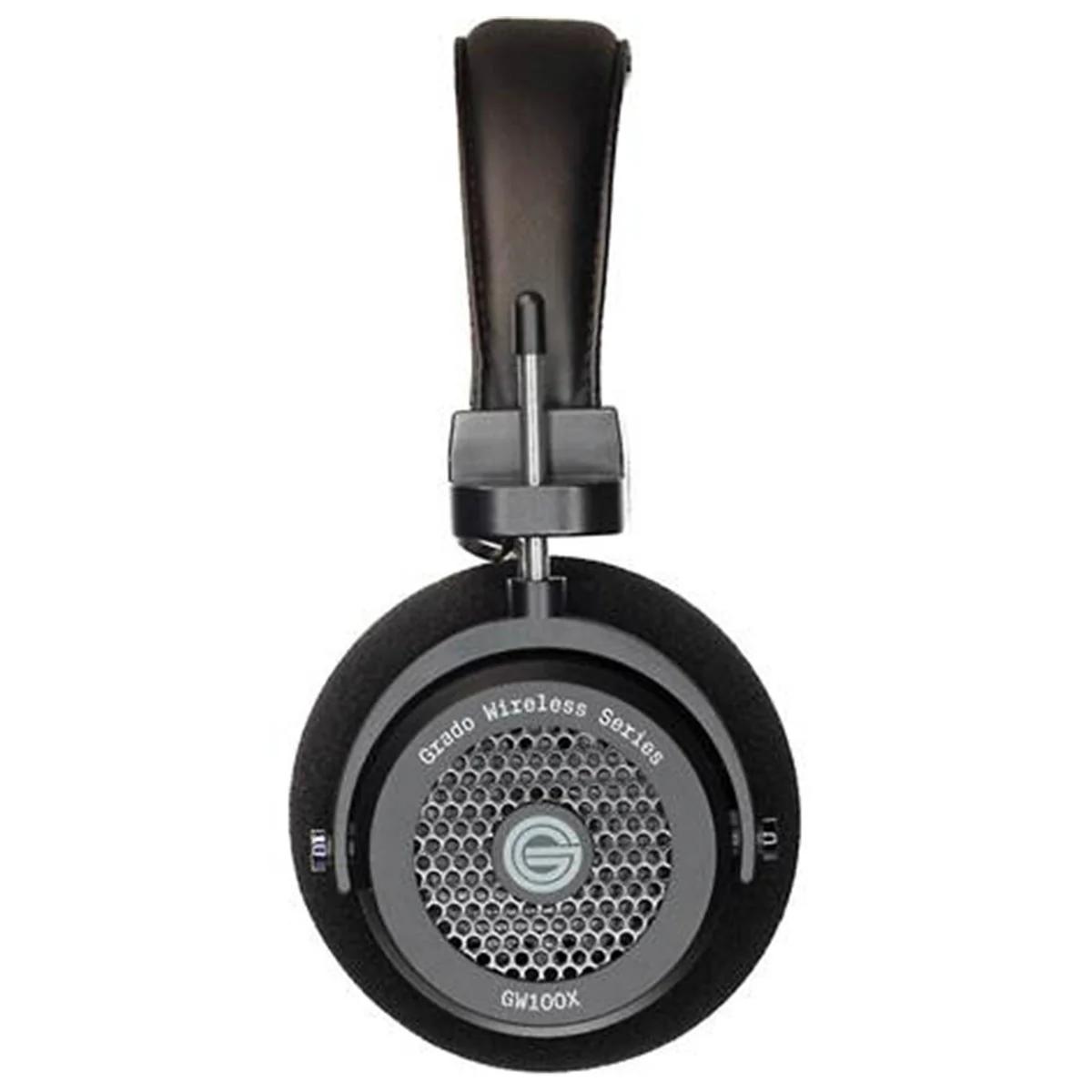
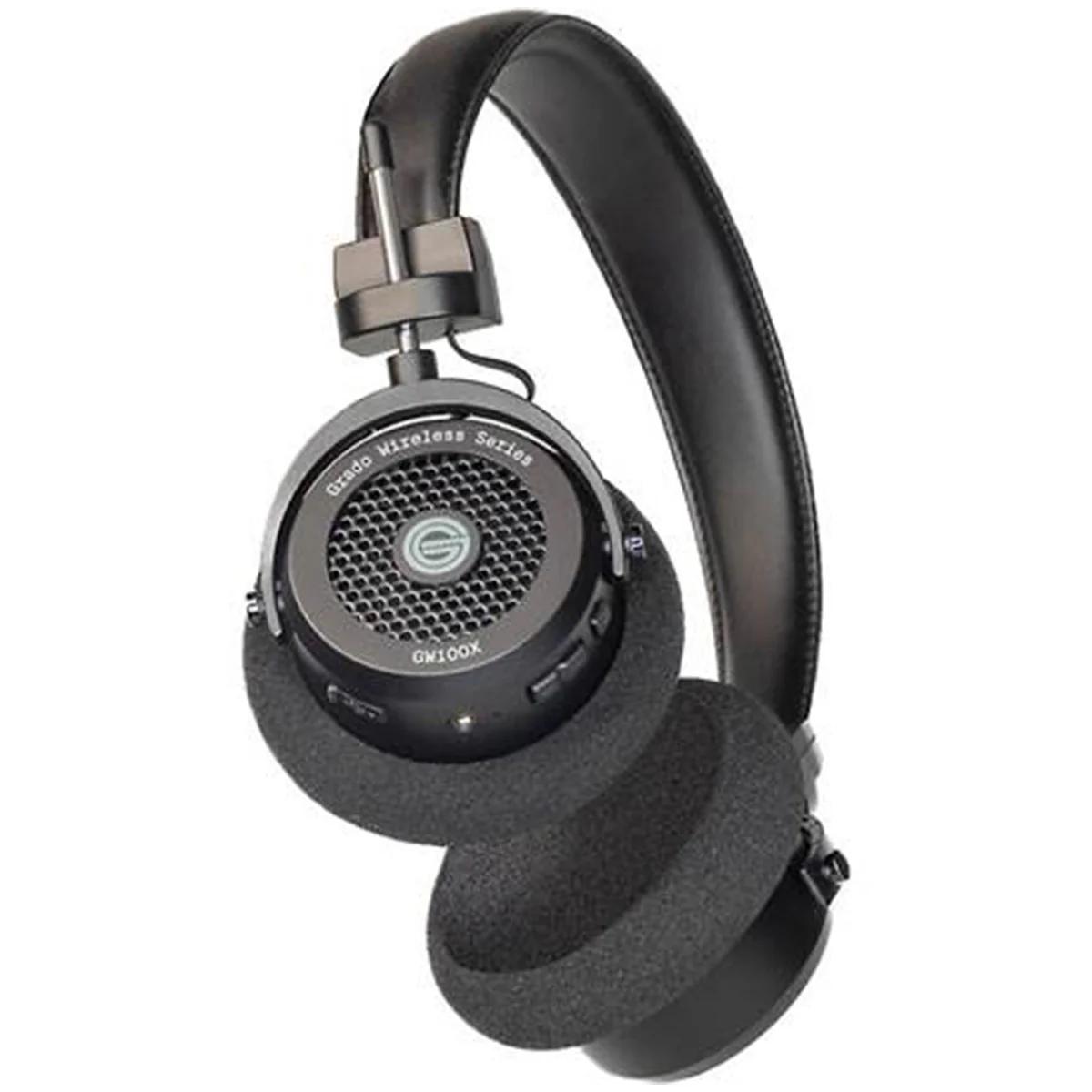
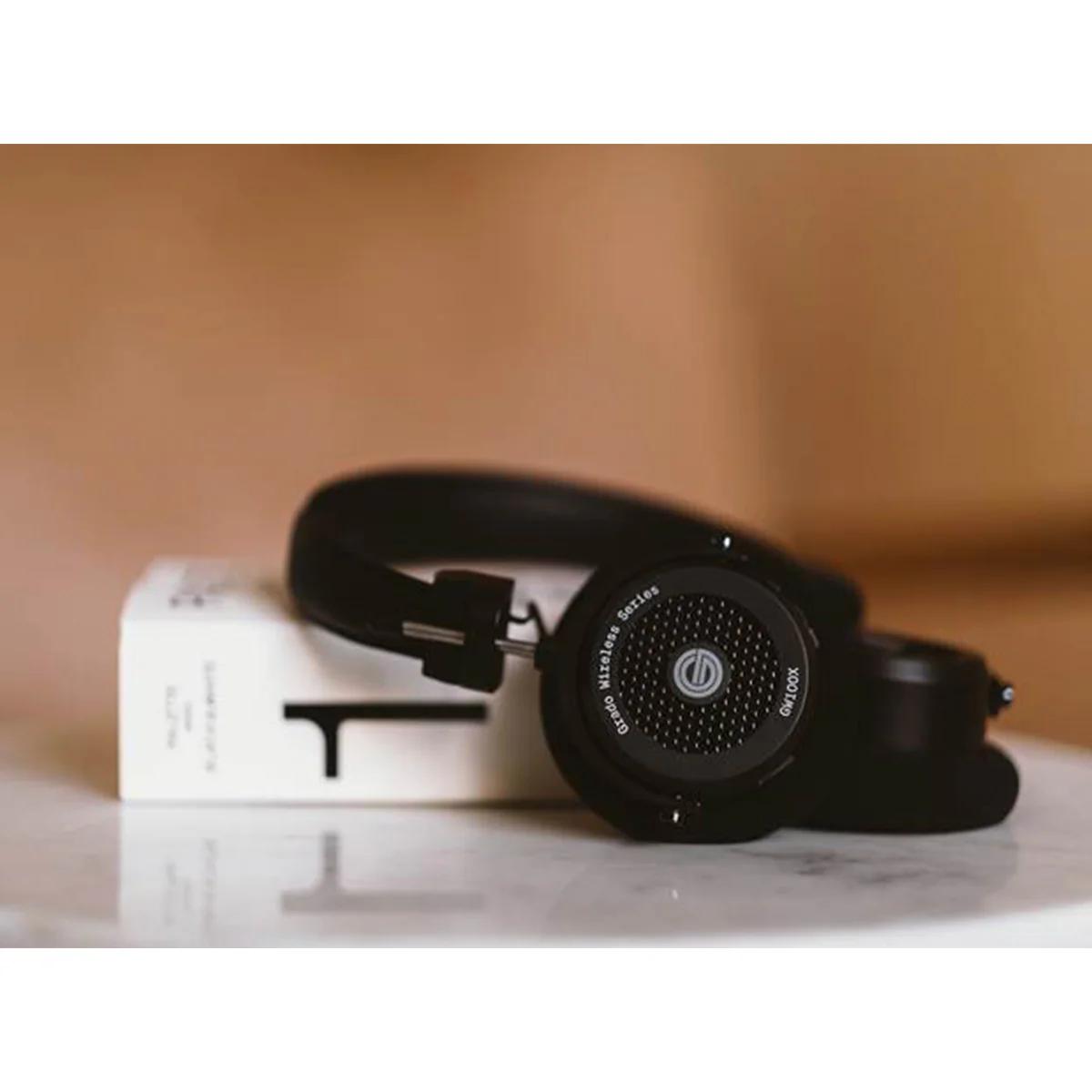
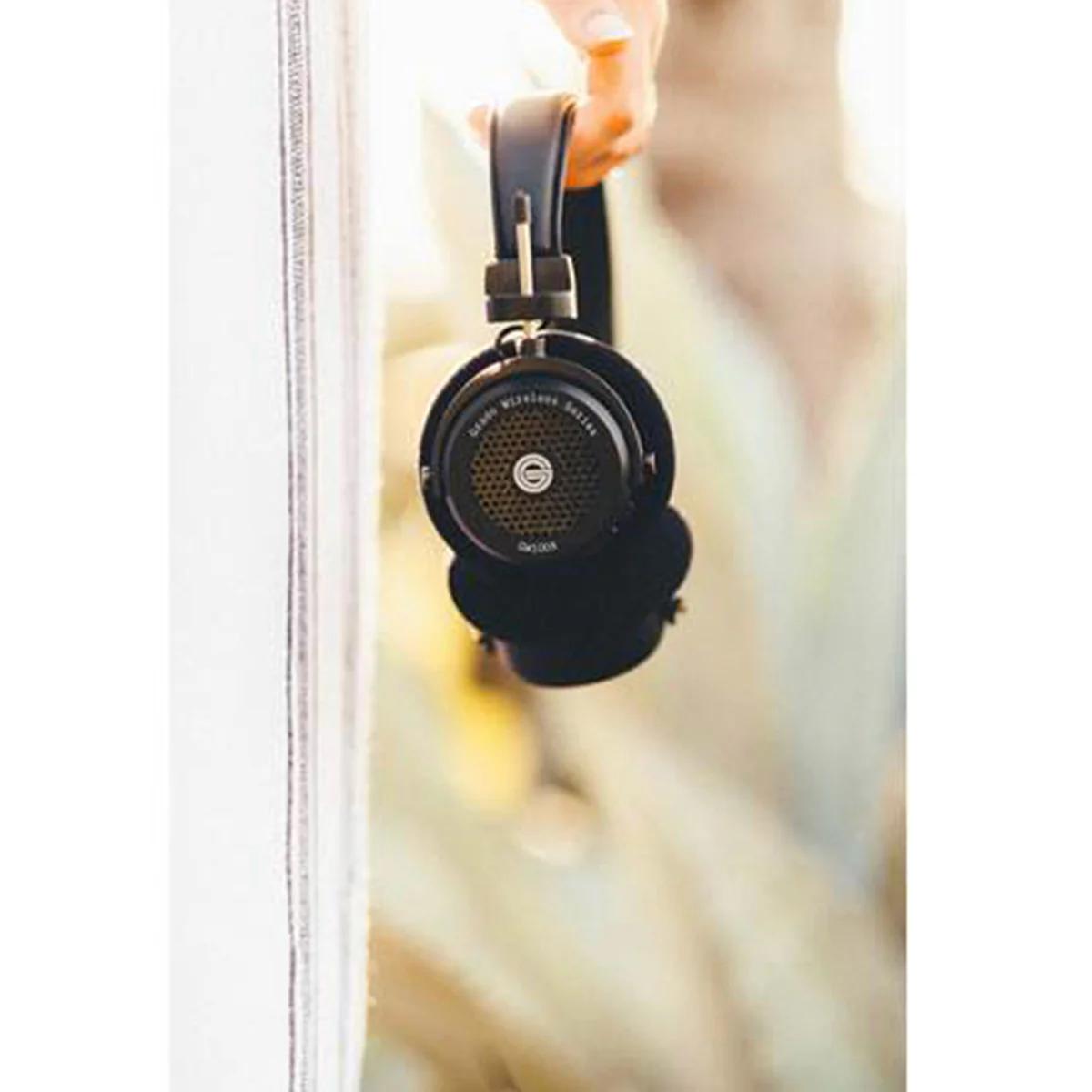
Released in 2022, the Grado GW100x represents something truly unique in the wireless headphone world. Grado, a family-owned Brooklyn company that's been making headphones since 1953, decided to do something nobody else had attempted: create the world's first open-back Bluetooth headphones.
This wasn't just a marketing gimmick. For decades, audiophiles insisted that wireless technology couldn't match wired sound quality. Grado's engineers spent years developing their 4th generation X Series drivers specifically for wireless use. These 44mm drivers feature a more powerful magnetic circuit, a lighter voice coil (the part that moves the diaphragm to create sound), and a completely redesigned diaphragm structure. The result is improved efficiency and reduced distortion – critical for maintaining sound quality when converting digital audio signals wirelessly.
At $275, the GW100x isn't cheap, but it delivers something no other wireless headphone can: that open, airy soundstage that serious music listeners crave, without any wires.
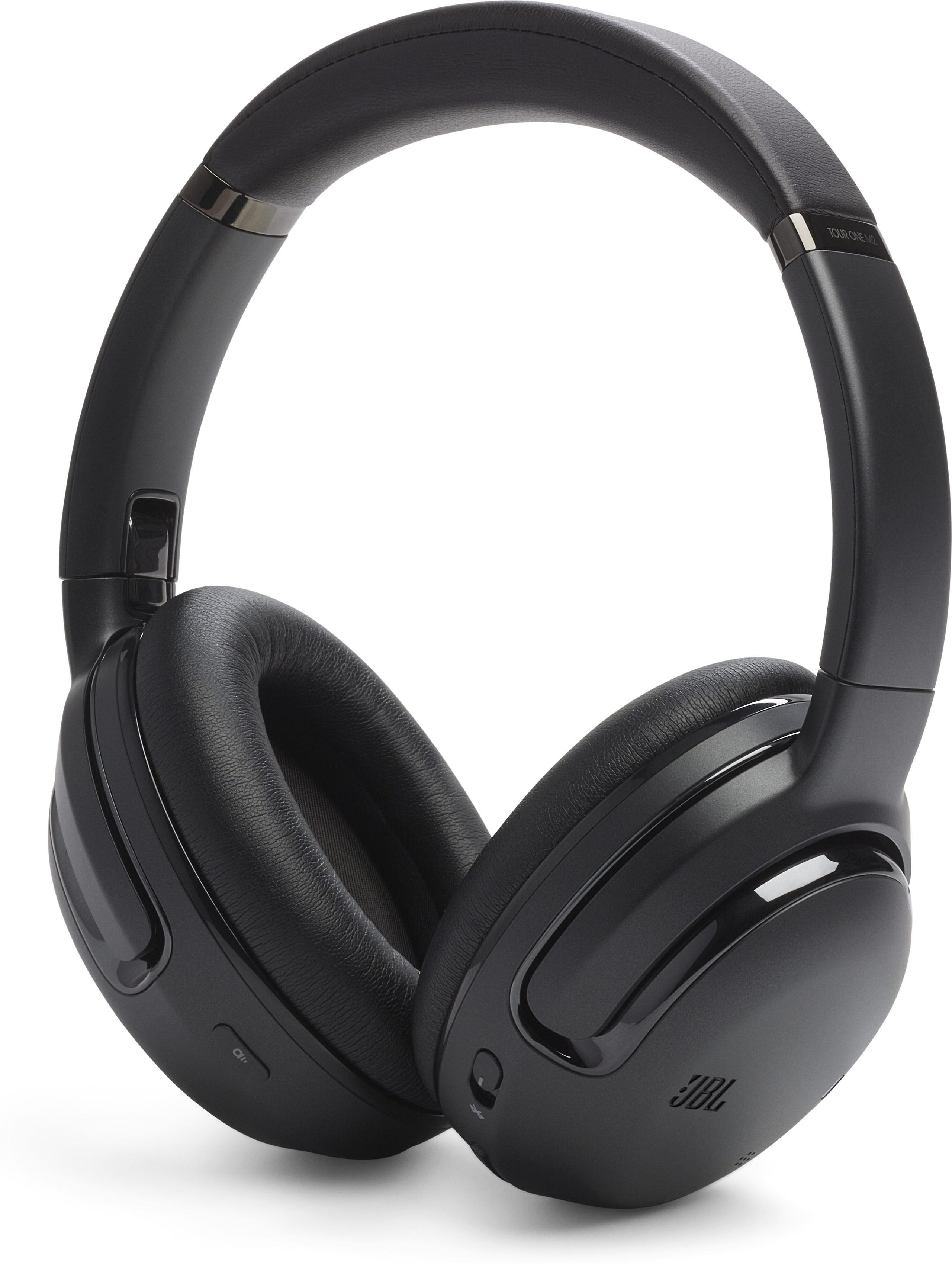
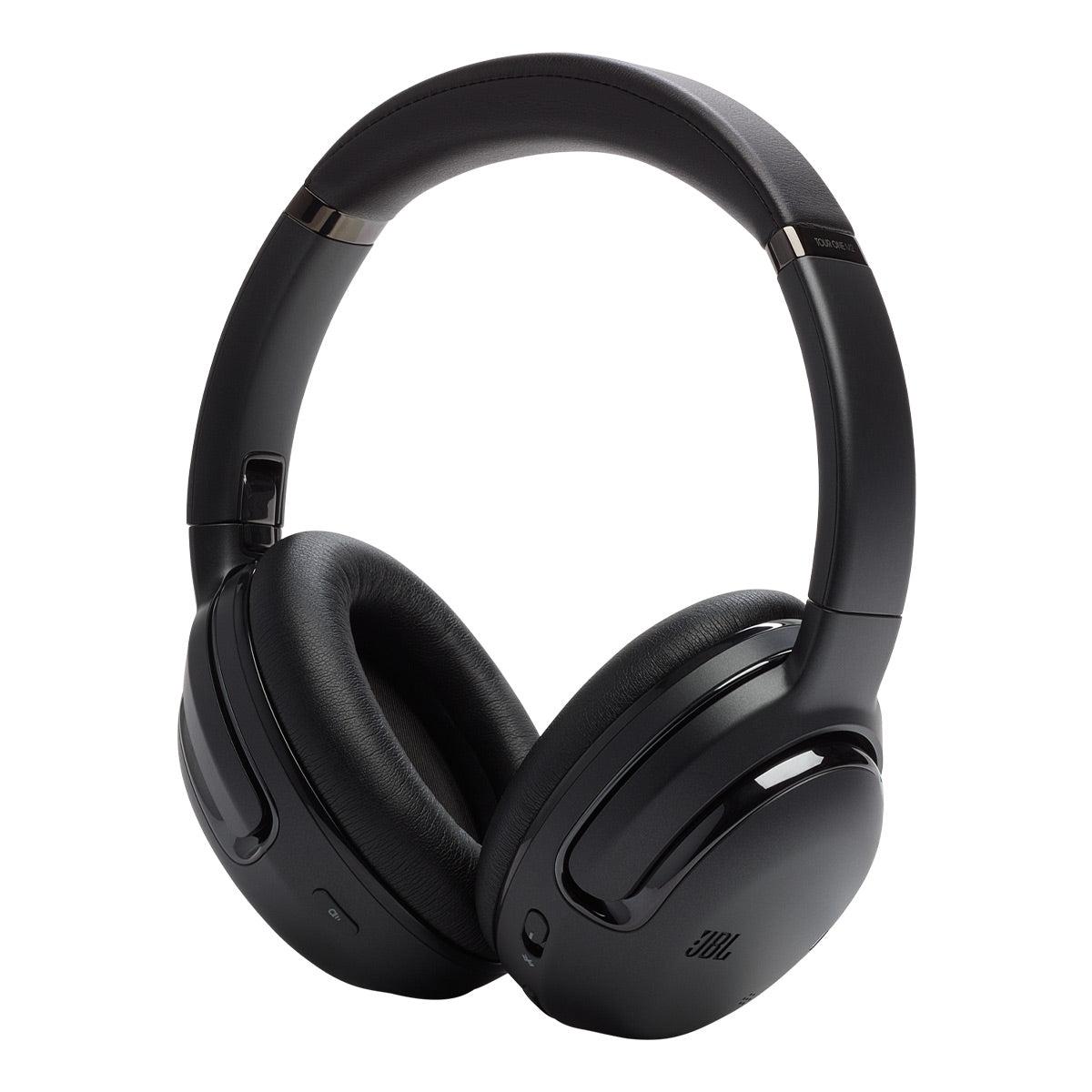
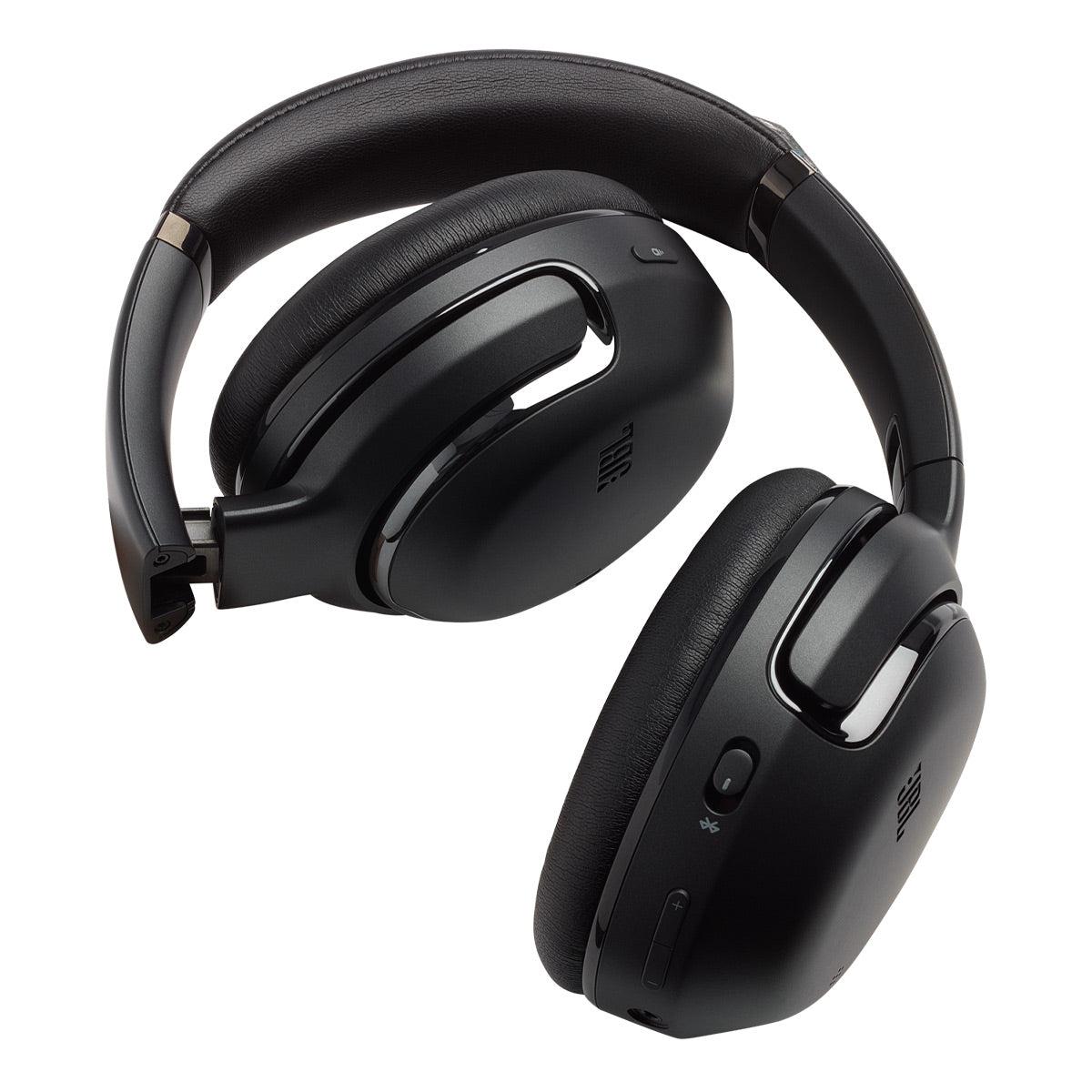
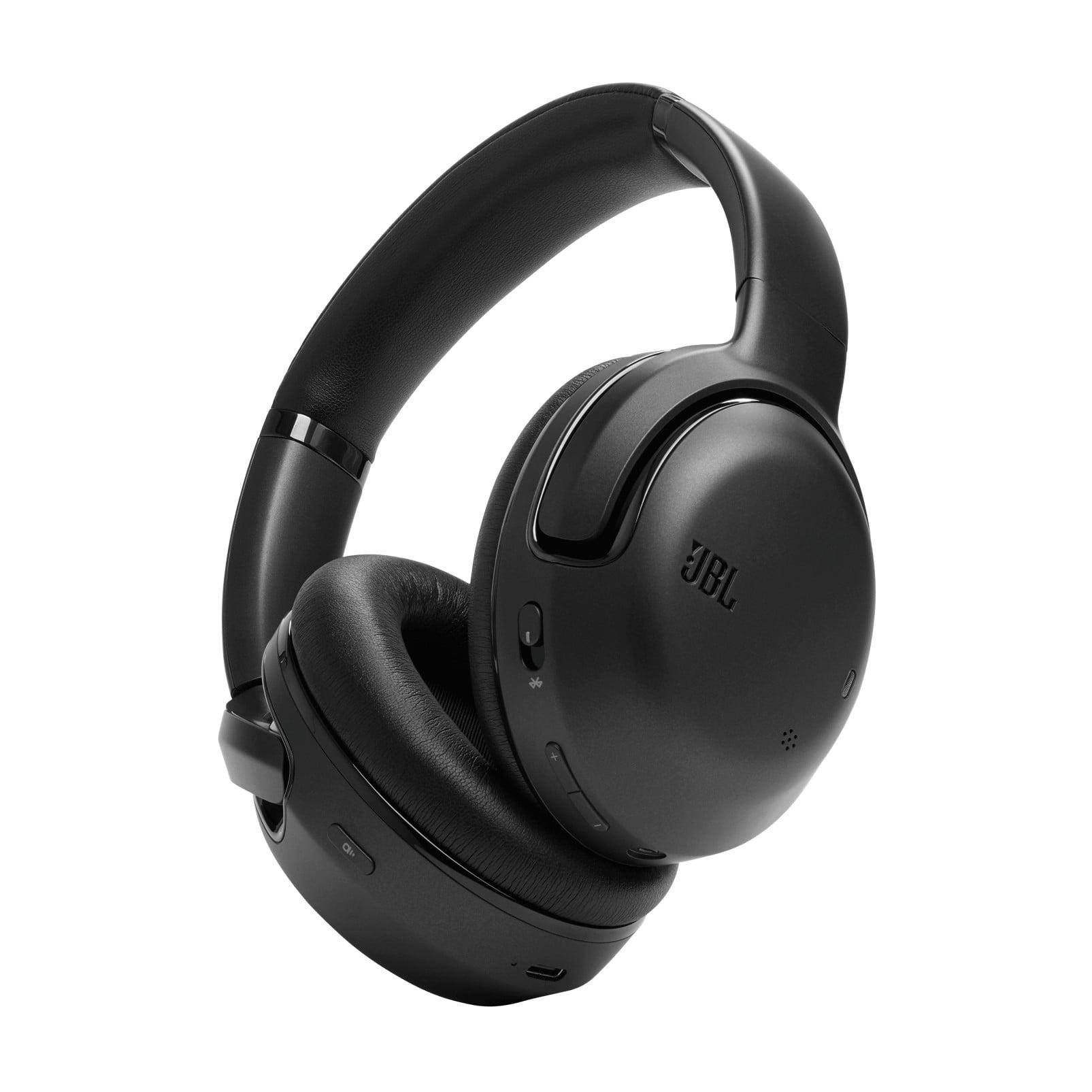
The JBL Tour One M2, released more recently, takes the opposite approach. Instead of focusing solely on sound quality, JBL packed every modern convenience feature they could think of into these over-ear headphones. We're talking True Adaptive Noise Cancelling that automatically adjusts to your environment, Smart Talk technology that pauses your music when you start speaking, and support for practically every voice assistant ever created.
JBL's engineers didn't ignore sound quality – these headphones are Hi-Res Audio certified and feature 40mm dynamic drivers with impressive specifications. But the real story here is versatility. The Tour One M2 wants to be the only headphones you'll ever need, whether you're commuting on a noisy train, taking Zoom calls in your home office, or relaxing with music in your living room.
This is where things get really interesting, because both headphones excel at sound quality, just in completely different ways.
Put on the Grado GW100x, and you're immediately transported into what audiophiles call "soundstage" – the three-dimensional space where music seems to exist around your head. Because of the open-back design, sounds don't feel trapped inside your skull. Instead, instruments have room to breathe, vocals float naturally in space, and you get that sense of depth that makes live recordings feel genuinely live.
I've spent countless hours with various Grado headphones over the years, and the GW100x maintains everything I love about the family sound signature. The midrange – where most vocals and many instruments live – is clear and present without being aggressive. Bass has body and texture without overwhelming the mix. High frequencies sparkle with detail but never become harsh or fatiguing.
What's remarkable is how well this translates wirelessly. Grado supports aptX Adaptive, a smart codec that adjusts its bitrate based on your environment and source material. In quiet listening conditions, it can deliver near-lossless quality, while automatically reducing bitrate if interference threatens the connection.
The trade-off? Everyone around you will hear your music. The open-back design means sound leaks out freely. Grado claims they've reduced leakage by 60% compared to their previous wireless model, but you're still looking at significant sound bleed. These are headphones for private listening spaces, period.
The JBL Tour One M2 takes a more conventional closed-back approach, but executes it exceptionally well. JBL's 40mm drivers deliver a sound signature that's engaging without being fatiguing – deep, controlled bass that doesn't muddy the midrange, clear vocals, and smooth treble that reveals detail without harshness.
What sets the Tour One M2 apart is customization. The JBL Headphones app includes a comprehensive equalizer and something called Personi-Fi 2.0 – a hearing test that creates a personalized sound profile based on your individual hearing characteristics. This isn't just marketing fluff; it genuinely tailors the frequency response to compensate for how your ears naturally hear different frequencies.
For home theater use, the Tour One M2 offers JBL Spatial Sound, which creates an immersive, surround-sound-like experience from stereo sources. While it can't match a proper surround sound system, it's remarkably effective for late-night movie watching when you can't crank up your speakers.
The closed-back design means you're missing some of that open, natural soundstage the Grado delivers, but you gain isolation and bass response that open-back designs simply can't match.
Both headphones excel in battery life, though they achieve it differently.
The Grado GW100x delivers an impressive 46 hours of continuous playback. This comes from Grado's minimalist approach – fewer features mean less power drain. The headphones use a simple but effective power management system, automatically shutting off after 10 minutes of inactivity. Charging is via USB-C and takes about 2 hours for a full charge.
The JBL Tour One M2 pushes even further, offering up to 50 hours with ANC disabled or 30 hours with noise cancelling active. The speed charging feature is particularly handy – 10 minutes of charging provides 5 hours of playback, perfect for those "oh no, I forgot to charge" moments before a long flight.
Both approaches work well in practice. The Grado's consistent 46-hour performance means you never have to think about battery life, while the JBL's flexibility lets you choose between maximum battery life or maximum features depending on your needs.
This is where the philosophical differences become most apparent.
The GW100x keeps things deliberately simple. You get three buttons on the left ear cup for volume, play/pause, track skipping, and call management. There's no app, no customization options, and no advanced features. What you do get is rock-solid Bluetooth 5.2 connectivity with multipoint pairing – you can connect to two devices and switch between them manually.
The simplicity is both refreshing and limiting. Refreshing because everything just works without fuss. You turn them on, they connect, and you listen to music. No apps to update, no settings to configure, no features to break. But limiting because you can't adjust the sound signature, there's no noise cancellation, and advanced features like spatial audio or voice assistant integration simply don't exist.
For wired listening, Grado includes a 3.5mm cable, which is essential if you want to use these with older devices or when the battery inevitably dies during a long listening session.
The Tour One M2 takes the opposite approach, packing in features most people didn't even know they wanted. Smart Talk automatically pauses your music when it detects you're speaking – incredibly handy for quick conversations without fumbling for controls. Personal Sound Amplification can boost nearby voices by 15-20dB, making it easier to hear announcements or conversations without removing the headphones.
True Adaptive Noise Cancelling uses four microphones to constantly monitor your environment and adjust noise cancellation in real-time. Unlike fixed ANC systems that work well in some situations but poorly in others, this system adapts whether you're in a quiet office or a busy airport.
Voice assistant integration is comprehensive – Google Assistant, Amazon Alexa, Siri, and Samsung Bixby all work seamlessly. The four-microphone array ensures clear call quality even in challenging environments.
The JBL Headphones app ties everything together, offering detailed EQ controls, ANC customization, and firmware updates. It's one of the more comprehensive headphone apps available, though some users might find it overwhelming.
Comfort is subjective, but both headphones approach it differently.
The Grado GW100x emphasizes lightweight design at just 6.6 ounces. The on-ear design sits gently on your ears rather than completely surrounding them, which some people find more comfortable for extended listening. The minimal padding and simple headband design keeps things light and airy, matching the open-back acoustic philosophy.
However, the non-foldable design makes them less portable, and the basic build might feel spartan compared to more expensive headphones.
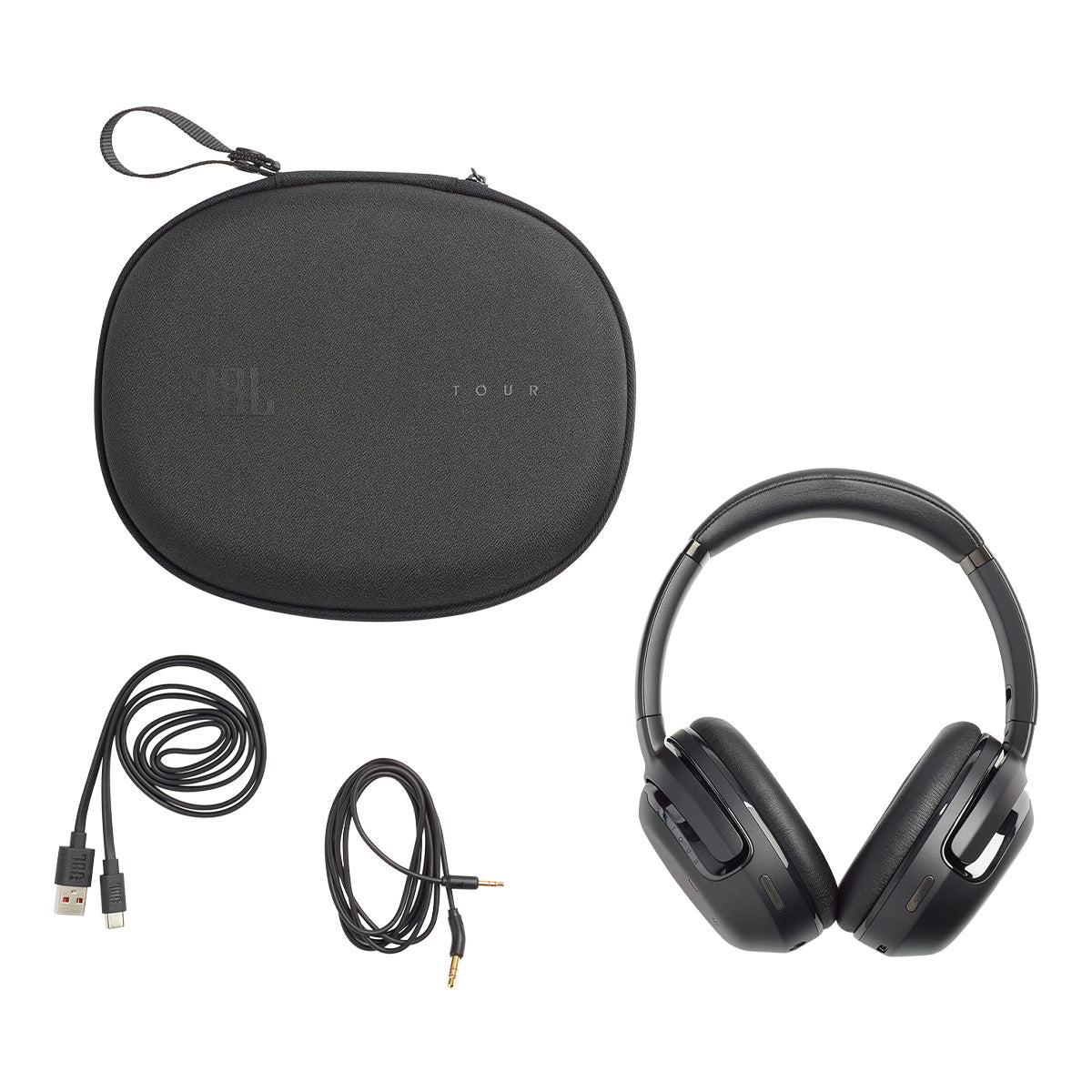
The JBL Tour One M2 goes for a more premium feel with soft faux-leather ear cups and over-ear design that completely surrounds your ears. This provides better seal for ANC and generally distributes weight more evenly. The headphones fold flat and come with a carrying case, making them much more travel-friendly.
The trade-off is weight – all those features and the larger over-ear design result in a heavier headphone. For very long listening sessions, some users might find the Grado less fatiguing.
If you're considering either headphone for home theater use, there are important factors to consider.
The Grado GW100x excels for critical music listening and acoustic performances where you want that open, natural presentation. For movies, the open soundstage can make dialogue feel more natural and music scores more immersive. However, the lack of any bass boost or surround processing means action movies might feel less impactful than they would through speakers or closed-back headphones.
The JBL Tour One M2 is arguably better suited for home theater use. The closed-back design delivers more impactful bass for explosions and action sequences, while JBL Spatial Sound can create a more immersive experience for movies. The ability to customize the EQ means you can boost dialogue frequencies for clearer speech or enhance bass for action films.
For late-night viewing when you can't use speakers, the Tour One M2's superior isolation means you won't disturb others, while the Grado's open design might leak enough sound to bother family members or neighbors.
At first glance, both headphones might seem overpriced for what they offer, but they represent good value within their respective categories.
The Grado GW100x at $275 asks you to pay a premium for something truly unique – open-back wireless sound quality that simply doesn't exist elsewhere. You're paying for specialized engineering, a unique listening experience, and the cachet of owning something genuinely different. If you primarily listen in quiet environments and value sound quality above convenience, this premium makes sense.
The JBL Tour One M2 offers more traditional value – extensive features, solid build quality, and versatile performance for a competitive price. You're getting ANC that competes with much more expensive headphones, comprehensive app support, and build quality that should last for years.
After spending time with both headphones, here's how to decide:
Choose the Grado GW100x if:
Choose the JBL Tour One M2 if:
Neither headphone is objectively "better" – they're engineered for different users and use cases. The Grado is a specialized instrument for serious listening, while the JBL is a versatile daily driver that handles whatever you throw at it.
Your choice ultimately comes down to whether you prioritize the unique experience of audiophile-quality open-back wireless sound, or the comprehensive functionality of a modern, feature-rich headphone. Both represent excellence within their categories – you just need to decide which category better matches your listening life.
| Grado GW100x Wireless Headphones | JBL Tour One M2 Wireless Over-Ear Headphones |
|---|---|
| Design Type - Fundamentally changes how and where you can use them | |
| Open-back, on-ear (sound leaks out, natural soundstage) | Closed-back, over-ear (sound isolation, suitable for public use) |
| Active Noise Cancellation - Essential for travel and noisy environments | |
| None (open design prevents ANC implementation) | True Adaptive Noise Cancelling with 4-mic array |
| Battery Life - How long between charges | |
| 46 hours continuous playback | 50 hours (ANC off) / 30 hours (ANC on) |
| Weight - Impacts comfort during long sessions | |
| 6.6 ounces (187g) - exceptionally lightweight | ~272g - heavier due to ANC components and over-ear design |
| Driver Technology - Determines core sound quality | |
| 44mm 4th generation X Series drivers (optimized for wireless) | 40mm dynamic drivers with Hi-Res Audio certification |
| Bluetooth & Codecs - Affects wireless sound quality | |
| Bluetooth 5.2 with aptX Adaptive, AAC, SBC | Bluetooth 5.3 with AAC, SBC (lacks high-res codecs) |
| App Support - Controls customization and updates | |
| No app support (simple 3-button control only) | Comprehensive JBL Headphones app with EQ and features |
| Sound Leakage - Whether others can hear your music | |
| Significant leakage (60% reduction claimed vs previous model) | Minimal leakage due to closed-back design |
| Voice Assistant Support - Hands-free control options | |
| Google Assistant, Siri | Google Assistant, Alexa, Siri, Bixby |
| Charging & Speed Charging - Convenience features | |
| USB-C, 2-hour full charge, no speed charging | USB-C with speed charging (10 min = 5 hours playback) |
| Multi-Device Support - Switching between phone, laptop, etc. | |
| Basic multipoint pairing (manual switching) | Advanced multipoint with seamless device switching |
| Price Range - Value proposition | |
| $275 - premium for unique open-back wireless tech | Varies by retailer - competitive for feature-rich ANC headphones |
| Best Use Cases - Where each excels | |
| Home listening, quiet environments, audiophile music focus | Travel, commuting, office work, versatile daily use |
The Grado GW100x delivers superior audiophile sound quality with its open-back design, creating a natural, spacious soundstage that's unmatched in wireless headphones. The JBL Tour One M2 offers excellent sound with more bass impact and customizable EQ through its app, but can't match the Grado's open, airy presentation. For pure sound quality, the Grado GW100x wins, while the JBL Tour One M2 offers more versatile, customizable audio.
No, only the JBL Tour One M2 features active noise cancellation with its True Adaptive ANC technology that adjusts automatically to your environment. The Grado GW100x has no noise cancellation due to its open-back design - in fact, it's designed to let environmental sounds pass through naturally. If you need noise blocking for travel or noisy environments, the JBL Tour One M2 is your only option here.
For home theater, the JBL Tour One M2 is generally better suited with its closed-back design delivering more impactful bass for action movies and JBL Spatial Sound technology for immersive audio. The Grado GW100x excels for acoustic content and dialogue-heavy films where its natural soundstage shines, but lacks the bass impact needed for blockbuster movies. The Tour One M2 also won't disturb others during late-night viewing.
The Grado GW100x offers 46 hours of continuous playback, while the JBL Tour One M2 provides up to 50 hours with ANC off or 30 hours with ANC on. Both offer excellent battery life, though the JBL has the advantage of speed charging - 10 minutes gives you 5 hours of playback. The Grado GW100x maintains consistent battery life regardless of features since it has fewer power-hungry components.
The JBL Tour One M2 is perfect for public use with its closed-back design that prevents sound leakage and blocks outside noise. The Grado GW100x is not suitable for public spaces because its open-back design allows significant sound leakage - others will hear your music. The Grado is designed specifically for private, quiet listening environments like your home or office.
The Grado GW100x is notably lighter at 6.6 ounces, making it very comfortable for extended listening without fatigue. The JBL Tour One M2 is heavier due to its ANC components but features plush over-ear padding that some find more comfortable. For marathon listening sessions, the Grado's lightweight design typically wins, while the JBL offers better weight distribution across your head.
Yes, but with different levels of support. The Grado GW100x supports Google Assistant and Siri with basic voice control functionality. The JBL Tour One M2 offers comprehensive voice assistant support including Google Assistant, Amazon Alexa, Siri, and Samsung Bixby, with more advanced integration and hands-free activation. The JBL clearly wins for voice assistant features and functionality.
Value depends on your priorities. The Grado GW100x at $275 offers exceptional value if you prioritize unique audiophile sound quality and lightweight comfort for home listening. The JBL Tour One M2 provides better overall value for most users with its extensive feature set, ANC, app support, and versatility across different environments. The JBL gives you more features per dollar spent.
The JBL Tour One M2 offers extensive sound customization through its JBL Headphones app, including a full EQ, preset modes, and Personi-Fi hearing optimization. The Grado GW100x has no app support or sound customization options - you get Grado's signature sound profile as-is. If you want to tailor your audio experience, the JBL Tour One M2 is the clear choice for customization flexibility.
The JBL Tour One M2 excels at phone calls with its 4-microphone array, advanced noise cancellation, and Smart Talk feature that automatically pauses music when you speak. The Grado GW100x handles basic calls adequately but lacks advanced call features. For business calls, video meetings, or frequent phone use, the JBL Tour One M2 is significantly better equipped.
The JBL Tour One M2 is designed for travel with its foldable design, included carrying case, ANC for blocking airplane noise, and closed-back isolation. The Grado GW100x doesn't fold, lacks a case, and its open-back design makes it unsuitable for travel environments. For any travel use, the JBL Tour One M2 is the obvious choice, while the Grado is best kept at home.
Both offer multipoint pairing, but the JBL Tour One M2 provides more seamless device switching and can handle more complex connectivity scenarios. The Grado GW100x offers basic multipoint pairing that requires manual switching between devices. If you frequently switch between your phone, laptop, and tablet, the JBL Tour One M2 offers a more sophisticated and user-friendly multipoint experience.
We've done our best to create useful and informative comparisons to help you decide what product to buy. Our research uses advanced automated methods to create this comparison and perfection is not possible - please contact us for corrections or questions. These are the sites we've researched in the creation of this article: techradar.com - crutchfield.com - whathifi.com - moon-audio.com - majorhifi.com - rockonav.com - forums.stevehoffman.tv - newegg.com - audiosciencereview.com - gradolabs.com - decibelaudio.com - addictedtoaudio.com.au - s3.eu-west-1.amazonaws.com - audioadvice.com - analogmatters.com - nyczaj.audio - parts-express.com - tomsguide.com - majorhifi.com - audio46.com - synced.sg - majorhifi.com - versus.com - youtube.com - youtube.com - peterfalkingham.com - youtube.com - jbl.com - manuals.plus - bhphotovideo.com - device.report - jblonlinestore.com - bhphotovideo.com - jbl.com.my - en.jblthailand.com - harmanhouse.com - versus.com - consumerreports.org - bestbuy.com - th.jbl.com - jbl.com - theindianaudiophileforum.com

Privacy Policy
Terms and Conditions - Affiliate Policy
Home Security
© Copyright 2008-2026.
11816 Inwood Rd #1211, Dallas, TX 75244