

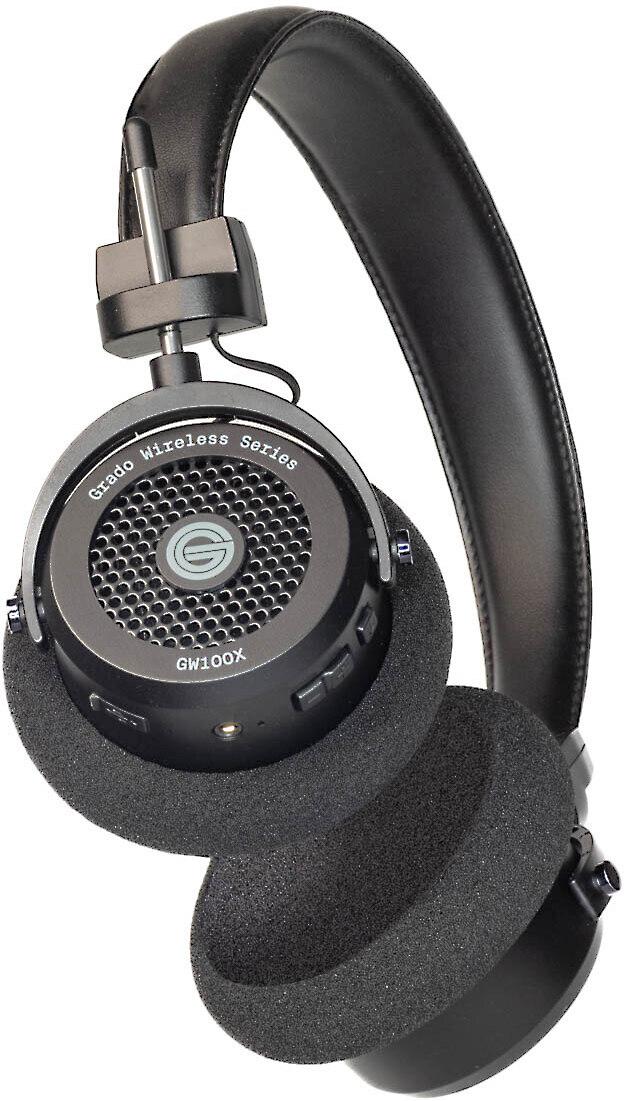
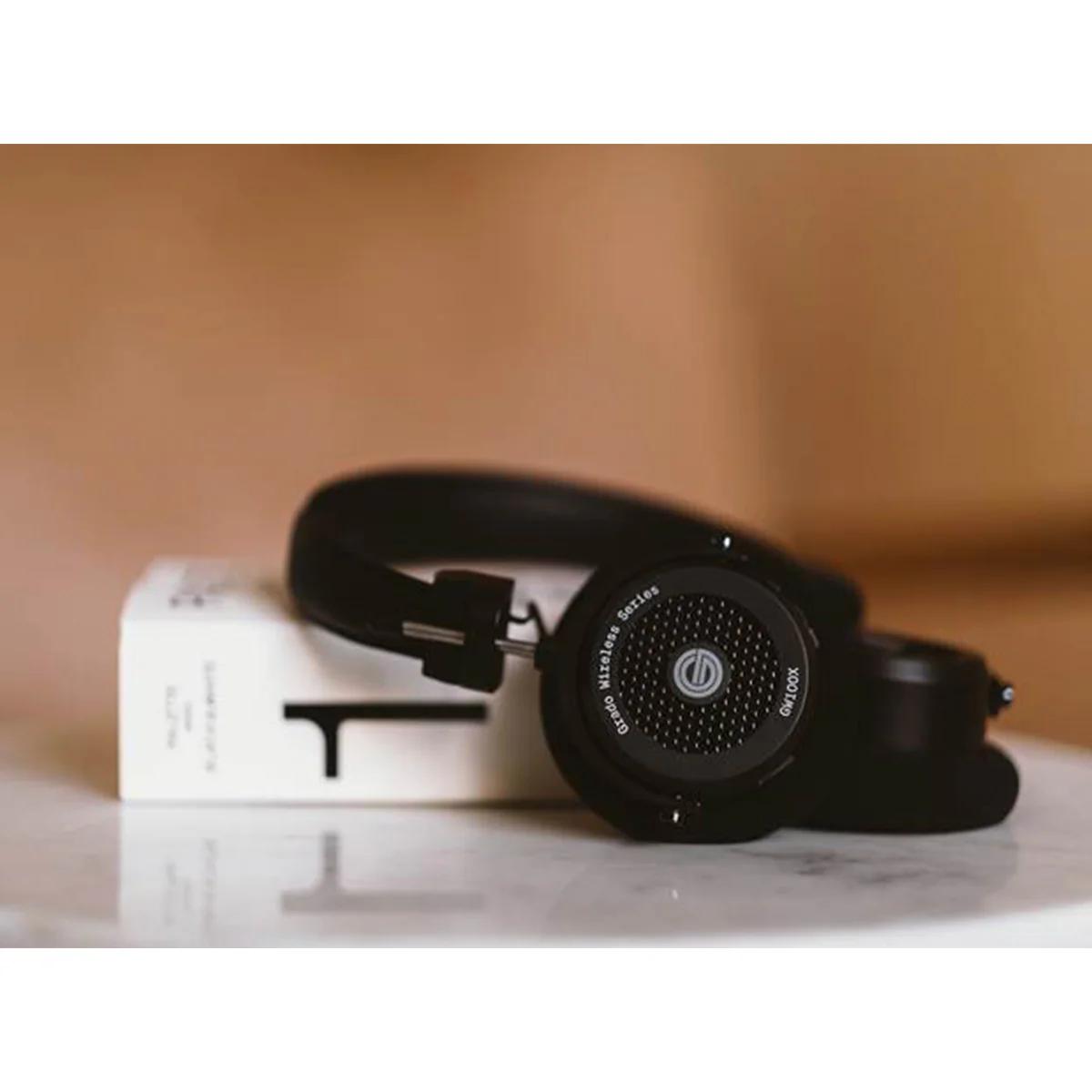
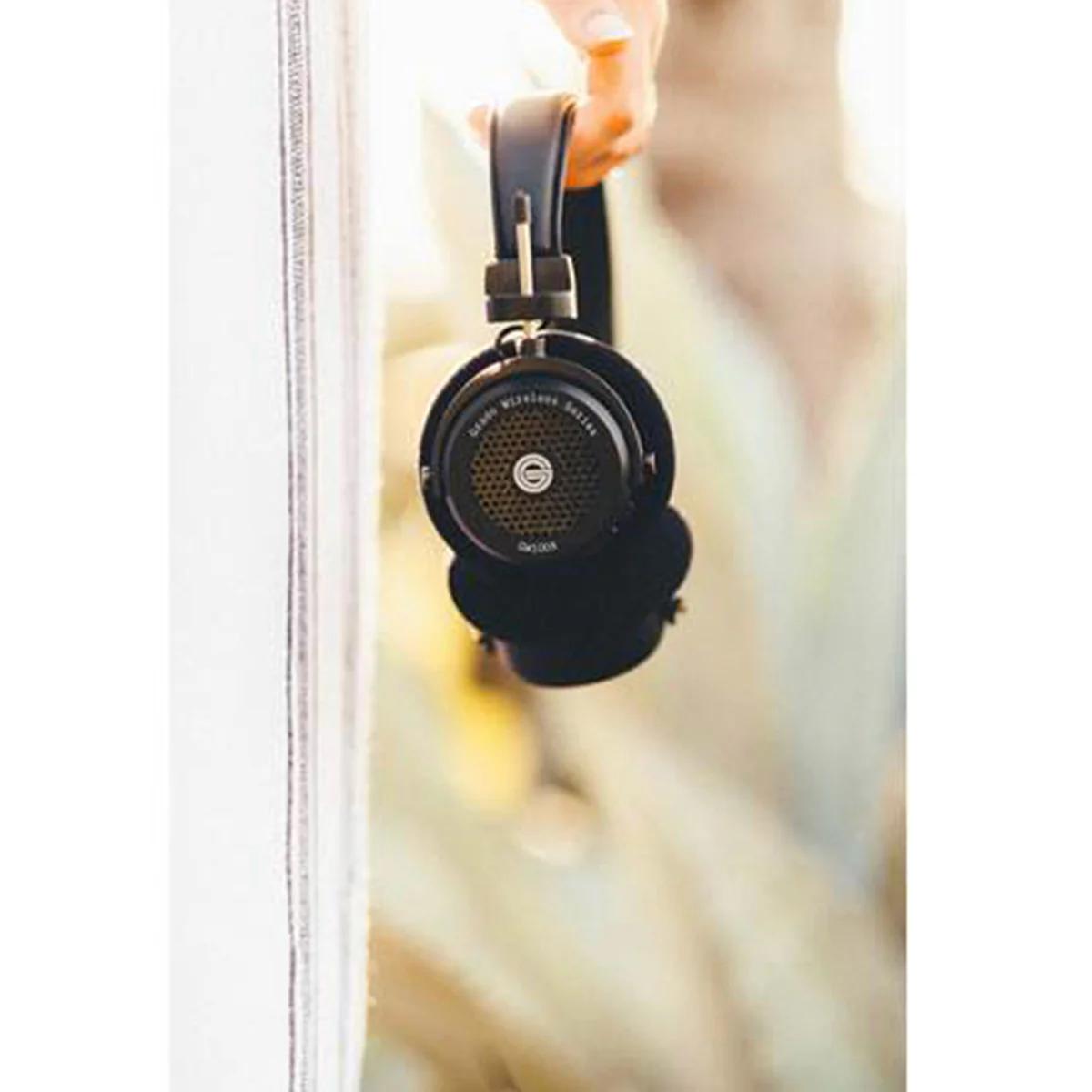

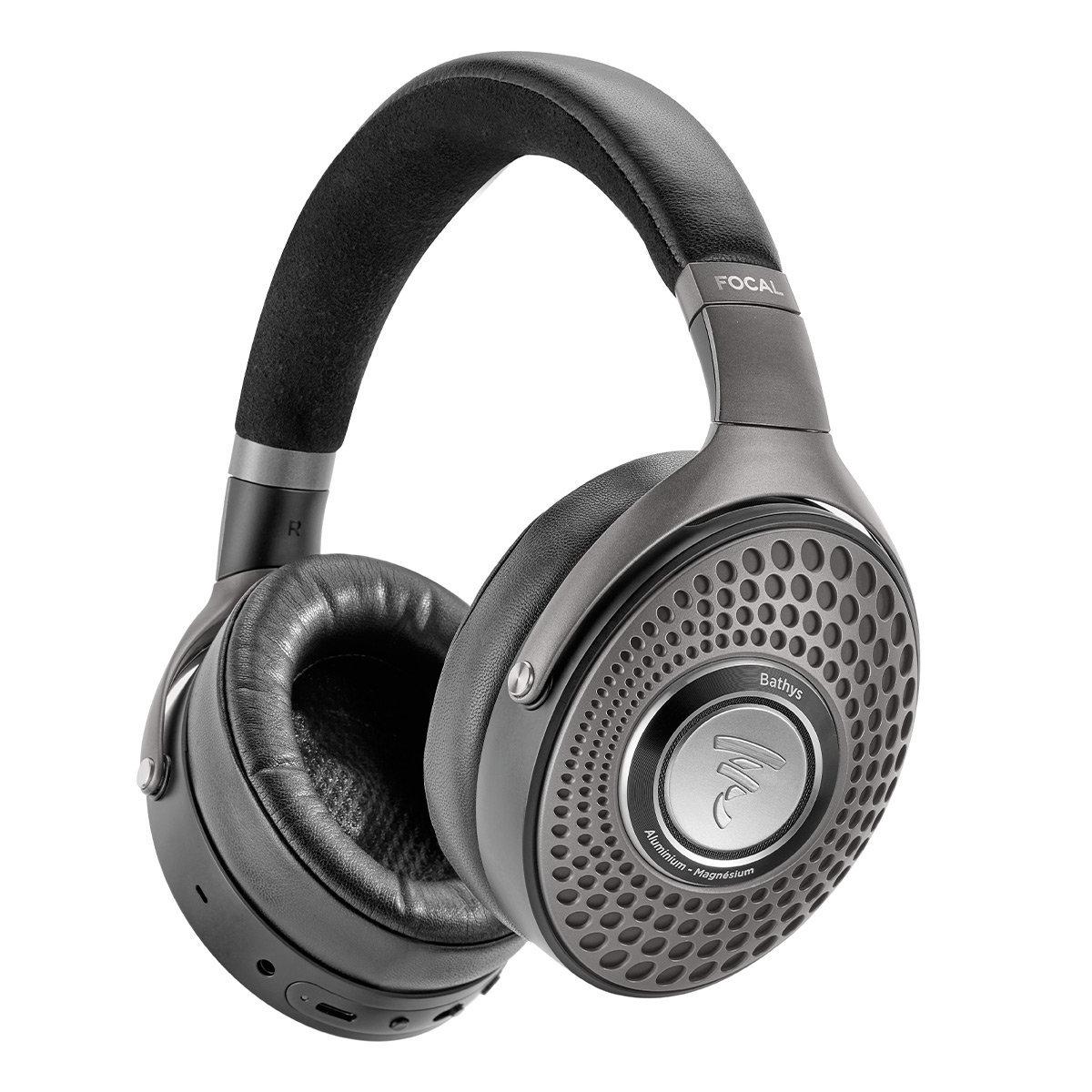

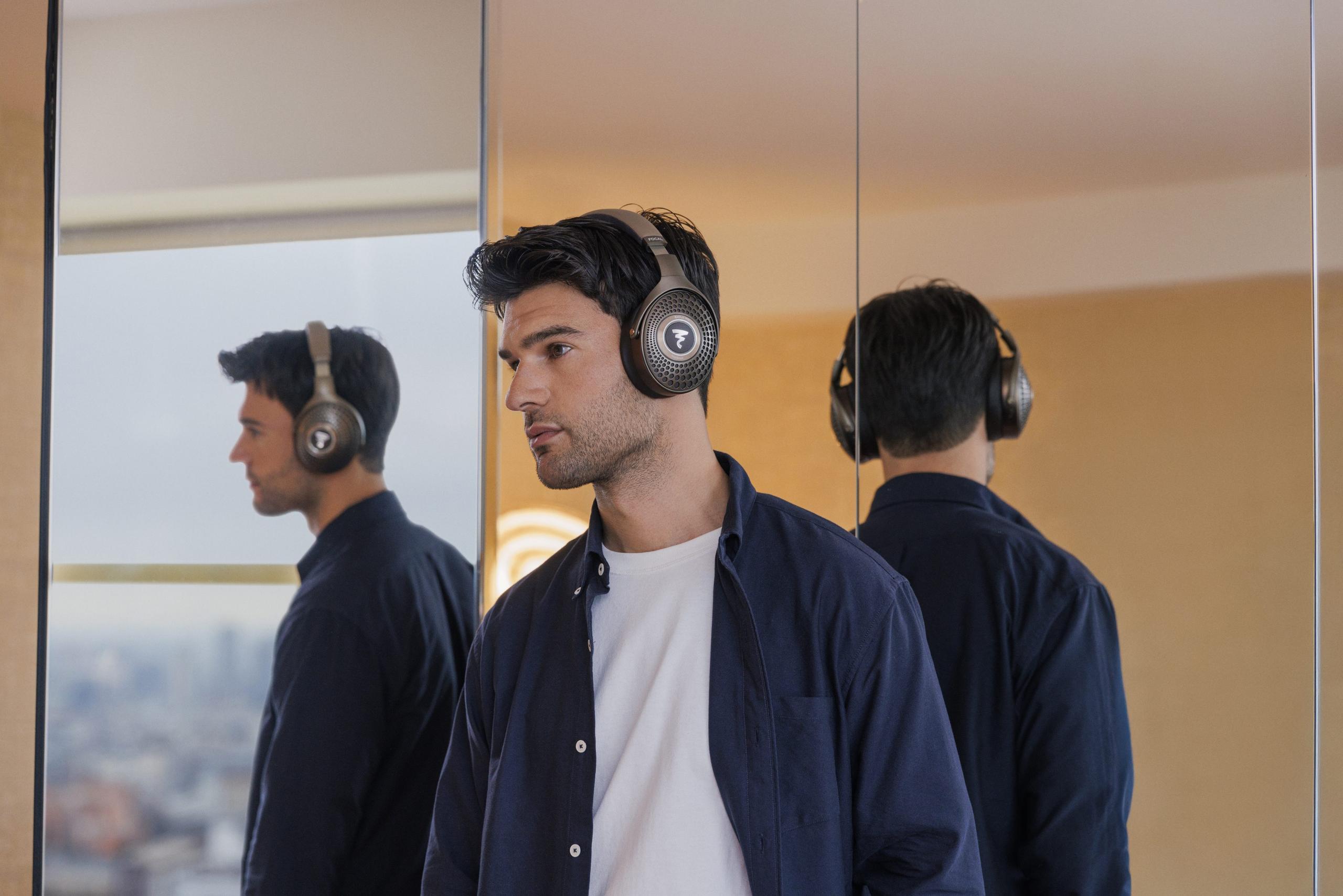
When I first heard about Grado releasing an open-back Bluetooth headphone, I was skeptical. Could they really maintain their legendary sound quality without wires? The Grado GW100x ($275), released in late 2022, proved that wireless and audiophile-grade sound could coexist. Around the same time, Focal was perfecting their own wireless approach with the Bathys ($849), combining their French driver expertise with comprehensive noise cancellation. These headphones represent two completely different philosophies for premium wireless audio—and understanding their differences will help you make the right choice.
The premium wireless headphone market has transformed dramatically over the past few years. We've moved beyond simply cutting the cord to creating products that can compete with high-end wired models. The key breakthrough has been in digital signal processing (DSP)—the computer chips that handle converting digital audio files into the analog signals your ears hear. Modern DSP allows manufacturers to fine-tune the sound in ways that weren't possible even five years ago.
When evaluating these headphones, you'll want to consider several key factors. Sound quality remains paramount—this includes frequency response (how well the headphone reproduces different pitches), soundstage width (how spacious the music feels), and detail retrieval (your ability to hear subtle elements in recordings). Design philosophy matters too: open-back designs let sound escape for a more natural presentation, while closed-back designs isolate you from external noise. Battery performance, build quality, and overall value complete the picture.
The Grado GW100x and Focal Bathys couldn't be more different in their core design philosophies, and these differences shape everything about how they perform.
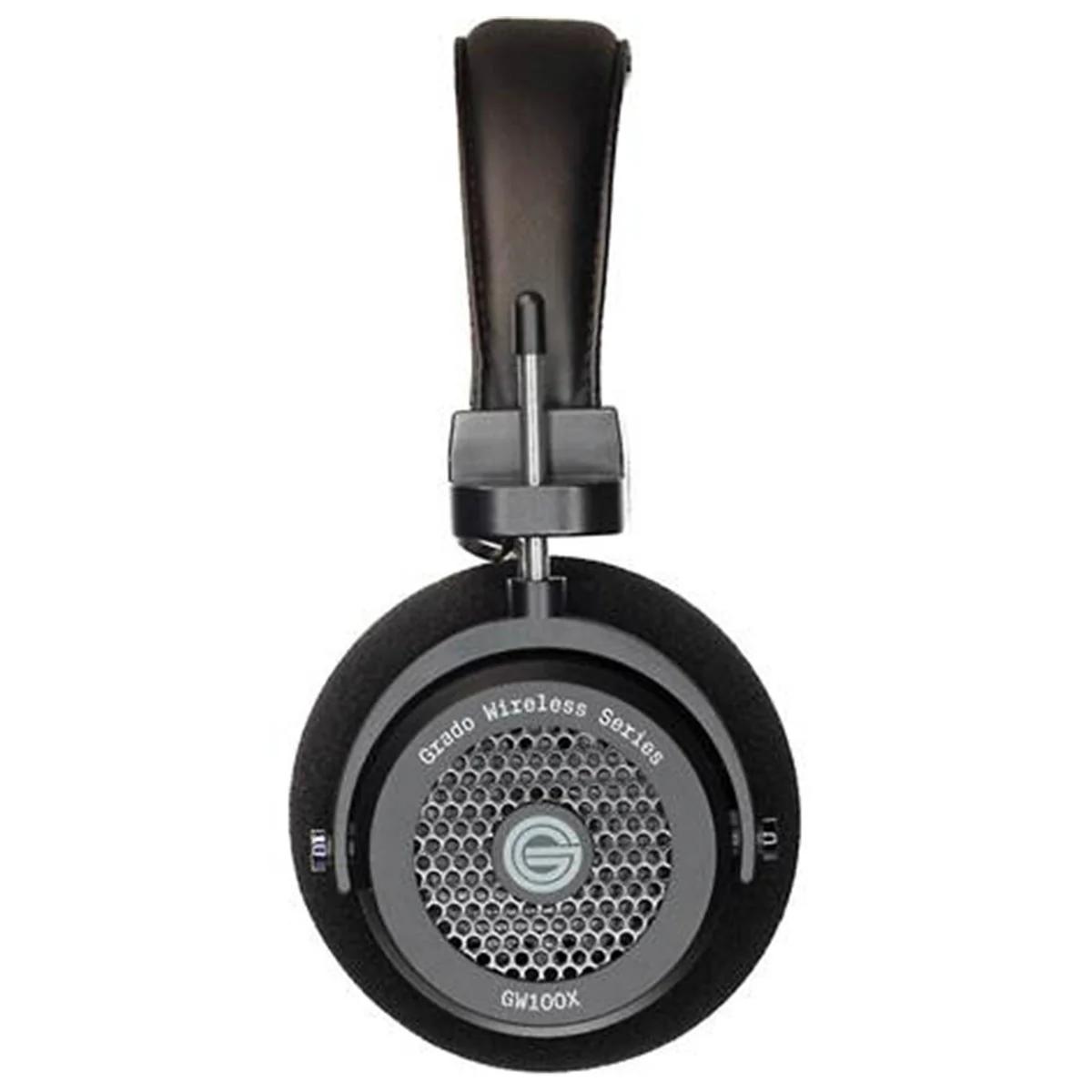
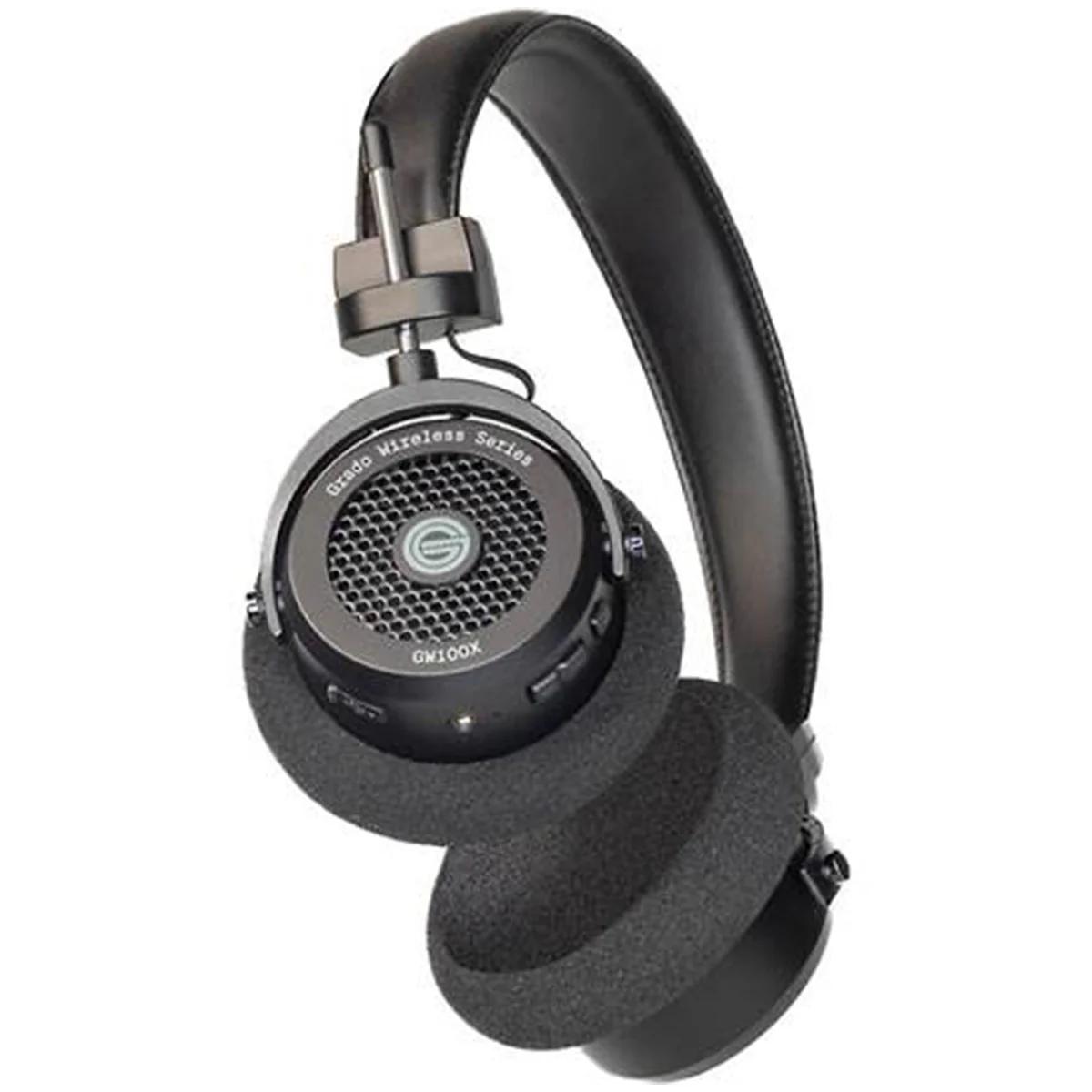
Grado took an unprecedented approach with the GW100x. They created the world's first open-back Bluetooth headphone, maintaining their decades-old acoustic philosophy in wireless form. Open-back headphones have perforated or mesh-covered ear cups that allow sound to flow freely in and out. This creates a more natural, spacious presentation—imagine the difference between listening to music in a small closet versus a concert hall. However, this design means sound leaks out, making them unsuitable for quiet offices or public transportation.
The engineering challenge Grado faced was significant. Traditional open-back designs leak substantial amounts of sound, annoying everyone around you. Grado's solution involved redesigning the internal acoustics and housing geometry to reduce leakage by 60% compared to their wired models, while maintaining the open-back benefits. At 187 grams, the GW100x remains remarkably lightweight, prioritizing comfort for those long listening sessions at home.
Focal took the opposite approach with the Bathys. They built a closed-back headphone with active noise cancellation (ANC), targeting users who need versatility across different environments. ANC works by using external microphones to detect ambient noise, then generating inverse sound waves to cancel it out—like creating destructive interference patterns in physics class. The Bathys employs eight microphones for this process, offering three distinct modes: Silent (maximum cancellation for planes), Soft (gentler reduction for offices), and Transparency (allowing important sounds through).
At 350 grams, the Bathys weighs nearly twice as much as the GW100x, but Focal invested heavily in premium materials. The aluminum frame, magnesium yokes, and leather headband justify the weight increase with superior durability and luxury feel. The included rigid carrying case makes travel practical—something the GW100x simply can't match with its non-folding design.
This is where both headphones truly shine, though in different ways that reflect their design philosophies.
The Grado GW100x uses Grado's fourth-generation X Series drivers—44mm speakers specifically engineered for wireless use. These aren't simply their wired drivers with Bluetooth added; Grado redesigned the magnetic circuit (the system that moves the speaker cone), reduced the voice coil mass (the part that vibrates to create sound), and reconfigured the diaphragm (the cone that pushes air). The result is improved efficiency and reduced distortion, critical for battery-powered operation.
In my experience, the GW100x delivers Grado's signature warm, natural midrange that makes vocals incredibly engaging. When I listen to artists like Norah Jones or Leonard Cohen, their voices have a presence and intimacy that's rare in wireless headphones. The bass is controlled rather than emphasized—you'll hear the texture and speed of bass lines clearly, but don't expect the room-shaking impact that some prefer. The treble extends well without becoming harsh, revealing details like the subtle decay of cymbals or the breath between vocal phrases.
What sets the GW100x apart is its soundstage—the apparent width and depth of the musical presentation. Open-back designs naturally create a more spacious sound because your ears hear both the direct sound from the drivers and the ambient reflections from your room. This makes instruments feel positioned in three-dimensional space rather than just left and right. For complex recordings like orchestral pieces or well-produced rock albums, this spatial quality can be revelatory.
The Focal Bathys takes a different approach with its 40mm aluminum/magnesium drivers. Focal manufactures these in their French workshops using a patented 'M'-shaped dome design. The aluminum provides rigidity to reduce distortion, while the magnesium adds damping to control resonances—unwanted vibrations that can color the sound. With harmonic distortion below 0.2% at normal listening levels, these drivers achieve exceptional technical performance.
The Bathys presents a more neutral-warm sound signature that works across all musical genres. The bass extends deeper than the GW100x with excellent control—you'll feel the impact of kick drums and bass drops while maintaining clarity in busy passages. The midrange is slightly recessed in the mid-frequencies, which can push vocals slightly back in the mix but creates excellent separation between instruments. The treble is well-controlled, though some listeners might find it slightly bright with poorly recorded material.
Where the Bathys impresses is in its technical capabilities. Despite being closed-back, it achieves a surprisingly wide soundstage—not matching the GW100x's open-back expansiveness, but broader than most closed designs. The imaging (ability to locate instruments precisely) is excellent, and the overall resolution reveals subtle details in familiar recordings.
This represents the most significant functional difference between these headphones, and it's not even close.
The Grado GW100x offers zero noise isolation by design. The open-back architecture means ambient sound flows freely through the ear cups. While Grado reduced sound leakage compared to traditional open designs, you'll still disturb others at moderate volumes, and external noise will interfere with your listening. This makes the GW100x unsuitable for noisy environments, commuting, or shared spaces where others need quiet.
However, this "limitation" is actually a feature for home listening. Natural ambient awareness means you can hear the doorbell, phone calls, or family members without removing the headphones. The lack of isolation also prevents the "pressure" feeling some people experience with sealed headphones during long listening sessions.
The Focal Bathys provides comprehensive noise control through its sophisticated ANC system. The eight-microphone array continuously monitors environmental noise, generating inverse signals to cancel unwanted sounds. In Silent mode, the system effectively reduces low-frequency noise like airplane cabin rumble, air conditioning, or traffic. This isn't just convenience—it's transformative for audio quality in noisy environments, allowing you to hear subtle musical details that would otherwise be masked.
The Soft mode provides gentler noise reduction suitable for office environments, while Transparency mode uses the microphone system to amplify external sounds when you need situational awareness. Having tested both systems extensively, the Bathys ANC performs well against steady, predictable noise but isn't quite as effective as the class leaders from Sony or Bose against sudden, transient sounds like conversations or announcements.
Battery performance reveals another significant difference in engineering priorities between these models.
The Grado GW100x achieves an impressive 46 hours of continuous playback—among the longest in the wireless headphone category. This exceptional endurance comes from the 850mAh battery combined with highly efficient fourth-generation drivers and streamlined electronics. The lack of power-hungry features like ANC contributes significantly to this longevity. Fast charging via USB-C provides a full charge in two hours, with auto-shutoff after 10 minutes of inactivity preserving battery life.
The Bathys offers variable battery life depending on usage mode: 30 hours with Bluetooth and ANC active, 35 hours in wired analog mode, and up to 42 hours in USB-DAC mode. The 1060mAh battery is larger than the GW100x's, but the power demands of ANC and premium materials result in shorter wireless runtime. However, the quick-charge feature provides five hours of listening from just 15 minutes of charging—helpful for frequent travelers.
Both headphones support modern Bluetooth standards, but with important differences. The GW100x uses Bluetooth 5.2 with support for aptX Adaptive, AAC, and SBC codecs. AptX Adaptive is particularly significant because it dynamically adjusts the bitrate based on connection quality and content type, optimizing for either audio quality or low latency. The multipoint pairing allows connection to two devices simultaneously, though you can't stream from both at once.
The Bathys employs Bluetooth 5.1 with the same codec support, but adds a unique USB-DAC mode that sets it apart. When connected via USB-C, the Bathys functions as a high-resolution digital-to-analog converter, supporting audio up to 24-bit/192kHz resolution. This bypasses Bluetooth compression entirely, delivering uncompromised audio quality from computers or compatible mobile devices. For critical listening or high-resolution audio files, this feature is invaluable.
The construction differences between these headphones reflect their intended use cases and price points.
The Grado GW100x employs a minimalist approach with lightweight plastic construction, padded headband, and basic cable management. This isn't premium luxury, but it's functional and comfortable. The 187-gram weight makes them nearly disappear during long listening sessions, and the minimal clamp force prevents fatigue. The non-folding design and basic storage solutions clearly target home users rather than travelers.
In my extended testing, I found the GW100x comfortable for 4-6 hour sessions without adjustment—remarkable for any headphone. The lightweight construction and breathable design prevent the heat buildup common with heavier, more isolating models.
The Focal Bathys represents luxury construction throughout. The aluminum frame provides structural rigidity while the magnesium yokes reduce weight without sacrificing strength. The leather headband and microfiber ear pads offer premium comfort, though the 350-gram weight is noticeable during extended use. The folding design and included rigid carrying case make travel practical and protect your investment.
However, comfort is highly individual. While some users find the Bathys comfortable for extended periods, others report that the clamp force becomes fatiguing after 2-3 hours. The closed-back design can also cause heat buildup during longer sessions, especially in warm environments.
The price difference between these models—$275 versus $849—reflects fundamentally different value propositions.
The Grado GW100x offers exceptional value for pure audio quality. At $275, you're getting sound quality that competes with headphones costing twice as much, plus industry-leading battery life and the unique open-back wireless experience. However, you're sacrificing versatility, premium materials, and convenience features. This makes perfect sense for users whose primary need is excellent home audio without the hassle of wires.
The Focal Bathys commands a significant premium for its comprehensive feature set and luxury construction. At $849, you're paying for premium materials, sophisticated ANC, multiple connectivity options including USB-DAC functionality, and travel-ready design. While expensive compared to mainstream wireless headphones, the Bathys offers better sound quality than most competitors in its price range.
For home theater use, both headphones offer distinct advantages depending on your setup and preferences.
The GW100x excels for movie watching and gaming in quiet environments. The open-back soundstage creates an immersive experience for films, making dialogue feel naturally positioned while providing excellent separation between sound effects and music. The spatial qualities work particularly well with well-mixed surround sound content, creating a sense of envelopment that closed-back designs struggle to match. The 46-hour battery life means you'll never worry about charge during marathon movie sessions or gaming binges.
However, the sound leakage limits use when others are sleeping or working nearby. Late-night movie watching or gaming becomes problematic when family members need quiet.
The Focal Bathys provides more flexibility for home theater use. The closed-back design contains sound leakage, making late-night viewing possible without disturbing others. The USB-DAC mode can improve audio quality when connected directly to computers or game consoles with USB-C outputs. The ANC can be beneficial if you're watching in environments with air conditioning, computer fans, or other background noise.
For serious home theater enthusiasts, the choice often comes down to viewing habits. Solo daytime viewing in a dedicated space favors the GW100x, while mixed-use scenarios with varying noise levels and consideration for others point toward the Bathys.
After extensive testing with both headphones, your decision should primarily focus on intended use and priorities.
Choose the Grado GW100x if you primarily listen at home or in quiet spaces, prioritize pure audio quality and exceptional battery life, prefer the natural soundstage of open-back designs, want premium audio performance at a more accessible price point, and don't need noise cancellation or travel features. These headphones excel for critical listening, long music sessions, and anyone who values the unique spatial qualities that only open-back designs can provide.
Choose the Focal Bathys if you need versatility across home, office, and travel environments, require noise cancellation for commuting or shared spaces, value premium materials and luxury construction, want high-resolution audio capability through USB-DAC mode, travel frequently and need comprehensive features, and can justify the premium price for the complete package.
Both headphones succeed brilliantly in their intended domains. The GW100x proves that wireless doesn't have to compromise audio quality, delivering an open-back experience that was impossible just a few years ago. The Bathys demonstrates how premium materials, sophisticated engineering, and comprehensive features can justify a luxury price point.
Your choice ultimately depends on whether you prioritize the pure audio experience and exceptional value of the GW100x, or the versatility and premium features of the Bathys. Both represent significant achievements in wireless audio technology, just serving very different needs in the premium headphone market.
| Grado GW100x Wireless Headphones | Focal Bathys Wireless Noise-Canceling Headphones |
|---|---|
| Price - Significant value difference for different target markets | |
| $275 (exceptional audio value) | $849 (premium luxury positioning) |
| Design Philosophy - Fundamentally different approaches to wireless audio | |
| Open-back (spacious soundstage, sound leakage) | Closed-back with ANC (isolation, versatility) |
| Weight - Major comfort factor for extended listening | |
| 187g (ultralight for marathon sessions) | 350g (premium materials, noticeable weight) |
| Battery Life - Critical for wireless convenience | |
| 46 hours (industry-leading endurance) | 30-42 hours depending on mode (very good) |
| Noise Cancellation - Essential for travel and shared spaces | |
| None by design (natural ambient awareness) | 3-mode ANC with 8 microphones (excellent isolation) |
| Driver Technology - Core sound quality foundation | |
| 44mm 4th-gen X Series (wireless-optimized) | 40mm Al/Mg 'M'-dome (French-made, |
| Connectivity Options - Flexibility for different devices | |
| Bluetooth 5.2, 3.5mm wired | Bluetooth 5.1, 3.5mm, USB-DAC up to 192kHz |
| Soundstage Width - Spatial audio experience | |
| Exceptional (open-back advantage) | Very good for closed-back design |
| Sound Leakage - Privacy and courtesy consideration | |
| Moderate (60% reduced vs traditional open) | Minimal (closed-back containment) |
| Portability - Travel and storage practicality | |
| Non-folding, basic storage | Folding design with rigid carrying case |
| Build Materials - Durability and luxury feel | |
| Lightweight plastic, functional padding | Aluminum/magnesium frame, leather headband |
| Best Use Cases - Primary scenarios where each excels | |
| Home listening, critical audio, long sessions | Travel, office, mixed environments, high-res audio |
The Grado GW100x ($275) offers exceptional value for pure sound quality, delivering audiophile-grade audio at a fraction of the cost of the Focal Bathys ($849). However, the Bathys justifies its premium price with luxury materials, comprehensive noise cancellation, and versatility across multiple environments. Choose the GW100x for best audio-per-dollar, or the Bathys if you need premium features and build quality.
No, the Grado GW100x has no noise cancellation by design due to its open-back architecture. The Focal Bathys features sophisticated active noise cancellation with three modes (Silent, Soft, Transparency) using eight microphones. If you need isolation for travel, offices, or noisy environments, only the Bathys will work.
The Grado GW100x leads with an impressive 46 hours of continuous playback, among the longest available in wireless headphones. The Focal Bathys offers 30-42 hours depending on usage mode, which is still very good but not quite matching the GW100x's exceptional endurance. For marathon listening sessions, the GW100x is unbeatable.
Yes, both the Grado GW100x and Focal Bathys include built-in microphones for calls and support voice assistants. However, the Bathys may perform better in noisy environments due to its noise cancellation reducing background interference. The GW100x works well for calls in quiet spaces but offers no isolation from ambient noise.
Both excel at music but in different ways. The Grado GW100x offers a more spacious, natural soundstage due to its open-back design, making it ideal for critical listening at home. The Focal Bathys provides excellent technical performance with deeper bass extension and works better across varied listening environments. The GW100x edges out for pure home audio quality.
The price difference reflects completely different target users. The Bathys ($849) premium buys you active noise cancellation, premium materials, travel-ready design, USB-DAC functionality, and versatility across environments. The GW100x ($275) focuses purely on exceptional home audio quality and battery life. The Bathys are worth the premium if you need their additional features and luxury construction.
The Focal Bathys are specifically designed for travel with noise cancellation, folding design, and included carrying case. The Grado GW100x are impractical for travel due to sound leakage, lack of noise isolation, and non-folding design. For any travel use, the Bathys are the clear choice.
The Grado GW100x typically wins for extended comfort due to their ultralight 187g weight and minimal clamp force. The Focal Bathys at 350g can cause fatigue during very long sessions, though they feature premium padding. For 4+ hour listening sessions, the GW100x lightweight design provides superior comfort.
Both support high-quality wireless codecs, but the Focal Bathys has a significant advantage with its USB-DAC mode supporting up to 24-bit/192kHz resolution when connected via USB-C. The Grado GW100x is limited to Bluetooth quality with aptX Adaptive codec. For the highest audio quality, the Bathys USB-DAC feature is superior.
Both work well for home theater but serve different needs. The Grado GW100x creates an immersive, spacious soundstage perfect for solo movie watching in quiet environments. The Focal Bathys are better for mixed-use scenarios where you might disturb others, thanks to their closed design preventing sound leakage. The GW100x excel for dedicated home theater use.
The Grado GW100x provide superior spatial audio and soundstage width, making them excellent for competitive gaming where positional accuracy matters. However, they leak sound which can be problematic for late-night gaming. The Focal Bathys offer good gaming performance with sound containment and optional noise cancellation. Choose GW100x for best gaming audio, Bathys for versatility.
The Grado GW100x major limitations include sound leakage making them unsuitable for public use, no noise cancellation, and basic build materials. The Focal Bathys drawbacks include high price, heavier weight that can cause fatigue, and noise cancellation that's good but not class-leading. Consider these limitations against each model's strengths when choosing between the GW100x and Bathys.
We've done our best to create useful and informative comparisons to help you decide what product to buy. Our research uses advanced automated methods to create this comparison and perfection is not possible - please contact us for corrections or questions. These are the sites we've researched in the creation of this article: techradar.com - crutchfield.com - whathifi.com - moon-audio.com - majorhifi.com - rockonav.com - forums.stevehoffman.tv - newegg.com - audiosciencereview.com - gradolabs.com - decibelaudio.com - addictedtoaudio.com.au - s3.eu-west-1.amazonaws.com - audioadvice.com - analogmatters.com - nyczaj.audio - parts-express.com - rtings.com - majorhifi.com - stevehuffphoto.com - audio46.com - moon-audio.com - majorhifi.com - head-fi.org - recordingnow.com - headphones.com - moon-audio.com - focal.com - media.focal-naim.com - moon-audio.com - headphones.com - focal.com - audioadvice.com - audioadvisor.com - upscaleaudio.com - thegreatestsong.com - avluxurygroup.com

Privacy Policy
Terms and Conditions - Affiliate Policy
Home Security
© Copyright 2008-2026.
11816 Inwood Rd #1211, Dallas, TX 75244