










If you've been shopping for premium wireless headphones lately, you've probably noticed something interesting: the market is split between two very different philosophies. On one side, you have companies pushing features like active noise cancellation, spatial audio, and smartphone apps. On the other side, some manufacturers focus purely on making your music sound as good as possible, even if it means skipping the bells and whistles.
The Grado GW100x ($275) and Sony WH-1000XM6 ($325) represent these two approaches perfectly. Sony released the WH-1000XM6 in May 2025, building on their already impressive track record with noise-canceling headphones. Meanwhile, Grado has been quietly perfecting their unique open-back wireless design since the original GW100 launched in 2018, with the GW100x representing their latest evolution.
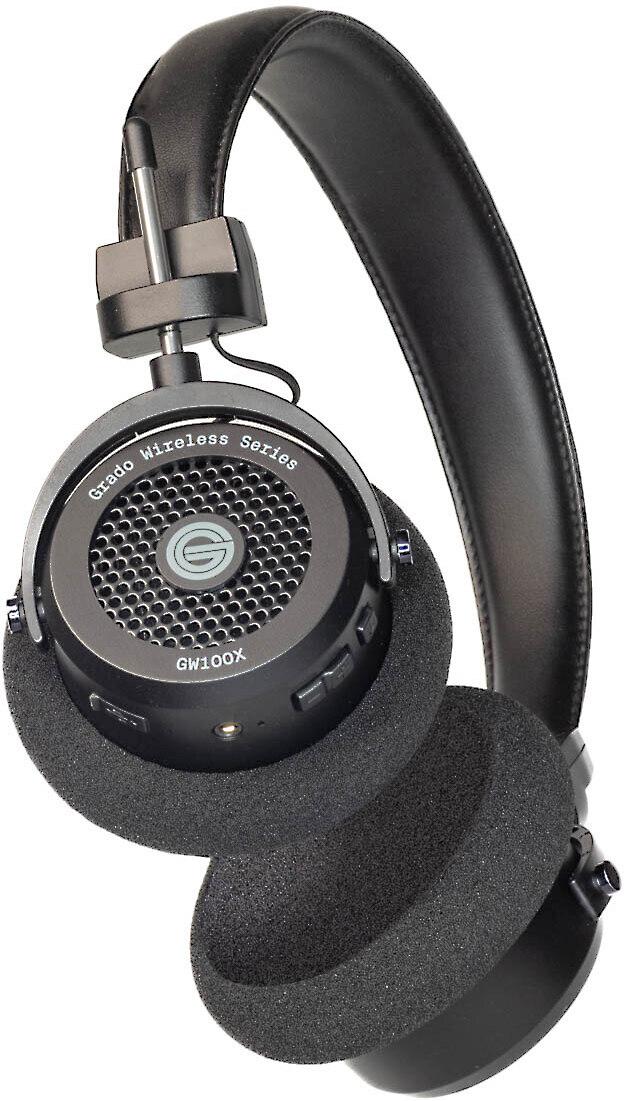
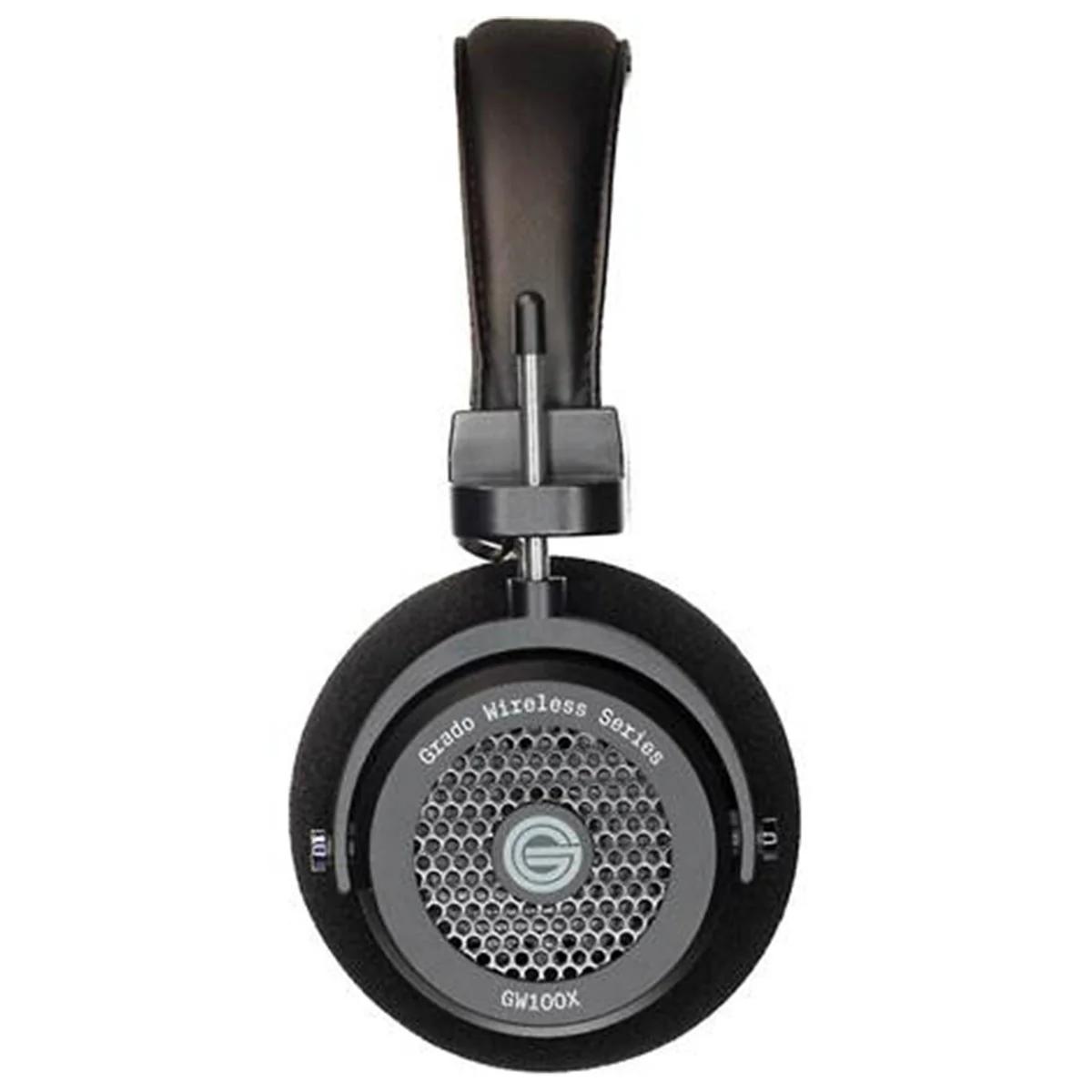
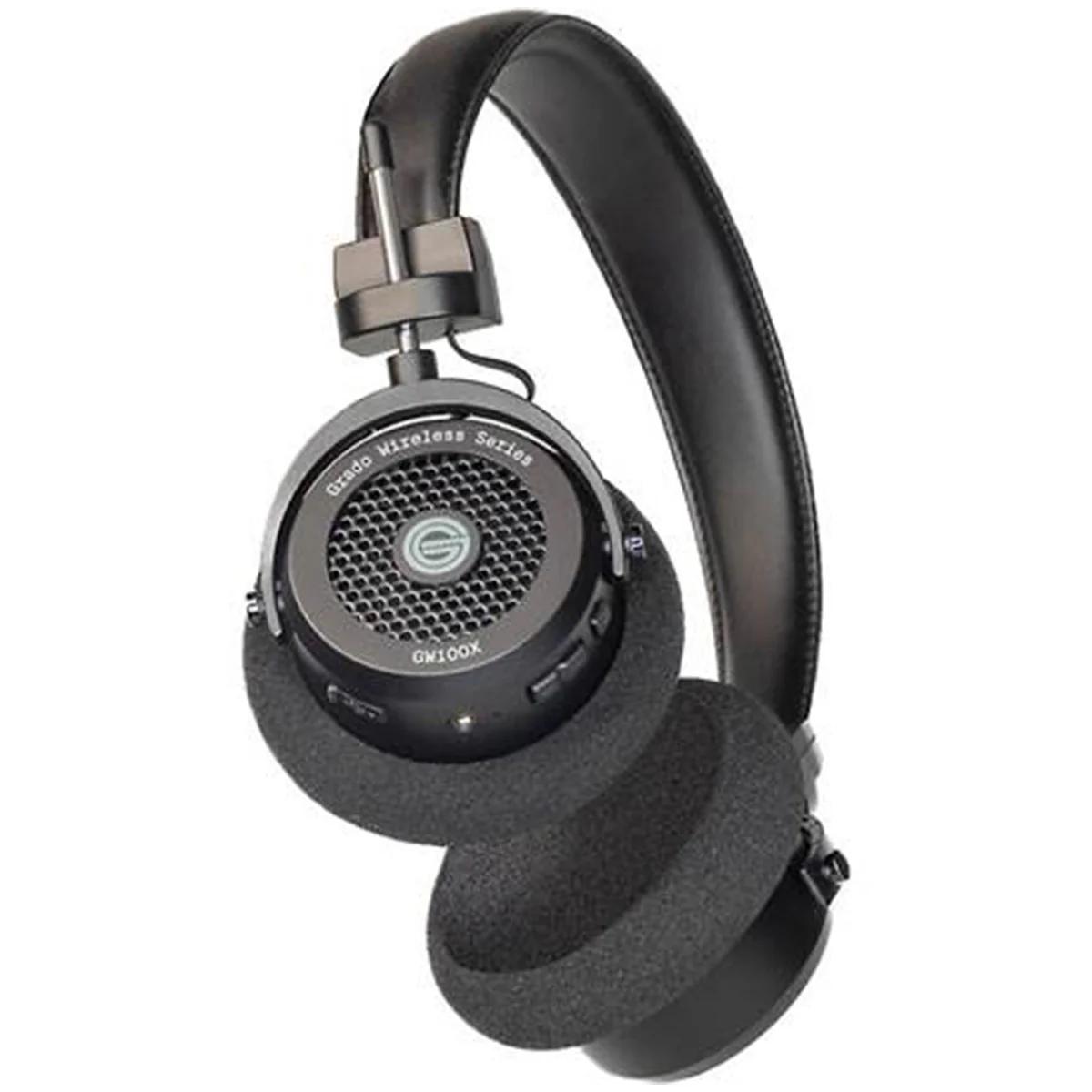
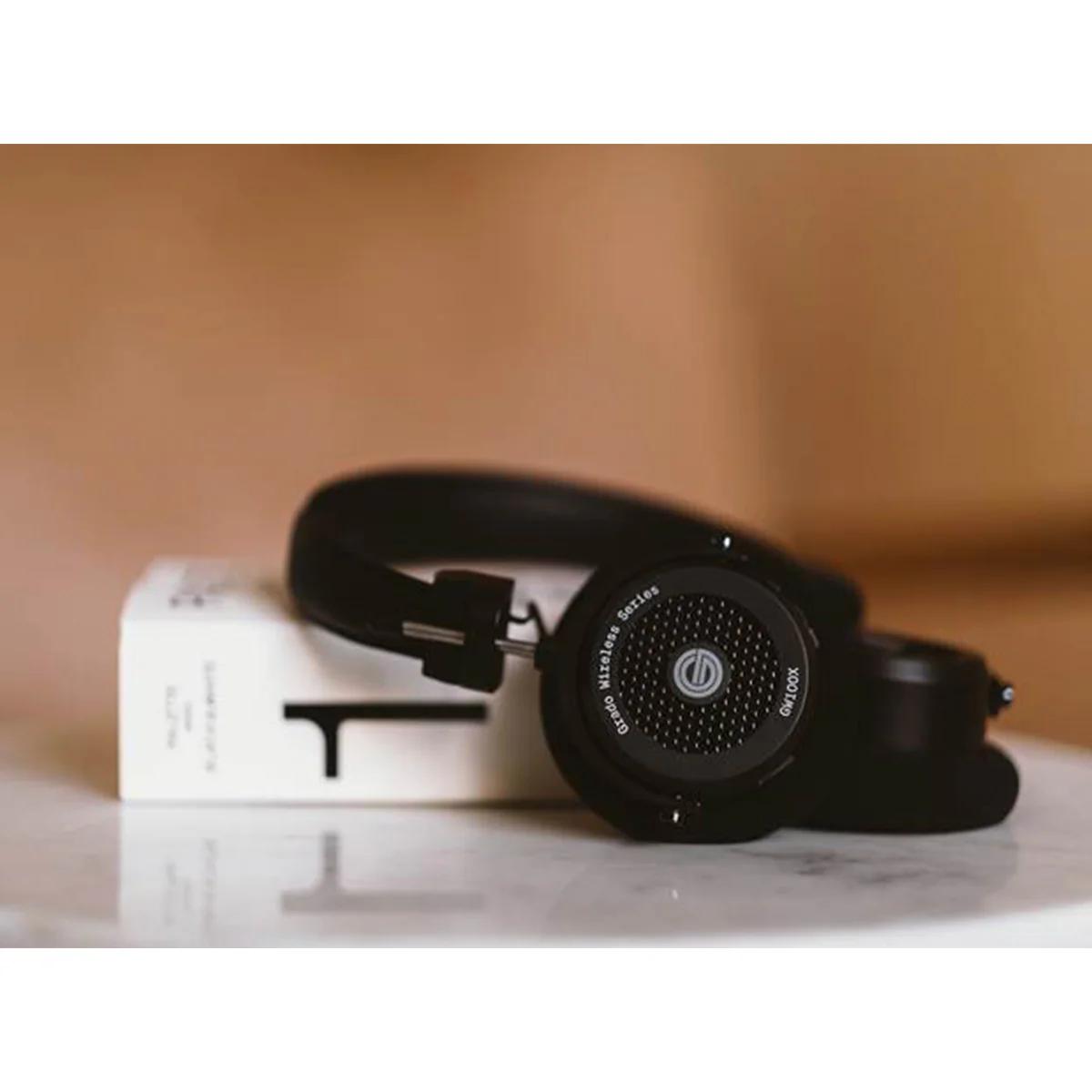
Before diving into the details, let's talk about what makes each approach interesting. The Grado GW100x does something almost no other company attempts: it's an open-back wireless headphone. This means the back of each ear cup has openings that let sound flow freely in and out. It sounds counterintuitive for a portable headphone, but this design creates an incredibly spacious, room-like sound that's typically only found in high-end wired headphones used by audio professionals.
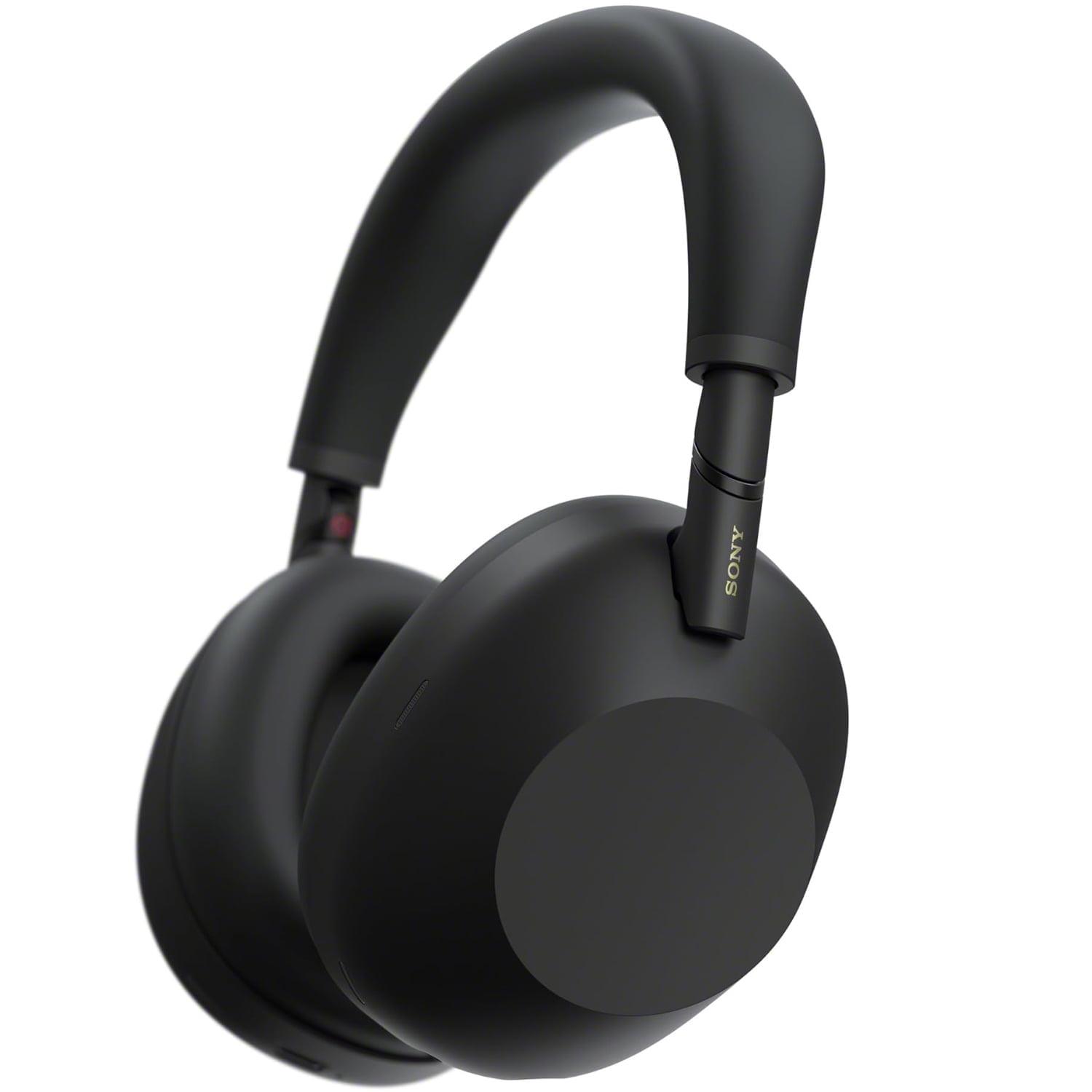
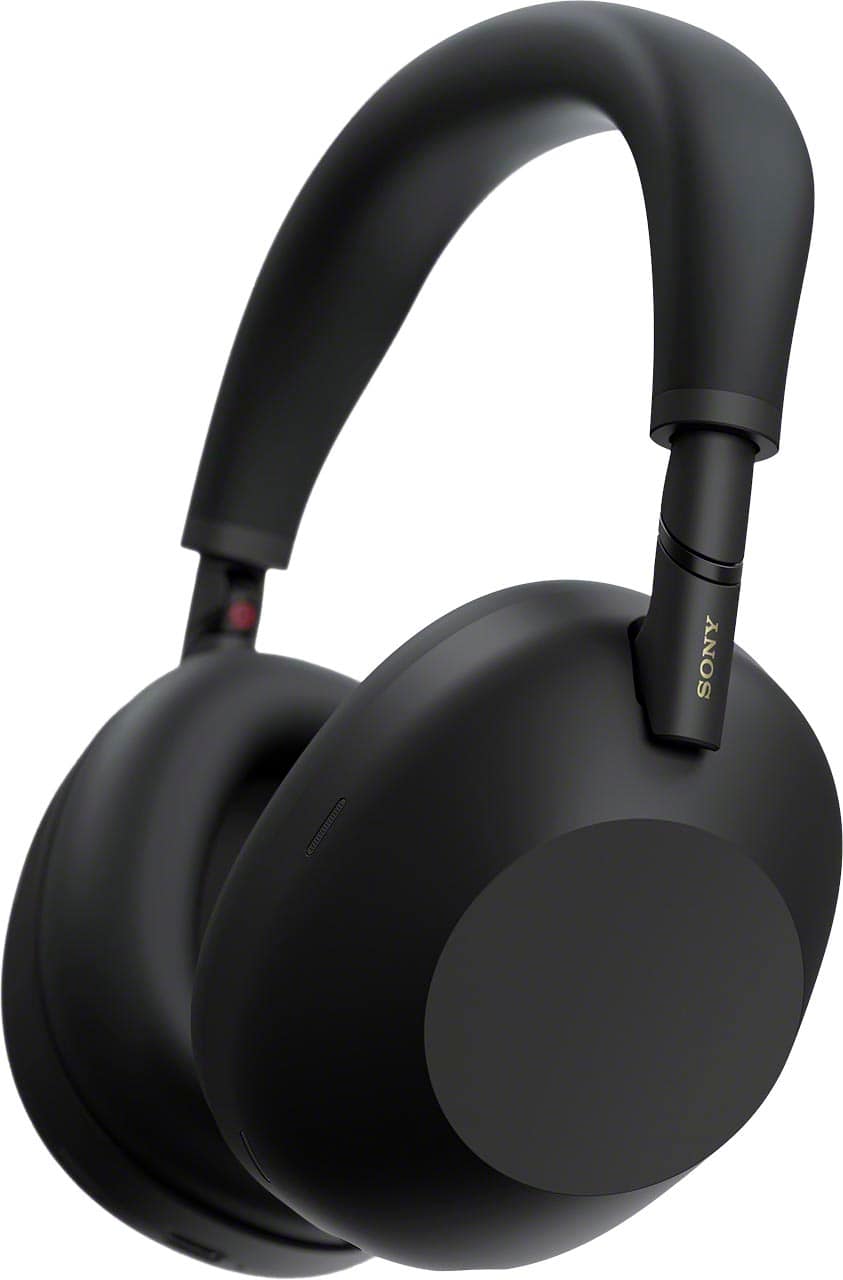
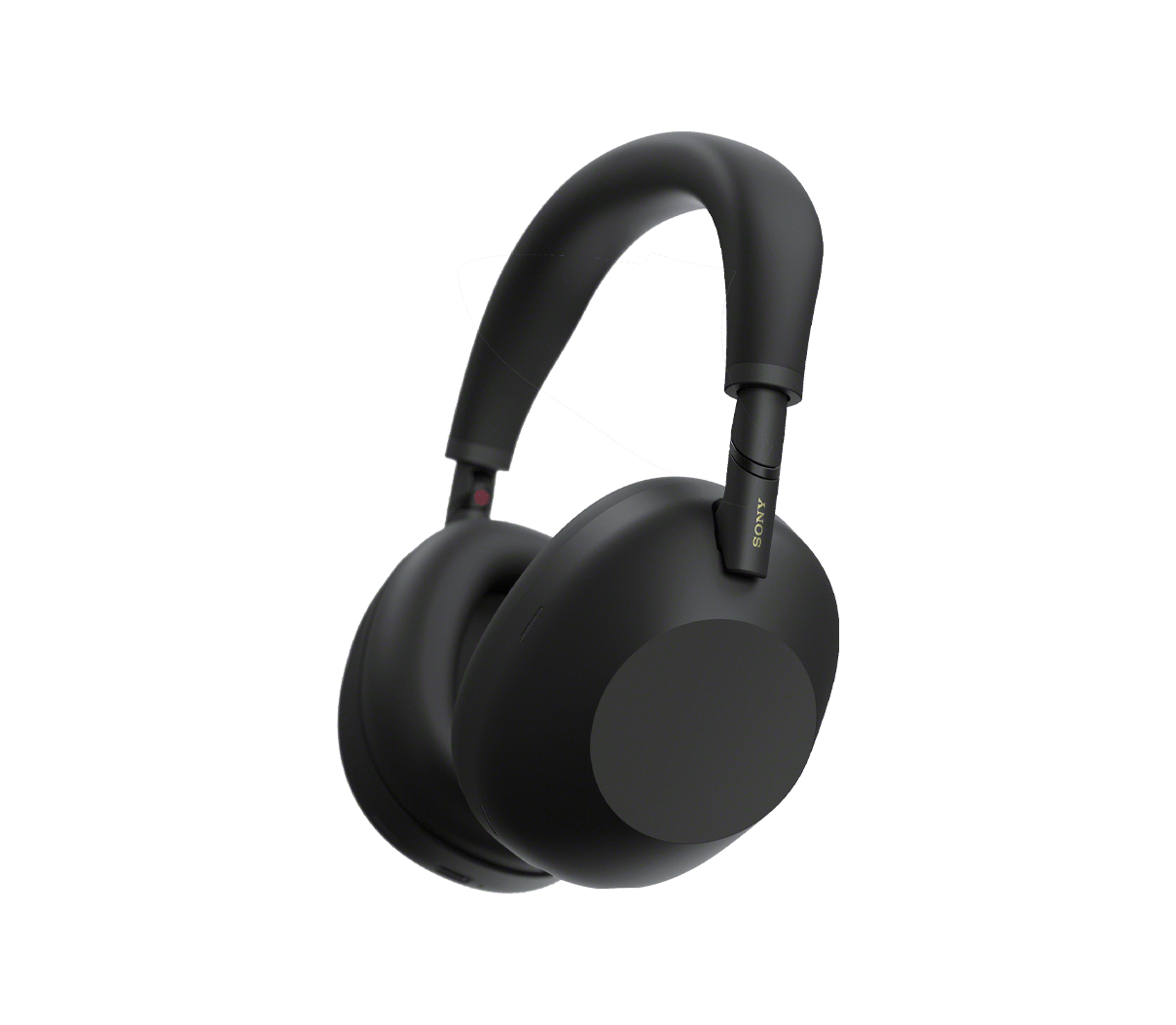
The Sony WH-1000XM6, meanwhile, represents the opposite approach. It's closed-back, meaning the ear cups are sealed to block outside noise, and it's packed with Sony's most advanced noise-canceling technology. Where the Grado deliberately keeps things simple, Sony has loaded the XM6 with features like adaptive sound control that automatically adjusts settings based on your environment.
Here's where things get really interesting. The Grado GW100x creates what audio engineers call a "soundstage"—basically, how wide and spacious music sounds—that's simply impossible to achieve with closed-back wireless headphones. When you listen to a live jazz recording, you can actually hear the acoustic space of the venue. Instruments feel like they're positioned in specific locations around you rather than just coming from left and right speakers.
This magic happens because of Grado's fourth-generation X-series drivers. These 44mm speakers use a specially designed voice coil (the part that vibrates to create sound) with reduced mass, meaning it can move more precisely. Combined with the open-back design, this creates incredibly natural-sounding music reproduction. I've found that acoustic music, jazz, and classical recordings sound particularly stunning on the GW100x—you hear details in the room ambiance and instrument decay that get lost on most other headphones.
The Sony WH-1000XM6 takes a different but equally impressive approach. Sony worked directly with mastering engineers—the professionals who put the final polish on recordings—to tune these headphones. The result is a more balanced, versatile sound that works well with any genre. The bass has real weight and texture without overwhelming the mids, while the highs stay crisp without becoming harsh.
What's particularly impressive about the XM6 is how Sony improved the soundstage compared to earlier models. While it can't match the open, airy presentation of the Grado, it offers much wider imaging than typical closed-back headphones. The built-in 10-band equalizer also means you can fine-tune the sound to your preferences—something the GW100x doesn't offer.
For home theater use, both headphones bring interesting advantages. The Grado's expansive soundstage makes movie soundtracks feel more immersive, especially for dialogue-heavy scenes where you want that natural, open sound. However, the Sony's support for spatial audio formats like 360 Reality Audio, combined with head tracking that adjusts the sound as you move your head, creates a more modern surround sound experience.
This is probably the most important difference between these headphones, and it completely determines where you can use them. The Grado GW100x offers zero noise isolation. In fact, it does the opposite—sound leaks both in and out freely. If someone is talking nearby, you'll hear every word. If you're listening to music, people around you will hear it too, though Grado claims they've reduced this leakage by 60% compared to earlier models.
This makes the GW100x essentially a "home headphone" that happens to be wireless. They're perfect for quiet environments where you want to stay aware of your surroundings or where sound leakage isn't a problem. I love using them in my home office because I can hear if someone knocks on the door, and the open design doesn't create that "sealed in" feeling that some people find claustrophobic.
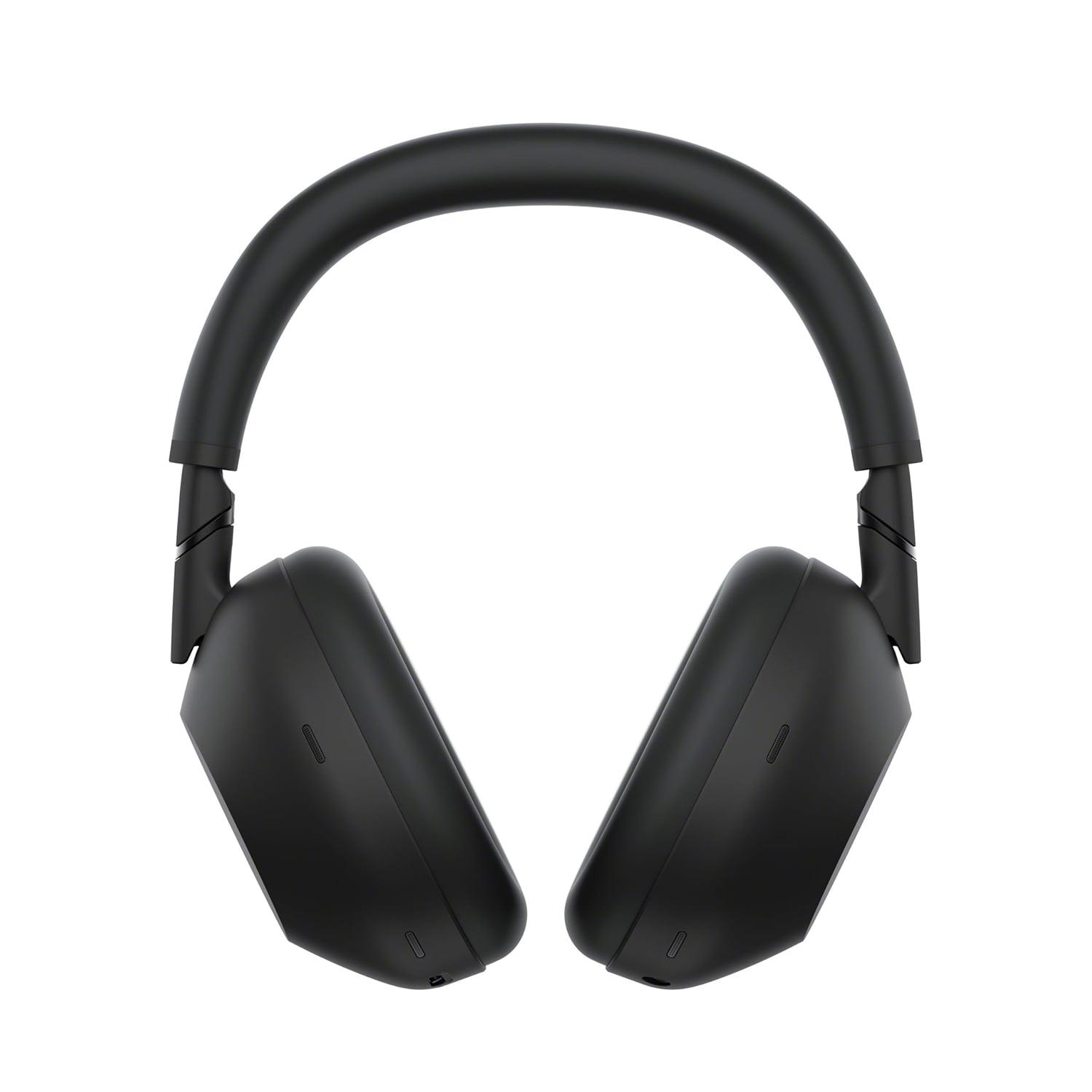
The Sony WH-1000XM6 represents the complete opposite philosophy. Sony's new QN3 processor runs seven times faster than the previous generation and works with 12 microphones (compared to 8 on the older XM5) to create what many reviewers consider the best active noise cancellation available today. In real-world testing, the XM6 reduces average environmental noise by 87%—that's better than even the highly-regarded Bose QuietComfort Ultra.
The ANC system is smart enough to adapt automatically based on your environment. If you're on an airplane, it emphasizes blocking the consistent drone of jet engines. In a coffee shop, it focuses more on filtering out conversation and sudden noises. The transparency mode, which lets outside sound in when you need to hear your surroundings, has also been significantly improved and now sounds more natural than most competitors.
Both headphones offer excellent battery performance, but in different ways. The Grado GW100x delivers an impressive 46 hours of playback on a single charge—that's nearly two full days of continuous listening. This exceptional endurance comes from the simpler electronics; without power-hungry features like active noise cancellation or advanced digital processing, the 850mAh battery can focus entirely on driving the speakers.
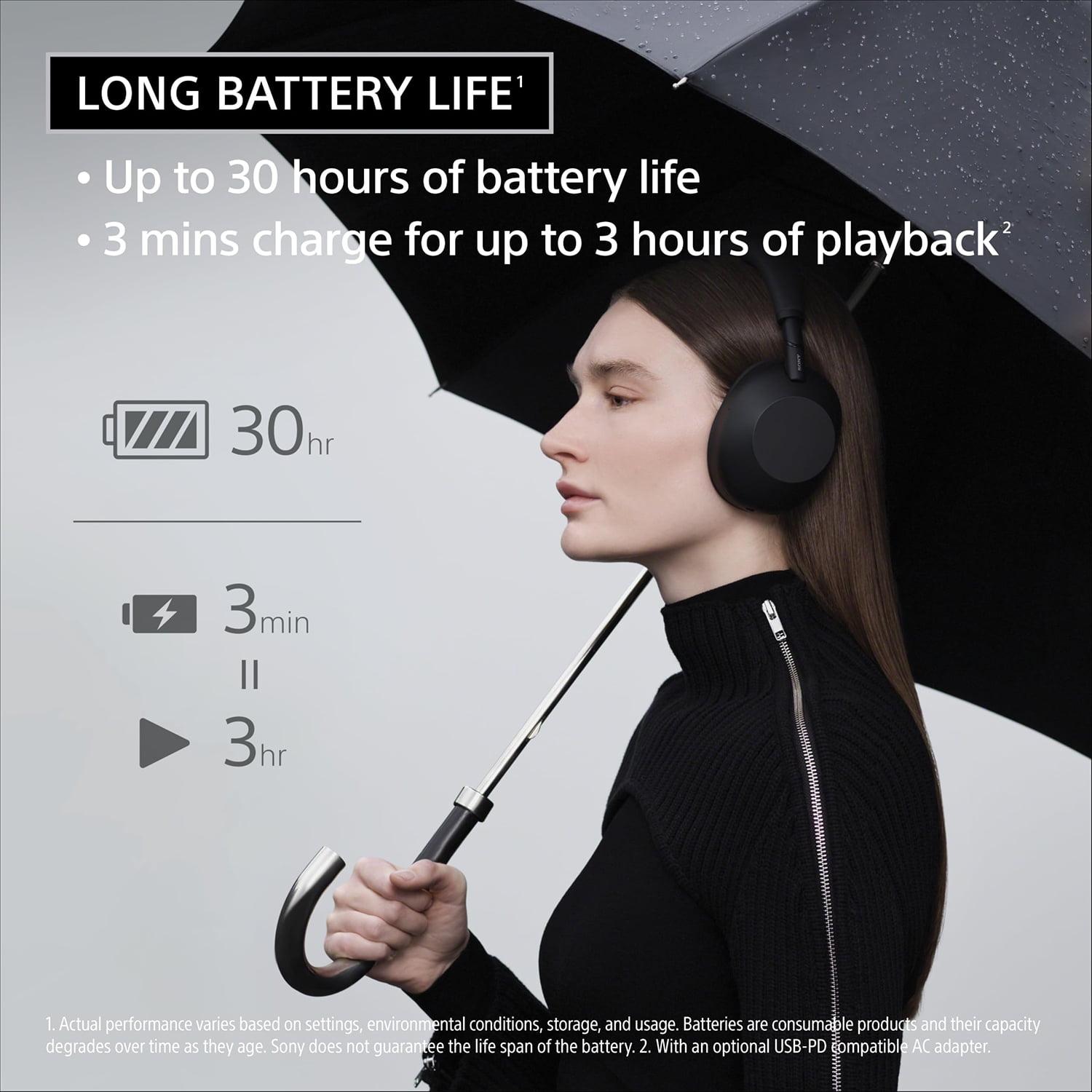
The Sony WH-1000XM6 offers 30 hours with noise cancellation active or 40 hours with it turned off. While shorter than the Grado, this is still excellent for a feature-packed headphone. Sony has also improved the charging experience with USB-C fast charging—just three minutes plugged in gives you three hours of playback, perfect for those "oh no, dead battery" moments before a flight.
One practical advantage of the XM6 is that you can now listen while charging, a feature that was surprisingly missing from earlier Sony models. Both headphones include 3.5mm cables for wired listening when the battery dies, but this backup option is more important for the Grado since it lacks fast charging.
Here's where these headphones differ most dramatically. The Grado GW100x takes an almost aggressively minimalist approach. There's no smartphone app, no active noise cancellation, no spatial audio processing, and not even a carrying case included in the box. The controls are simple physical buttons on the left ear cup for basic functions like volume, play/pause, and call handling.
This simplicity is actually a feature for many users. There are no confusing menu systems, no apps to update, and no digital processing that might color the sound. The GW100x supports high-quality Bluetooth codecs including aptX Adaptive, which dynamically adjusts the audio quality based on your connection strength, and it can connect to two devices simultaneously for easy switching between your phone and computer.
The Sony WH-1000XM6 goes completely the opposite direction, offering what might be the most comprehensive feature set of any wireless headphone. The Speak-to-Chat function automatically pauses your music and switches to transparency mode when you start talking—incredibly useful for quick conversations. Adaptive Sound Control uses AI to recognize your activity and location, automatically adjusting noise cancellation and sound settings accordingly.
The Sony Sound Connect app deserves special mention because it's genuinely useful rather than just marketing fluff. The 10-band equalizer offers precise control over the sound signature, while features like Personal NC Optimizer create a custom noise-canceling profile based on your head shape and how you wear the headphones.
For home theater enthusiasts, the XM6's 360 Reality Audio support with head tracking creates an impressive surround sound effect, especially with compatible content from services like Tidal or Amazon Music. The system tracks your head movements and adjusts the sound field accordingly, making movie dialogue and effects feel more positioned in space.
The Grado GW100x embodies the company's utilitarian design philosophy. At 188 grams, they're lightweight and comfortable for extended listening sessions. The build is solid but not luxurious—these headphones prioritize function over form. The on-ear design with minimal padding works well for most people, though some may find the industrial aesthetic less appealing than more stylish alternatives.
One practical limitation is that the GW100x doesn't fold, and since no carrying case is included, they're not particularly travel-friendly. This reinforces their identity as home-focused headphones rather than portable ones.
The Sony WH-1000XM6 feels noticeably more premium in every way. At 254 grams, they're heavier but distribute the weight well across a wider, more padded headband. The over-ear design with plush synthetic leather ear pads creates a comfortable seal that works for hours of wear. Sony addressed several design complaints from the previous XM5 model, bringing back the folding mechanism and improving the overall durability.
The included carrying case is well-designed and compact, making these headphones genuinely travel-friendly. Small details like the improved power button placement and more durable microphone covers show Sony's attention to user feedback.
The technical specifications reveal interesting differences in approach. The Grado GW100x uses larger 44mm drivers compared to Sony's 30mm units, which typically allows for better bass extension and overall dynamics. Grado's frequency response of 20Hz-20kHz covers the full range of human hearing without any artificial extension into ultrasonic frequencies.
The Sony WH-1000XM6 extends its frequency response up to 40kHz when using the LDAC codec, which theoretically provides better detail in the highest frequencies. However, since most people can't hear above 20kHz anyway, this is more of a technical achievement than a practical advantage.
Where Sony really shines is in the digital processing. The QN3 processor handles not just noise cancellation but also advanced features like DSEE Extreme, which uses AI to upscale compressed music files in real time. This technology analyzes the audio and restores details that were lost during compression, making your Spotify streams sound closer to high-resolution files.
After extensive testing, I've found that these headphones excel in completely different situations. The Grado GW100x has become my go-to for serious music listening at home. There's something magical about how acoustic instruments sound through them—guitar strings have realistic decay, piano notes have proper weight and resonance, and vocals feel present in the room with you.
For home theater use, the GW100x brings a unique advantage to dialogue-heavy content. The natural, unprocessed sound makes conversations in movies and TV shows feel more realistic, without the slightly artificial quality that some digital processing can introduce.
The Sony WH-1000XM6 proves its versatility daily. The noise cancellation transforms airplane travel, turning the constant engine drone into near-silence. In coffee shops, the adaptive features automatically adjust as the environment changes. For video calls, the improved microphone system with AI noise reduction ensures clear communication even in challenging acoustic environments.
The decision between these headphones ultimately comes down to your primary use case and priorities. If you do most of your listening in quiet environments and value the absolute best sound quality above all else, the Grado GW100x ($275) offers an experience that no other wireless headphone can match. The open-back design creates a sense of space and naturalness that's genuinely special.
However, for most people, the Sony WH-1000XM6 ($325) provides better overall value despite the higher price. The combination of excellent (if not quite exceptional) sound quality, industry-leading noise cancellation, comprehensive features, and true versatility makes it suitable for virtually any listening scenario.
The $50 price difference becomes almost irrelevant when you consider that the Sony includes premium accessories like a carrying case, offers more codec options, and provides features that make it useful in far more situations than the Grado.
For audiophiles and home listeners who prioritize pure sound quality above convenience, the Grado GW100x remains a compelling choice. For everyone else, the Sony WH-1000XM6 offers the better balance of performance, features, and real-world utility that makes it easier to recommend as a single headphone solution.
Both represent excellent examples of their respective philosophies, and the "right" choice depends entirely on which approach better matches your listening habits and priorities.
| Grado GW100x Wireless Headphones | Sony WH-1000XM6 Wireless Noise Canceling Headphones |
|---|---|
| Price - Entry point for premium wireless audio | |
| $275 (excellent value for sound quality) | $325 (justified by comprehensive features) |
| Design Type - Fundamentally different approaches to sound | |
| Open-back (spacious sound, leaks audio in/out) | Closed-back (isolated listening, no leakage) |
| Active Noise Cancellation - Essential for travel and noisy environments | |
| None (by design - prioritizes natural sound) | Industry-leading 12-mic system with QN3 processor |
| Battery Life - How long you can listen uninterrupted | |
| 46 hours (exceptional endurance) | 30 hours ANC on, 40 hours ANC off (very good) |
| Sound Quality Focus - Different philosophies for audio reproduction | |
| Audiophile-first: unmatched soundstage and naturalness | Versatile: balanced tuning with extensive EQ customization |
| Smart Features - Modern conveniences and app integration | |
| Minimal (no app, basic controls, pure audio focus) | Comprehensive (Sony app, adaptive modes, spatial audio) |
| Portability - Travel-friendliness and storage | |
| Poor (no case, doesn't fold, sound leakage) | Excellent (premium case, foldable, designed for travel) |
| Best Use Cases - Where each headphone truly excels | |
| Home listening, quiet environments, critical audio | Travel, office, mixed environments, multimedia |
| Driver Size - Impacts bass response and overall dynamics | |
| 44mm X-series drivers (larger for better dynamics) | 30mm neodymium drivers (smaller but well-engineered) |
| Codec Support - Audio quality over Bluetooth | |
| Bluetooth 5.2, aptX Adaptive, AAC, SBC | Bluetooth 5.3, LDAC, aptX Adaptive, AAC, SBC, LC3 |
| Comfort Design - Long-session wearability | |
| On-ear, 188g, utilitarian padding | Over-ear, 254g, premium padding and materials |
| Quick Charging - Convenience for busy lifestyles | |
| Standard USB-C (2-hour full charge) | Fast charging: 3 minutes = 3 hours playback |
The Grado GW100x ($275) delivers superior sound quality for critical listening with its open-back design creating an unmatched soundstage and natural audio reproduction. However, the Sony WH-1000XM6 ($325) offers excellent sound quality that's more versatile across genres and can be customized with a 10-band equalizer. For pure audiophile listening, choose the Grado; for balanced performance across all music types, the Sony is better.
Only the Sony WH-1000XM6 is suitable for travel and noisy environments thanks to its industry-leading active noise cancellation with 12 microphones. The Grado GW100x has no noise isolation and actually leaks sound both ways, making it completely unsuitable for public spaces or travel. For commuting or flying, the Sony is the clear choice.
The Grado GW100x offers exceptional 46-hour battery life, significantly outperforming the Sony WH-1000XM6's 30 hours with noise cancellation on (40 hours with ANC off). However, the Sony includes fast charging that provides 3 hours of playback from just 3 minutes of charging, making it more convenient for busy lifestyles.
Both excel for different home theater experiences. The Grado GW100x provides incredibly natural dialogue and spacious soundstaging that makes movie soundtracks feel more immersive. The Sony WH-1000XM6 offers spatial audio with head tracking for a more modern surround sound experience. Choose the Grado for natural audio or the Sony for advanced processing features.
The Sony WH-1000XM6 is generally more comfortable with its over-ear design, plush padding, and premium materials, though it's heavier at 254g. The Grado GW100x is lighter at 188g with an on-ear design that many find comfortable for extended use. For all-day comfort, most users prefer the Sony's over-ear cushioning.
Yes, both the Grado GW100x and Sony WH-1000XM6 work excellently with all smartphones. The Grado supports high-quality aptX Adaptive and AAC codecs, while the Sony adds LDAC support for Android devices and has more comprehensive app integration through the Sony Sound Connect app.
The Grado GW100x ($275) offers exceptional value if you prioritize pure sound quality and primarily listen at home. The Sony WH-1000XM6 ($325) costs $50 more but provides significantly more features, better build quality, and greater versatility. For most users, the Sony's broader utility justifies the higher price.
Both handle calls well, but the Sony WH-1000XM6 is superior with its six-microphone AI beamforming system that isolates your voice from background noise. The Grado GW100x has a basic microphone that works fine in quiet environments but lacks noise suppression. For professional calls or noisy environments, choose the Sony.
The Sony WH-1000XM6 is designed for travel with a foldable design, premium carrying case, and noise cancellation perfect for planes and trains. The Grado GW100x doesn't fold, includes no case, and leaks sound, making it impractical for travel. For portability, the Sony is the only viable option.
Only the Sony WH-1000XM6 has app support through Sony's Sound Connect app, offering extensive customization including 10-band EQ, adaptive sound control, and various listening modes. The Grado GW100x has no app support by design, focusing on pure audio without digital processing. Choose the Sony if you want customization options.
The Grado GW100x excels with acoustic music, jazz, classical, and any genre where natural soundstage matters most. The Sony WH-1000XM6 is more versatile across all genres with balanced tuning and EQ customization that works well for everything from hip-hop to orchestral music. For genre versatility, the Sony is better.
The fundamental difference is design philosophy: the Grado GW100x is an open-back headphone focused purely on audiophile sound quality for home use, while the Sony WH-1000XM6 is a closed-back, feature-rich headphone designed for versatile use anywhere. Choose the Grado for the best possible sound at home, or the Sony for excellent sound plus modern features and portability.
We've done our best to create useful and informative comparisons to help you decide what product to buy. Our research uses advanced automated methods to create this comparison and perfection is not possible - please contact us for corrections or questions. These are the sites we've researched in the creation of this article: techradar.com - crutchfield.com - whathifi.com - moon-audio.com - majorhifi.com - rockonav.com - forums.stevehoffman.tv - newegg.com - audiosciencereview.com - gradolabs.com - decibelaudio.com - addictedtoaudio.com.au - s3.eu-west-1.amazonaws.com - audioadvice.com - analogmatters.com - nyczaj.audio - parts-express.com - moon-audio.com - soundguys.com - electronics.sony.com - recordingnow.com - tomsguide.com - electronics.sony.com - rtings.com - recordingnow.com - youtube.com - soundguys.com - whathifi.com - bhphotovideo.com - sony.com - sony.com - bestbuy.com - youtube.com - sony.eu - soundguys.com - audio46.com - electronics.sony.com

Privacy Policy
Terms and Conditions - Affiliate Policy
Home Security
© Copyright 2008-2026.
11816 Inwood Rd #1211, Dallas, TX 75244