

When you're shopping for a portable Bluetooth speaker, you're essentially choosing between two competing priorities: maximum sound performance or ultimate portability. The Monster S320 Superstar and Bose SoundLink Micro perfectly illustrate this fundamental trade-off, representing opposite ends of the portable speaker spectrum while both delivering excellent results in their respective approaches.
Before diving into the specifics, it's worth understanding what separates good portable speakers from great ones. The core challenge facing any portable speaker is physics – larger drivers (the components that actually produce sound) and bigger enclosures (the speaker housing) typically produce better sound quality, especially in the bass frequencies. However, bigger also means heavier and less convenient to carry around.
The most important performance characteristics to consider are:
Power output, measured in watts, determines how loud your speaker can get and how well it can fill larger spaces. More power generally means better sound quality at higher volumes without distortion.
Frequency response tells you the range of sounds a speaker can reproduce, from deep bass (low frequencies around 20Hz) to crisp highs (high frequencies up to 20,000Hz). A wider range typically means more natural, full-bodied sound.
Battery life becomes critical when you're away from power sources for extended periods. Nothing's worse than your speaker dying in the middle of a camping trip or beach day.
Water resistance ratings like IPX7 or IP67 indicate how well the speaker handles moisture and dust – essential for outdoor use.
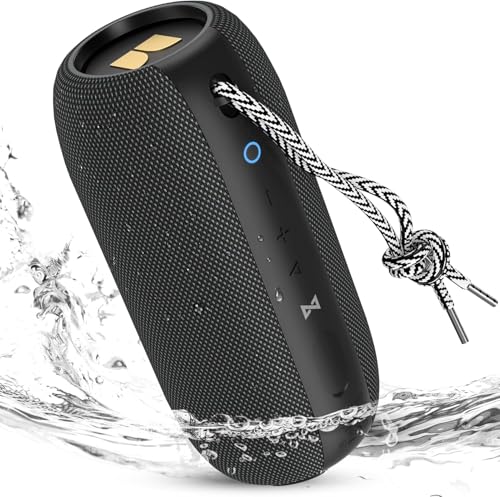
Released in recent years as Monster's attempt to reclaim relevance in the audio space, the Monster S320 Superstar takes the "bigger is better" approach to portable audio. At 720 grams and roughly the size of a large water bottle, it's not what you'd call pocket-friendly, but that extra size serves a purpose.
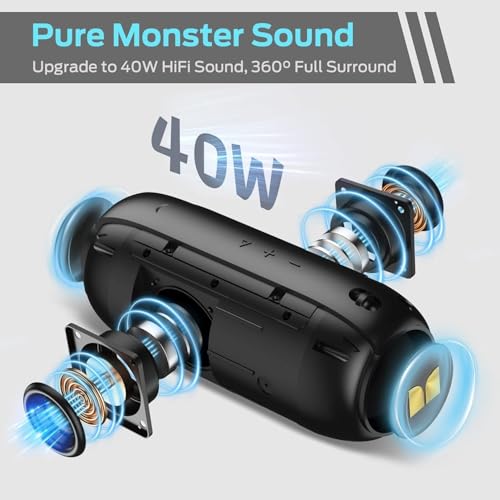
The Monster S320 delivers 40 watts of total power through its dual 2-inch drivers arranged in a 360-degree configuration. This means sound radiates in all directions rather than being focused forward like traditional speakers. For outdoor gatherings or poolside parties, this omnidirectional approach ensures everyone gets good sound regardless of where they're sitting relative to the speaker.
What's particularly impressive is the frequency response range of 20Hz to 20,000Hz – essentially covering the full spectrum of human hearing. In practical terms, this means you'll hear deep, rumbling bass notes that smaller speakers simply can't reproduce, along with crystal-clear highs that don't get lost in outdoor environments.
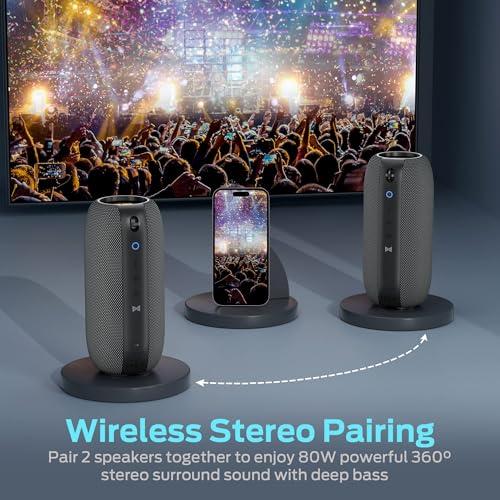
The True Wireless Stereo (TWS) pairing feature deserves special mention. TWS allows you to connect two Monster S320 speakers wirelessly, creating a true left-right stereo setup with a combined 80 watts of power. This isn't just about getting louder – stereo separation creates a much more immersive listening experience where instruments and vocals have distinct spatial positioning.
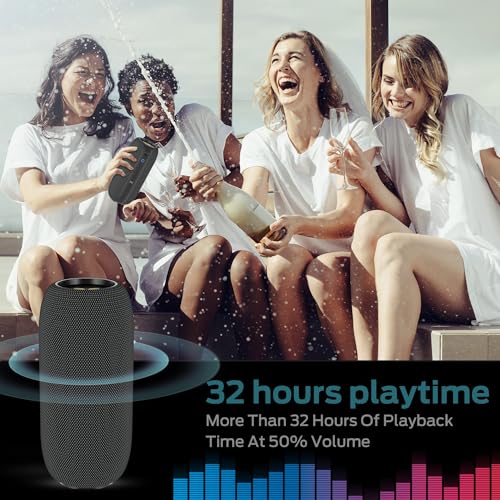
Perhaps the Monster S320's most compelling feature is its 32-hour battery life. This isn't marketing fluff – at moderate listening levels, you genuinely get over a day of continuous playback. The speaker uses a 2500mAh lithium-ion battery and USB-C charging, which means faster charging times and compatibility with modern charging cables you likely already own.
For context, 32 hours means you could use this speaker for a entire weekend camping trip, a multi-day festival, or weeks of casual home use without touching a charger. That kind of endurance changes how you think about portable audio – it becomes truly untethered from wall outlets.
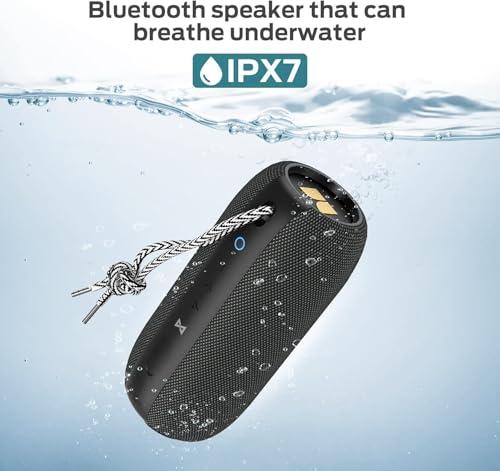
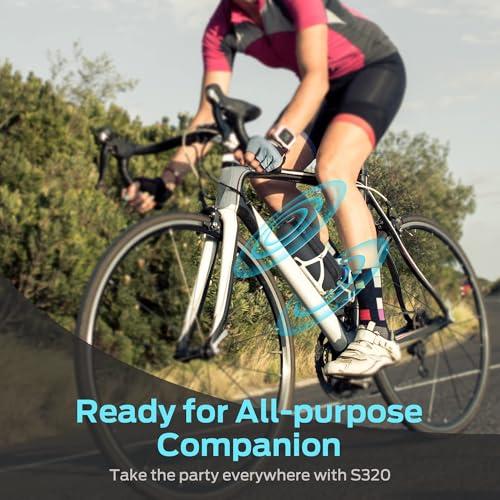
The IPX7 waterproof rating means the Monster S320 can survive complete submersion in up to one meter of water for 30 minutes. Combined with its shockproof construction, this speaker is genuinely built for outdoor adventures. Whether you're at the beach, by the pool, or caught in an unexpected downpour, the speaker keeps playing.
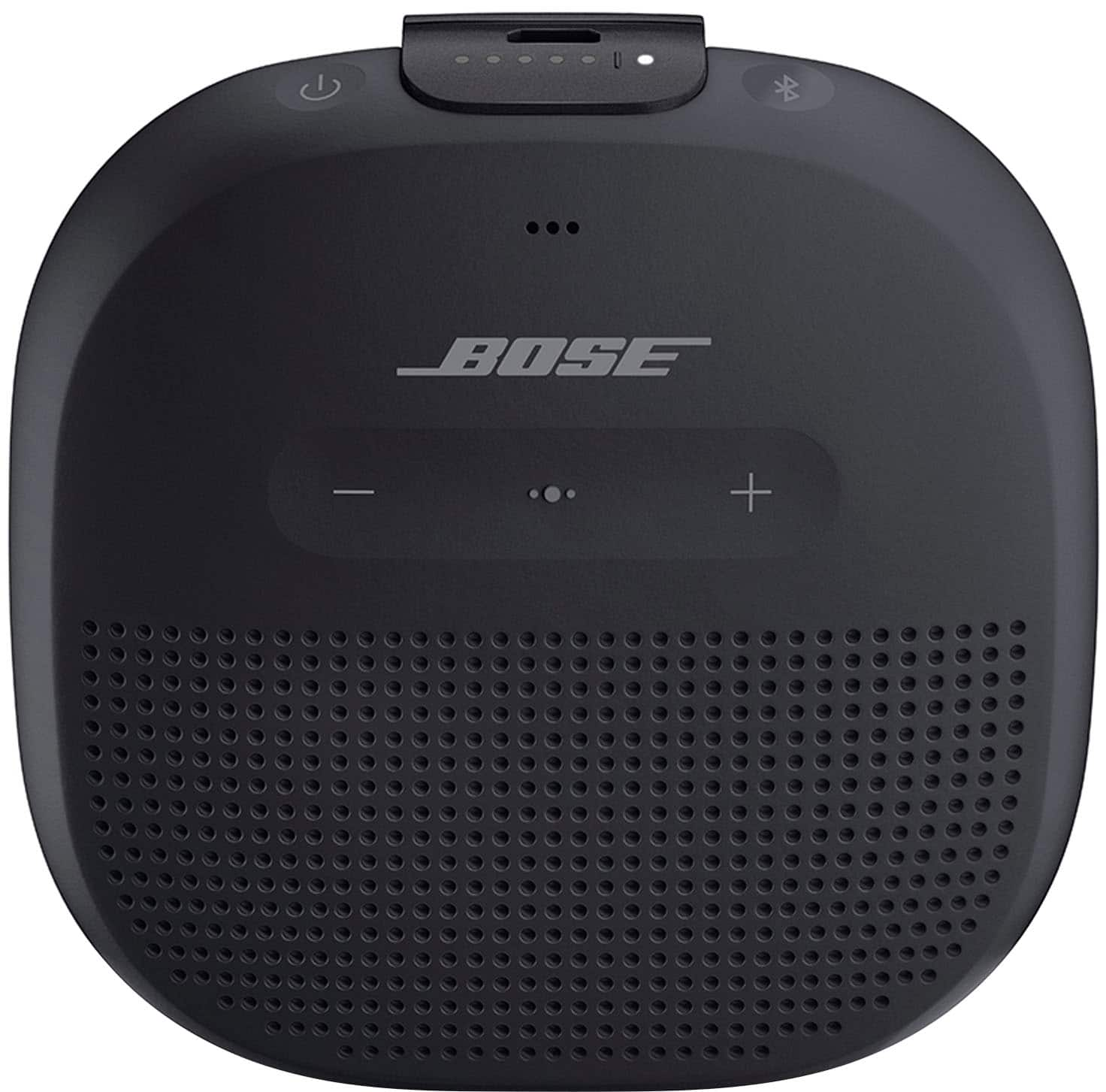
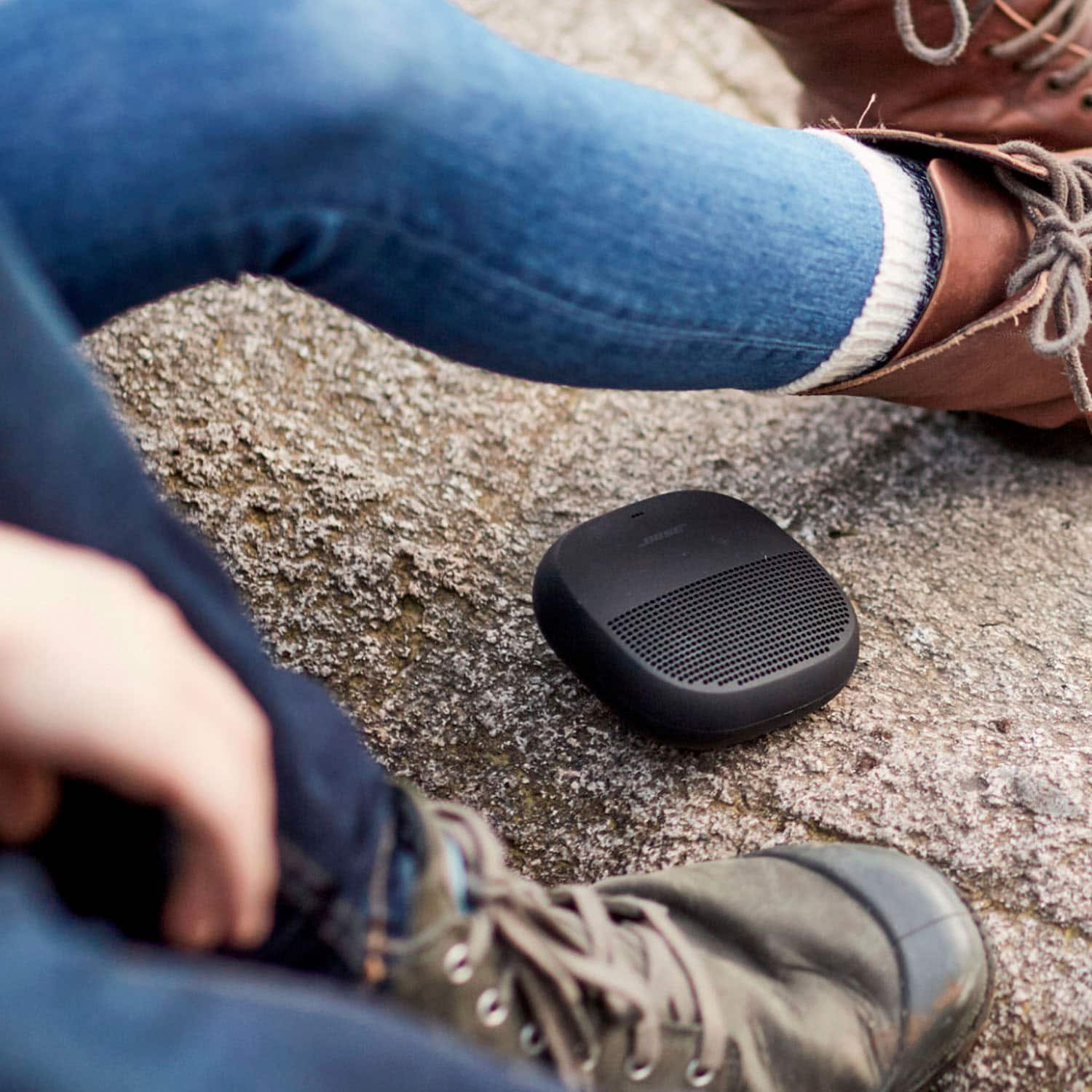
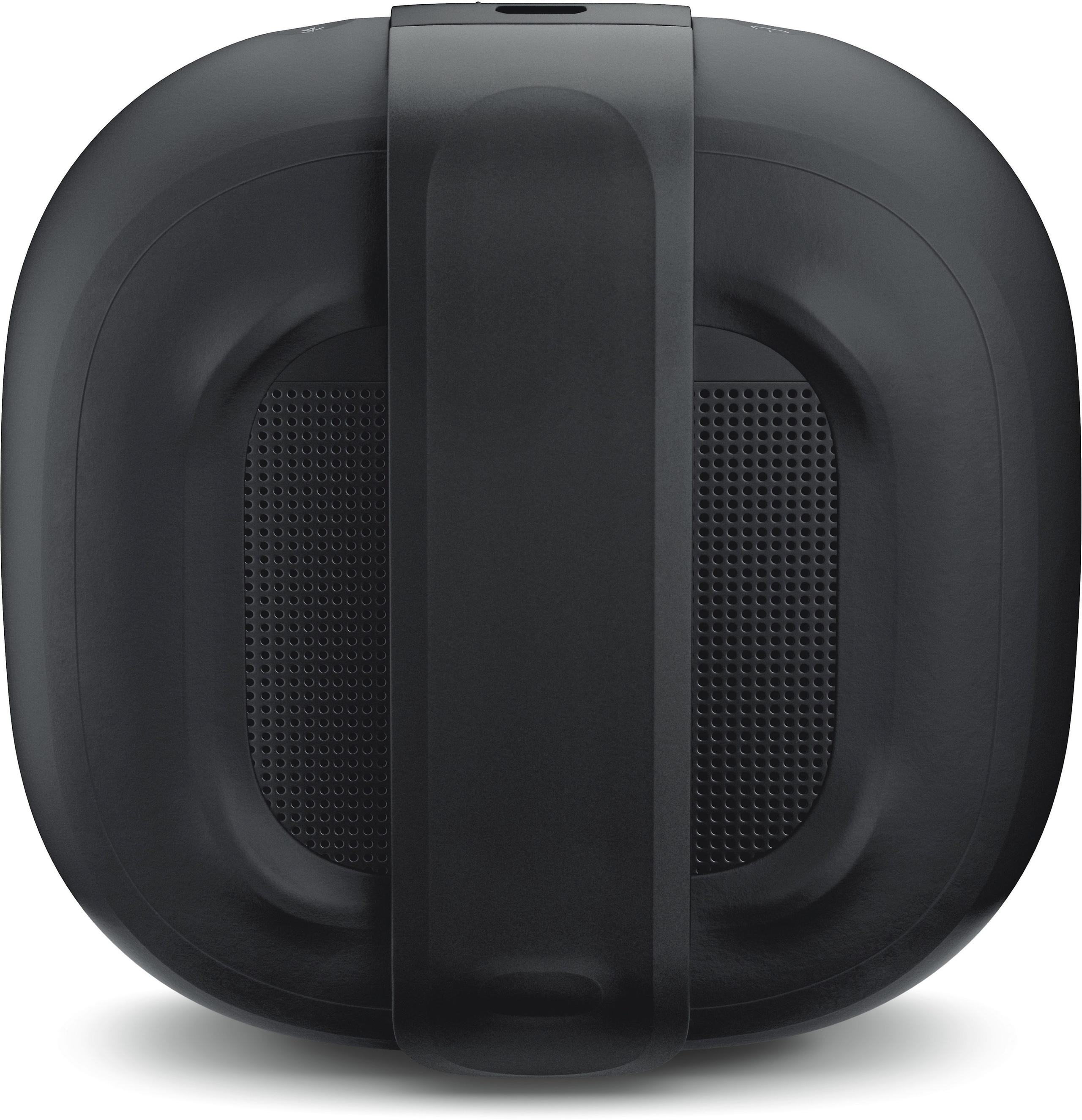
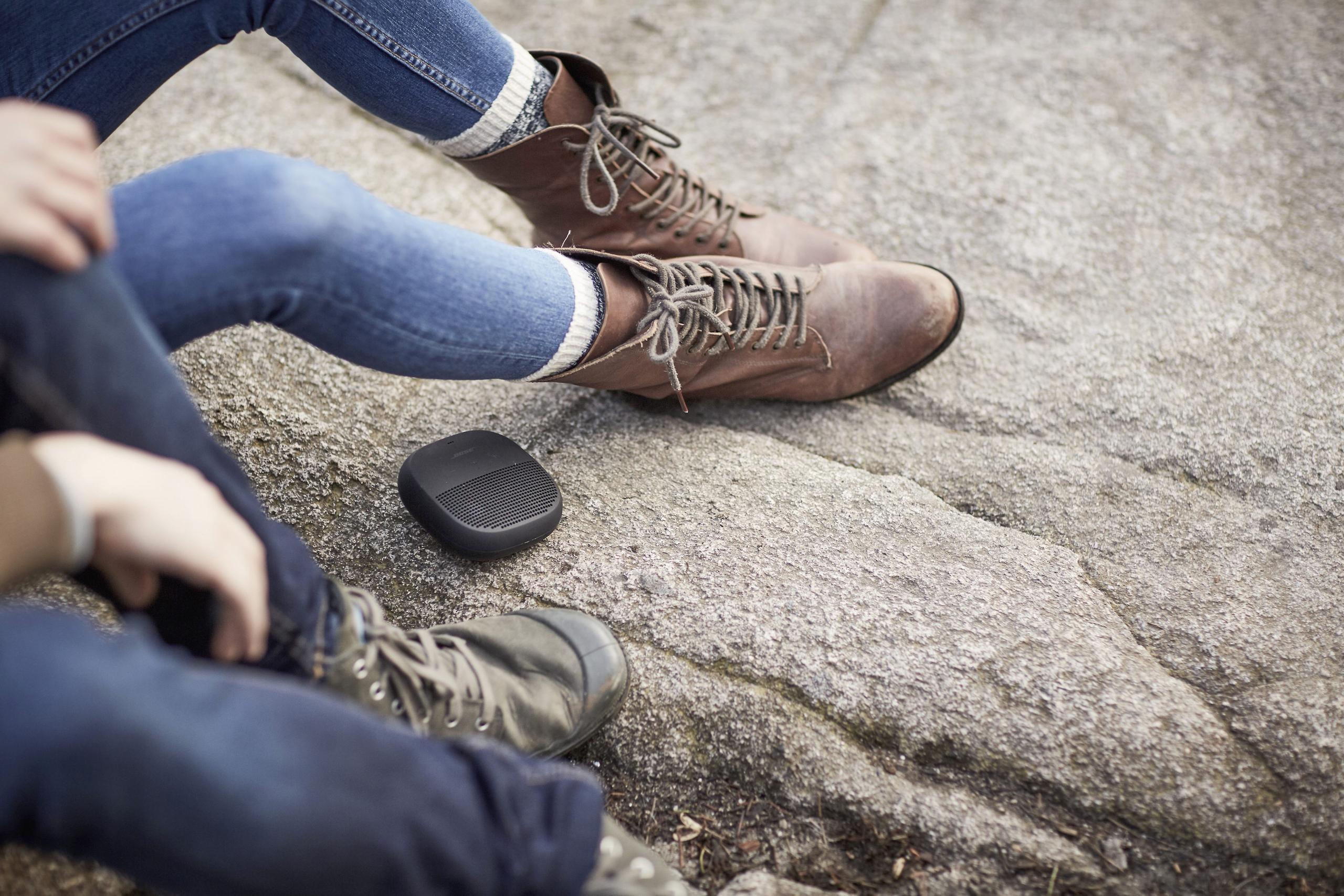
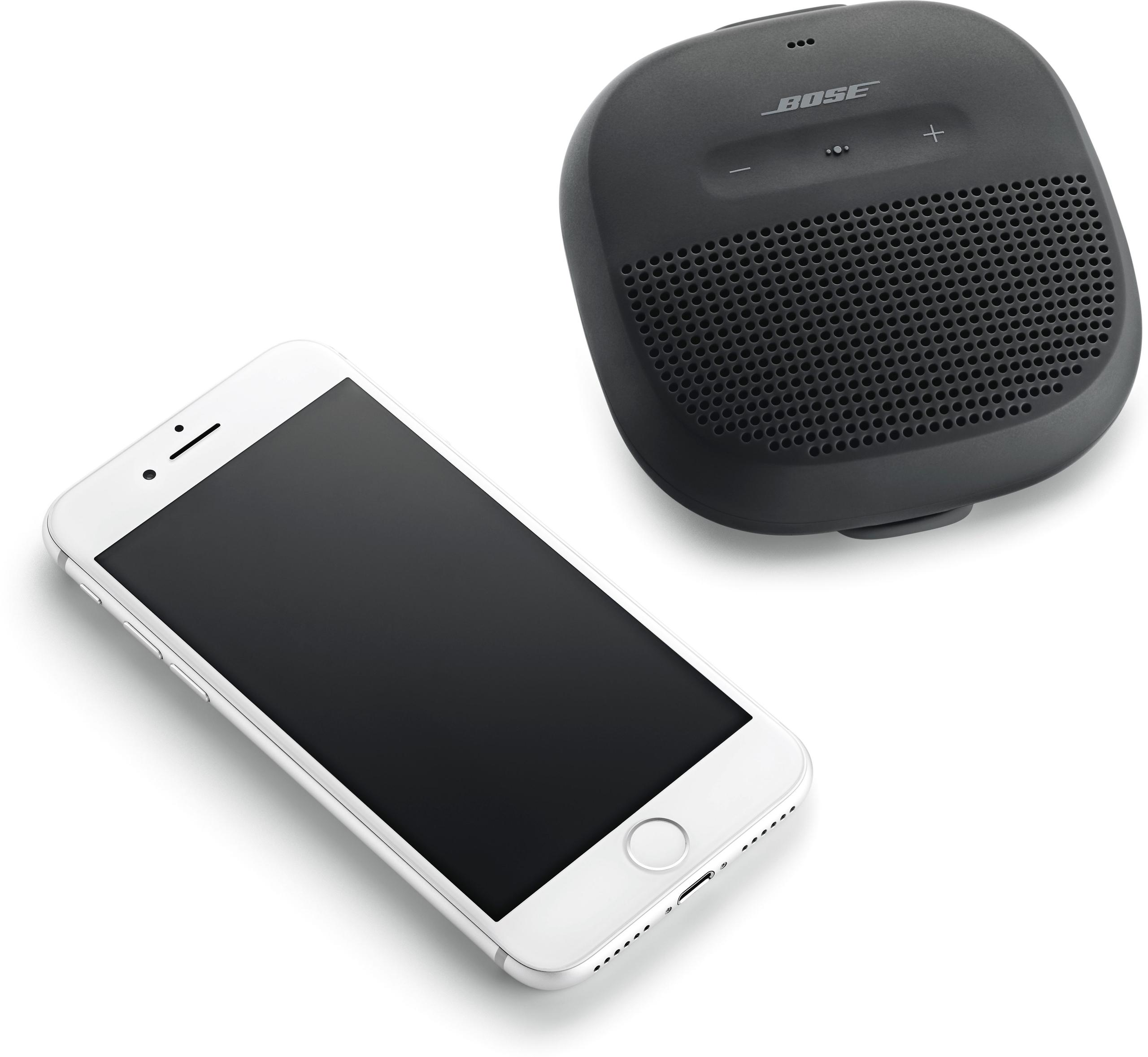
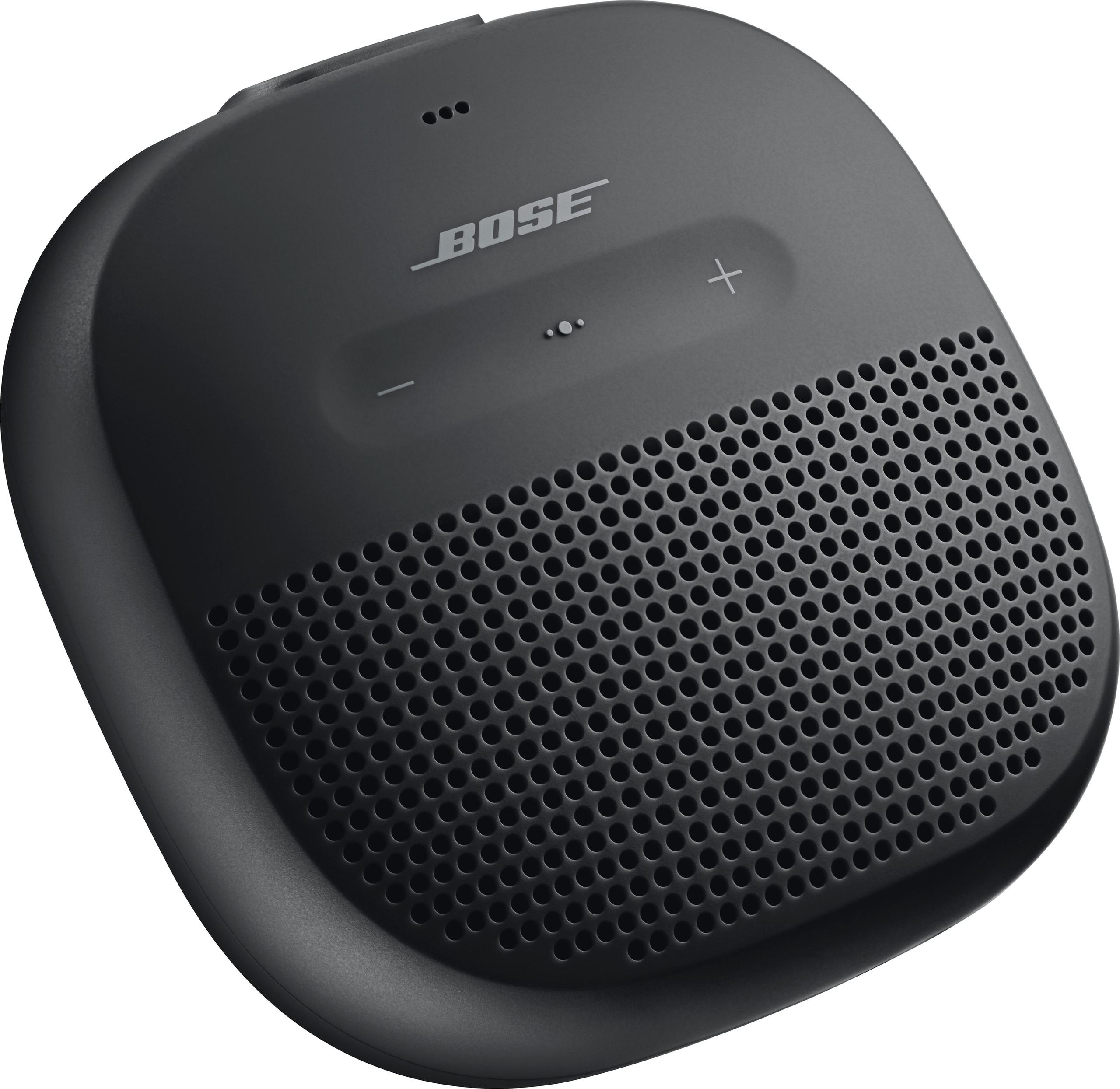
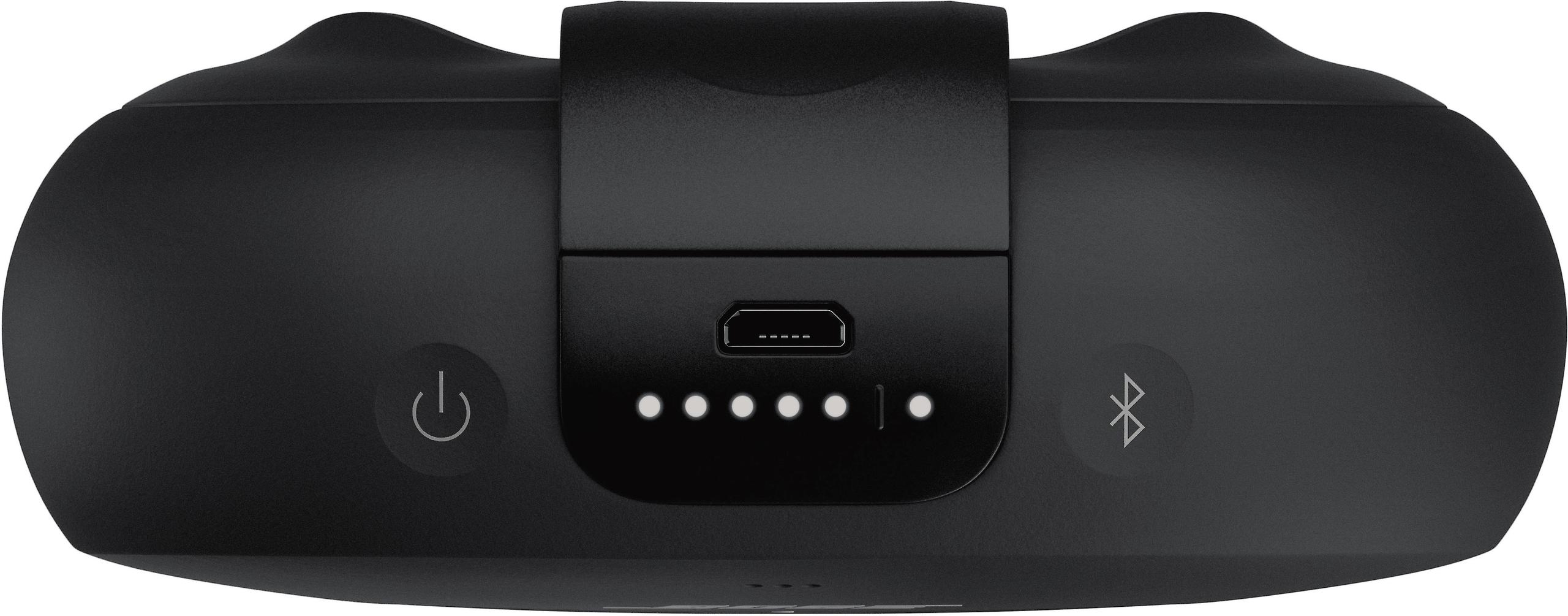
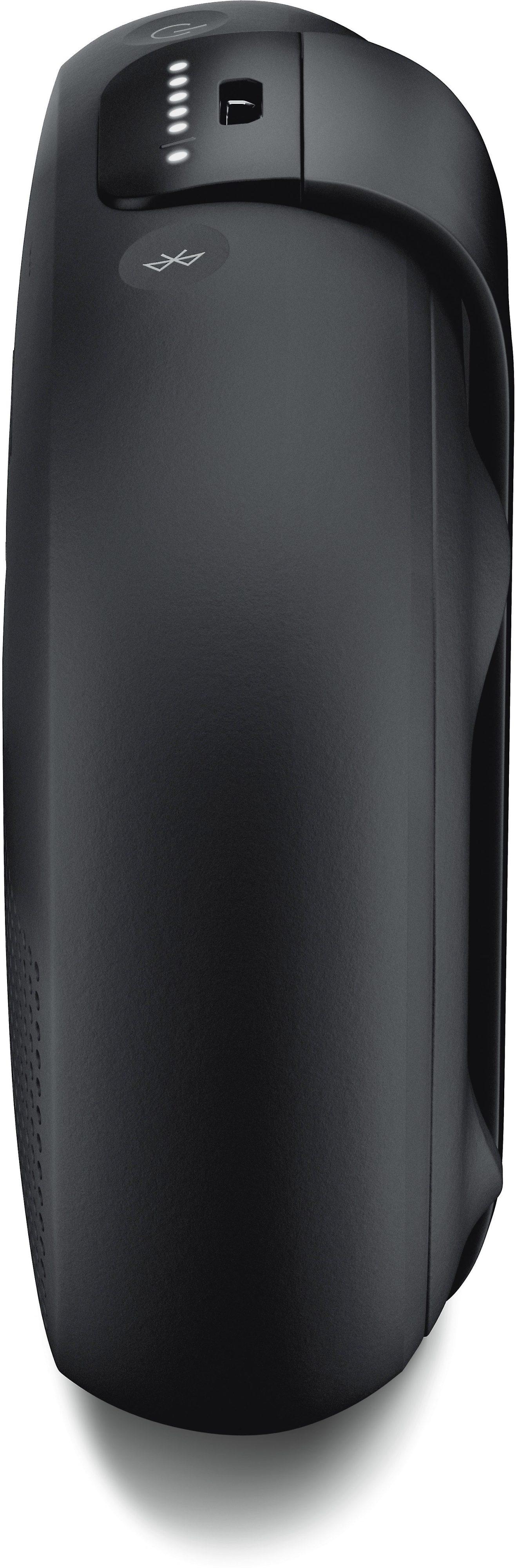
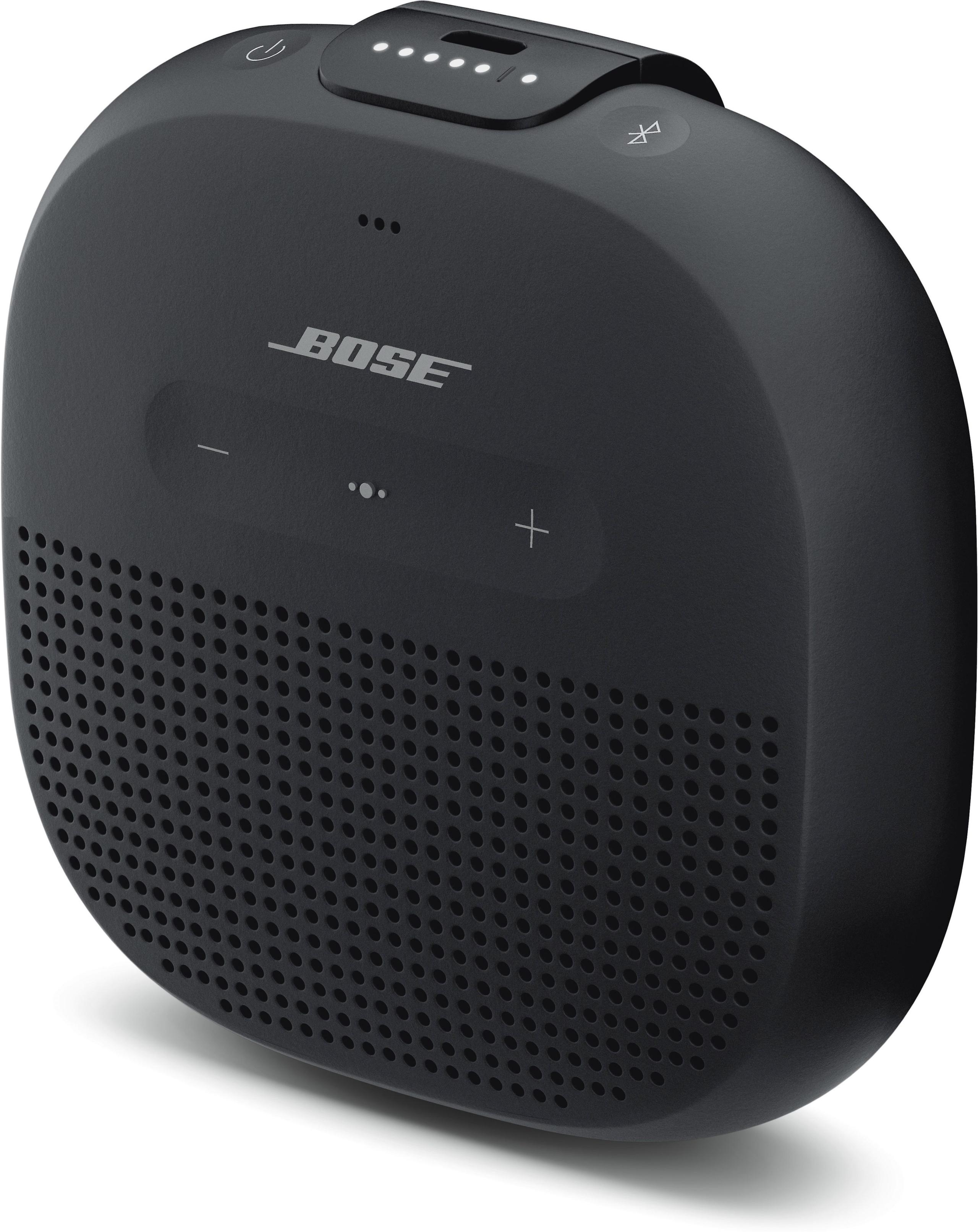
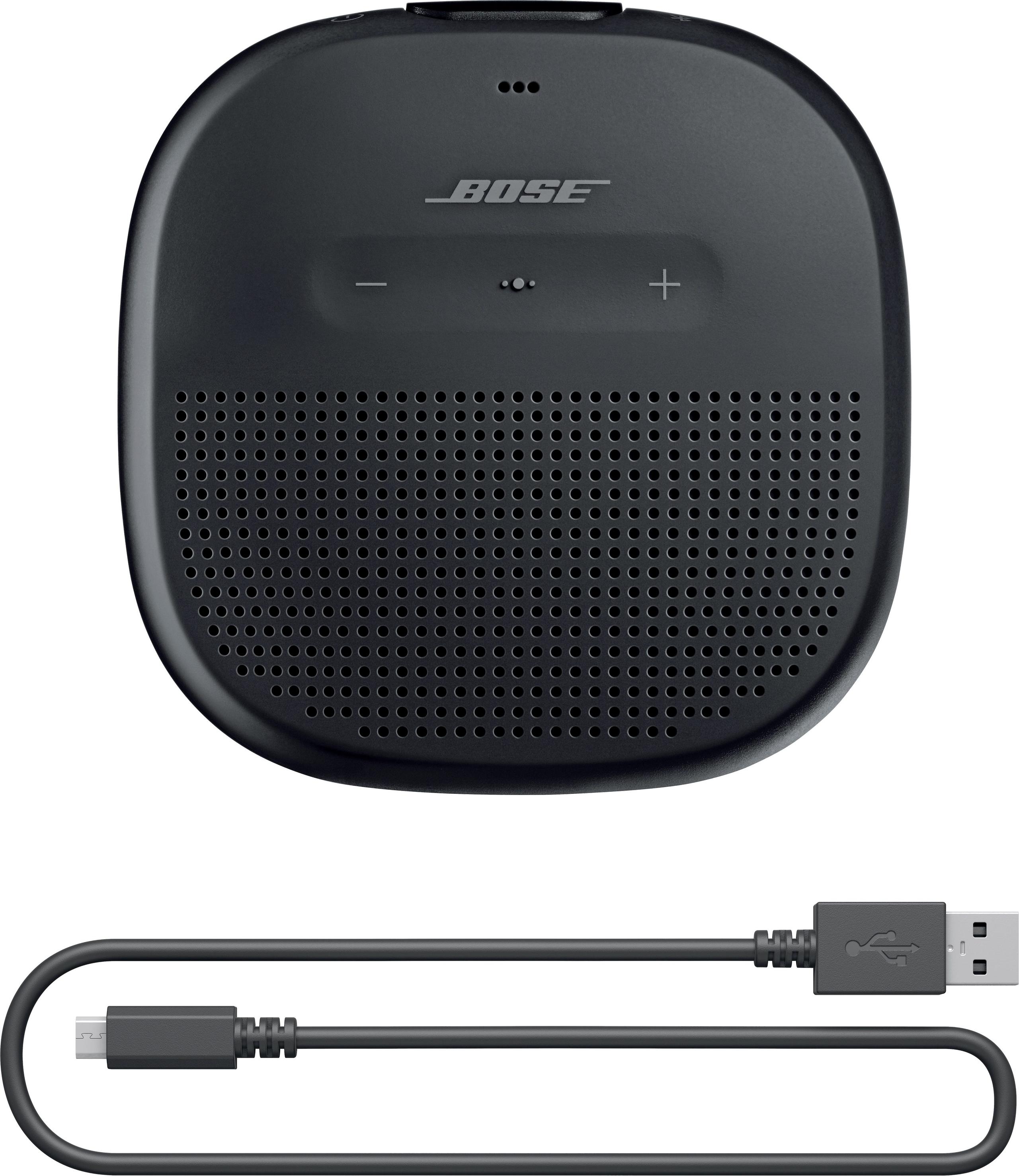
The Bose SoundLink Micro, released in 2017, represents Bose's philosophy of maximizing performance within the smallest possible package. At just 310 grams and small enough to fit in your palm, it's designed for people who want good sound without any bulk whatsoever.
Despite its diminutive size, the SoundLink Micro produces genuinely impressive bass response. Bose achieves this through careful acoustic engineering, including passive radiators – components that move in response to the air pressure created by the main driver, effectively extending bass response without requiring additional powered drivers.
However, there's an important limitation: the SoundLink Micro produces mono audio. Unlike the stereo output of the Monster S320, mono means all audio channels are mixed together and played through a single point source. For casual listening, this isn't necessarily problematic, but it does mean you lose the spatial separation and imaging that makes music feel more lifelike.
Bose does offer a solution through their Party Mode, which allows you to pair multiple SoundLink Micro speakers for synchronized playback, or Stereo Mode for true left-right separation. However, this requires purchasing multiple units, significantly increasing the total cost.
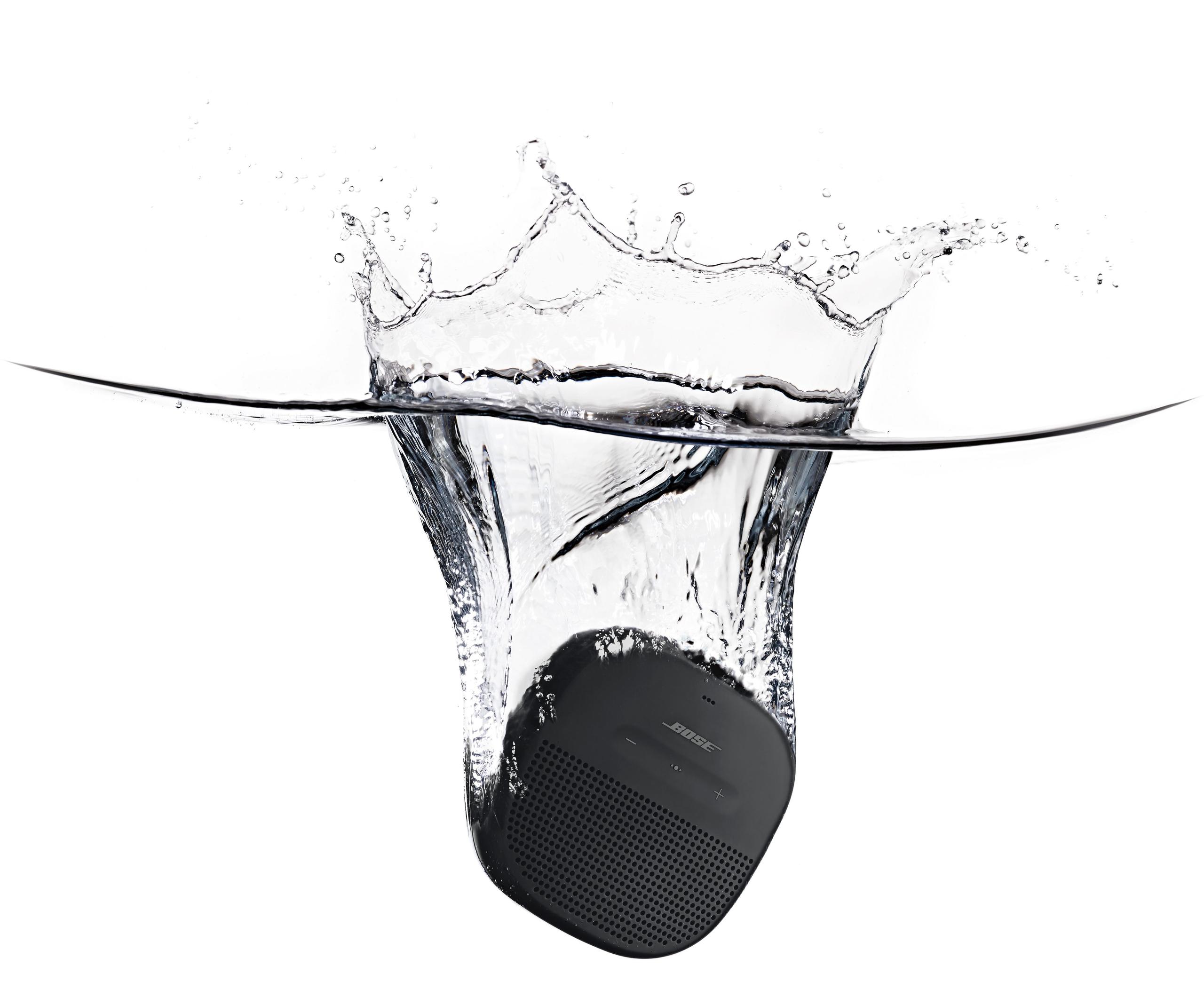
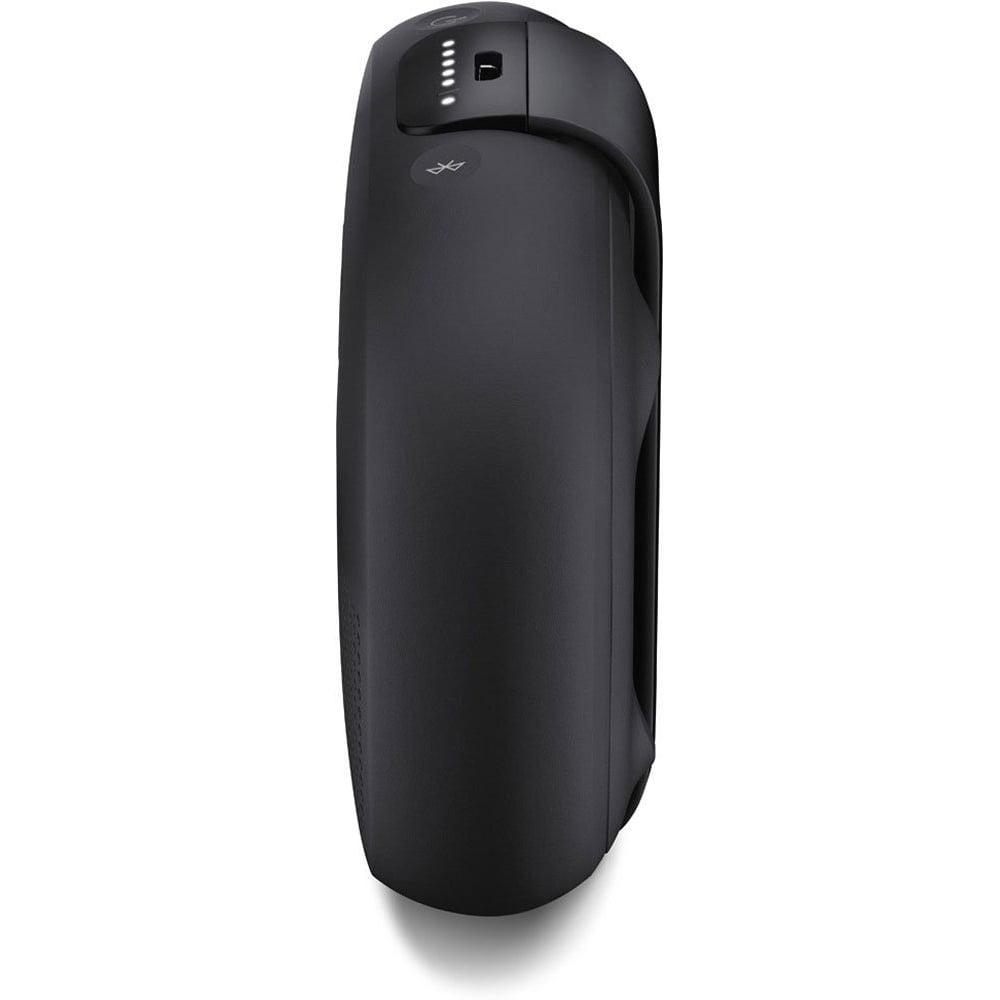
Where the SoundLink Micro truly shines is portability. The included silicone strap lets you attach it to backpacks, bike handlebars, or beach chairs. Its IP67 rating provides both dust-tight and waterproof protection, making it suitable for sandy beaches or dusty hiking trails.
The compact form factor means it disappears into travel bags and doesn't add noticeable weight to your gear. For active users who prioritize mobility above all else, this level of portability is genuinely liberating.
In terms of raw audio performance, the Monster S320 simply operates in a different league. The 40-watt power output and larger drivers produce significantly more volume and bass impact. When we examined user reviews and expert opinions, the consensus is clear: the Monster S320 can fill outdoor spaces and compete with ambient noise in ways the SoundLink Micro cannot match.
However, the Bose SoundLink Micro deserves credit for achieving remarkably good sound quality given its size constraints. Users consistently report being surprised by the bass response, and Bose's acoustic tuning ensures the sound remains balanced rather than harsh or tinny – common problems with ultra-compact speakers.
The battery life difference is stark and practically significant. The Monster S320's 32-hour runtime versus the SoundLink Micro's 6-hour runtime represents fundamentally different use cases. The Monster speaker supports extended outdoor adventures and reduces charging anxiety, while the Bose requires more frequent charging but offers the convenience of rapid portability.
For home theater applications, neither speaker is designed to replace a proper surround sound system, but the Monster S320 can serve as a temporary solution for casual movie watching, especially when paired with a second unit for stereo sound. The SoundLink Micro lacks the power and bass response for meaningful home theater enhancement.
Both speakers include Bluetooth connectivity and hands-free calling, but the Monster S320 uses the newer Bluetooth 5.0 standard compared to the SoundLink Micro's Bluetooth 4.2. In practical terms, Bluetooth 5.0 offers more stable connections, better power efficiency, and improved audio quality, though both versions work reliably for typical use.
The Monster S320 also includes an auxiliary input for wired connections, useful when Bluetooth isn't available or when you want to preserve battery life on your phone.
Since the SoundLink Micro's 2017 release, portable speaker technology has evolved significantly. Newer Bluetooth codecs like aptX provide better audio quality, USB-C charging has become standard, and battery technology has improved substantially. The Monster S320, being a more recent release, benefits from these advances with its USB-C charging and Bluetooth 5.0 connectivity.
The trend toward longer battery life has also accelerated, with many newer speakers offering 20+ hour runtimes that seemed impossible just a few years ago. The Monster S320's 32-hour battery life represents the current high-water mark for portable speakers of this size class.
At the time of writing, both speakers occupy different value propositions within the portable speaker market. The Monster S320 typically offers more features and performance per dollar spent, particularly when you factor in the extended battery life and included stereo sound. However, pricing in this category fluctuates frequently based on sales and availability.
The Bose SoundLink Micro commands a premium price for its ultra-compact form factor and brand reputation. Bose has historically maintained higher pricing across their product line, and the SoundLink Micro follows this pattern. Whether the premium is justified depends entirely on how much you value extreme portability.
The Monster S320 excels in scenarios where audio quality and battery life matter more than absolute portability. Beach parties, camping trips, backyard gatherings, and anywhere you need to fill a larger space with sound. The 32-hour battery life means it can serve as your primary audio source for extended periods without access to power.
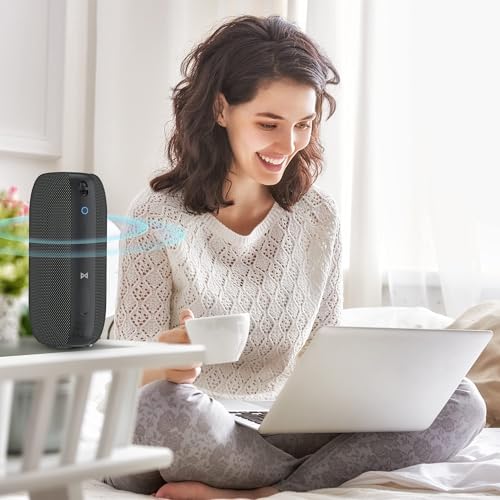
For home use, the Monster S320 works well as a kitchen speaker, workshop companion, or even as a temporary bedroom sound system. The 360-degree sound projection means it sounds good from multiple listening positions, unlike directional speakers that have sweet spots.
The SoundLink Micro is purpose-built for active lifestyles and travel. Hiking, biking, running, or any scenario where weight and size matter significantly. Its ability to clip onto gear means it can provide a soundtrack for activities where carrying a larger speaker would be impractical.
For urban dwellers with small living spaces, the SoundLink Micro offers good sound quality without taking up precious real estate. It's also ideal for business travelers who want decent audio in hotel rooms without packing bulk.
After researching extensive user feedback and expert reviews, both speakers excel at their intended purposes but serve fundamentally different needs. The Monster S320 delivers objectively superior audio performance with its stereo sound, extended frequency range, and significantly higher power output. The longer battery life and robust feature set provide better overall value for users who can accommodate the larger size.
The Bose SoundLink Micro offers excellent audio quality within severe size constraints, backed by Bose's reputation for acoustic engineering. However, the mono output, shorter battery life, and higher price per feature ratio make it a more specialized choice.
Choose the Monster S320 Superstar if you prioritize audio performance and battery life over ultimate portability. It's the better choice for outdoor enthusiasts, party hosts, and anyone who wants a speaker that can handle extended use without frequent charging. The ability to pair two units for stereo sound makes it scalable for larger gatherings.
Choose the Bose SoundLink Micro if portability trumps all other considerations. It's perfect for active users, frequent travelers, and situations where every ounce matters. The premium build quality and brand reputation provide confidence, though you'll pay extra for the compact form factor.
Both speakers represent thoughtful engineering approaches to the portable audio challenge. The Monster S320 proves that portable doesn't have to mean compromised performance, while the SoundLink Micro demonstrates how much audio quality can be packed into an ultra-compact package. Your choice ultimately depends on whether you value power and endurance or maximum mobility in your audio companion.
| Monster S320 Superstar | Bose SoundLink Micro |
|---|---|
| Power Output - Determines maximum volume and sound quality | |
| 40W total (significantly louder, better for groups) | Under 10W estimated (adequate for personal use) |
| Sound Configuration - Affects stereo imaging and spatial audio | |
| 360° stereo sound from single unit | Mono audio (requires two units for stereo) |
| Battery Life - Critical for outdoor and extended use | |
| 32 hours (exceptional endurance, weekend-long use) | 6 hours (requires frequent charging) |
| Size and Weight - Impacts portability and convenience | |
| 87×87×190mm, 720g (less portable, more powerful) | 98×98×35mm, 310g (ultra-compact, fits in palm) |
| Water Resistance - Protection level for outdoor activities | |
| IPX7 (submersible up to 1m for 30 minutes) | IP67 (dust-tight plus waterproof protection) |
| Frequency Range - Determines audio quality and bass response | |
| 20Hz-20,000Hz (full spectrum, deep bass capability) | Not specified (limited by compact size) |
| Bluetooth Version - Affects connection stability and audio quality | |
| Bluetooth 5.0 (latest standard, better stability) | Bluetooth 4.2 (older but reliable standard) |
| Charging Port - Modern convenience and compatibility | |
| USB-C (modern standard, faster charging) | Micro-USB (older standard, slower charging) |
| Multi-Speaker Pairing - Expandability for larger spaces | |
| TWS pairing for 80W stereo system | Party/Stereo Mode via Bose Connect app |
| Brand Positioning - Value proposition and target market | |
| Performance-focused, better value per feature | Premium compact design, brand prestige |
The Monster S320 Superstar is significantly louder with 40W of power output compared to the Bose SoundLink Micro which has much lower power output. The Monster speaker can easily fill outdoor spaces and handle larger gatherings, while the Bose is better suited for personal listening or small group settings.
The Monster S320 Superstar offers exceptional 32-hour battery life, while the Bose SoundLink Micro provides 6 hours of playback. This means the Monster speaker lasts over 5 times longer between charges, making it ideal for camping trips or extended outdoor use where charging isn't convenient.
The Bose SoundLink Micro is far more portable, weighing only 310g and measuring small enough to fit in your palm. The Monster S320 Superstar weighs 720g and is much larger, making the Bose the clear winner for travel, hiking, or situations where space and weight matter most.
Yes, both speakers offer excellent water protection. The Monster S320 Superstar has IPX7 rating allowing submersion up to 1 meter for 30 minutes, while the Bose SoundLink Micro features IP67 rating providing dust-tight and waterproof protection. Both are suitable for poolside, beach, or shower use.
The Monster S320 Superstar delivers superior overall sound quality with stereo output, wider frequency range (20Hz-20,000Hz), and more powerful drivers. The Bose SoundLink Micro produces impressive sound for its tiny size but outputs mono audio and has physical limitations due to its compact design.
Both speakers support multi-unit pairing. The Monster S320 Superstar uses True Wireless Stereo (TWS) to pair two units for 80W combined stereo output. The Bose SoundLink Micro offers Party Mode for synchronized playback or Stereo Mode for left-right separation, but requires purchasing multiple units to achieve stereo sound.
The Monster S320 Superstar typically provides better value with more features per dollar, including longer battery life, higher power output, and built-in stereo sound. The Bose SoundLink Micro commands premium pricing for its ultra-compact design and brand reputation, making it more expensive relative to its feature set.
The Monster S320 Superstar offers up to 10 meters of Bluetooth range with version 5.0 connectivity, providing stable connections and better audio quality. The Bose SoundLink Micro has a 9-meter range using Bluetooth 4.2, which is slightly older technology but still reliable for most use cases.
The Monster S320 Superstar is far better for outdoor parties with its 40W power output, 360° sound projection, and 32-hour battery life. It can fill large outdoor spaces and keep playing all day without recharging. The Bose SoundLink Micro lacks the volume and battery life needed for extended group entertainment.
Both speakers include built-in microphones for hands-free calling. The Monster S320 Superstar supports voice assistant activation and offers clearer call quality due to its larger microphone array. The Bose SoundLink Micro also handles calls well and includes voice prompts for easy Bluetooth pairing and device management.
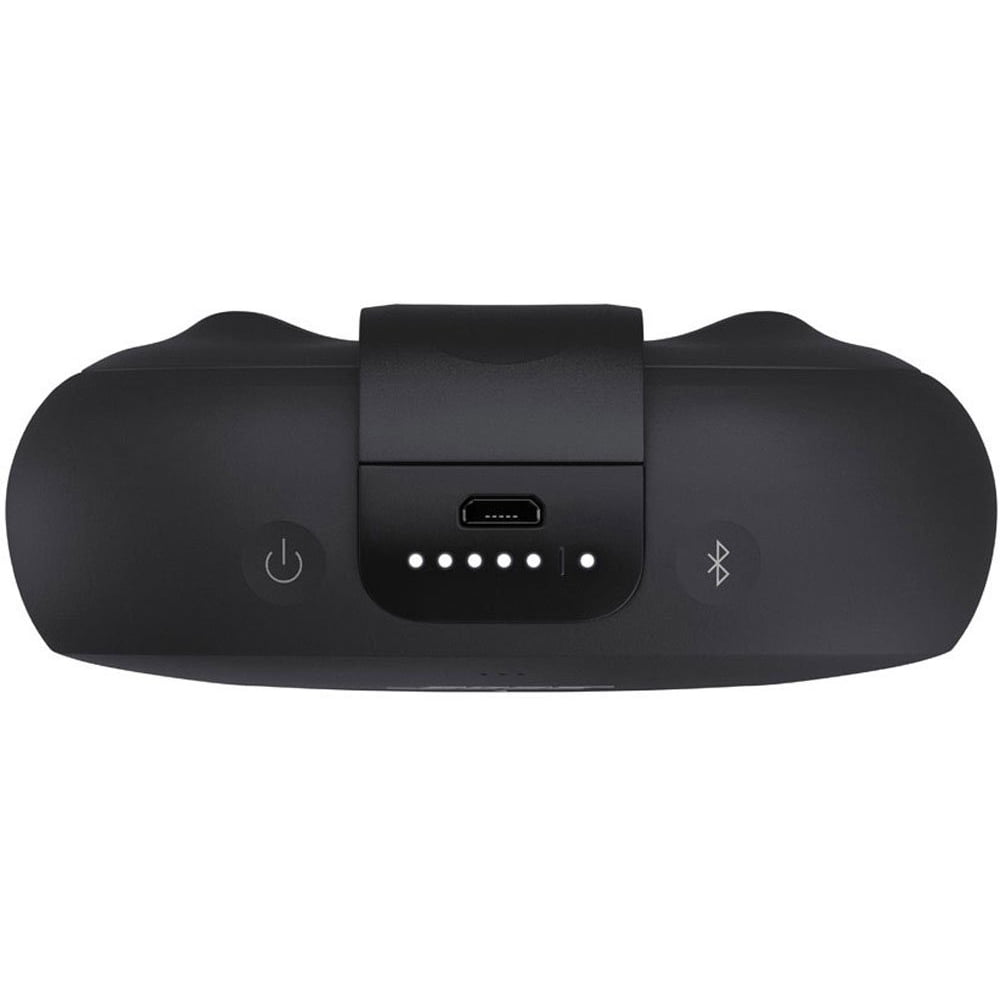
The Monster S320 Superstar uses modern USB-C charging, which is faster and compatible with many current devices and chargers. The Bose SoundLink Micro still uses older Micro-USB charging, which is slower and requires carrying an additional cable type for many users with newer devices.
Neither speaker is designed to replace a proper home theater system, but the Monster S320 Superstar can serve as a temporary solution for casual movie watching, especially when paired with a second unit for stereo separation. The Bose SoundLink Micro lacks the power and bass response needed for meaningful home theater enhancement.
We've done our best to create useful and informative comparisons to help you decide what product to buy. Our research uses advanced automated methods to create this comparison and perfection is not possible - please contact us for corrections or questions. These are the sites we've researched in the creation of this article: youtube.com - runbazaar.com - youtube.com - exceldisc.com - youtube.com - 961souq.com - walmart.com - eshtir.com - mct-audio.com - hk.monsterstore.com - alibaba.com - cdn.tgdd.vn - device.report - manualslib.com - alibaba.com - rtings.com - mygolfspy.com - youtube.com - cnet.com - bose.com - bose.com - alwayswander.info - target.com - bose.com - bose.com

Privacy Policy
Terms and Conditions - Affiliate Policy
Home Security
© Copyright 2008-2026.
11816 Inwood Rd #1211, Dallas, TX 75244