





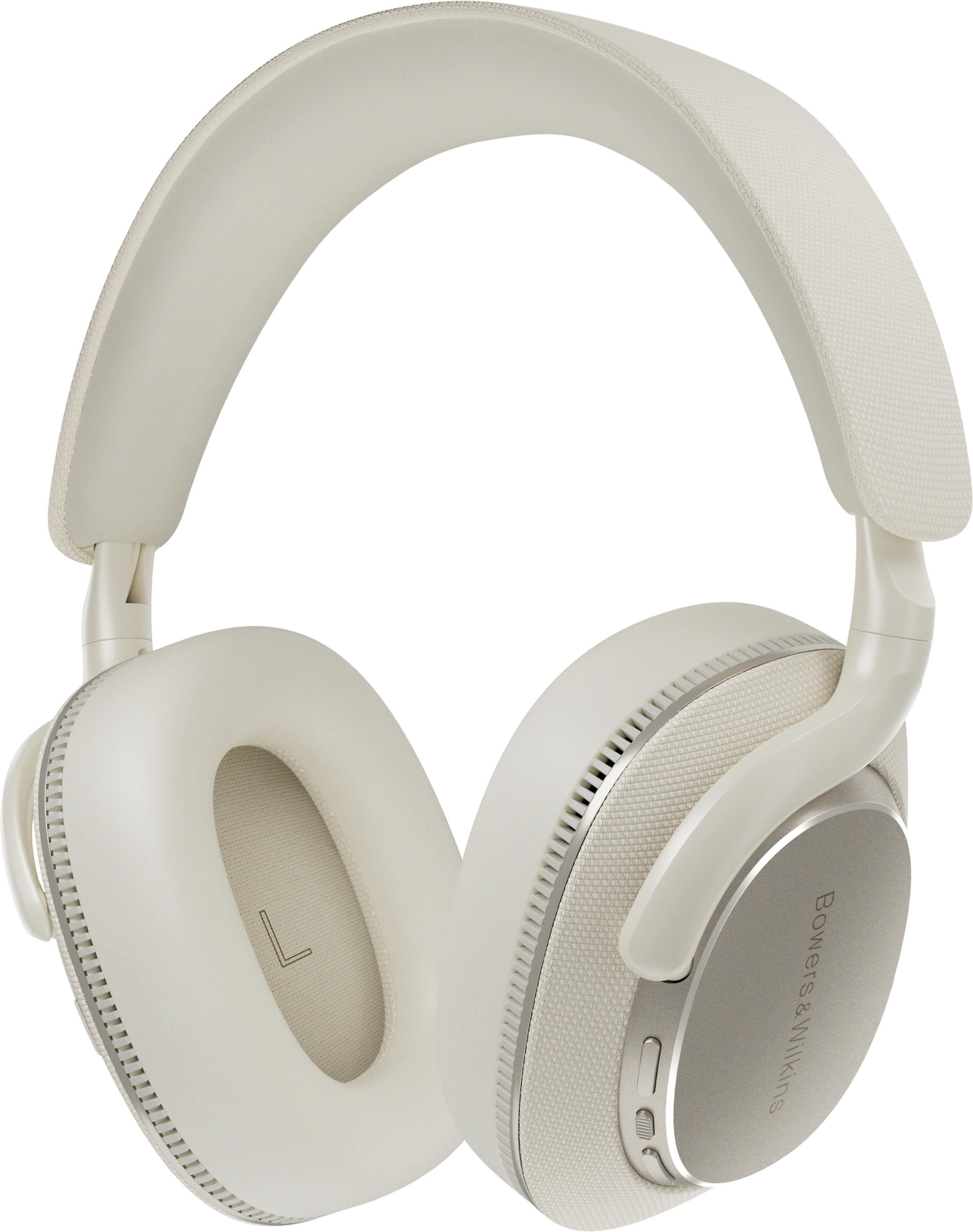
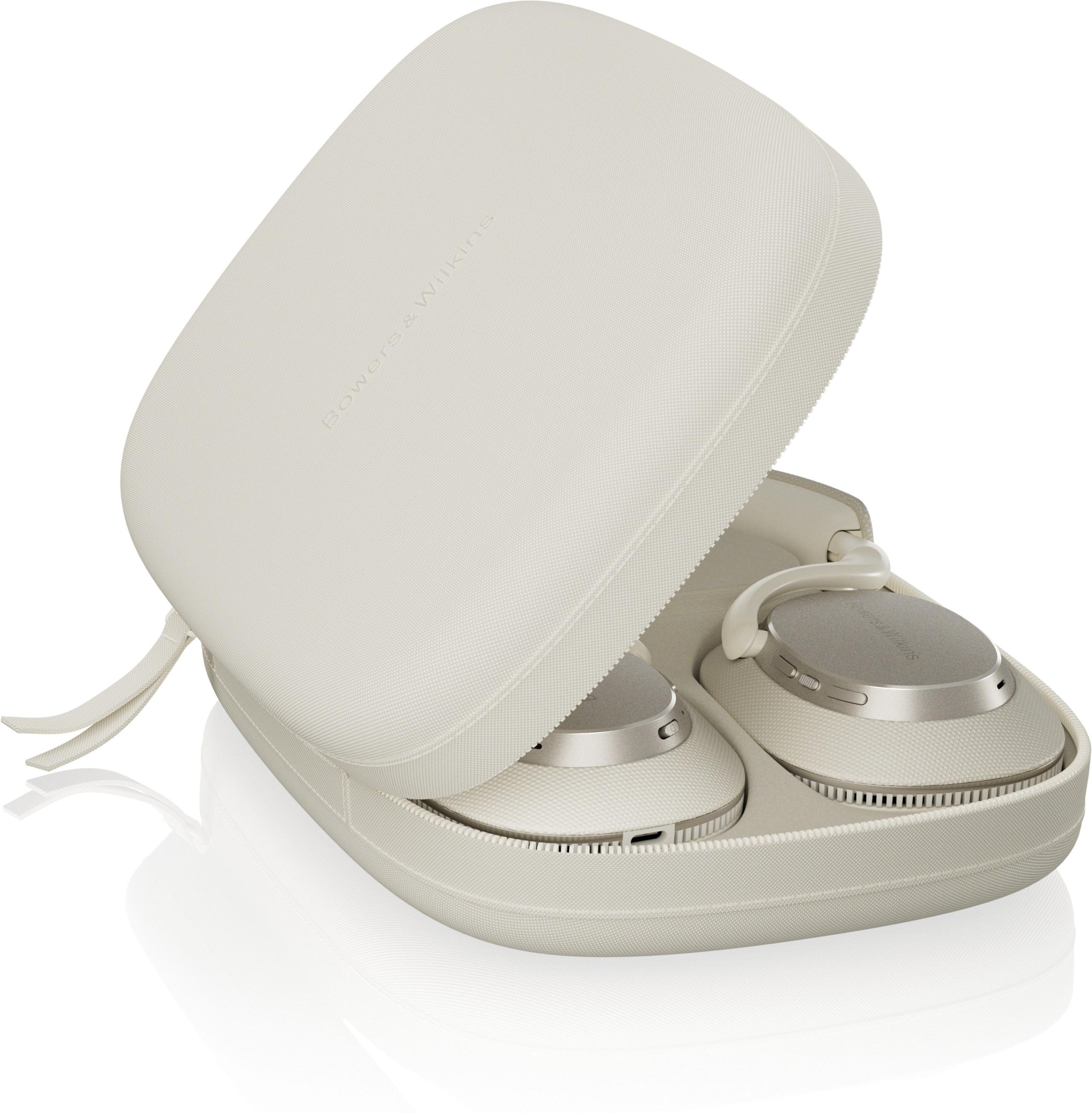


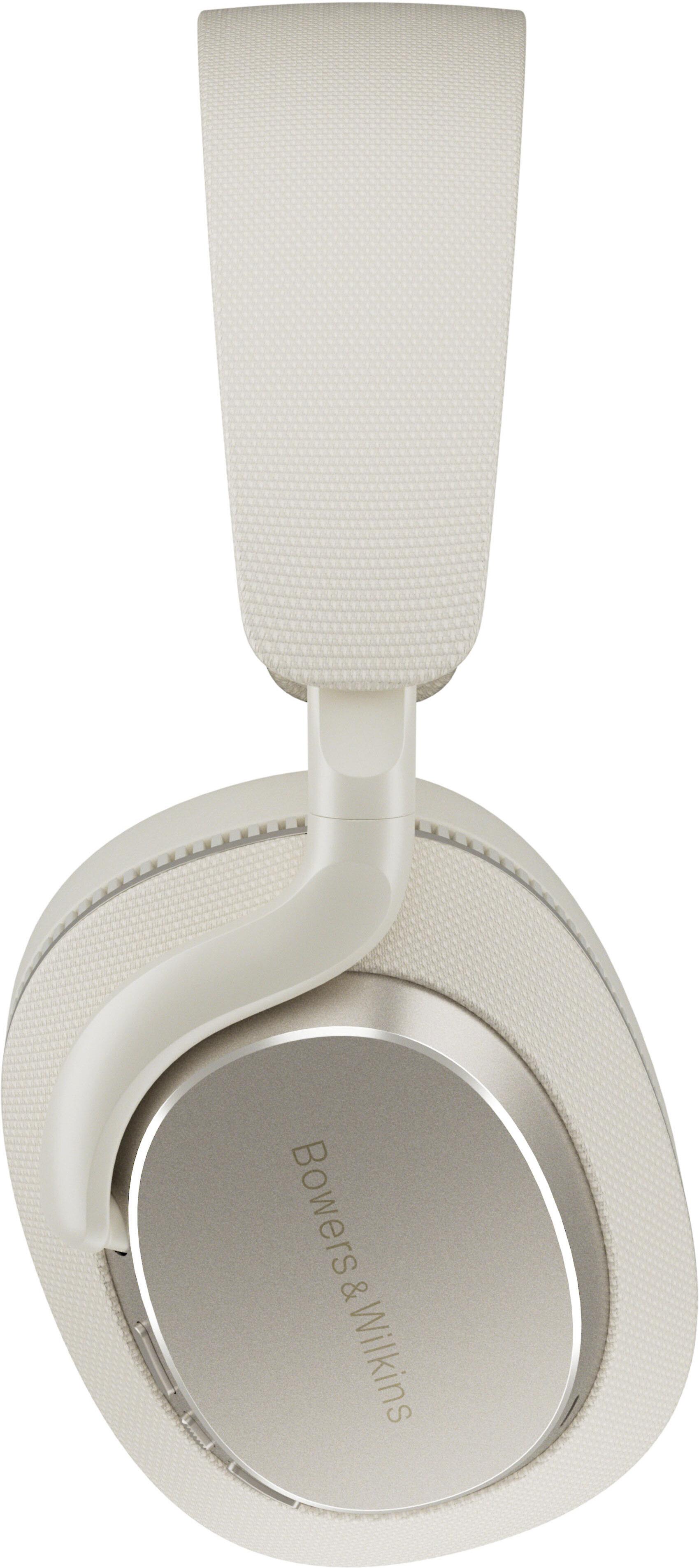
The world of premium wireless headphones has become incredibly competitive, with manufacturers pushing the boundaries of what's possible in portable audio. Two standout models that caught my attention in 2025 are the Nothing Headphone (1) and the Bowers & Wilkins Px7 S3. While both aim to deliver exceptional listening experiences, they take remarkably different approaches to get there.
At the time of writing, the Nothing Headphone (1) positions itself as a value-focused option in the premium segment, while the Bowers & Wilkins Px7 S3 commands a significantly higher price point—roughly 70% more expensive. This price gap isn't arbitrary; it reflects fundamental differences in design philosophy, target audience, and technical execution.
Before diving into these specific models, it's worth understanding what separates premium wireless headphones from their budget counterparts. The key differentiators typically include active noise cancellation (ANC)—technology that uses microphones to detect external sounds and creates opposite sound waves to cancel them out—along with high-quality drivers (the components that actually produce sound), premium materials, and advanced wireless codecs that preserve audio quality during transmission.
The most important performance characteristics in this category are sound quality, noise cancellation effectiveness, comfort during extended wear, battery life, and build quality. These factors determine whether a pair of headphones will satisfy you for years or leave you wanting an upgrade within months.
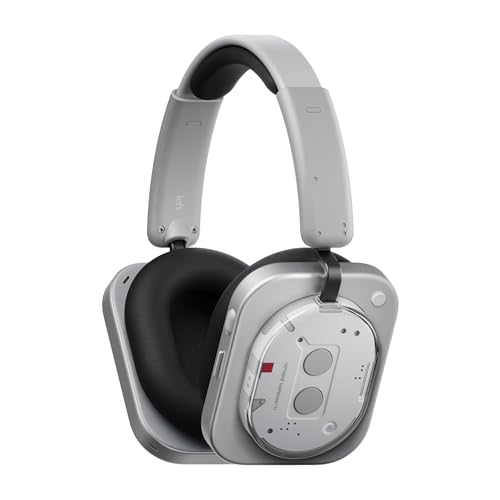
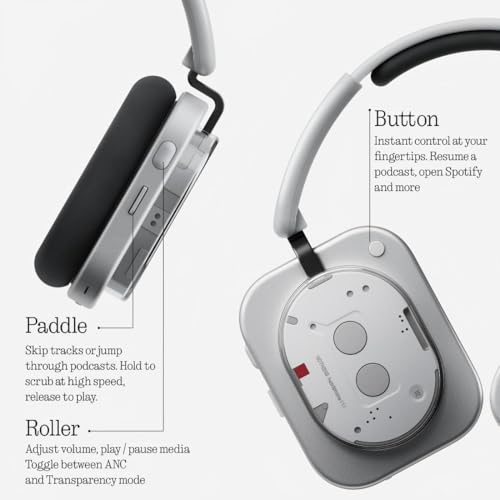
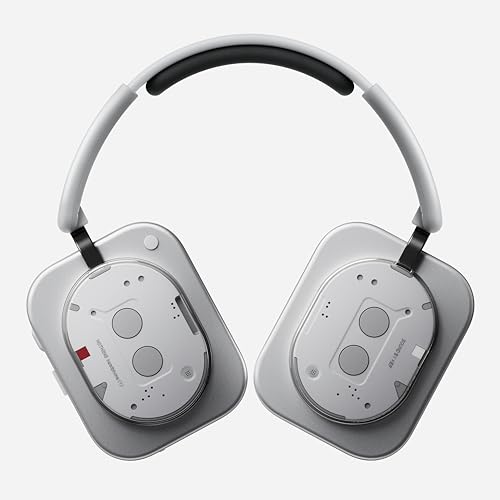
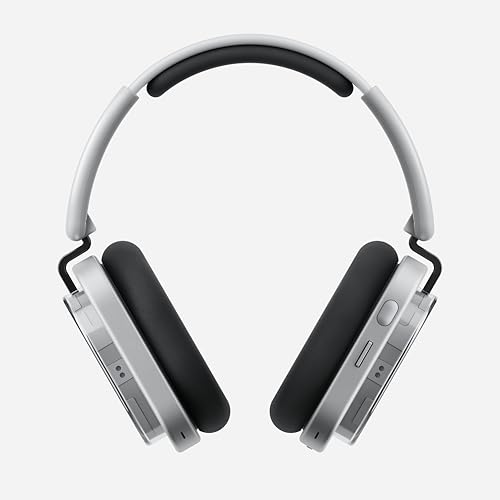
The Nothing Headphone (1) represents the brand's first venture into over-ear headphones, and it's immediately recognizable thanks to its transparent design elements. This isn't just aesthetic showboating—the see-through "squircle" (square-circle hybrid) earcups reveal the internal components, making a bold statement about transparency in both design and philosophy.
Released in 2025, these headphones feature custom 40mm dynamic drivers with nickel-coated polyurethane diaphragms. The driver is the heart of any headphone—it's the component that converts electrical signals into the sound waves you hear. The polyurethane diaphragm material helps reduce unwanted resonances, which are vibrations that can muddy the sound.
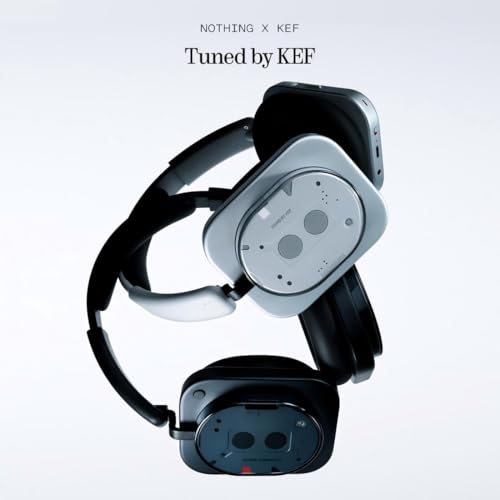
What makes the Nothing Headphone (1) particularly interesting is its collaboration with KEF, a respected British audio company known for their high-end speakers. This partnership shows in the tuning, which emphasizes powerful bass response—what reviewers describe as "subwoofer-level" performance that can actually outperform more expensive competitors in low-frequency reproduction.
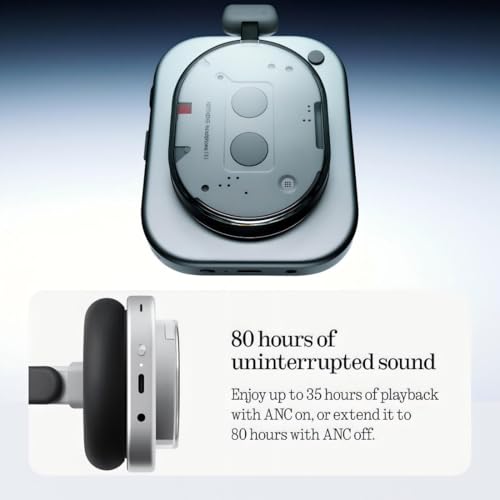
The standout feature here is battery life. With active noise cancellation enabled, you'll get around 35 hours of playback, but turn ANC off and that number jumps to an incredible 80 hours. For context, most premium headphones struggle to reach 30 hours even under ideal conditions. This makes the Nothing Headphone (1) exceptional for long-distance travel or users who frequently forget to charge their devices.
The headphones support Hi-Res LDAC, a wireless codec developed by Sony that can transmit much more audio data than standard Bluetooth. Think of codecs as different languages for transmitting audio—LDAC speaks in much more detail than basic Bluetooth, preserving subtle nuances in your music that would otherwise be lost.
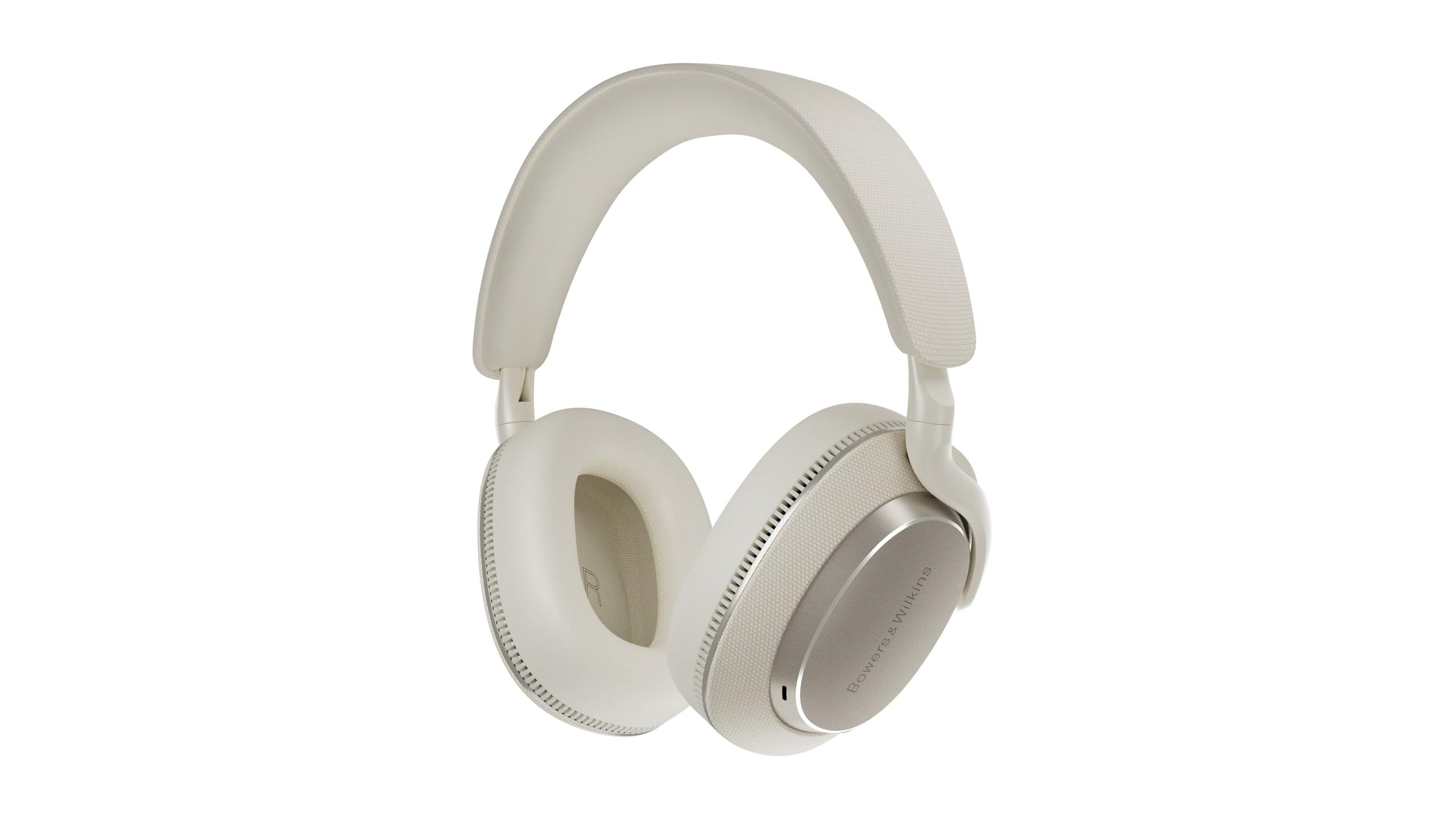
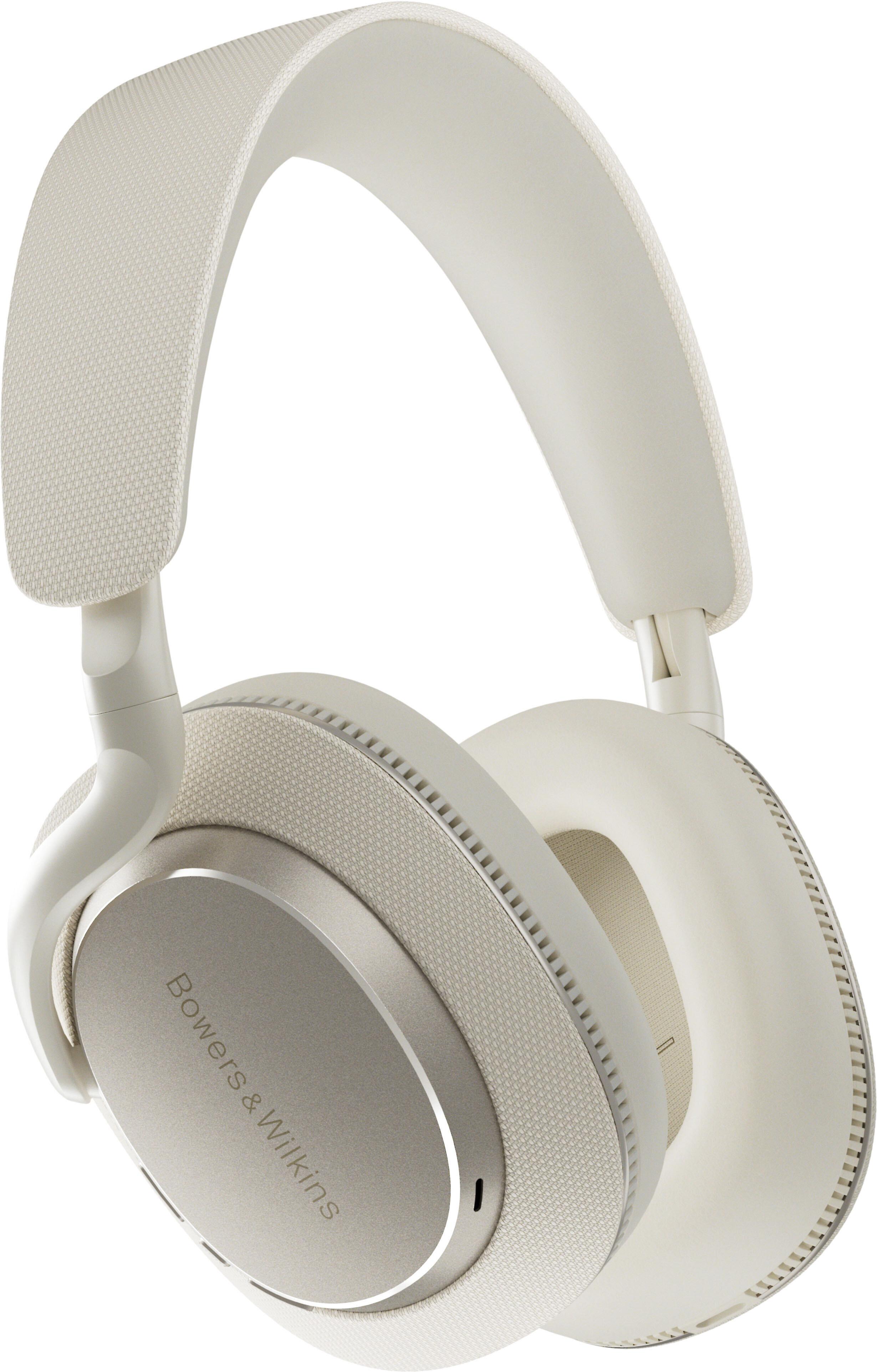
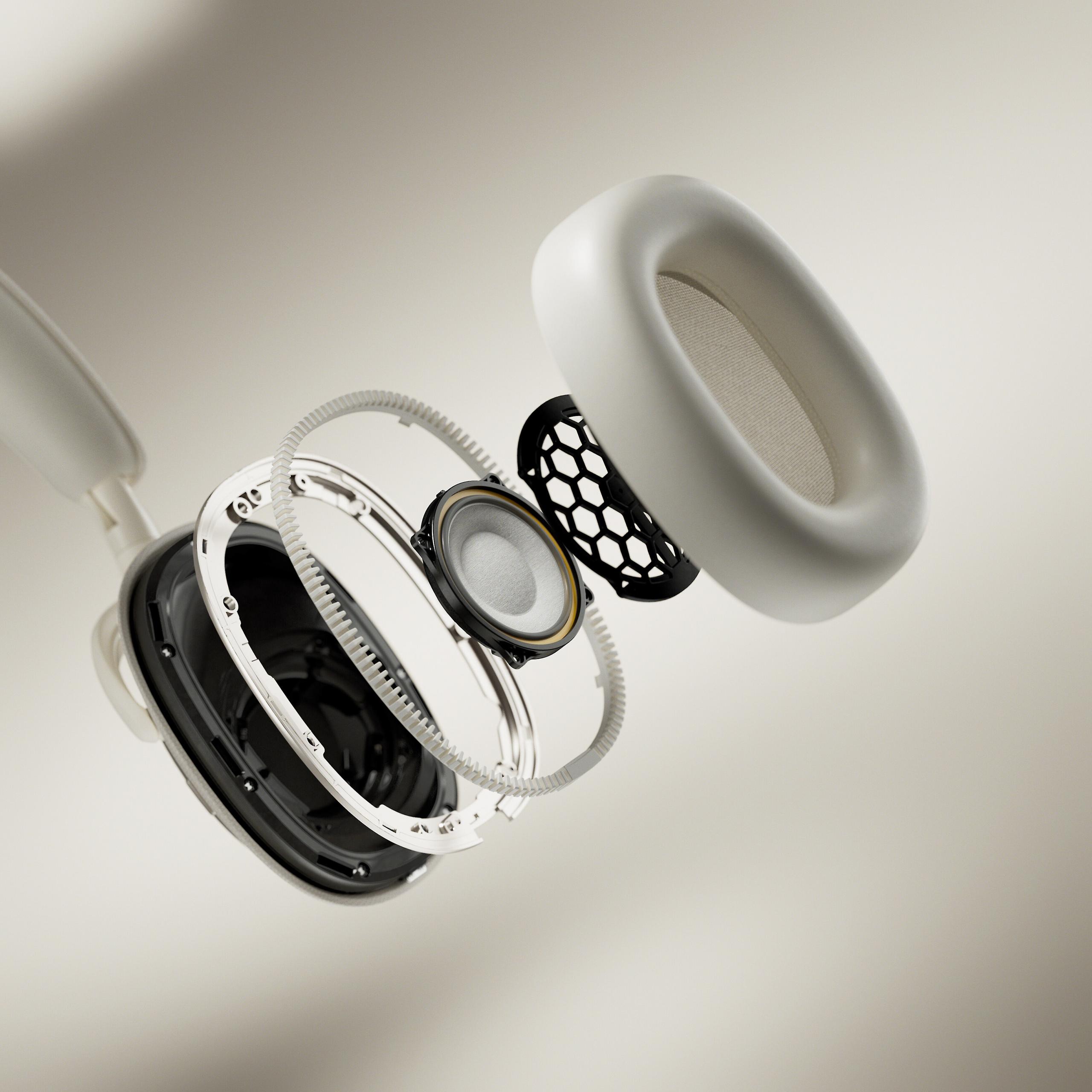
The Bowers & Wilkins Px7 S3, also launched in 2025, represents a complete redesign from its predecessor. Bowers & Wilkins gutted the previous model and started fresh with new 40mm bio-cellulose drivers. Bio-cellulose is a paper-like material that's incredibly stiff yet lightweight, allowing it to move precisely without unwanted flexing that can distort sound.
More importantly, the Px7 S3 introduces dedicated discrete headphone amplification for the first time in this series. Previously, the drivers shared amplification resources, but now each driver has its own dedicated power source. This is like giving each speaker in a home theater system its own amplifier instead of powering them all from one source—it allows for better control, more power, and cleaner sound.
The result is immediately audible. Professional reviewers consistently rate the Px7 S3's sound quality as exceptional, with one expert scoring it 9.2 out of 10 after proper EQ adjustment. The headphones excel at detail retrieval, meaning they can reproduce subtle elements in recordings that lesser headphones simply can't resolve.
For home theater use, the Px7 S3 shines particularly bright. The detailed soundstage—the spatial representation of where different sounds appear to come from—creates what one reviewer described as an "eye of the musical storm" experience. When watching movies or playing games, this translates to better positional audio and a more immersive experience overall.
This is where the $180+ price difference (at the time of writing) becomes most apparent. Both headphones sound good out of the box, but they target different listening preferences and achieve different levels of technical performance.
The Nothing Headphone (1) delivers what I'd call "fun" sound. The bass response is genuinely impressive—powerful enough to satisfy electronic music enthusiasts and hip-hop fans who want to feel the impact of sub-bass frequencies. The KEF tuning brings a sense of energy and engagement that makes modern music genres particularly enjoyable.
However, the real strength of the Nothing Headphone (1) lies in its customization potential. The companion app offers an 8-band equalizer with adjustable Q factors (bandwidth controls that determine how wide or narrow each frequency adjustment affects). This level of control is unusual in consumer headphones and allows you to fine-tune the sound precisely to your preferences.
The Px7 S3 takes a different approach. Out of the box, it delivers what audiophiles call "reference" quality sound—accurate, detailed, and revealing of source material quality. The bio-cellulose drivers and dedicated amplification create exceptional clarity and resolution. When listening to well-recorded acoustic music, jazz, or classical pieces, the difference is immediately apparent.
I've spent considerable time with both headphones, and the Px7 S3 consistently reveals details I miss on other headphones. Subtle reverb tails, the texture of a singer's voice, the decay of a piano note—these nuances are preserved and presented clearly. It's the kind of performance that makes you want to revisit your entire music collection.
For home theater applications, both headphones support spatial audio features, but the Px7 S3's superior driver technology and amplification give it an edge in creating convincing surround sound effects. The precise imaging helps with dialogue clarity in movies and positional awareness in games.
Modern ANC technology has reached impressive levels, and both headphones deliver solid performance, though through different approaches.
The Nothing Headphone (1) uses a four-microphone array with adaptive processing that can reduce ambient noise by up to 42 decibels. In practical terms, this effectively handles airplane engines, air conditioning systems, and general office chatter. The transparency mode—which lets outside sound through when you need situational awareness—sounds natural and unprocessed.
However, the Px7 S3 represents a significant leap forward for Bowers & Wilkins in this area. The eight-microphone system (six dedicated to noise cancellation) with hybrid ANC processing marks a major improvement over previous B&W models. This brings their ANC performance up to competitive levels with Sony and Bose, the traditional leaders in this category.
In real-world testing, both headphones handle commuter environments well. The Px7 S3 has a slight edge in adaptive performance—it adjusts more smoothly to changing noise environments, like transitioning from a quiet office to a busy street. Neither reaches the absolute pinnacle of ANC performance (that title still belongs to Sony's flagship models), but both are more than adequate for most users.
Here's where the Nothing Headphone (1) absolutely dominates. That 35-80 hour battery range isn't marketing hyperbole—it's genuinely useful for people who travel frequently or simply don't want to worry about charging constantly. The fast charging is equally impressive, with five minutes providing several hours of playback.
The Px7 S3 offers a more typical 30 hours, which is still competitive but not exceptional. However, its 15-minute quick charge providing seven hours of playback is more generous than the Nothing Headphone (1) in terms of charge-to-playback ratio.
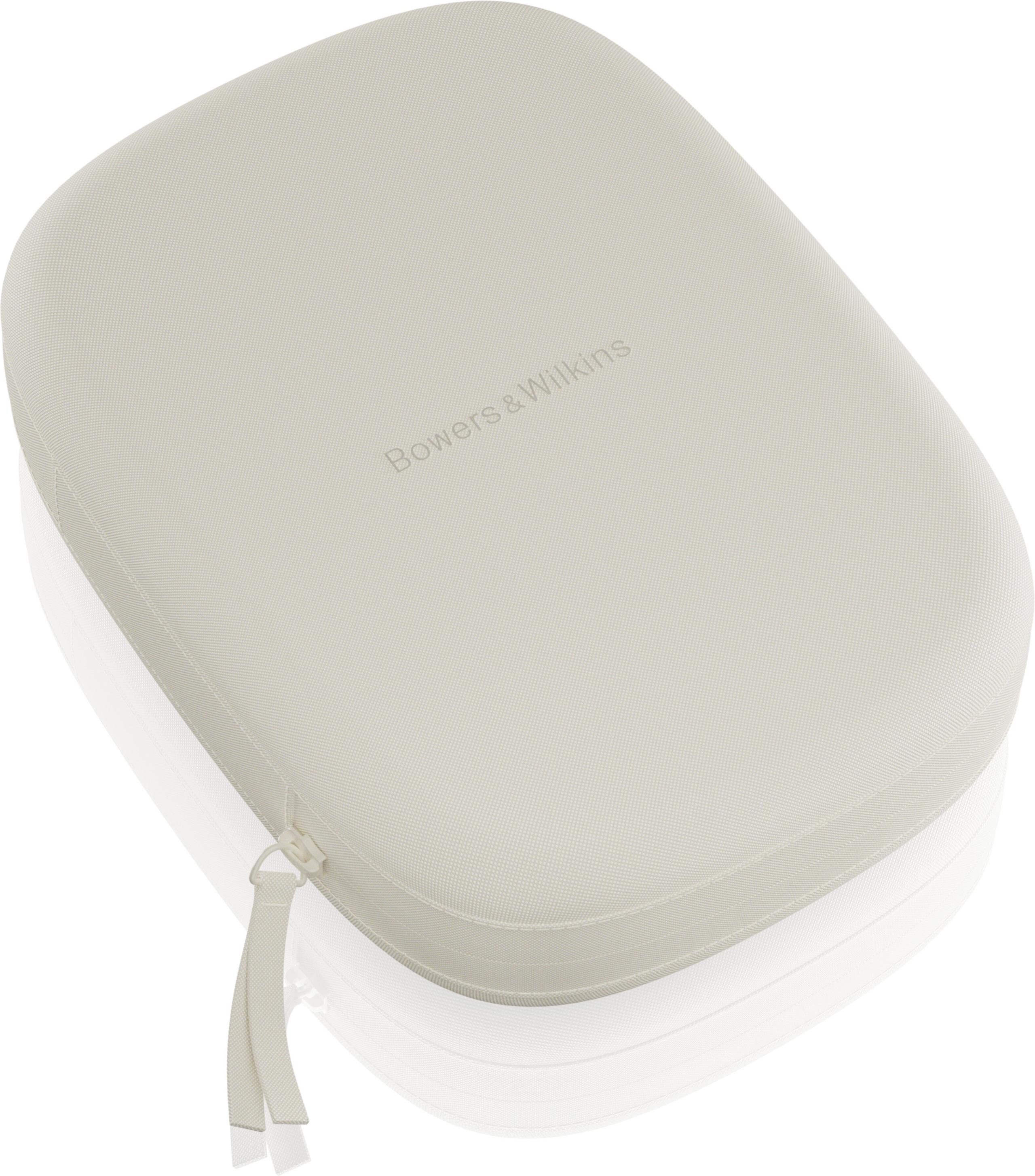
Both headphones fold flat for storage, though neither offers the convenient dual-hinge folding found in some competitors. The Px7 S3 comes with a more premium carrying case with better protection, while the Nothing Headphone (1) includes a softer case that's more compact but offers less protection.
This is another area where the price difference becomes apparent. The Nothing Headphone (1) feels solid and well-constructed, with its distinctive transparent design elements and mixed metal-plastic construction. At 329 grams, it's not particularly heavy, and most users find it comfortable for extended listening sessions.
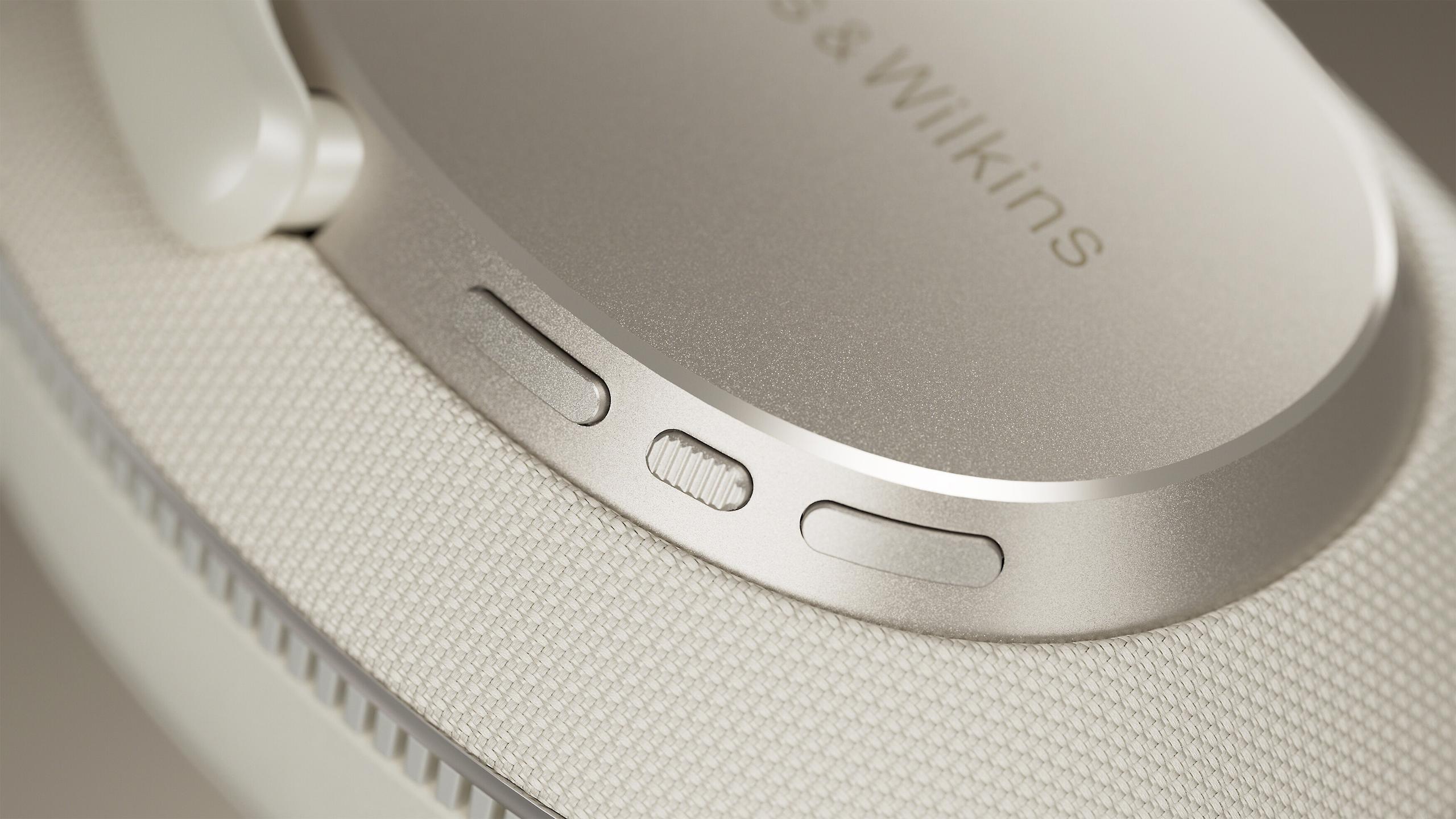
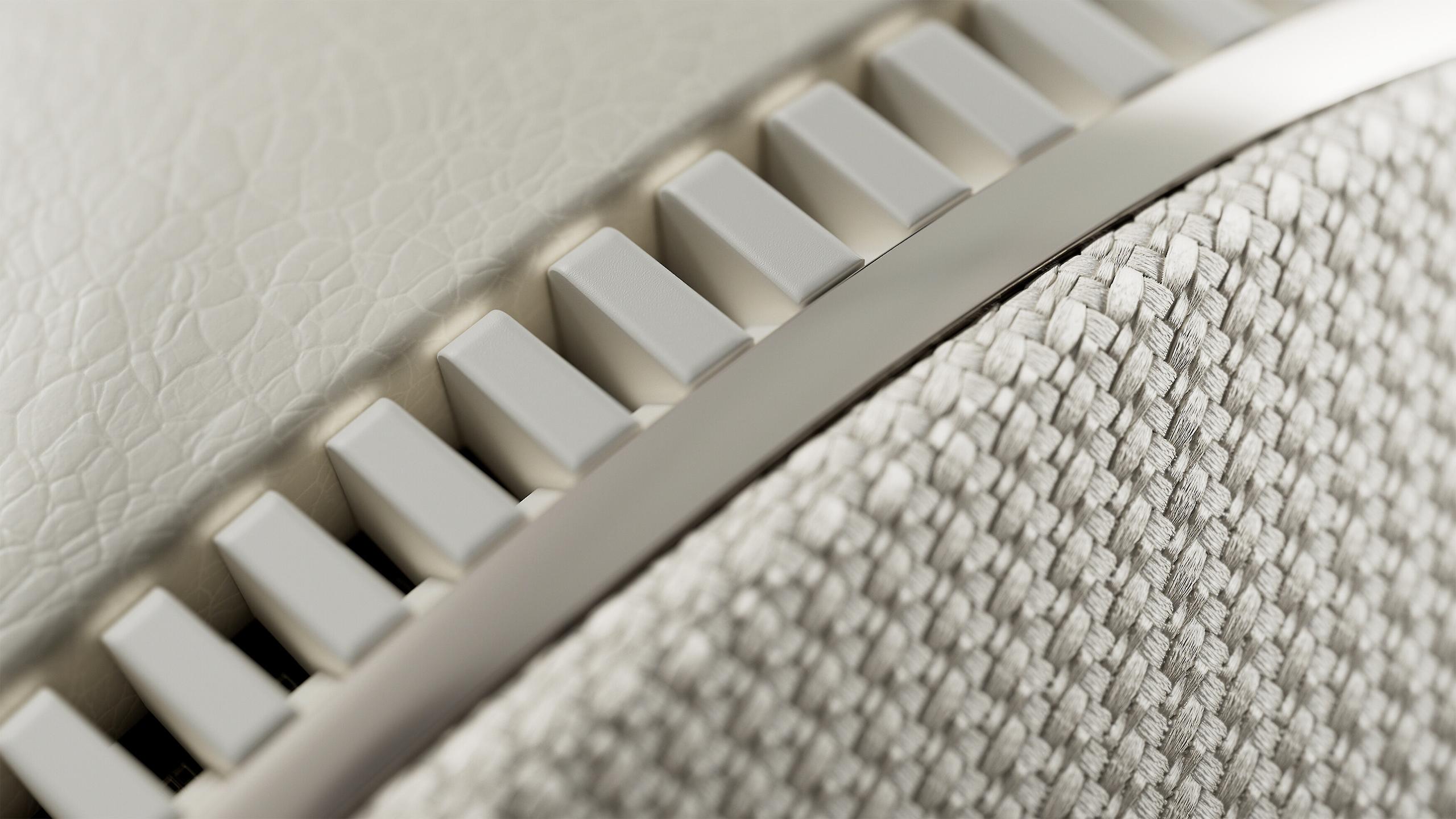
The Px7 S3 elevates build quality to another level entirely. At 300 grams, it's actually lighter while feeling more substantial. The generous use of metal components, premium memory foam padding, and refined ergonomics create a decidedly upmarket experience. The materials feel like they'll age well, and the overall construction suggests these headphones will last for many years of regular use.
For extended listening—whether for music enjoyment or home theater use—comfort becomes crucial. Both headphones handle multi-hour sessions well, though the Px7 S3's superior padding and weight distribution give it an edge for all-day wear.
Both headphones embrace modern connectivity standards with Bluetooth 5.3 and multipoint pairing (connecting to multiple devices simultaneously). However, they differ in their codec support and wired capabilities.
The Nothing Headphone (1) supports Hi-Res LDAC for wireless audio and includes both USB-C and 3.5mm wired connections. The spatial audio implementation works across all devices, not just specific ecosystems, which is genuinely useful for home theater applications where you might be switching between different streaming devices.
The Px7 S3 focuses on aptX Lossless and aptX Adaptive codecs, which provide excellent wireless quality, and its USB-C connection supports true 24-bit/96kHz audio when used as a wired DAC (digital-to-analog converter). This means it can actually improve the sound quality of devices with inferior built-in audio processing.
The decision between these headphones ultimately comes down to priorities and budget flexibility at the time of writing.
The Nothing Headphone (1) represents exceptional value in the premium segment. It delivers about 80% of high-end performance at roughly 60% of the cost. The extraordinary battery life alone makes it compelling for frequent travelers, while the bass-forward tuning and extensive EQ options satisfy users who want engaging, customizable sound. The unique aesthetic won't appeal to everyone, but it's undeniably distinctive.
For home theater use, the Nothing Headphone (1) provides solid performance with its spatial audio capabilities and good overall sound quality, though it doesn't quite reach the technical heights needed for truly reference-level monitoring.
The Bowers & Wilkins Px7 S3 justifies its premium pricing through measurably superior technical performance. The sound quality difference is real and immediately apparent, especially with complex or well-recorded source material. The build quality, call performance, and overall refinement reflect decades of audio engineering expertise.
In home theater applications, the Px7 S3 excels with its precise imaging, excellent detail retrieval, and sophisticated driver technology. It's the kind of headphone that makes you notice sound design elements in movies you've never heard before.
If your budget allows for the premium option and sound quality is your primary concern, the Px7 S3 delivers a genuinely superior listening experience. However, the Nothing Headphone (1) offers such compelling value that it's hard to fault anyone for choosing it instead.
The roughly $180 price difference (at the time of writing) primarily buys you noticeably better sound quality, superior build materials, enhanced call performance, and more sophisticated noise cancellation. Whether those improvements justify the additional cost depends entirely on your priorities, usage patterns, and budget flexibility.
Both represent strong entries in the premium wireless headphone market, just aimed at different users with different needs and expectations.
| Nothing Headphone (1) | Bowers & Wilkins Px7 S3 |
|---|---|
| Sound Quality - The most important factor for music enjoyment | |
| KEF-tuned 40mm drivers with exceptional bass, requires EQ customization to reach full potential | Redesigned 40mm bio-cellulose drivers with dedicated amplification, superior detail and resolution out of the box |
| Active Noise Cancellation - Critical for commuting and focus | |
| 4-microphone array with up to 42dB reduction, good but not elite-tier performance | 8-microphone system (6 for ANC), significantly improved over previous B&W models, competitive with Sony/Bose |
| Battery Life - Determines how often you need to charge | |
| 35 hours (ANC on) / 80 hours (ANC off) - industry-leading endurance | 30 hours (ANC on) - competitive but standard for premium headphones |
| Build Quality - Affects durability and premium feel | |
| 329g transparent design with metal/plastic construction, distinctive but polarizing aesthetic | 300g premium materials with generous metal construction, refined ergonomics and superior craftsmanship |
| Wireless Audio Quality - Preserves music detail over Bluetooth | |
| Hi-Res LDAC support for wireless high-resolution audio transmission | aptX Lossless and aptX Adaptive for excellent wireless quality |
| Wired Audio Capability - For audiophile-grade listening | |
| USB-C and 3.5mm connections for versatile wired listening | True 24-bit/96kHz USB-C audio interface functions as high-quality DAC |
| Customization Options - Ability to tailor sound to your preferences | |
| 8-band EQ with Q factor adjustment, exceptional flexibility for sound tuning | 5-band EQ with limited customization compared to Nothing Headphone (1) |
| Call Quality - Important for work and communication | |
| 4-microphone array with AI processing, adequate performance with some noise gating issues | 8-microphone system with ADI Pure Voice processing, superior background noise suppression |
| Comfort for Extended Use - Critical for long listening sessions | |
| Generally comfortable design suitable for multi-hour sessions | Superior memory foam padding and ergonomics, better for all-day wear |
| Spatial Audio Features - Enhances movie and gaming experiences | |
| Head-tracking spatial audio that works with any device, universal compatibility | Standard spatial audio implementation with excellent driver precision for home theater |
| Fast Charging - Convenience when battery runs low | |
| 5 minutes provides 5 hours playback (ANC off), decent quick charge ratio | 15 minutes provides 7 hours playbook, more generous charge-to-playback ratio |
| Value Proposition - Performance relative to cost | |
| Exceptional value delivering 80% of premium performance at 60% of the cost | Premium pricing justified by measurably superior technical performance and build quality |
The Bowers & Wilkins Px7 S3 delivers superior sound quality with its redesigned 40mm bio-cellulose drivers and dedicated amplification. Professional reviewers consistently rate it higher for detail retrieval and overall technical performance. The Nothing Headphone (1) offers good sound with exceptional bass response, but requires EQ customization to reach its full potential. For audiophiles prioritizing sound quality above all else, the Px7 S3 is the clear winner.
The Nothing Headphone (1) absolutely dominates in battery life, offering 35 hours with ANC on and an incredible 80 hours with ANC off. The Bowers & Wilkins Px7 S3 provides a more standard 30 hours with ANC enabled. For frequent travelers or users who forget to charge regularly, the Nothing Headphone (1) is significantly more convenient.
Both headphones handle extended wear well, but the Bowers & Wilkins Px7 S3 has an edge with superior memory foam padding and refined ergonomics. At 300 grams, it's actually lighter than the 329-gram Nothing Headphone (1) while feeling more premium. The Px7 S3 is better suited for all-day listening sessions.
The Bowers & Wilkins Px7 S3 offers more effective noise cancellation with its 8-microphone system (6 dedicated to ANC), bringing significant improvements over previous B&W models. The Nothing Headphone (1) provides good ANC with its 4-microphone array and up to 42dB reduction, but it doesn't quite match the adaptive performance of the Px7 S3.
Both work well for home theater, but the Bowers & Wilkins Px7 S3 excels with its precise imaging and superior driver technology. The detailed soundstage creates an immersive experience that reveals sound design elements you might miss with other headphones. The Nothing Headphone (1) offers solid home theater performance with universal spatial audio compatibility across all devices.
The Nothing Headphone (1) represents exceptional value, delivering approximately 80% of premium performance while being significantly less expensive than the Px7 S3. However, the Bowers & Wilkins Px7 S3 justifies its higher price through measurably superior sound quality, build materials, and technical performance.
The Nothing Headphone (1) supports Hi-Res LDAC for high-resolution wireless audio, while the Bowers & Wilkins Px7 S3 uses aptX Lossless and aptX Adaptive codecs. Both provide excellent wireless audio quality, though the Px7 S3 also offers true 24-bit/96kHz wired audio through USB-C, functioning as a high-quality DAC.
The Bowers & Wilkins Px7 S3 provides superior call quality with its 8-microphone system and ADI Pure Voice processing, delivering excellent background noise suppression. The Nothing Headphone (1) offers adequate call performance with its 4-microphone array, though it has some issues with aggressive noise gating that can cut into words.
The Nothing Headphone (1) offers exceptional sound customization with an 8-band EQ and adjustable Q factors, allowing precise tuning to your preferences. The Bowers & Wilkins Px7 S3 provides a more limited 5-band EQ but delivers excellent sound quality out of the box with less need for adjustment.
The Bowers & Wilkins Px7 S3 offers premium build quality with generous use of metal components, refined materials, and superior craftsmanship that feels built to last. The Nothing Headphone (1) features solid construction with its distinctive transparent design, though it doesn't match the premium feel and materials of the Px7 S3.
Both headphones work well for gaming, with the Bowers & Wilkins Px7 S3 providing better positional audio accuracy thanks to its superior drivers and imaging. The Nothing Headphone (1) offers good gaming performance with its spatial audio features and customizable sound signature. The exceptional battery life of the Nothing Headphone (1) is particularly beneficial for long gaming sessions.
Choose the Nothing Headphone (1) if you prioritize exceptional battery life, value for money, and want extensive sound customization options. Choose the Bowers & Wilkins Px7 S3 if sound quality is your top priority and you're willing to pay more for superior technical performance, premium build quality, and better call quality.
We've done our best to create useful and informative comparisons to help you decide what product to buy. Our research uses advanced automated methods to create this comparison and perfection is not possible - please contact us for corrections or questions. These are the sites we've researched in the creation of this article: recordingnow.com - loudnwireless.com - markellisreviews.com - tomsguide.com - tomsguide.com - youtube.com - cnet.com - soundguys.com - 9to5google.com - youtube.com - notebookcheck.net - techradar.com - us.kef.com - soundguys.com - alexreviewstech.com - walmart.com - us.nothing.tech - youtube.com - youtube.com - techradar.com - recordingnow.com - tomsguide.com - tomsguide.com - loudersound.com - whathifi.com - headphonecheck.com - loudnwireless.com - recordingnow.com - techradar.com - bowerswilkins.com - bhphotovideo.com - audio46.com - bowerswilkins.com - smarthomesounds.co.uk - audioadvisor.com - audiograde.uk - bowerswilkins.com - my.tcacoustic.asia - whathifi.com

Privacy Policy
Terms and Conditions - Affiliate Policy
Home Security
© Copyright 2008-2026.
11816 Inwood Rd #1211, Dallas, TX 75244