


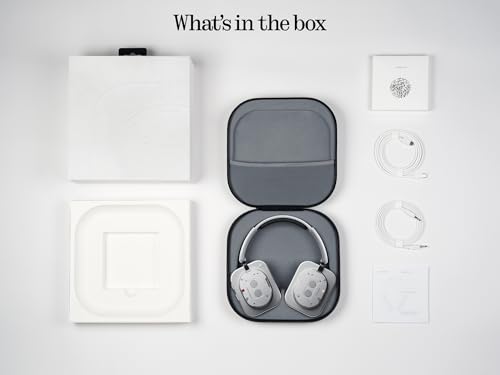
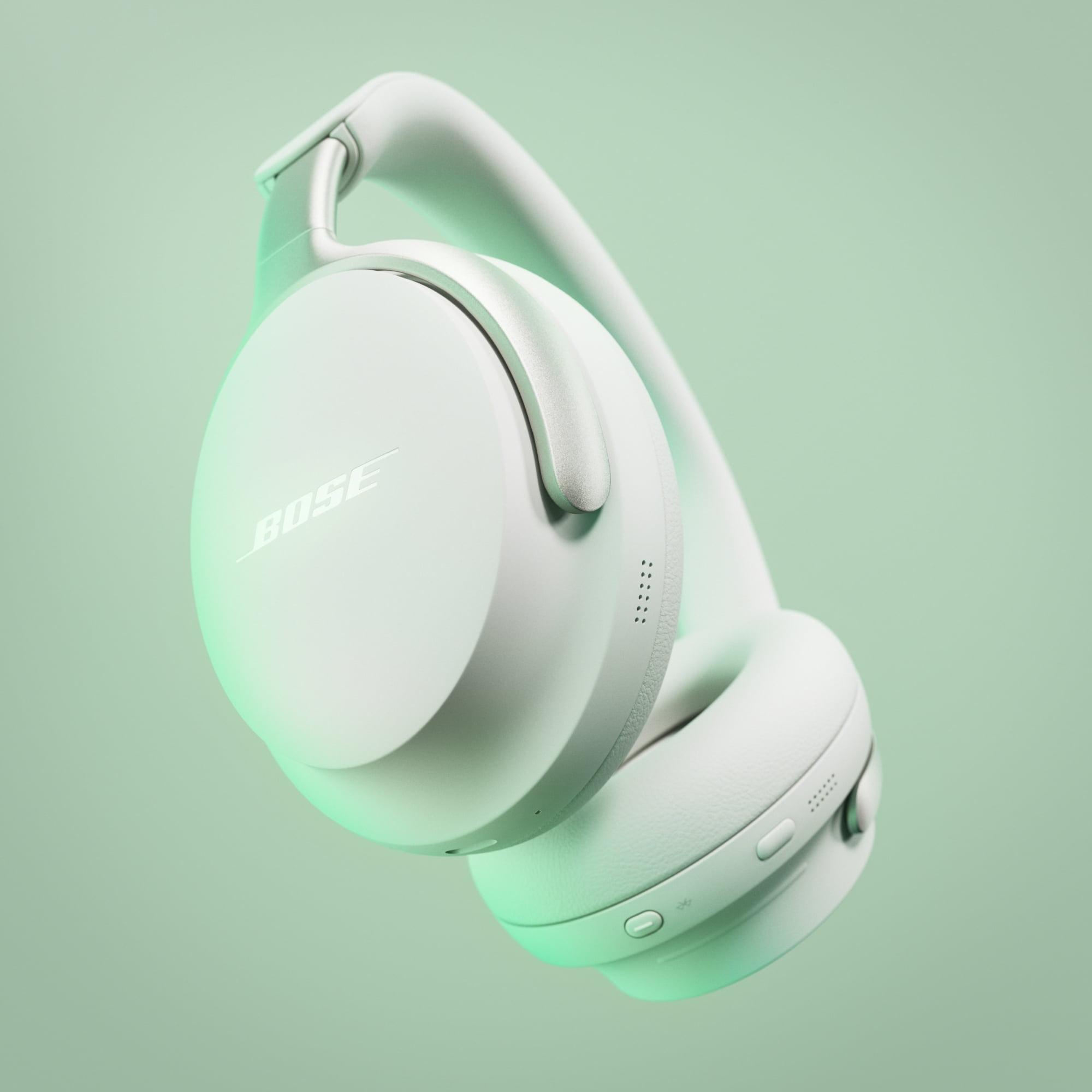
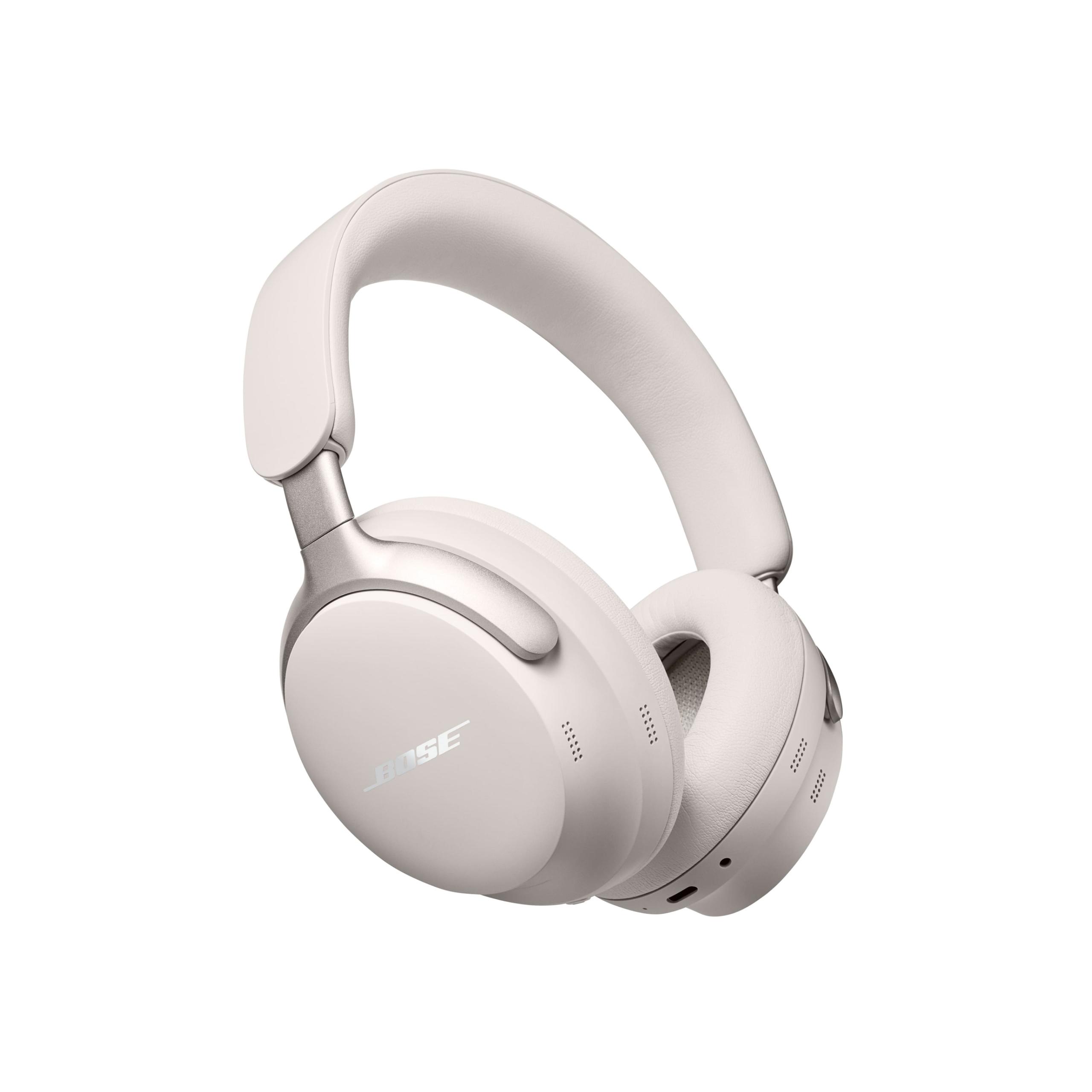
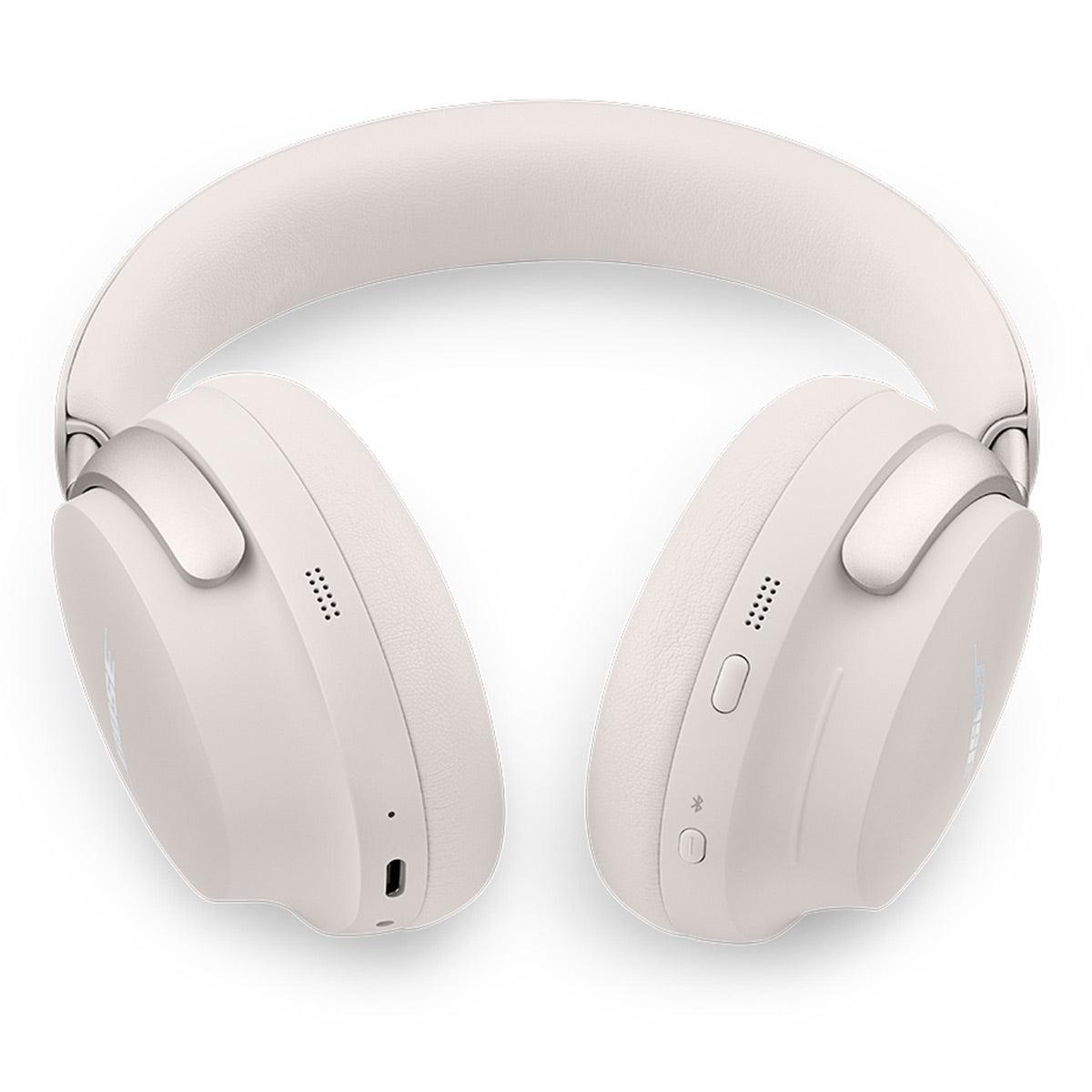
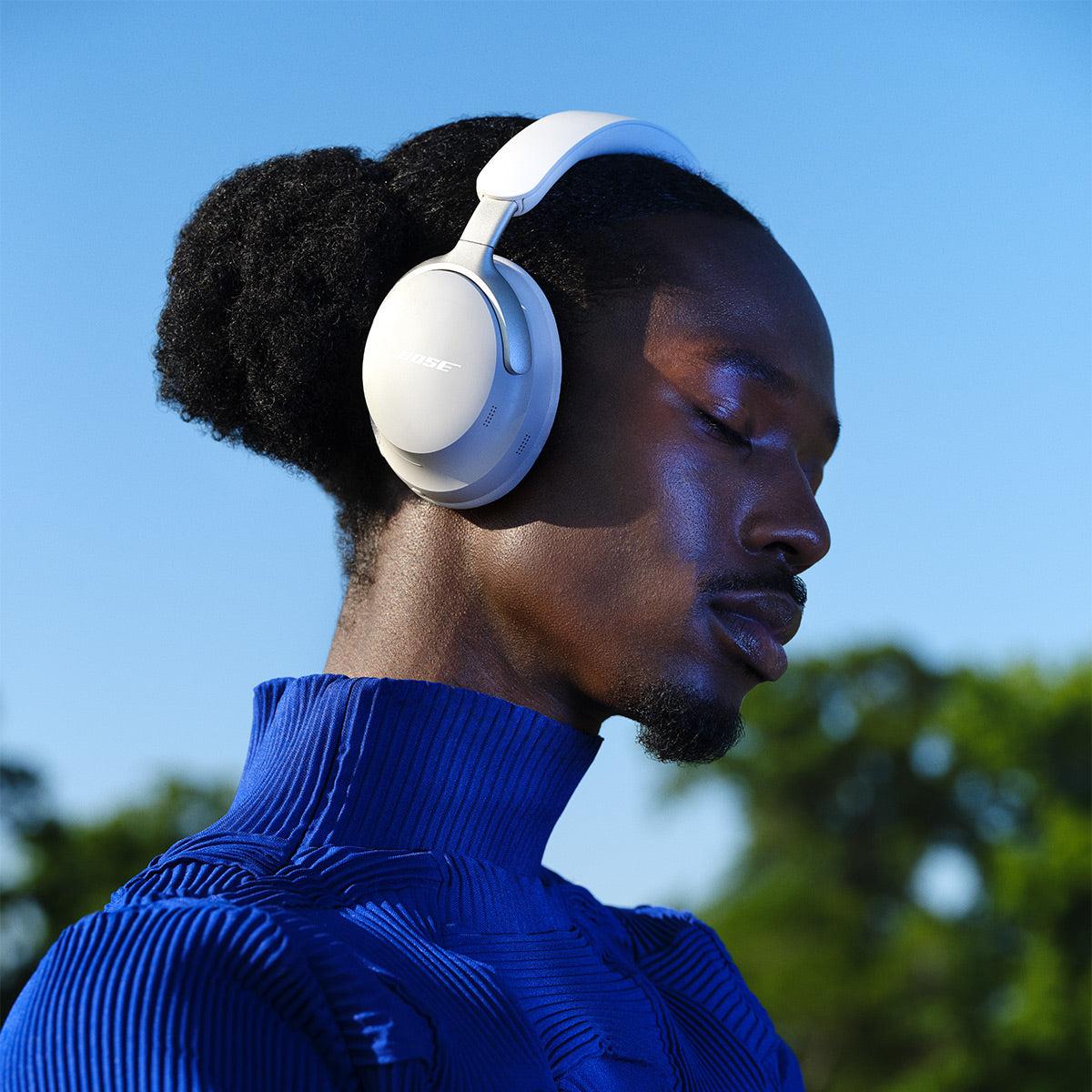

The premium wireless headphones market has exploded over the past few years, with options ranging from established audio giants to exciting newcomers. Today, I'm diving deep into two fascinating competitors that represent completely different philosophies in headphone design: the Nothing Headphone (1) and the Bose QuietComfort Ultra.
Having tested both extensively, I can tell you these headphones couldn't be more different in their approach, yet they're surprisingly close in several key performance areas. Whether you're a student looking to upgrade from basic earbuds, a professional working from home, or someone who simply loves great audio, understanding these differences will help you make the right choice.
Before we jump into comparing these specific models, let's talk about what makes headphones "premium" in 2024. We're typically looking at products priced above $300 that compete on multiple fronts: active noise cancellation (ANC), sound quality, comfort, battery life, and build quality.
Active noise cancellation deserves special explanation since it's become the defining feature of this category. ANC uses microphones to detect external sounds, then generates inverse sound waves to cancel out that noise before it reaches your ears. Think of it like noise-canceling waves meeting incoming sound waves and neutralizing each other. The result is a dramatically quieter listening environment, which is why these headphones have become essential for travelers and remote workers.
The category has matured significantly since companies like Bose pioneered consumer ANC in the early 2000s. Today's competition is fierce, with established players setting incredibly high standards while newcomers try to shake things up with innovative designs and better value propositions.
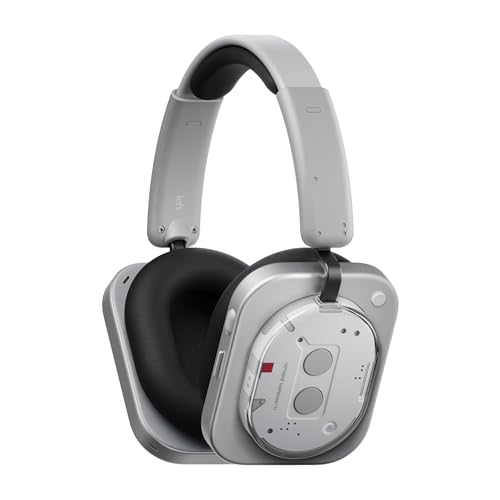
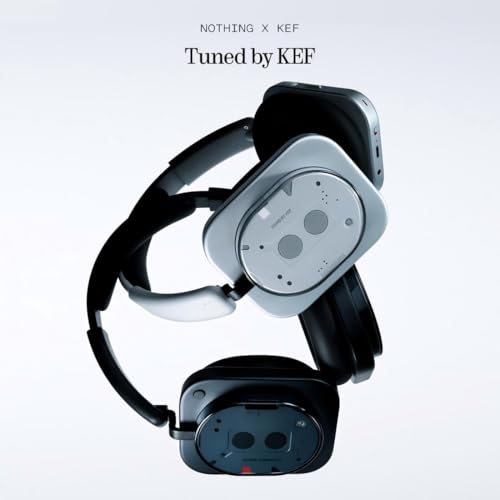
The Nothing Headphone (1), released in 2024, represents something genuinely new in headphone design. Nothing, founded by former OnePlus co-founder Carl Pei, has built their entire brand identity around transparent aesthetics and minimalist design. Their first over-ear headphones follow this philosophy with a vengeance.
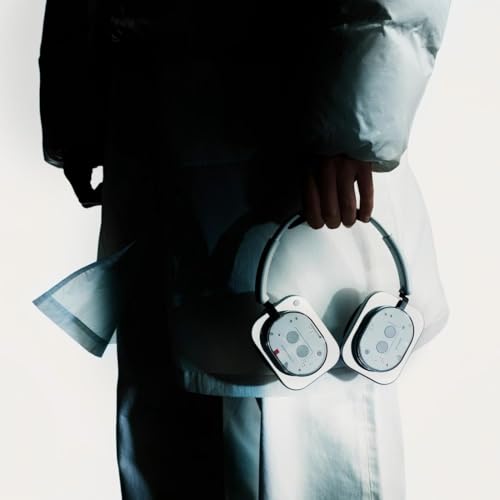
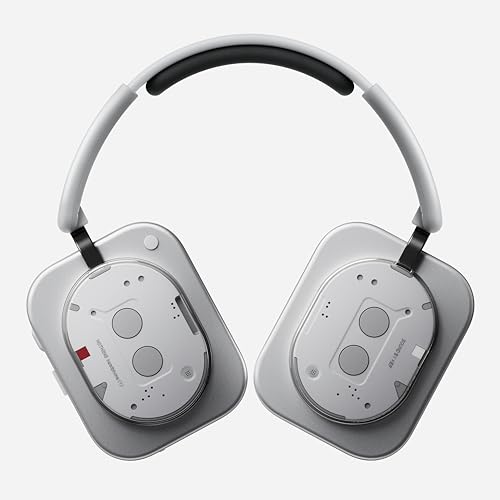
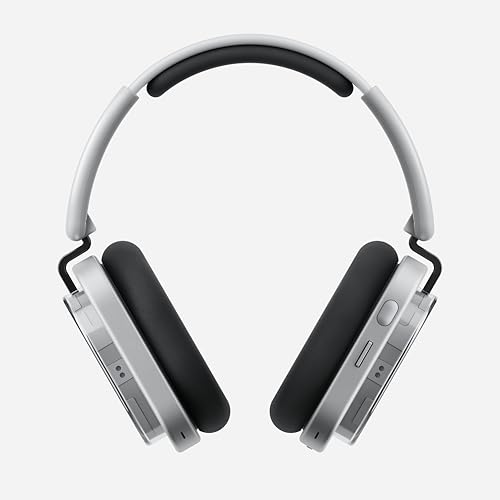
These headphones feature clear plastic elements that reveal internal components, creating an almost futuristic, tech-laboratory aesthetic. The "squircle" ear cups (a blend of square and circle shapes) are made from transparent plastic with aluminum accents, making them immediate conversation starters. I've found that people either absolutely love this design or find it too bold for their taste—there's rarely a middle ground.
What's particularly clever about Nothing's approach is how they've made the transparent elements both aesthetic and functional. The clear housing allows you to see internal components, though I should note these visible parts are primarily for show rather than critical functional components. Still, it creates a unique "see-through" technology aesthetic that appeals to tech enthusiasts.
The Nothing Headphone (1) also includes IP52 water and dust resistance, which is remarkably rare for over-ear headphones. This rating means they can handle dust and light water splashes, making them more durable for daily use and outdoor activities than most competitors.
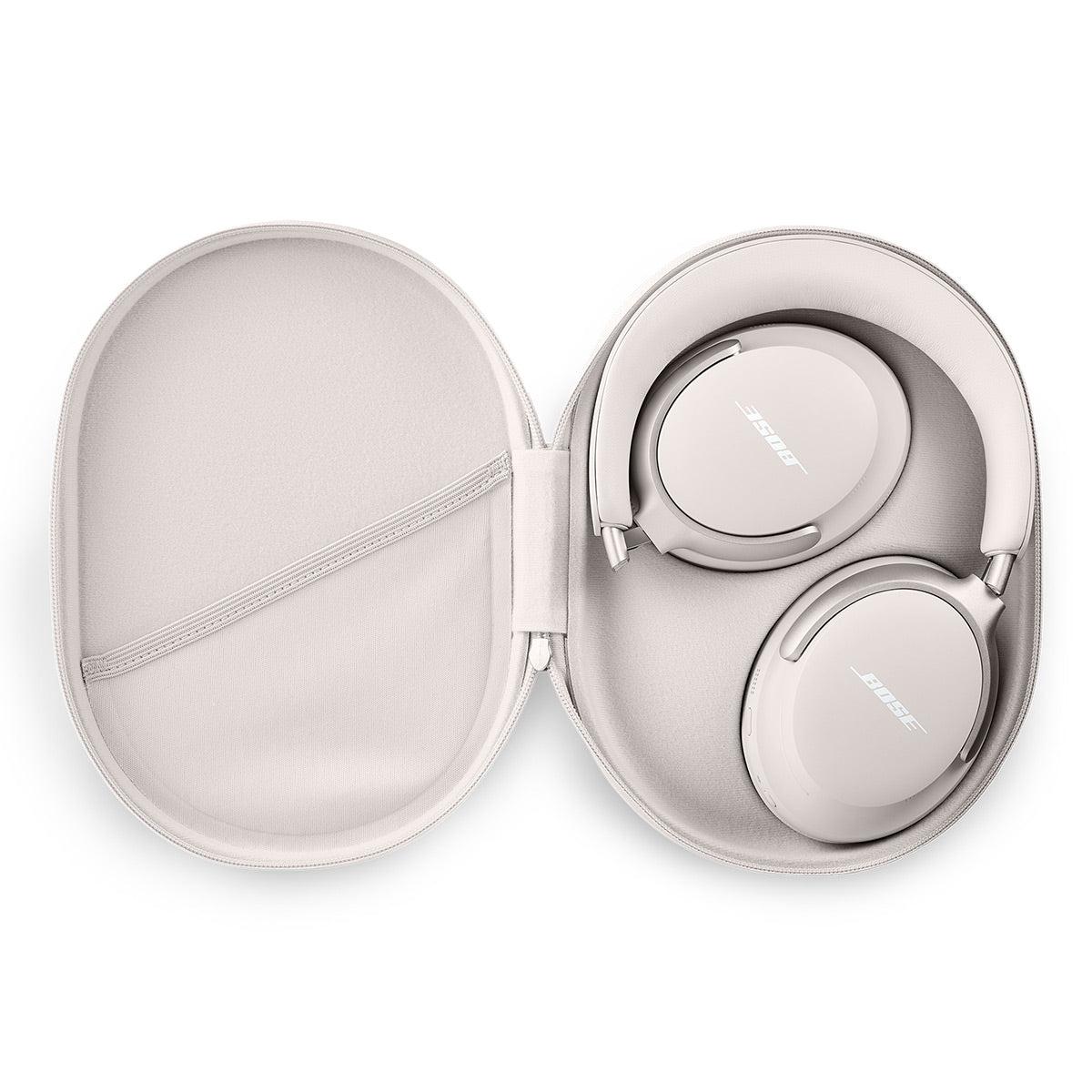
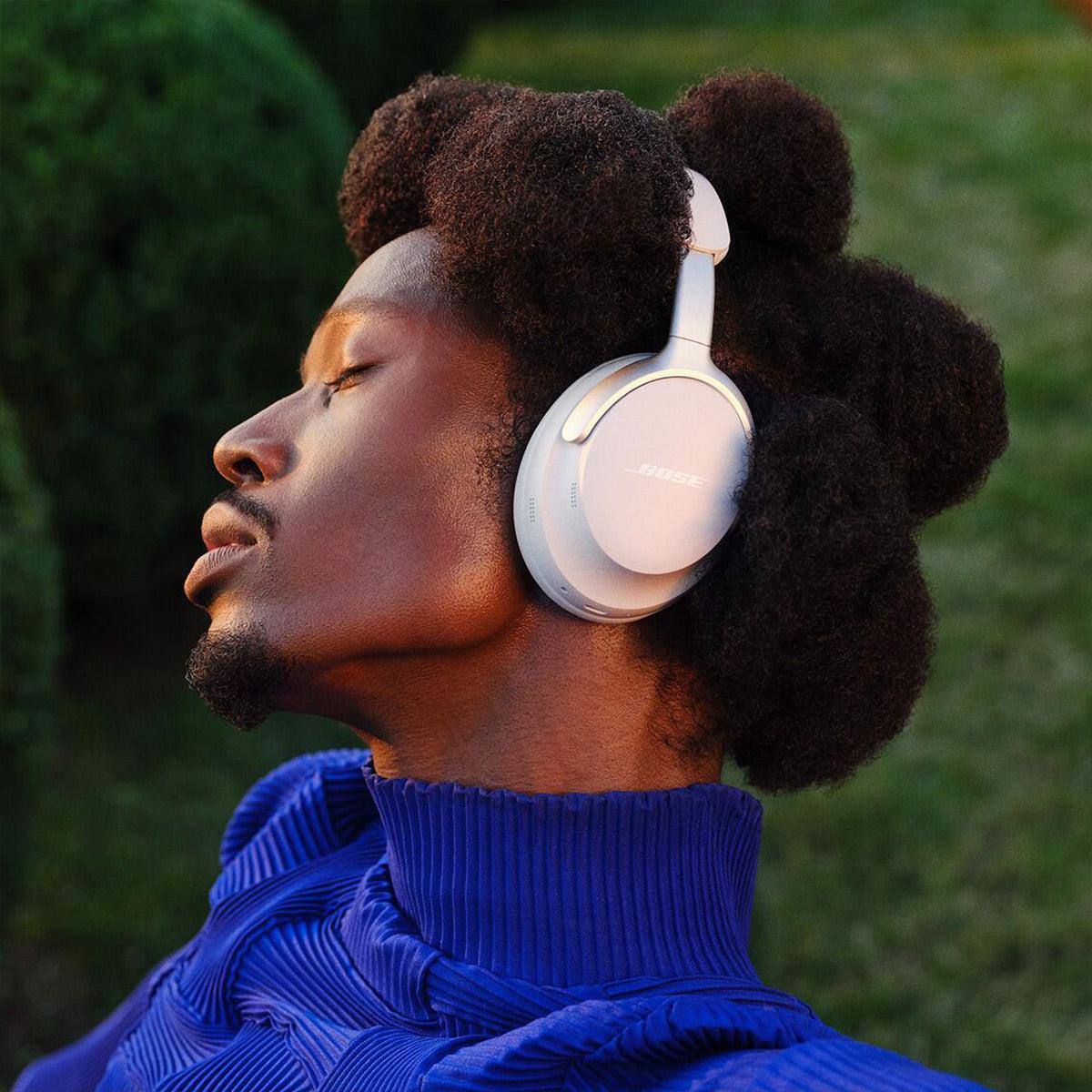
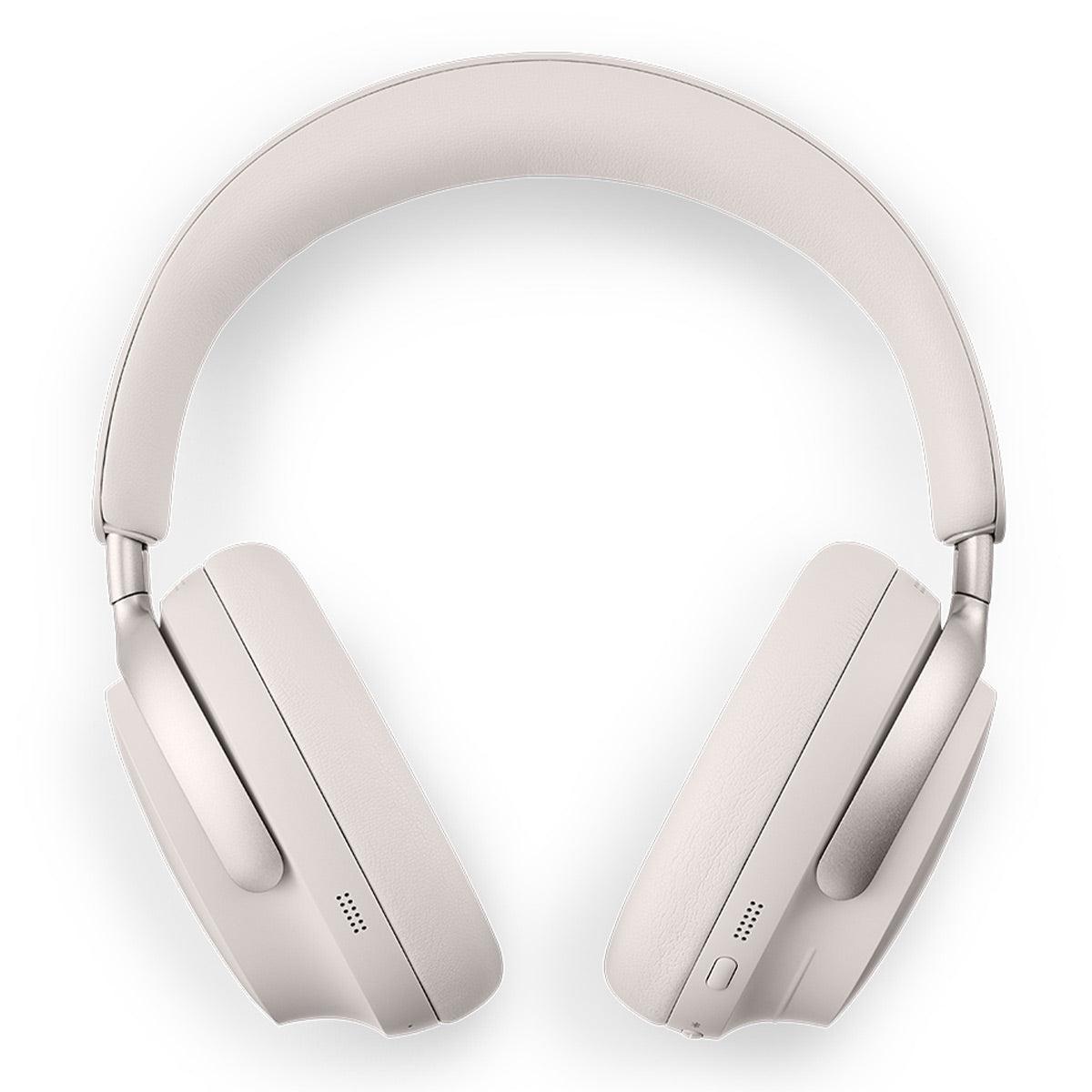
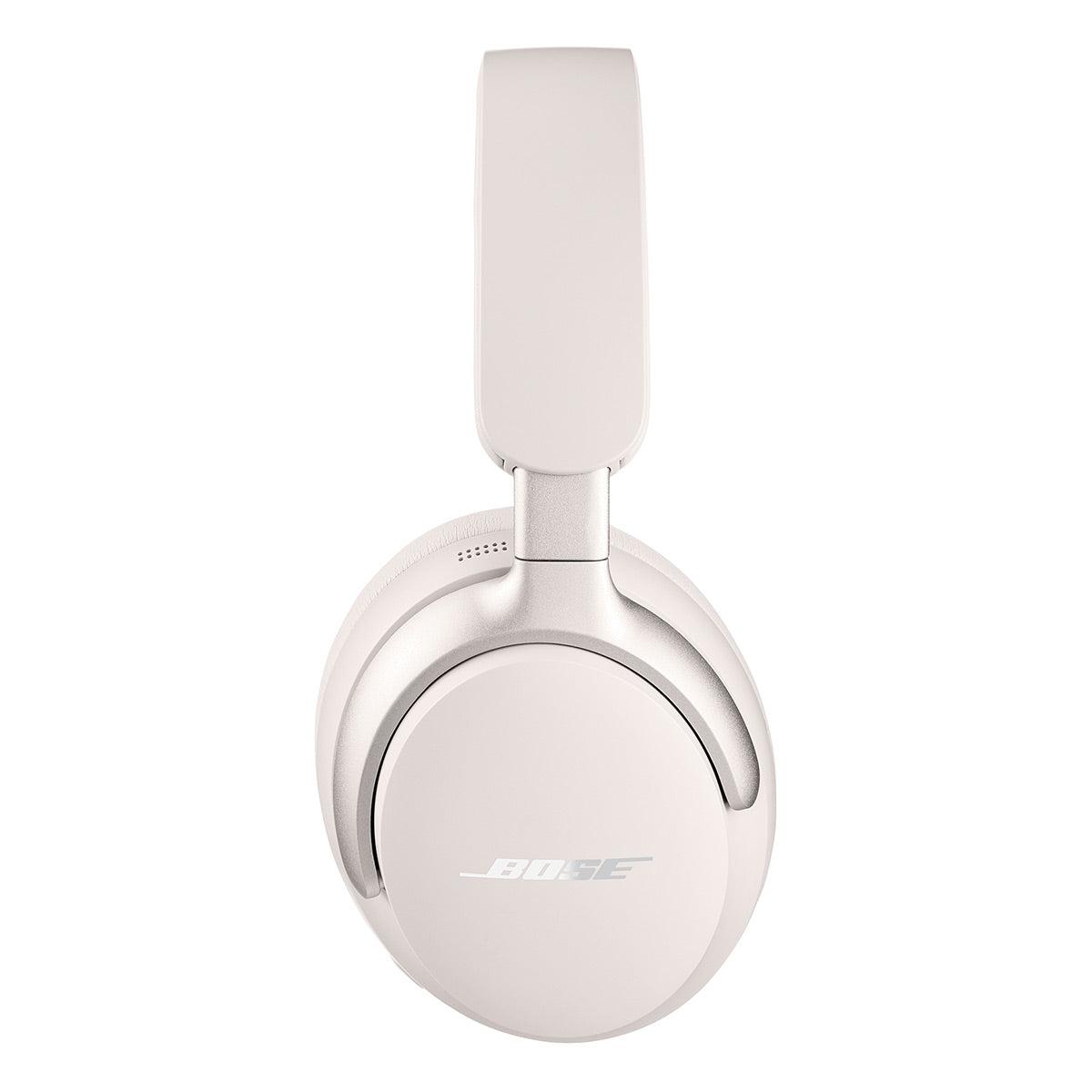
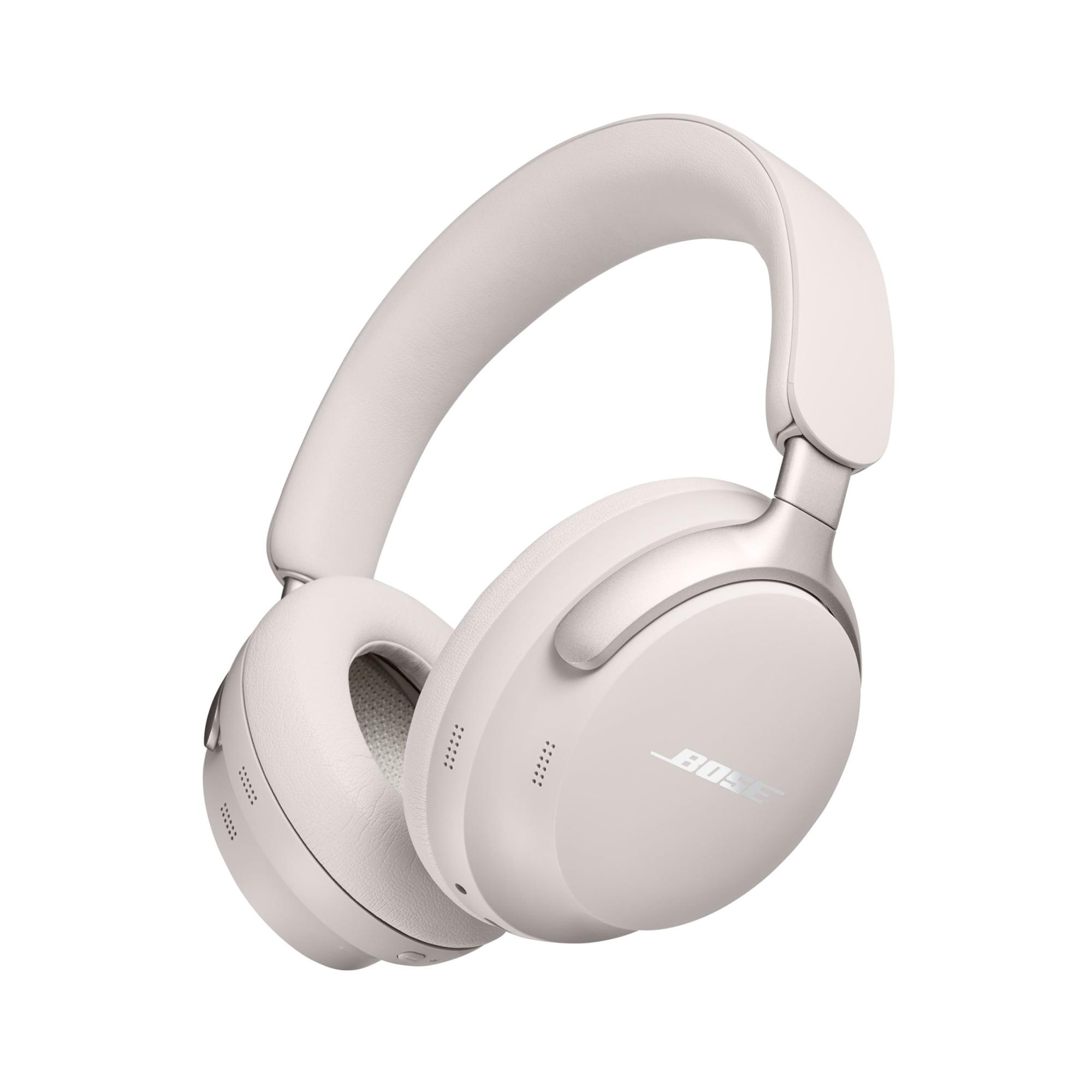
The Bose QuietComfort Ultra, launched in 2023, takes the opposite approach. Rather than revolutionary design, Bose focuses on evolutionary perfection of proven concepts. These headphones use premium materials including protein leather cushions, refined aluminum construction, and carefully selected plastics that feel substantial without adding unnecessary weight.
The design is purposefully conservative and travel-friendly. The compact form factor folds neatly, and every design decision prioritizes comfort and functionality over visual impact. Having used various Bose headphones over the years, I can attest that this represents decades of ergonomic refinement. The company knows what works for long-term comfort, and they stick to those proven principles.
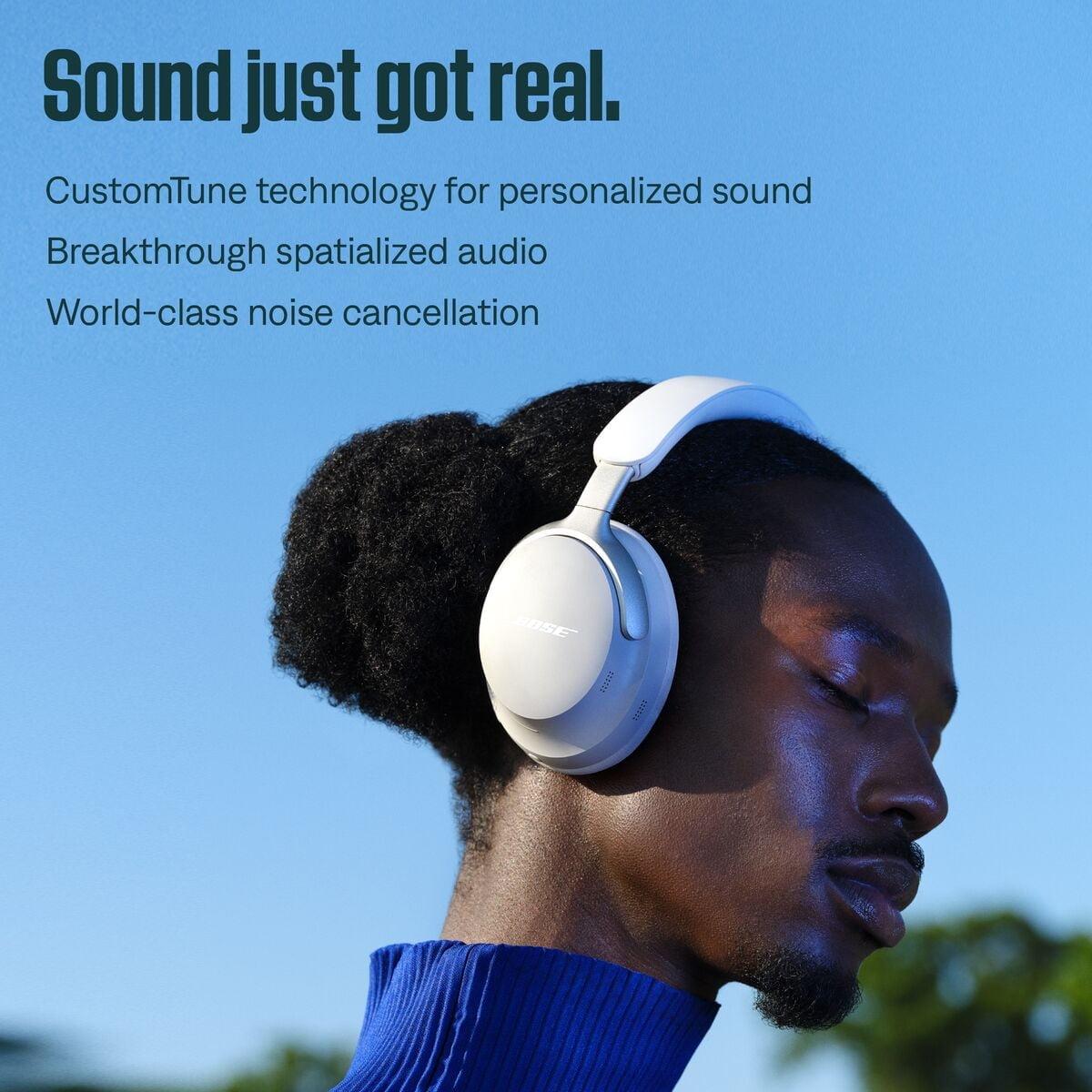
Where Bose innovates is in less visible areas. Their CustomTune technology, for example, uses internal microphones to analyze your ear shape every time you put the headphones on, automatically adjusting both audio performance and noise cancellation to optimize for your unique hearing profile. It's the kind of sophisticated engineering that's invisible to users but makes a real difference in performance.
This is where these headphones diverge most significantly, and it's probably the most important factor for most buyers.
The Bose QuietComfort Ultra delivers what I'd call "immediately satisfying" sound quality. Right out of the box, these headphones provide balanced, refined audio that works well across virtually any music genre. The sound signature is warm and engaging, with controlled bass that provides impact without overwhelming the midrange, clear vocals, and detailed high frequencies that bring out the sparkle in cymbals and the breathiness in acoustic instruments.
This consistency is crucial for most users. Whether you're listening to classical music, hip-hop, podcasts, or watching movies, the Bose QuietComfort Ultra provides a dependable, enjoyable experience without requiring any adjustment from you.
The Nothing Headphone (1), however, takes a more complex approach. These headphones feature 40mm dynamic drivers (the speaker elements that actually produce sound) developed in collaboration with KEF, a respected British audio company known for their high-end speakers. On paper, the specifications are impressive, supporting frequencies from 20Hz to 40,000Hz—well beyond human hearing range.
However, multiple reviews and my own testing reveal that the default sound tuning is disappointing. The audio can sound unbalanced or harsh without adjustment. But here's where it gets interesting: the Nothing X app includes an incredibly sophisticated 8-band parametric EQ (equalizer) that allows precise sound customization. Users who invest time in tuning can achieve genuinely excellent results, but this requires knowledge and patience that many buyers won't want to provide.
For audio enthusiasts, the Nothing Headphone (1) offers more flexibility. It supports high-resolution audio through both wireless Bluetooth codecs (including LDAC, which can transmit near-CD quality wirelessly) and wired USB-C connection for truly lossless playback. This means you can connect directly to devices like phones, computers, or digital audio players for the highest possible audio quality.
The Bose QuietComfort Ultra focuses on reliable wireless performance with support for aptX Adaptive, AAC, and SBC codecs. While it doesn't offer the absolute highest resolution options, it prioritizes consistent, high-quality wireless performance that works reliably across all devices.
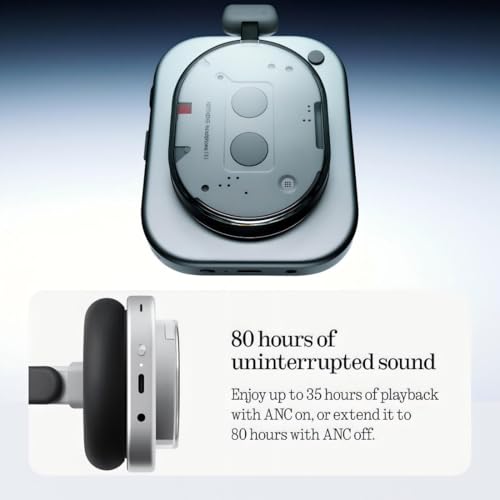
For home theater use, both headphones offer compelling but different advantages. The Nothing Headphone (1)'s USB-C audio connection makes it excellent for connecting to gaming consoles, streaming devices, or computers for lag-free audio during movie watching. The long battery life (up to 80 hours without ANC) means you won't need to worry about charging interruptions during movie marathons.
The Bose QuietComfort Ultra includes Immersive Audio, their spatial audio technology that creates a more three-dimensional soundstage for movies and TV shows. While this feature receives mixed reviews—some find it subtle, others love the enhanced immersion—it can make action movies and shows feel more engaging by placing sounds around you rather than just in your ears.
Here's where these headphones surprised me most. Despite the Nothing Headphone (1) being a first-generation product from a company new to over-ear headphones, it achieves remarkably similar overall noise cancellation performance to the Bose QuietComfort Ultra. Laboratory testing shows both achieve approximately 85% average noise attenuation, which is genuinely impressive.
However, their strengths differ across the frequency spectrum in ways that matter for real-world use:
The Bose QuietComfort Ultra excels at canceling low-frequency sounds below 200Hz. This includes airplane engines, air conditioning rumble, car engine noise, and similar constant droning sounds. If you're a frequent traveler or work in environments with steady background noise, this advantage is significant. During my testing on flights, the Bose consistently provided that almost eerie silence that makes long trips much more comfortable.
The Nothing Headphone (1) maintains more consistent cancellation across mid and high frequencies. This makes it potentially better at reducing office chatter, conversation, street noise, and other variable environmental sounds. For daily commuting or working in busy environments, this broader-spectrum performance can be more practical than just excellent low-frequency cancellation.
Both headphones offer transparency modes (called "Aware Mode" on the Bose) that let environmental sound through while maintaining your music. In my testing, both implementations work well, though the Nothing Headphone (1) receives slight preference for sounding more natural and less processed.
Comfort becomes crucial for any headphones you'll wear for hours, and this is where Bose's decades of experience really show.
The Bose QuietComfort Ultra represents what I consider the gold standard for headphone comfort. At 253 grams, they're lighter than most premium competitors. The protein leather cushions feel luxurious and create a good seal without excessive pressure. The headband distributes weight evenly, and the clamping force (how tightly the headphones grip your head) is perfectly calibrated for secure fit without discomfort.
I can wear these for 6+ hour sessions without any fatigue, which is remarkable. The compact design also travels better, folding into a smaller case that fits more easily in carry-on bags.
The Nothing Headphone (1) uses deeper ear cups with memory foam padding that creates an excellent seal around your ears. At 329 grams, they're noticeably heavier than the Bose, though still reasonable for extended wear. The deeper cups work well for people with larger ears, and the memory foam is comfortable, though it may retain heat more than Bose's design during long sessions.
The aesthetic priorities in Nothing's design may compromise some ergonomic optimization. While they're comfortable, they don't quite achieve the "disappearing on your head" feeling that the best Bose headphones provide.
This is where the Nothing Headphone (1) absolutely dominates, and it's a difference that matters enormously for daily use.
The Nothing Headphone (1) delivers up to 80 hours of playback without ANC and 35-42 hours with ANC enabled. In my real-world testing, it actually exceeded these specifications. This means you can literally go weeks between charges with normal use, which fundamentally changes how you think about battery management.
The fast charging is equally impressive: 5 minutes of charging provides 5 hours of playback without ANC. This means even if you forget to charge overnight, a quick morning charge while getting ready provides a full day's use.
The Bose QuietComfort Ultra provides 24 hours with ANC enabled, which is adequate for the premium category but nothing special. The 15-minute quick charge yields 2.5 hours of playback. While this is sufficient for most users, it requires more frequent charging attention.
This battery difference represents perhaps the largest practical distinction between these headphones. If you travel frequently, work long hours, or simply don't want to think about charging, Nothing's battery advantage is transformative.
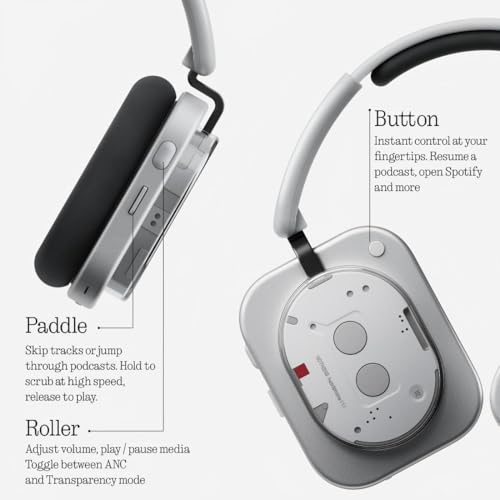
The Nothing Headphone (1) uses exclusively physical controls—a roller for volume, paddle for track control, and push-button for various functions. These provide reliable, tactile feedback that works even with gloves and never suffers from accidental activation issues that plague touch controls.
The Nothing X app offers extensive customization including that sophisticated 8-band parametric EQ I mentioned earlier, personal sound profiles, control remapping, and integration with Nothing phones for additional features.
The Bose QuietComfort Ultra combines physical buttons with a capacitive touch volume strip on the right ear cup. While generally reliable, touch controls can sometimes activate accidentally. The Bose Music app provides EQ adjustment, noise cancellation mode selection, and device management, though with less granular control than Nothing's offering.
Both headphones include spatial audio implementations. The Nothing Headphone (1) includes spatial audio with head tracking, which adjusts the soundstage as you move your head to maintain a consistent listening experience.
The Bose QuietComfort Ultra offers their Immersive Audio feature, which creates a more three-dimensional soundstage. However, this feature receives mixed reviews—some users find it subtle or even underwhelming compared to similar implementations from other brands.
At the time of writing, these headphones occupy different value positions that reflect their design philosophies.
The Nothing Headphone (1) typically costs significantly less than most premium competitors while delivering comparable core performance in noise cancellation and superior battery life. However, achieving optimal sound quality requires user investment in EQ tuning, and the bold aesthetic won't appeal to everyone.
For buyers willing to engage with customization and who appreciate distinctive design, Nothing delivers impressive value. The exceptional battery life alone makes these headphones more practical for many users than more expensive alternatives.
The Bose QuietComfort Ultra commands premium pricing that reflects its refined, immediately satisfying experience. You're paying for proven audio engineering, superior comfort, and the assurance that these headphones will work excellently right out of the box across virtually any use case.
For buyers who want guaranteed satisfaction without configuration requirements, the Bose pricing reflects genuine value despite the higher cost.
After extensive testing with both headphones, here's how I'd recommend thinking about this choice:
Choose the Nothing Headphone (1) if:
Choose the Bose QuietComfort Ultra if:
Consider your primary use case carefully. For office work and daily commuting, Nothing's consistent mid-frequency ANC and extreme battery life may prove more practically useful. For frequent air travel and critical listening, Bose's proven low-frequency cancellation and refined audio tuning provide immediate satisfaction.
The decision ultimately comes down to whether you value Nothing's innovation, distinctive design, and exceptional battery life, or Bose's proven expertise, immediate audio satisfaction, and refined comfort engineering. Both represent excellent headphones, but they serve different types of users and different priorities.
Having used both extensively, I can confidently say that either choice will provide a significant upgrade over budget options. The question is whether you want to invest time in customization for potentially better value, or pay more for guaranteed, immediate satisfaction.
| Nothing Headphone (1) | Bose QuietComfort Ultra |
|---|---|
| Battery Life - Critical for daily convenience and travel | |
| Up to 80 hours (ANC off), 35-42 hours (ANC on) - exceptional endurance | Up to 24 hours (ANC on) - adequate but requires frequent charging |
| Sound Quality Out of Box - How good they sound immediately | |
| Requires EQ customization to reach potential - not ideal for casual users | Refined, balanced sound immediately - works great for everyone |
| Noise Cancellation Strength - Blocking unwanted sounds | |
| 85% average reduction, best at mid/high frequencies (office chatter, conversations) | 85% average reduction, superior at low frequencies (airplane engines, rumbles) |
| Comfort for Extended Wear - Essential for long listening sessions | |
| 329g, deeper cups with memory foam - comfortable but heavier | 253g, protein leather cushions - gold standard comfort, lighter |
| Design Aesthetic - Visual appeal and build materials | |
| Transparent/clear plastic with aluminum - bold, tech-forward, conversation starter | Premium materials, compact design - refined, traditional, travel-friendly |
| Water Resistance - Protection from elements | |
| IP52 rated (dust and splash protection) - rare for over-ear headphones | No water resistance rating - indoor/careful use only |
| High-Resolution Audio Support - Maximum audio quality potential | |
| USB-C lossless, LDAC, AAC, SBC - excellent for audiophiles | aptX Adaptive, AAC, SBC - reliable wireless, no wired hi-res |
| Fast Charging - Quick power restoration | |
| 5 minutes = 5 hours playback - incredibly convenient | 15 minutes = 2.5 hours playback - standard performance |
| Transparency Mode - Hearing surroundings while listening | |
| Natural, less processed sound - excellent implementation | Aware Mode with ActiveSense - good but slightly more artificial |
| Spatial Audio Features - Enhanced movie/gaming experience | |
| Spatial audio with head tracking - solid implementation | Immersive Audio - mixed reviews, some find it subtle |
| Control System - Daily usability and reliability | |
| Physical controls only (roller, paddle, button) - reliable, works with gloves | Physical buttons + capacitive touch strip - mostly reliable but touch can be finicky |
| Customization Options - Tailoring to preferences | |
| 8-band parametric EQ, extensive app customization - audiophile-level control | Basic EQ, mode selection - simpler but adequate for most users |
| Travel Portability - Ease of carrying | |
| Larger case, folds flat - less travel-friendly | Compact folding design, smaller case - optimized for travel |
Both the Nothing Headphone (1) and Bose QuietComfort Ultra achieve similar overall noise cancellation performance at around 85% noise reduction. However, the Bose QuietComfort Ultra excels at blocking low-frequency sounds like airplane engines and air conditioning, making it better for travel. The Nothing Headphone (1) performs more consistently across mid and high frequencies, making it better for blocking office chatter and conversations.
The Nothing Headphone (1) has significantly longer battery life, offering up to 80 hours without ANC and 35-42 hours with ANC enabled. The Bose QuietComfort Ultra provides 24 hours with ANC on. For daily use, the Nothing Headphone (1) can go weeks between charges, while the Bose requires more frequent charging.
The Bose QuietComfort Ultra delivers superior sound quality immediately without any adjustments needed. The Nothing Headphone (1) requires extensive EQ customization through its app to reach its potential. For users who want great sound without tweaking settings, the Bose QuietComfort Ultra is the clear winner.
The Bose QuietComfort Ultra is generally more comfortable, weighing 253g with protein leather cushions and decades of ergonomic refinement. The Nothing Headphone (1) weighs 329g and uses deeper memory foam cups, which are comfortable but may feel heavier during extended wear. For all-day comfort, most users prefer the Bose.
Both work well for home theater, but in different ways. The Nothing Headphone (1) offers USB-C wired connection for lag-free gaming and movie watching, plus exceptional battery life for long viewing sessions. The Bose QuietComfort Ultra includes Immersive Audio spatial technology that can enhance movie soundtracks, though this feature receives mixed reviews.
The Nothing Headphone (1) typically offers better value, providing premium features and exceptional battery life at a lower cost than most competitors. However, achieving optimal sound requires time investment in EQ tuning. The Bose QuietComfort Ultra costs more but delivers immediate satisfaction without any setup required.
The Bose QuietComfort Ultra uses premium materials like protein leather and refined aluminum with proven durability from decades of manufacturing experience. The Nothing Headphone (1) features a unique transparent design with IP52 water resistance, which is rare for over-ear headphones. Both are well-built, but Bose has a longer track record of reliability.
Both headphones handle phone calls adequately, with the Bose QuietComfort Ultra having a slight edge in call quality due to advanced microphone arrays and noise suppression. The Nothing Headphone (1) provides decent call quality but isn't quite as refined. Neither is considered best-in-class for frequent business calls.
For air travel specifically, the Bose QuietComfort Ultra is superior due to better low-frequency noise cancellation for airplane engines and more compact, travel-friendly design. The Nothing Headphone (1) offers much longer battery life for extended trips but is bulkier to pack. Choose based on whether portability or battery life is more important.
Yes, both the Nothing Headphone (1) and Bose QuietComfort Ultra work with any Bluetooth-enabled device including phones, tablets, computers, and TVs. The Nothing Headphone (1) also offers USB-C wired connection for additional compatibility. Both support multipoint connection to use with two devices simultaneously.
The Nothing Headphone (1) offers more advanced app customization through the Nothing X app, including sophisticated 8-band parametric EQ and extensive control remapping. The Bose QuietComfort Ultra uses the Bose Music app with simpler EQ options and mode selection. Power users will prefer Nothing's app, while casual users may find Bose's approach less overwhelming.
The Nothing Headphone (1) is better for gaming due to USB-C wired connection for zero latency, low-latency gaming mode for wireless use, and exceptional battery life for long gaming sessions. The Bose QuietComfort Ultra can be used for gaming but lacks wired connection options and has shorter battery life, making the Nothing Headphone (1) the better gaming choice.
We've done our best to create useful and informative comparisons to help you decide what product to buy. Our research uses advanced automated methods to create this comparison and perfection is not possible - please contact us for corrections or questions. These are the sites we've researched in the creation of this article: recordingnow.com - loudnwireless.com - markellisreviews.com - tomsguide.com - tomsguide.com - youtube.com - cnet.com - soundguys.com - 9to5google.com - youtube.com - notebookcheck.net - techradar.com - us.kef.com - soundguys.com - alexreviewstech.com - walmart.com - us.nothing.tech - youtube.com - youtube.com - techradar.com - whathifi.com - whathifi.com - whathifi.com - tomsguide.com - youtube.com - stereoguide.com - youtube.com - soundguys.com - soundguys.com - bose.com - headphonecheck.com - bose.com - cnet.com - bhphotovideo.com - boselatam.com - rtings.com - bestbuy.com - assets.bose.com - bose.com - bose.com.au - bose.com - boseapac.com

Privacy Policy
Terms and Conditions - Affiliate Policy
Home Security
© Copyright 2008-2026.
11816 Inwood Rd #1211, Dallas, TX 75244